General General 4 min read

American hidden food treasures

10 regional American dishes you've probably never heard of
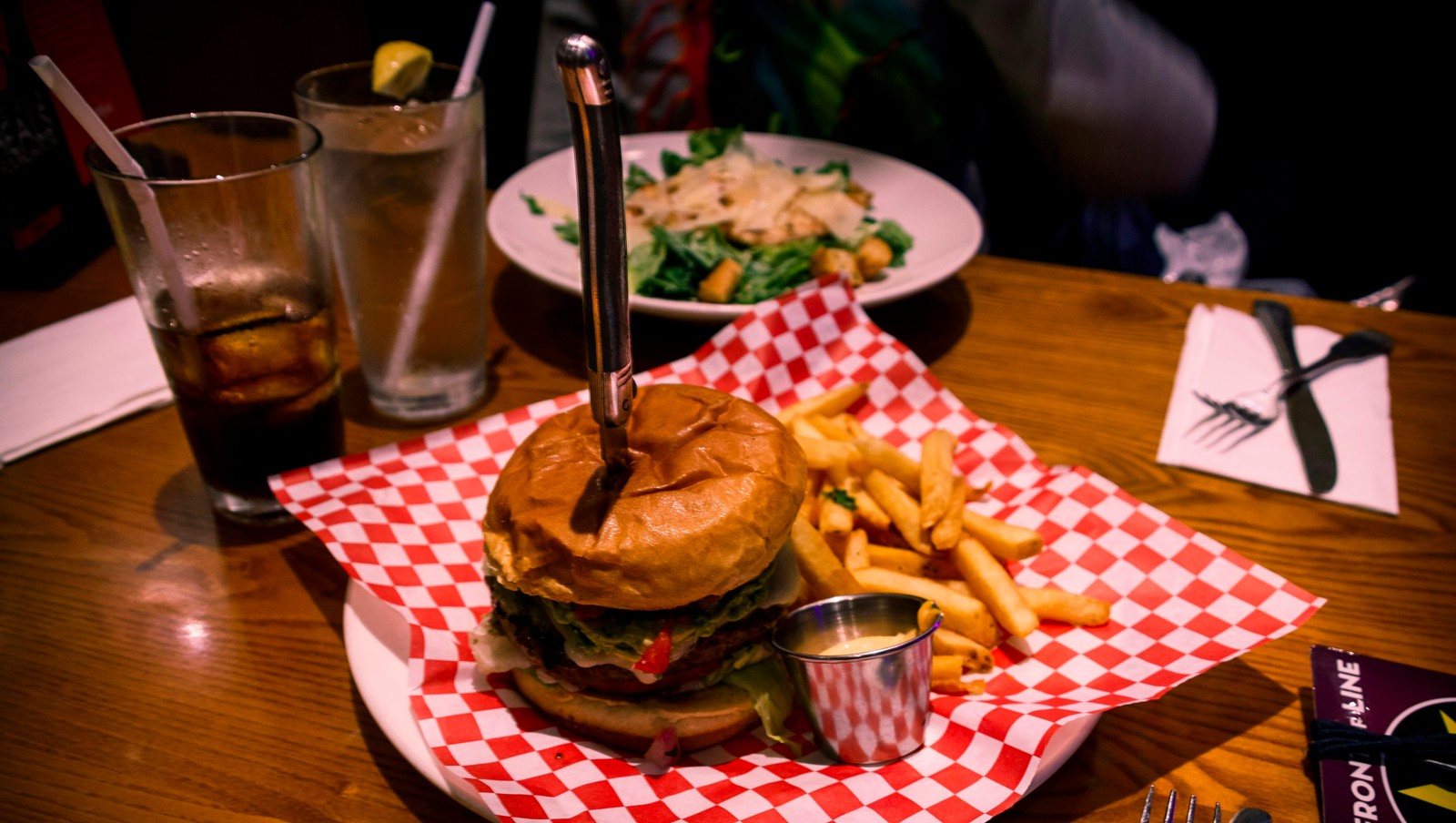
Image: Petter Boccia

America's culinary landscape stretches far beyond burgers and apple pie. Tucked away in small towns and regional pockets across the country are dishes so obscure that even Food Network hasn't discovered them yet. Let's take a delicious road trip through America's most wonderfully weird regional specialties .

1
1. Goetta (Cincinnati, Ohio)

Image: Austin Ban

Goetta is a mixture of ground meat, steel-cut oats, and spices that Cincinnati has been frying up since German immigrants brought the recipe over in the 19th century. It's pronounced "get-uh," and locals are passionate enough about it to hold an annual Goettafest.

The oats give it a texture that's simultaneously crispy and tender when pan-fried, creating something that's part sausage patty, part savory oatcake. Cincinnatians slice it thick and serve it alongside eggs, or get creative with goetta burgers and sandwiches.

2
2. Pasties (Michigan's Upper Peninsula)

Image: Annie Spratt

The Upper Peninsula of Michigan is practically its own country, and its national dish is the pasty— a handheld meat pie that Cornish miners brought to the copper mines in the 1800s . These aren't dainty; they're hefty D-shaped pockets of pastry stuffed with beef, potatoes, rutabaga, and onions that could double as hand warmers in a blizzard.

The genius of the pasty was its portability and built-in plate. Today, you'll find pasty shops scattered across the U.P., each claiming the most authentic recipe.

3
3. Frito Pie (New Mexico)

Image: Dollar Gill

This isn't plated food— it's literally served in a torn-open bag of Fritos corn chips, topped with red or green chile, cheese, and onions . You eat it with a plastic fork while standing at a high school football game or state fair.

The dish embodies New Mexico's chile-obsessed culture, where "red or green?" is practically the state motto. The Fritos get soggy in all the right ways, absorbing the spicy chile while maintaining just enough crunch to remind you they're there.

4
4. Scrapple (Mid-Atlantic, especially Pennsylvania)
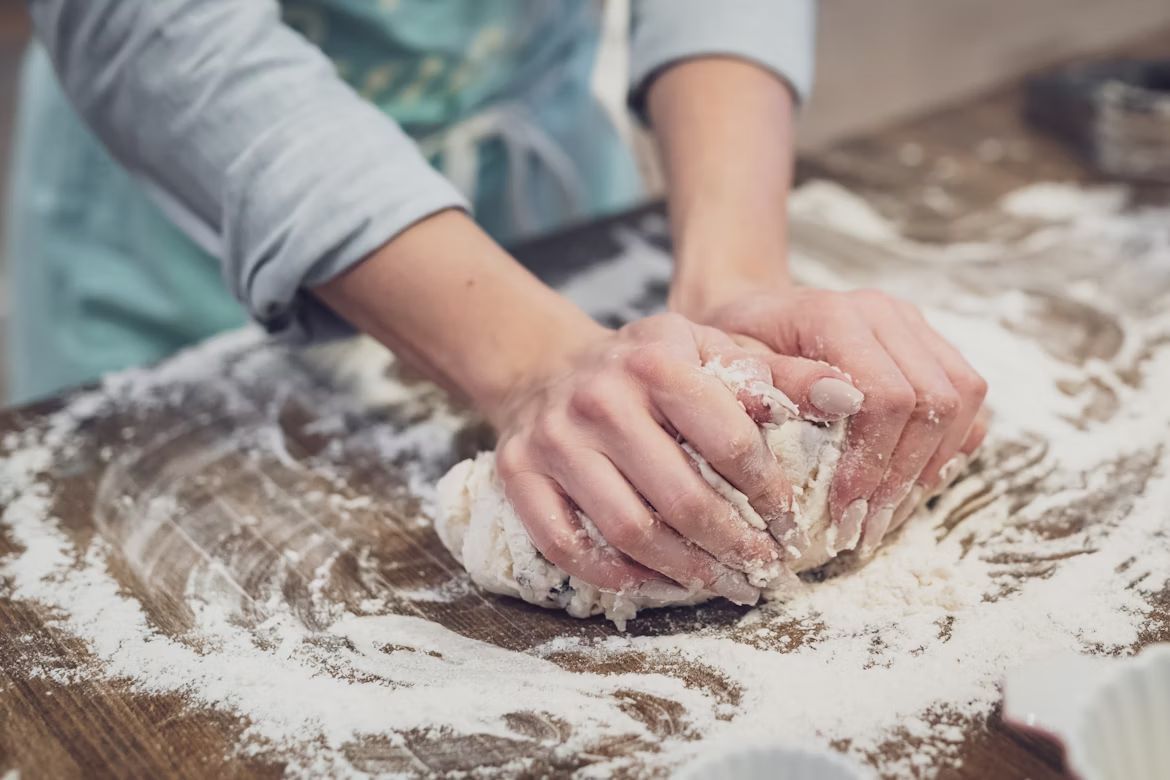
Image: Theme Photos

Scrapple is what happens when Pennsylvania Dutch settlers decided that absolutely nothing from a pig should go to waste. It's a loaf made from pork scraps, cornmeal, and spices, then sliced and fried until crispy .

The texture is distinctive—crispy on the outside, soft and almost pâté-like inside. Philadelphians and Delawareans grow up eating it alongside eggs, though the rest of the country largely treats it with deep suspicion.

5
5. Burgoo (Kentucky)
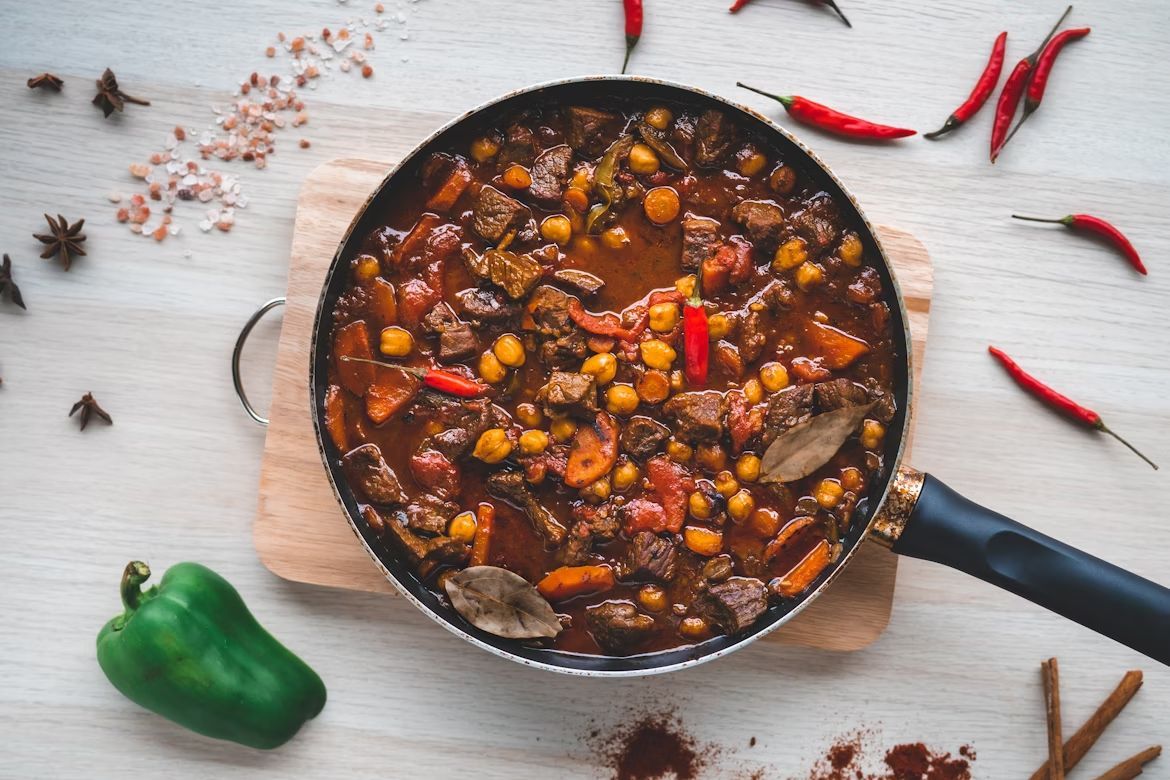
Image: Artur Kornakov

Kentucky's contribution to the stew hall of fame is burgoo, a thick, slow-cooked concoction that traditionally contained whatever meat was available—sometimes mutton, sometimes squirrel. Today's versions stick to more conventional proteins like chicken, pork, and beef, mixed with every vegetable imaginable in a tomato-based broth.

Burgoo is serious social food, cooked in enormous quantities for church gatherings, Derby parties, and political rallies. The cooking process takes hours, sometimes overnight, until everything breaks down into a thick, hearty mixture that's more texture than individual ingredients.

6
6. Chicken Bog (South Carolina)

Image: Douglas Fehr

It's a one-pot dish of chicken, rice, sausage, and spices cooked together until the rice absorbs all the flavorful liquid . The "bog" refers to the thick, creamy consistency, though no actual wetlands are harmed in the making.

This dish turns up at family reunions, church suppers, and fundraisers throughout the Pee Dee region of South Carolina. It's essentially a drier, heartier cousin of chicken and rice, with smoked sausage adding a smoky punch.

7
7. Tavern Sandwich (Iowa)
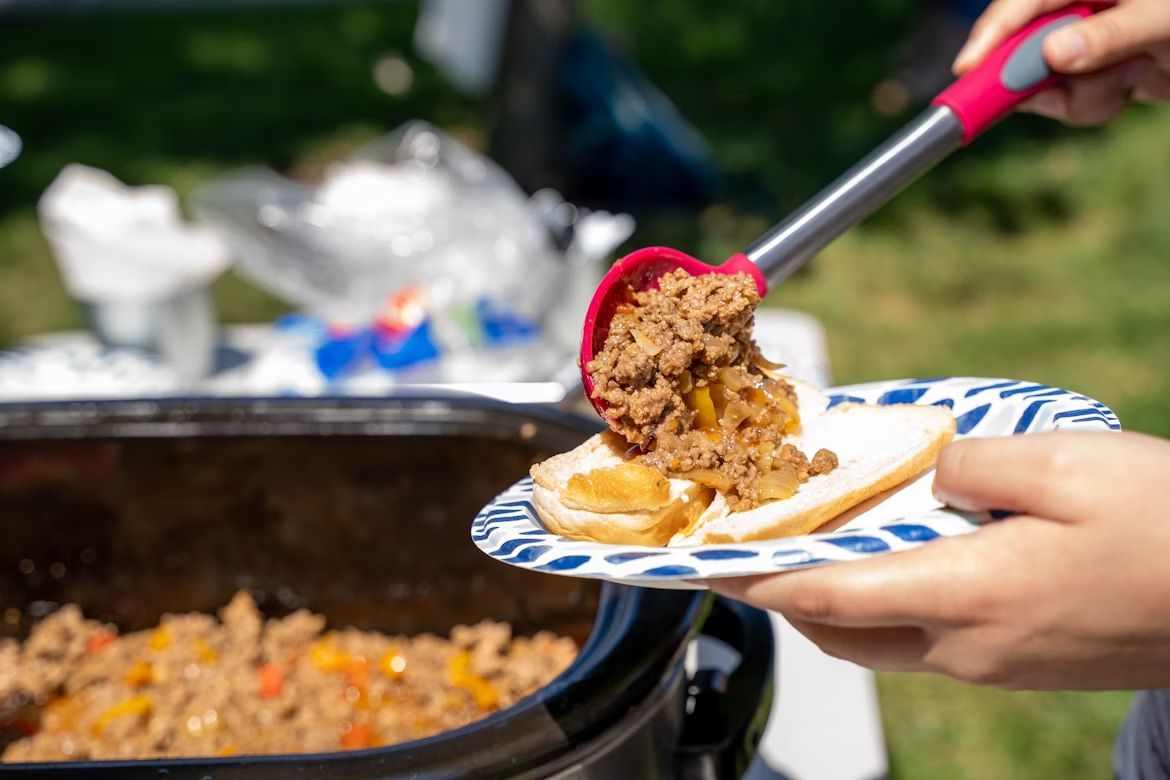
Image: Jessica Tan

Iowa's tavern sandwich is what happens when a sloppy joe goes to finishing school. It's seasoned ground beef served on a bun, but unlike a sloppy joe, there's no tomato-based sauce . Just perfectly spiced, slightly steamed ground beef piled high and falling apart in the most dignified way possible.

The sandwich gained fame through the Maid-Rite restaurant chain, founded in Iowa in 1926. The meat is cooked with a secret blend of seasonings and stays loose rather than being formed into a patty.

8
8. Boiled Peanuts (The Deep South)
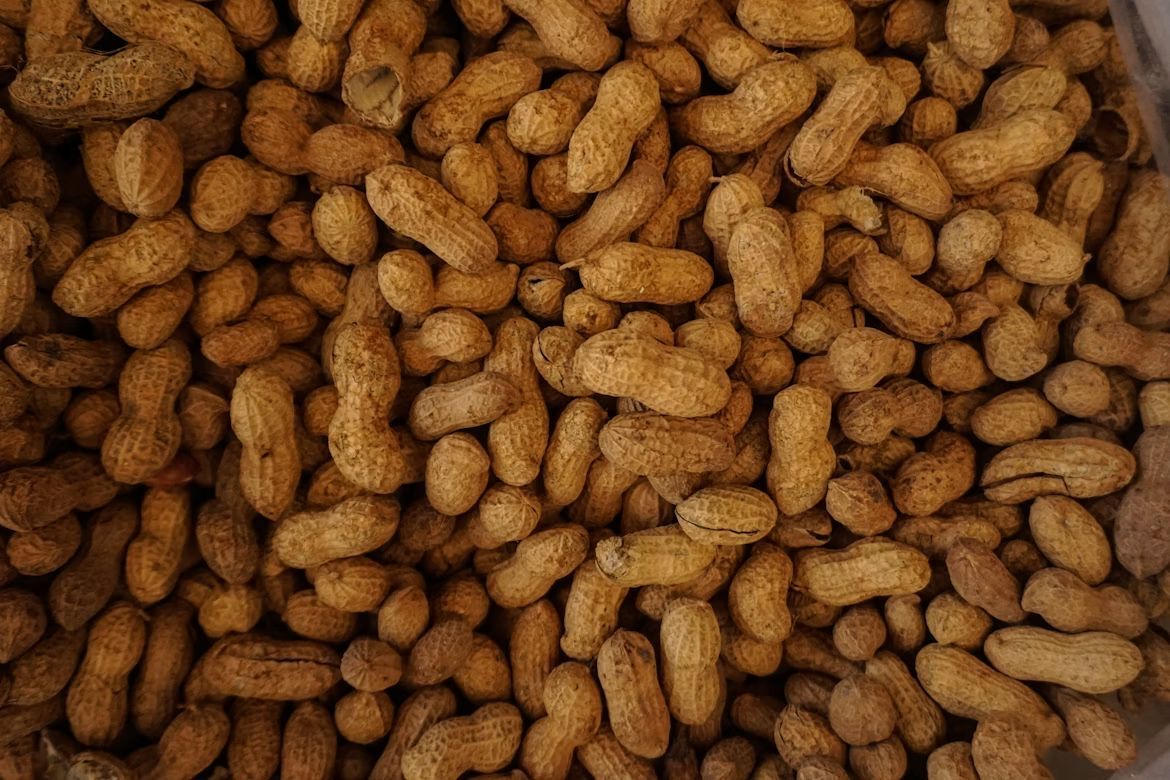
Image: Tom Herman

These soggy legumes are sold from roadside stands in the Carolinas, Georgia, Alabama, and beyond, often out of slow cookers perched on card tables. They're warm, salty, and utterly unlike any peanut you've eaten at a ballgame .

The texture shocks first-timers—soft and almost bean-like rather than crunchy. You pop open the shell, squeeze the peanuts into your mouth, and toss the hull. Cajun-spiced versions add heat to the mix.

9
9. Runza (Nebraska)
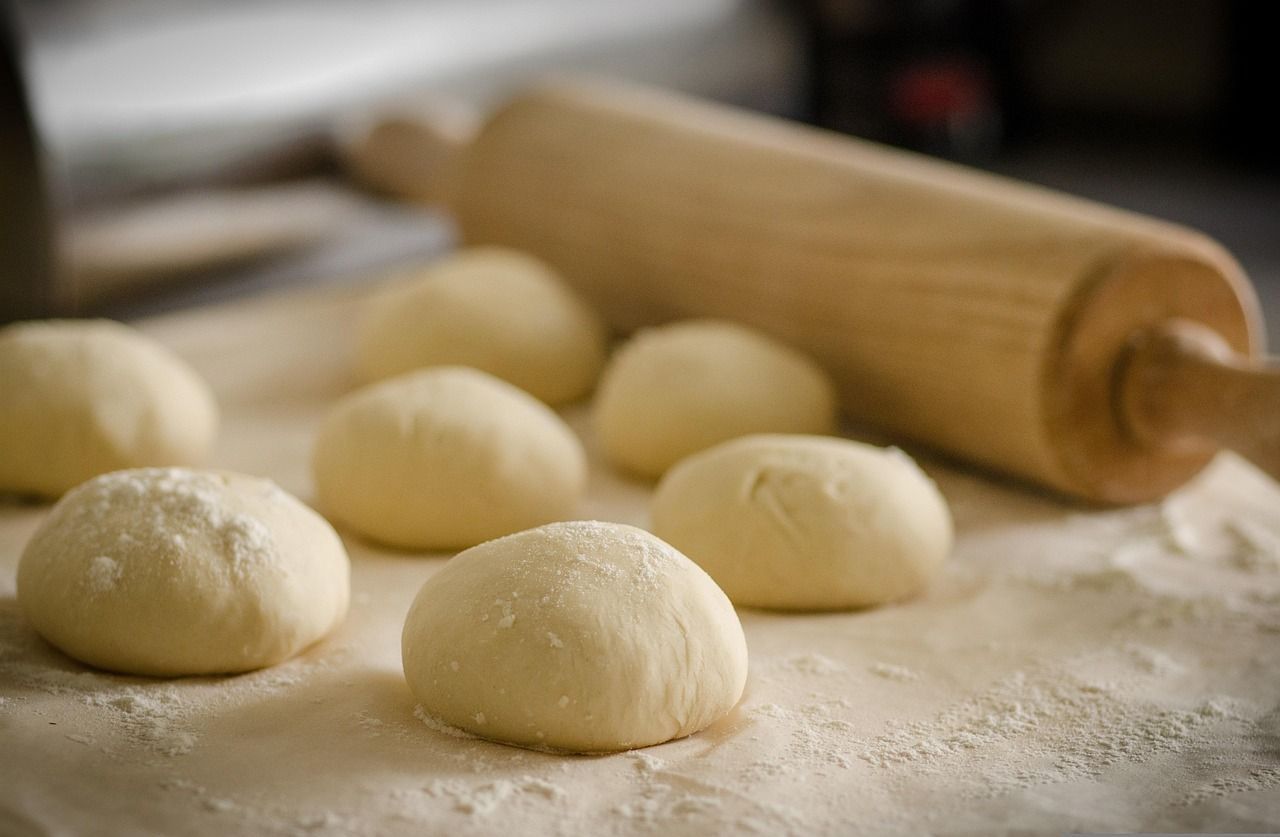
Image: ClickerHappy

Nebraska's state snack is the runza, a rectangular pocket of yeast dough stuffed with seasoned ground beef, cabbage, and onions . German-Russian immigrants brought this handheld meal to the Great Plains, where it became so beloved that an entire fast-food chain bears its name.

The beauty of the runza is its portability and balanced flavors. The sweet, slightly tangy cabbage cuts through the savory beef, all wrapped in soft, golden bread. Nebraskans eat them at football games, after school, and whenever they need portable comfort.

10
10. Slug Burger (Mississippi)
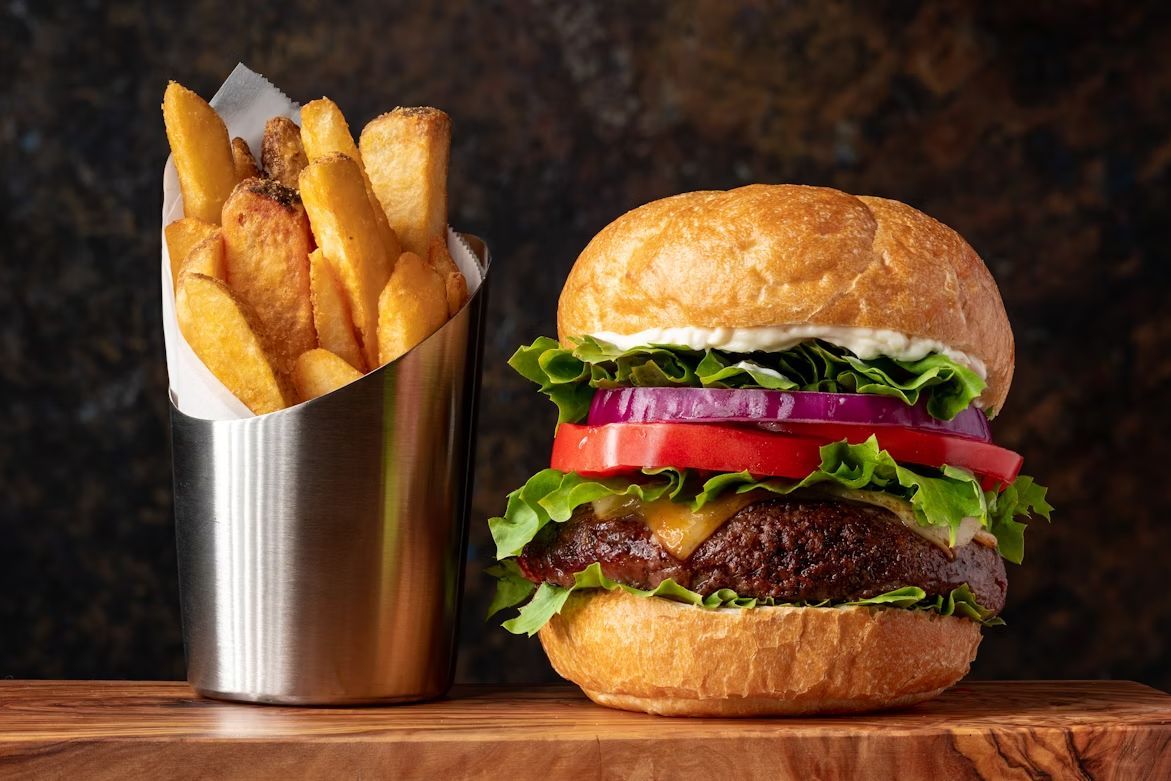
Image: Mike

Mississippi's slug burger has nothing to do with garden pests and everything to do with Depression-era ingenuity. When meat was expensive, cooks in Corinth stretched ground beef by mixing it with flour, potato flakes, or even cornmeal before forming patties and deep-frying them .

Today, this crispy, slightly bready burger remains a regional treasure, especially during the annual Slugburger Festival. The extenders give it a unique texture—crunchier outside, denser inside than a regular burger. It's served on white bread or a bun with mustard, pickles, and onions.

History History 5 min read

The American way

Baseball and BBQs: 10 iconic American pastimes that shaped the nation

Image: Leon Contreras

A baseball game under the summer sun, a weekend fishing trip, a barbecue at a family gathering—all of these activities are as American as apple pie. Our favorite pastimes tend to reflect the nation’s values and history, evolving and transforming over the years yet always retaining a part of their essence. Here are 10 iconic pastimes that have shaped life in the United States.

1
Baseball

Image: Chris Chow

Baseball isn’t called America’s favorite pastime for nothing. The heartbeat of American sports, it was already recognized as the national sport in the 19th century, when it originated as a blend of older bat-and-ball games.

Curiously, the first official baseball game on record didn’t take place in the United States but in our northern neighbor, Canada, which is often credited with creating the basis for most modern baseball rules. However, New York City clubs were responsible for further shaping the game into what it is today.

2
Fishing

Image: Greysen Johnson

Fishing has long been a beloved pastime for millions of Americans, luring people in with a peaceful and nature-immersed experience. No longer a necessity for survival in everyday life, most people today enjoy fishing recreationally, with many anglers choosing to release their catch unharmed.

Celebrated American writers like Ernest Hemingway have portrayed fishing as a reflective and rewarding pursuit, capturing the romantic longing for a simpler life and the joy of the great outdoors that remains at the heart of this pastime. Moreover, the hobby encompasses more than just fishing, with many enthusiasts taking pride in creating their own custom lures, often crafted to resemble various types of live bait.

3
Camping

Image: Chris Holder

Camping became popular in the early 20th century as Americans sought respite from growing urbanization. Today, it remains a beloved way to explore the country's vast landscapes, from national parks to remote forests. Extensive networks of protected foot trails crisscross the nation, offering opportunities for both short and long excursions.

In fact, it could be argued that camping is part of the wild heritage of the American frontier spirit, encouraging Americans to reconnect with nature. Much like fishing—and these two pastimes often go hand in hand—camping is about adventure, self-sufficiency, and the pursuit of simplicity away from the hustle of daily life.

4
Football

Image: Carol Highsmith's America

American football—also known as gridiron football or simply football—originated in the 19th century, evolving from various older ball games related to rugby. In recent decades, it has grown into a national obsession, rivaling baseball and even surpassing it in viewership, with millions tuning in every weekend.

The Super Bowl and similar events have become iconic elements of American culture, transforming into major community celebrations that draw more than just football fans. Major events like the Super Bowl bring families and friends together across the country, often featuring entertainment segments and halftime shows that transform these sporting events into full-blown celebrations.

5
Barbecuing

Image: Vincent Keiman

Barbecuing is an art form in America, with roots tracing back to indigenous peoples and early settlers. Whether it’s a Fourth of July cookout or a casual weekend gathering, the grill is central to American social life. The tradition initially spread through pit barbecues, where meats were smoked and cooked over a dug trench filled with burning embers.

Over time, this technique evolved into the conventional backyard grilling we use today. Despite the widespread popularity of standard barbecues, styles vary significantly by region, each with its own distinct flavors and techniques, often featuring elaborate sauces or unique smoking methods.

6
Auto Racing

Image: Tim Trad

Auto racing—and particularly stock car versions of the sport like NASCAR—has captivated the imaginations of Americans almost since the invention of motor cars in the early 20th century. Drawing inspiration from popular European races like the Paris-Rouen contest, the enthusiasm for motor racing quickly took hold in the U.S.

The first American automobile race is generally considered to be the Thanksgiving Day Chicago Times-Herald race on November 28, 1895. As cars became more accessible and the automotive industry developed, racing grew in popularity, eventually evolving into the high-octane spectacle that is now a distinctly American tradition.

7
Gardening

Image: Benjamin Combs

Gardening has always been a cherished American hobby, providing a peaceful retreat within one’s home while also beautifying one’s surroundings. From victory gardens during wartime to modern suburban flower beds, gardening remains a thriving pastime for Americans everywhere.

It’s a way to create something beautiful and sustainable, connecting with nature in a personal and meaningful way. Recently, interest in homegrown vegetables and organic food has surged, with an estimated 40 percent of American households—33 million—growing their own produce.

8
Movies

Image: Kilyan Sockalingum

Since the early 20th century, movies have been integral to American culture. Whether going to a local theater or, more recently, enjoying a cozy movie marathon at home, millions of Americans have shared this experience for almost a century. As Hollywood and the film industry evolved, American movies reached audiences worldwide, earning acclaim for their excellence.

Today, the magic of cinema continues to captivate Americans just as it did decades ago. This is no surprise, as the love for good storytelling and innovation—two true American passions—lies at the heart of this cherished tradition. Although the 2020 pandemic dealt a blow to movie attendance, it has been steadily recovering, showing no signs of slowing down.

9
Home-Cooking

Image: Or Hakim

More than just a necessity, home-cooked meals are a true American passion. Food is a key part of a nation's identity, so it’s no surprise that cooking at home holds a special place in the hearts of many Americans. Our country’s incredibly diverse culinary heritage offers a vast array of edible experiences to choose from, and gathering with friends and family to enjoy delicious homemade dishes is one of our favorite pastimes.

Whether preserving family recipes passed down through generations or trying new culinary experiments, home cooking is always a way to connect with loved ones, celebrate traditions, and enjoy the satisfaction of a meal crafted with love and skill.

10
Road Trips

Image: averie woodard

With a country as vast and beautiful as ours, it’s no wonder Americans often choose to spend their vacations exploring its diverse landscapes. From bustling cities to scenic countryside, domestic travel is not always just about relaxation—it can also be an adventure of self-discovery and a journey through our shared history.

And there’s certainly no shortage of sights to see! From the breathtaking vistas of our national parks to meticulously preserved historic sites, few experiences foster a deeper connection to our heritage. Whether it’s the towering peaks of the Rockies, the rolling hills of the Appalachians, or the sun-kissed shores of the coasts, every corner of the country offers something new to discover.

Culture Culture 4 min read

Ominous Hollywood

Is your favorite on this list? 10 iconic apocalyptic movies

Image: Max Ovcharenko

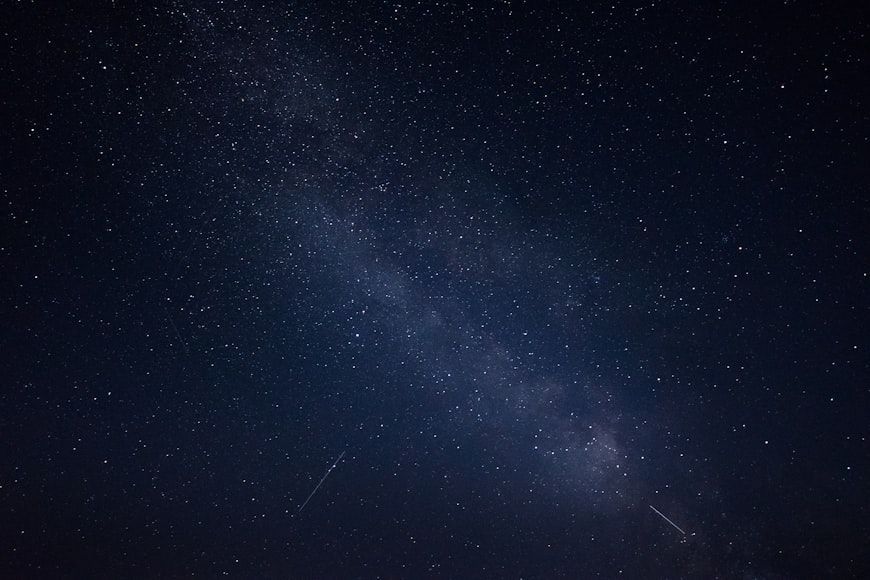
Alien invasions, nuclear accidents, or major natural disasters… The end of the world has been depicted countless times in cinema. Whether for their spectacular visuals or their realistic portrayal of humanity’s demise, some of these films have become icons that most of us have likely seen and remember vividly. Join us as we explore the most popular American apocalyptic films.

1
Independence Day

Image: Jason W

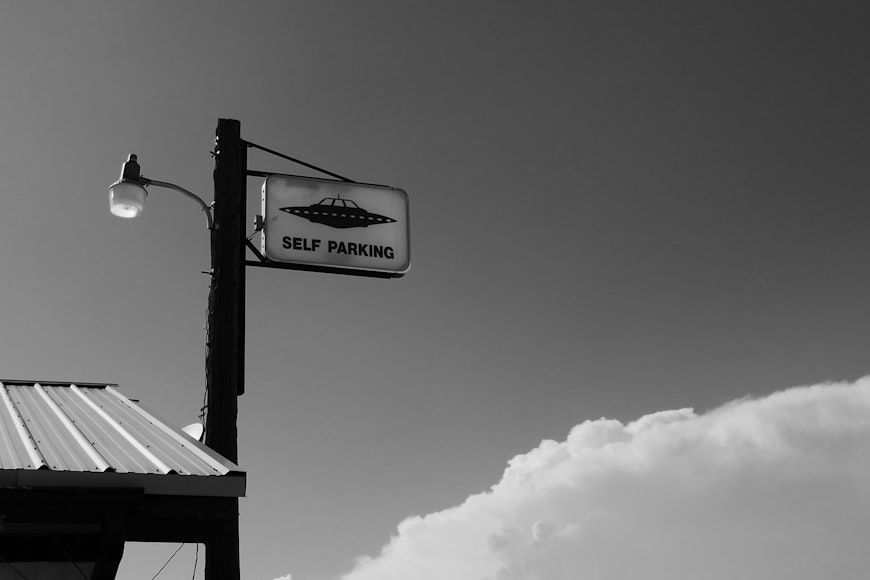
Nothing beats a classic apocalyptic alien invasion, where extraterrestrials arrive to destroy the planet, but encounter a group of humans willing to give everything to save humanity. This is the premise of Independence Day (1996), one of the most famous disaster films. Starring Will Smith, the movie marked a turning point in science fiction, showcasing visual effects that, although they may not be as surprising today, set a new standard at the time.

2
Armageddon

Image: Javier Miranda

It’s hard to keep track of how many explosions light up the screen in Armageddon (1998), but rest assured, there are a lot of them. This film follows the classic natural disaster formula: a massive asteroid threatens Earth, and the only hope for survival is to destroy it. When the planet’s at risk, who better to call than Bruce Willis? Alongside Ben Affleck, he steps up to risk everything in a race against time.

Do you also remember this movie every time you hear Aerosmith's "I Don't Wanna Miss a Thing"? You are one of us!

3
The Day After Tomorrow

Image: Mason Mulcahy

A new Ice Age threatens humanity after a series of devastating storms strike the planet in The Day After Tomorrow (2004), a film that takes climate change and pushes its possible consequences to the extreme. With spectacular disaster sequences and visuals, the movie became a total box office success worldwide.

4
I Am Legend

Image: Natalya Letunova

Imagine waking up one day and realizing that you are, as far as you can tell, the last survivor in the city. This is what happens to scientist Robert Neville, played by Will Smith, in I Am Legend (2007). The now-classic apocalyptic theme is a deadly virus that has devastated humanity, and it is Dr. Robert Neville who appears to be the only one capable of doing something to reverse the effects of this.

5
Interstellar

Image: Guillaume Le Louarn

In 2014, we saw one of the most exciting movies to hit the big screen: Christopher Nolan's Interstellar . Acclaimed by audiences and critics alike for its visual effects and its complex and thrilling plot, this film is one of those you’ll find hard to forget. Set on an Earth that is becoming uninhabitable, Matthew McConaughey plays Cooper, a former NASA pilot who joins a mission to travel through a wormhole near Saturn in search of a new place for humanity.

Fun fact: It’s not surprising that it has been well received even by the scientific community, since a Nobel Prize–winning physicist collaborated on the script.

6
Planet of the Apes

Image: Mateusz Suski

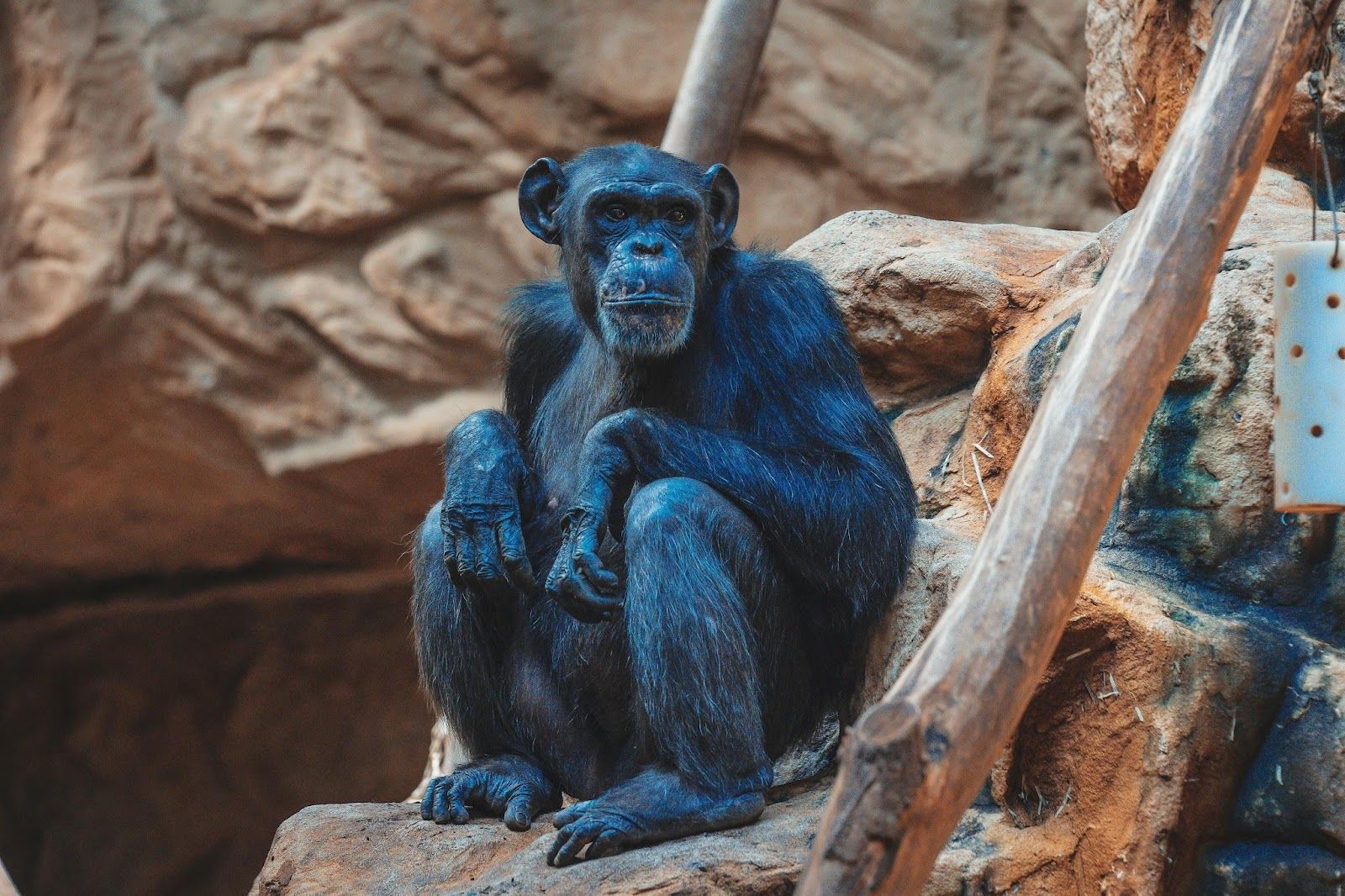
In the original Planet of the Apes (1968), the story takes us to a distant future planet where chimpanzees, gorillas, and orangutans have evolved to possess human-like intelligence and social structures, dominating that world while humans are reduced to an oppressed species. Featuring one of the most shocking and unforgettable plot twists in cinema history, the film stands as an essential classic of dystopian science fiction.

7
Night of the Living Dead

Image: Daniel Jensen

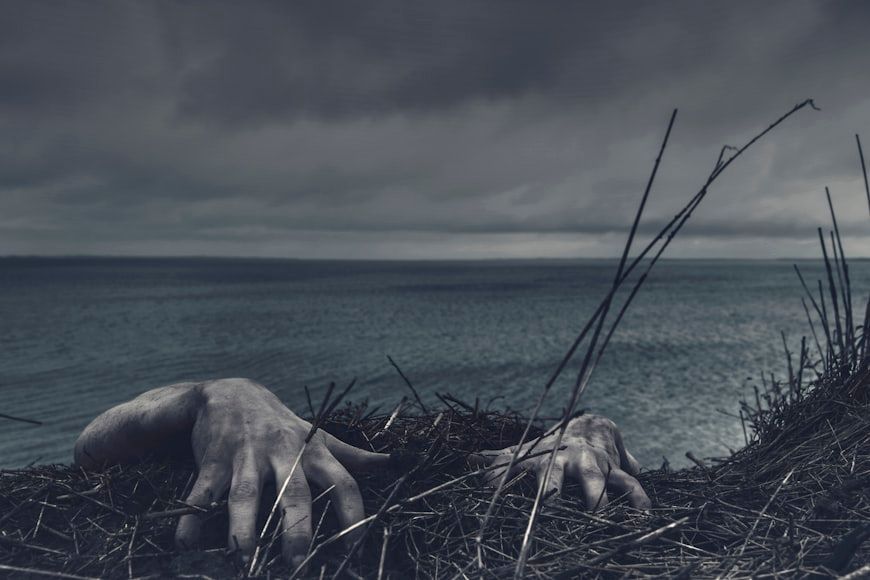
We couldn’t leave Night of the Living Dead off this list, the 1968 film that changed cinema forever. While the concept of "zombies" may feel familiar today, this George A. Romero’s film was the first to present the idea of the dead rising again and becoming a real threat to the living.

8
12 Monkeys

Image: Liam Andrew

Bruce Willis is once again called upon to help humanity (or what remains of it) in the 1995 film 12 Monkeys , this time alongside none other than Brad Pitt, who earned an Oscar nomination for this role. Set in a dark future, most of humanity has been wiped out by a deadly virus, and Willis’s character must travel back in time to gather information about its origins and help find a way to stop it.

9
Dawn of the Dead

Image: airci K

Of course, George A. Romero wasn’t going to appear just once on this list. In 1978, Dawn of the Dead was released, once again portraying the end of the world brought on by the return of the undead. A group of survivors takes refuge in a shopping mall, but human conflicts soon emerge as a threat equal to, or even greater than, that posed by the zombies themselves.

10
The Day the Earth Stood Still

Image: Michael Herren

The Day the Earth Stood Still (1951) is definitely a science fiction classic. Unlike the other films on this list, its catastrophe is not inevitable; disaster can still be avoided. Rather than centering on spectacular destruction, the film delivers a philosophical warning to humanity. An alien visitor arrives on Earth to deliver a stark message: abandon nuclear violence, or face devastating consequences.

Explore more American facts

Choose your favorite category!

General
General

As American as apple pie—the very best America has to offer!

Culture
Culture

Delve into the astounding richness of American lore.

Geography
Geography

Hop in and explore vast and diverse American landscapes.

History
History

Discover the key moments that shaped the United States.