Geography Geography 3 min read

Michigander, Michigoose?

10 unofficial American demonyms (that should be official)
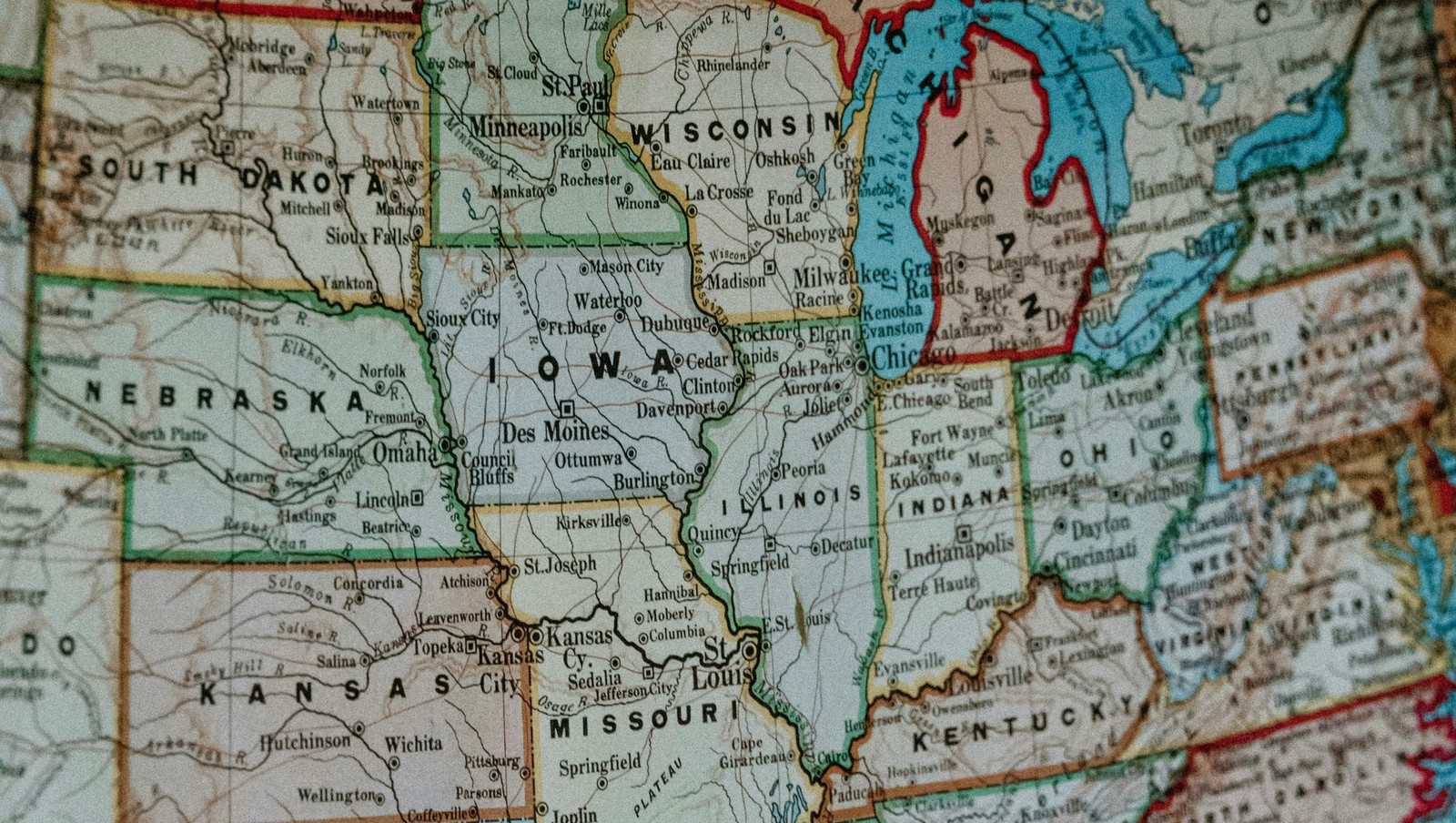
Image: Hans

Demonyms, or the names that identify your place of origin, can be tricky. In the United States, some demonyms have an official status —those of states, for example—while others are a product of use and tradition. Unofficial demonyms or nicknames are also common, and sometimes more widely used than the official version. Let’s have a look at some of them!

1
Hoosier
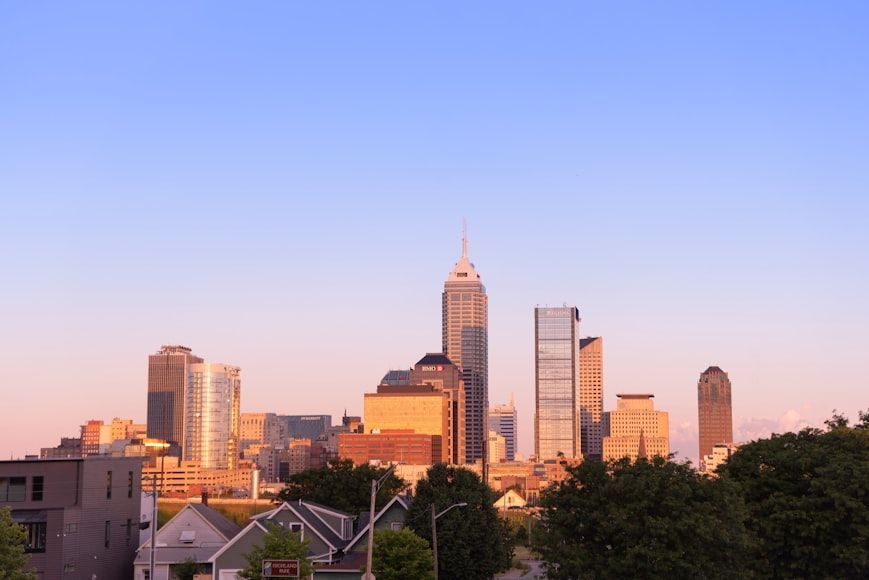
Image: Corbin Mathias

Until recently, the United States Government Publishing Office (or USGPO) still recommended Indianian as the demonym for the state of Indiana, but its residents have been calling themselves Hoosiers for nearly two centuries. While no one really knows where the term originated, it was popularized by John Finley’s poem "The Hoosier's Nest", and Indiana has long been known as "The Hoosier State".

2
Bay Stater
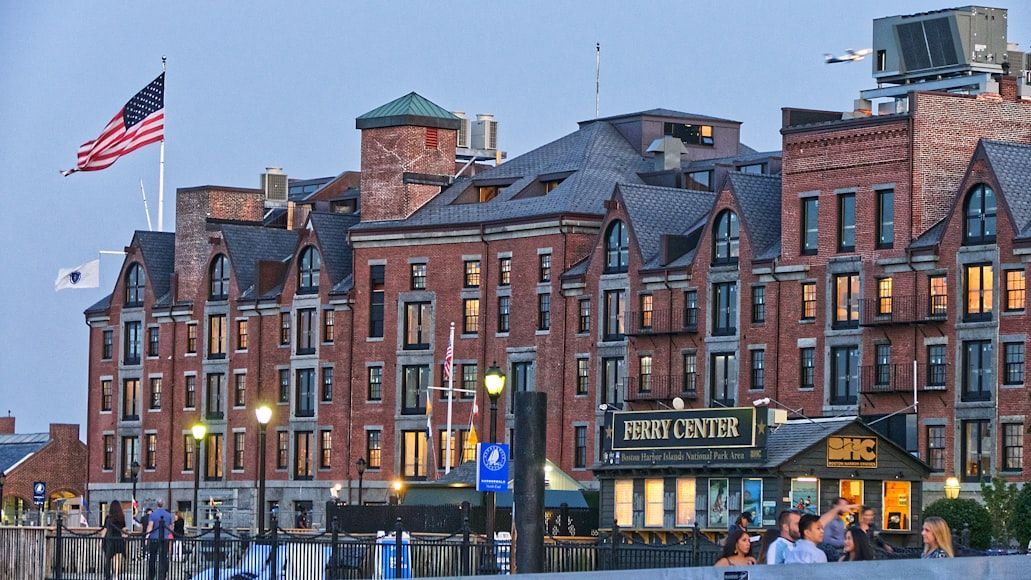
Image: Pascal Bernardon

The USGPO might recommend the use of Massachusettsan , but the people of Massachussets strongly disagree. State laws and regulations officially refer to its residents as Bay Staters , after a common nickname for the state. Given that Massachusetts is formally a Commonwealth, the law also uses the phrase Citizen of the Commonwealth , but it's kind of a mouthful for everyday purposes. We’ll stick with Bay Stater.

3
Accidental
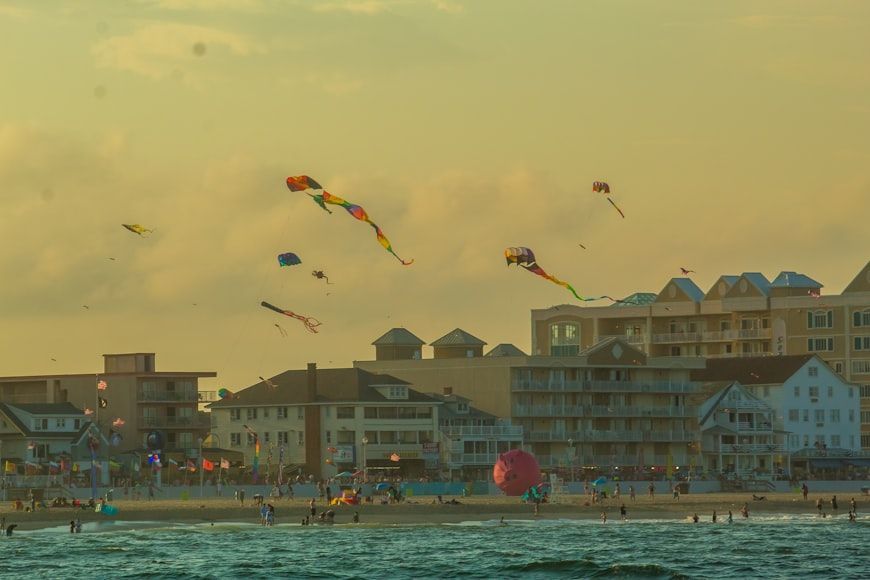
Image: Jeff McLain

One of the earliest settlements in Maryland, the town of Accident is not very big, but it makes up for it with its peculiar name. Naturally, the corresponding demonym for its residents is Accidental , though some sources also claim that the citizens of Accident are to be called Accidents .

4
Granite Stater
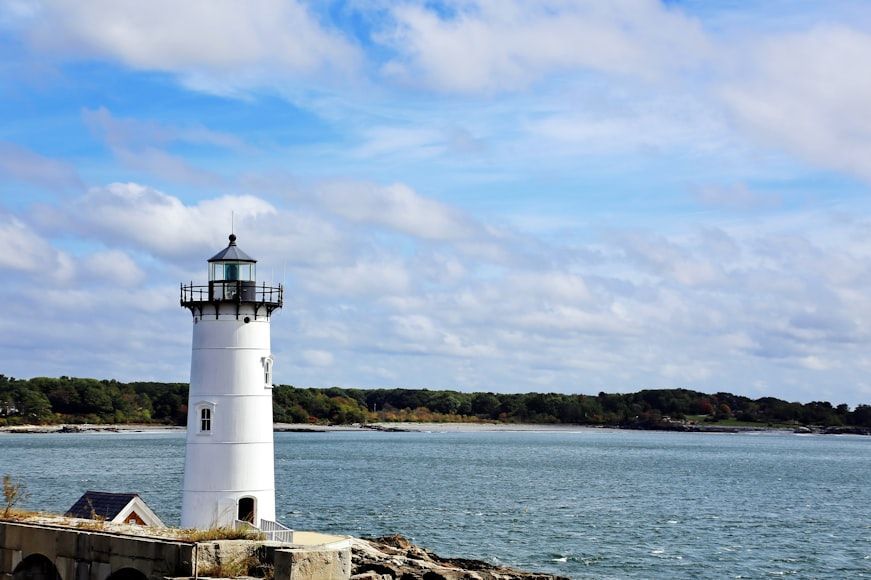
Image: Mark König

Much like Bay Staters, the residents of New Hampshire tend to disagree with the USGPO when it comes to their demonym. The official version is New Hampshirite (for the Federal Government, at least ), but locals favor the term Granite Stater , derived from New Hampshire’s nickname, "The Granite State".

5
Truth-or-Consequencesan
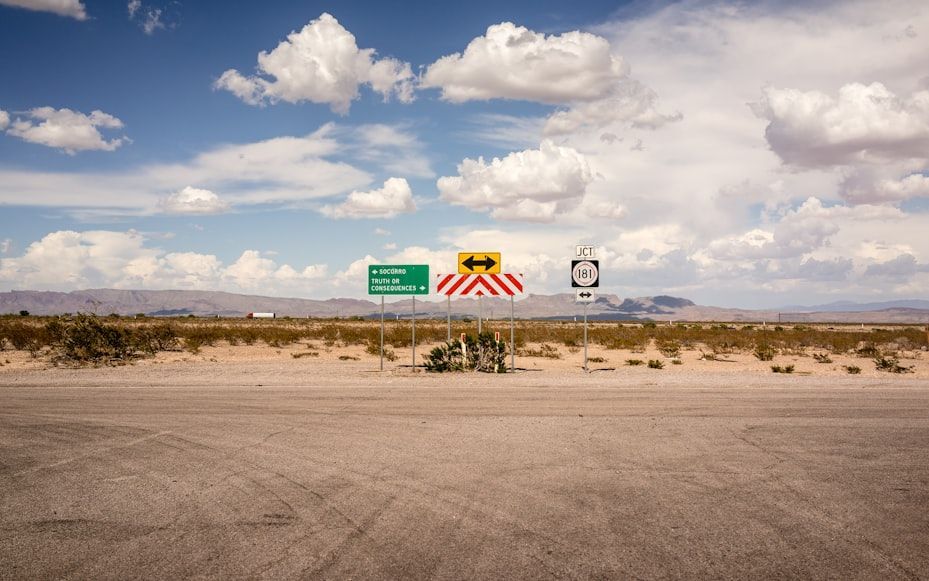
Image: Lachlan Donald

When the town of Hot Springs, New Mexico, decided to change its name to Truth or Consequences for a radio show contest, they either forgot to consider their new demonym or didn’t really care. While they are technically Truth-or-Consequencesans , they refer to the town as T or C, so they say that they are Residents of T or C .

6
Phoenician
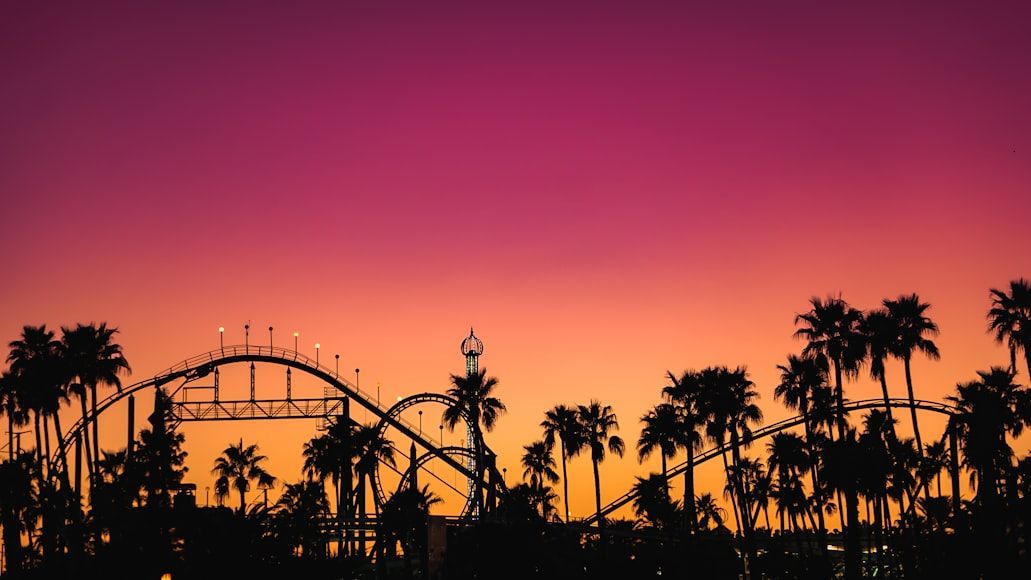
Image: iStrfry , Marcus

Weren’t the Phoenicians an ancient civilization that created the earliest form of our alphabet? Yes, but those lived in ancient Phoenicia. The Phoenicians we are talking about are the residents of Phoenix, Arizona. Some claim that Zoner and Zonan are also common nicknames, but those could be used for any Arizona resident.

7
Nutmegger
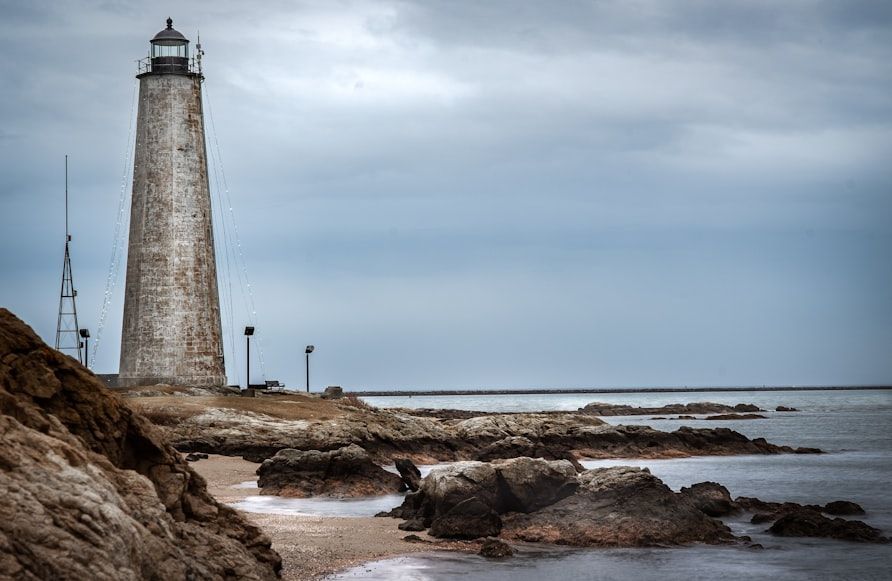
Image: julio angel berroa

Connecticut might be officially known as "The Constitution State", but it’s also called "The Nutmeg State". The origin of this nickname varies according to the sources, but most point to a common scam where Connecticut peddlers would sell wooden nutmegs as the real thing. No matter the story, many Connecticut residents favor the demonym Nutmegger over the USGPO-recommended Connecticuter .

8
Yoopers
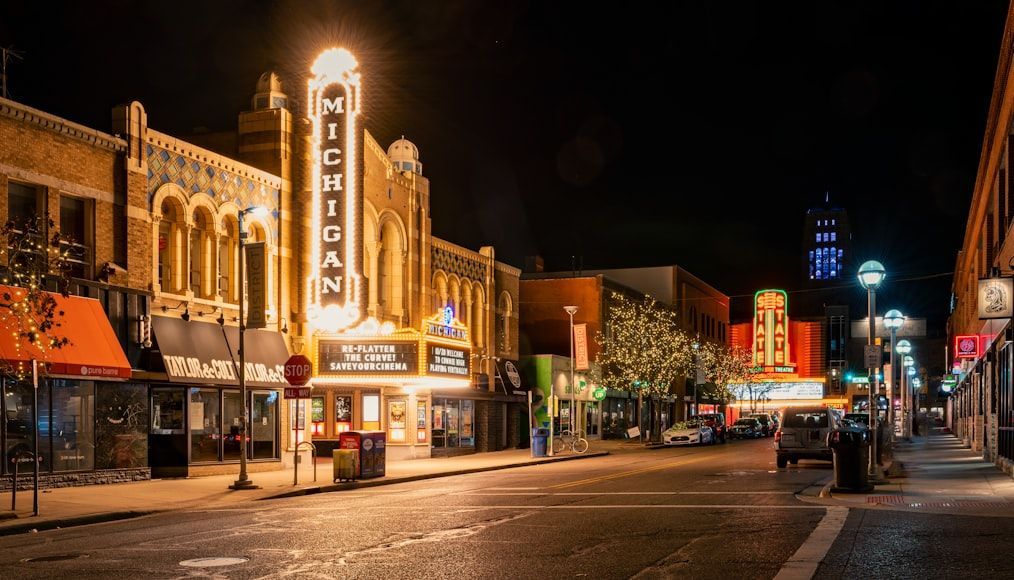
Image: Brad Switzer

Let’s be frank, some of the less-used variants for Michigan’s demonym sound really funny: think Michiganese , Michigine , and Michigoose (as a female version for Michi_gander_). But official names aside, residents of Michigan’s Upper Peninsula commonly refer to themselves as Yoopers , a derivative of U.P. (Upper Peninsula). Rumor has it that they call those from the Lower Peninsula Trolls , because they live ‘under the bridge’, but we can’t attest to this being true.

9
Jayhawk
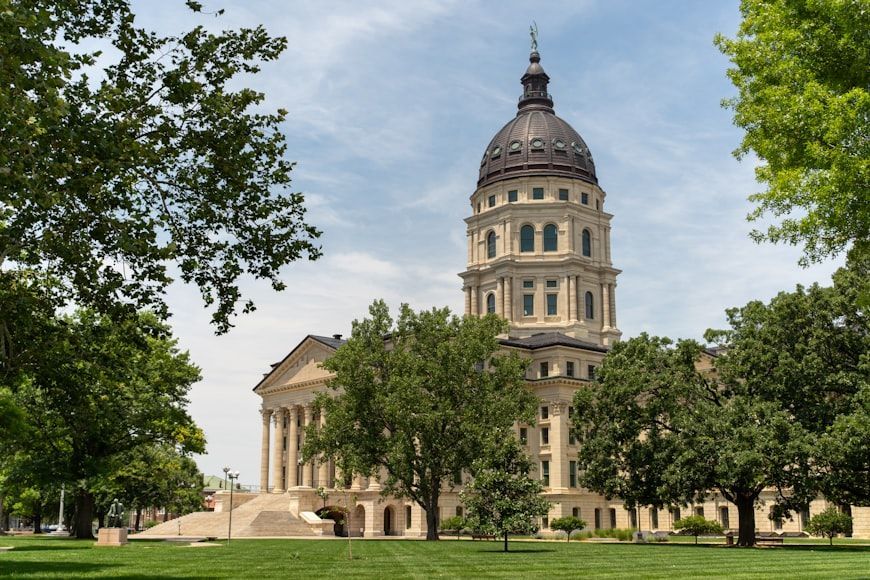
Image: Nils Huenerfuerst

Nowadays, Jayhawk is a common way to refer to residents from Kansas, but this term didn’t always have a positive connotation. Its original form, Jayhawker, used to refer to thieves, and was used derogatively by Confederates to talk about the anty-slavery militias from Kansas. After the Civil War, Kansans appropriated the term as a memento of their state’s contributions to the war.

10
Lanstronaut
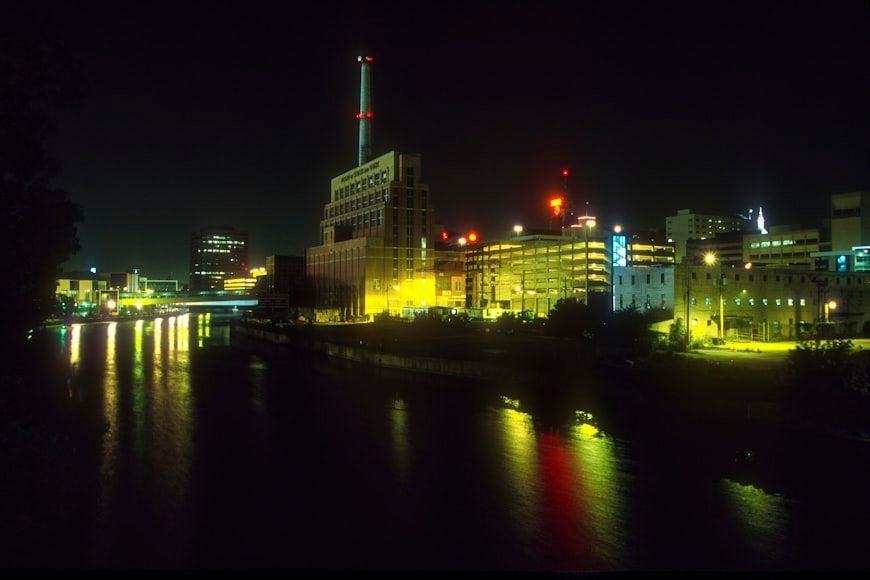
Image: Mick Haupt

Officially, if you live in Lansing, Michigan, you are a Lansingite . However, many Lansing residents have taken to using the term Lanstronaut in recent years, despite Lansing having more to do with the car industry than with space.

History History 3 min read

History misconceptions

Did you still believe this? 10 myths about US history debunked

Image: Pierre Bamin

Do you think the US Declaration of Independence was signed in July 1776? Did you know Prohibition didn't actually make drinking illegal? The history of the United States is as vast as it is varied. Over the centuries, it has been recorded, studied, and interpreted in many ways, giving rise to many misconceptions. Join us as we debunk 10 of the most widespread myths about American history!

1
Columbus discovered America

Image: Hector John Periquin

Although this isn't strictly about the United States, it does concern our continent. It's often said that Columbus "discovered" the Americas in 1492, but that's not precisely true. He wasn't even the first outsider to arrive! The Vikings, led by Leif Erikson, reached North America around the year 1000 AD, almost 500 years before Columbus. And, of course, the continent was already inhabited long before any European explorers arrived.

2
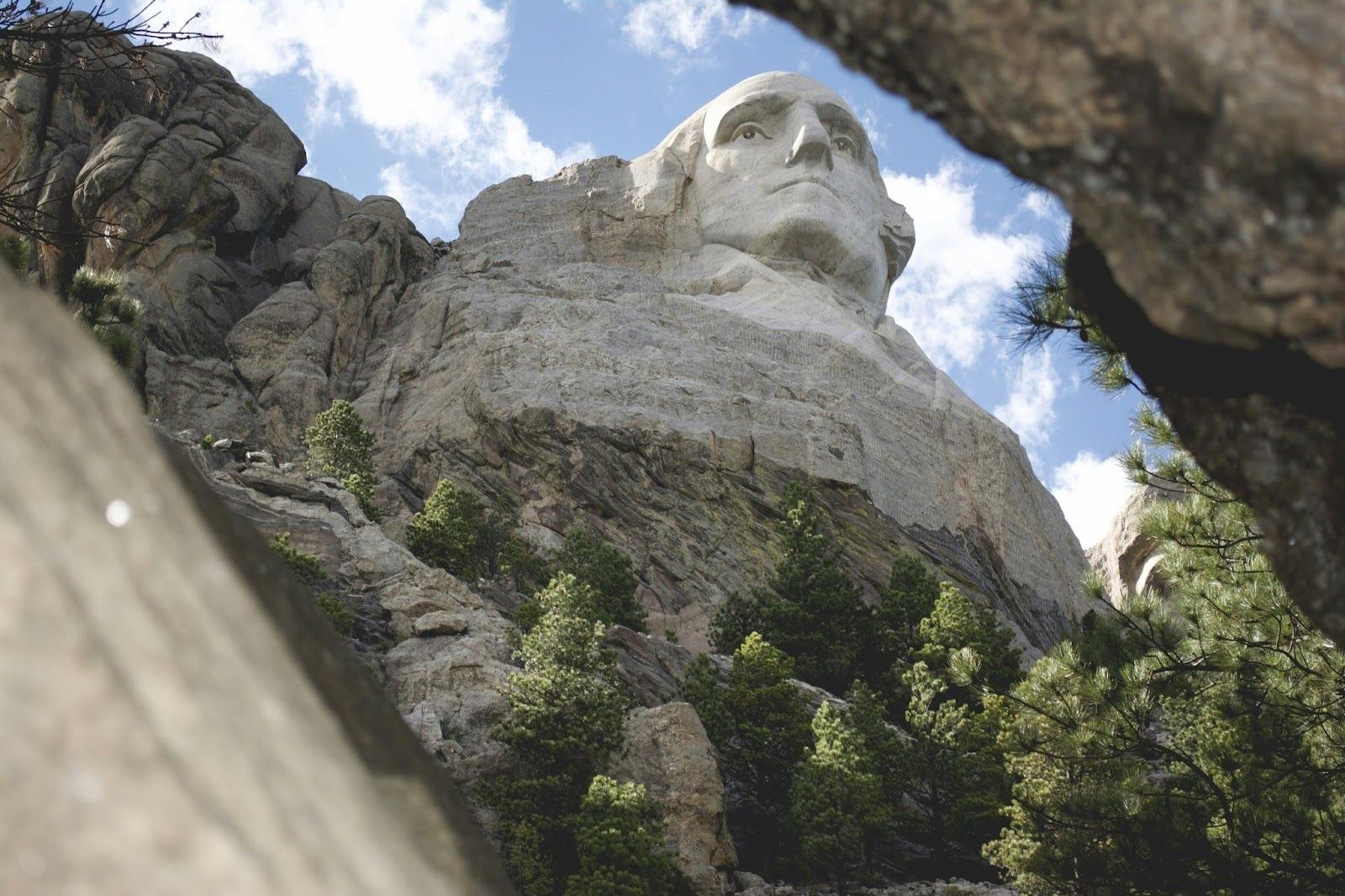
George Washington had wooden teeth

Image: Priscilla Gyamfi

One of the most famous historical myths is that George Washington, the first US president, had wooden teeth. While it's true that he struggled with dental problems and used several prosthetic devices made from various materials, none of his teeth were actually made of wood.

3
The US Declaration of Independence was signed on July 4, 1776

Image: Glen Carrie

Every 4th of July, the country turns into a party. And it's no wonder, since we're honoring Independence Day! Perhaps because of the date of this holiday, many people believe that the US Declaration of Independence was actually signed on July 4, 1776. In reality, the key event on that day was the Continental Congress voting to adopt the Declaration of Independence. Most delegates actually signed the document later, on August 2, 1776, in Philadelphia.

4
America became fully independent in 1776

Image: The New York Public Library

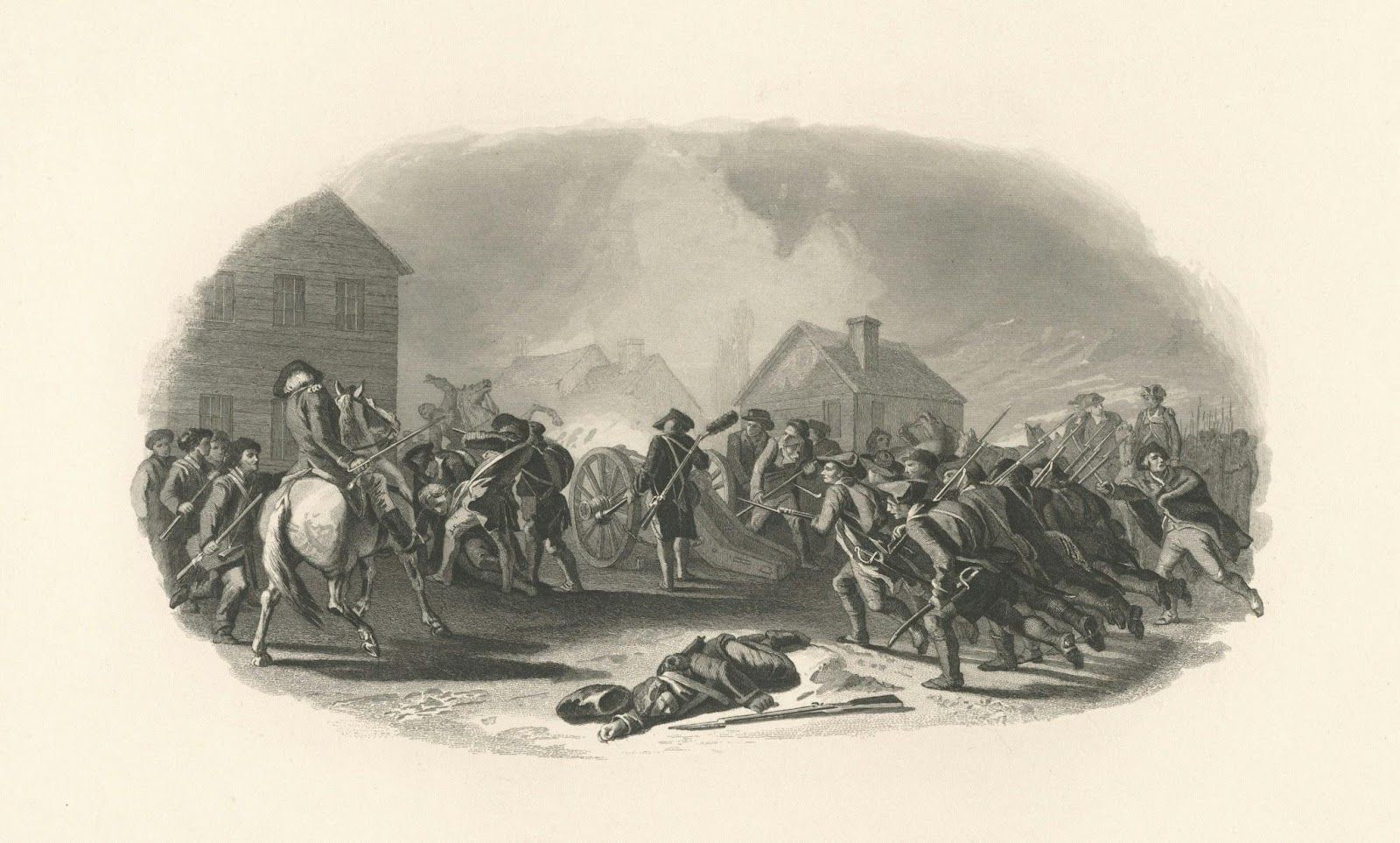
On July 4, 1776, the American colonies declared their independence from Great Britain by adopting the Declaration of Independence. However, the Revolutionary War continued for several more years. It wasn't until the war ended in 1783, with the signing of the Treaty of Paris, that the United States' independence was officially recognized.

5
Cowboys wore Stetson hats

Image: Brice Cooper

Although Stetson hats are now inseparable from the cowboy image, the reality of the 19th century was pretty different. People in the Wild West sported a variety of styles: while some did wear wide-brimmed hats similar to Stetsons, these were not the most common, and many other types were also popular.

6
Paul Revere rode alone

Image: Pixabay

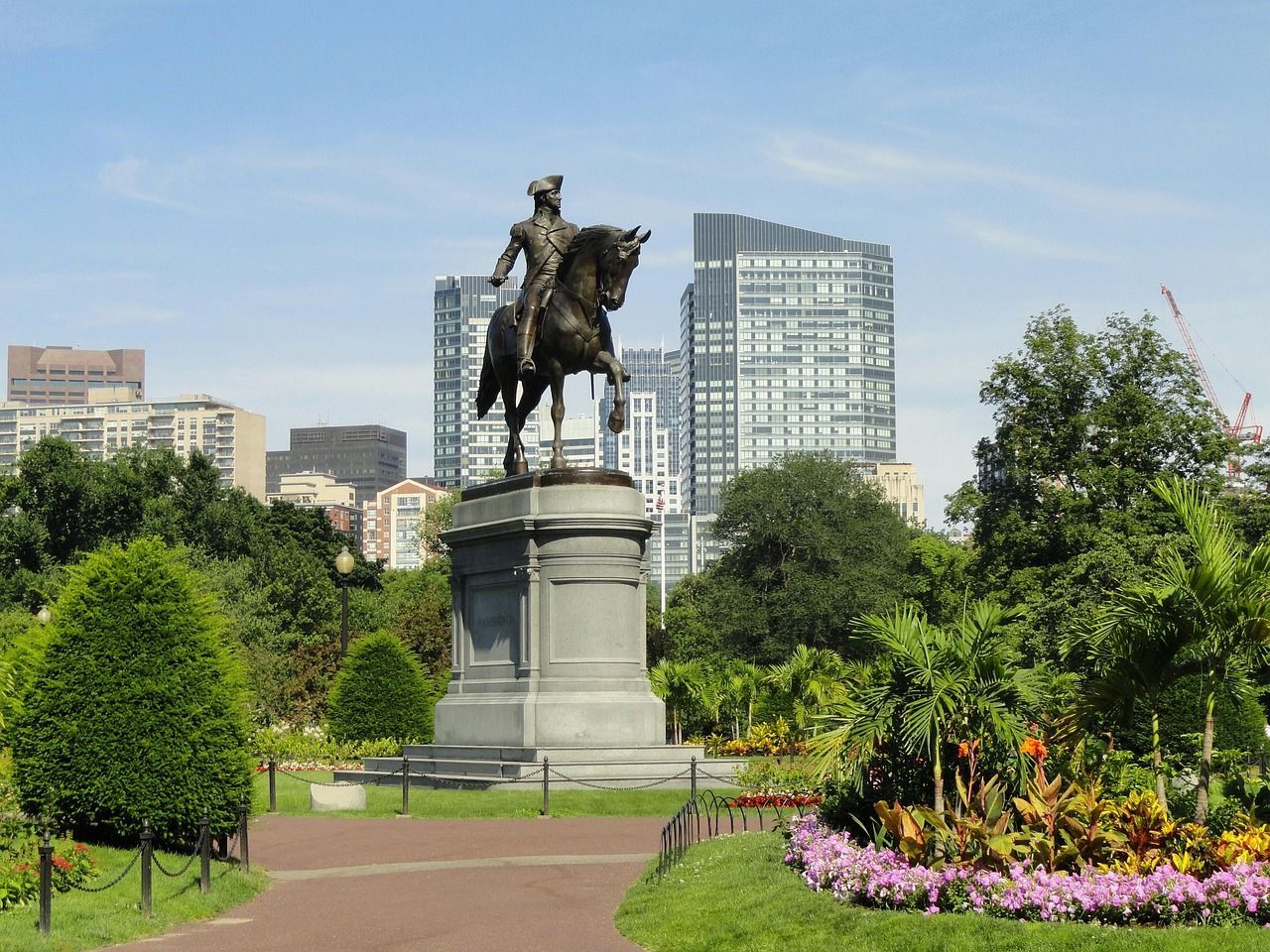
Paul Revere's name became a symbol of American courage and determination. His midnight ride on April 18, 1775, was undoubtedly heroic, but some details have been distorted over time. While many think he shouted "The British are coming!", historians suggest he likely said something closer to "The regulars are coming", given the dates. And contrary to popular belief, Revere didn't ride alone; he was part of a group of riders working together to warn the colonial militia.

7
George Washington chopped down a cherry tree

Image: Jeffrey Clayton

The story of George Washington chopping down a cherry tree is one of the most famous tales in American history. However, it's actually a myth, created by one of Washington's early biographers to highlight one of his defining characteristics: honesty. Although there is no reliable historical evidence to support this famous anecdote, there is plenty of proof of the courage and honesty of the Father of His Country.

8
Al Capone was jailed for his violent crimes

Image: Ashim D’Silva

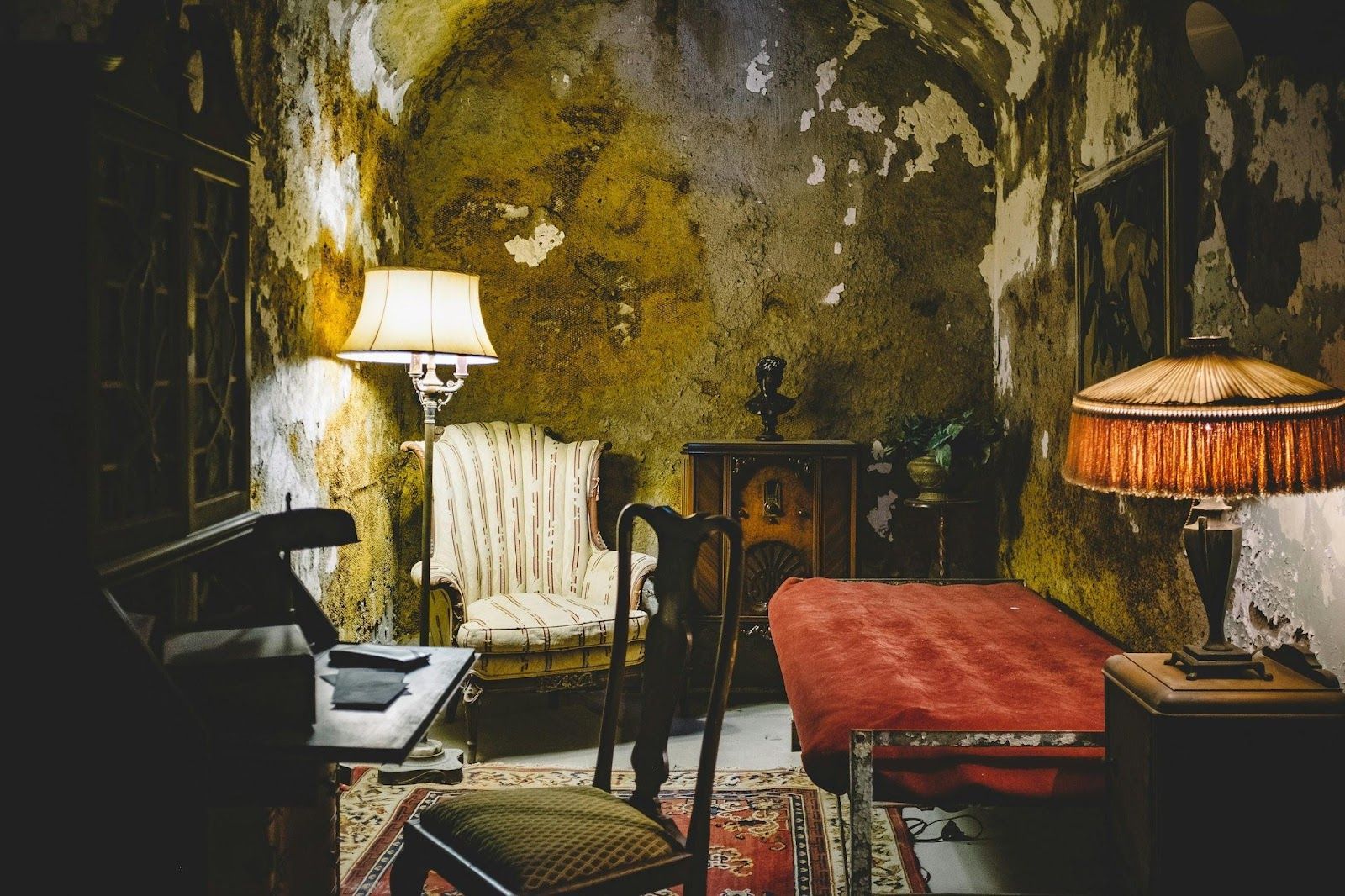
Al Capone was one of the most infamous gangsters in history. Although his life was filled with criminal activity, it wasn't his violent acts that put him in jail, as there wasn't enough evidence to convict him. Instead, authorities used tax evasion charges, and he was finally imprisoned for that reason in 1931.

9
Prohibition made drinking illegal everywhere

Image: Drew Beamer

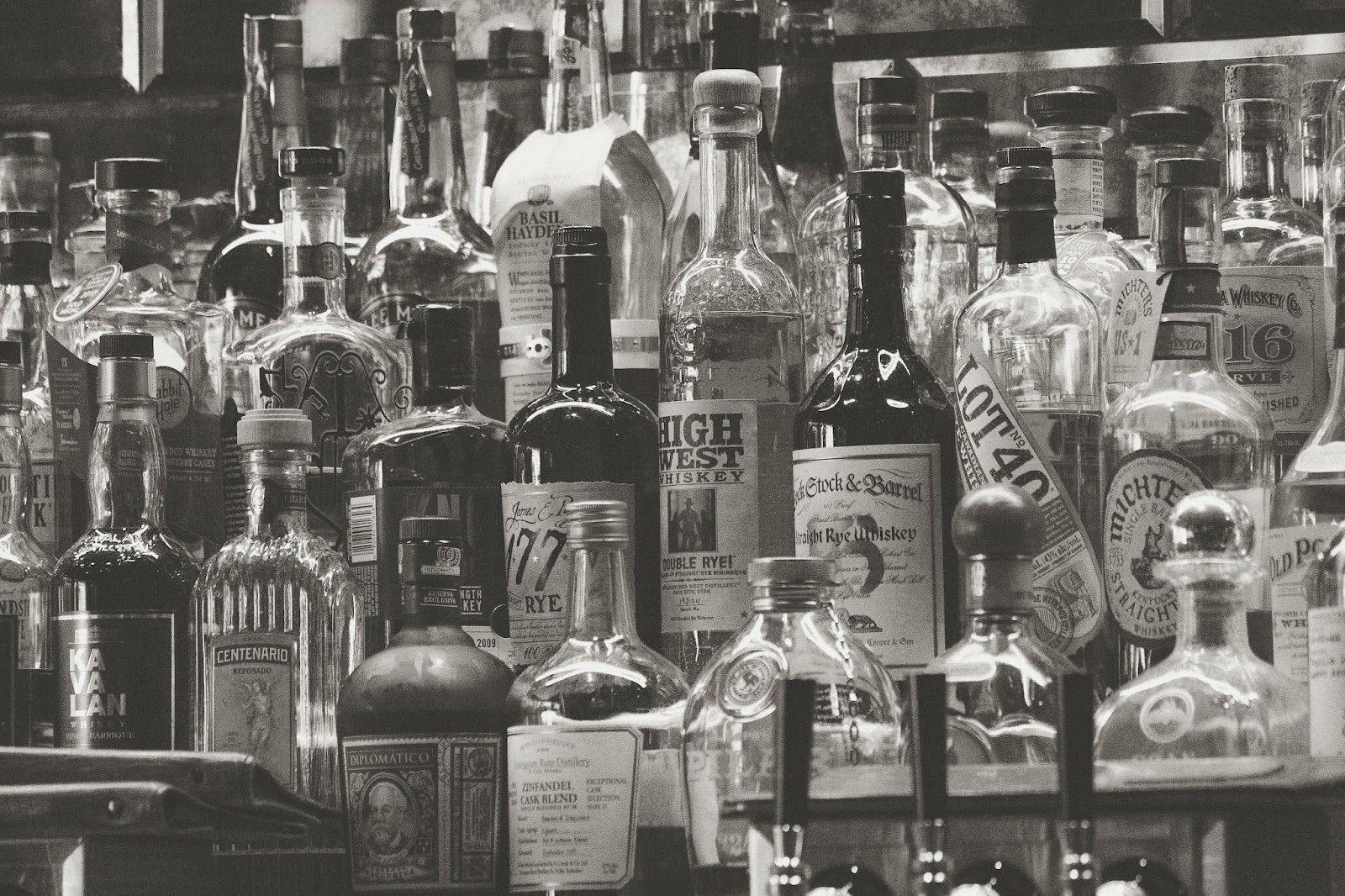
Many people assume that drinking alcohol was completely illegal during Prohibition. In reality, the 18th Amendment and the Volstead Act (1920–1933) banned the manufacture, sale, and transportation of alcohol, but not the act of drinking itself!

10
The Founding Fathers as a unified group

Image: J. Amill Santiago

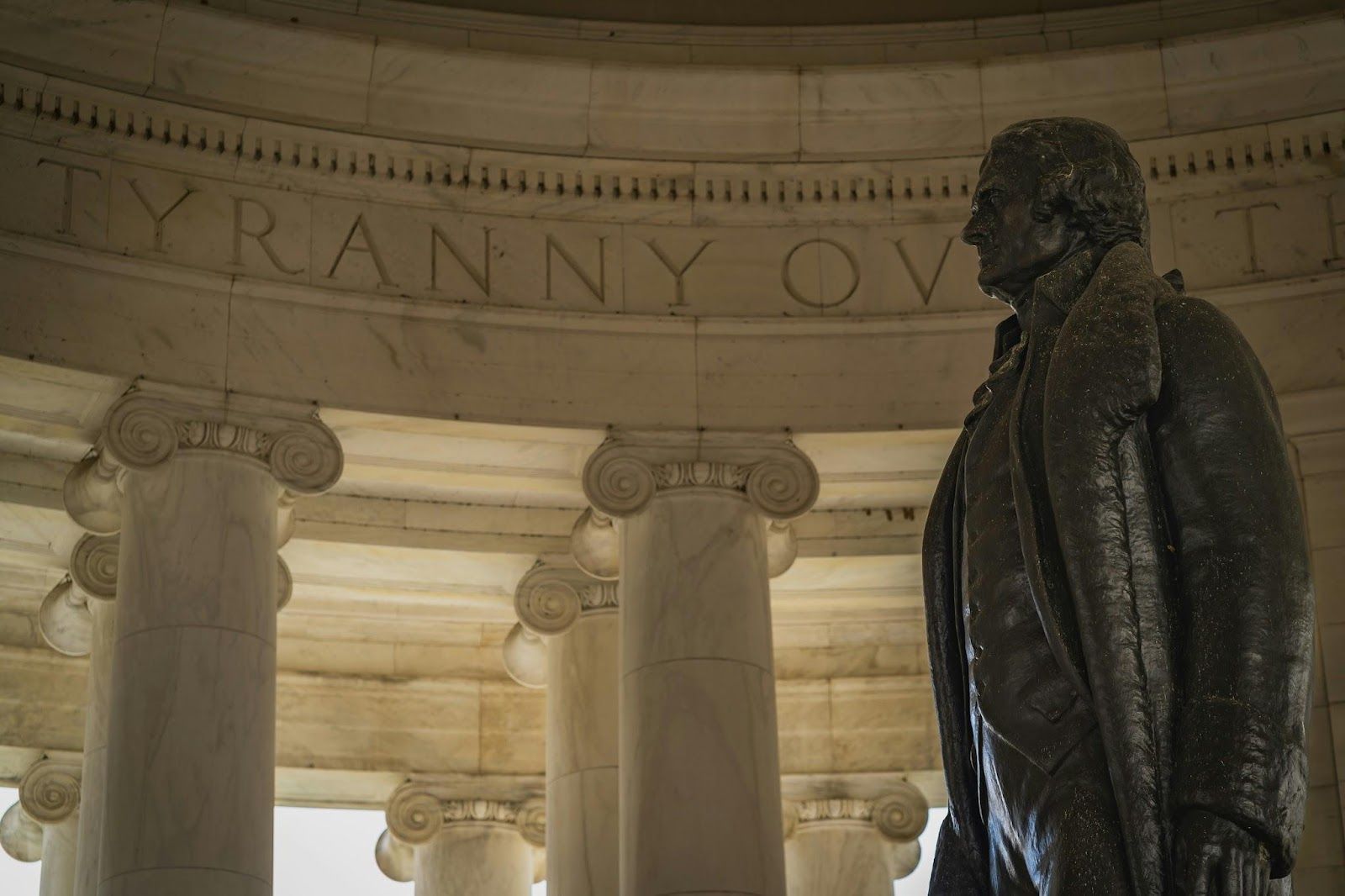
Many believe the Founding Fathers worked as a unified group, sharing a single vision without disagreement. But history tends to be a little more complex. While they collaborated and worked hard to establish the United States, they held diverse ideas and visions for the nation, and some even became rivals. Yet, despite their differences, they successfully laid the foundations for the first large-scale modern republic.

History History 3 min read

Political zoo

When an alligator lived in the White House—and 9 more presidential pets

Image: Clovis Wood

From alligators in bathtubs to bears roaming the lawn, U.S. presidents have kept some truly bizarre animals as pets. These creatures weren’t just conversation pieces—they reflected the quirks, ambitions, and historical moments of the presidents who owned them. Here are 10 of the strangest, wildest, and most unexpected pets ever to call 1600 Pennsylvania Avenue home.

1
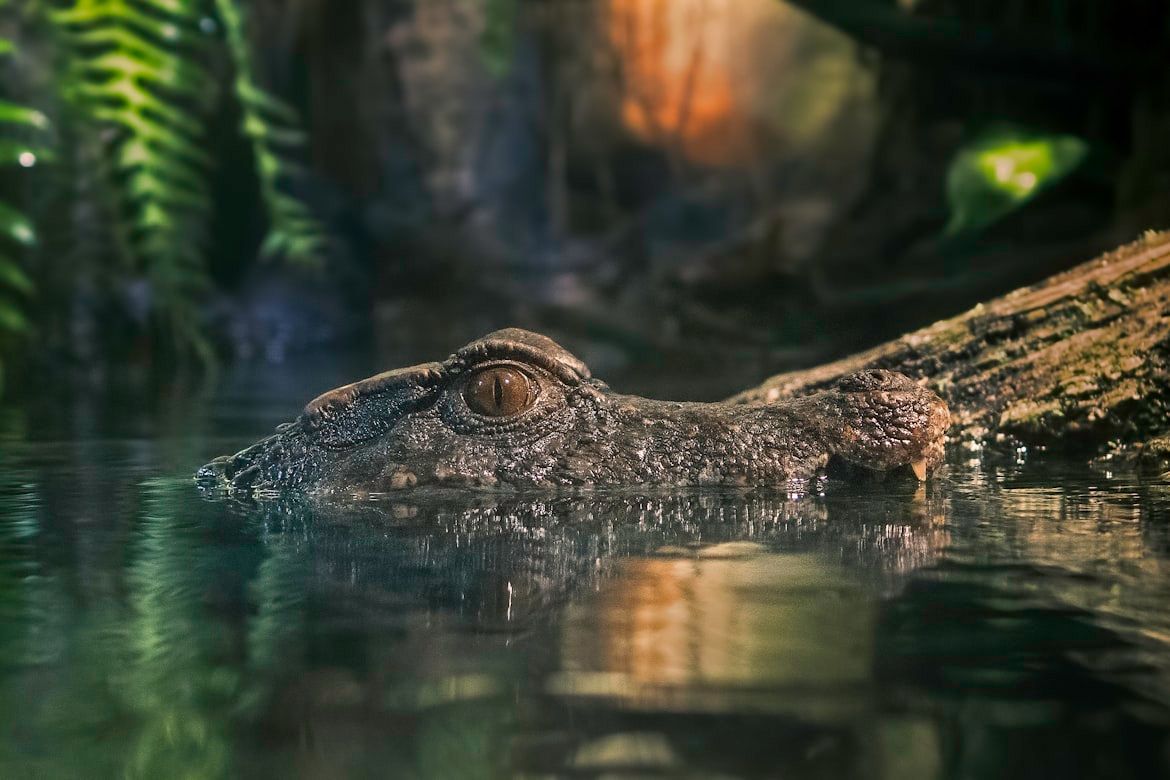
John Quincy Adams’ alligator

Image: Robert Zunikoff

Adams kept an alligator in the White House bathtub, a gift from Marquis de Lafayette. Guests were reportedly startled by the reptile for months before it was relocated.

However, recent historians believe the story may be more myth than fact, reflecting the perceived eccentricity of both Adams and Lafayette rather than actual events.

2
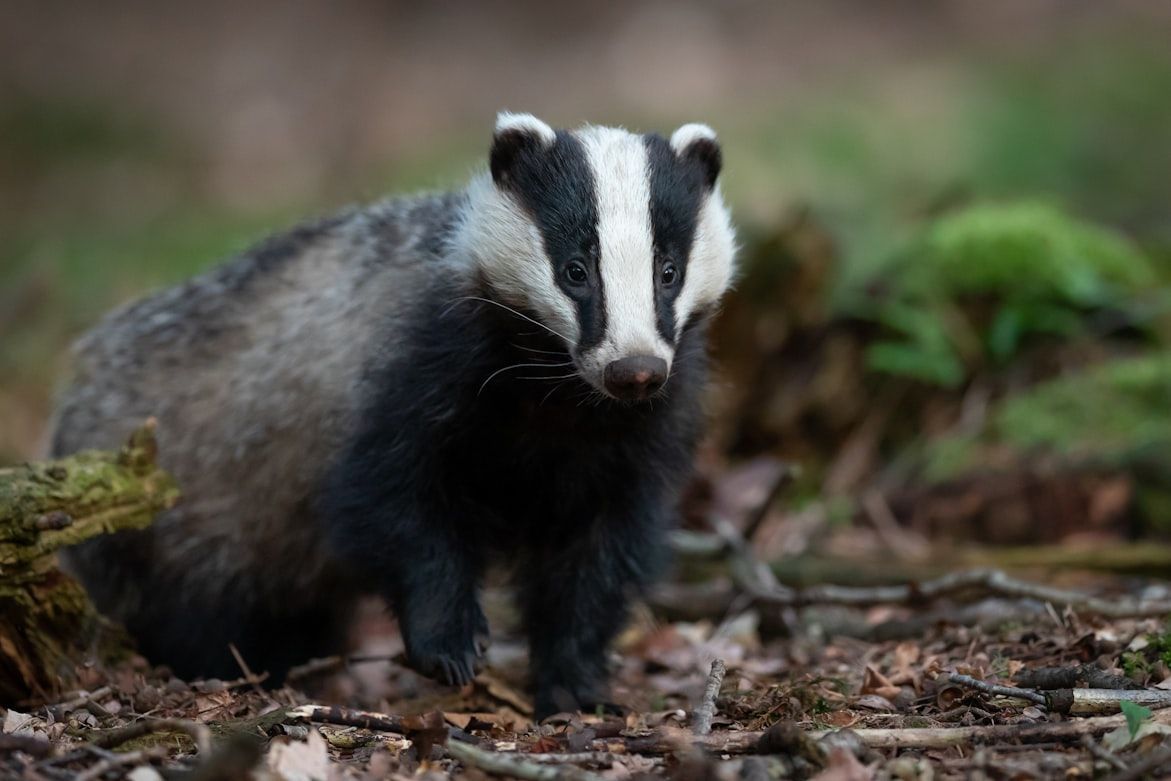
Theodore Roosevelt’s badger

Image: Vincent van Zalinge

It’s clear that Teddy Roosevelt was an animal lover, keeping some of the most bizarre and unusual pets in White House history.

When Roosevelt’s children received a badger named "Josiah" from a girl in Kansas, the president didn’t hesitate to welcome it into the family home. The mischievous animal, however, often nipped at people’s ankles—including White House staff.

3
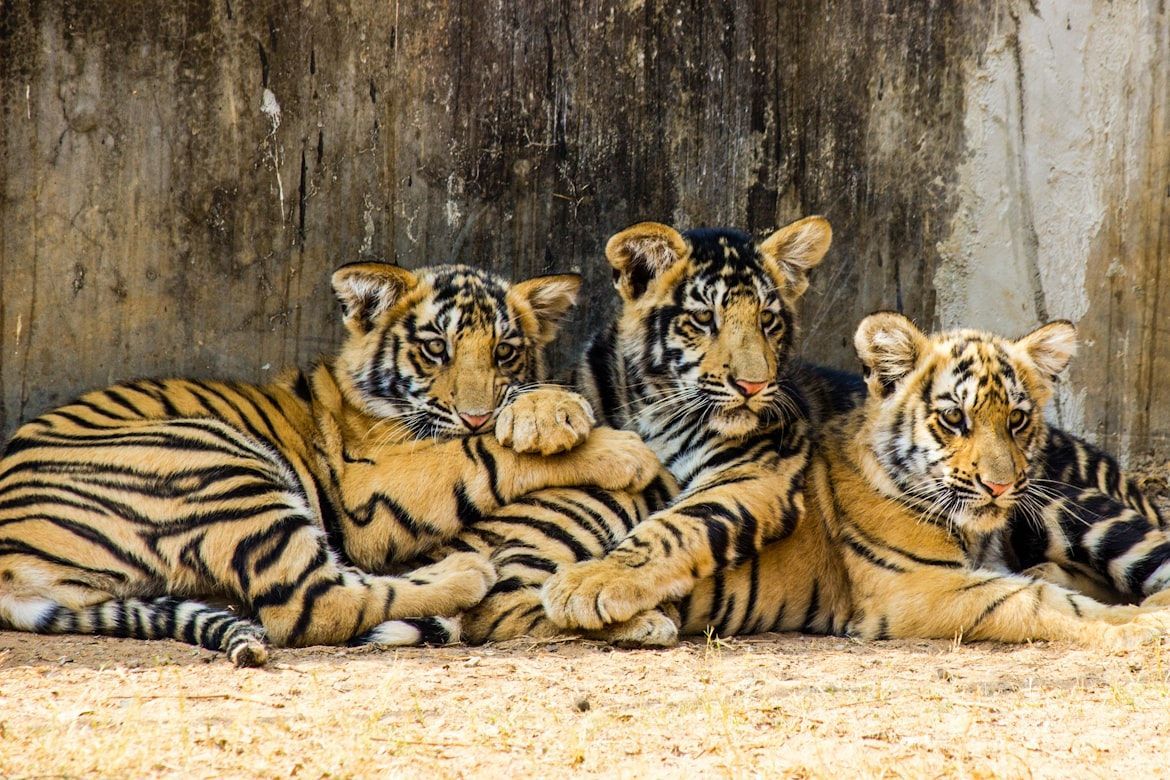
Martin Van Buren’s tiger cubs

Image: Mystery Cat

Yes—tiger cubs, plural. The Sultan of Oman gifted Van Buren two tiger cubs, but Congress demanded he surrender them to a zoo, citing laws against presidential gifts.

Van Buren fought to keep them but ultimately lost, and the cubs ended up in a public collection, marking one of the earliest disputes over presidential ethics and gifts.

4
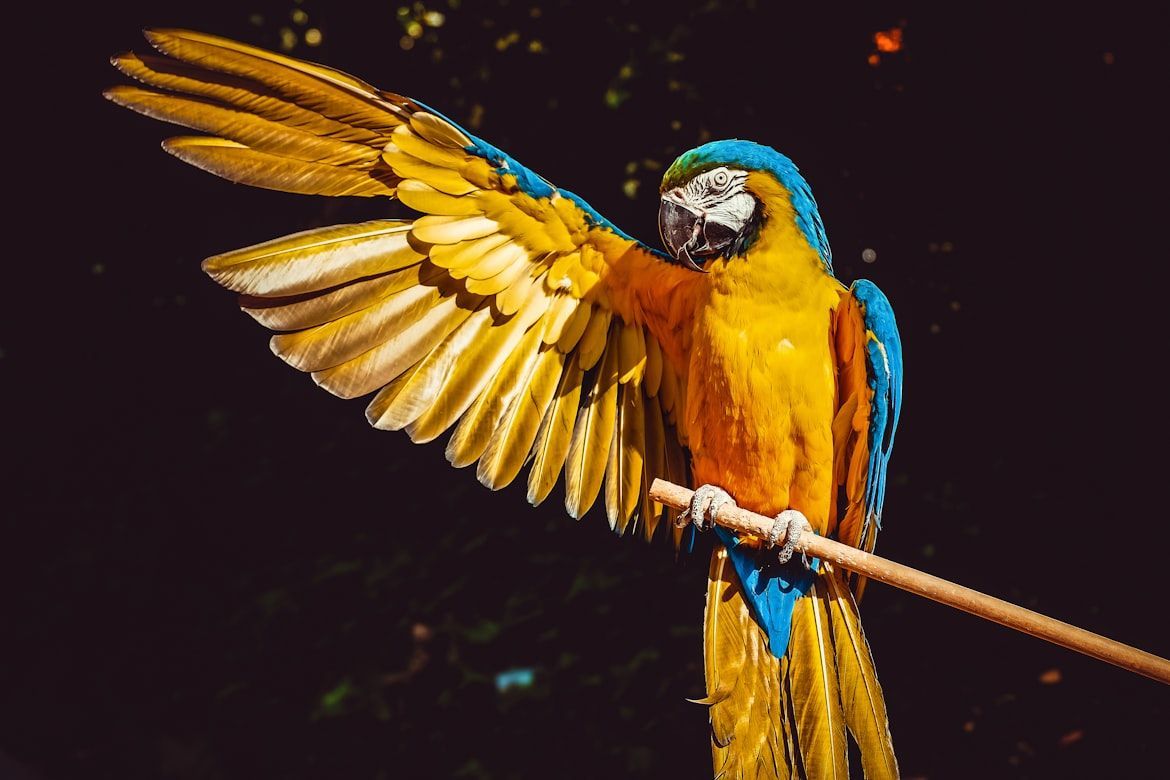
Andrew Jackson’s parrot

Image: Ilona Frey

Jackson’s parrot, "Polly" learned to swear so well that it had to be removed from his funeral for cursing during the ceremony.

Known for his fiery temper, Jackson likely found the bird’s language amusing. Polly’s notorious vocabulary made it one of the earliest infamous pets in U.S. political lore.

5
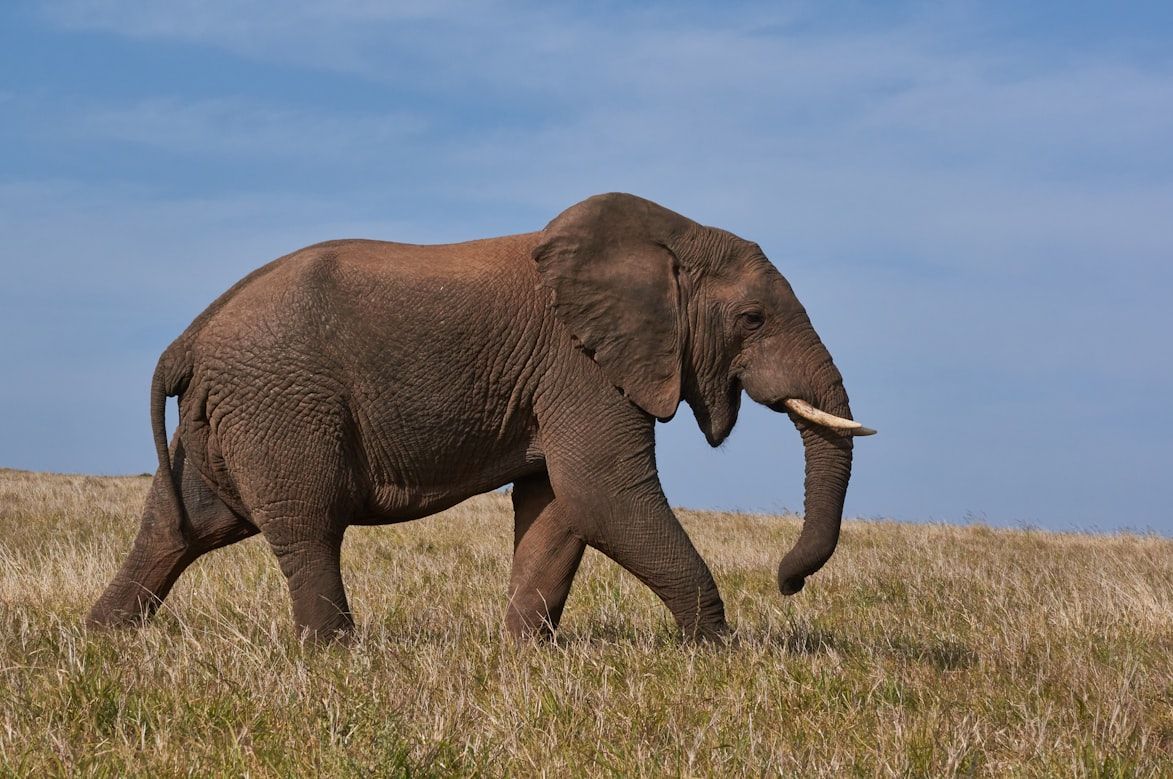
James Buchanan’s elephant

Image: Wolfgang Hasselmann

This was a case of "almost." The King of Siam offered Buchanan a herd of elephants, suggesting they could breed in America. However, Buchanan politely declined—perhaps recalling Van Buren’s short-lived tiger ordeal? Still, he did maintain other exotic animals in Washington.

6
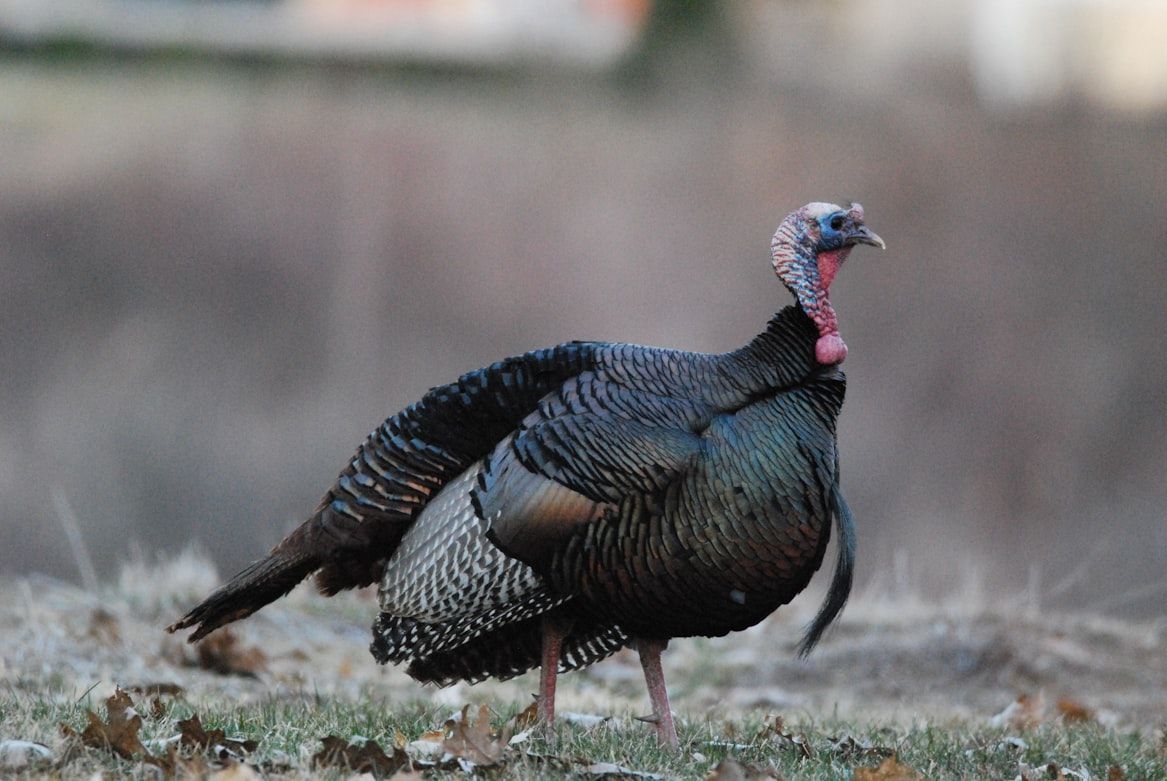
Abraham Lincoln’s turkey

Image: Tyler Jamieson Moulton

Lincoln’s son Tad named their Thanksgiving turkey "Jack" and begged his father to spare it—a story said to inspire the later turkey pardon tradition.

Jack roamed the White House freely and even followed Tad around, charming guests with his odd pet status.

7
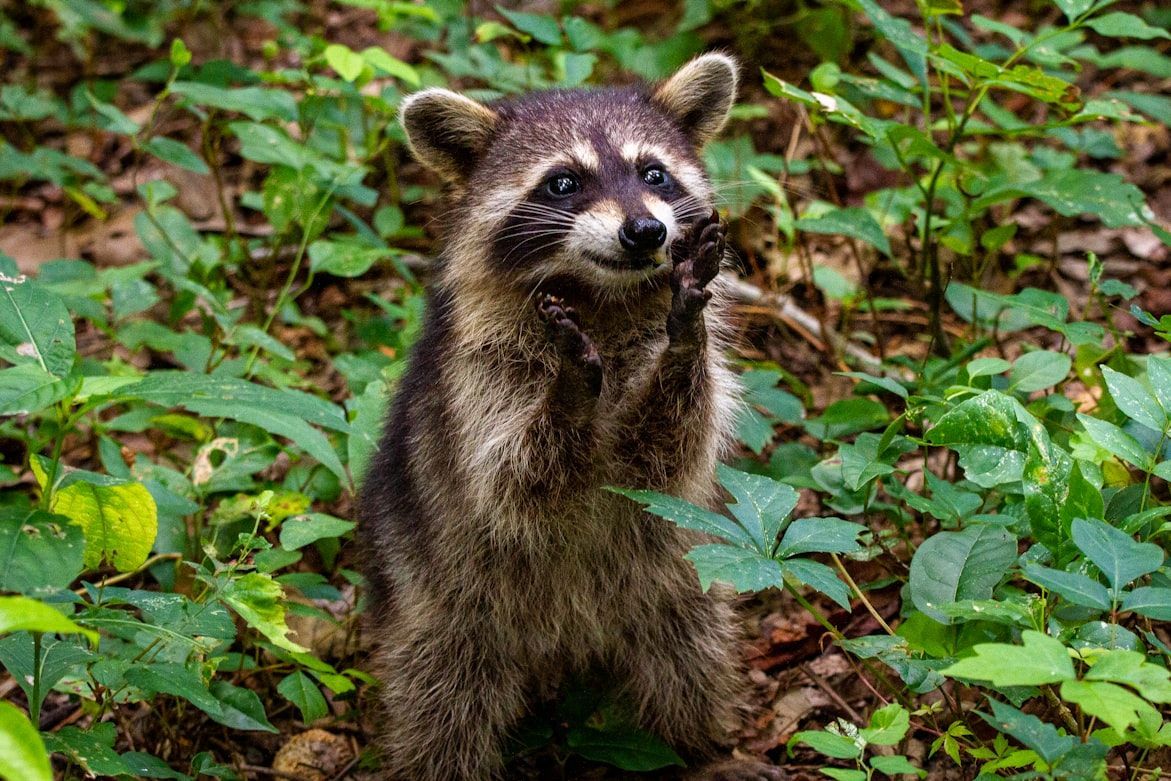
Calvin Coolidge’s raccoon

Image: Joshua J. Cotten

Originally sent to be eaten at Thanksgiving—yes, eating raccoon wasn’t that unusual back then—"Rebecca" the raccoon was spared and became a pet. Coolidge even walked her on a leash around the White House gardens.

Rebecca had a custom house and enjoyed baths. Coolidge adored animals and also kept a wallaby, a bobcat, and even pygmy hippos!

8
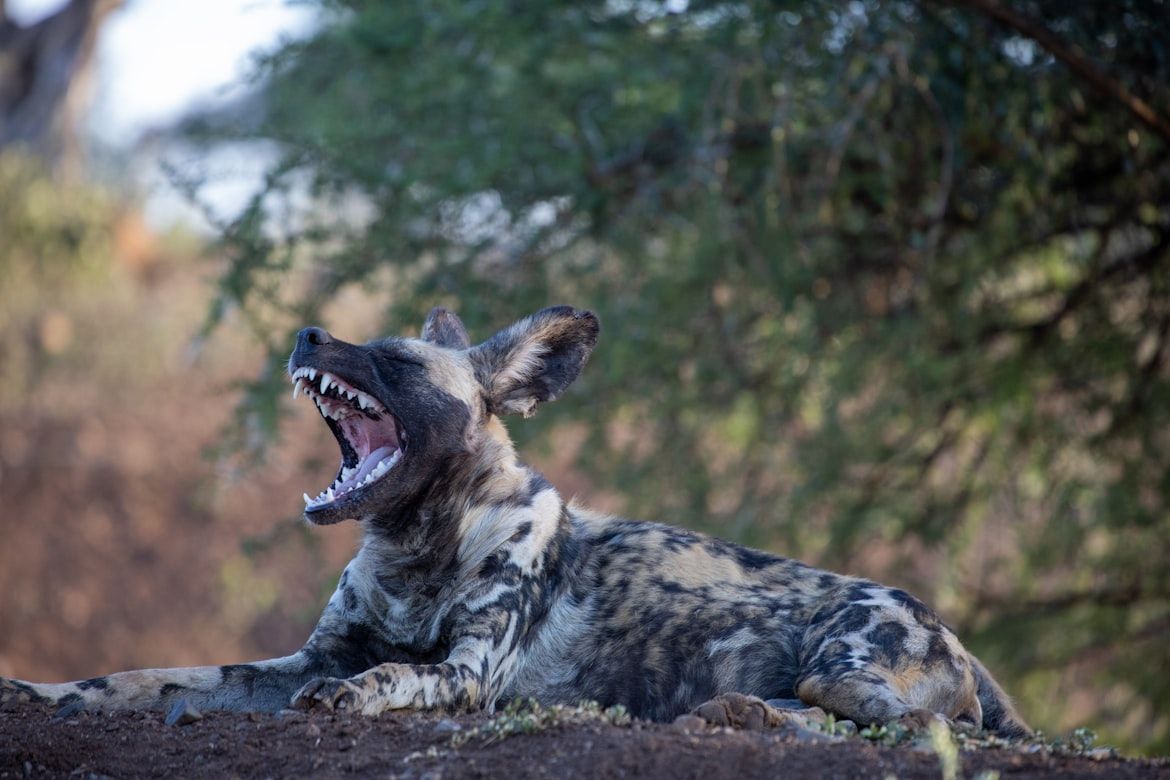
Theodore Roosevelt’s hyena

Image: Matt Burke

By modern standards, it sounds insane, but Roosevelt was once gifted a hyena named "Bill" by an Ethiopian emperor—and he found the animal surprisingly affectionate.

Bill often roamed the White House lawn freely before eventually being sent to the Smithsonian, adding another chapter to Roosevelt’s legendary fascination with wildlife.

9
Woodrow Wilson’s sheep

Image: Sam Carter

During World War I, Wilson let sheep graze the White House lawn to save labor and raise war funds by auctioning their wool.

The move doubled as an environmental gesture and patriotic fundraiser. "Old Ike," a ram, became infamous for butting staff members and reporters alike.

10
Theodore Roosevelt’s bear cub

Image: Alla Kemelmakher

A black bear named "Jonathan Edwards" was among Roosevelt’s pets, inspired by his love of hunting and the outdoors.

Though kept briefly, the bear contributed to Roosevelt’s reputation as an adventurer—one that even inspired the creation of the "Teddy bear."

Explore more American facts

Choose your favorite category!

General
General

As American as apple pie—the very best America has to offer!

Culture
Culture

Delve into the astounding richness of American lore.

Geography
Geography

Hop in and explore vast and diverse American landscapes.

History
History

Discover the key moments that shaped the United States.