General General 2 min read

Eating out today?

12 establishments other than a restaurant where you can get a decent meal

Image: Melissa Walker Horn

If you are interested in going out for a bite but don’t feel like sitting in a restaurant, plenty of other options are available to get a very decent meal. Turn your dining out experience into an adventure by exchanging, for once, your usual eaterie for a casino, a train station, or even a hardware store.

1
Casinos

Image: Kvnga

A casino might not be the first place one has in mind when thinking about going out to eat, but these establishments usually have a variety of dining options, from buffet-style areas to casual eateries and upscale, more traditional restaurants, with good prices and good food, to attract gamblers .

2
Hotels

Image: Francesca Saraco

Unlike a regular restaurant, where clients come and go, hotel kitchen staff is used to serving the same guests more than once in short periods of time . This motivates them to enforce a higher standard of service since their clients will return soon and are more likely to hold them accountable for any previous issues.

3
Delicatessens

Image: Simona Sergi

Other than being a place where you buy ingredients, a delicatessen store, known as a deli, is also known for its sandwiches and often offers other meal options like soups and salads .

4
Sporting venues

Image: Mick Haupt

Eating a hot dog or a hamburger with a beer on a sunny day, while sitting on the benches during a baseball game, is an experience that everyone should attempt at least once in their lives.

5
Department stores

Image: mostafa meraji

Department stores are convenient. These places offer many different services, grouped together, in a controlled environment, including meals. In their food courts, you can choose your menu from a variety of stands, take your tray to your selected table, and eat undisturbed .

6
Colleges and universities

Image: Michael Marsh

College and university campuses usually have dining halls or food courts that are open to students, faculty, and staff. But some are also open to the general public. Their meals tend to be healthy and balanced , prepared by catering companies that work with nutritionists.

7
Bowling alleys

Image: Persnickety Prints

Many bowling alleys have snack bars or restaurants where you can get food and drinks to enjoy while you bowl . Or you can enjoy it without bowling, as well.

8
Train stations

Image: Michał Parzuchowski

Train stations often have a selection of restaurants and cafes for travelers where you can watch the passengers and dream of going places while you enjoy a snack .

9
Bookstores

Image: Pauline Loroy

Many bookstores, especially larger chains or independent ones, now include cafes. These offer a relaxing and quiet environment to enjoy a coffee and a light meal or snack while browsing a book.

10
Hospitals

Image: National Cancer Institute

Hospitals are places where people spend long periods, maybe waiting for somebody else, and have areas where they can grab a bite in a usually quiet place. And, since the food is usually prepared in the hospital kitchens, hygiene and health tend to be especially respected .

11
Hardware stores

Image: Oxana Melis

Believe it or not, some larger hardware stores, particularly those in rural areas, have a small cafe or deli counter serving basic meals . It's often a local gathering spot for the community.

12
Cooking schools

Image: Odiseo Castrejon

Some cooking schools offer demonstration classes that include a meal, or they might have a small cafe open to the public, where students offer their creations .

General General 3 min read

Stay safe!

Black bears in your area? 10 tips about what to do and what not to do

Image: Dre Erwin

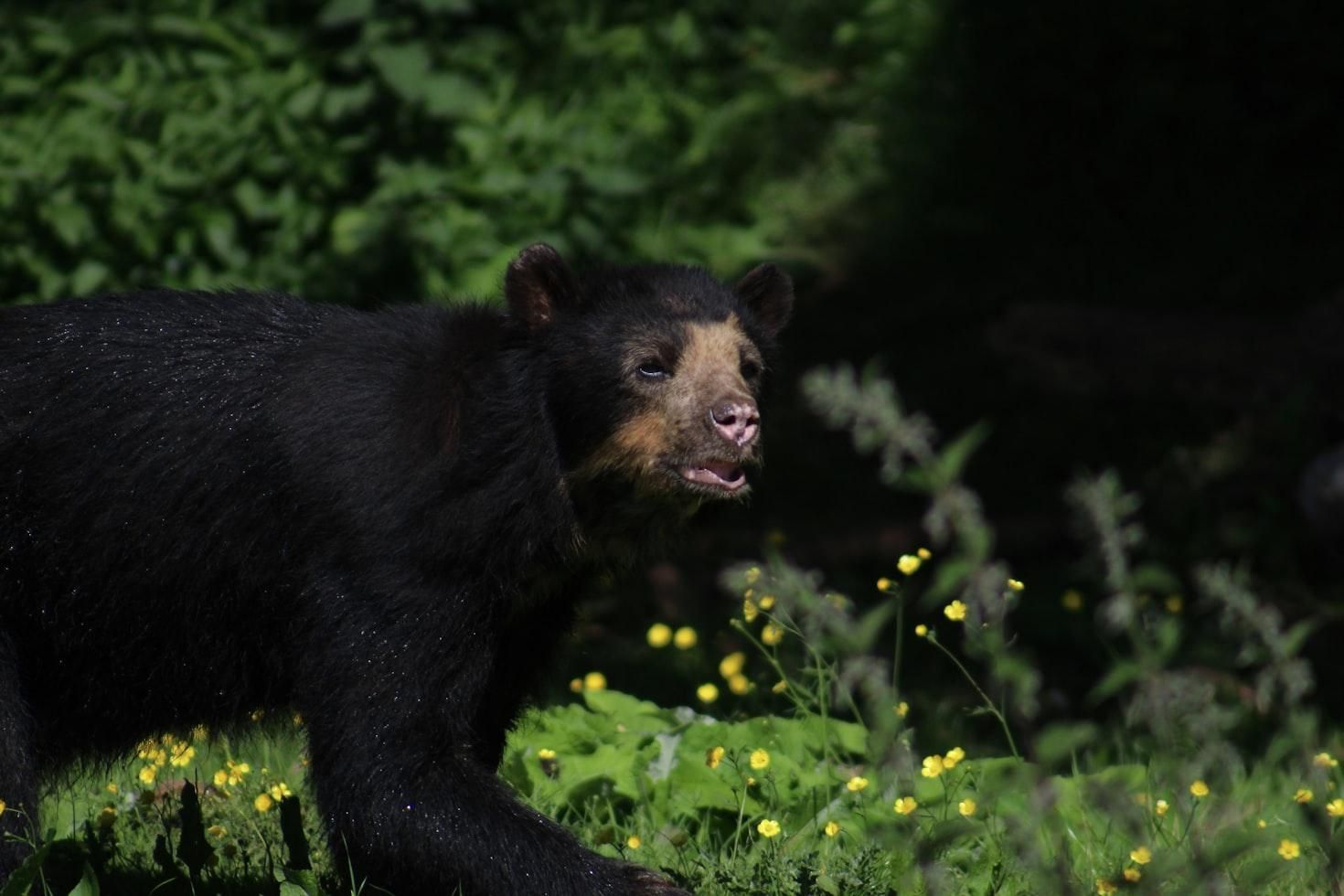
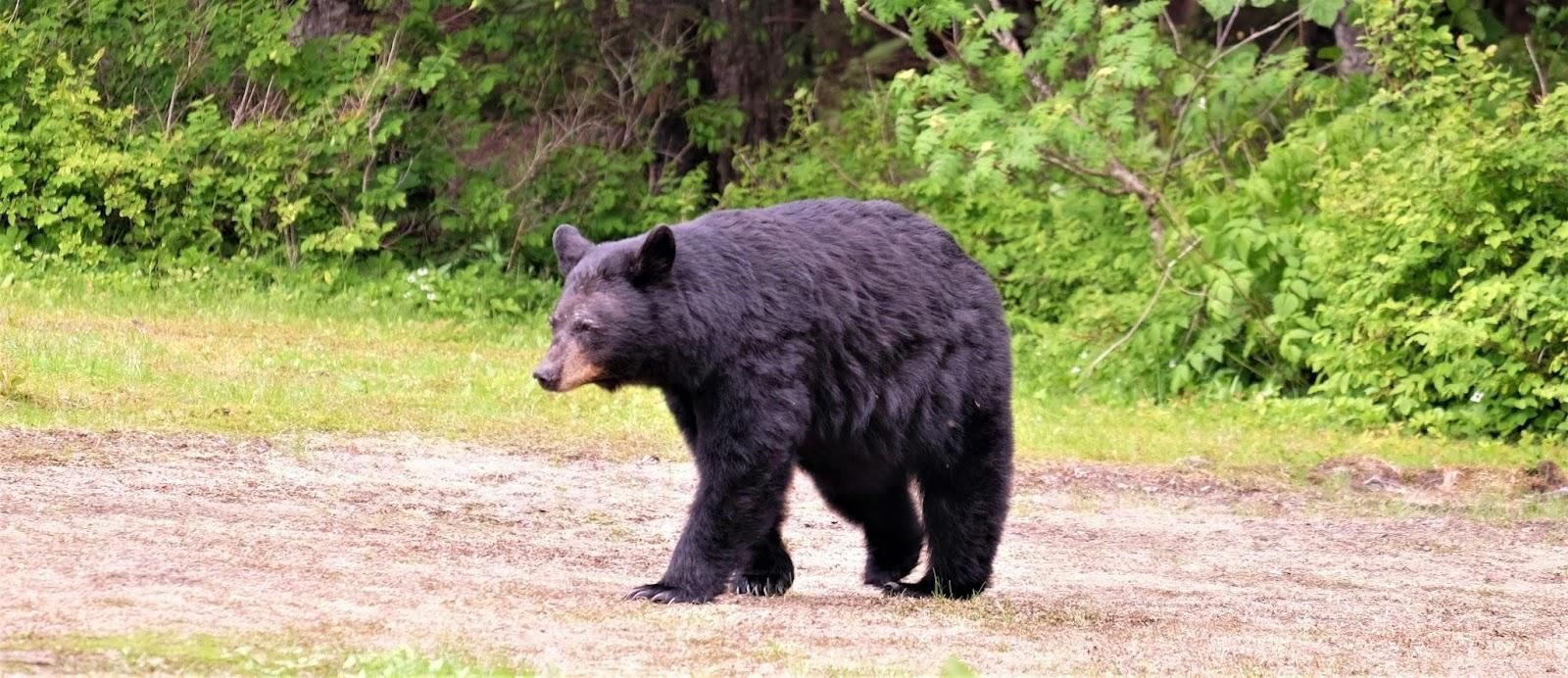
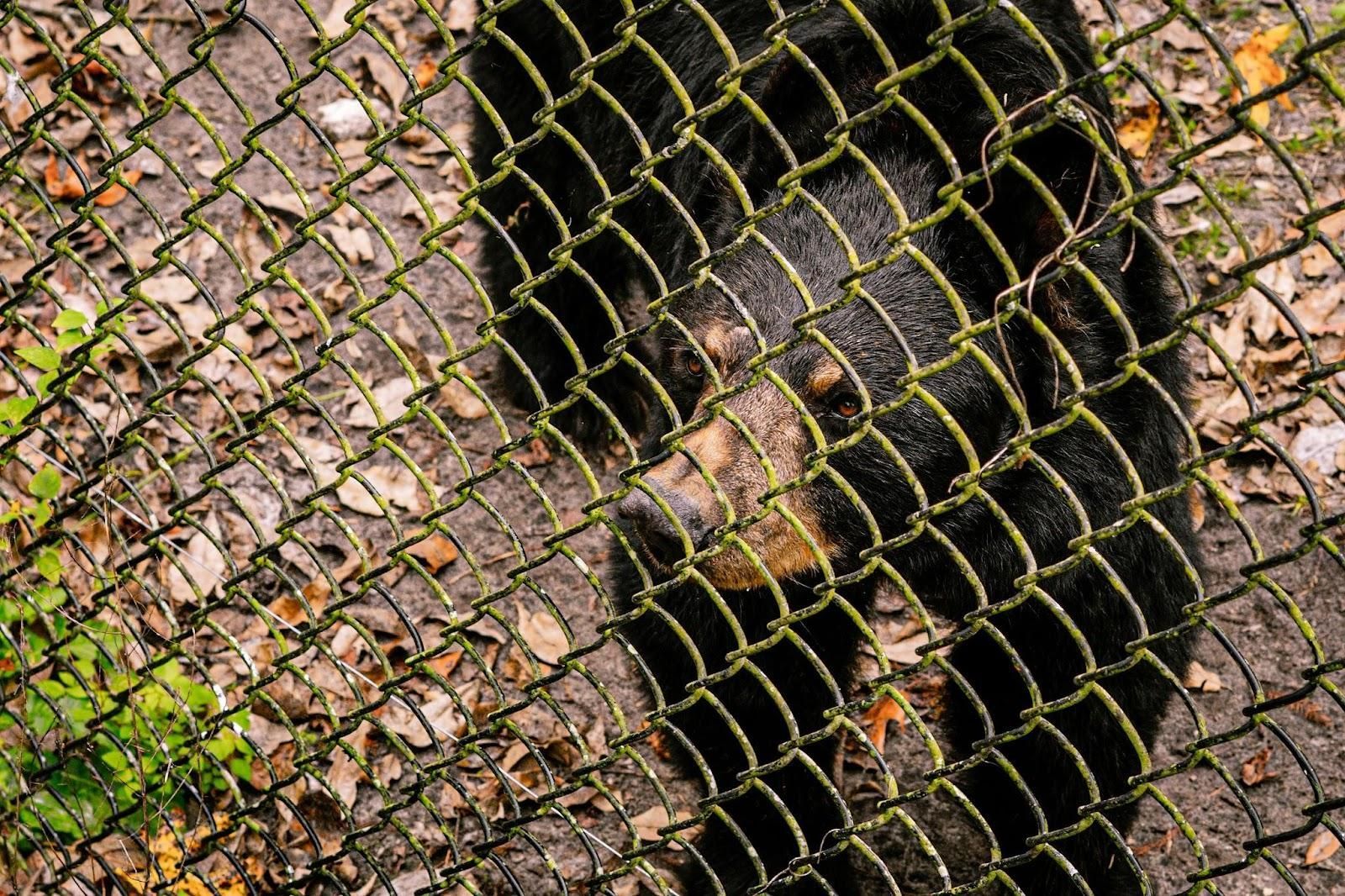
Different species of bears have lived in America for much longer than humans and continue to do so, sometimes even near urban areas. People who live in areas where black bears can be found should know how to act to stay safe and avoid harming the bears, which are mostly just confused and hungry. Take a look at the following 10 tips and remember them. This is the kind of information that can save your life or, at the very least, save you some trouble.

1
Stand and face the bear

Image: Robert Thiemann

If a black bear approaches you, stand your ground and face it directly . Never run away from or approach it. The bear is most likely just as surprised as you are and will avoid getting into a fight. If the animal sees that you don’t flee, it will simply walk away looking for an easier, less crowded direction.

2
Appear big

Image: Tristan Frank

A trick often employed in nature by animals and insects that need to deter bigger creatures is to make themselves appear larger by any means necessary. The same tactic should be employed if you encounter a black bear. Make yourself look as big as possible by spreading your arms or, better yet, using a coat if you have one at hand.

3
Make some noise

Image: Isabel Lee

No other animal in nature can create noises like a human can. Either screaming at the top of your lungs or banging on a pan, the kind of noise you can produce is extremely startling for almost any animal, including bears, which will leave you alone as soon as they can.

4
Keep bear spray at hand

Image: Michael Anfang

Bear spray is a highly effective deterrent against black bears. If a bear approaches and you have bear spray, don't hesitate to use it . The animal will find the whole ordeal extremely unpleasant and will flee immediately.

5
Fight back

Image: Julia Fiander

In the extremely rare event of a black bear trying to attack you, attempt to escape to a secure location. If escape is not possible, fight back using any available object . Focus your blows on the bear's face and muzzle. Never play dead, as this can encourage the bear to continue its attack.

6
Remove what attracted the bear

Image: Susan Elizabeth Jones

If you have seen a bear near your home or the area where you are staying, be sure to remove whatever attracted them to the location . This could include a used barbecue grill with leftover grease or meat, a bird feeder, unattended pet food, or garbage.

7
Alert your neighbors

Image: Alla Kemelmakher

If you have seen bears or any signs of their presence in your area, alert your neighbors. Even if you have taken the necessary precautions to deter the presence of bears, your neighbors might be doing otherwise if they are not aware of the situation.

8
Keep your pet safe

Image: Camerauthor Photos

If you are in an area where black bears, or any bears, are known to exist, always check for their presence before letting your dog, cat, or any other pet go outside. If a bear is in the vicinity, create a safe, enclosed space where your pet can retreat. If possible, move your pet indoors quickly and calmly, keeping them away from windows or doors where they could attract the bear's attention.

9
Give the bear an escape route

Image: Bruce Warrington

If you encounter a bear in your area, follow the advice mentioned earlier and always make sure to leave an escape route for the bear to leave easily. If the animal feels cornered, there is a much bigger chance of getting into an aggressive situation.

10
Airtight containers

Image: Marcus Urbenz

Make sure to store garbage in secure, airtight containers inside a garage or other enclosed storage area. Adding ammonia to trash cans and bags will help reduce odors that attract bears. Also, clean garbage cans with ammonia at least once a week to eliminate residual odors.

Do not store recyclables on a porch or in a screened sunroom, as bears can smell these items and will rip through screens to get to them. Place garbage outside only on the morning of collection, not the night before.

History History 3 min read

Black blood

How oil powered the world: a story of America’s most lucrative industry

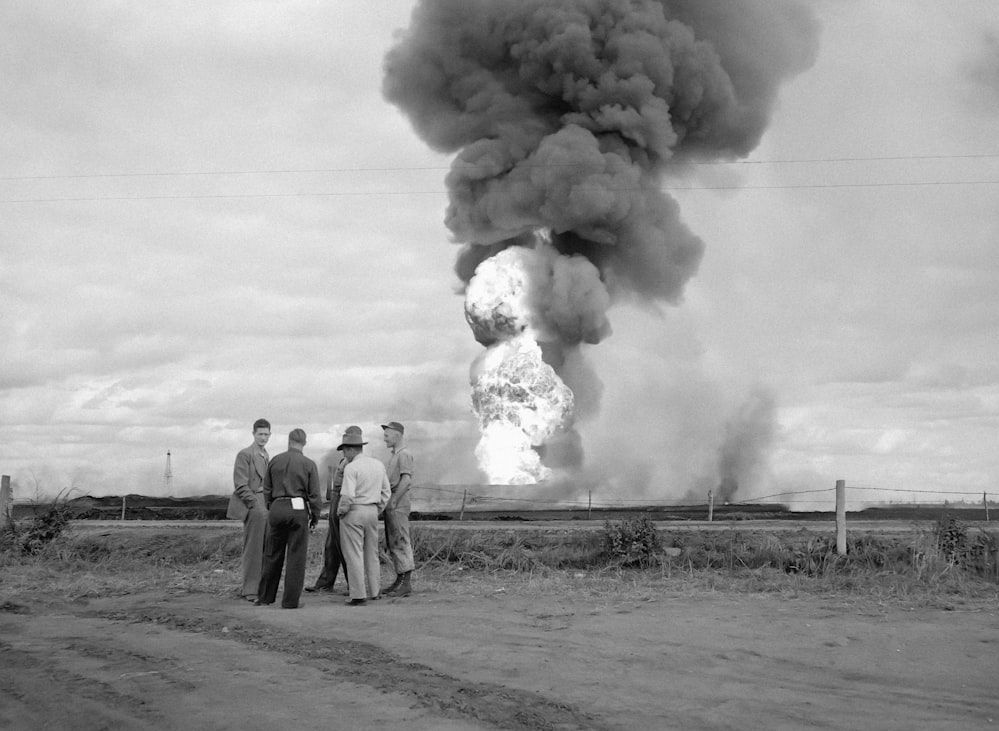
Image: Provincial Archives of Alberta

Since the first oil well was drilled, the United States’ crude oil industry has been a story of ambition, innovation, and power. Here are 10 pivotal moments—from the first black gold gush to the modern shale surge—that defined the role of oil in America.

1
1851: Early refining emerges

Image: Cedrik Wesche

Just before the drilling boom, chemists like Samuel Kier developed small stills to refine crude oil into kerosene for lamps.

That innovation turned oil from a curiosity into a practical commodity. Kerosene replaced whale oil, making lighting cheaper and more widely available, and it created demand for a reliable crude supply.

2
1859: First commercial well

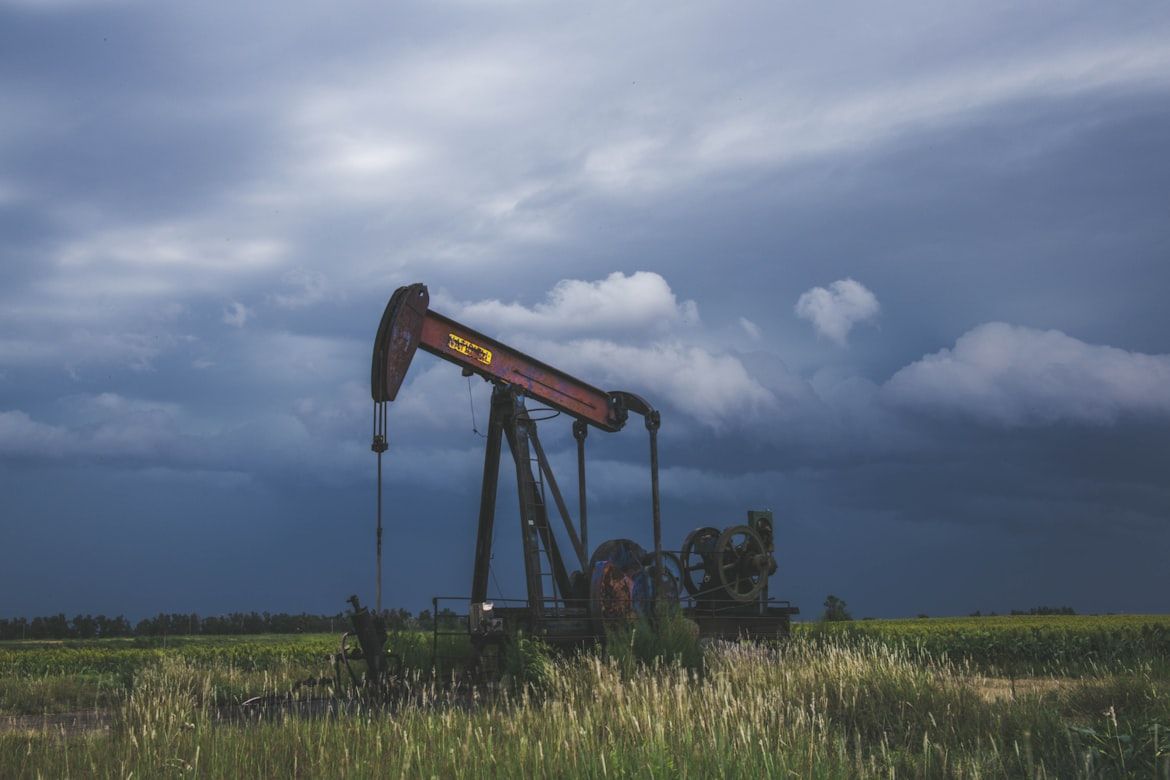
Image: Provincial Archives of Alberta

On August 27, 1859, Drake Well near Titusville, Pennsylvania, drilled by Edwin L. Drake, became the first purposefully drilled commercial oil well in U.S. history.

This moment ignited the first true American oil boom. Suddenly, it was possible to produce large volumes of crude—not just collect surface seepage—and to refine it into useful fuels.

3
1860s–1870s: Pennsylvania oil rush

Image: Jeff W

Word of the Drake success spread fast, and drilling spiked throughout Pennsylvania. Towns such as Titusville swelled almost overnight as wells and refineries spread along Oil Creek Valley.

Railroads extended into western Pennsylvania to transport oil across the country, embedding petroleum into America’s emerging industrial infrastructure.

4
1890s: Dawn of the automobile

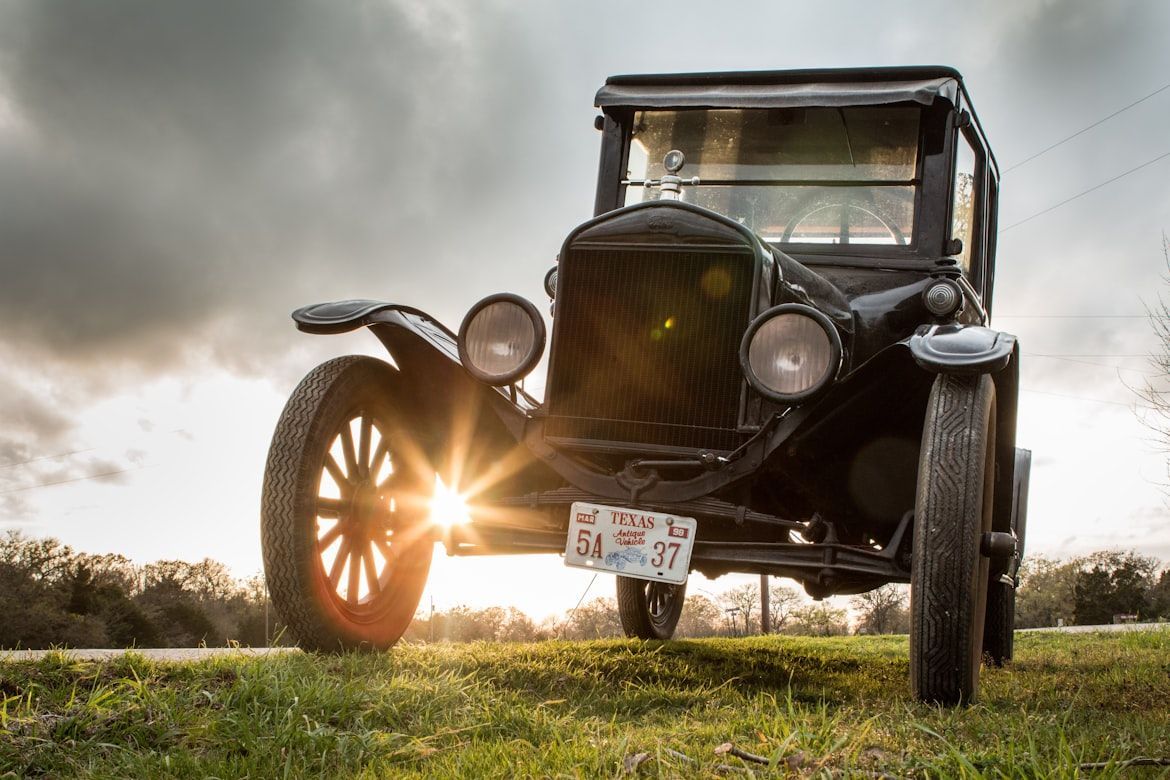
Image: Matthew Lancaster

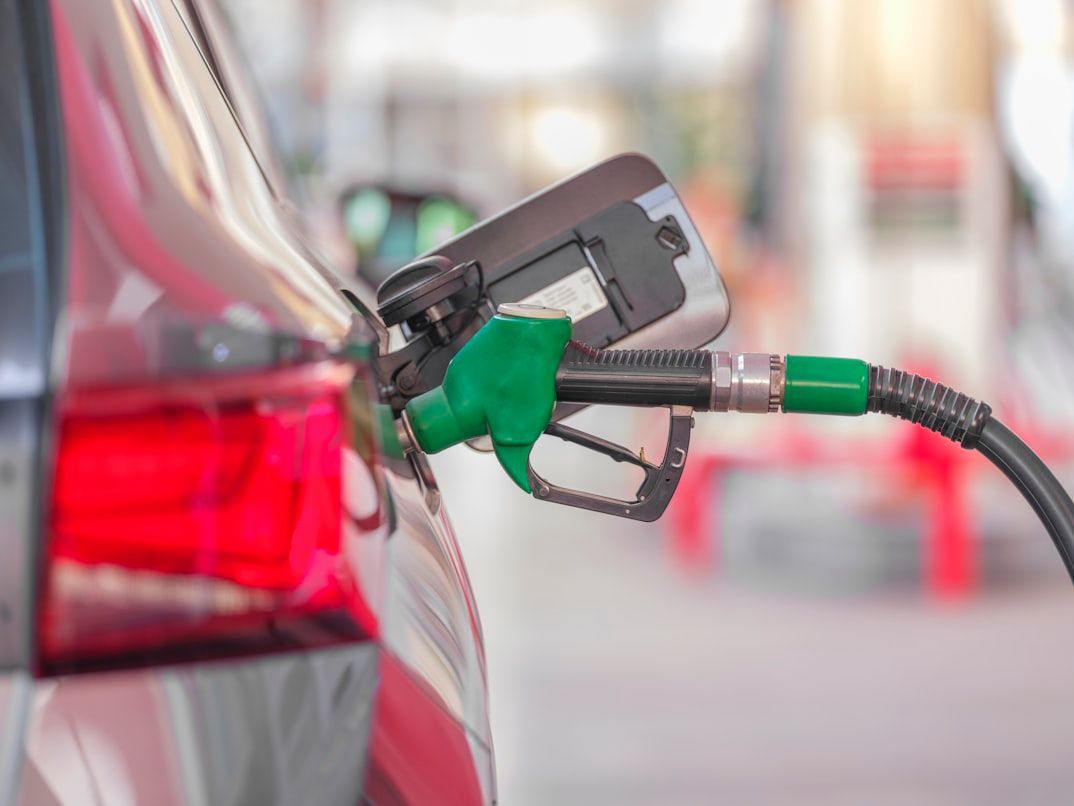
By the 1890s and into the early 20th century, the rise of the automobile created growing demand for gasoline , which had previously been a relatively minor byproduct of crude oil refining.

This shift moved oil’s primary role away from lighting and industrial lubrication and toward transportation fuel , setting the stage for petroleum to dominate America’s energy needs in the decades that followed.

5
1900s–1910s: Rise of big oil companies

Image: Russel Bailo

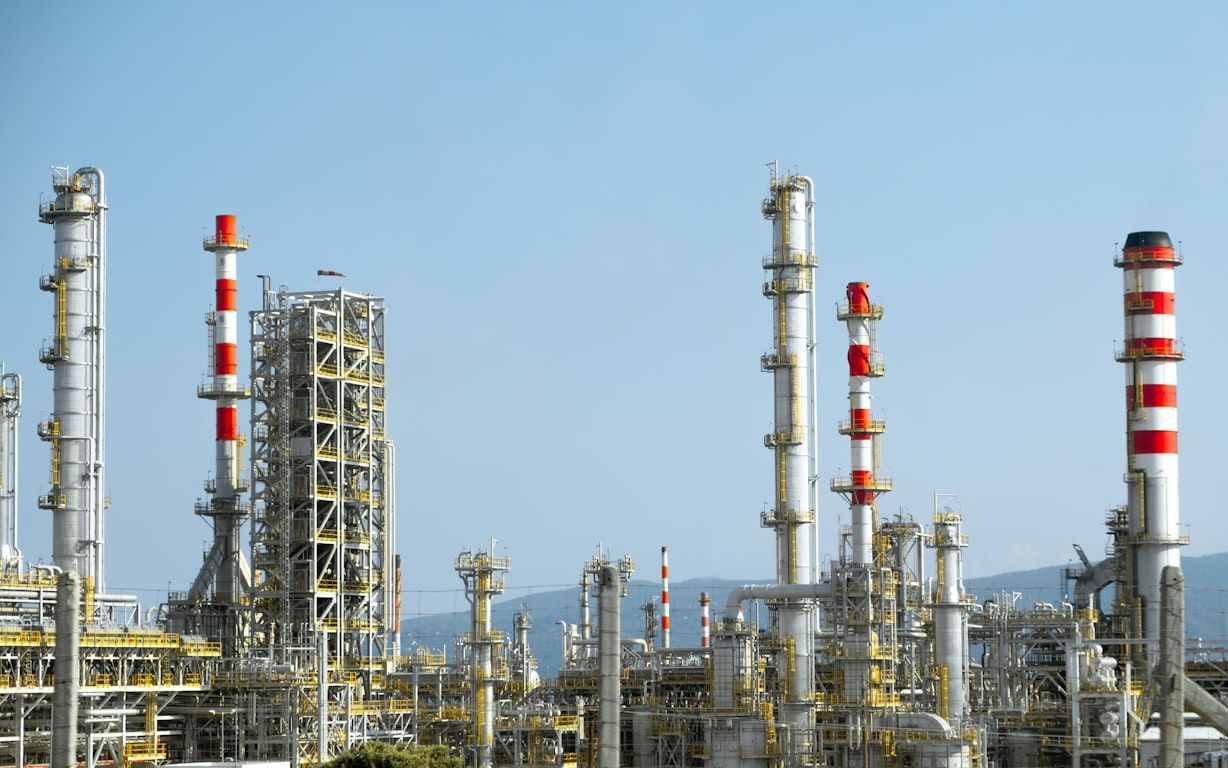
Following early successes, oil refining and distribution consolidated. Firms like Standard Oil Company rose to dominate refining, pipelines, and distribution networks.

At the same time, new oil fields and competition still challenged monopolies and spread oil wealth and infrastructure across more regions of the country.

6
1914–1945: Oil & war

Image: Roman

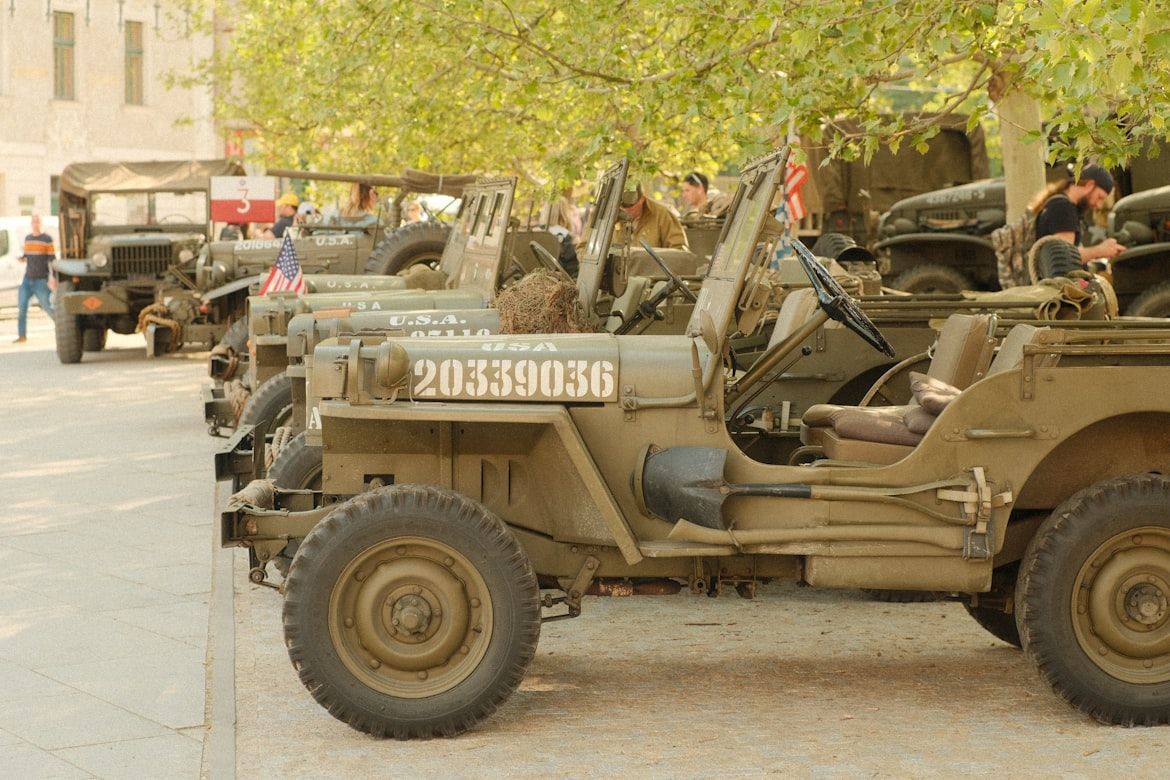
During both World War I and World War II, U.S. oil production and refining capacity became critical to the Allied war effort , fueling ships, vehicles, aircraft, and manufacturing.

That strategic role cemented oil’s position not only in industry but also in American global power, military strategy, and foreign policy.

7
1960: A global oil cartel forms

Image: Christian Harb

On September 14, 1960, the main oil‑exporting nations formed the Organization of the Petroleum Exporting Countries (OPEC) to coordinate oil production and influence prices globally.

Though initially limited in power, OPEC’s rise began to challenge American dominance , setting the stage for decades of geopolitical tension around oil supply.

8
1969: Santa Barbara oil spill

Image: matt brown

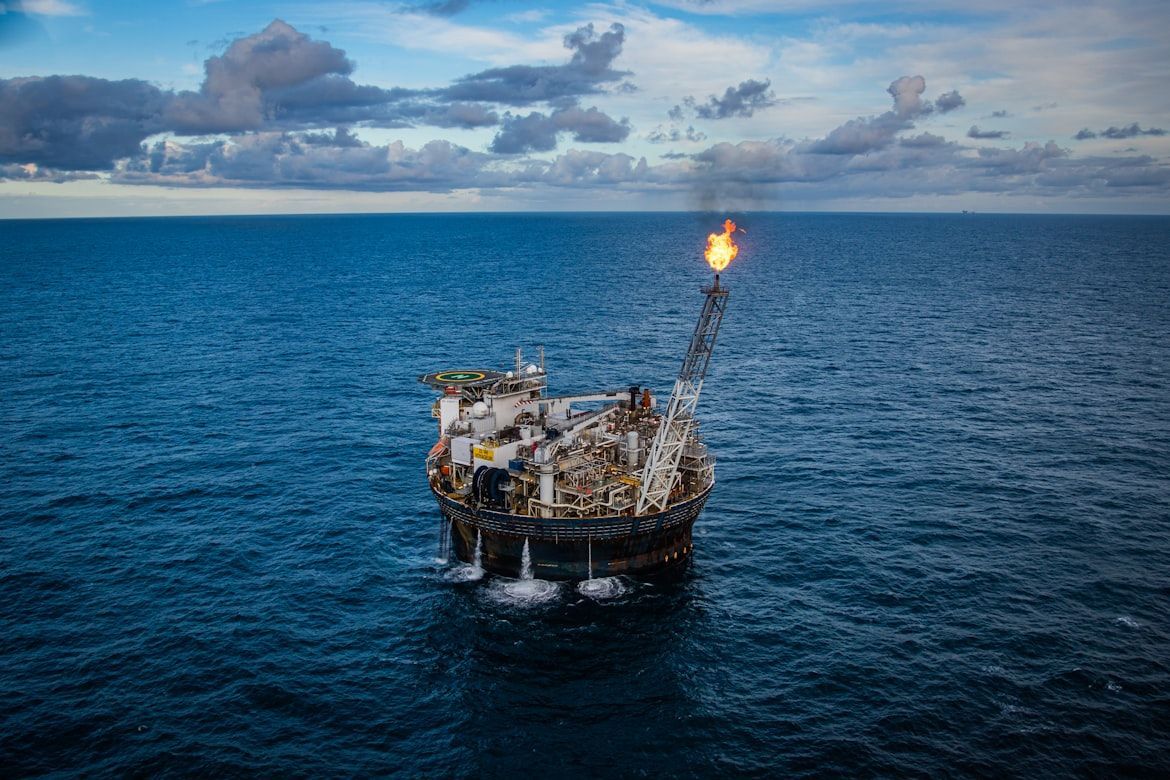
In early 1969, a blowout from an offshore drilling platform released tens of thousands of barrels of oil into the waters off California’s coast, devastating marine life and beaches.

The resulting public outrage helped trigger a surge in environmental awareness and regulation, marking a turning point in how the oil industry was perceived socially and politically.

9
1970–1973: Peak and decline

Image: Documerica

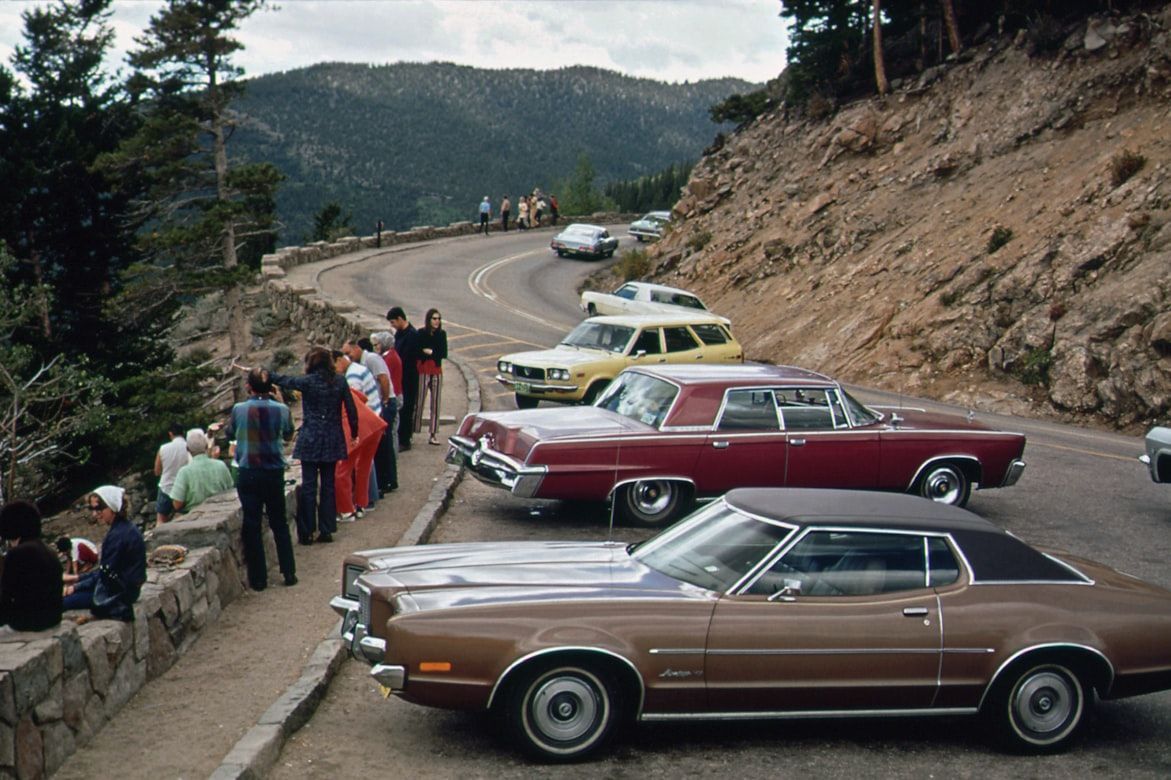
By 1970, U.S. conventional oil production reached its peak, but soon after began a decline as domestic fields matured and couldn’t keep up with the growing demand.

As American production fell, the country gradually became more reliant on foreign oil, a shift that would have major economic and political repercussions.

10
2000s–2010s: Top oil producer again

Image: engin akyurt

In the early 2000s, engineers refined techniques like hydraulic fracturing and horizontal drilling. This unlocked vast shale‑oil and shale‑gas reserves previously uneconomical to tap.

From about 2010 onward, U.S. crude oil production rose sharply, reversing decades of decline. By 2019, the country was producing at levels not seen since the early 1970s.

Explore more American facts

Choose your favorite category!

General
General

As American as apple pie—the very best America has to offer!

Culture
Culture

Delve into the astounding richness of American lore.

Geography
Geography

Hop in and explore vast and diverse American landscapes.

History
History

Discover the key moments that shaped the United States.