Culture Culture 6 min read

LEGENDS OF THE SILVER SCREEN

Action! Do you know these 10 iconic American film protagonists?

Image: Austris Augusts

Hollywood has given us countless exciting and moving movies that have shaped generations of Americans since the dawn of cinema. But what is a good story without a good protagonist? After all, the struggles of these heroes and heroines are not only the driving force that makes the script move forward, but they are usually the characters that most audiences relate to. They inspire us, connect with us, and they leave us with a feeling that makes us want to be better. We have selected 10 of the most iconic protagonists from American films of all decades. Hopefully, this article will make you reconnect with those beloved characters from your childhood who helped inspire and shape the adult you are now. Enjoy!

1
Luke Skywalker (Mark Hamill)

Image: superneox lightsaber

Luke Skywalker is one of pop culture’s most beloved icons. In the first "Star Wars" movie, this young man goes from a life of solitude and safe boredom to a wondrous journey filled with lasers and space magic. Luke not only finds invaluable friends, mentors, and comrades, but he also discovers the purpose he has been looking for his entire life.

Mark Hamill portrayed this character for over 40 years, from his days as a young Jedi apprentice in 1977 "A New Hope", to Luke’s last days as a wise hermit in 2017 "The Last Jedi". You would think that being typecast for such a long time would discourage Hamil, but the actor seems to always be happy to portray Luke on the big screen.

2
Indiana Jones (Harrison Ford)

Image: Colton Jones

Indiana Jones proved to an entire generation that archaeologists can be cool too! Harrison Ford first brought this iconic adventurer to life in the 1981 classic "Raiders of the Lost Ark", and continued to portray him for 4 more films, with the last one in the series (so far) being released in 2023.

Indiana is instantly recognizable through his wide-brimmed fedora, his trusted whip, and his quick-witted sense of humor. There’s not much we can say about this character that’s not already common knowledge, so we’ll end this entry with a less-known fact: Did you know that Indy’s full name is Dr. Henry Walton Jones, Jr?

3
Superman (Christopher Reeve)

Image: Jon Tyson

While up to date over 13 actors have portrayed " the Man of Steel " on film since the character’s creation in 1938, a pretty strong argument could be made that Christopher Reeve’s performance in the 1978 movie "Superman" truly brought this iconic superhero to life.

Reeve was just perfect for the part: He effortlessly brought a level of nuance and depth to Superman while still maintaining the warmth and disposition that made him a pop culture icon. In the end, Reeve is able to show us that, just like every American hero, Superman’s main source of strength is his heart.

4
Marty McFly (Michael J. Fox)

Image: Roger Ce

Marty McFly , the quick-witted and hot-headed protagonist of the "Back to the Future" trilogy, was meant to represent a typical American teenager. And yet, Marty is by all means definitively way cooler than the average teenager: He is charismatic, an amazing guitar player (so much so that he "invented" rock n’ roll), and extremely proficient with his trusted skateboard.

Much of Marty’s legacy as a pop icon can be attributed to Michael J. Fox’s performance. This amazing actor was able to portray Marty’s coolness as well as his bravery, sensitivity, and daredevil ways. Almost 40 years have passed since the release of the first "Back to the Future", but most of us still get goosebumps whenever we see Marty and his iconic Delorean speeding up through time.

5
Ellen Ripley (Sigourney Weaver)

Image: Diego Marín

Few sci-fi characters inspire the awe and admiration that Ellen Ripley does. The very first movie in the Alien series depicts her as a cool-headed and strategic leader, who almost single-handedly manages to defeat one of the deadliest creatures in the universe.

As the films went on, Ripley’s guts and strength continued to grow, saving the Earth from a full-blown alien invasion on at least three different occasions. Portrayed by legendary actress Sigourney Weaver, Ripley is to this day considered to be one of the toughest characters in this genre’s history.

6
John McClane (Bruce Willis)

Image: Matt The Artist

Is John McClane the ultimate action hero? That’s definitively a heated debate, so it might be better to set that question aside for another article. However, no one can deny that Bruce Willis’ character in this groundbreaking series is one of the finest cops the NYPD has to offer.

Based on a character from the 1979 novel "Nothing Lasts Forever", John McClane is a sarcastic, wisecracking, and particularly skilled detective who finds himself in dangerous situations in which he is forced to single-handedly save the day. Willis has played McClane in five different films, which go from the original 1988 film to 2013’s "A Good Day to Die Hard".

7
Forrest Gump (Tom Hanks)

Image: Yosuke Ota

Some believe that Forrest Gump is the quintessential American protagonist, and with good reason: Whether it's his huge heart or a random stroke of luck, Forrest seems to always be at the right place at the right time. Not only that, but his personal story seems to be directly connected to major turning points during the latter half of the 20th century.

Portrayed by Tom Hanks in an outstanding performance that earned him an Academy Award, Forrest Gump is a simple-minded but warmhearted and extremely talented Alabama man who lives an extraordinary life. His search for his childhood love takes him on a journey throughout American history: Forrest teaches Elvis how to dance, helps expose the Watergate Scandal, and runs a three-year marathon across the United States.

8
The Man With No Name (Clint Eastwood)

Image: Luis Domenech

Let’s start this entry by addressing the elephant in the room: Yes, Clint Eastwood’s iconic cowboy character does have a name. In fact, he has several: In the three movies this laid-back and quiet gunslinger appears, he is called by several names including "Blondie", "Joe", and "Manco". However, the truth of the matter is that a man with many names is the same as a man with none, so in the end "The Man with No Name" seems like an appropriate title.

Eastwood played this taciturn antihero in "A Fistful of Dollars", "For a Few Dollars More", and "The Good, the Bad, and the Ugly." While his most notable characteristic is his silent manners, he is also instantly recognizable by his poncho and tan cowboy boots.

9
Rocky Balboa (Sylvester Stallone)

Image: Zane Burko

Rocky’s story, both inside and outside the movie set, can be summed up into a single word: Resilience. In the first film, released in 1976, Rocky is an up-and-coming club boxer who risks it all at a shot at the heavyweight title. Likewise, Sylvester Stallone was a financially broke actor when he wrote the screenplay for "Rocky" in just three days. However, he resisted and persevered with his intent of playing the titular character, which eventually resulted in his most iconic movie role.

After the first movie became a huge hit, winning the Oscar for Best Picture, Stallone reprised this Philadelphia boxer in six different "Rocky" films. Not only that, Balboa has now taken on a mentor role in the franchise’s spin-off series "Creed".

10
Rick Blaine (Humphrey Bogart)

Image: Darius

We’ll end this article with an American legend. The 1942 film " Casablanca " is now considered one of the most influential films of all time: It is consistently on the top of lists of the best films in history, and it was selected for preservation by the U.S. Congress in the National Film Registry. In that regard, much of what made this film so unforgettable comes from Humphrey Bogart’s performance as Rick Blaine, a cynical American expatriate with a heart of gold living in Casablanca, Morocco.

Alongside Detective Sam Spade, Rick is perhaps Bogart's most iconic character. His seemingly bitter persona hides the pain of his long-lost love Ilsa Lund, wonderfully portrayed by Ingrid Bergman. In the end, Boggart helps Ilsa and her husband escape the German army, showing his good nature before leaving Casablanca.

Geography Geography 5 min read

Let’s go on a sightseeing tour

Wander the streets of these 10 iconic American neighborhoods!

Image: Breno Assis

America is truly a wonderful place to live. Take a stroll through any of our busy and vibrant cities, and you’ll come across streets buzzing with culture, breathtaking architecture, and, perhaps most importantly, delightful people. After all, a huge part of what makes our country so great is the generations of Americans who helped build it. In making their homes a better and safer place for the generations to come, these Americans gave our neighborhoods an identity and culture that truly make them unique. With that in mind, we have selected 10 of the most iconic and beautiful neighborhoods in America for you to discover. Enjoy!

1
The French Quarter - New Orleans

Image: João Francisco

We’ll begin this article with a Southern jewel. New Orleans’ French Quarter is the oldest neighborhood in the city, and for a while, it was the central square around which the city was built. In fact, its French name, Vieux Carré ("Old Square") describes its status as an essential location.

Nowadays, the French Quarter serves as a quaint and charming time machine. Millions of tourists visit it for its delightful architecture, delectable restaurants, and buzzing jazz scene. Other attractions include Jackson Square, a public park dedicated to Andrew Jackson, and Bourbon Street, filled with picturesque bars and taverns.

2
Little Havana - Miami

Image: Kian Lem

This neighborhood proves that good things come in small packages. Little Havana got its name in the 1960s after a substantial number of Cuban immigrants moved into the area. With them came the vibrant and colorful culture that has defined this neighborhood for over 60 years.

If you only have time for a quick visit, we recommend taking a stroll through the neighborhood's main street, the world-famous Calle 8 . This strip is filled with stores and restaurants offering traditional (and delicious) Cuban food. You might also visit one of the many live music venues and dance the night away!

3
Chinatown - San Francisco

Image: Madeleine Maguire

We could have taken our pick from the many amazing neighborhoods called "Chinatown" across America, but we ultimately settled on the oldest one in the country. Centered on Grant Avenue and Stockton Street, San Francisco’s Chinatown is instantly recognizable, made famous by amazing movies like The Maltese Falcon or The Pursuit of Happyness .

This neighborhood is also considered largely responsible for popularizing Chinese cuisine in America, and for creating new Chinese-American dishes like chop suey. San Francisco’s Chinatown is also world-known for its spectacular Chinese New Year celebrations, perhaps the biggest of its kind in America.

4
Beverly Hills

Image: David Vives

Since it was incorporated as an American city in 1914, Beverly Hills is technically not a neighborhood. However, because it is completely enveloped by the city of Los Angeles, it is considered a suburb. So, for the sake of argument, we’ll include "90210" on this list, if only because it gives us a chance to talk about the quintessential home of the rich and famous.

Beverly Hills got its name from "Beverly Farms" located in Beverly, Massachusetts, after the landowners realized there was no oil to be found in it and decided to develop it into a town. Nowadays, it is mostly known for its lush scenery, luxury shopping, and, of course, its connection to Hollywood stars. Literally, too many movies and shows feature this city, so we’ll just name a few off the top of our heads: The Beverly Hillbillies , Beverly Hills Cop, and Beverly Hills 90210 .

5
Brooklyn - New York City

Image: Víctor Martín

What is a borough if not a big neighborhood? I know many New Yorkers will disagree with this statement, especially those lucky enough to reside in Brooklyn . After all, many consider Brooklyn to be a separate entity—an independent (albeit small) city. And when you consider all the amazing things this borough has to offer, can you really blame them?

Brooklyn is comprised of over 70 different neighborhoods. If it were a standalone American city, it would rank as the fourth largest in the entire country. However, the sole reason we included it on this list is that the entire borough feels like one massive neighborhood, instantly recognizable by its distinct identity and culture.

6
Haight-Ashbury - San Francisco

Image: Burak Ceviz

San Francisco is world-famous for many reasons: Its slanted streets, cable cars, and the Golden Gate Bridge make it instantly recognizable. Architecture buffs also adore "the City" (as it's known by locals) for a very specific reason: its abundance of "Painted Ladies," the nickname given to the gorgeous Victorian houses built in the 1800s. In that sense, while many of San Francisco’s neighborhoods boast these houses, our top pick goes to those in the Haight-Ashbury neighborhood.

In truth, Haight-Ashbury has so much more to offer than these lovely houses. For starters, this neighborhood was the center of the 1960s counterculture; many claim that the "Hippie" movement began here. Several stores in the area pay tribute to that era, particularly record stores and boutiques.

7
Little Italy - New York City

Image: Alex Haney

Just like with our nation’s Chinatowns, we could have easily picked from a number of locations known as "Little Italy." In fact, New York City houses several of them, from the Morris Park neighborhood in the Bronx to the section formerly known as "Italian Harlem." Ultimately, we decided to focus on what is probably the most famous of them all: the Little Italy neighborhood in Manhattan.

While this area was made famous by Francis Ford Coppola’s legendary Godfather trilogy, the truth is that Little Italy’s charm can’t fully be described by any art form. From its history to its amazing culture and proud heritage, this neighborhood is truly a sight to behold.

8
Pike Place - Seattle

Image: Ben Dutton

We know what you’re thinking: Pike Place is not a neighborhood. And while it’s true that this name is most heavily associated with Seattle’s iconic public market, the area surrounding Pike Place is now considered a neighborhood in its own right—and a gorgeous one at that.

Although small, the Pike Place district is filled to the brim with spectacular landmarks and fantastic gastronomic offers. You can visit the very first Starbucks location, wander around the many offerings in the farmer’s market, or take a stroll through Waterfront Park.

9
The Loop - Chicago

Image: Anthony Fomin

Standing in the heart of "the Windy City" there’s a neighborhood blessed with a unique name: The Loop is Chicago’s commercial district and the true center of the city. It’s named after the central train station located in the neighborhood, where all the city’s train lines meet and form a "loop."

Millions of tourists visit this neighborhood every year, as it is conveniently located near several of Chicago’s main attractions. Anyone staying in the Loop is within walking distance of Millennium Park, the Art Institute of Chicago, and the "Cloud Gate" sculpture, perhaps best known by its nickname, "The Bean."

10
Beacon Hill - Boston

Image: Vanessa Sezini

We’ll end this article with a wonderful historic neighborhood. Beacon Hill ’s name is delightfully straightforward: it refers to a former beacon placed on top of the highest hill in central Boston. As you might have guessed, the function of this beacon was to alert residents to any invasions, which is a true statement of the history of this iconic neighborhood.

Beacon Hill is perhaps Boston’s most famous neighborhood, characterized by its lovely rowhouses, gas-lit streets, and brick sidewalks. It has been home to both the Massachusetts State House and many notable Americans, including author Louisa May Alcott and poet laureate Robert Frost.

History History 3 min read

Black blood

How oil powered the world: a story of America’s most lucrative industry

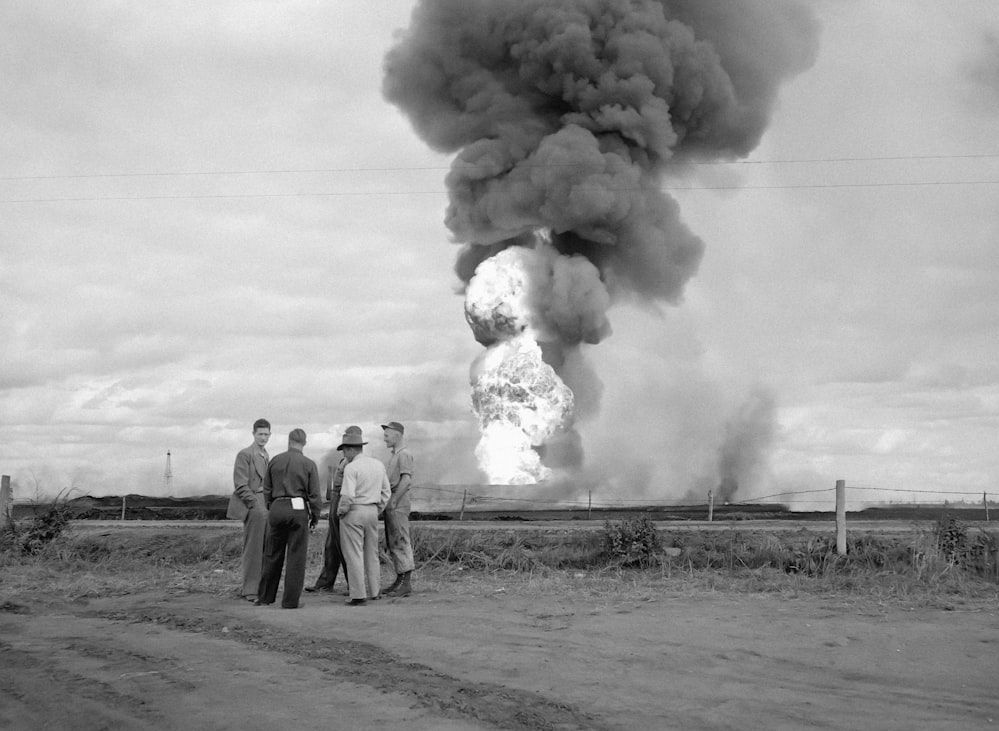
Image: Provincial Archives of Alberta

Since the first oil well was drilled, the United States’ crude oil industry has been a story of ambition, innovation, and power. Here are 10 pivotal moments—from the first black gold gush to the modern shale surge—that defined the role of oil in America.

1
1851: Early refining emerges

Image: Cedrik Wesche

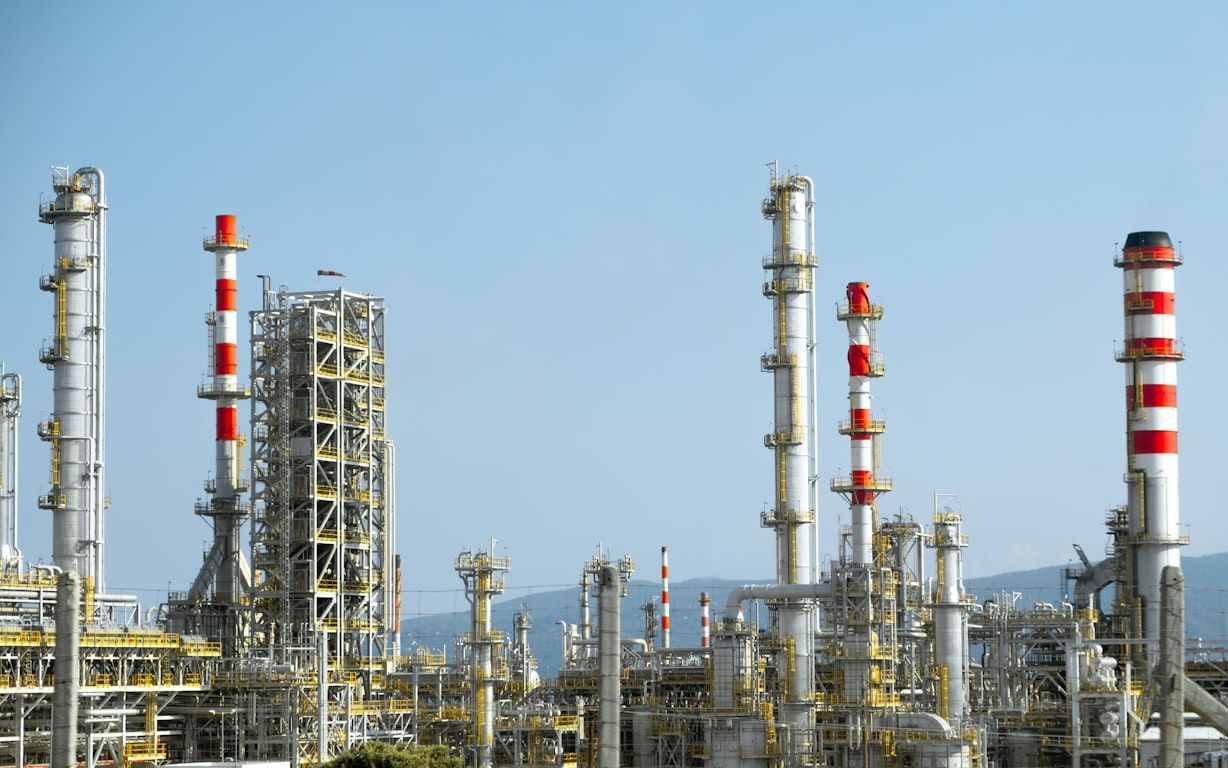
Just before the drilling boom, chemists like Samuel Kier developed small stills to refine crude oil into kerosene for lamps.

That innovation turned oil from a curiosity into a practical commodity. Kerosene replaced whale oil, making lighting cheaper and more widely available, and it created demand for a reliable crude supply.

2
1859: First commercial well

Image: Provincial Archives of Alberta

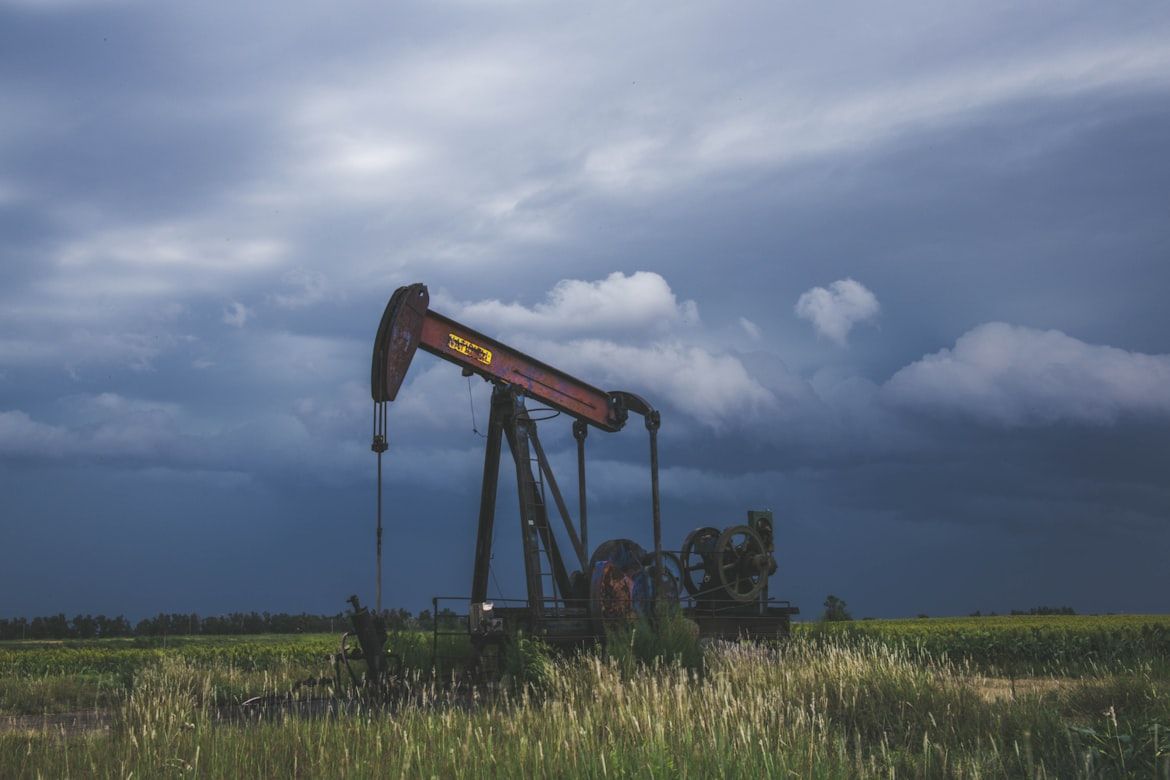
On August 27, 1859, Drake Well near Titusville, Pennsylvania, drilled by Edwin L. Drake, became the first purposefully drilled commercial oil well in U.S. history.

This moment ignited the first true American oil boom. Suddenly, it was possible to produce large volumes of crude—not just collect surface seepage—and to refine it into useful fuels.

3
1860s–1870s: Pennsylvania oil rush

Image: Jeff W

Word of the Drake success spread fast, and drilling spiked throughout Pennsylvania. Towns such as Titusville swelled almost overnight as wells and refineries spread along Oil Creek Valley.

Railroads extended into western Pennsylvania to transport oil across the country, embedding petroleum into America’s emerging industrial infrastructure.

4
1890s: Dawn of the automobile

Image: Matthew Lancaster

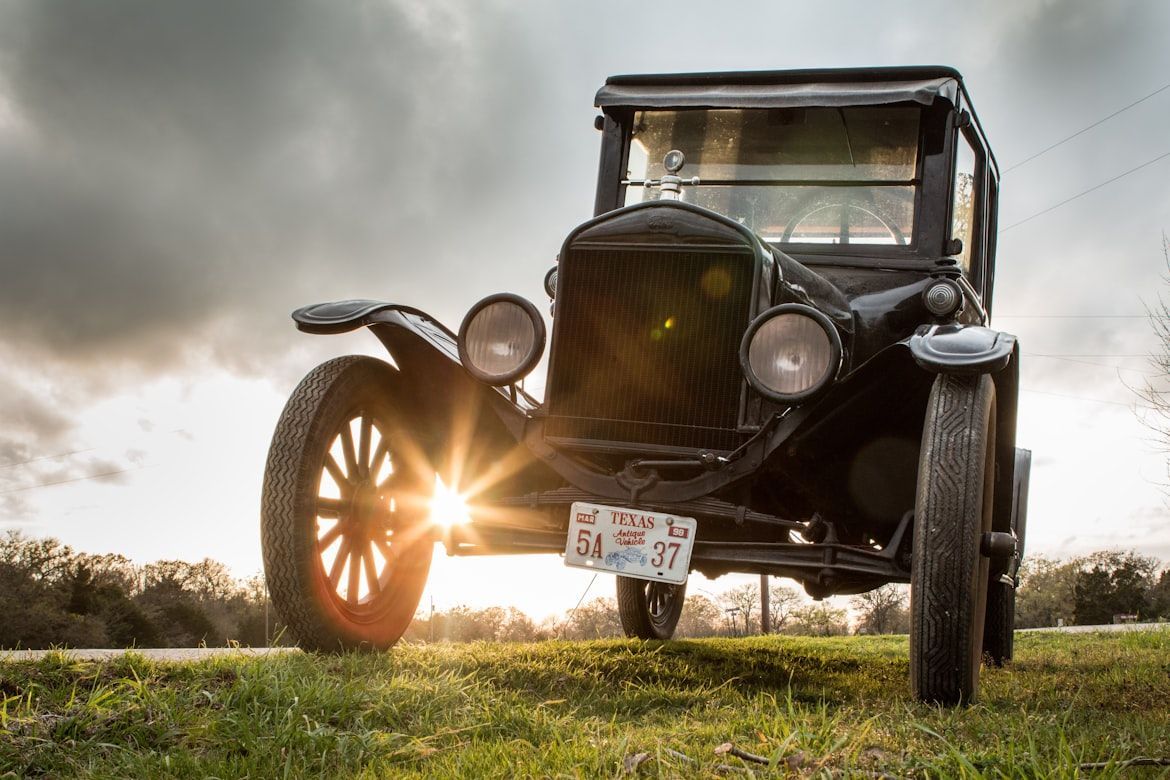
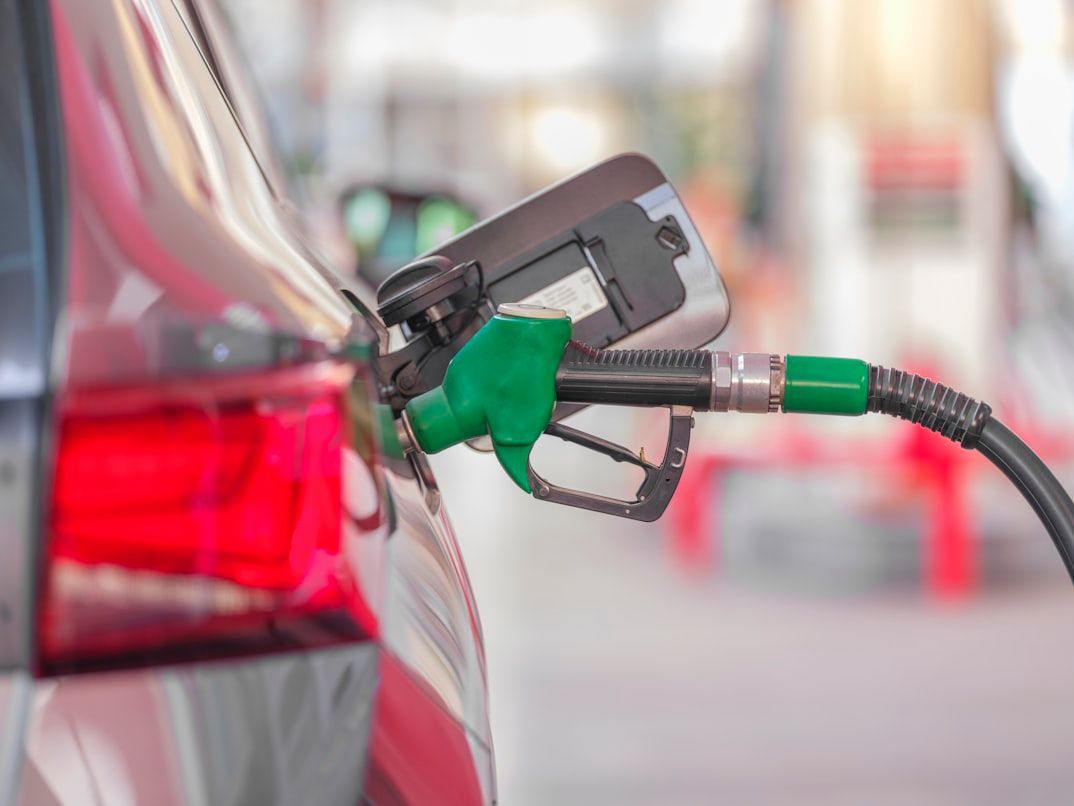
By the 1890s and into the early 20th century, the rise of the automobile created growing demand for gasoline , which had previously been a relatively minor byproduct of crude oil refining.

This shift moved oil’s primary role away from lighting and industrial lubrication and toward transportation fuel , setting the stage for petroleum to dominate America’s energy needs in the decades that followed.

5
1900s–1910s: Rise of big oil companies

Image: Russel Bailo

Following early successes, oil refining and distribution consolidated. Firms like Standard Oil Company rose to dominate refining, pipelines, and distribution networks.

At the same time, new oil fields and competition still challenged monopolies and spread oil wealth and infrastructure across more regions of the country.

6
1914–1945: Oil & war

Image: Roman

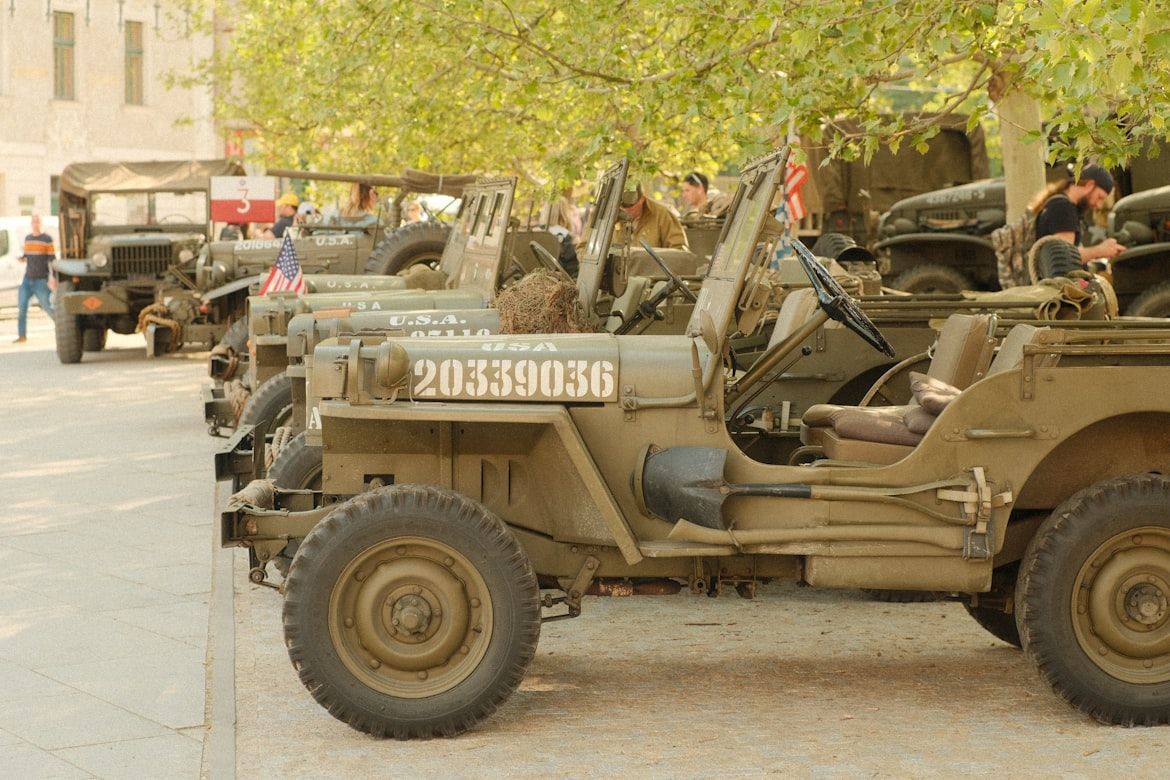
During both World War I and World War II, U.S. oil production and refining capacity became critical to the Allied war effort , fueling ships, vehicles, aircraft, and manufacturing.

That strategic role cemented oil’s position not only in industry but also in American global power, military strategy, and foreign policy.

7
1960: A global oil cartel forms

Image: Christian Harb

On September 14, 1960, the main oil‑exporting nations formed the Organization of the Petroleum Exporting Countries (OPEC) to coordinate oil production and influence prices globally.

Though initially limited in power, OPEC’s rise began to challenge American dominance , setting the stage for decades of geopolitical tension around oil supply.

8
1969: Santa Barbara oil spill

Image: matt brown

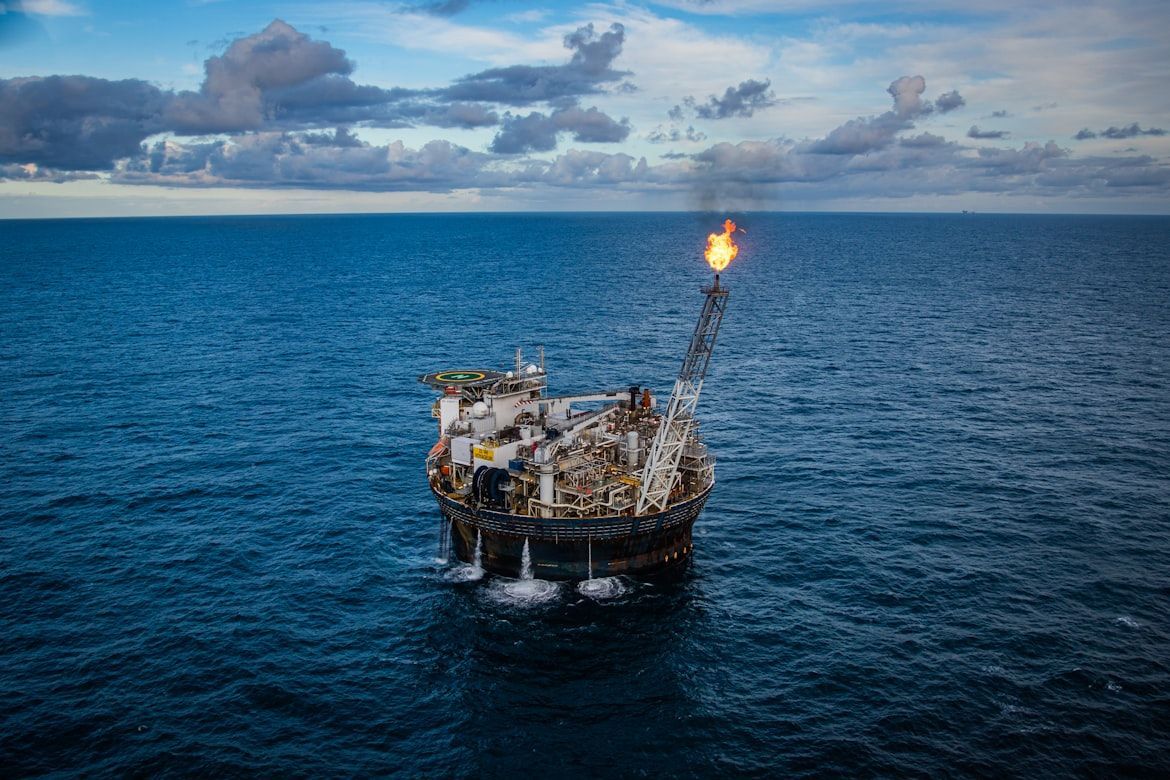
In early 1969, a blowout from an offshore drilling platform released tens of thousands of barrels of oil into the waters off California’s coast, devastating marine life and beaches.

The resulting public outrage helped trigger a surge in environmental awareness and regulation, marking a turning point in how the oil industry was perceived socially and politically.

9
1970–1973: Peak and decline

Image: Documerica

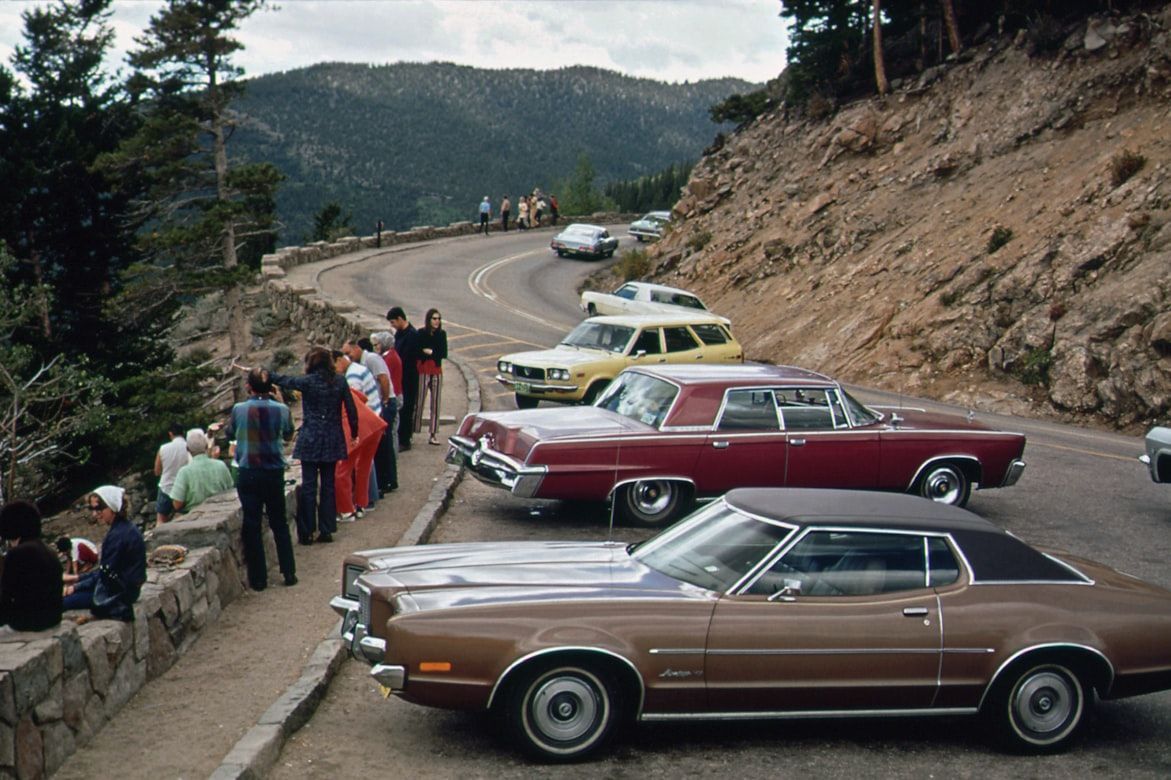
By 1970, U.S. conventional oil production reached its peak, but soon after began a decline as domestic fields matured and couldn’t keep up with the growing demand.

As American production fell, the country gradually became more reliant on foreign oil, a shift that would have major economic and political repercussions.

10
2000s–2010s: Top oil producer again

Image: engin akyurt

In the early 2000s, engineers refined techniques like hydraulic fracturing and horizontal drilling. This unlocked vast shale‑oil and shale‑gas reserves previously uneconomical to tap.

From about 2010 onward, U.S. crude oil production rose sharply, reversing decades of decline. By 2019, the country was producing at levels not seen since the early 1970s.

Explore more American facts

Choose your favorite category!

General
General

As American as apple pie—the very best America has to offer!

Culture
Culture

Delve into the astounding richness of American lore.

Geography
Geography

Hop in and explore vast and diverse American landscapes.

History
History

Discover the key moments that shaped the United States.