Geography Geography 3 min read

Only in America

Born in Accident, raised in Looneyville—the wildest U.S. town names

Image: Lachlan Donald

From puns to head-scratchers, some U.S. towns have names that sound like jokes—but they’re very real! Behind many of them lie strange stories, old legends, or just one stubborn settler with a sense of humor. From Accident to Booger Hole, and even straight-up Hell, these oddly named places tell stories of America’s diverse and often eccentric past. Here’s a coast-to-coast look at 10 towns that’ll make you do a double take.

1
Truth or Consequences, New Mexico
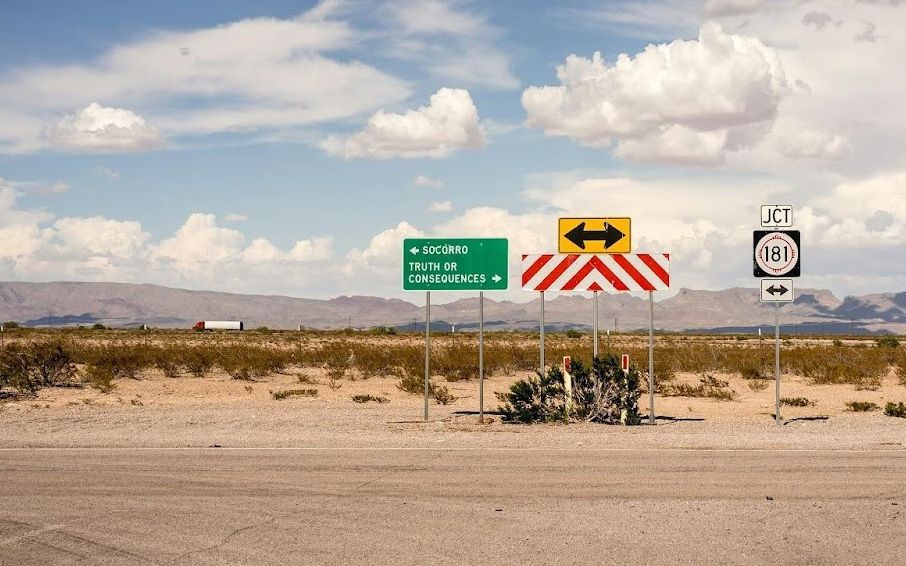
Image: Lachlan Donald

Originally named Hot Springs, the town changed its name in 1950 after a popular radio show. Host Ralph Edwards had promised to broadcast from the first town that renamed itself after the program.

The publicity stunt worked—Edwards visited annually for the next 50 years. Despite its playful name, Truth or Consequences is a legitimate spa town, known for natural hot springs and health resorts.

2
Accident, Maryland
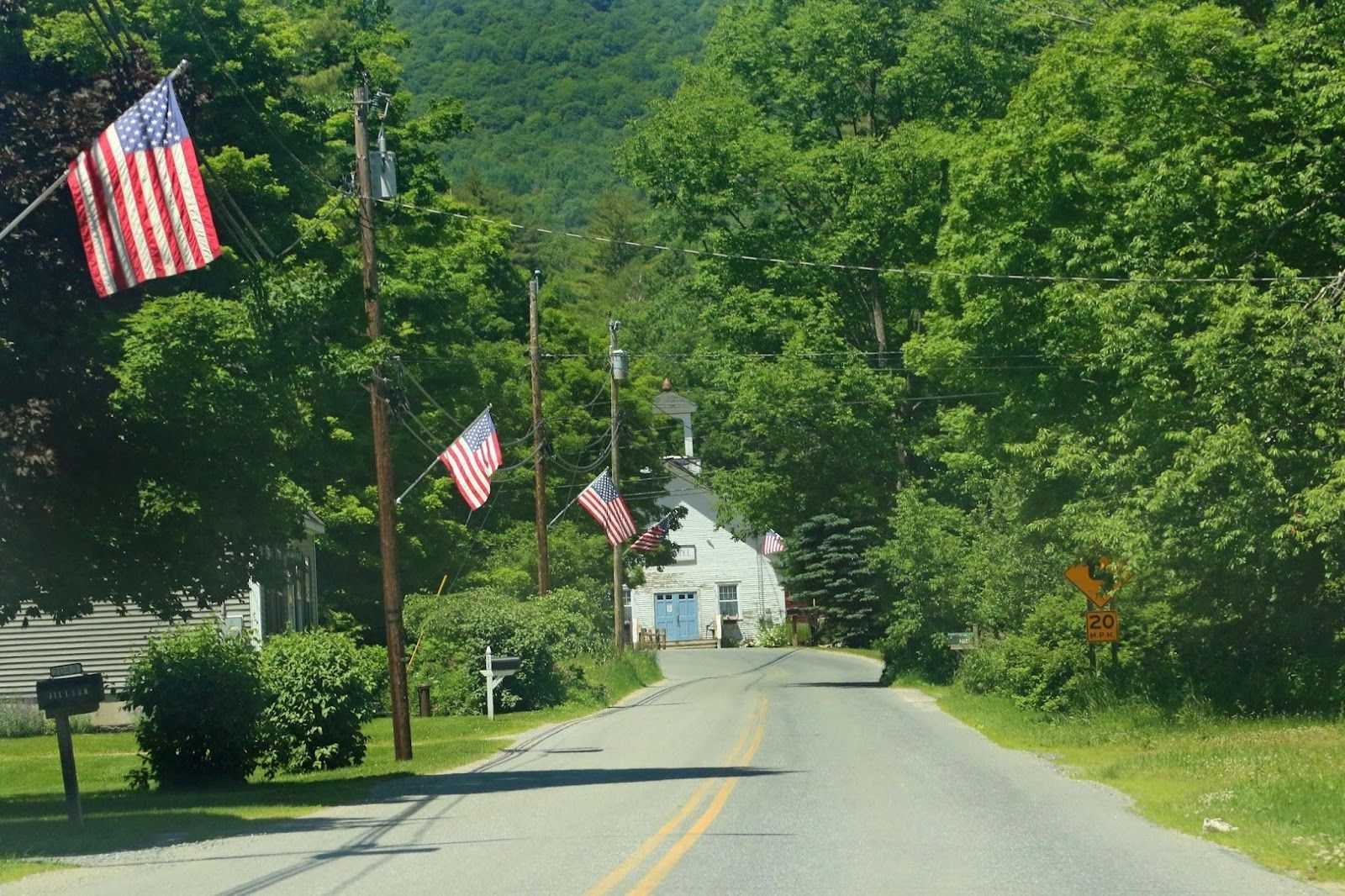
Image: David Trinks

Surveyors in the 1700s accidentally claimed the same plot of land twice, giving rise to the town’s odd name. The mistake was eventually resolved, but the name stuck.

Today, Accident is a quiet town in Garrett County with fewer than 400 residents. It occasionally draws attention from curious travelers and lovers of unique place names.

3
Boring, Oregon

Image: everett mcintire

Named after William H. Boring, a Civil War veteran who settled in the area. Locals embraced the name, even forming a tongue-in-cheek partnership with Dull, Scotland, and later Bland, Australia, to form the so-called "Trinity of Tedium"—all in good fun!

Boring capitalizes on the irony with signs that read, "The most exciting place to live." It’s a quiet suburb of Portland with a strong farming history.

4
Chicken, Alaska
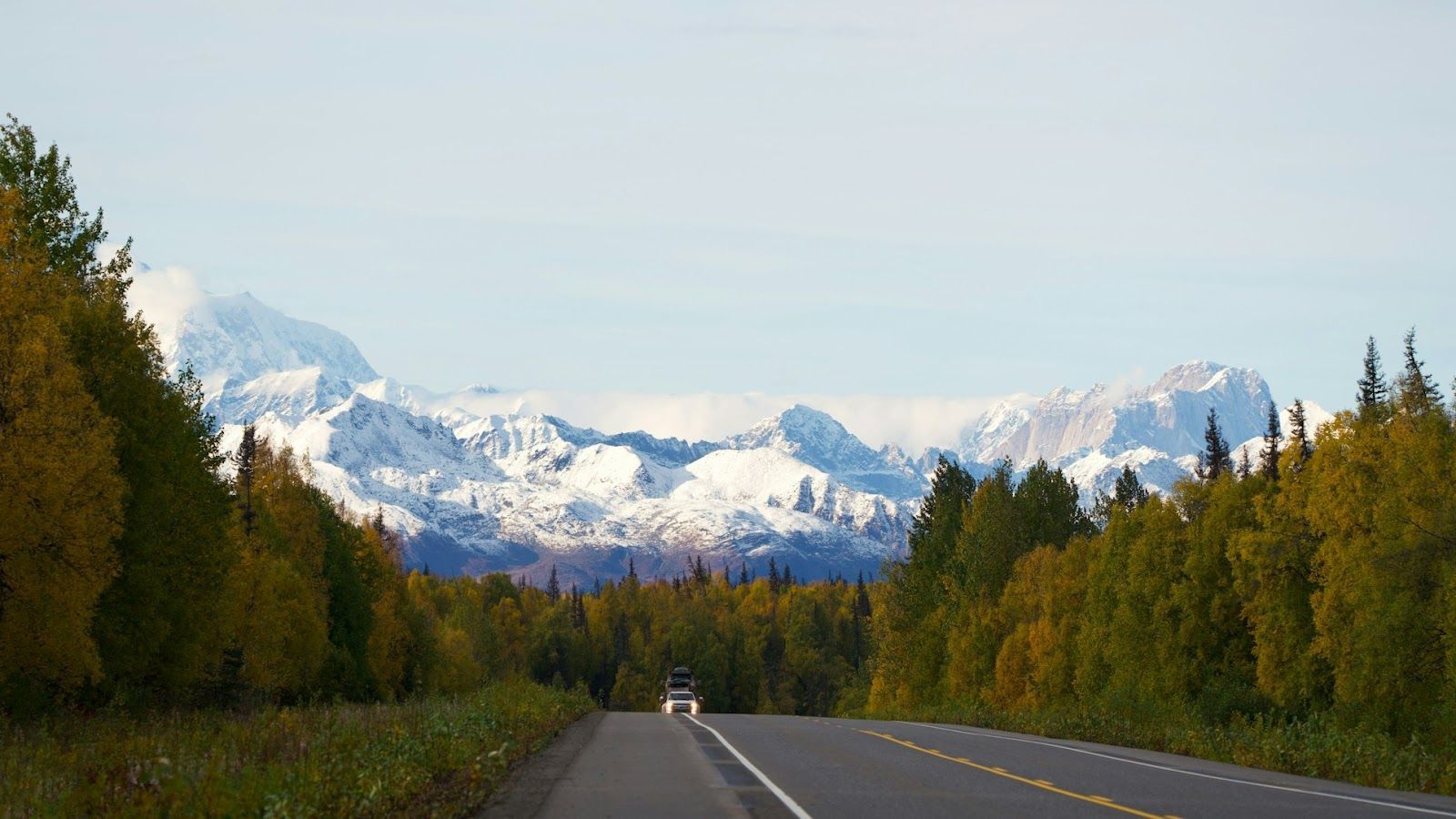
Image: Yiyi Yang

Miners wanted to name it after the ptarmigan, a local bird, but couldn’t agree on the spelling , so they went with "Chicken" instead.

Located near the Canadian border, Chicken has no phone service and a population of fewer than 20. It remains a favorite roadside stop along the Taylor Highway.

5
Booger Hole, West Virginia
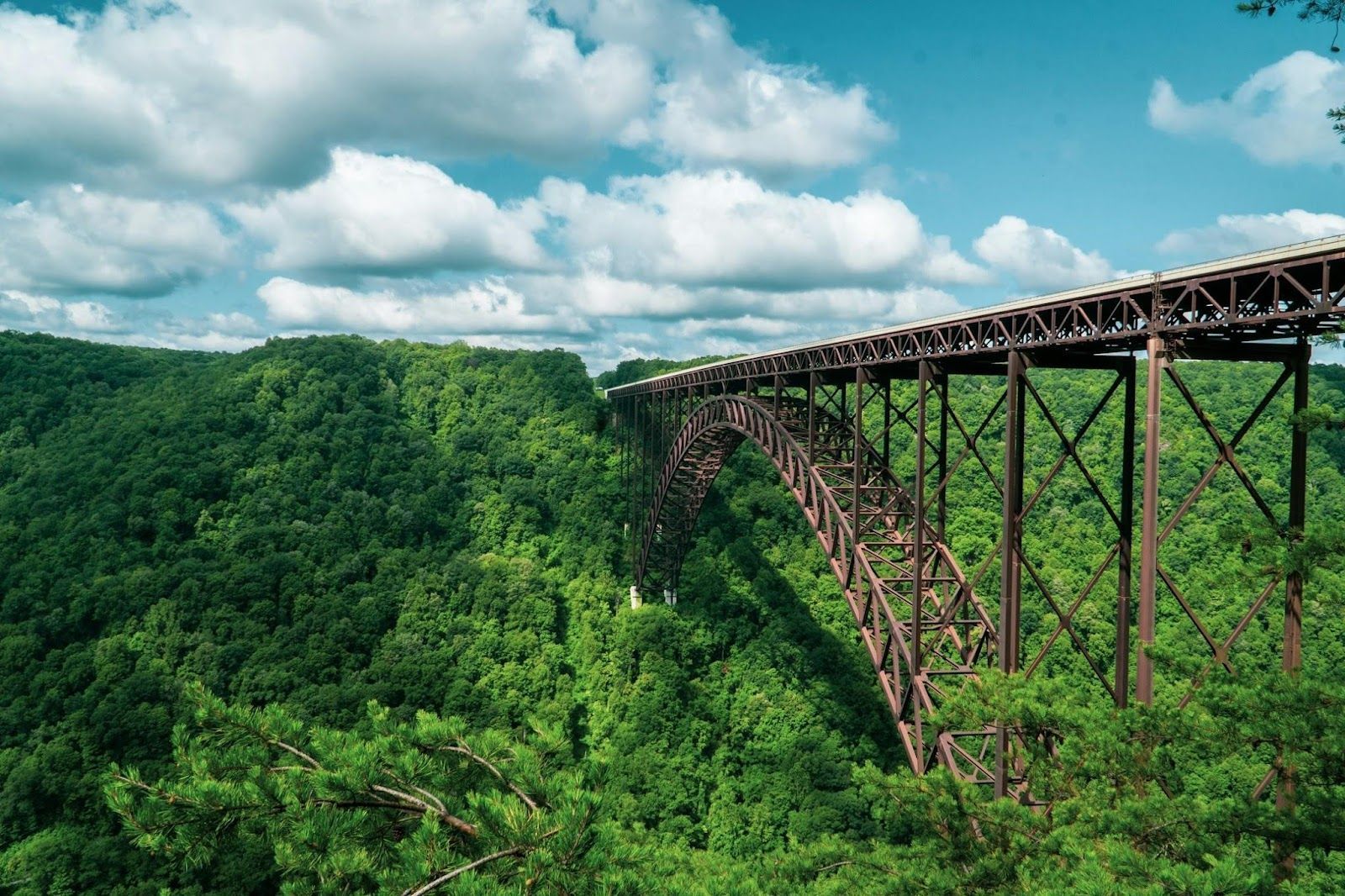
Image: Sharosh Rajasekher

Named after ghost stories and tales of mysterious disappearances in the early 1900s. "Booger" was slang for ghost or boogeyman.

The area gained notoriety for several unsolved crimes, adding to its spooky reputation. Today, it’s mostly a rural area with a curious past and no official signage.

6
Monkey’s Eyebrow, Kentucky
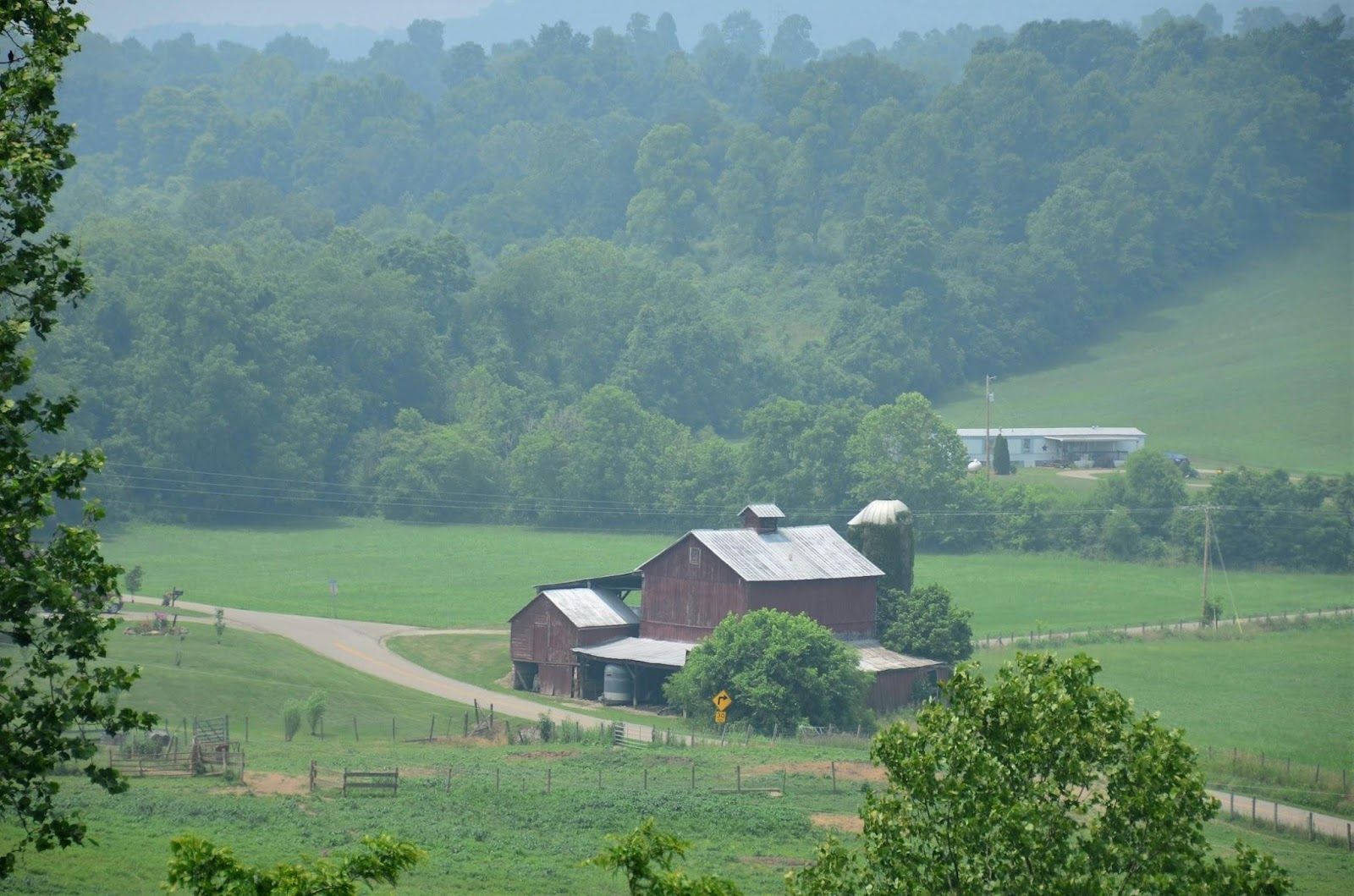
Image: Roger Starnes Sr

One origin story claims the name came from the area’s appearance on a map —it looked like the eyebrow on a monkey’s face.

Located in Ballard County, this unincorporated community doesn’t offer much beyond a memorable name. It’s a quiet farming region in western Kentucky.

7
Hell, Michigan
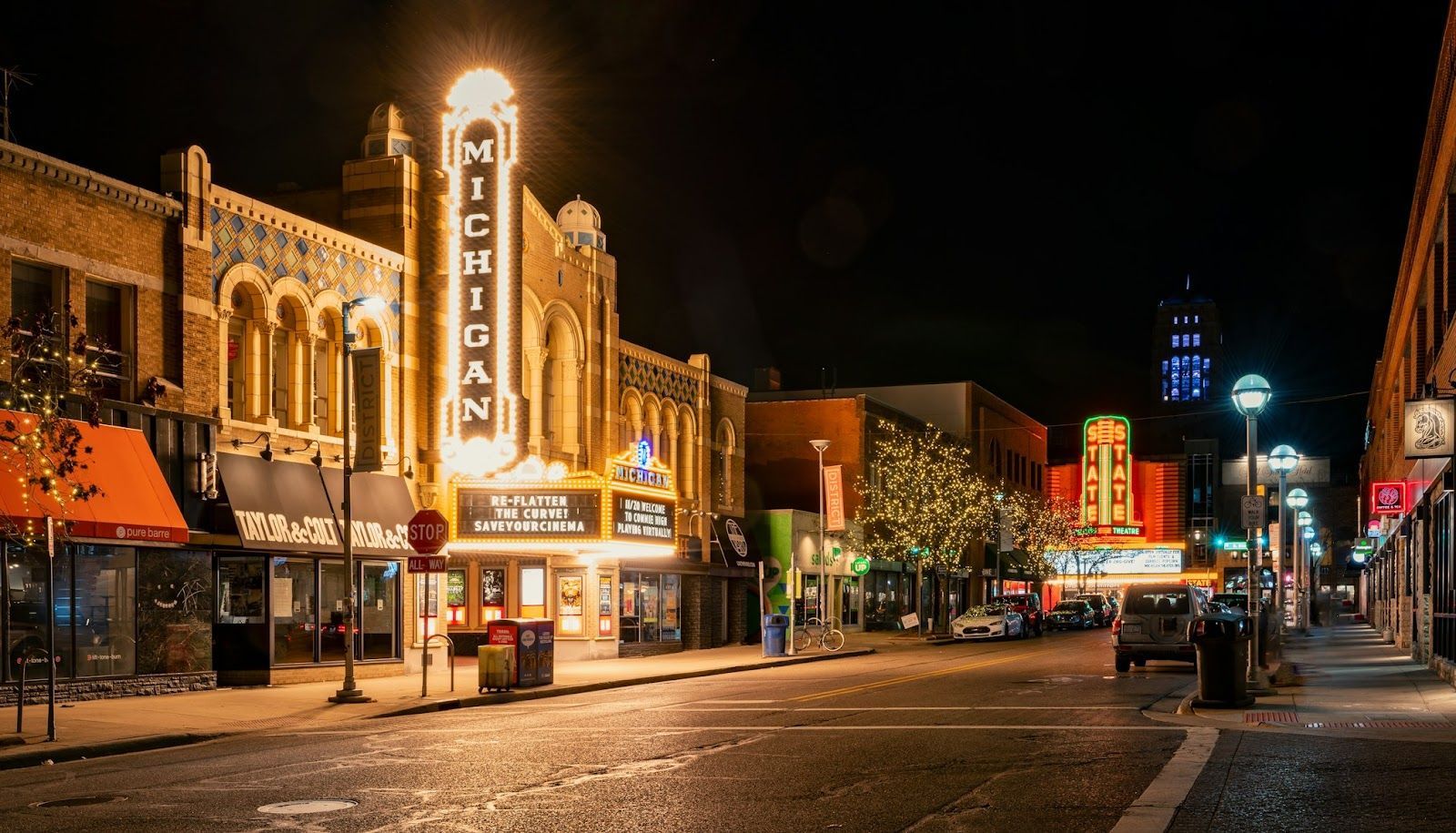
Image: Brad Switzer

Allegedly, this name came from a German traveler’s comment, "So schön hell!" meaning "so beautifully bright." In a humorous twist, however, locals took the "hell" part literally.

Today, tourism thrives on the name, with themed businesses like the Hell Hole Diner and even a wedding chapel. You can even buy a square inch of "Hell" online.

8
No Name, Colorado

Image: Holly Mandarich

When building a highway exit, engineers labeled the spot "No Name" as a placeholder. Locals voted to keep it that way.

Located near Glenwood Springs, it’s known for No Name Creek and the No Name Tunnel. It remains a photo favorite along I-70.

9
Toad Suck, Arkansas
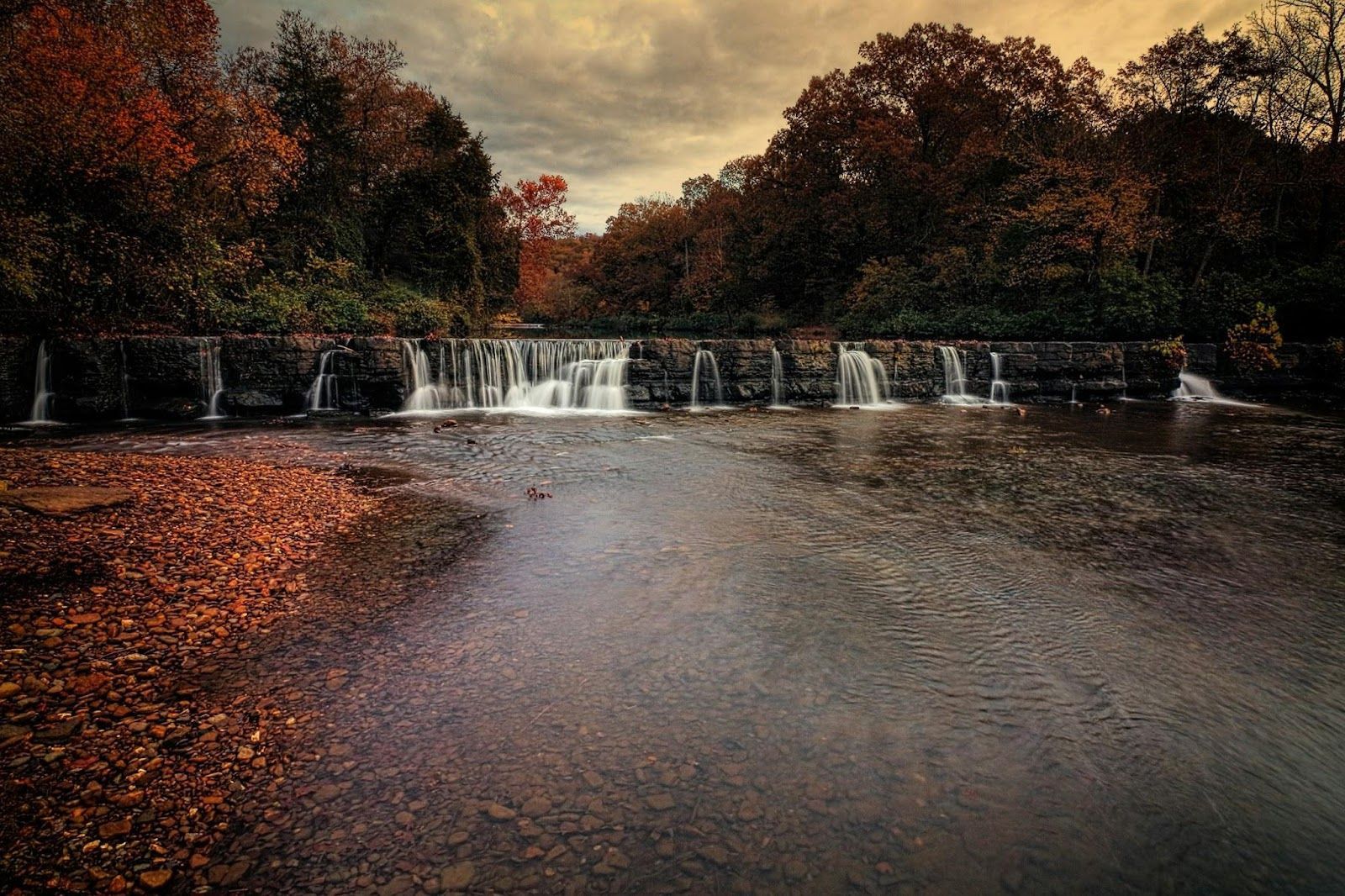
Image: Claud Richmond

Likely comes from riverboat crews who drank at the local tavern until they "swelled up like toads." The "suck" refers to a river eddy—a swirling current in the water.

Today, the town is best known for the annual Toad Suck Daze festival, which celebrates the odd name with music, food, and toad races.

10
Satan's Kingdom, Massachusetts
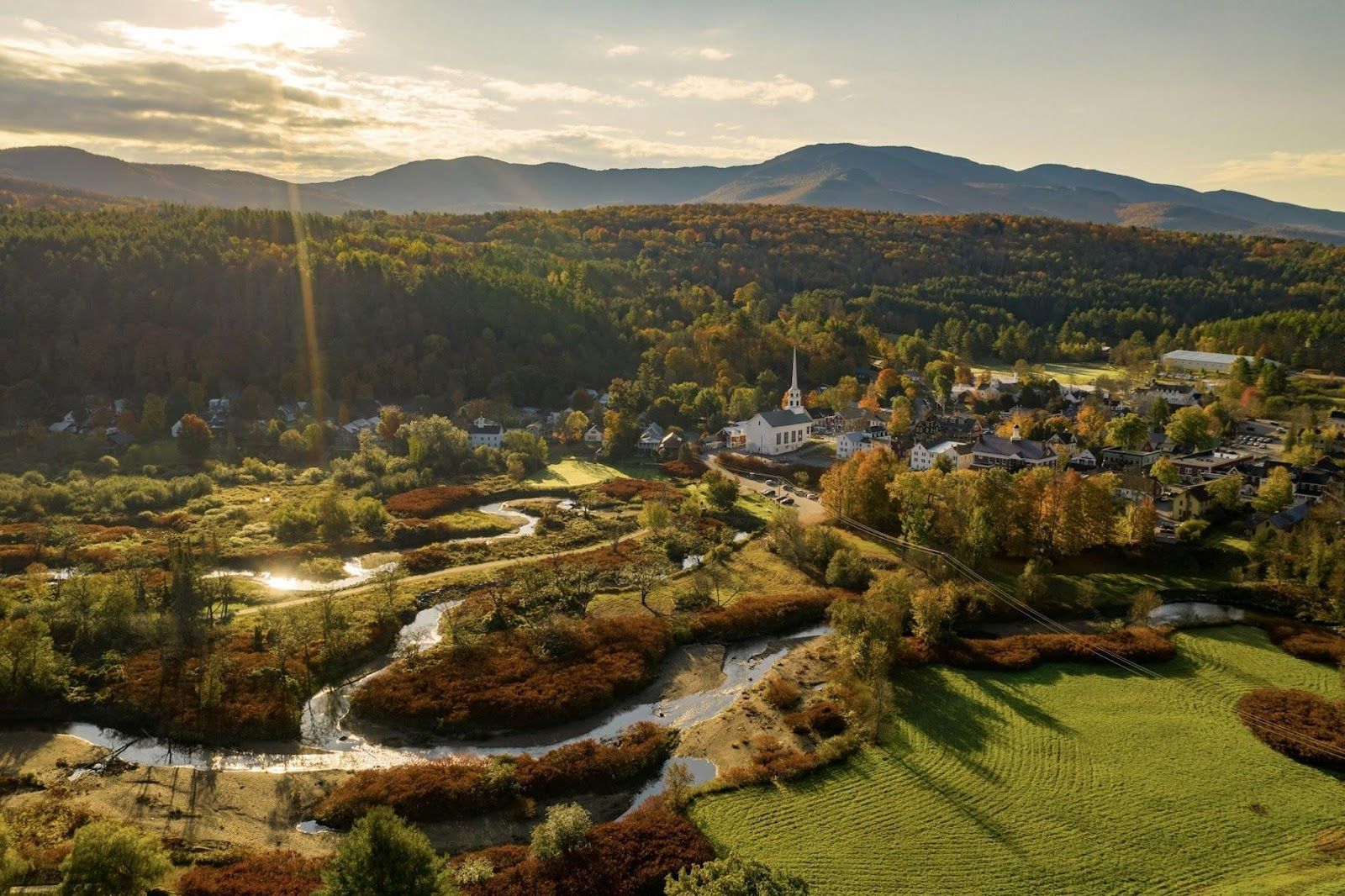
Image: Jeffrey Clayton

Located near Northfield, this ominously named unincorporated village borders the Connecticut River. Despite its fiery name, it’s a mostly quiet rural area.

Legend says the name came after a churchgoer left a sermon about hellfire and saw a forest fire raging across the river —declaring that "Satan’s Kingdom was burning." A similarly named area exists in Vermont as well.

11
Why, Arizona
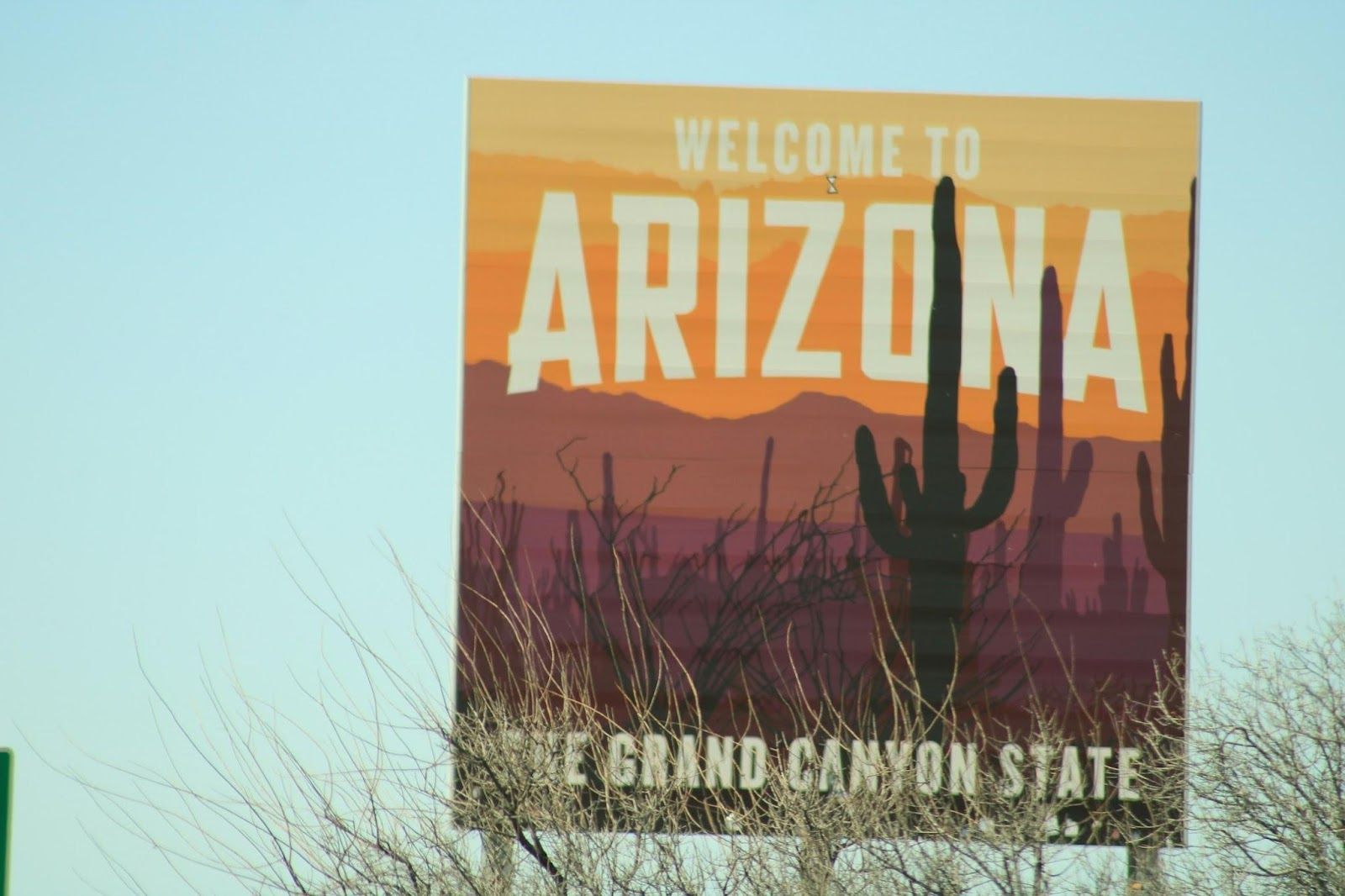
Image: Laura Mann

Named for the Y-shaped intersection of State Routes 85 and 86, the town had to adopt a name with at least three letters due to Arizona law, so "Y" became "Why."

Why lies near the Organ Pipe Cactus National Monument and remains a popular pit stop for desert road trippers.

12
Looneyville, Texas
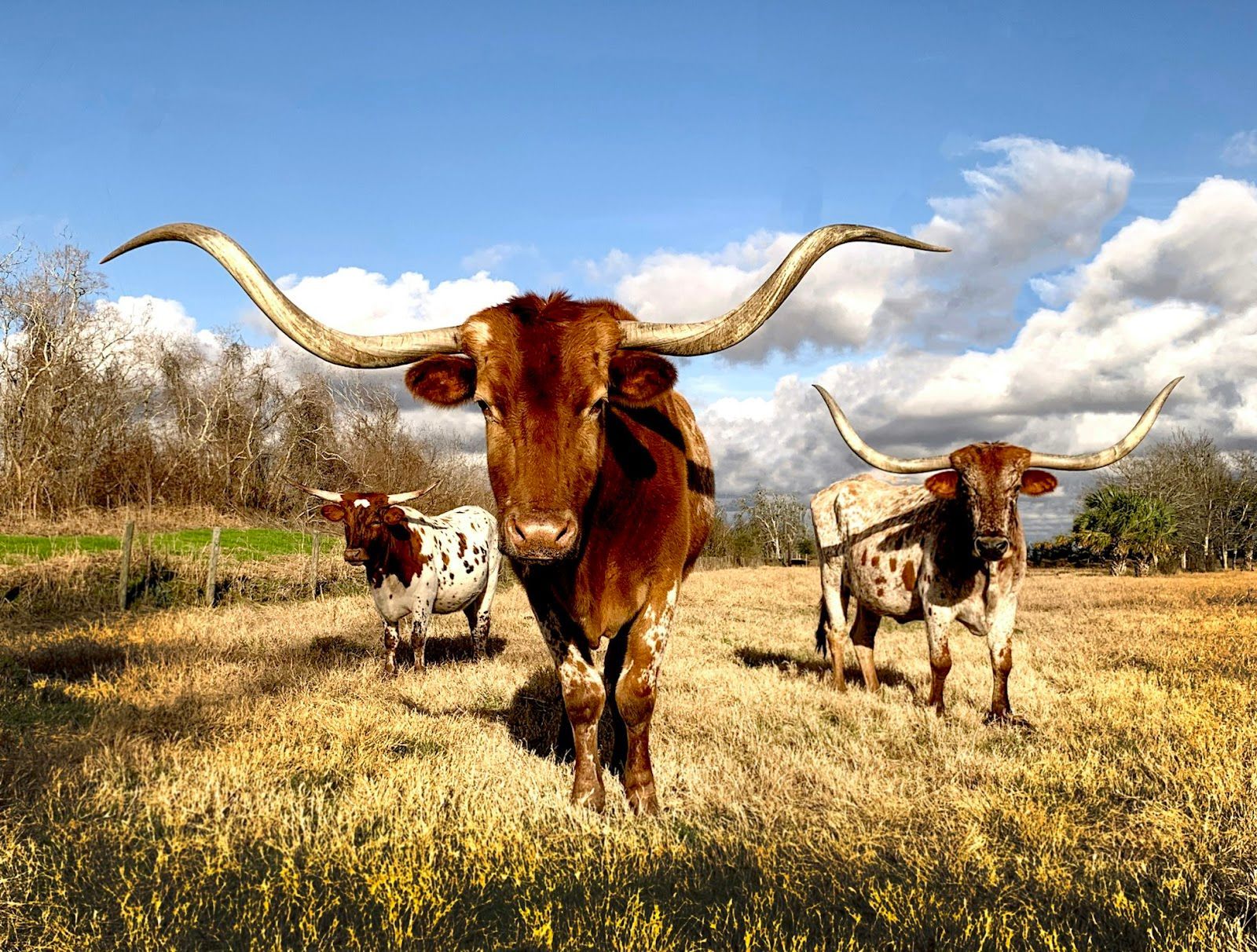
Image: Vivian Arcidiacono

Named after store owner John Looney in the 1800s, Looneyville is not a joke—just an old Texas family name.

Looneyville is in Rusk County, deep in East Texas. It remains unincorporated but shows up on maps and road signs.
General General 5 min read

What are the most essential traditional folk songs? 10 contenders

Image: Metropolitan Museum of Art, CC0, via Wikimedia Commons

Traditional folk music, with its origins deeply rooted in American history and tradition, is a treasure that has endured through the centuries. This form of musical expression has left an indelible mark on our culture, and its legacy is evident in a wide variety of modern musical genres. In this article, we bring back 10 traditional folk songs that not only influenced great artists such as Bob Dylan but also continue to inspire listeners today.

1
John Henry

Image: Ylanite Koppens

John Henry is one of the greatest heroes of American folklore, so it is not surprising that several songs celebrate his deeds. The legend of his battle with the steam drill symbolizes humanity’s struggle against automation and technological change, inspiring countless tunes.

There are many musical versions of John Henry’s story: some are ballads, while others are "hammer songs" (a type of song related to railroad work). Whatever the genre, all of these traditional songs are so good that the best American musicians have recorded them multiple times over the years.

2
Oh My Darling, Clementine

Image: Angshu Purkait

There are multiple variations of this song, but it is believed to have been written by Percy Montrose in 1883. The melody may be older and possibly inspired by a Spanish ballad , while the lyrics likely emerged sometime after the Gold Rush era.

Over the years, several verses were added and numerous versions were recorded, such as Bing Crosby's in the 1940s and Bobby Darin's in the 1960s. Despite its age, "Clementine" remains a popular song for group singing all across America.

3
In the Pines

Image: Priscilla Du Preez

Like numerous other folk songs, the lyrics and melody of "In the Pines" were passed down orally from generation to generation, and its original author remains unknown. What we do know is that it dates back to at least the 1870s and likely originated in the Southern Appalachian region.

The structure of this unique, moody, blues-style song, as we know it today, has mutated over the years, merging with other tunes. The important thing is that "In the Pines" has become a staple of American music, being recorded by numerous artists, including Bill Monroe, Lead Belly, and even grunge band Nirvana.

4
Worried Man Blues

Image: LunarSeaArt

When hillbilly singers came into contact with African American blues, songs like "Worried Man Blues" began to emerge. The verses were likely inspired by the story of someone sentenced to work on a chain gang.

The song may have roots in a 19th-century African American spiritual , but it became widely known after the Carter Family recorded it in the 1930s, giving it a strong foothold in the country and early bluegrass repertoire. Decades later, folk revivalists adopted the tune, ensuring its place as a classic of American folk music.

5
Oh Shenandoah

Image: Matheus Ferrero

Although the exact origin of this folk song is uncertain, we know that it was sung as a river shanty in the 19th century, especially by American and Canadian fur traders traveling down the Missouri River.

The word Shenandoah is connected to the Shenandoah Valley in Virginia, though its precise meaning is debated. Some suggest it derives from an Iroquois word meaning "land of big mountains" or "daughter of the stars." Some versions of the song tell the story of a redskin chief, Shenandoah, and his beautiful daughter. According to the legend, a white trader eloped with the maiden after silencing the chief with firewater.

6
Oh! Susanna

Image: ClickerHappy

"Oh! Susanna" is often considered the first big hit in American popular music. It became especially famous among the '49ers during the California Gold Rush and became an emblem of the conquest of the West.

With influences from European polka music and earlier traditional folk songs, "Oh! Susanna" was published in 1848 by Stephen Foster, later nicknamed the "Father of American Music." Many artists recorded different versions over the years, including The Big 3, The Byrds, and James Taylor.

7
Red River Valley

Image: Priscilla Du Preez

It is common for folk songs to be adapted to different regions , and this tune is no exception. Over the years, it has been named and renamed for many different valleys and locales. Most 20th-century versions use the title "Red River Valley" and, by implication, place it along the Red River that forms part of the boundary between Texas and Oklahoma.

However, some evidence suggests that the original version actually dates to around 1870 in Canada, near the Red River that flows into Lake Winnipeg. In that version, the lyrics tell of a French-Indian maiden lamenting the departure of a soldier who had come, stayed briefly, and then left. For Americans, though, the song is most closely associated with cowboys and the Red River of the South.

8
Man of Constant Sorrow

Image: Wilawan Pantukang

The origin of this southern mountain song is somewhat obscure. It is absent from most of the major standard collections, but some experts believe it might have been inspired by the 19th-century hymn "I Am a Poor Pilgrim of Sorrow."

Although numerous versions with different names and lyrics have circulated since at least the early 20th century, "Man of Constant Sorrow" was popularized by the Stanley Brothers in the 1950s. Soon after, musicians such as Bob Dylan, Joan Baez, and Judy Collins recorded their own interpretations, helping to cement its place as a classic of American folk music.

9
Home on the Range

Image: Jeremy Bishop

One of the best-known cowboy and Western songs, "Home on the Range," has long been the subject of disputes regarding its authorship. The most widely held theory is that it was inspired by a poem called "My Western Home," written by Dr. Brewster Higley in the 1870s. The well-known American composer David W. Guion claimed to have composed the music, stating that he wrote it at the age of 16, influenced by his life in West Texas.

"Home on the Range" enjoyed great popularity in the 1930s through radio broadcasts and recordings during the cowboy-song fad. Since 1947, it has been Kansas’s official state song.

10
Michael, Row the Boat Ashore

Image: Blind Rhino Media

Folk song revivalists discovered "Michael, Row the Boat Ashore" in the Georgia Sea Islands and passed it around widely and fervently. The tune blends spiritual, calypso, and sea-song styles, and it likely originated as both a spiritual and a work song sung by enslaved crews on plantation riverboats.

The name Michael refers to the Archangel Michael, and the song was likely used when the load was heavy or the boat was going against the tide. In the 1960s, it was popularized by folk band The Highwaymen and was also recorded by other artists such as Pete Seeger, Bob Gibson, and Harry Belafonte, among others.

General General 5 min read

Childhood collectibles turned gold

Ten American toys from the '70s and '80s that are now worth a fortune

Image: Huy Hung Trinh

Remember when your biggest worry was whether Mom would buy you that awesome toy you saw on Saturday morning cartoons? Well, if you held onto those childhood treasures (or if your parents saved them in the attic), you might be sitting on a small fortune . The toys that defined our generation have become hot collectibles, and some are worth serious cash today.

1
Star Wars Action Figures

Image: Brian McGowan

Those little plastic heroes from a galaxy far, far away weren't just toys: they were pure magic in your hands. Whether you had Luke Skywalker, Darth Vader, or the hard-to-find Boba Fett, these 3.75-inch figures from Kenner turned your bedroom floor into epic space battles.

Fast forward to today, and collectors are paying top dollar for these nostalgic treasures. A mint-condition figure still in its original packaging can fetch hundreds or even thousands of dollars . Even loose figures in decent shape can bring in $20 to $100 each, depending on the character. The rarest pieces, like the vinyl-caped Jawa or the rocket-firing Boba Fett prototype, have sold for tens of thousands at auction.

2
Cabbage Patch Kids

Image: camilo jimenez

The madness of 1983 is hard to forget—parents literally fighting in toy store aisles to grab one of these wrinkly-faced dolls for Christmas. With their yarn hair, chubby cheeks, and unique names, these dolls weren't just toys; they were family members who went everywhere with you.

Original Cabbage Patch Kids from the early '80s, especially the ones made by Coleco, are now highly sought after by collectors. Dolls in excellent condition with their original boxes and paperwork can sell for $100 to $500 , while rare editions or special characters can go for much more.

3
Atari 2600 Game Cartridges

Image: Alejandro Hikari

This chunky, black console with the wood paneling was the coolest thing you could own in the late '70s and early '80s. Games like Pac-Man, Space Invaders, and Pitfall! kept you glued to the TV for hours, even though the graphics were basically colored blocks moving around the screen.

Today, common titles might only fetch $5 to $20, but rare games can sell for hundreds or even thousands . The holy grail is "Air Raid," one of the rarest games ever made, which has sold for over $30,000.

4
Strawberry Shortcake Dolls

Image: Subhabrata Chowdhury

Strawberry Shortcake burst onto the scene in 1980 with her red hair, freckles, and signature striped stockings. Soon she had a whole crew of fruity friends like Blueberry Muffin, Raspberry Tart, and Huckleberry Pie.

These scented dolls from the original Kenner line are now collectible gems. Mint-condition dolls in their original packaging can sell for $50 to $200, depending on the character . Even loose dolls in good shape with their original outfits can bring in $20 to $50 each, especially if they still have a hint of that fruity smell.

5
Hot Wheels and Matchbox Cars

Image: I Nyoman Adi Wiraputra

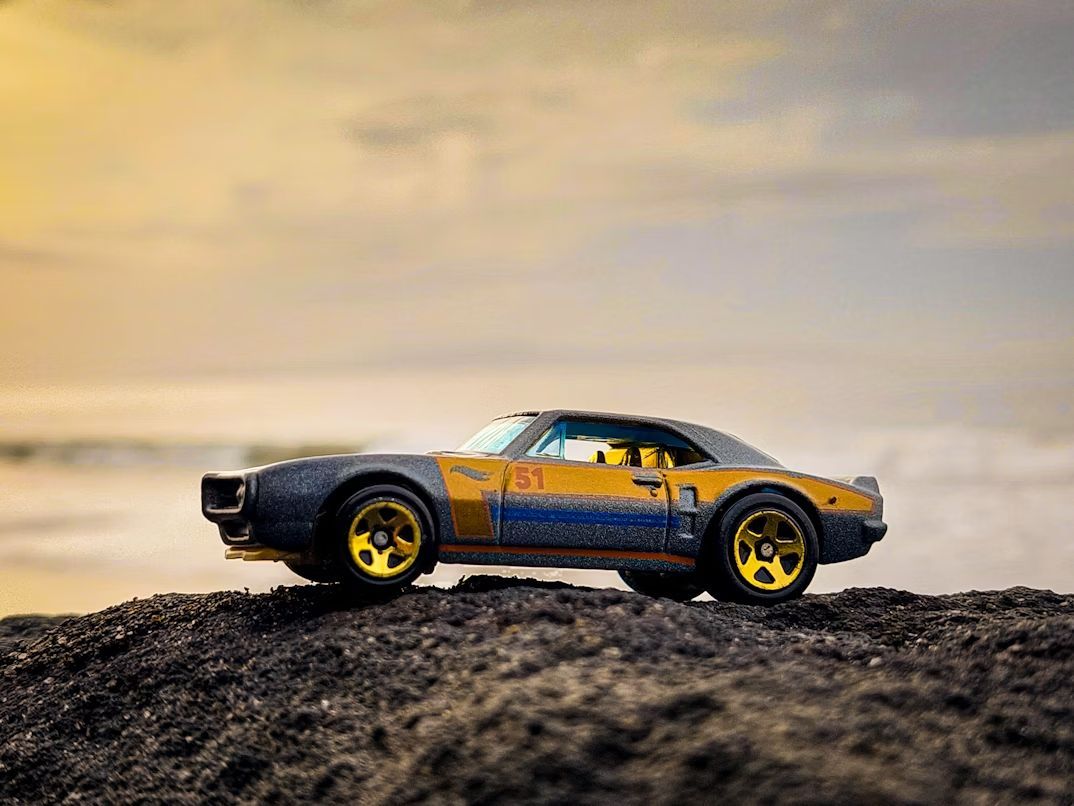
Your collection probably sprawled across your bedroom floor in an elaborate city of orange tracks, loop-de-loops, and imaginary highways. Hot Wheels from Mattel and Matchbox cars from Lesney were the must-have toys for any kid who loved vehicles.

A single rare Hot Wheels car, like a 1968 "Cheetah" base Python or certain Redline editions, can sell for $100 to $1,000 or more . Even common models in excellent condition with their original packaging can fetch $10 to $50.

6
Transformers

Image: Arseny Togulev

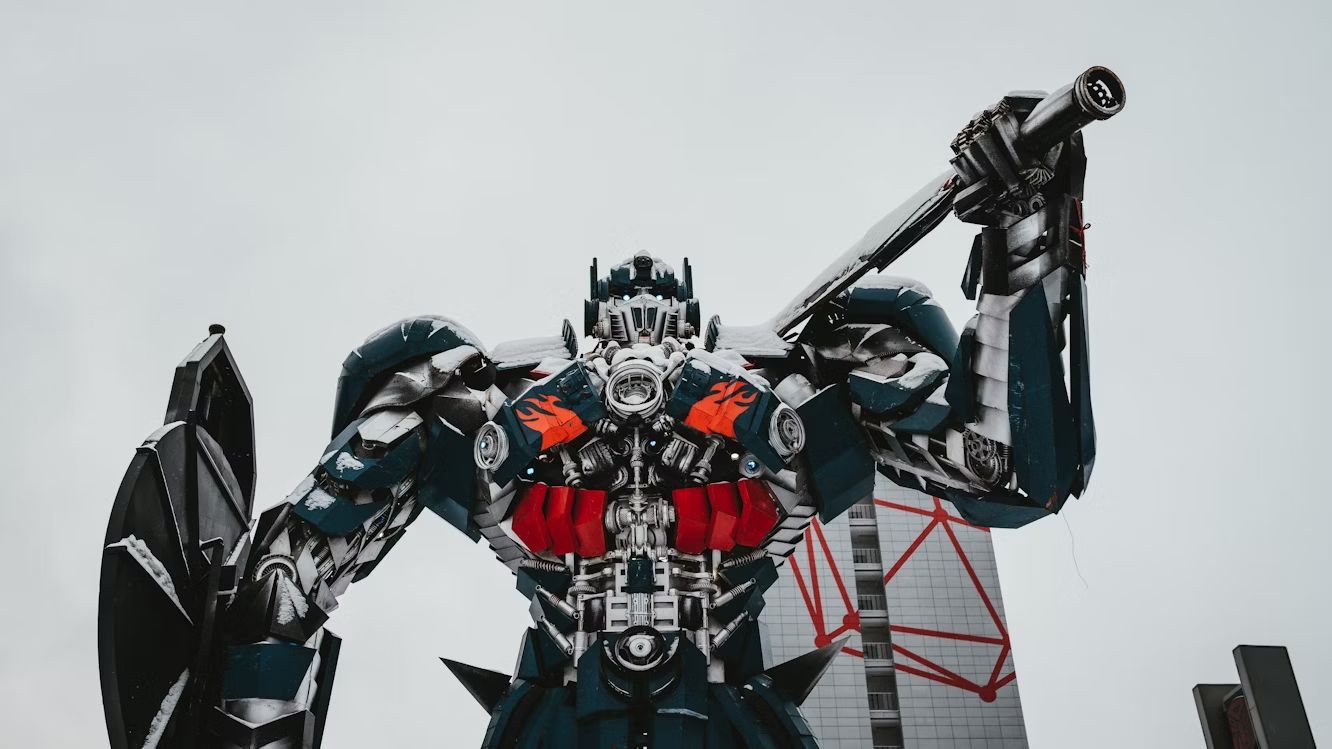
"More than meets the eye!" That wasn't just a catchy tagline—it was the truth. Transformers were toys that did double duty: a cool robot that could morph into a vehicle, cassette player, or dinosaur with just a few twists and clicks.

Original Generation 1 Transformers from the mid-'80s are now hot collectibles. Figures in good condition with all their parts intact can sell for $50 to $200, while rare characters or complete sets in original packaging can go for much more . Optimus Prime in his original box can fetch $500 to $1,000 or higher.

7
G.I. Joe: A Real American Hero

Image: Justin Wilkens

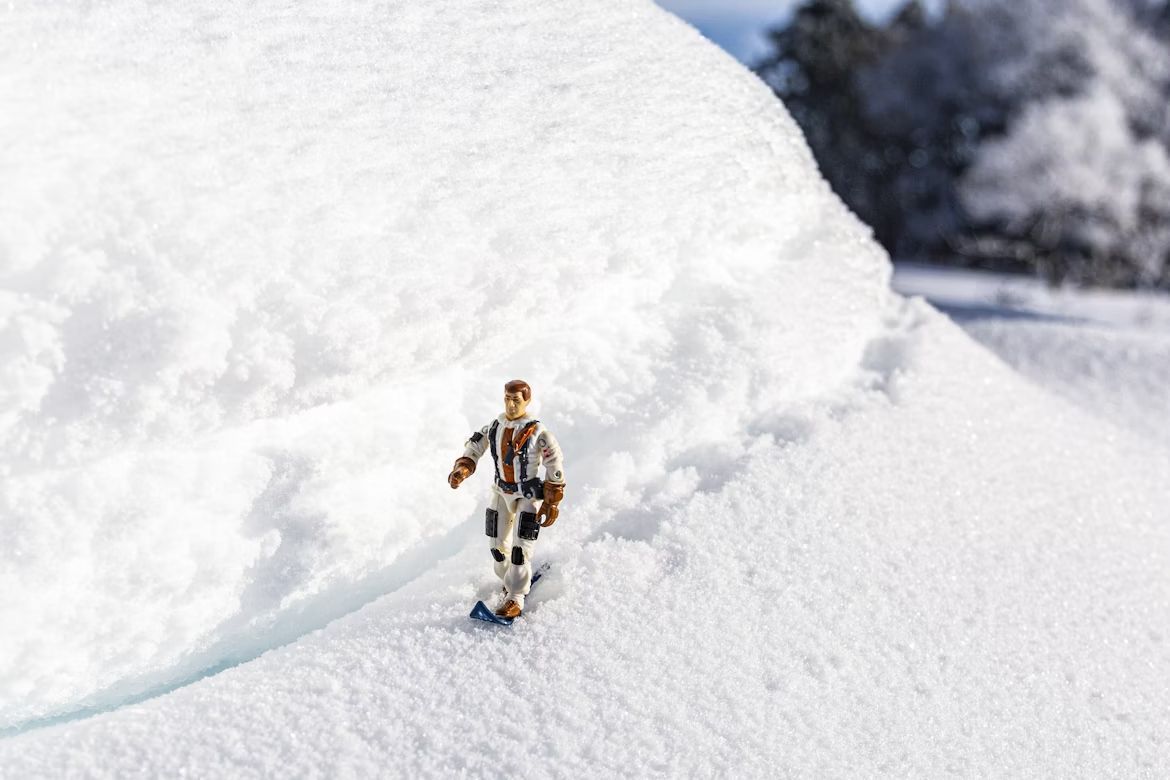
The 1980s reboot of G.I. Joe brought the action figure down from 12 inches to a more manageable 3.75 inches, and kids went wild for them. Snake Eyes, Duke, Cobra Commander, and Storm Shadow became instant icons. These figures came with tons of accessories—guns, backpacks, helmets—that were ridiculously easy to lose.

Today's collectors are willing to pay good money for these patriotic warriors. Complete figures with all their original accessories can sell for $15 to $100 each, depending on rarity. Mint-on-card figures (still sealed in packaging) are where the real value lies, often fetching $50 to $300 or more for rare characters . The U.S.S. Flagg, if complete in its box, can sell for over $1,000.

8
My Little Pony

Image: Kateryna Hliznitsova

These colorful little horses with brushable manes and tails captured hearts when they debuted in 1983. Each pony had its own name, personality, and unique symbol on its flank.

Original Generation 1 ponies from the '80s are now beloved collectibles among a dedicated fanbase. Common ponies in good condition can sell for $10 to $30 each, while rare ponies, especially those from early releases or special editions, can go for $100 to $500 .

9
Rubik's Cube

Image: William Warby

The Rubik's Cube became a sensation in 1980, and suddenly everyone was twisting and turning those colorful squares, trying to get each side to match. Some kids could solve it in minutes; most of us just peeled off the stickers and stuck them back on in the right places (come on, you know you did it).

Original Rubik's Cubes from the early '80s, especially early editions made in Hungary, have become collectible. While standard cubes aren't worth a fortune, vintage ones in pristine condition with original packaging can sell for $50 to $150 . Special editions, like the original wooden prototype or cubes signed by inventor Ernő Rubik, are worth much more.

10
Care Bears

Image: Oxana Lyashenko

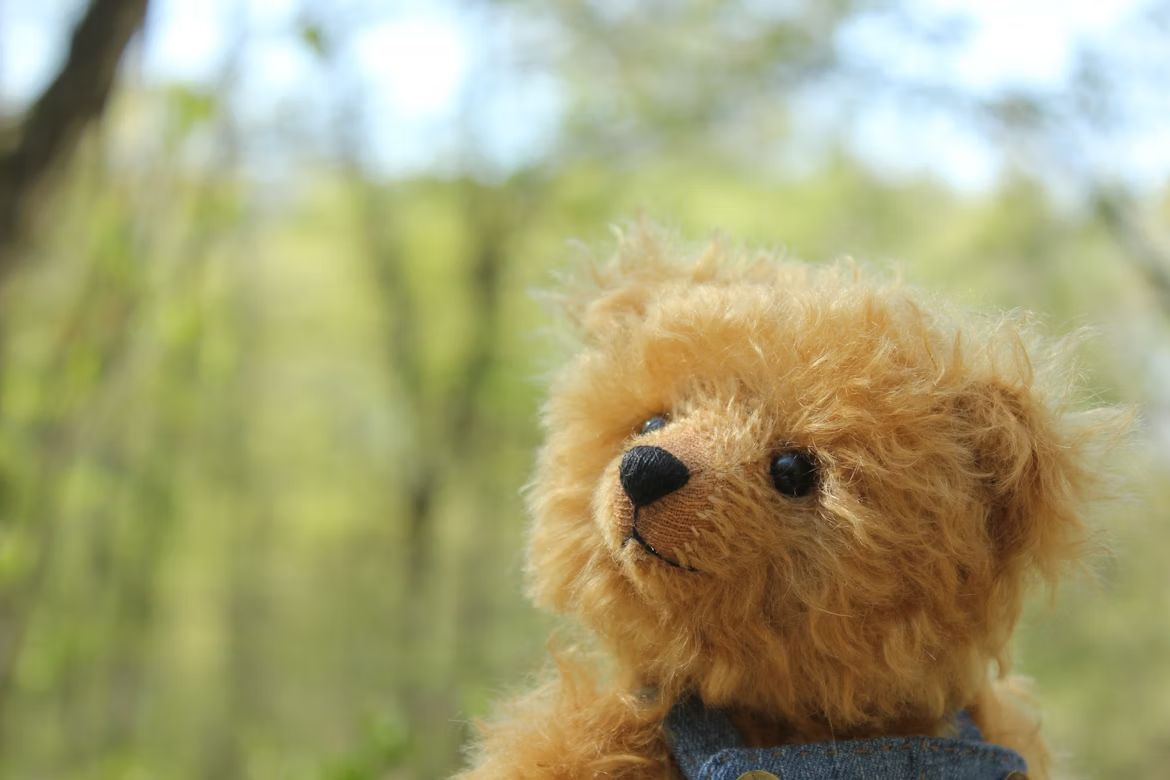
These huggable bears with symbols on their bellies taught us about feelings and friendship. Each Care Bear represented a different emotion or value: Tenderheart Bear had a heart, Grumpy Bear had a rain cloud, and Cheer Bear had a rainbow. The stuffed animals, along with the TV shows and movies, made Care Bears a phenomenon.

Vintage Care Bears from the original 1983 Kenner line are now sought-after collectibles. Plush bears in excellent condition with their original tags can sell for $30 to $100, while rare bears or special editions can go higher. Complete sets, limited editions like the birthday bears, or bears with rare belly badges are particularly prized.

Explore more American facts

Choose your favorite category!

General
General

As American as apple pie—the very best America has to offer!

Culture
Culture

Delve into the astounding richness of American lore.

Geography
Geography

Hop in and explore vast and diverse American landscapes.

History
History

Discover the key moments that shaped the United States.