History History 3 min read

Lesser-known tales

California's Grizzly is extinct? 10 stories behind American symbols
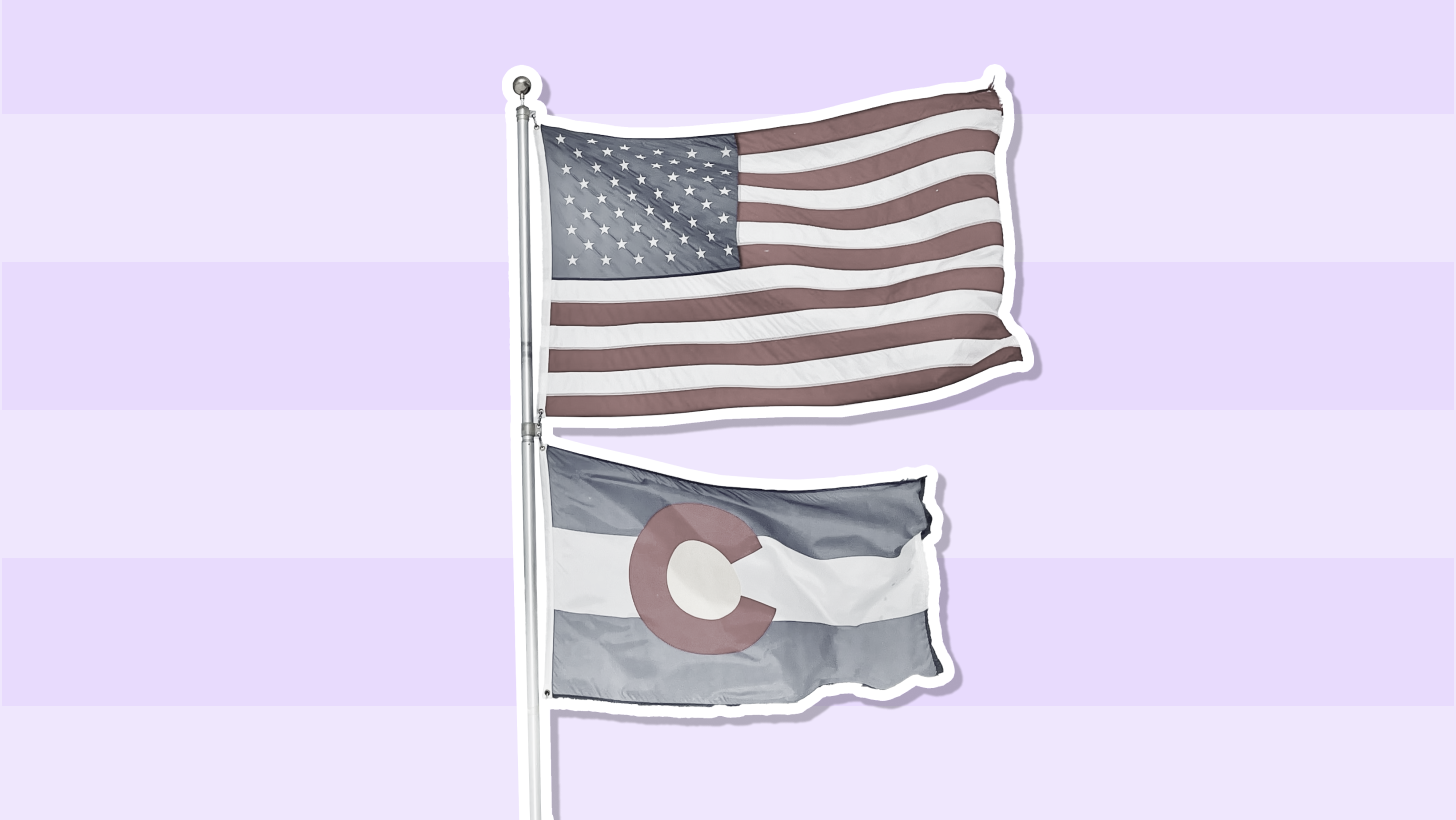
Image: Fr. Daniel Ciucci

It’s one thing to be acquainted with American symbols, but it’s another to learn—years later—the unexpected, hidden stories behind them! Did you know that California’s subspecies of grizzly bear (yes, the one on the flag) has been extinct for over a hundred years ? Or that Texas’s state dish was allegedly invented by prisoners? Maybe you know some of the facts listed here—but we’re sure you don’t know them all!

1
California’s state animal is extinct

Image: Levi Meir Clancy

The California grizzly bear adorns the state flag, but you won’t find one in the wild anymore. Once abundant throughout the region, this was a subspecies of Grizzly also known as "California golden bear."

By the 1920s, this majestic animal had disappeared from the wild, but it has remained a powerful symbol of the state, featured on the flag since the Bear Flag Republic’s short-lived attempt to break from Mexico in 1846.

2
The American flag was (probably) designed by a teenager

Image: Sharefaith

In 1958, around the time Alaska and Hawaii were being added to the Union, an Ohio high schooler named Robert Heft stitched a 50-star flag for a class project . His teacher gave it a B–, scoffing that the brand-new design "lacked imagination."

However, not long after, Heft’s design was selected from thousands of submissions sent to President Eisenhower to determine the official flag. That teacher later changed the grade to an A.

3
Texas’s state dish may have been invented by prisoners

Image: Zak Chapman

Chili con carne is the Lone Star State’s official dish. While its exact origins are uncertain, some say that Texan prisoners in the 1800s were the minds who concocted the dish. According to this version, the stew—made with beans, thin strips of beef, and chili peppers—was the local equivalent of bread and water: a kind of Texan gruel .

4
Alabama's state nut was once a life-saver

Image: Antoni Shkraba

Pecans aren’t just Alabama’s official nut—they’re also symbols of resilience from the Depression era. When cotton crops failed in the 1930s, families turned to harvesting pecans to survive. The nuts became a form of currency , traded for goods, and even used to make mortgage payments. Today, Alabama produces over 30 million pounds annually.

5
The Star-Spangled Banner was once a drinking song

Image: JosephHershMedia

You may know that America’s anthem has a boozy British past. The melody originated as "To Anacreon in Heaven," a raucous 18th-century tavern tune sung by a London gentlemen’s club. A relative of Francis Scott Key noticed that his poem fit perfectly with the melody—and thus, the anthem as we know it was born.

6
The Great Seal almost had a turkey

Image: Roman Manshin

Can you imagine if the Great Seal of the United States featured not a mighty eagle, but a turkey? It was none other than Benjamin Franklin who proposed the turkey as America’s symbol, calling it " a bird of courage ."

Instead, he dismissed the bald eagle as "a lazy scavenger." Congress ultimately overruled him, but Franklin did have a point: turkeys are known to be fiercely protective.

7
The flag’s colors weren’t meant to mean anything—at first

Image: Jon Tyson

Red, white, and blue may seem deeply symbolic today, but in 1775, the Continental Navy chose them simply to match the British flag’s palette. A rebellious decision, if you think about it. The "valor, purity, justice" meanings were tacked on later by poets and politicians.

8
Is South Carolina’s flag really what it seems?

Image: Jaden Dessureault

South Carolina’s flag features a blue background with a palmetto tree and what appears to be a crescent moon. But there are stories that sustain that the silver symbol isn’t a moon at all —it’s a gorget, the curved neck armor worn by 18th-century soldiers. Historians have searched for records to back this theory, but no nods to gorgets have officially been found.

9
Colorado’s flag was once a confusing disaster

Image: Olga Kovalski

When Colorado unveiled its bold "C" design in 1911, it forgot one crucial detail: specifying which shade of blue to use for the background. For 26 chaotic years, flags fluttered in everything from pale sky blue to deep navy—until officials finally standardized the hue in 1937.

10
One of Illinois’ state symbols was chosen by… kids

Image: Peter Schad

Illinois’ state snack was chosen by the most powerful lobbyists of all: children. When a group of fourth graders learned their state produced a large portion of America’s popcorn , they launched a 2003 campaign so persuasive that lawmakers had no choice but to make it official.

General General 3 min read

On the road

Driving us crazy: Traffic rules too strange to be true (But they are!)

Image: Wolfgang Eckert

We all recognize the red octagon of STOP signs or notice the speed limits, but that’s not all to traffic laws. America’s roads are full of surprises, and if you don’t believe us, just read this article! Today, we’re taking a scenic (and slightly absurd) drive through some of the oddest traffic laws in the country. Buckle up: You won’t believe what’s technically illegal out there!

1
Florida – Meter feeding for elephants

Image: AJ Robbie

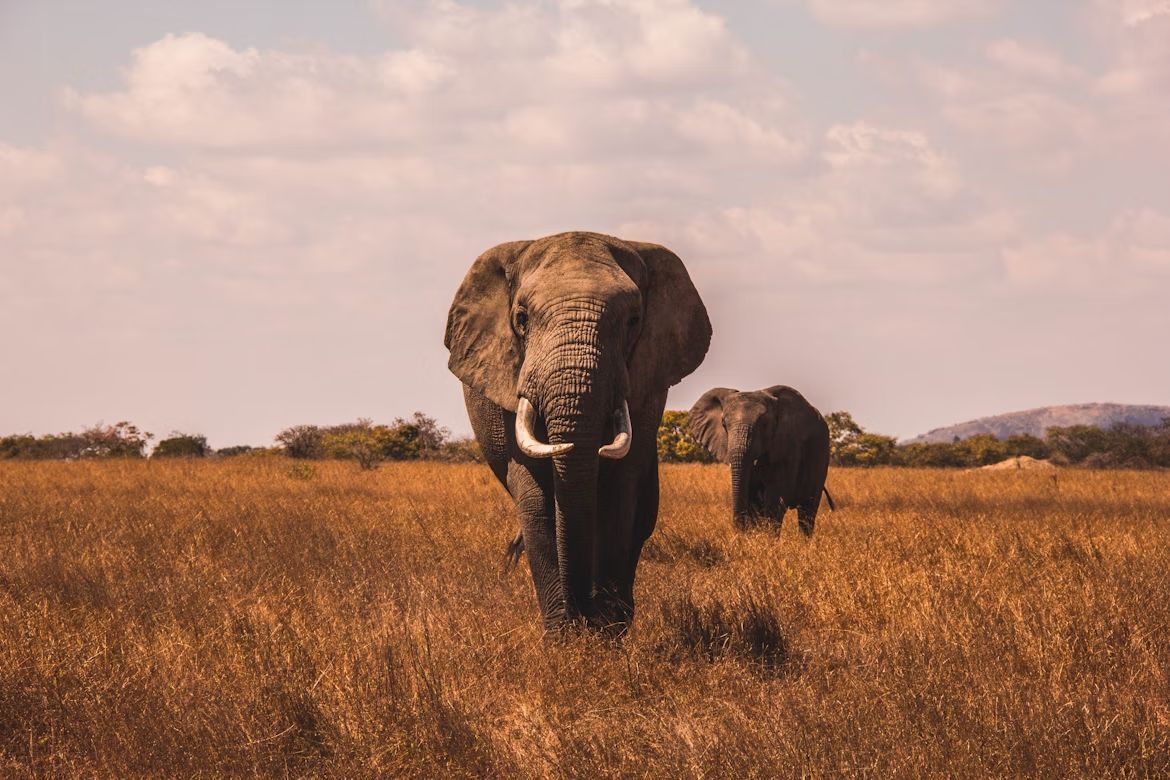
Florida’s traffic code once required that if you tied your elephant, goat, or alligator to a parking meter, you had to pay the fee, just as you would for a car. It sounds wild today, but it’s rooted in a time when people actually rode animals into town.

Though it’s not actively enforced (we checked), the law technically still lingers on the books. So, you'd better leave your pet elephant behind from now on!

2
Idaho – Seniors and motorcycles don’t mix

Image: Harley-Davidson

In Idaho Falls, it’s long been rumored that a local ordinance makes it illegal for anyone over 88 to ride a motorcycle. That sounds oddly specific—and a bit ageist. Whether it was meant to encourage safety, misinterpreted, or inspired by one daredevil granny, no one’s quite sure.

While there's no sign of active enforcement (or even proof it still exists), the message seems clear: once you’re nearing 90, it might be time to stick to the golf cart.

3
Arizona – Don’t even think about driving in reverse

Image: Jerry Kavan

Arizona doesn't mess around when it comes to driving in reverse. On public roads, moving backward is a big no-no. While it’s unlikely you’ll get arrested for backing out of a driveway, pulling a full-speed reverse cruise down Main Street might land you in hot water. Arizona wants you to move forward in life—literally.

4
Illinois – You need a steering wheel to drive

Image: Zach Wiley

Well, isn’t that obvious? Apparently not—because Illinois actually has a law stating that you can’t drive a car without a steering wheel.

Even if it seems like common sense, laws like this were created during the early days of car modifications, when people got creative (and sometimes reckless). So, if you were planning to steer your car using a rope-and-pulley system… maybe don’t.

5
Maine – No Sunday car shopping

Image: Hilbert Hill

In Maine, it’s illegal to buy a car on Sunday. Dealerships are closed by law, making it impossible to seal the deal on the most relaxing day of the weekend. Why? The rule has roots in so-called "blue laws," which were designed to preserve Sunday as a day of rest. So in Maine, if you get a wild urge to car shop after church, you’ll have to wait until Monday.

6
Michigan – Streets are not for reading

Image: bruce mars

Michigan has a law that says you can’t sit in the middle of the road and read a newspaper. Yeah, no joke!

We know—it’s hard to imagine someone actually doing this (unless it was a very juicy headline), but the law’s goal is clearly about safety. Still, you have to admit the mental image is pretty great—just don’t try it unless you want to make the evening news.

7
New Hampshire – Bus fumes are not a high

Image: Lizgrin F

New Hampshire takes a hard stance on inhaling bus fumes "with intent to cause euphoria." That’s a legal phrase, not a band name. It’s part of the state’s broader anti-huffing laws, aimed at curbing substance abuse.

Well, that’s odd!

8
Vermont – Backfiring is a no-go in Rutland

Image: RoonZ nl

In Rutland, Vermont, letting your car backfire could technically get you in trouble. This law was probably put in place to cut down on noise or prevent panic during quieter times in history.

Today, it’s unlikely to get you arrested, but a surprise backfire might still earn you some serious side-eye from the locals. If you ask us, this should be a law everywhere!

9
Wisconsin – Hands off the handlebars? Not allowed

Image: Darko Pribeg

In Wisconsin, you’re not allowed to ride a bicycle with no hands. Even if you’re showing off your balance skills from the 1970s, the law says at least one hand must stay on the handlebars.

It’s all about safety—but if you’re feeling rebellious, maybe show off at the park. Just don’t do it on public roads. Keep it hands-on!

10
South Carolina – No trash hoarding in Hilton Head

Image: Alireza Mirzabegi

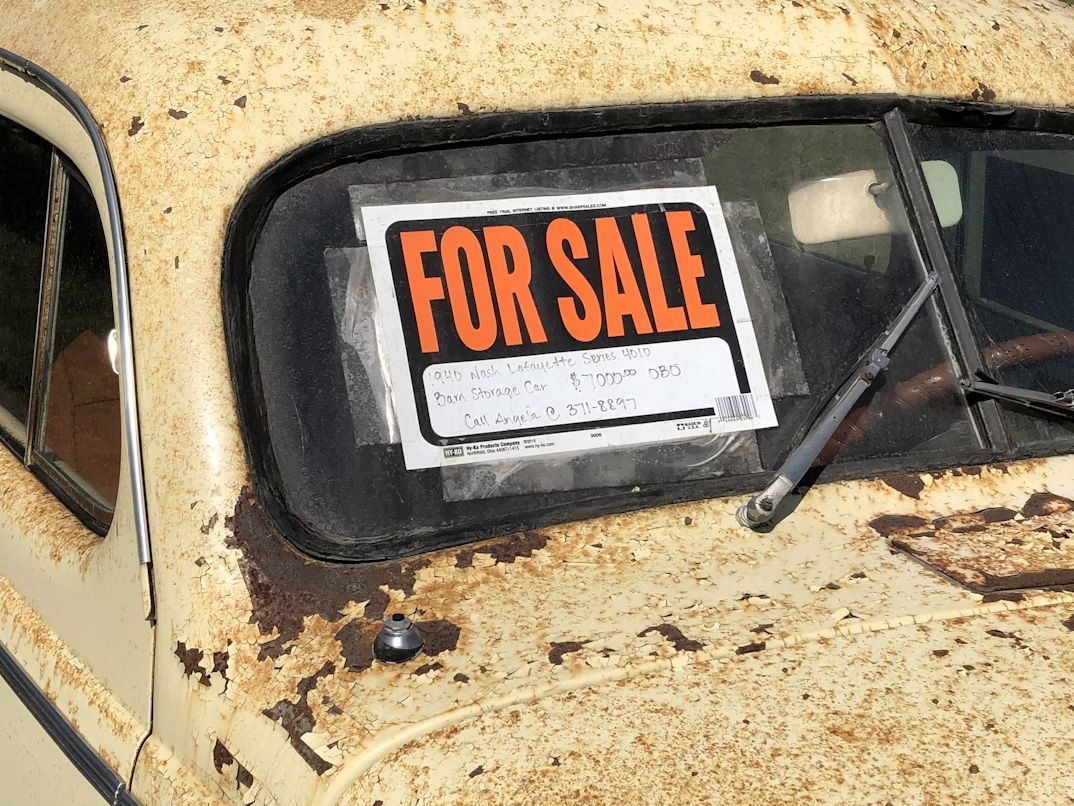
In Hilton Head, it’s illegal to store trash in your car. That’s right—your vehicle can’t double as a mobile garbage can. The law aims to keep the area clean and tourist-friendly, but it also sounds like a not-so-subtle jab at anyone using their backseat as a trash bin. Hilton Head wants pristine beaches and clean cars!

History History 5 min read

Achieving the unachievable, one step at a time

Did you know these 10 legendary American athletic feats?

Image: Renith R

Humans are capable of extraordinary deeds in the physical world, and quite a few of them have taken place in public. From an individual who decided to run 50 marathons in 50 consecutive days to another who climbed a rock wall 3,000 feet high with no ropes or safety equipment of any kind, history is filled with amazing feats accomplished by remarkable people. And, as it happens, quite a few of them are American citizens. Do you know these ten?

1
2008 Beijing Olympic Games - Michael Phelps

Image: Thomas Park

Winning a gold medal in the Olympic Games is, by itself, a huge achievement and a dream come true for any elite athlete. Repeating this feat is something that very few have achieved, and doing so has elevated these individuals to legendary status.

Now, imagine winning not one, not two, but eight gold medals in a single edition of the Olympic Games . This unimaginable feat was accomplished by the now-famous swimmer Michael Phelps. This remains the greatest individual achievement in one edition of the Olympic Games by any Team USA athlete.

2
1936 Munich Olympic Games - Jesse Owens

Image: Braden Collum

Another legendary Olympic moment took place many years before Michael Phelps was even born, when Jesse Owens, a Black athlete, won four gold medals in the 1936 Munich Olympic Games.

Despite competing on very controversial ground at the time, Owens blazed his way to Olympic glory and secured his place in the pantheon of the greatest American athletes.

3
Cuba to Florida Swim - Diana Nyad

Image: Matt Hardy

If you see the distance between Miami and Havana on a map, it doesn’t seem all that far. That is until you start approaching and realize that there are 110 miles between these two places. Believe it or not, this journey has been swum three times. The first two crossings involved a shark cage and several short rests.

The third person to achieve this milestone was Diana Nyad, who completed the swim on her fifth attempt at age 64 in 2013 . Nyad used a protective jellyfish suit, shark divers, and electronic shark-repellent devices to achieve an "unassisted" swim.

4
50 Marathons in 50 Days

Image: Pietro Rampazzo

Running a marathon is an impressive feat of endurance and strength for almost any human being. Running two marathons in two consecutive days is nearly impossible for anyone. Now, imagine running 50 marathons across 50 American states in 50 consecutive days.

That incredible accomplishment was achieved by Los Angeles native Dean Karnazes , beginning with the Lewis and Clark Marathon in St. Louis on September 17, 2006 , and finishing with the New York City Marathon on November 5 . A bit too much, maybe?

5
1968 Mexico City Olympic Games - Bob Beamon

Image: Gabriel Sanchez

On the rarest of occasions, humans are capable of physical achievements that defy what the human body is capable of doing. During the 1968 Summer Olympics in Mexico City, Bob Beamon broke the world record for men’slong jump with an incredible jump of 29 feet, 2.25 inches . Yes, that is almost 30 feet.

There was a delay in posting the distance, and Beamon didn’t know what the metric figure that finally appeared on the board equated to in feet and inches. When a teammate told him he had jumped over 29 feet, he collapsed on the track from the realization of what he had accomplished.

6
2017 Australian US Open - Serena Williams

Image: Kelly Sikkema

Winning a world tennis championship is a significant achievement for any tennis player. That is, unless you are a tennis player so accomplished that winning these tournaments is as regular as anything. The list of people who do that is very short, and the names on it are all very well known.

One of those names is, without a doubt, Serena Williams. Possibly the greatest female tennis player ever, she won the 2017 Australian Open . This fact alone may not seem out of place for such an athlete. But what sets it apart is the fact that she did so while pregnant .

7
17 minutes without breathing - David Blaine

Image: Jakob Owens

How long can you hold your breath underwater? Trained individuals can achieve very impressive results in this field, but one feat that stands out is the one accomplished by American illusionist David Blaine, who, on September 8, 2008, set a world record for static apnoea, by holding his breath underwater inside a tank for 17 minutes and 4.5 seconds.

Blaine is best known for his high-profile feats of endurance and has set and broken several world records. These include standing for 35 hours on a 100-foot-high pillar only 22 inches wide in 2002 and sitting in a clear Perspex box for 44 days in 2003 without eating and drinking only water.

8
900 spin - Tony Hawk

Image: Devin Avery

In the world of skating, a 360 is the name given to a stunt performed by executing a mid-air spin on the board. This is a complicated trick, achieved only by very experienced skaters. A 720 is a stunt performed by doing not one, but two mid-air spins on the board. As one can imagine, this is exponentially more difficult than a 360, and very few people can pull off this stunt.

Now, if we mention a 900, you might guess where we are going. This involves not one, not two, but two and a half mid-air spins on the board. This insanely difficult stunt was first performed (at least publicly) by Tony Hawk, the skateboard champion, at the 1999 X Games, cementing his status as a skateboarding legend.

9
2008 U.S. Open - Tiger Woods

Image: Will Porada

Tiger Woods is a familiar name in the sports world. He has won 14 major golf championships and achieved a level of superstardom seldom seen in the game. However, the one we are choosing to highlight today displays an extraordinary amount of tolerance to pain in the face of competition.

During the 2008 U.S. Open, he played a total of 91 holes with a torn ACL and double stress fractures in his left leg . With a course set up to give players the toughest test of golf imaginable, the U.S. Open is hard enough as it is. Add in debilitating leg injuries, plus 19 extra holes (thanks to a playoff with Rocco Mediate), and you have one of the greatest showings of pain tolerance in the history of tournament golf.

10
El Capitan Free Solo Climb - Alex Honnold

Image: Jessica Tuttle

Imagine climbing a huge stone wall approximately 3,000 feet high in less than four hours. Now imagine doing that, without any kind of ropes or safety equipment. That is exactly what Alex Honnold did on June 3, 2017, when he made the first-ever free solo ascent of El Capitan by completing Alex Huber's 2,900-foot big wall route, Freerider, in 3 hours and 56 minutes.

The climb, described as "one of the great athletic feats of any kind, ever," was documented by climber and photographer Jimmy Chin and documentary filmmaker E. Chai Vasarhelyi, as the subject of the documentary Free Solo which, among other awards, won the Academy Award for Best Documentary Feature in 2018.

Explore more American facts

Choose your favorite category!

General
General

As American as apple pie—the very best America has to offer!

Culture
Culture

Delve into the astounding richness of American lore.

Geography
Geography

Hop in and explore vast and diverse American landscapes.

History
History

Discover the key moments that shaped the United States.