General General 6 min read

Flashback to the ‘60s

Can you believe these 10 things happened in the '60s?

Image: Sandra-Gabriel

Lots of interesting things took place in the 1960s. It was a time of cultural insight and groundbreaking innovations. That is why it quickly became, and continues to be, one of the most talked-about decades in recent history. While this era often garners attention for major events like the space race and the civil rights movement, there were also plenty of smaller, random events that shaped daily life as we know it today. For example, Sprite first hit the market, and Days of Our Lives premiered during this decade as well. The ’60s brought some surprising, everyday changes , and whether you missed them or don’t remember all of them, we’ve put together 10 small events that happened during this time!

1
Sprite bubbles onto the scene

Image: Mick Haupt

In 1960, Coca-Cola decided it was time for a new kind of soda. There was nothing wrong with their iconic red-labeled brown drink, but they took a completely different approach with their next creation—and so Sprite was born .

Marketed as a refreshing lemon-lime drink to rival competitors, Sprite quickly became a favorite, especially among young people. Its tangy taste and catchy slogan, "Obey Your Thirst," struck a chord and set it apart from traditional cola flavors.

Sprite became popular not only for its flavor but also for its cool, crisp image, which was an early hit with sports fans and summer enthusiasts. This new addition to Coca-Cola’s lineup was an instant sensation in soda machines, diners, and drive-ins. Sprite has since become a classic, yet it always brings a touch of ‘60s nostalgia with each sip.

2
Elvis comes home, fans rejoice

Image: Drew Beamer

When Elvis Presley returned from his two-year military service in Germany in 1960, fans were ecstatic to welcome back "The King."

Of course, his time abroad had worried many fans, but his return came with a sense of renewal and excitement. For anyone concerned he might have lost his X factor, Elvis quickly proved this was not the case! He didn’t waste time getting back into the spotlight.

He soon starred in the hit movie G.I. Blues and recorded new music, reigniting his career. This period also marked a shift for Elvis: he embraced a more polished, Hollywood-friendly image. Although his rock-and-roll days remained beloved, his new style showcased his versatility. Fans couldn’t get enough, and his popularity skyrocketed even higher.

3
Barbie’s boyfriend makes the scene

Image: Elena Mishlanova

The ‘60s was not a time to be alone—love was in the air, and even Barbie felt it. In 1961, Barbie (yes, Barbie the doll!) got herself a boyfriend , and his name was Ken.

Ken, with his chiseled jaw and smooth style, was marketed as the perfect companion for America’s favorite doll. Their relationship wasn’t just about romance; Ken represented a new way for kids to imagine life, dating, and companionship.

Mattel carefully crafted Ken’s image. He was all about trendy outfits and accessories, perfectly complementing Barbie’s adventurous lifestyle. While Ken was never as popular as Barbie—as the 2023 movie humorously reminded us—together, Barbie and Ken became a symbol of the quintessential American couple.

4
General Hospital premieres - And never leaves!

Image: Natanael Melchor

This one is for the Guinness Book of World Records! Sure, it falls into the "happened in the ’60s" category, but how about the fact that it’s still going strong with no intention of stopping? Amazing!

Soap operas have long held a place in daytime TV, and in 1963, General Hospital began its reign (is there any more appropriate word for it?) on ABC. This medical drama quickly gained a loyal audience, it showed the ups and downs of fictional lives inside Port Charles Hospital.

Known for its dramatic plots, surprising twists, and cliffhanger endings, the show set the standard for soap operas. General Hospital brought viewers into a world filled with romance, heartbreak, and mystery, all in a hospital setting. All things considered, the show’s legacy is proof of the everlasting appeal of a little love, a little scandal, and a lot of drama.

5
Pull tabs on cans debut

Image: Majkl Velner

Remember how the title of this article said "random"? Well, this is peak randomness—but hear us out: In 1962, a small invention changed the way people enjoyed canned drinks forever. The pull tab was created.

Wait, this wasn’t a thing before that? Nope! Before its arrival, people had to use a can opener, which made canned refreshments a bit tricky to open. The pull tab made enjoying a soda or beer as easy as a flick of the finger. And it didn’t stop there—it revolutionized outdoor picnics, beach days, and sports events.

The con? These early pull tabs were detachable, leading to litter and safety concerns. Eventually, the design was improved to stay attached, but by then, the pull tab trend had already taken off.

6
ZIP codes make mailing easier

Image: Jonathan Cosens Photography

Introduced in 1963, the ZIP Code system brought structure to the U.S. postal service. Before ZIP Codes, mail sorting was a time-consuming process that led to frequent delays—can you imagine the mess?

The simple five-digit code made mail sorting efficient , speeding up delivery and reducing errors to a minimum. Each code represented a specific area, making it easier to organize and deliver letters and packages across the country. The system was a huge success, and soon, ZIP Codes were an everyday part of American life.

Over the years, the system has evolved with additional digits and zones, but the basic concept remains the same. Thanks to ZIP Codes, sending mail has been more organized and reliable for over half a century.

7
The Mustang gallops into American hearts

Image: Frankie Lopez

Nowadays, new cars are pretty common, and nobody gets too excited about a new stick shift or an upgraded screen. But back in 1964, when Ford introduced the Mustang , it wasn’t just a car—it was a cultural phenomenon.

Known for its sporty design, power, and affordability, the Mustang became a symbol of freedom, especially for young people. Its sleek lines and powerful engine offered an escape from the ordinary, making it an instant hit on highways and city streets alike.

Ford set out to give the average American a car that felt both luxurious and exciting, and the Mustang certainly delivered. It was the ideal car for road trips, summer nights, and a little showing-off. The Mustang’s launch even sparked the era of "pony cars," a new category of performance vehicles inspired by its success.

8
Days of Our Lives begins its epic run

Image: Towfiqu barbhuiya

General Hospital set a record for sure, but Days of Our Lives wasn’t about to be left behind. NBC introduced Days of Our Lives in 1965, bringing a new wave of daytime drama to American homes. Set in the fictional town of Salem, the show quickly became known for its mix of romance, family feuds, and shocking plot twists. For many fans, it was more than just entertainment—it became a daily ritual and a part of family life.

With memorable characters and intricate storylines, the show has managed to stay relevant and fresh across generations. Its famous opening line, "Like sands through the hourglass, so are the days of our lives," is etched in TV history. Do you watch this series?

9
Disney’s final touch on The Jungle Book

Image: Hitoshi Suzuki

In 1967, The Jungle Book was released. Now, why is this special? Because it was the last animated movie Walt Disney personally supervised . Based on Rudyard Kipling’s stories, the film told an adventurous tale that captivated audiences of all ages, despite being an animated feature.

It introduced beloved characters like Baloo and Mowgli, and it had an unforgettable soundtrack, including "The Bare Necessities," which became an instant hit.

Although it was supervised by Walt, The Jungle Book was released shortly after his passing, making its success bittersweet for the studio. Nevertheless, it was a huge box-office triumph, securing its place in Disney’s classic lineup.

10
Hair Makes a Bold Splash on Broadway

Image: Don Agnello

In 1968, Hair burst onto the Broadway stage, celebrating the counterculture movement with a mix of rock music and bold themes. Known for its celebration of freedom, peace, and love, the musical captured the rebellious spirit of the time.

Its songs, like "Aquarius" and "Let the Sunshine In," became anthems of the era, loved by audiences far and wide.

Hair was unapologetically daring, exploring controversial topics like anti-war protests and free love. The production broke Broadway conventions, as actors interacted with the audience and addressed social issues directly. Quite a revolution (and a success too) for the decade!
General General 7 min read

SAUCY REGIONAL TRADITIONS

United States Barbecue: 10 Mouth-Watering Styles Across America

Image: Z Grills Australia

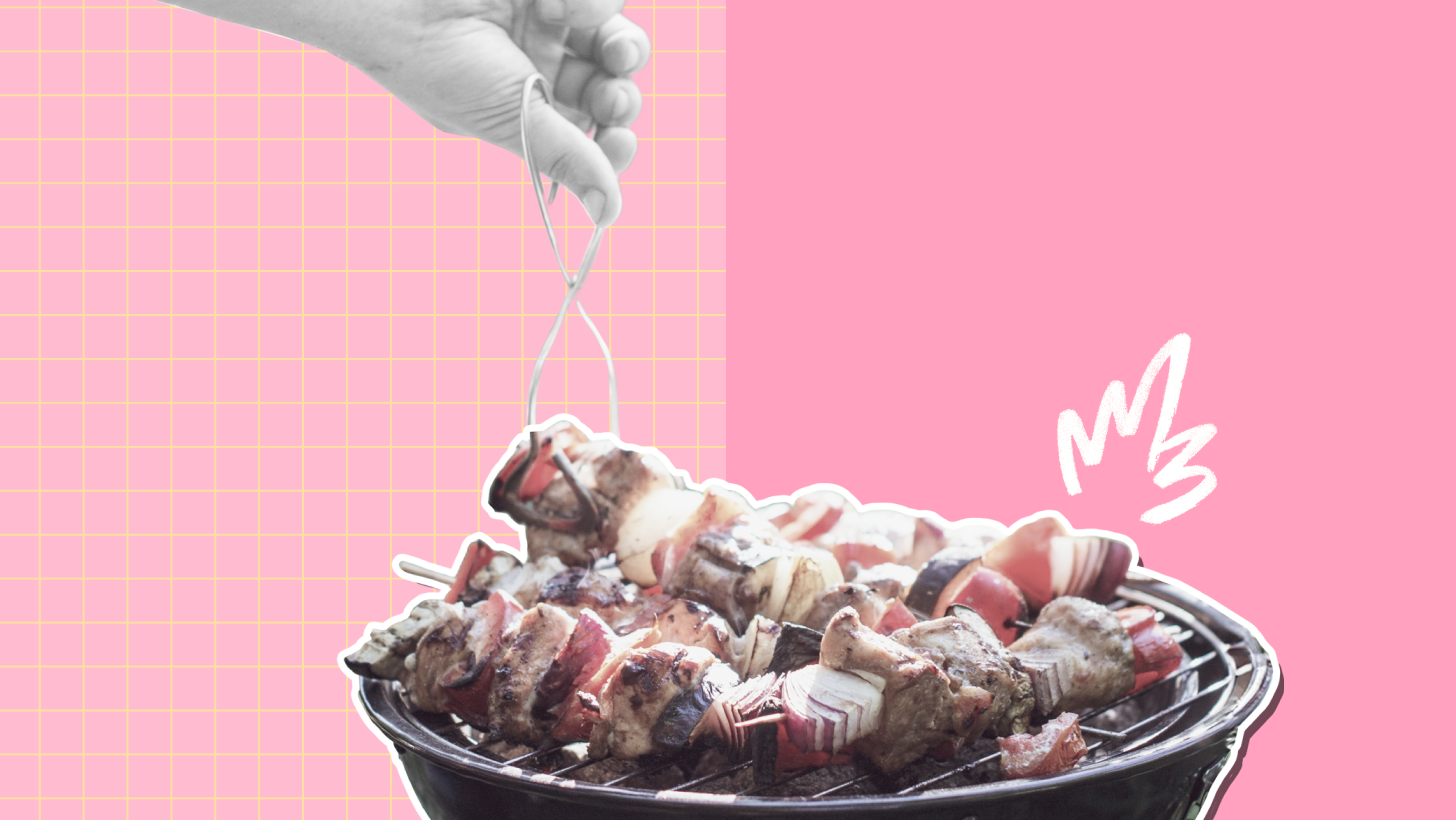
Almost every region in the United States has its own style of barbecue and all of them claim to offer the best one. Texas, North and South Carolina, Kansas City, and even Hawaii, all proudly boast of their BBQ prowess.

The term "barbecue", used to describe any slow-cooked meat, is said to derive from the Taino Indian word babracot . In fact, this practice can be traced back five centuries and originally evolved as a necessity to preserve food and, at the same time, feed many people. Nowadays, barbecue seems to be the epitome of comfort food nationwide . Keep reading to discover the best barbecue styles America has to offer!

1
Texas barbecue

Image: Andrik Langfield

Texas barbecue is heavily influenced by central European traditions . German and Czech immigrants settled in the state in the mid-nineteenth century introducing new ingredients. That is the main reason we find pork products like sausages in Texas-style barbecue, in addition to the classic beef brisket. In order to preserve fresh meat longer, they used to smoke it and cook it for a very long time. Over the years, this traditional barbecued meat, which originated in central Texas, spread throughout the state, so today we can enjoy not one but four different styles !

Central Texas BBQ is generally very straightforward, the meat is smoked over pecan, mesquite, or oak wood with just a salt and pepper dry rub. South Texas BBQ has Mexican influences and uses a molasses-based sweet sauce. East Texas BBQ is marinated in a sweet tomato-based sauce and slowly cooked via indirect heat. Finally, West Texas BBQ is prepared over an open flame using mesquite wood.

2
Memphis barbecue

Image: Philipp Kämmerer

No doubt about it, Memphis is one of the BBQ capitals of America . Unlike barbecue styles in other states, in Memphis, the meat is cooked using charcoal instead of hardwood logs. Pork ribs and pork shoulder are the signature cuts prepared with a tangy and sweet sauce based on molasses and tomato. Classic sides for the Memphis barbecue are sweet baked beans and slaw.

Barbecue originated in Memphis at the beginning of the 20th century , when African Americans began to populate the state. Often found in lunchtime pork sandwiches and late-night treats in nightclubs, Memphis BBQ style soon became a staple in the area. Many entrepreneurs opened new restaurants during this time, including John H. Mills, considered Memphis’s First Barbecue King. Rumor has it that even the great Bing Crosby was a regular at Mills’s place whenever he was in town.

3
Kansas City barbecue

Image: fstop314.com

According to the Visit KC website, "Barbecue in Kansas City is more than a menu item or a method of preparation. It’s an institution." The fact is that Kansas barbecue has a long history and is central to the city's culinary culture . Not for nothing is it called the "BBQ Capital of the World". With more than 100 restaurants, there’s even a Kansas City Barbeque Society in charge of promoting this style of cooking around the world.

Kansas City’s love for barbecue started in the early 1900s when a man called Henry Perry began selling slices of hickory smoked meat wrapped in newspaper. Soon after, others followed and started developing their own barbecue recipes. Nowadays, the Kansas City barbecue style involves grilling or smoking different kinds of meat seasoned with a dry rub, then finished with a tomato-based barbeque sauce. Sides include bread, pickles, baked beans, and slaw.

4
North Carolina barbecue

Image: Peter Bravo de los Rios

Whether at a backyard grill, or a traditional wood fire pit at a local restaurant, North Carolina has a proud barbecue tradition. This particular method of smoking and cooking meat has its roots in the emergence of hog cultivation . In the 1500s, Spanish settlers brought pigs to the region and natives on Roanoke Island contributed with their wood-fired slow-cooking method. Over the years, barbecue in North Carolina became a special feature in every celebration and special occasion.

Although recipes may vary between different regions in the state, pork is always the main ingredient . While in the East people cook the whole hog, western Carolinians prioritize the pork shoulder. The sauce is a matter of controversy too. The Eastern tradition calls for a thin vinegar and pepper sauce, whereas Western recipes add tomato or ketchup. Geographical customs aside, if you happen to visit North Carolina, order a local barbecue in one of the many great restaurants and you won’t be disappointed!

5
South Carolina barbecue

Image: @felipepelaquim

Some argue that South Carolina is "The Birthplace of Barbecue" . We won’t be able to settle this debate here and now, but what is certain is that the Palmetto State's barbecue tradition goes back at least five centuries. As with North Carolina, South Carolina barbecue also has its origins in the cultural exchange between Spanish settlers and American Indians . Europeans brought and raised pigs on the islands off the Atlantic coast and the natives knew exactly how to cook them.

The South Carolina barbecue style means cooking and smoking meat —preferably pork— low and slow over hardwood coals. Sometimes pulled from a whole hog, sometimes chopped from a shoulder or ham, South Carolina barbecue comes with a signature sauce depending on the region . You can find a blend of vinegar, salt, and some red pepper to spice things up or a yellow sauce made of cider vinegar, brown sugar or honey, and mustard. No matter which one you get, be prepared for an exceptionally tender and flavorful dish!

6
St. Louis barbecue

Image: Rachel Bramlett

Did you know St. Louis is said to consume more BBQ sauce per person than anywhere else in the country? St. Louisans are big on spare ribs, which may have been introduced in the local culinary tradition more than a century ago. As the legend goes, a steamboat cook named Henry Perry used to slow smoke discarded slabs of ribs from the Kansas City stockyards using locally harvested hardwood trees.

Nowadays, the St. Louis barbecue style includes a variety of seasonings and cooking methods . From grilling to slow smoking, ribs, pulled pork, burnt ends, and pork steaks are smeared with a sauce made from ingredients such as salt, vinegar, black pepper, brown sugar, tomato, and even apricots. Unlike other types of barbecue, St Louis style does not require a dry rub and it cooks a lot faster. White bread is the side of choice, especially if you want to make the most out of all that BBQ sauce!

7
Hawaiian barbecue

Image: Tirza van Dijk

Yes, they have barbecues in Hawaii. Although you won’t get the traditional ribs, pulled pork, and brisket, the Aloha State is home to a delicious kind of barbecue. Influenced by its many immigration waves —primarily from China, Korea, Japan, Portugal, and the Philippines—, it has labor origins dating back to the late 19th century . While modern Hawaiian barbecue includes various cooking techniques, such as roasting, smoking, and grilling, the traditional way requires an imu , an underground oven lined with hot rocks, and banana and ti leaves.

Barbecues from the Paradise of the Pacific are often sweet, tangy, and tropical . You can find chicken, beef, pork, and even seafood. Marinades and sauces incorporate Asian flavors and ingredients like soy sauce, garlic, ginger, and brown sugar. Side dishes range from sticky rice to macaroni salad, complementing and balancing the bold flavors of the meats.

8
Alabama barbecue

Image: Rachel Bramlett

In the South, barbecue is synonymous with any meat that's cooked over the fire. Although pork is often the protein of choice, some restaurants in Alabama also feature brisket, chicken, and beef ribs. Barbecue became popular in Alabama during the early 19th century when difficult economic times required a clever way for the working class to bring flavor and tenderness to cheap cuts of meat.

Sauces involved in the Alabama barbecue style are as diverse as they come . Influenced by the neighboring states of the so-called "barbecue belt", you can find variations of tomato-based sauces, spicy marinades, mustard dressings, and even a white sauce made with mayonnaise, lemon juice, apple cider vinegar, salt, and black pepper. Across Alabama, these mouth-watering smoked meats are often served on hamburger buns filled with dill pickles and topped with coleslaw.

9
Kentucky barbecue

Image: Luis Santoyo

Barbecues in Kentucky have been popular for a long time. In the Bluegrass State pork shoulders are a popular cut cooked on concrete block masonry pits for at least half a day. However, Kentucky is most famous for smoking mutton over hickory coals . Kentuckians also barbecue other meats like chicken, pork tenderloins, cured hams, and turkey breasts for sandwiches.

Kentucky is home to a diverse array of barbecue sauces with almost every county having its own take. For example, Hickman County uses mostly vinegar and cayenne pepper, while McCracken County sauces taste strongly of vinegar and chili powder. Others prefer an allspice Worcestershire-based dip. The signature sides for Kentucky barbecue are toast, vinegar slaw, and pickled eggs.

10
Florida barbecue

Image: Dim Hou

Florida may be best known for its fresh seafood but the Sunshine State also has its own barbecue style . And a soft spot for pork too! A testament to the important place pig meat has in Floridian cuisine is the Cuban twist on the classic BBQ sandwich found at many local joints.

What sets Florida barbecue apart from others is its Caribbean and Latin American influences. Florida BBQ often blends techniques of the Southern United States style barbecues —like the use of sweet tomato sauce or mustard sauce— with Caribbean flavors such as vinegar, fruits, peppers, and spices. It may not be the most traditional barbecue in the country but it is certainly worth a try!

Geography Geography 6 min read

Nicknames for miles

How many pelicans does it take? The stories behind 10 US state nicknames

Image: Pixabay

Who first called New York the "Empire State"? Does Minnesota actually have 10,000 lakes? And why is Florida the "Sunshine State," if Arizona boasts more sunny days a year? The nicknames that the U.S. states have cultivated over the decades are straightforward in some cases but very intriguing in others. What is a "Hoosier," and how many pelicans are there in Louisiana? Let’s explore the stories behind these license-plate monickers and whether others were considered for these 10 states.

1
The Show-Me State

Image: Chris Duan

Missouri’s license plates contain one of the strangest state nicknames in our list: The Show-Me State. Does that speak of residents with a no-nonsense, skeptical character? In part. This title can be traced back to 1899, when U.S. Congressman Willard Duncan Vandiver used the phrase in a speech, implying that Missourians aren't easily swayed by "frothy eloquence" and need proof, saying, "I am from Missouri. You have got to show me. "

Since then, though "Show-Me State" isn't an official legislative title, it has been recognized as part of the state’s identity. Beyond this nickname, Missouri also holds others such as "The Cave State" due to its large number of caves, and "The Mother of the West" because of its historical significance in westward expansion.

2
The Hoosier State

Image: Pixabay

Indiana is famously known as "The Hoosier State", though the origin of this monicker is one of the most debated topics in the state’s history. One popular theory attributes it to a canal contractor named Samuel Hoosier, who preferred to hire workers from Indiana. These laborers were known as "Hoosier’s men," which eventually shortened to "Hoosiers."

Others say it came from the frontier slang word hoozer , meaning "someone from a rural area". Whichever version is real, "Hoosier" gained popularity in the 1830s through a poem titled The Hoosier's Nest by John Finley, which celebrated Indiana’s rural charm. The "Hoosier Dome" (now the site of Lucas Oil Stadium) and companies like the Hoosier Bat Company embraced the nickname. Indiana is sometimes also known as the "Crossroads of America" for being a key geographical center for major highways.

3
The Beehive State

Image: David Hablützel

The nickname "Beehive State" has roots in Utah's founding by members of the Church of Jesus Christ of Latter-day Saints (LDS). When these settlers arrived in the Salt Lake Valley, they viewed the beehive as an emblem of industriousness, unity, connection, and hard work —qualities they wanted their new society to represent.

The other term used to reference all things Utah is "Deseret," with a similar story: the term appeared in the Book of Mormon standing for "honeybee." It’s also the reason why the state’s motto is "Industry", and features an illustration of a beehive in the center of the state’s flag.

4
The Land of 10,000 Lakes

Image: Josh Hild

Minnesota actually has around 11,842 lakes , excluding smaller ponds and wetlands. But calling it "The Land of Over 11,842 Lakes" would have been a nuisance. This nickname evokes the territory’s vast natural beauty: The catchy term was adopted as part of a strategic tourism campaign in the early 20th century, aiming to get more Americans to visit the state. With the automobile industry booming, Minnesota promoted itself as a destination for camping, boating, and fishing.

The slogan helped create a reputation for Minnesota as a water paradise and led to the formation of the Ten Thousand Lakes of Minnesota Association in 1917, which spread the message of the joys of lakeside vacations. Within a decade, Minnesota's lakes were drawing visitors from across the country. The state is also sometimes called "The North Star State" or L'Étoile du Nord for being the northernmost state in the contiguous U.S.

5
The Empire State

Image: Frederik Sørensen

The Empire State is New York's longstanding nickname. It’s hard to dispute: it stands for the state’s significant economic, cultural, and historical influence. Though the exact origin of the nickname remains unclear, it’s believed to have stemmed from a comment by George Washington in 1785, where he referred to New York as the "Seat of the Empire" in recognition of its central role in the post-Revolutionary War. With time, this expression grew into the nickname "Empire State".​

The famous Empire State Building is an example of the prevalence of the nickname: The iconic skyscraper was completed in 1931 and held the title of the world's tallest building for several decades. The Empire State Plaza in Albany, a government complex, is another example. New York also goes by other nicknames, including "The Excelsior State," referencing the state motto, "Excelsior," meaning "ever upward."

6
The Pelican State

Image: Zac Lois

How many pelicans does it take to earn a full state this nickname? It is said that early settlers were impressed not just by the amount of birds in the territory’s bayou, but by the nurturing character that the birds showed. The brown pelican eventually became the state’s official bird and prominent emblem. It was endangered in the '60s, but fortunately, thanks to the state’s efforts in banning the pesticides that harmed them, the population was restored.

Louisiana also has other descriptive nicknames. It’s known as "The Bayou State" for its lush marshlands, "The Creole State" for its unique culture, and "The Sportsman’s Paradise."

7
The Lone Star State

Image: Lucas Beck

The "Lone Star" reflects Texas's struggle for independence from Mexico , when Texas briefly became its own republic before joining the United States in 1845. This star stood as a symbol of pride and the determination for self-governance. Today, it still shines bright in the middle of Texas’ flag.

Texas has a few other nicknames, though they’re less well-known. In the 1960s, The New Yorker called it the "Super-American State". Texas has also been called "The Beef State" and "The Jumbo State".

8
The Golden State

Image: Elizabeth Iris

Is it because of the beautiful sunsets tainting the Pacific Coast in a golden light? Well, no. California’s nickname, "The Golden State," refers to multiple facets of its history. Most prominently, it alludes to the California Gold Rush of 1848-1855, a period that saw thousands flock to the state. Gold remains a powerful symbol in California, commemorated by the state’s official colors, blue and gold, representing the state’s skies, beaches, and mineral wealth.

The state also boasts an official fish, the California golden trout, and a butterfly, the California dogface butterfly, whose hues contribute to this golden theme. There are other unofficial names, such as "The Land of Milk and Honey" and "The Grape State."

9
The Sunshine State

Image: Nextvoyage

Who could dispute this nickname? Florida boasts an impressive average of 237 sunny days a year, so of course we would refer to it as "The Sunshine State." Florida's year-round pleasant weather has positioned it as a top destination for those seeking a break from colder regions, especially in winter. But technically, Florida isn’t the sunniest state —that title goes to Arizona .

Before settling on "The Sunshine State," Florida had other, less recognized nicknames, including the "Alligator State" and "Everglade State." Today, the "Sunshine State" nickname supports Florida’s brand as a sunny paradise, though it’s worth noting that its climate also includes frequent rain and thunderstorms, making it both sunny and tropically lush year-round.

10
The Natural State

Image: Jessica Garner

The state is renowned for its 52 state parks , lush forests, clear rivers, and diverse geography that includes everything from mountainous regions to bayous. Arkansas earned its official nickname, "The Natural State," in 1995, replacing "The Land of Opportunity." This new name aided in promoting it as a top destination for outdoor-enthusiast tourists.

Arkansas has had several other notable nicknames throughout its history. "The Bear State" was one of its earliest names, winking at the high number of black bears once found there. "The Wonder State" was adopted in the 1920s to highlight its natural wonders, and "The Land of Opportunity" came into use around the 1940s as part of an economic development initiative.​

Explore more American facts

Choose your favorite category!

General
General

As American as apple pie—the very best America has to offer!

Culture
Culture

Delve into the astounding richness of American lore.

Geography
Geography

Hop in and explore vast and diverse American landscapes.

History
History

Discover the key moments that shaped the United States.