General General 3 min read

Do you have a landline?

Can you tell what this was for? 12 items we no longer use!
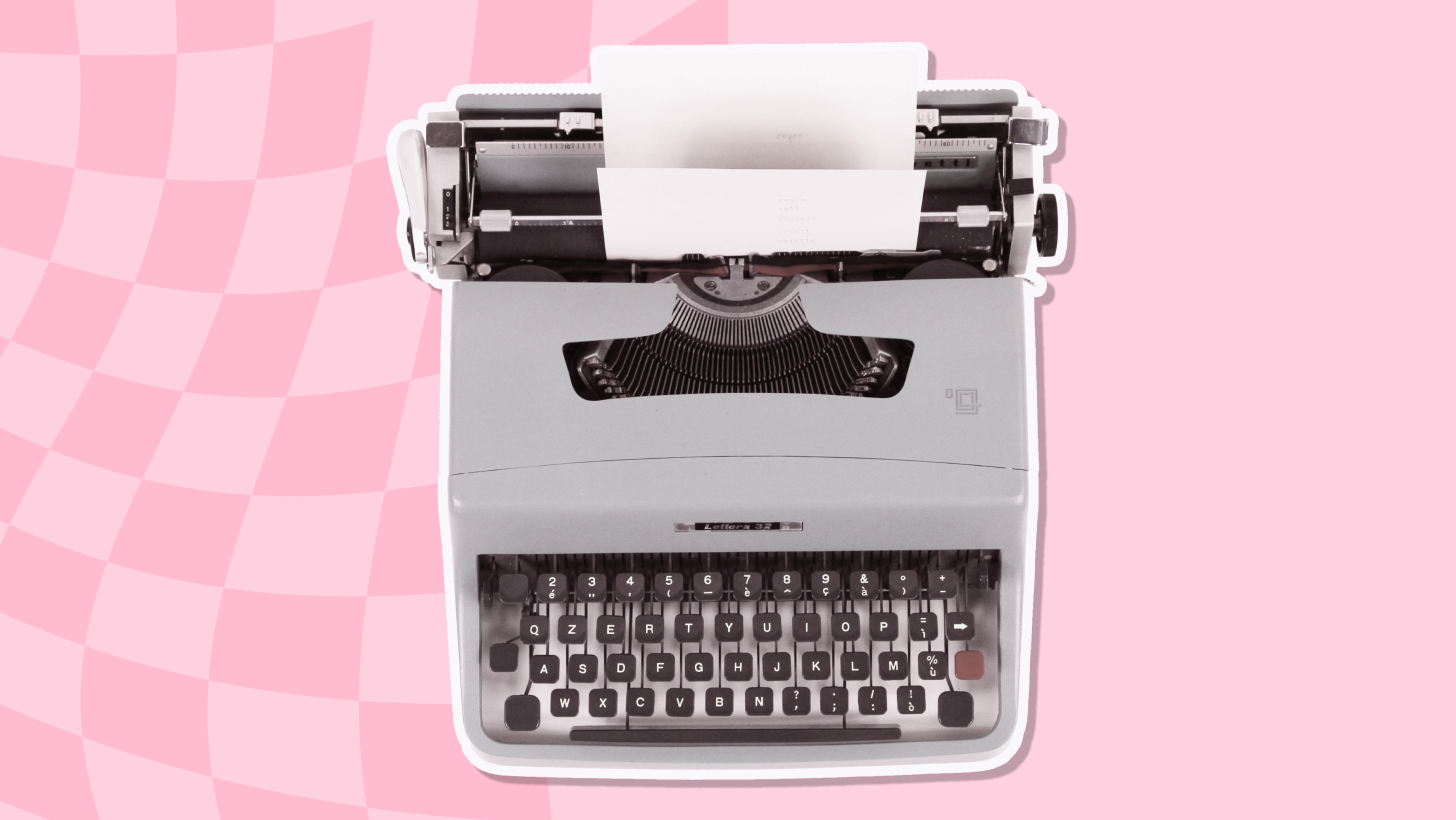
Image: Luca Onniboni

Little by little, many of the things we used just a few decades ago have been phased out by newer technologies and changing habits. Your relatives no longer invite you over for a family viewing of holiday photos on a slide projector—they share them in the family WhatsApp group. Hardly anyone calls you on a landline anymore—they call your smartphone instead. Take a look at the following 12 things we no longer use. Do you miss any of them?

1
Paper road maps

Image: Sylwia Bartyzel

Paper maps—atlases, or topographic maps—are beautiful and there is always room for those as home decorations or teaching geography in schools. But as far as bulky roadmaps on your back pocket go, smartphones with GPS capabilities have made them obsolete.

2
Bathing machine

Image: Uta Scholl

Back in the day, modesty was far more strictly enforced than it is today. Forget about simply wearing your beach clothes to the shore—the bathing machine was a device, popular from the 18th century to the early 20th century, that allowed beachgoers to change out of their regular clothes , put on swimwear, and wade into the ocean.

3
Public telephones

Image: Pedram Farjam

Before cell phones existed, coin-operated pay phones were the go-to option for contacting someone or leaving a message. Pay phones were everywhere—on street corners, in malls, restaurants, airports, train stations, and hotels, allowing people to make calls in public places.

4
Teleseme

Image: Zoshua Colah

In the late 19th and early 20th centuries, luxury hotels featured an electric signaling device in each room , allowing guests to request goods or services from over 100 options. An attendant in the hotel office would receive the request via a corresponding teleseme and ensure the order was fulfilled.

These devices were eventually replaced by private branch exchange (PBX) telephone systems.

5
Slide projectors

Image: Nathan Anderson

As mentioned earlier, slide projectors were once a common household appliance in many homes and a popular form of entertainment . However, they became obsolete as video projectors became more affordable and accessible.

6
Phonebooks

Image: Brittany Colette

Imagine a book containing the home phone numbers of everyone in your city . It once existed and was delivered annually to every household with a landline by the telephone company. These hefty directories became obsolete with the rise of online listings and the death of landlines in favor of cell phones.

7
Typewriters

Image: Bernard Hermant

Imagine not being able to revise what you’re writing without scrapping the whole page . While that situation was a great exercise for your focusing abilities, it was phased out by home computers and word processors, which allowed for infinite rewrites in no time.

8
Photo Album

Image: Laura Fuhrman

Smartphones have made photography more accessible than ever, yet we print fewer photos than before. When photography wasn’t digital, people took their film rolls to be developed , returning with 36 crisp pictures—some of which, if deemed worthy, were carefully placed in photo albums .

9
Cassette tape players

Image: Dave Weatherall

If you're over 40, you’ve probably owned a cassette player—whether a Walkman, a boombox, or any other model. Cassettes were sturdy, reliable, and easy to use . However, with the arrival of CDs, which offered superior sound quality and the ability to skip tracks at the press of a button, cassettes and their players quickly faded into obscurity.

10
Encyclopedias

Image: James

Before the internet, encyclopedias were the primary source of knowledge. These extensive book collections adorned bookshelves in homes and public libraries, offering detailed descriptions of almost any subject imaginable , all listed in alphabetical order .

11
Fax machines

Image: alecale35

By today’s standards, sending and receiving faxes wasn’t particularly fast, but at the time, it was a game-changer. The fax machine digitized documents with a scanner and transmitted printed pages over telephone lines . However, it became obsolete with the rise of email, scanners, and smartphones.

12
VHS tapes and VCRs

Image: Leonard Reese

Being able to see any movie you want at home feels ordinary today, but, in the early 80s, it was a dream come true. And this dream was made possible by VCRs and VHS tapes. These bulky devices were eventually replaced by DVD players, which offered superior image quality and eliminated the need to rewind the tape.

General General 4 min read

State treasures

Did you know Kool-Aid is a state symbol? You won’t believe the rest!

Image: Marek Studzinski

We all know about state birds and flowers, but have you ever wondered who comes up with those "official state symbols" we hear about from time to time? Who made jousting an official sport? How many states chose milk as their official beverage? These symbols often have fascinating histories, some going back centuries, of course. Whether they’re strange, funny, or just oddly specific, they all have a story to tell. And we’ve gathered some here!

1
Kool-Aid

Image: Aibek Skakov

Nebraska takes pride in its sweetest invention : Kool-Aid. Created in 1927 in Hastings, the fruity drink became a household favorite. In 1998, Nebraska made it the official state soft drink, much to the delight of nostalgia lovers.

Every August, Hastings hosts the Kool-Aid Days Festival, complete with giant pitchers and endless flavors. The "Kool-Aid Man" himself even made an appearance at the declaration ceremony! Despite some pushback from health advocates, the sugary drink remains an iconic American beverage.

2
Gusty the Cartoon

Image: Afif Ramdhasuma

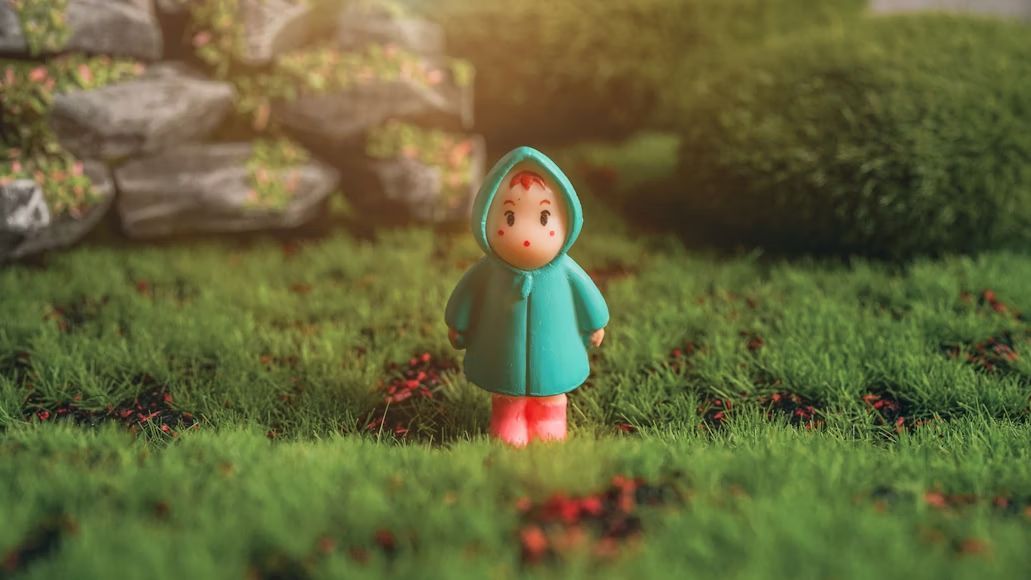
Oklahoma’s state cartoon character is Gusty , a little weather-forecasting doodle, do you know him? Created by a Tulsa weatherman in the 1950s, Gusty reflected the day’s forecast, holding an umbrella, bracing for tornadoes, or sweating in the heat.

His hand-drawn charm lasted for decades, earning him a place in the Smithsonian. In 2005, Oklahoma made Gusty the official state cartoon character. For Oklahomans, he’s as much a part of the forecast as the storm warnings!

3
Whoopie Pie

Image: Holly Spangler

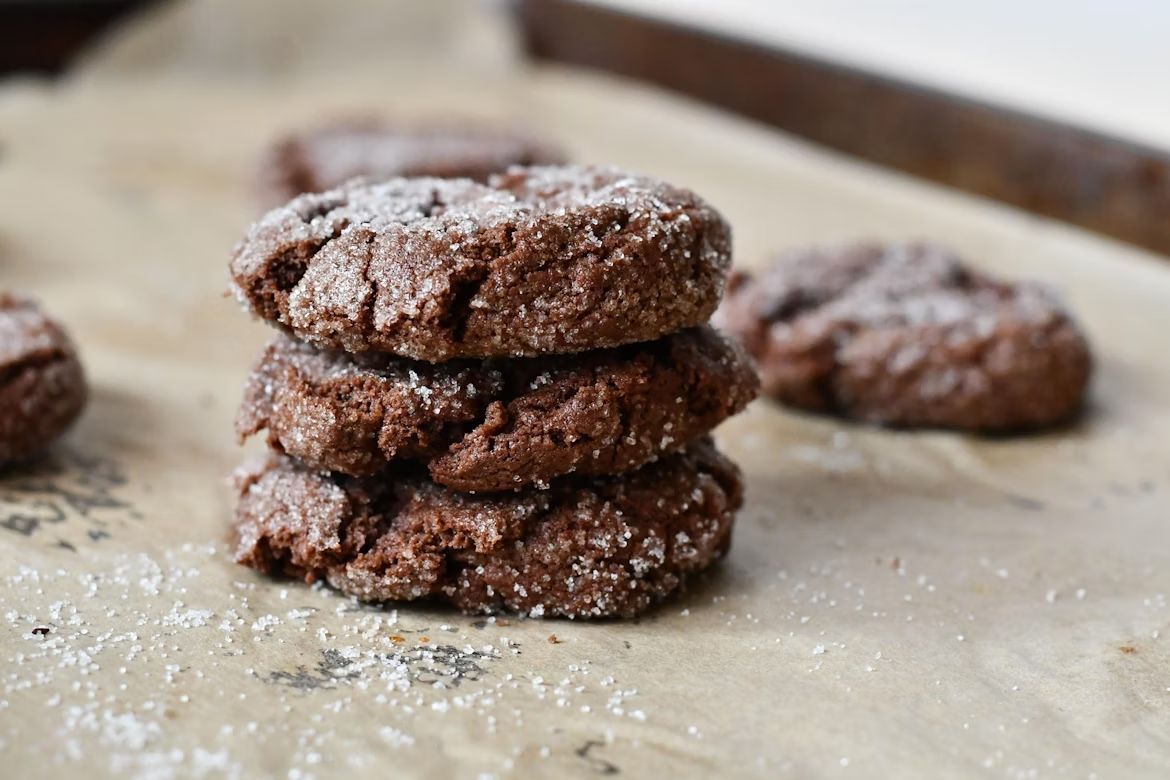
Maine takes its desserts seriously. So seriously that in 2011, the state named the whoopie pie its official treat . This fluffy confection consists of two chocolate cake rounds sandwiching a creamy white filling.

It’s been a local favorite since the 1920s, though Pennsylvania also claims to have invented it. Maine, however, celebrates its whoopie pie heritage with an annual festival featuring the world’s largest whoopie pie. The origins of the name are debated, but regardless, it’s a nostalgic, delicious bite of history. And yes, it pairs perfectly with a cup of coffee!

4
Tully Monster

Image: Jacqueline Martinez

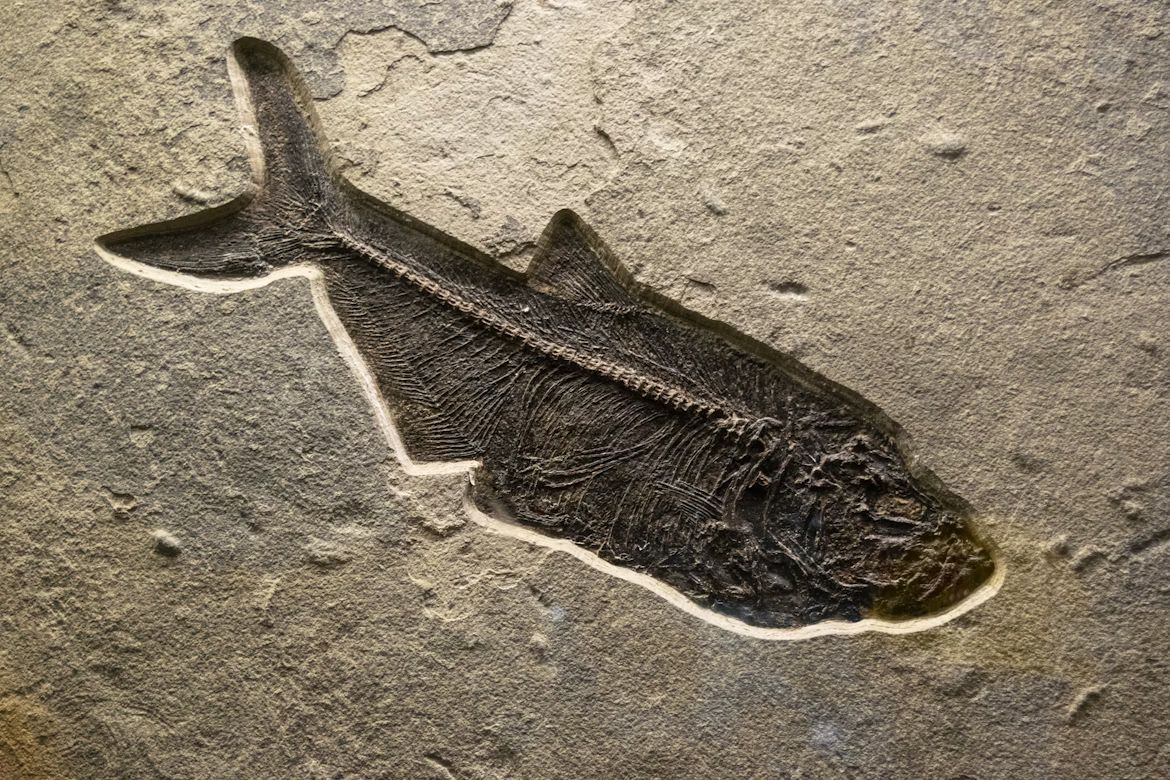
Illinois’ state fossil sounds like something out of a sci-fi movie: the Tully Monster. This strange, ancient sea creature swam in Illinois’ prehistoric waters about 300 million years ago. Discovered in 1958, its worm-like body, stalked eyes, and pincer-like mouth left scientists scratching their heads for decades.

It wasn’t until 2016 that researchers finally identified it as a vertebrate, possibly related to lampreys, a fish. Named after its discoverer, Francis Tully, this oddball fossil became Illinois’ official state fossil in 1989. How weird is that?

5
Clogging

Image: Ahmad Odeh

Forget the square dance, North Carolina’s official folk dance is clogging , and it’s as energetic as it sounds. This fast-paced footwork evolved from Appalachian traditions and is often performed to bluegrass music.

Clog dancers wear special shoes with taps to create a percussive beat while they move. The style has roots in Irish, English, and African dance, blending cultures into a wonderful American tradition. If you ever visit a North Carolina festival, you’ll likely see folks kicking up their heels to some lively fiddle tunes.

6
Brewer’s Yeast

Image: National Institute of Allergy and Infectious Diseases

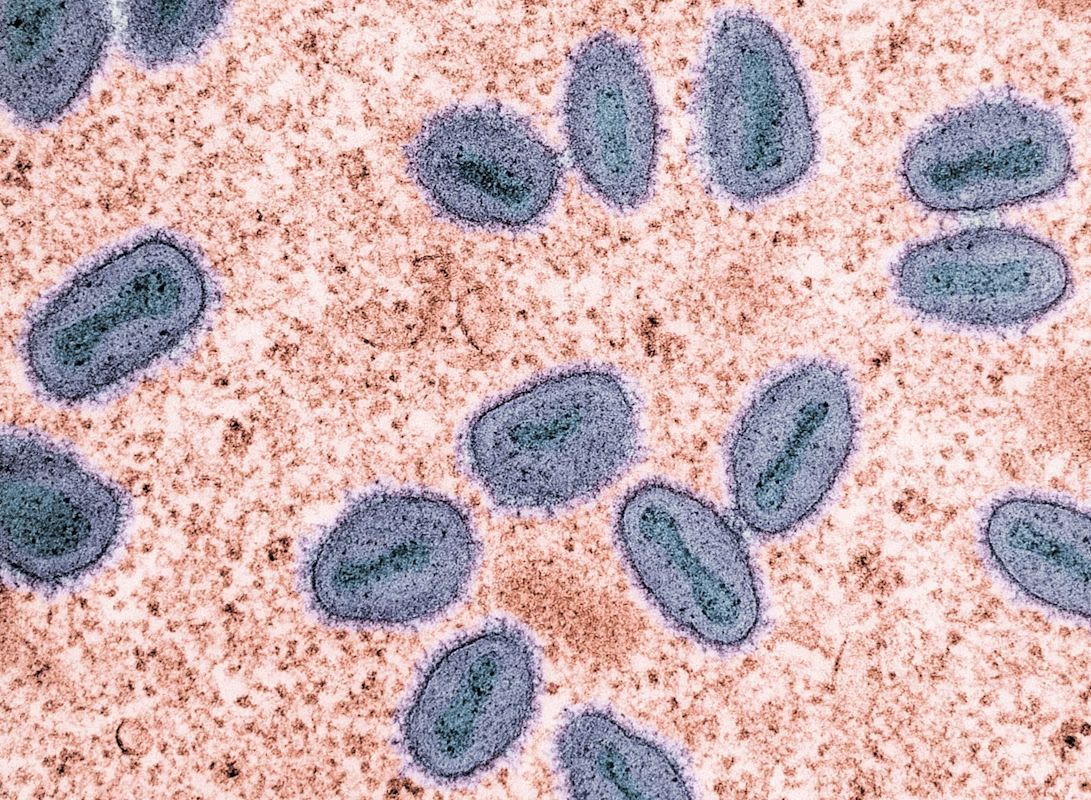
Oregon took a microscopic approach to state symbols when it named brewer’s yeast its official microbe in 2013. This tiny fungus, scientifically called Saccharomyces cerevisiae , is the secret behind beer and bread. You like it now, huh?

It ferments sugars, producing alcohol and carbon dioxide, making it essential to Oregon’s craft beer scene. The decision wasn’t just for fun; it’s also that beer contributes billions to the state’s economy. Just to follow the trend, Illinois later named a mold used in penicillin production as its own state microbe. Apparently, microbes deserve their moment in the spotlight, too!

7
Jousting

Image: Casper Johansson

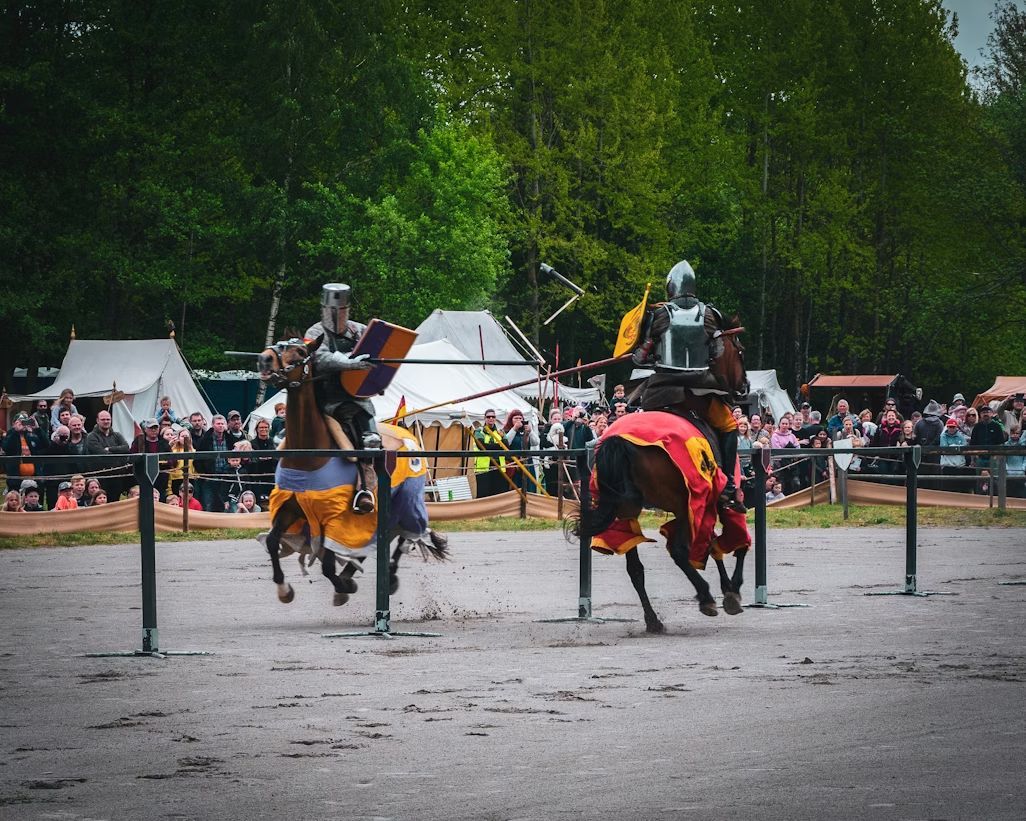
In a move straight out of the Middle Ages, Maryland named jousting its official state sport in 1962. Yes, that jousting you’re thinking of, knights on horseback charging at each other with lances.

While modern jousting is more about precision than knocking opponents off their steeds, it still draws a crowd. Today’s version involves riders aiming to spear small rings while galloping at full speed. Don’t worry, in 2004, lacrosse also became the state’s official team sport, but jousting still holds its title.

8
The Teddy Bear

Image: Izabelly Marques

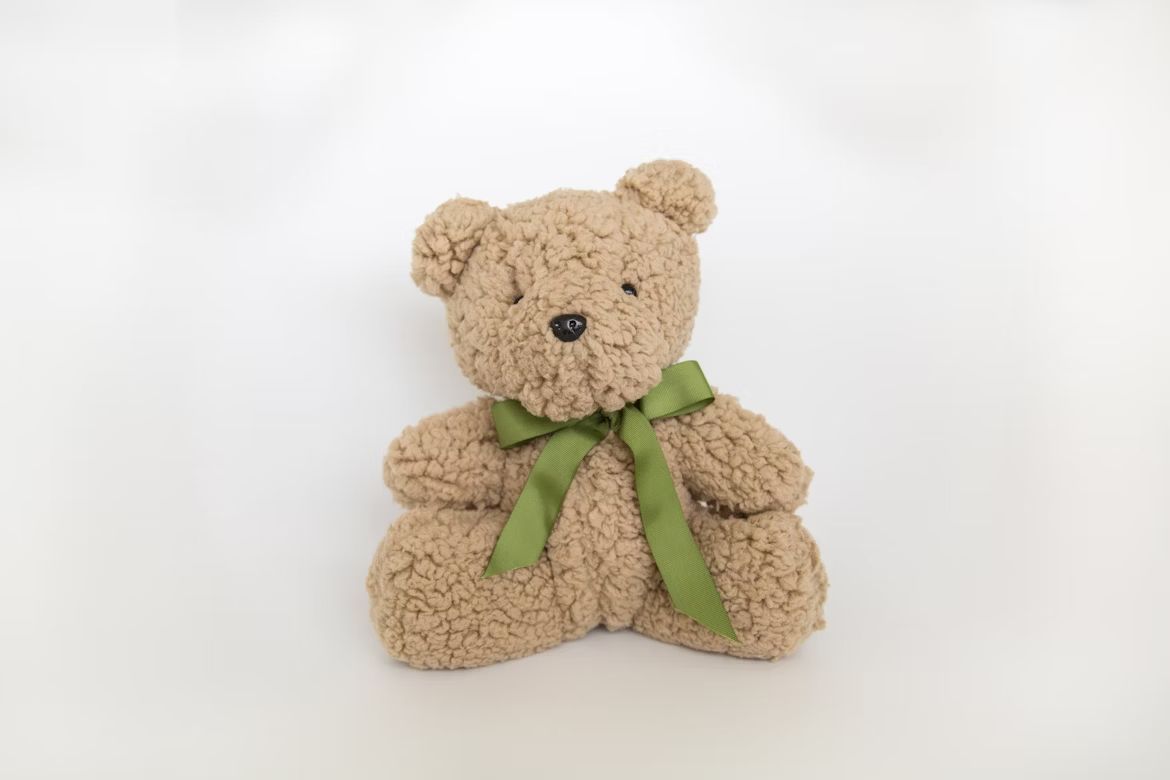
Mississippi’s official state toy, the teddy bear, has an adorable backstory. It all began in 1902 when President Theodore Roosevelt refused to shoot a bear during a hunting trip. A political cartoon about the event went viral (for its time), inspiring a Brooklyn couple to create "Teddy’s Bear."

The stuffed animal became a national sensation, and the name stuck. A century later, Mississippi made it official, naming the teddy bear its state toy in 2002. It’s a rare example of a state symbol with a direct presidential connection. But cute anyways!

9
Milk

Image: Anita Jankovic

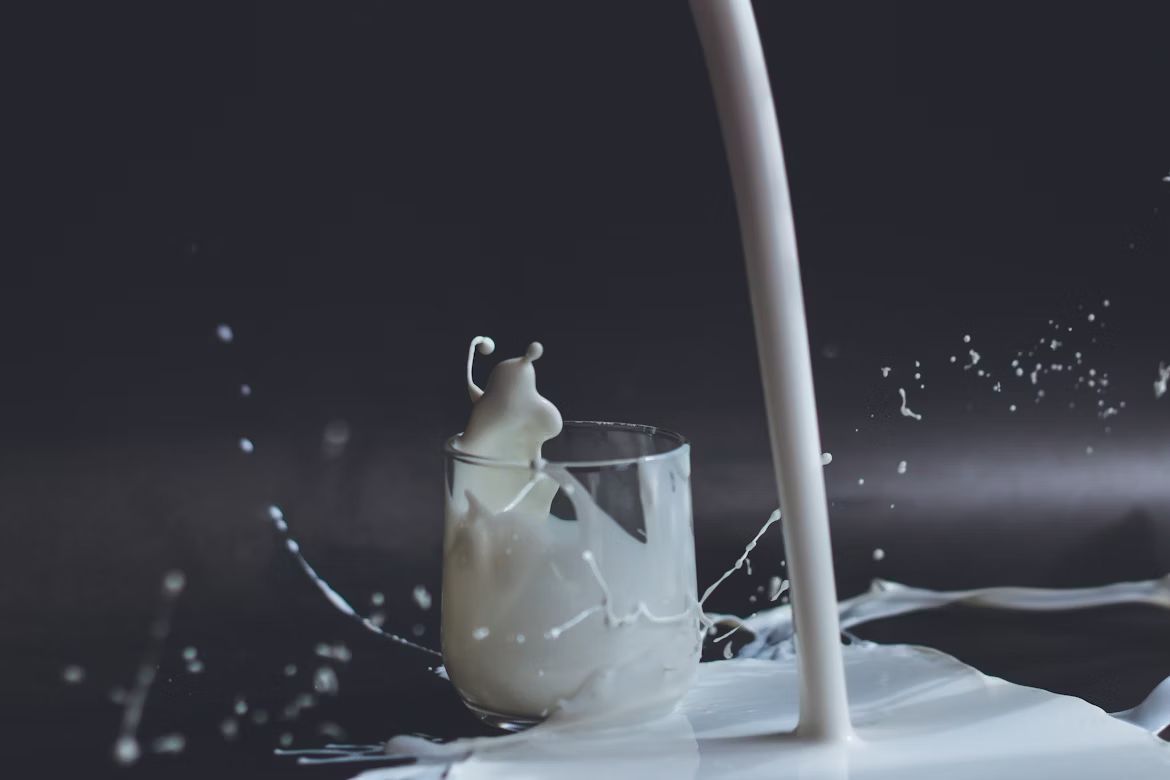
Believe it or not, 22 states claim milk as their official beverage . But it has nothing to do with keeping the bones strong! This dairy dominance started in the 1980s when milk industry lobbyists pushed for recognition.

While it’s a wholesome, calcium-packed choice, it’s not the most exciting. Some states, like Rhode Island (coffee milk) and Alabama (whiskey), took a more unique approach to the state beverage. Now, whether you drink it or not, milk has certainly made its mark on state symbols. And hey, at least it pairs well with cookies!

10
Natchitoches Meat Pie

Image: Patryk Pastewski

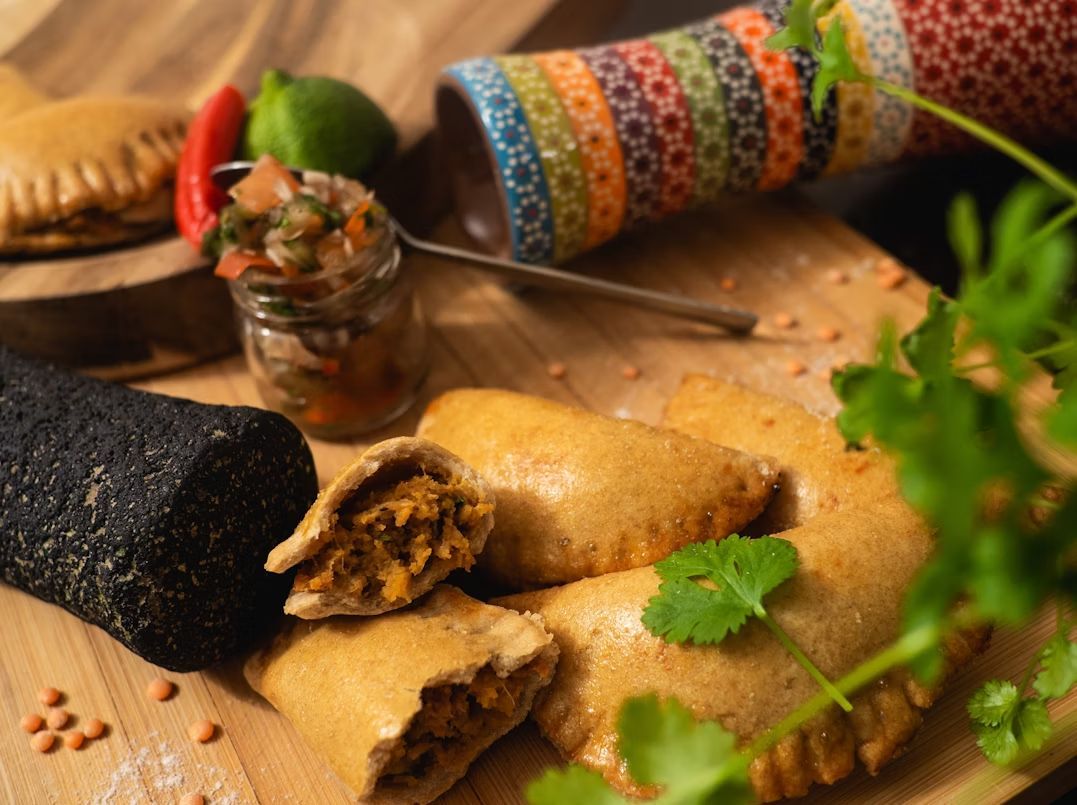
When you think of Louisiana cuisine, you probably think of gumbo or jambalaya, but did you know the state also has an official meat pie ? The Natchitoches meat pie is a deep-fried delight filled with seasoned pork and beef.

It dates back to the late 1700s, and it was named after the local Natchitoches Indian tribe. Declared a state symbol in 2003, it’s celebrated every September at the Natchitoches Meat Pie Festival. The festival features music, cooking competitions, and, of course, a meat pie eating contest!

General General 3 min read

Big names for small creatures

Bird is the word: 10 American bird names explained

Image: Dulcey Lima

A world without birds would be a gloomy one, indeed. These feathered friends grace our skies and brighten our days with their songs, not to mention the important environmental roles they fulfill. The names we give them often showcase their characteristics or pay homage to the people who discovered them. Scroll on to learn about ten of the most common birds and their names. How many of these did you know?

1
Mourning Dove

Image: Anish Lakkapragada

The melancholic name of the mourning dove comes from its sad call , which the casual listener might mistake for an owl. Mourning Doves inhabit a wide range of open habitats, including suburbs and urban parks.

Their call is generally referred to as the "perch coo," a song sung by an unmated male from a perch. These birds have other well-known nicknames, such as "turtle doves" and "rain doves."

2
Northern Mockingbird

Image: Tyler Jamieson Moulton

More than just mockers, mockingbirds are expert singers, continuously adding new imitations of other birds' songs to their repertoires and sometimes mimicking unnatural sounds, such as car alarms. Northern mockingbirds may learn up to 200 different sounds.

These medium-sized, long-tailed gray songbirds prefer open habitats with a scattering of shrubs and small trees. They eat a wide variety of fruits, invertebrates, and even small vertebrates, such as lizards.

3
White-breasted Nuthatch

Image: Patrice Bouchard

You can recognize this bird by its white face and underside, bluish back and wings, dark crown, nasal "yank-yank" call, and its habit of creeping down tree trunks headfirst.

The name "nuthatch" is derived from "nut hacker," reflecting the bird's method of opening up nuts by jamming them into a crevice and then hammering at them.

4
Downy Woodpecker

Image: Joshua J. Cotten

The smallest woodpecker in North America, the Downy Woodpecker is a stubby-billed, black-and-white bird that inhabits deciduous woods and tree-filled urban and suburban parklands. It forages on trees, shrubs, and large weeds for insects and other arthropods.

The "downy" in this bird's common name refers to the soft, white feathers of its long, white back stripe . The "woodpecker" part refers to the fact that this bird pecks bark, looking for termites hidden underneath it.

5
House Finch

Image: Patrice Bouchard

Originally found only in the West, the House Finch was introduced to the eastern U.S. in 1939, when a few individuals were released from a pet store. The word "finch" comes from the German idiom fink , which refers to a lively or cheerful person —a description that certainly fits this active and gregarious songbird. The term "house" refers to the bird’s tendency to hang around human dwellings.

6
Song Sparrow

Image: Patrick Fobian

Song Sparrows, as their name suggests, sing a cheerful and recognizable song. Although these birds can be found in a wide range of habitats, their favorite spots are often close to streams and other sources of fresh water.

The English word "sparrow" derives from the Anglo-Saxon word spearwa . This term means "flutterer," an apt description for this active songbird.

7
Ruby-throated Hummingbird

Image: Joshua J. Cotten

The only hummingbird that regularly breeds in the eastern U.S. is the Ruby-throated Hummingbird. The male's metallic-looking red throat, or "gorget," explains the first part of the name. And the hummingbird part comes from the humming sound their wings make as they fly.

8
Blue Jay

Image: David Bridle

The "bullies" of the birdfeeder, Blue Jays' name comes from the bird's noisy, garrulous nature. This term has also been applied to other birds of the same family, which are generally gregarious as well.

Before approaching a feeder, Blue Jays often give harsh calls that sound like those of hawks, perhaps to scare off other birds that might compete for access to the bird seed.

9
Tufted Titmouse

Image: Paul Crook

These curiously named birds form longer-lasting family units than many other songbirds, with their younglings sometimes even hanging around for a second year to help raise younger siblings. The "titmouse" name has nothing to do with rodents, but instead comes from an Old English phrase meaning "small bird."

10
Spotted Towhee

Image: Anish Lakkapragada

Spotted Towhees are members of the sparrow family. These birds have dark heads and backs, white spots on their wings, rusty sides, and striking red eyes. Their song is a simple trill.

The name "towhee" is a simulation of the bird's call and it was coined in 1731 by the naturalist and bird artist, Mark Catesby.

Explore more American facts

Choose your favorite category!

General
General

As American as apple pie—the very best America has to offer!

Culture
Culture

Delve into the astounding richness of American lore.

Geography
Geography

Hop in and explore vast and diverse American landscapes.

History
History

Discover the key moments that shaped the United States.