General General 5 min read

WHEN WAS YOUR LAST VISIT TO THE MALL?

Did You Know These 10 Huge Malls Are Closed Or Closing Its Doors?
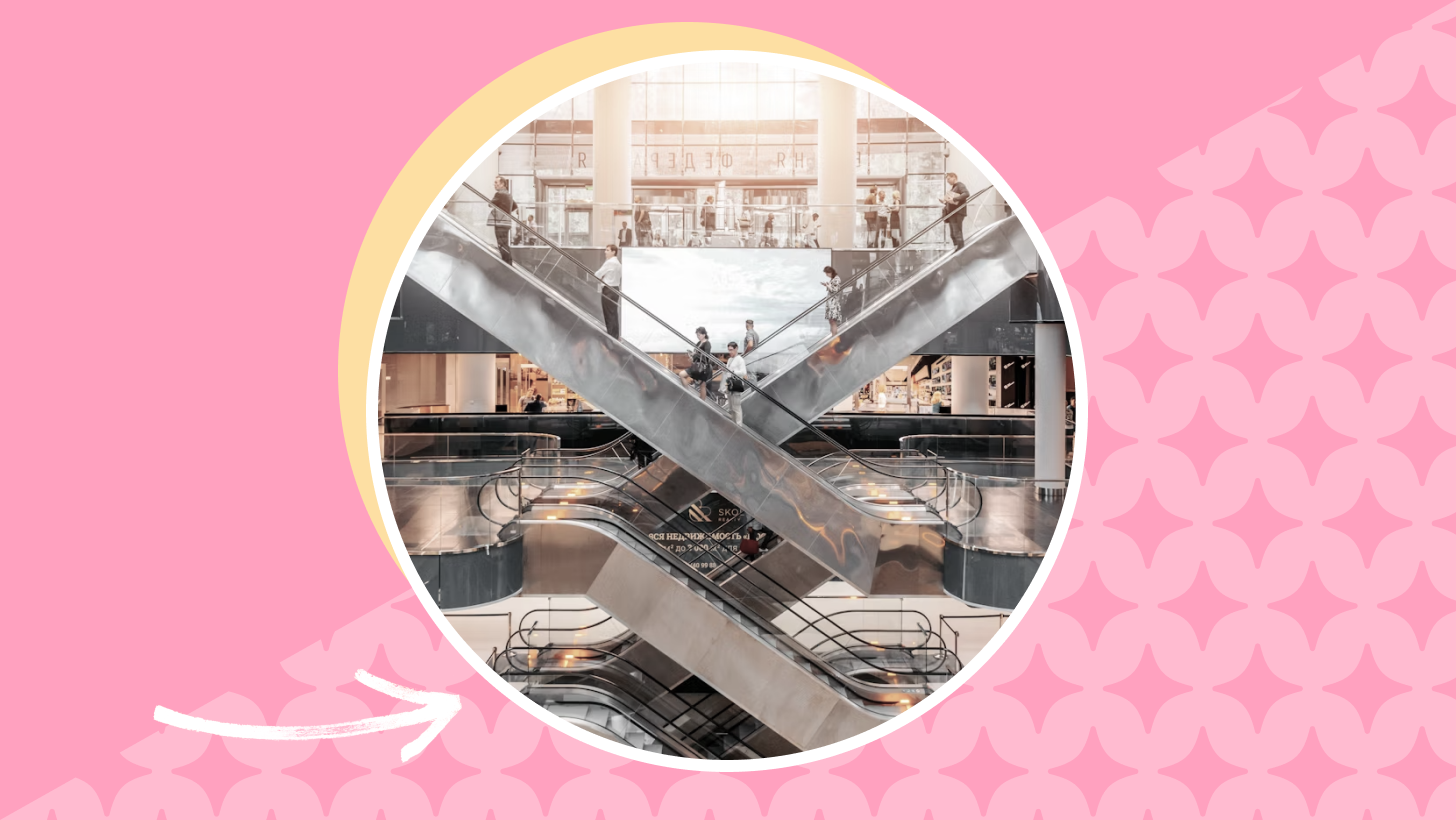
Image: Christian Wiediger

There is no "Too big to fail" in the world of retail. Even big businesses, with access to deep pockets, market research, and countless advisors, can bite the dust just like your local corner store. Or, perhaps, not in exactly the same way, but with very similar results.

The huge malls built in the 70s, 80s, and 90s have been enduring traffic decline for a couple of decades now, due to the rise of online shopping which, along with the rising price of property taxes, costs, rent, and vacancy, the COVID-19 pandemic and a few other factors, these commercial behemoths have been forced to close their doors. Take a look at ten of these once-bustling buildings and see if you ever frequented one of them.

1
Randall Park Mall, Ohio
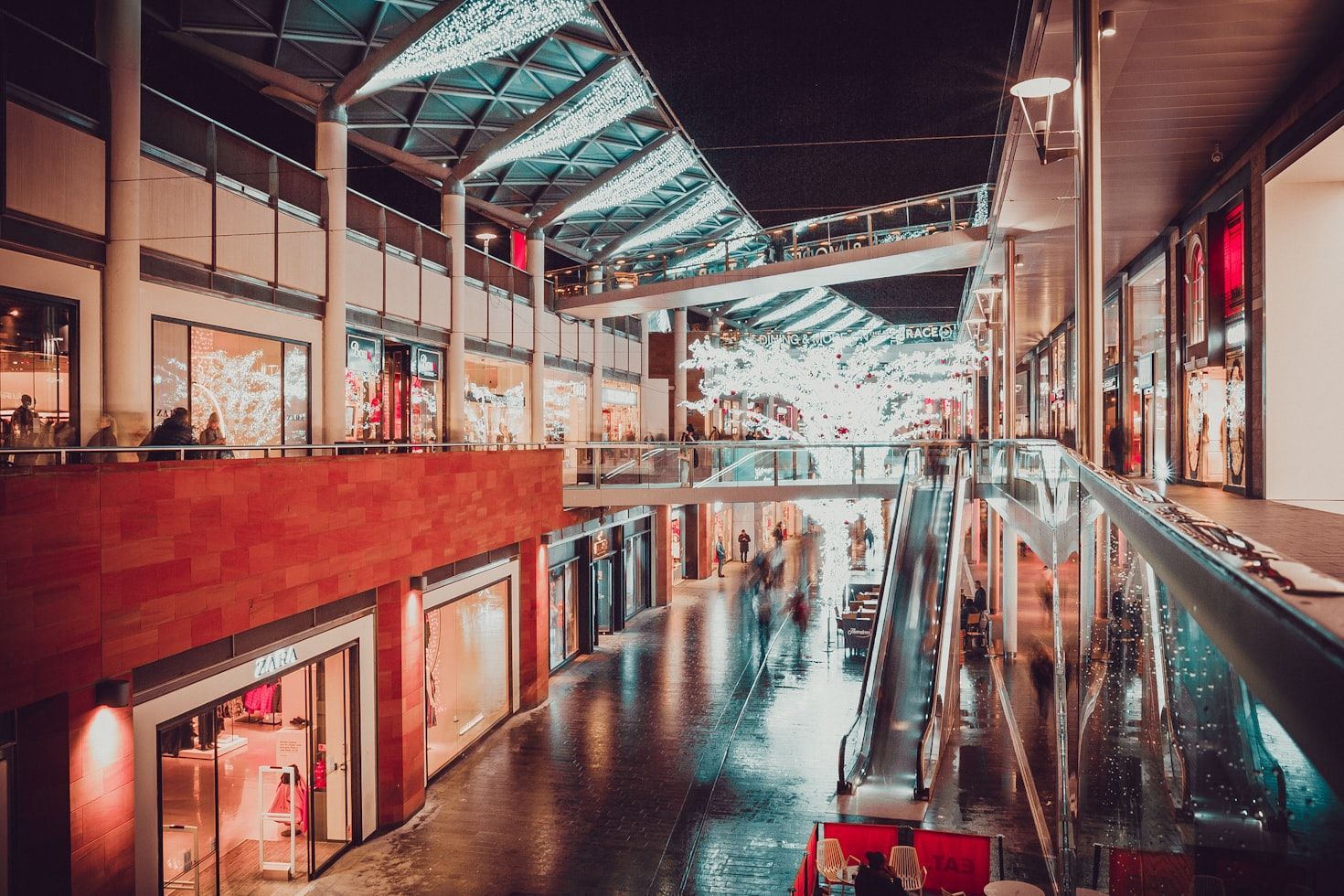
Image: Carl Raw

Randall Park Mall opened in 1976 when huge retail complexes were designed to be at the heart of their communities. It was one of the largest indoor malls in the country, with more than 200 shops. However by 2009, following years of declining business and the more immediate impact of the Great Recession, Randall Park Mall closed its doors.

Encompassing nearly 2.2 million square feet of space and reportedly costing $175 million to build, Randall Park Mall was deemed such a colossal miscalculation that it closed after only 33 years in operation and was demolished before reaching forty years.

2
Circle Centre Mall, Indiana
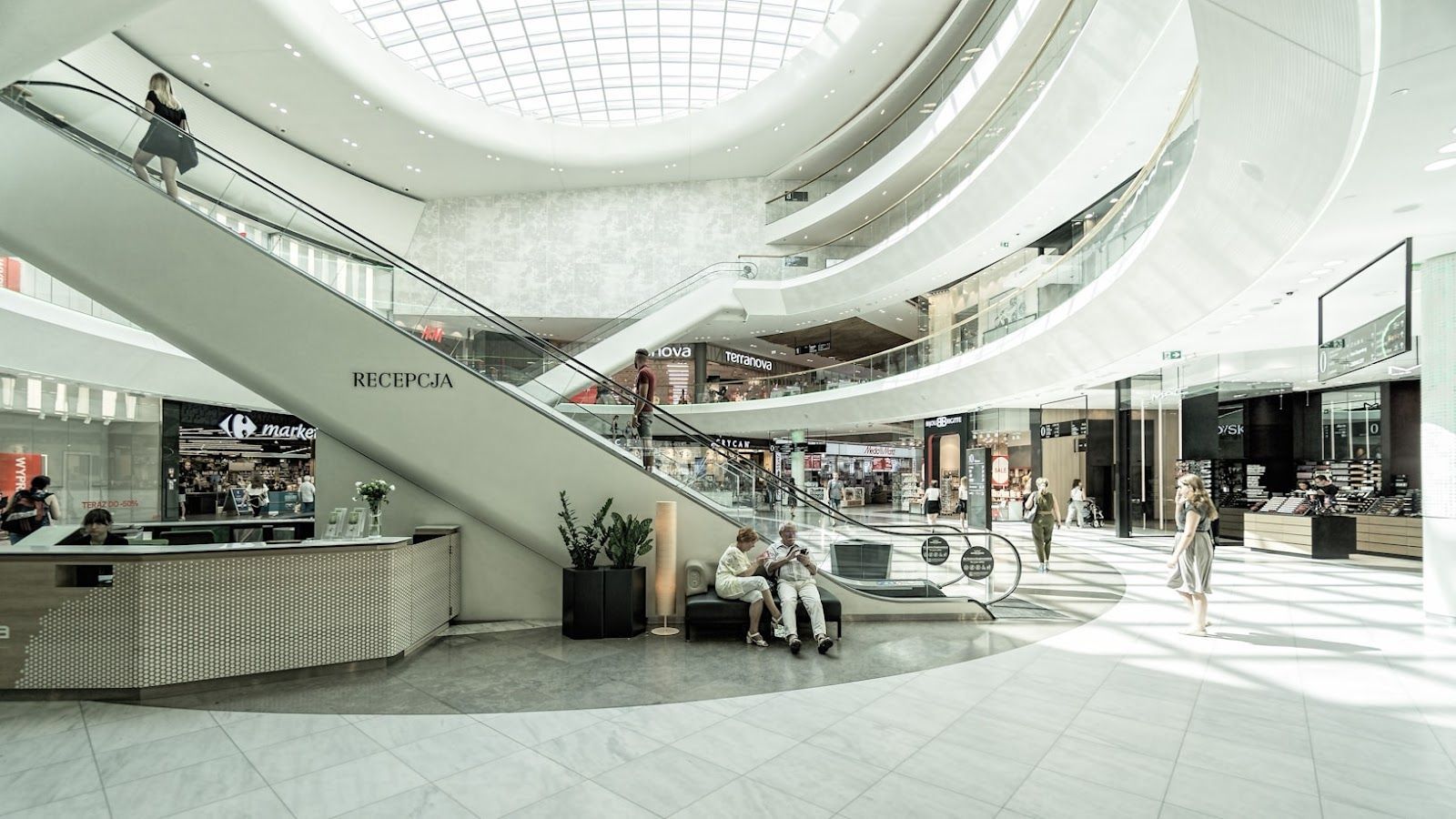
Image: Michael Weidemann

Circle Centre opened to the public on September 8, 1995, incorporating existing downtown structures such as the former L. S. Ayres flagship store. Real efforts were made in its design to incorporate historic elements, such as the retention of the facades of buildings that had previously existed on the site.

Most malls rely on their department and anchor stores to survive, but, with the closure of Nordstrom in 2011 and of Carson's on April 29, 2018, the mall has been left without any department stores. In response to the changing retail conditions, the mall has explored non-traditional uses; for example, in 2014 The Indianapolis Star moved its offices into part of the space vacated by Nordstrom.

3
East Hills Shopping Center, Missouri
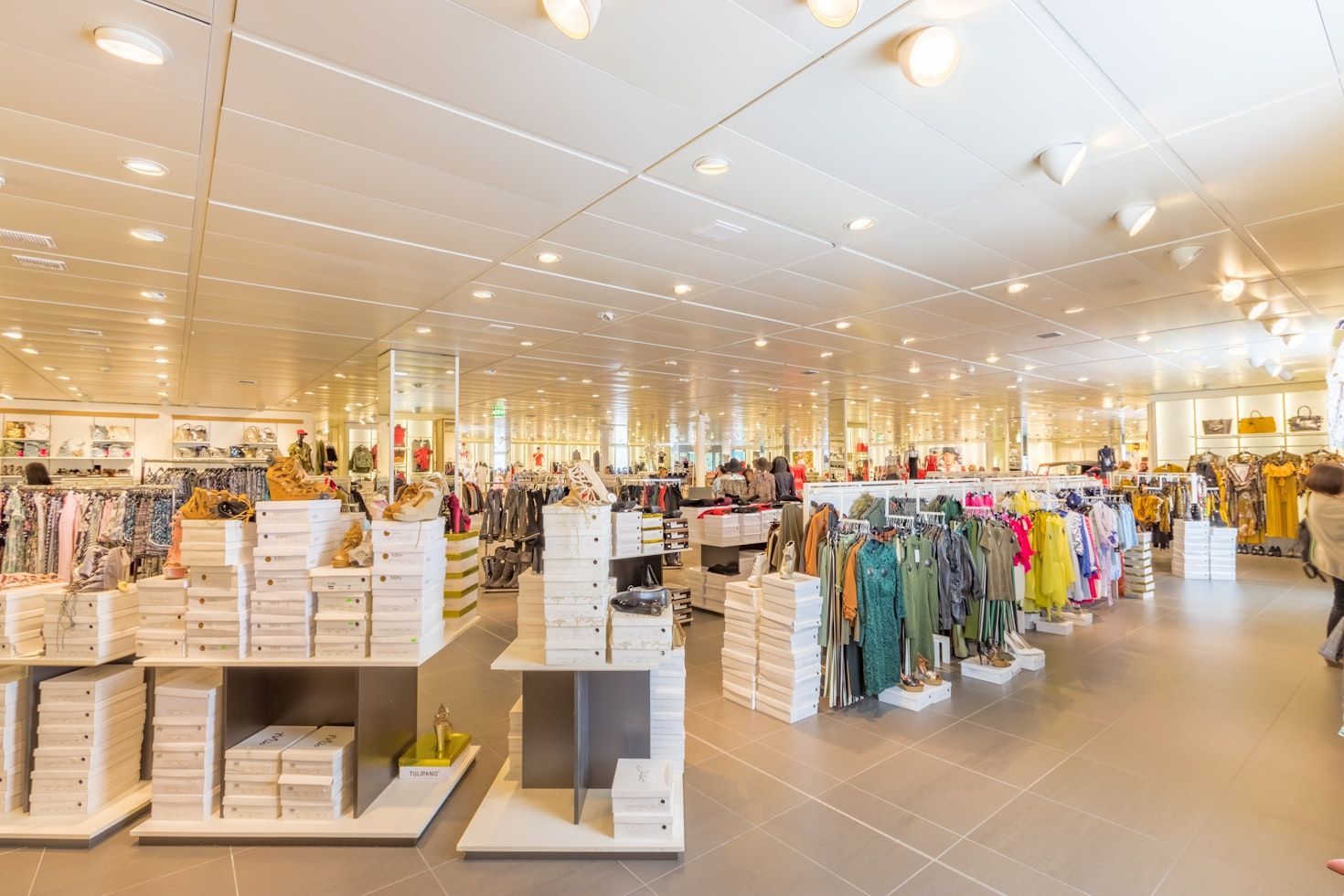
Image: Alexander Kovacs

East Hills Shopping Center is an enclosed shopping mall that opened in 1965, as one of the first malls in the Midwestern U.S. After enjoying several decades of success during the early days of malls, East Hills lost many tenants throughout the 1990s.

The COVID-19 pandemic brought many businesses to a close. On August 27, 2022, Dillard's permanently closed its doors followed by Party City in April 2023. The mall currently features JCPenney as its only anchor tenant.

4
Exton Square Mall, Pennsylvania
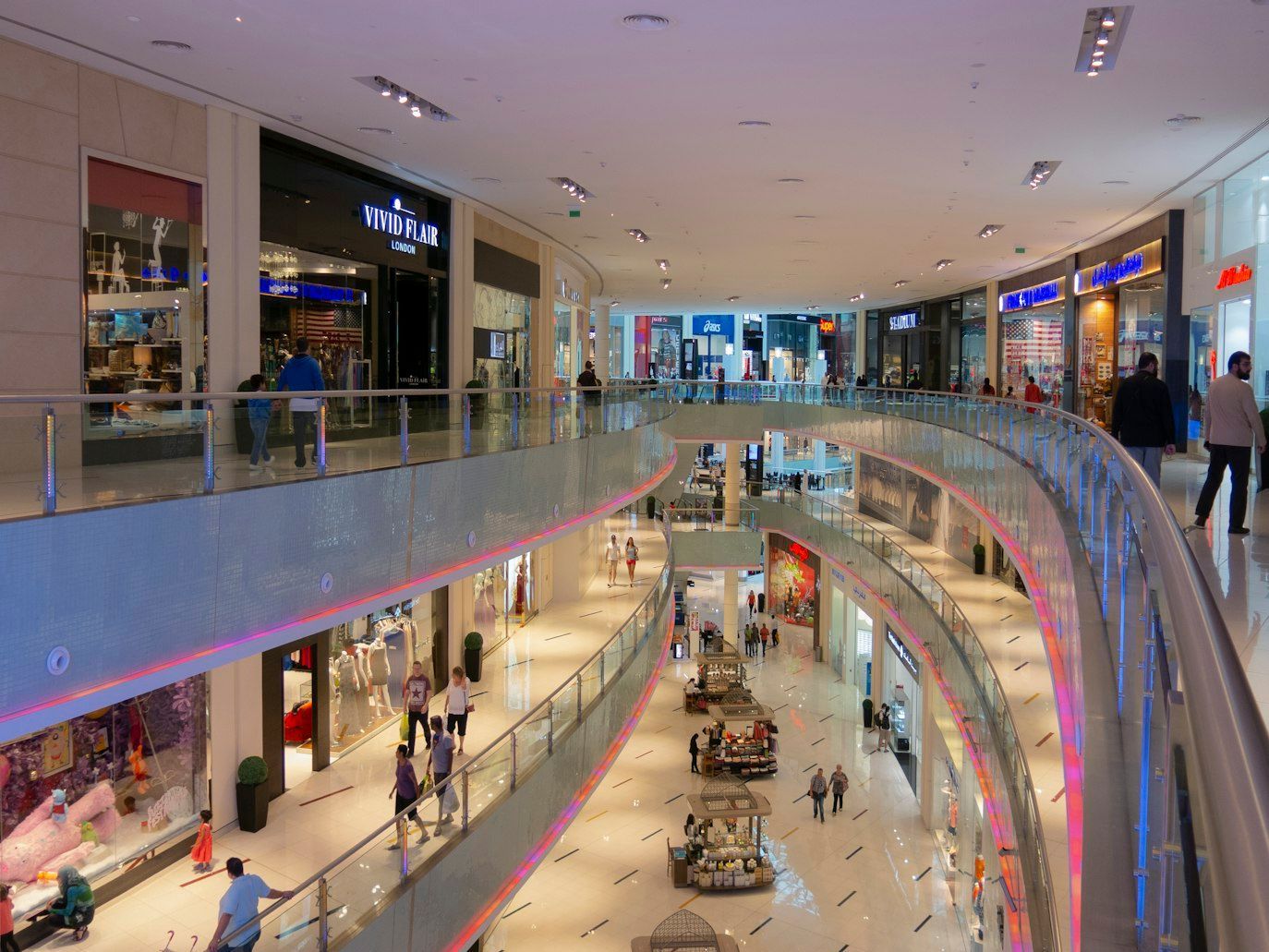
Image: mostafa meraji

The Exton Square Mall opened its doors in March 1973. Among its earlier memories, it holds the distinction of hosting the first Chick-fil-A restaurant on its premises.

In recent years, the mall has experienced an increase in vacancy rates, due to declining mall traffic and ongoing competition from the larger King of Prussia mall located 14 miles away. Many of the remaining stores are non-traditional tenants such as medical offices, a chess club, an art studio and gallery, and a chamber of commerce office.

5
Pittsburgh Mills Galleria, Pennsylvania
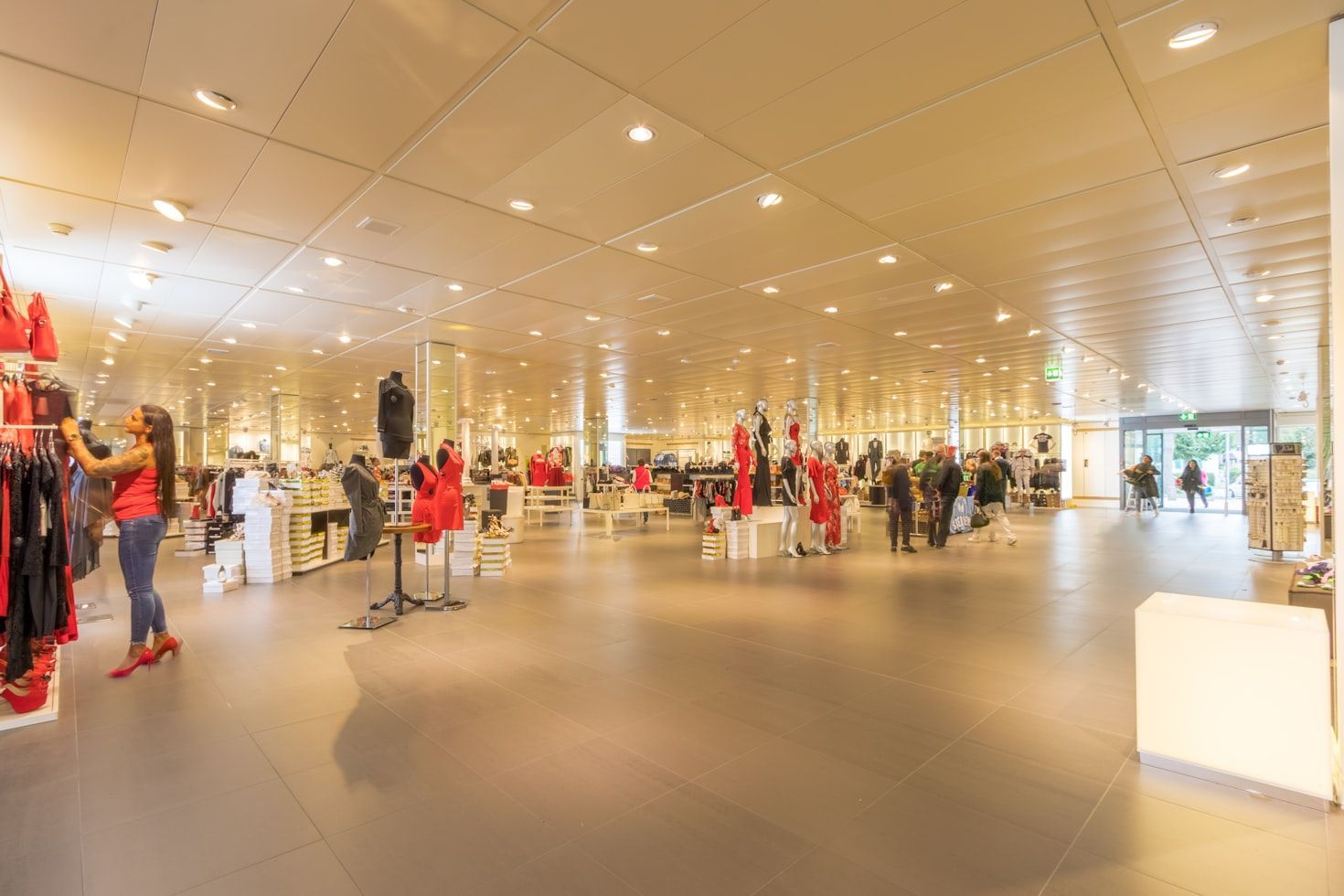
Image: Alexander Kovacs

Pittsburgh Mills Galleria is a dead mall that opened to much fanfare on July 14, 2005, but it never achieved the success its owners had hoped for. Only a year after opening, Lucky Strike Lanes closed and was eventually replaced with two restaurants and a banquet hall.

As of February 2023, there are only about 20 stores left, including 6 major chain stores. The food court, which once housed two full-service restaurants, a Starbucks, 10 counter restaurants, and several push-cart vendors, is now completely vacant.

6
Midway Mall, Ohio
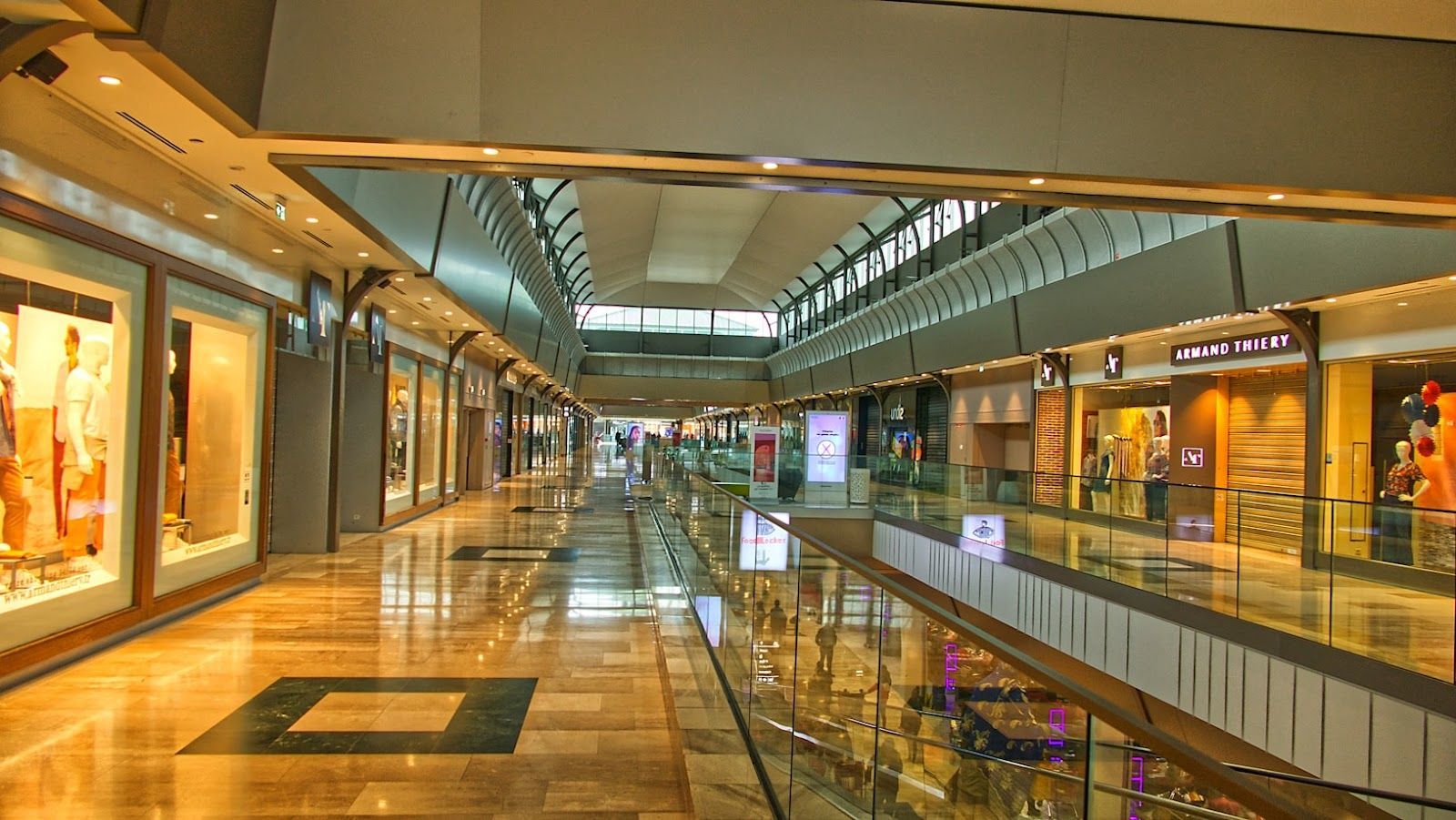
Image: Pascal Bernardon

Midway Mall originally opened on September 22, 1966. Its anchor stores were Higbees, JCPenney, and Sears but over the years, brands changed and eventually left. As of 2023, with former anchor Dunham's Sports closing its branch there, it is considered a dead mall.

In 2023, the Lorain County Port Authority voted to buy and develop the mall site but, on May 1, 2024, the port authority sold the property to Industrial Commercial Properties, which intends to turn the mall into an industrial park.

7
Signal Hill Mall, North Carolina
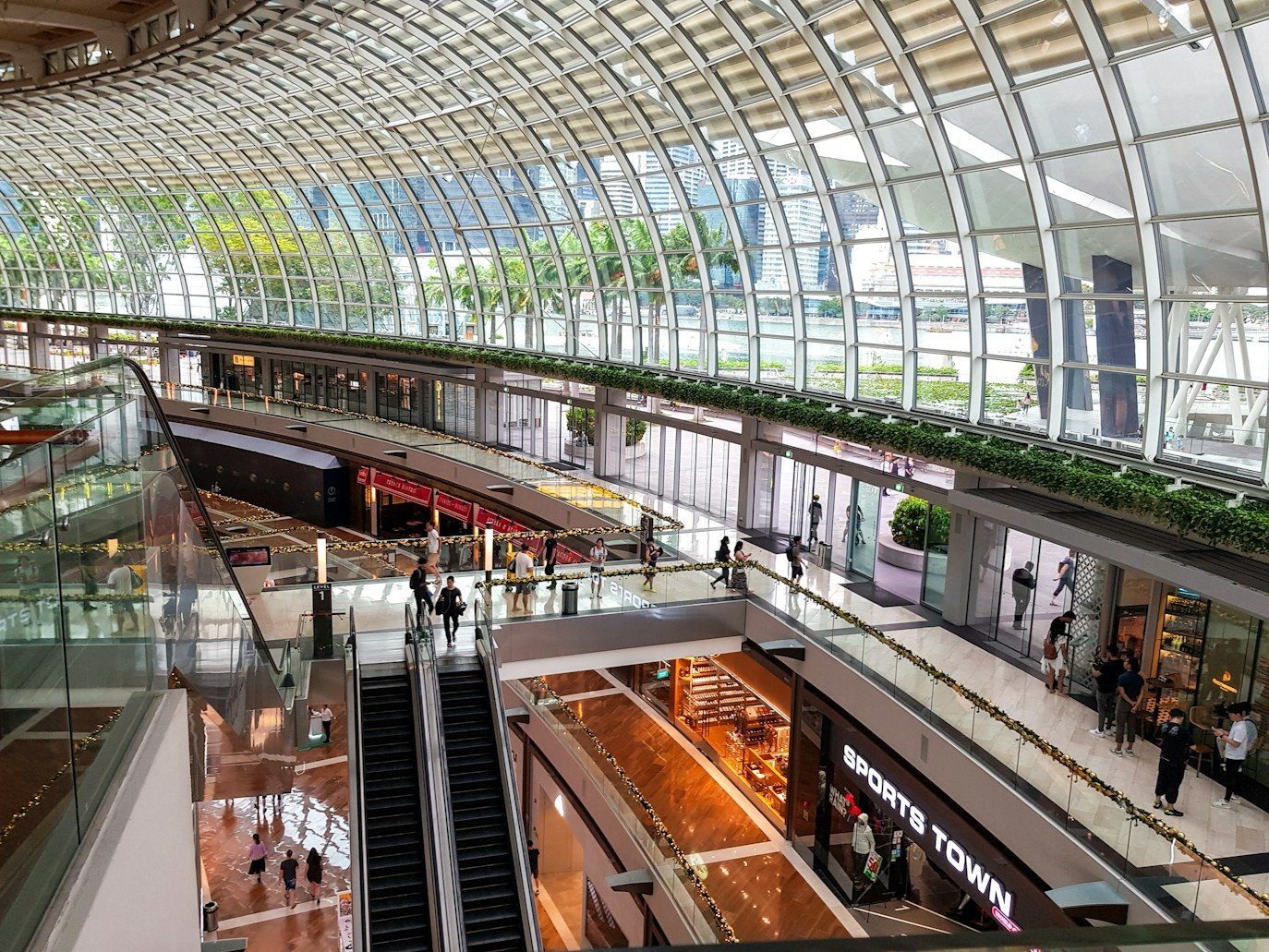
Image: Ervan Sugiana

Signal Hill Mall was a regional enclosed shopping mall that opened in 1973 with more than 40 stores. The mall experienced a great deal of decline since the 2010s, losing most of its major stores throughout the decade and receiving significant media attention as an example of what is popularly known as a dead mall.

As of 2022, the mall has continued to decline, and despite discussions about the possibility of the mall being repurposed for non-retail use, nothing has been done. The mall is occasionally used as a space for community and recreational events by Statesville residents but that is all the activity on its premises.

8
Century III Mall, Pennsylvania
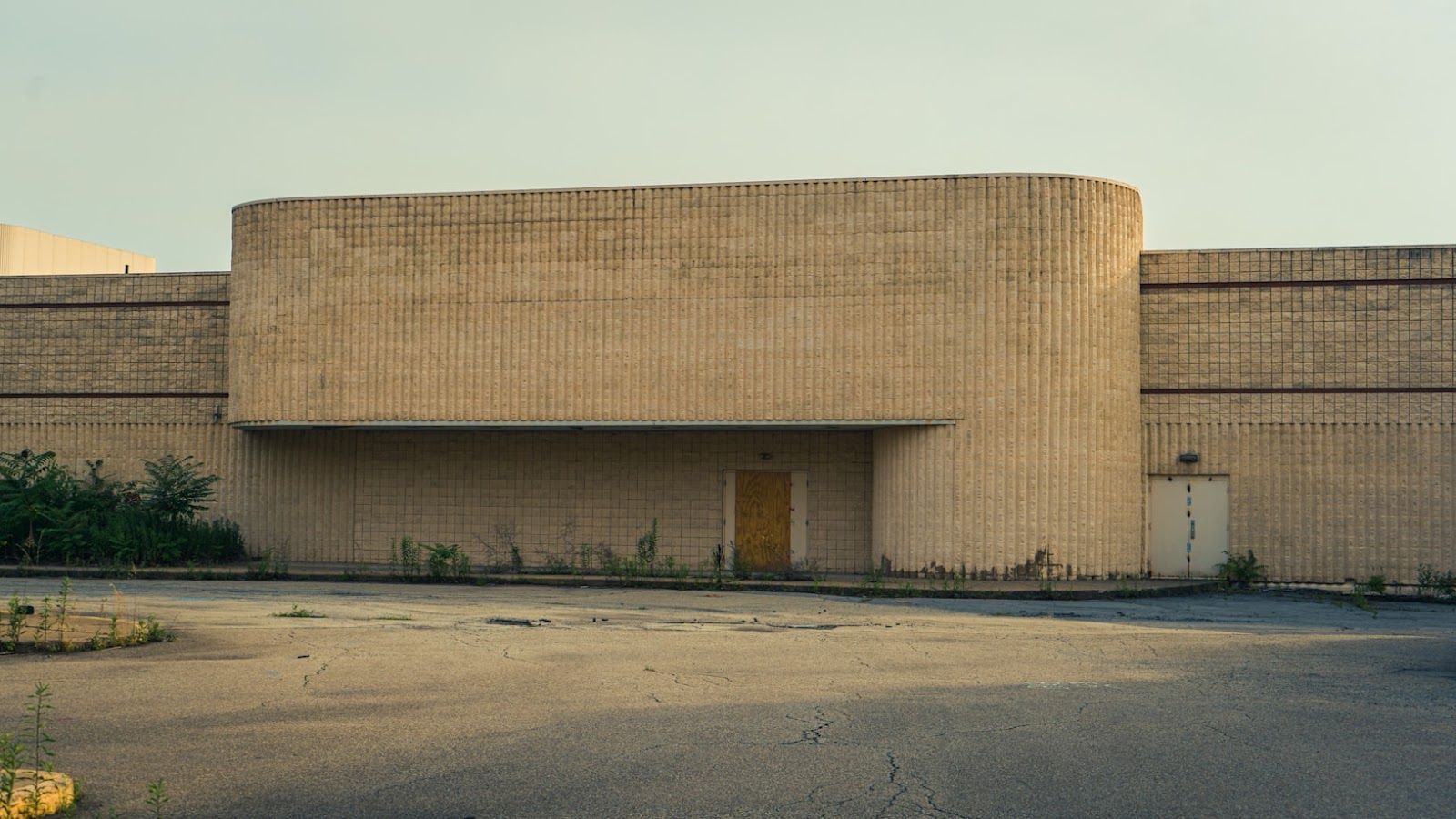
Image: Raymond Kotewicz

The eighth entry on this list hailing from Pennsylvania is an already abandoned mall. Century III Mall was built on a former slag dump and it operated from 1979 to 2019 - almost 40 years, which is not a bad number for a mall. It was the third-largest shopping mall in the world when it opened, but it has since been surpassed by much larger malls.

Following a similar route to the ones we have seen before, its occupancy rate fell from 40 percent in January 2016 to 10 percent by December 2017. Demolition of the mall began on March 26, 2024, starting with the attached external parking garage structure, but it will take a year until the entire structure is gone.

9
Gwinnett Place Mall, Georgia
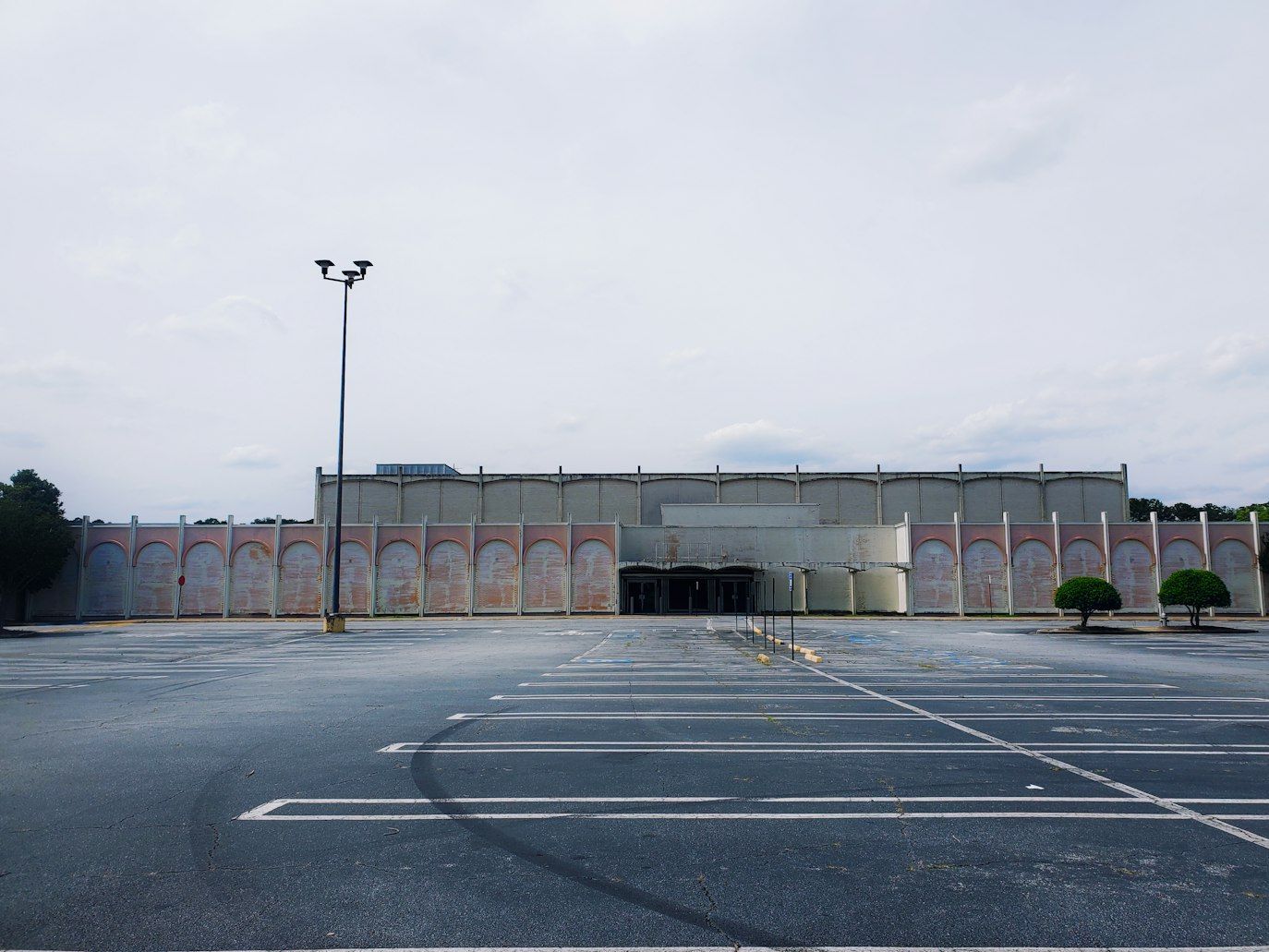
Image: Casey Lovegrove

Stranger Things fans might recognize this building as the "Starcourt Mall" featured in the third season of the series. Once the leading mall in the region, Gwinnett Place Mall is now largely vacant.

It was challenged by the openings of the Mall of Georgia in 1999 and Sugarloaf Mills in 2001 and lost a large part of its customer base. It also failed to attract any new anchor stores for several years. In 2008, Gwinnett Technical College opened an International Education Center in the mall, where students take foreign language classes. Not much of a mall anymore.

10
Hawthorne Plaza Shopping Center, California
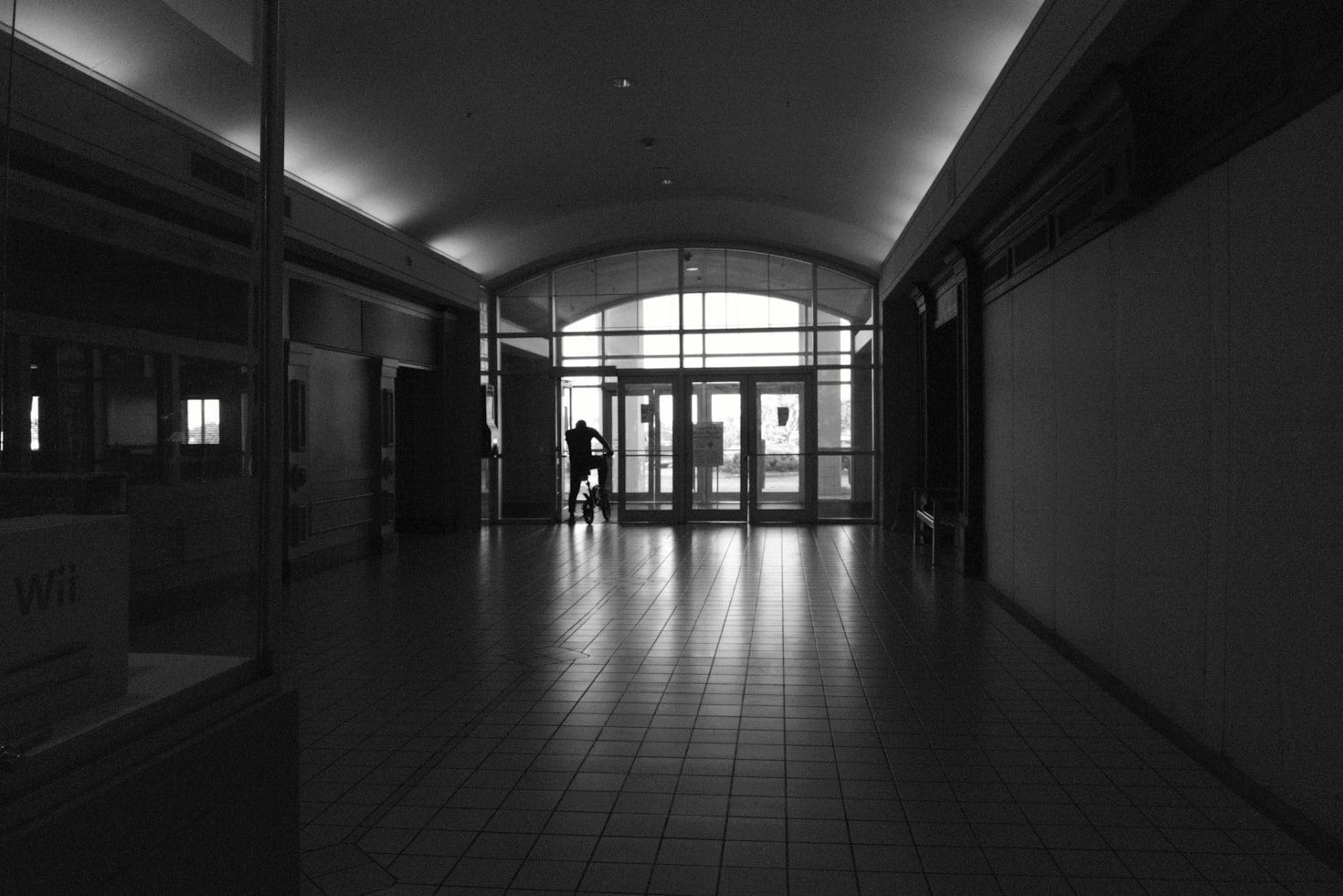
Image: David Valentine

Let us close the list with Hawthorne Plaza , an abandoned enclosed shopping mall with 134 stores that opened in February 1977. It included an indoor mall with three anchor stores and freestanding stores. Despite its initial popularity, the mall went into decline in the 1980s and 1990s.

The number of occupied stores declined from 130 in the late 1980s to around 70 in 1998. The mall's final anchor, JCPenney, closed in 1998 and the mall itself closed in 1999. The southern section of the mall across from the parking structure was demolished in 1998 and rebuilt as a strip mall. It currently includes a supermarket, a pharmacy, and some small restaurants.
Culture Culture 3 min read

Fashion statements

What do JFK and Elvis have in common? Iconic styles of American legends

Image: Abbie Rowe, National Park Service, Public domain, via Wikimedia Commons

For some, style is something superficial. But history shows us otherwise: Elvis’s legendary pompadour, Jackie’s chic pillbox hat, and Marilyn’s unforgettable white dress are just a few examples of how some Americans have shaped the way the world sees fashion. Before them, very few people used clothing as self-expression. But they came to change the idea of personal style forever.

1
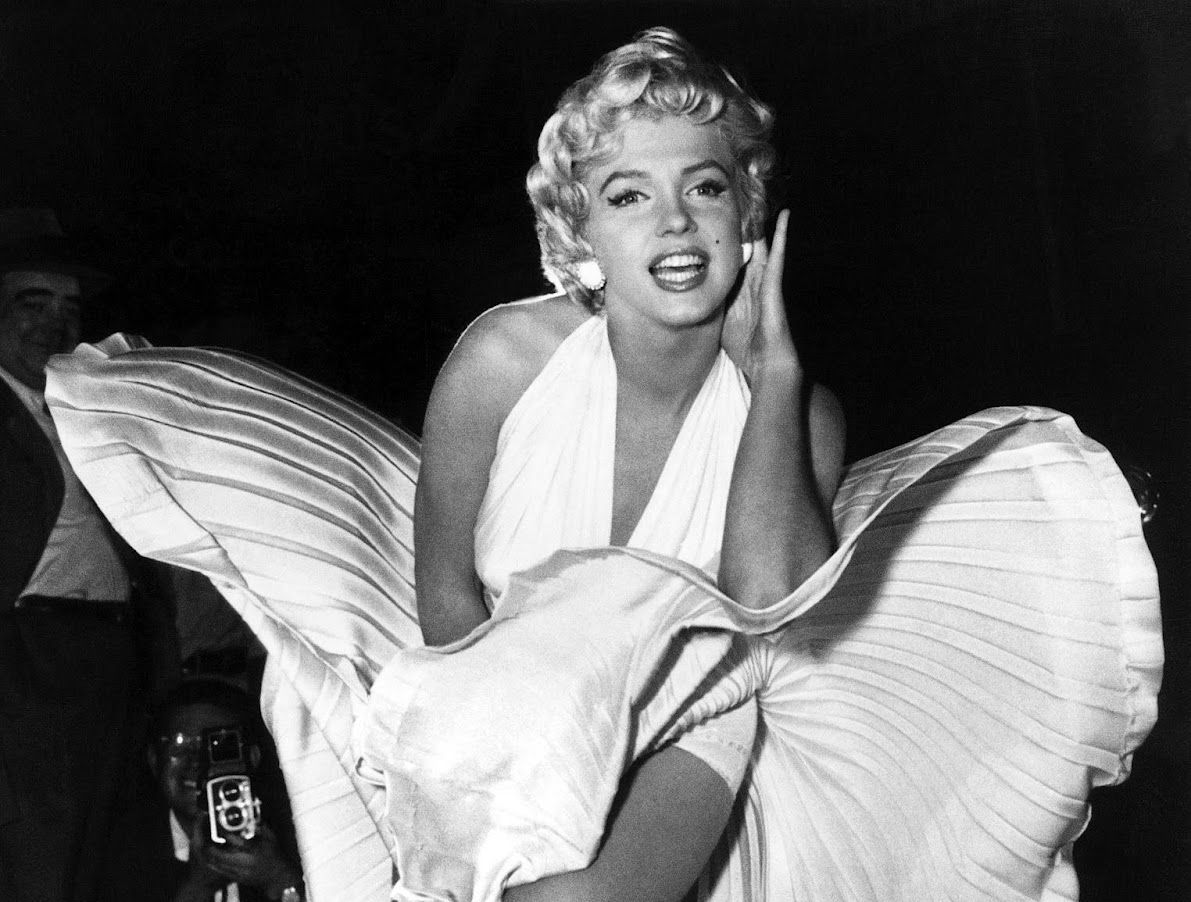
Marilyn Monroe

Image: Sam Shaw, Public domain, via Wikimedia Commons

When we think of her, one iconic garment immediately comes to mind: her white halter dress . This image, now a key part of American pop-culture history, comes from the 1955 film The Seven Year Itch, in which she stands over a New York City subway grate as a gust of wind blows her dress upward.

2
Elvis Presley

Image: MGM, Public domain, via Wikimedia Commons

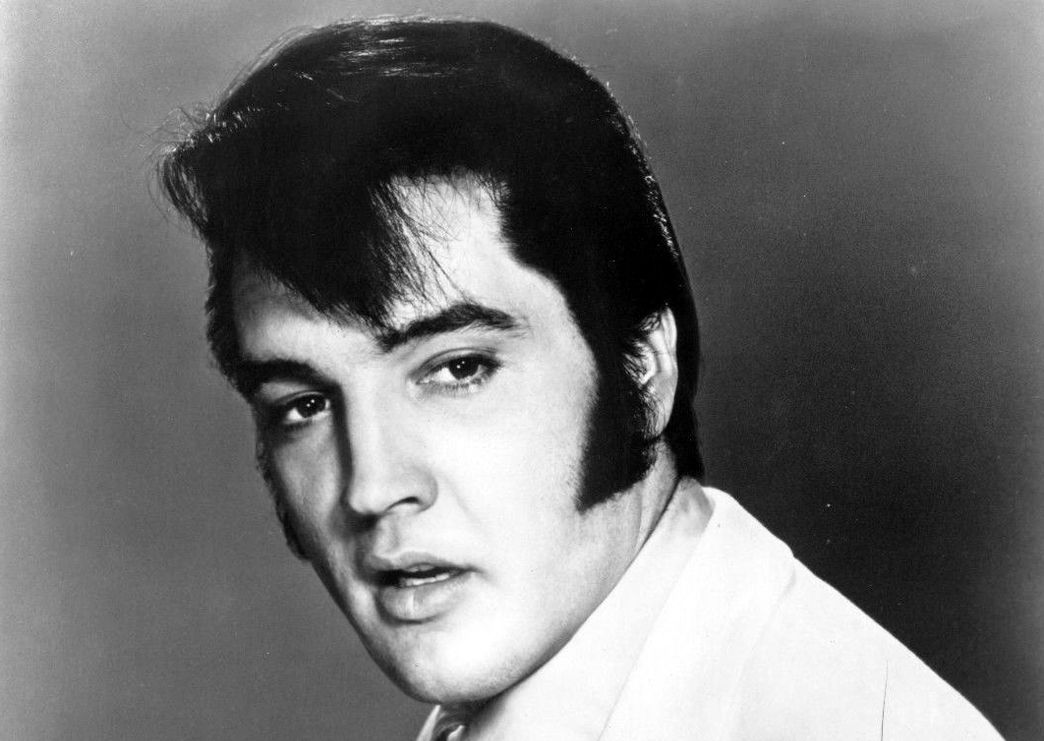
His style made such an impact that it became a symbol in its own right. Just a high pompadour and a flashy jumpsuit with flared pants are enough for anyone to recognize a reference to Elvis, the King of Rock and Roll. But here’s something you might not know: when he was young, Elvis’ natural hair color was blonde!

3
Jackie Kennedy

Image: U.S. Navy, Public domain, via Wikimedia Commons

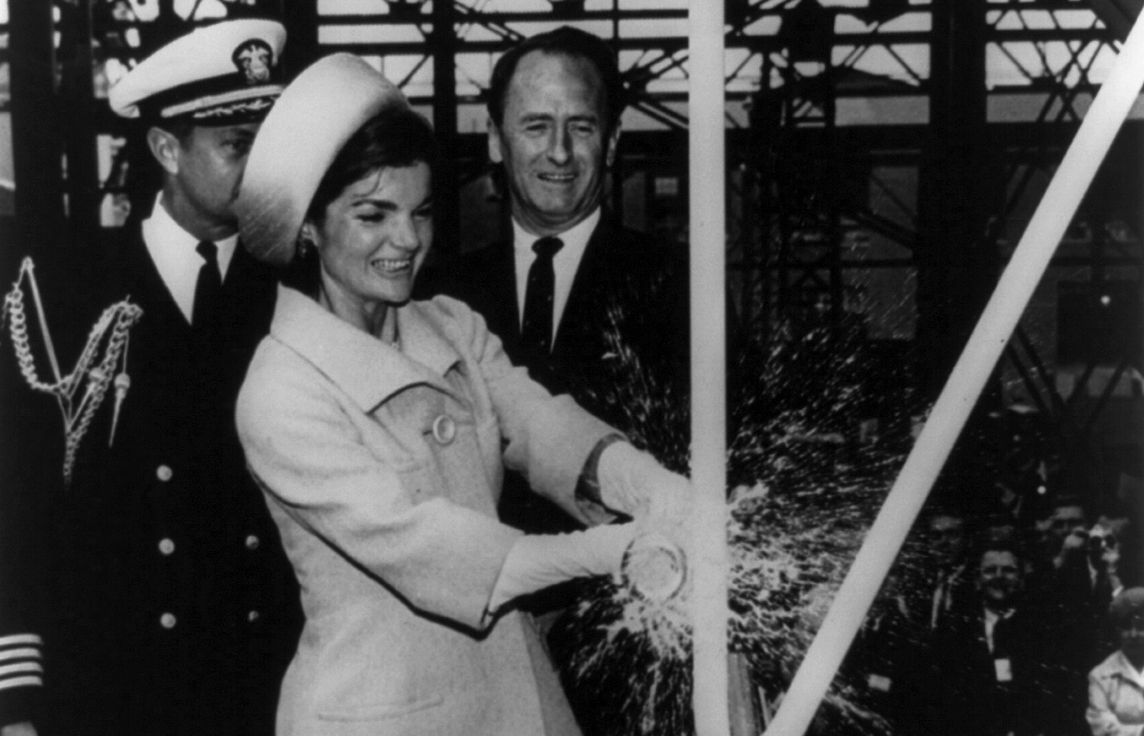
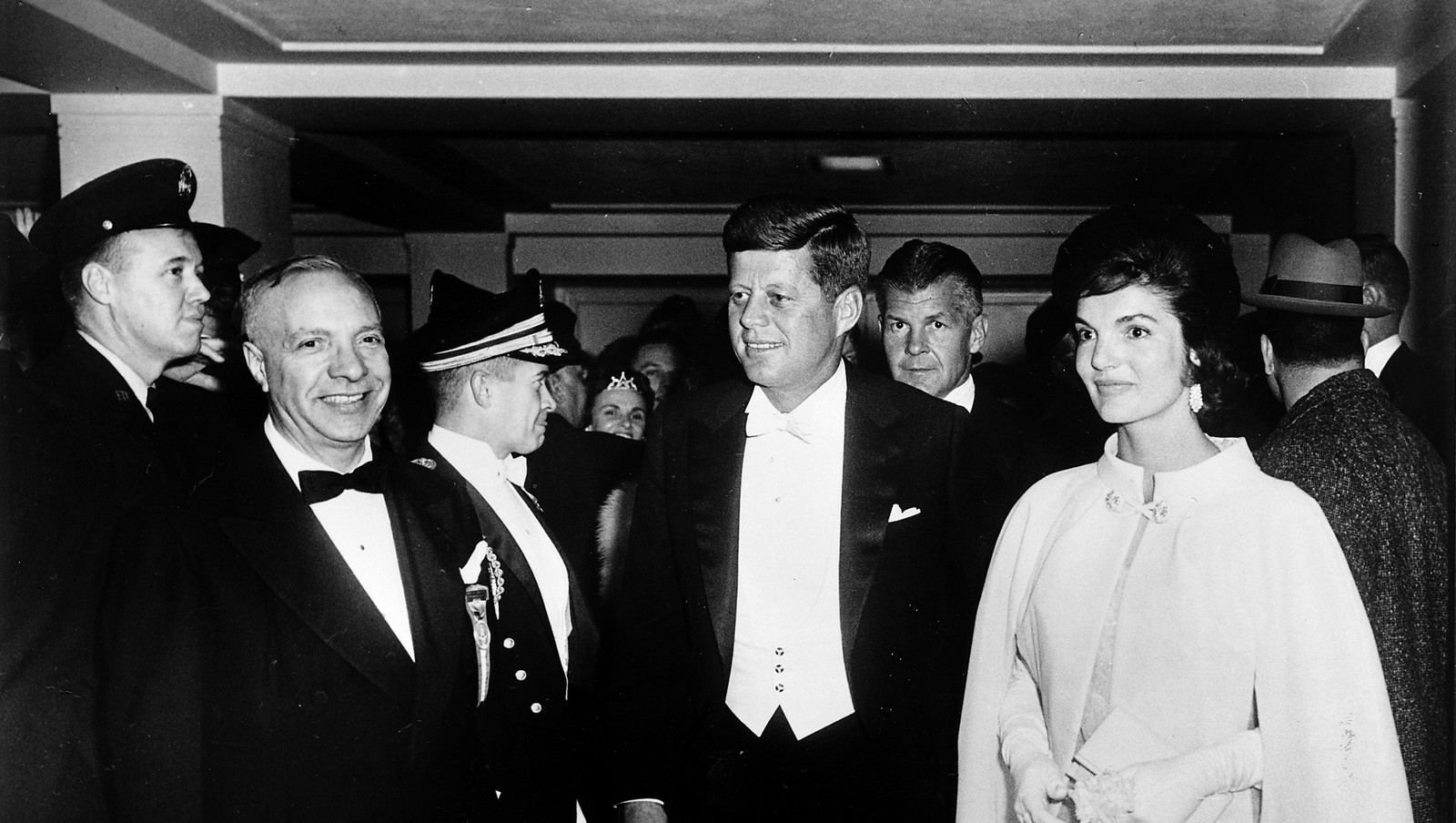
When talking about fashion icons, Jackie Kennedy has to be on the list. Her classic pillbox hat became famous worldwide in 1961, when she wore it to her husband’s inauguration. Beyond the hat, her elegance shone through her tailored suits, pearl necklaces, and cat-eye sunglasses.

4
Frank Sinatra

Image: William P. Gottlieb, Public domain, via Wikimedia Commons

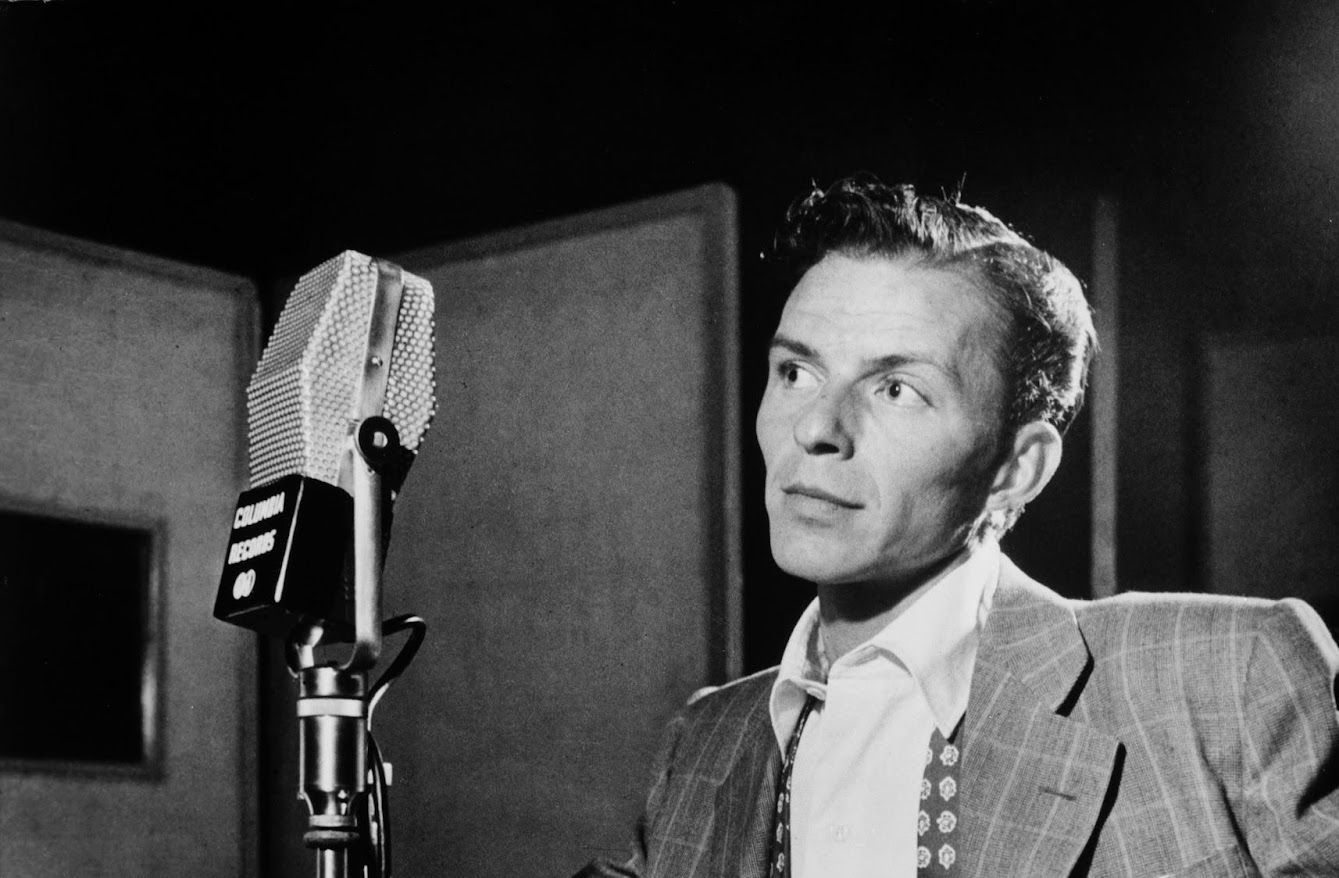
If someone says "fedora," we think of Sinatra. His suits were sharp and extremely elegant, sure, but it was that slightly tilted hat that stole the show. We have to say that no one ever wore a fedora quite like he did!

5
Steve Jobs

Image: AB

Turtlenecks aren’t for everyone, we know. But there was a man who knew how to wear them with unmistakable style. Steve Jobs made the black turtleneck his signature look; he wore it so consistently that it became his personal "uniform." In addition, each one was custom-made by Japanese designer Issey Miyake.

6
Johnny Cash

Image: Heinrich Klaffs, CC BY-SA 2.0 <https://creativecommons.org/licenses/by-sa/2.0>, via Wikimedia Commons

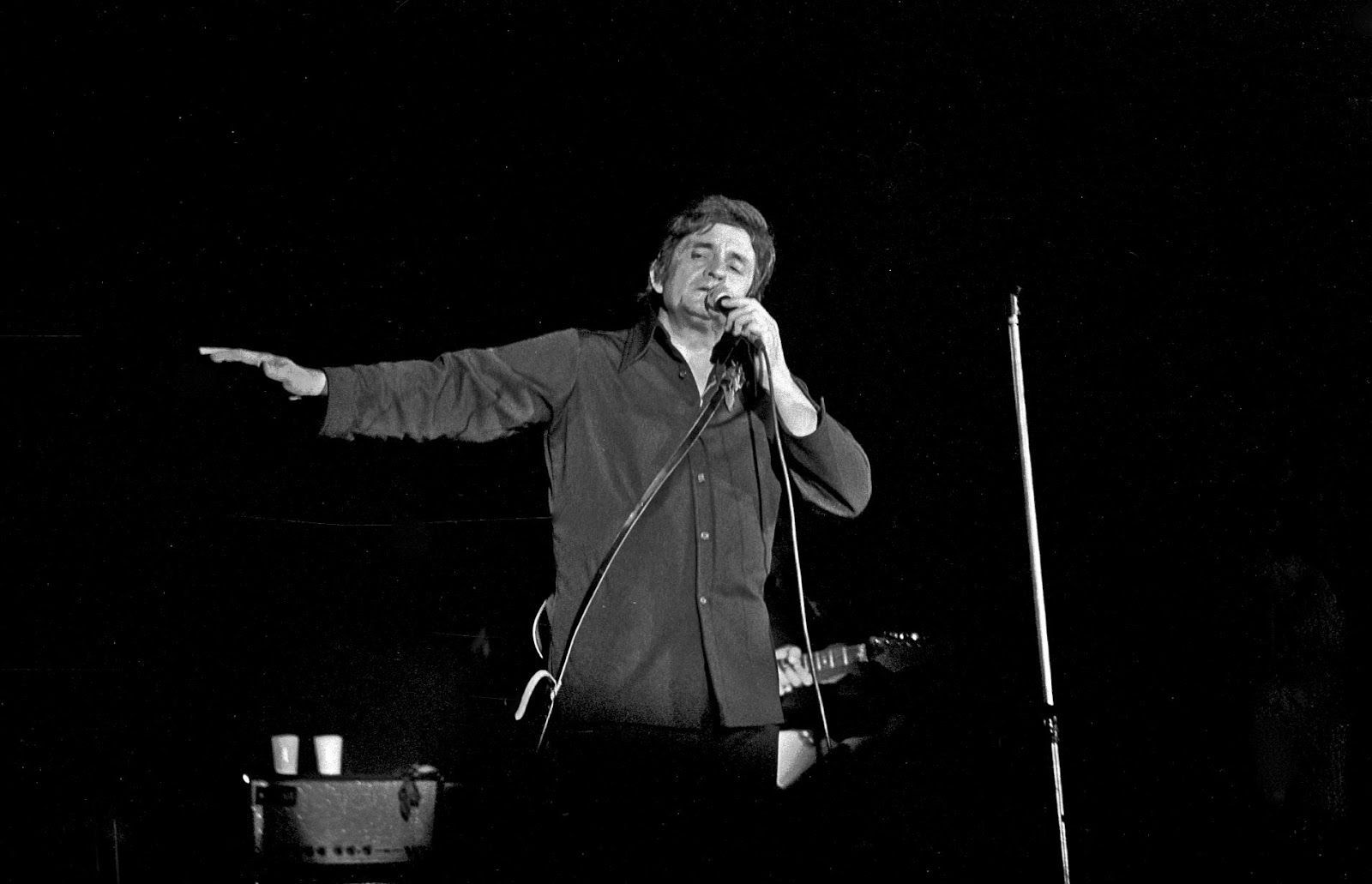
It’s no wonder Johnny Cash earned the nickname "The Man in Black." His style was not only elegant, but it was also extremely cool, thanks to his signature all-black wardrobe. Every item, from head to toe, was that color. Many tried to imitate him, but none could match him.

7
Farrah Fawcett

Image: ABC Television, Public domain, via Wikimedia Commons

Her smile was lovely, but her hair is what everyone remembers most. Farrah Fawcett set the standard for ’70s and early ’80s hairstyles with her famous feathered, voluminous blowout that turned heads everywhere she went.

8
Bob Dylan

Image: Rowland Scherman, Public domain, via Wikimedia Commons

Bob Dylan doesn’t need flashy clothes to make a style statement. What really defines his look is that carefree, rebellious vibe, especially his voluminous hair, as seen in photos from his youth and even today. Of course, his guitar and harmonica were constants throughout his career, helping to shape his unmistakable image.

9
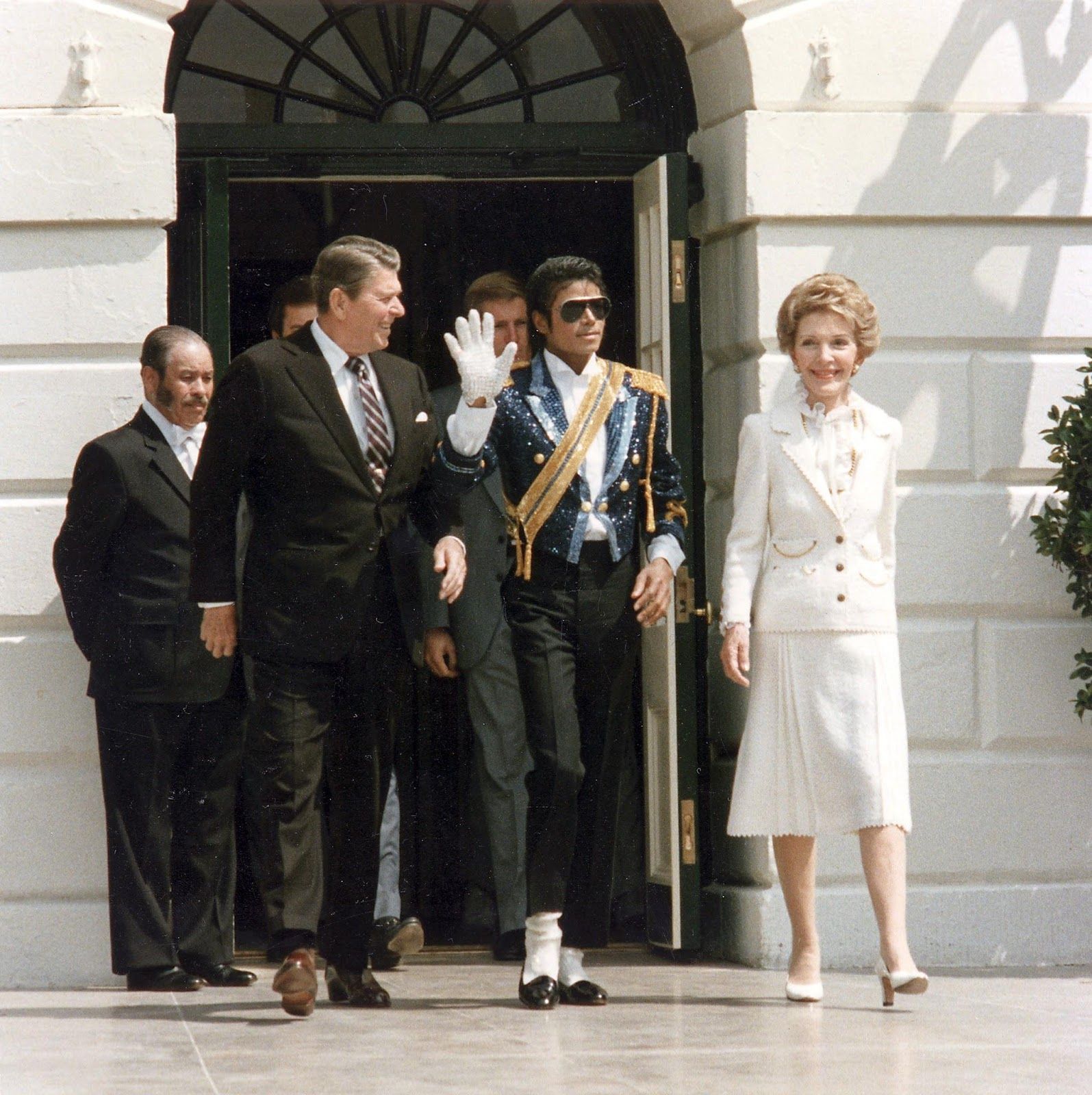
Michael Jackson

Image: White House Photo Office, Public domain, via Wikimedia Commons

Michael Jackson was the definition of style. We could fill an entire article talking about his clothing and accessories, but one item set him apart: his single white glove. Covered in numerous sparkling Swarovski crystals, he first wore it in the early ’80s, perfectly complementing his legendary dance moves.

10
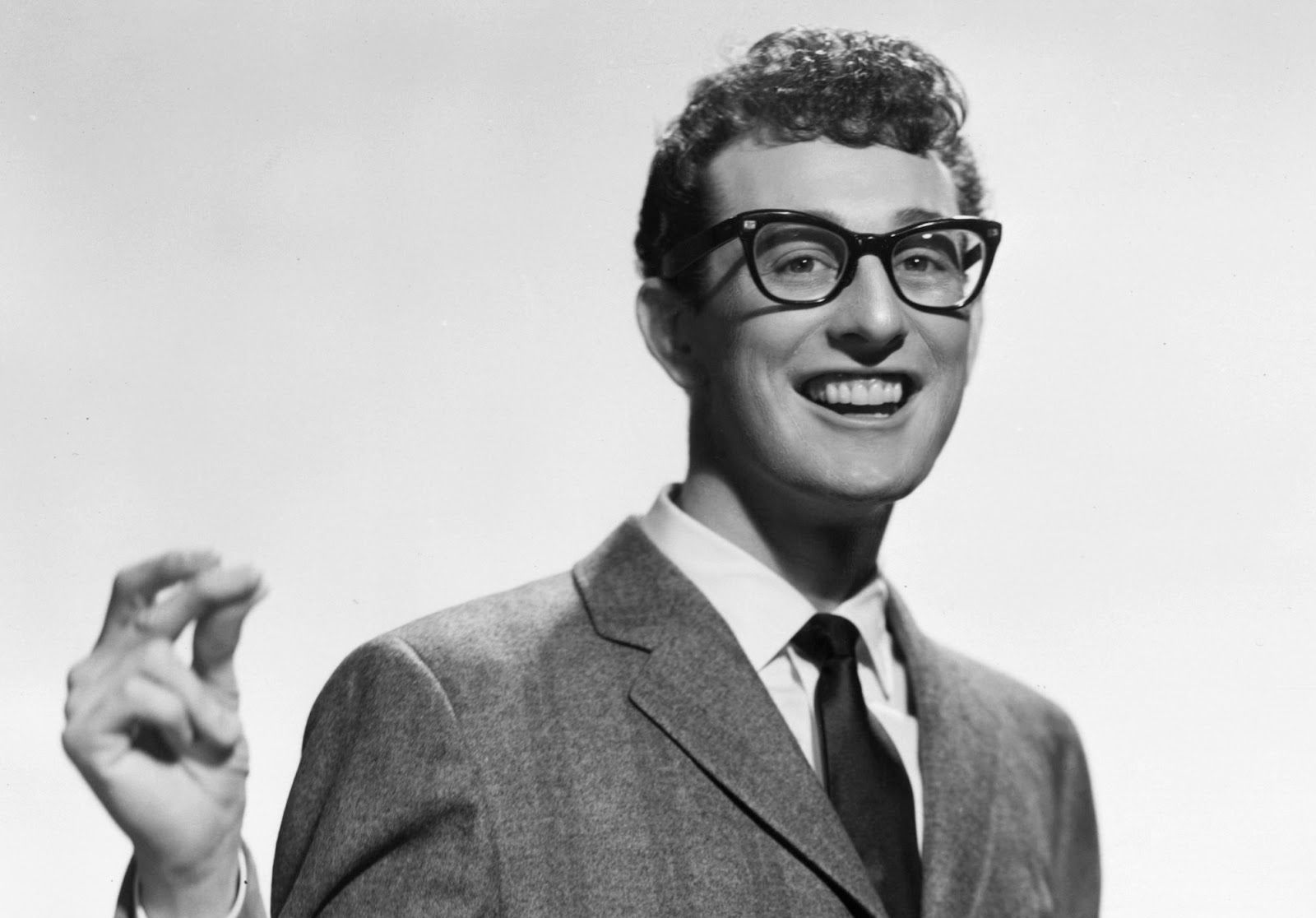
Buddy Holly

Image: Buddy_Holly_Brunswick_Records.jpg: Brunswick Recordsderivative work: GDuwenTell me!, Public domain, via Wikimedia Commons

Who knew a pair of thick black-rimmed glasses could make someone an icon? That’s exactly what happened with Buddy Holly. He didn’t just keep wearing them after reaching fame; he turned them into the key item that defined his image. We can’t imagine his face without them!

Geography Geography 5 min read

Exploring the underworld

Would you explore a cemetery's catacombs? 10 underground must-sees

Image: Blake Cheek

We sometimes forget there is a whole world going on beneath our feet. Hidden from view lie underground marvels like caves hosting weddings, crystal-clear freshwater pools, and sidewalks of cities that no longer exist. Here, we explore 10 must-see underground sites in the U.S. Grab your flashlight, and let’s venture below the surface!

1
Seattle Underground City

Did you know the remnants of Seattle's original streets are still accessible? Beneath the bustling streets of modern-day Seattle lies the Underground City , a network of subterranean passageways that formed the ground level in the 1800s.

By the end of the 19th century, after the Great Seattle Fire, it was decided to rebuild the city at a higher elevation to combat frequent flooding . So, these original streets, sidewalks, and storefronts were buried, and with it, much of their history.

Guided tours take people through tunnels and ladders and retell real and eerie stories about the history of the Underground City.

2
Luray Caverns

Image: Robert Thiemann

Have you ever heard of the underground Stalacpipe Organ ? Not only is it a one-of-a-kind interaction between keyboards and cavern stalactites, but it is also the largest musical instrument in the world, according to Guinness World Records.

This instrument lives in the Luray Caverns, Virginia. It consists of an electric console that taps on these ancient stalactites of varying sizes to produce musical tones. A subterranean wonder, these caverns are also known for their extraordinary size , housing towering stalactites and stalagmites, mirrored pools, and delicate drapery-like calcite formations.

3
The Underground Gardens of Baldassare Forestiere

Image: Adrian Botica

This stunning subterranean retreat was built entirely by hand. Tucked under the sun-scorched landscape of Fresno, California, lie the Underground Gardens of Baldassare Forestiere . They are the life’s work of Baldassare Forestiere, a Sicilian immigrant who started digging in the early 1900s to escape the Central Valley's oppressive heat.

Over 40 years, drawing inspiration from ancient Roman catacombs , Forestiere carved an elaborate network of underground rooms, passageways, grottoes, and courtyards that span 10 acres.

A unique masterpiece, the gardens are open with guided tours that lead guests through beautifully designed spaces featuring skylights, arches, and alcoves. This oasis also boasts an array of fruit trees, including citrus, figs, and olives.

4
Ruby Falls

Image: Goodfreephotos_com

Colorful and breathtaking, the Ruby Falls is a geological wonder located inside Lookout Mountain near Chattanooga, Tennessee.

Hidden over 1,000 feet below the mountain's surface, this waterfall cascades 145 feet into a pool , making it one of the tallest underground waterfalls open to the public.

Visitors enter the mountain and descend via elevator. Then, they walk through stunning cave formations such as stalactites, stalagmites, and flowstone. At the waterfall chamber, multicolored lights –powered by renewable energy– illuminate the falls. Lantern-lit tours are also offered as a chance to visit the marvel with a different charm.

5
The Catacombs of Green-Wood Cemetery

Image: Joy Ernst

Arched tunnels of tranquil, sacred vaults lie beneath the Green-Wood Cemetery in Brooklyn, New York. Built in the mid-19th century, these catacombs were designed as a prestigious resting place for the city’s elite , prominent families.

While the catacombs are typically closed to the public, special events are sometimes organized to welcome visitors, such as art expositions, guided history tours, and candlelit tours seasoned with live music and storytelling.

Outside, where the sun does reach, await the serene landscapes and remarkable monuments of the cemetery, which is itself a National Historic Landmark .

6
The Lost Sea

Image: Roberto Nickson

The largest underground lake in America is in Tennessee. Hidden within the Craighead Caverns in Sweetwater, this enormous body of water lies in a cave system filled with fascinating formations, such as stalactites, stalagmites, and rare anthodites, also known as "cave flowers."

A National Natural Landmark, this lake marvels scientists, who are yet unaware of the exact extension of its waters. Those who visit can embark on a boat ride called "The Lost Sea Adventure," first walking inside the cavern before reaching a boat to navigate these ethereal sights.

7
Mammoth Cave National Park

Image: Sherin Jacob

The Mammoth Cave National Park is home to the longest cave system in the world . Located in central Kentucky, it extends over 420 miles of explored passages and many more likely undiscovered. Enormous chambers, underground rivers, a labyrinth of tunnels, and gypsum crystal formations can all be found at this site.

The park has been declared a UNESCO World Heritage Site and an International Biosphere Reserve. It also includes over 52,000 acres of protected land on the surface, renowned for its lush forests and diverse wildlife.

8
Carlsbad Caverns National Park

Image: Cason Asher

A large bat colony lives in the Carlsbad Caverns National Park in New Mexico, but that’s not its only charm. The park boasts over 100 caves, with its centerpiece being the immense Carlsbad Cavern.

The cavern includes the Big Room, one of the largest underground chambers in North America, spanning 8.2 acres. Visitors can descend via an emblematic natural entrance or by elevator, dropping 750 feet underground. Stalactite formations like the Giant Dome, the Hall of the White Giant, and the Chandelier are some of the caves' breathtaking highlights.

9
Indian Echo Caverns

Image: Magda Ehlers

The Indian Echo Caverns, which have been open to the public since the early 1920s, are carved into the limestone of the Appalachian Mountains. Located near Hummelstown, Pennsylvania, this site gets its name from the echoes heard within the cavern’s chambers , which were once believed to be mystical by Native American people in the area.

Unique, immersive sections of the caverns have names like the "Crystal Palace," the "Echo Room," and the "Wedding Room," where, yes, real weddings are sometimes held!

10
Wind Cave National Park

Image: Francesco Ungaro

Wind Cave National Park, located in the Black Hills of South Dakota, is one of the world’s largest caves, but that’s not what it’s most famous for. One signature sight here is the boxwork formation , a rare lattice-like pattern formed by calcite deposits.

The cave system stretches for over 140 miles, though much of it remains unexplored. Popular tours take guests through captivating features like the "Ribbon Room" and the "Crystal Palace."

Why is Wind Cave called that? Mainly due to the "wind" phenomenon that occurs at its entrance. The cave's air pressure causes the entrance to draw in or expel air, depending on atmospheric conditions.

Explore more American facts

Choose your favorite category!

General
General

As American as apple pie—the very best America has to offer!

Culture
Culture

Delve into the astounding richness of American lore.

Geography
Geography

Hop in and explore vast and diverse American landscapes.

History
History

Discover the key moments that shaped the United States.