General General 3 min read

What’s in a nickname?

Did you know the stories behind the nicknames of these Americans?
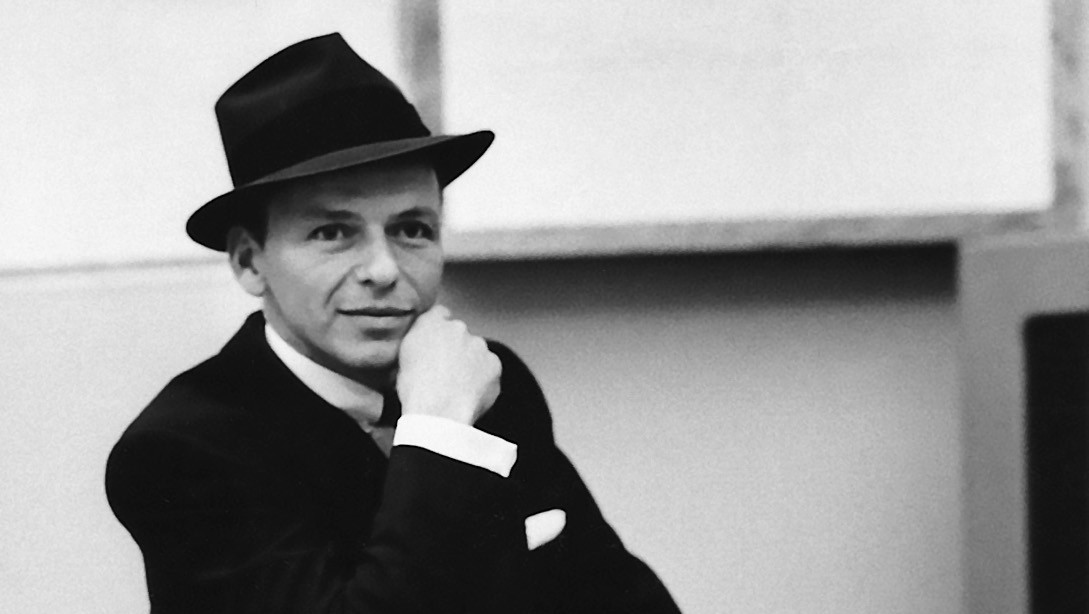
Image: Capitol Records (File No. 3860-25)

Nicknames can be affectionate, teasing, intriguing—or all of these at once. Who comes up with the labels that remarkable people end up carrying forever, and what makes them stick? Here, we explore a list of quirky stories behind some of the most colorful nicknames in American history.

1
"The Chairman of the Board" – Frank Sinatra
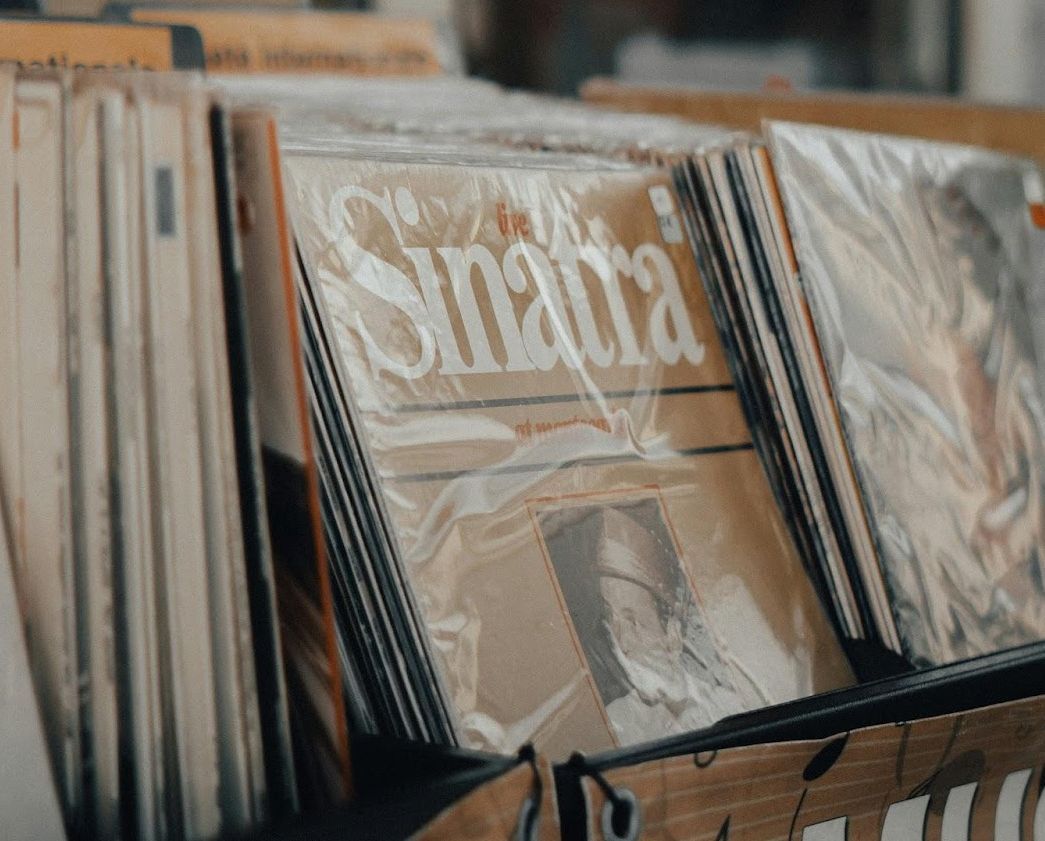
Image: Ethan Rougon

Frank Sinatra co-founded Reprise Records in 1960, giving him full creative control over his music. The nickname "Chairman of the Board" was first used by radio host William B. Williams and quickly caught on. Although Sinatra didn’t particularly love it, the nickname came to symbolize his power and influence in the music industry.

2
"His Accidency" – John Tyler
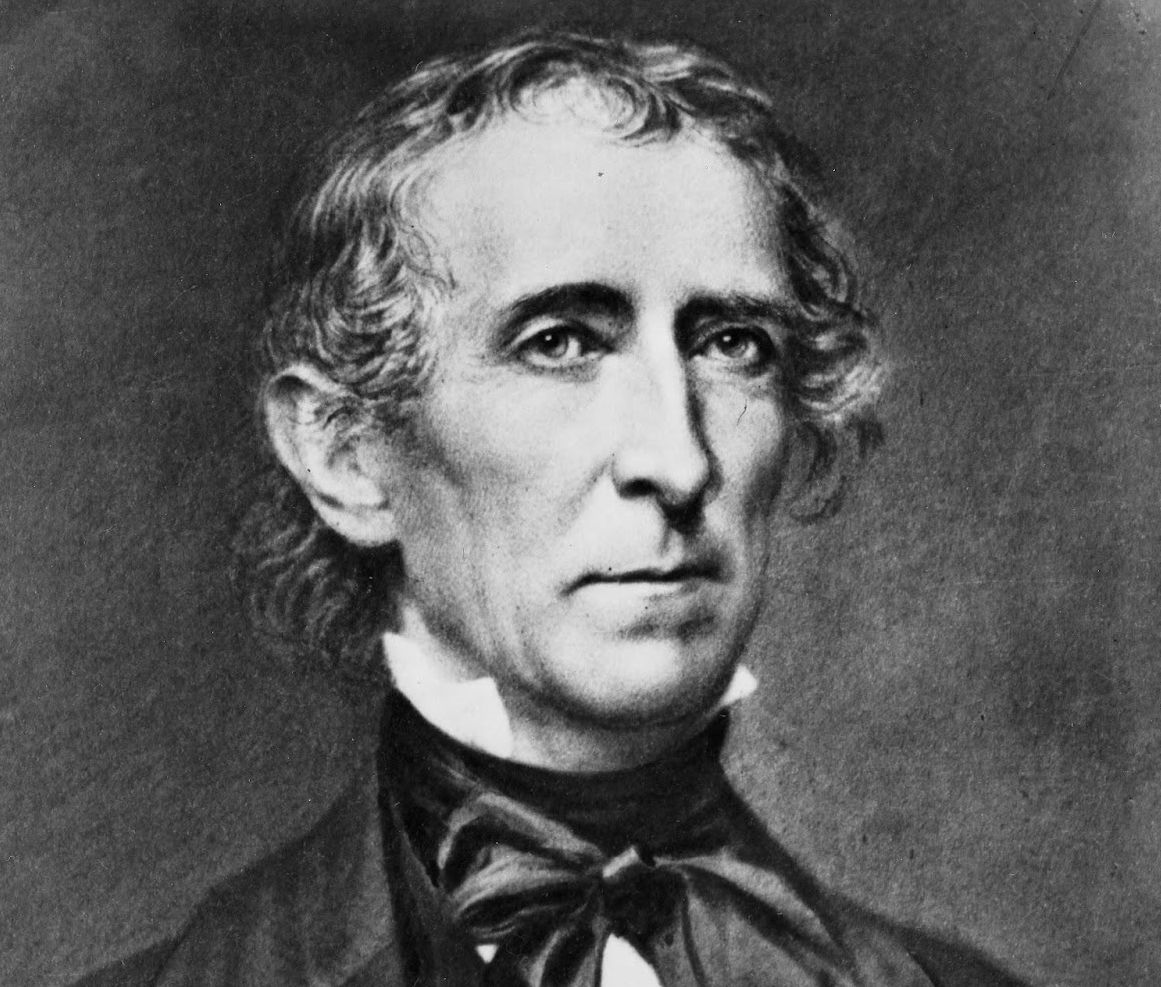
Image: Library of Congress

The 10th U.S. president earned this snarky nickname after unexpectedly taking office in 1841, when William Henry Harrison died just one month into his term.

It was the first time a vice president had assumed the presidency due to a president’s death, and many questioned the legitimacy of his authority. His critics called him "His Accidency," a somewhat unfriendly pun that stuck.

3
"The Sphinx of the Potomac" – Calvin Coolidge
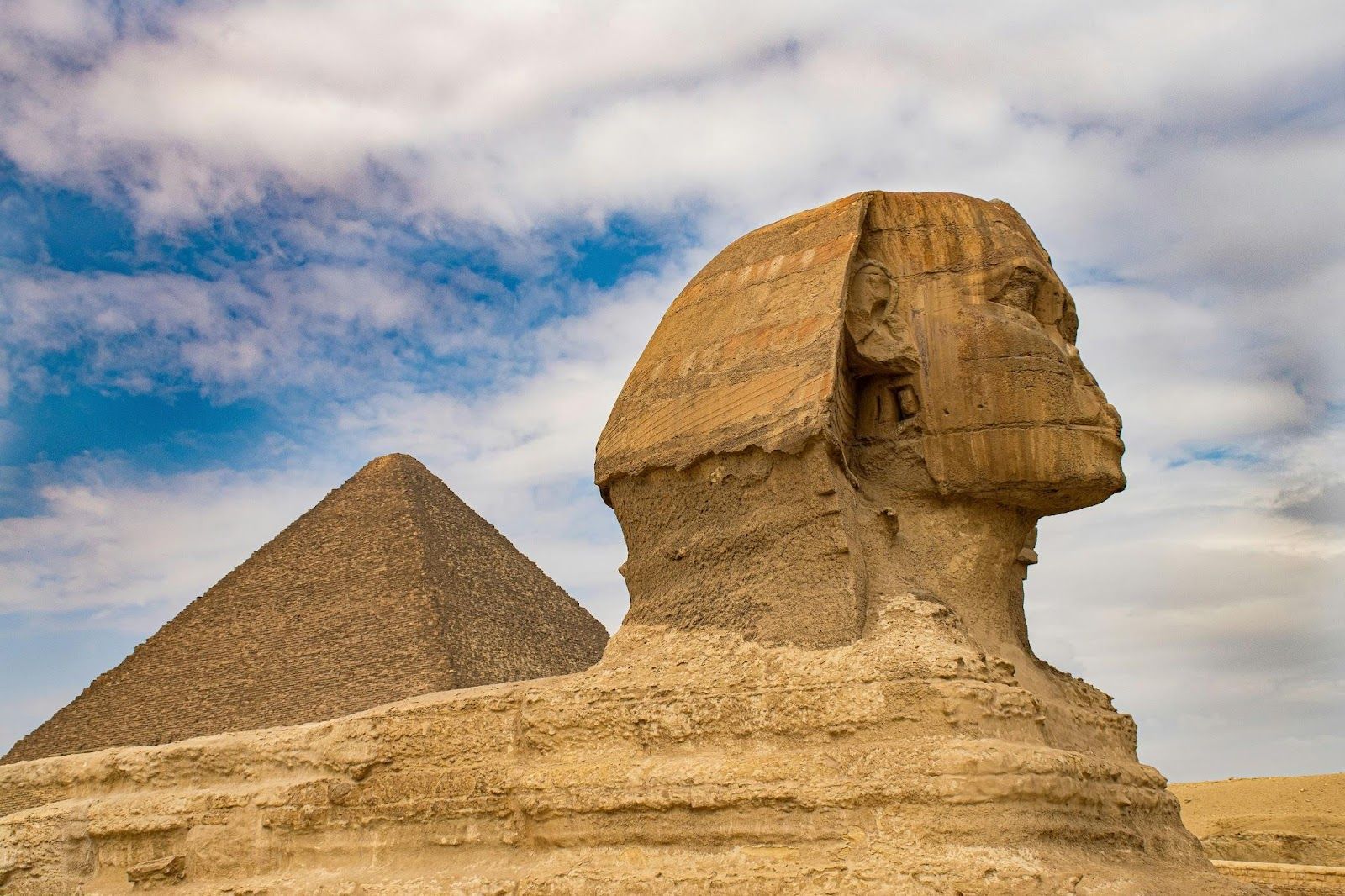
Image: Lea Kobal

President from 1923 to 1929, Coolidge was notoriously silent and stoic. His reluctance to speak in public and his poker-faced demeanor earned him the nickname "The Sphinx of the Potomac," a nod to the famous Egyptian statue and his Washington, D.C. post. One oft-repeated anecdote claims he once remarked, "I have nothing to say."

4
"The Boss" – Bruce Springsteen
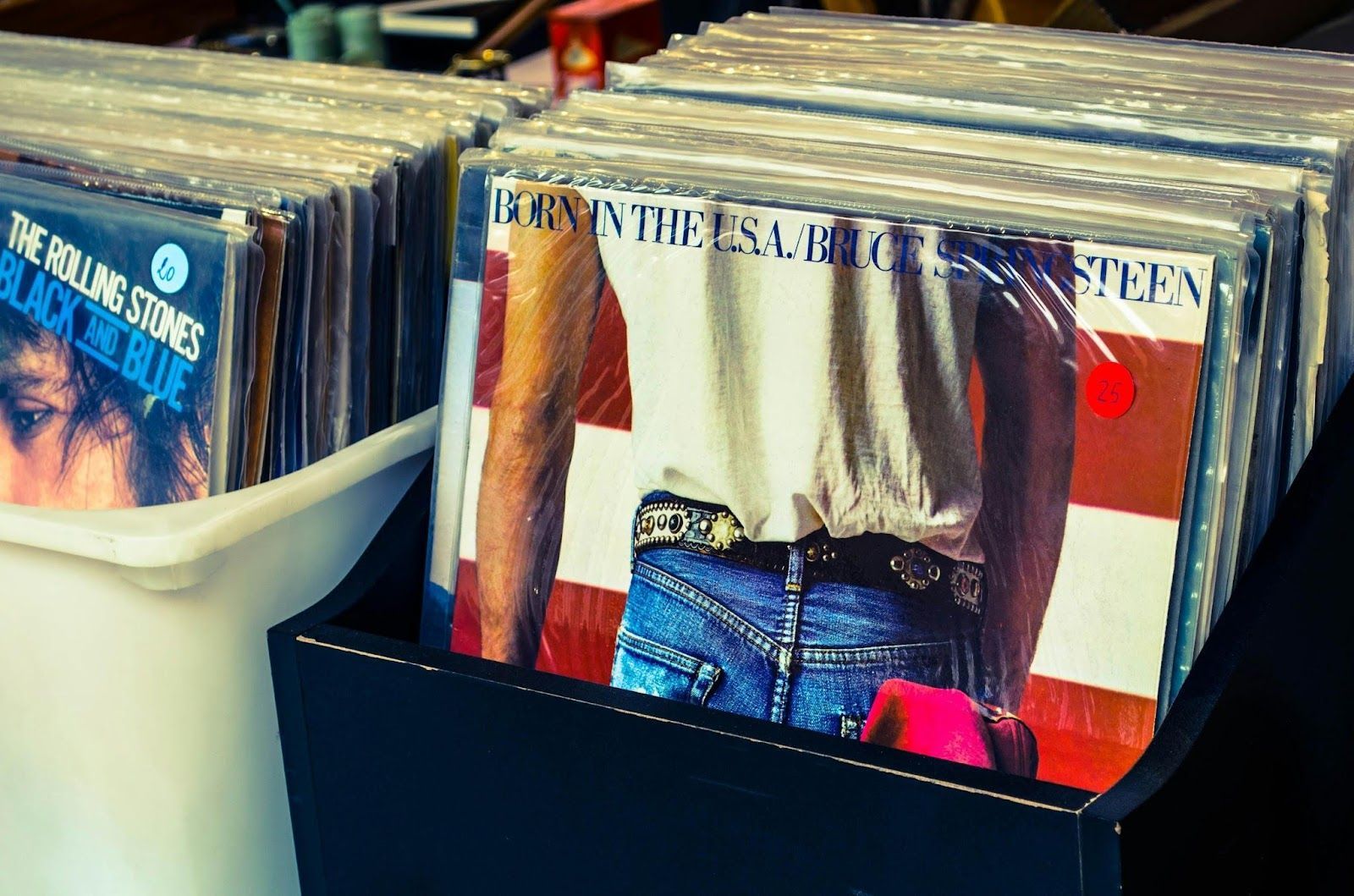
Image: Jose Antonio Gallego Vázquez

Bruce Springsteen earned this nickname in the early days of playing Jersey Shore clubs, where he was responsible for collecting and distributing gig money to his band. Originally an internal nickname within the group, it quickly caught on with the media. Ironically, Springsteen has admitted that he’s never really liked being called "The Boss."

5
"The Mad Stork" – Ted Hendricks
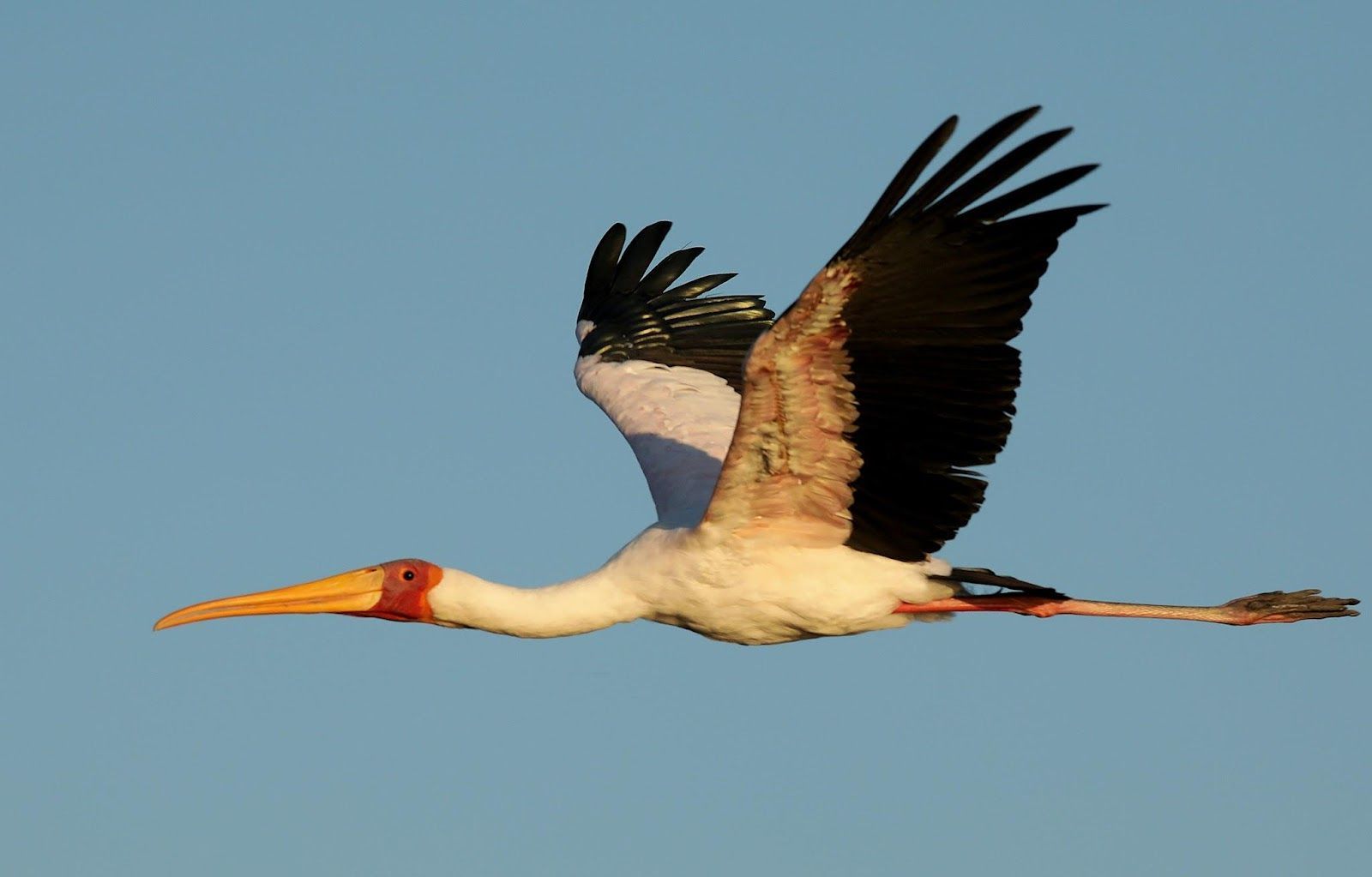
Image: Wynand Uys

This Hall of Fame linebacker for the Raiders stood 6’7" and had a long, lanky build. His towering figure and unpredictable style of play earned him the nickname "The Mad Stork." Despite the unusual moniker, he was a feared and legendary player in the NFL.

6
"The Snake" – Ken Stabler

Image: Timothy Dykes

Another Raiders legend, quarterback Ken Stabler, earned the nickname "The Snake" from his college coach after a long, twisting touchdown run. The name stuck because he became known for his slippery, cool-headed play under pressure.

7
"Jane the Grabber" – Hester Jane Haskins
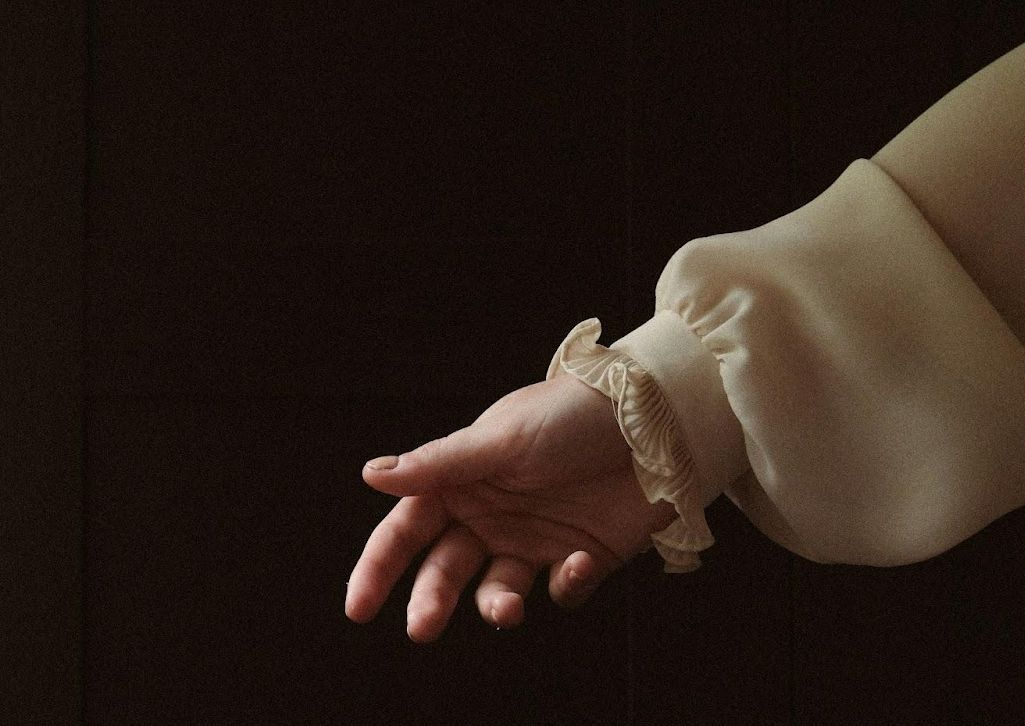
Image: sombre

A dark figure in 19th-century New York, Hester Jane Haskins was a "procuress," luring women with promises of work and then forcing them into brothels. Her nickname, "Jane the Grabber," became infamous in the press.

8
"The Black Swallow of Death" – Eugene Bullard

Image: Heather Wilde

Born in Georgia and later a French WWI pilot, Eugene Bullard was the first African American military pilot. He earned the nickname "The Black Swallow of Death" for his fearless flying and deadly accuracy. Despite his heroism, he still faced racial discrimination upon returning to the U.S.

9
"Little Miss Sure Shot" – Annie Oakley

Image: Jp Valery

Annie Oakley was a folk heroine and a famed sharpshooter from an early age. She earned the nickname "Little Miss Sure Shot" from the Native American leader Sitting Bull, who bestowed it after watching her flawless shooting in Buffalo Bill’s Wild West show.

10
"Kid Gloves" – Benjamin Harrison

Image: Aaron Lefler

Benjamin Harrison, the 23rd president, frequently wore soft kid-leather gloves in public due to hand ailments. Political opponents seized the opportunity to mock his stiff demeanor and perceived elitism, dubbing him "Kid Gloves." The nickname pointed not only to his physical appearance but also to his aloof attitude.
Geography Geography 3 min read

A deep look at the map

America’s place names have wild origins – here are 12 of the strangest

Image: Mackenzie Cruz

Every place name has a story— especially in America ! While some come from Indigenous languages, others trace their origins to European tongues or ancient legends. These names are more than just labels; they offer glimpses into our past , revealing the diverse cultures and pivotal events that have shaped the nation. From Greek influences to names that predate European conquest, we've gathered 12 of the most fascinating origins behind America's place names.

1
Miami

Image: Avi Werde

Miami’s name comes from the Mayaimi people, who lived around Lake Okeechobee. The name itself is thought to refer to the "big water" of the lake, a defining feature for the region's Indigenous inhabitants.

2
Chicago

Image: Neal Kharawala

The name "Chicago" comes from the Potawatomi word shikaakwa, meaning "wild onion" or "wild garlic." These plants were once abundant along the banks of the Chicago River, and early French explorers who heard this term adapted it into the city's name.

3
Philadelphia

Image: Chris Murray

The name "Philadelphia" comes from the Greek words philos (love) and adelphos (brother). Founded in 1682 by William Penn, the city was intended to be a haven for religious freedom and peaceful coexistence—hence its name.

4
Cincinnati

Image: Matt Koffel

Cincinnati's name comes from the Society of the Cincinnati, a patriotic organization formed in 1783 to honor officers of the Continental Army. The society itself was named after Lucius Quinctius Cincinnatus, a legendary hero of the Roman Republic.

5
California

Image: Vital Sinkevich

The name "California" comes from Las Sergas de Esplandián, a 16th-century Spanish novel by Garci Rodríguez de Montalvo. The book describes a mythical island where gold could be found in great quantities. When Spanish explorers reached the Baja Peninsula, they mistakenly believed it was an island and, inspired by the novel, named it after the fictional paradise.

6
Boise

Image: Attorney Sluice

The name "Boise" comes from the French word boisé, meaning "wooded" or "forest." French fur traders were some of the earliest European explorers in the region, and they named the Boise River after observing the thick forests that lined its banks.

7
Albuquerque

Image: Raychel Sanner

Albuquerque was named by the Spanish in the 18th century, but its origins trace back to the Latin words albus (white) and quercus (oak), referring to the white oak trees that are found in the area.

8
Mississippi River

Image: Mathew Benoit

The Mississippi River gets its name from the Ojibwe word Misi-ziibi, meaning "Great River." Certainly a fitting name, given the river’s key role in the development of American trade and transportation, a vital route for settlers and Indigenous people alike.

9
Yellowstone National Park

Image: Meina Yin

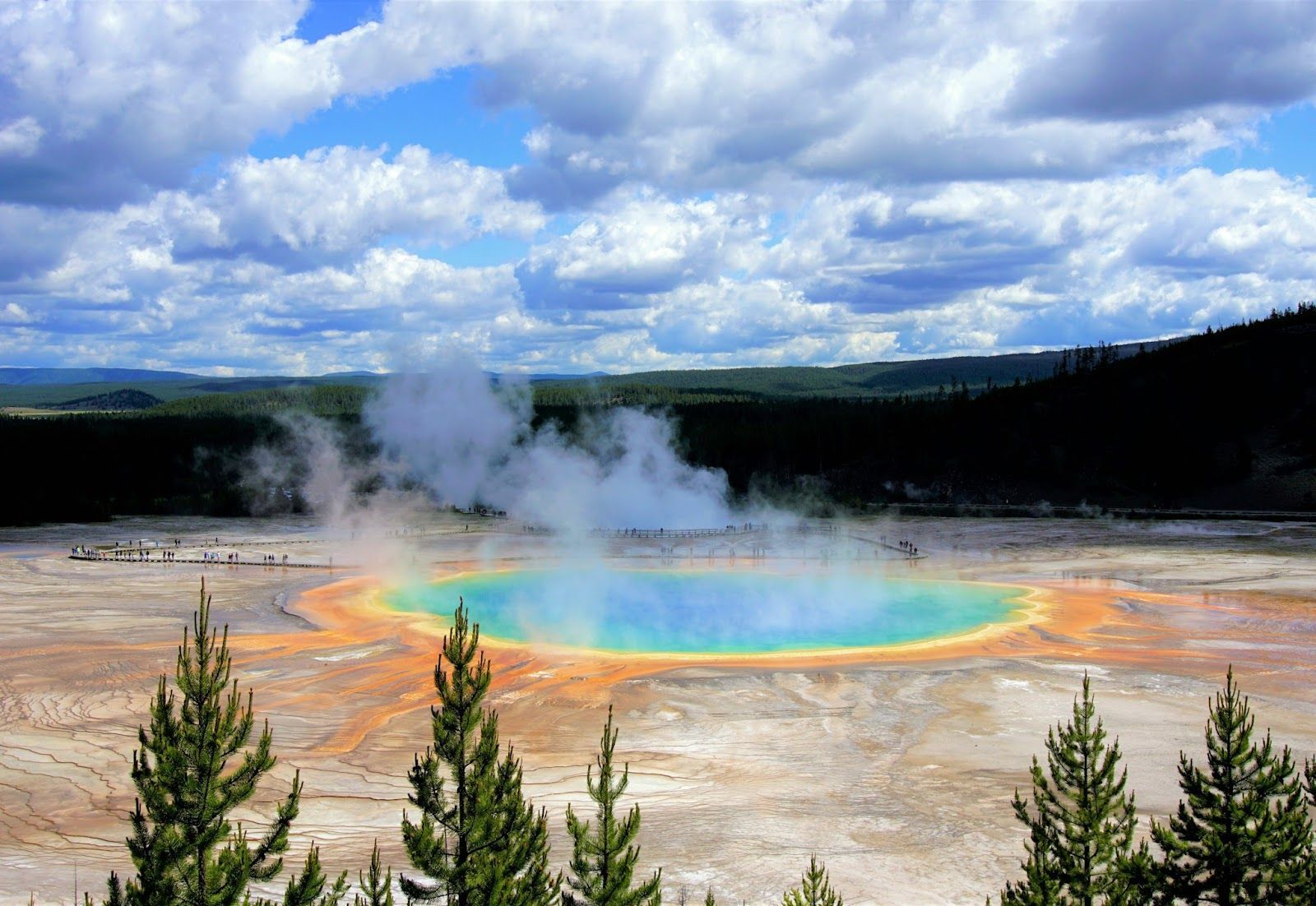
Yellowstone National Park takes its name from the Yellowstone River, which was in turn named by fur trappers who used the word "yellow" to describe the river’s striking sandstone cliffs . Established in 1872, Yellowstone became the first national park in the U.S., preserving its unique geological and natural wonders.

10
Appalachian Mountains

Image: Elijah Mears

The Appalachian Mountains, among the oldest in the world, take their name from Apalachee , a term used by the Spanish to refer to a Native American tribe in northwestern Florida . Interestingly, the name was later applied to the distant mountain range, despite no direct connection between the two—perhaps they had run out of names?

11
Niagara Falls

Image: Sergey Pesterev

Niagara Falls takes its name from the nearby Niagara River, which derives from the Iroquois word Onguiaahra , meaning "the strait" or "narrow water." Unsurprisingly, given their breathtaking beauty, the falls have long been a significant natural landmark for both Indigenous peoples and European explorers.

12
Adirondack Mountains

Image: Ty Finck

The Adirondack Mountains in New York are believed to take their name from the Algonquin word adirondacks , meaning "they eat trees" or "bark eaters." This name likely referred to another group of Indigenous inhabitants who relied on the region’s lush forests for food and shelter.

History History 5 min read

Political trailblazers: 10 inspiring women who shaped America

Image: Mikhail Nilov

From dusty prairie towns to marble halls in Washington, American women have inched, marched, and leaped their way into places they were once told they didn’t belong. Each milestone was more a crack in the wall for others to walk through than a personal triumph. With a mix of courage, persistence, and perfect timing, the stories of these 10 trailblazing women prove that anything’s possible in life and politics.

1
First presidential candidate: Victoria Woodhull

Image: Daria Kraplak

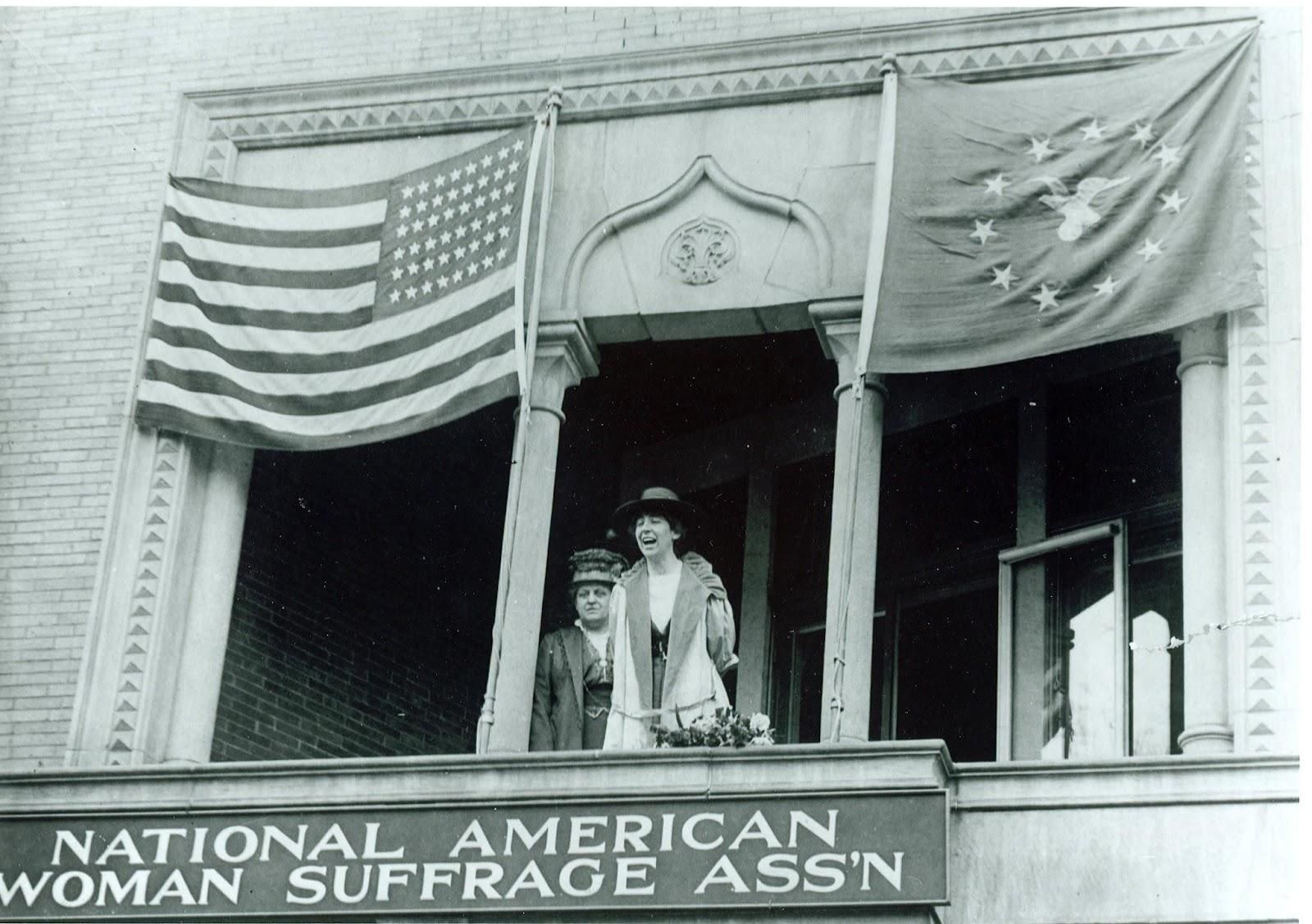
In 1870, a publisher and stockbroker on Wall Street, Victoria Woodhull, stepped up to do something no woman had ever done before. In a letter to the New York Herald, she announced her intention to run for president of the United States. Some laughed, others scoffed, but Woodhull never flinched.

Her message was revolutionary for its time: equal rights for women, fair pay for workers, and an end to hypocrisy in politics. No electoral votes went her way, but that wasn’t the point. By daring to run, she opened the door for future generations and secured her place as the first woman bold enough to chase the presidency, long before the law recognized her right to vote.

2
First member of Congress: Jeannette Rankin

Image: C. T. Chapman, Public domain, via Wikimedia Commons

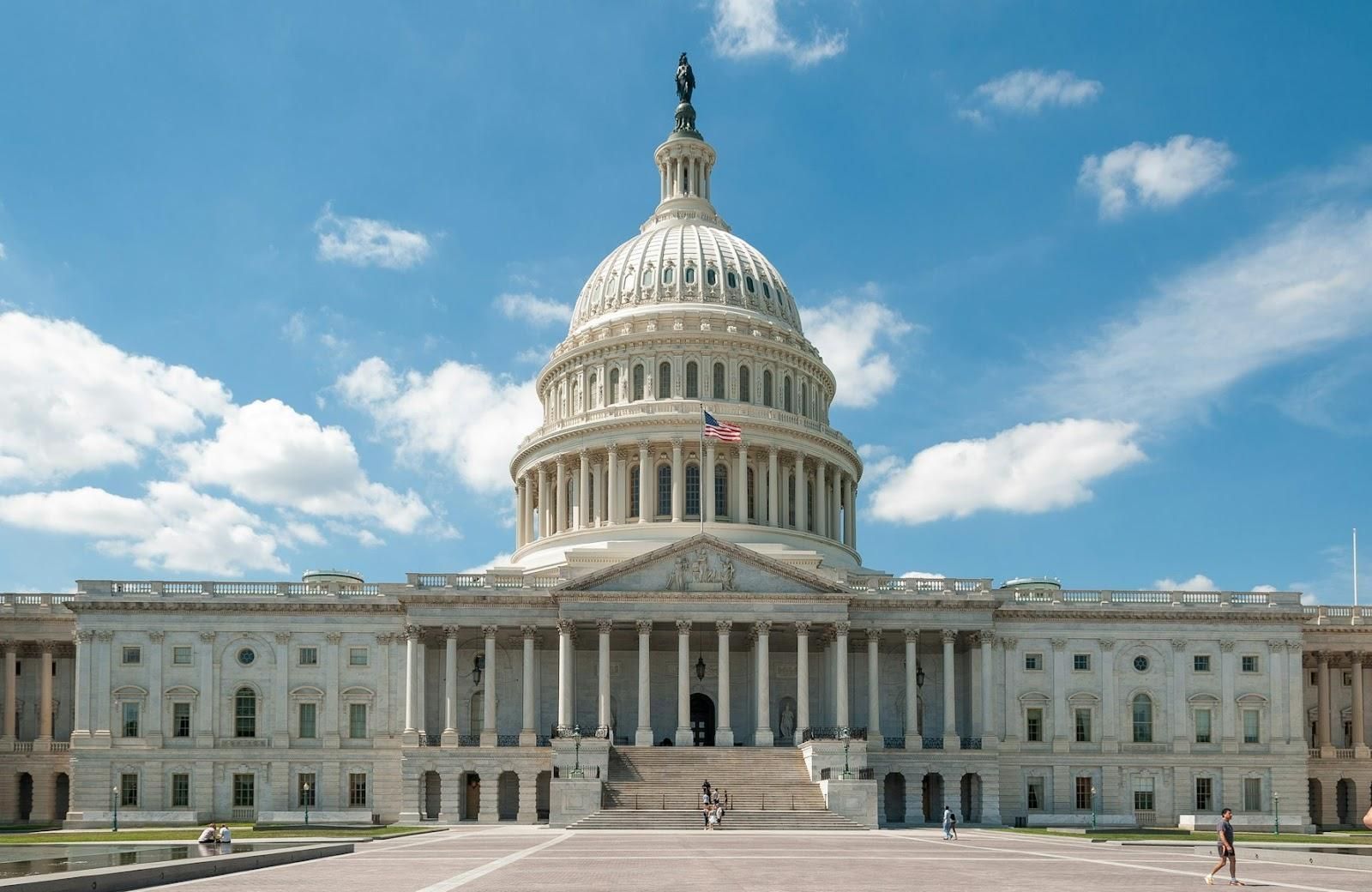
In 1916, Montana elected a woman to Congress for the first time. Jeannette Rankin was a suffragist who had already helped secure voting rights for women in her state before most of the nation even dreamed of it. When she arrived at the Capitol to take her seat, the gallery overflowed with onlookers buzzing with curiosity and disbelief. Rankin, calm and resolute, didn’t shout to be heard; she spoke with the steady conviction of someone who knew she belonged. Her presence proved that a woman’s reasoning could command the same respect as any man’s voice, and once heard, it could never again be silenced.

3
First U.S. senator: Hattie Caraway

Image: Stephen Walker

She started out almost unnoticed. In 1931, when Arkansas senator Thaddeus Caraway died, his widow, Hattie, was appointed to fill his seat, a move many assumed was merely symbolic. But Hattie had no interest in being a placeholder. The following year, she launched her own campaign, traveling dusty southern roads and shaking hands with quiet confidence.

Against all odds, she won, becoming the first woman ever elected to the U.S. Senate. Dubbed "Silent Hattie" for her reserved manner, she wasn’t known for fiery speeches or flashy gestures. Through persistence and integrity, she proved that results, not rhetoric, are what truly echo in the chambers of power.

4
First woman mayor: Susanna Salter

Image: LSE Library

This is the story of a prank going sideways. In 1887, a group of men in a tiny Kansas town slipped the name of 27-year-old Susanna Salter onto the mayoral ballot in Argonia, confident that voters would laugh her off. To their dismay, when the ballots were counted, Salter had won.

Overnight, she became the first woman mayor in U.S. history. Far from feeling overwhelmed, Salter handled her duties with grace and sharp practicality, earning the respect of the same townsmen who tried to embarrass her. By the end of her term, she’d turned a bad joke into a precedent.

5
First state governor: Nellie Tayloe Ross

Image: Roman Manshin

Wyoming’s nickname, the Equality State, seems well deserved. When voters chose Nellie Tayloe Ross as governor in 1925, the nation watched as a woman stepped into a role no one of her gender had ever held before. She wasn’t the fiery campaign type; her strength came from quiet precision and an unwavering sense of duty.

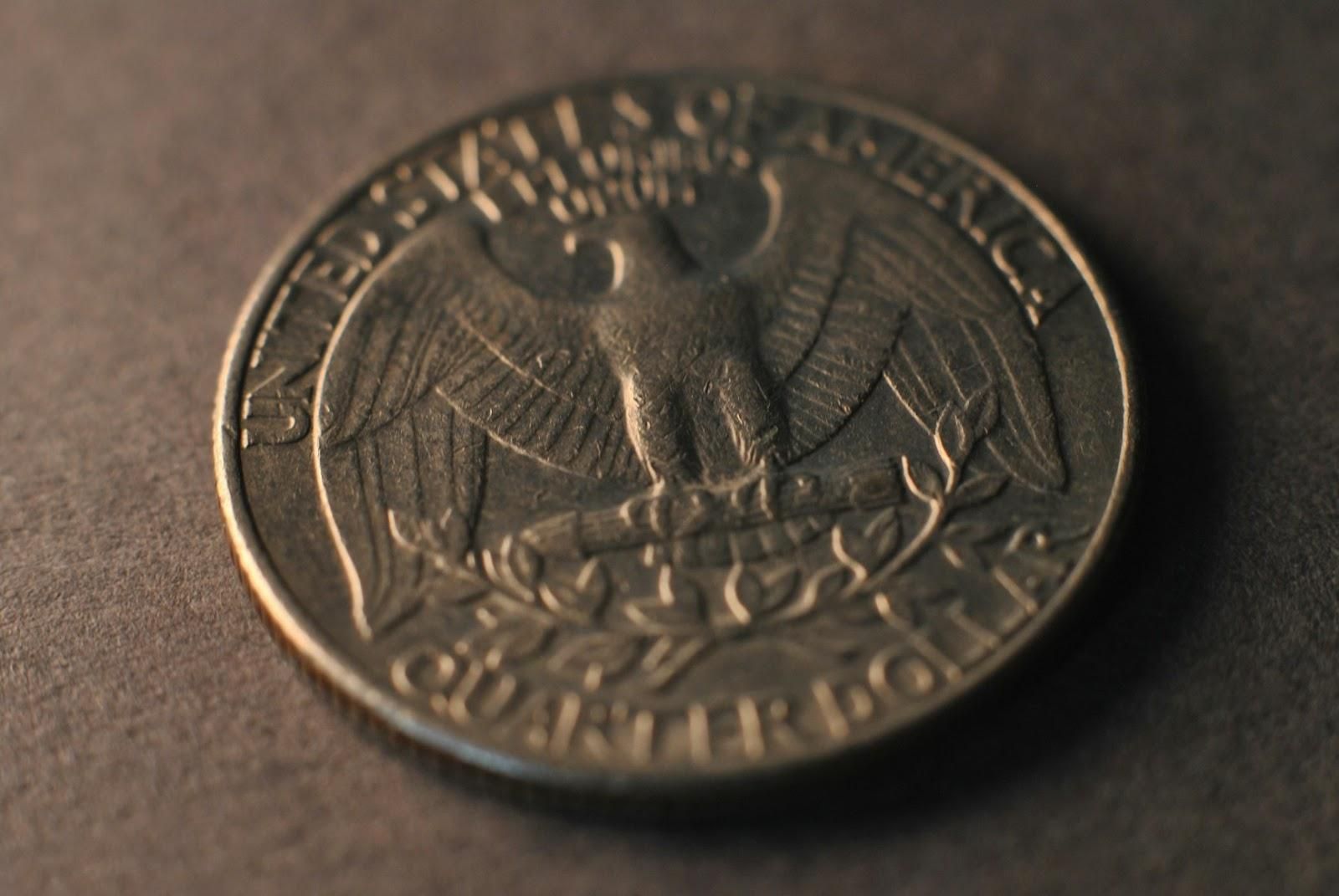
Ross believed that leadership meant doing the work well, not making noise about it. Her calm authority and financial prudence won over even the most skeptical. Years later, as the first female director of the U.S. Mint, she literally shaped the nation’s currency, an apt legacy for a woman who always knew the worth of patience, persistence, and steady hands.

6
First cabinet member: Frances Perkins

Image: The New York Public Library

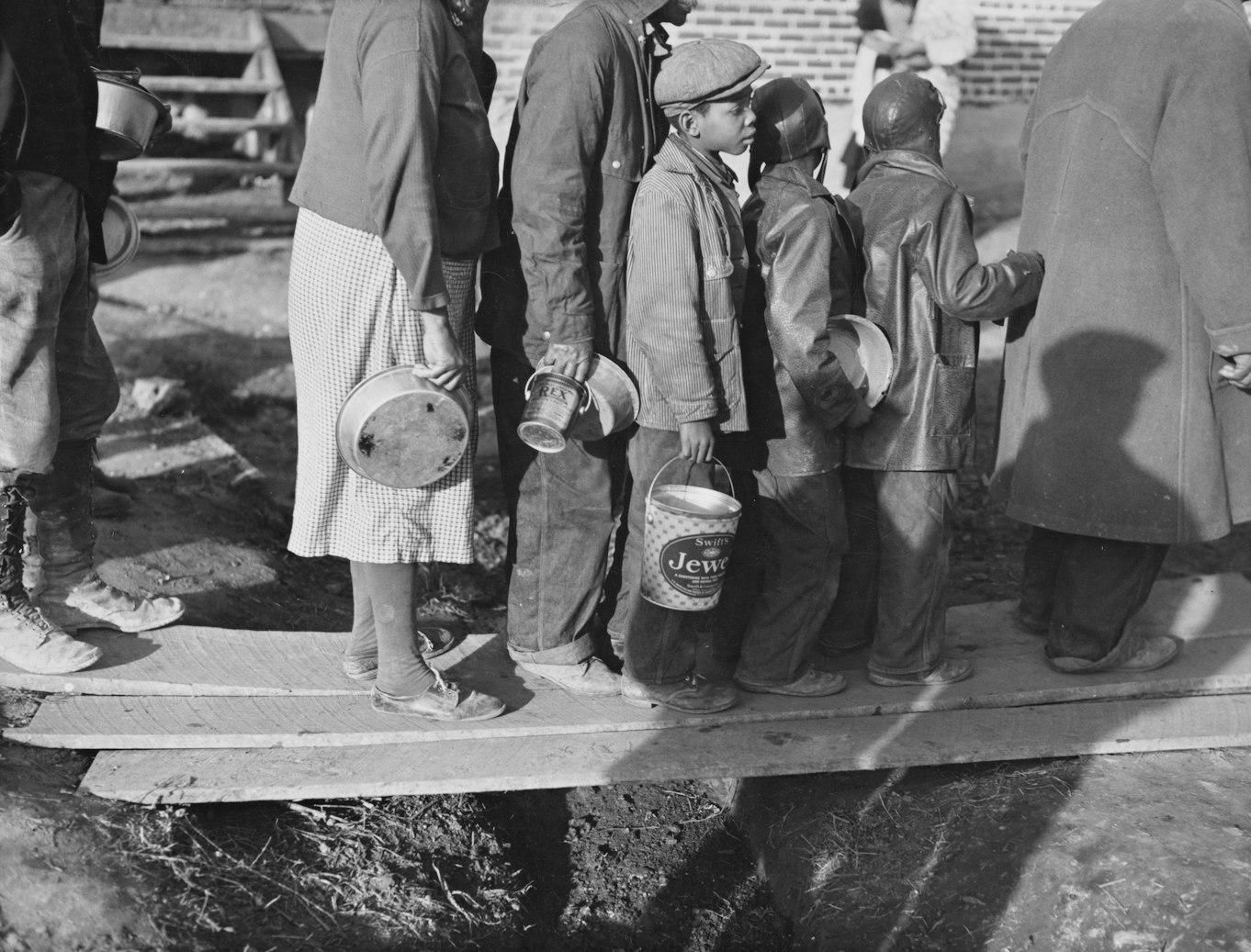
At the beginning of the 1930s, when breadlines stretched around city blocks and hope felt like a luxury, a female labor leader and consumer advocate came to the rescue. President Franklin D. Roosevelt saw in Frances Perkins not just a reformer, but a force of nature. As Secretary of Labor —and first woman ever to hold a Cabinet post—Perkins walked into the men-filled halls of power and quietly redrew the map of American work.

She championed fair wages, safer conditions, and limits on child labor, all while helping craft the Social Security system that still anchors millions of lives today. Decades later, her influence lingers in every pay stub, every pension, and every law that insists work should come with dignity.

7
First Supreme Court justice: Sandra Day O’Connor

Image: Stephanie Rhee

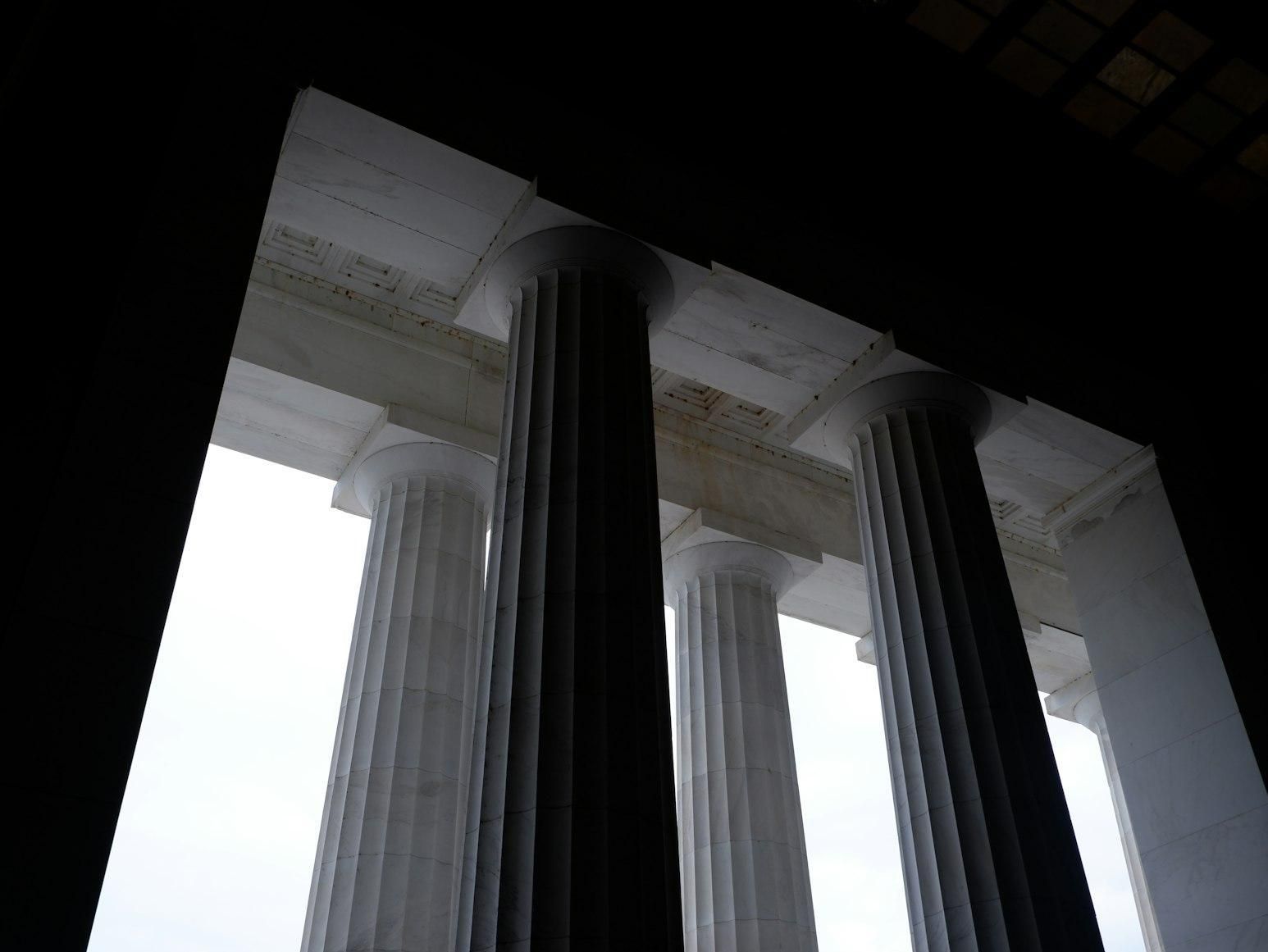
It’s hard to picture the dusty plains of Arizona leading to the marble halls of the Supreme Court, yet that’s exactly where Sandra Day O’Connor’s story began. Raised on a remote cattle ranch miles from the nearest town, she learned the value of hard work, clear thinking, and a level head. All these qualities would serve her well when, in 1981, President Ronald Reagan nominated her as the first woman justice in U.S. history.

O’Connor brought that same frontier pragmatism to Washington, preferring reason over rhetoric and humor over ego. "I’m just trying to do the right thing, one case at a time," she once said. For a quarter century, her voice became the Court’s steady center, proving that fairness stretches farther than politics.

8
First U.S. Secretary of State: Madeleine K. Albright

Image: sohail shaikh

Madeleine Albright, born in Czechoslovakia and raised on the idea that words alone could shape nations, found a clever way to make hers sparkle beyond her famous brooches. She could easily become a spider when negotiations grew tense, and a gentle dove when peace was within reach.

Albright believed diplomacy could be both art and strategy. When she became the first woman to serve as U.S. Secretary of State in 1997, she blended intellect with unmistakable flair, commanding global respect. She showed that courage, conviction, and strength can coexist with a warm personality occasionally sparkling from a lapel.

9
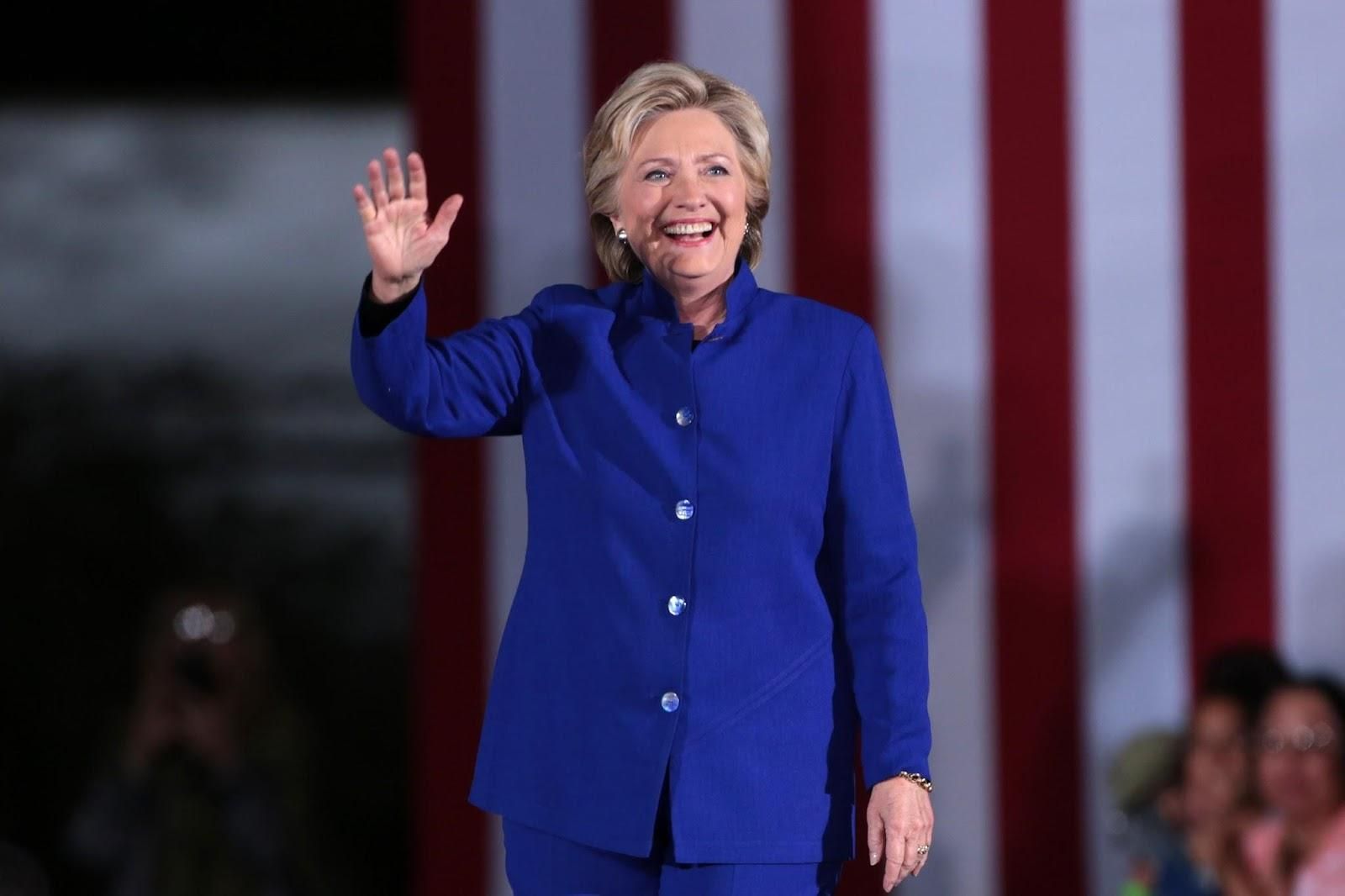
First major party’s presidential nominee: Hillary Rodham Clinton

Image: Gage Skidmore from Peoria, AZ, United States of America, CC BY-SA 2.0, via Wikimedia Commons

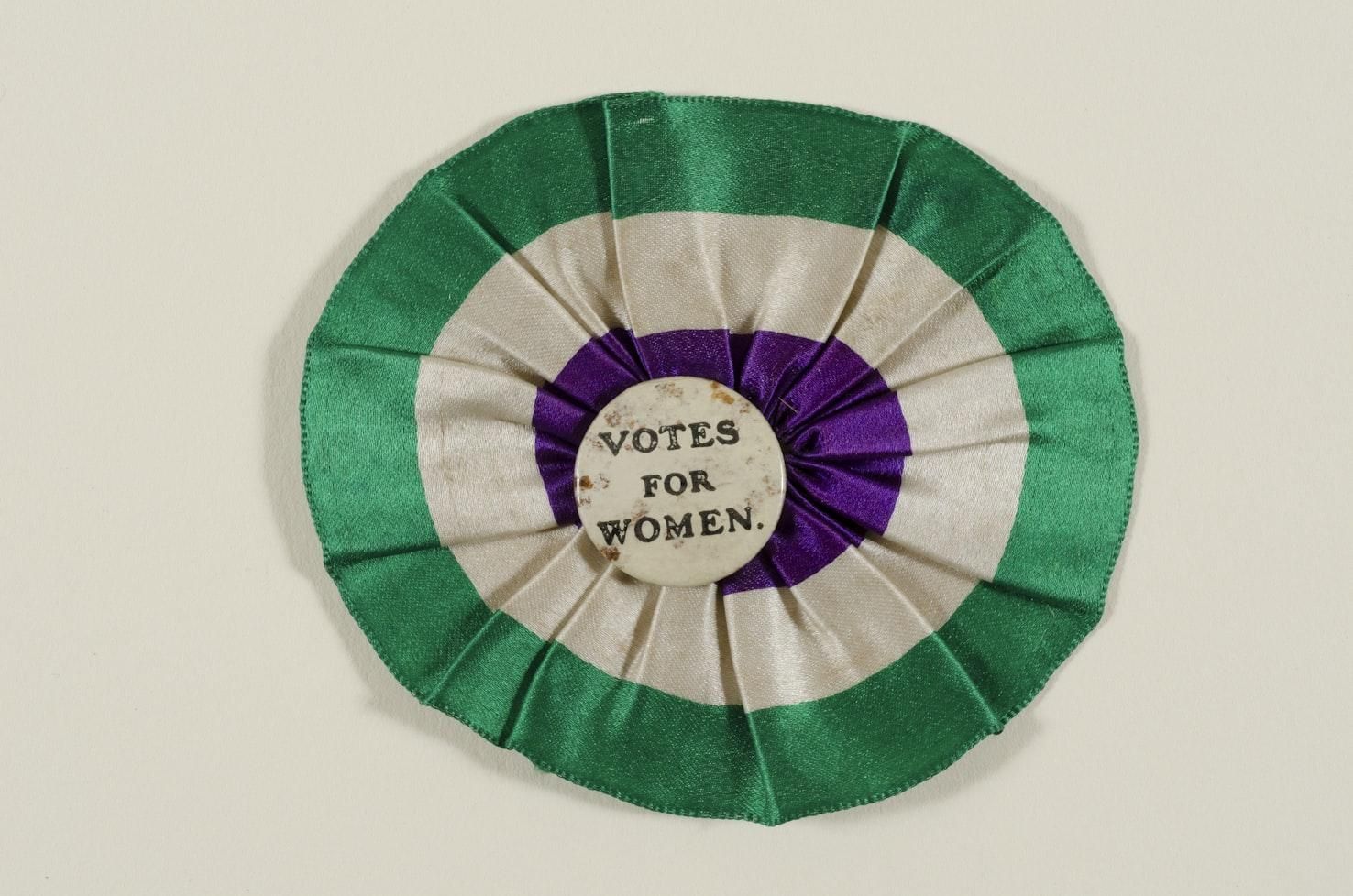
It took nearly a century and a half after Victoria Woodhull’s daring run for president before another woman would stand beneath the spotlights of a major party convention. In 2016, Hillary Rodham Clinton walked onto the stage with the spirit of the suffragists who had paved her path.

That night meant history was catching up. Smiling at the crowd, she declared, "We’ve reached a milestone, but we still have glass to break." Whether she won or lost mattered less than the fact that she stood there at all. Clinton’s campaign turned a dream whispered for generations into something tangible.

10
First elected vice president: Kamala Harris

Image: Manny Becerra

Fast-forward to 2020. A California senator steps up to the microphone, smiles, and thanks "the women who paved the way." Kamala Harris is the daughter of immigrants, a former prosecutor, and now the first woman ever elected Vice President of the United States.

Her voice carried the weight of generations who’d been told to wait their turn. Echoing the suffragists who once marched so she could stand there, Harris reminded America that progress is a relay, not a sprint. Her message rang clear and timeless: dream boldly, even when the trail ahead is foggy.

Explore more American facts

Choose your favorite category!

General
General

As American as apple pie—the very best America has to offer!

Culture
Culture

Delve into the astounding richness of American lore.

Geography
Geography

Hop in and explore vast and diverse American landscapes.

History
History

Discover the key moments that shaped the United States.