History History 4 min read

Face the history!

Did you know there’s a secret room within Mount Rushmore?
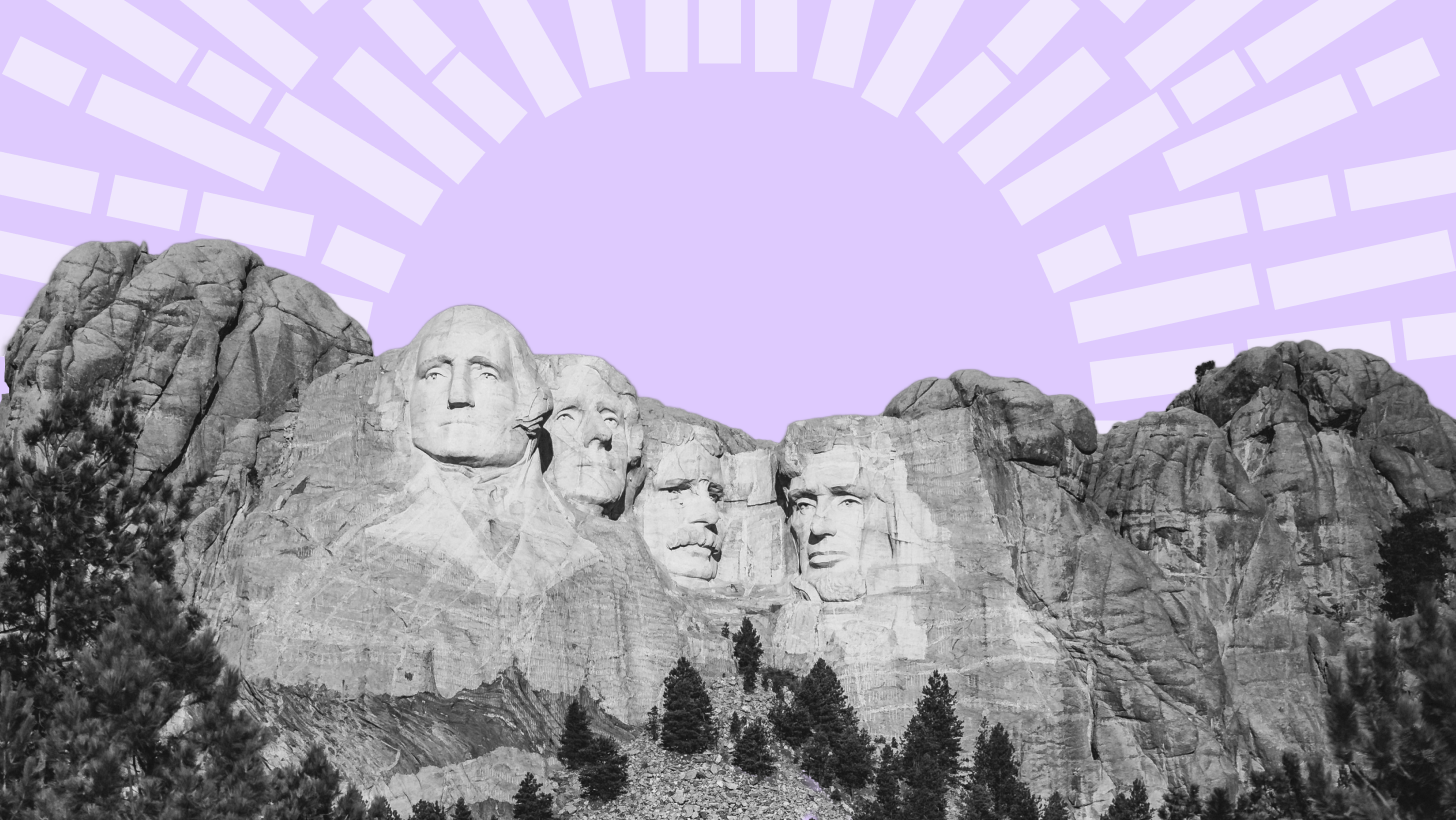
Image: Josh Miller

Mount Rushmore isn’t just a stunning piece of rock, it’s a piece of American history carved into the Black Hills of South Dakota. If you’ve visited or it’s on your travel list, you might be surprised by how much more there is to know. From secret rooms to explosive carving methods, this national memorial has quite a story. Below, we’ll dig into the lesser-known facts behind those four famous faces. Keep reading!

1
A mountaintop with a maintenance plan

Image: Sebastian Enriqu

Each year, around two million visitors make their way to see the monument. But keeping the presidential faces looking sharp takes serious work. Park Service staff actually rappel down the mountain to inspect for cracks. They use silicone sealant to block out moisture and keep the granite from breaking apart in the cold. This isn’t a quick job, it’s a regular, careful operation. The mountain's top sits 5,725 feet above sea level, so it’s not for the faint of heart.

2
One historian’s tourism dream

Image: Engin Yapici

Back in 1923, South Dakota historian Doane Robinson had an idea to attract visitors to the Black Hills. Now, what was his original plan? Carve Western legends like Buffalo Bill and Native American leaders into the rock. The vision then shifted to feature US presidents for broader national appeal.

President Calvin Coolidge helped land the funding, even during tough economic times. The carving began in 1927 and stretched on until 1941. Sculptor Gutzon Borglum died before finishing, and his son Lincoln carried the torch to completion.

3
Four presidents, four chapters

Image: Jeromey Balderrama

Each face on the mountain stands for a key period in our nation’s story. Can you imagine what they are?

Washington symbolizes the birth of the country, while Jefferson represents growth and expansion. Lincoln stands for unity and the preservation of the nation during the Civil War. Roosevelt brought development and the rise of the US on the world stage. Together, they tell a chronological story in stone. The idea was to highlight leadership through the ages, not just popular figures.

4
A presidential switch

Image: Andrew Ling

Originally, Thomas Jefferson was supposed to be on Washington’s left. But during the carving, the rock proved too unstable. So they scrapped the partially finished face and started over, this time on the right side.

It was a major do-over that cost time and money, a lot of it! But ultimately, it worked out for the best, structurally speaking. Today, most visitors never realize Jefferson had a false start.

5
Dynamite and a dream

Image: Takefreebies

It’s easy to forget that Mount Rushmore wasn’t sculpted with tiny chisels: It was blasted into shape. Most of the work was done with dynamite, followed by finer detailing with jackhammers and drills.

From 1927 to 1941, about 400 workers shaped the mountain. Amazingly, no lives were lost during the entire project. Many of the workers were former miners, used to rough terrain and heavy tools. It wasn’t easy, but it was efficient.

6
The presidents were supposed to have torsos

Image: Thomas Fields

The original vision for the monument wasn’t just heads, it included bodies from the waist up! Imagine that! Like many grand ideas, it ran into budget troubles. Funding dried up, and with time running out, the project was scaled back.

What we see today is actually an unfinished version of Borglum’s full plan. Still, the heads alone have become iconic. Imagine how much more impressive it would’ve been with shoulders and coats.

7
Secrets behind Lincoln’s head
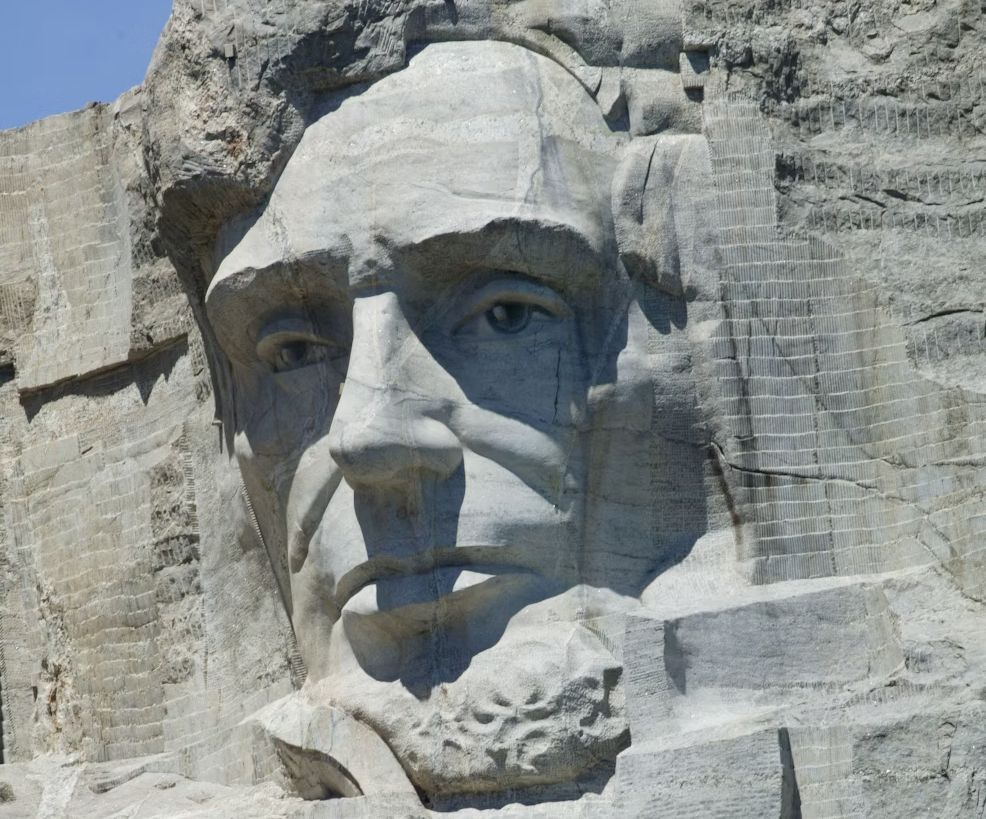
Image: Rosanne Rapata

There’s a hidden room carved into the mountain, did you know that? Called the Hall of Records, it was Borglum’s idea to store important American documents and artifacts.

While the grand plans for a museum inside the mountain were never fully realized, a titanium vault was placed there. It contains copies of key US documents, including the Constitution and the Declaration of Independence. Located behind Lincoln’s head, it’s not open to the public. Still, it adds an air of mystery to the site. It makes you wanna visit, right?

8
Step off the beaten path

Image: Nils Huenerfuerst

Most visitors snap their photos from the Grand View Terrace, and it’s lovely. But for those willing to take a short walk, the President’s Trail offers even better views.

This loop takes you closer to the monument and into nature. You might spot local wildlife like mountain goats or deer along the way. The trail includes about 422 stairs, so make sure you’re wearing comfy shoes. It’s a quieter, more personal way to experience the monument.

9
Entablature

Image: Tommy Bond

Gutzon Borglum didn’t just want Mount Rushmore to be a visual tribute, he wanted it to tell the story of America, too. His idea was to chisel a brief summary history, covering events from 1776 to 1906, right into the rock face.

This massive engraving, called "Entablature," was to be etched into an 80-by-120-foot depiction of the Louisiana Purchase. President Calvin Coolidge even agreed to write it, but when Borglum edited Coolidge’s draft without permission, the president was so annoyed he refused to try again. Despite the grand vision, the project was eventually scrapped, partly because the lettering wouldn’t have been visible from a distance, and partly because the budget ran dry.

10
Don’t expect a fifth face anytime soon

Image: Ronda Darby

Over the years, people have suggested adding more figures to the mountain. Names like Susan B. Anthony, FDR, JFK, Reagan, Obama, and Trump have all come up. But the National Park Service has said a firm "no." Structurally, there’s just no safe place to add another carving. Plus, the monument is considered complete in its message. So, while the debate pops up now and then, don’t hold your breath. The original four are here to stay.

General General 3 min read

What is your hobby?

Imagination knows no boundaries: 10 bizarre hobbies

Image: Cristine Despares

Imagination knows no boundaries, especially when it comes to finding ways to entertain itself. For most of us, a hobby might involve having a stamp collection or pruning the garden. But for some people, that is not enough. If you think that building tiny ships inside bottles is an odd hobby, you will be amazed by the following 12 activities that some humans indulge in.

1
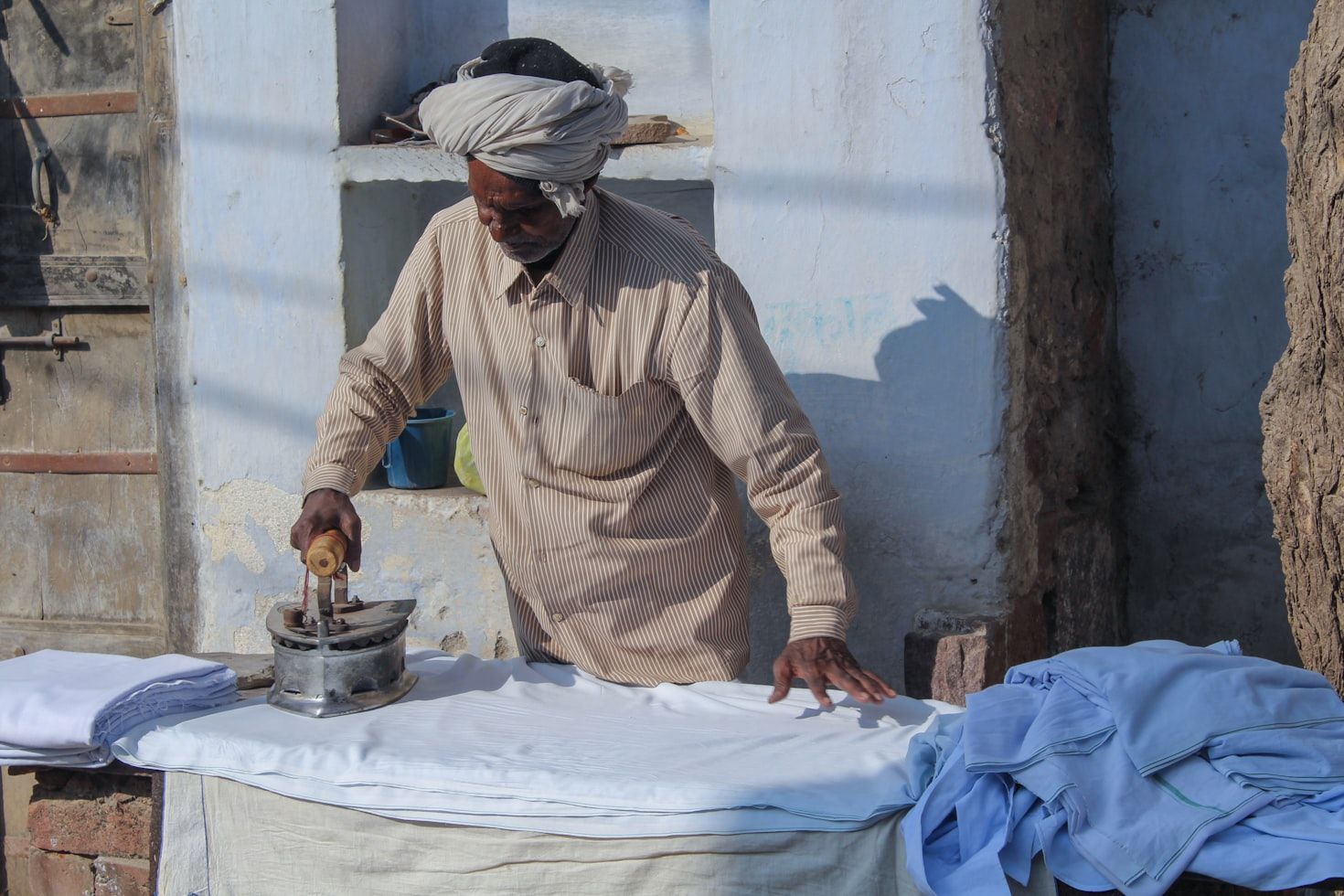
Extreme ironing

Image: Eric Vö

There is nothing extreme about ironing if you do it the usual way. But what if you were to iron your shirts atop a mountain peak ? Believe it or not, ironing clothes in extreme environments is a thing. There is even a world record for the most outrageous example of extreme ironing, which was set 200 feet underwater in 2011.

2
Worm charming

Image: sippakorn yamkasikorn

Worms are not the first creatures that come to mind when one thinks of interactive animals. However, they do respond to certain stimuli, especially vibrations on the ground and sound.

A small but dedicated group of people devote themselves to the odd hobby of worm charming, attracting worms from the ground using vibrations, sound, and other ingenious methods . This unusual activity requires patience and a gentle touch, but for its followers, it is very rewarding.

3
Toy voyaging

Image: Barrett Ward

Whoever saw the early 2000s movie Amélie will recognize this one. Some people have small toys that accompany them on vacations and appear in photos at famous landmarks , which are then uploaded to their Instagram and Facebook accounts.

4
Soap carving

Image: Aurélia Dubois

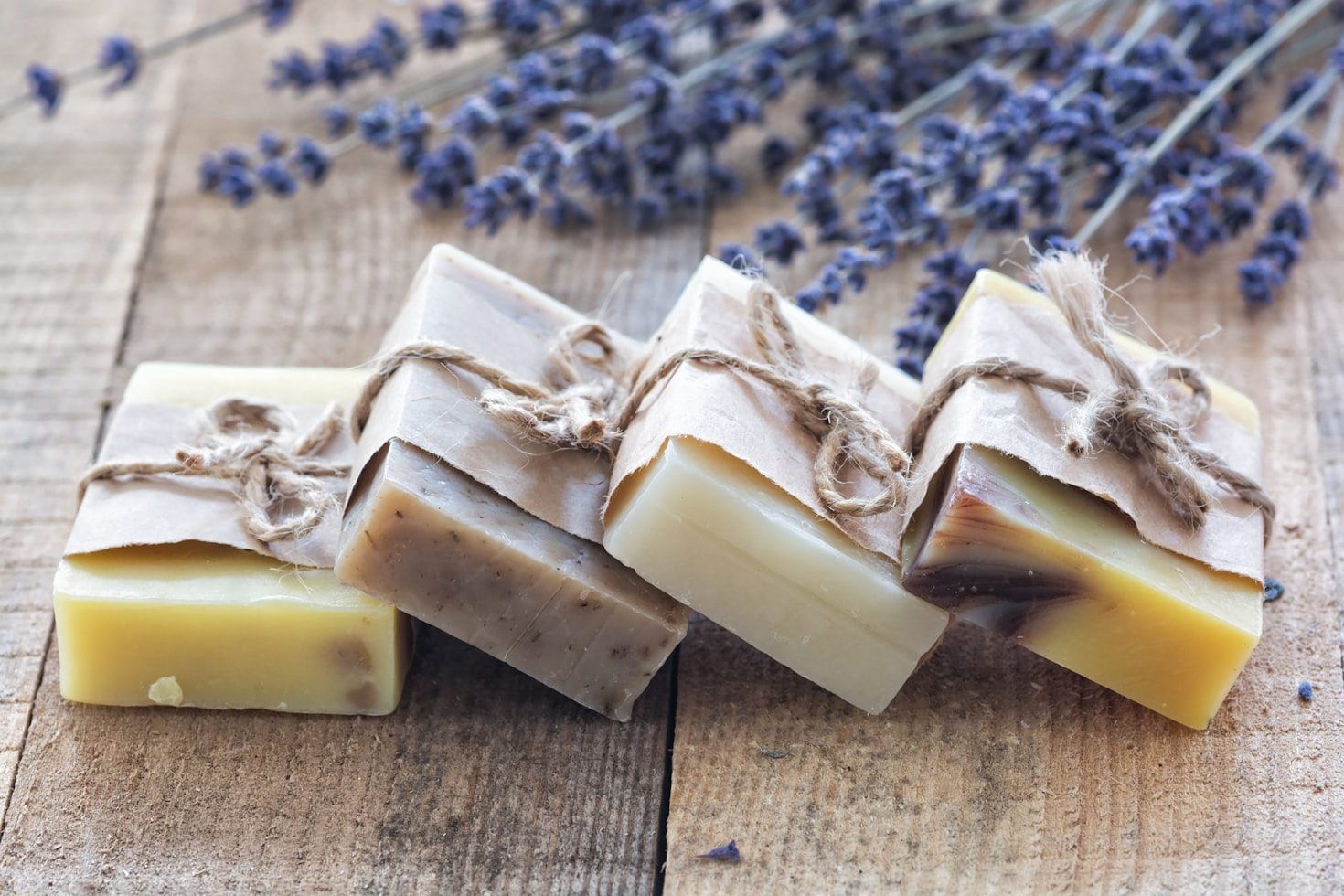
As it turns out, soap can be used for more than just washing and bathing. Yes, a particularly fragrant soap placed in your sock drawer will add a pleasant scent each time you open it. But this is something entirely different. Some people carve soap bars into intricate sculptures , using small knives or other fitting instruments.

5
Human knotting

Image: engin akyurt

A hobby can also be a group activity. In some parts of the world, groups of people engage in the challenging task of tying themselves into a human knot , and then work together to find creative solutions and untangle the puzzle without letting go . It's like Twister, but without the board underneath.

6
Geocaching

Image: Jamie Street

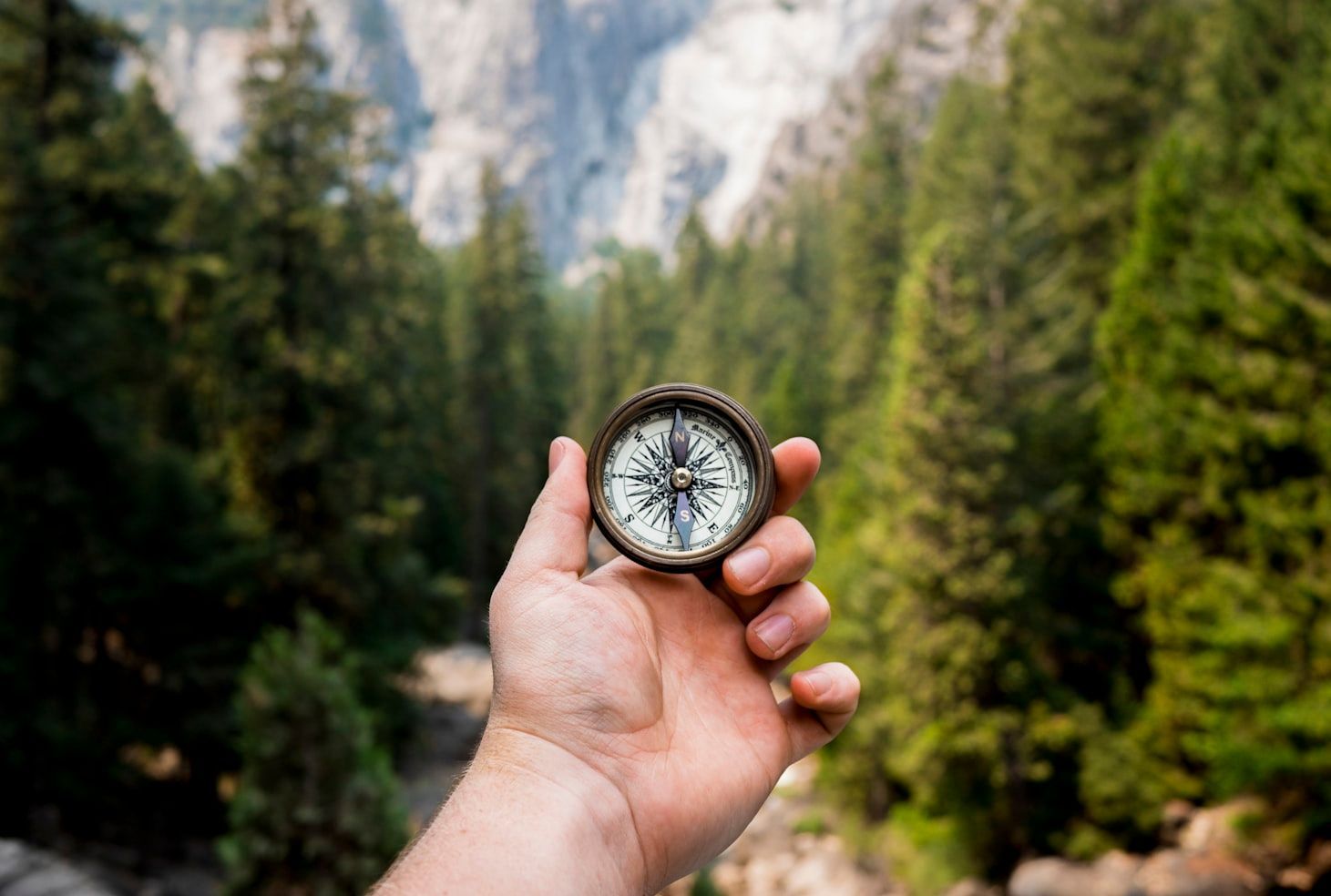
A sort of digitally-aided treasure hunt, geocaching is a fun hobby that requires a hand-held GPS receiver or a phone app to guide participants to a destination where a hidden container is stored . Once found, the participant logs their visit in an included logbook and can also trade one of the many small items inside the container for one of their own. Sounds like fun, right?

7
Trainspotting

Image: Silver Ringvee

Other than being a movie and a book, trainspotting is also a hobby where enthusiasts, you guessed it, spot trains. Train spotters often watch trains and track the number of each engine , as well as share information about the whereabouts of the trains, technical data, and specific characteristics.

8
Duck herding

Image: Vlad Tchompalov

Most people have heard of sheep herding, but what about duck herding? This hobby is performed as a team effort with trained sheepdogs who know how to maneuver a group of geese or ducks back into their pen . This unusual activity is suitable for all ages and fitness levels, making it a great team-building exercise for corporate groups.

9
Historical cooking

Image: Alyson McPhee

Several YouTube channels feature expert and amateur chefs cooking historical recipes and then tasting the results. This fun activity involves trying out recipes from the past , some dating back centuries, as far back as recipes can be found, and appreciating flavors that are not around anymore.

10
Ghost hunting

Image: Jesse Bowser

As the name suggests, ghost hunting is a hobby that involves investigating and documenting paranormal activity in order to capture evidence of ghostly sightings or encounters . This activity does not require participants to believe in the existence of ghosts, but rather to enjoy the thrill of visiting eerie places filled with spooky stories.

11
Mobile phone throwing

Image: Vojtech Bruzek

If you've ever felt the urge to throw your mobile phone in frustration over a situation, this hobby might be for you. Mobile phone throwing is a competitive sport in which contestants throw phones and are judged based on their technique and the distance covered. This hobby originated in Finnish culture, and it was started by Nokia, known for its reputation as an unbreakable "brick" that supposedly outlasts all our smartphones.

12
Painting memes

Image: Crystal Mapes

Memes are, by nature, ephemeral creations, meant to last for a while before fading into obscurity. However, some kind souls have taken up meme painting as a hobby, giving these digital images a more elevated existence as works of art .

History History 3 min read

Lawn and order

How the American lawn was born: 10 moments that shaped our frontyards

Image: Gunnar Ridderström

The American lawn didn’t sprout overnight. It grew from European ideals, industrial changes, suburban planning, and clever marketing. From elite colonial estates to postwar tract homes, each step shaped how grass became a national obsession. Here are 10 factual milestones that explain how a simple patch of green became a defining feature of U.S. domestic life.

1
European origins

Image: Martin Zenker

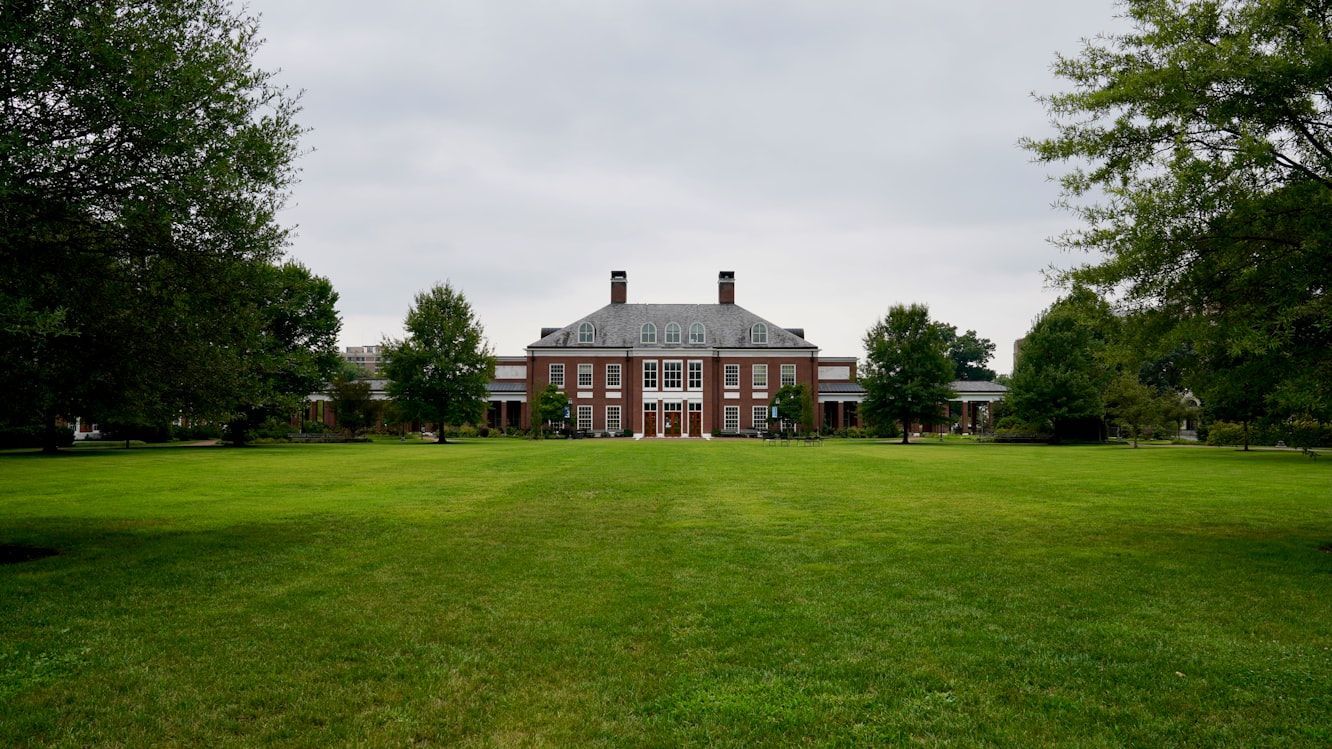
Lawns — and by lawns we mean closely mown grassy spaces — began appearing in 17th- and 18th-century Britain and France as signs of wealth. This was because only aristocrats or large estates could afford to keep grass short and manageable.

Before mechanized tools, scythes, shears, or grazing animals were used to maintain lawns, so turf was largely limited to those who could own the necessary manpower or animals. Early American colonists imported these aesthetics and tried to replicate them in their architecture and homes, albeit less formally.

2
Public parks set the bar

Image: Carl Newton

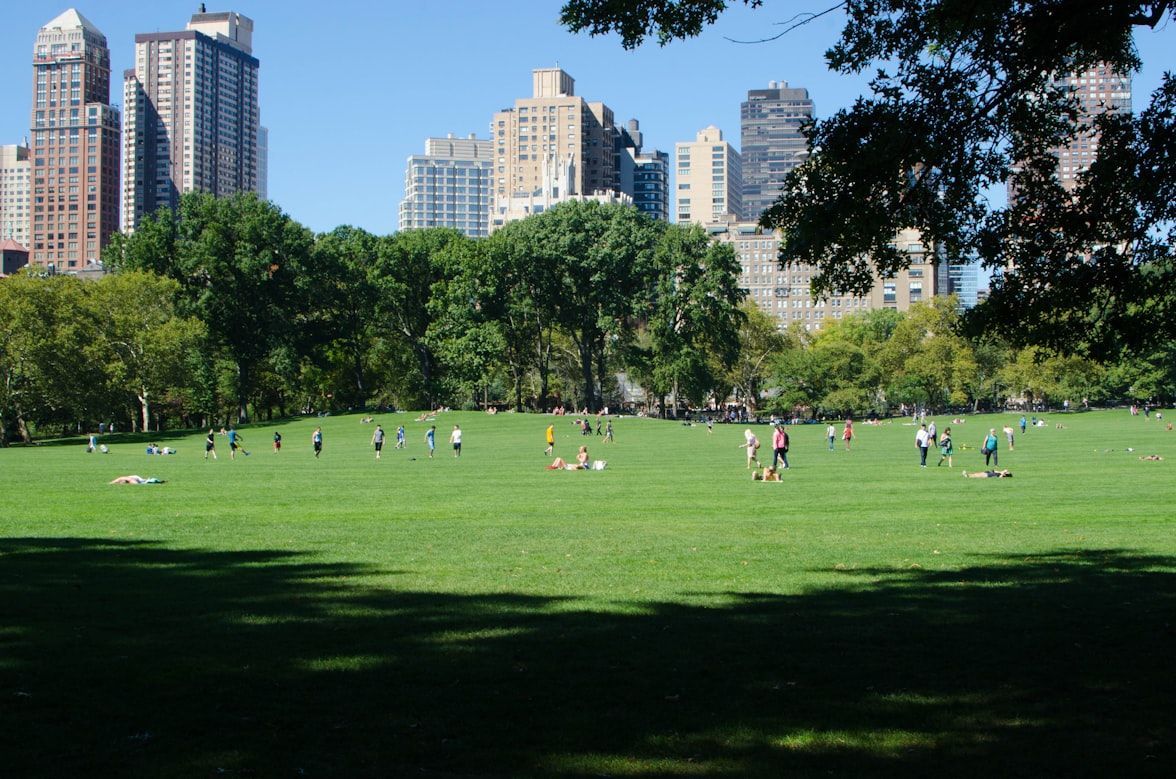
Early urban park designers, strongly influenced by European landscaping ideas, laid out wide expanses of turf in city parks, showing the public a "civilized" green aesthetic. That made clipped lawns part of the civic-space ideal, and not just a private luxury.

These parks helped cement the association between grass lawns, order, leisure, and modern urban life in American culture.

3
Mechanical breakthroughs

Image: Daniel Watson

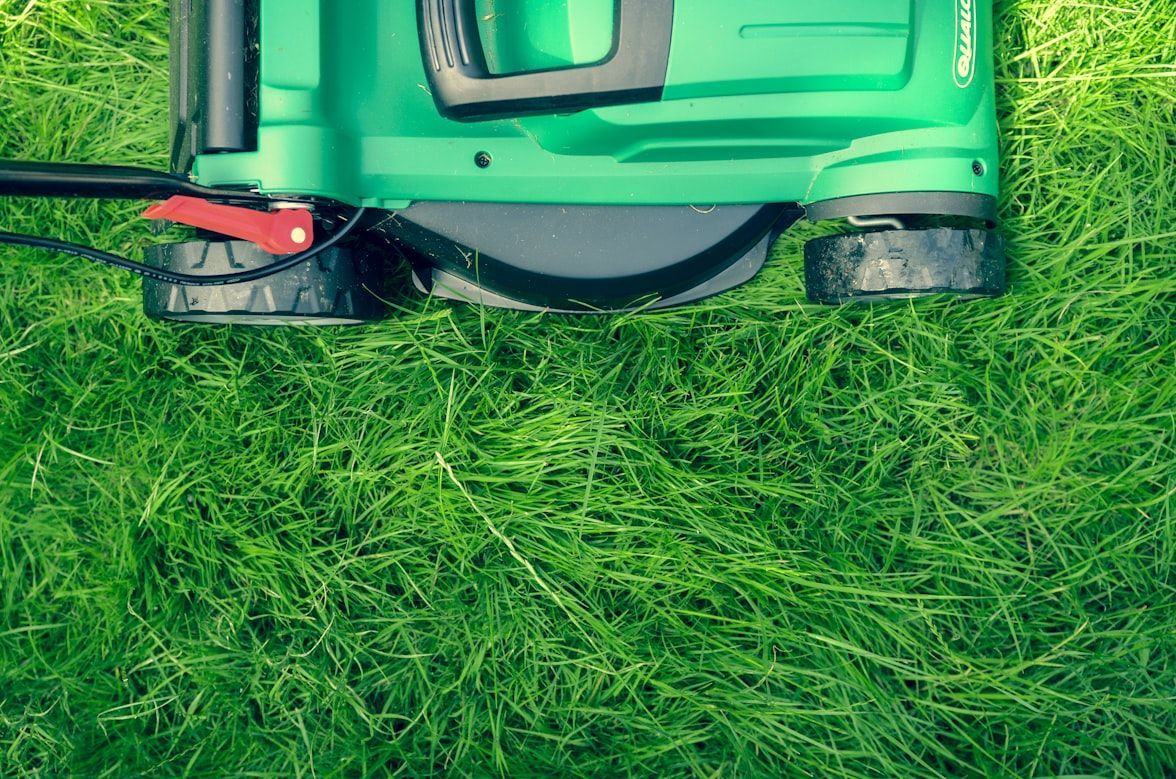
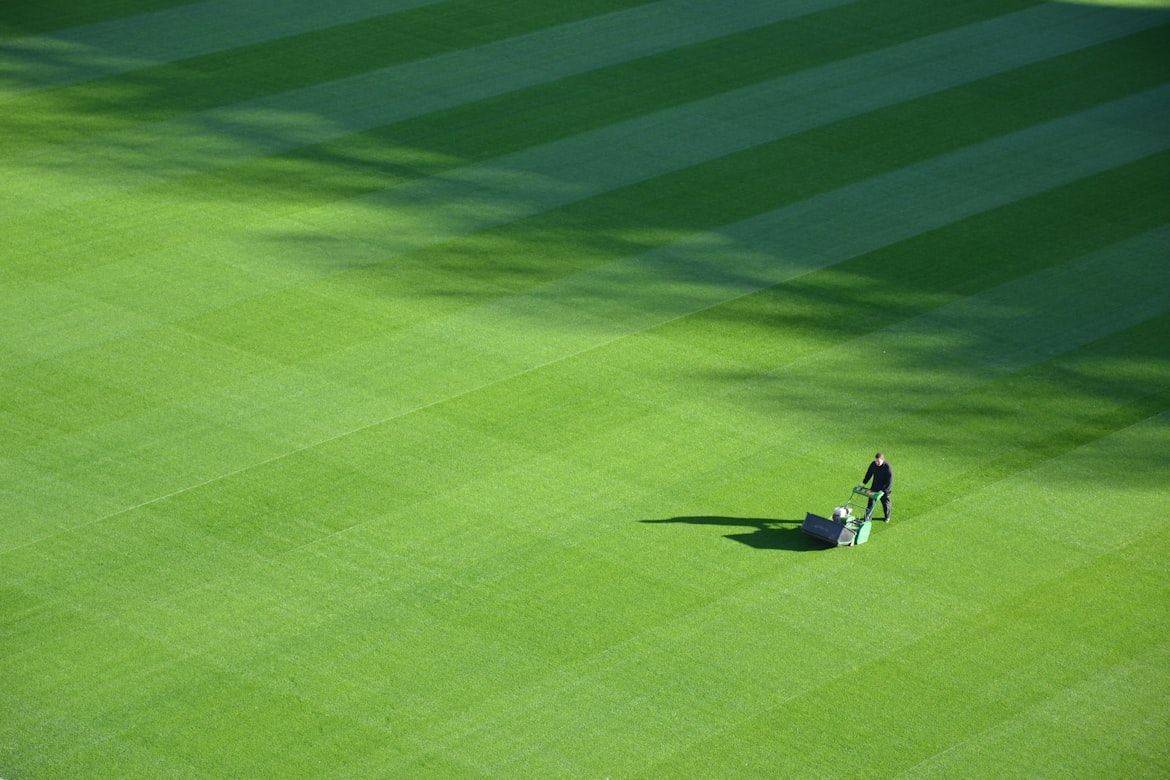
In 1830, English engineer Edwin Beard Budding patented the first mechanical lawn mower, inspired by a wool-mill reel used to trim cloth.

Budding’s design used a cylinder of blades powered by a rear roller, making it easier to cut grass evenly, and largely replaced laborious scything or grazing, cutting down the cost of maintaining such status symbols in the process.

4
Et pluribus lawnus

Image: Gang Hao

Once affordable lawn mowers—including lighter push-mower variants in America—became popular, maintaining a lawn became feasible for aspiring middle-class homeowners.

This sparked a major transformation in both private and public architecture, as many well-to-do homes that before could not afford it began attempting to replicate the European lawn style in some fashion or another.

5
Suburban dreams

Image: Venrick Azcueta

For decades, lawns remained a steady feature of American architecture and green-space design; however, it wasn’t until after WWII that the true lawn boom began. Returning veterans and government-backed mortgages fueled rapidly expanding suburbs.

Developer William Jaird Levitt and his company built thousands of nearly identical homes, each with its own front and back lawn. By the 1950s and ’60s, lawns had become central to the "American Dream," symbolizing stability, middle-class respectability, and neighborhood uniformity.

6
A bit of chemical help

Image: Victor Furtuna

After the war, synthetic fertilizers (derived partly from wartime chemical technologies) became widely available to consumers, enabling lush, uniform lawns even in soil and climate conditions unsuited to grass.

This lowered the barrier to achieving a "perfect" lawn, further popularizing lawns as part of the American identity and raising the expectations of what the perfect lawn should look like.

7
Begone, pesky weeds!

Image: Dmitry Burdakov

In addition to fertilizers, in 1944, researchers discovered 2,4‑Dichlorophenoxyacetic acid (2,4-D), the first widely effective selective herbicide — killing broadleaf weeds while leaving grasses largely unharmed.

Deployed commercially soon after WWII, 2,4-D made maintaining uniform, weed-free lawns much easier and was quickly adopted in home lawn products.

8
Thou shalt keep thy lawn green

Image: Tiago Rodrigues

As suburbs proliferated, lawn maintenance became a shared social norm — homeowners' associations and neighborhood covenants often started to expect regular mowing and upkeep.

Keeping a well-groomed lawn became not just an aesthetic choice but also a mark of civic responsibility and conformity to norms.

9
Environmental worries

Image: Rémi Müller

By the mid- to late 20th century, the ecological cost of the lawn aesthetic became visible: heavy water use for irrigation, chemical runoff from fertilizers and herbicides, and reduced biodiversity as a consequence.

These drawbacks spurred both scientific and public debate about the sustainability of the traditional lawn model — especially in water-scarce regions, where it was both impractical and resource-intensive.

10
The birth of mixed lawns

Image: Ruben Sukatendel

Growing environmental awareness, droughts, and changing tastes have prompted many homeowners and municipalities to adopt drought-tolerant landscaping, native plants, or mixed-species yards instead of the traditional uniform turf.

As a result, today the "ideal lawn" is evolving as we speak: classic turfgrass still remains common, but alternative yard styles now offer more varied ecological, economic, and aesthetic options.

Explore more American facts

Choose your favorite category!

General
General

As American as apple pie—the very best America has to offer!

Culture
Culture

Delve into the astounding richness of American lore.

Geography
Geography

Hop in and explore vast and diverse American landscapes.

History
History

Discover the key moments that shaped the United States.