General General 3 min read

US money mysteries

Did you notice this detail on the $100 bill? 10 surprising currency facts

Image: Alicia Razuri

You use it every day, you keep it in a safe place, and yet there are still so many things you may not know about it. Yes, we’re talking about US currency! From their size and composition to the details of their designs, both our bills and coins have a fascinating history behind them, and some secrets you probably never imagined. Join us as we uncover them.

1
Clock change
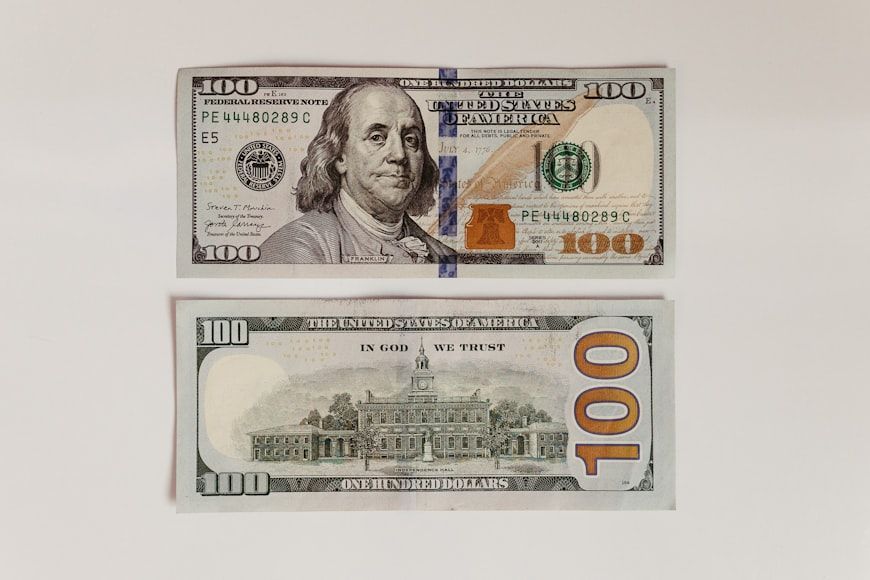
Image: Jonathan Borba

US currency is full of symbolism, and the $100 bill is no exception. Since 1928, we have seen Independence Hall depicted on the back of this bill. But in 2013, it was redesigned, and one change stands out: the clock tower, which previously showed 4:10, now reads 10:30. Did you notice?

2
Jackie Kennedy’s choice
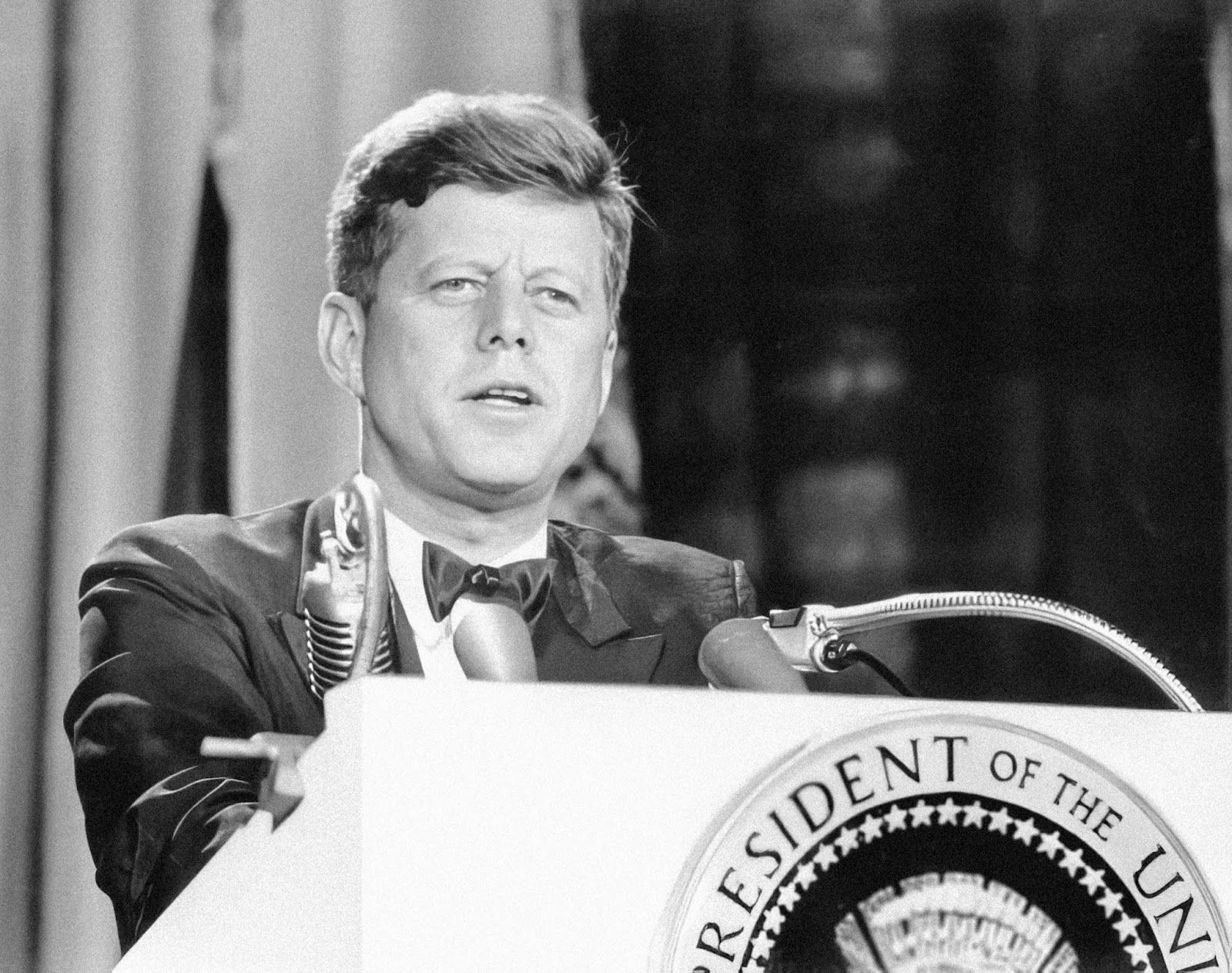
Image: Florida Memory

Jackie Kennedy played a key role in designing the coin that would feature the portrait of her ex-husband. When the U.S. Mint planned the Kennedy half dollar in 1964, she was consulted and provided input on various aspects of the coin, including its imagery and symbolism.

3
Not paper
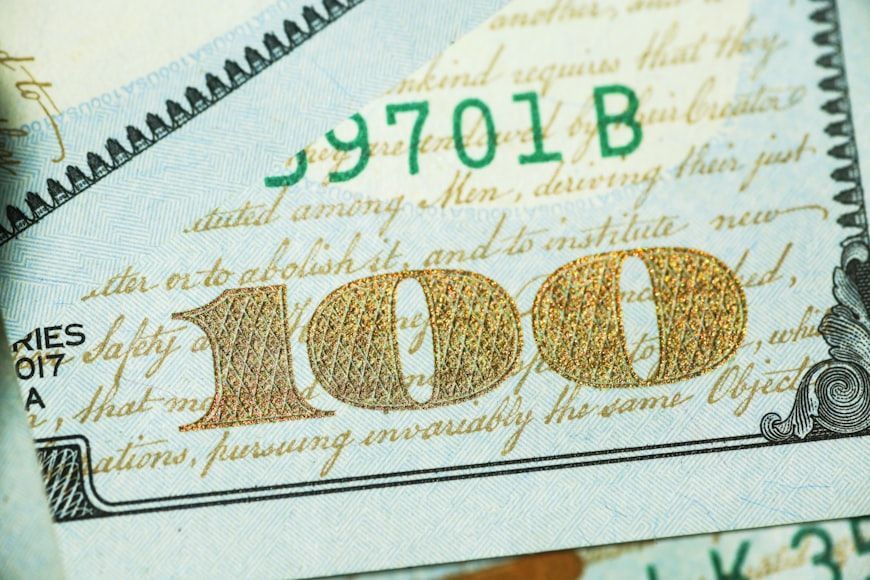
Image: Giorgio Trovato

Although it is called paper money, our bills do not contain any paper at all. In fact, they are made of a blend of 75% cotton, 25% linen, and fine silk fibers embedded. This mixture is not random; it was specially chosen so that your bills can withstand everything: folds, wrinkles, stains, and even an accidental shower in the washing machine.

4
The unfinished pyramid
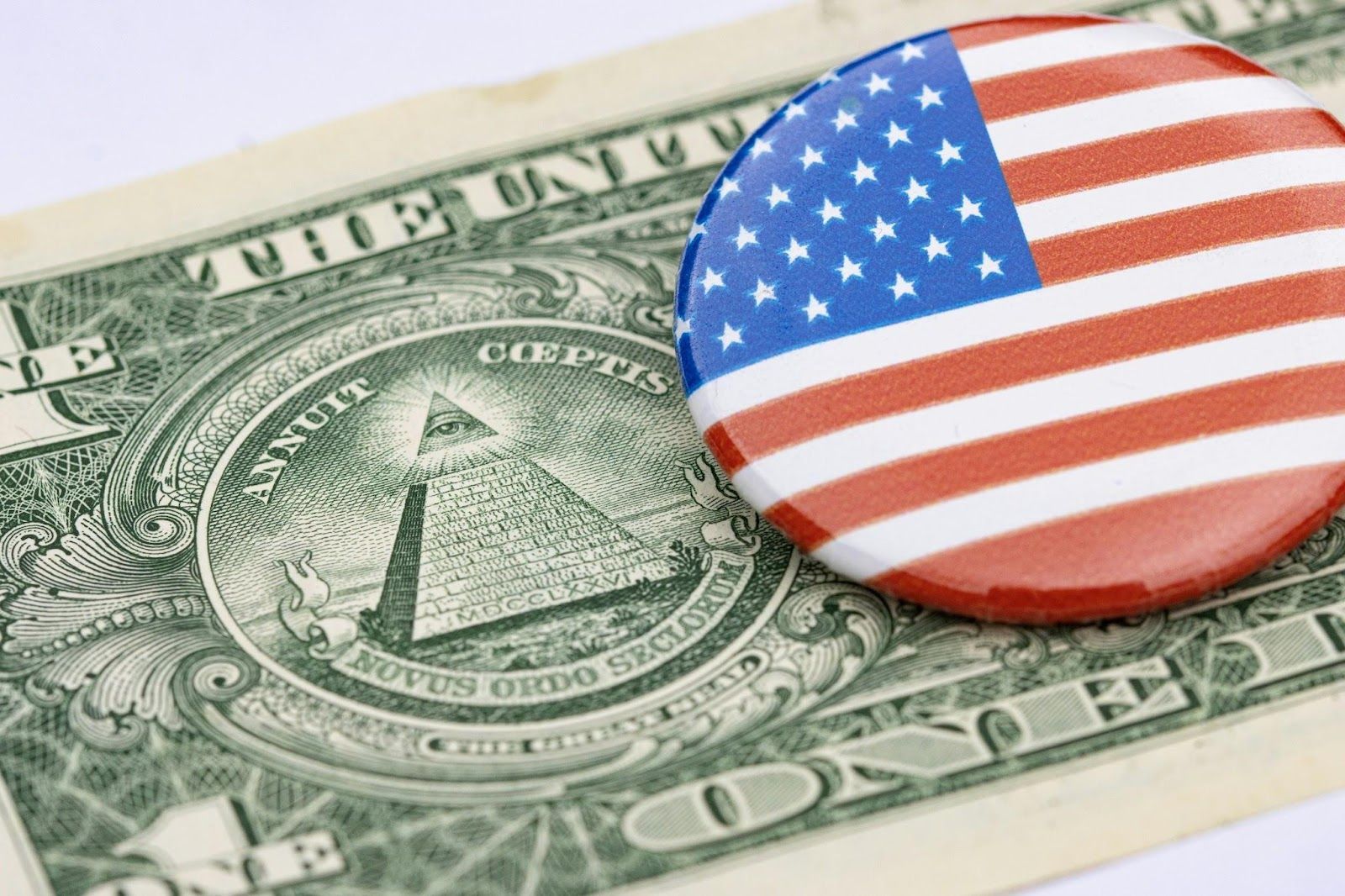
Image: Marek Studzinski

The one-dollar bill also has its secrets and details. On its back, you’ll find an unfinished pyramid, part of the Great Seal of the United States designed in the 1780s. Why unfinished? The pyramid has 13 steps, representing the original 13 colonies, and its incomplete form symbolizes the nation’s ongoing growth and expansion.

5
50% larger
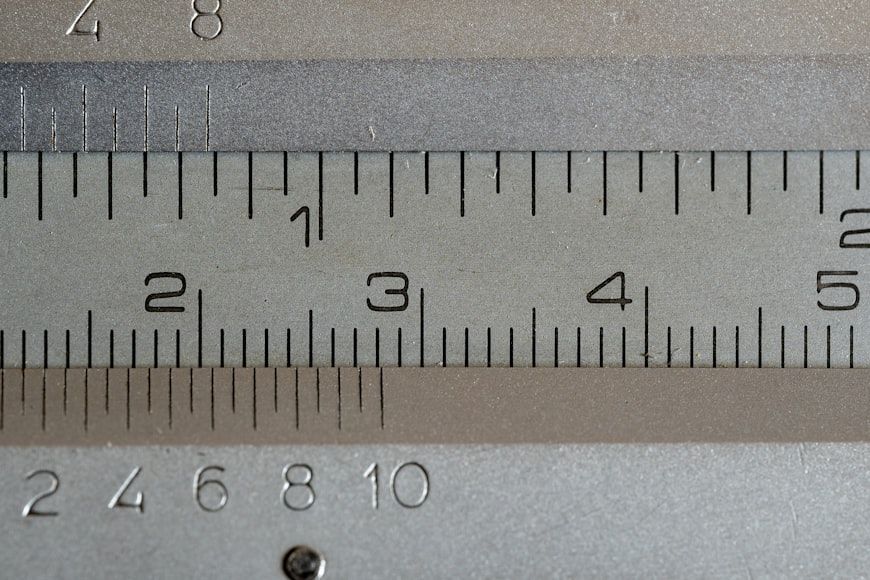
Image: Bozhin Karaivanov

Before 1929, US banknotes were significantly larger, measuring approximately 7.375 x 3.125 inches. Today, collectors refer to these as "large-size" notes, sometimes even nicknamed "Horseblankets." In contrast, modern bills measure just 6.14 x 2.61 inches. The government decided to reduce the bill's size to cut production and design costs.

6
Andrew Jackson’s preference
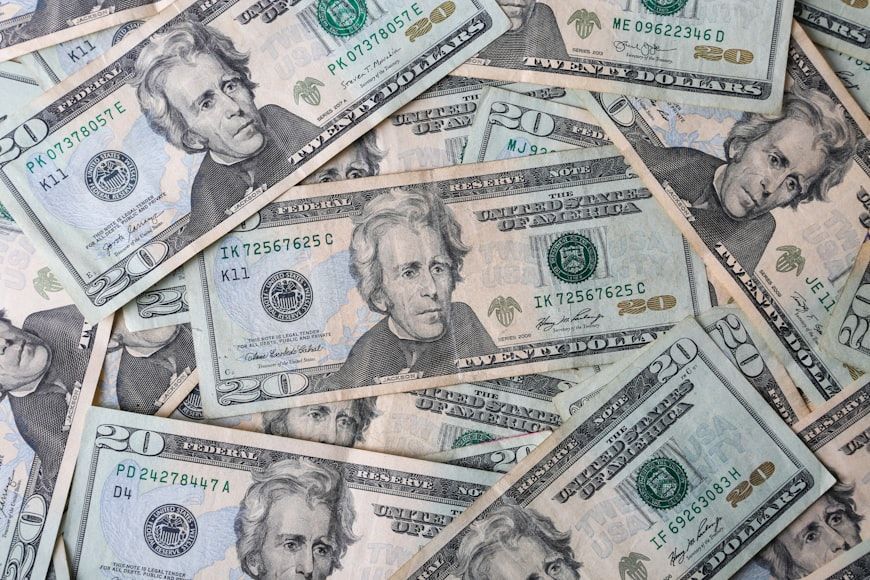
Image: Giorgio Trovato

Andrew Jackson has been the face of the $20 bill since 1928, when he replaced Grover Cleveland. Ironically, Jackson was opposed to paper money. He didn't trust that form of payment, believing it could be easily manipulated. According to historians, the 7th U.S. President favored "hard money": gold and silver coins.

7
Alexander Hamilton’s portrait
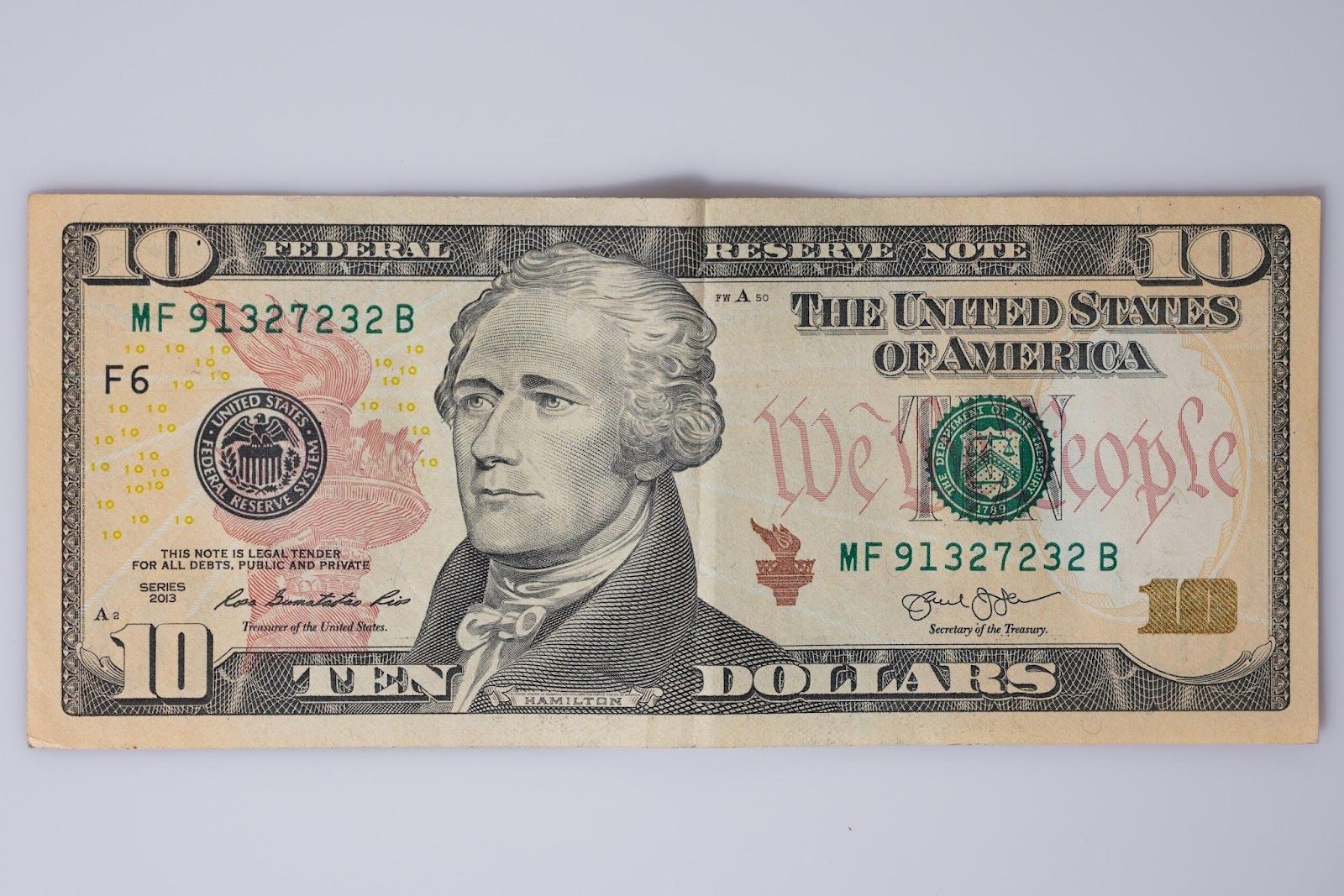
Image: engin akyurt

Most portraits on US bills face left, with one exception: Alexander Hamilton on the $10 bill, the only one facing right (toward the viewer’s left). You might wonder why, but there’s no official explanation; it seems to have been simply a design choice.

8
"In God We Trust"
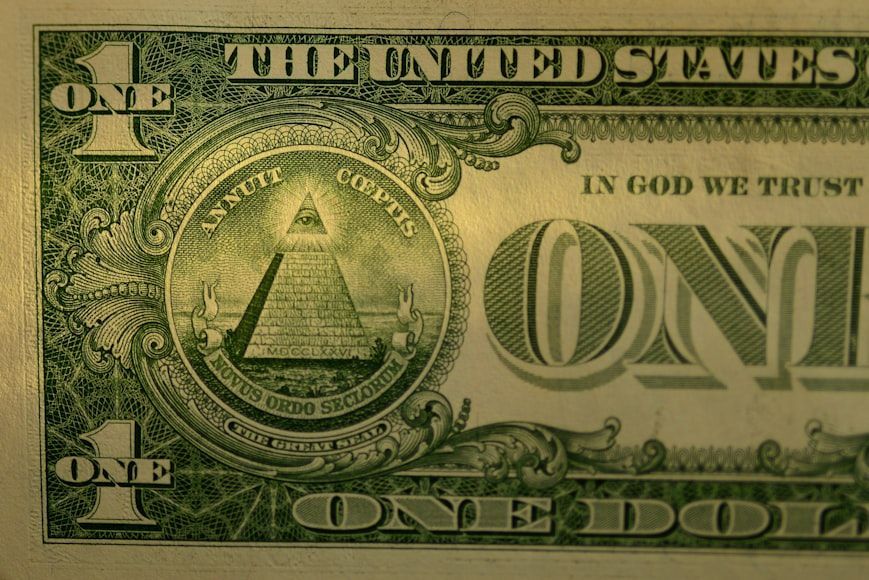
Image: rc.xyz NFT gallery

In 1956, Congress passed a law declaring "In God We Trust" the national motto, making it mandatory on all U.S. coins and banknotes. But this wasn’t its first appearance: the phrase first appeared in 1864 on the two-cent coin. Beyond faith, it also carried political weight, suggesting that God favored the Union during the Civil War.

9
The change that never happened
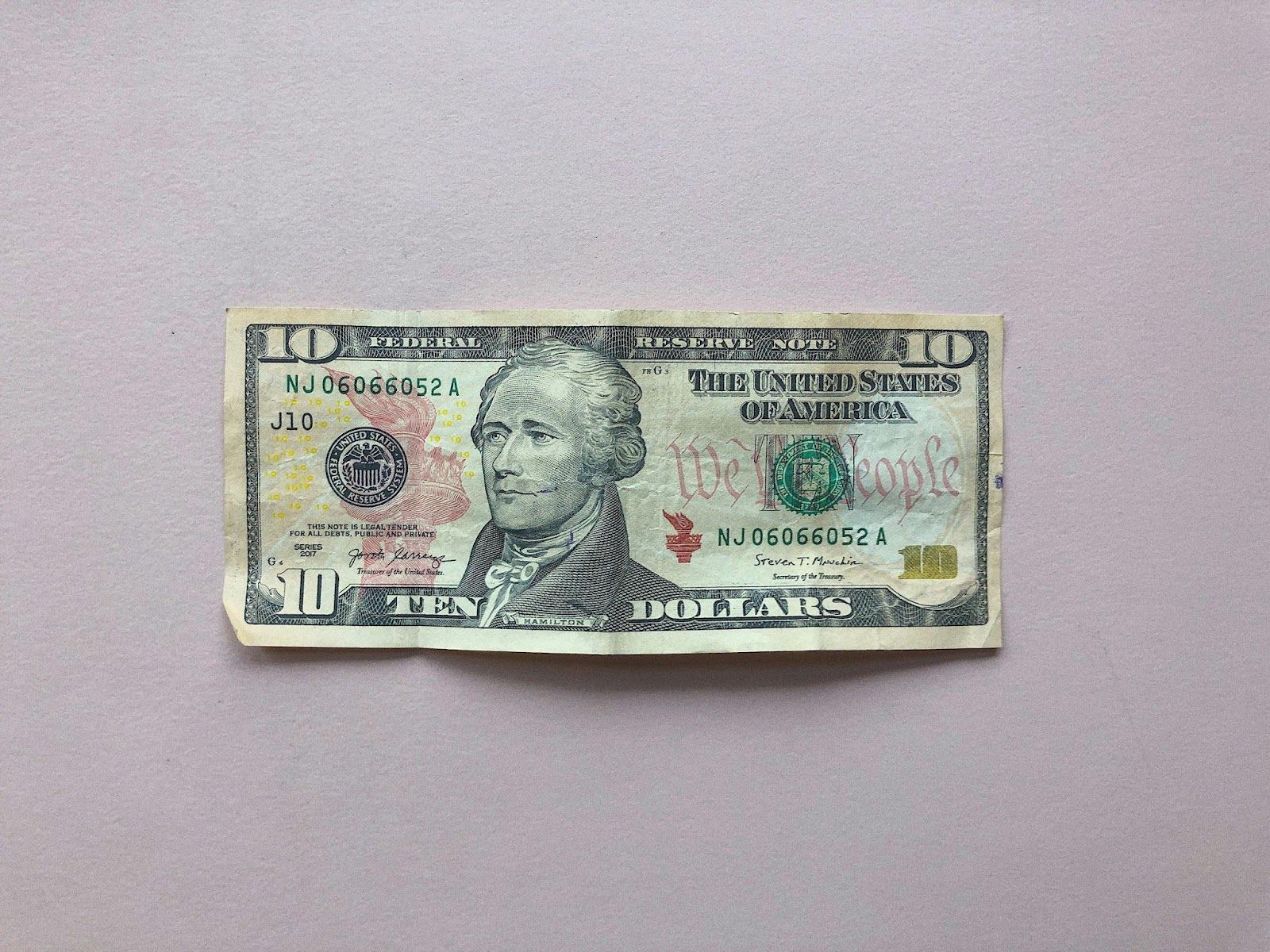
Image: Ryan Quintal

In 2015, the Treasury announced plans to redesign the $10 bill, stating that Hamilton's portrait would be replaced by that of an influential woman from US history. However, the change never happened. Why? Those years saw a surge in Hamilton's popularity thanks to the hit musical of the same name, leading the Treasury to backtrack on the replacement plan.

10
Criteria
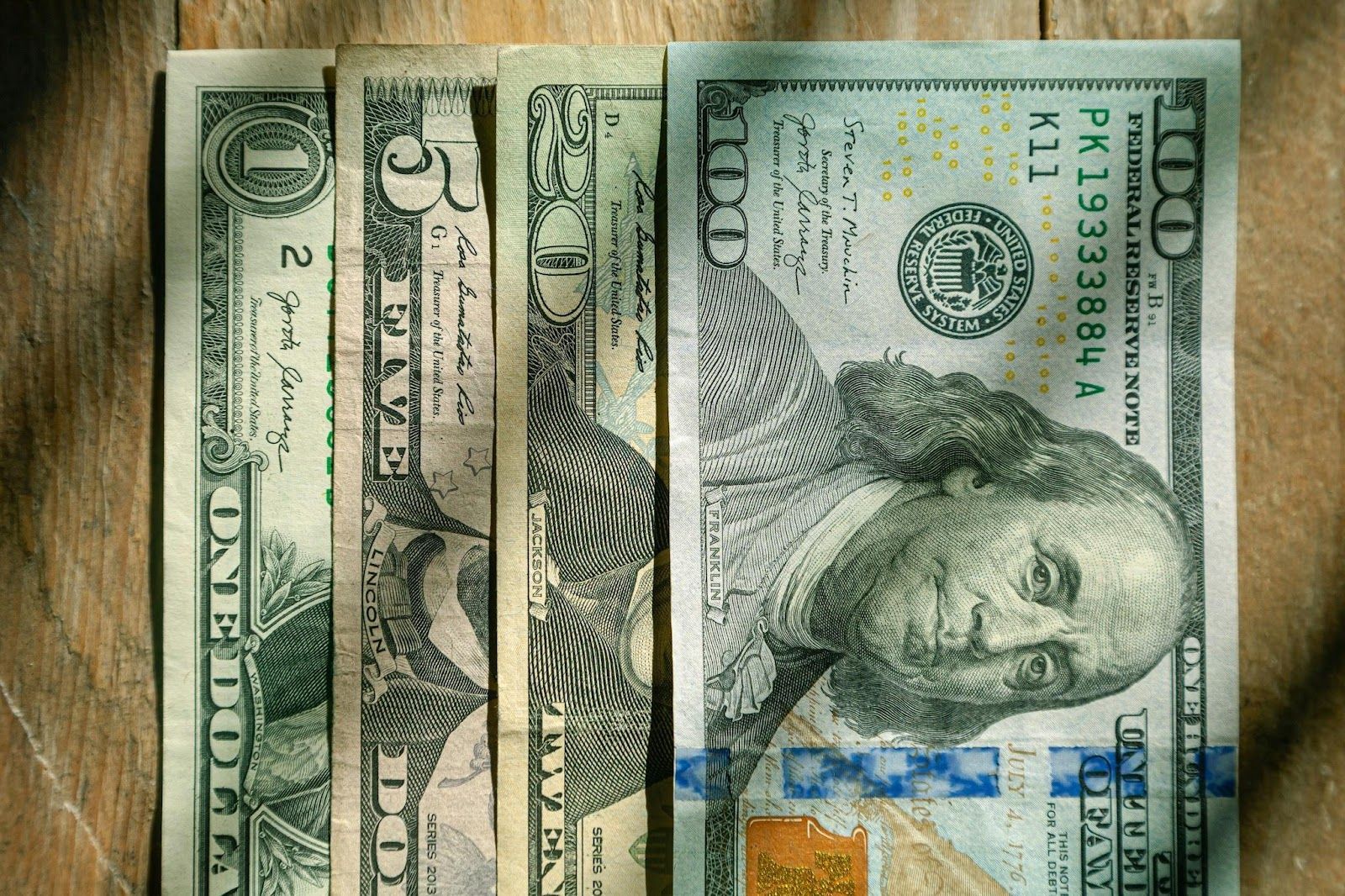
Image: Live Richer

As is well known, not just any portrait can appear on US currency. But beyond historical significance, the figures on our bills and coins must meet other criteria you might not know: They must also be deceased and well recognized by citizens, ensuring that the people represented are familiar and meaningful to the public.

History History 3 min read

Words that made history

Yes, they really said that: 10 presidential quotes we can't forget

Image: Charly Álvarez

There's no doubt that words are powerful, and some have changed the world. For better or worse, some quotes by US presidents are forever inscribed in history books and the citizens' memory. From George Washington to JFK, join us in exploring 10 unforgettable quotes from our nation's leaders.

1
"The only thing we have to fear is fear itself"

Image: National Archives and Records Administration, Public domain, via Wikimedia Commons

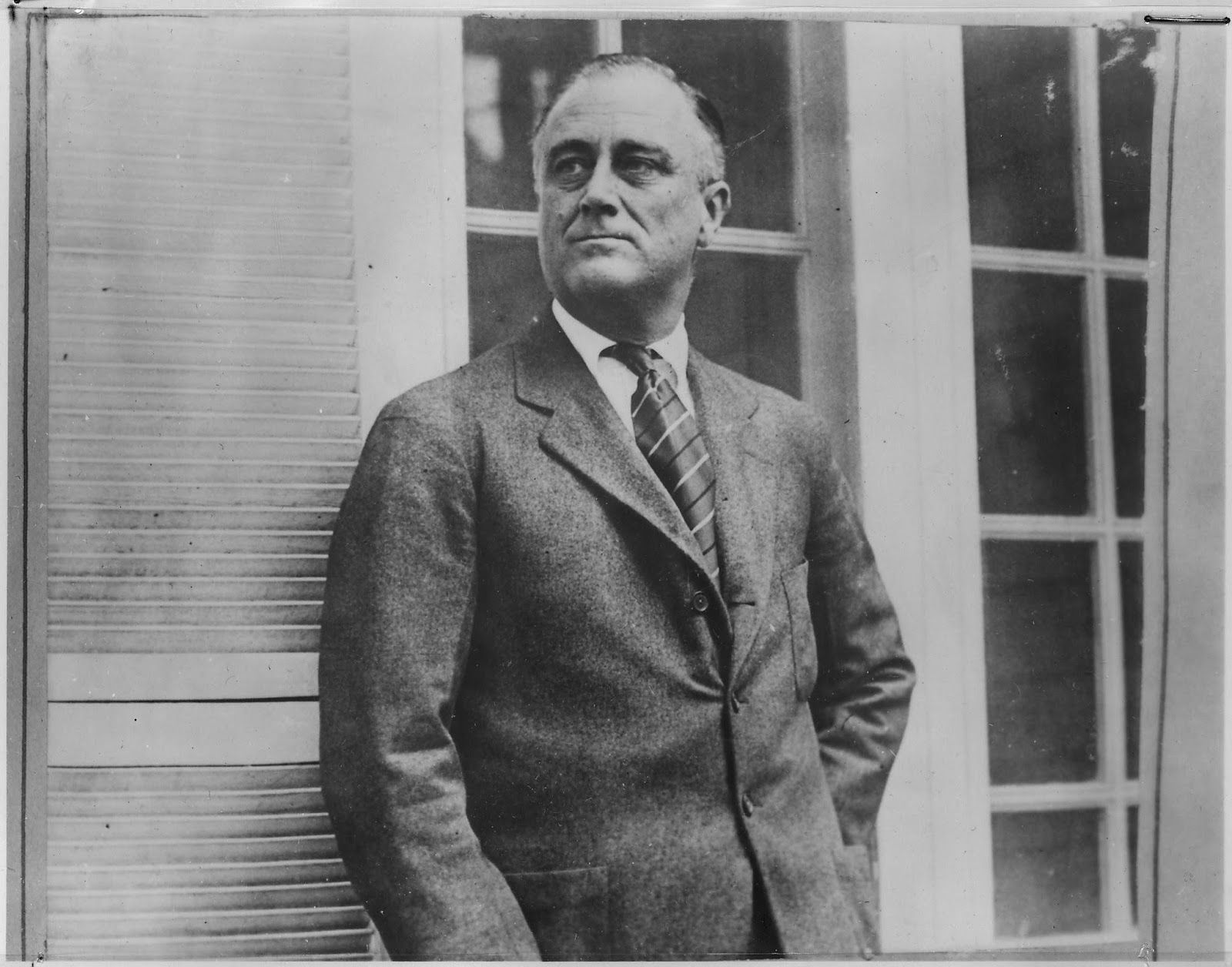
Franklin D. Roosevelt, the 32nd president of the United States, delivered a phrase in his first inaugural address that would be remembered forever. On March 4, 1933, at the height of the Great Depression, he proclaimed, "The only thing we have to fear is fear itself," with the aim of inspiring a nation in crisis to embrace courage and hope.

2
"Ask not what your country can do for you…"

Image: Florida Memory

The Cold War, international tensions, and civil rights struggles were shaking the nation when John F. Kennedy delivered his unforgettable inaugural address on January 20, 1961. Calling on Americans to take personal responsibility and contribute actively to the nation, he gave one of the most famous lines in American history: "Ask not what your country can do for you—ask what you can do for your country."

3
"Speak softly and carry a big stick…"

Image: Pach Brothers, Public domain, via Wikimedia Commons

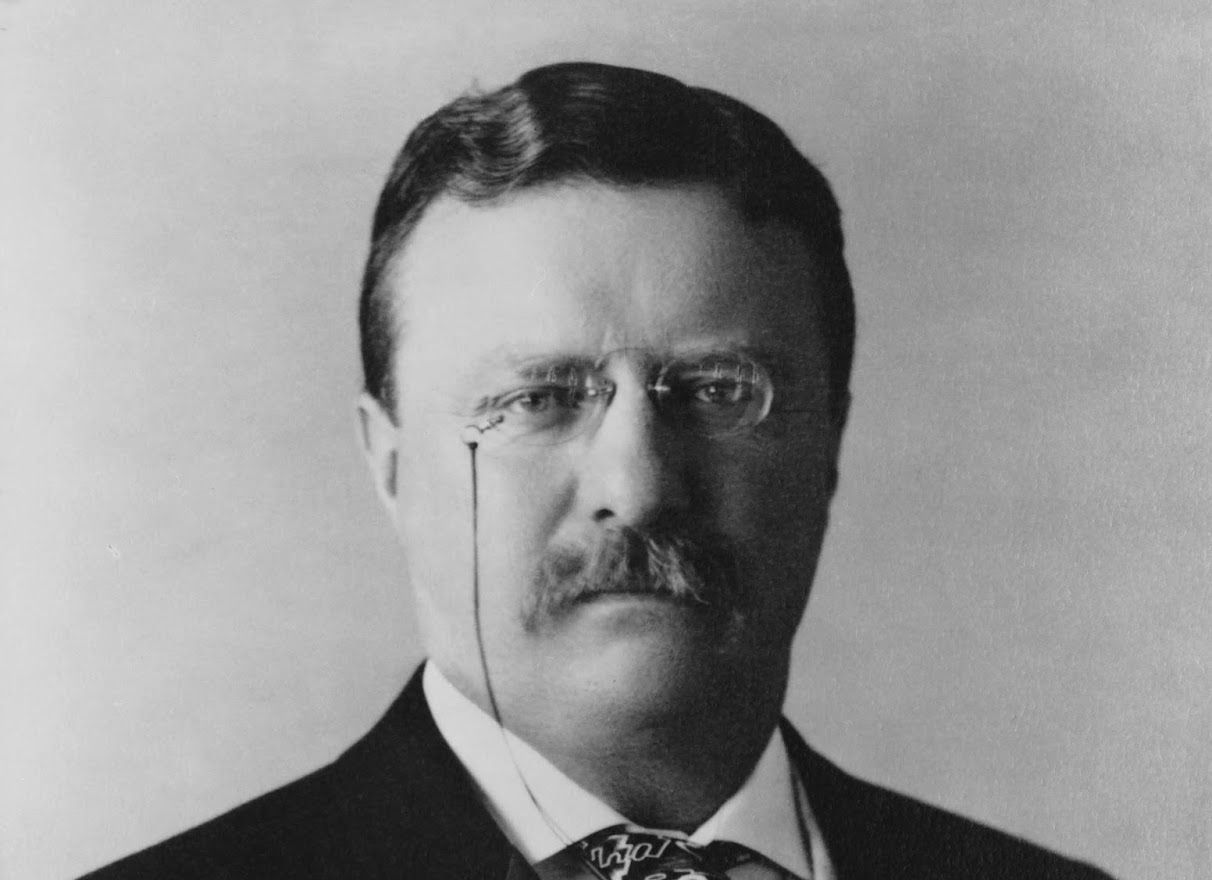
F.D. wasn't the only Roosevelt with memorable quotes. Before him, Teddy Roosevelt made his mark, but he was a bit blunter. The 26th president first said, "Speak softly and carry a big stick; you will go far" in a public speech in 1901. With that line, he described his approach to foreign policy, which later became known as "Big Stick diplomacy."

4
"A house divided against itself cannot stand"

Image: Alexander Gardner, Public domain, via Wikimedia Commons

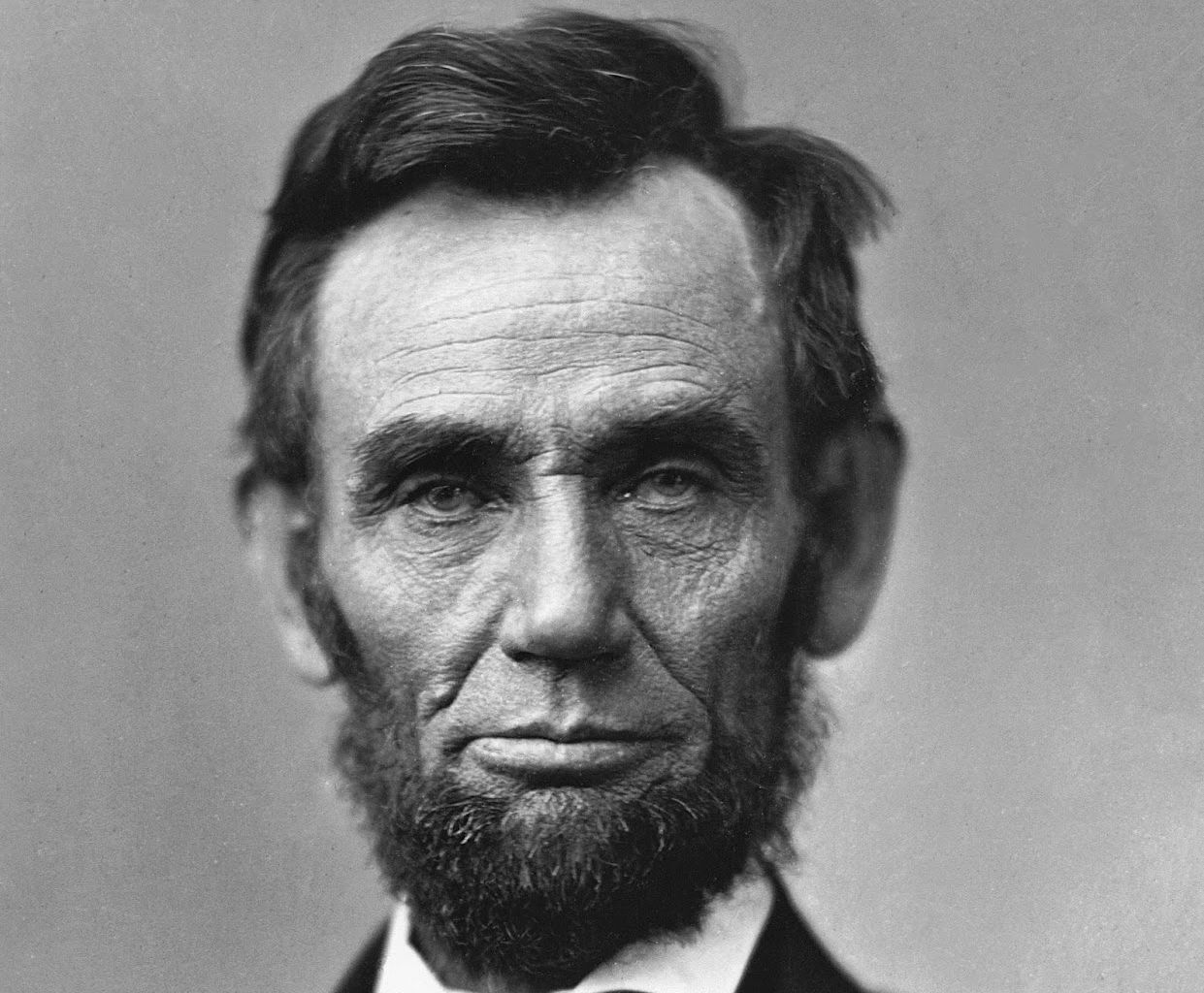
Abraham Lincoln gave us iconic words even before becoming president. In 1858, while accepting the Illinois Republican Party's nomination for the US Senate, he declared, "A house divided against itself cannot stand." The Civil War had not yet begun, but the nation was already deeply divided. This powerful line helped elevate Lincoln's reputation, paving the way for his election as president in 1860.

5
"We choose to go to the Moon"

Image: NASA

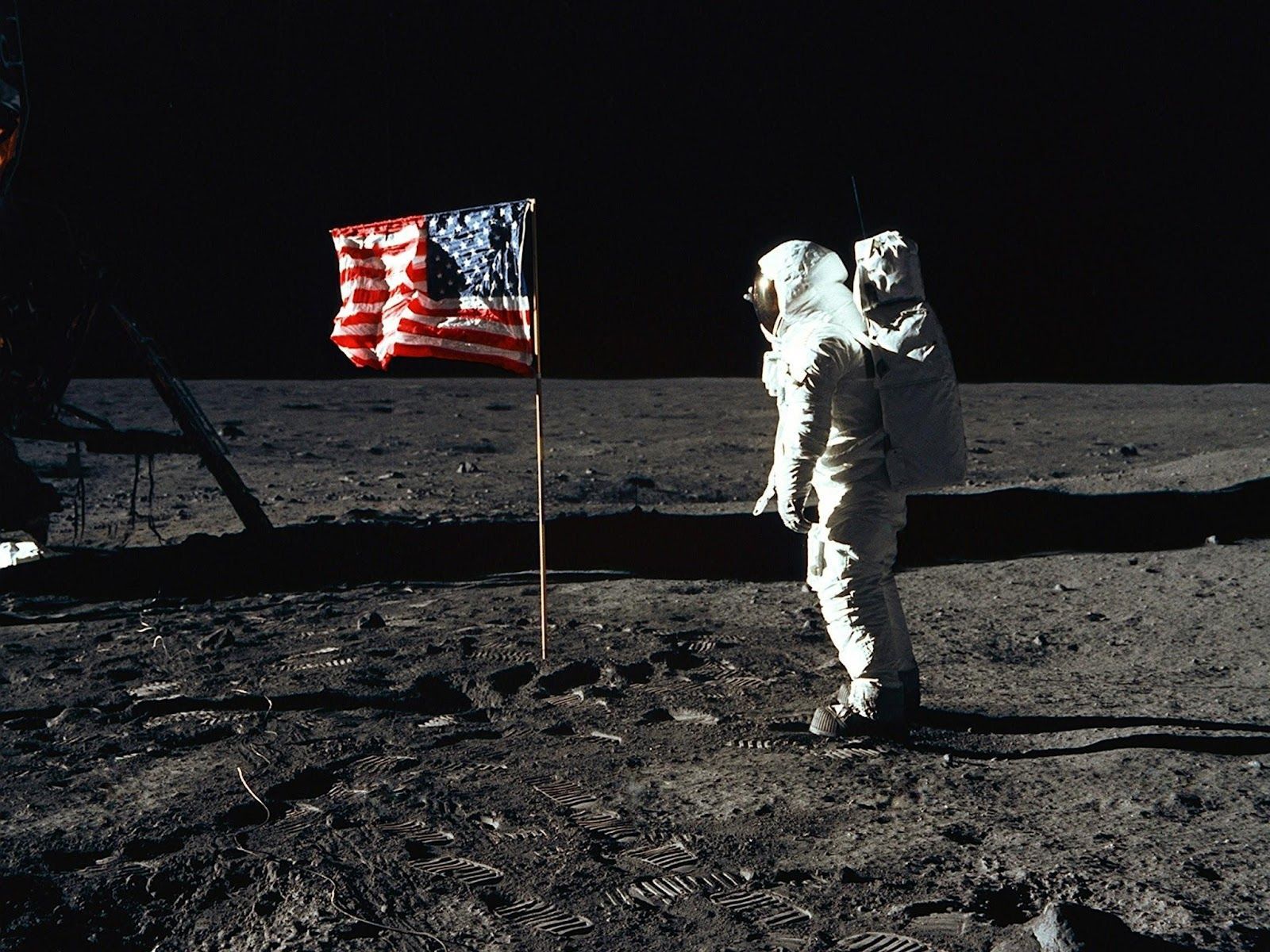
As expected, John F. Kennedy appears more than once on this list. This time, with a phrase that would kick off one of the greatest achievements in US and human history: the moon landing. During a speech at Rice University on September 12, 1962, in Houston, Texas, he said: "We choose to go to the Moon in this decade and do the other things, not because they are easy, but because they are hard." And history proved him right.

6
"Mr. Gorbachev, tear down this wall!"

Image: Michael Evans, Public domain, via Wikimedia Commons

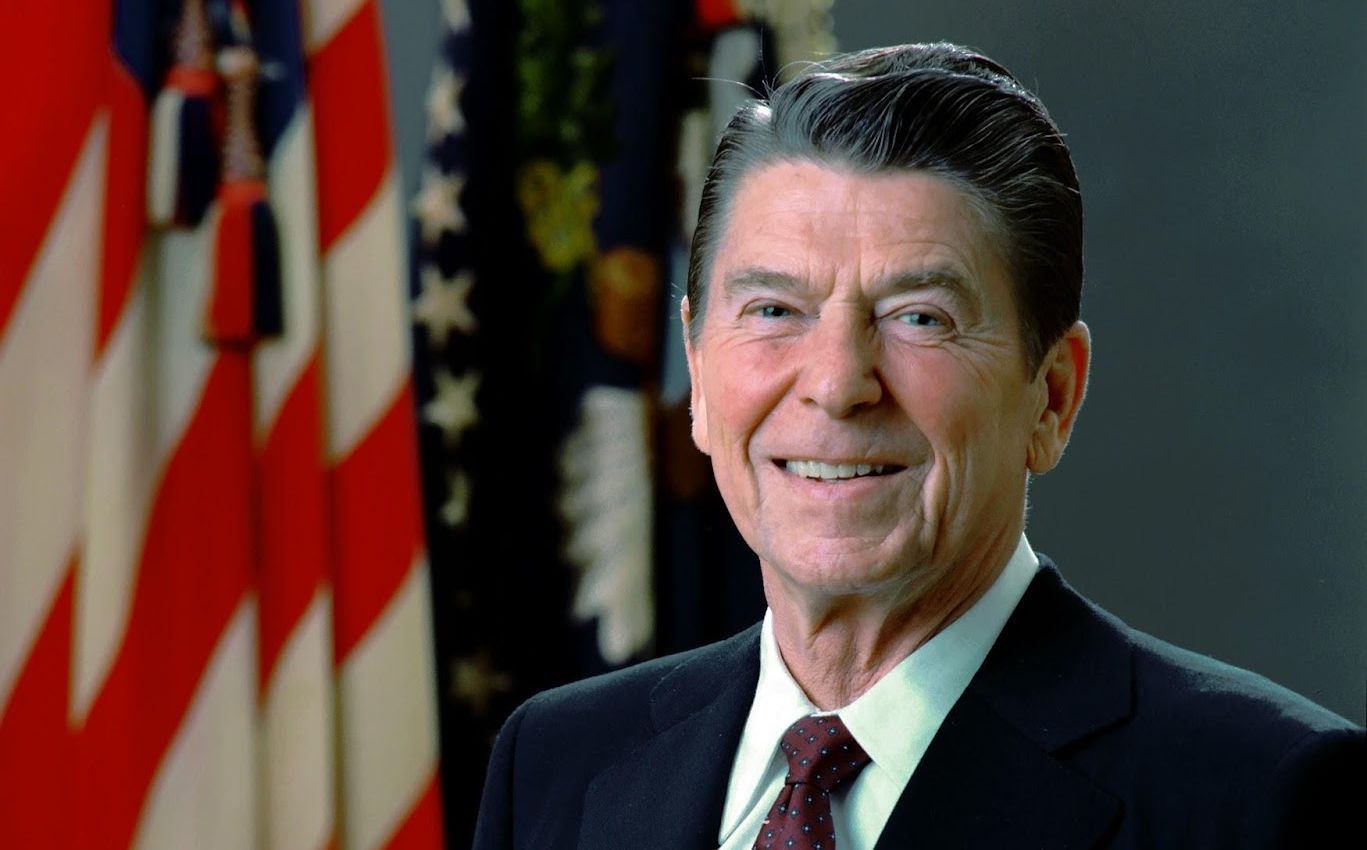
Ronald Reagan also gave the world memorable quotes, including this famous one addressed to Soviet leader Mikhail Gorbachev during a speech at the Brandenburg Gate in West Berlin on June 12, 1987. Two years later, the Berlin Wall was brought down by the citizens themselves.

7
"The buck stops here"

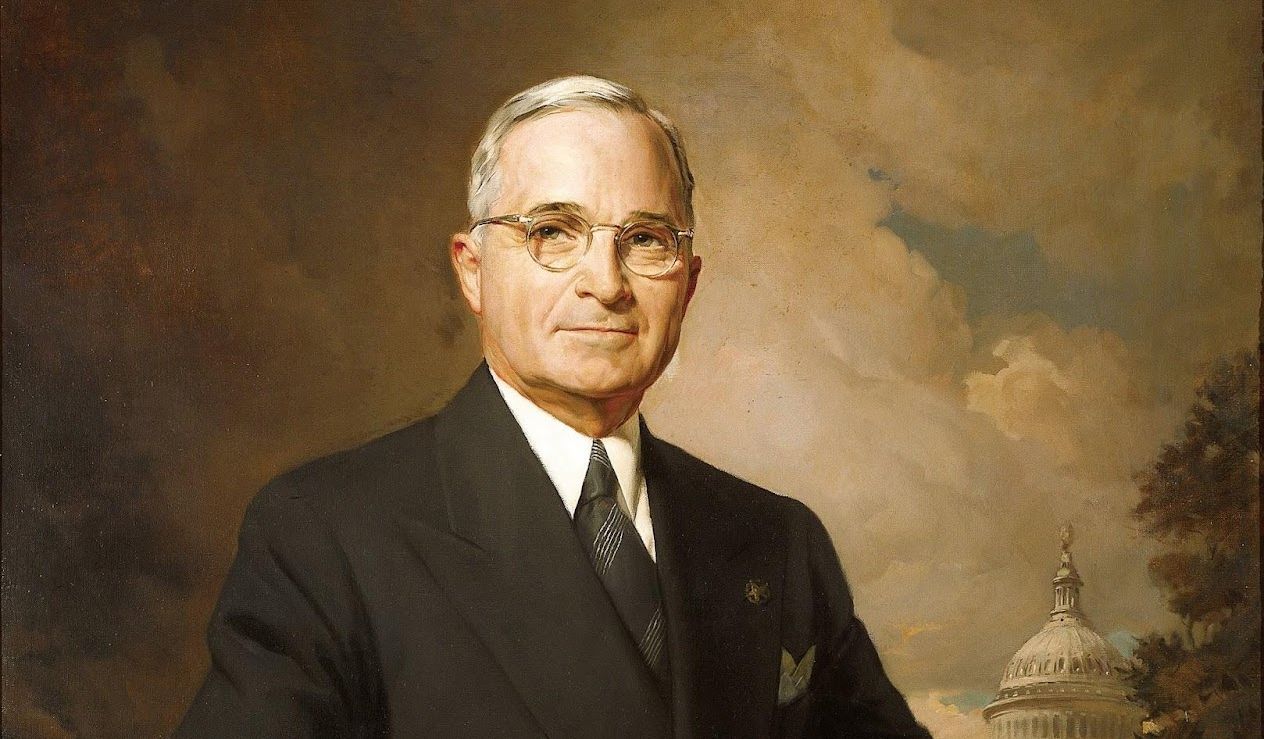
Image: Greta Kempton, Public domain, via Wikimedia Commons

Displayed in his office, Harry S. Truman had the phrase: "The buck stops here." After assuming the presidency following Franklin D. Roosevelt's death, Truman had to face critical decisions at the end of World War II. The famous line reflected his belief in taking personal responsibility for decisions rather than shifting blame.

8
"Liberty, when it begins to take root…"

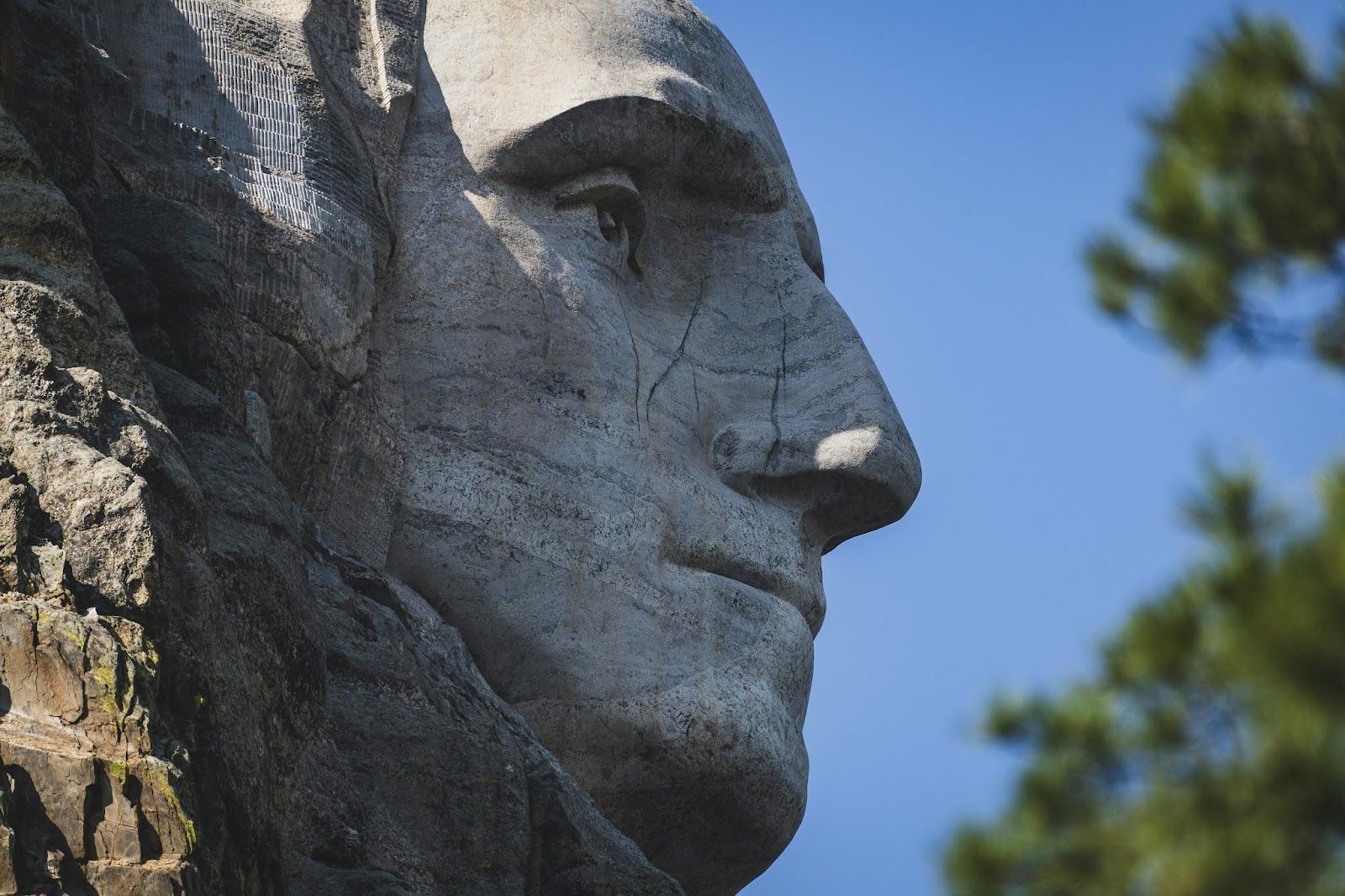
Image: Jon Sailer

Washington shared this idea in 1785 in a letter to Alexander Hamilton, shortly after the end of the American Revolutionary War. In it, he clearly expressed his vision for the young nation, whose principles would be rooted in the power of liberty and freedom.

9
"If your actions inspire others to dream more…"

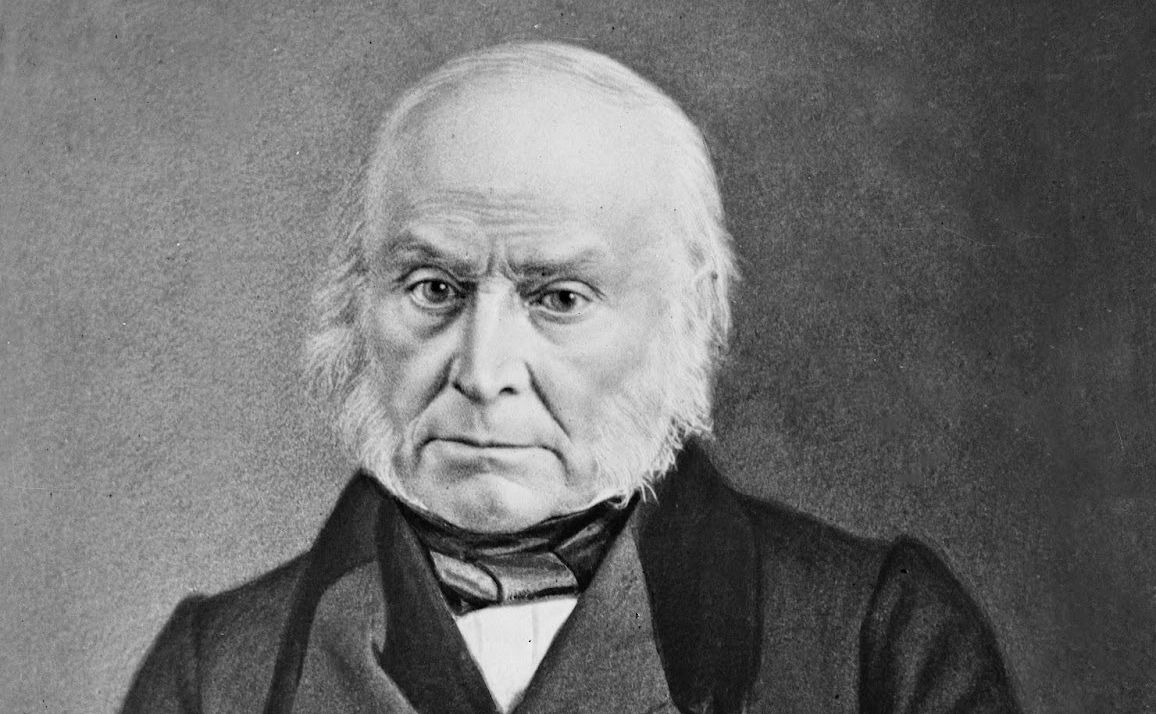
Image: Julielangford, Public domain, via Wikimedia Commons

John Quincy Adams, the 6th President of the United States, gave us one of the most inspiring quotes: "If your actions inspire others to dream more, learn more, do more, and become more, then you are a leader." Thus, he defined leadership as a moral responsibility, one that motivates and uplifts others.

10
"Happiness and moral duty are inseparably connected"

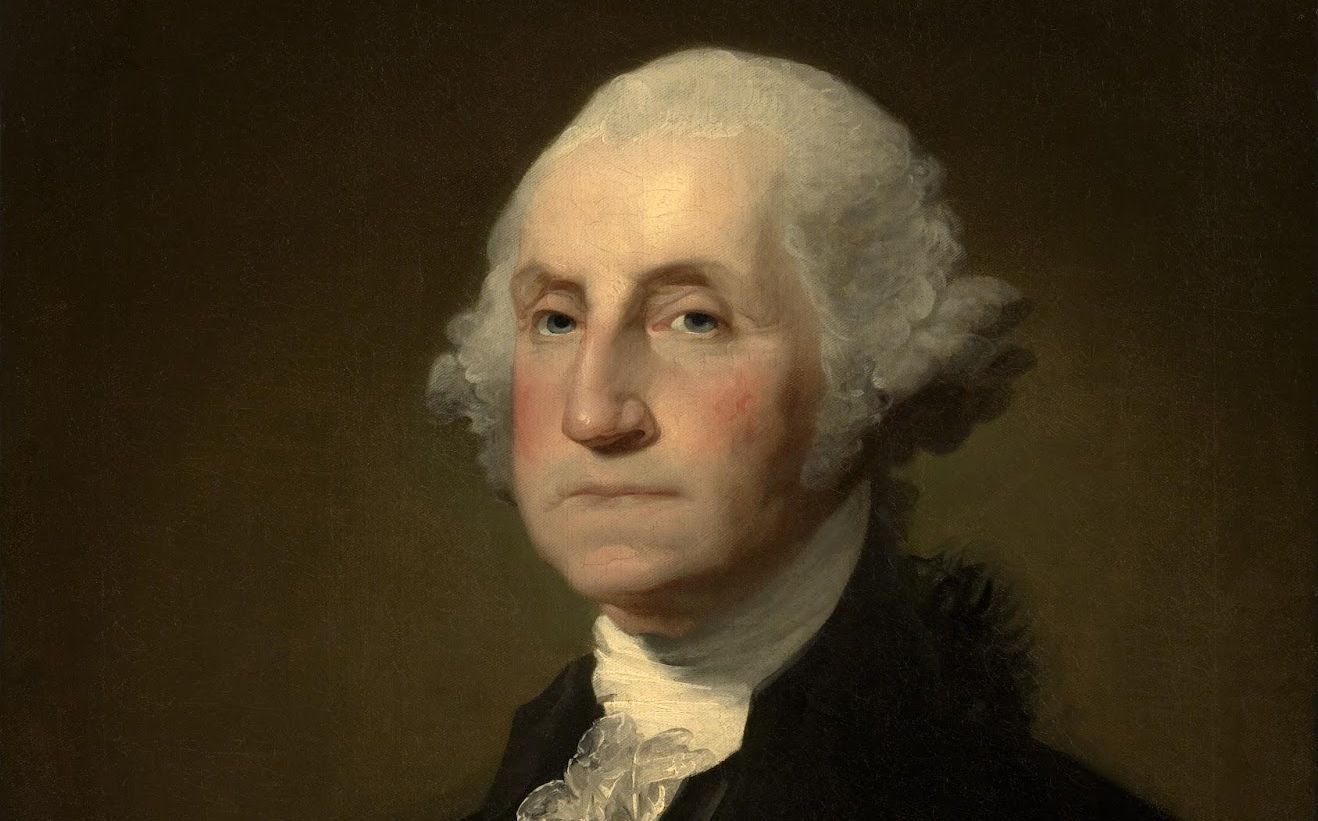
Image: Gilbert Stuart, Public domain, via Wikimedia Commons

In his 1796 Farewell Address, George Washington captured the guiding principles of his presidency with this phrase. For the first US president, fulfilling moral duties and, above all, acting with integrity were inseparable from true happiness.

Culture Culture 5 min read

Straight to Netflix

10 of the biggest commercial flops in cinema history

Image: cottonbro studio

Just like any other business, making a movie is a gamble. No matter how many focus groups, ponytailed executives, or alternate-ending shoots a film production involves, no one truly knows whether the final product will be a blockbuster or a flop. And no one flops quite as spectacularly as big studios with multi-million-dollar productions. The following 10 movies were expected to dominate the box office but instead ended up on the wrong side of movie history. Have you seen any of these ten? Were they really that bad?

1
The Adventures Of Pluto Nash

Image: Antoine J.

Why anyone thought that a movie about a nightclub owner on the Moon with a ridiculous name was worth investing millions of dollars into remains a mystery. This science-fiction comedy , starring Eddie Murphy in the title role , proved that A-list talent alone is not enough to save a movie.

The film lost a staggering $156 million upon release, partly due to the disastrous critical reaction and the bad word of mouth from the few who actually saw it.

2
Titan A.E.

Image: Conrad Crawford

Science fiction is a tricky genre. Good sci-fi movies cost a pretty penny to produce, and if the story is compelling, they can become huge blockbusters. However, if the public does not like them, the commercial flop can be massive.

Titan A.E. tells the story of a young hero sent to save the human race after an alien species destroys Earth , blending traditional 2D animation with 3D CGI. The cast included Matt Damon, Nathan Lane, and Drew Barrymore. However, this star power was not enough to lead the movie to box office success, as it earned only $36.8 million worldwide and resulted in a $170 million loss for Fox Animation Studios.

3
The Lone Ranger

Image: Taylor Brandon

As is often the case, the problem isn’t so much the story as the budget. A decent movie can achieve a respectable box office performance as long as it was made for a reasonable price. However, when the budget is in the $225–250 million range, the film is forced to become a massive box office success just to recoup the money invested in it.

Based on the character of the same name, The Lone Ranger starred Armie Hammer and Johnny Depp in a Wild West adventure that had all the ingredients of a successful summer blockbuster. Unfortunately, its massive budget made it almost impossible to meet expectations.

4
John Carter

Image: Rod Long

The third (but not the last) science fiction movie on this list, John Carter tells the story of an American Confederate Civil War captain who accidentally transports himself to Mars and becomes entangled in the planet's internal power struggles.

With a production budget of $263 million, John Carter was one of the most expensive movies ever made, with its marketing costs adding nearly another $100 million. Despite eventually earning $284 million at the box office, the film suffered a historic $255 million loss, cementing its reputation as the biggest box office bomb of all time.

5
Mars Needs Moms

Image: Nicolas Lobos

Computer-animated movies are notoriously expensive to make , which is why any studio attempting to create a blockbuster using this technique must be absolutely confident in both the quality of the script and the effectiveness of the marketing campaign.

Mars Needs Moms suffered an estimated loss of $180–190 million, due to a combination of its high production costs, a subpar story, and an underwhelming marketing campaign.

6
Battleship

Image: John Kostyk

Despite being based on the popular board game and having an action-packed premise, Battleship didn’t achieve the commercial success its creators had hoped for. A combination of poor writing, weak direction, and an even worse plot created the disastrous mix that led the producers of the film to lose nearly $200 million.

The movie was expected to capitalize on the public's interest in big-robot CGI blockbusters, spurred by the success of the Transformers franchise. However, the poorly executed final product failed to achieve box office success.

7
Cutthroat Island

Image: Cezary Kukowka

Before Pirates of the Caribbean brought the pirate genre into the spotlight, 1995’s Cutthroat Island failed big time in these same waters due to a poorly written script . The film was marketed as a swashbuckling adventure but didn’t capture the vibrant, action-packed essence of pirate tales or create the same excitement as other blockbusters of the era.

Directed by Renny Harlin and starring Geena Davis, Cutthroat Island lost over $200 million and was universally panned by critics and audiences alike.

8
Indiana Jones And The Dial Of Destiny

Image: Colton Jones

An Indiana Jones movie would have been a sure thing 30 years ago, but in 2023, it was more of a gamble—even with Harrison Ford on board. Following the lukewarm reception of Indiana Jones and the Kingdom of the Crystal Skull , the new adventure aimed to conclude the franchise on a high note.

The reception to Dial of Destiny was somewhat mixed, though more positive than its predecessor. However, Indiana Jones 5 became the lowest-grossing installment in the series , earning under $384 million at the box office. Due to its large budget, the film ultimately resulted in a loss of $143 million.

9
The Flash

Image: King Lip

And finally, one day, the public seemed to reach a breaking point with superhero movies. One of the most notorious failures in the genre was DC's long-awaited standalone film, The Flash . Not only was the movie intended to be this character’s first solo outing, but it also promised exciting cameos from other DCEU cast members, including Batman and Wonder Woman.

Despite its potential on paper, the movie faced an extended and tumultuous development process, with multiple directors coming and going . This all led to The Flash failing to surpass $272 million at the worldwide box office, resulting in a staggering $150 million loss.

10
The Marvels

Image: Craig McLachlan

The final item on the list further proves the point that the public has grown tired of subpar superhero movies: The Marvels . Serving as a sequel to both Captain Marvel and the Ms. Marvel television series , The Marvels marked the 33rd film in the Marvel Cinematic Universe.

While the film grossed over $200 million worldwide, this box office revenue would have been considered a success under different circumstances. However, with a reported budget exceeding $250 million and substantial marketing costs for such a high-profile movie, The Marvels ultimately suffered a $237 million loss.

Explore more American facts

Choose your favorite category!

General
General

As American as apple pie—the very best America has to offer!

Culture
Culture

Delve into the astounding richness of American lore.

Geography
Geography

Hop in and explore vast and diverse American landscapes.

History
History

Discover the key moments that shaped the United States.