Culture Culture 5 min read

American stars

Discover the lives of these 10 iconic American actresses!

Image: Stephen Leonardi

Since the dawn of cinema, Hollywood has stood as a pioneer in the industry, producing groundbreaking films, creating amazing TV shows, and, perhaps more prominently, helping launch the careers of incredible actors and actresses. In that sense, the world has always stared in admiration at the talented, gorgeous, and charismatic actresses who have shone brightly in a sky already filled with stars. With that in mind, we have decided to celebrate the incredible lives of these 10 American actresses, who have inspired so many Americans throughout the ages. Enjoy!

1
Meryl Streep

Image: Montclair Film, CC BY 2.0

We’ll begin with a modern icon. Since her start in stage plays in 1975, Meryl Streep has completely risen to stardom, to the point of being considered by many as the very best actress of her generation.

Streep holds the distinct honor of being the most nominated actress for an Academy Award in history, with 21 nominations and 3 wins. Some of her most memorable performances include Sophie's Choice , Kramer vs. Kramer , and The Bridges of Madison County .

2
Marilyn Monroe

Image: Los Angeles Times, CC BY 4.0

What more can be said about the "Blonde Bombshell" that hasn’t been said before? Born Norma Jeane Mortenson, Marilyn Monroe is definitively one of America’s most famous pop icons. There’s a good reason why legendary pop artist Andy Warhol decided to immortalize her with a series of paintings: Marilyn not only perfectly encapsulates Hollywood in the '50s but also serves as a great representation of how the world sees the American dream.

Monroe’s first on-screen appearance dates back to 1947, when she briefly appeared as a waitress. Nobody knew that this small role would be followed by an extremely profitable career, which included classics like Some Like It Hot , The Seven Year Itch , and The Misfits .

3
Grace Kelly

Image: Los Angeles Times, CC BY 4.0

Many of the actresses on this list are considered Hollywood royalty, but only Grace Kelly holds the honor of being an actual princess. However, while her marriage to Prince Rainier III of Monaco was truly a spectacular moment, we shouldn’t overlook the incredible career of this amazingly talented actress.

After a number of small roles, Kelly first achieved stardom with her performance in John Ford's 1953 film Mogambo , for which she was nominated for her first Academy Award. That being said, perhaps her most iconic roles are the numerous Hitchcock films she appeared in, including such classics as Dial M for Murder , Rear Window , and To Catch a Thief .

4
Judy Garland

Image: Los Angeles Times, CC BY 4.0

Sometimes actresses and actors are typecast after a particularly amazing role: Carrie Fisher will always be Princess Leia, Anthony Hopkins will always be Hannibal Lecter, and Judy Garland will always be remembered as the brave Dorothy Gale from The Wizard of Oz . And while this role truly cemented Garland as an undisputed American icon, there’s so much more to this amazing actress's career.

Garland’s incredible voice and acting chops skyrocketed her to fame from an early age. One year before portraying Dorothy, she starred alongside Mickey Rooney in the 1938 film Love Finds Andy Hardy . As an adult, she received Oscar nominations for such iconic films as A Star Is Born and Judgment at Nuremberg .

5
Elizabeth Taylor

Image: photo by Alan Light, CC BY 2.0

If there’s one thing that you probably remember about Elizabeth Taylor , it’s those hauntingly beautiful eyes of hers: They were a gorgeous blue that almost seemed to shift into a unique shade of violet under the right light. Regardless, this amazing American actress is still remembered as one of Hollywood’s most iconic legends.

Elizabeth Taylor’s many acting roles are too many to count, so we’ll leave you with a few of our favorites: two film adaptations of Tennessee Williams’ plays, Cat on a Hot Tin Roof and Suddenly, Last Summer , and her performance as the Queen of the Nile herself in the 1961 film Cleopatra .

6
Katharine Hepburn

Image: Volha Kudzina

Throughout her nearly sixty-year career, Katharine Hepburn amassed an impressive number of awards and accolades. Critics and fans alike adored the outspokenness, independence, and freedom that she brought to her characters. It seems only natural that her amazing talent earned her 4 Academy Awards for Best Actress, a record she holds to this day.

Born and raised in Hartford, Connecticut, Hepburn started acting during her college years. After a very successful run on Broadway, she gained international fame after Hollywood discovered her. Her third film, Morning Glory , earned Hepburn her very first Academy Award.

7
Ginger Rogers

Image: Kyle Head

It should go without saying that all the actresses on this list have multiple talents, including singing and dancing. However, it would be a safe bet to state that Ginger Rogers , Fred Astaire’s most beloved dance partner, is the very best dancer on this list (which is definitely saying something).

Born in Independence, Missouri, but raised in Kansas City, Rogers began her career in a vaudeville act at the age of 14. In the 1930s, she met her perfect partner in crime, Fred Astaire. From 1933 to 1939, the duo starred in 9 iconic films, which completely revolutionized the Hollywood musical genre.

8
Julia Roberts

Image: David Shankbone, CC BY 3.0

Julia Roberts became an instantly recognizable icon in the ‘90s, starring in such classics as Steel Magnolias , Pretty Woman , and My Best Friend’s Wedding . However, it wasn’t until the start of the new millennium that she earned her first well-deserved Academy Award, when she played the paralegal-turned-environmental activist in the 2000 film Erin Brockovich .

Nowadays, Roberts continues to shine on the silver screen. The 21st century saw her starring in films like Ocean's Eleven and Eat Pray Love . Not only that, she was nominated for a Primetime Emmy Award in 2014 for her performance in the 2014 TV film The Normal Heart .

9
Whoopi Goldberg

Image: Canadian Film Centre from Toronto, Canada, CC BY 2.0

Caryn Elaine Johnson, known to the world as Whoopi Goldberg , is undeniably a jack of all trades. She is an Academy Award-winning actress, received the Mark Twain Prize for American Humor for her work as a comedian, and is also a TV personality who entertains millions of American homes every day.

Whoopi first rose to prominence for her wonderful performance in Steven Spielberg’s 1985 film The Color Purple , for which she received a Golden Globe for Best Actress. That first recognition was quickly followed by a myriad of awards, including an Academy Award for Ghost and an Emmy for hosting the TV show The View .

10
Rita Hayworth

Image: photo by Alan Light, CC BY 2.0

Just like Judy Garland, many people know Rita Hayworth as "Gilda," a nickname she earned after starring in the titular 1946 film. However, there’s so much more this actress contributed to Hollywood throughout her spectacular career, so we decided to honor her life and work with this final entry.

Born Margarita Carmen Cansino, Rita was already a professional dancer by age 12, performing on stage with her father, who was also a dancer. By the time she was in her early 20s, she had already taken the world by storm, becoming one of the most profitable actresses of the Golden Age of Hollywood.

History History 3 min read

Alternative history

The strange tale of Deseret—and other U.S. states that almost were

Image: Chris Lawton

Ever looked at a U.S. map and thought it could use a few adjustments? You wouldn’t be the first. Over the past 250 years, dozens of proposed states nearly joined the Union —born from bold ideas, local rebellions, or just geographic quirks. While none made it through Congress, they left fascinating marks on American history. From the mysterious lost state of Deseret to the proposed Native American haven of Sequoyah, here are 10 would-be states that nearly carved out a place in the stars and stripes.

1
Franklin

Image: Brett Wharton

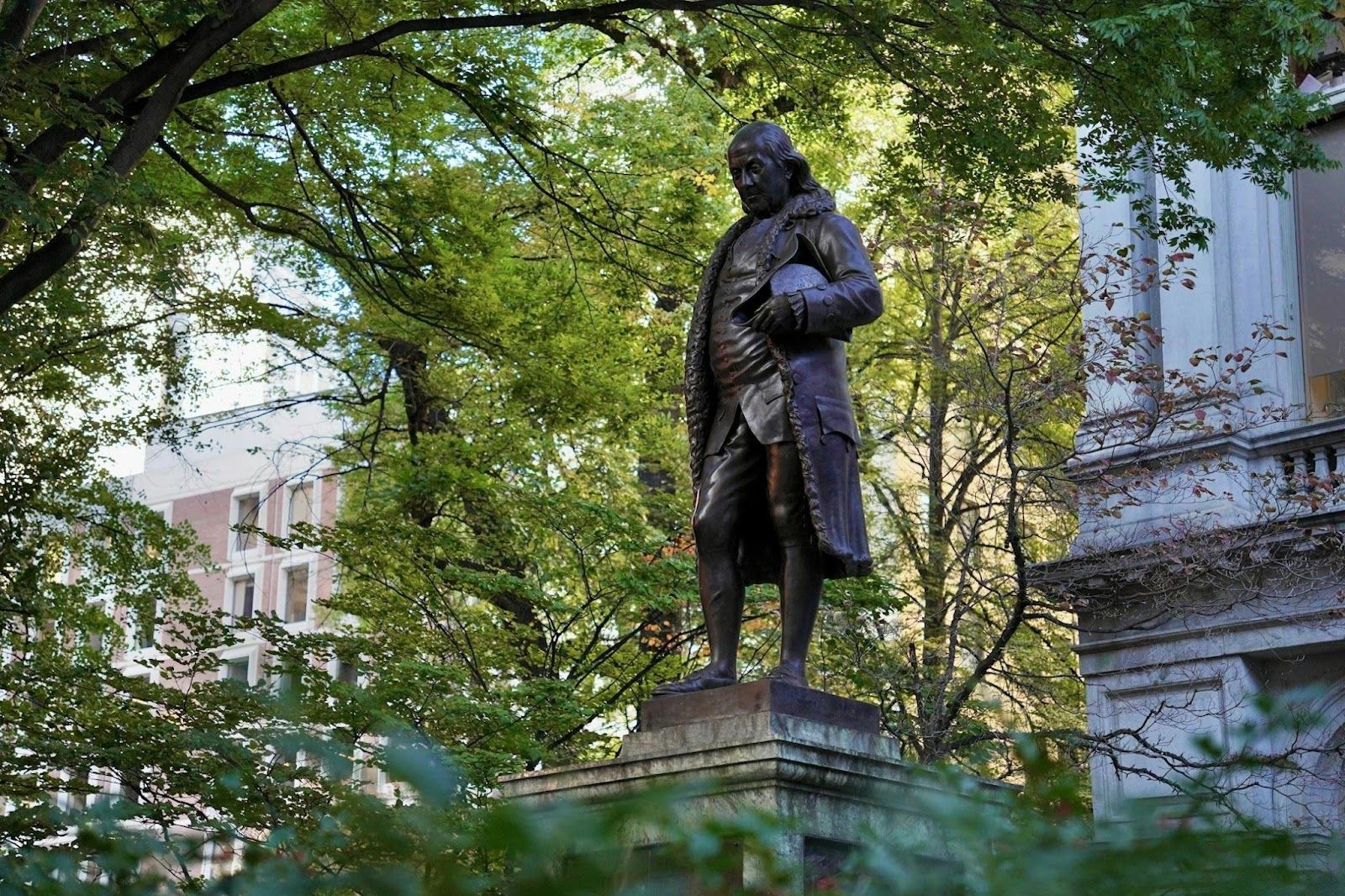
Also known as the Free Republic of Franklin or the State of Frankland, this short-lived territory in eastern Tennessee declared independence from North Carolina in 1784. Its founders even petitioned Congress and appealed to Benjamin Franklin for support—hence the name—but it never gained official recognition.

By 1788, the movement had collapsed, and the area was reabsorbed into North Carolina before eventually becoming part of Tennessee in 1796. Today, the "State of Franklin" lives on mostly in U.S. law school exams as a fictional stand-in for a generic state —often where the imaginary property Blackacre is located.

2
Jefferson

Image: Shelby White

This proposed state has its origins in the 19th-century California Gold Rush, when settlers in the remote, resource-rich region between northern California and southern Oregon pushed for self-governance.

Though their efforts were largely ignored, the movement resurfaced over time. In 1941, frustrated locals staged a symbolic one-day secession. Armed men stopped traffic near Yreka, handing out a Proclamation of Independence declaring the State of Jefferson in "patriotic rebellion" and vowing to "secede every Thursday until further notice."

3
Deseret

Image: SoloTravelGoals

Proposed by Mormon settlers in 1849, the State of Deseret would’ve spanned a massive portion of the West. The name Deseret is derived from the word for "honeybee" in the Book of Mormon, and the vision was of a theocratic state encompassing parts of present-day Utah, Nevada, Arizona, and beyond.

Congress denied the proposal due to its size and religious nature, but a stone donated by Deseret’s supporters in 1853 was still placed in the Washington Monument.

4
Sequoyah

Image: MJ Tangonan

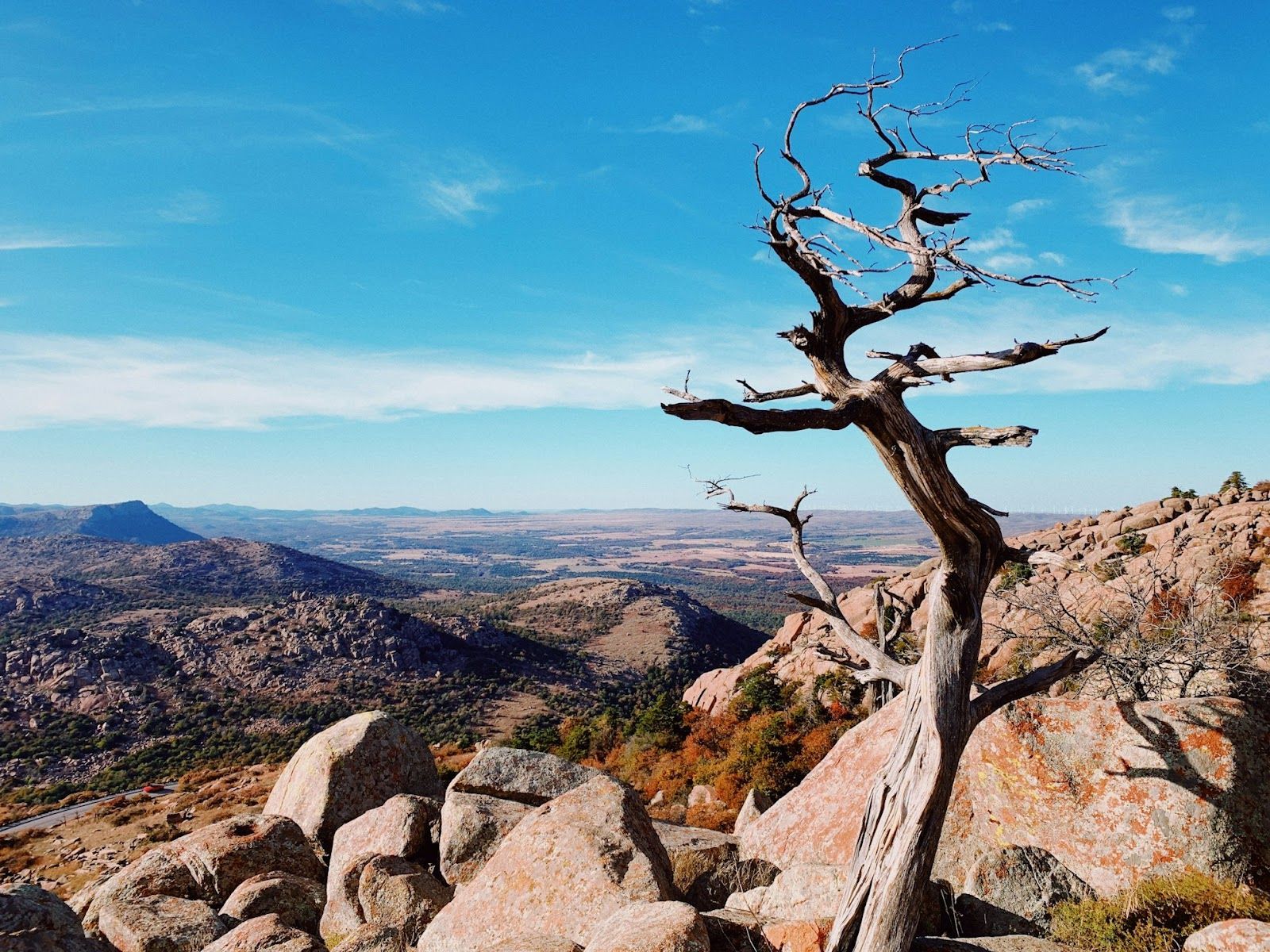
Proposed in 1905, this would’ve been a Native American–majority state in what is now eastern Oklahoma. Despite extensive lobbying by representatives of the Five Civilized Tribes, Congress refused, preferring a single Oklahoma Territory.

Despite its failure, the proposed state’s constitution left a lasting legacy —much of its content was later adopted into the Oklahoma Constitution.

5
Absaroka

Image: Michael Bourgault

Named after the Crow word for "children of the large-beaked bird," the State of Absaroka was proposed in 1939. Comprising parts of Wyoming, Montana, and South Dakota, the idea emerged mainly as a protest against New Deal policies, which were deeply resented by the rural population.

Leaders of the movement even issued license plates, but the effort never gained serious traction and remained a largely symbolic gesture.

6
Westsylvania

Image: Matthew Lancaster

Proposed during the Revolutionary War, Westsylvania would have been a new state formed from the western parts of Virginia and Pennsylvania . Backwoods settlers, feeling neglected by distant colonial governments, sought self-governance.

However, Congress rejected the plan to avoid stirring further conflict during wartime.

7
Superior

Image: Mikaela Charette

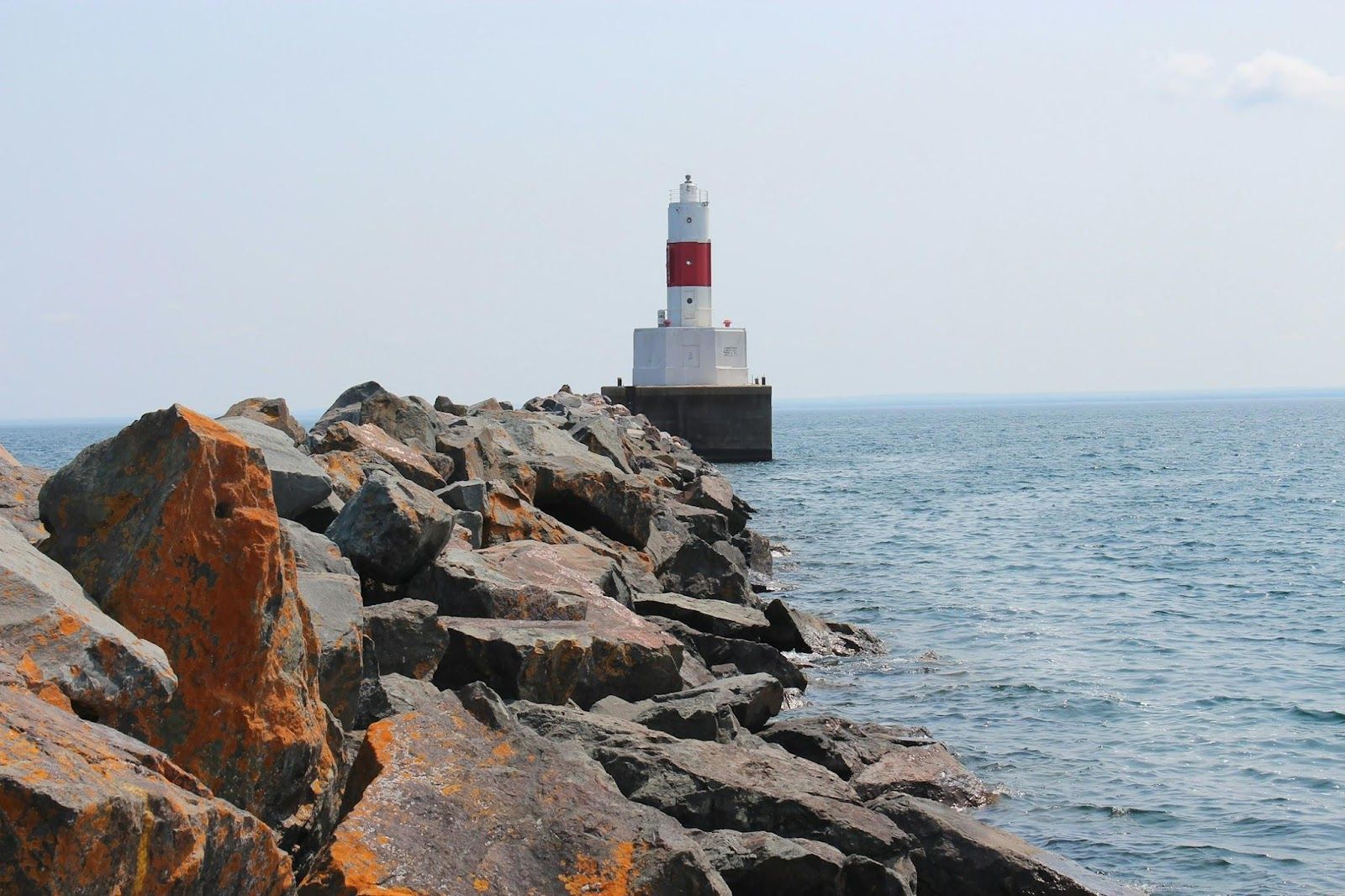
With such a strong regional identity, it was perhaps inevitable that Michigan’s Upper Peninsula would eventually seek statehood. Efforts began as early as the 1850s and resurfaced repeatedly due to the region’s political and economic isolation.

Another proposed name for the state was Ontonagon. Despite these repeated attempts, the Upper Peninsula remained part of Michigan.

8
Lincoln

Image: K. Mitch Hodge

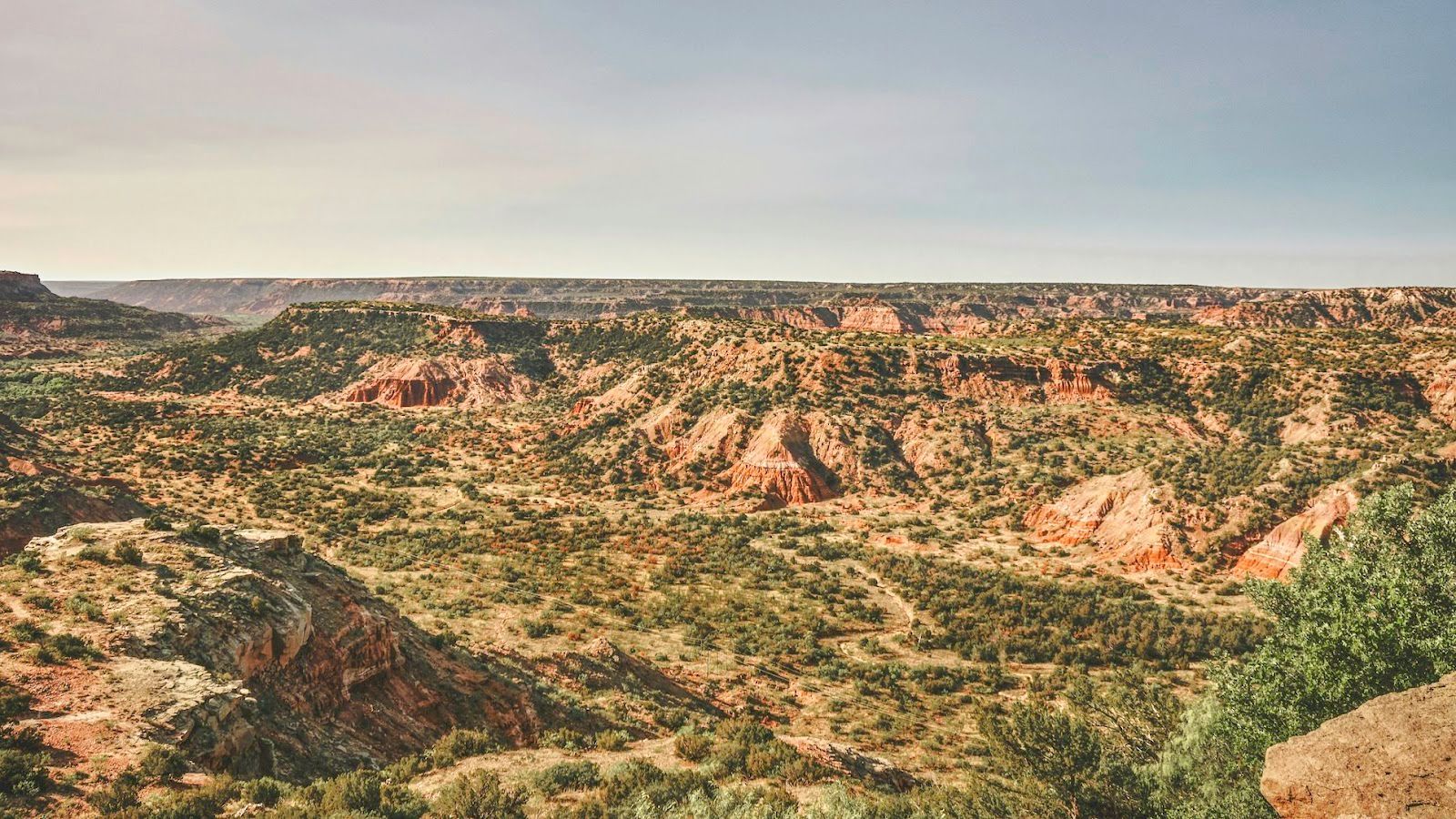
Named for Abraham Lincoln, this proposed state would have split the Texas Panhandle from the rest of the state. Throughout the 1860s and again in the 1880s, residents of the Panhandle and surrounding areas sought separation due to the region’s distance from Austin and cultural differences.

While none of the proposals gained enough federal support, residents of the area still feel distinct today and take pride in their unique identity.

9
Texlahoma

Image: Tommy Bond

Another failed attempt at carving out part of one of the largest states in the U.S., the State of Texlahoma would have—as its name suggests—combined portions of Texas and Oklahoma into a single state.

The push for autonomy was especially strong during the Dust Bowl, when a shared economy and perceived neglect by local governments united residents of both regions.

10
Columbia (D.C. Statehood)

Image: Heidi Kaden

Washington, D.C., has long been considered for statehood under the name of Columbia . Multiple bills and referenda have tried to turn the federal district into the 51st state, as residents pay federal taxes but lack voting representation in Congress.

Despite strong support among D.C. residents, the idea has yet to gain serious traction at the national level.

History History 5 min read

History time

Let’s honor our 13 original colonies with 13 interesting facts!

Image: Kaboompics.com

The 13 original British colonies along the East Coast of what is now the United States were the building blocks of a new nation. At the same time, they were lively, complex, and filled with unique stories. Founded for reasons ranging from religious freedom to economic gain, each colony brought its own flavor to the mix. While they eventually united to resist British rule, their individual histories remain captivating. Let’s explore 13 interesting facts about these foundational colonies and uncover the tales that make them unforgettable.

1
New Hampshire: Constitution and potatoes

Image: Spenser Sembrat

New Hampshire was a pioneer in colonial America: They were the first colony to establish its own constitutional government. But its tastiest contribution? Potatoes!

In 1719, Scotch-Irish immigrants near Londonderry planted the first permanent potato crops. The tubers quickly became a staple and spread across the colonies only to become the most consumed vegetable in the country. Plus, New Hampshire even declared the potato its official state vegetable in 2013. Who knew potatoes had such historical roots?

2
Massachusetts: Named after the original inhabitants

Image: Wei Zeng

When English settlers arrived on the Mayflower in 1620, they weren’t stepping onto empty land. Indigenous peoples had called the area home for thousands of years.

The colony’s name, Massachusetts, honors the Massachusett tribe. Derived from the Algonquian word Massa-adchu-es-et , it translates to "great hill-small place." Even as history tells a more complicated story about their interactions with the settlers, it’s a nice tribute to the land's original inhabitants.

3
Connecticut’s secret tree

Image: Christopher Luther

Connecticut’s colonial history has a touch of mystery and rebellion . In 1662, the colony was granted a royal charter ensuring its right to self-govern by King Charles II. After his death, in 1686, King James II tried to revoke it.

Legend has it that, during a heated debate, the charter was spirited away during a momentary blackout and hidden in the hollow trunk of a white oak tree. The "Charter Oak" became a symbol of freedom and self-determination, and it’s now honored as Connecticut’s official state tree.

4
Rhode Island: Refuge for the rejected

Image: Demure Storyteller

The colonies were revolutionary, but some views were too progressive for the era. That is why Roger Williams, Rhode Island’s founder, was banished from Massachusetts . He had progressive views on religious freedom and so he found sanctuary in what later became Rhode Island.

In 1636, he purchased land from the Narragansett people and founded a colony based on the separation of church and state. It became a haven for minority religious groups like Baptists, Quakers, and Jews.

5
New York: From New Netherland to a global capital

Image: Benjamín Gremler

Before it was New York, it was New Netherland, a bustling Dutch colony founded in 1624. The Dutch established New Amsterdam on Manhattan Island, but in 1664, the English seized the territory and renamed it after the Duke of York.

New York grew rapidly, eventually becoming the first capital of the United States after the Revolutionary War. It’s amazing to think this vibrant city started as a modest Dutch trading post.

6
New Jersey’s devilish legend

Image: Benjamin Ashton

The Pine Barrens of New Jersey are home to one of America’s oldest and creepiest legends : the Jersey Devil. Do you know how it goes?

According to folklore, a woman named Mother Leeds cursed her 13th child, who was born as a monstrous creature, and fled into the forest. The tale, rooted in both colonial superstition and Indigenous folklore, has been passed down for centuries, keeping imaginations alive, and visitors on edge, in the Garden State.

7
Pennsylvania: The King’s debt becomes a colony

Image: The Body

Pennsylvania owes its existence to a royal, and quite big, IOU. King Charles II granted William Penn the land in 1681 as payment for a debt owed to Penn’s father.

Penn established the colony as a safe haven for Quakers, emphasizing religious tolerance and fair dealings with Indigenous peoples. Pennsylvania, clearly named after the family’s name, became a model of diversity and coexistence, attracting settlers of all faiths and backgrounds.

8
Delaware: The First to Declare Independence

Image: Demure Storyteller

Independence from Britain? They all did that, but Delaware took it a step further! Though initially governed as part of Pennsylvania, Delaware established its own legislature in 1704.

On June 15, 1776, this colony declared independence not just from Britain but also from Pennsylvania, making it the first colony to break away formally . Known as the "First State" for ratifying the US Constitution in 1787, Delaware’s pioneering spirit is woven into its history.

9
Maryland: A pirate colony?

Image: Luisa Frassier

Maryland’s early days weren’t all peaceful. William Claiborne , a man of the Virginian council, refused to accept that his settlement on Kent Island was part of Maryland after the colony’s charter was granted in 1632.

Claiborne launched pirate raids on Maryland’s trading posts, leading to charges of piracy and murder. While he eventually lost his claim, Claiborne’s defiance adds a plot twist to Maryland’s story.

10
Virginia: Witch trials in the South

Image: Henry Deng

Did you think witch trials only happened in Salem? Think again. Virginia held about two dozen trials between 1626 and 1730, including the infamous case of Grace Sherwood. If that name doesn’t ring a bell, maybe "The Witch of Pungo" does.

While we’re not going to get into the details of how they proved she "was a witch," she was convicted of witchcraft and spent several years in jail before she was released.

11
North Carolina: The Mystery of Roanoke

Image: Gene Gallin

North Carolina’s Roanoke Colony remains one of America’s greatest mysteries. In 1587, over 100 settlers vanished without a trace , leaving behind only the word "Croatoan" carved into a tree.

As you can imagine, there are plenty of theories surrounding this event: Did they join local Indigenous tribes, or succumb to the harsh environment? While we may never know, the "Lost Colony" keeps historians and treasure hunters quite captivated.

12
South Carolina’s "Blue Gold" boom

Image: Omri D. Cohen

South Carolina’s indigo trade, led by Eliza Lucas Pinckney in the 1730s, turned the colony into an economic powerhouse. This vibrant blue dye, vital for textiles, was so lucrative it earned the nickname "blue gold."

Despite the challenges, which included sabotage by rivals, the crop’s success transformed South Carolina’s economy. However, its growth came at the cost of enslaved labor, a sobering reality of the colony’s prosperity.

13
Georgia: A colony for a cause

Image: Jaanus Jagomägi

Founded in 1732 by James Oglethorpe, a prison reformer, Georgia was established as a social experiment . It was designed to provide a fresh start for England’s "worthy poor," and to that end, the colony outlawed slavery and large landholdings.

However, settlers soon pushed back, and by 1751, many of the original restrictions were lifted. Despite its challenges, Georgia’s idealistic beginnings make it a unique addition to the 13 colonies.

Explore more American facts

Choose your favorite category!

General
General

As American as apple pie—the very best America has to offer!

Culture
Culture

Delve into the astounding richness of American lore.

Geography
Geography

Hop in and explore vast and diverse American landscapes.

History
History

Discover the key moments that shaped the United States.