General General 4 min read

Fast-food flops

Do you recall these 11 big McDonald's menu fails?
Image: Lucas van Oort

Around 2014, McDonald's received a lot of criticism for not including healthier, more nutritious options on its menu, especially for kids. In response, the company embarked on a mission to create bubblegum-flavored broccoli. Needless to say, it was a complete failure. But this was not the only unsuccessful attempt to introduce new recipes and flavors. Throughout its several decades of existence, the Golden Arches has ventured into a wide variety of products that didn’t receive the expected reception. Do McPizza, Hula Burger, or McDLT ring a bell? Join us as we look back at 11 McDonald's products that were complete misfires!

1
McLean Deluxe
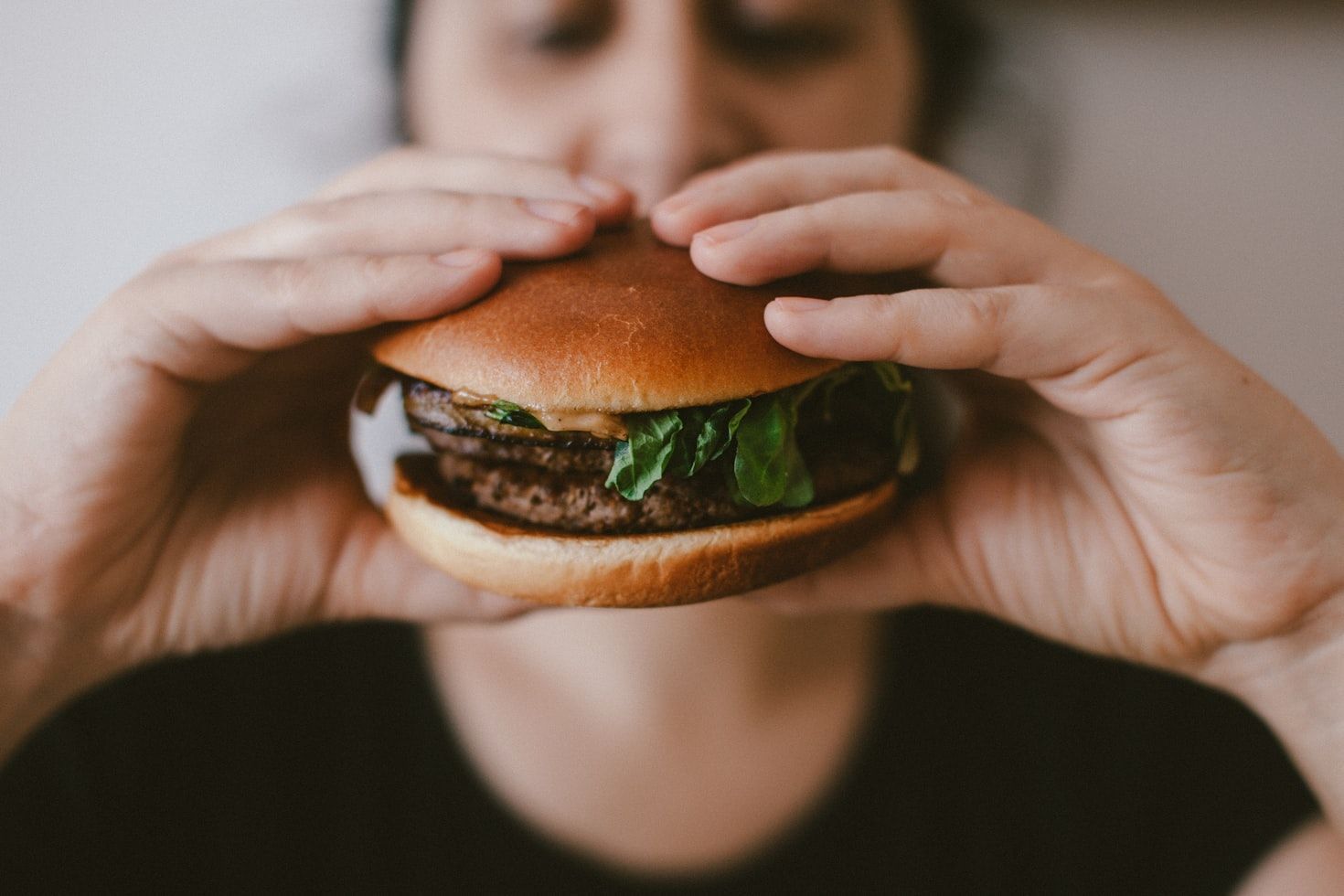
Image: Szabo Viktor

Remember the low-fat diet craze of the 1990s? Well, McDonald's was no stranger to it. To attract customers seeking "healthier" options, Mickey D's introduced the McLean Deluxe—a supposedly lighter burger than the Big Mac . The patty, developed by food scientists at Auburn University, was made with 90% meat and seaweed extract.

The company’s intentions were noble, but most consumers weren’t convinced by the "low fat but tastes great" slogan. Apparently, it was not tasty enough for the American palate and was ultimately pulled from stores in 1996 .

2
McHotDog
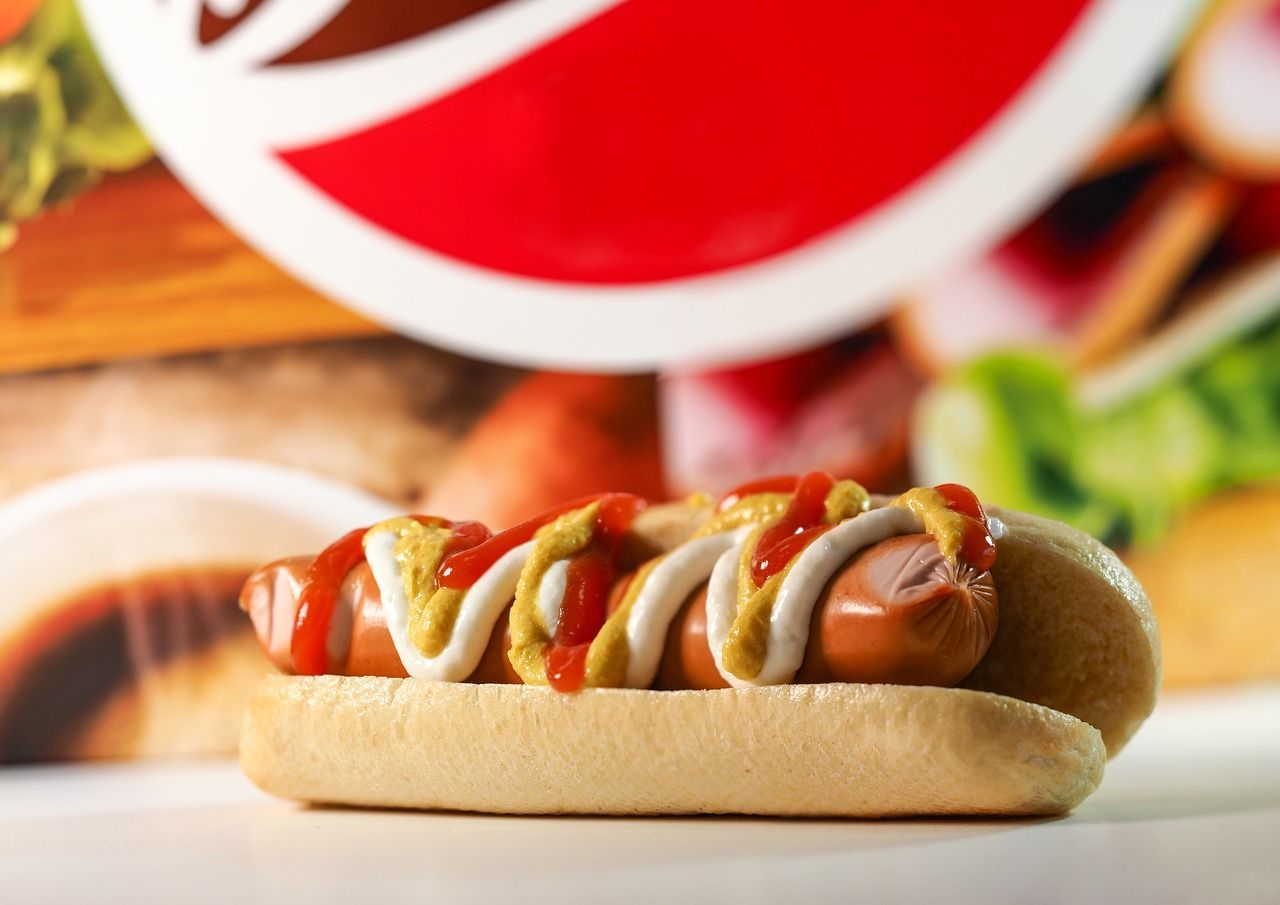
Image: sstoyanov

It doesn’t seem far-fetched for McDonald's to offer a hot dog on its menu. Yet, for many years, the company avoided it because Ray Kroc—the man who transformed McDonald's into the megafranchise we know today—had banned them on the grounds that sausages were of questionable quality.

Despite his reservations, McDonald's introduced the McHotDog in several locations in the mid-1990s. For unknown reasons, however, the product never took off. Have you ever tried it? What did you think?

3
McDLT

Image: Aaron Boucicault

No, it has nothing to do with Subway's BMT or the classic BLT sandwich. The McDLT, introduced in 1984, was a lettuce and tomato burger with only one novelty: it was sold in a Styrofoam container, separated in two, and you had to assemble it yourself.

The most likely reason for the McDLT’s demise was the backlash against Styrofoam in the late 1980s, due to its environmental impact. And let’s be honest—how many people actually want to assemble their own hamburger?

4
Hula Burger

Image: Irene Kredenets

Long before vegan options became popular, Ray Kroc attempted to offer a meatless option for Roman Catholics to eat during Lent. Introduced in 1963, the Hula Burger was essentially a cheeseburger with a slice of pineapple instead of a meat patty.

The idea was a complete flop and was quickly replaced by the Filet-O-Fish, which served the same purpose but was much better received by the public.

5
McLobster

Image: ucomedia

Believe it or not, McDonald's once had a lobster roll on its menu. Introduced in 1993, the McLobster was a sandwich served in a hot dog bun with lobster sauce and shredded lettuce.

Why did it fail? Mostly because of the price . Not only was it expensive for a fast food chain, but if you wanted lobster, you’d probably go to a seafood restaurant instead—don’t you agree?

6
Arch Deluxe

Image: HamZa NOUASRIA

Flavor-wise, the burger "with the grown-up taste" was decent enough, the problem was the marketing campaign that went along with it. The Arch Deluxe was designed for adults , featuring more sophisticated and expensive ingredients.

However, the ads showed Ronald McDonald engaging in adult activities and young rappers saying, "Yuck," which failed to resonate with anyone. The product flopped and was discontinued in 2000 . After all, no matter how old we are, when we go to McDonald's, we all want to feel like kids again.

7
McPizza
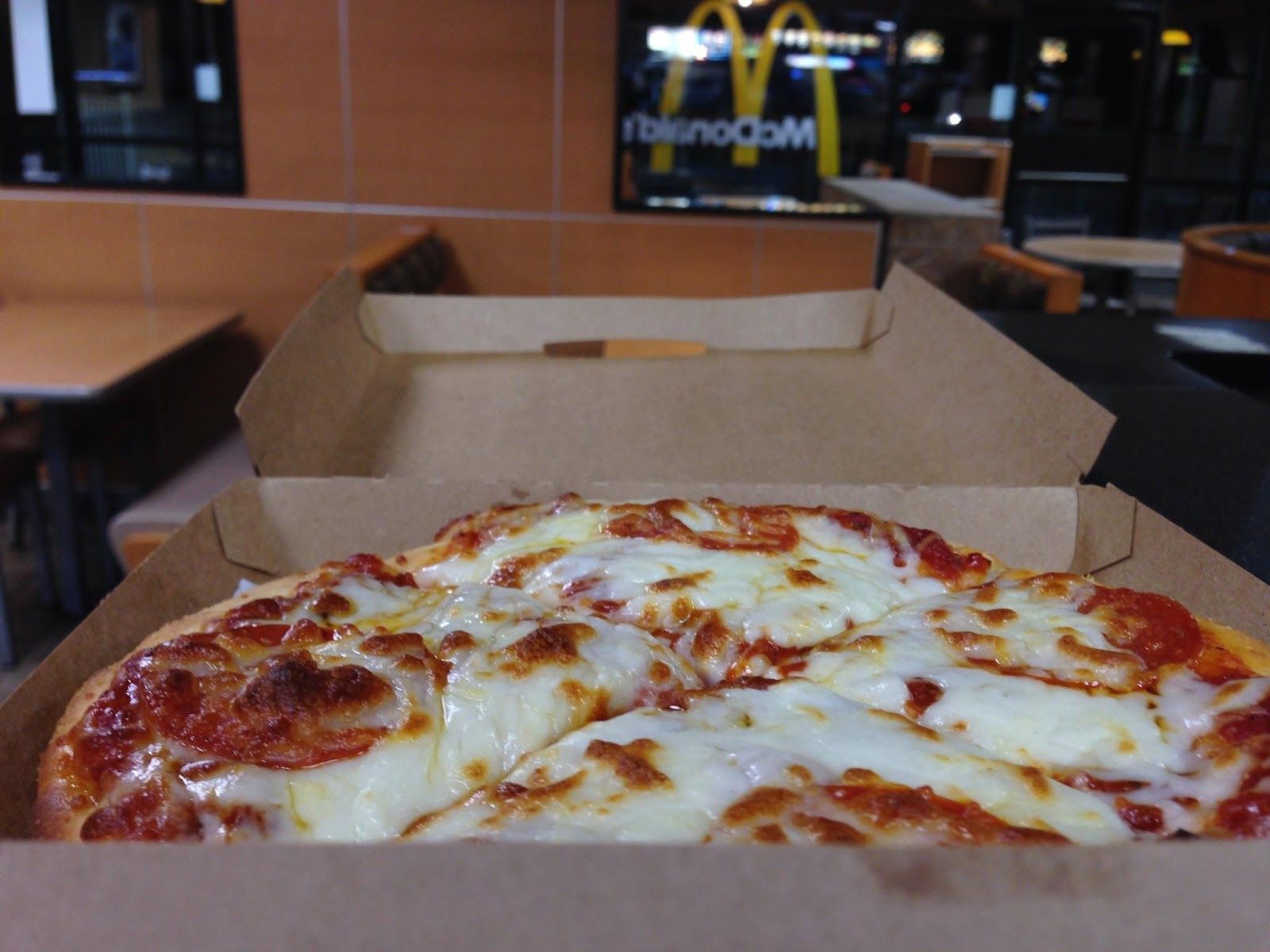
Image: dankeck, CC0, via Wikimedia Commons

In hindsight, McDonald's should have stuck to selling burgers. But we have to give them credit for trying something different. In the late 1980s, the Golden Arches attempted to expand its menu with dinner options, introducing the McPizza. Sold only after 4 p.m. , it was heavily promoted through a major marketing campaign.

However, it was doomed to fail. Pizza takes much longer to prepare than a burger, and most people prefer to buy theirs from traditional pizza parlors. The McPizza was discontinued around 2000 and hasn’t returned to the menu since.

8
McPasta

Image: Lance Lozano

Just as pizza was a bad idea, offering pasta dishes at a burger joint was an even bigger stretch. Since the 1970s , McDonald's has attempted to market pasta, adding items like spaghetti and meatballs, lasagna, and fettuccine to its menu.

Needless to say, despite multiple attempts, all of McDonald's pasta products eventually flopped.

9
Onion Nuggets

Image: Brett Jordan

In 1975, a year after Burger King debuted its famous Onion Rings, McDonald's introduced Onion Nuggets. As the name suggests, this side dish consisted of small, fried onion pieces .

Unfortunately for vegetable lovers, Onion Nuggets were not as successful as their ring-shaped competitors and were finally removed from the menu in the mid-1980s. Just a few months later, McDonald's launched Chicken McNuggets, which proved to be a far bigger success.

10
McSalad Shakers
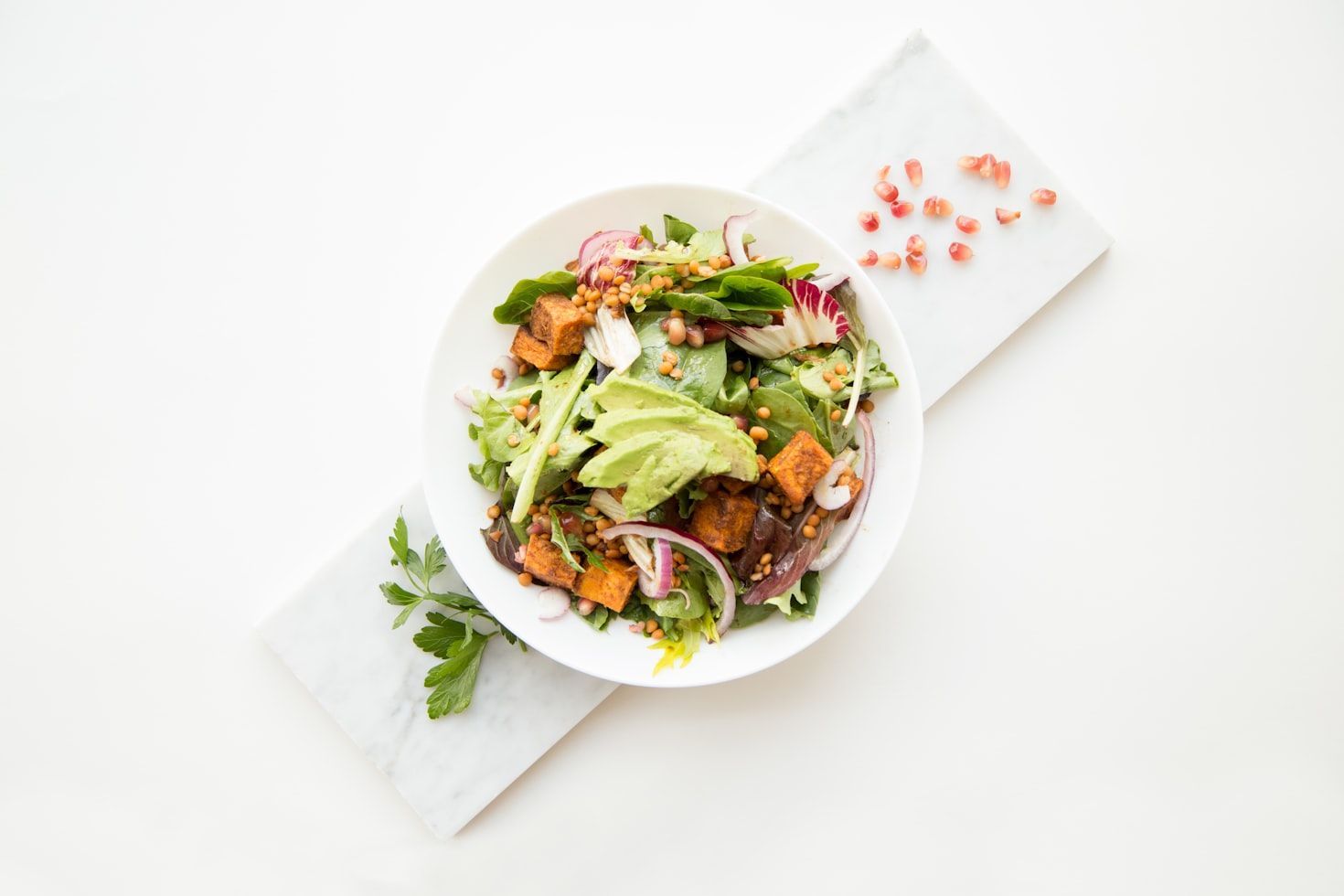
Image: Hermes Rivera

It seems that most of McDonald's attempts to offer healthier options were fruitless. The McSalad Shakers were salads sold in plastic cup-like containers that you had to shake to distribute the dressing evenly.

Although they featured three appealing flavors—Chef, Grilled Chicken Caesar, and Garden—McSalad Shakers lasted only a few years on the market. In 2003, the cups were replaced by traditional bowls, which, you’ll probably agree, make much more sense.

11
McDonaldland Cookies

Image: 三岁 陈

It remains a mystery why this item disappeared from the McDonald's menu, as it was a favorite among many for years. First introduced in 1974, this dessert consisted of crunchy lemon-flavored cookies shaped like the classic McDonaldland characters—Grimace, Hamburglar, The Fry Kids, Birdie, and Ronald himself!

McDonaldland Cookies came with the Happy Meal but were discontinued in the early 2000s , likely due to health concerns. The good news is, if you want to bring back this childhood flavor, you can still find them in Australia!
General General 6 min read

COLORFUL COMPANIONS

From Uncle Sam To Toucan Sam, Here Are 10 Of The Most Iconic Mascots!

Image: Library of Congress

Some believe that the concept of mascots is outdated and that we don’t really need to have these cheerful and colorful ambassadors pop up in our daily lives. However, most Americans (us included) not only consider mascots to still be relevant, but we believe that they are heavily ingrained in our country’s pop culture and history. Some of these characters (many of them featured in this article) have been with us for our entire lives, teaching us about responsibility or simply entertaining us while we are enjoying a nice bowl of cereal. We have selected ten of the most iconic and cherished American mascots, in an effort to pay a well-deserved tribute to these amazing and timeless characters. Enjoy!

1
Tony the tiger

Image: Sten Ritterfeld

Tony the Tiger is a strong contender for the title of the world’s most famous cereal mascot: his go get 'em' attitude and amazing design have cemented him as a pop culture icon. Tony has been the quintessential mascot for Frosted Flakes since the 1950s, encouraging families to add this delicious cereal to their kids’ breakfast.

Curiously, Tony first appeared as part of a group of mascots that included characters like Katy the Kangaroo or Elmo the Elephant. However, this tiger’s immense popularity made him Frosted Flakes' sole representative. In due time, Tony’s family got bigger: the character now has a spouse called "Mrs. Tony" and two children, Antoinette and Tony Jr.

2
Ronald McDonald

Image: Erik Mclean

McDonald’s chooses to describe their iconic mascot and symbol, Ronald McDonald as "The Smile Known Around the World." This phrase perfectly summarizes this clown’s unbelievable popularity: McDonald’s claims that Ronald is only second to Santa Claus in terms of recognition and that virtually every schoolchild in America can immediately identify him.

In his 1963 television debut, Ronald McDonald’s appearance was quite different: these television spots featured a clown with yellow hair, striped yellow pants, and a McDonald’s cup on his nose. It wasn’t until 1966 that a real-life clown helped redesign the character, turning him into this instantly recognizable mascot.

3
Snap, Crackle, and Pop

Image: SqueakyMarmot from Vancouver, Canada, CC BY 2.0

Not many people know this, but the names of the three timeless Rice Krispies mascots actually come from a 1930s radio ad. At the time, Rice Krispies was advertised as "the talking cereal" and they promised to "merrily snap, crackle, and pop in a bowl of milk." A few years later, illustrator Vernon Grant took these onomatopoeic sounds to name the trio, calling them Snap, Crackle, and Pop.

Since their first appearance in 1933, these elf-like creatures have appeared in countless ads, often voiced by a myriad of talented actors that include names like Ben Schwartz, Tom Kenny, and Josh Brener.

4
Toucan Sam

Image: Necip Duman

As you might have noticed through their unusual spelling, Froot Loops are all about their loopy shape and the fun times that come with them. In that sense, this colorful breakfast cereal has an equally colorful representative: Toucan Sam, Froot Loops’ mascot since 1963.

Originally voiced by Hollywood legend Mel Blanc (responsible for voicing Bugs Bunny and Barney Rubble, among others), Toucan Sam has an extraordinary sense of smell, which helps him find Froot Loops from a great distance. Most Froot Loops ads end with Sam using his nose to locate a hidden bowl of cereal, before chanting his catchphrase "Follow your nose! It always knows!"

5
Phillie Phanatic

Image: Michael Stokes, CC BY 2.0

Few characters literally stand out as the Phillie Phanatic does. The moment you arrive at Citizens Bank Park to watch the amazing Philadelphia Phillies play, you will immediately notice this furry, green bird dancing somewhere in the stadium. Since 1978, this character has brought joy and treasured memories to countless Philadelphians.

Did you know that the Phanatic is a distant relative of the Muppets ? You would think his green fur made him a long-lost cousin of Kermit the Frog, but this relation comes from the fact that one of the Phanatic’s creators, Bonnie Erickson, also created the Muppets’ Miss Piggy and Statler & Waldorf.

6
Mr. Met

Image: Metropolitan Transportation Authority of the State of New York from United States of America, CC BY 2.0

We hope we don’t start any heated baseball debates by including this mascot, who many believe to be the very first Major League mascot to appear in human form. While Mr. Met first appeared as a cartoon character in programs, it was his 1964 introduction as a live costumed mascot that skyrocketed him to fame.

Although his design has varied over the years, Mr. Met is instantly recognizable through his striped Mets uniform and large baseball head. Soon after his inception, Mr. Met was given a female counterpart companion known as "Mrs. Met," who joins him in Citi Field to cheer on every New York Mets game.

7
Smokey the Bear

Image: Brian Wangenheim

Since 1944, Smokey the Bear has helped U.S. forests and landscapes with his prevention campaigns. Generations of American children have been inspired and encouraged by Smokey and his memorable catchphrase: "Only you can prevent wildfires!"

What’s interesting is that this iconic fictional bear inspired the name of a beloved real bear. In 1950, a three-month black bear cub was rescued from a massive wildfire in the Capitan Mountains in New Mexico. Although he was originally named "Hotfoot Teddy" by his rescuers, the cub was renamed "Smokey" after the fire safety mascot and was relocated to the National Zoo, where he grew up to become an American icon.

8
The California Raisins

Image: Syed F Hashemi

How did a 1986 commercial promoting the California Raisin Advisory Board end up becoming an Emmy-nominated, Billboard Hot 100-listed supergroup? Well, that’s the magic of the California Raisins at work. No one expected these anthropomorphized claymation raisins to be as popular as they were, and yet they went on to become the quintessential mascot for one of California’s most cherished agricultural products.

The Raisins were created by the advertising firm Foote, Cone & Belding. According to legend, one of the firm’s writers came up with the concept after saying "We have tried everything but dancing raisins singing 'I Heard It Through the Grapevine'." To everyone’s surprise, the Raisins' rendition of Marvin Gaye’s classic song became a massive success and paved the way for numerous other TV appearances, including a Saturday morning cartoon and a Christmas special.

9
McGruff the Crime Dog

Image: sydney Rae

In a medium already filled with exemplary TV detectives, McGruff the Crime Dog broke through the ranks and taught an entire generation of American children to "Take a bite out of crime!" Dressed in his iconic beige raincoat (reminiscent of the legendary Frank Columbo), this anthropomorphic hound was created by the National Crime Prevention Council in an effort to help prevent crime in America.

Over 40 years have passed since his national debut, but McGruff the Crime Dog still manages to do his part in increasing the safety of all Americans. This iconic character has appeared in national campaigns as recently as 2022, and will undoubtedly return whenever his country needs him.

10
Uncle Sam

Image: Steve Shook from Moscow, Idaho, USA, CC BY 2.0

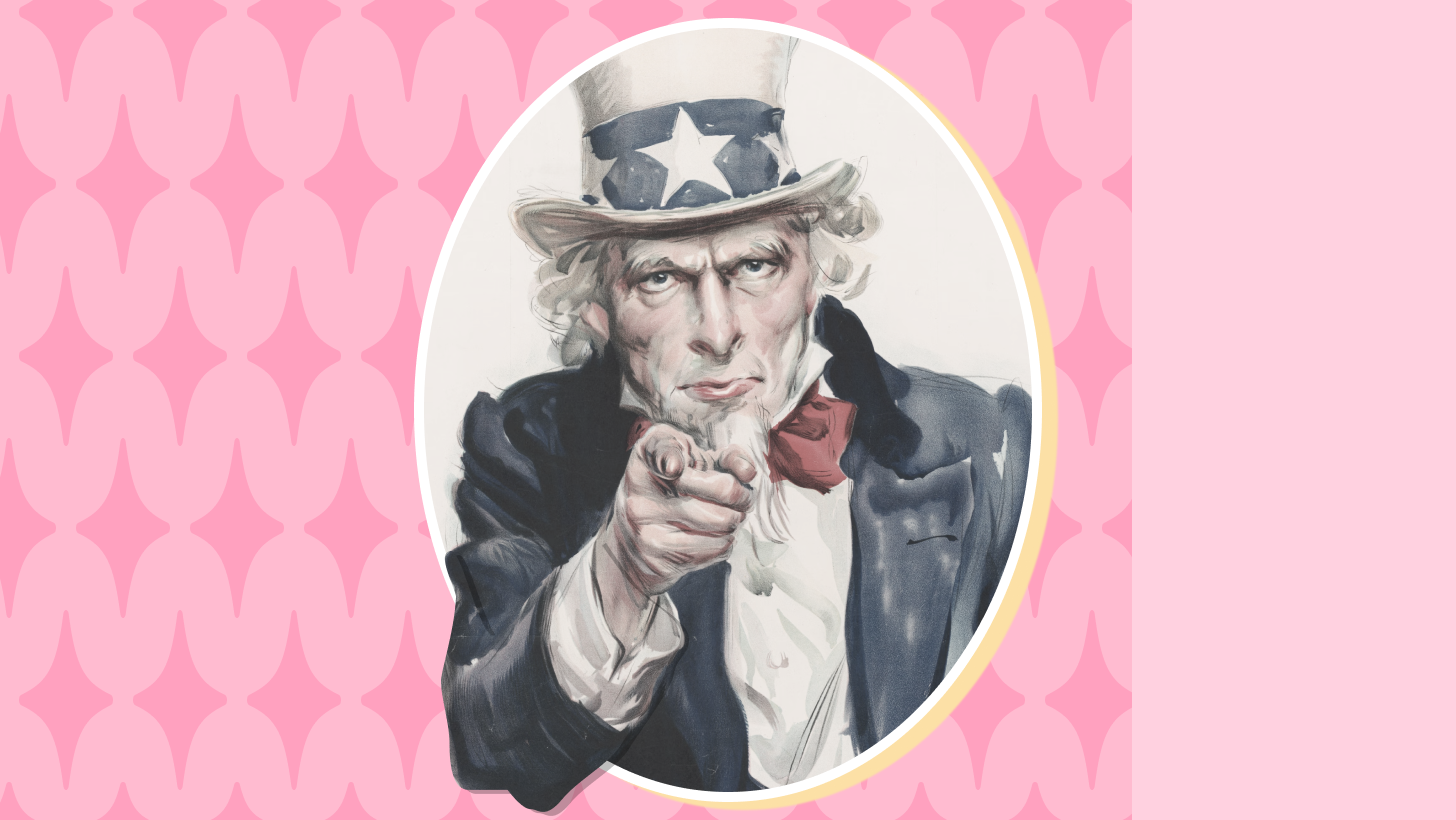
We’ll end with what many believe to be the most iconic personification of the United States. While Uncle Sam is perhaps most known for the "I Want You" posters encouraging citizens to enlist in WWI, the truth is that the character is much older than that. In fact, his origins can’t be entirely traced, to the point that the birth of this iconic character is still shrouded in mystery.

Most historians agree that Uncle Sam first came into use during the War of 1812. According to this popular theory, the man who inspired this mascot was Samuel Wilson, a meatpacker from New York who supplied rations to the Army during the war. Apparently, many soldiers jokingly referred to the U.S. initials in their packages (that stood for "United States") as the initials for "Uncle Sam," unknowingly giving birth to this American legend.

Culture Culture 3 min read

Halloween secrets

Why is Halloween orange and black? The surprising meaning behind it

Image: David Menidrey

It’s hard not to love Halloween. It’s a time for celebration, jack-o’-lanterns, and of course, candy. But behind today’s traditions lie plenty of spooky secrets about the holiday and where it came from. From the meaning behind costumes to the origins of trick-or-treating, we’re exploring 10 facts you probably didn’t know about Halloween. Let’s get started!

1
Ancient roots

Image: Miguel Teirlinck

Believe it or not, what we call Halloween began more than 2,000 years ago. The ancient Celtic festival of Samhain, held from October 31 to November 1 in what is now Ireland, Scotland, and parts of Britain, marked the shift from the harvest season to the dark days of winter. The Celts believed that, on that night, the boundary between the living and the dead grew dangerously thin. Spirits could slip through that barrier... both benevolent and darker ones.

2
Why scary costumes?

Image: JOHN BEARBY IMAGES

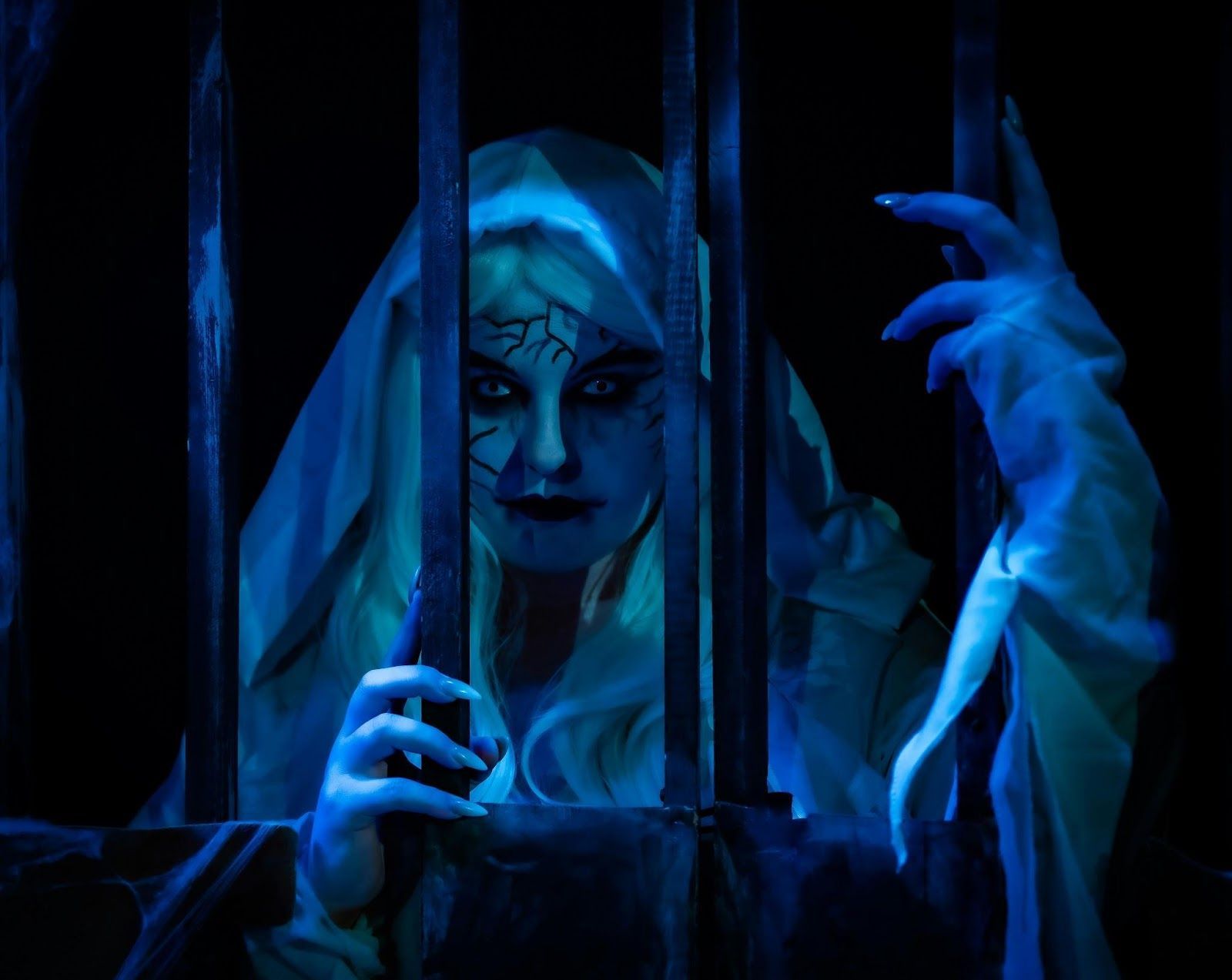
If the spirits of the dead were roaming the earth, what would you do? The Celts had a clever solution: they disguised themselves with animal skins and masks to look frightening and protect themselves from any spirits that might not have the best intentions. The hope was that ghosts would either mistake them for one of their own or be scared off entirely. Over time, the tradition evolved, but its roots remained; just look at all the little witches, skeletons, and other spooky costumes we see on Halloween today.

3
There's a reason for black and orange

Image: Gary Fultz

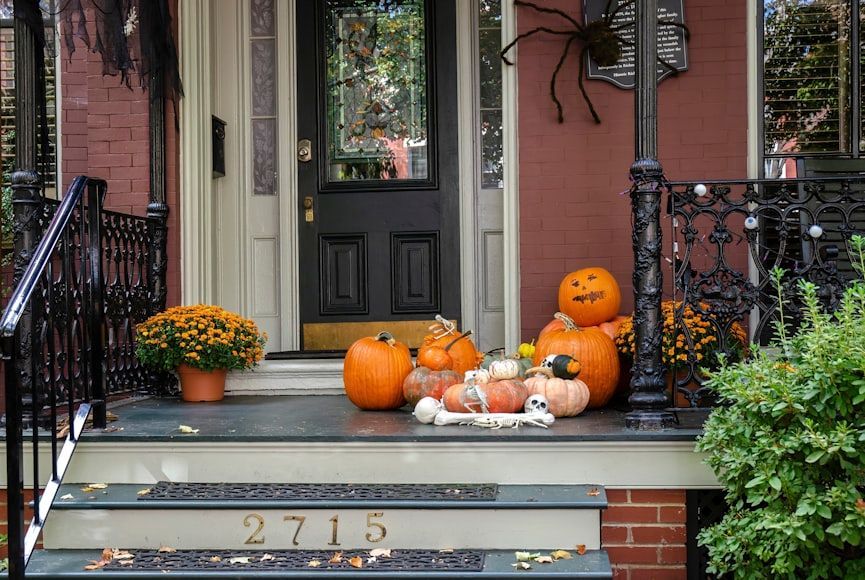
Orange and black take over homes and streets every Halloween, but why? The answer goes back to the Celtic festival of Samhain as well. Orange symbolized the end of autumn and fallen leaves, while black represented the darkness of the long winter nights ahead.

4
Witches weren’t always seen as scary

Image: Halanna Halila

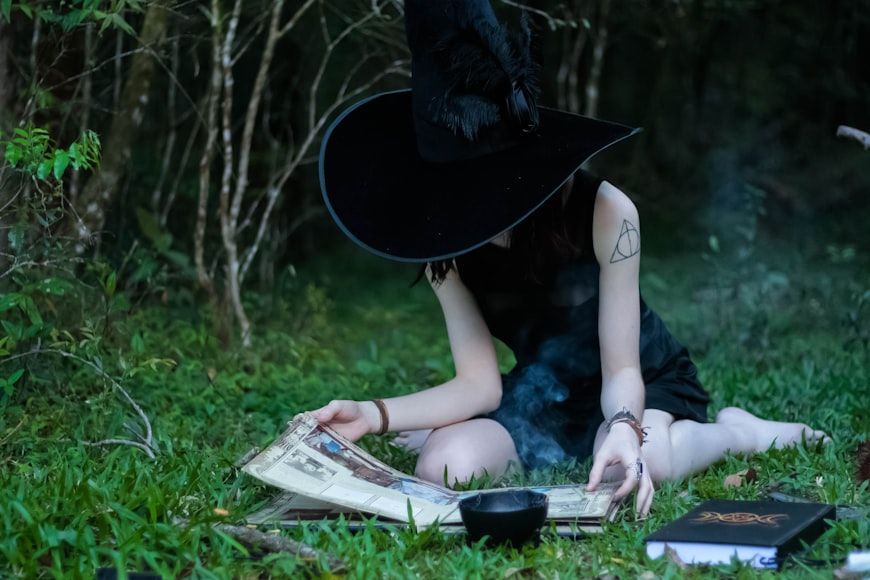
Witches have been part of Halloween lore for ages. Countless stories cast them as spooky figures with flying broomsticks, pointed hats, and bubbling potions. But it wasn’t always this way. Among the Celts, many practices now labeled as "witchcraft" were connected to healing, spirituality, and nature, and weren’t seen as evil at all; that association came much later with the spread of Christianity. In fact, the English word "witch" is often linked to the Old English wicca (masculine) and wicce (feminine), meaning "wise one."

5
Trick-or-treating origins

Image: Robin Jonathan Deutsch

In addition to dressing up to protect themselves, the Celts also left treats on their doorsteps to appease wandering spirits. Over the centuries, that custom changed and spread. By medieval times in Europe, people—especially children—would go door to door during this season, offering prayers for departed souls or performing small songs and jokes in exchange for food or treats. This tradition, known as "souling" or "guising," eventually inspired the trick-or-treating we know today.

6
Scary tricks

Image: Nick Fewings

In the recent past, the "tricks" in trick-or-treating were no joke—they could be genuinely frightening. In the late 19th and early 20th centuries, Halloween was known far more for mischief than for candy. Kids pulled off pranks like tying doors shut or slamming windows to make homeowners think their houses were haunted. Scary? Yes. Fun? Definitely.

7
In the past, they weren't pumpkins

Image: Igor Omilaev

Pumpkins may be the stars of Halloween décor today, but they weren’t always the first pick. The tradition of carving Halloween lanterns also began in Ireland and Scotland, but not with pumpkins. In the old days, people carved turnips, beets, and other root vegetables. When Irish immigrants arrived in the United States in the 19th century, they found that pumpkins were bigger, softer, and far easier to carve, so pumpkins quickly replaced the turnips.

8
Halloween, SC

Image: Joseph Corl

Today, Americans put a lot of effort into Halloween celebrations. But perhaps no one embraces it more than the residents of Conway, SC, who made headlines for a bold decision. In 2022, the city officially adopted the monikers "City of Halloween" and "Halloween, SC" for the month of October. Although "Conway" remains its legal name year-round, the town uses the spooky nickname during the holiday season to attract visitors eager to experience its larger-than-life celebrations and decorations.

9
Parents also have their "tricks"

Image: Tolgahan Akbulut

Although trick-or-treating is mostly for kids, parents definitely get in on the fun. According to a 2019 survey, 74% of parents admitted to stealing a few pieces of their children’s candy. And honestly, who can blame them? A pumpkin bucket overflowing with sweets is hard to resist.

10
Paranormal full moon

Image: Ganapathy Kumar

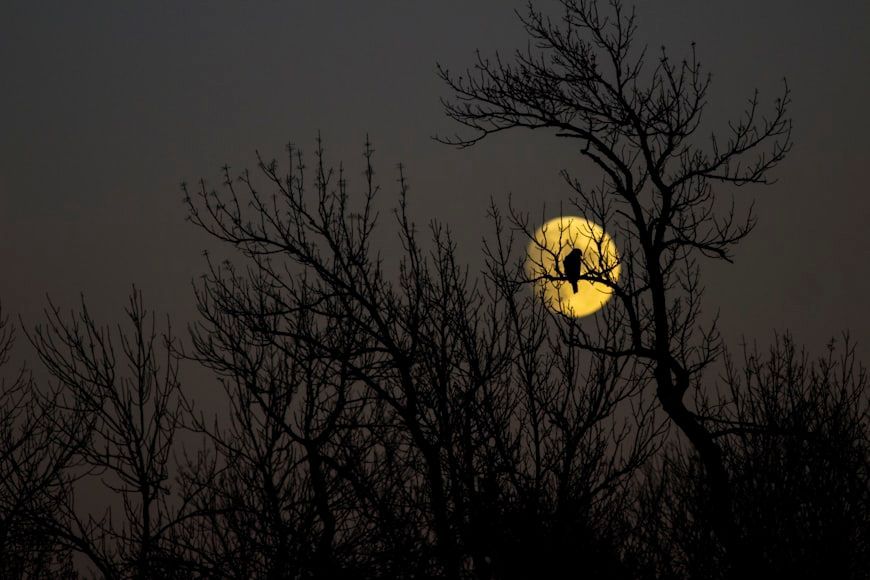
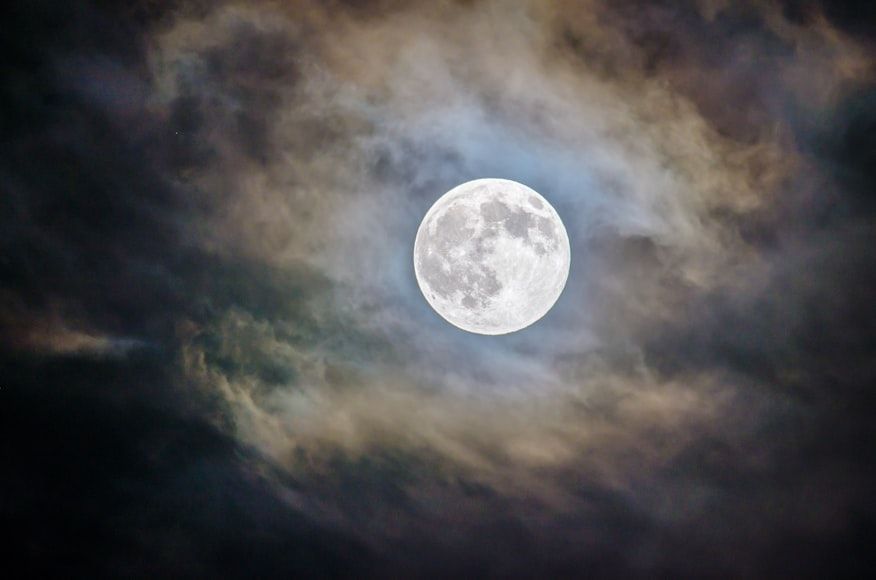
Celebrating Halloween under a full moon has a special charm, as that lunar phase has long been linked to heightened paranormal activity. But this coincidence is rare: a full moon on Halloween only happens about every 18–19 years. The last full moon during Halloween was in 2020, and according to forecasts, we won’t see another until 2039.

Explore more American facts

Choose your favorite category!

General
General

As American as apple pie—the very best America has to offer!

Culture
Culture

Delve into the astounding richness of American lore.

Geography
Geography

Hop in and explore vast and diverse American landscapes.

History
History

Discover the key moments that shaped the United States.