Culture Culture 5 min read

Stage names

Even if you know her by another name, you know Norma Jean Mortenson!

Image: BarbeeAnne

Stage names are very common among celebrities. While names like Cher or Demi Moore are iconic, their real names might surprise you with their elegance or rarity! Do you enjoy a good challenge? If so, keep reading and try to match each celebrity with their birth name!

1
Norma Jeane Mortenson

Image: Juliane Liebermann

She’s the iconic blonde from 1950s cinema, famously portrayed by artists like Andy Warhol! Films like Some Like It Hot (1959) and Gentlemen Prefer Blondes (1953) catapulted her to stardom.

Here’s another hint: This was the real name of the woman who famously sang, " Happy birthday, Mr. President! " You got it?

2
Frances Ethel Gumm

Image: Chau Le

If we say " red ruby slippers, " who comes to mind? Remembered, among other things, for her melodious voice, this actress starred in classics like A Star Is Born (1954) and Meet Me in St. Louis (1944). But the role that made her truly unforgettable was Dorothy in The Wizard of Oz (1939). Have you guessed it yet?

3
Marion Robert Morrison

Image: Ashim D’Silva

A true gem of Hollywood’s Golden Age, this actor became a legend in Westerns and war films. His commanding presence and deep voice made him the perfect fit for roles like Ringo Kid in Stagecoach (1939) and Ethan Edwards in The Searchers (1956). His birth name was Marion Robert Morrison, but in our hearts, he'll forever be "The Duke."

4
Bernard Herschel Schwartz

Image: Jordan Whitfield

With his bright smile and clean-cut style, he was considered one of the most handsome actors of the 20th century. Bernard Herschel Schwartz starred alongside the blonde from our first entry in the legendary Some Like It Hot (1959) . One of the highlights of this blue-eyed star’s career was his versatility, as he showcased his talent in both dramatic and comedic roles.

5
Margarita Carmen Cansino

Image: Brady Bellini

If anyone ever blended talent and beauty to perfection, it was her! One of the most celebrated stars of the 1940s, she rose to fame with the 1942 film You Were Never Lovelier , but her most iconic role was in Gilda (1946) . Her elegant presence and striking red hair made her an unforgettable symbol of the silver screen. In addition, she also had a short marriage to the very famous Orson Welles. Who is she?

6
Issur Danielovitch

Image: Austrian National Library

Maybe his real name might not ring a bell, but his stage name is legendary! His career took off in the 1940s and 1950s, with tough-guy roles that made him stand out, like his performance in Champion (1949), where he portrayed a talented boxer. As a final clue, we can't forget his unmistakable cleft chin!

7
Norma Jeane Mortenson: Marilyn Monroe

Image: Susi Kleiman

Norma Jeane Mortenson was the birth name of the iconic and incomparable Marilyn Monroe! That’s right—the famous actress was born with that name on June 1, 1926, in Los Angeles, California. As her Hollywood career took off, she changed her name to Marilyn Monroe, inspired by Broadway star Marilyn Miller , a celebrated actress and dancer of the 1920s and early 1930s.

8
Frances Ethel Gumm: Judy Garland

Image: Aman

The legendary star we know as Judy Garland was actually born Frances Ethel Gumm on June 10, 1922, in Grand Rapids, Minnesota. Coming from a show-business family, she received a stage name at the tender age of 13. That's right—by that age, she had already signed her contract with MGM.

9
Marion Robert Morrison: John Wayne

Image: Eniko Polgar

Marion Robert Morrison was the birth name of one of Hollywood's most beloved and famous actors—the incredible John Wayne . He changed his name when he was still young in the early 1930s , at the start of his career, something that was very common at the time. And who chose his legendary stage name? That would be Fox Studios !

10
Bernard Herschel Schwartz: Tony Curtis

Image: Levi Meir Clancy

Bernard Herschel Schwartz may be a difficult name to remember, which is why this iconic actor changed it to Tony Curtis. Born in New York in 1925, he had a passion for acting from a young age. However, Hollywood wasn't his first career path—before pursuing acting, Curtis joined the Navy during World War II!

11
Margarita Carmen Cansino: Rita Hayworth

Image: Unseen Histories

We all remember the iconic Rita Hayworth , but many don’t know her real name—Margarita Carmen Cansino! Quite different, right? Why did she change her name? Well, when Margarita signed a contract with Columbia Pictures in the late 1930s, the studio believed she needed a shorter, more artistic, and memorable stage name. And so, Rita Hayworth was born—a star who would become an indelible part of American film history.

12
Issur Danielovitch: Kirk Douglas

Image: Natalie Parham

"Issur Danielovitch" may sound exotic, but it was the birth name of the legendary star we know as Kirk Douglas . Before rising to fame as an actor and film producer, Issur worked various jobs to help support his family. In 1940 , he made the bold decision to move to Hollywood and pursue his dream career: acting. It was then that his great stage name was born.

Culture Culture 4 min read

Which one’s your favorite?

From Gilligan to Alf: 10 great TV series from back in the day

Image: DS Stories

For decades now, television series have been a part of our culture. And while many have faded into oblivion, quite a few are fondly remembered by fans all over the world, even years after their endings. Maybe it has to do with nostalgia, or perhaps it is something else, but no one can deny that characters like MacGyver or Alf are very much alive in pop culture. The following 10 are just a handful of the ones deserving a spot on this list, but still, these are the ones we remembered the most. Which ones do you recall?

1
The Twilight Zone

Image: Artie_Navarre

The first show on our list was a fantasy science-fiction series created and presented by Rod Serling, which ran for five seasons from 1959 to 1964. Each episode presented a standalone story in which characters dealt with often disturbing or unusual events , an experience described as entering "the Twilight Zone", often with a surprise ending.

Since the show appeared, the phrase "Twilight Zone" has become a household term used to describe surreal experiences. The series featured both established stars and younger actors who would become much better known later.

2
Bewitched

Image: RDNE Stock project

America’s favorite witch, Samantha Stephens was the star of Bewitched , a sitcom series that aired from 1964 to 1972. The plot of the show revolves around a witch who marries an ordinary mortal man and leads the life of a typical suburban housewife.

The show was popular and starred Elizabeth Montgomery as Samantha Stephens, Dick York as Darrin Stephens, and Agnes Moorehead as Endora, Samantha’s mother.

3
Gilligan’s Island

Image: Michael

Its iconic soundtrack and Gilligan’s bucket hat remain a part of today’s pop culture. This sitcom aired from 1964 to 1967, and it followed the misadventures of seven castaways trying to survive on an island where they shipwrecked.

Most episodes revolve around the different castaways’ conflicts and their unsuccessful attempts to escape the island, with the ship’s first mate, Gilligan, usually being responsible for the failures.

4
M A S H

Image: The Australian War Memorial

This comedy-drama aired from 1972 to 1983 and was a spinoff of the 1970 film M A S H. The series follows a team of doctors and support staff stationed at the "4077th Mobile Army Surgical Hospital" (hence the name, M A S H) in South Korea during the Korean War.

The series included broad comedy and tragic drama and was one of the highest-rated shows in U.S. television history, regarded by many as one of the greatest television shows of all time. Its final episode remains both the most-watched finale of any television series and the most-watched episode of a scripted series.

5
Mister Rogers' Neighborhood

Image: Yannis H

Very few people in showbusiness, if any, are as widely appreciated as Fred Rogers, the host of Mister Rogers’ Neighborhood . Both his onstage and offstage persona were filled with a wholesome warmth that became an oasis in an increasingly loud and superficial medium as national television.

His half-hour educational children’s television show ran from 1968 to 2001. The series was aimed primarily at preschool children ages 2 to 5, but it was labeled by PBS as "appropriate for all ages".

6
Knight Rider

Image: Arthur Besnard

The television series that showcased a young David Hasselhoff helping people in distress with his talking car aired from 1982 to 1986. Michael Knight (Hasselhoff’s character) was a modern-day crime-fighter who used a technologically advanced, artificially intelligent automobile.

The car, named KITT, was virtually indestructible due to a high-tech coating applied to it. Knight Rider stories usually depicted either average citizens or ethical heads of corporations being bullied into subservience to an overbearing or ruthless criminal organization.

7
Cheers

Image: Alex Knight

A feelgood series, Cheers aired from 1982 to 1993. It was set in a bar of the same name in Boston, owned by former Red Sox pitcher Sam Malone, where a group of locals met to drink, relax, socialize, and escape from their daily routine.

During its run, Cheers became one of the most popular series in history, received critical acclaim from its start to its end, and is frequently cited as one of the greatest television shows of all time.

8
Sledge Hammer!

Image: kampfmonchichi

Its short lifespan (two seasons) didn’t prevent Sledge Hammer! from leaving a mark in pop culture. This satirical police sitcom aired from 1986 to 1988 and featured Inspector Sledge Hammer, a volatile agent of the law who solved crimes with outlandish methods. Hammer was accompanied by his partner, Dori Doreau, and the irascible police captain, Trunk.

9
MacGyver

Image: Nipun Haldar

MacGyver was the name of the show and the character who sold a million Swiss Army knives. It was an action-adventure television series starring Richard Dean Anderson as Angus MacGyver, a secret agent armed with remarkable scientific resourcefulness to solve any problem out in the field using any materials at hand.

The show aired from 1985 to 1992 and was a ratings success. While some reboots for the series appeared in the years after its ending, none of those managed to achieve its predecessor’s success.

10
Alf

Image: Erik Mclean

The extra-terrestrial being that crash-landed in the Tanner family garage, Alf, had a hit sitcom that aired from 1986 to 1990. The series starred Max Wright as the ather, Willie Tanner, Anne Schedeen as the mother, Kate Tanner, and Andrea Elson and Benji Gregory as their children, Lynn and Brian Tanner.

As in the case of MacGyver , a few years after the original series ended, some reboots were announced.

Geography Geography 4 min read

Go with the flow

From Mississippi to Rio Grande: 10 tales of life on American rivers

Image: Jp Valery

From tales of hidden treasure to the birth of major cities, America’s rivers are much more than waterways—they’re living history. These 10 rivers have shaped culture, commerce, and legend across the nation, carrying stories as deep as their currents.

1
Mississippi River

Image: Justin Wilkens

Beloved by blues musicians and immortalized by Mark Twain, the Mississippi has been central to exploration, trade, and American identity. The name comes from the Ojibwe/Anishinaabe word misi‑ziibi, meaning "Great River" or "Father of Waters."

Flowing some 2,320 miles, its watershed drains roughly 41% of the continental U.S., and its vast system remains critical for both commerce and agriculture.

2
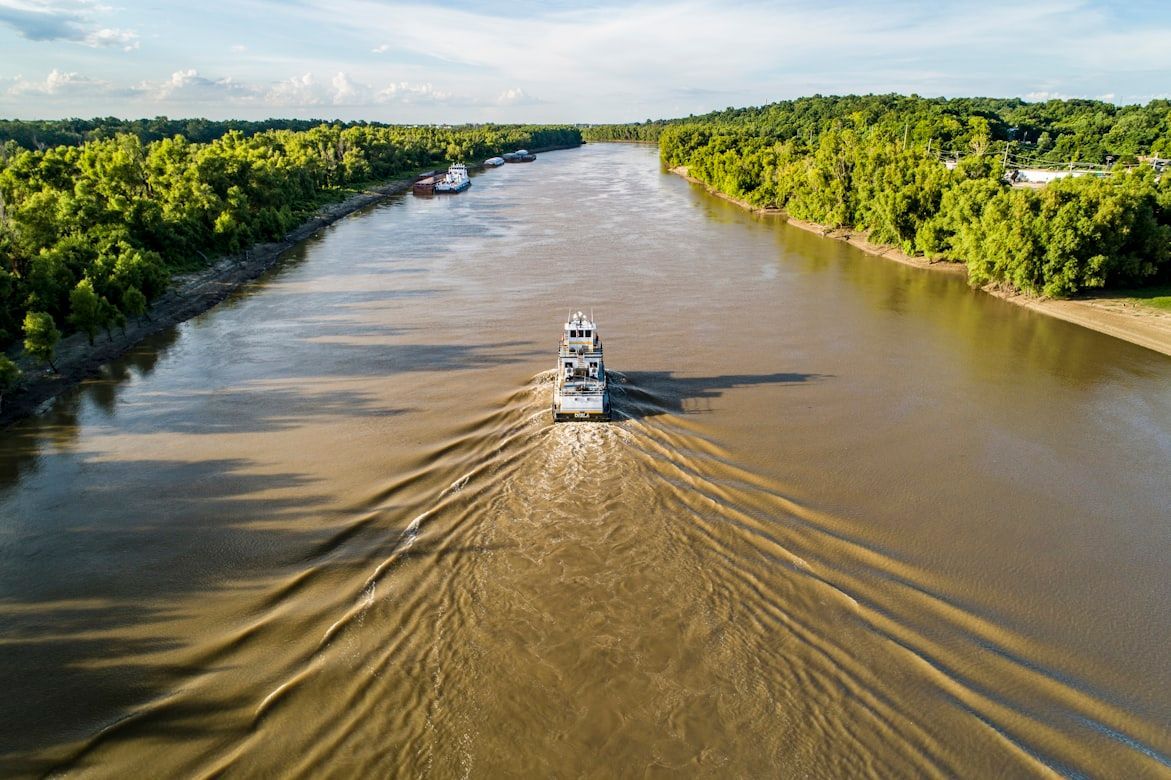
Missouri River

Image: Jayden Herr

The name of the Missouri River comes from the Algonquian term ouemessourita, meaning "people with dugout canoes."

A crucial highway for early explorers like Lewis and Clark, as well as later settlers, this 2,300-mile-long river was once home to Native tribes such as the Missouria. Today, it remains a vital part of regional agriculture and river transport.

3
Hudson River

Image: Harry Gillen

Originally called Muh-he-kun-ne-tuk ("waters that are never still") by the Mohicans, the river was later renamed after Henry Hudson, who explored it in 1609 for the Dutch East India Company.

The Hudson Valley later grew into both an economic and cultural hub, inspiring the Hudson River School of painters and playing a strategic role during the American Revolution.

4
Colorado River

Image: Mike Newbry

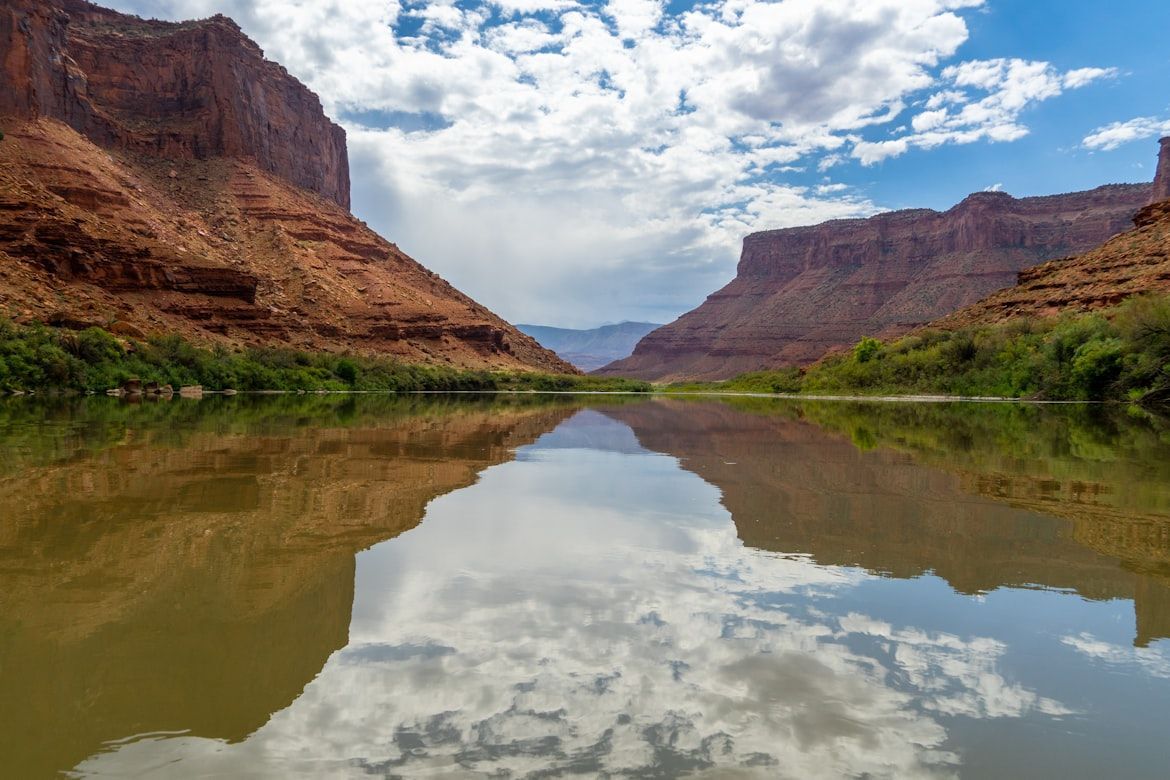
The name Colorado comes from Spanish, meaning "reddish," a reference to the red silt once carried by the river. Before 1921, its upper course was known as the Grand River, until Congress renamed it to reflect the state of Colorado.

Over millions of years, the Colorado River carved the Grand Canyon, one of the world’s most dramatic natural landscapes. Today, it supports irrigation across seven U.S. states and northern Mexico and generates hydroelectric power through major dams such as Hoover Dam and Glen Canyon Dam.

5
Rio Grande

Image: Sara Cottle

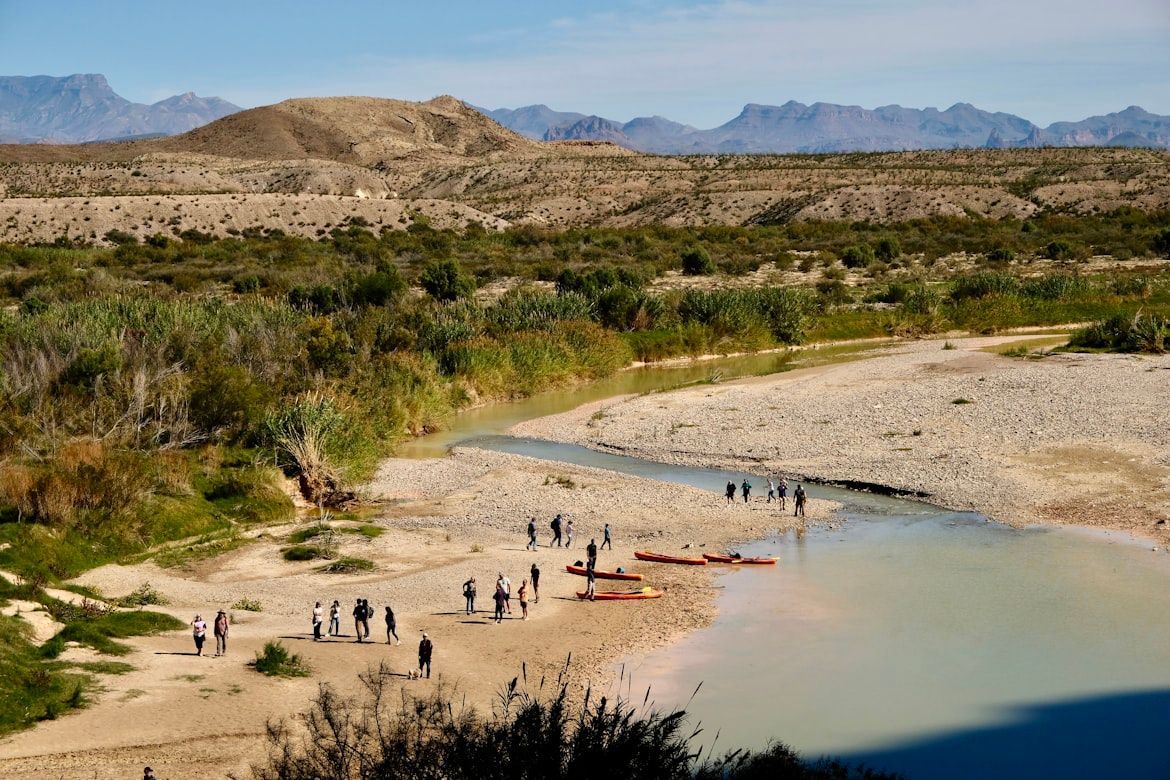
The name Rio Grande means "Big River" in Spanish. Serving as the border between the U.S. (Texas) and Mexico, it has defined geopolitical boundaries since the end of the Mexican-American War in 1848.

Historically, the Rio Grande supported Indigenous communities such as the Pueblo and Apache peoples, and later Spanish missions and settlements. Today, it serves as a lifeline for agriculture, cities, and wildlife habitats across the arid regions of Texas, New Mexico, and northern Mexico along its 1,896-mile course.

6
Ohio River

Image: Joshua Canter

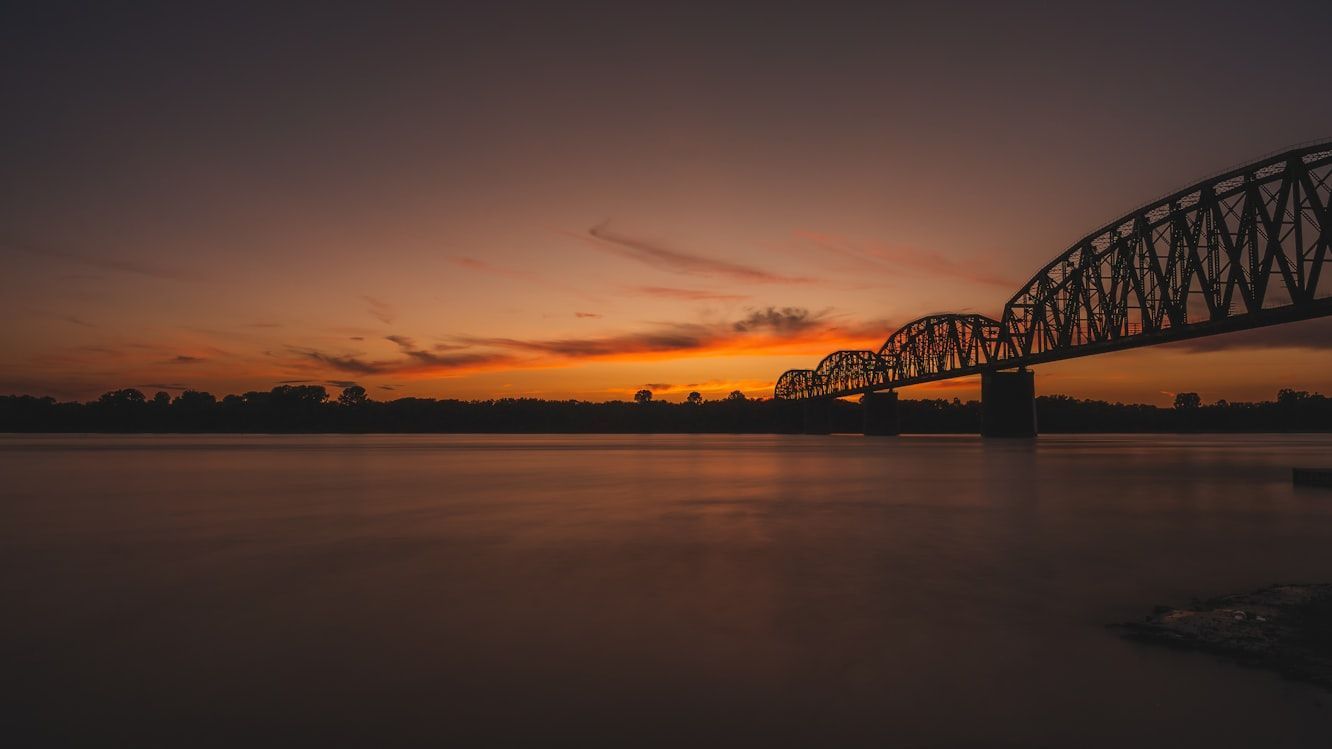
"Ohio" comes from the Seneca word ohi:yo’ , meaning "good river" or "large creek." Formed by the confluence of the Allegheny and Monongahela Rivers at Pittsburgh, it flows for about 981 miles through six states before joining the Mississippi River.

In early America, the Ohio was a key route for westward expansion and trade. Settlements along its banks grew into important commercial and industrial centers, including cities like Cincinnati, Louisville, and Pittsburgh, and its fertile floodplains supported agriculture that fueled the growing nation.

7
Columbia River

Image: Stephen Walker

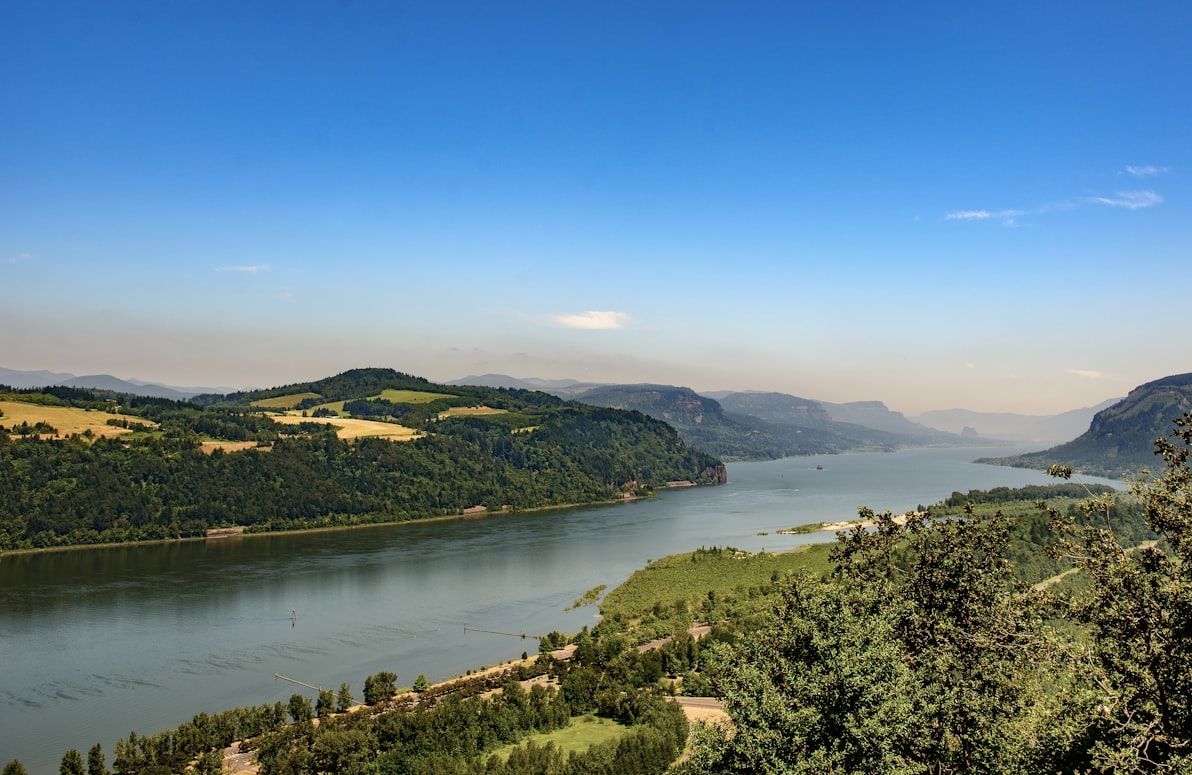
The Columbia River was named after the Columbia Rediviva , the ship captained by Robert Gray , which itself was named in honor of Christopher Columbus. For thousands of years, the river served as a vital trade network for numerous Native American tribes, and later became central to the North American fur trade.

Its fertile valleys supported settlements and agricultural development throughout the Pacific Northwest. Today, the Columbia is a major source of hydroelectric power, with major dams such as Grand Coulee and Bonneville supplying electricity to millions of people.

8
Potomac River

Image: Sara Cottle

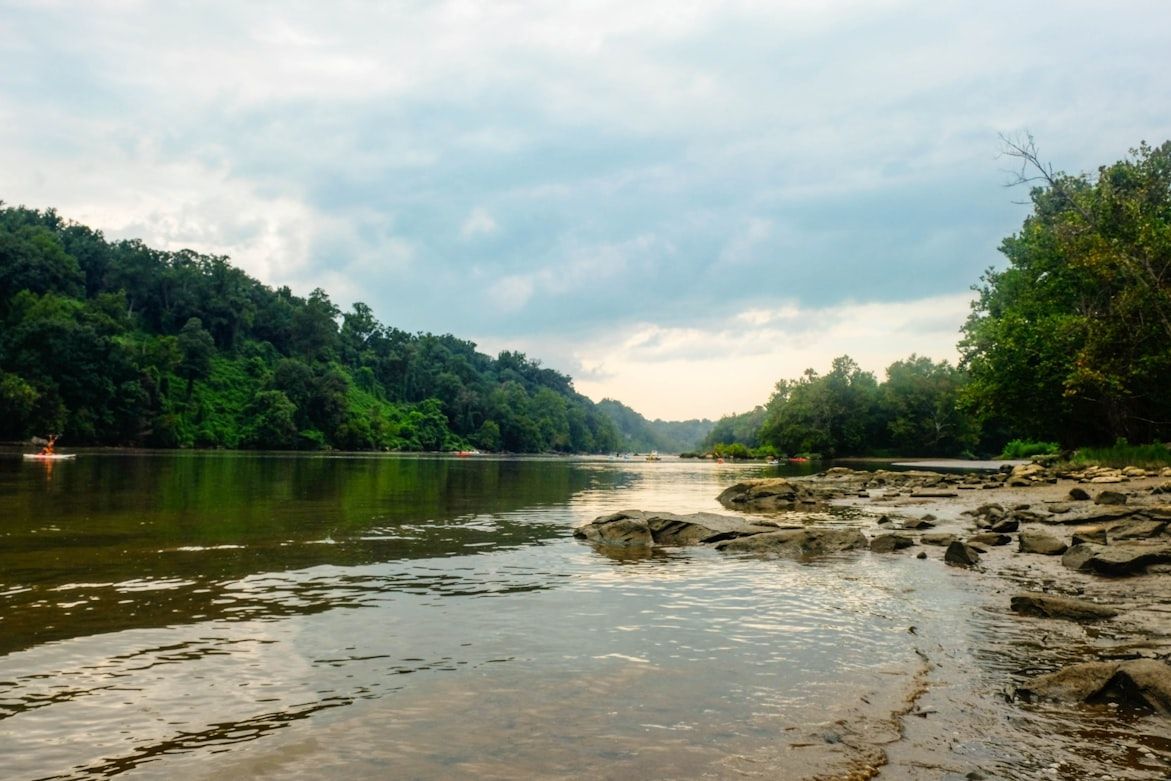
The name "Potomac" comes from a Native Algonquian word, likely Patawomeck (probably Piscataway), meaning "river of swans." The river flows past Washington, D.C., and George Washington’s Mount Vernon estate overlooks it.

During the colonial era and the Civil War, it was a crucial transport route, and its watershed continues to hold historical, cultural, and political significance today.

9
Delaware River

Image: Clay Banks

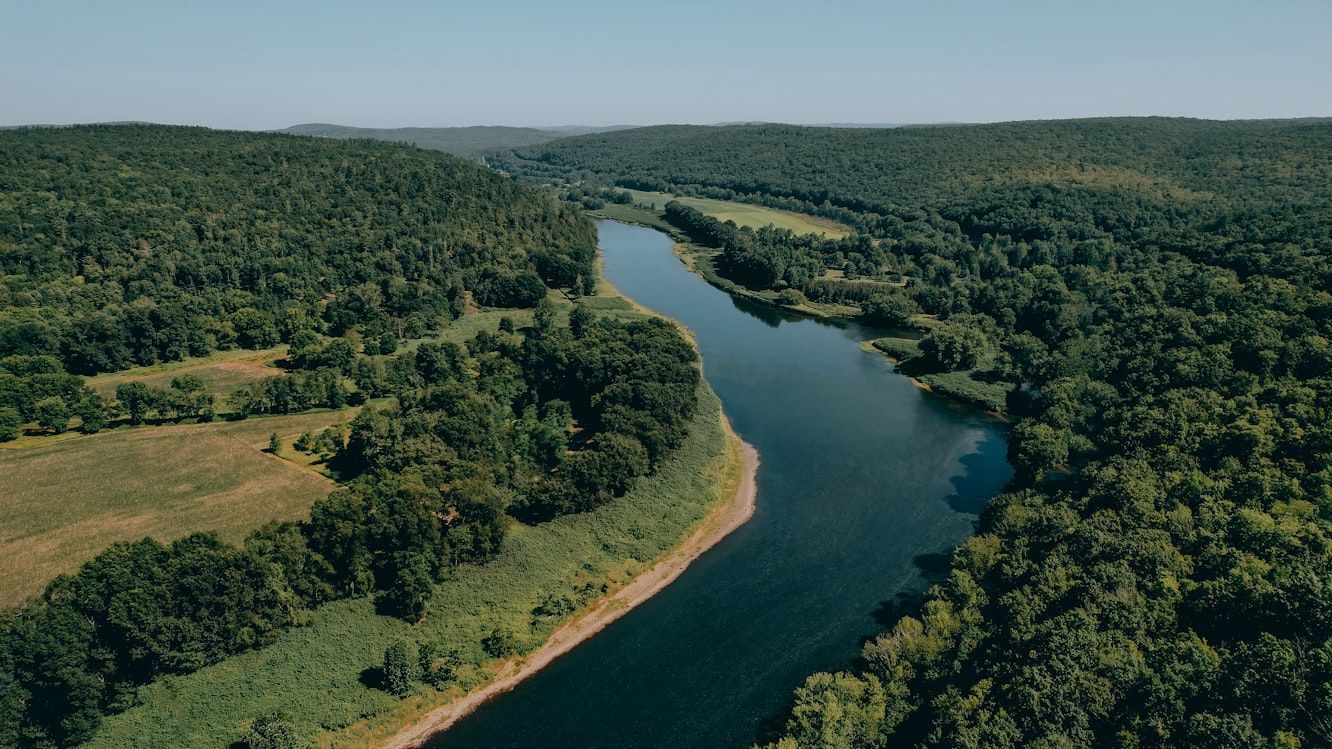
Named after Lord De La Warr (Thomas West), an English nobleman and colonial governor, the Delaware River is best known for George Washington’s daring 1776 crossing, which surprised Hessian troops in Trenton and provided a crucial morale boost for the Continental Army during the Revolutionary War.

Over the years, the river has remained vital for trade and industry, shaping the mid-Atlantic economy and supporting major ports in New Jersey, Pennsylvania, and Delaware.

10
Susquehanna River

Image: Jennifer Wick

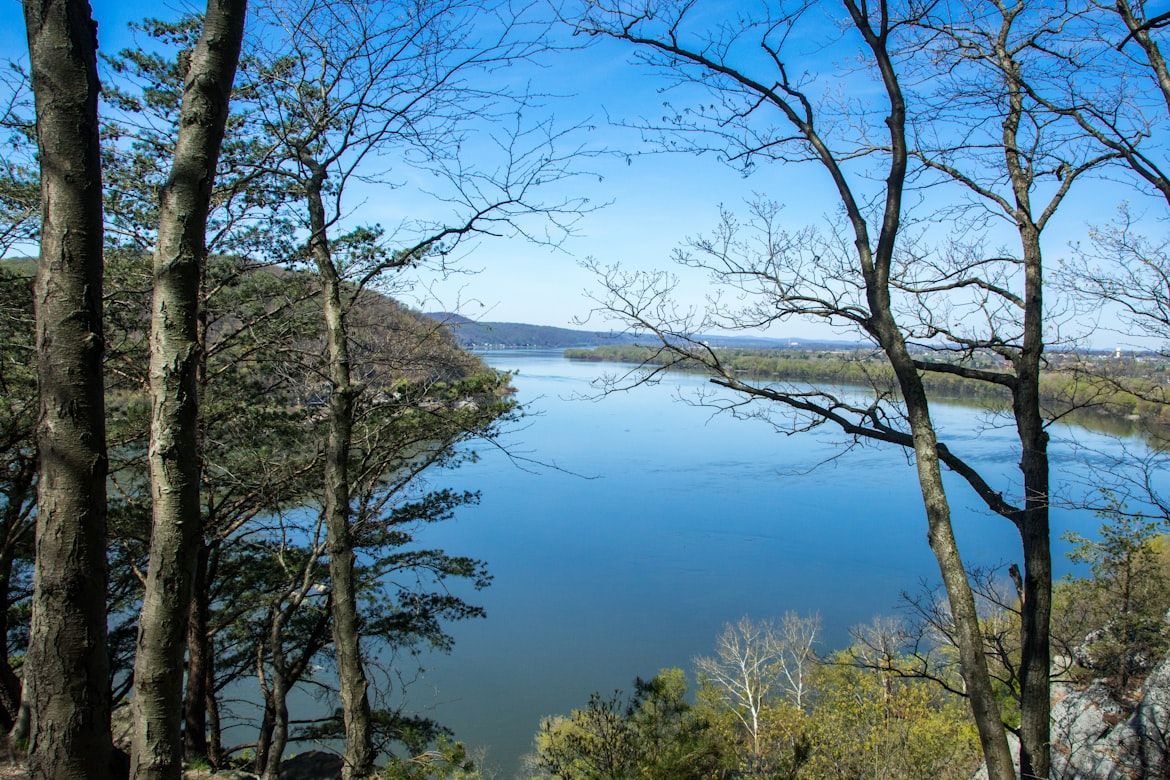
The name "Susquehanna" likely comes from the Lenape word siskëwahane, meaning "Muddy River" (though other translations, such as "Oyster River," have been proposed). One of the oldest river systems in North America, the Susquehanna stretches about 444 miles from New York through Pennsylvania to the Chesapeake Bay in Maryland.

It supported Indigenous communities such as the Susquehannock, and early colonial settlements relied on it for transport, fishing, and trade. Its fertile valley later powered mills, contributed to the region’s coal and lumber industries, and played a key role in shaping the development of the Mid-Atlantic.

Explore more American facts

Choose your favorite category!

General
General

As American as apple pie—the very best America has to offer!

Culture
Culture

Delve into the astounding richness of American lore.

Geography
Geography

Hop in and explore vast and diverse American landscapes.

History
History

Discover the key moments that shaped the United States.