Geography Geography 6 min read

Cowboy culture

Explore the “Lone Star State” with these fun facts about Texas!

Image: Lucas Beck

A song made popular by "the Singing Cowboy" Gene Autry contains these lyrics: "The stars at night are big and bright, deep in the heart of Texas." And while it's true that the "Lone Star State" is known for that single star shining on its flag, Autry wasn’t exaggerating— a star-filled Texan night sky is truly a sight to behold. However, that’s just the tip of the iceberg of the things that make this state so wonderful. With that in mind, we have compiled 10 of our favorite facts about Texas, hoping to inspire your future trip and fill you with pride for our second-largest state. Enjoy!

1
Brisket

Image: Sergey Kotenev

We’ll begin with a Texan staple . Texas boasts a number of extraordinary culinary delicacies, and we could have easily focused on any of them for this entry. As a sign of respect, we’ll mention chili con carne, Texas’ official state dish, as well as the Texas Tommy, a delicious hotdog served with bacon and cheese. However, we must give credit where credit is due to what’s perhaps the most iconic dish in Texan cuisine— we believe that title goes to the almighty brisket.

It’s no secret that Texas barbecues are the stuff of legends, and in that sense, many believe that brisket is the undisputed crown jewel of any barbecue worth its salt. While it's true that this beef cut does take some time to cook in Texan slow-smoking barbecue, briskets are truly something special.

2
Six Flags Over Texas

Image: Zabdiel Gonzalez

Have you ever wondered why the iconic theme park is called "Six Flags?" The name comes from the popular slogan "Six Flags Over Texas," but that doesn’t clarify exactly what those flags represent. Well, the answer lies in Texas history, since it is a direct reference to the six nations that have governed Texas in the past.

Since its foundation, Texas has been governed by Spain, France, Mexico, the Confederate States, and the United States. Not only that, for a brief period Texas was its very own independent country, known as the Republic of Texas. This independent state lasted from 1836 to 1846 before it became our nation’s 28th State.

3
Size

Image: Mick Haupt

Texas might not be our largest state, but it is undeniably massive. As we mentioned earlier, for approximately 10 years the Republic of Texas was its own separate country—and it certainly had the size for it. If Texas was still a separate nation, it would be the 39th largest nation in the world. In fact, the Lone Star state could fit 10 different European nations within its borders and still have room to spare.

Speaking of which, how does Texas fare against other U.S. states? Let’s just put it into perspective: you could fit Rhode Island, our smallest state, 221 times inside Texas. Not only that, you could comfortably fit 10 different states at the same time. Impressive, isn't it?

4
Etymology

Image: Enrique Macias

We’ve referred to Texas by its "Lone Star" nickname so much in this article that you might be inclined to believe that its official slogan is "The Lone Star State." However, you might be surprised to learn that the official one is actually "The Friendly State," a moniker that comes from the etymology of the word "Texas" itself.

The name "Texas" originates from the Caddo word táy:shaʼ, which translates to "friend." It is believed that Spanish settlers called the Caddo people by this word, and eventually named the whole region Provincia de los Texas , meaning "province of the Texas people."

5
Dr. Pepper

Image: Yana Smetana

Need a tasty beverage to wash all that delicious brisket down? We've got you covered, take a trip to Waco, Texas, and visit the Dr. Pepper Museum , housed in the very first building specifically built to bottle this iconic soft drink. Not only will you get a refreshing soda in return, but you’ll also learn all about one of America’s favorite beverages.

As you might have guessed, Waco is the birthplace of Dr. Pepper, created in 1885 by pharmacist Charles Alderton. This soft drink is truly a Texan treasure, regularly enjoyed all across the state. Much like Coca-Cola and other sodas, its recipe is a well-guarded secret, allegedly kept in halves and guarded in two separate safe deposit boxes.

6
Rodeo

Image: Vinny O'Hare

Few things are as synonymous with Texas as rodeo . Cowboy culture is a huge part of what makes this state so special, so if you have a chance, attending at least one rodeo during your visit is a must.

For many Texans, rodeos are more than just a spectacle—they are a way of life that showcases both the daring nature and passionate identity that defines the Lone Star State. There are literally too many rodeos to recommend, but rest assured, the spirit of the Old West still lives in all of them.

7
Lyndon B. Johnson Space Center

Image: History in HD

What’s the first thing that comes to mind whenever someone mentions the 1993 blockbuster Apollo 13 ? You don’t have to answer—we all know it’s Tom Hanks’ iconic delivery of the classic line, "Houston, we have a problem." It’s only natural that this phrase is forever associated with space exploration; after all, the city of Houston has been home to one of NASA’s main facilities for over 60 years.

The Lyndon B. Johnson Space Center is perhaps NASA’s most renowned facility. It’s where manned spaceflight research, training, and flight control are conducted. The center has grown so much in popularity that, in 1967, the city of Houston was given the official nickname "Space City."

8
Weird laws

Image: Tingey Injury Law Firm

Let’s take a small detour to talk about Texas’ wackier side . While the state’s constitution strives to guarantee the happiness and safety of millions of Texans, it also contains its fair share of wacky and weird laws that still exist in our days.

We don’t really have the time or space to deal with every weird Texas law, so here are some of our favorites. For starters, carrying wire cutters is forbidden in Austin, a rule that dates back to whenever cattle owners would settle a dispute by cutting their neighbors’ barbed wire. You should also refrain yourself from walking barefoot on the streets of certain Texan cities, and, thanks to a particularly outdated law, from buying cheese on a Sunday.

9
Texas Eiffel Tower

Image: Estevão Teixeira

Want to experience the majesty of the Eiffel Tower but don’t feel like leaving the country? Don’t worry, Texas has your back. All you need to do is visit the city of Paris (not the French capital, but rather its Texan counterpart) to marvel at a replica of this engineering wonder. While it is significantly smaller than the original, the Texas Eiffel Tower showcases this state’s spirit by sporting a red cowboy hat at its top.

Curiously, Texas's Eiffel Tower was built the same year as another American replica of the Parisian monument. In 1993, both Paris, Texas, and Paris, Tennessee unveiled their replicas. The cowboy hat was added to the Texas Tower in 1998 in a bit of friendly competition since the added height made this tower slightly taller than the one in Tennessee.

10
Presidents born in Texas

Image: History in HD

We’ll end this article by paying homage to some of Texas’ favorite sons. Did you know that Texas is the only state with three different presidential libraries ? What’s curious is that only two U.S. presidents were born in Texas, Lyndon B. Johnson and Dwight D. Eisenhower. However, two other presidents also famously fell in love with the Lone Star State and made it their home.

George H. Bush’s love for Texas is very well-documented. Years before becoming president, he moved to this state with his family after graduating from college. President Bush passed his adoration for Texas on to his children. Years later, his older son George W. became governor of Texas and, eventually, the 43rd president of the United States.
General General 3 min read

Food names that are mouthfuls

The dulce de leche craze and other foreign foods Americans love

Image: Adamsov

Not being able to pronounce a meal’s name properly doesn’t matter so much when it’s delicious! Some treats have been around for so long that most of us have incorporated them in our homes: like sushi, curry, or simply pizza! But other newcomers cause us to stop and reread when we are trying to order them –like feijoada or dulce de leche. Let’s look into the list of foreign foods we have embraced and welcomed!

1
Pizza

Image: Nik Owens

This Italian classic truly needs no introduction. From its humble beginnings in Naples, pizza conquered the world, and America is no exception. Whether it's a classic New York slice or a deep-dish Chicago pie , pizza is a staple in American diets, with endless customizable topping options.

2
Sushi

Image: Jakub Dziubak

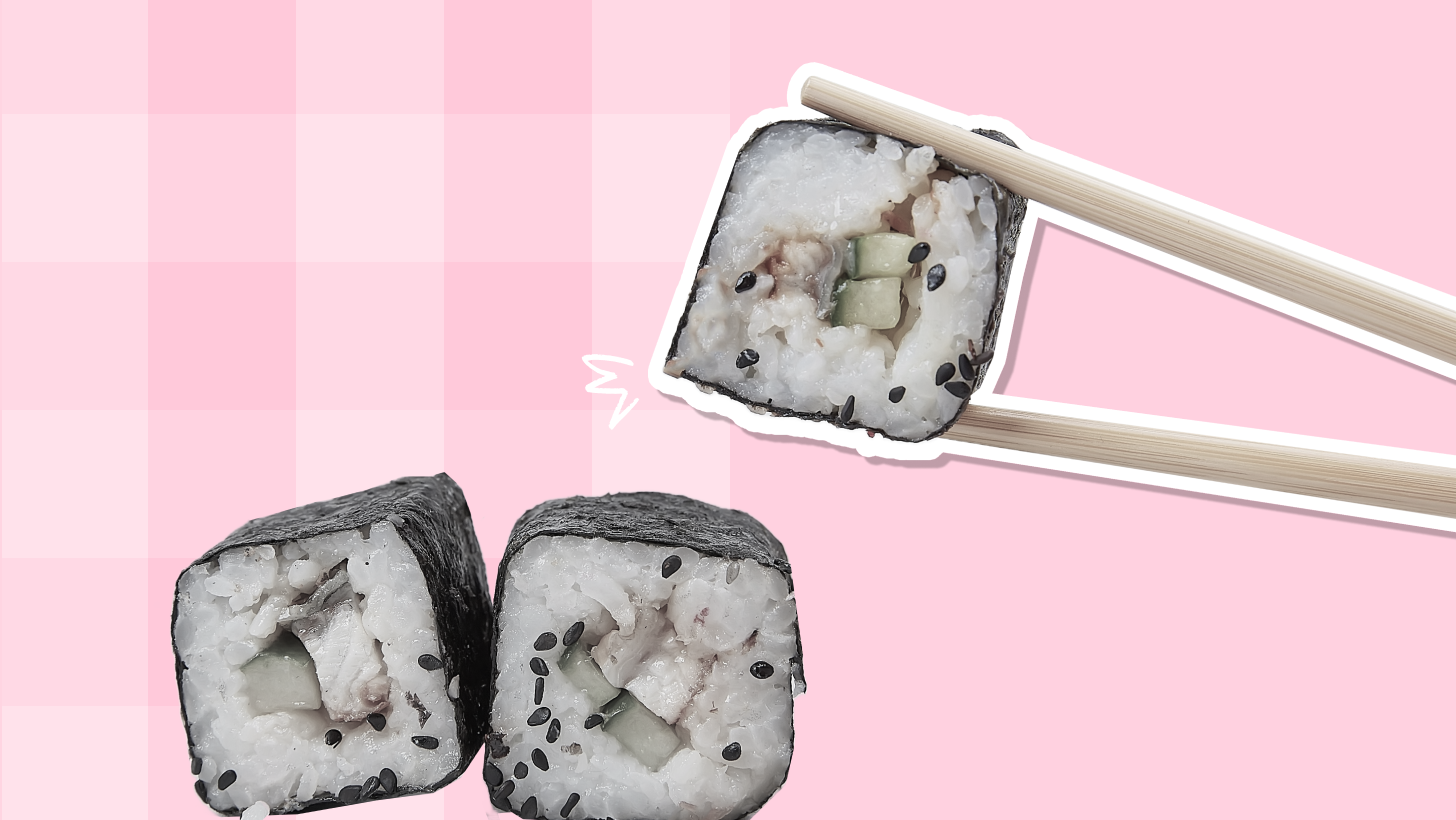
Once considered exotic, this Japanese delicacy has become a mainstream favorite in America. From California rolls to spicy tuna, these bite-sized pieces of artfully prepared fish and rice have won over many of our palates with their fresh flavors. Not to mention the fun appeal of sushi bars!

3
Fondue

Image: angela pham

Cheese fondue or chocolate fondue? All are welcome! This Swiss tradition of dipping diced food into a communal pot has become a fun and interactive dining experience for Americans. It’s a meal as much as an event: The point is to share and enjoy!

4
Dulce de Leche

Image: Leigh Skomal

This caramel treat hails from South America, where it's slathered on everything : pancakes, fruit, ice cream —you name it! Lately, Americans have embraced this sweet indulgence, swirling it into ice cream and frappucinos, drizzling it over desserts, and even stuffing it into cookies.

5
Ramen

Image: Bon Vivant

Another convenient, exotic, and fulfilling meal that many Americans can vouch for. Whether in the form of a quick instant noodle fix or as a gourmet bowl in a Japanese bar, this is a meal that has become a favorite comfort food for many.

6
Macaron

Image: Holly Stratton

Charming to the eyes as well as delicious! Macarons are delicate French cookies that are almost too pretty to eat . They are almond-based and usually served in bright colors, already a favorite for those of us with a sweet tooth.

7
Pad Thai

Image: Hidden

Once street food in Thailand, today a go-to for American takeout lovers. It combines fried rice noodles, protein, vegetables, and a tangy sauce . Interesting! The dish offers a delicious balance of flavors and textures that has garnered many fans across the country.

8
Paella

Image: Olivier Collet

Paellas are inviting to all of the senses. This saffron rice is a staple of Spanish cuisine and often includes seafood, chicken, or chorizo. It’s accompanied with vegetables and served in a large pan. Its colorful presentation makes it a showstopper at any dinner party or food festival.

9
Pavlova

Image: Léo Roza

This meringue-based feast from New Zealand and Australia has charmed its way onto many American dessert menus. If you like a crisp crust of meringue with a fluffy interior, topped with fresh fruit like strawberries or cherries, you must try this dessert —if you haven’t already!

10
Feijoada

Image: Beatriz Braga

Feijoada (pronounced fey-zhoo-ah-dah) is a hearty black bean stew from Brazil. It’s packed with pork, spices, and often served with rice and orange slices. Sure, a bold flavor . But Americans are starting to embrace this traditional Brazilian pride!

11
Arepas

Image: Alexandra Tran

Arepas can go with anything, really. Some refer to them as culinary blank canvases . They are versatile cornmeal cakes from Colombia and Venezuela, which can be stuffed or accompanied by spreads like cheese, shredded beef, vegetables —you name it!

12
Gyro

Image: Bruna Santos

The gyro (pronounced yee-roh) is a Greek pita-wrapped delight, and a favorite of handheld dining . Packed with spiced meat, crisp veggies, and garlicky tzatziki, gyros are a satisfying and flavorful meal that Americans have embraced for their fresh taste and convenience.

13
Curry

Image: Photo By: Kaboompics.com

The fragrant aromas and complex flavors of Indian curries have captivated us for decades. From the creamy tikka masala to the fiery vindaloo , curry dishes have opened the door for Americans to incorporate rich spices from foreign cuisines.

Geography Geography 4 min read

Thriving in the heat

Resistant to cactus spines! Meet the Mojave Desert's toughest creatures

Image: Dennis Thompson / PetrCZ

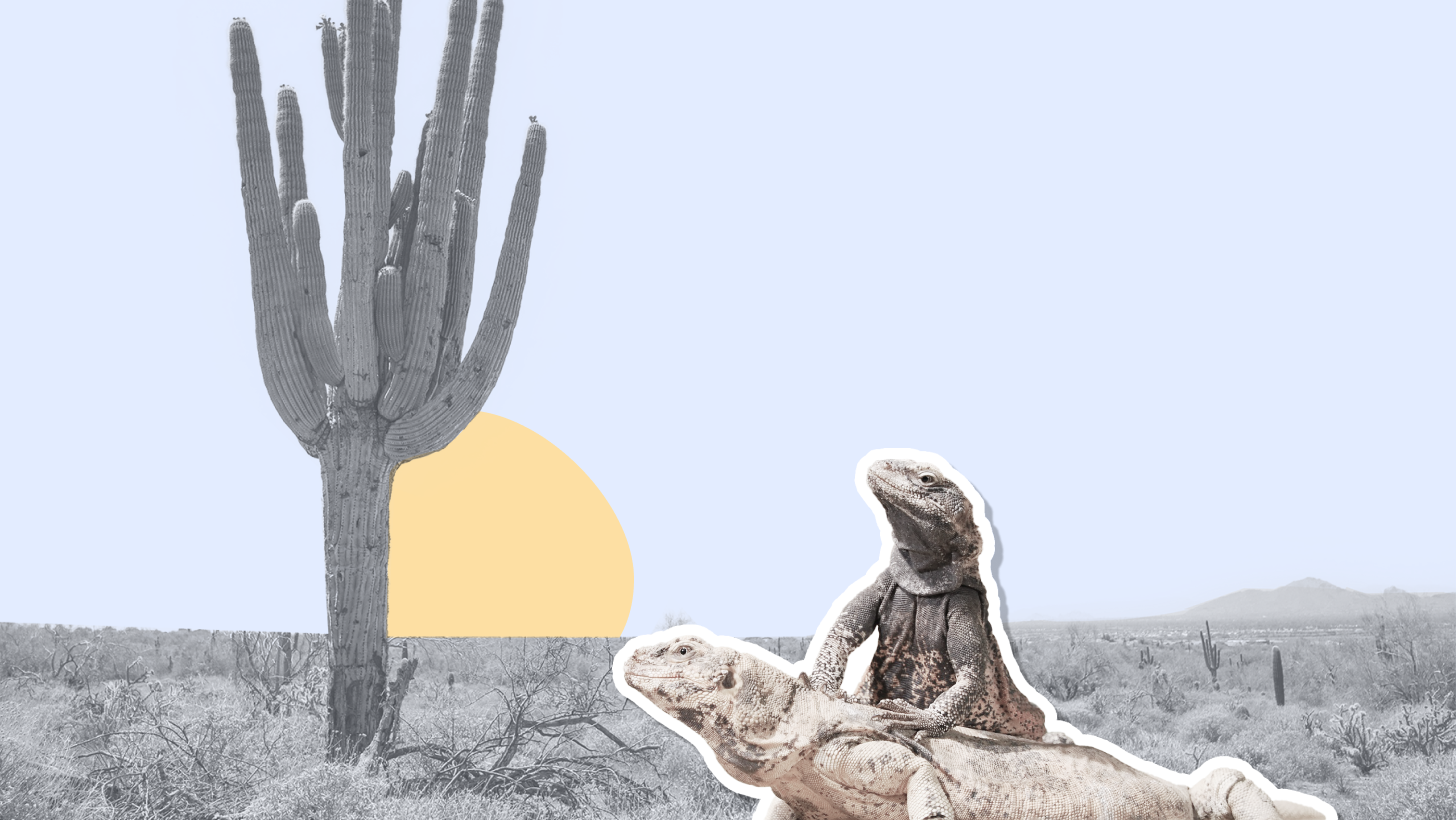
The desert can be one of the most dangerous environments for humans. However, despite the harsh conditions, a surprising number of species not only can survive but also exhibit incredible traits and abilities. If you're ready to meet 10 of these powerful (and, we must admit, threatening) creatures, keep reading!

1
Chuckwalla

Image: Matthew Mentley

The chuckwalla can grow up to 16 inches long, making it one of the largest desert lizards. However, its size isn't the most impressive thing about it. What sets it apart from the rest is its ability to inflate like a balloon to twice its size! That's right; chuckwallas inflate their bodies to fit perfectly into holes and crevices in rocks, making it nearly impossible for predators to pull them out.

As if that weren't enough, these lizards live in desert environments with virtually no water. Although they do take in some liquid, most of their hydration comes from the plants they eat.

2
Kangaroo rat

Image: Michael Jerrard

The incredible kangaroo rat is a specialist in surviving the harshest environments. One of its talents is construction; this rodent knows how to build elaborate burrows in sandy soils for shelter and protection. In addition, kangaroo rats have fur-lined cheek pouches that allow them to carry food from where they find it back to their burrows.

But what makes them unique is their jumping ability. As small rodents (just 3.5 to 5.5 inches), their leap is surprising: they can reach up to 9 feet in a single bound! Plus, like the chuckwalla, the kangaroo rat also survives in the desert on minimal water intake.

3
Gila monster

Image: David Clode

The Gila monster is as famous as it is amazing. This reptile, native to the southwestern United States and northern Mexico, stands out for its unique appearance: a dark, scaly skin with pink or orange spots. In addition, the Gila monster has something that makes it special: it's one of only two venomous lizards in North America. Its potent venom is full of neurotoxins that affect the nervous system of its prey, causing intense pain, swelling, bruising, and even paralysis.

4
Mojave green rattlesnake

Image: Joshua J. Cotten

While any snake can be terrifying to most of us, the Mojave Green Rattlesnake stands out for several reasons.

The crotalus scutulatus —according to its scientific name— is distinguished by its greenish hue, which not only gives it its characteristic nickname but also helps it camouflage in the desert sand. This snake is not only venomous but is considered one of the most dangerous rattlesnakes! Its potent venom contains neurotoxins that, if left untreated with antivenom, can be lethal to various species, including humans.

5
Cactus wren

Image: Carol Lee

You've probably tried transplanting a cactus or got close to one, only to end up with tiny thorns that pricked you for days. But this doesn't happen to the cactus wren, an amazing bird known for its exceptional adaptation to the desert.

As its name implies, one of the most impressive features of the cactus wren is its ability to build large and sturdy nests on cacti without getting hurt. As if that weren't impressive enough, the bird's cleverness leads it to cover its nest with snakeskin to discourage potential predators. Incredible, right?

6
Green tarantula

Image: Thomas Oldenburger

Spiders are among the most feared creatures by humans. But if there's one spider that could scare even the bravest, it's the Mojave green tarantula, which can grow up to 4 inches long and has legs that span up to 6 inches!

Its venom delivers intense pain to its prey while simultaneously paralyzing them. In addition, these tarantulas have urticating hairs that irritate predators' skin, eyes, and respiratory systems. On the other hand, one of their great traits is their lifespan: This species can live up to 25 years in the wild!

7
Sidewinder rattlesnake

Image: Michael Jerrard

The sidewinder rattlesnake is definitely one of the desert bosses. You can tell it’s dangerous just by seeing it: Its typical triangular, flat head is topped with two horns that don't look friendly at all.

But what makes it a unique species is its movement pattern. This snake doesn't move in a straight line but in a sidewinding motion, lifting its body off the ground in a zigzag pattern. That allows it to confuse its prey while moving quickly without getting burned by the hot sand.

8
Pinyon jay

Image: frank mckenna

The cactus wren is not the only bird on this list; the pinyon jay also has its place. Nicknamed "forest farmers," pinyon jays bury the seeds of pinyon pines to eat later. The seeds they leave uneaten sprout into new pines, creating a symbiotic relationship between tree and bird. Even more impressive is their incredible memory: pinyon jays can remember thousands of seed burial locations, even months after hiding them!

9
Desert tortoise

Image: Abraham Weiss

Unlike bears and other animals that hibernate during the winter, desert tortoises enter a form of hibernation known as brumation. This occurs when it's very hot to save energy and they need to protect themselves from the heat. To do so, desert tortoises create deep burrows using their strong, shovel-like front legs. In addition, they can live up to 50 years in the wild, making them one of the longest-living reptiles.

10
Bark Scorpion

Image: Andrey Tikhonovskiy

When it comes to danger, the Bark Scorpion of the Mojave Desert is also one of the stars on this list. Considered one of the most dangerous scorpions in all of North America, this arachnid has a light yellowish body with darker spots. It tends to hide under rocks or trees, so you know where to be most careful. While it's not famous for attacking humans, it may sting if it feels threatened.

Explore more American facts

Choose your favorite category!

General
General

As American as apple pie—the very best America has to offer!

Culture
Culture

Delve into the astounding richness of American lore.

Geography
Geography

Hop in and explore vast and diverse American landscapes.

History
History

Discover the key moments that shaped the United States.