Culture Culture 6 min read

Presidential companions

First Pets: Discover the strangest animals that lived in the White House
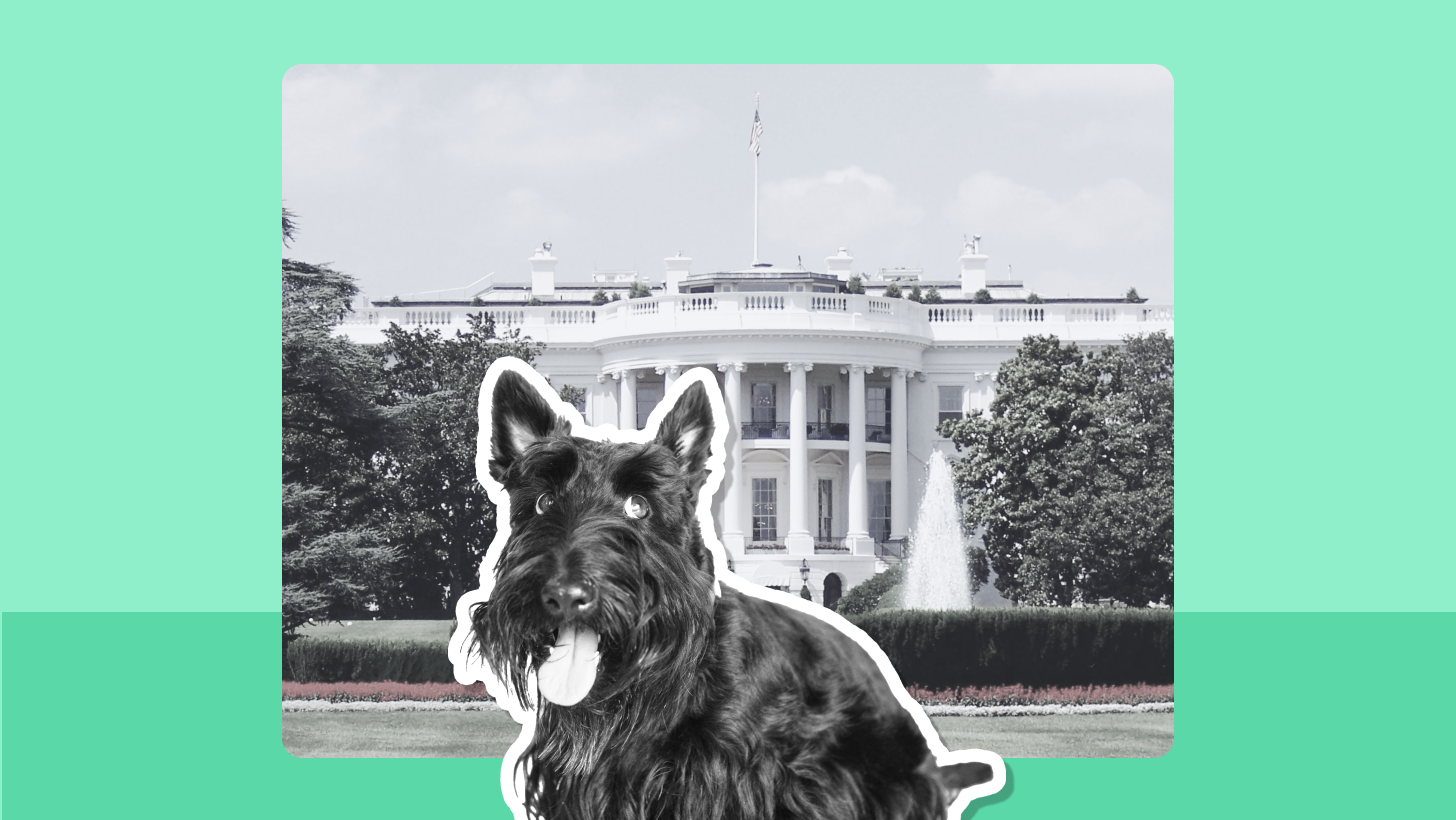
Image: RDNE Stock project / Aaron Kittredge

There’s a quote attributed to Harry Truman that says, "If you want a friend in Washington, get a dog." It seems U.S. presidents took this maxim to heart, as many of them brought not only dogs but also other types of animals—even exotic ones—to live with them in the White House. Some of these pets simply provided companionship to the presidential family; others gained fame for their role in shaping the president's public image or promoting important issues. Keep reading to discover the remarkable—and often amusing—pet stories of 10 former U.S. presidents.

1
Thomas Jefferson’s mockingbird

Image: Library of Congress

Did you know that one of the first animals to live at the White House was a bird? Dick was Thomas Jefferson's mockingbird and the president loved him so much that he let him roam freely in his office. Dick would sing in the Oval, perch on Jefferson's shoulder, sit on his desk, and even take food directly from the president’s lips.

But Dick wasn’t the only curious animal to inhabit the White House in the early 19th century. In fact, Thomas Jefferson had more than thirty pets, including two grizzly bear cubs. These cubs were a gift from the Lewis and Clark expedition, delivered by explorer Zebulon Pike. However, the bears didn’t stay at the White House for long, as Jefferson decided it was best to send them to a museum in Philadelphia.

2
John Quincy Adams’ alligator

Image: Library of Congress

Jefferson wasn't the only president to own fairly unusual pets during his presidency. According to lore, John Quincy Adams kept a pet alligator in the East Room of the White House. Although there’s no way to prove it, the story goes that the alligator would slither around and even chase visitors.

While the tale of the alligator may be a myth, one thing is certain: President Adams' wife, Louisa, kept silkworms. The worms lived in mulberry trees on the White House grounds, and Louisa used to harvest their silk to feed her sewing hobby.

3
Abraham Lincoln’s goats

Image: Mathew Benjamin Brady, Public domain, via Wikimedia Commons

The Lincolns had a variety of animals, including a couple of dogs, a rabbit, a horse, and a turkey. However, perhaps the most curious pets that lived in the White House during Abraham Lincoln’s presidency (1861–1865) were two goats named Nanny and Nanko .

Lincoln let their sons, Willie and Tad, keep their pet goats in their rooms, granting the animals total freedom to roam the Executive Mansion . The Lincoln family was so fond of Nanny and Nanko that the president would even send updates on the goats’ wellbeing when his wife and children were away. In one letter, he wrote: "Tell Tad the goats and father are very well—especially the goats."

4
Rutherford B. Hayes’ Siamese cat

Image: Mathew Benjamin Brady, Public domain, via Wikimedia Commons

Like the Jefferson family, the Hayes family also received some First Pets as gifts from well-wishers, friends, and foreign officials. It was publicly known that First Lady Lucy Hayes loved animals, so the U.S. Ambassador to Siam (now Thailand) gifted her a kitten. This cat became the pet of First Daughter Fanny Hayes and holds the distinction of being the first Siamese cat to live in the United States.

Another Siamese cat, named Miss Pussy, later joined the family, becoming part of a diverse collection of animals. This included two hunting dogs, Juno and Shep; Otis, the miniature schnauzer; Dot, the cocker spaniel; a goat; a mockingbird; pedigreed Jersey cows; four canaries; and several carriage horses.

5
Teddy Roosevelt’s hyena

Image: National Portrait Gallery, CC0, via Wikimedia Commons

Teddy Roosevelt's brood brought a proper zoo to the White House at the dawn of the 20th century. His large, young family and their pets often captured substantial public attention, frequently appearing in periodicals and newspapers of the time.

The Roosevelts cared for an eclectic collection of animals, including badgers, mice, raccoons, pigs, parrots, dogs, cats, baby bears, snakes, a one-legged rooster, a kangaroo rat, a macaw, and a Shetland pony named Algonquin—who once had the pleasure of riding the White House elevator. But the top prize goes to a spotted hyena named Bill. A gift from the emperor of Ethiopia, Bill was taught tricks by Roosevelt and was even allowed to beg for scraps at the dinner table.

6
Woodrow Wilson’s sheep

Image: National Portrait Gallery, CC0, via Wikimedia Commons

Some animals that spent time at 1600 Pennsylvania Avenue had a greater purpose than just being pets. For example, some presidents kept pets for a cause or to set an example. During World War I, President Woodrow Wilson allowed a flock of 48 sheep to live on the White House grounds. The sheep not only kept the lawn trimmed, reducing maintenance costs but their wool was also sold to benefit the Red Cross .

In addition to the sheep, Wilson had a cat named Puffins, chickens, a bull terrier named Bruce, a songbird, and a ram named Old Ike, who was known for his unusual habit of chewing tobacco.

7
Calvin Coolidge’s raccoon

Image: National Photo Company Collection, Public domain, via Wikimedia Commons

President Calvin Coolidge, who served from 1923 to 1929, kept several non-traditional pets at the White House . The Coolidges had a variety of animals, including dogs, canaries, Ebenezer the donkey, and Smoky the bobcat. Even more exotic animals were gifted to them by foreign dignitaries, such as Billy the pygmy hippo, two lion cubs named Tax Reduction and Budget Bureau, a wallaby, a small antelope, and a black bear.

However, First Lady Grace's most renowned pet was a raccoon. The raccoon was initially given to the Coolidges as a contribution to their Thanksgiving meal, but Grace managed to save it. She named it Rebecca and had a special tree house built for her.

8
Franklin D. Roosevelt’s Scottish terrier

Image: Franklin D. Roosevelt Library, Public domain, via Wikimedia Commons

Perhaps one of the most famous pets to live in the White House was President Franklin D. Roosevelt's Scottish terrier, Fala. Roosevelt's presidency came during a very difficult time in history—World War II. For this reason, Fala became a faithful companion not only to the president but also to all the American people.

Fala’s original name was Big Boy, but Roosevelt renamed him "Murray the Outlaw of Falahill" after a Scottish ancestor. In the early 1940s, Fala participated in a campaign by donating his toys to promote scrap rubber collections for the war effort. He also starred in an MGM short-subject film about the war.

9
Warren G. Harding’s Airedale terrier

Image: National Photo Company Collection, Public domain, via Wikimedia Commons

Pets have played a significant role in humanizing presidents and shaping public perceptions, as seen with Franklin Roosevelt and his loyal Fala. The same holds true for Warren G. Harding’s presidency. Harding and his wife, Florence, were avid animal lovers, and during their time in the White House, they kept several canaries, dogs, and even a squirrel named Pete.

But the spotlight went to Laddie Boy, a photogenic Airedale terrier that was perceived by the public as an extension of Harding's campaign slogan, "Return to Normalcy." Laddie Boy had his own cabinet chair, attended meetings, greeted official delegations, and even participated in press conferences and news briefings. He also "hosted" the 1923 Easter Egg Roll while the Hardings were away, further endearing himself to the public.

10
George H. W. Bush’s English springer spaniel

Image: National Archives and Records Administration, Public domain, via Wikimedia Commons

As we have seen, some presidential pets were as famous as the leaders they accompanied during their time at the Executive Mansion. When George H. W. Bush was elected president in 1988, a springer spaniel named Millie became the new First Pet. The following year, Millie had six puppies and quickly won the hearts of Americans across the country.

Millie's popularity was so great that First Lady Barbara Bush appeared on the cover of Life magazine with the dog and her puppies. Barbara later published Millie's Book , a bestseller that narrates a day in the White House from Millie’s perspective. The book was a huge success, selling thousands of copies.

General General 4 min read

A map of weirdness

From Bigfoot to the Jersey Devil, discover these American mysteries!

Image: Michael Herren

America is undoubtedly a vast country, and this great land of ours certainly holds its fair share of mysteries. From coast to coast, you’ll encounter fascinating, enchanting, and sometimes chilling secrets hidden across all 50 states. With that in mind, we’ve selected 10 of the most captivating American mysteries, hoping to inspire the adventurer hiding in all of us. Enjoy!

1
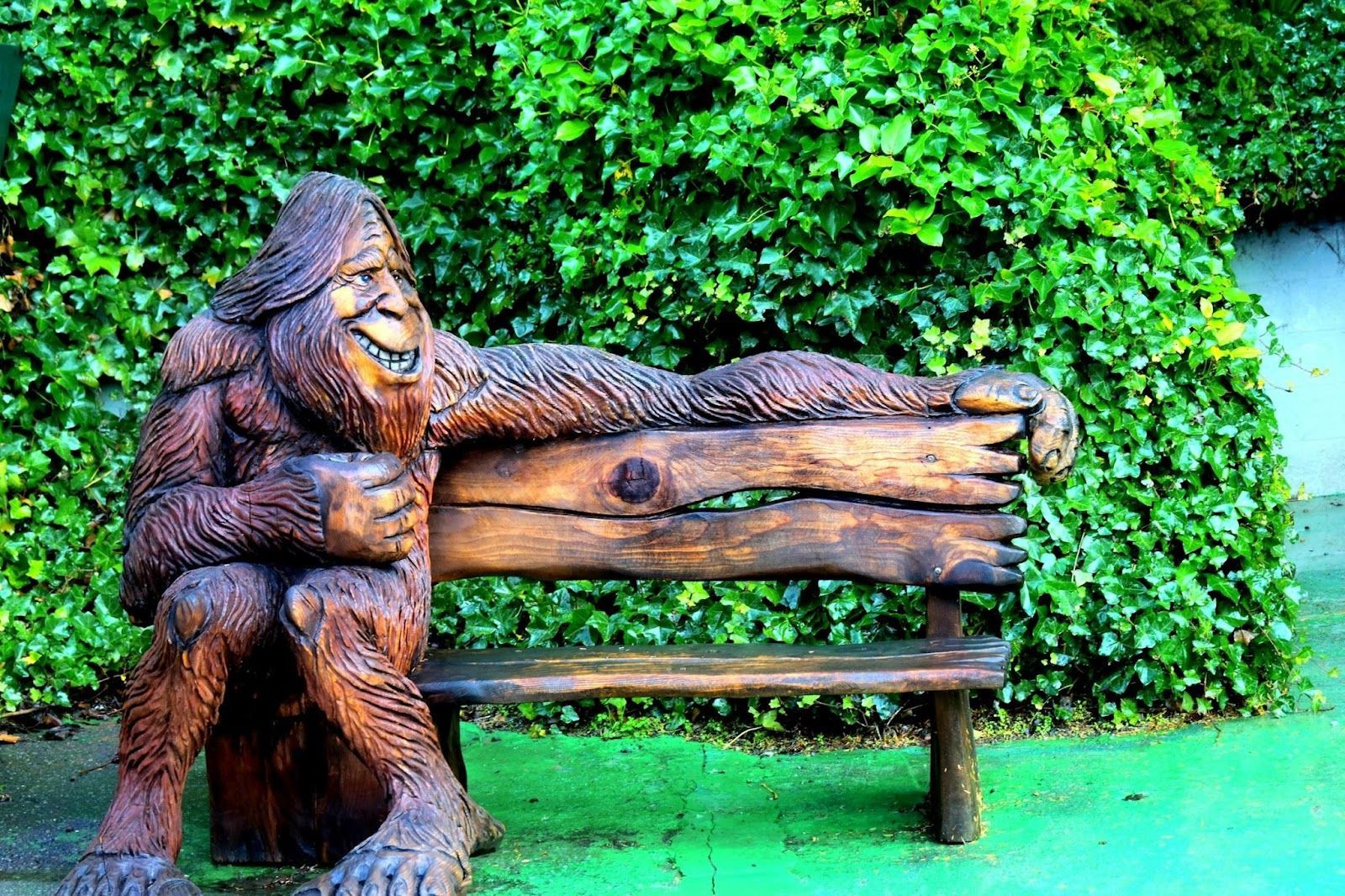
Bigfoot

Image: Mandy Bourke

We’ll start with a classic. For many Americans, Bigfoot is the quintessential mystery —a fantastical creature that has fascinated generations. Also known as Sasquatch, Bigfoot is described as a large, hairy, ape-like being that supposedly roams the forests of North America, evading hikers and adventurers. Some believe most sightings result from misidentifying large mammals like black bears, but true believers continue their relentless search for this mythical creature.

2
Area 51

Image: Oliver Pacas

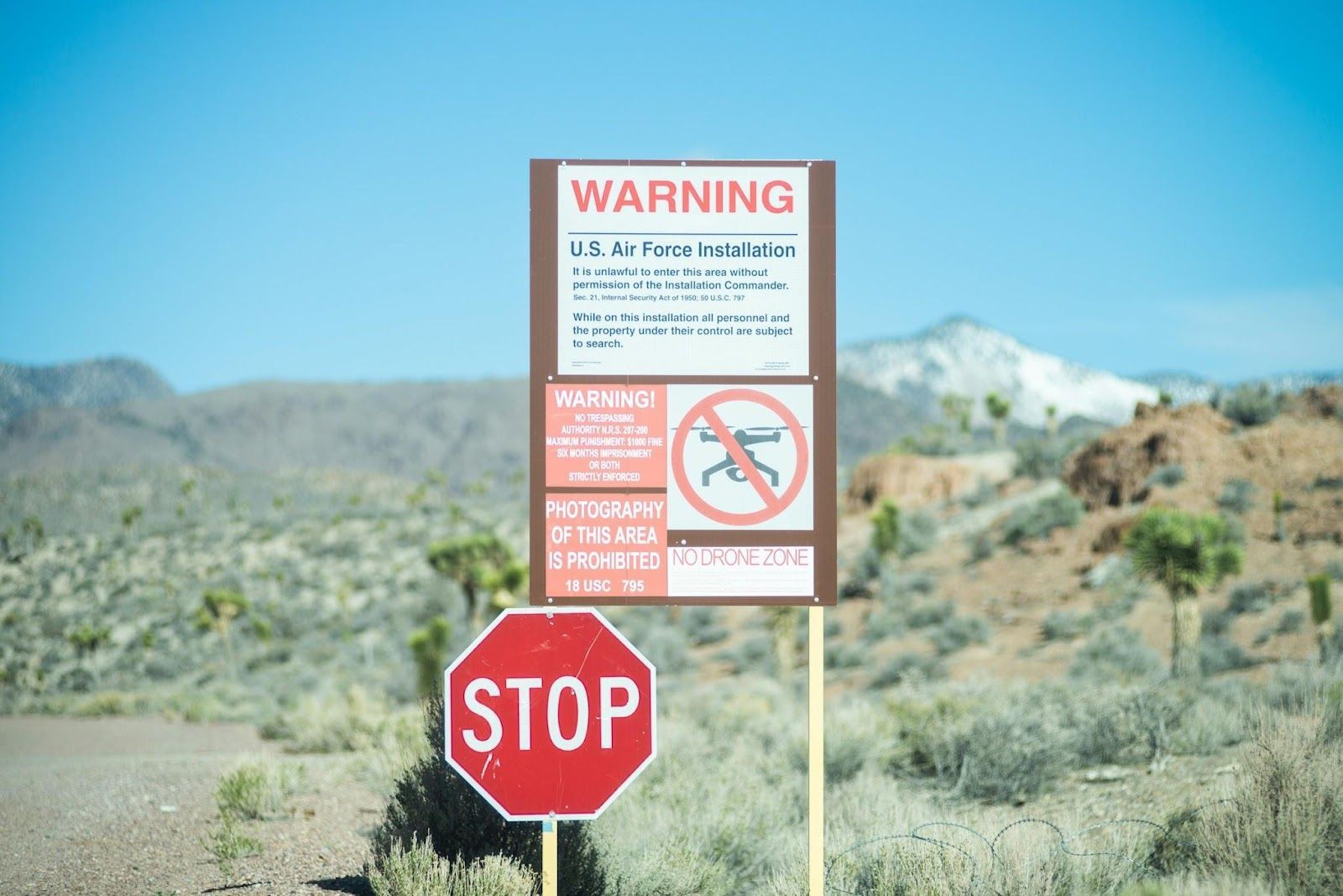
Who would have thought that a number could become synonymous with aliens and mystery? There’s no doubt that Area 51 exists—it is a real and highly classified United States Air Force facility in Nevada. However, most of us know it for the intrigue surrounding it. According to some sources, Area 51 houses crashed spaceships and alien life forms . Of course, the government denies these claims, but to quote the classic TV show The X-Files , some theorists "choose to believe."

3
Amelia Earhart

Image: Tomas Martinez

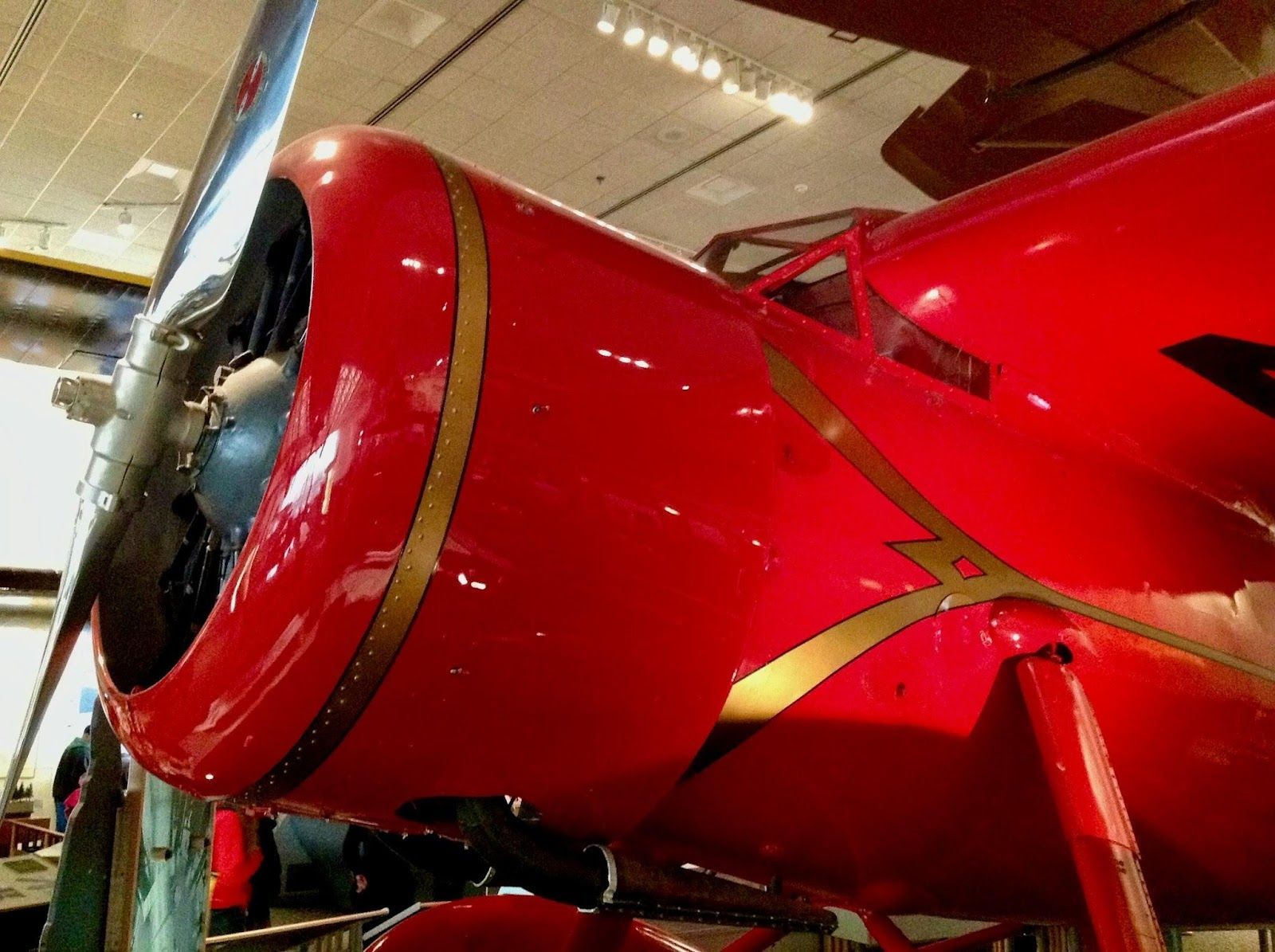
Amelia Earhart's life was one filled with adventure. She became the first female pilot to fly solo nonstop across the Atlantic Ocean, among many other feats. Beyond her achievements, her magnetic personality and best-selling books made her an international icon, forever cemented as an American cultural icon. Her mysterious disappearance only deepens the intrigue surrounding her: While attempting to become the first female pilot to circumnavigate the globe, Earhart’s plane vanished over the Pacific Ocean —no wreckage or remains were ever found.

4
Mothman

Image: Sonika Agarwal

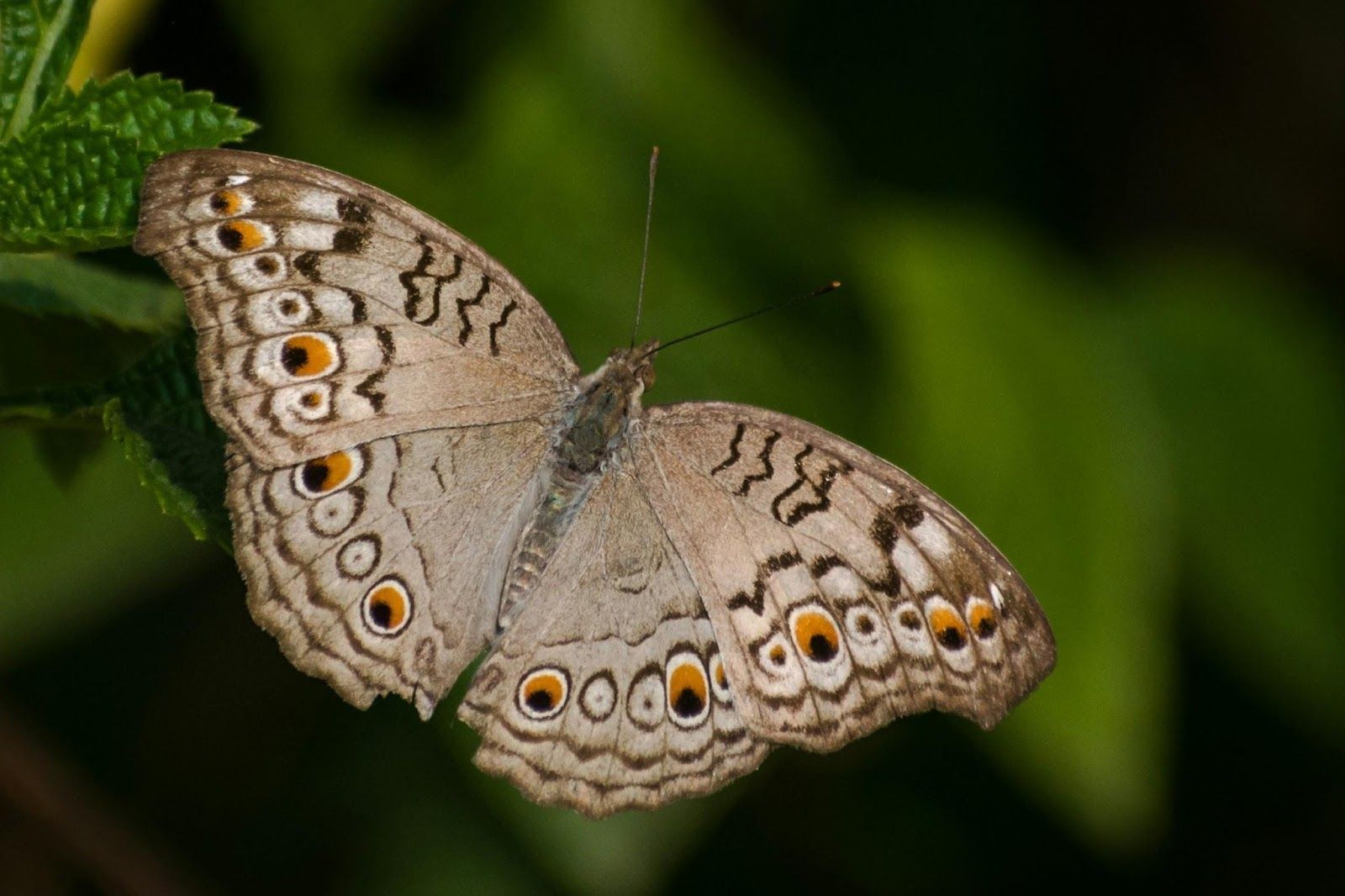
Moths are sadly often given a bad reputation. Though they are close cousins to the beloved, colorful butterflies, some people find them slightly unnerving. For the people of West Virginia , there’s an even greater reason to find moths scary: The "Mountain State" is home to one of America’s most famous cryptids— the Mothman . According to legend, this eerie creature resembles a man , stands about seven feet tall , and has large white wings and glowing red eyes .

5
Jersey Devil

Image: Tech Nick

If you ever visit South Jersey’s Pine Barrens, be on the lookout for an oddly shaped creature often described as a cross between a kangaroo and a winged beast . If luck (or misfortune) is on your side, you might encounter the fabled Jersey Devil . Many legends surround this creature, but the most popular tells of the cursed thirteenth child of a Pine Barrens resident, forever cursed to haunt this region.

6
UFO Sightings

Image: Michael Herren

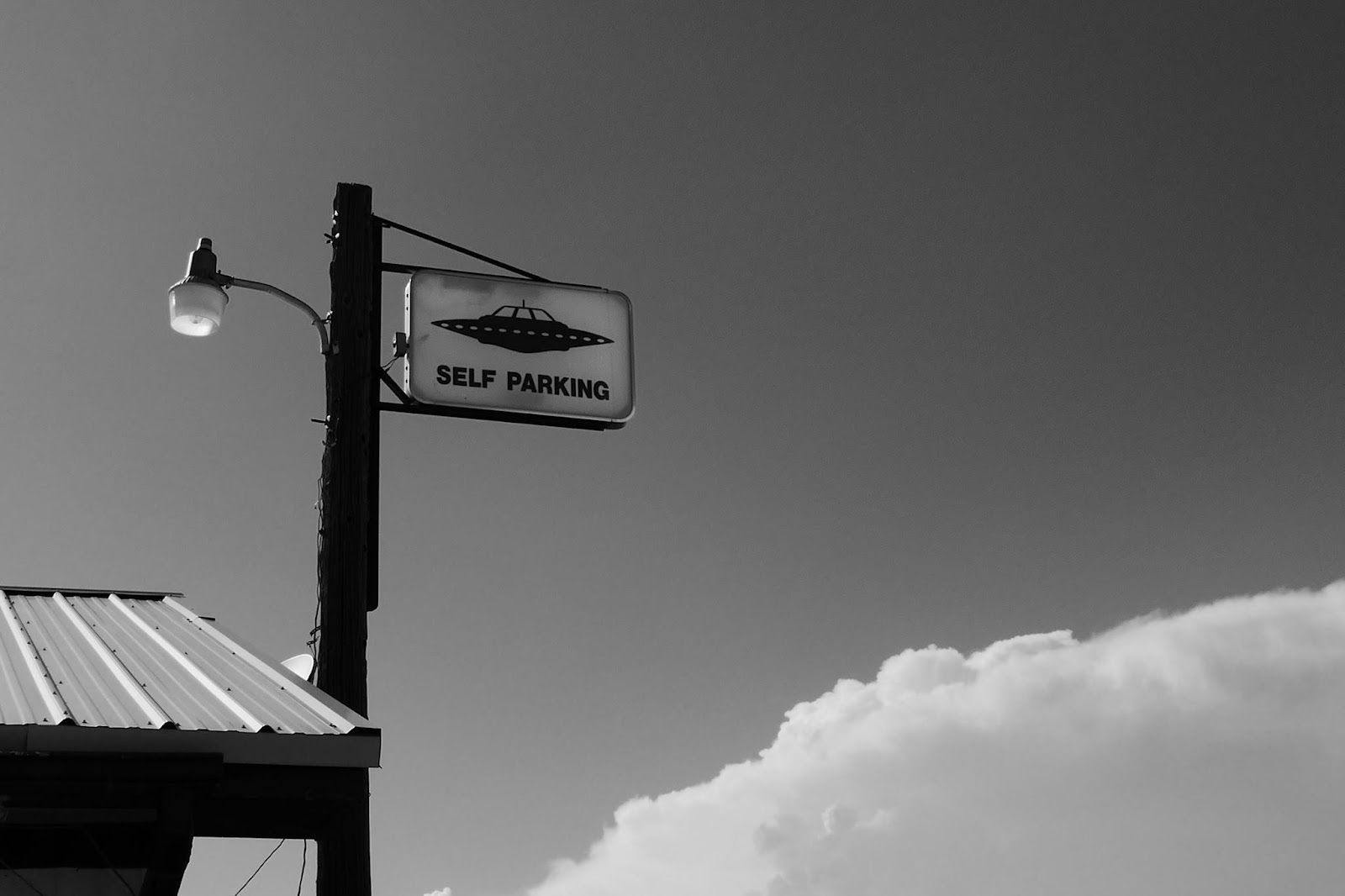
UFO sightings are the bread and butter of paranormal enthusiasts. Thousands of Americans have reported seeing flashing lights in the sky , unable to explain their origin. In that regard, we’ll focus on what is perhaps the most famous UFO sighting in this article: In 1947 , residents of the town of Roswell, New Mexico , claimed to have seen a UFO crash into the desert.

7
Haunted houses

Image: Ján Jakub Naništa

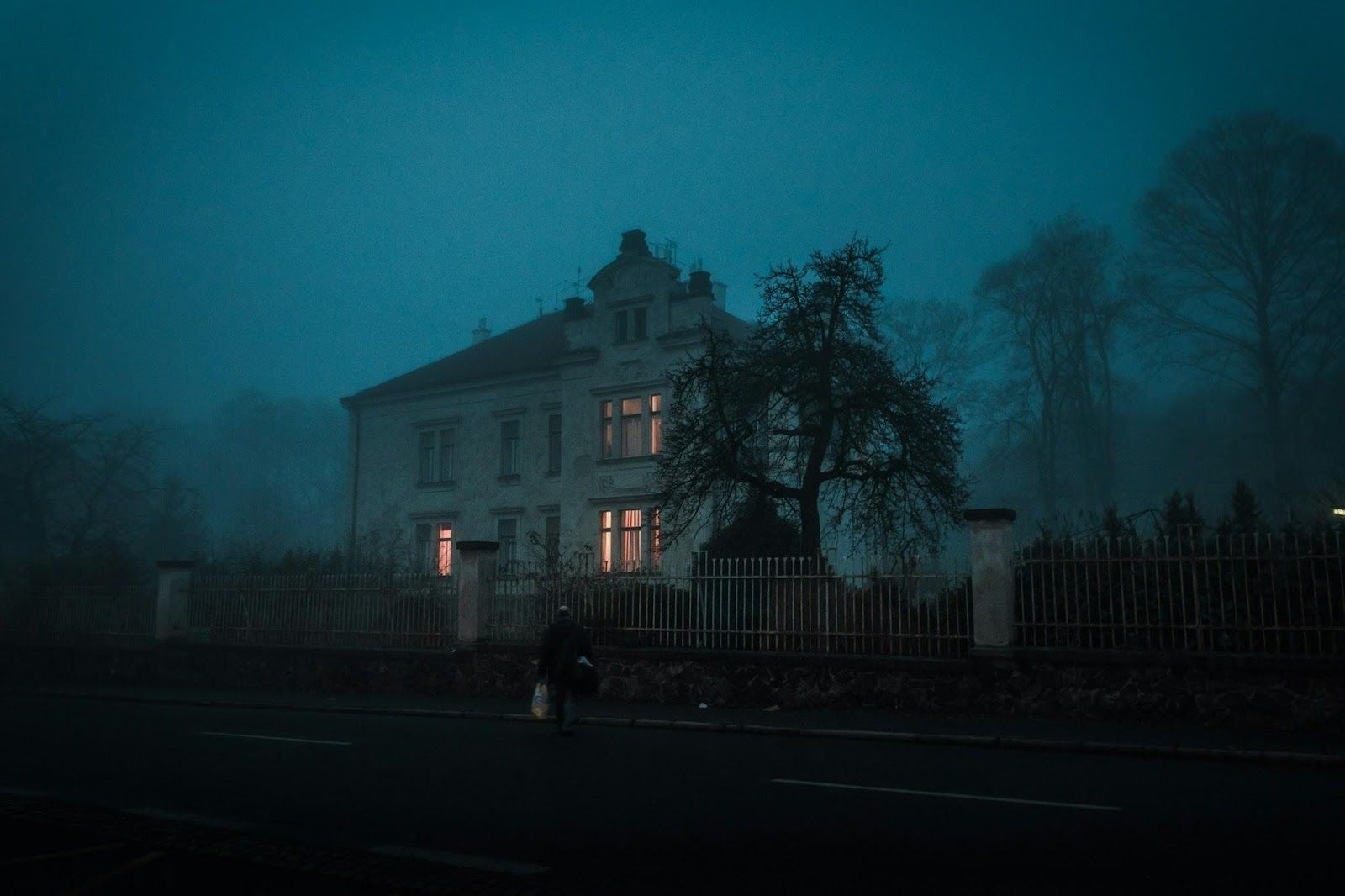
As soon as October comes around, hundreds of excited families transform their garages into spooky, fun haunted houses. It’s a thrilling activity that brings neighborhoods together, but let’s face it—these aren’t the haunted houses we’re talking about. From the LaLaurie Mansion in New Orleans to the Winchester Mystery House in San Jose , America is home to some of the world’s most terrifying haunted houses—locations definitely not suitable for the faint of heart.

8
Chupacabra

Image: Nandhu Kumar

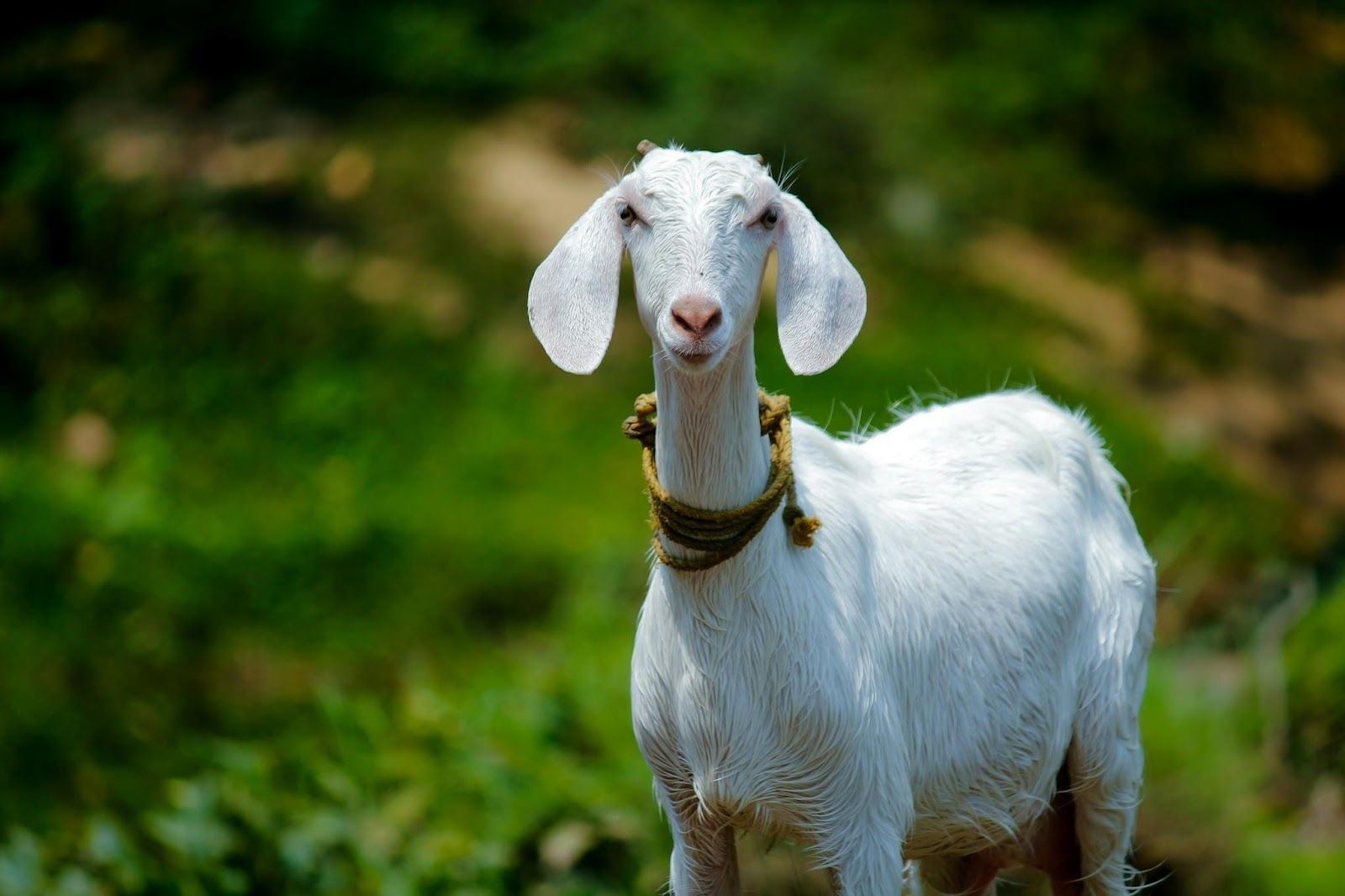
For such a terrifying creature, the English translation of " Chupacabra "—literally " goat-sucker "—somewhat diminishes its mystique. However, don’t let the name fool you. According to legend, this cryptid is a foul beast that preys on livestock , draining their blood. Descriptions of its appearance vary: In Puerto Rico , it is depicted as an alien-like creature , while in the Southwestern United States , it is described as more dog- or wolf-like .

9
Marfa lights

Image: Jr Korpa

Many cultures around the world have legends about mysterious lights appearing before wary travelers at night. In our case, the city of Marfa, Texas , is home to a strange phenomenon known as the Marfa Ghost Lights . While scientists suggest a rational explanation—claiming they result from automobile headlights distorted by warm desert air—some still believe the lights have a paranormal origin.

10
Chimayó, New Mexico – Land of Healing

Image: Lina Trochez

We’ve covered some dark and gruesome mysteries in this article, so why not end on a lighter note? In New Mexico’s Rio Arriba and Santa Fe counties, Chimayó is home to a remarkable site . Some believers claim that El Santuario de Chimayó , a Roman Catholic church, possesses mysterious healing powers —particularly the "holy dirt" found in a small well at the back of the church.

General General 6 min read

Timeless inventions

12 amazing American patents that shaped technology and culture

Image: Markus Winkler

The United States Patent and Trademark Office has issued over 12 million patents since its establishment in 1836. Many of the inventors who applied for these patents are well known—such as Elisha Graves Otis or Orville and Wilbur Wright —while others may come as a complete surprise, like President Abraham Lincoln . Some of the patents listed in this article are grandiose; others are smaller and seemingly insignificant. However, they all have something in common: they were invented in our country and changed the course of history. Wondering what they might be? Read on to find out!

1
Locomotive steam-engine for rail (Patent #1)

Image: National Archives at College Park - Textual Reference, Public domain, via Wikimedia Commons

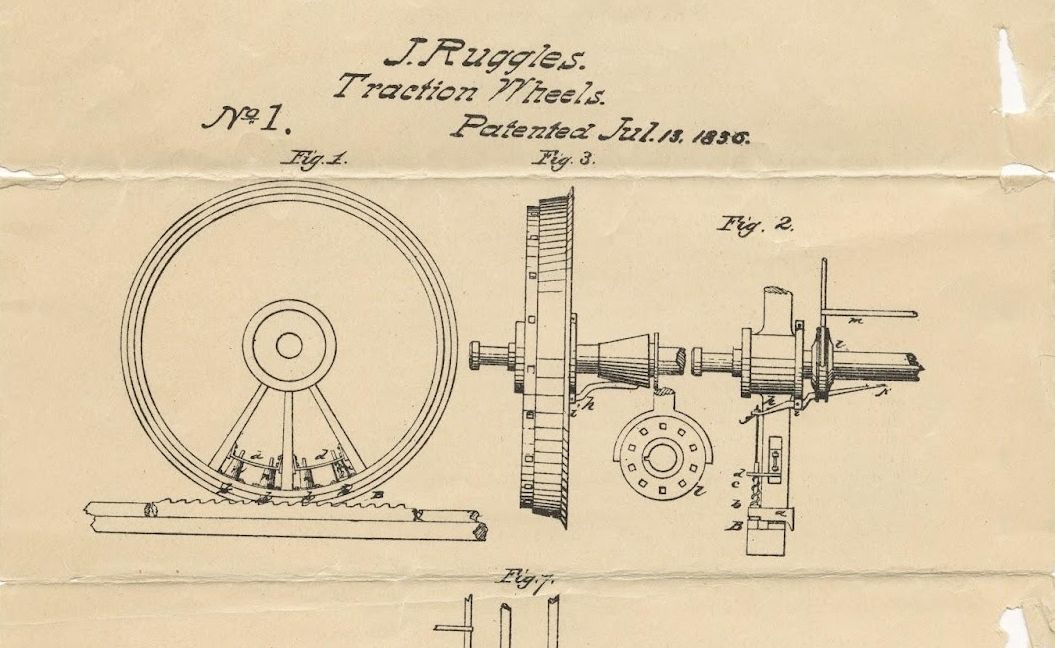
Between 1790 and 1836, the United States granted 9,802 patents that were not awarded on their merits and didn’t have an identification number. The Patent Act of 1836, which established the official Patent Office, aimed to make the system more transparent. Among other reforms, it introduced a numbering system for easier identification.

This system started on July 13, 1836, and remains in effect today. United States Patent No. 1 was issued to John Ruggles —an inventor, attorney, and senator from Maine—for improvements in locomotive traction.

2
Anesthesia (Patent #4,848)

Image: National Library of Medicine

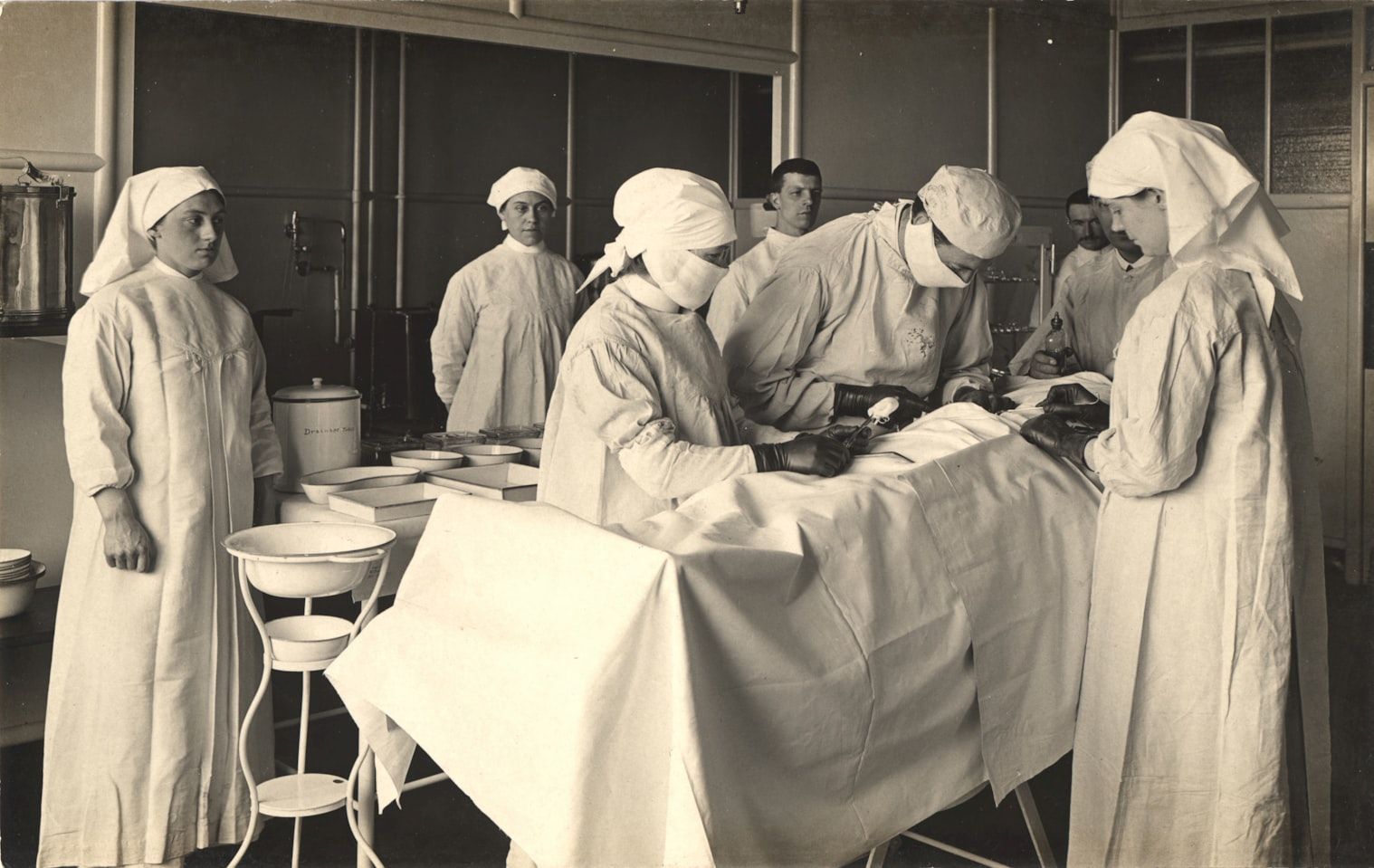
How did patients endure surgery before anesthesia? Before the discovery of an effective anesthetic, surgery was synonymous with excruciating pain. Many large hospitals placed their operating rooms in isolated and remote sections of the hospitals so patients’ screams couldn’t be heard. Alcohol, opium, and even hypnotism were tried as methods of pain relief, but these had little effect.

Fortunately, we no longer have to endure such experiences, thanks to a Boston dentist named William T. G. Morton, who—along with Charles T. Jackson—received the first United States patent for an anesthetic in November 1846.

3
Buoying vessels over shoals (Patent #6,469)

Image: invented by Abraham Lincoln. Issued by United States government Patent Office, Public domain, via Wikimedia Commons

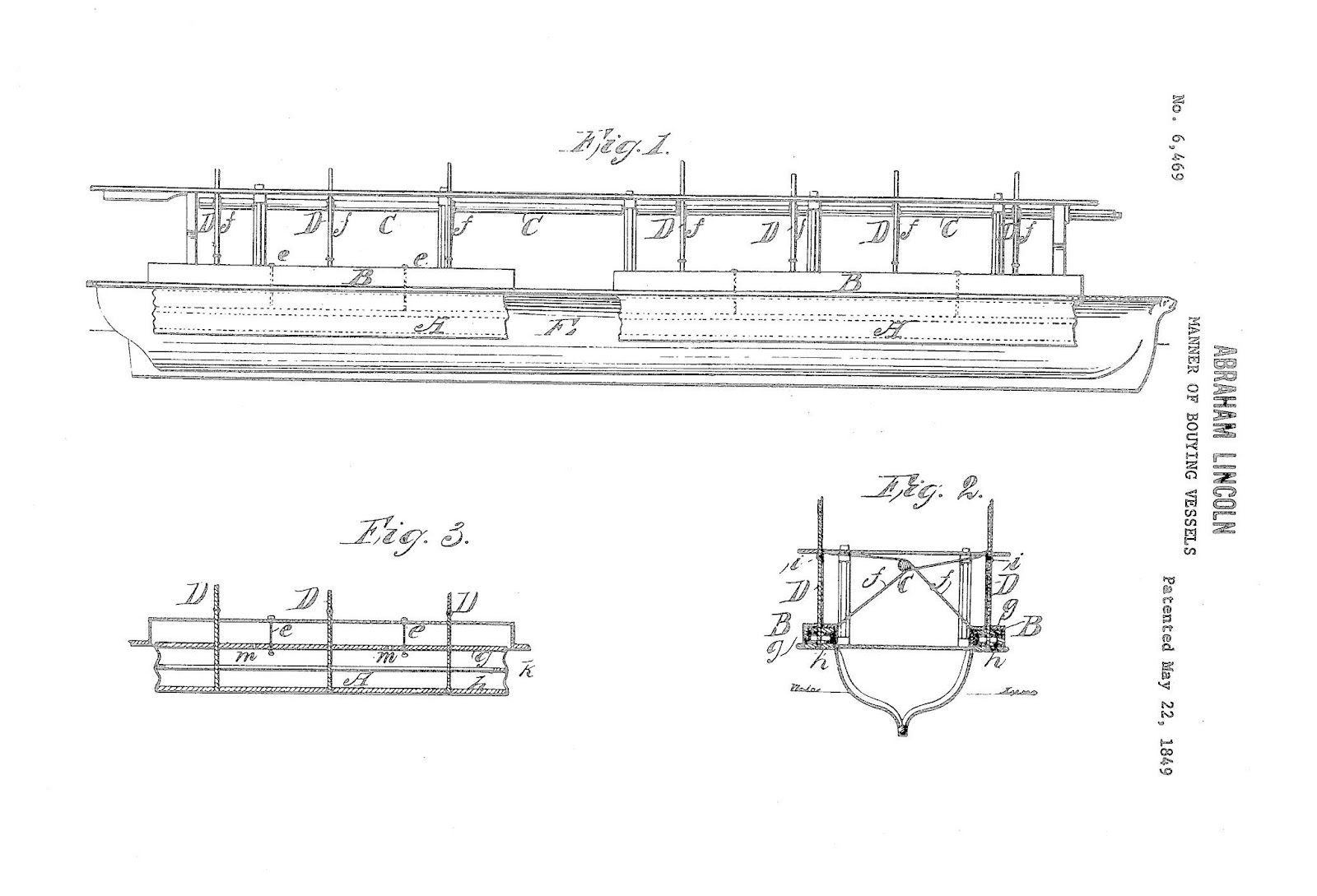
This may be the most unique patent ever issued by the United States Patent Office: it is the first and only U.S. patent granted to an inventor who later became president. Although at least three presidents—George Washington, Thomas Jefferson, and Abraham Lincoln—were inventors, Lincoln is the only one who formally applied for and received a patent .

In 1849, he was awarded Patent No. 6,469 for a flotation device designed to lift boats over shoals and other obstacles in the water. While the invention itself had little bearing on his election, Lincoln’s inventive mindset and mechanical curiosity served him well during his presidency. Although the device was never commercially produced, his appreciation for innovation helped shape the nation's future.

4
Beehive (Patent #9,300)

Image: Bianca Ackermann

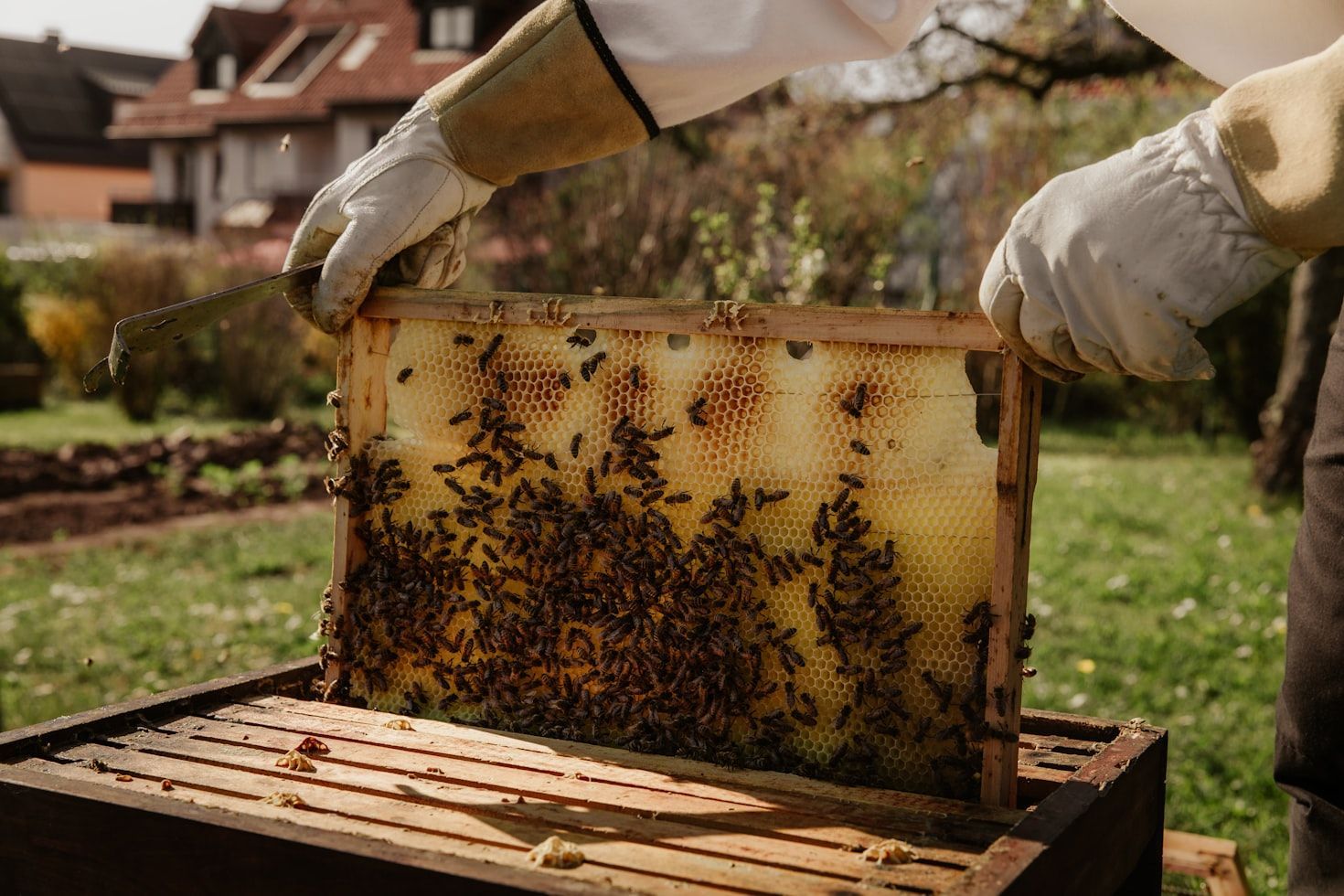
Beekeeping arrived in America with the early settlers, and by the end of the 18th century, bee colonies were widespread. However, early efforts met with only partial success.

The first U.S. patent for a practical and effective movable-frame beehive—which revolutionized traditional methods of beekeeping—was granted to American apiarist, clergyman, and teacher Lorenzo Lorraine Langstroth on October 5, 1852. His invention of the "bee space" laid the foundation for all modern beekeeping and hive management.

5
Elevator (Patent #31,128)

Image: Copie de gravure ancienne, Public domain, via Wikimedia Commons

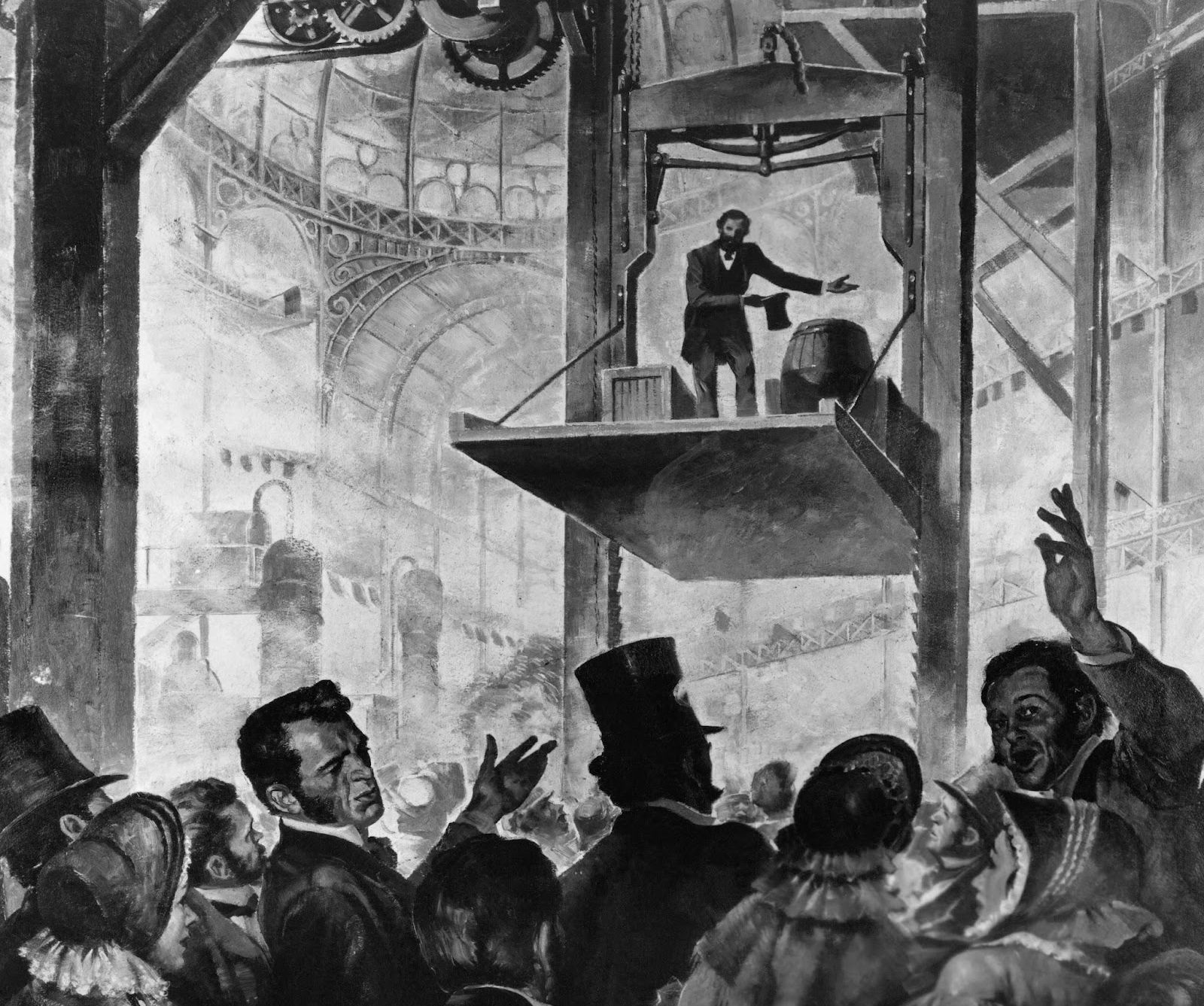
The New York skyline would look very different today had it not been for the invention of the elevator. The man responsible for the forerunner of the modern elevator was American industrialist Elisha Graves Otis , who, on January 15, 1861, received the first U.S. patent for a safety-type passenger elevator.

The concept of vertical travel was not new. However, the first successful passenger safety elevator was installed in 1857 by Otis in the E. V. Haughwout & Company building, a department store in Manhattan. Otis also held patents for other inventions, including railroad trucks and brakes, a steam plow, and a bake oven. But it was the elevator with its safety feature that brought him fame and his sons great fortune.

6
Lock (Patent #31,278)

Image: Parastoo Maleki

The idea of the lock probably stems from the time man first acquired goods he wanted to safeguard from others. However, the first commercially successful modern lock and key system was invented by American mechanical engineer and metalsmith Linus Yale Jr., who received a U.S. patent in 1861.

Yale developed several types of locks, including the Yale Double Treasury Bank Lock, created at the request of the U.S. government. These designs brought him nationwide recognition, but the invention that made him truly famous was the pin-tumbler cylinder lock . Yale died just a few years after receiving his patent. However, every lock and key produced by the Yale & Towne Lock Company since then has proudly carried the Yale name.

7
Barbed wire (Patent #157,124)

Image: Lexis Chadwick

In an age of video surveillance, barbed wire might seem obsolete. Yet it was crucial to the settlement of the American plains in the late 19th century—and it remains widely used around the world today .

On November 24, 1874, Joseph F. Glidden, a farmer from Illinois, received a U.S. patent for the first commercially successful barbed wire . While several earlier patents had been granted for wire fencing, it was Glidden’s design that proved durable, affordable, and easy to mass-produce—making it the dominant form of fencing on the frontier**.**

8
Air conditioner (Patent #808,897)

Image: Prasopchok

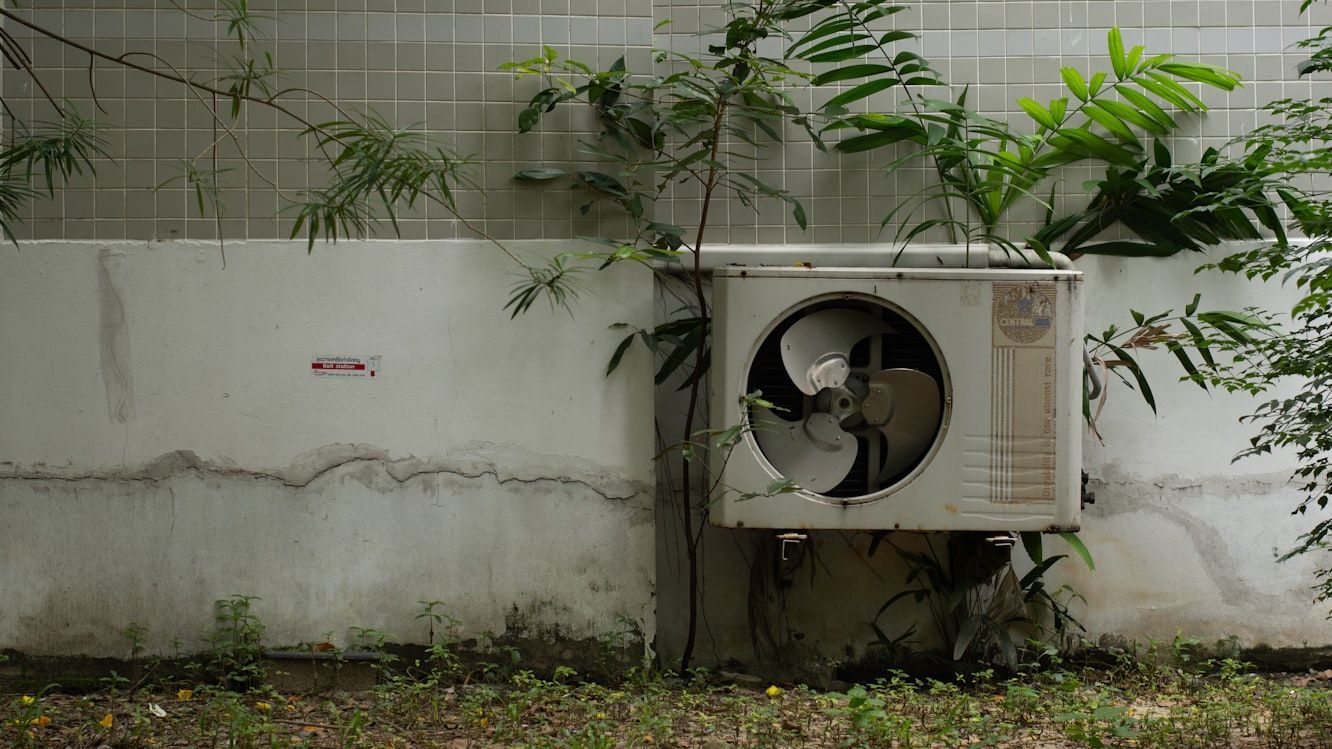
On those hot and humid days of summer, we should all be thankful for the work of Willis Haviland Carrier, often called the father of air conditioning. For his efforts, he received the first U.S. patent for a modern air conditioning system on January 2, 1906.

Air conditioning is a complex process that involves refrigeration, dehumidification, air purification, and circulation. Before Carrier’s invention, various individuals had worked on these individual components. But it was Carrier, an American engineer, who successfully integrated them —focusing on the crucial relationship between temperature and humidity.

9
Airplane (Patent #821,393)

Image: John T. Daniels, Public domain, via Wikimedia Commons

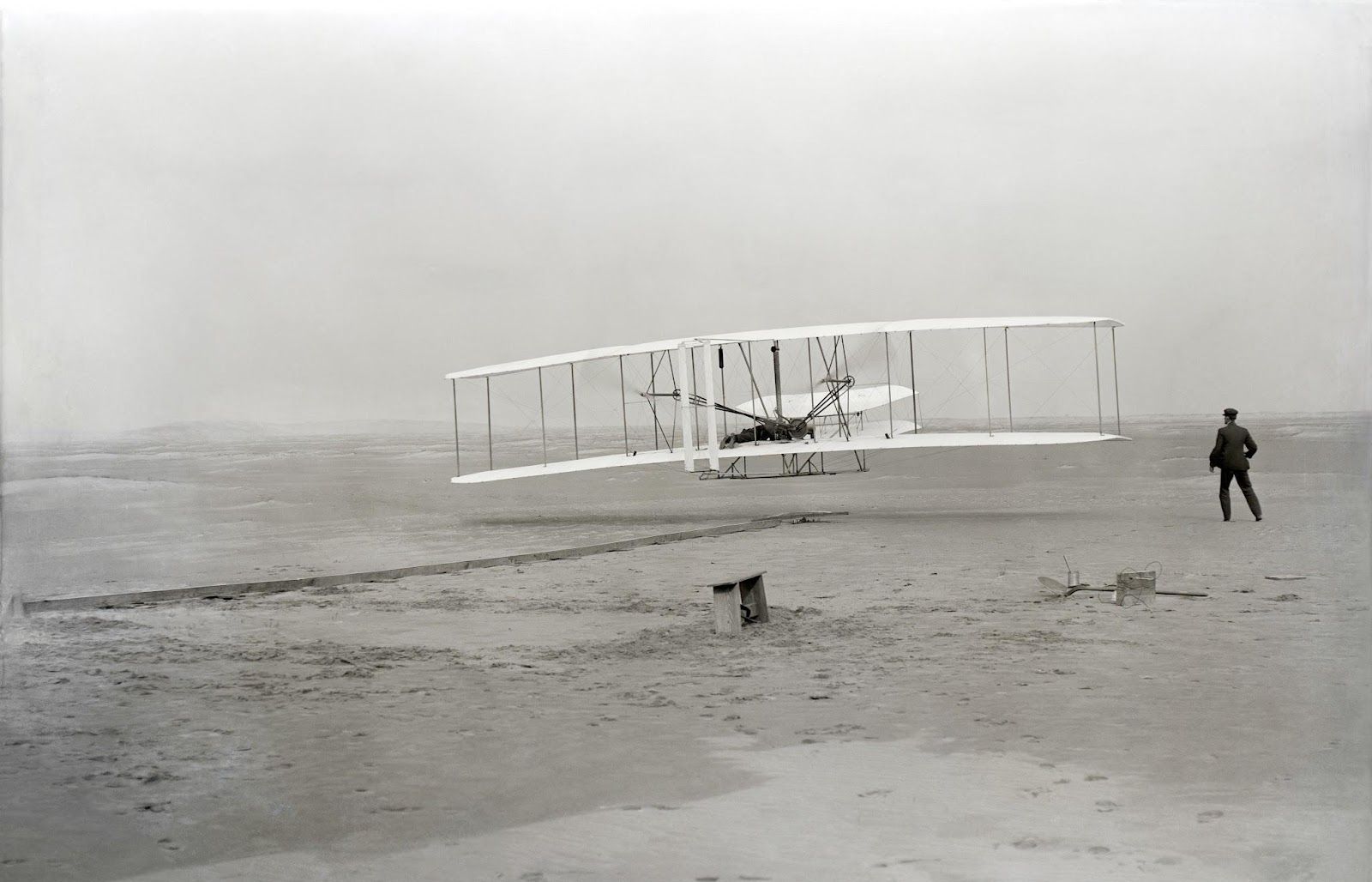
Orville and Wilbur Wright are credited with achieving the first controlled, manned flight in history. For their pioneering work, they received the first U.S. patent for an airplane, issued on May 22, 1906.

Many had been intrigued by the idea of human flight before them. However, it was the Wright brothers who succeeded in building, flying, and promoting the world's first successful airplane —an invention that revolutionized transportation.

10
Bakelite (Patent #942,809)

Image: Call Me Fred

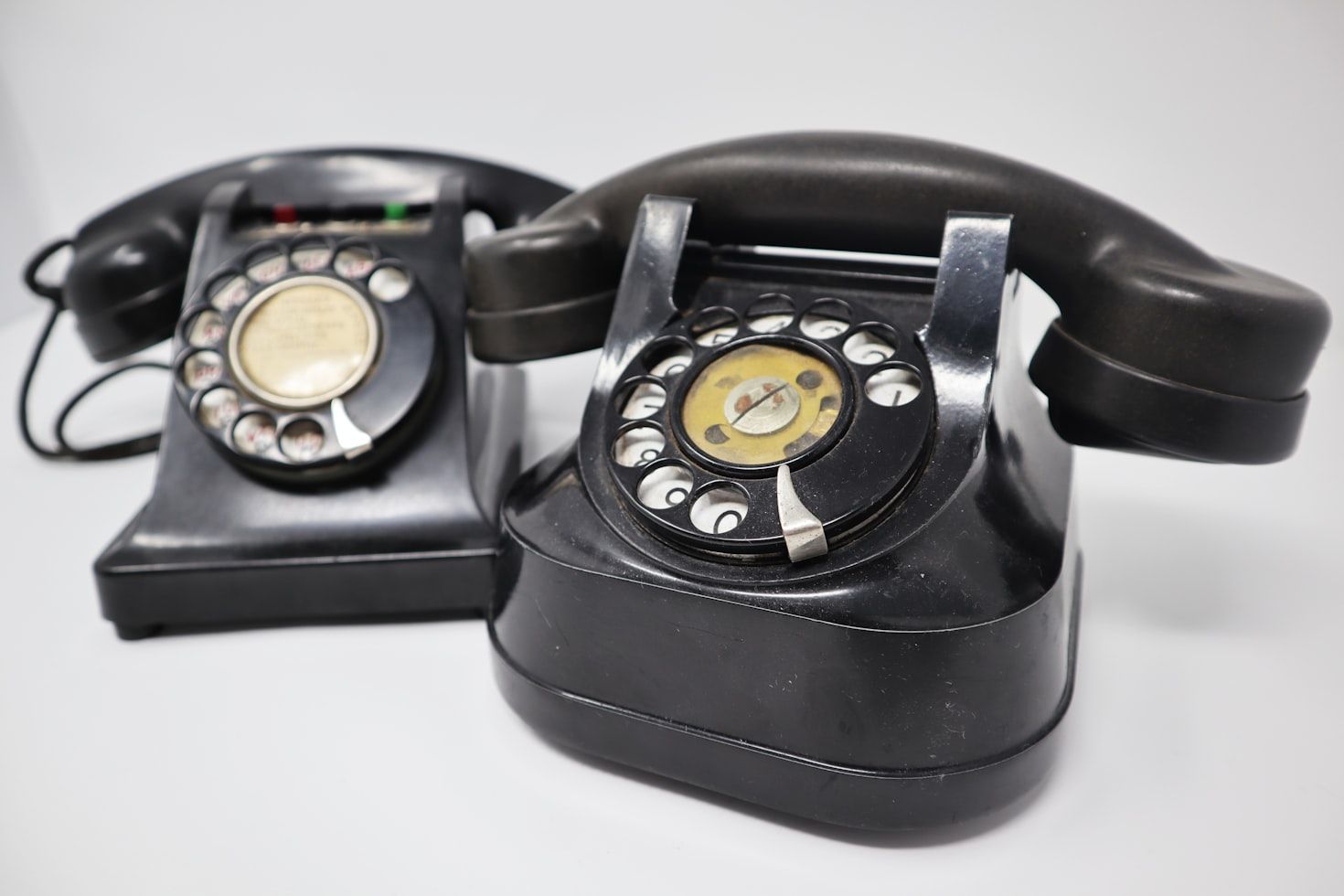
The modern plastics industry wouldn’t exist without Belgian-American chemist Leo Hendrik Baekeland , who received the first U.S. patent for a thermosetting plastic in 1909. Before him, others had attempted to produce synthetic resins but were unsuccessful.

Baekeland corrected his predecessors’ mistakes. The result was the first thermosetting resin —one that, once set, would not soften under heat. Bakelite was the first in a long series of resins that shaped the U.S. economy, paving the way for materials such as cellophane, acetate, vinyl, Plexiglas, acrylic, Formica, and polyester.

11
Frozen food (Patent #1,773,080)

Image: United States Patent Office (Clarence Birdseye, inventor)., Public domain, via Wikimedia Commons

Do you know where the name Birds Eye Frozen Food comes from? From its inventor! In 1930, American entrepreneur Clarence Birdseye received the first U.S. patent for this type of product.

Food preservation has been a concern since the beginning of time. Techniques such as salting, pickling, smoking, curing, canning, and later inventions like the icebox and home refrigerator have all contributed to preserving food.

However, one of the most successful methods was developed and commercialized by Birdseye. His process involved quick-freezing meat, seafood, vegetables, and fruit in convenient packages without altering their original taste. Birdseye’s name became a household word, and his innovation created a multibillion-dollar industry.

12
Instant photography (Patent #2,543,181)

Image: Missouri Historical Society, Public domain, via Wikimedia Commons

When we think of instant photography, Polaroid is often the first name that comes to mind. But how much do we know about the man behind the company? American scientist, inventor, and co-founder of the Polaroid Corporation, Edwin Herbert Land , was granted the first U.S. patent for a one-step photographic process in 1951.

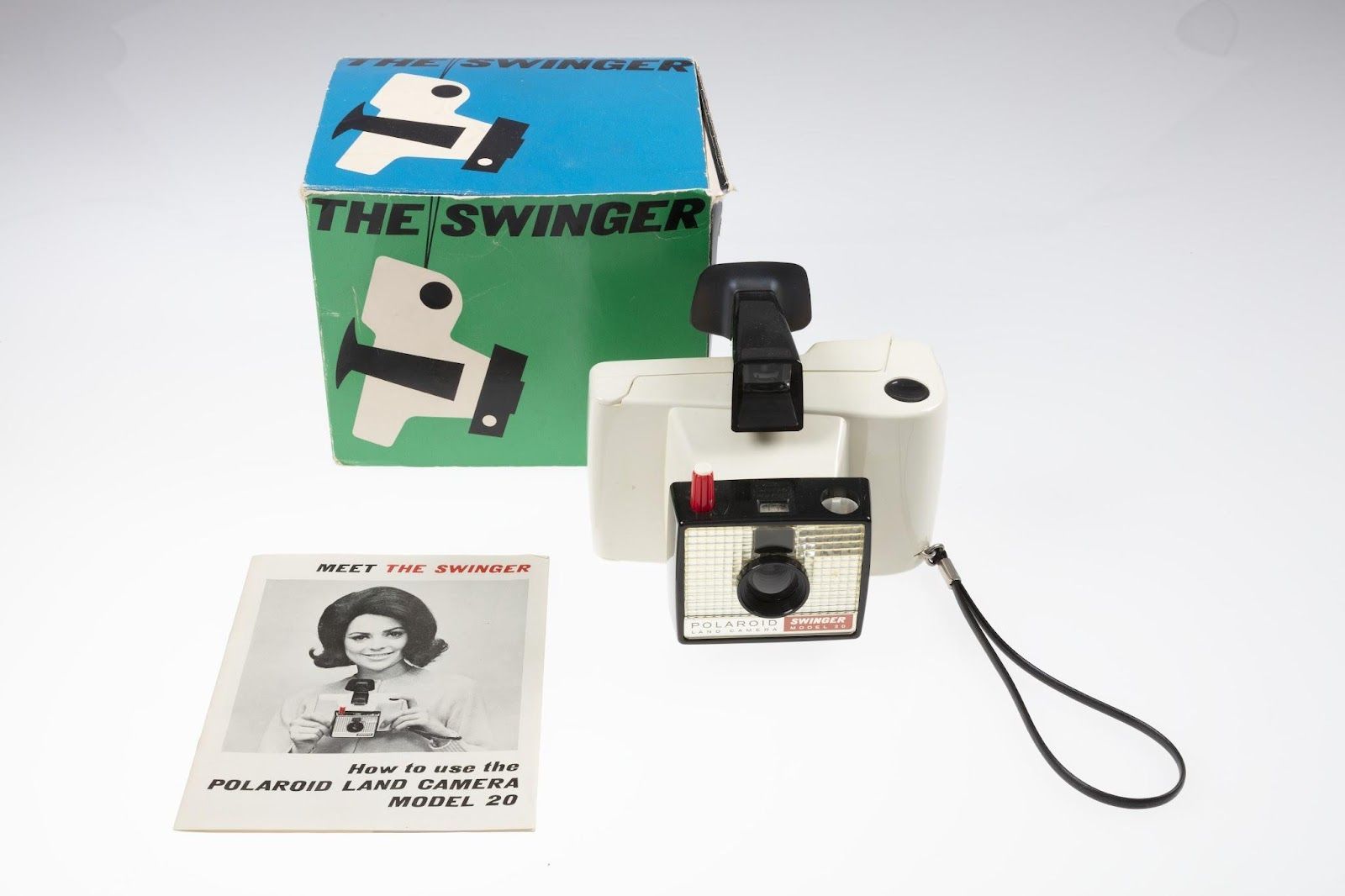
While on vacation with his family, Land conceived the idea for a camera and film that could produce an immediate photograph. In 1948, the first Polaroid Land Camera went on sale, though without much public approval. Polaroid continued to improve the Land Camera and, in 1965, introduced the affordable Swinger model , which became an immediate success. Throughout his life, Land was granted more than 533 patents, was inducted into the National Inventors Hall of Fame, and received the Presidential Medal of Freedom.

Explore more American facts

Choose your favorite category!

General
General

As American as apple pie—the very best America has to offer!

Culture
Culture

Delve into the astounding richness of American lore.

Geography
Geography

Hop in and explore vast and diverse American landscapes.

History
History

Discover the key moments that shaped the United States.