Geography Geography 5 min read

Walk-in worlds

From Legos to fire-breathing dragons: 10 theme parks and fairs in the US
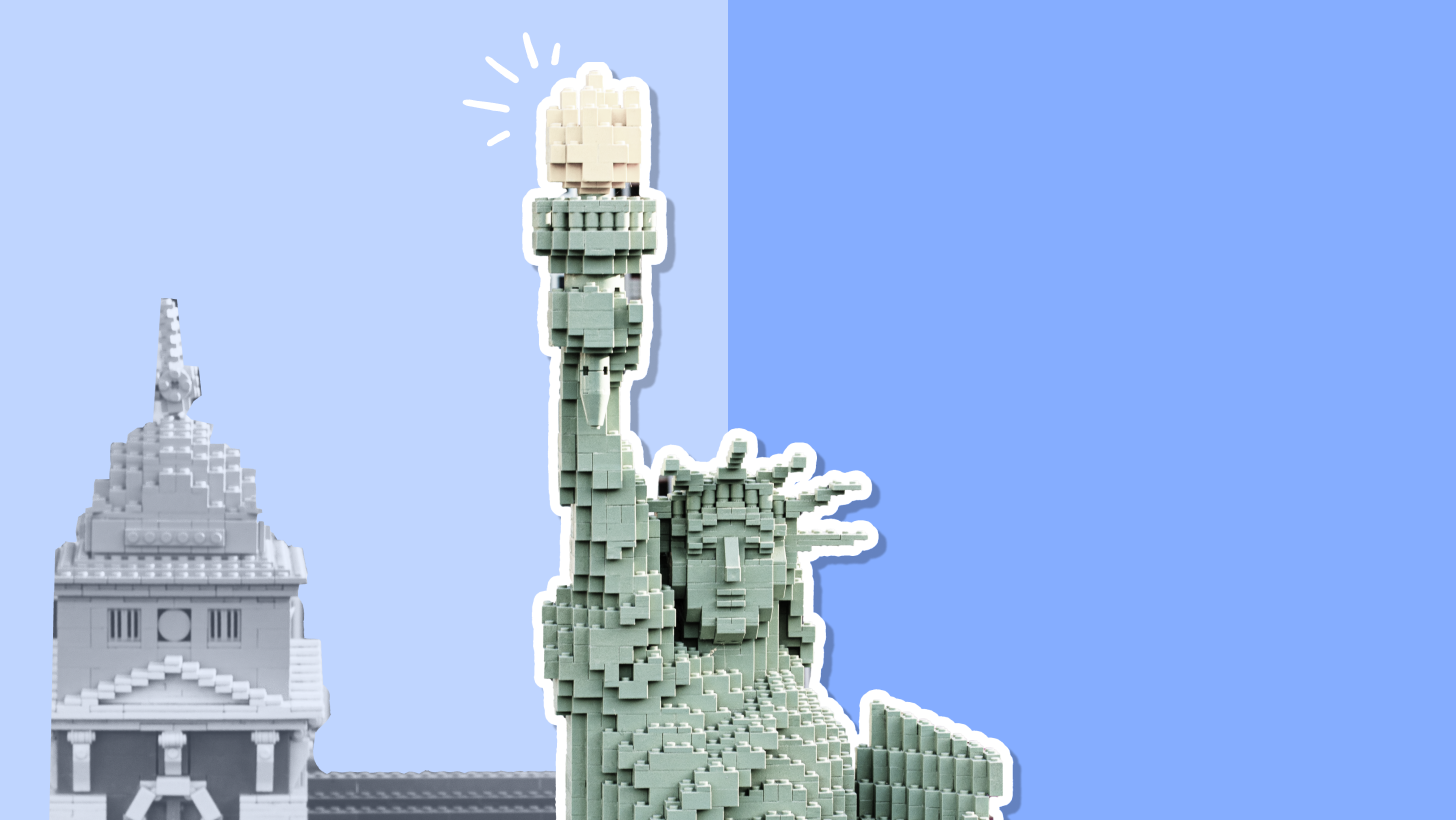
Image: Samuel Ramos

Ever strolled through a world built entirely of candy? Or Legos? America’s amusement parks and fairs have turned fantasy into reality, one quirky attraction at a time. Here, you’ll find theme parks crafted with movie-set detail, festival grounds that are an ode to traditional foods, and attractions that make visitors lose track of time. Walk through a neon-lit world, grab a 15-inch corn dog, and let’s dive into these places that aren’t just for kids—they’re playgrounds for the kid in everyone.

1
Disneyland

Image: David Guerrero

Let’s start with "The Happiest Place on Earth" itself. The first theme park to be envisioned and built by creative tycoon Walt Disney was Disneyland, the one still located in Anaheim, California. It features a range of themed lands such as Fantasyland or Adventureland, and includes main attractions that are widely famous. Who hasn’t heard the "It’s a Small World" song, whether or not they’ve been on the ride?

Five more Disney parks went on to be opened in the United States, including Animal Kingdom and EPCOT. All of them feature parades, character meet-and-greets, and attractions that invite visitors to immerse themselves in the spirit of Disney films .

2
Legoland

Image: Clyde He

Legos began as small, colorful playthings for children—but they have grown into a whole subculture of their own. Fans who have spent decades inventing and carrying out new designs for their colored blocks dream of visiting the theme park one day. The first Legoland opened in Europe, but the California park debuted over 20 years ago and has been expanding ever since.

It features 9 sectors with over 60 rides, shows, and attractions, all themed around popular Lego sets and characters, such as the Dragon Coaster and Lego Ninjago The Ride. A standout feature is Miniland USA, which displays miniature Lego replicas of famous American landmarks like the Golden Gate Bridge and New York City. The park was so successful that similar resorts have since opened in Florida and New York.

3
The Big E

Image: Zachary DeBottis

The Big E, officially known as the Eastern States Exposition, is held between September and October in West Springfield, Massachusetts . It’s the largest agricultural fair in the northeastern United States, aiming to boast the best of New England culture, food, agriculture, and entertainment.

The fair features state-specific buildings representing all six New England states, each offering regional foods and crafts. The fairgrounds also host a large midway with rides, games, and live performances, as well as livestock shows, parades, and a variety of exhibitions. One of the biggest favorites of the 1.5 million visitors who attend each year is the Big E Cream Puff , a popular treat that’s been served since 1926.

4
Wizarding World of Harry Potter

Image: Aditya Vyas

A round-the-clock fire-breathing dragon , spell-casting spots, immersive stores and alleys, along with themed rides and roller coasters—these can all be found at The Wizarding World of Harry Potter, located within Universal Orlando Resort in Florida and Universal Studios Hollywood in California.

The park's concept is to transport visitors into the magical universe of J.K. Rowling's books and films, featuring recreated settings such as Hogsmeade Village, Hogwarts Castle, and Diagon Alley. Guests can also enjoy interactive experiences, like purchasing magical wands or sampling "butterbeer," a beverage made using a closely guarded secret recipe.

5
Arizona State Fair

Image: PONCIANOMX

Arizona State Fair is held annually in Phoenix. It traditionally combines agricultural exhibits, concerts, and carnival rides, with attractions such as livestock shows, rodeos , and demolition derbies, as well as thrilling roller coasters and rides for all ages.

The fair receives around 1 million visitors a year, who love its diverse range of deep-fried and unique fair foods. A main attraction is the iconic "La Grande Wheel," one of the largest traveling Ferris wheels in North America, standing at an impressive height of 130 feet.

6
Dollywood

Image: Adam Kring

The only singer-songwriter to have her own theme park is Dolly Parton. Dollywood is located in her home state of Tennessee, in Pigeon Forge. It is open from March to early January, with seasonal festivals and special events throughout the year. The family-friendly theme park is nestled in the Smoky Mountains , themed around Appalachian culture and the life of country music star Dolly Parton.

Originally, it was a small attraction called "Rebel Railroad," until it was purchased and rebranded by Dolly Parton in the 1980s. Today, it boasts a mix of roller coasters, craft demonstrations, and live entertainment, including bluegrass and gospel music. Dolly herself is known to make surprise appearances at the park, events affectionately referred to by fans as " Dolly Sightings. "

7
Hersheypark

Image: mjimages

Hershey's Chocolate Bar is another American favorite with its own theme park. Hersheypark is located in Hershey, Pennsylvania, and is a family-friendly amusement park that blends thrilling rides, water attractions, and entertainment, all themed around "The Great American Chocolate Bar. "

"Candymonium" is one of its iconic rollercoasters, and it also features a large water park called The Boardwalk. Hersheypark offers live shows, character meet-and-greets, and a range of dining options that highlight Hershey's chocolate and sweets. It opened in the early 1900s as a leisure area for employees of Hershey, starting as a small picnic area with a carousel. Now, it receives around 3 million visitors yearly!

8
State Fair of Texas

Image: Zabdiel Gonzalez

The State Fair of Texas is celebrated every year in Dallas, Texas. Another fair to celebrate the large state's rich history and cultural heritage, traditionally held in its home Fair Park , which has been expanded over the years to accommodate the growing attendance.

Beyond the live music and carnival rides, the fair is known for its iconic "Big Tex," a 55-foot-tall cowboy figure that serves as the fair's mascot. Another classic of the fair is the competition for the best new fried food item; past winners have included fried butter and fried Coca-Cola.

9
Puyallup Fair

Image: Scott Webb

The Puyallup Fair, officially known as the Washington State Fair, is held annually in Puyallup, Washington. One of the largest fairs in the Pacific Northwest, it features popular attractions like thrilling rides on the Midway , concerts by famous artists, and unique competitions such as pie-eating contests and rodeos.

The fair is also known for its iconic "Giant Pumpkin Contest," where the growers of the largest pumpkins are rewarded. Additionally, the fair hosts a "Food Truck Frenzy," offering a chance to try various local food trucks alongside traditional fair fare. The fair also includes a unique event called the "Farm & Garden Show," where visitors can learn about sustainable farming and gardening practices.

10
Seaworld

Image: J.U.L.Ö

SeaWorld can be found in Florida and Texas, but the first and most iconic park is the one in San Diego, California. This amusement and marine zoological park is known for its aquatic life exhibits, thrilling rides, and live entertainment featuring sea animals. Visitors can enjoy roller coasters like "Mako" and "Kraken," as well as interactive exhibits where they can get close to dolphins, sea lions, and other marine animals.

The park also hosts educational shows about animal behavior and conservation efforts. SeaWorld has played a significant role in animal preservation and has rescued thousands of marine animals over the years, including seals, sea turtles, and birds. In recent years, the park has also introduced virtual reality experiences to immerse visitors into underwater worlds.

General General 3 min read

The nation’s wide collection

The most bizarre things held in the Library of Congress

Image: Stephen Walker

The Library of Congress is famously vast, but the strangest treasures are the ones that make you blink and ask: why? Old cake, locks of hair, specific songs, and even ordinary social media posts are all part of the nation’s most important collection. Read on to discover some of the oddest items the national library keeps guarded!

1
12 years of all tweets

Image: Marten Bjork

If you were an active and public Twitter user between the years 2006 and 2017, guess what? Your words are preserved in the Library of Congress .

The platform’s first twelve years are contained in a digital collection meant as a historical record of a new communications channel. From 2018 onwards, the Library started acquiring only "particularly interesting" tweets.

2
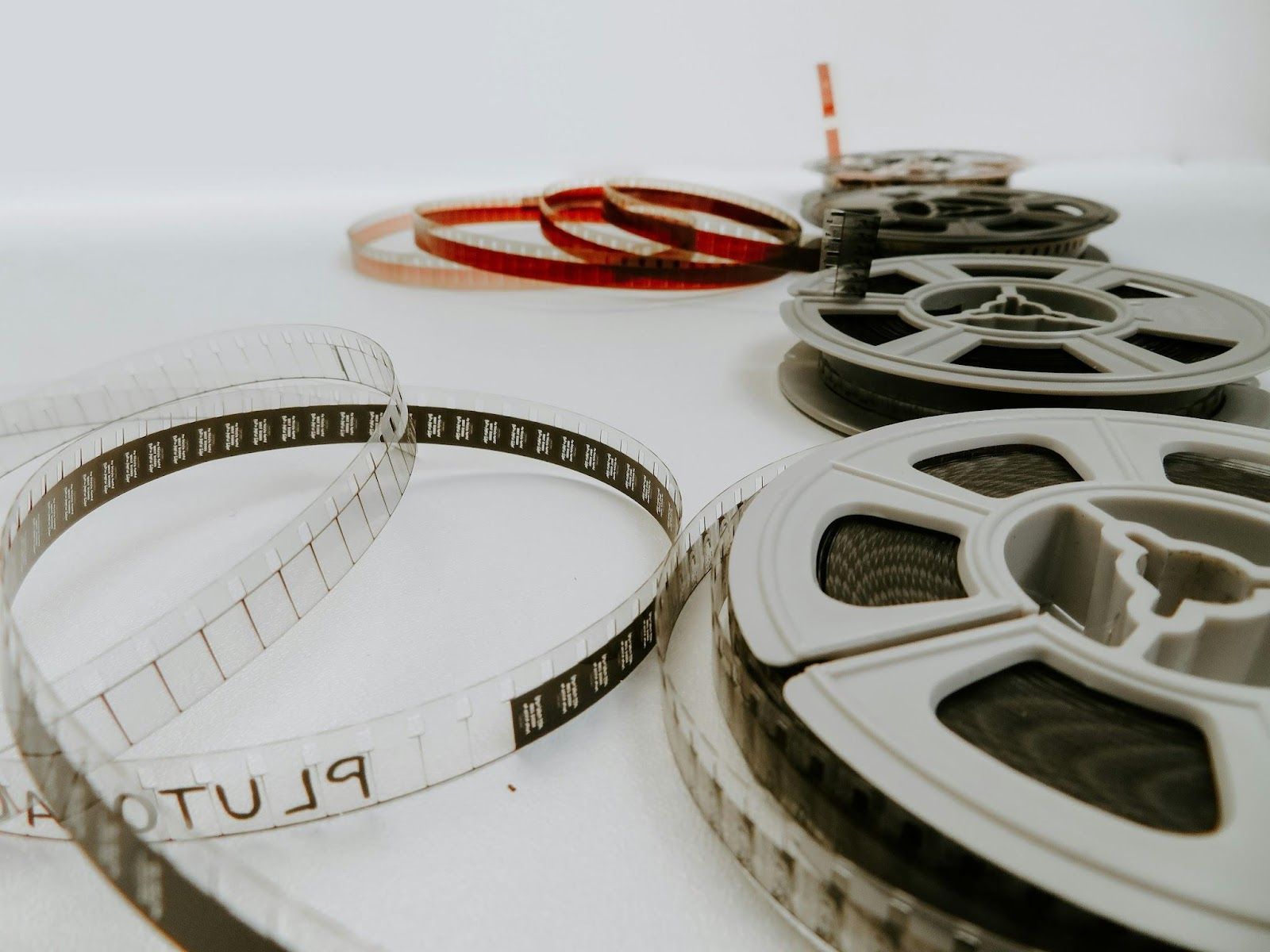
Oddly specific movies, like "Shrek" or "Wall-E"

Image: Denise Jans

The Library preserves film culture through the National Film Registry and other collections.

Recent registry additions have included animated hits such as Shrek , while the Library’s preservation programs and official announcements explain why even mainstream animated features matter as cultural artifacts worth saving. The Registry also contains enduring classics such as Grease , Citizen Kane , and The Wizard of Oz .

3
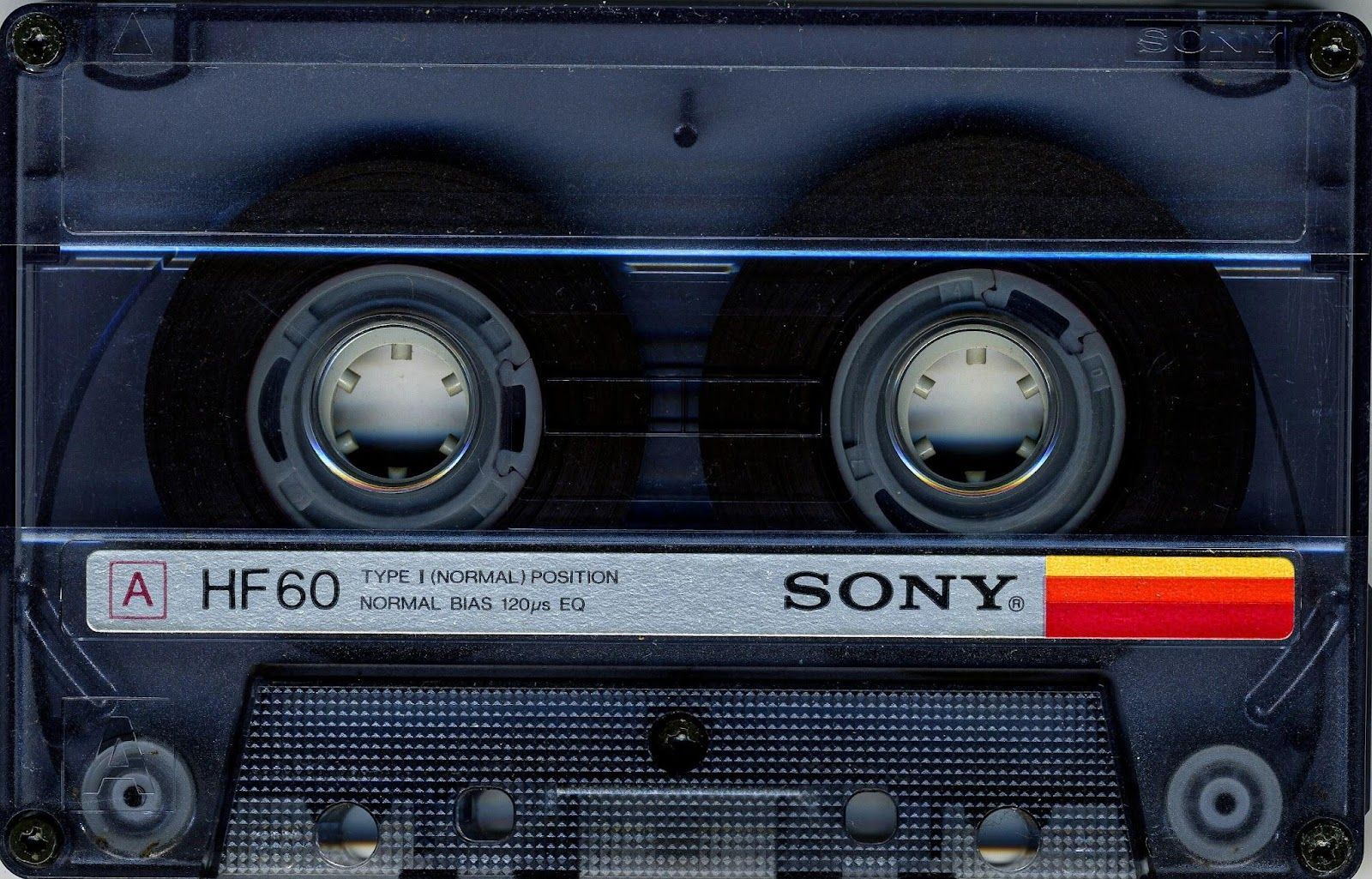
Specific songs, like "Livin’ La Vida Loca"

Image: Bruno Guerrero

Music enters the Library’s life via the National Recording Registry and the Music Division. Ricky Martin’s "Livin’ La Vida Loca" is one of the recordings the Library has recognized for cultural impact; these entries help posterity understand what particular songs meant to listeners at the time.

Other anthems are also preserved in the collection, like Aretha Franklin’s " Respect " and Journey’s " Don’t Stop Believin. "

4
A moldy wedding cake

Image: gryzoon

A sliver of wedding cake from P.T. Barnum’s era spectacles survives in the Library of Congress’s Manuscript Division as a historical oddity. Donated in the 1950s, it now sits darkened with age and mold.

The cake came from the wedding of Charles Stratton, who was 25 years old and just 35 inches tall at the time. Stratton performed in Barnum’s shows under the name General Tom Thumb, delighting audiences with his song-and-dance routine.

5
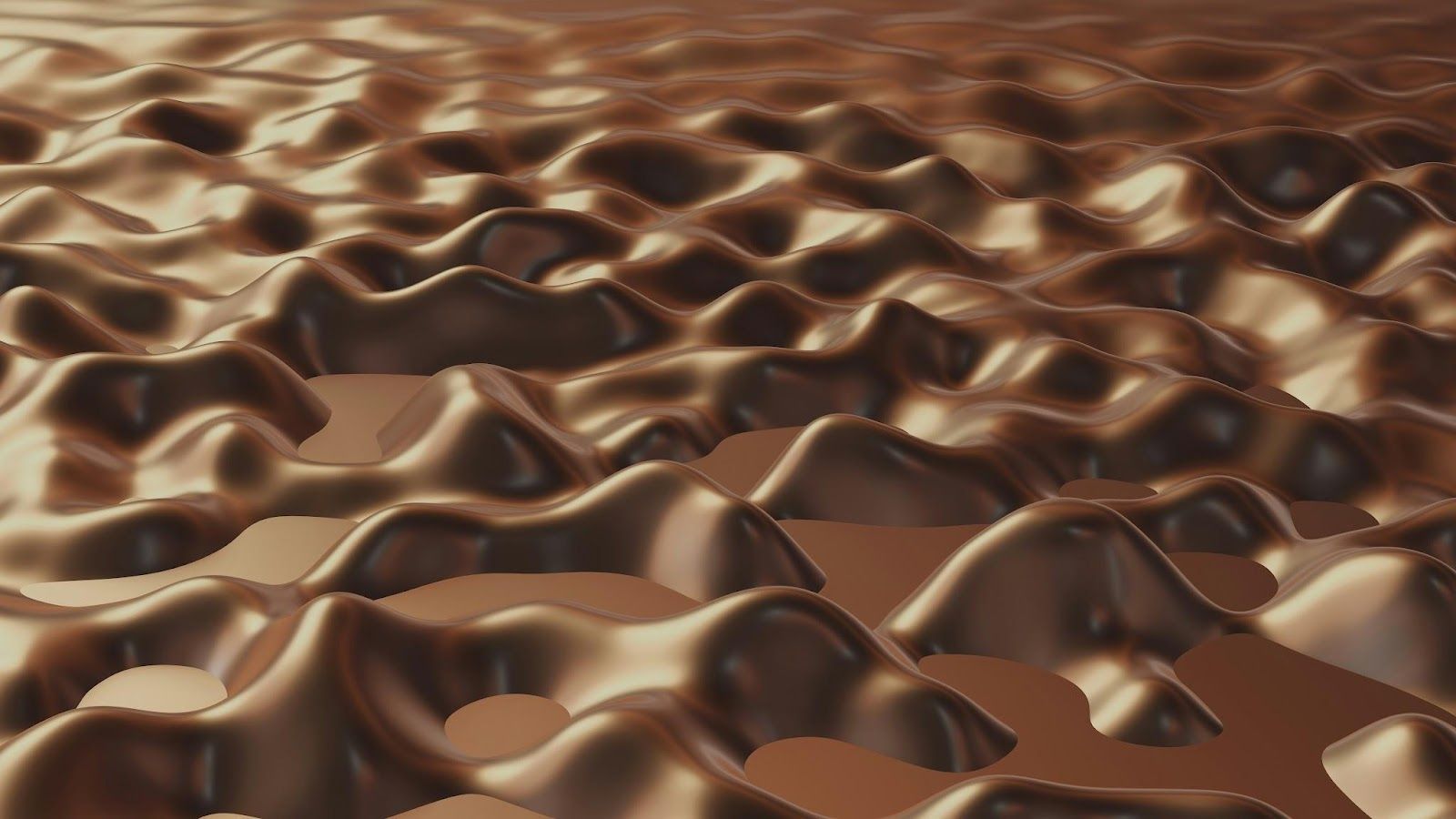
A map of the Grand Canyon made of chocolate

Image: Steve Johnson

Yes, that is a real thing. The Geography and Map Division highlights a 1991 topographic map of the Grand Canyon molded in chocolate , made by the Chocolate Topographic Company.

6
What Lincoln was carrying when he died

Image: Engin Akyurt

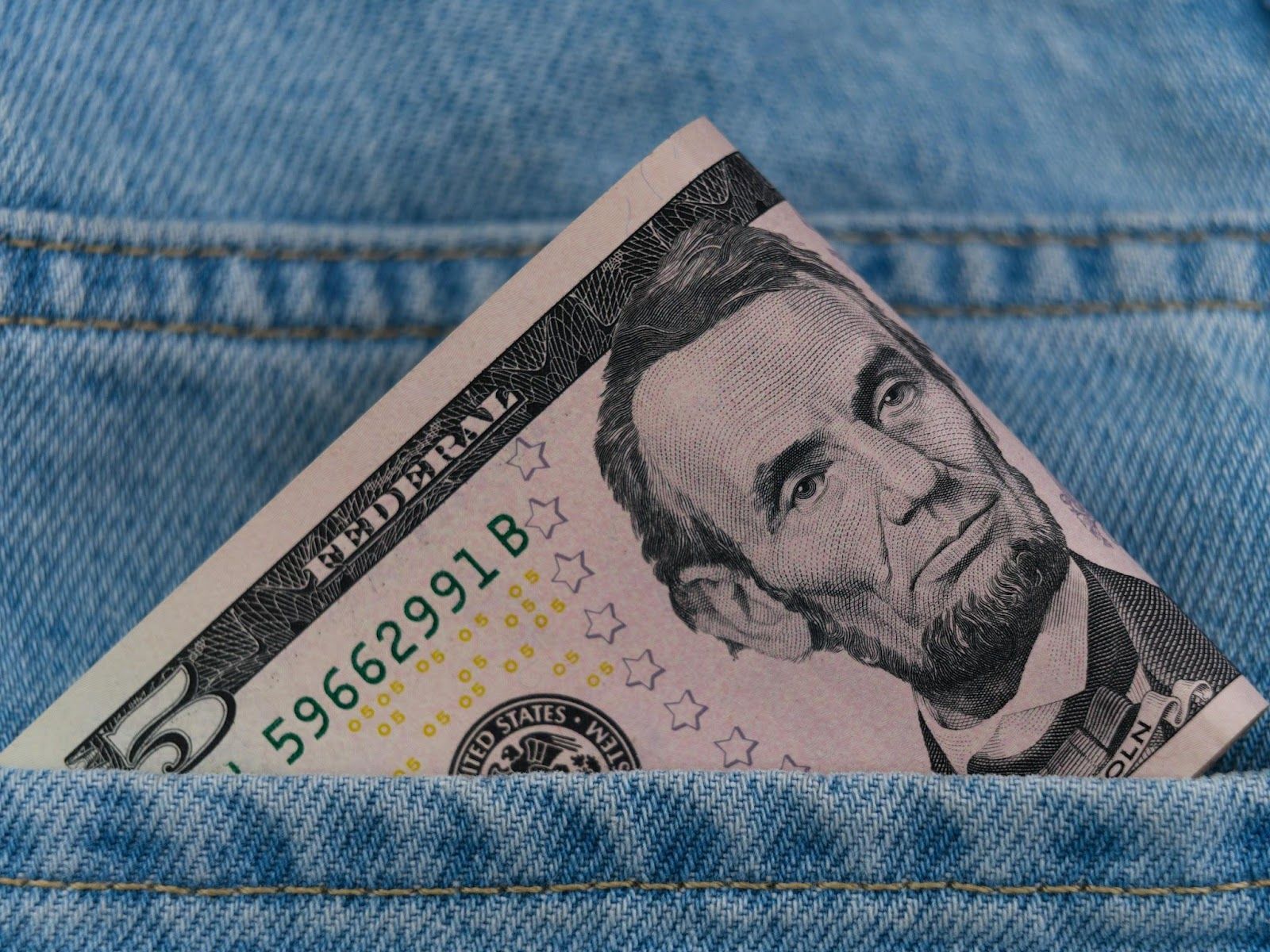
The Library’s Treasures and related pages describe the modest, deeply human contents found on Abraham Lincoln after he was shot : a silk-lined wallet with newspaper clippings, a Confederate five-dollar bill kept as a curiosity, spectacles, a pocketknife, a handkerchief, and a watch fob, among other everyday items.

7
Locks of hair from Jefferson, Beethoven, and others

Image: benjamin lehman

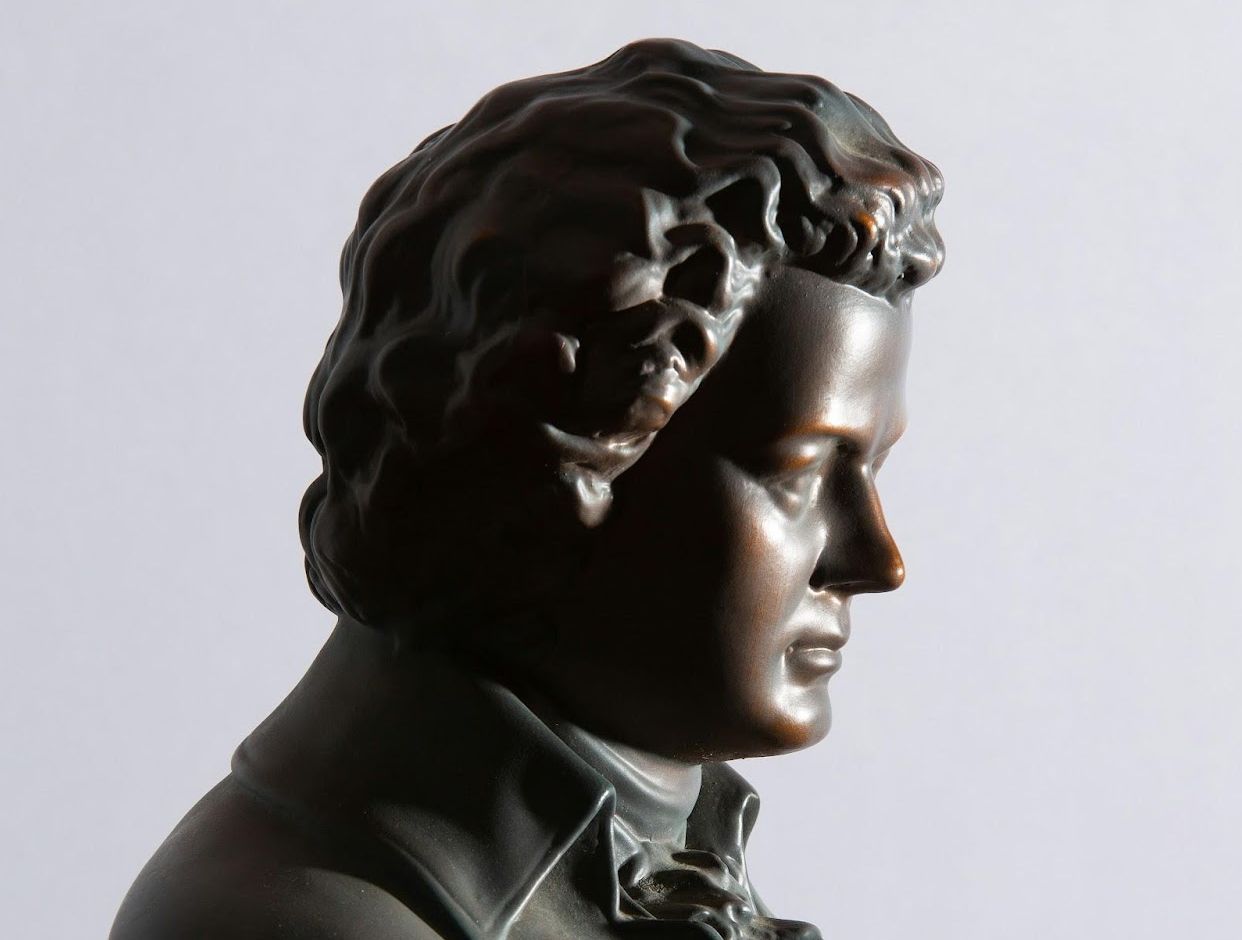
Why not? The Library’s Manuscript and Music Divisions preserve numerous strands of hair attributed to notable figures : from presidents such as Thomas Jefferson to composers like Ludwig van Beethoven, as well as other cultural icons including Walt Whitman, Clara Barton, and George Washington!

8
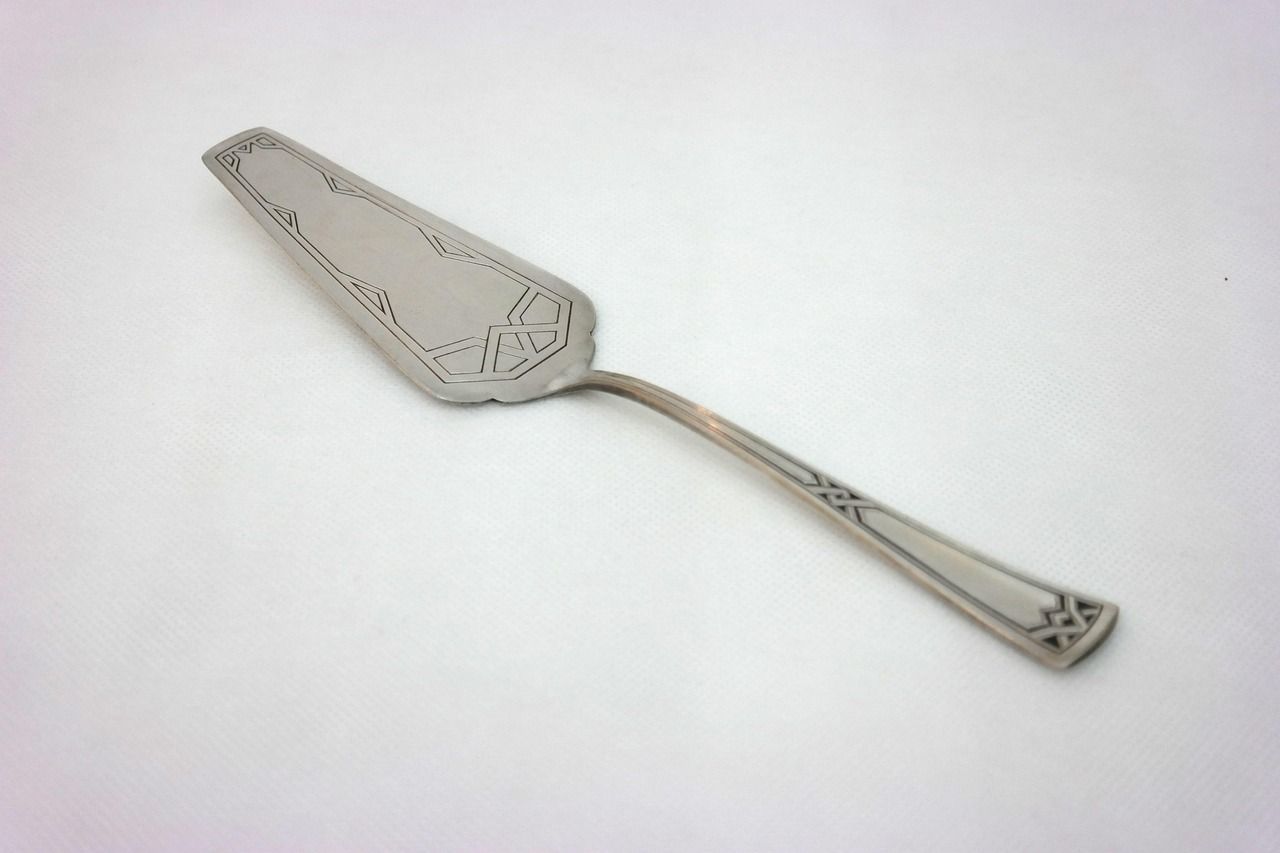
Thomas Jefferson’s vanilla ice cream recipe

Image: Colin Fearing

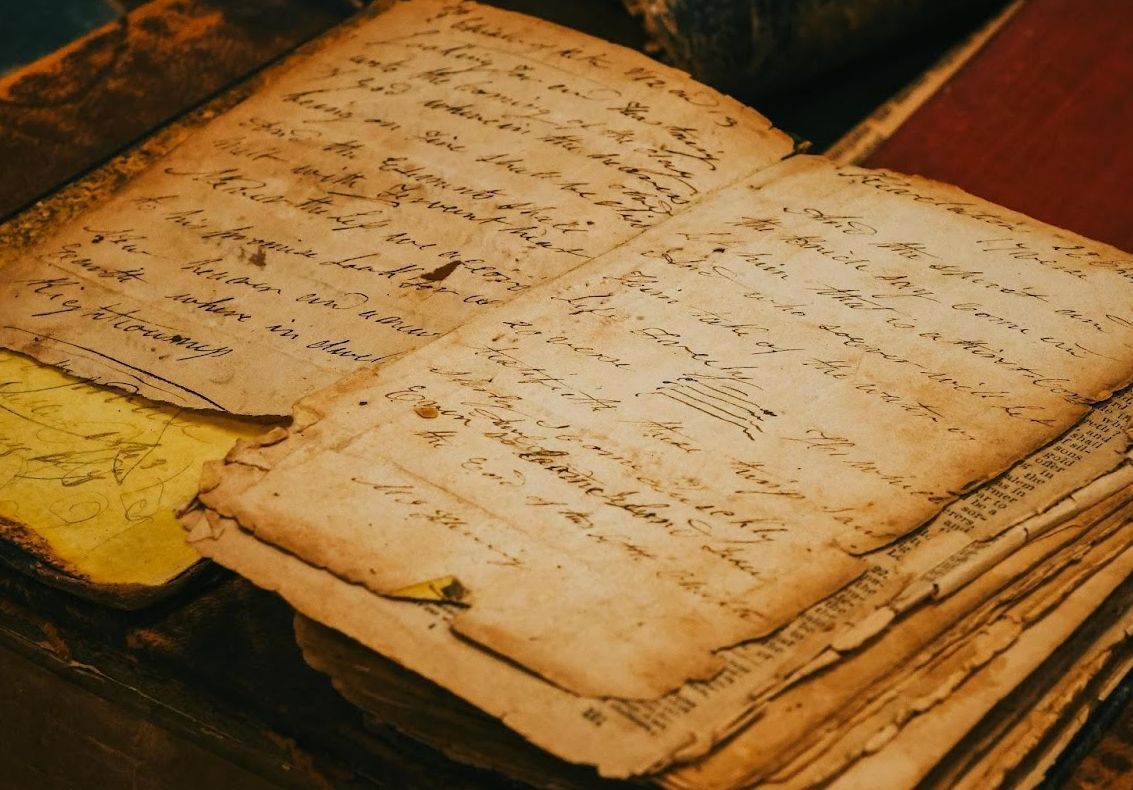
Among Jefferson’s papers, which the Library and Monticello both reproduce and discuss, is his handwritten vanilla ice cream recipe : cream, egg yolks, sugar, and vanilla, frozen using ice and salt. A fundamental (and surprisingly delicious) document of history!

9
A precursor of the Monopoly Game (The Office Boy)

Image: Kathy Marsh

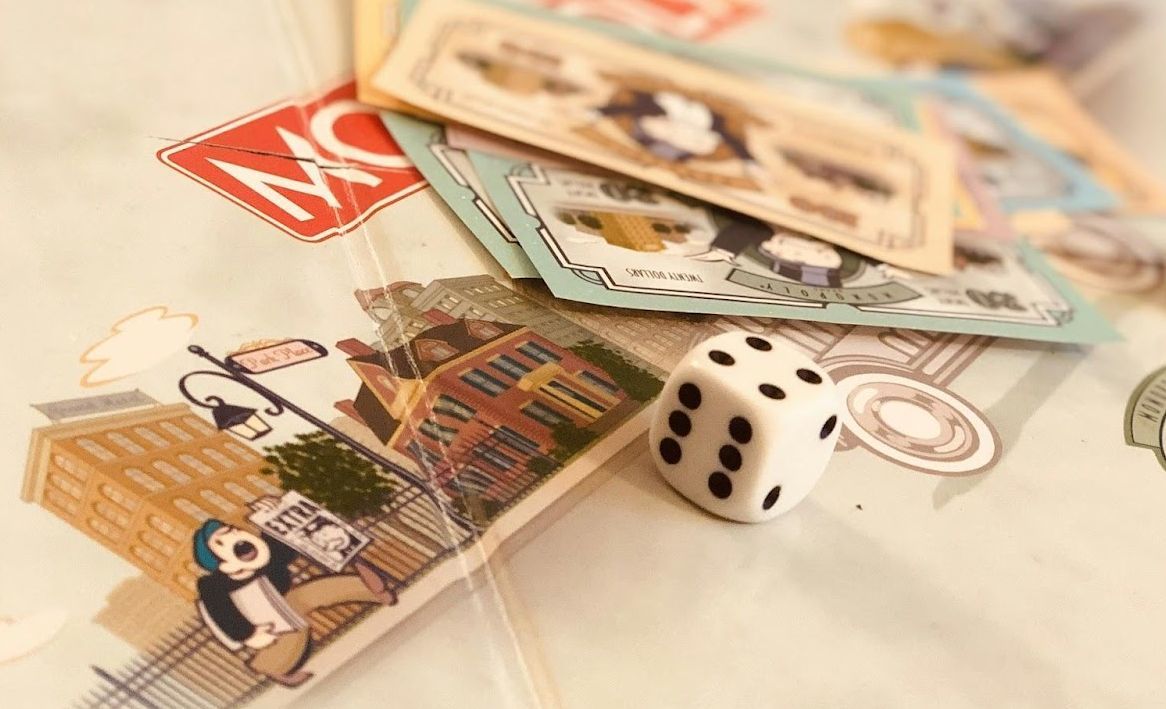
Monopoly’s genealogy includes several predecessors. Most famously, Elizabeth Magie’s 1904 The Landlord’s Game is the well-documented precursor.

Other commercial board games , such as Parker Brothers’ The Office Boy (an 1889 Horatio Alger–style career game), along with various moral and occupational boards, helped shape the emerging mass-market game industry that ultimately produced Monopoly .

General General 4 min read

Were you fooled?

Myths and stories behind famous brands: Are they true?

Image: Ana Dvoranen

Can you tell fact from fiction when it comes to major brands? Some stories sound too wild to be true—a $35 logo that became iconic, a soda once laced with cocaine, a chocolate tycoon who dodged the Titanic. In this article, your challenge is to guess whether the myths are true or false before we decode them. Ready to play Fact or Fiction ?

1
Nike’s Swoosh was created for $35

Image: Shubham Mittal

Yes, it was. The iconic Nike swoosh was sketched in 1971 by Carolyn Davidson, a graphic design student, for the grand sum of $35. She was helping out a friend—Nike co-founder Phil Knight—who needed a logo for his up-and-coming sneaker brand.

Years later, as Nike soared, the company gave her a thank-you gift: a gold swoosh ring and stock options that ended up being worth millions .

2
Coca-Cola originally contained cocaine

Image: Olena Bohovyk

It sounds like an urban legend, but it’s true: early versions of Coca-Cola did contain coca leaf extract , which naturally included trace amounts of cocaine. When pharmacist John Pemberton invented the drink in 1886, it was marketed as a "brain tonic" and nerve remedy, back when cocaine was legal and considered medicinal. By 1929, the formula was fully decocainized.

3
Neither Ben nor Jerry had any previous business experience

Image: Hybrid Storytellers

Absolutely. Longtime friends Ben Cohen and Jerry Greenfield took a $5 correspondence course in ice cream making from Penn State and launched their first scoop shop in a converted gas station in Vermont in 1978.

4
Barbie was based on a German adult doll

Image: Peyman Shojaei

True! She sure was. In the 1950s, Ruth Handler spotted a German novelty doll called Bild Lilli while on vacation. Originally sold as a gag gift for men, Lilli was fashionable, curvy, and definitely not meant for children. But Handler saw potential: she reimagined Lilli as a stylish role model for girls, and the first Barbie debuted in 1959.

5
Milton Hershey missed the Titanic voyage

Image: Janne Simoes

He definitely wasn’t on board—lucky for him! But just how close he came to sailing is uncertain. Legend has it that Milton Hershey and his wife were set to sail on the Titanic in 1912, but canceled at the last minute.

The only clue? A check stub showing a $300 deposit to the White Star Line. While there’s no confirmed ticket, the story has stuck.

6
GM hated (and banned) the nickname "Chevy"

Image: Jose Mueses

This one is partially true. In 2010, GM sent a memo urging employees to stop using the nickname "Chevy" in favor of the full "Chevrolet." The public backlash was swift—critics called the move tone-deaf. After all, "Chevy" was beloved, catchy, and woven into Americana.

Within days, the company backpedaled , assuring fans that "Chevy" wasn’t going anywhere. You just can’t mess with a nickname that’s already set in people’s hearts.

7
Apple was named after the forbidden fruit

Image: TheRegisti

Not quite. Steve Jobs chose the name "Apple" in 1976 because it sounded "fun, spirited, and not intimidating." It also gave the young company a strategic edge—it came before "Atari" in the phone book, which mattered in the era of printed directories.

8
Starbucks was named after Moby Dick’s first mate

Image: Athar Khan

Yes, though it was a winding path. The founders were searching for a name that evoked the seafaring tradition of coffee trading. After toying with " Pequod " (Captain Ahab’s ship), they landed on "Starbuck"—the first mate in Moby-Dick and a name with a strong, classic ring to it.

9
Harley-Davidson was going bankrupt, but its logo saved it

Image: Donald Teel

This one is sort of true. In the early 1980s, Harley-Davidson was revving on empty. The rise of Japanese bikes had them cornered—until the brand leaned hard into nostalgia . The bar-and-shield logo, dating back to 1910, became the centerpiece of a marketing push built on American pride, leather jackets, and the unmistakable growl of a V-twin engine.

It worked. The logo became a badge of rebellion, and Harley rebounded.

10
There’s an arrow hidden in FedEx’s logo

Image: Toni Pomar

Once you see it, you can’t unsee it. Look closely between the "E" and the "x" in the FedEx logo—there’s a white arrow formed by the negative space. It’s a perfect symbol for speed, direction, and efficiency.

The logo was designed in 1994 by Lindon Leader, and the hidden arrow was no accident. It’s a subtle nod to the company’s core promise: to get it there fast .

11
"Breakfast at Tiffany’s" launched the brand

Image: Sam Lashbrooke

False! Breakfast at Tiffany’s didn’t launch the brand. Tiffany & Co. had been around since 1837, known for fine jewelry and that iconic blue box. However, after the 1961 film, Audrey Hepburn’s little black dress and wistful gaze into the Tiffany’s shop window helped cement the brand’s image of elegance .

12
Levi’s blue jeans were created for gold miners

Image: Varun Gaba

Absolutely. In 1873, Levi Strauss and tailor Jacob Davis patented durable denim trousers with copper rivets— perfect for miners during the California Gold Rush . The jeans were tough, practical, and ideal for the grueling work conditions out west. In time, what began as rugged workwear became an American icon.

13
Amazon was named after "the biggest river"

Image: Sunrise King

Yes, it was intentional. Jeff Bezos wanted a name that conveyed vastness, exoticism, and would appear early in web listings . "Amazon" fit the bill—although it could have been named "Nile," which is often cited as the world’s longest river. Bezos liked the idea of building the biggest online store in the world, just like the Amazon is the biggest river by volume.

Explore more American facts

Choose your favorite category!

General
General

As American as apple pie—the very best America has to offer!

Culture
Culture

Delve into the astounding richness of American lore.

Geography
Geography

Hop in and explore vast and diverse American landscapes.

History
History

Discover the key moments that shaped the United States.