Geography Geography 6 min read

ON THE ROAD

From Magnificent Mile To Ocean Drive: 10 Iconic Streets In The U.S. Magnificent Mile To Ocean Drive : 10 Iconic Streets In The U.S.
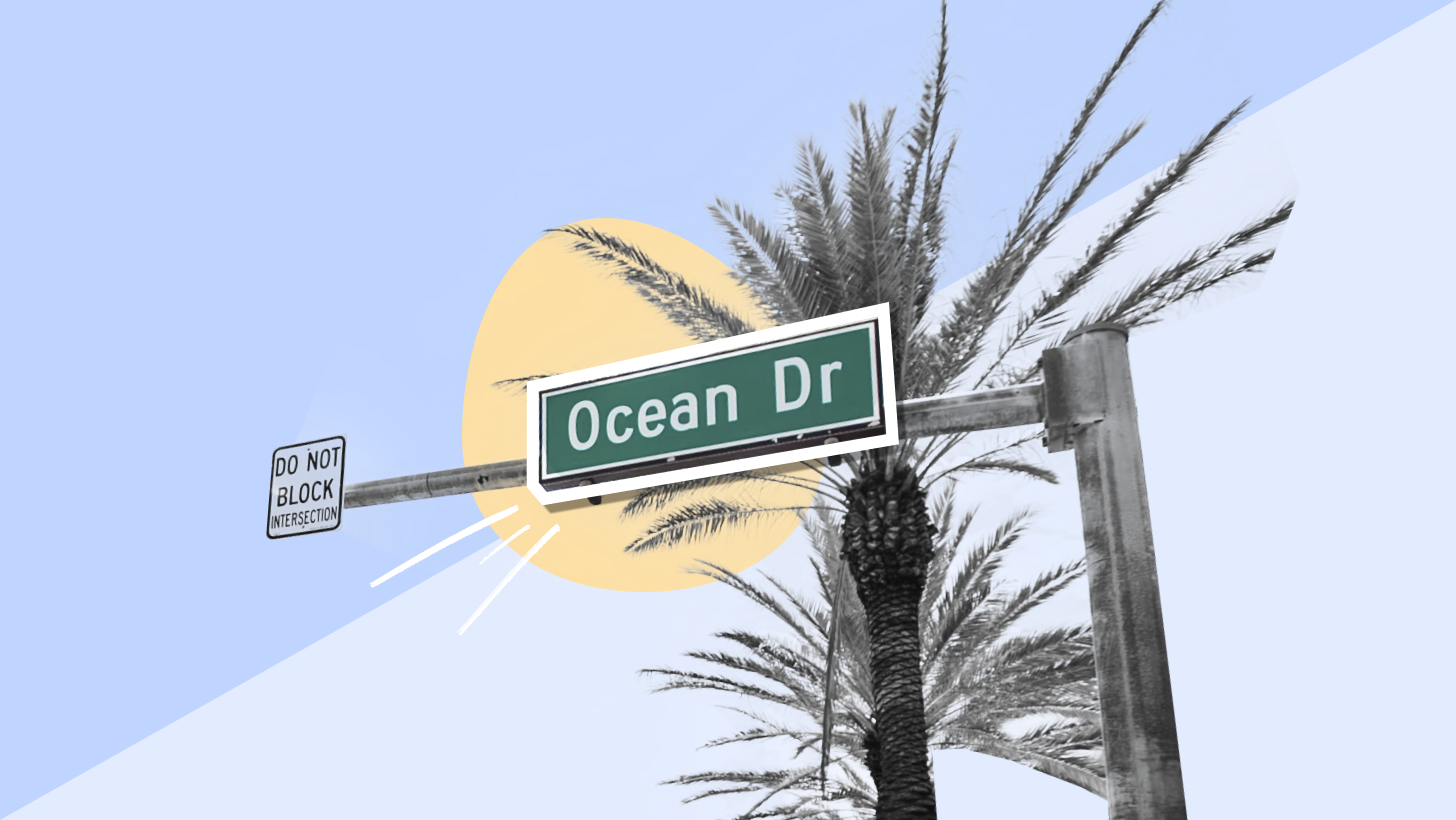
Image: Marf Fanelli-Isla

Thanks to its vast territory and diverse cultural history, the United States has a large number of paradigmatic streets worth knowing . Whether you've visited them at some point or seen them in a movie, the 10 streets selected in this article will surely not surprise you. However, you may find one or two fun facts you didn't know about. For example, did you know that the Las Vegas Strip is not in Las Vegas? It’s always worth knowing a little more! Read on to learn this and other secrets about America's most iconic streets.

1
Sunset Boulevard, Los Angeles

Image: Nathan Dumlao

Sunset Boulevard is a famous Los Angeles street that spans approximately 24 miles. It runs through districts such as Hollywood, West Hollywood, Beverly Hills, and Bel Air. This iconic street's best-known section is the Sunset Strip , where you can find restaurants, hotels, boutiques, colorful billboards, comedy clubs, and nightclubs.

Today, Sunset Boulevard is synonymous with luxury and glamour, but it wasn't always the case. In the first decades of the 20th century, Sunset Strip was home to illegal casinos and was the go-to place to find alcohol during Prohibition. Then, in the 1930s and 1940s, the new restaurants and clubs were packed with the rich and famous . In the 1960s Sunset Strip became a meeting point for rock musicians and the hippie counterculture, who were later forced to leave when prices rocketed in the ‘80s.

2
Bourbon Street, New Orleans

Image: Kristina Volgenau

Bourbon Street is a historic street in the heart of New Orleans' French Quarter. Stretching 13 blocks from Canal Street to Esplanade Avenue, it is one of the wildest and rowdiest streets in the world . Famous for its numerous bars, restaurants, and art galleries, Bourbon Street is best known for hosting the annual Mardi Gras carnival.

But it has not always been a place for partying and madness. During colonial times, it was mostly a residential area and one of the most populous streets in the city. Contrary to popular belief, this street is not named after the famous liquor. It was actually named after the French royal family that reigned in 1721 when French engineer Adrien de Pauger designed the layout of New Orleans. Now, was the liquor named after the street? That, my friends, is a story for another article.

3
Lombard Street, San Francisco

Image: NISCHAL MALLA

Although it's known as "the crookedest street in the world," Lombard Street isn't even the steepest street in San Francisco . That title technically belongs to Vermont Street, between 20th and 22nd Streets in Potrero Hill.

Those curves on that 40-degree incline may seem dangerous to you now, but they were actually built to increase the safety of the street. The natural incline was considered too unsafe, so in the 1920s, a resident suggested creating a series of zigzag curves that would not only add scenic appeal to the street but also make it safer for pedestrians . Today, it is a major tourist attraction for the two million people who visit San Francisco every year.

4
Pennsylvania Avenue, Washington D.C.

Image: Library of Congress

Pennsylvania Avenue is known throughout the world as the heart of the nation's capital , as America's Main Street . American history has paraded, marched, strolled, and protested along this avenue since its creation. It is not just another street. This is where the country’s history and all the political power are concentrated: it is where the White House and the Capitol are located.

Pennsylvania Avenue, like the entire city of Washington, was specially designed in the late 18th century by French-American artist and engineer Pierre Charles L'Enfant at the request of George Washington. For many years, this diagonal street inspired by the Champs Elysees in Paris, was a graceless dirt road. That changed when Thomas Jefferson ordered rows of Black Poplar trees to be planted along it. Finally, in 1832, it was paved to best fight the dust and dirt.

5
Michigan Avenue, Chicago

Image: Jonathan J. Castellon

The most famous portion of Michigan Avenue is known as the Magnificent Mile . Crowned by tall skyscrapers, it has hundreds of luxury stores and restaurants . It is also filled with famous landmarks such as Millennium Park, Chicago Water Tower, and the Art Institute of Chicago, among other buildings.

The Magnificent Mile began construction during the 1920s as part of the Burnham Plan of Chicago, which recommended adding wider streets, parks, and new buildings. In 2007 it was chosen as one of the 10 Great Streets by the American Planning Association. Nowadays, the Magnificent Mile has become a favorite destination for more than 22 million tourists who visit Chicago annually.

6
Wall Street, New York City

Image: Uwe Conrad

Wall Street is undoubtedly one of the most famous and well-known streets in the United States and the world. Located in Lower Manhattan, it is considered the "Financial District" because it houses multiple financial institutions and large banks , such as the Central Bank of the United States, the Federal Reserve, and the New York Stock Exchange.

But did you know why it's called like this? The Wall Street name refers to a wooden wall built by Dutch settlers to defend against possible attacks by British pirates during the Anglo-Dutch wars in the 17th century. Originally known in Dutch as Het Cingel —"the Belt" in English—, the wall was more than 2,340 feet long and approximately 9 feet high. It also had two gates, known today as the corner of Wall Street and Pearl Street.

7
Beale Street, Memphis

Image: Heidi Kaden

Beale Street in Downtown Memphis, Tennessee, is a street developed in the 1840s. Today it is best known for its pivotal role in the history of blues music, but was originally named after Edward Fitzgerald Beale, a military hero from the Mexican–American War. Part commercial, part suburbs, in the 1860s Beale Street was the go-to place for African American traveling musicians to perform.

Since then, blues and jazz legends such as Louis Armstrong, Muddy Waters, and Albert King have played on Beale Street, contributing to the development of the style known as Memphis Blues . In fact, B.B. King was once known as "the Beale Street Blues Boy." In 1977 this historic street was officially declared "Home of the Blues."

8
Newbury Street, Boston

Image: Aline Sales

Considered the "Rodeo Drive of the East," Newbury Street in Boston is one of the most expensive streets in the world . But did you know that once upon a time most of it was underwater? Until the mid-1800s, Newbury Street was part of Boston Harbor until it was filled in with dirt from neighboring communities. Back then, it was mostly a residential area with very little charm.

It wasn’t until the 1980s that Newbury Street started to become the trendy shopping mecca we know and love today. Surrounded by 19th-century brownstones turned into high-end boutiques and restaurants, nowadays you can find modern art galleries and concept stores that still retain the sophisticated style of its glory days.

9
Ocean Drive, Miami

Image: Dennis Rochel

The Ocean Drive boardwalk, located in the South Beach area, is probably the most popular street in Miami and one of the most famous in the world. Known for its white sand beaches, turquoise sea, and colorful Art Deco architecture , here you will find some of the best restaurants, bars, and hotels in the entire city.

Ocean Drive's history is full of reinventions. Originally, in the early 20th century, it was a dusty street. In the 1920s, Miami Beach became a tourist destination and the area began to develop. From the 1930s on, Ocean Drive was nicknamed the "Great White Way" and played host to big stars such as Frank Sinatra and Jimmy Durante . Today, after a remodeling that cost millions of dollars, the mythical street has been modernized and reborn.

10
Las Vegas Boulevard, Clark County

Image: David Vives

Did you know that the famous Las Vegas Strip is not within Las Vegas city limits? The Strip is a stretch of Las Vegas Boulevard, one of the most filmed and photographed streets in the United States. However, contrary to what many people think, it is located in the unincorporated town of Paradise , in Clark County.

Originally, the Strip was nothing more than a highway with a few nightclubs and motels. With the construction of the Flamingo Hotel in 1946, the Strip began to change and develop into what it is today. Regardless of its exact location, today the Strip is home to the most iconic hotels and casinos , including Caesars Palace, the Bellagio, and the Venetian, and is a must-stop for anyone visiting Sin City.

Culture Culture 5 min read

VERY IMPORTANT PEOPLE

10 Americans Who Made It to TIME’s “Person of the Year”

Image: Japheth Mast/DESIGNECOLOGIST

Ever since its beginning, the American magazine TIME has taken it upon itself to honor a "Person of the Year". This prestigious title isn’t just for individuals, it can also recognize objects, ideas, or people who have "for better or for worse influenced the events of one year."

Until 1999, the title was actually "Man or Woman of the Year," and the tradition started back in 1927 when TIME editors, facing a series of slow new days before New Year’s, decided to reflect on the year’s most influential newsmakers. From Obama to Taylor Swift, many Americans have been honored.

In this article, we will go through a list of ten Americans who have also claimed this honor , showcasing their contributions and elevating American pride to new heights.

1
Mark Zuckerberg

Image: Kenny Eliason

Mark, the co-founder and CEO of Facebook, was named TIME’s Person of the Year in 2010. He earned this honor for his remarkable influence on the social networking landscape and the way people connect online.

At just 26 years of age, Zuckerberg forever changed communication , with Facebook amassing over 500 million users worldwide!

TIME recognized him not only for his technological innovation but also for his role in reshaping social interaction and the digital economy. His vision and impact extended beyond technology, influencing politics, business, and society at large. He quite deserved the recognition, didn’t he?

2
Barack Obama

Image: History in HD

The 44th president of the United States was named Person of the Year not once, but twice! His first recognition came as he made history by becoming the first African American president , symbolizing a profound change and a hopeful future for many Americans. Obama’s message of "hope and change" resonated globally.

The second time, in 2012, he won the recognition as we secured a second term in office . His presidency was marked by significant accomplishments, including the passage of the Affordable Care Act. Both titles reflect his impact and influence on the American people.

3
Jeff Bezos

Image: Christian Wiediger

The founder and CEO of Amazon was named TIME’s Person of the Year in 1999 . He was recognized for his groundbreaking work in e-commerce, transforming Amazon from an online bookstore into a global retail powerhouse. Under his leadership, Amazon revolutionized the way people shop , setting new standards for convenience and customer service.

TIME acknowledged Bezos for his visionary approach and relentless drive, which significantly impacted the retail industry and consumer behavior. His innovative strategies and focus on long-term growth positioned Amazon as the leader in the digital economy it is today.

4
Wallis Simpson

Image: Annie Spratt

TIME’s recognition was not always about diplomacy, politics, or innovation: Love and drama were also acknowledged. Wallis Simpson was an American socialite and she was named TIME’s Person of the Year in 1936 for her role in one of the most dramatic love stories of the 20th century, which led to the abdication of King Edward VIII of the United Kingdom. Edward’s decision to relinquish the throne to marry Wallis, a twice-divorced American, rocked the British monarchy and captivated the world.

TIME honored Simpson not just for her personal story, but for the profound political and social impact her relationship with Edward had on the era . Even if the British monarchy didn’t think alike!

5
The Good Samaritans

Image: Katt Yukawa

2005 was one of those years when the title "Person of the Year" wasn’t enough. Back then, three people collectively known as The Good Samaritans were named "Persons of the Year," and two of them were American.

We are talking about Bill Gates, Melinda Gates, and Bono who was also part of the group. Bill and Melinda Gates, through their foundation, had been tackling major global health issues, such as eradicating diseases and improving education worldwide . Bono, the U2 frontman, was recognized for his activism in fighting poverty and HIV/AIDS, particularly in Africa, using his fame to advocate for social justice.

Their significant contributions led to improving lives and addressing critical global challenges and exemplified the power of using wealth and influence for the greater good.

6
Ted Turner

Image: Rubaitul Azad

Ted Turner is a visionary media entrepreneur, and he was named Man of the Year in 1991. He earned this distinction for his transformative impact on the media landscape, most notably through the creation of CNN, the world’s first 24-hour news network .

Turner's innovative concept forever changed how people access news, ensuring that information is available at any hour. His approach redefined television journalism and set new standards for news delivery globally.

Beyond his media ventures, Turner's dedication to philanthropy and environmental causes further demonstrated his commitment to positive change. TIME recognized Turner not just for his media achievements, but also for his broader societal contributions .

7
American Women

Image: Jen Theodore

That’s right, there was one time when the influential group was so big, that they had to honor a whole gender. In 1975, American Women collectively were named TIME’s Person of the Year. This landmark recognition celebrated the influence women had in several aspects, including politics, business, and social movements. The honor was a tribute to the growing momentum of the women's liberation movement, which was challenging traditional gender roles and advocating for equal rights.

TIME’s goal was to highlight the diverse achievements of women across the nation, from l eaders in government to activists fighting for justice and gender equality. This selection acknowledged the key role women played in shaping the country’s cultural and political landscape during a transformative period.

8
John F. Kennedy

Image: History in HD

Most Presidents of the United States were honored with the title of Person of the Year and Kennedy was not the exception. As the 35th president, he was awarded the title in 1961 due to his inspiring leadership and vision during a crucial time in American history.

His charisma, youthful energy, and policies resonated with a nation that was ready for a change .

The recognition came not only for his political achievements but also for his ability to energize the American spirit. Kennedy’s legacy continues to influence American politics and culture today so the recognition was just one more testament to his powerful impact.

9
David Ho

Image: Marcelo Leal

In 1996, Dr. David Ho, an influential Taiwanese-American AIDS researcher, was granted this recognition due to his groundbreaking work on the human immunodeficiency virus (HIV) which helped the medical community understand and treat AIDS. His extensive investigation led to the development of highly active antiretroviral therapy (HAART).

His findings meant giving patients the possibility of living a quality life through treatment for a chronic condition instead of a fatal disease.

Dr. Ho’s dedication and scientific advancements have had a profound impact on public health and this recognition acknowledged the importance of scientific innovations in addressing global health crises.

10
Taylor Swift

Image: Rosa Rafael

This article ends with TIME’s most recent "Person of the Year." Taylor Swift is a 34 American singer-songwriter who was given the title in December 2023.

During that year, Swift broke quite literally all the records: The most streamed album, the highest-grossing world tour, the biggest-selling record of the year, and more. Taylor Swift was granted the title because it became a whole phenomenon. It was the first person in the arts to be recognized with this title.

Whatever country she visited with The Eras Tour the local economy went crazy, not to mention the fans. Her music has inspired millions of people around the world, deeply influencing cultures, economies, and more on her way.

History History 3 min read

Remembering the fallen

Did you know Memorial Day was first called Decoration Day?

Memorial Day is an occasion to honor and mourn those who gave their lives in defense of the United States . This federal holiday, observed on the last Monday of May, has a long and evolving history, and it wasn’t always celebrated the way we know it today. Here are 10 facts about how Memorial Day came to be.

Decoration Day

Image: Caroline Attwood

Memorial Day was originally called Decoration Day and was first observed on May 30, 1868, as a way to honor Union soldiers who had died in the Civil War. However, the idea behind it actually came from the South. Mary Ann Williams , whose husband died during the conflict, wrote a letter to a newspaper urging women to set aside a day to decorate the graves of fallen soldiers.

The end of May

Decoration Day was instituted by the Army’s commander-in-chief, General John A. Logan , and was quickly adopted by most states. There are several theories about why the date was chosen: some say Logan purposely picked a day that was not the anniversary of any Civil War battle, while others believe he chose it because it’s the time of year when most flowers bloom.

National Cemeteries

During the American Civil War, the U.S. Congress passed an act to create military burial places for Union soldiers. By the end of that year, 12 national cemeteries had been established. Today, the National Cemetery System maintains 164 military burial sites, the most well-known being Arlington National Cemetery and Gettysburg National Cemetery .

Renaming

The term Memorial Day was first recorded in the 1880s and grew increasingly popular after World War II. However, the holiday wasn’t officially renamed until 1968, when the Uniform Monday Holiday Act moved its observance from May 30 to the last Monday in May.

A moment for remembrance

The establishment of Memorial Day weekend has been seen by some as a benefit to the travel, sports, and entertainment industries. Veterans’ organizations have urged that the holiday be returned to its original date, arguing that the three-day weekend undermines its intended meaning. In response, Congress passed the National Moment of Remembrance Act , which encourages people to pause at 3:00 p.m. for a moment of silent reflection and remembrance.

Poppies

Several English-speaking countries adopted the poppy flower as a symbol of remembrance for fallen soldiers after World War I. This tradition was inspired by the poem In Flanders Fields , written by Canadian military doctor John McCrae , which describes poppies growing among soldiers’ graves. In the United States, the poppy was originally associated with Veterans Day but is now primarily worn during Memorial Day weekend.

The flag

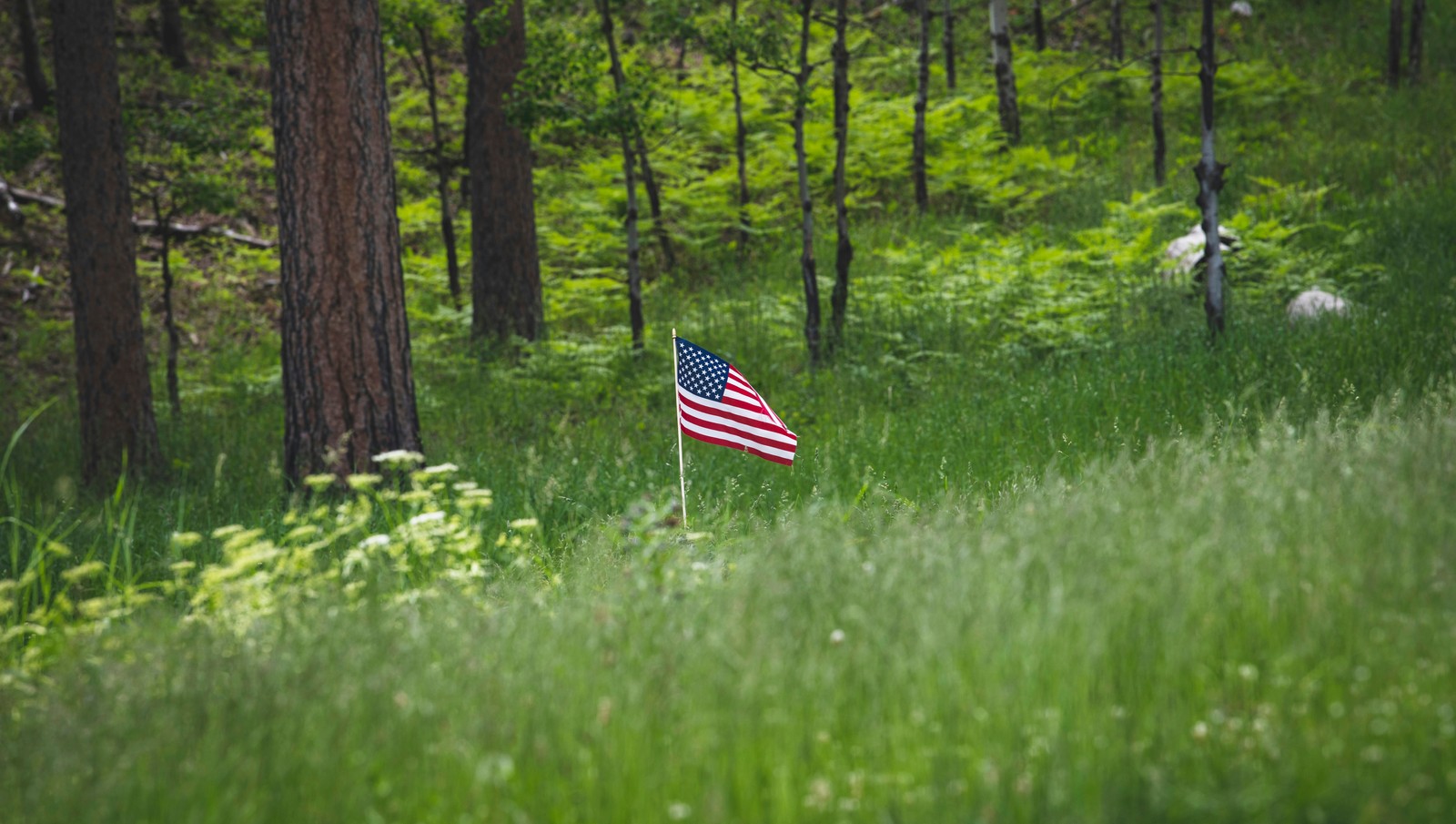
The national flag flies at half-staff during periods of mourning. While special instances of mourning can be proclaimed by government authorities, remembrance holidays follow a set protocol. On Memorial Day, the U.S. flag is briskly raised to the top of the staff, then solemnly lowered to half-staff, where it remains until noon. At that time, it is raised again to full staff to honor the nation’s living heroes and those still serving.

The Unknown Soldier

One of the focal points of Memorial Day is the Tomb of the Unknown Soldier at Arlington National Cemetery . This symbolic monument was established in 1921 and originally held the remains of an unidentified soldier who died in World War I. Later, unidentified soldiers from World War II and the Korean War were also interred at the site. A permanent military guard stands watch year-round, honoring the sacrifice of all unidentified service members.

Memorial Wreaths

Wreaths are a common sight on Memorial Day—but where does the tradition come from? In 1992, Morrill Worcester, owner of a wreath company in Maine, found himself with a surplus of holiday wreaths. Wanting to put them to good use, he donated them to Arlington National Cemetery as a tribute to the fallen—a gesture that soon became an annual tradition. After a photo of the wreath-covered graves went viral in 2005, the nonprofit organization Wreaths Across America was established to help volunteers place wreaths on veterans’ graves across the country.

The start of the summer

Even though it is a day of remembrance, Memorial Day weekend also marks the unofficial start of summer . The holiday often coincides with the end of the school year, and the warmer weather encourages families to gather for barbecues and cookouts, attend parades, and visit the graves and memorials of fallen soldiers.

Explore more American facts

Choose your favorite category!

General
General

As American as apple pie—the very best America has to offer!

Culture
Culture

Delve into the astounding richness of American lore.

Geography
Geography

Hop in and explore vast and diverse American landscapes.

History
History

Discover the key moments that shaped the United States.