General General 3 min read

True pioneers

From the incandescent lightbulb to Mickey Mouse: 12 world-changers

Image: Júnior Ferreira

America has had its fair share of trailblazers, empire builders, inventors, artists, and many other brilliant individuals who have changed the world in various ways. Take a look at the following 12 individuals who have achieved significant milestones from backgrounds as diverse as the human race itself. Which one inspires you the most?

1
George Washington

Image: Priscilla Gyamfi

The first name on the list belongs to the Father of Our Nation and first president. As commander of the colonial troops during the Revolutionary War, Washington led the struggle against Great Britain with intelligent military strategy and unwavering leadership.

Quite possibly, his greatest contribution lies in his refusal to become a king or dictator , instead choosing to lay the foundations of a democratic republic.

2
Martin Luther King Jr.

Image: Unseen Histories

This icon of the civil rights movement used nonviolent resistance to combat racial discrimination. Through peaceful protest strategies , King led demonstrations, boycotts, and marches that helped transform the social landscape of America.

His "I Have a Dream" speech in 1963 in Washington, D.C. became a huge milestone in the struggle for equality and an inspiration for millions all over the world.

3
Franklin D. Roosevelt

Image: Jessica Tan

A steady guide through challenging times, Franklin D. Roosevelt led the nation through the Great Depression and World War II. Through his New Deal programs, he introduced revolutionary social and economic reforms, including the creation of social safety nets like Social Security.

His leadership during World War II helped establish the United States as a global power committed to supporting democracy.

4
Susan B. Anthony

Image: Giacomo Ferroni

A relentless activist in the struggle for women’s suffrage , Susan B. Anthony organized campaigns, wrote extensively, and spoke passionately in support of gender equality. Although she did not live to see it passed, her efforts laid the groundwork for the 19th Amendment, which granted women the right to vote.

5
Thomas Edison

Image: Robert Wiedemann

Life as we know it would not be the same without his inventions. And, while the lightbulb would have been reason enough for him to be present on this list, Edison was responsible for numerous innovations—he held over 1,000 patents, including for the phonograph, motion picture camera, and electric power distribution systems—that helped change the course of history forever.

6
Margaret Mead

Image: Stephen Andrews

Margaret Mead’s pioneering work in psychology and anthropology helped develop the understanding that children learn through imitation , particularly by observing their parents and community.

In addition to her academic contributions, she was a vocal advocate for women’s rights and greater sexual openness, influencing the cultural shifts that led to the sexual revolution of the 1960s.

7
Henry Ford

Image: Dan Dennis

Thank him for the popularization of the automobile and the introduction of the 40-hour, five-day workweek . America would not be the same without Henry Ford and his revolutionary industrial ideas, which transformed manufacturing and daily life.

8
Betty Friedan

Image: Deniz Demirci

Women’s rights owe much to Betty Friedan, whose groundbreaking work challenged the limited roles assigned to women in mid-20th-century America . Her book The Feminine Mystique gave voice to the dissatisfaction of the American housewife and sparked a national conversation about the validity of traditional gender roles.

9
Andrew Carnegie

Image: Denis Chick

Largely considered as one of America’s greatest self-made men, Andrew Carnegie played a pivotal role in shaping the nation's industrial identity. His leadership in the steel industry helped propel the United States into a position of global economic dominance in the early 20th century.

10
Orville and Wilbur Wright

Image: History in HD

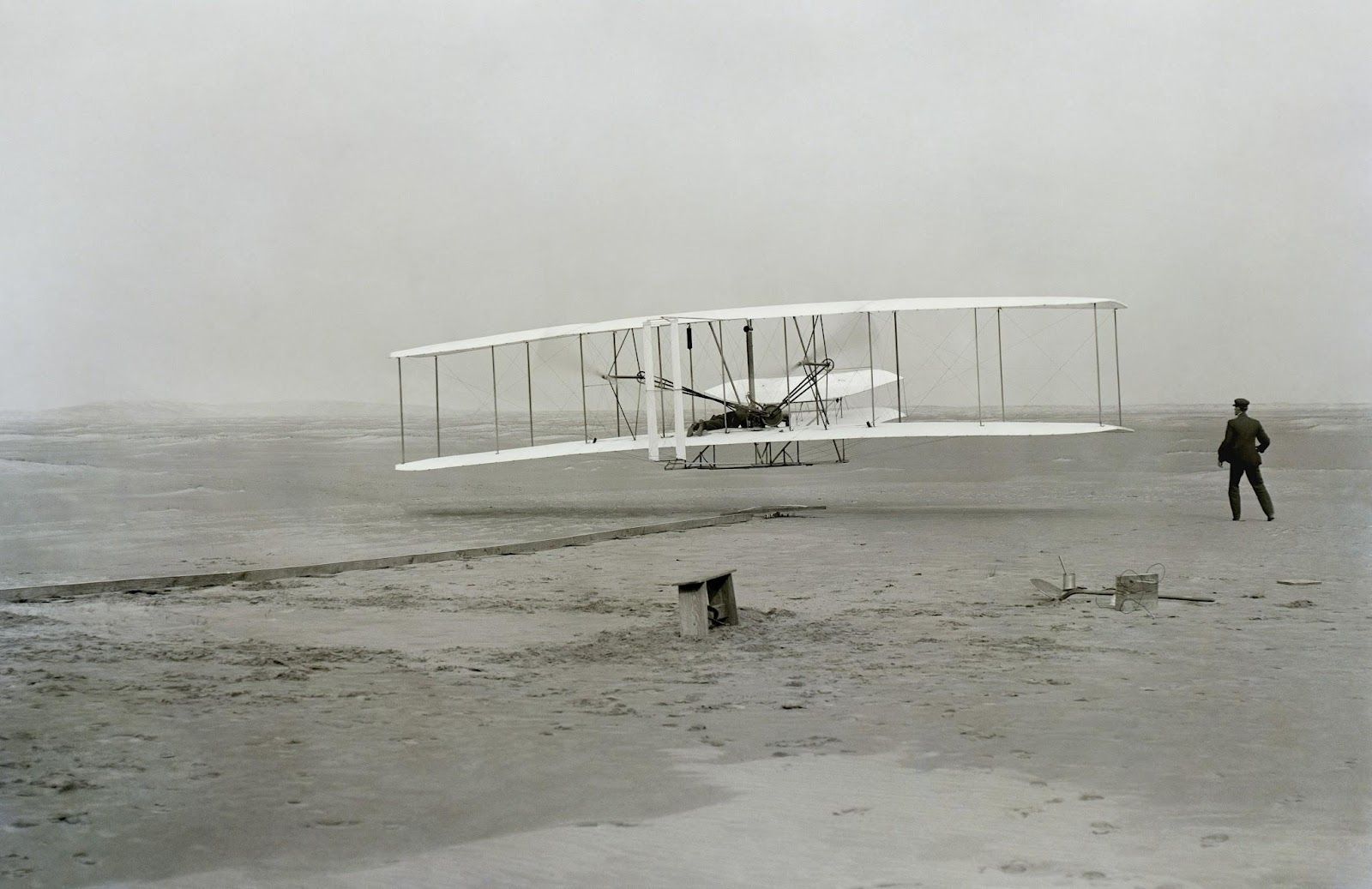
Transportation would never have been the same without Orville and Wilbur Wright, brothers from Ohio, who changed the world forever by inventing powered flight on the shores of Kitty Hawk, North Carolina.

11
Alexander Graham Bell

Image: Pavan Trikutam

That black rectangular device near you is the modern evolution of Alexander Graham Bell’s original invention, one that would change the way humans communicate in profoundly lasting ways.

12
Walt Disney

Image: Travis Gergen

Walt Disney’s influence on the childhoods of generations of Americans is undisputed. He forever changed the world of entertainment for both children and adults through his iconic characters and innovative theme parks, which now exist all over the world.
History History 5 min read

History time

Let’s honor our 13 original colonies with 13 interesting facts!

Image: Kaboompics.com

The 13 original British colonies along the East Coast of what is now the United States were the building blocks of a new nation. At the same time, they were lively, complex, and filled with unique stories. Founded for reasons ranging from religious freedom to economic gain, each colony brought its own flavor to the mix. While they eventually united to resist British rule, their individual histories remain captivating. Let’s explore 13 interesting facts about these foundational colonies and uncover the tales that make them unforgettable.

1
New Hampshire: Constitution and potatoes

Image: Spenser Sembrat

New Hampshire was a pioneer in colonial America: They were the first colony to establish its own constitutional government. But its tastiest contribution? Potatoes!

In 1719, Scotch-Irish immigrants near Londonderry planted the first permanent potato crops. The tubers quickly became a staple and spread across the colonies only to become the most consumed vegetable in the country. Plus, New Hampshire even declared the potato its official state vegetable in 2013. Who knew potatoes had such historical roots?

2
Massachusetts: Named after the original inhabitants

Image: Wei Zeng

When English settlers arrived on the Mayflower in 1620, they weren’t stepping onto empty land. Indigenous peoples had called the area home for thousands of years.

The colony’s name, Massachusetts, honors the Massachusett tribe. Derived from the Algonquian word Massa-adchu-es-et , it translates to "great hill-small place." Even as history tells a more complicated story about their interactions with the settlers, it’s a nice tribute to the land's original inhabitants.

3
Connecticut’s secret tree

Image: Christopher Luther

Connecticut’s colonial history has a touch of mystery and rebellion . In 1662, the colony was granted a royal charter ensuring its right to self-govern by King Charles II. After his death, in 1686, King James II tried to revoke it.

Legend has it that, during a heated debate, the charter was spirited away during a momentary blackout and hidden in the hollow trunk of a white oak tree. The "Charter Oak" became a symbol of freedom and self-determination, and it’s now honored as Connecticut’s official state tree.

4
Rhode Island: Refuge for the rejected

Image: Demure Storyteller

The colonies were revolutionary, but some views were too progressive for the era. That is why Roger Williams, Rhode Island’s founder, was banished from Massachusetts . He had progressive views on religious freedom and so he found sanctuary in what later became Rhode Island.

In 1636, he purchased land from the Narragansett people and founded a colony based on the separation of church and state. It became a haven for minority religious groups like Baptists, Quakers, and Jews.

5
New York: From New Netherland to a global capital

Image: Benjamín Gremler

Before it was New York, it was New Netherland, a bustling Dutch colony founded in 1624. The Dutch established New Amsterdam on Manhattan Island, but in 1664, the English seized the territory and renamed it after the Duke of York.

New York grew rapidly, eventually becoming the first capital of the United States after the Revolutionary War. It’s amazing to think this vibrant city started as a modest Dutch trading post.

6
New Jersey’s devilish legend

Image: Benjamin Ashton

The Pine Barrens of New Jersey are home to one of America’s oldest and creepiest legends : the Jersey Devil. Do you know how it goes?

According to folklore, a woman named Mother Leeds cursed her 13th child, who was born as a monstrous creature, and fled into the forest. The tale, rooted in both colonial superstition and Indigenous folklore, has been passed down for centuries, keeping imaginations alive, and visitors on edge, in the Garden State.

7
Pennsylvania: The King’s debt becomes a colony

Image: The Body

Pennsylvania owes its existence to a royal, and quite big, IOU. King Charles II granted William Penn the land in 1681 as payment for a debt owed to Penn’s father.

Penn established the colony as a safe haven for Quakers, emphasizing religious tolerance and fair dealings with Indigenous peoples. Pennsylvania, clearly named after the family’s name, became a model of diversity and coexistence, attracting settlers of all faiths and backgrounds.

8
Delaware: The First to Declare Independence

Image: Demure Storyteller

Independence from Britain? They all did that, but Delaware took it a step further! Though initially governed as part of Pennsylvania, Delaware established its own legislature in 1704.

On June 15, 1776, this colony declared independence not just from Britain but also from Pennsylvania, making it the first colony to break away formally . Known as the "First State" for ratifying the US Constitution in 1787, Delaware’s pioneering spirit is woven into its history.

9
Maryland: A pirate colony?

Image: Luisa Frassier

Maryland’s early days weren’t all peaceful. William Claiborne , a man of the Virginian council, refused to accept that his settlement on Kent Island was part of Maryland after the colony’s charter was granted in 1632.

Claiborne launched pirate raids on Maryland’s trading posts, leading to charges of piracy and murder. While he eventually lost his claim, Claiborne’s defiance adds a plot twist to Maryland’s story.

10
Virginia: Witch trials in the South

Image: Henry Deng

Did you think witch trials only happened in Salem? Think again. Virginia held about two dozen trials between 1626 and 1730, including the infamous case of Grace Sherwood. If that name doesn’t ring a bell, maybe "The Witch of Pungo" does.

While we’re not going to get into the details of how they proved she "was a witch," she was convicted of witchcraft and spent several years in jail before she was released.

11
North Carolina: The Mystery of Roanoke

Image: Gene Gallin

North Carolina’s Roanoke Colony remains one of America’s greatest mysteries. In 1587, over 100 settlers vanished without a trace , leaving behind only the word "Croatoan" carved into a tree.

As you can imagine, there are plenty of theories surrounding this event: Did they join local Indigenous tribes, or succumb to the harsh environment? While we may never know, the "Lost Colony" keeps historians and treasure hunters quite captivated.

12
South Carolina’s "Blue Gold" boom

Image: Omri D. Cohen

South Carolina’s indigo trade, led by Eliza Lucas Pinckney in the 1730s, turned the colony into an economic powerhouse. This vibrant blue dye, vital for textiles, was so lucrative it earned the nickname "blue gold."

Despite the challenges, which included sabotage by rivals, the crop’s success transformed South Carolina’s economy. However, its growth came at the cost of enslaved labor, a sobering reality of the colony’s prosperity.

13
Georgia: A colony for a cause

Image: Jaanus Jagomägi

Founded in 1732 by James Oglethorpe, a prison reformer, Georgia was established as a social experiment . It was designed to provide a fresh start for England’s "worthy poor," and to that end, the colony outlawed slavery and large landholdings.

However, settlers soon pushed back, and by 1751, many of the original restrictions were lifted. Despite its challenges, Georgia’s idealistic beginnings make it a unique addition to the 13 colonies.

History History 3 min read

What would you take?

You'll never believe the things we've sent into space

Image: Pixabay / karen_la_banda

NASA has strict rules about non-essential items. And yet, over the decades, astronauts have managed to bring along all sorts of odd objects in their Personal Preference Kits. Sure, some may have been marketing stunts—like the time Pizza Hut delivered a meal to the International Space Station—but others were personal caprices, like David Walker’s gorilla suit smuggled onboard in 1984. Read on to discover the full list!

1
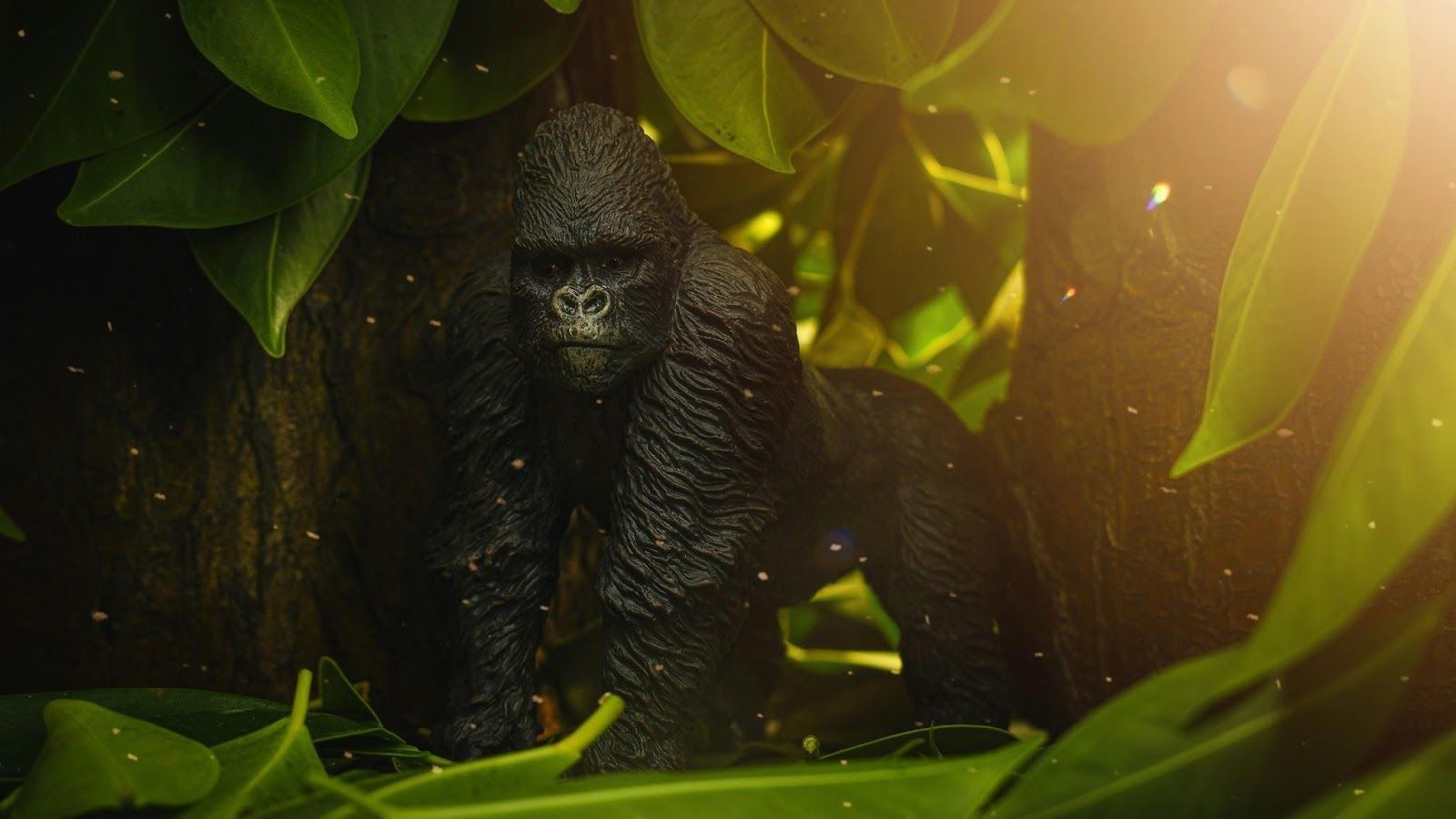
A gorilla suit

Image: ARTISTIC FRAMES

Space can get boring. It got a little more entertaining for astronaut Scott Kelly in 2016, when his twin brother, Mark Kelly, sent him a vacuum-sealed gorilla suit all the way to the ISS for his birthday.

Kelly’s crewmates didn’t know about it, so he had fun pranking them by suddenly appearing in the suit aboard the station. One of the prank videos went viral. As Kelly put it: "How can you not like space gorilla?"

2
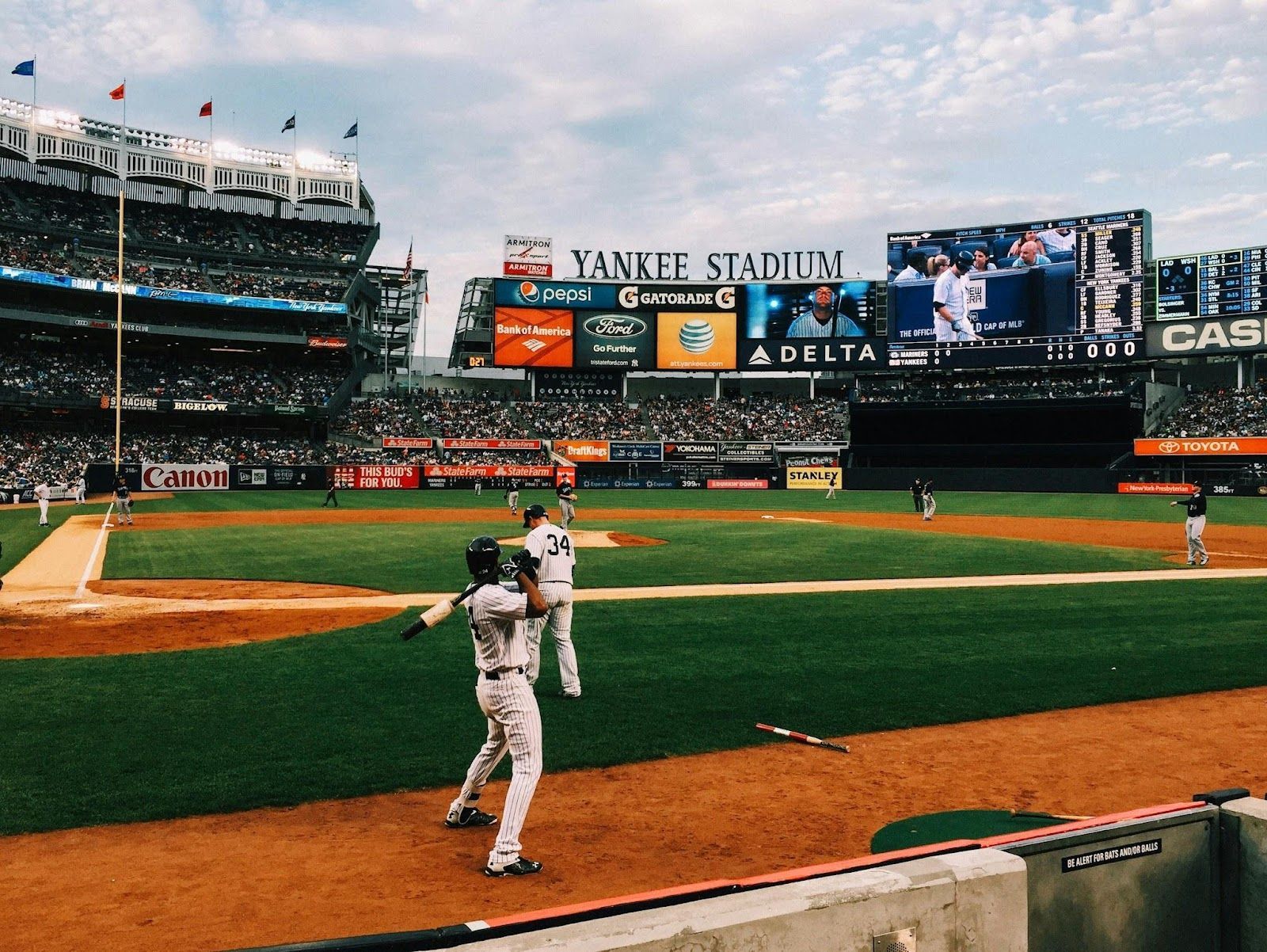
Dirt from Yankee Stadium

Image: Chanan Greenblatt

Astronaut Garrett Reisman, a lifelong Yankees fan, of course, took a little piece of the Bronx to orbit . In 2008, aboard Space Shuttle Endeavour on mission STS-123, he brought a vial of dirt from Yankee Stadium’s pitcher’s mound—along with other Yankees memorabilia, including items autographed by players.

3
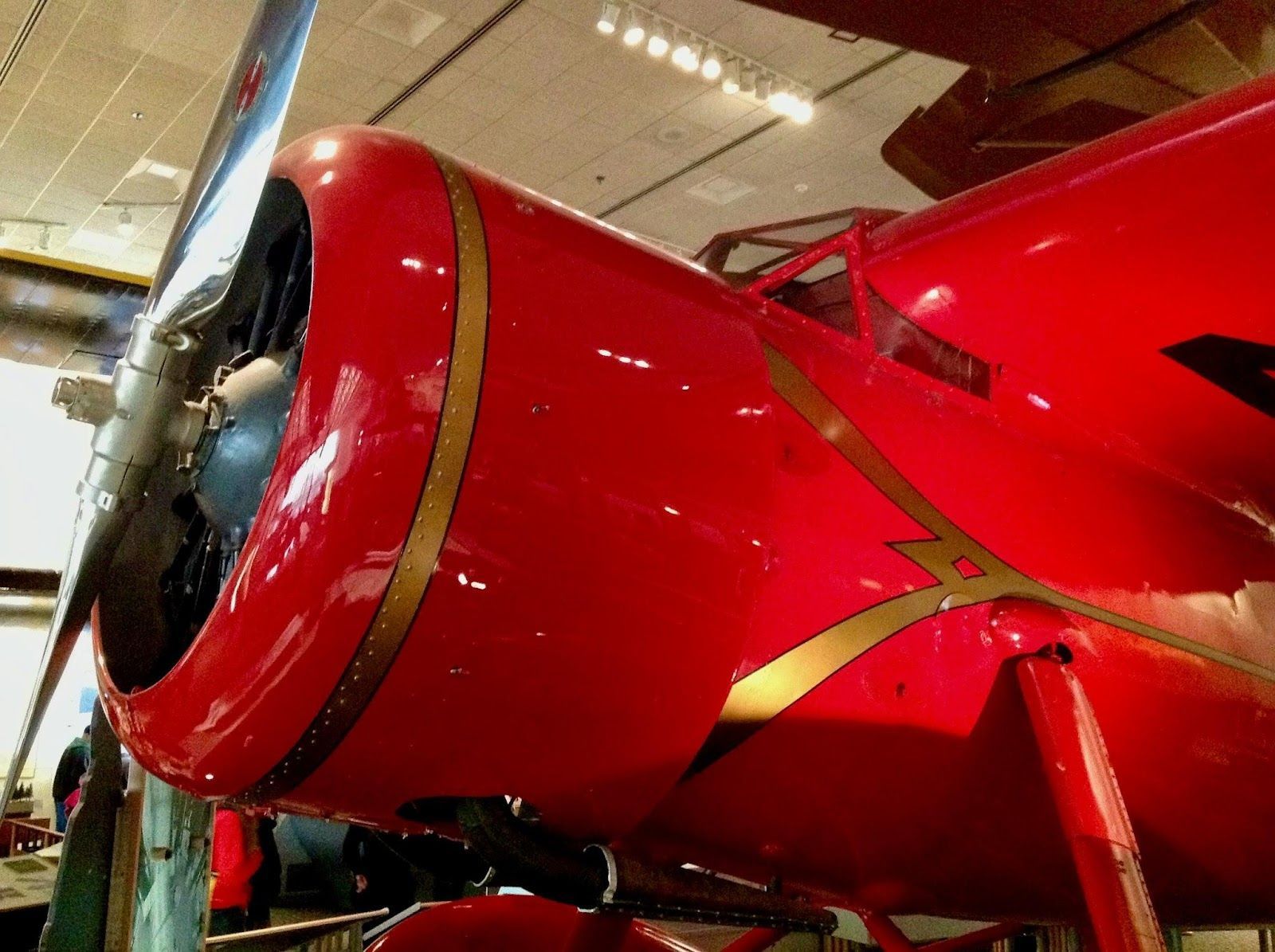
Amelia Earhart’s watch

Image: Tomas Martinez

In 2010, astronaut Shannon Walker brought Amelia Earhart’s watch to the International Space Station. The legendary aviator had worn it during two transatlantic flights , and it traveled to space on the 82nd anniversary of her first historic solo flight across the Atlantic.

4
Pizza

Image: Alan Hardman

Space pizza finally became a reality in 2001, when Pizza Hut paid millions to deliver a vacuum-sealed pizza to the International Space Station.

It was, quite literally, a publicity stunt out of this world . The pizza—topped with salami to withstand space conditions—was eaten by Russian cosmonaut Yuri Usachov aboard the ISS.

5
Pieces of the Wright Brothers’ first plane

Image: History in HD

Tucked into Neil Armstrong’s spacesuit was a small piece of fabric and a fragment of wood from the Wright Brothers' 1903 Flyer—carried all the way from Kitty Hawk to the Sea of Tranquility . He took them with him as he became the first person to step onto the Moon in 1969.

6
A set of instruments to play "Jingle Bells"

Image: Ali Rashedi

Just before Christmas in 1965, astronauts Wally Schirra and Tom Stafford pulled off a surprise serenade in space.

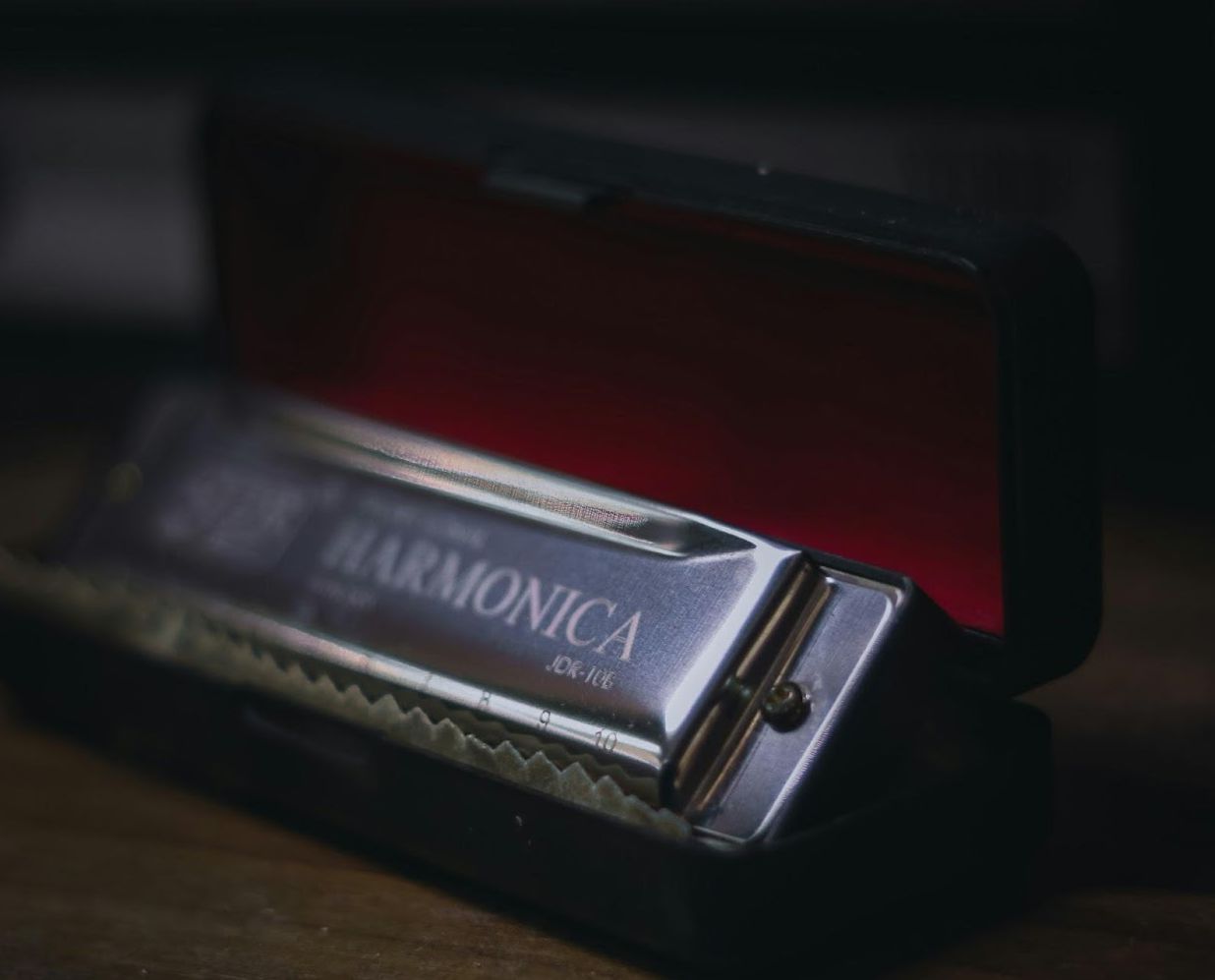
They had smuggled a harmonica and a set of sleigh bells aboard their Gemini 6A mission and played "Jingle Bells" for Mission Control—creating the first musical performance ever in space . The instruments are now on display at the Smithsonian Institution.

7
Several LEGO pieces

Image: Eugene Chystiakov

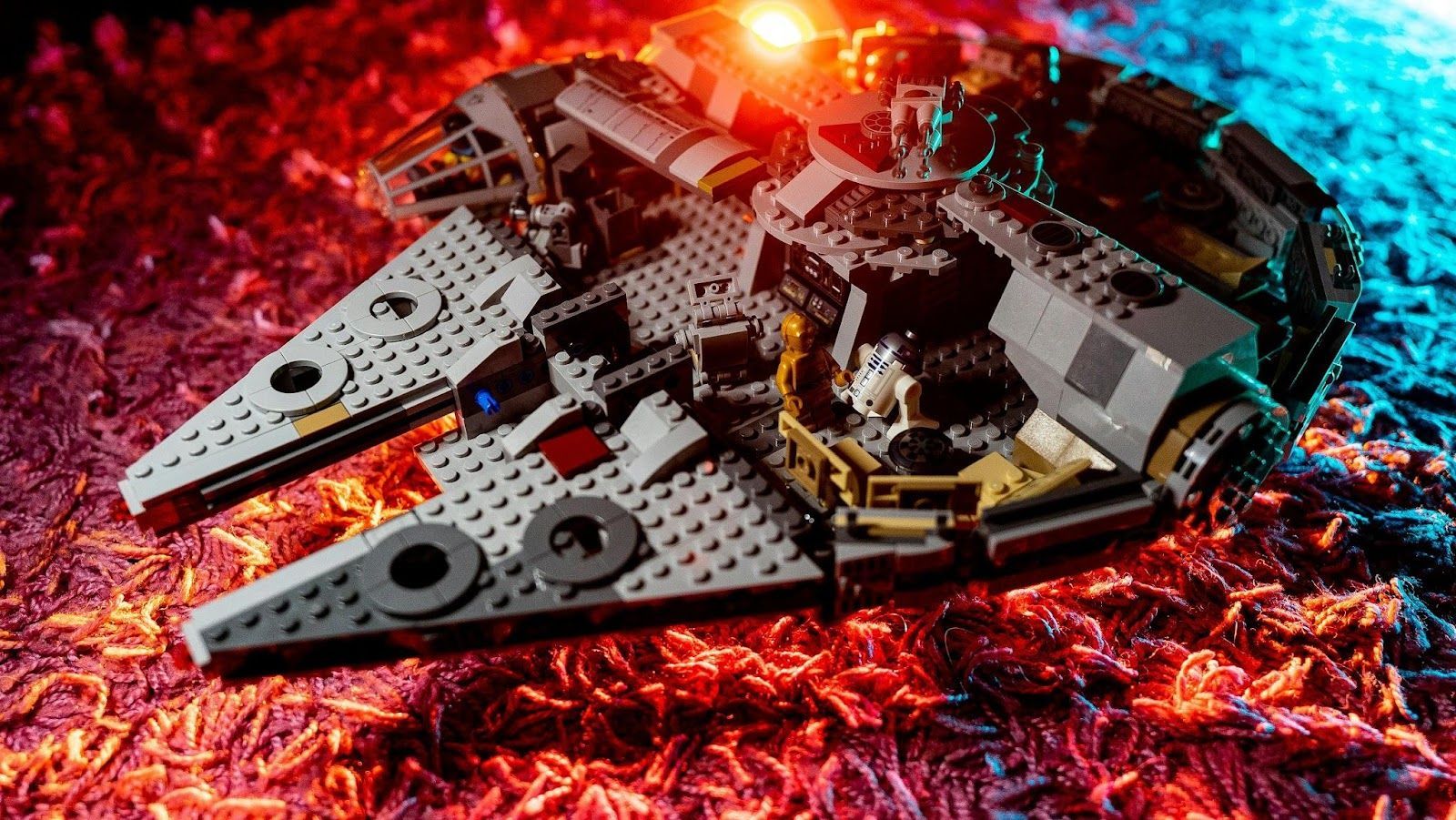
NASA's collaboration with LEGO took a literal leap when, in 2011, sets of LEGO bricks were sent to the International Space Station aboard mission STS-133.

Astronauts assembled models—such as the Hubble Space Telescope—in microgravity, engaging students around the world in STEM education.

8
A Buzz Lightyear toy

Image: Brian McGowan

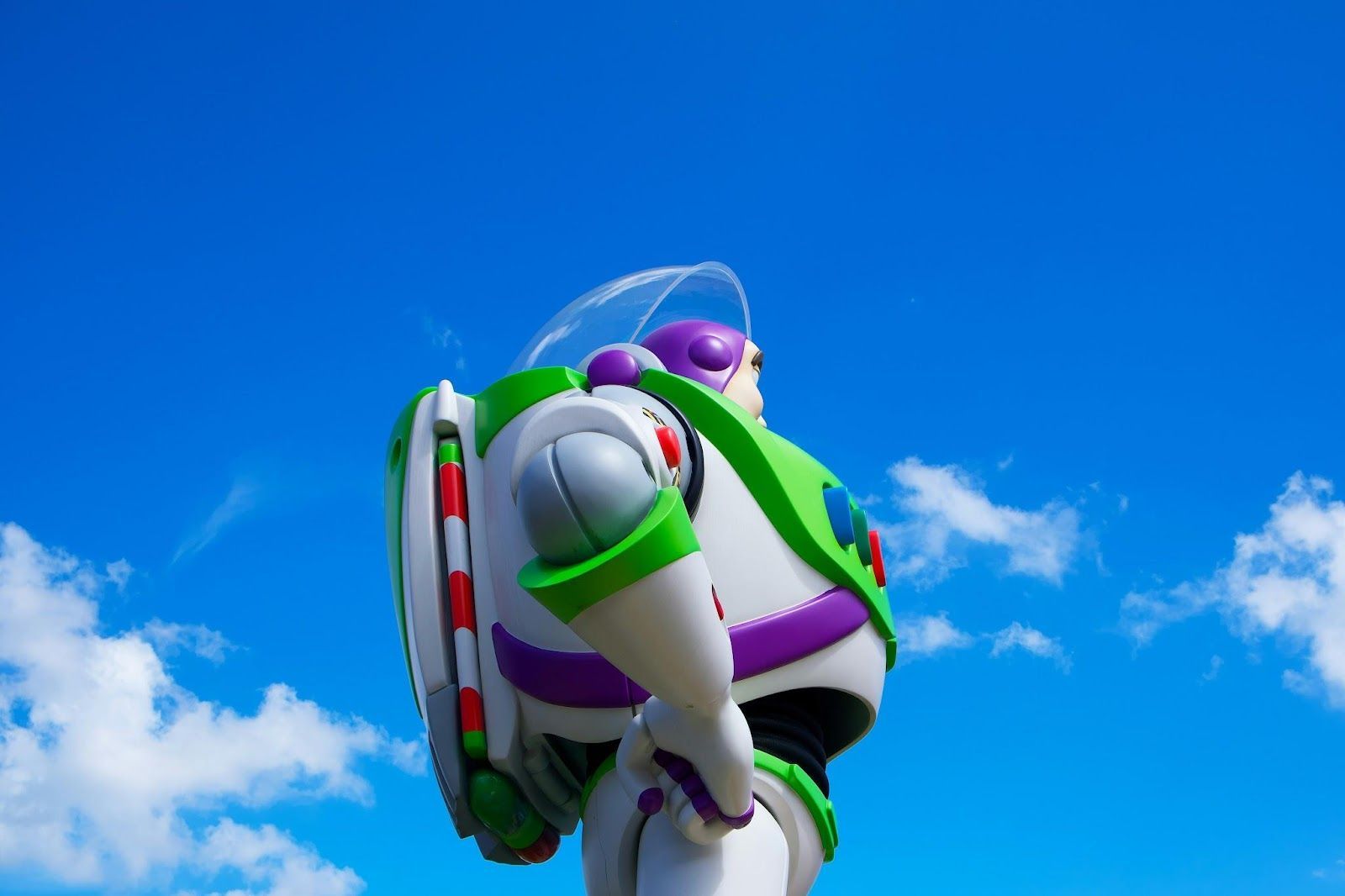
Buzz Lightyear truly went " to infinity and beyond " when a 12-inch action figure flew aboard Space Shuttle Discovery in 2008. Spending 15 months on the International Space Station, Buzz was part of NASA’s educational outreach efforts.

Upon return, he was honored with a parade at Disney World and now resides in the Smithsonian’s National Air and Space Museum.

9
A lightsaber

Image: superneox lightsaber

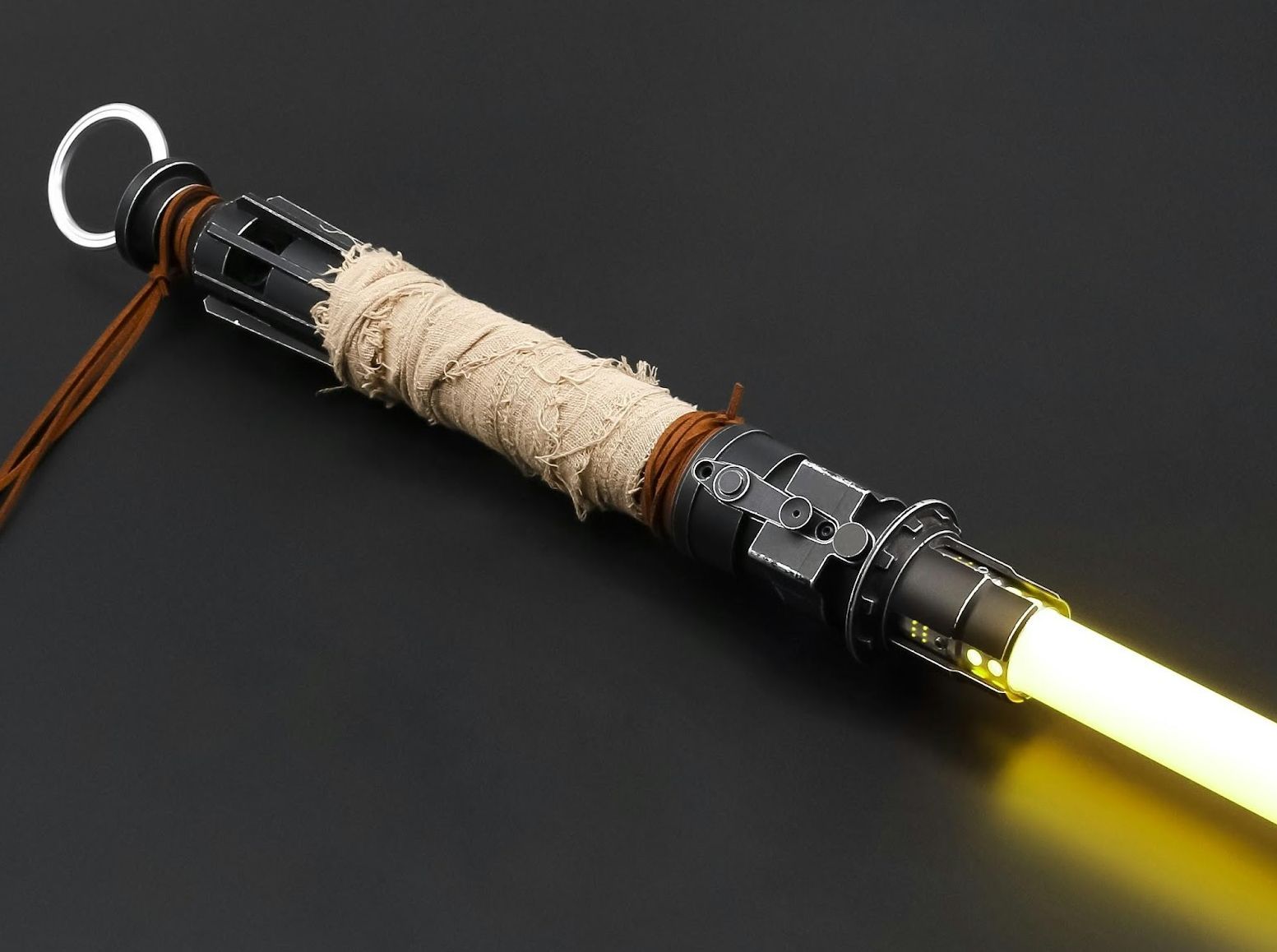
In a nod to sci-fi fandom, a lightsaber prop used by Mark Hamill in Return of the Jedi journeyed to space aboard Space Shuttle Discovery in 2007.

The initiative celebrated the 30th anniversary of Star Wars , symbolizing the intersection of science fiction and real-world space exploration.

10
Dinosaur bones

Image: Jesper Aggergaard

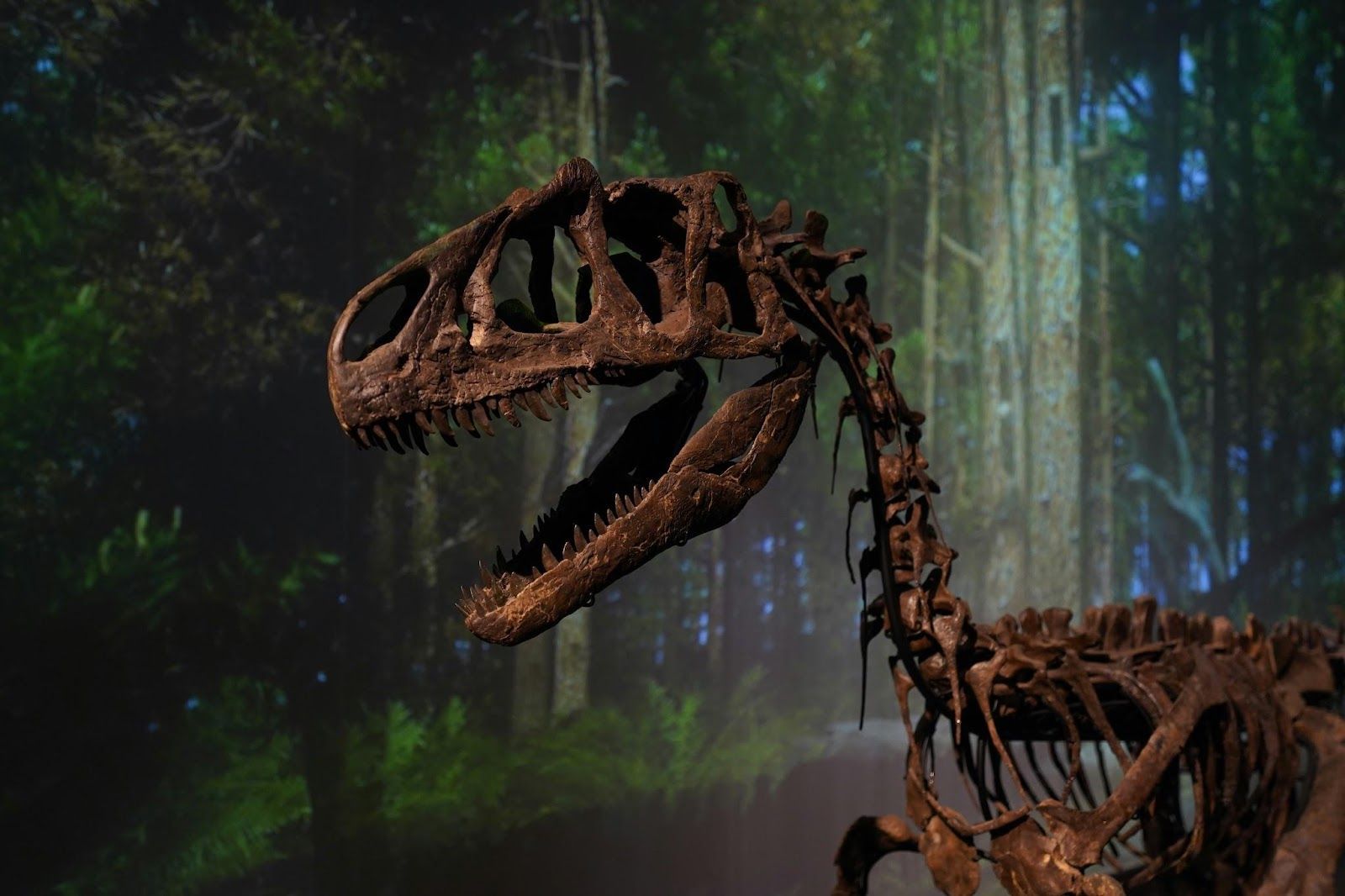
In 1985, during NASA's SpaceLab 2 mission, astronaut Loren Acton brought aboard a fossilized bone and a piece of eggshell from Maiasaura peeblesorum , a dinosaur species known for nurturing its young.

These fossils, discovered in Montana , were sent to space to symbolize the connection between Earth’s prehistoric life and space exploration.​

11
Communion bread and wine

Image: James Coleman

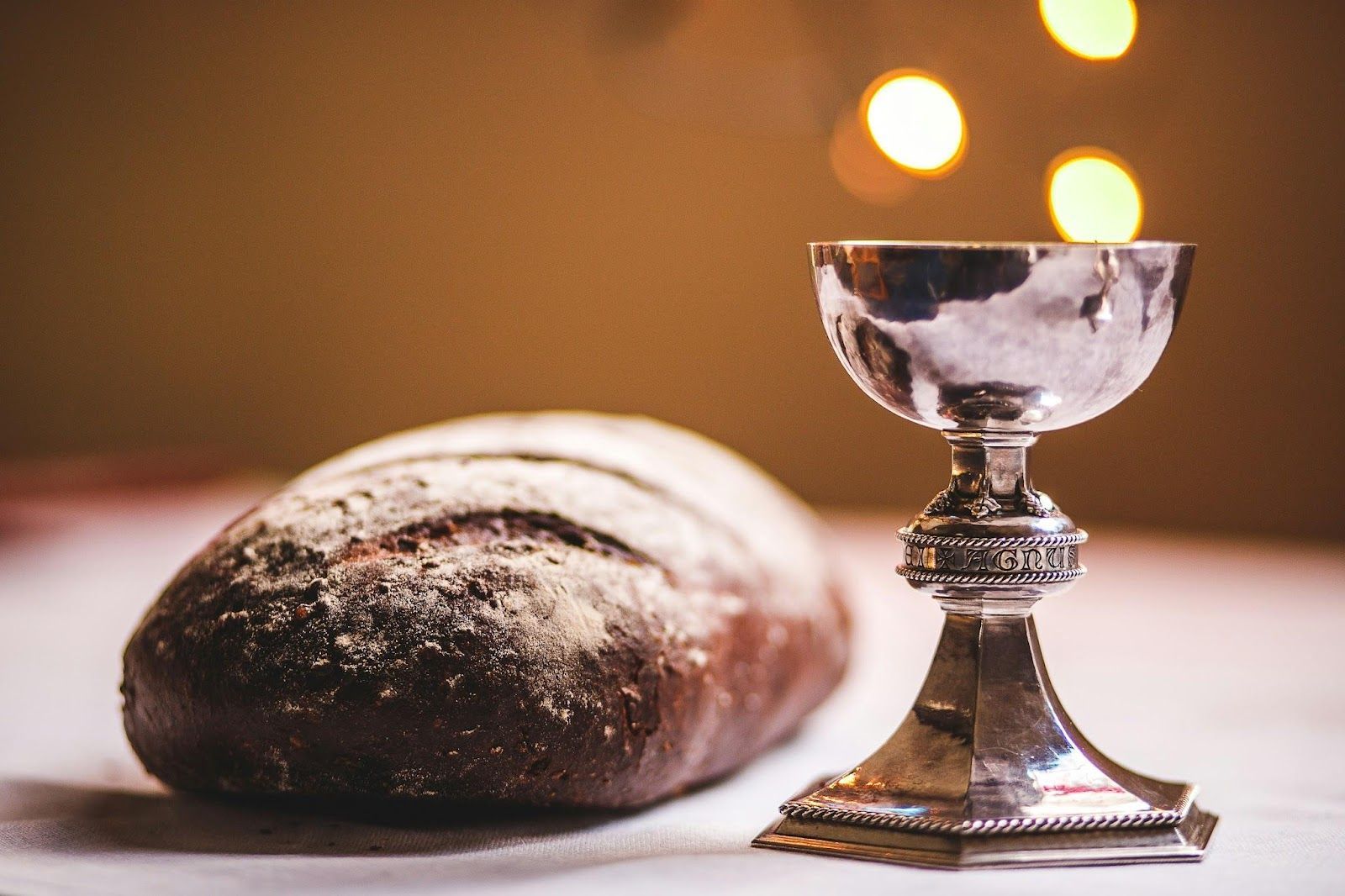
In a very profound gesture, Buzz Aldrin privately took Christian communion aboard Apollo 11. As a Presbyterian elder , he carried a tiny wafer and a small pouch of wine, blessing them while orbiting the Moon shortly after the lunar landing.

12
Golf clubs (and golf balls)

Image: Peter Drew

During Apollo 14, Alan Shepard secretly packed a makeshift 6-iron —a golf club head duct-taped to a lunar tool—and two golf balls.

On live TV, he took a couple of awkward, one-handed swings while wearing his stiff spacesuit. The first ball flopped; the second soared "miles and miles," Shepard joked. It actually traveled about 40 yards, which is quite impressive in lunar terms.

Explore more American facts

Choose your favorite category!

General
General

As American as apple pie—the very best America has to offer!

Culture
Culture

Delve into the astounding richness of American lore.

Geography
Geography

Hop in and explore vast and diverse American landscapes.

History
History

Discover the key moments that shaped the United States.