History History 3 min read

America’s past

Grab a root and learn some interesting Civil War Lingo!
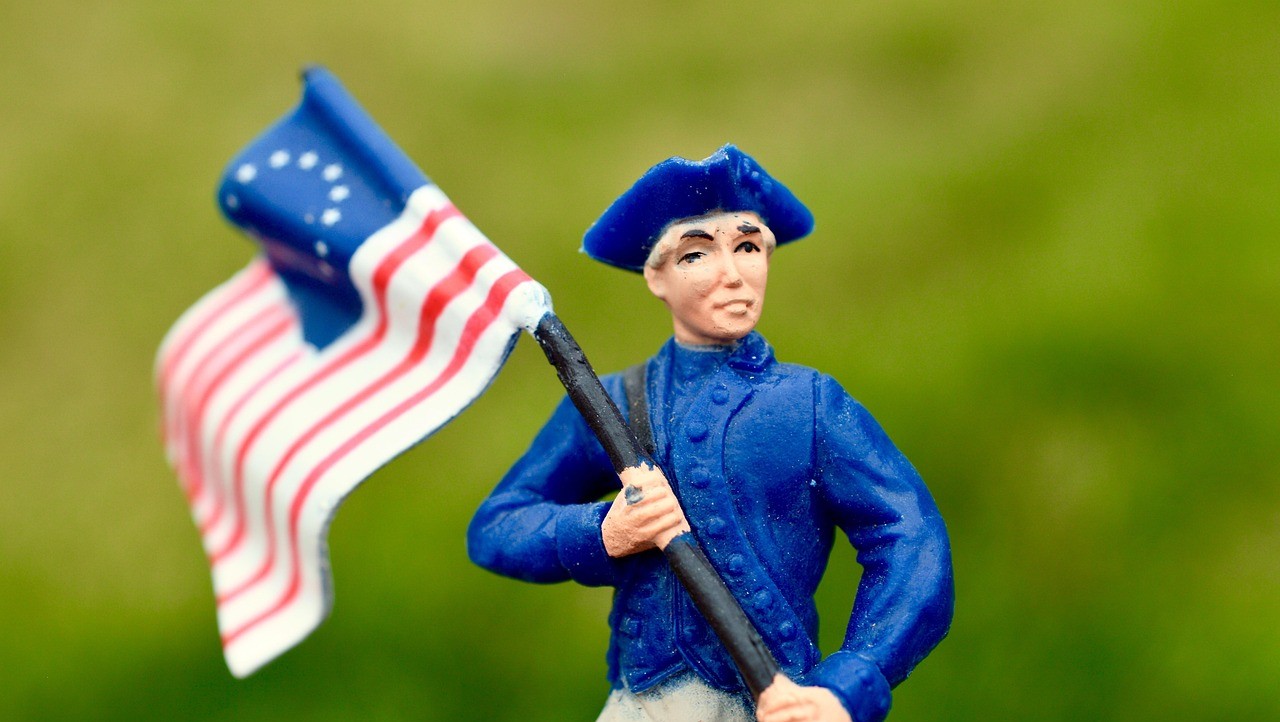
Image: Erika Wittlieb

The Civil War wasn’t just cannons and cavalry. It was also a time when soldiers invented a whole dictionary. Some terms were funny, some grim, and others quite practical. Today, we’ll peek into the soldier’s vocabulary , from "fresh fish" rookies to the itchy reality of "graybacks." So pull up a chair, maybe grab a root, and let’s take a trip through the words that marched alongside history.

1
Fresh fish
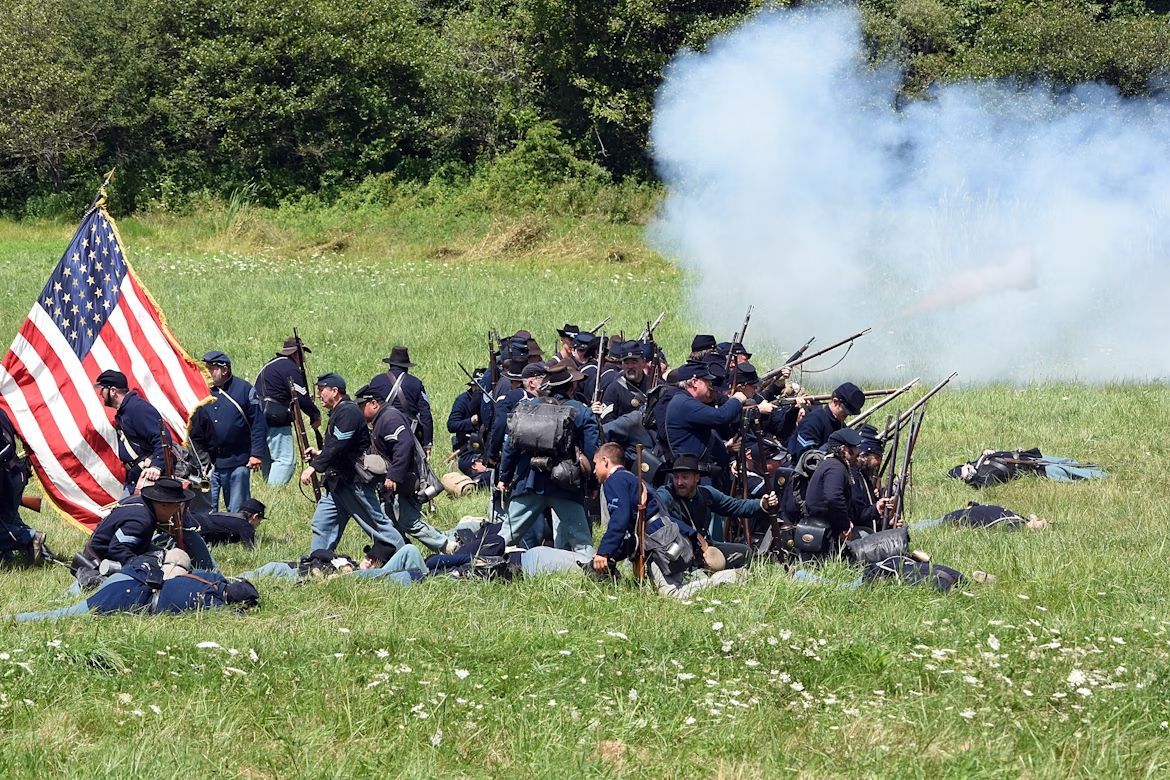
Image: Chris Chow

If you were new to the army , you were "fresh fish." Veterans spotted them a mile away, wide-eyed, uniforms still smelling like the depot, and not yet hardened by camp life. They got teased, trained, and sometimes tricked. Of course, every seasoned soldier once wore the "fresh fish" badge, so the teasing came with a knowing grin.

2
Grab a root
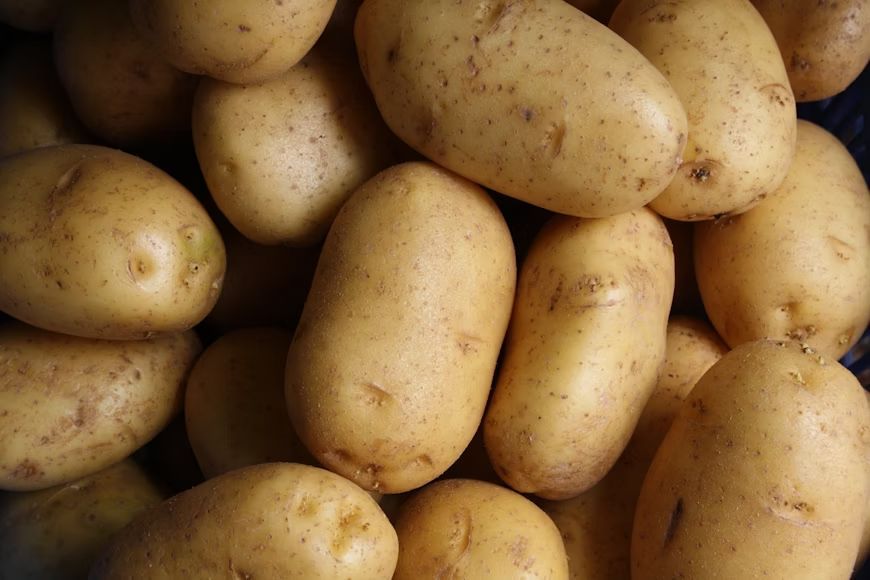
Image: Lars Blankers

Dinner time in camp could mean beans, hardtack, or, if you were lucky, a potato. Asking someone to "grab a root" was soldier shorthand for "let’s eat." Potatoes were cheap, filling, and easy to cook over a campfire.

3
Sawbones

Image: Piron Guillaume

Medical science in the 1860s wasn’t exactly what we call gentle. Army surgeons were nicknamed "sawbones," partly for their skill with amputations, a normal procedure during wartime. It wasn’t always fair, since many doctors were dedicated and resourceful, but the name stuck.

4
Graybacks
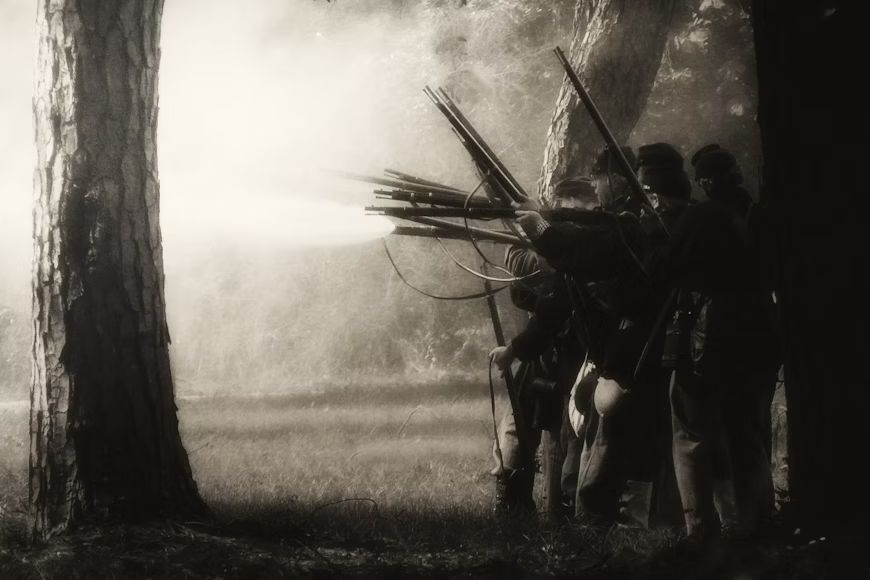
Image: Scott Umstattd

Ask a soldier about "graybacks" and you might get two very different answers. One was lice, the pest that thrived in crowded camps. The other was a nickname Union troops used for Confederate soldiers . Either way, it wasn’t a compliment.
5
Bonnie Blue Flag

This was the hit song of the Confederacy , praising the states that left the Union. The "Bonnie Blue Flag" itself showed a single white star on a blue field, the first banner of the Confederacy. The song’s lively chorus made it a favorite at rallies, campfires, and any place soldiers needed a boost of spirit.

6
Furlough
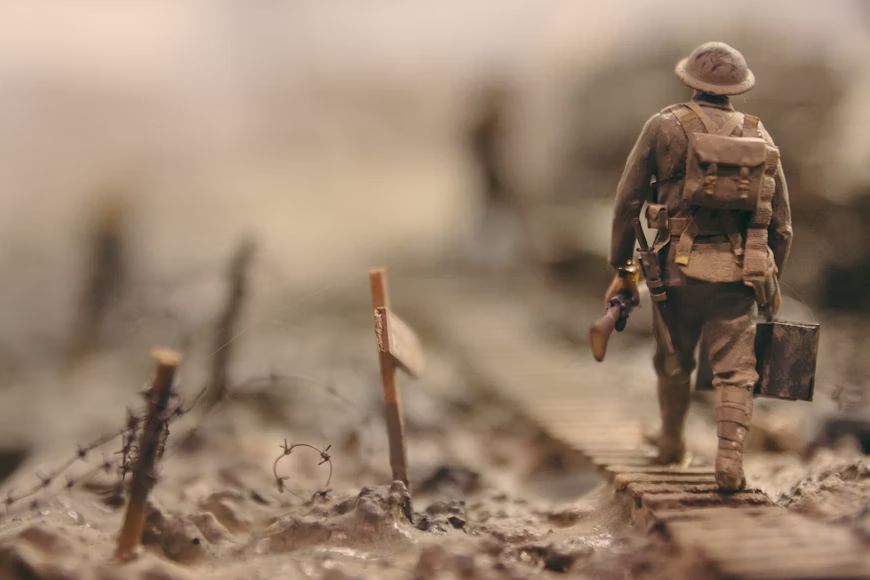
Image: Stijn Swinnen

A furlough was a soldier’s golden ticket home , even if only for a short while. The paperwork described the soldier’s looks, regiment, and exact return date, plus a stern warning about being labeled a deserter if he didn’t show up on time.

7
Housewife
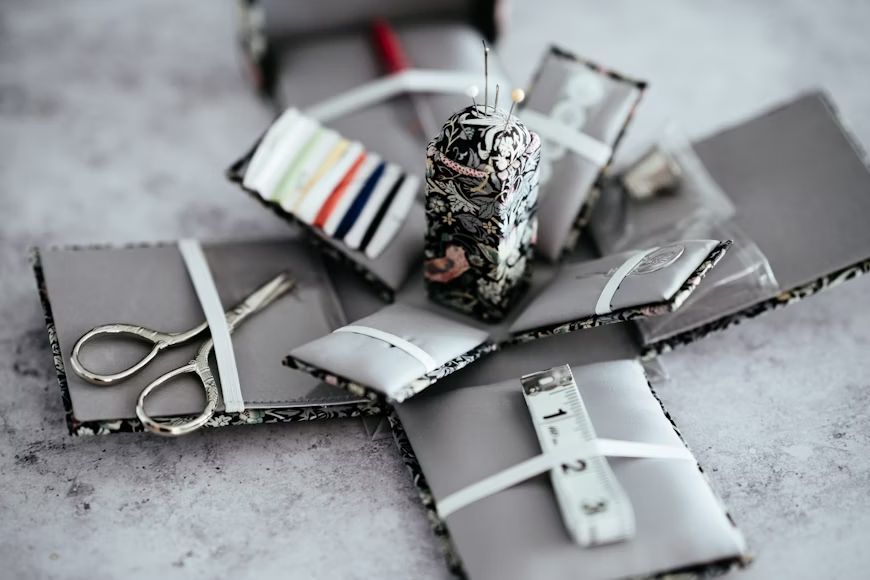
Image: Annie Spratt

Every soldier carried a "housewife," though it wasn’t a person; it was a sewing kit . Packed with needles, thread, and spare buttons, it kept uniforms in one piece. With supply lines stretched thin, a quick stitch could mean the difference between looking like a soldier or a scarecrow.

8
Insult
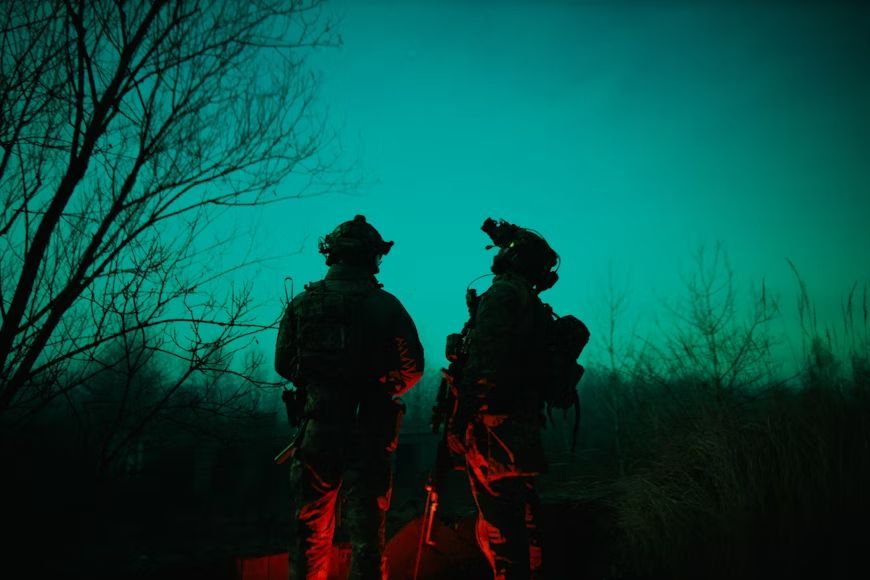
Image: Aleksey Kashmar

On a Civil War battlefield, an "insult" wasn’t words, it was a sudden attack on a fortified position. The idea was to strike before the defenders could react. Success could turn the tide of a fight, but failure usually meant heavy losses. It was risky and brutal.

9
Kepi
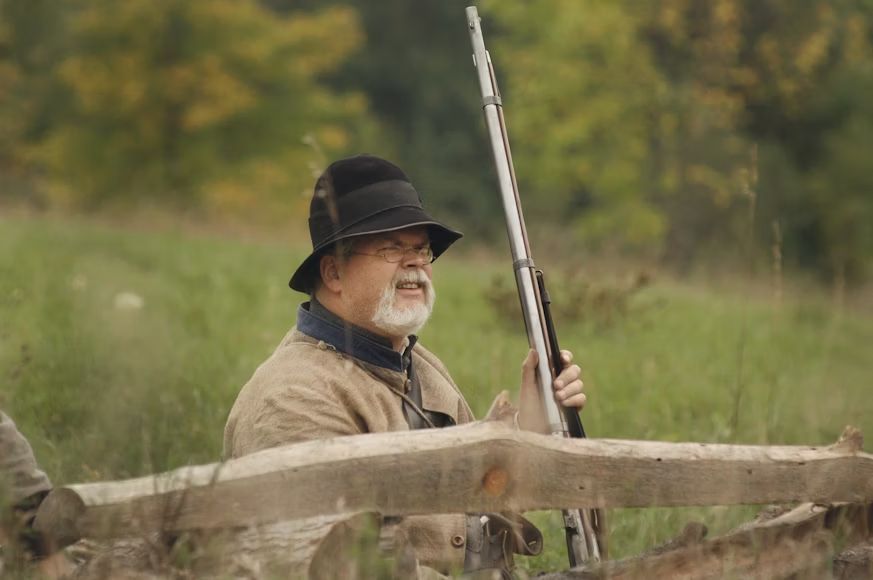
Image: Jen Theodore

The kepi was the go-to cap for Union soldiers, with a flat circular top and short visor . It was light, practical, and easy to make, so it became part of the classic Civil War look. Confederate soldiers sometimes wore them too, but it was a Union signature item.

10
Ordnance
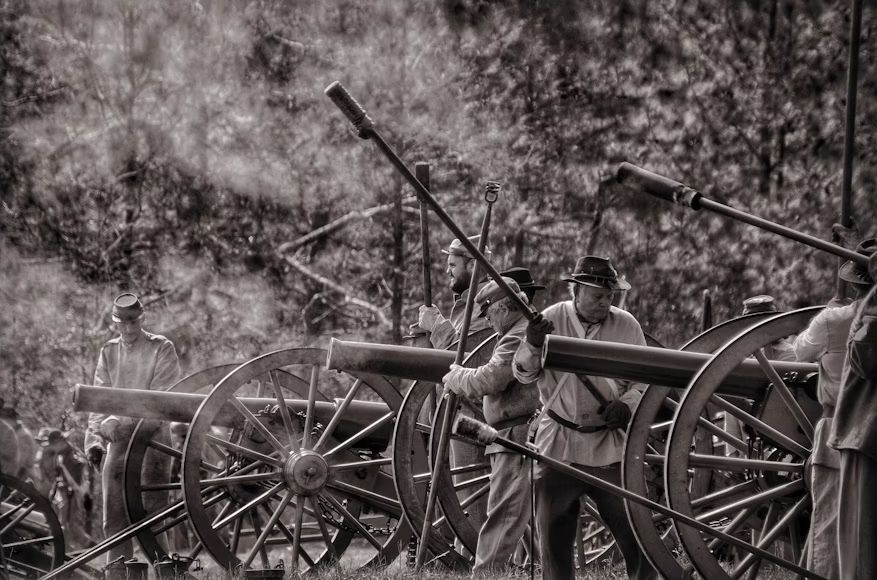
Image: Rick Lobs

If it was in any way designed to make the enemy’s day worse, it was "ordnance." This covered everything from muskets to cannonballs . Armies guarded their ordnance like gold, since running low meant fighting at a disadvantage.

11
Skirmish
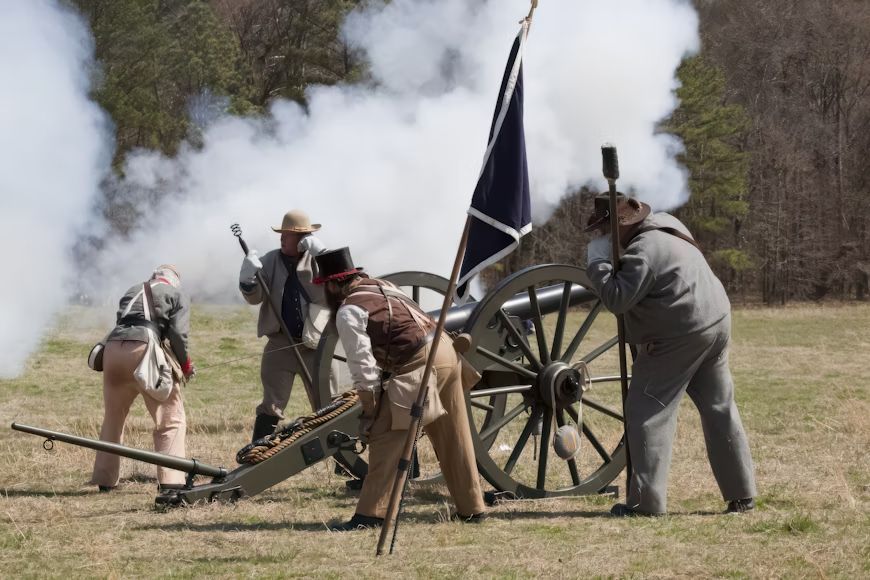
Image: Carol Highsmith's America

Not every fight was a massive battle. A "skirmish" was a smaller clash , often between scouting parties or outposts. Quick, unpredictable, and sometimes over in minutes, skirmishes kept soldiers on edge and commanders guessing what the enemy was really up to.

Geography Geography 5 min read

Streets ahead

City hearts: The 10 most iconic neighborhoods in America

Image: Breno Assis

America’s history comes alive in its bustling streets and ever-expanding urban landscapes. But what truly pumps life into the heart of these vibrant cities are their neighborhoods—where people meet, live, work, and thrive. These communities are as diverse as our nation's cultural roots, offering a window into the inclusiveness and energy that define American society. From the jazz beats of New Orleans to the legendary avenues of Harlem, let’s take a journey through 10 iconic American neighborhoods that—each in its own way—embody the spirit of our country!

1
French Quarter – New Orleans, LA

Image: João Francisco

Also known as the Vieux Carré ("Old Square" in English), the French Quarter is the oldest neighborhood in New Orleans. Established in 1718 by the city’s founders, the neighborhood is now famous for its vibrant music scene—particularly jazz, which was born in its streets and clubs.

Architecturally, the French Quarter is characterized by a blend of Spanish and French colonial influences, with wrought-iron balconies and colorful buildings lining the streets. Jackson Square and St. Louis Cathedral remain central landmarks, standing as reminders of the city’s rich European history.

2
Harlem – New York City, NY

Image: John Money

Harlem is a neighborhood in Upper Manhattan known for its African American culture and rich immigration history. Originally founded as a Dutch settlement around 1658, it was named after the city of Haarlem in the Netherlands. Harlem's complex history has been defined by a series of economic boom-and-bust cycles, with significant population shifts accompanying each cycle.

Successive waves of immigration populated its streets with people from all over the world, including Jewish and Italian Americans in the 19th century and African American residents in the 20th century. The Harlem Renaissance of the 1920s and 1930s cemented the neighborhood's fame, giving rise to figures like Louis Armstrong and Duke Ellington, and helping to shape American popular culture.

3
Beverly Hills – Los Angeles, CA

Image: David Vives

Although technically a suburb of Los Angeles, with distinct neighborhoods of its own, Beverly Hills is still a somewhat closed-knit community, known for its opulent homes and celebrity residents. Originally settled in 1828, the area began as an agricultural community centered around Rancho Rodeo de las Aguas, a Mexican-era land grant.

In 1914, a group of investors, initially searching for oil, discovered water instead and decided to develop the area into a town. By the 1920s, Beverly Hills had become synonymous with wealth and luxury, attracting movie stars like Douglas Fairbanks and Mary Pickford, who built lavish estates and cemented the area as a celebrity haven.

4
North End – Boston, MA

Image: Zoshua Colah

Boston's North End is the city’s oldest residential neighborhood, dating back to the 1630s. It played a crucial role in the American Revolution, with notable figures like Paul Revere building their homes there. The Old North Church, where the famous "One if by land, two if by sea" signal was sent, also stands as a landmark of the city’s revolutionary heritage.

The narrow streets and historic buildings offer visitors a glimpse into colonial America, making it one of Boston’s top tourist destinations. The North End is also renowned for its Italian heritage, which took root in the early 1900s, and for hosting the annual Feast of St. Anthony, a tradition dating back over a century.

5
Hollywood – Los Angeles, CA

Image: Jeremy Bishop

Hollywood is arguably the world’s most famous neighborhood when it comes to film and entertainment. Founded in the late 1800s, it quickly became the movie capital of the world with the establishment of the Nestor Film Company in 1911, the first of many studios to call Hollywood home.

Its most iconic landmark, the Hollywood Sign, was originally created in 1923 as an advertisement for a real estate development but has since evolved into a universal symbol of the film industry. While many production studios have relocated over the years, Hollywood remains synonymous with celebrity and filmmaking. Each year, millions of visitors flock to the Hollywood Walk of Fame and explore the streets where countless film legends started their careers.

6
Little Italy – New York City, NY

Image: Alex Haney

Little Italy, located in lower Manhattan, was established in the late 19th century by Italian immigrants who brought their culture, cuisine, and traditions to New York. The neighborhood quickly became a vibrant center of Italian-American life , with bustling markets, restaurants, and festivals.

Though urban development has reduced the original neighborhood to just five blocks, Little Italy still retains its old charm. Iconic spots like Lombardi’s, America’s first pizzeria, continue to draw crowds, while the annual Feast of San Gennaro—a tradition since 1926—celebrates the rich heritage of the community.

7
Chinatown – San Francisco, CA

Image: Kevin Vision

San Francisco’s Chinatown is not only the oldest but also one of the largest Chinese enclaves in North America —and even outside of Asia. Established in 1848, it holds significant historical and cultural importance, playing an important role during the California Gold Rush and the construction of the Transcontinental Railroad.

Today, Chinatown is celebrated for its vibrant markets, distinctive pagoda-style architecture, and lively Chinese New Year festivities. Spanning 24 blocks, it remains a crucial cultural and commercial hub, drawing both tourists and locals with its authentic cuisine and historic landmarks.

8
Hyde Park – Chicago, IL

Image: Manta X

Best known as the home of the University of Chicago, Hyde Park has long been a hub for intellectuals, politicians, and social movements on Chicago’s South Side. Originally developed as a retreat for the city's affluent residents, the neighborhood is also known for its numerous museums and religious institutions, including the famous Museum of Science and Industry.

Hyde Park was also the site of the 1893 World's Columbian Exposition, where millions of visitors were introduced to groundbreaking innovations, such as the first Ferris wheel. Today, it remains one of Chicago’s most diverse neighborhoods, having been home to notable figures like President Barack Obama.

9
Beacon Hill – Boston, MA

Image: Leslie Cross

Beacon Hill is one of Boston’s most picturesque neighborhoods, known for its Federal-style row houses and gaslit streets. Established in the early 1800s, it quickly became a haven for the city's elite, featuring homes designed by notable architects of the era, including Charles Bulfinch.

Beacon Hill also played a significant role in the abolitionist movement, with prominent figures like Frederick Douglass residing in the area. Adding to its architectural charm, the Massachusetts State House, also designed by Bulfinch, crowns Beacon Hill with its stunning golden dome.

10
Little Havana – Miami, FL

Image: Kian Lem

Little Havana in Miami is the heart of Cuban-American culture in the United States. Home to Cuban exiles and Latin American immigrants, the neighborhood's main street, Calle Ocho, is famous for its colorful murals, Cuban cafés, and lively music. Each year, the Calle Ocho Festival, part of the larger Carnaval Miami celebration, draws thousands of visitors.

A symbol of cultural integration, Little Havana features several significant landmarks, including the historic Tower Theater, which has served as a cultural bridge for newly arrived immigrants by offering films in both English and Spanish.

Culture Culture 5 min read

The best animated antagonists

Don't let evil win: take a look at these 12 scary Disney villains

Image: inspiredbythemuse

The great qualities and feats of animated movie heroes are always spotlighted, but what about their antagonists? Most Disney films have a villain who is as interesting as the protagonists. From evil stepmothers and pirates to terrifying sorcerers, these films have given us the most iconic characters in animated film history. Join us to reminisce about 12 of our childhood's most popular —and scariest— villains.

1
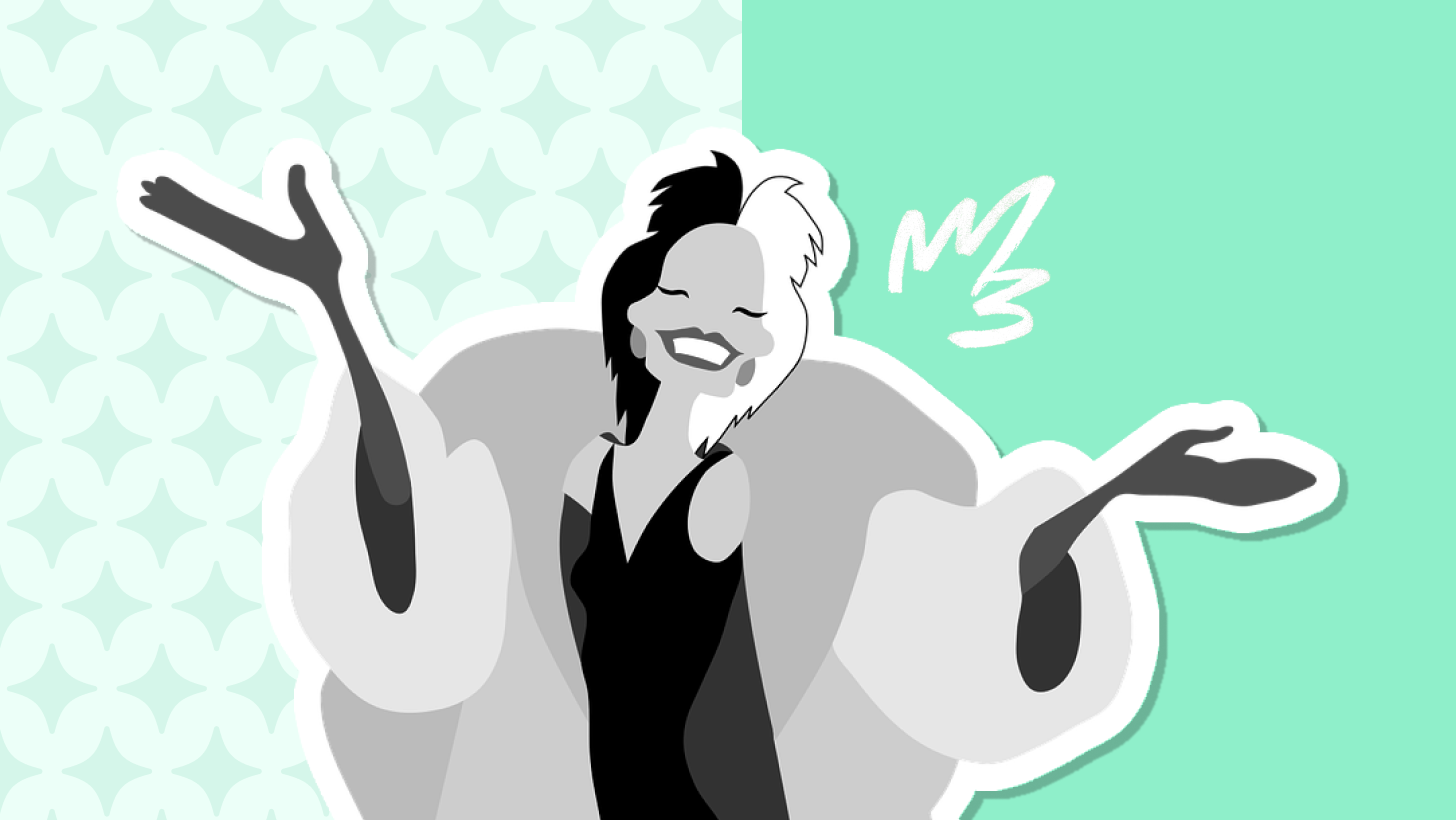
Cruella De Vil

Image: Helena Lopes

The Disney adventure comedy One Hundred and One Dalmatians premiered in 1961, and since then, Cruella de Vil has been one of the most iconic villains in animated film history.

This wicked woman is ambitious and capable of doing anything to get new fur for her coats. With the help of her henchmen, she steals the Dalmatian puppies her friends Anita and Roger had refused to sell her. Anyone who hurts cute little puppies to make coats deserves to be on the podium of the most evil villains in history!

2
Jafar

Image: Boris Hamer

Conspiracy and ruthlessness define any bad guy, and _Aladdin_’s villain is no exception. Jafar is capable of destroying anyone who stands in his way to gain more power.

Posing as an honest man, this evil sorcerer takes advantage of his role as the right hand of the Sultan of Agrabah and attempts to marry Princess Jasmine. His true intention, in fact, is to take over her father’s kingdom. If these traits don’t convince you that he is a true villain, just look at how he treats his sidekick, the charismatic parrot Iago.

3
Shan-Yu

Image: Stijn Dijkstra

Shan Yu is the main villain of the Disney movie Mulan (1998). This ruthless leader of the Huns is determined to conquer China. He and his army invade the land to prove his superiority to the emperor.

Cunning and sadistic, Shan-Yu feels no remorse when it comes to taking a life. Luckily, the brave Mulan manages to defeat him and ultimately saves the emperor.

4
Ursula

Image: Brian McGowan

Her tentacles and terrifying appearance are enough to make any child tremble. Ursula, the villain in The Little Mermaid (1989), uses magic to "help" others, although her deals are deceitful and become impossible to accomplish.

Ariel, the protagonist of this story, makes a deal with Ursula, who promises to turn her into a human for three days in exchange for her beautiful voice. If Ariel receives a "true love's kiss," she can be human forever. Despite the villain's attempts to make Ariel fail, she manages to keep her part of the deal by making Prince Eric fall in love with her.

5
Scar

Image: Brian McGowan

In The Lion King (1994), the second heir to the throne becomes one of the most ruthless villains when he murders his own brother and attempts to do the same to his nephew, Simba.

Although Scar only succeeds in causing Mufasa's demise, he convinces his nephew that it was his fault and that he must leave the kingdom forever. Scar orders the hyenas to destroy Simba, but what the evil lion could never have imagined is that the little boy would survive and return to avenge his father's death.

6
Queen Grimhilde

Image: Steven Beyer

Queen Grimhilde, better known as the Evil Queen, is the wicked stepmother in the 1937 film Snow White and the Seven Dwarfs . She is considered the first Disney villain.

Obsessed with being the most beautiful in the whole kingdom, she plots to have her stepdaughter —and competition— eliminated and demands Snow White’s heart. She even uses witchcraft to transform into an old lady, which allows her to give a poisoned apple to the naive princess. Can you think of anything more terrifying?

7
Gaston

Image: brunapazini0

In the beginning, the Beast is presented as an irascible and cruel monster, but the real villain of Beauty and the Beast (1991) is Gaston.

The arrogant hunter is determined to marry Belle, even if it has to be by force. This obsession turns him into a ruthless being, capable of doing anything to have his love reciprocated. Luckily, Bella has no time to waste with this evil kind of man.

8
Maleficent

Image: professional_Designers

When it comes to villains, no one can match Maleficent. The powerful sorceress doesn't hesitate when it comes to summoning an army of monsters or using her magic for revenge.

In Sleeping Beauty (1959), Maleficent curses Princess Aurora with eternal sleep for not being invited to her christening. This villain is so popular that Disney has produced two live-action movies with Angelina Jolie in the lead role: Maleficent (2014) and Maleficent: Mistress of Evil (2019).

9
Captain Hook

Image: Lalelu2000

One of Disney's most iconic villains is, without a doubt, Captain Hook. In Peter Pan (1953), the ruthless pirate seeks to destroy the Boy Who Would Never Grow Up for being responsible for the loss of his hand and also for taunting him every time their paths cross.

Despite his inherent evilness, we can't help but laugh at Captain Hook and his irrational fear of the crocodile that ate his hand. A villain with such a weakness can't be all that terrifying, don't you think?

10
Lady Tremaine

Image: Gary Cooper

Wicked stepmothers are a classic of Disney movies and the one in Cinderella (1950) is perhaps one of the most iconic. Lady Tremaine made us shudder every time she appeared from the shadows stroking her cat, Lucifer.

To be fair, this stepmother might not have been so scary without the presence of her equally evil daughters, Anastasia and Drizella. Dead jealous, the three women make life miserable for poor Cinderella, relegated to serving and being exploited in her own home after the passing of her father. Perhaps the most terrifying thing about Lady Tremaine is that she successfully manages to inflict extreme suffering on Cinderella without laying a finger on her.

11
Governor Ratcliffe

Image: EricThriller

Governor Ratcliffe is the main villain in Disney's historical drama Pocahontas (1995). This money-hungry English settler is greedy, and he doesn't trust the "savages." He sends his men to attack them because he believes they're hiding a gold treasure.

Even when they discover that the Native Americans don't possess the riches, he still declares war on them. In a confrontation, Ratcliffe fires his musket at Chief Powhatan, but Captain John Smith —Pocahontas' love interest— takes the shot to save him. Finally, the settlers turn on Ratcliffe and arrest him for hurting their comrade.

12
Queen of Hearts

Image: Laine Cooper

Although the Queen of Hearts appears only at the end of Disney's version of Alice in Wonderland (1951), it is enough for us to notice the fear she inflicts on her subjects. This villainess is a childish, hotheaded monarch whose catchphrase is "Off with their heads!"

After feeling humiliated during a game of croquet, she loses her temper. The king convinces her to put Alice on trial before cutting off her head. Nothing seems to go right for the girl who must escape to save her life. Luckily, she finally realizes that she is in a dream and manages to wake up before she is caught by the tyrant queen.

Explore more American facts

Choose your favorite category!

General
General

As American as apple pie—the very best America has to offer!

Culture
Culture

Delve into the astounding richness of American lore.

Geography
Geography

Hop in and explore vast and diverse American landscapes.

History
History

Discover the key moments that shaped the United States.