General General 6 min read

RAISE YOUR GLASS TO AMERICA

Have You Tried These 10 Classic American Cocktails?

America is celebrated as the home of many wonders . Among its most delightful creations are a variety of delicious drinks and cocktails that have not only gained international fame but have also been critically acclaimed across the country and around the globe for their quality and flavor . There's always something to celebrate, right? Whether you are the life of the party or you just enjoy relaxing in the backyard with a cool drink in hand, this article is for you.

Let's take a look at the recipes and places of origin behind these 10 tasty American cocktails . Cheers!

1
Long Island iced tea

Image: yeoul Shin

There are two theories about the origin of this cocktail, both rooted in Long Island , though not the sameLong Island!

One story claims it was born during the Prohibition era in a community named Long Island in Kingsport, Tennessee . Another, more recent, credits Robert "Rosebud" Butt with inventing the recipe in a 1972 contest held on Long Island, New York .

A daring choice for some, the iconic Long Island Iced Tea has a recipe with a long list of ingredients . To prepare it, you'll need tequila, light rum, vodka, triple sec, gin, and a splash of cola. Only the bravest dare to try it!

2
Martini

Image: Daniel Lloyd Blunk-Fernández

If you are one of those who loves a drink that's both strong and stylish , then the classic Martini is probably among your favorites. It is the choice of the sophisticated James Bond, who famously prefers his Martini "shaken, not stirred."

Traditionally made with gin and vermouth , and garnished with an olive or a lemon twist, the Martini has several variants, including the vodka Martini, which -as its name suggests- swaps gin for vodka.

While the origin of this classic is not entirely clear, most sources argue it comes from a drink called the Martinez , which had the same basic ingredients and was already being served in the mid-19th century at the Occidental Hotel in San Francisco, California.

3
Old Fashioned

Image: Nuff

Let's step back in time with the classic Old Fashioned ! This drink traces its roots back to the early 19th century right here in the United States.

Initially called "the whiskey cocktail," it was prepared much like it is today: mixing sugar with bitters and water, then adding whiskey or brandy. However, as the 19th century progressed, new ingredients like fruit juices, soda, or other liquors became part of many drinks. To stick to the original recipe and avoid these modern twists, people began ordering it as an "Old Fashioned."

The invention of this liquid delicacy is sometimes linked to The Pendennis, a gentlemen's club that opened in 1881 in Louisville, Kentucky . However, mentions of this delicious drink across the country long predate the club.

4
Mint julep

Image: Abby Boggier

Originally from the south of the United States and very popular, especially in Kentucky , there are mentions of this fresh cocktail as early as the 1770s!

It truly stood the test of time, and we understand why. With a base of bourbon , a hint of sugar, water, the classic crushed ice, and the essential fresh mint , it is a mix that's hard to resist.

Served traditionally in silver or pewter cups , this classic American drink is perfect for summer. However, the touch of bourbon can also be good for a cool winter day.

5
Manhattan

Image: OurWhisky Foundation

Remember the original Old Fashioned recipe? Well, let's spice it up. Take the whiskey cocktail and add a splash of sweet vermouth . That's it! Now you have a chic drink: the popular Manhattan .

The Manhattan cocktail has a fascinating origin myth , situated -of course- in NYC . Legend has it that this recipe was created in the 1870s , at the Manhattan Club for a banquet hosted by Winston Churchill's mother! However, historical records show that Lady Randolph Churchill was actually in Paris and pregnant with Winston at the time.

According to more reliable sources, the Manhattan cocktail was actually invented in the 1860s by a bartender named Black , who ran a bar near Houston Street in Manhattan.

6
Sazerac

Image: Bon Vivant

The classic Sazerac cocktail embodies the spirit of The Big Easy , where it was born in the mid-19th century.

The Sazerac we savor today is named after the Sazerac de Forge et Fils brand of Cognac brandy, from which this cocktail was first created. To make a Sazerac, absinthe, bitters, and sugar were combined with the brandy. Over time, rye whiskey replaced brandy in the modern recipe.

What sets the Sazerac apart, besides its Frenchy name, is its distinctive serving style . The ritual begins by rimming an old-fashioned glass with absinthe. Next, the drink is mixed with ice and strained into the prepared glass. Finally, a classic touch: a twist of lemon.

7
Mai Tai

Image: wu yi

While it might sound like the name of an ancient martial art, the Mai Tai is actually a delightful cocktail born in the United States of America.

More modern and with a tropical touch, the Mai Tai is a vibrant blend of rum , Curaçao liqueur, orgeat syrup, and lime juice. The year was 1944 when this balanced recipe was created by Victor J. Bergeron at his Trader Vic's restaurant in Oakland, California .

Apparently, the Mai Tai's name comes from the Thai expression "maitaʻi," which translates as "good," "excellent," or even "the best." So, if you haven't tried it yet, consider this your signal!

8
Tequila Sunrise

Image: Jamin Eyes

Named for its unmixed colors that mirror the beautiful moment when the sun rises, the Tequila Sunrise carries an intense blend: tequila, orange juice, and grenadine syrup .

The original recipe was a bit different. Between the 1930s and '40s , bartender Gene Sulit stirred up tequila with crème de cassis, lime juice, and soda water at the Arizona Biltmore Hotel in Phoenix. Some three decades later in Sausalito, California , Bobby Lozoff and Billy Rice made a change to the original recipe. They traded out the original last three ingredients for orange juice and grenadine, creating the present version.

In case you're wondering, yes, The Eagles' song was inspired by this drink!

9
The Ramos Gin Fizz

Image: The Humble Co.

And New Orleans is here again! With its festive spirit, this city also gave birth to another American cocktail: The Ramos Gin Fizz . This delightful recipe was born in 1888 , courtesy of Henry Charles "Carl" Ramos, owner of the Imperial Cabinet Saloon .

Originally called the " New Orleans Fizz ," it was an instant hit. But if you want to try making it at home, be prepared for a trip to the grocery store, as the recipe is a bit long . The mix for a perfect Ramos Gin Fizz includes gin, lemon juice, lime juice, egg whites, sugar, heavy cream, orange flower water, and soda water.

10
Cosmopolitan

Image: Laure Noverraz

Who hasn't heard of the iconic " Cosmo "? This delightful, sweet drink is a blend of vodka , Cointreau (a type of triple sec), cranberry juice, and a splash of sweetened lime juice. It is served in a chic martini glass and often garnished with a lemon twist.

The origin of this drink is a subject of debate, with various reports suggesting its creation in different places across the country . Some stories trace it back to the 1970s in Provincetown, Massachusetts ; San Francisco, California ; or Minneapolis, Minnesota . Others claim it was born a bit later, in the mid-1980s , in the sunny state of Florida . The current recipe, however, has traces in the bustling city of New York.

Regardless of its birth city, this drink originated in our country and is part of American culture. Let's enjoy it!

Culture Culture 3 min read

Halloween secrets

Why is Halloween orange and black? The surprising meaning behind it

Image: David Menidrey

It’s hard not to love Halloween. It’s a time for celebration, jack-o’-lanterns, and of course, candy. But behind today’s traditions lie plenty of spooky secrets about the holiday and where it came from. From the meaning behind costumes to the origins of trick-or-treating, we’re exploring 10 facts you probably didn’t know about Halloween. Let’s get started!

1
Ancient roots

Image: Miguel Teirlinck

Believe it or not, what we call Halloween began more than 2,000 years ago. The ancient Celtic festival of Samhain, held from October 31 to November 1 in what is now Ireland, Scotland, and parts of Britain, marked the shift from the harvest season to the dark days of winter. The Celts believed that, on that night, the boundary between the living and the dead grew dangerously thin. Spirits could slip through that barrier... both benevolent and darker ones.

2
Why scary costumes?

Image: JOHN BEARBY IMAGES

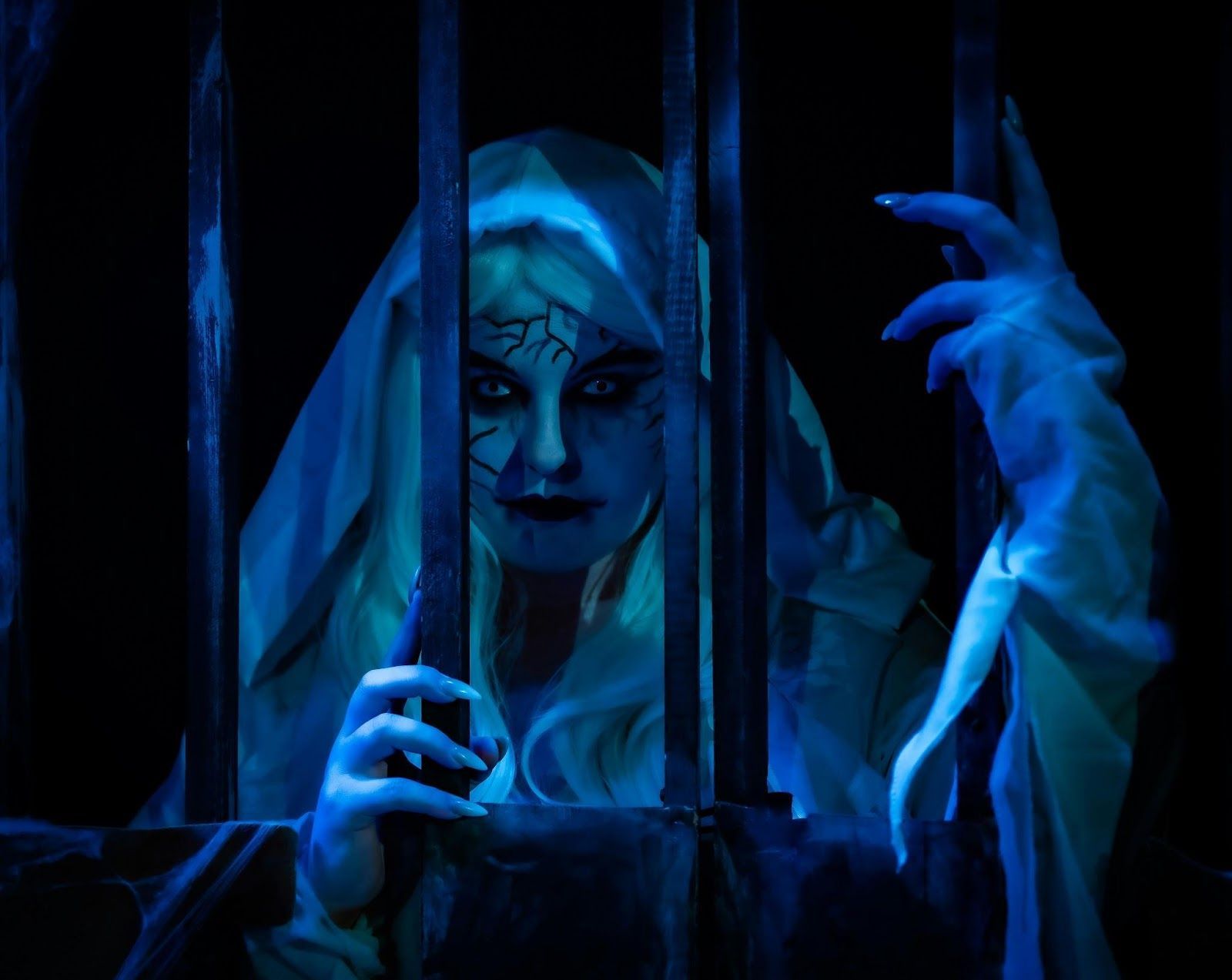
If the spirits of the dead were roaming the earth, what would you do? The Celts had a clever solution: they disguised themselves with animal skins and masks to look frightening and protect themselves from any spirits that might not have the best intentions. The hope was that ghosts would either mistake them for one of their own or be scared off entirely. Over time, the tradition evolved, but its roots remained; just look at all the little witches, skeletons, and other spooky costumes we see on Halloween today.

3
There's a reason for black and orange

Image: Gary Fultz

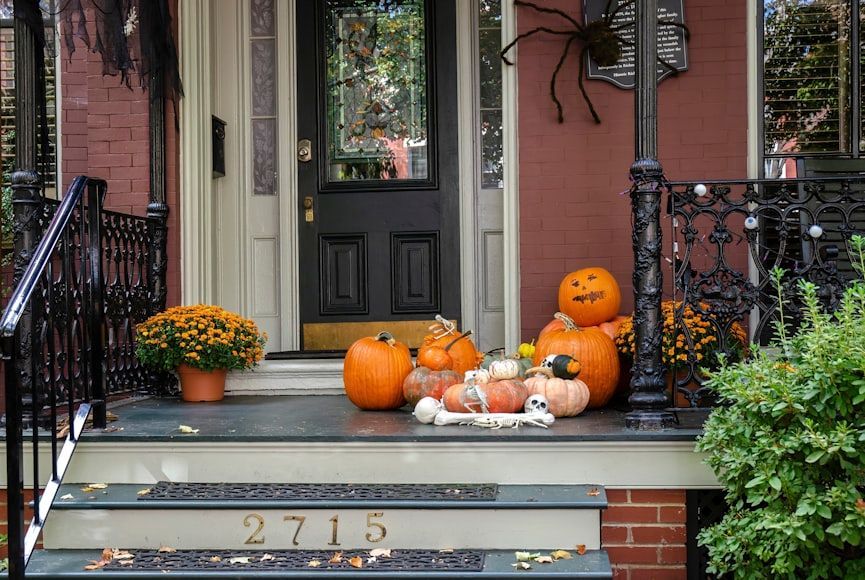
Orange and black take over homes and streets every Halloween, but why? The answer goes back to the Celtic festival of Samhain as well. Orange symbolized the end of autumn and fallen leaves, while black represented the darkness of the long winter nights ahead.

4
Witches weren’t always seen as scary

Image: Halanna Halila

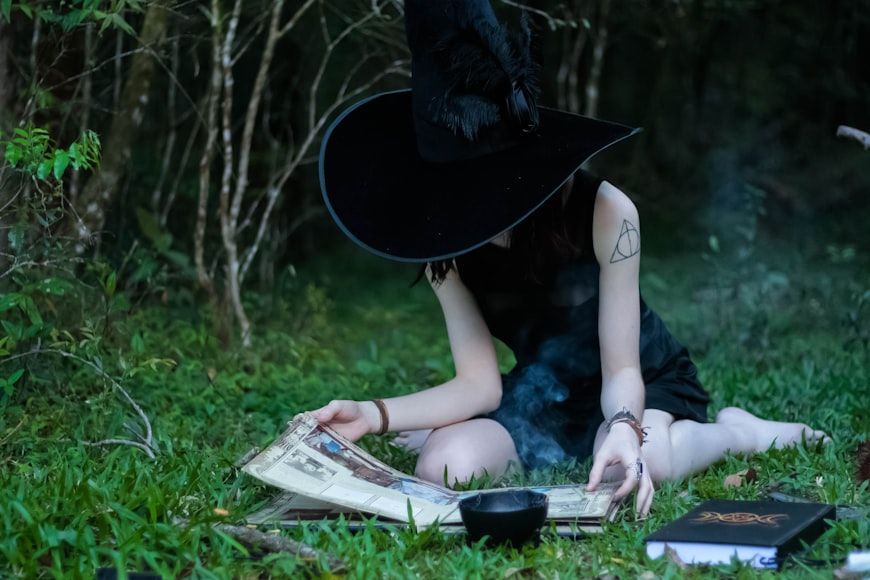
Witches have been part of Halloween lore for ages. Countless stories cast them as spooky figures with flying broomsticks, pointed hats, and bubbling potions. But it wasn’t always this way. Among the Celts, many practices now labeled as "witchcraft" were connected to healing, spirituality, and nature, and weren’t seen as evil at all; that association came much later with the spread of Christianity. In fact, the English word "witch" is often linked to the Old English wicca (masculine) and wicce (feminine), meaning "wise one."

5
Trick-or-treating origins

Image: Robin Jonathan Deutsch

In addition to dressing up to protect themselves, the Celts also left treats on their doorsteps to appease wandering spirits. Over the centuries, that custom changed and spread. By medieval times in Europe, people—especially children—would go door to door during this season, offering prayers for departed souls or performing small songs and jokes in exchange for food or treats. This tradition, known as "souling" or "guising," eventually inspired the trick-or-treating we know today.

6
Scary tricks

Image: Nick Fewings

In the recent past, the "tricks" in trick-or-treating were no joke—they could be genuinely frightening. In the late 19th and early 20th centuries, Halloween was known far more for mischief than for candy. Kids pulled off pranks like tying doors shut or slamming windows to make homeowners think their houses were haunted. Scary? Yes. Fun? Definitely.

7
In the past, they weren't pumpkins

Image: Igor Omilaev

Pumpkins may be the stars of Halloween décor today, but they weren’t always the first pick. The tradition of carving Halloween lanterns also began in Ireland and Scotland, but not with pumpkins. In the old days, people carved turnips, beets, and other root vegetables. When Irish immigrants arrived in the United States in the 19th century, they found that pumpkins were bigger, softer, and far easier to carve, so pumpkins quickly replaced the turnips.

8
Halloween, SC

Image: Joseph Corl

Today, Americans put a lot of effort into Halloween celebrations. But perhaps no one embraces it more than the residents of Conway, SC, who made headlines for a bold decision. In 2022, the city officially adopted the monikers "City of Halloween" and "Halloween, SC" for the month of October. Although "Conway" remains its legal name year-round, the town uses the spooky nickname during the holiday season to attract visitors eager to experience its larger-than-life celebrations and decorations.

9
Parents also have their "tricks"

Image: Tolgahan Akbulut

Although trick-or-treating is mostly for kids, parents definitely get in on the fun. According to a 2019 survey, 74% of parents admitted to stealing a few pieces of their children’s candy. And honestly, who can blame them? A pumpkin bucket overflowing with sweets is hard to resist.

10
Paranormal full moon

Image: Ganapathy Kumar

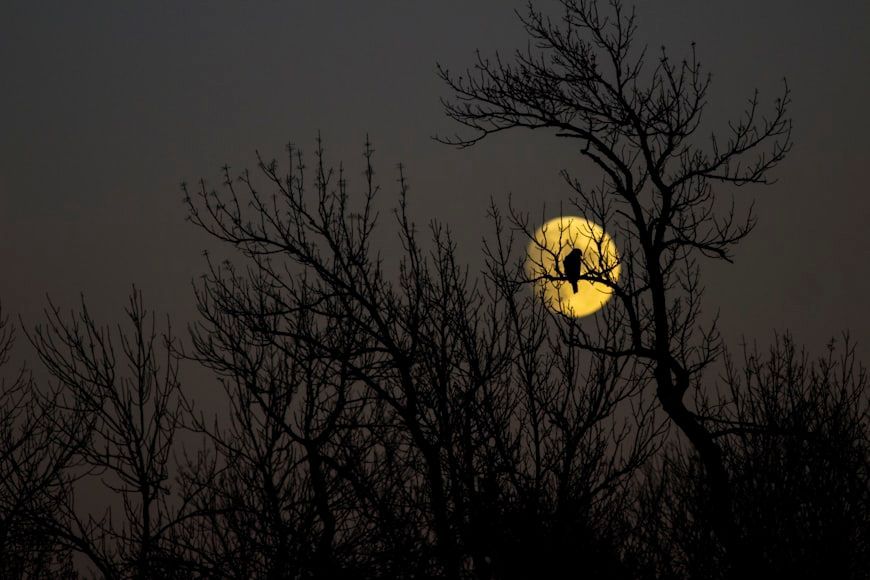
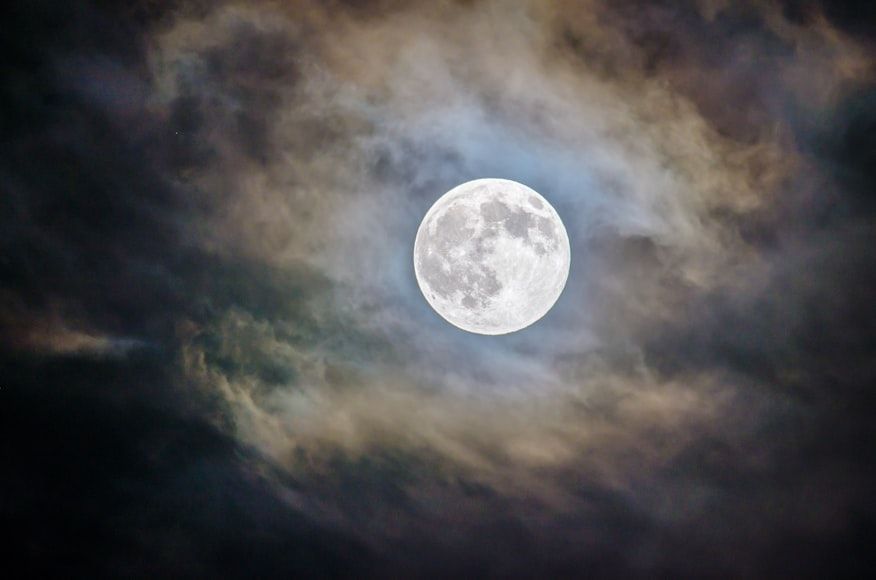
Celebrating Halloween under a full moon has a special charm, as that lunar phase has long been linked to heightened paranormal activity. But this coincidence is rare: a full moon on Halloween only happens about every 18–19 years. The last full moon during Halloween was in 2020, and according to forecasts, we won’t see another until 2039.

General General 3 min read

US money mysteries

Did you notice this detail on the $100 bill? 10 surprising currency facts

Image: Alicia Razuri

You use it every day, you keep it in a safe place, and yet there are still so many things you may not know about it. Yes, we’re talking about US currency! From their size and composition to the details of their designs, both our bills and coins have a fascinating history behind them, and some secrets you probably never imagined. Join us as we uncover them.

1
Clock change

Image: Jonathan Borba

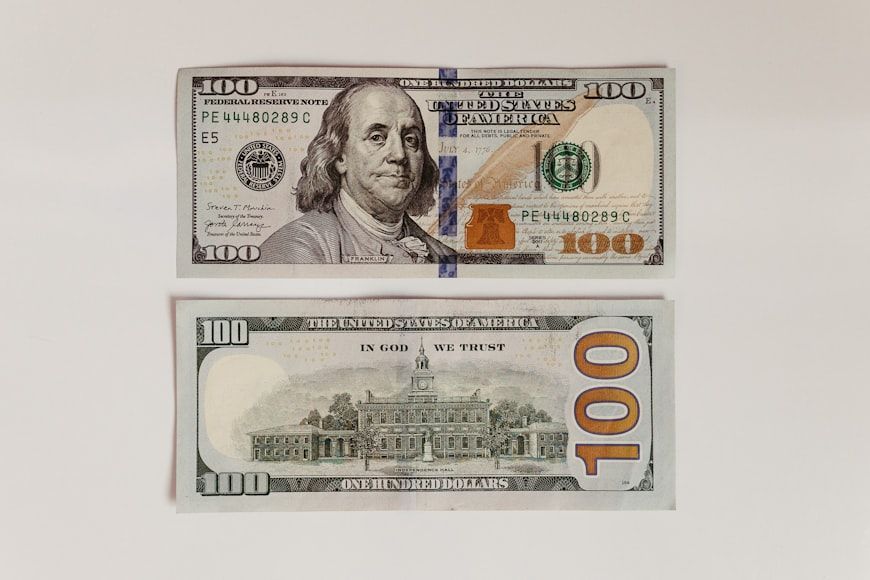
US currency is full of symbolism, and the $100 bill is no exception. Since 1928, we have seen Independence Hall depicted on the back of this bill. But in 2013, it was redesigned, and one change stands out: the clock tower, which previously showed 4:10, now reads 10:30. Did you notice?

2
Jackie Kennedy’s choice

Image: Florida Memory

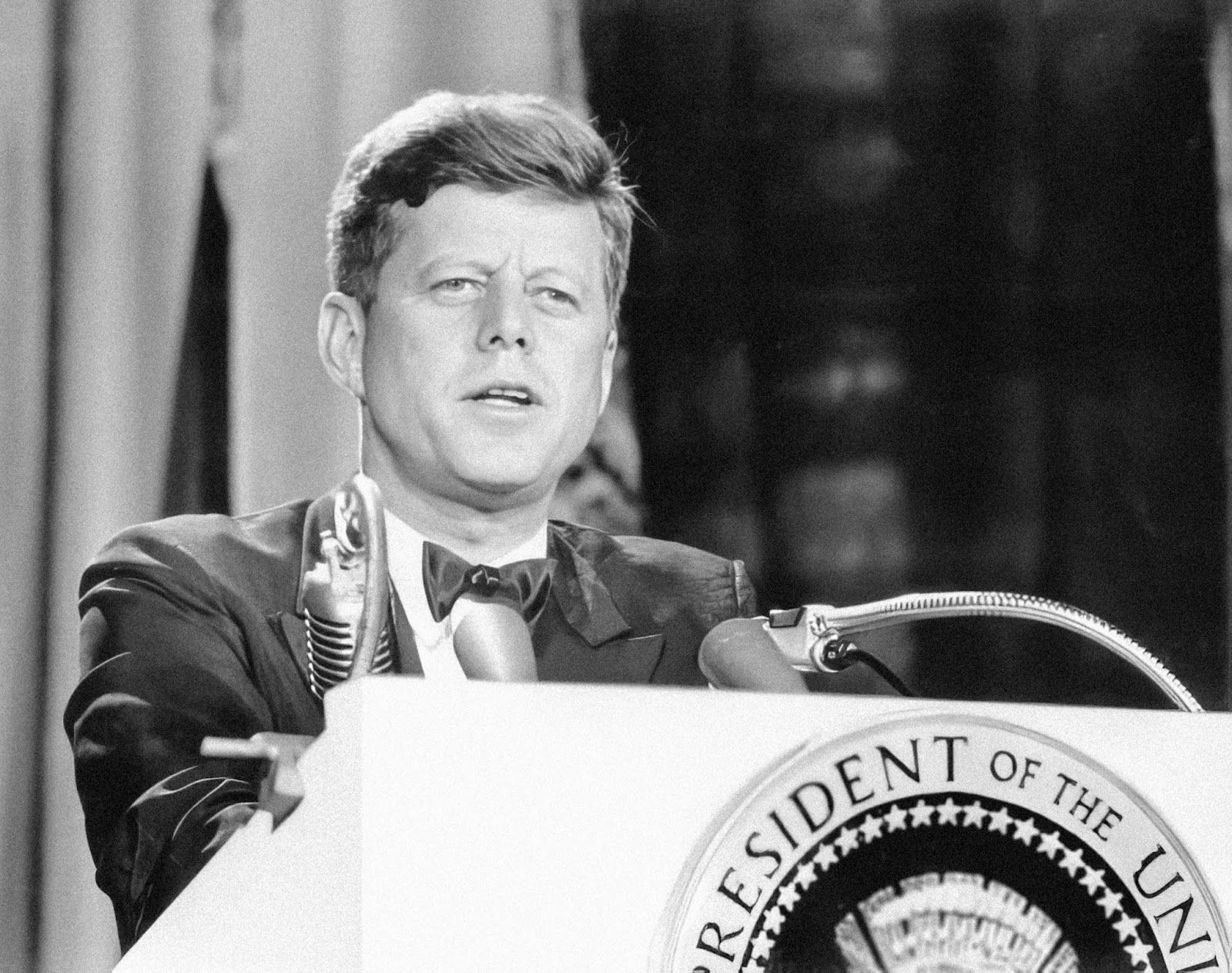
Jackie Kennedy played a key role in designing the coin that would feature the portrait of her ex-husband. When the U.S. Mint planned the Kennedy half dollar in 1964, she was consulted and provided input on various aspects of the coin, including its imagery and symbolism.

3
Not paper

Image: Giorgio Trovato

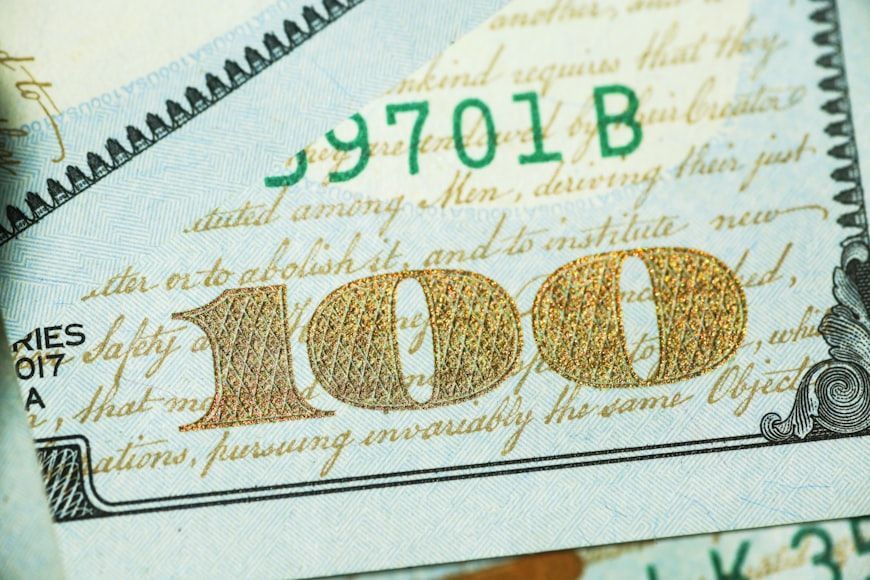
Although it is called paper money, our bills do not contain any paper at all. In fact, they are made of a blend of 75% cotton, 25% linen, and fine silk fibers embedded. This mixture is not random; it was specially chosen so that your bills can withstand everything: folds, wrinkles, stains, and even an accidental shower in the washing machine.

4
The unfinished pyramid

Image: Marek Studzinski

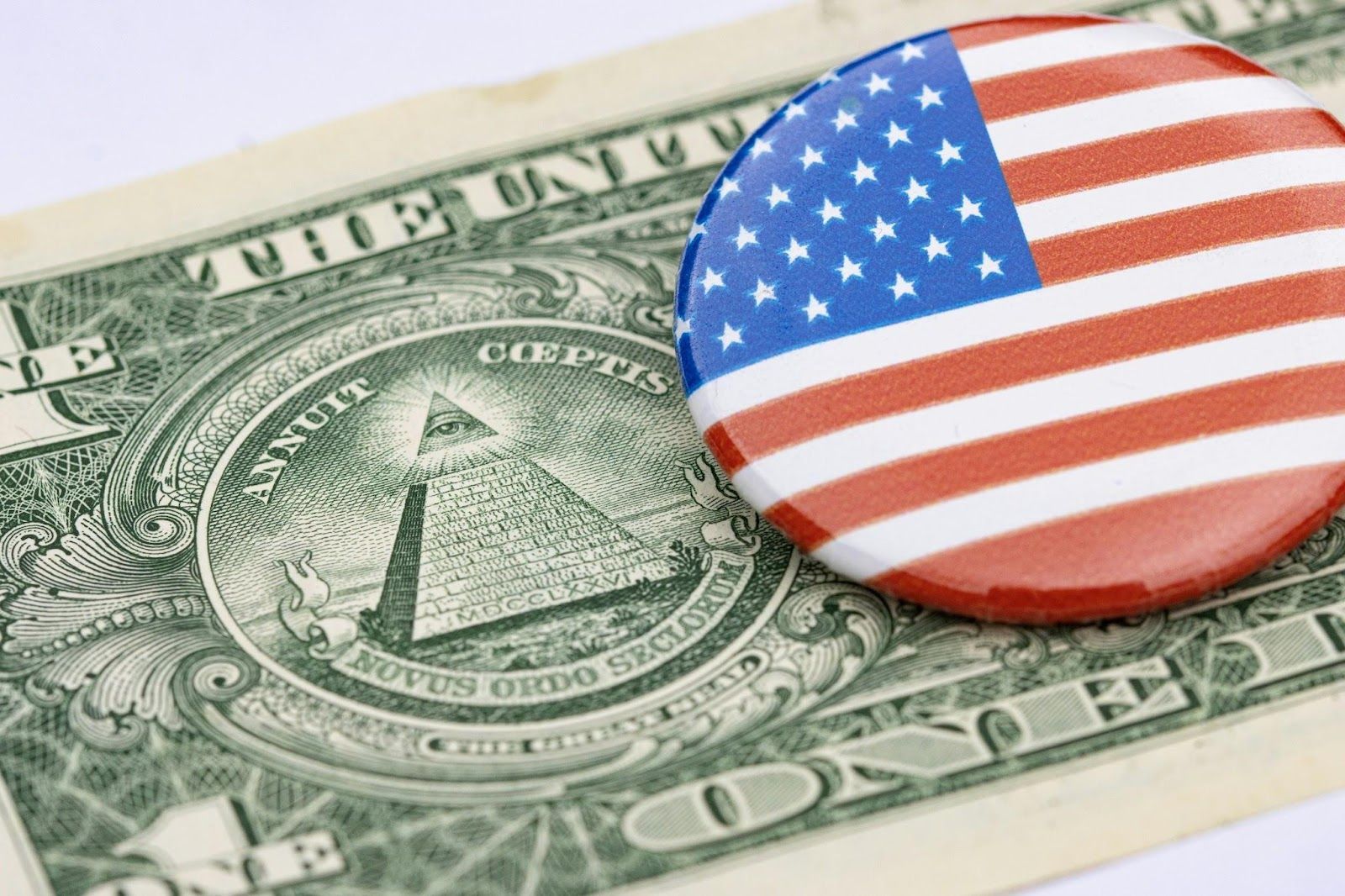
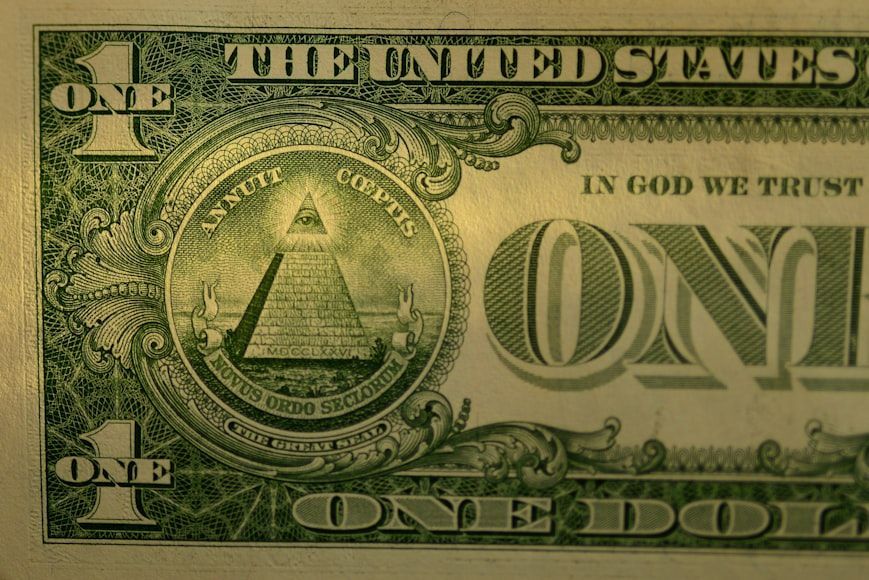
The one-dollar bill also has its secrets and details. On its back, you’ll find an unfinished pyramid, part of the Great Seal of the United States designed in the 1780s. Why unfinished? The pyramid has 13 steps, representing the original 13 colonies, and its incomplete form symbolizes the nation’s ongoing growth and expansion.

5
50% larger

Image: Bozhin Karaivanov

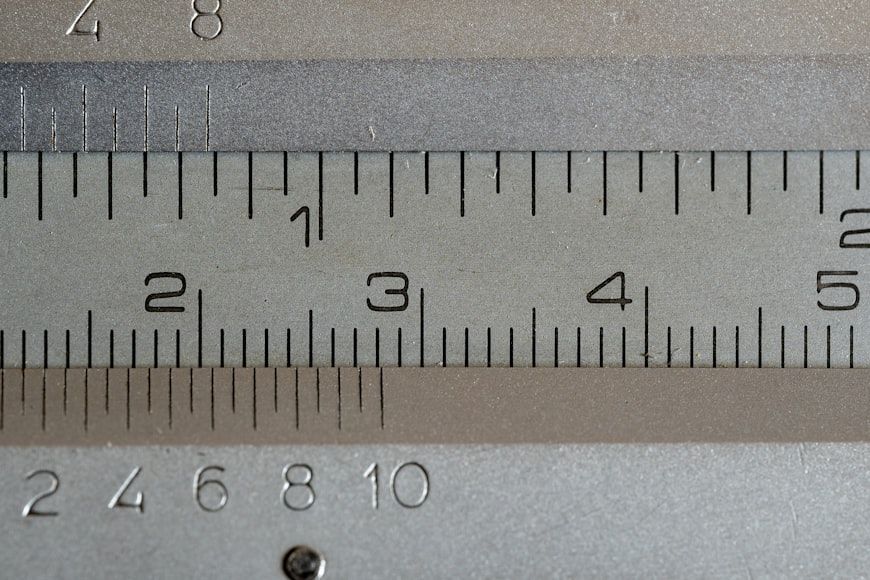
Before 1929, US banknotes were significantly larger, measuring approximately 7.375 x 3.125 inches. Today, collectors refer to these as "large-size" notes, sometimes even nicknamed "Horseblankets." In contrast, modern bills measure just 6.14 x 2.61 inches. The government decided to reduce the bill's size to cut production and design costs.

6
Andrew Jackson’s preference

Image: Giorgio Trovato

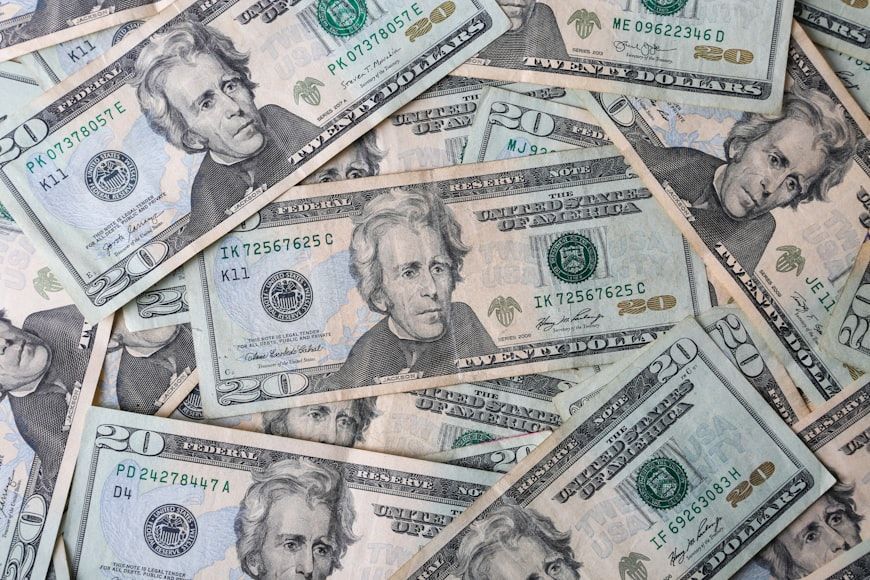
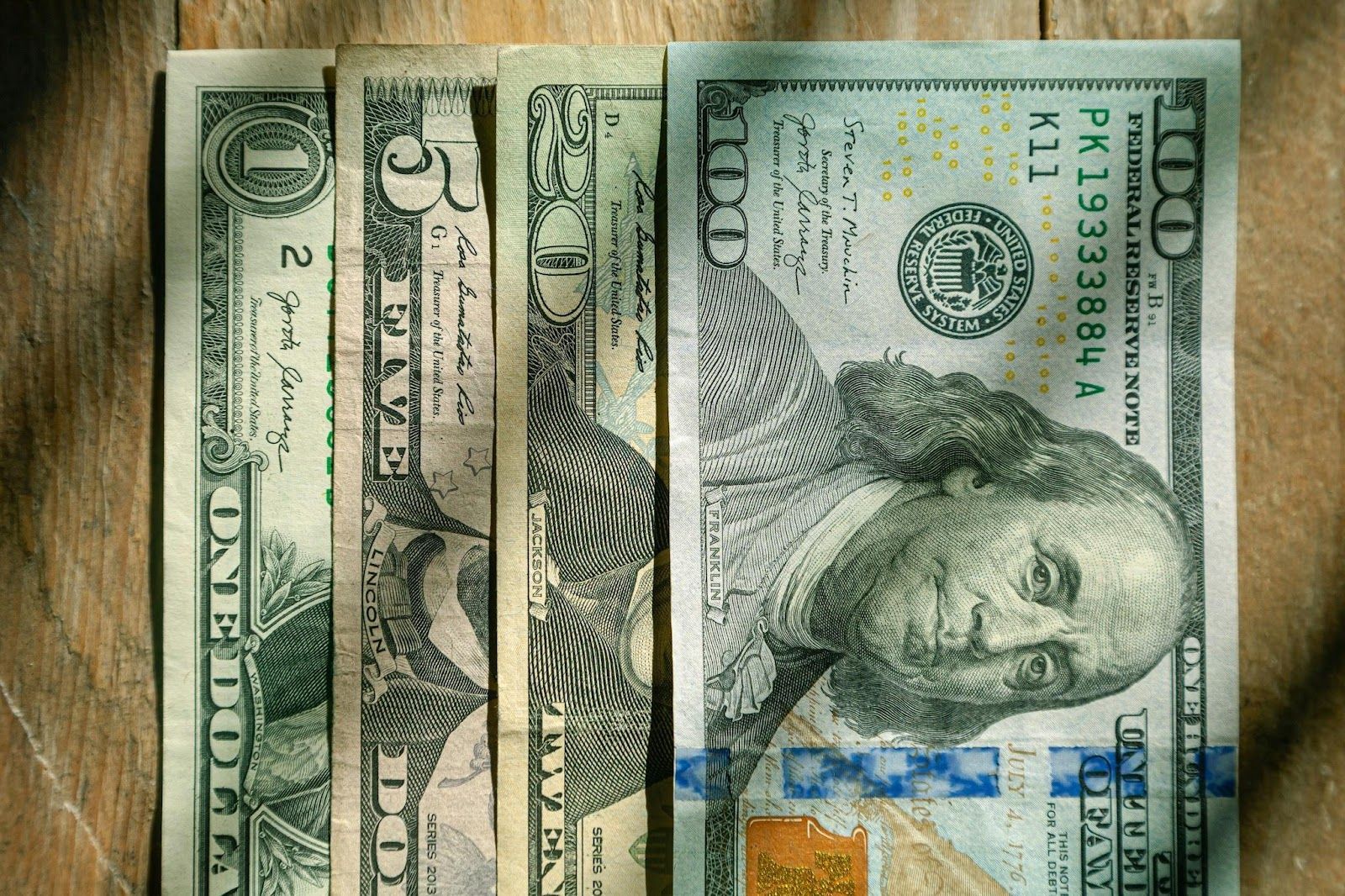
Andrew Jackson has been the face of the $20 bill since 1928, when he replaced Grover Cleveland. Ironically, Jackson was opposed to paper money. He didn't trust that form of payment, believing it could be easily manipulated. According to historians, the 7th U.S. President favored "hard money": gold and silver coins.

7
Alexander Hamilton’s portrait

Image: engin akyurt

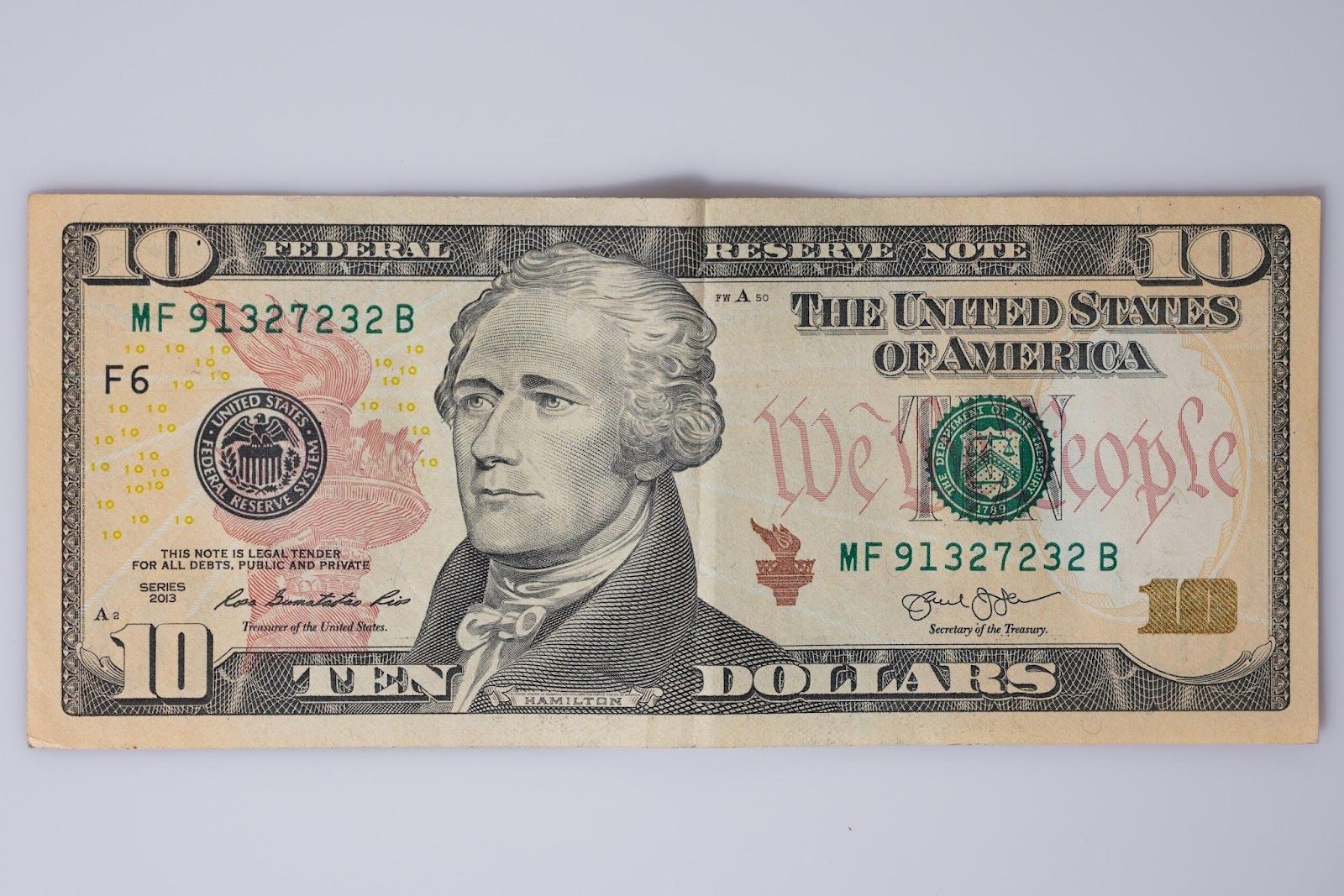
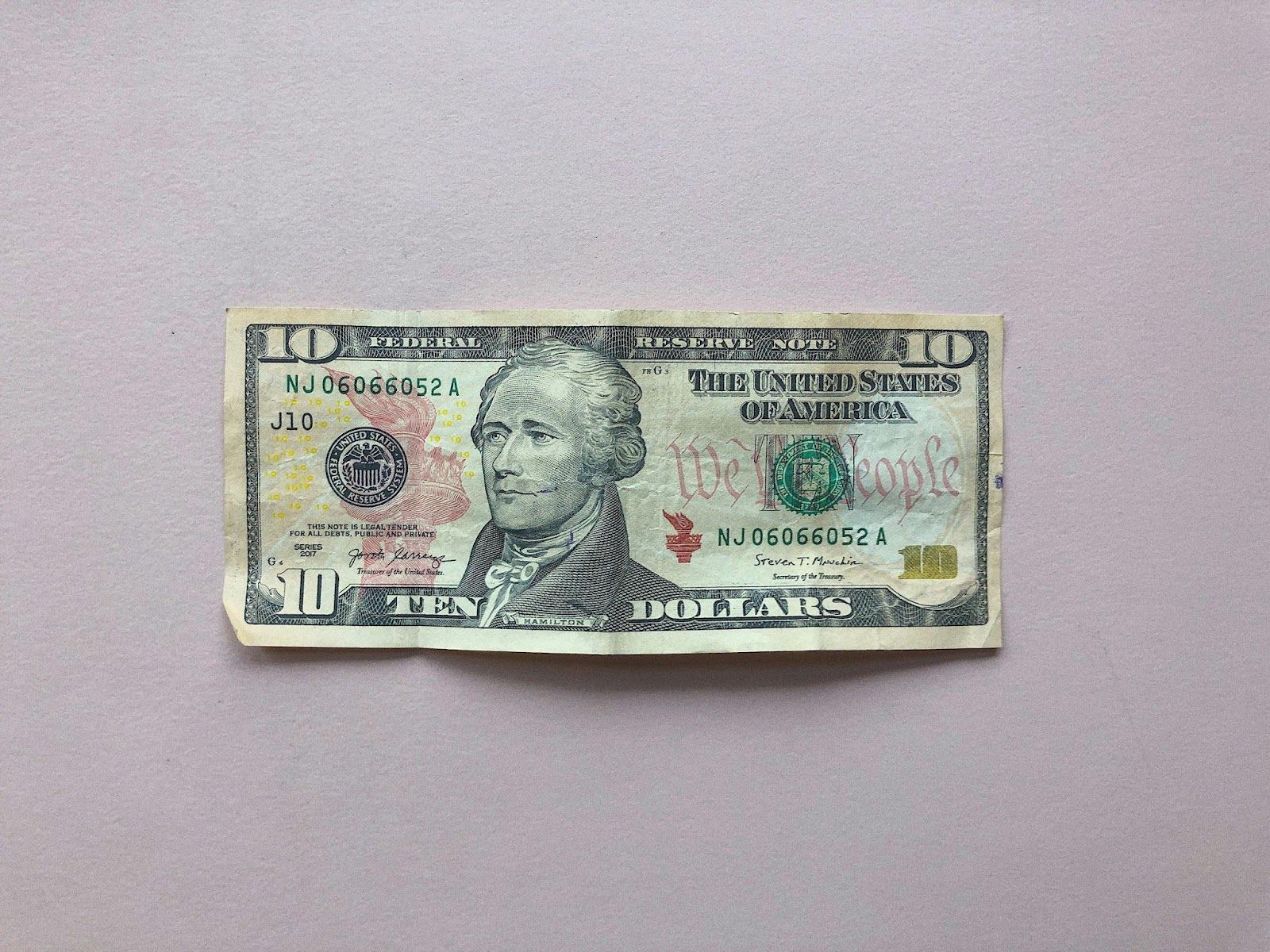
Most portraits on US bills face left, with one exception: Alexander Hamilton on the $10 bill, the only one facing right (toward the viewer’s left). You might wonder why, but there’s no official explanation; it seems to have been simply a design choice.

8
"In God We Trust"

Image: rc.xyz NFT gallery

In 1956, Congress passed a law declaring "In God We Trust" the national motto, making it mandatory on all U.S. coins and banknotes. But this wasn’t its first appearance: the phrase first appeared in 1864 on the two-cent coin. Beyond faith, it also carried political weight, suggesting that God favored the Union during the Civil War.

9
The change that never happened

Image: Ryan Quintal

In 2015, the Treasury announced plans to redesign the $10 bill, stating that Hamilton's portrait would be replaced by that of an influential woman from US history. However, the change never happened. Why? Those years saw a surge in Hamilton's popularity thanks to the hit musical of the same name, leading the Treasury to backtrack on the replacement plan.

10
Criteria

Image: Live Richer

As is well known, not just any portrait can appear on US currency. But beyond historical significance, the figures on our bills and coins must meet other criteria you might not know: They must also be deceased and well recognized by citizens, ensuring that the people represented are familiar and meaningful to the public.

Explore more American facts

Choose your favorite category!

General
General

As American as apple pie—the very best America has to offer!

Culture
Culture

Delve into the astounding richness of American lore.

Geography
Geography

Hop in and explore vast and diverse American landscapes.

History
History

Discover the key moments that shaped the United States.