General General 5 min read

BEHOLD OLD GLORY

History of the American flag: 10 fascinating facts you never knew
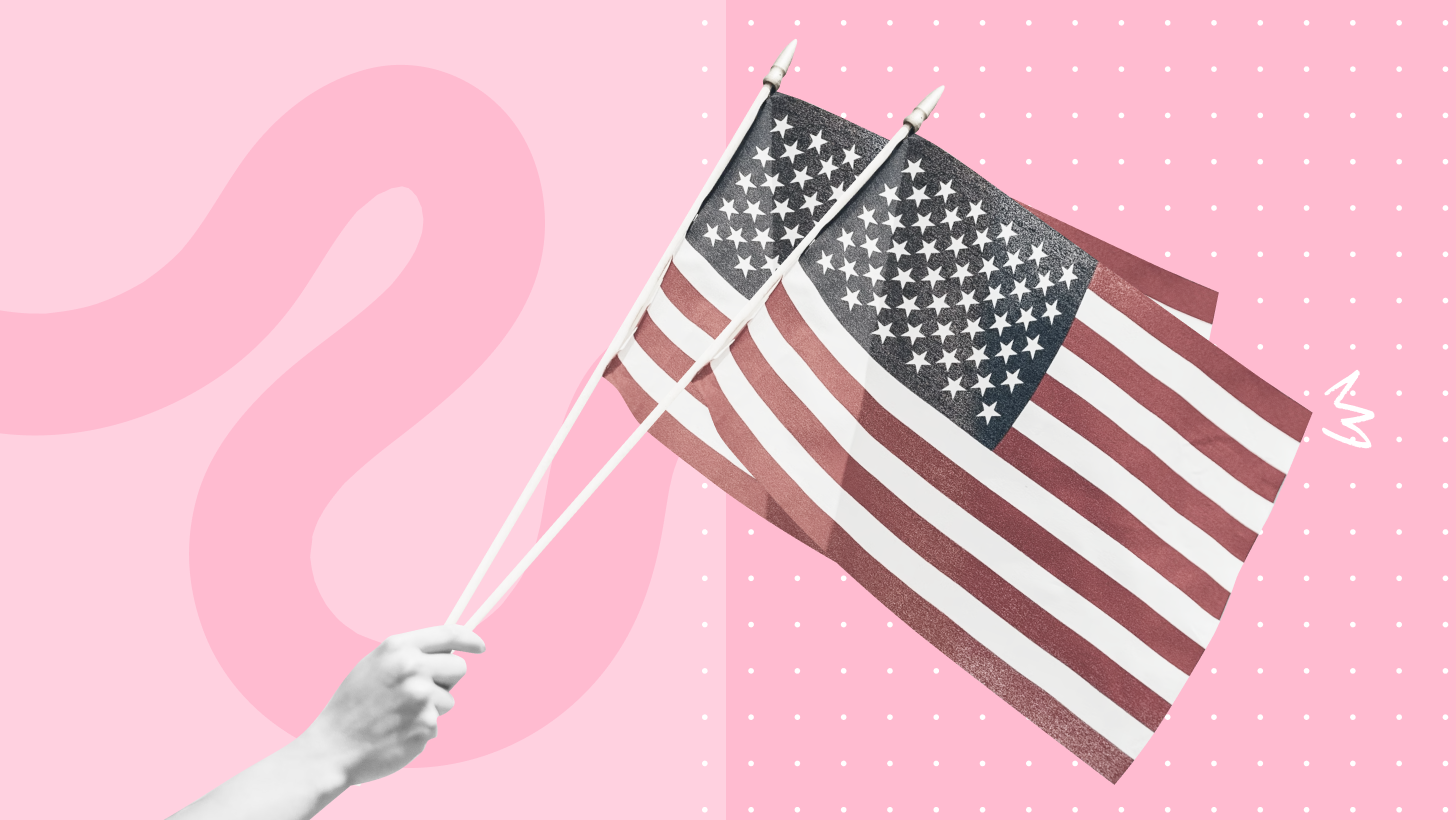
Image: Paul Weaver

A symbol of freedom, courage, and justice, the United States flag is one of the most iconic emblems in the world . No matter where it’s flying, everyone can recognize it from miles away. But it's not just a piece of fabric: its history, what its stripes, stars, and colors represent, is full of fascinating stories you should learn about. Read on to discover 10 fun and interesting facts about the American flag you probably didn’t know.

1
The American Flag has a special day

Image: Pramod Kotipalli

Every June 14 in the United States we celebrate Flag Day by hanging the flag outside our homes and participating in parades and other patriotic events. It was on this same day in 1777 that the Second Continental Congress officially adopted our flag as America's national symbol.

The first Flag Day was celebrated in 1877, 100 years after the Continental Congress. However, it was President Woodrow Wilson who finally issued a presidential proclamation establishing June 14 as Flag Day in 1916. A few years later, in 1949, President Harry Truman officially made it a national observance .

2
Colors have meaning

Image: Joshua Hoehne

Have you ever thought about why our flag is red, blue, and white? Yes, we’ve originally taken the colors from the British flag, and although they didn’t have a special meaning in the beginning, over time they took on new significance .

In 1782, Charles Thomson, Secretary of the Continental Congress, presented a proposed U.S. seal. He suggested that each of the colors of the American flag represented something different : white for purity and innocence, blue for perseverance and justice, and red for bravery and valor.

3
The first flag

Image: Gerard Avril

As the colonies seceded from Great Britain, it became necessary to have a flag to represent the patriotic cause. It is a popular belief that the first American flag was created in 1776 by a seamstress known as Betsy Ross at the request of George Washington, Robert Morris, and George Ross. However, there is no conclusive historical evidence to confirm this theory.

What is certain is that a year later, on June 14, 1777, Congress approved the first official flag composed of 13 red and white stripes representing the American colonies and 13 stars over a blue field symbolizing a constellation.

4
Twenty-seven versions

Image: Dan Parlante

Since that first 1777 version of 13 stripes and 13 stars, the flag of the United States has undergone numerous changes. In fact, over the years, there have been 27 versions of the American flag .

Each time a state was incorporated into the Union, a star was added to the flag. Of the 27 versions, some flew for only a short time, a clear sign of the nation’s rapid expansion. Our current flag has 50 stars representing the 50 states that make up the United States today, but to know the story behind this particular flag you’ll have to keep on reading.

5
Designed by a school student?

Image: Luke Michael

The history of great nations is also based on much-needed myths of origin. For many years it was believed that our current flag, one of the most recognizable symbols in the world, had come out of the creative mind of a teenager . According to this version, 17-year-old Robert G. Heft of Lancaster, Ohio had won a contest in 1958 for creating a new flag that represented the growth of the country.

However, this legend was refuted in 2022 by writer Alec Nevala-Lee. The truth is that the 50-star flag we use today was made official in 1960 with the addition of Alaska and Hawaii. The final design was selected by President Dwight D. Eisenhower from among 1500 contenders. At the time, credit for this design was given by the executive department to the United States Army Institute of Heraldry.

6
Our flag has a nickname

Image: Thomas Ashlock

Well, actually, it has a few. Over the years the American flag has received many monickers , including Stars and Stripes and Star-Spangled Banner . But perhaps the most known nickname for our red, white, and blue flag is Old Glory . This name derives from a flag owned by the 19th-century American sea captain William Driver who proudly flew it on his ship throughout his career.

According to historical reconstructions, this flag was sewn by Driver's mother and other women in 1824 and given to him as a gift when he was granted his own ship. It is believed that the Captain, before sailing to China and other places in Asia and the Pacific, uttered the following words, "Behold Old Glory." This flag was preserved and is now part of the collection of the Smithsonian Institution, and can be visited at the National Museum of American History.

7
Backward flag

Image: Jessica Radanavong

Did you know that the American flag must be displayed backward on military uniforms ? This tradition dates back to the early days of the Army. During the Civil War, both cavalry and infantry units had a bearer who was responsible for carrying the standard in combat. After launching an offensive, the impulse would cause the flag to be raised backward.

Since then, the Stars and Stripes have been placed in such a way that the section with the blue field stands on the right. This location makes it possible to create an effect as if the flag were waving before combat.

8
Say goodbye with dignity

Image: Anthony Garand

Although some may consider it disrespectful, the proper way to dispose of an American flag is to burn it . If the flag can no longer be washed or repaired, ceremonial burning is the correct and respectful way to discard a damaged flag.

It is believed to be illegal to set the flag on fire. As a matter of fact, according to the First Amendment to the United States Constitution, it is unconstitutional for any government to prohibit the cremation of a flag if it was made as a cultural or political statement, due to its status as "symbolic speech."

9
To the Moon and back

Image: NASA

The U.S. flag has flown everywhere the nation has conquered, even the Moon. Probably one of the most iconic images of the 20th century is that of astronaut Buzz Aldrin saluting the American flag during the Apollo 11 mission. It was quite an achievement: in order to get the flag to fly and stay upright in the airless lunar environment, NASA technicians had to design a special mechanism .

In the following three years, 5 other flags were planted on the Moon . But the flag left by Apollo 17 is the most special. It is a piece that had traveled on Apollo 11 and had returned to Earth. It was kept at Mission Control until it was time to return to the place it was destined for: the Moon.

10
Capitol Flag Program

Image: Adam Michael Szuscik

You probably didn't know this: you can own a flag that has flown over the Capitol . Amazing, right? The Capitol Flag Program began in 1937 and allows citizens to have access to an official flag through the offices of the members of the United States Senate and the House of Representatives.

Flags flown every day on Capitol Hill —except Thanksgiving Day, Christmas Day, and New Year's Day— receive a certificate of authenticity before they are delivered. There are currently about 100,000 orders for flags from members of Congress and the number is increasing each year. So now you know, if you want your official capitol flag just contact your local representative or senator!
General General 5 min read

National monikers

Golden dreams and aloha vibes: 10 state nicknames demystified!

Image: little plant

Ever wonder why states have those quirky nicknames? They’re more than just catchy phrases—they can actually help us understand a state’s history, culture, and character. From sunny beaches to rugged mountains, these nicknames were chosen to highlight what makes each place unique. Today, we’ll take a look at 10 fascinating state monikers and discuss their origins and the stories behind them. Maybe you’re a trivia enthusiast, or maybe you just love learning something new. In any case, this fun exploration will give you a deeper appreciation for our beloved territories.

1
California: The Golden State

Image: Maarten van den Heuvel

If this name makes you instantly think about the Gold Rush , let us tell you, you would be going in the right direction because California’s nickname, "The Golden State," gleams with both historical and literal significance.

It harks back to the 1848 Gold Rush, which transformed the state into a bustling hub for fortune seekers. But beyond gold, the nickname also refers to the Golden Gate, the entrance to San Francisco Bay. Additionally, the state’s flower, the golden poppy, is another nod to this iconic moniker. The nickname is more than accurate—wherever you look, California’s golden legacy keeps sparkling.

2
Connecticut: The Nutmeg State

Image: Christopher Luther

This may be one small state, but it sure has a lot of nicknames. The official one is "The Constitution State," but you’ve likely also heard of "The Nutmeg State." So why nutmeg for Connecticut? It’s not about farming—it’s a nod to the cleverness of its residents during colonial times.

The tale goes that traders from Connecticut sold carved wooden nutmegs as a joke, showcasing their wit and entrepreneurial spirit. While historians debate the truth of the story, the nickname stuck unofficially.

Want to know the other nicknames? They are "The Blue Law State" and "The Provisions State." So if you had to pick, which one is your favorite?

3
Delaware: The Diamond State

Image: Josefina Lacroze

Delaware might be small, but its nickname, "The Diamond State," reflects its value. Similar to Connecticut, it also holds several nicknames. Now, as for the one mentioned here, the legend credits Thomas Jefferson with calling Delaware a "jewel" among states due to its strategic location and resources.

As the first state to ratify the Constitution (which earned it the nickname "The First State"), Delaware is a gem in America’s founding story. Though tiny, it punches above its weight with its rich history, tax-friendly laws, and scenic beauty. It’s proof that great things come in small packages, you know?

4
Florida: The Sunshine State

Image: Betty Subrizi

"The Sunshine State" was officially designated as Florida’s nickname in 1970, but doesn’t it feel like it’s been that way forever? If Florida’s nickname doesn’t make you want to pack your beach bag , nothing will!

Known for its abundant sunshine, the state is a top destination for snowbirds and sun-seekers alike. Its warm weather supports everything from sprawling orange groves to its famous beaches. But Florida’s not just about sunny skies—it’s also rich in diverse wildlife and cultural vibrancy. Take a swim at its beaches or explore the Everglades, whatever you choose, this state’s bright reputation is well-earned.

5
Hawaii: The Aloha State

Image: Luke McKeown

Speaking of dreamy beaches and lots of sunshine, right? Hawaii’s nickname radiates warmth, just like its famous greeting, "Aloha."

But it’s so much more than that. Aloha embodies love, peace, and a deep connection to nature. It was even defined by the legislature as the Hawaiian philosophy that focuses on the collective experiences people have.

From lush landscapes to welcoming locals, the Aloha spirit defines Hawaii’s identity. Visitors leave with more than tan lines—they carry a piece of Hawaii’s enduring kindness and hospitality. They certainly had us at Aloha !

6
Mississippi: The Magnolia State

Image: Annie Spratt

Some states choose to honor legends, some honor their place in history, but Mississippi chose to honor the one thing you can see wherever you look around the state: the Magnolia tree.

With its iconic blooms and Southern charm, "The Magnolia State" perfectly suits Mississippi. Magnolias, known for their large, fragrant flowers, thrive in the state’s warm climate and are its official state tree and flower.

Mississippi took the simple route by choosing the magnolia as a symbol, and it’s even featured in the Mississippi quarter!

7
Missouri: The Show-Me State

Image: Tianxiang Ji

Missourians are famously skeptical, and that’s what the "Show-Me State" nickname celebrates. The phrase became popular after Congressman Willard Duncan Vandiver said in 1899, "I’m from Missouri, and you’ve got to show me ." It stuck, and now it symbolizes the state’s no-nonsense, practical attitude.

Beyond the attitude, Missouri shines with its stunning Ozark mountains, historic St. Louis Arch, and rich jazz heritage. Missourians are proof that actions speak much, much louder than words.

8
New Hampshire: The Granite State

Image: Spenser Sembrat

Here’s an example of a state that chooses to honor its natural production, much like California with its gold. Granite’s strength and durability make it the perfect symbol for New Hampshire.

Its rugged mountains and quarries helped earn the nickname "The Granite State." The rock also represents the state’s independent spirit and resilient residents.

Granite was a cornerstone, quite literally, of New Hampshire’s economy, as it was used in buildings across the nation. Combine this with breathtaking fall foliage and quaint small towns, and you’ve got a state that is as solid as they come.

9
Rhode Island: The Ocean State

Image: Demure Storyteller

Remember when we mentioned that some of the smaller states above have more than one nickname? Well, despite being the smallest state, Rhode Island boasts three nicknames, but most importantly, over 400 miles of coastline, earning it the title "The Ocean State."

From sailing in Narragansett Bay to fresh seafood delights, the ocean defines its character. The nickname reflects its maritime history, including colonial shipping and today’s vibrant waterfront communities. Rhode Island addresses the elephant in the room: Life is indeed better by the sea!

10
Tennessee: The Volunteer State

Image: Susanne Alexander

Our last item in this article honors history in the best way. Tennessee’s nickname dates back to the War of 1812 when its citizens volunteered by the thousands to take an active role, especially during the Battle of New Orleans.

But that wasn’t all. The reputation continued during the Mexican-American War, solidifying its "Volunteer State" nickname. Today, Tennesseans remain proud of their volunteer spirit, as they should! From vibrant Nashville to the serene Smoky Mountains, the state offers its best to everyone who visits. That go-getter attitude is as alive as ever in this hospitable state. Go, Tennessee!

Culture Culture 6 min read

Bad blood

Did you know these celebrities were declared rivals?

Image: Thea Hdc

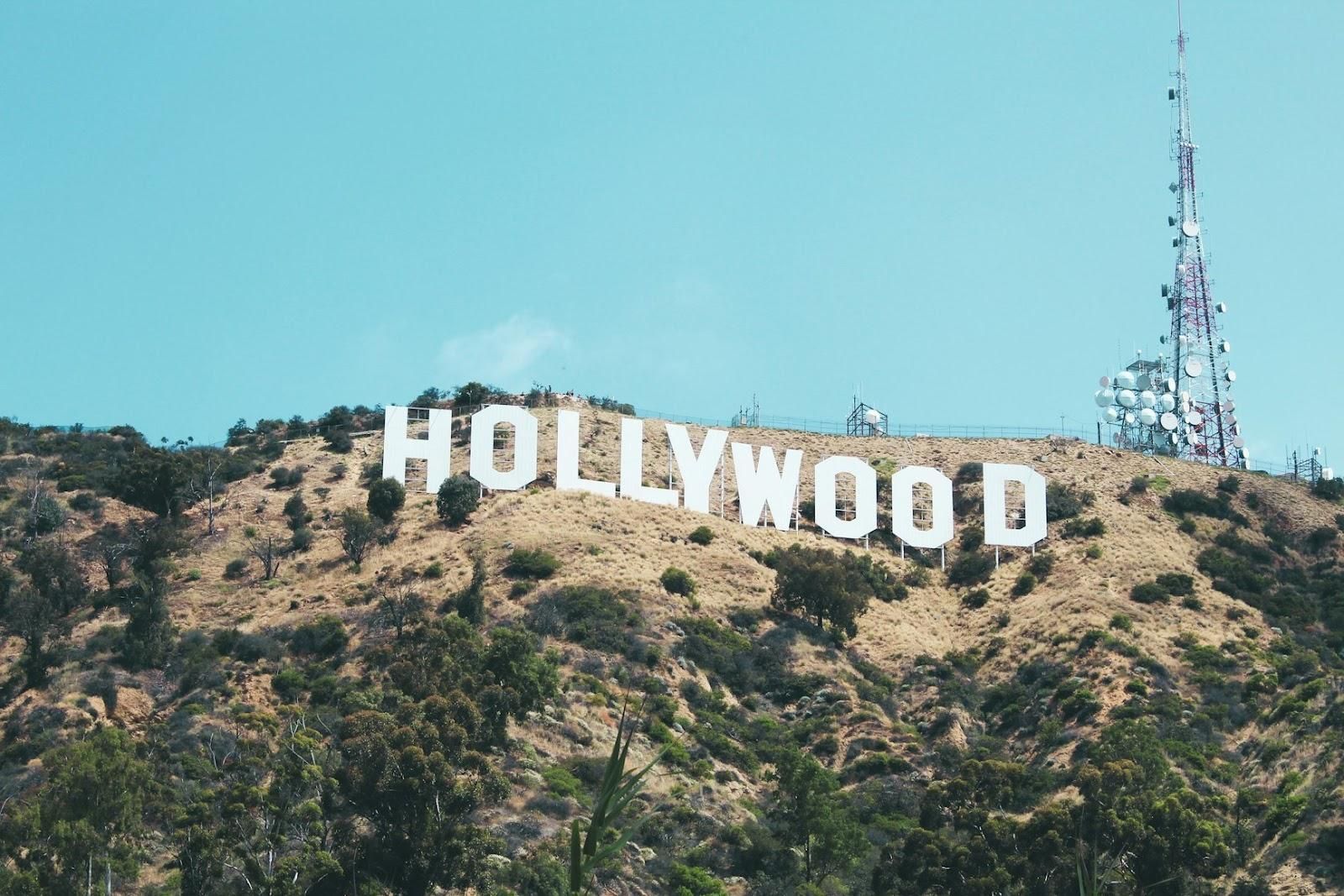
Hollywood is not just about glitz and glamour. Sometimes, behind the cameras, famous stars clash in ways that are mysterious, amusing, or simply unforgettable. From bitter arguments on set to long-lasting rivalries, these legendary feuds tend to leave a mark on pop culture history. Here are 12 famous celebrity disputes fans can’t stop talking about.

1
Robert De Niro vs Mickey Rourke

Image: Vitruvian Badr

At first glance, it was the typical 1980s film set. But when Robert De Niro and Mickey Rourke worked together in Angel Heart , their differences in style weren’t just noticeable; they were combustible. De Niro, famous for disappearing into his roles with a strict Method approach, didn’t always mesh well with Rourke’s more unpredictable, improvisational take.

According to lore, all hell broke loose when Rourke decided to ignore De Niro’s suggestions for a scene. What was supposed to be a straightforward shoot turned into multiple takes, frustrating not just the two stars but the entire crew. The altercation quickly became Hollywood gossip, with insiders saying it was a classic case of two strong personalities refusing to give in.

2
David Letterman vs Jay Leno

Image: John-Mark Smith

Who deserved the late-night crown , Letterman or Leno? For years, Americans were unable to settle the debate. On screen, both comedians exchanged polite words and even jokes, but behind the curtain, the situation was a little more complicated.

Reporters loved to stir the pot, writing headline after headline about which funnyman truly deserved the throne. Viewers, meanwhile, treated it almost like a sporting match, tuning in to see who would come out on top. In truth, much of the "feud" was blown out of proportion, yet the friendly jabs and constant comparisons managed to keep audiences entertained.

3
Dean Martin vs Jerry Lewis

Image: anncapictures

On stage, there were only gags, music, and applause. But behind the scenes, Dean Martin and Jerry Lewis were falling apart. Martin often felt stuck playing the calm, serious foil while Lewis stole all the laughs with his wild, over-the-top routines.

Over time, that imbalance created real tension. After starring in 16 hit films together, the famous duo finally called it quits. Their split was so final that they didn’t exchange a word for two full decades. Fans were stunned when they eventually patched things up later in life, a reminder that even the biggest comedy legends aren’t immune to bruised egos and long silences.

4
Olivia de Havilland vs Joan Fontaine

Image: cottonbro studio

Few family feuds reached the heights of Olivia de Havilland and Joan Fontaine’s legendary rivalry. The sisters were competitive long before the bright lights of Hollywood, each vying for their mother’s attention. Once both became movie stars, the bad blood only grew stronger.

In 1942, the two actresses were even nominated for Academy Awards in the same category. Fontaine ended up winning and later claimed her older sister pulled her hair during the ceremony. That incident became one of Hollywood’s most talked-about snubs. Their quarrel stretched on for decades, marked by jealousy, pride, and the kind of family drama that the public can’t get enough of.

5
Elton John vs Madonna

Image: HubertPhotographer

It may sound like sensational news, but Elton John once declared Madonna’s Bond theme "the worst ever." From that point on, the two megastars exchanged sharp words through the press, with Elton poking fun at her performances and Madonna brushing off the criticism with icy charm.

Reporters loved every jab, turning their spat into tabloid gold. Though they occasionally patched things up, the rivalry lingered. Even music royalty can squabble just like the rest of us!

6
Marilyn Monroe vs Jayne Mansfield

Image: WikiImages

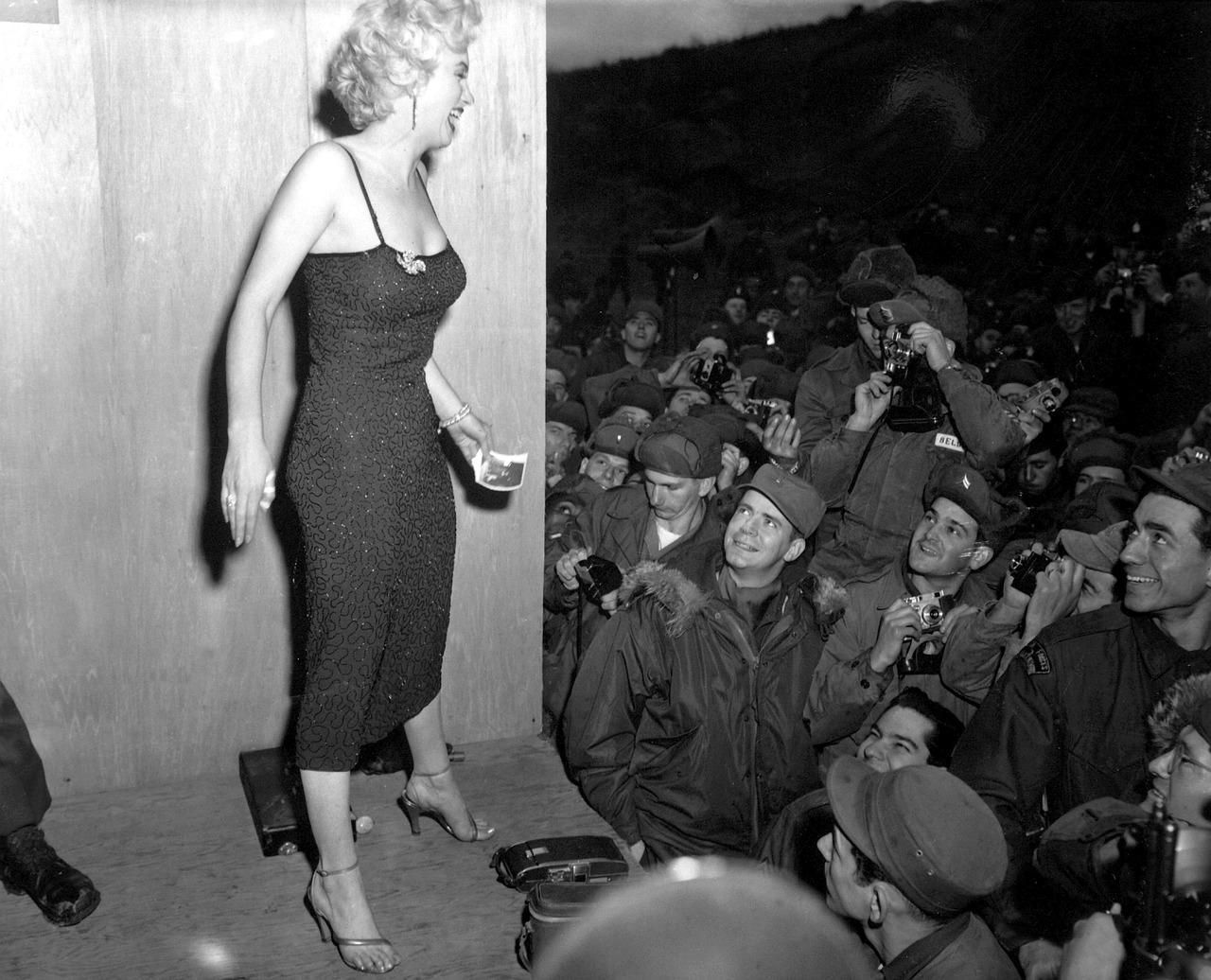
In the 1950s, Hollywood had room for only so many platinum blondes, and Marilyn Monroe was already the reigning queen. When Jayne Mansfield came to light with her hourglass figure and playful charm, the press quickly dubbed her "the next Monroe."

Marilyn, who guarded her image carefully, bristled at the idea of a copycat stealing her thunder. Meanwhile, Mansfield leaned into the comparisons, showing up at events in daring outfits and orchestrating photo ops that guaranteed headlines. The result was a highly public rivalry that fascinated fans, turning every red carpet into a showdown.

7
Johnny Carson vs Joan Rivers

Image: Debby Hudson

One phone call never answered, one friendship lost forever. Joan Rivers owed much of her early success to Johnny Carson, who gave her a career-changing boost as a regular guest on The Tonight Show . For years, she was seen as his comic protégé, someone he personally championed. But when Rivers accepted an offer to host her own late-night program, Carson viewed it as a betrayal.

He cut off contact immediately, refusing to take her calls, and the friendship that once seemed unbreakable collapsed overnight. Fans were stunned to see the bitter end of what had appeared to be a classic mentor-and-student bond. The silence lasted all their lives.

8
Debbie Reynolds vs Gene Kelly

Image: Kazuo ota

When Debbie Reynolds starred in Singin’ in the Rain , she was a 19-year-old performer stepping into a major role for the first time. Gene Kelly, already an established star, demanded flawless performances and wasn’t known for his patience. Reynolds later recalled long hours of grueling rehearsals, where Kelly frequently criticized her every move, reducing her to tears.

Though their discord was rooted more in his high standards than personal dislike, the experience marked a harsh introduction to Hollywood for the young actress. Today, their behind-the-scenes tension is remembered as both a glimpse into Kelly’s tough reputation and a reminder of the enormous pressures that came with working alongside legends.

9
Orson Welles vs William Randolph Hearst

Image: William Warby

When Citizen Kane hit the screens, it wasn’t just a film debut; it was the spark of one of Hollywood’s fiercest battles. William Randolph Hearst, the media tycoon who saw too much of himself in the story, launched an all-out war against Orson Welles.

He tried to bury the film before it could reach audiences, banning ads in his papers and fueling smear campaigns. What began as a clash of egos grew into a cultural showdown, forever linking their names to both scandal and cinematic history.

10
Frank Sinatra vs Marlon Brando

Image: Brett Sayles

If you watch Guys and Dolls today, all you’ll see is glamour. In reality, the shooting was pretty stressful: Sinatra craved efficiency, Brando thrived on slow-burning performance. Brando’s Method acting tested Sinatra’s patience, as Ol’ Blue Eyes favored efficiency and clean, polished takes.

Rumors of heated exchanges and icy silences hit the media, and by the final days of filming, the pair were barely speaking. What should have been a classy production became notorious for its behind-the-scenes tension, adding an extra layer of drama to the musical classic.

11
Bette Davis vs Joan Crawford

Image: Nathan DeFiesta

So iconic was their hatred that it later inspired documentaries and TV series. Davis and Crawford didn’t just feud; they redefined what a Hollywood rivalry is. For decades, the two icons sparred over leading roles, critical acclaim, and public adoration.

Gossip included backhanded insults, stolen lovers, and outright sabotage during productions. When they finally shared the screen in 1962’s What Ever Happened to Baby Jane? , the film’s unsettling tension was magnified by their very real animosity.

12
Chevy Chase vs Bill Murray

Image: Aleks Dorohovich

In the early days of Saturday Night Live , Chevy Chase and Bill Murray were usually at each other’s throats. Chase’s sharp, polished delivery often clashed with Murray’s more offbeat, improvisational style, and the tension spilled offstage.

Reports of heated arguments (and even a near brawl backstage) turned their working relationship into one of the show’s most notorious conflicts. Though both later moved on, their rocky career start stands as a reminder of how fragile chemistry can be in comedy’s spotlight.

Explore more American facts

Choose your favorite category!

General
General

As American as apple pie—the very best America has to offer!

Culture
Culture

Delve into the astounding richness of American lore.

Geography
Geography

Hop in and explore vast and diverse American landscapes.

History
History

Discover the key moments that shaped the United States.