General General 5 min read

Stay out of trouble!

Is that a crime? 10 of the most bizarre laws in America

Image: Tingey Injury Law Firm

America is known as the land of the free, but we also have a lot of laws and rules that allow us to live together as a community. While most of us are familiar with major laws, did you know that many states, cities, and towns have some very specific and unique rules? Some of the laws highlighted in this article may seem strange, obscure, or downright ridiculous, but keep in mind—they exist for a reason. Read on to discover 10 weird and funny laws sanctioned across the U.S. you probably didn't know existed.

1
Beware of the banana peel!

Image: SHVETS production

It might sound like a scene straight out of The Three Stooges , but we assure you, this was once a legitimate concern. It’s no myth that residents of Waco, Texas are forbidden from eating bananas and tossing the peels into the street. Lawmakers feared horses could slip on the peels and injure themselves.

This is also true for Elmira, New York. A city ordinance from 1899 stated that no person could throw any banana peels—or any other fruit skins—onto the sidewalk. As it happens, back when bananas were introduced to the northern states, they were very cheap and people usually bought them in bulk. The surplus was huge and the waste was becoming a problem. In fact, in 1893 a woman sued the city after slipping on a banana peel, falling on the sidewalk, and breaking her leg.

2
Dueling candidates

Image: various illustrators, Public domain, via Wikimedia Commons

It may sound old-fashioned, but this law is still in effect in West Virginia. To be eligible as governor, a candidate must not only be at least 30 years old and have resided in the state for at least five years preceding the election, but they must also never have participated in a duel.

According to §6-5-7 of the West Virginia Code, any citizen who sends or accepts a challenge or participates in a duel with deadly weapons "shall ever thereafter be incapable of holding any office of honor, trust or profit in this state." By the end of the American Civil War dueling had become almost obsolete, but for some reason, The Mountain State is one of the few states that still hasn’t repealed its dueling laws.

3
Extraterrestrial exposure

Image: Bradley Dunn

Despite popular opinion, Title 14, Section 1211 of the Code of Federal Regulations did not make it illegal for Americans to have contact with extraterrestrials or their vehicles. Instead, the law was enacted just before the Apollo 11 mission to give the government authority to quarantine astronauts in case they became contaminated with an alien virus during their moonwalk.

This regulation, best known as the Extra-Terrestrial Exposure Law was adopted by NASA in 1969. It stipulated that astronauts be kept in isolation for 21 days after their liftoff from the Moon in case there was a remote possibility that they were harboring "unknown lunar organisms that might endanger life on Earth." The rule was revoked in 1977 and formally repealed in 1991.

4
Women vote

Image: See page for author, Public domain, via Wikimedia Commons

Did you know that although American women were not universally granted the right to vote until 1920, state laws in New Jersey allowed them to vote as early as 1776 ? In 1790, when the New Jersey State Constitution was reformed, it formalized what the previous constitution had only implied: that propertied women could vote.

A few years later, a law expanded the previous election reforms and allowed women without "clear estate" to vote too. So, after the adoption of this 1797 law, the number of women voters at the polls significantly increased. New Jersey women enthusiastically exercised their rights until 1807, when the state finally restricted voting to white men.

5
Keep it classy

Image: Clay Banks

If you want to live in North California, you have to follow some rules of good taste. In 1998, the city of Wilson outlawed the keeping of upholstered furniture on front porches, on the basis that the practice was unsightly and tacky.

A year later, the town of Morganton followed suit, outlawing couches, recliners, and similar indoor furniture from verandas and yards. Mel Cohen, the city mayor at the time, said that outdoor furniture was drawing many complaints, so the city embarked on a quest to "beautify" the neighborhoods. Violators of the ordinance could be fined up to $300 for their offense.

6
Three-second hugging

Image: Mary Taylor

By the beginning of the 21st century, the rules of public displays of affection seemed to be changing and left previous generations in a state of confusion. In 2009, after noticing an increasing number of students embracing in the hallways, school officials in Hillsdale, New Jersey, implemented a "three-second hugging" rule. Apparently, adults were concerned that the constant displays of affection could disrupt the flow of hallway traffic.

Teenagers argued that the gesture was entirely unromantic and merely a way of saying "hello." However, schools preferred to go back to the old handshake in order to maintain an atmosphere of academic seriousness and to prevent any instances of unwanted physical contact.

7
Blue sundaes

Image: Markus Spiske

Ever heard of "blue laws"? Blue laws are rules that once banned certain activities on Sundays, adopted originally for religious reasons. Blue laws often restricted business and recreational activities to encourage observance of the Christian day of worship.

For example, buying ice cream on Sundays was once illegal in Ohio because it was thought to be frivolous and luxurious. To circumvent this law, ice cream vendors began adding fruit toppings to disguise the frozen treat below and make it appear more "nutritious." This clever workaround ultimately led to the creation of the ice cream sundae.

8
Poking turkeys

Image: RDNE Stock project

Finding the perfect Thanksgiving turkey can be an artistry or a real challenge. How can you ensure that the well-rounded breast you pick up in the supermarket’s poultry section will turn into a delicious, juicy treat?

Everyone has their own strategy, but depending on which state you are in, your method might actually be illegal without you even knowing it. For example, did you know that in Los Angeles, California, it is prohibited to poke a turkey for sale in a meat market to check its tenderness? Don’t say we didn’t warn you!

9
Permanent marks

Image: Linda Xu

Carrying a marker in your pocket, purse, or backpack while walking the streets of California could land you in trouble. In the Golden State, it’s illegal to possess "broad-tipped indelible markers" —a.k.a. permanent markers—in a public space. Any person carrying a chisel, an awl, an aerosol paint container, or a harmless felt tip marker can be accused of committing vandalism.

The law is in place to curb graffiti and other forms of unauthorized street art. It is considered a misdemeanor and can be punished with up to 90 hours of community service, typically scheduled outside of school or work hours.

10
Go nuts!

Image: Vladislav Nikonov

Nuts can be a real problem for many people with food allergies. But even so, these laws prohibiting the consumption of nuts in public places may surprise you. For instance, in Boston, Massachusetts, it’s illegal to eat peanuts in church . Meanwhile, in Charleston, South Carolina, eating nuts on a public bus can result in a fine of up to $500 and as much as 60 days in jail.

If you thought it couldn't get any more specific than that, hold your horses! In Ridley Park, Pennsylvania, people are not allowed to eat peanuts while walking backward in front of the Barnstormers Theater during a performance. Probably the craziest law on this list, don’t you think?

History History 7 min read

AMERICAN WEST LEGENDS

California Gold Rush: 10 Fascinating Facts You May Not Know

Image: Alexander Grey

More than 150 years ago, news of a gold nugget found in a faraway land triggered a frantic rush for the precious metal around the world , bringing large waves of thousands of people to the West Coast of the United States willing to do anything to get rich. This period is considered one of the most significant of the 19th century and is full of secrets and compelling stories. Both fascinating and constitutional, it is a testament to the foundation of American society . Here are 10 surprising facts about the California Gold Rush that will leave you speechless.

1
Migratory frenzy

Image: George Henry Burgess, Public domain, via Wikimedia Commons

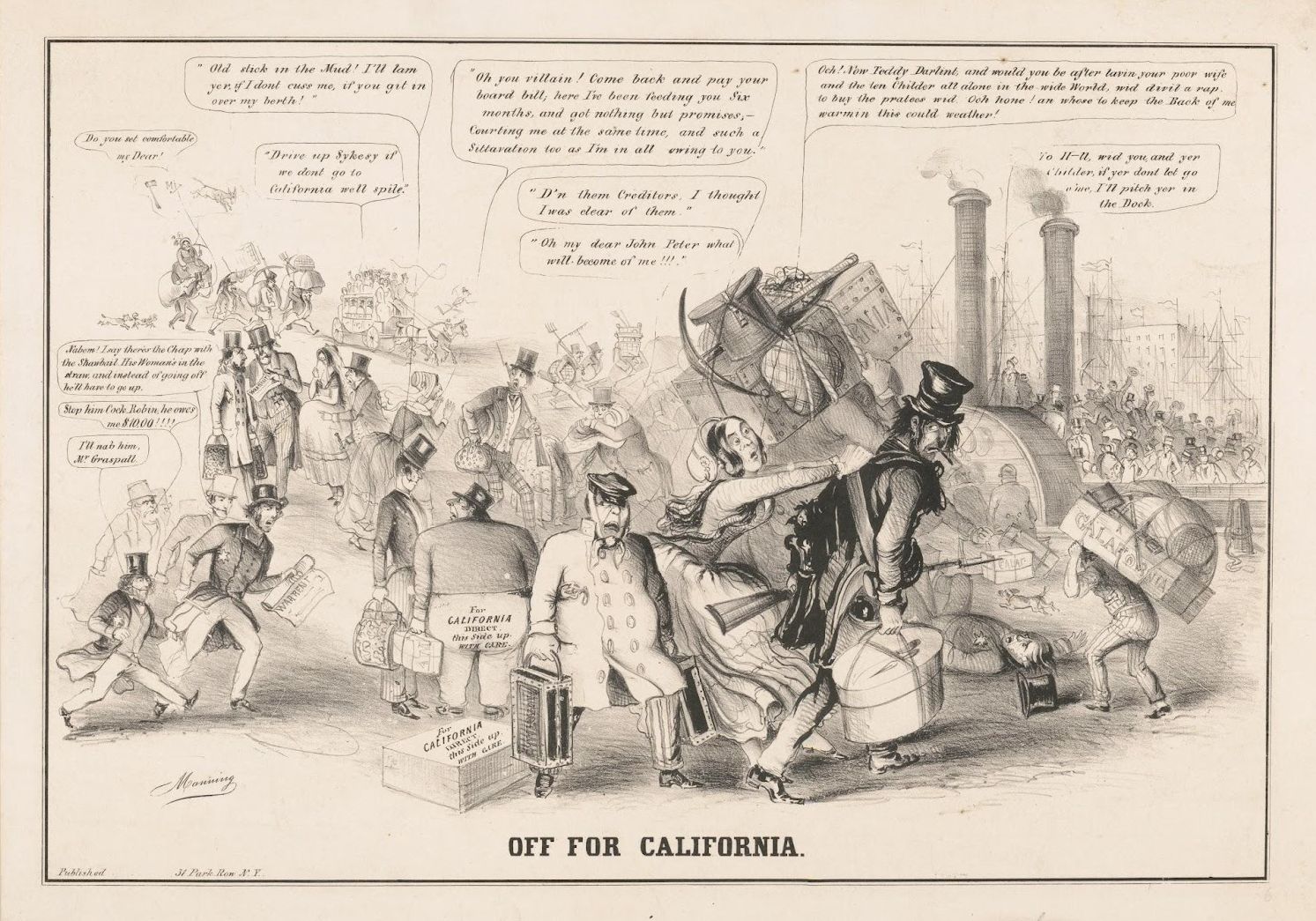
The California gold rush triggered one of the largest mass migration waves in US history, with an estimated 300,000 people moving to the West Coast in just a few years . On January 24, 1848, a carpenter called James W. Marshall found gold at a sawmill in Coloma. The news reached the East Coast in August and, in December, President James Knox Polk officially confirmed it to Congress.

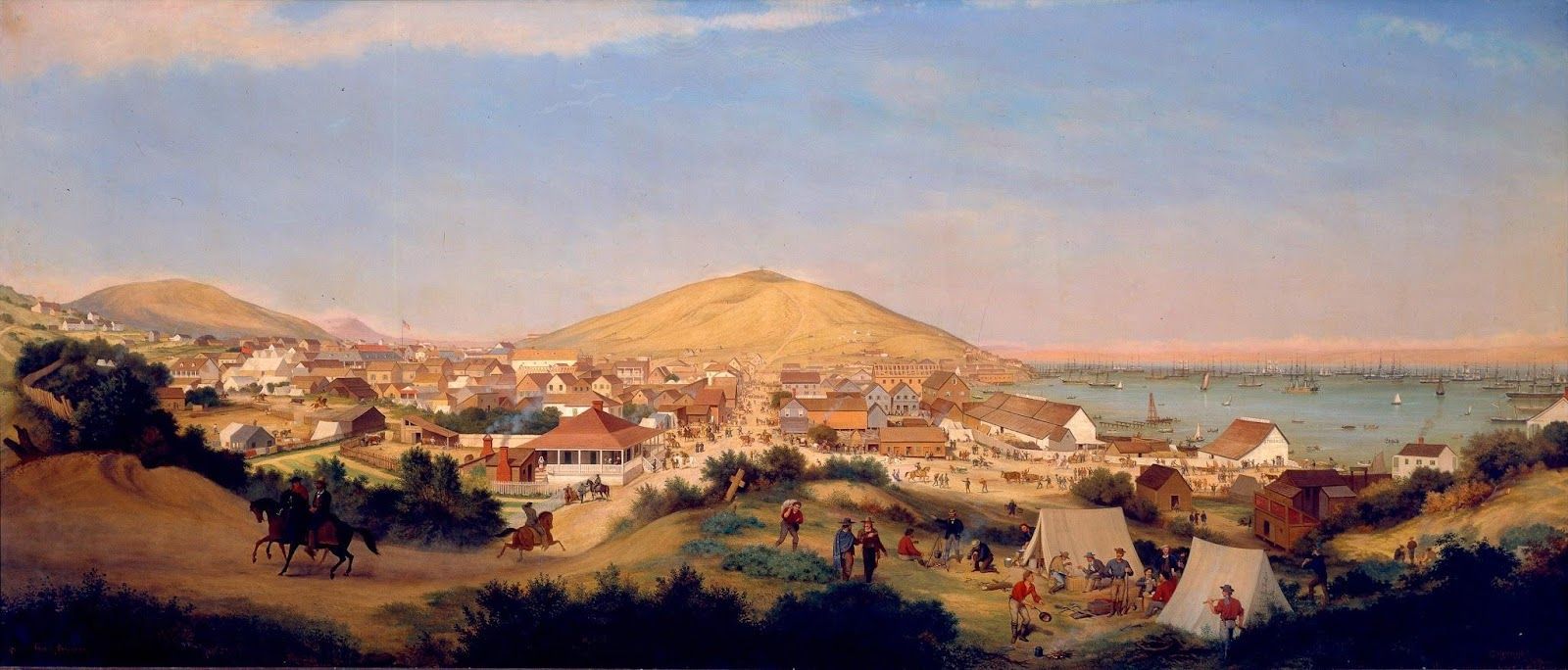
As a result, by early 1849, thousands of would-be prospectors —known as the ‘49ers’— started flooding the state every day. In January 1848, San Francisco had 800 residents; by the end of 1850 it had some 25,000 , many of them living in shacks and tents. Although most of the newly arrived were Americans, the gold rush attracted people from other parts of the world like Latin America, Europe, Australia, and Asia. Thanks to this boom, California started to grow fast, building new roads, towns, churches, schools, and hospitals.

2
No place for a lady?

Image: Popular Graphic Arts, Public domain, via Wikimedia Commons

People in the 19th century considered the California goldfields lifestyle a bit too harsh for women, so there is not much testimony of them being involved in gold-digging . Only 700 of the 40,000 people who arrived by ship to the San Francisco Bay in 1849 were women. Some came with their husbands and families, but others were just seeking adventure.

Many of the few women living in California around this time were widows. Men frequently died in mining accidents, disputes, and diseases and the women would be left alone and in need of a job. During the gold rush, women ran profitable businesses like sewing, laundry, food preparation, and boarding houses. Others would be in high demand to work in brothels and saloons, serving drinks to the hundreds of lonely gold diggers.

3
Millionaires overnight

Image: Hans

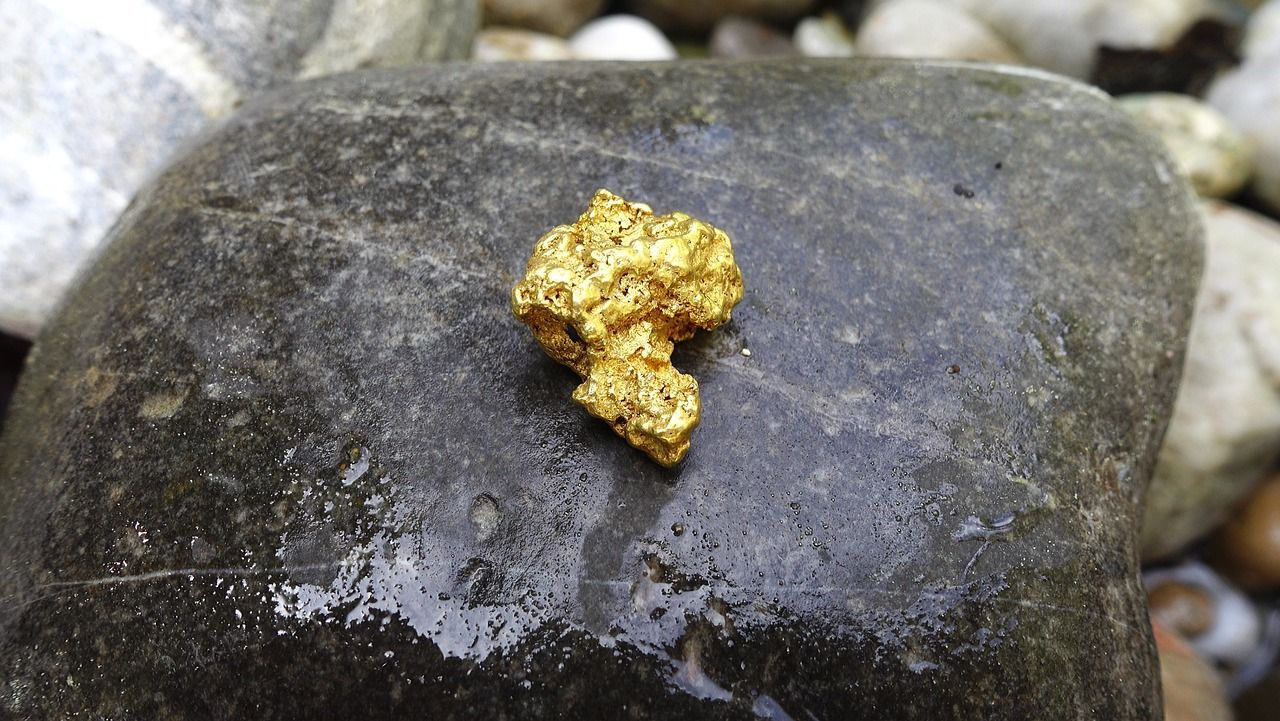
Well, not exactly overnight, but pretty quickly. Brothers John and Daniel Murphy were two adventurous early California pioneers who got into the history books for having mined about $1.5 million —around $56 million today— worth of gold in a year. Within a very short period of time, they became prosperous men and influential figures in the area.

The town of Murphys —about 140 miles East of San Francisco— is named after them and is considered one of the oldest and most important of all the Gold Rush camps in the Golden State . Nowadays, this charming little town is a must-stop for tourists on their way to the mountains looking to travel back in time.

4
Blue Jeans become popular

Image: SwellMap, Public domain, via Wikimedia Commons

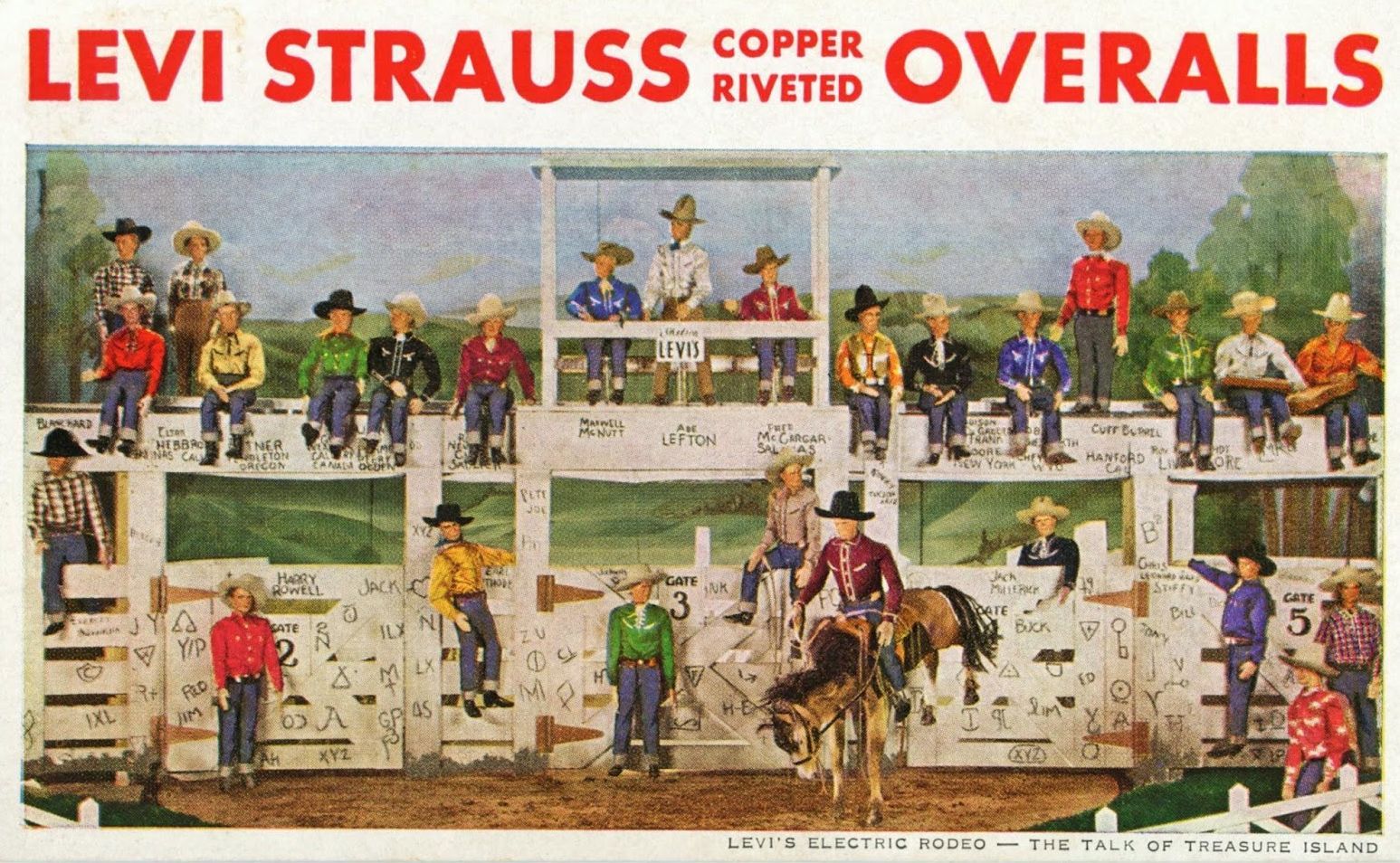
In 1853 a Jewish peddler called Levi Strauss arrived in California looking for sale opportunities derived from the Gold Rush. Does the name ring a bell? A couple of years later, with the help of a tailor called Jacob Davis, he invented the garment of choice for Forty-Niners and cowboys: the blue jeans . By the end of 1873, thousands of San Franciscans were wearing these iconic durable pants, and the name "Levi's" was registered as a trademark.

Although Levi Strauss didn't exactly get rich by mining gold, he found a way to earn a fortune from it. Blue jeans —originally called "waist-high overalls"— came to represent the untamed American West. Over the years, not only workers would adopt them: kids, women, and even Hollywood stars owned at least a pair. And now, over a century and a half later, blue jeans are still an international symbol of youth, freedom, and independence .

5
The first international financial crisis

Image: Zlaťáky.cz

In just a few years, the 1849-1855 Gold Rush radically transformed California, the United States, and the world. The influx of gold served as an accelerant for U.S. economic development and enabled massive investment in public buildings, schools, and the construction of a railroad across the country. However, by the mid-1850s the world economy was so interconnected that any event could cause an international crisis.

In 1857, a crash in British banks, the speculation on railroad stock, and the sinking of SS Central America —a ship transporting a huge amount of gold—, among other incidents, triggered the first international financial crisis, known as the "Panic of 1857" . As a result, the northern domestic economy took a significant hit. However, by 1859, the Panic began to level off, and the economy began to stabilize.

6
Mark Twain struck literary gold

Image: unattributed, Public domain, via Wikimedia Commons

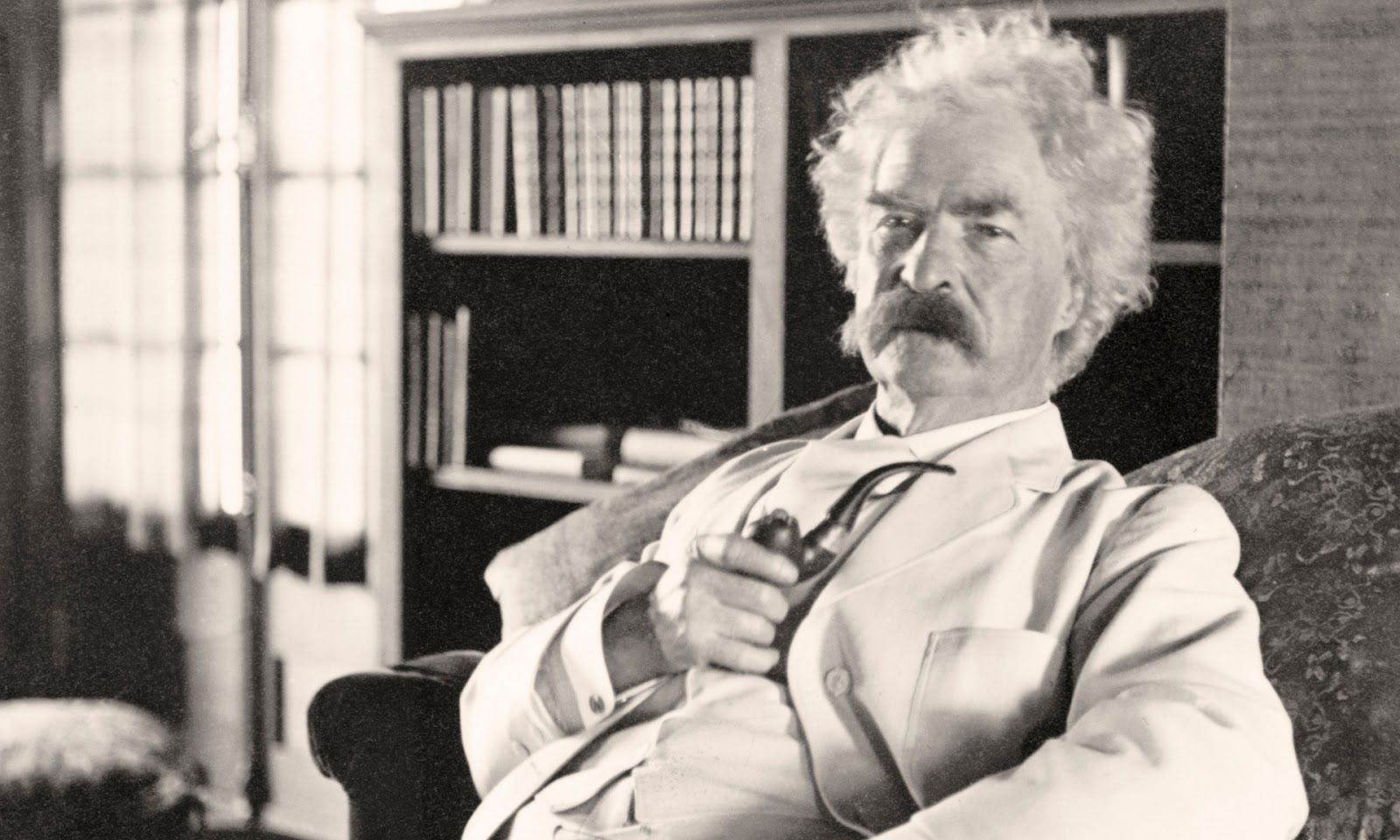
Did you know that one of the greatest American authors became a writer after failing as a gold miner? Samuel Clemens —a.k.a. Mark Twain—, was only one of the thousands of men who moved West during the Gold Rush in hopes of making a fortune . In 1861 he followed his brother Orion all the way to Virginia City, Nevada where he became a miner. Things didn’t go very well so he ended up working for the local newspaper, and started using the pen name by which he is remembered to this day.

Twain moved to San Francisco in 1864 and came in contact with other writers like Bret Harte and Artemus Ward. His experience in the American West inspired several of his works , such as The Celebrated Jumping Frog of Calaveras County (1865) —which brought him national attention— and Roughing It (1872). Although he didn’t become rich finding gold, Twain made a substantial amount of money through his writing.

7
Who really got rich?

Image: Unsplash

As romantic as it may sound, migrating to a new land to find gold and get rich does not necessarily mean instant success. In fact, only a few made their fortune mining gold . For most of the Forty-Niners, arriving in California during the rush was synonymous with disappointment. The lucky minority that found some gold went on expensive trips or wasted their money on poor-quality alcohol and food at the saloons of the American West, becoming broke pretty quickly.

The people who actually managed to amass some wealth during the California Gold Rush were the ones who took advantage of the opportunities surrounding the growth of cities and the financial bubble . For example, entrepreneurial merchants would open businesses to satisfy the demands of the newly arrived prospectors. America’s greatest industrialists, on the other hand, became millionaires by investing in real estate or the new railroads. Besides, in the years following the rush, mining was no longer done by adventurous individuals, but by big companies with new technology.

8
A city built out of ships

Image: G.F. Nesbitt & Co., printer, Public domain, via Wikimedia Commons

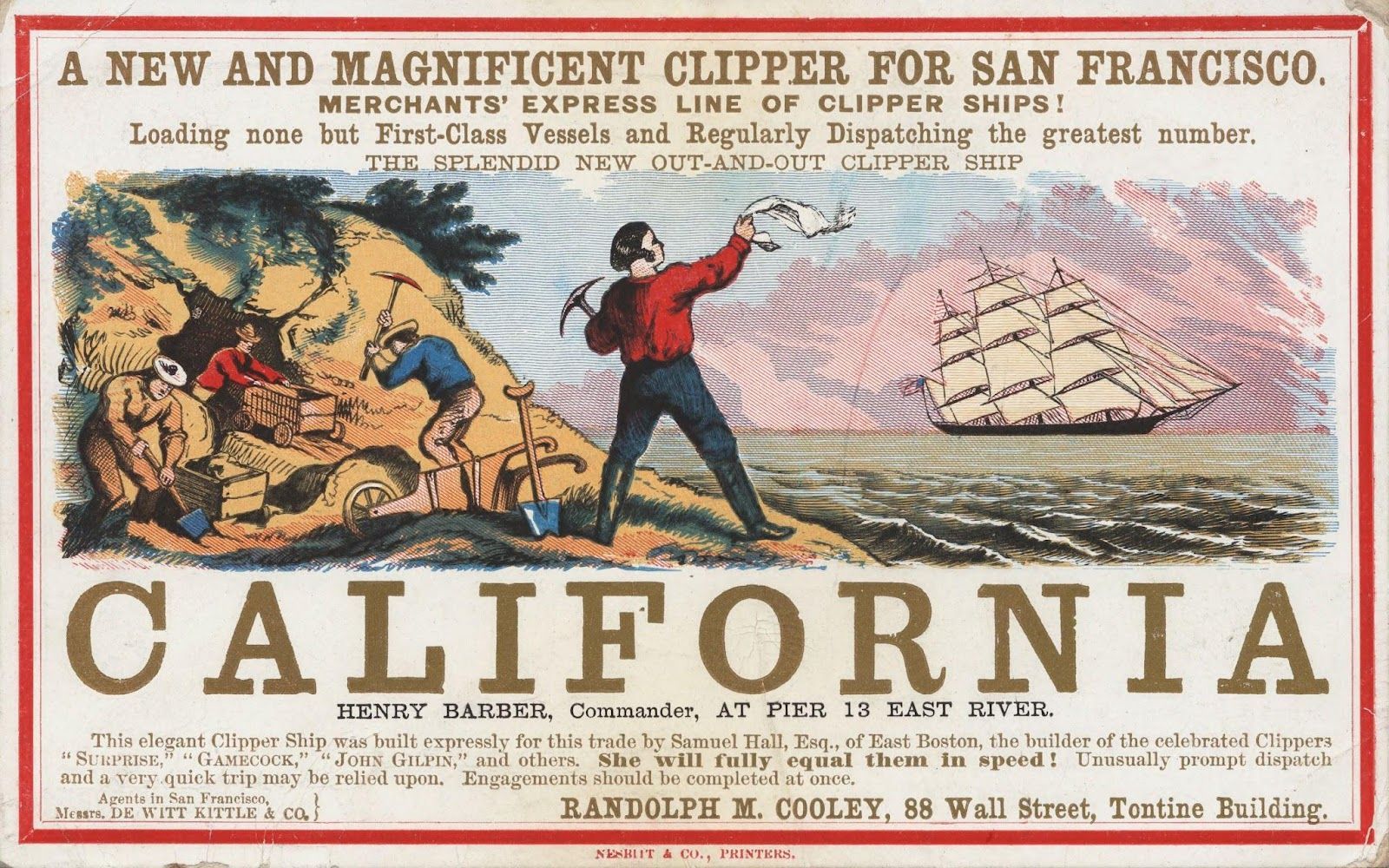
In the mid-19th century, a great number of ships arrived in California from all over the world packed with people in search of fortune. At the same time, the gold rush brought rapid growth and San Francisco soon became one of the world's great seaports, dominating shipping in the American West. These gold-seekers didn’t exactly have a return ticket, so lots of boats started to pile up on the Bay .

A few of these approximately 500 abandoned ships were sunk or buried and now can be found beneath the Embarcadero and Financial District . Others were repurposed to serve as storeships, saloons, and hotels, or their debris was used to build houses, jails, and banks. Even today, archeologists continue to discover fragments and entire ships underneath the streets of San Francisco.

9
Death Valley, a winter tragedy

Image: Marina Šurniene

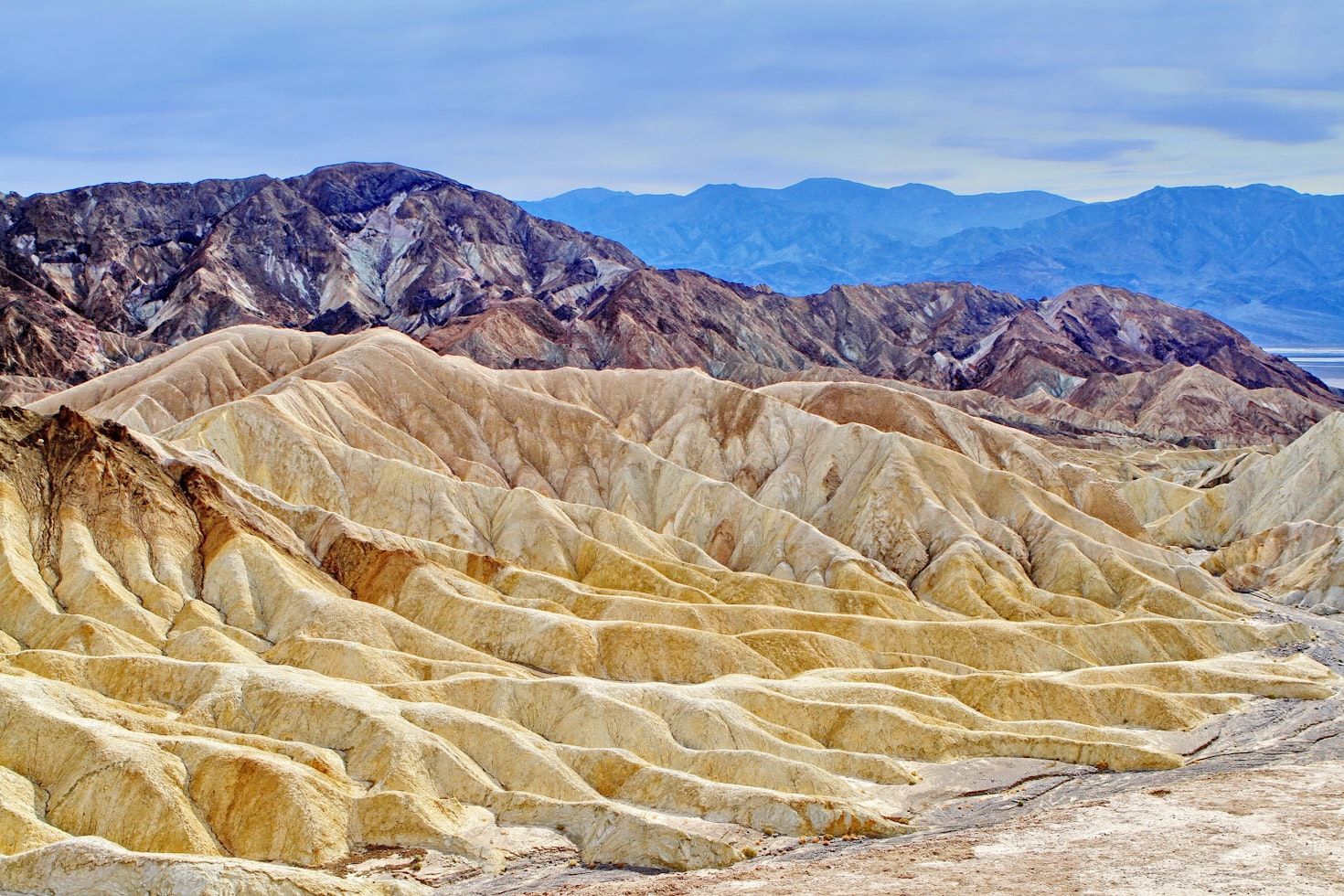
Do you know where the "Death Valley" name comes from? This desert valley in the northern Mojave Desert, in Eastern California, is thought to be the hottest place on Earth. However, it was not named after its summer temps but for a winter disaster. It was a group of prospectors who got lost looking for a shortcut to the goldfields of California in the winter of 1849-1850, that gave Death Valley its grim name.

Even before the Gold Rush, California attracted settlers searching for a new life. In 1846, a group of pioneers known as the Donner Party became snowbound and nearly half of them eventually died of starvation and exposure. A few years later, although scared and forewarned by this experience, a new group ventured across the desert. While this time around the journey was not so deadly, they suffered a few mishaps that led them to nickname the area Death Valley.

10
Found gold? Have yourself a Hangtown Fry!

Image: Ivan Shemereko

According to the legend, this famous omelet cooked with bacon and topped with fried oysters was created in El Dorado Hotel in Hangtown —today’s Placerville— after a prospector claimed to have found gold. To celebrate, he demanded to be served expensive food, so the cook put together a dish with the fanciest ingredients he had at hand: eggs were delicate and therefore very valuable; bacon was shipped from the East Coast; and oysters were brought fresh from San Francisco, over 100 miles away.

Since then, the Hangtown Fry has continued to be served at many of the local restaurants . Although now you can find versions with onions, bell peppers, and spices, this iconic dish has remained practically the same as it was during the Gold Rush more than a century and a half ago. Have you tried it?

Culture Culture 6 min read

KINGS OF COMEDY

These 10 legendary comedians will tickle your funny bone!

Image: Tim Mossholder

They say that laughter is the best medicine . If that old saying is true, then the 10 American comedians featured in this article are the most skilled doctors in the country! These masters of laughter have brought countless smiles to generations of Americans throughout history. They have entertained us, taught us invaluable life lessons, and even helped bring a little light to the darkest moments in our past. With that in mind, sit back and enjoy this homage to 10 of the most talented American comedians in history! Enjoy!

1
Marx Bros

Image: Braydon Anderson

We’ll start strong with the family of actors considered by many to be the most groundbreaking comedians of their generation: the five Marx Brothers. They truly took the world by storm, leaving an unforgettable mark that forever changed Hollywood.

Throughout a career that lasted over 40 years, the Marx Brothers starred in 14 films, five of which were included in the American Film Institute's list of the greatest 100 comedies of all time. While it is indeed a gargantuan task to select the best moments from this remarkable career, we feel inclined to select 1933’s Duck Soup and 1935's A Night at the Opera as our top picks.

2
Abbot and Costello

Image: Los Angeles Daily News, CC BY 4.0

In the very likely event that you’ve ever played a game of baseball, we can almost guarantee that someone jokingly asked you, "Who’s on first?" in a marked Jersey accent. After all, any American born after the 1950s knows this legendary Abbott & Costello routine, which is considered by many to be one of the finest pieces of comedy ever conceived.

This iconic duo met in New York City in 1935. After Bud Abbott’s comedy partner fell ill before a performance at the Eltinge Burlesque Theater, Lou Costello substituted for him, marking their first unforgettable performance. Many believe the duo’s groundbreaking chemistry was already present in that very first show. Over the course of their nearly 20-year career, Abbott & Costello produced several hilarious routines, including "Niagara Falls," "The Piano Bit," and, of course, "Who’s on First?"

3
Jerry Seinfeld

Image: Alan Light, CC BY 2.0

Years before he starred in his groundbreaking Show About Nothing , Jerry Seinfeld was a scrawny and hilarious comedian making appearances on talk shows like The Tonight Show Starring Johnny Carson and Late Night with David Letterman . While this young comedian’s talent was evident, little did anyone know that Jerry Seinfeld would soon become the world’s most famous comedian.

The TV show Seinfeld ran for 9 seasons between 1988 and 1998, winning a myriad of accolades and awards in the process. Part of the charm was that Jerry’s off-screen persona seemed like a carbon copy of his character: he was witty, sarcastic, and hysterically funny. After Seinfeld concluded, Jerry went on to produce several successful comedy specials, as well as the Emmy-nominated show Comedians in Cars Getting Coffee .

4
Johnny Carson

Image: Arthur Osipyan

While Johnny Carson was not the first host of The Tonight Show , he is definitively considered a pioneer in late-night TV history. This groundbreaking comedian hosted the iconic talk show for 30 years, earning the well-deserved title of "King of Late-Night Television" in the process.

It’s difficult to describe how immense Carson’s influence was, not only on the history of talk shows but also in American culture in general. It only takes someone mimicking a swing of a golf club for anyone to realize they are paying tribute to this legendary comedian. Johnny received numerous awards during his lifetime, including six Primetime Emmys and the Presidential Medal of Freedom.

5
Conan O’Brien

Image: Jay Dixit, CC BY 4.0

Conan O’Brien is truly a blue-collar comedian. Now, by no means are we trying to convey that other comedians didn’t work hard to get where they are; we are simply pointing out that Conan’s comedy resume dates back to his early twenties when he started writing for groundbreaking shows like Saturday Night Live and The Simpsons .

In 1993, Conan debuted as a late-night host with Late Night with Conan O'Brien . What followed was a 28-year career filled with hilarity and creativity, which only ended after Conan announced he would be retiring and taking a well-deserved break from performing. However, he still continues to host a hilarious series of podcasts called Conan O'Brien Needs a Friend .

6
Jackie Gleason

Image: Jazz Guy from New Jersey, United States, CC BY 2.0

If you happen to visit New York City (or if you are a New Yorker yourself), take a stroll to Port Authority Bus Terminal, and you’ll come across an eight-foot-tall bronze statue of a cheerful and lively bus driver. If you take a closer look, you’ll notice that this is not a homage to any real-life bus driver. In fact, the man depicted in the statue is none other than the legendary comedian Jackie Gleason , portraying Ralph Kramden, his iconic character from The Honeymooners .

First broadcast in 1955, The Honeymooners was a groundbreaking sitcom that depicted the life of bus driver Ralph Kramden and his wife Alice. This show served as the inspiration for countless other sitcoms, including America’s favorite prehistoric family, The Flintstones .

7
Robin Williams

Image: Alan Light, CC BY 2.0

Robin Williams’ legacy expands throughout several generations: People in the ‘70s adored him in Mork and Mindy , he inspired many ‘80s moviegoers with his films Good Morning Vietnam and Dead Poets’ Society , and he filled the childhoods of millions of ‘90s kids as the wisecracking genie from Aladdin .

What’s perhaps most astounding about Williams’ acting is the remarkable range he displayed. The fact that his performances in drama could move us to tears doesn’t diminish the effectiveness of his comedy chops. Not only that, but hundreds report that off-screen, Williams was an incredibly kindhearted and warm person, always ready to go the extra mile to make someone smile.

8
Chris Rock

Image: Maarten van den Heuvel

Don’t let the title of his Emmy-nominated TV show fool you: Not everybody hates Chris Rock . In fact, we are willing to go even further and state that, despite being known for his crude and sarcastic style, he is still one of America’s most beloved comedians.

Chris Rock's first jump to prominence came when he joined the main cast of Saturday Night Live in 1990. After that, he went on to perform in several stand-up specials and provided hilarious comic relief in films such as Lethal Weapon 4 , The Longest Yard, and Death at a Funeral .

9
Steve Martin

Image: Marianna Diamos, Los Angeles Times, CC BY 4.0

In 1967, thousands of American families tuned in to watch another episode of the extremely popular game show The Dating Game . While that particular installment came and went without a second thought, it marked legendary comedian Steve Martin ’s first appearance on national television. Little did anyone know that it wouldn’t be by any means his last.

It was only a few years after that appearance on The Dating Game that Martin took the world by storm. By the mid-1970s, he was already showcasing his hilarious routines on shows like The Tonight Show Starring Johnny Carson , The Muppets, and Saturday Night Live . Today, at 79 years old, Martin continues to be as hysterical as ever, starring in the acclaimed show Only Murders in the Building .

10
Charlie Chaplin

Image: Edo Nugroho

While it is true that Charlie Chaplin was English, it would feel wrong not to include such a Hollywood legend in this list. In that regard, we have reserved the last spot for someone who many consider to be the best comedian of all time. Chaplin’s career goes as far back as the early days of cinema, first appearing as his iconic "Tramp" character in the 1914 film Kid Auto Races at Venice .

What’s perhaps most remarkable about Chaplin’s legacy is not only his hilarious and groundbreaking skits but also his unique ability to both inspire and entertain his audience. We’ll close this article by remembering what is probably his most famous line of dialogue (and that’s saying something for a mostly silent actor): the final speech in his 1940 film The Great Dictator .

Explore more American facts

Choose your favorite category!

General
General

As American as apple pie—the very best America has to offer!

Culture
Culture

Delve into the astounding richness of American lore.

Geography
Geography

Hop in and explore vast and diverse American landscapes.

History
History

Discover the key moments that shaped the United States.