Culture Culture 5 min read

Jefferson uncovered

Jefferson: 10 fun facts about the Founding Father you thought you knew!
Image: David Trinks

We all know Thomas Jefferson, the Founding Father, the main author behind the Declaration of Independence, the third President of the United States, and the man who spearheaded the Louisiana Purchase. But in addition to all these impressive titles, Jefferson was also a man of many talents, tastes, interests, hobbies, and a few curious anecdotes. If you want to know more about The Sage of Monticello, stick around as we share 10 fascinating facts about the great Thomas Jefferson!

1
The sweet tooth

Image: Michelle Tsang

What's your favorite ice cream flavor? With so many options available today, it's hard to choose just one, right? Like us, Thomas Jefferson also loved ice cream. Not only that, he's often credited with making this treat famous in America.

The third US president discovered his sweet tooth during his time in France. It's impossible not to imagine Jefferson doing important paperwork with a bowl of ice cream on his desk. In addition, it's said that he often served the sweet dessert to his guests at the White House.

And that’s not all! A recipe for vanilla ice cream, handwritten by Jefferson himself, is still kept to this day in the Library of Congress.

2
The handshaker

Image: Erika Fletcher

It seems that Jefferson was a man who set trends and influenced fashions. Ice cream wasn’t the only custom that spread across the country thanks to him.

Today, the handshake is a very common and popular form of greeting. But this was not always the case. Before Jefferson's presidency, handshakes were less frequent, and people often used other formal greetings, such as bowing.

Jefferson argued that handshakes were horizontal and, therefore, more democratic. This belief illustrates how he integrated his principles into every aspect of his life, even small habits and customs.

3
The friend

Image: Joanna Kosinska

Thomas Jefferson and John Adams first met in 1775 at the Continental Congress in Philadelphia. Despite their differences, they liked and respected each other. Together, they were part of the committee that drafted the Declaration of Independence in 1776 and became even closer when they both served as diplomats in Europe during the 1780s. Jefferson later served as vice president to his friend Adams when the latter took office in 1797. Although they drifted apart after Adams' presidency, they reconciled in 1812, and their regular letters returned.

As if all this weren’t enough, they both died on the same day. And not just any day—both passed away on July 4, 1826, the 50th anniversary of the Declaration of Independence.

4
The polyglot

Image: Thomas Kelley

Can you speak more than one language? It's hard not to be impressed when you see a bilingual person developing their skills, right? And then there are those who speak three or four languages!

In this regard, Jefferson’s case is remarkable. The third president of our country was fluent in no less than six languages! In addition to his mother tongue, English, and the widely spoken French (which he used during his time as American minister to France in the 1780s), Jefferson also had strong skills in Latin, Ancient Greek, Italian, and Spanish. Furthermore, some sources suggest he also knew some German. A true polyglot!

5
The musician

Image: Baher Khairy

During his childhood in Virginia, Thomas Jefferson developed a strong interest in and passion for music. Music was a fundamental element in his home, and this art form was also a main part of his education.

The Father of the Declaration of Independence played the violin perfectly. His father, Peter Jefferson, taught him to play this instrument when Thomas was very young, and his talent only grew over the years.

Less frequently than the violin, Jefferson also played the cello—another stringed instrument known for its sophistication.

6
The architect

Image: Richard Hedrick

Jefferson's talents were even more varied! He was not only a polyglot and a musician but also an accomplished architect.

Thomas Jefferson played a major role in the design and construction of his plantation home in Virginia, the magnificent Monticello, which would later earn him one of his famous nicknames. Inspired by classical and Renaissance architecture, Monticello is considered one of the greatest works of American architecture. To add further merit to his work, Jefferson began the design of the plantation and its house in 1768, when he was only 25 years old!

Fun fact: Today, Monticello is a UNESCO World Heritage Site.

7
The family man

Image: Heike Mintel

If you're a family person, you'll love this aspect of Thomas Jefferson.

In addition to politics, business, and his many talents, Thomas Jefferson was also a devoted family man—and, we must say, he had quite a large family. But how big was his family? Jefferson was born to Peter Jefferson and Jane Randolph Jefferson and was the third of ten siblings.

In 1772, he married Martha Wayles Skelton, with whom he had six children. However, only two daughters survived to adulthood: Martha and Mary, who also gave him many grandchildren.

8
The farmer

Image: Stephen Radford

Agriculture was central to Jefferson's vision at the national policy level and also in his personal life.

Monticello was not only his home but also a 5,000-acre plantation where he experimented with different crops, including wheat, corn, tobacco, and various vegetables and fruits.

In addition, he was also an enthusiast of flower gardens. His interest in horticulture led him to import seeds and plants from around the world to experiment with in America!

9
The pet lover

Image: Dawn McDonald

Among his many qualities, his appreciation for animals truly stood out.

At Monticello, he had a variety of farm animals, including geese, turkeys, chickens, horses, cows, and pigs, all of which played an important role in maintaining the plantation. But his true love was for horses. He loved riding and spending time with them, both at his home in Virginia and even during his presidency.

It’s also said that he had a soft spot for birds. One of his most beloved pets was a mockingbird named Dick, who, according to historians, was allowed to fly around the house. Cute, isn't it?

10
The astronomer

Image: Matthew Ansley

Jefferson's interests and passions were not limited to earthly matters. In fact, he was an amateur astronomer. The stars and the cosmos sparked a deep curiosity in him.

In line with this interest, he developed a taste for telescopes, through which he could approach that mysterious object of study. He had several telescopes in his house and would spend hours and hours observing the night sky.

This inclination played a key role in the famous Lewis and Clark Expedition (1804-1806), as it’s believed that Jefferson provided precise astronomical guidance and instructions to the two explorers.

General General 3 min read

Ghost in the machine?

12 warning signs that can reveal a virus in your computer

Image: Michael Geiger

Computer viruses can be sneaky, as they attempt to go as undetected as possible while their nasty work is being accomplished. They can be picked up by clicking on malicious attachments or links, or they may be installed on your computer without your knowledge. Fortunately, most antivirus programs today can handle these threats, but it’s always wise to be aware of these 12 warning signs—just in case.

1
Too slow

Image: Milad Fakurian

If your computer suddenly starts running much slower than usual, this could be a virus infection giveaway, since viruses can cause a computer to perform significantly worse than usual by consuming a lot of resources .

2
Too hot

Image: Artur Solarz

If your computer's fan suddenly becomes unusually loud, this could be a virus warning. If this happens, the computer is being pushed to its limits by some software , possibly a virus, causing the CPU to heat up.

3
Increased random pop-ups

Image: KOBU Agency

Pop-ups are a common nuisance on the internet. However, if you notice a sudden increase in random pop-ups, it could indicate that your computer is infected with a virus. Some pop-up ads contain malware that, if clicked, can install itself on your computer and run without your knowledge. These pop-ups may appear as error messages, or even messages claiming your computer has a virus .

4
Repeated crashes and freezes

Image: Joshua Hoehne

A computer may crash or freeze when running a resource-intensive program or app. However, if it crashes or freezes frequently without any demanding programs running , it could be a sign of a virus infection .

5
Browser homepage changes

Image: Nathana Rebouças

A browser’s homepage should not change unless the user modifies it. At most, it may open a separate tab after an update, but it won’t alter the homepage. If your browser’s homepage unexpectedly switches to a different website , your computer may be infected with a virus .

6
Unknown programs

Image: KOBU Agency

An unknown program or app appearing on a computer could be an indicator of virus presence. A hidden virus may be launching programs that the user did not download .

7
Computer battery draining

Image: Roberto Sorin

As we’ve learned, viruses consume a lot of resources, and a computer’s battery is no exception . When a computer’s battery life quickly drops, this could mean a virus is running in the background and spreading to affect the system.

8
Missing files and corrupted data

Image: Markus Spiske

Missing or corrupted files can also indicate a virus infection on a computer. Heuristic viruses often target files, causing them to disappear or become unreadable . This not only disrupts the workflow but also poses a significant threat to personal and professional information, such as important documents, cherished photos, or critical work files.

9
Unfamiliar files and folders

Image: Cookie the Pom

Computer viruses not only make files disappear but also create files and folders to disguise their presence. Some viruses modify files on a computer by giving them almost identical names, allowing them to blend in with the rest of the documents.

10
Disabled security tools

Image: Ed Hardie

Antivirus programs and security tools are some of our best allies against computer viruses. That’s why, when a virus infects a computer, it often disables security features to make its job easier. Some viruses are specifically designed to disable security tools, giving them access to the computer’s data and private information. If an antivirus program has been disabled, it could be a sign that a virus has shut it down.

11
Unknown emails in the Sent folder

Image: Justin Morgan

Checking the Sent messages folder in one’s Inbox every once in a while is a smart thing to do. Some viruses gain access to a target’s contact list and send emails from their address , spreading malware to other recipients.

12
Unable to access the computer or accounts

Image: Simon Hattinga Verschure

A computer virus may completely block a genuine user’s access . If you realize that you can’t access your online accounts or your entire computer, this can be a sure sign that a virus is running on your computer.

History History 3 min read

Inside museums

The coconut that saved JFK's life is now in a museum—and you can see it!

Image: Milada Vigerova

Many US presidents are remembered for their service and sacrifices, some even giving their lives for the nation. But sometimes, we forget they were also ordinary people, with lives full of both extraordinary moments and everyday routines, just like the rest of us. And part of that story lives on in these 10 personal items that belonged to presidents and are still on display in museums today.

1
John F. Kennedy’s PT-109 coconut

Image: 🇻🇪 Jose G. Ortega Castro 🇲🇽

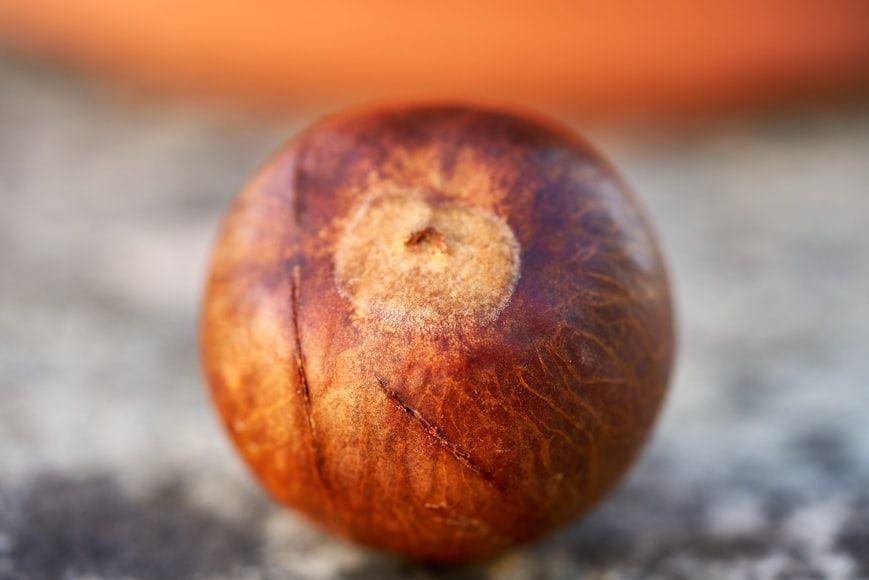
In 1943, John F. Kennedy commanded the PT-109, a torpedo boat, in the Solomon Islands during World War II . When a Japanese destroyer sank his boat, JFK carved a rescue message on a coconut, which local islanders delivered to Allied forces, saving him and his crew. 18 years later, Kennedy became the US president and kept the coconut as a paperweight in his office. Today, it’s preserved at the John F. Kennedy Presidential Library and Museum in Boston.

2
George Washington's dentures

Image: BakedintheHole, via Wikimedia Commons

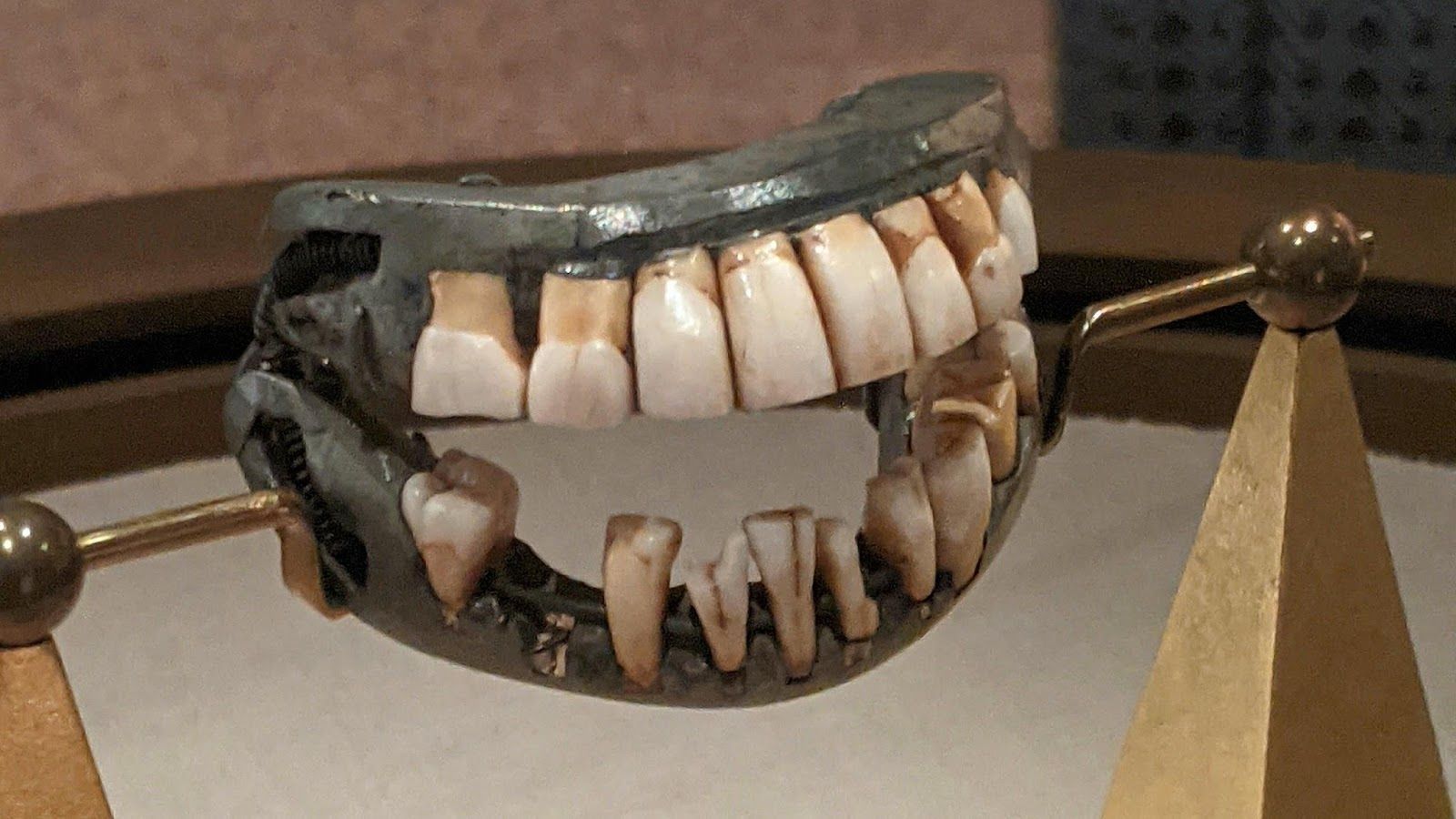
Everyone knows George Washington struggled with dental problems throughout his life. And while the old myth about his wooden teeth isn’t true, our first president did wear dentures made from different materials. One of his most complete sets has been carefully preserved and is now on display at George Washington's Mount Vernon estate and museum.

3
Abraham Lincoln’s top hat

Image: Brewbooks from near Seattle, USA, via Wikimedia Commons

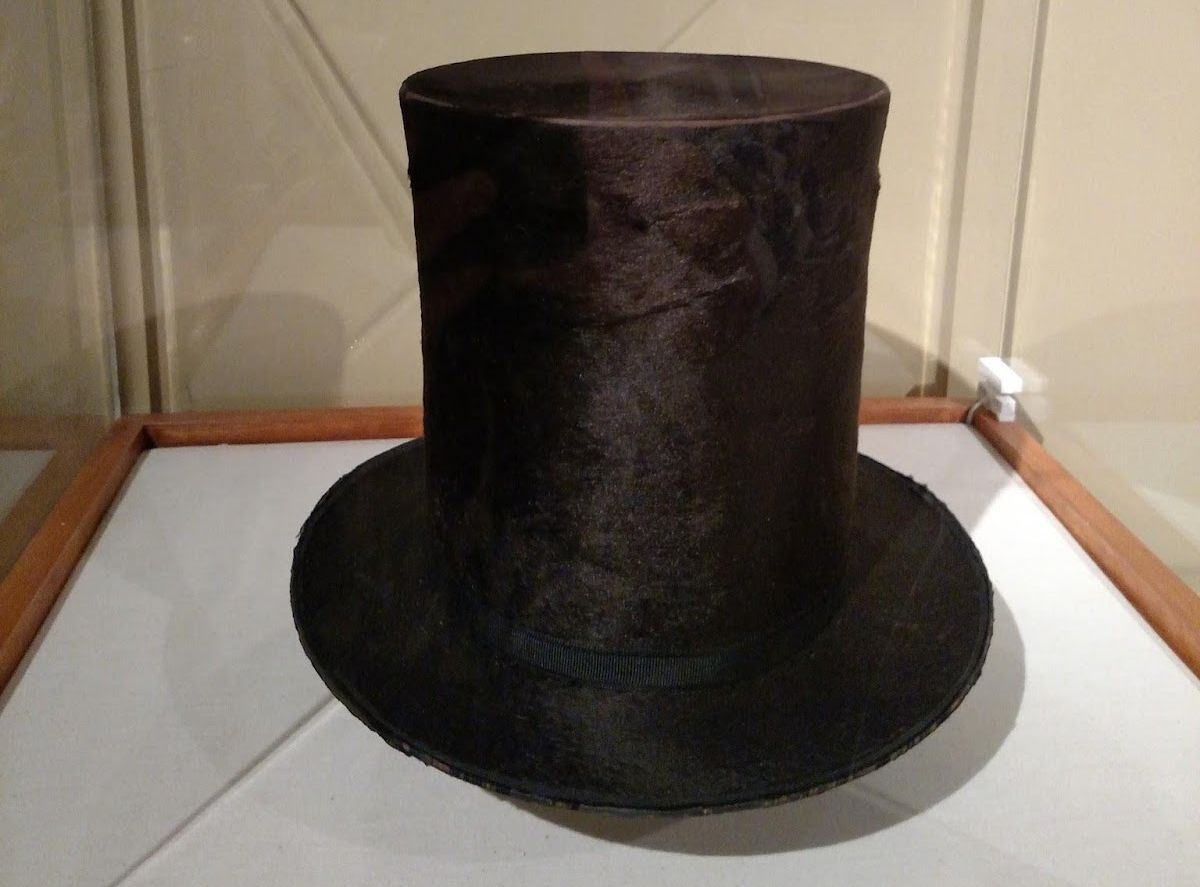
It’s easy to picture Abraham Lincoln with his signature top hat. To get a little closer to Honest Abe, you can visit the National Museum of American History in Washington, D.C., where the very hat he wore the night he was fatally shot is on display.

4
The contents of Lincoln's pockets

Image: Jorien Loman

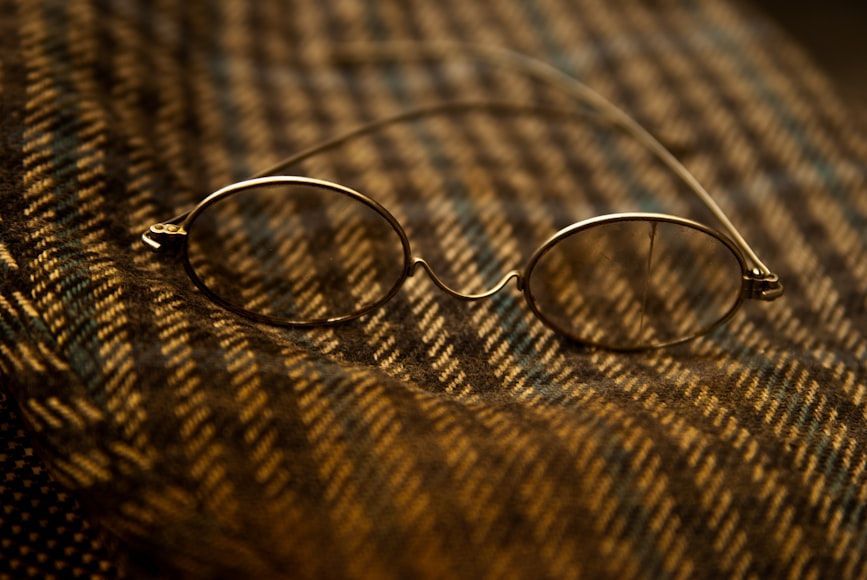
The hat isn’t the only relic that remained from that tragic night. Everything Abraham Lincoln had in his pockets —two pairs of glasses, a pocketknife, a Confederate $5 bill, a linen handkerchief, and a gold pocket watch—is preserved and on display at the Library of Congress in Washington, D.C.

5
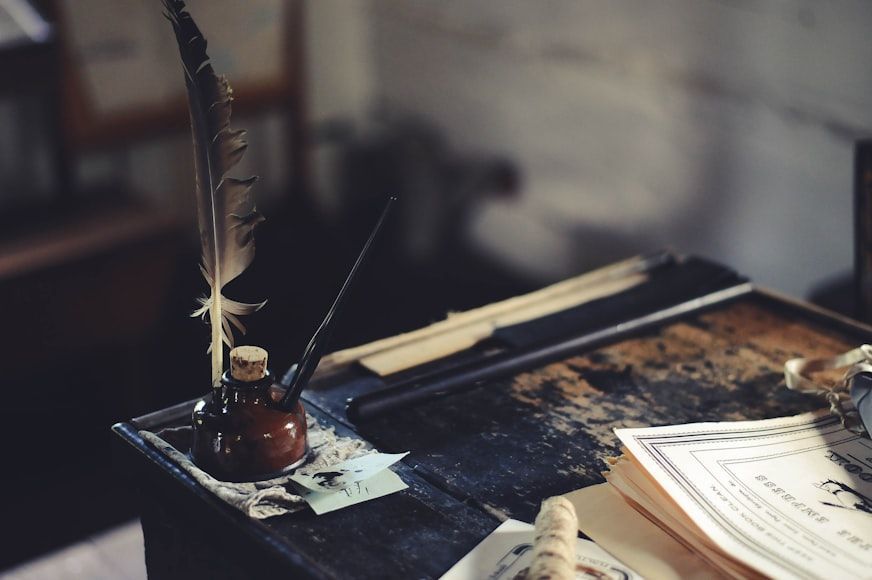
Thomas Jefferson’s inkwell

Image: Clark Young

Fortunately, you can still see with your own eyes two of the inkwells that belonged to the man who penned nothing less than the Declaration of Independence. That’s right! The first, a ceramic inkwell shaped like Enlightenment philosopher Voltaire’s head, is housed at the Thomas Jefferson Foundation at Monticello. The second, made of bronze and engraved with "T. Jefferson, 1804," is part of the White House Collection.

6
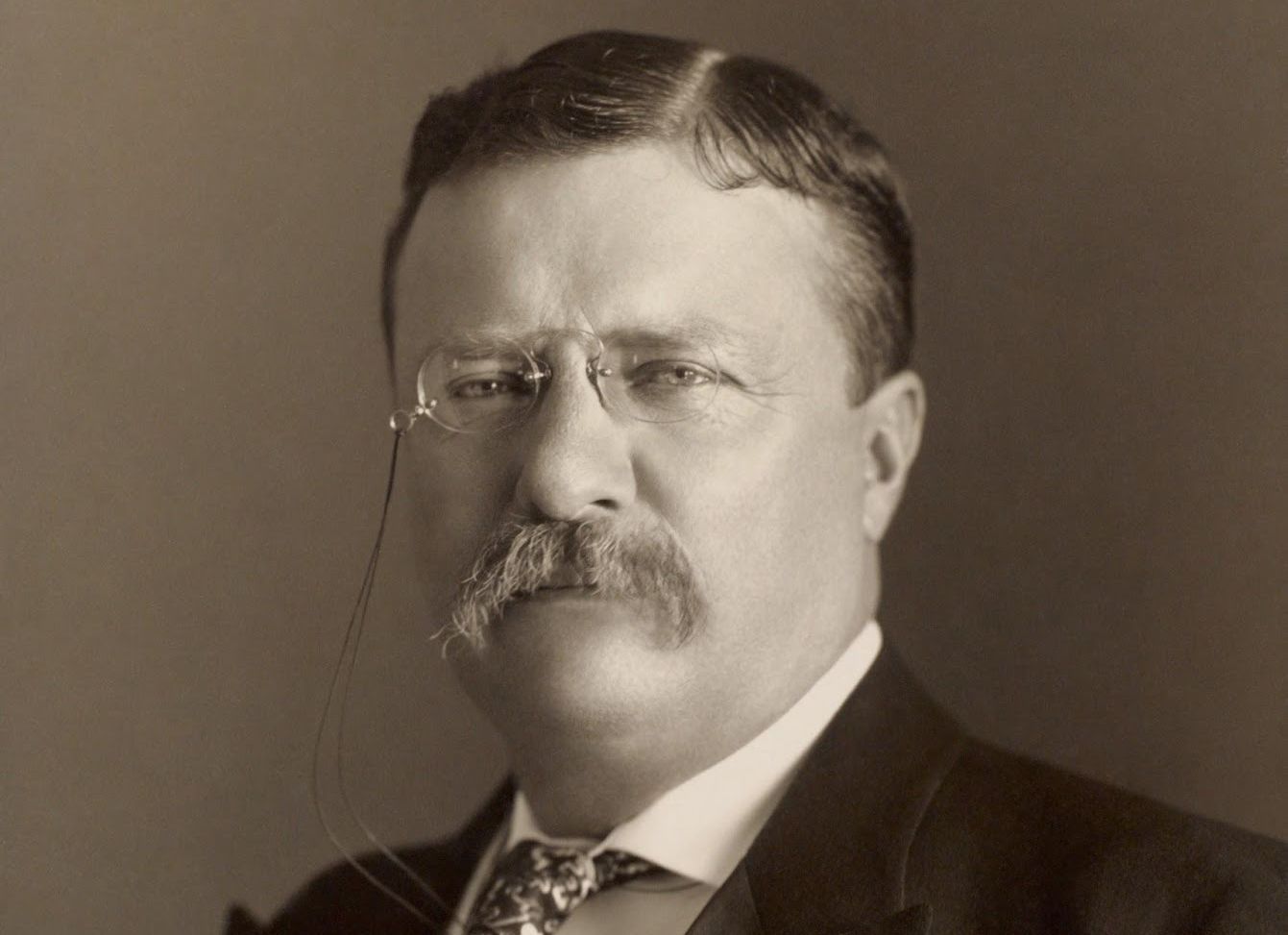
Theodore Roosevelt's pince-nez glasses

Image: via Wikimedia Commons

Teddy Roosevelt is practically synonymous with his pince-nez glasses; even the giant sculpture of his face on Mount Rushmore shows him wearing them. But did you know they once saved his life? In 1912, while campaigning, Roosevelt was shot, but the bullet struck the steel case holding his glasses and didn’t penetrate it. Today, both the case and the 50-page manuscript he carried in the same pocket are on display at the Theodore Roosevelt Birthplace National Historic Site in New York City.

7
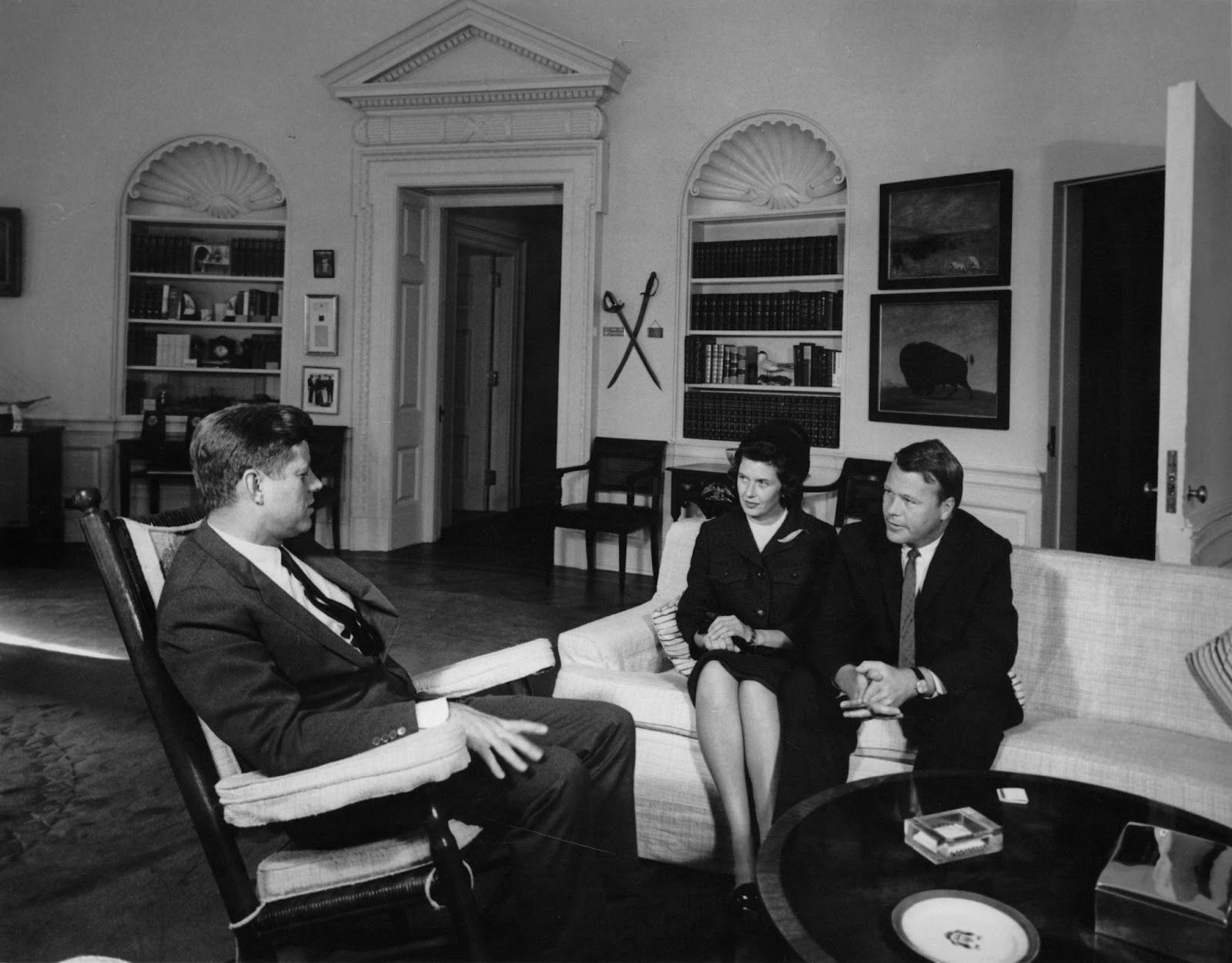
John F. Kennedy's rocking chair

Image: Abbie Rowe. White House Photographs. John F. Kennedy Presidential Library and Museum, Boston, Public domain, via Wikimedia Commons

President Kennedy’s rocking chair appeared in many photos of him with important visitors in the White House. Recommended by his doctor to ease his back pain, the iconic chair is now part of the collection at the John F. Kennedy Presidential Library and Museum.

8
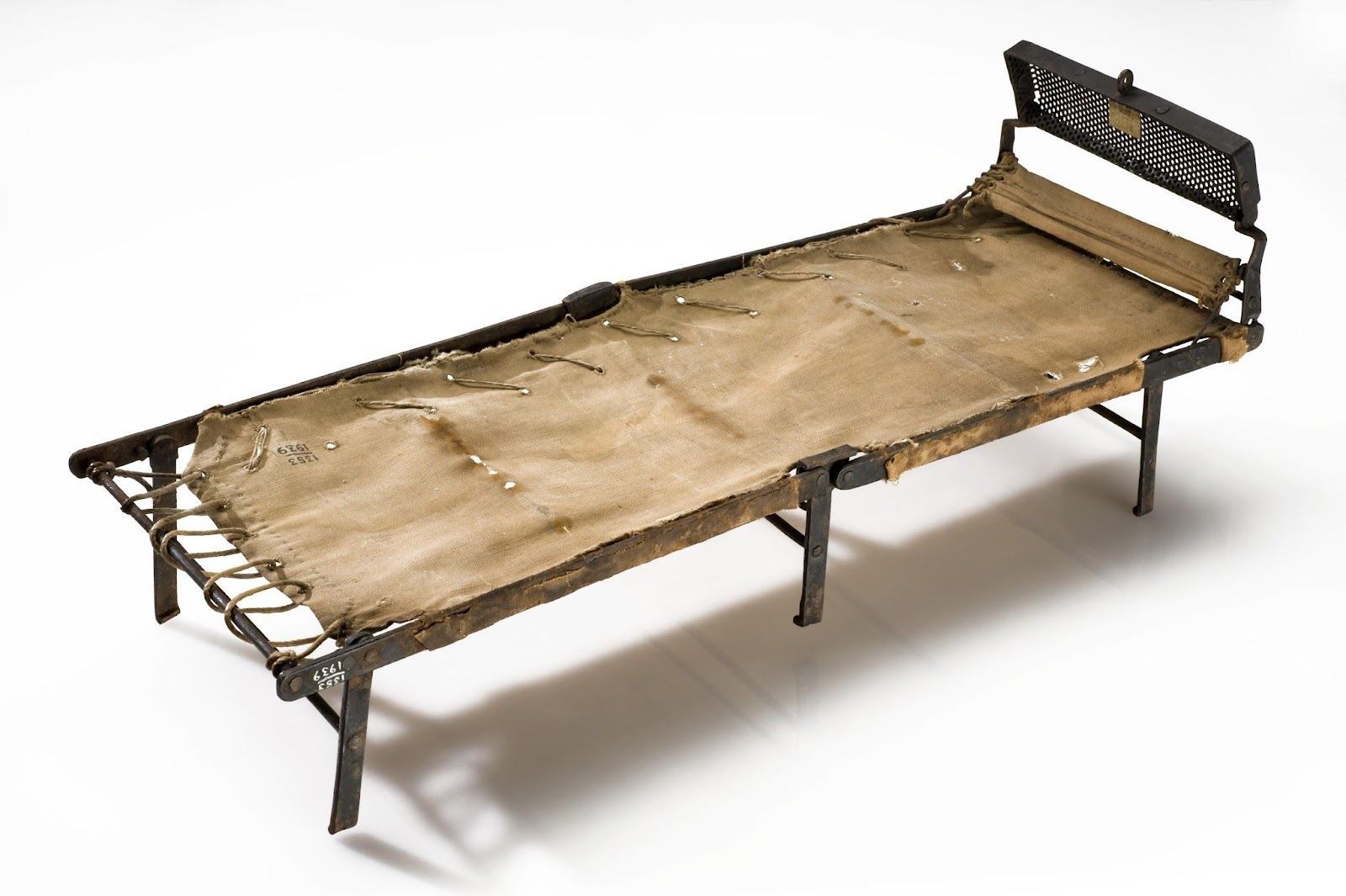
George Washington’s Revolutionary War bedstead

Image: Wikimedia Commons

If you thought this list was just about small objects, think again. Two of George Washington’s folding field beds from the Revolutionary War have also been preserved. One is displayed at the Henry Ford Museum in Michigan, and the other can be seen at the Mount Vernon Museum in Virginia.

9
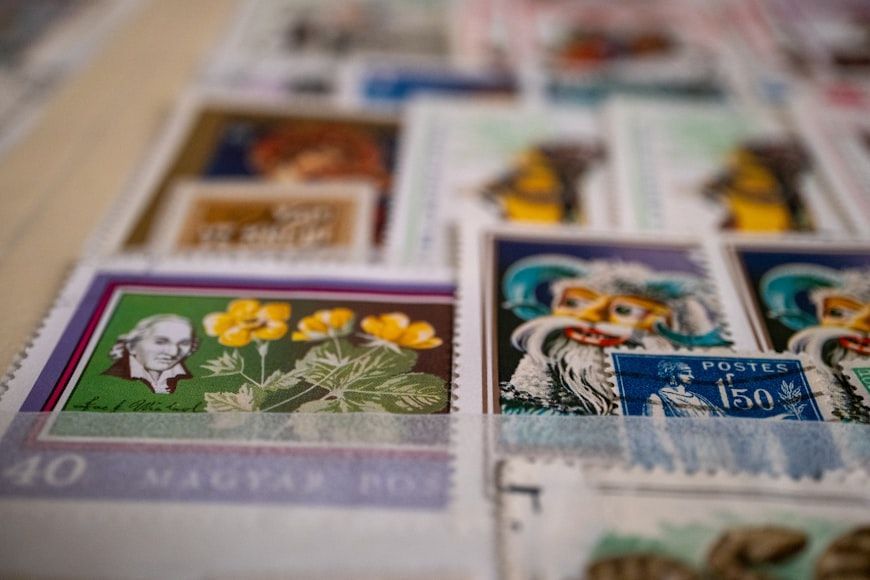
Franklin D. Roosevelt’s stamp collection

Image: Tolga deniz Aran

F. D. Roosevelt was an avid stamp collector, amassing a collection of over 1.2 million stamps. After his death, his family sold most of them, but some—especially those he received officially from foreign governments—are preserved at the Franklin D. Roosevelt Presidential Library and Museum in Hyde Park, New York. The museum also houses items related to his hobby, including a magnifying glass, a perforation gauge for measuring stamps, and his portable wooden stamp box.

10
George Washington’s dress sword

Image: Wonderlane

In addition to his dentures, Mount Vernon preserves many other personal items that belonged to George Washington. Among them are several of his swords, and it is believed that one of them may be the very dress sword he wore at his inauguration as the first American president in 1789!

Explore more American facts

Choose your favorite category!

General
General

As American as apple pie—the very best America has to offer!

Culture
Culture

Delve into the astounding richness of American lore.

Geography
Geography

Hop in and explore vast and diverse American landscapes.

History
History

Discover the key moments that shaped the United States.