Geography Geography 6 min read

AMERICA’S BEST MANSIONS AND ESTATES

Luxury living: 10 impressive historic homes worth visiting

Image: Ramith Bhasuka

You don't have to travel all the way up to Europe to enjoy grand estates and castles. The United States is full of historic mansions that tell stories of times past, from the Gilded Age to the Roaring 20s. Today, many of these architectural marvels have been carefully restored and are available for public tours. Read on to discover 10 breathtaking mansions where the country's wealthiest and most distinguished American families used to live.

1
Vanderbilt Mansion

Image: Michael Denning

The Vanderbilt Mansion was one of several homes owned by Frederick William Vanderbilt and his wife Louise Holmes Anthony. Built between 1896 and 1899, this 54-room marvel is an excellent example of the Beaux-Arts architectural style , characterized by its grandeur and ornate detailing. In addition, the mansion's interiors are representative of the American Renaissance.

Historically known as Hyde Park, the estate includes 211 acres and is built on a hilltop overlooking the Hudson River. It includes well-groomed flowerbeds, formal gardens, woodlands, and ancillary buildings. In 1940 the Vanderbilt Mansion was designated a National Historic Landmark. Today it’s a historic house museum operated by the National Park Service.

2
Hildene Mansion

Image: sarahlawrence603

Hildene Mansion was built in 1905 by Robert Todd Lincoln, eldest son of President Abraham Lincoln. This Georgian Revival-style mansion is set on a 200-foot promontory, which offers a panoramic view of the Battenkill Valley. The name "Hildene" comes from Old English words meaning "hill" and "valley with stream".

Hildene Mansion remained in the possession of the Lincoln family until 1975. Then, in 1978, the property was acquired by a non-profit organization that restored it, preserving its historic integrity. Today this former summer home is one of Vermont's most popular tourist attractions. Visitors can wander around the large estate and contemplate its opulence: from the grand entry staircase to the original furnishings.

3
Swan House

Image: Michael Starkie

Swan House, located in Atlanta, Georgia, is a historic mansion built in 1928 by Edward and Emily Inman, heirs to a cotton fortune. The mansion's eclectic design combines neo-Renaissance styles with a classical approach. The 28-acre estate features terraced gardens and a cascading fountain on the hillside. Carved or painted swans are a recurring motif throughout the house and gardens.

In 1966, the Atlanta Historical Society acquired the house and grounds. Today, Swan House is part of the Atlanta History Center and operates as a museum documenting 1920s American history. Many of the Inmans' original furniture pieces are still on display, offering visitors a glimpse into the past.

4
Hearst Castle

Image: Mike Hsieh

On the west coast, halfway between San Francisco and Los Angeles, there’s a magnificent mansion, a combination of a medieval castle , a Spanish cathedral , and a Roman temple. Hearst Castle is the result of the feverish dreams of one of the greatest tycoons of the 20th century: William Randolph Hearst.

Facing the Pacific Ocean, this four-building palace has 175 rooms, 40 bathrooms, and gigantic extensions of gardens. An immense semicircular outdoor swimming pool, a private zoo, tennis courts, a huge Gothic-style library, a movie theater, and an airfield are also part of this estate that took almost thirty years to build. Once visited by the most prominent Hollywood stars and politicians of the time, today Hearst Castle is registered as a National Historic Landmark and functions as a museum.

5
Ca d’Zan

Image: Tessa Edmiston

This estate located on the shores of Sarasota Bay was once the exquisite winter residence of American circus magnate John Ringling and his wife Mable. The majestic Ca' d'Zan —Venetian for "John's House"— is an incredible Mediterranean-style architectural beauty built in 1926 to resemble a palace on the Grand Canal in Venice.

The extravagant 5-story building is adorned with stained glass, stucco, and terra cotta details. It features 56 rooms, an 82-foot observation tower, and an impressive marble terrace overlooking the ocean. This residence, an icon of the Florida Boom Years of the 1920s, was restored by the state and opened to the public in 2002.

6
Old Westbury Gardens

Image: Jialin Hu

Old Westbury Gardens, listed on the National Register of Historic Places, is located in Nassau County on New York's Long Island peninsula. The 23-room estate was once the home of businessman John S. Phipps, his wife Margarita Grace, and their four children.

Completed in 1906 by English designer George A. Crawley, the magnificent Charles II-style mansion is set amid 160 acres of formal gardens, woodlands, ponds, and lakes. This former private estate is now a museum that can be visited from April through October. It is also regularly used for cultural events, private parties, and as a film set for Hollywood productions.

7
Oheka Castle

Image: Peter Oswald

Believed to have inspired "The Great Gatsby," Oheka Castle is the largest private home in New York and the third largest in the United States. Although now it’s a hotel, this estate was once the country home of financier and philanthropist Otto Hermann Kahn and his family. In fact, the name "Oheka" is an abbreviation derived from the first letters of his name.

The mansion, located on the North Shore of Long Island in West Hills, New York, was built between 1914 and 1919. In recent years Oheka Castle has gained popularity as a wedding venue for socialites and celebrities and was used for photo shoots , films , and television series. The castle also houses a bar and a restaurant and offers guided tours for regular visitors.

8
Lyndhurst Mansion

Image: Pixabay

Designed in 1838 by the famous American architect Alexander Jackson Davis, Lyndhurst Mansion is a remarkable example of Gothic Revival architecture. This country house is located in Tarrytown, New York, along the Hudson River, and was owned by New York Mayor William Paulding Jr, merchant George Merritt, and railroad magnate Jay Gould.

In 1961, Gould's daughter, Anna Gould, donated it to the National Trust for Historic Preservation. In 1966, Lyndhurst was recognized as a National Historic Landmark, a testament to its historical and architectural significance. Today, the house is open to the public, allowing visitors to explore its unique features and learn about its rich history.

9
Villa Vizcaya

Image: Zoshua Colah

Between 1914 and 1923 philanthropist and conservationist James Deering built this sumptuous mansion as his winter home. Born in South Paris, Maine, Deering suffered from anemia, so his doctors recommended that he seek refuge in a sunny, warm climate. South Florida was the perfect place to recuperate. He lived in Miami until his death in 1925.

In the mid-20th century, the county took possession of the complex and its extensive Italian Renaissance gardens and began operating as a museum. Over the years Villa Vizcaya has hosted countless historic events, such as the meeting between Ronald Reagan and Pope John Paul II, and the first Summit of the Americas. In 1994 it was designated a National Historic Landmark and today is open to the public for tours.

10
The Biltmore Estate

Image: Stephanie Klepacki

In the Blue Ridge Mountains of Asheville, North Carolina stands a true architectural marvel: the Biltmore Estate. At more than 178,926 square feet, this legendary residence with 250 rooms, 35 bedrooms, 43 bathrooms, and 65 fireplaces is the largest privately owned house in the country . Biltmore Estate is also a monument that reflects the grandeur and luxury of the American Gilded Age.

Inspired by the landscape, George Washington Vanderbilt, grandson of industrial titan Cornelius Vanderbilt, set out to build an estate that would combine European elegance with American nature. Designed in the Châteauesque style, the mansion —which reportedly cost $5 million (equivalent to about $183 million today)— was finally inaugurated on Christmas Eve of 1895. Today, the Biltmore Estate attracts millions of visitors every year who are amazed by its architectural splendor and history.

General General 4 min read

Quirky patriotism

Uncle Sam's funhouse: America’s oddest facts

Image: RDNE Stock project

America’s a big place, and let’s face it, a little quirky too. For example, did you know that squirrels have a special bridge to cross the street in one state? And that’s not all: from bourbon barrels to squirrel bridges, our country is full of surprises hiding in plain sight. Grab your reading glasses and settle in for a fun ride through some of the weirdest tidbits about the US that you’ve probably never heard before.

1
Kentucky's got more bourbon than people

Image: javier kober

If Kentucky’s barrels of bourbon had voting rights, they’d outnumber the citizens by over two million. Yep, the state has around 5 million people, but more than 7 million barrels. That’s over one barrel per person! Bourbon is big business down there, and the aging process means those barrels are just hanging out, soaking up the Kentucky air. Cheers to that!

2
Lake Superior could soak two continents

Image: Riley Crawford

Try this on for size: Lake Superior holds so much water that it could cover all of North and South America with a foot of water, that’s more than three quadrillion gallons. It’s not just "superior": it’s the largest freshwater lake by surface area in the world! No wonder it looks like an ocean when you stand on the shore.

3
New York City beats 40 states in population

Image: Thomas Habr

Think your state is crowded? New York City alone has more people than 40 of the 50 US states. That’s over 8 million people packed into five boroughs; more than the entire population of states like Nebraska, Idaho, or even Kentucky. It’s one bustling, never-sleeps kind of place, right?

4
Oregon talks the fastest, Mississippi takes it slow

Image: Marek Studzinski

According to a speech analysis study, Oregonians zip through their words quicker than anyone else in the country. On the other hand, people in Mississippi take their sweet time, probably because there's no need to rush when you’ve got good company and a rocking chair.

5
Washington squirrels have their own skywalks

Image: Ilnur Kalimullin

In Longview, Washington, squirrels cross the street using adorable little bridges built specially for them. Locals kept seeing critters get flattened, so they constructed a series of rope walkways in the trees. Now, that’s a whole network called the " Nutty Narrows ." Proof that even squirrels get special treatment in small-town America.

6
You can legally hunt unicorns in Michigan

Image: Gary Meulemans

Well… sort of. Lake Superior State University in Michigan offers a whimsical "Unicorn Hunting License" as part of a long-running campus tradition. It’s all in good fun, of course, but the license is real; you can request one. Just don’t expect to catch anything other than smiles.

7
Las Vegas hotels could host you for four centuries

Image: David Lusvardi

If you stayed one night in every hotel room in Las Vegas, it would take you over 400 years to get through them all. That’s around 150,000 rooms, more than any city in the world. Sin City isn’t just flashy; it’s enormous. You could retire three times over before seeing them all.

8

9
Michigan's lavender maze is visible from space

Image: Léonard Cotte

In western Michigan, there’s a sprawling lavender labyrinth so big that it can be seen on Google Earth. Grown by Cherry Point Farm & Market, this fragrant puzzle isn’t just beautiful, it’s relaxing too. Imagine strolling through acres of blooming purple under a summer sky. Have you added it to your bucket list yet?

10
The Hoover Dam’s concrete could pave the nation

Image: Gerda

Here’s a mind-boggling fact: engineers poured enough concrete into the Hoover Dam to build a two-lane highway from San Francisco to New York. How much is that? That’s 4.4 million cubic yards, give or take. It’s a concrete colossus. And it's still standing strong after nearly a century.

11
Boston drivers are the worst, Kansas City’s the best

Image: todd kent

According to insurance data, Boston has more fender-benders and claims than any other large city. Drivers there can be a bit... spirited. Meanwhile, Kansas City drivers, apparently, are so courteous and careful, they top the charts for safety. Beep beep!

12
Kansas could feed the world at least once

Image: Samuel Myles

Each year, Kansas produces enough wheat to bake a whole lot of bread—enough to feed everyone on Earth for about two weeks. That’s nearly 300 million bushels annually. No wonder it’s called the Breadbasket of America. If bread ever becomes currency, Kansas would be rich.

13
Crater Lake is Statue-of-Liberty deep

Image: Jeff Hopper

Oregon’s Crater Lake is no shallow pond—it’s the deepest lake in the US, plunging down 1,943 feet. That’s enough depth to stack six Statues of Liberty, one on top of the other, with room to spare. Yes, you read that right! Formed in the crater of an ancient volcano, it’s as dramatic as it is stunning.

14
Atlanta is peachy... maybe a little too peachy

Image: Ronny Sison

If you’re driving through Atlanta and see Peachtree Street, don’t assume you’re close to your destination because there are over 70 roads with some form of "Peachtree" in the name. Peachtrees, Peachtree Circle, Peachtree Battle… It's a maze of fruity confusion. Now you know, so bring a map!

Geography Geography 2 min read

Back to the roots

10 great American trees that shaped our history—and you never knew

Image: Art Institute of Chicago

From towering forests to city streets, American trees have shaped culture, commerce, and the environment. Many provided food, medicine, and building materials, while others played a role in history. This list explores 10 iconic American trees and the surprising ways they’ve been used, preserved, and celebrated.

1
Sugar Maple (Acer saccharum)

Image: GraceHues Photography

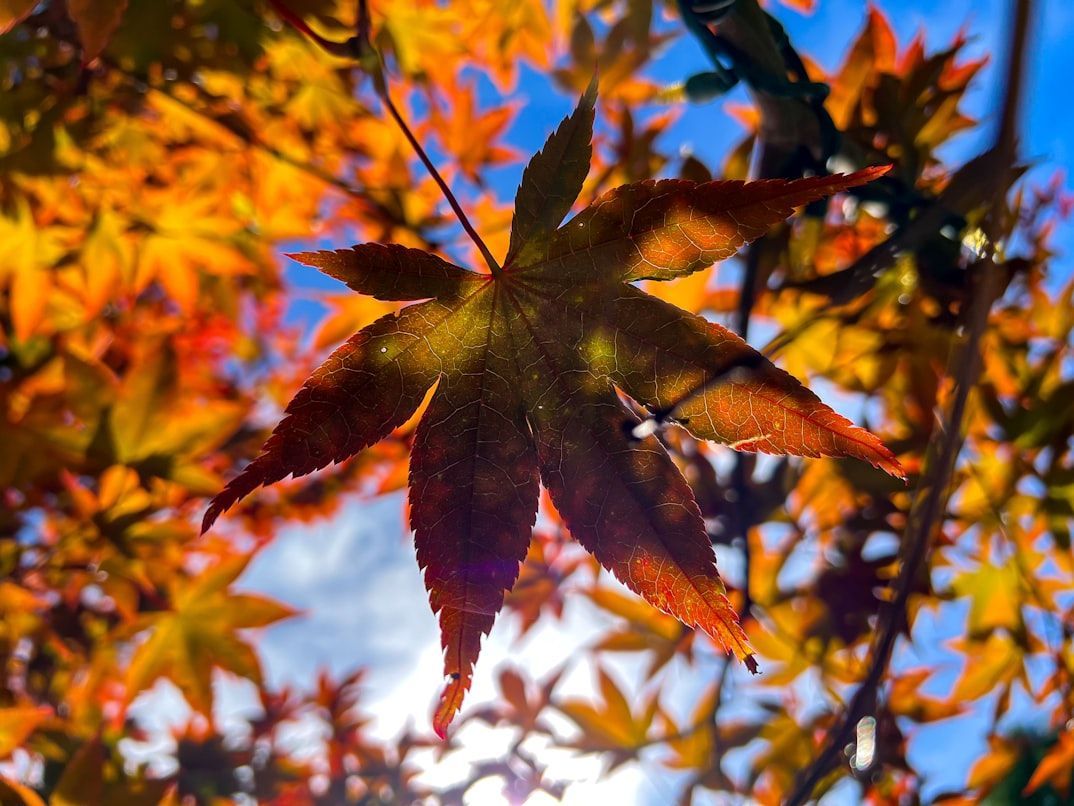
The sugar maple produces the sap that becomes maple syrup, a North American staple. Its hardwood is also prized for furniture and flooring.

Native to the northeastern U.S. and Canada, sugar maples support both culinary traditions and forestry industries. They can live for over 200 years and are crucial to fall foliage tourism.

2
White Oak (Quercus alba)

Image: Tina Xinia

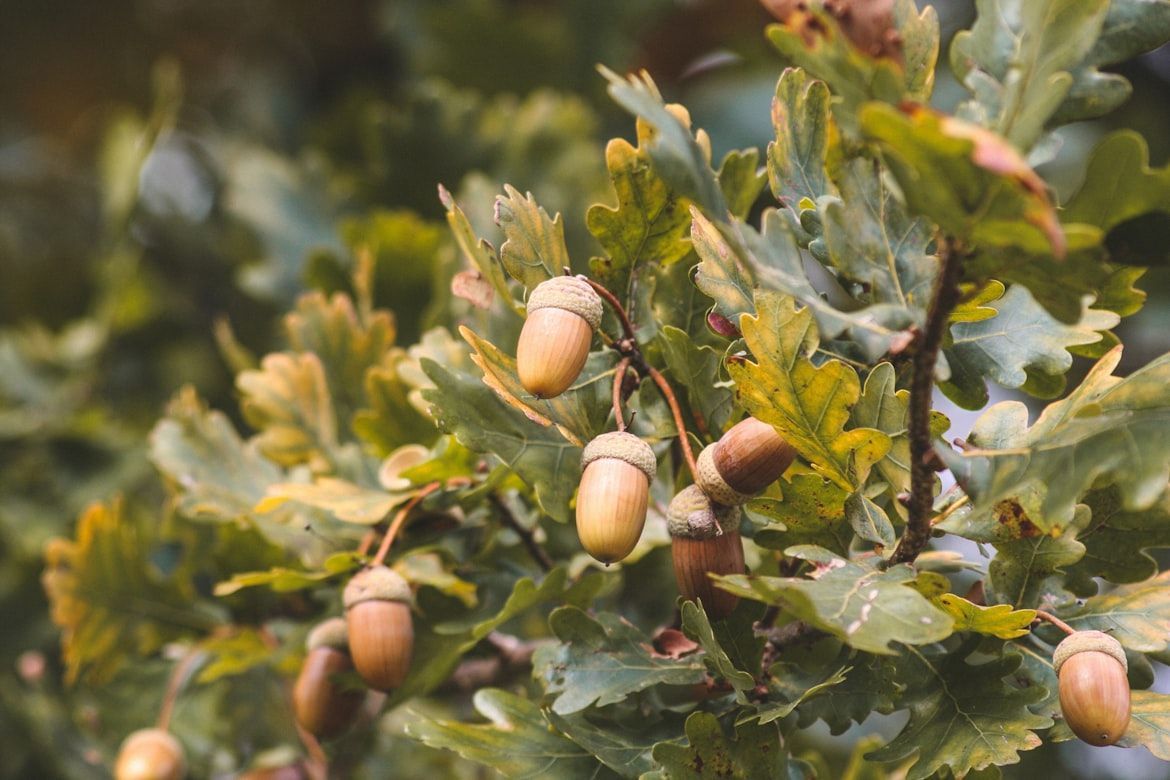
White oak wood is valued for barrels, furniture, and flooring due to its strength and natural rot resistance.

Historically, it was used in shipbuilding during colonial times. White oak forests also support diverse wildlife, and their acorns feed deer, squirrels, and birds.

3
Eastern Red Cedar (Juniperus virginiana)

Image: Aimee Summers

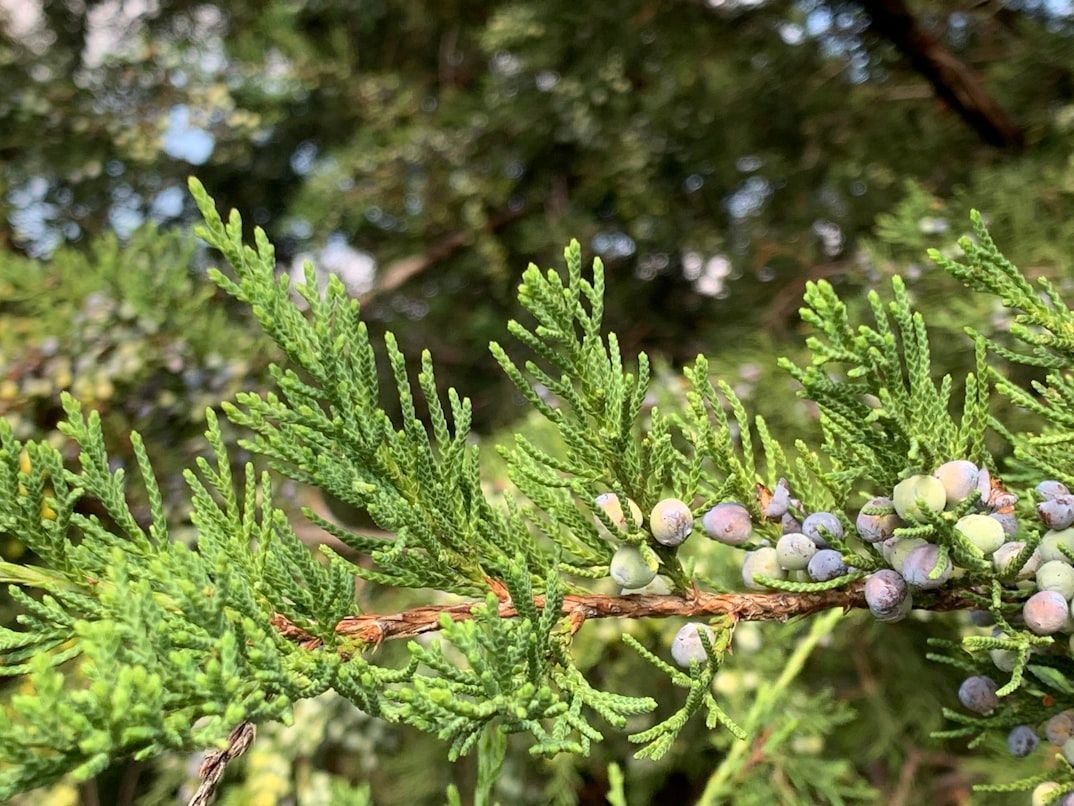
This tree’s wood is aromatic and naturally repels moths, making it a good choice for closets and storage chests.

Red cedar oil was also used in medicine by Native Americans. Its dense wood has been extensively used for fence posts and small-scale construction.

4
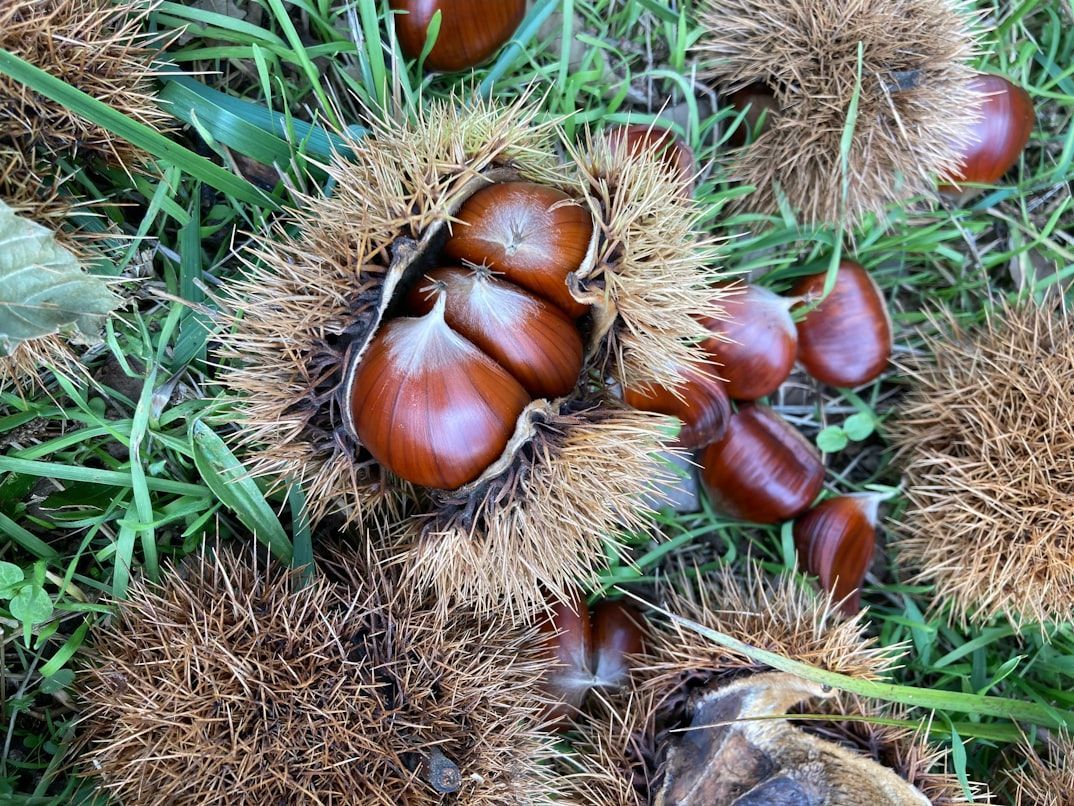
American Chestnut (Castanea dentata)

Image: Marta Reis

Once dominant in eastern forests, the American chestnut was devastated by blight in the early 20th century.

Its wood was lightweight yet strong, ideal for furniture and building. The nuts were a staple food for wildlife and humans alike. Breeding programs now aim to restore it.

5
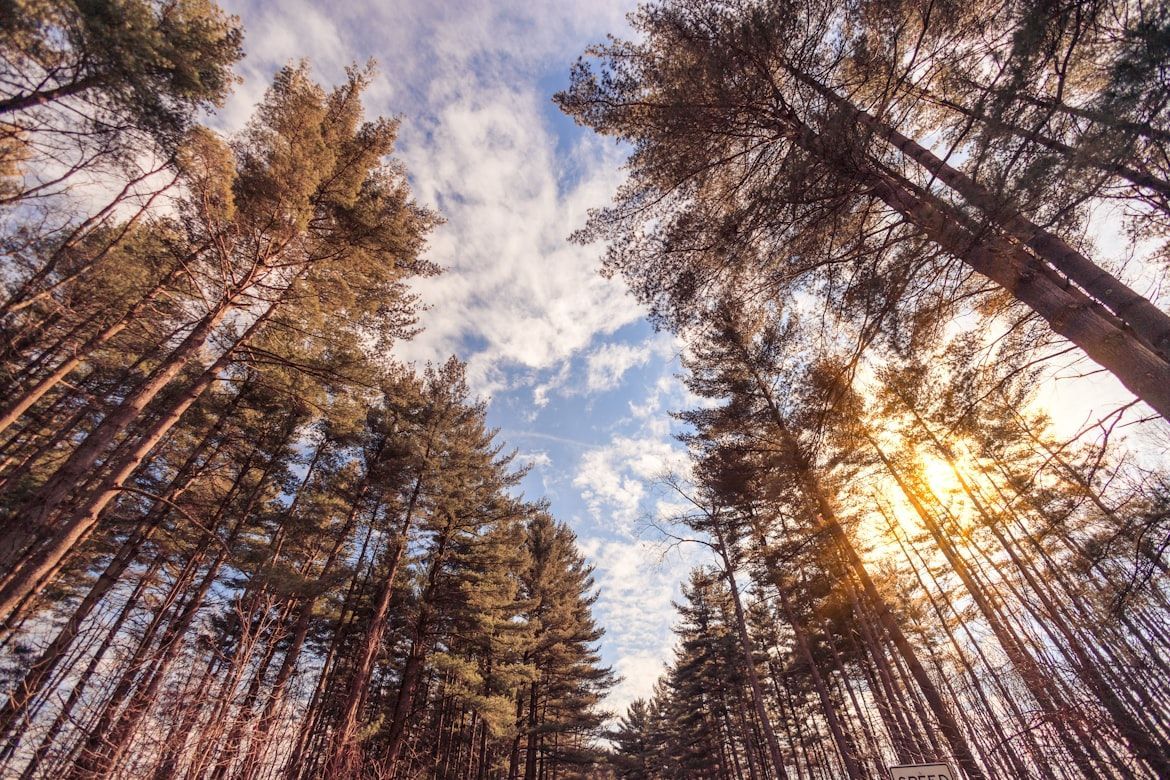
Ponderosa Pine (Pinus ponderosa)

Image: benjamin lehman

Ponderosa pines dominate the western U.S. and are a major timber source.

Their wood is used for construction, paper, and fuel. Native Americans also used the bark and resin for medicinal purposes and ceremonial practices.

6
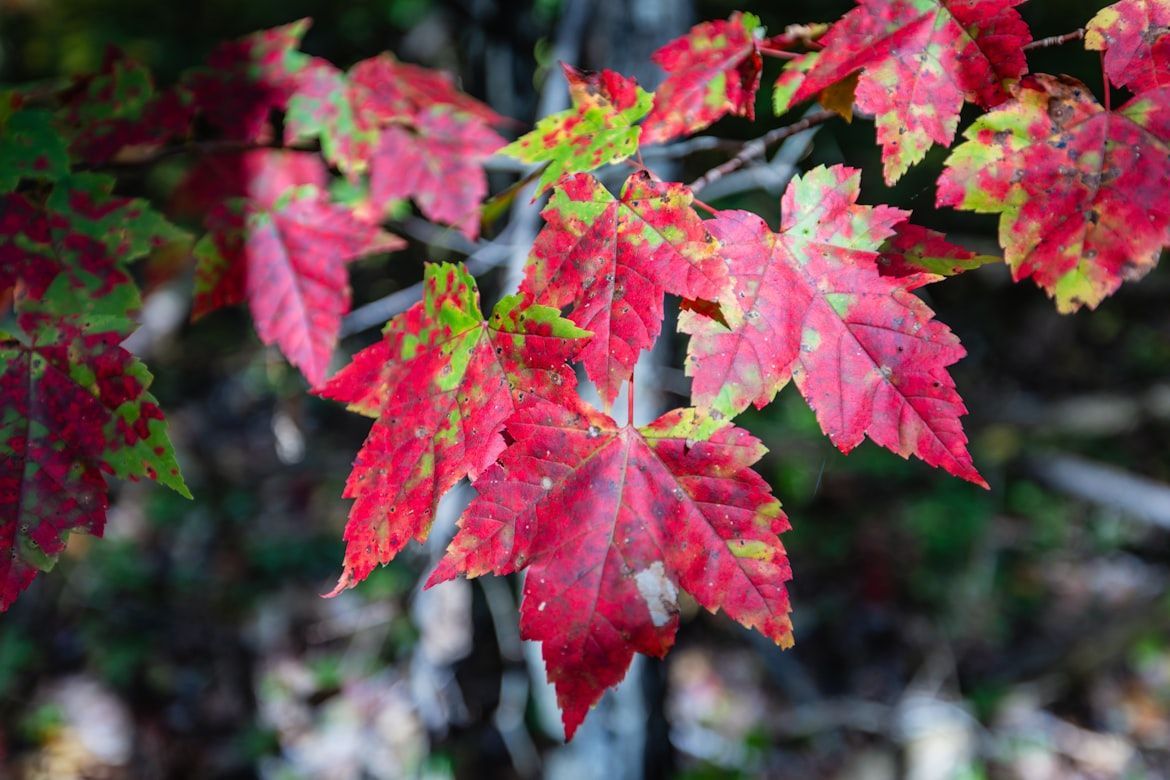
Red Maple (Acer rubrum)

Image: Edmond Lau

Red maples are adaptable trees that provide timber and spectacular fall colors.

Like the sugar maple, their sap can also produce syrup, and the wood is used in furniture and flooring. The species thrives in wetlands, supporting a wide range of ecological diversity.

7
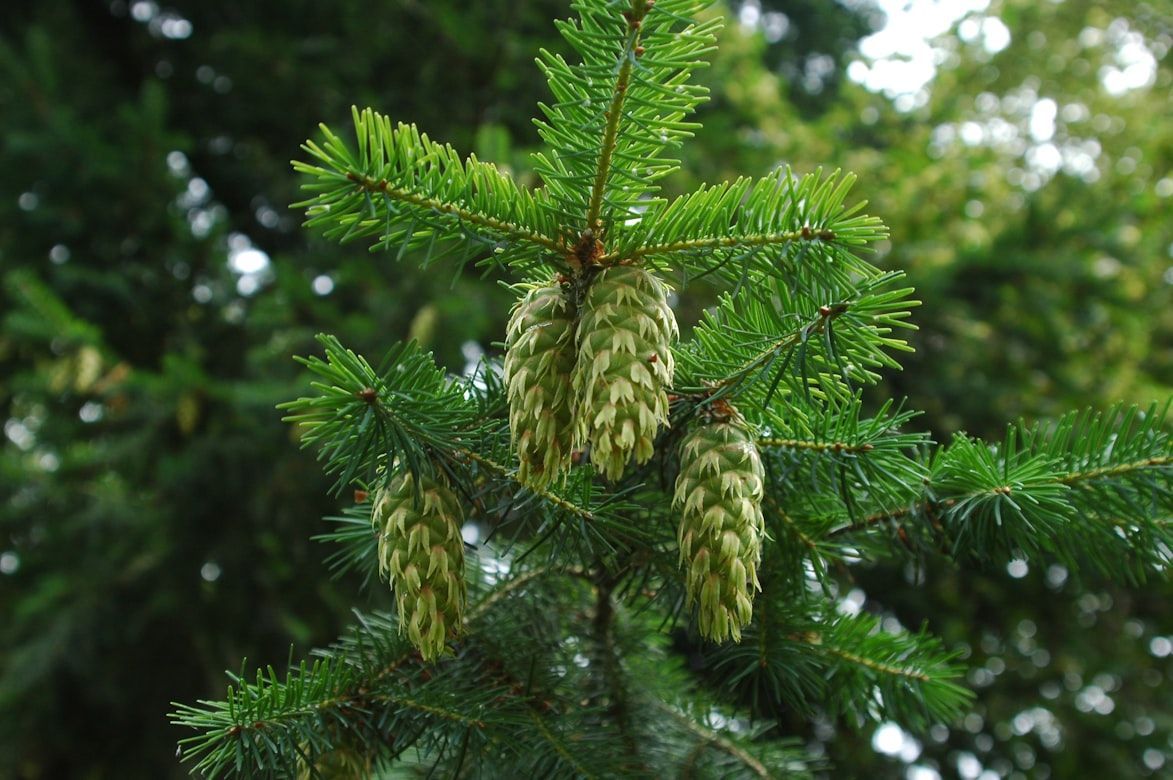
Douglas Fir (Pseudotsuga menziesii)

Image: Ulrike R. Donohue

A key timber species, the noble Douglas fir is used for construction, plywood, and paper.

It’s also one of the most popular Christmas trees. Native Americans used the bark and needles for medicinal purposes.

8
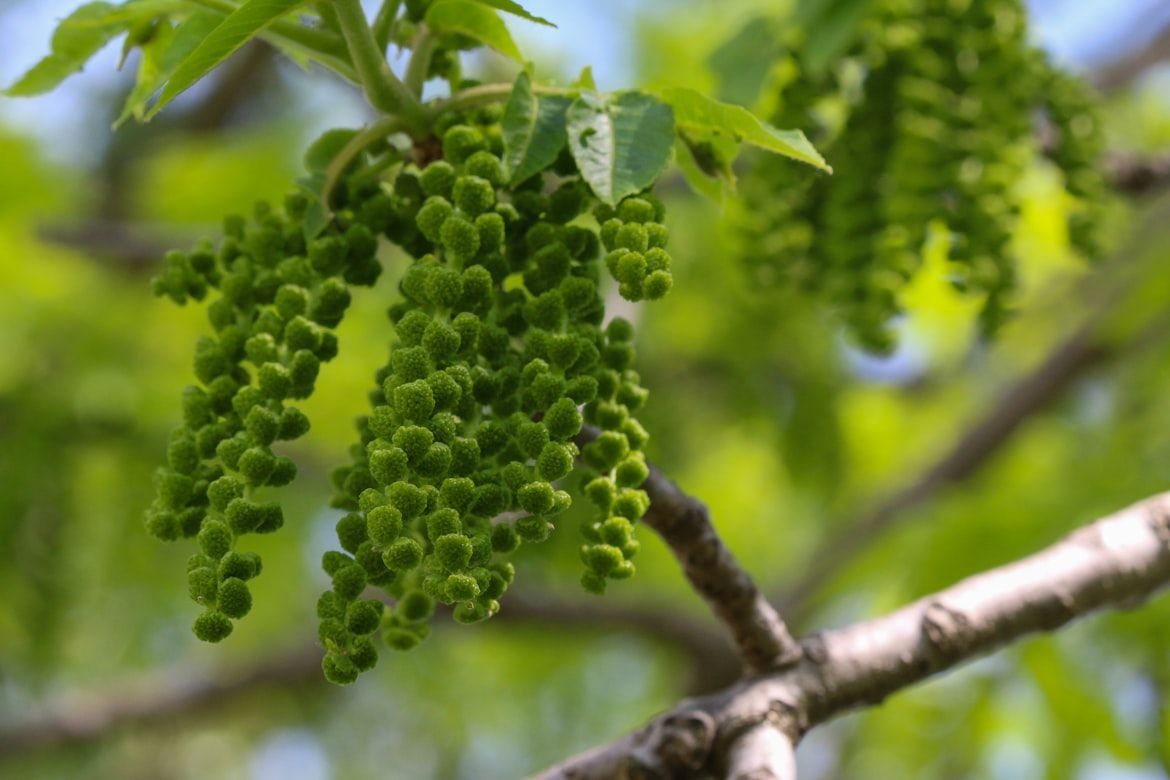
Black Walnut (Juglans nigra)

Image: Ross Domke

Black walnut produces edible nuts and dark, durable wood for furniture and gunstocks.

Its wood is highly prized by woodworkers for fine cabinetry. The nuts support wildlife, while the husks can be used for natural dye.

9
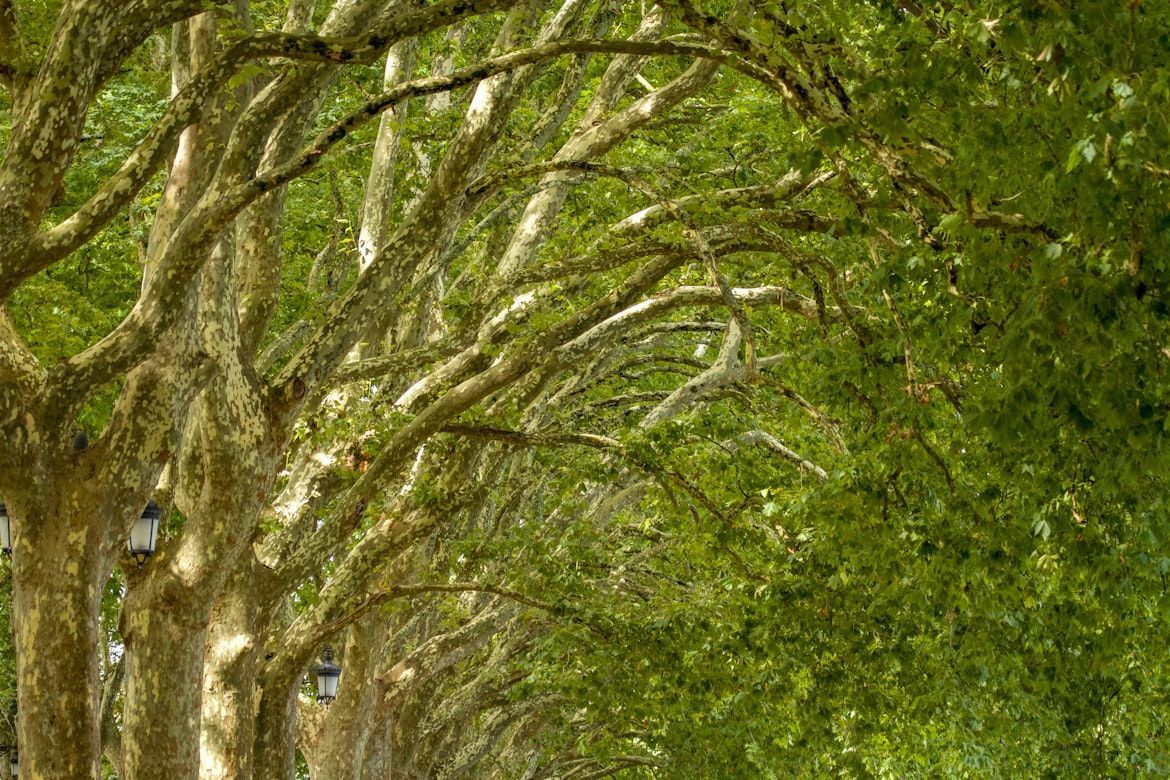
American sycamore (Platanus occidentalis)

Image: Heather Wilde

American sycamores are found along rivers and lakes, stabilizing soil and preventing erosion.

Their large, patchy bark makes them visually distinctive. Historically, their wood was used for butcher blocks, furniture, and veneers.

10
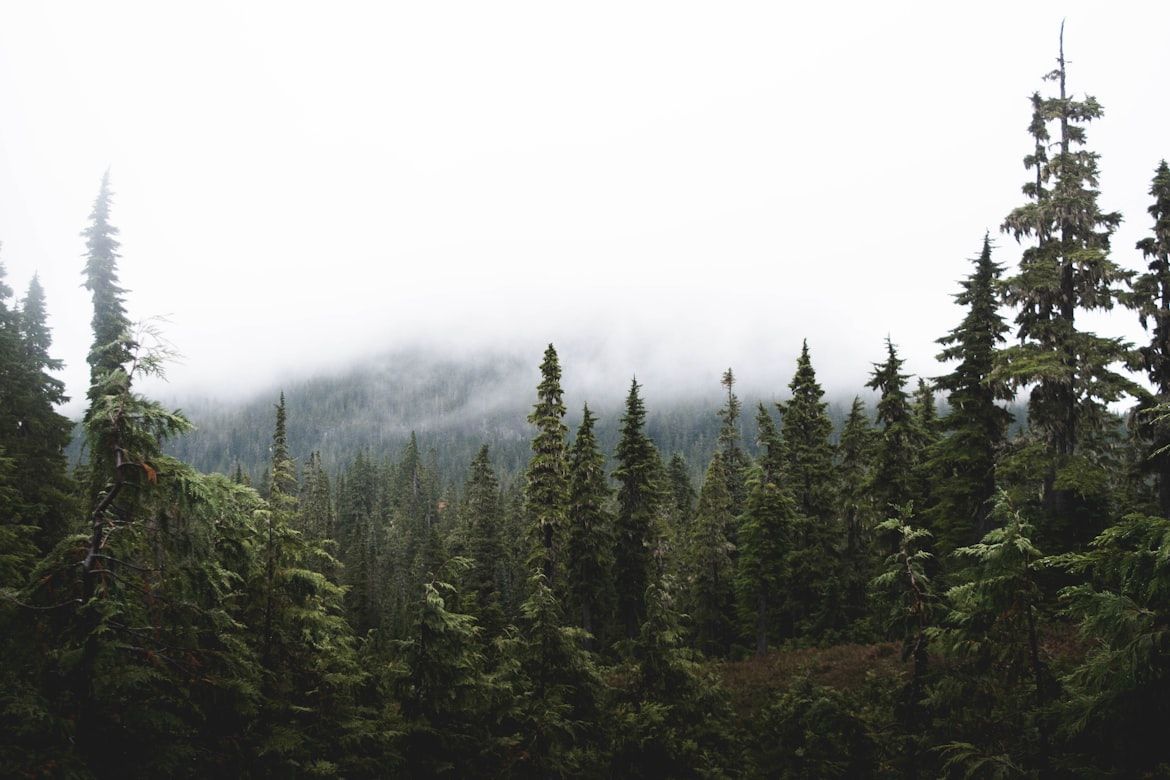
White Spruce (Picea glauca)

Image: Joel Cross

White spruce supports timber, paper, and pulp industries in northern forests.

Its wood is lightweight yet strong, ideal for construction and musical instruments. Spruce forests are also critical habitats for migratory birds and wildlife.

Explore more American facts

Choose your favorite category!

General
General

As American as apple pie—the very best America has to offer!

Culture
Culture

Delve into the astounding richness of American lore.

Geography
Geography

Hop in and explore vast and diverse American landscapes.

History
History

Discover the key moments that shaped the United States.