General General 3 min read

What’s your dog of choice?

NYC, Sonoran, Italian, and more: 10 regional hot dogs

Image: Ball Park Brand

Hot dogs are not merely food, but an American institution in and of themselves. But what constitutes a proper hot dog? Residents of various states can only agree on two elements, a sausage and a bun, but even those elements can create controversy. And if we go into toppings, condiments, and cooking methods, well, we could be here all day. Let’s have a look at some of the most popular hot dog variants!

1
NYC
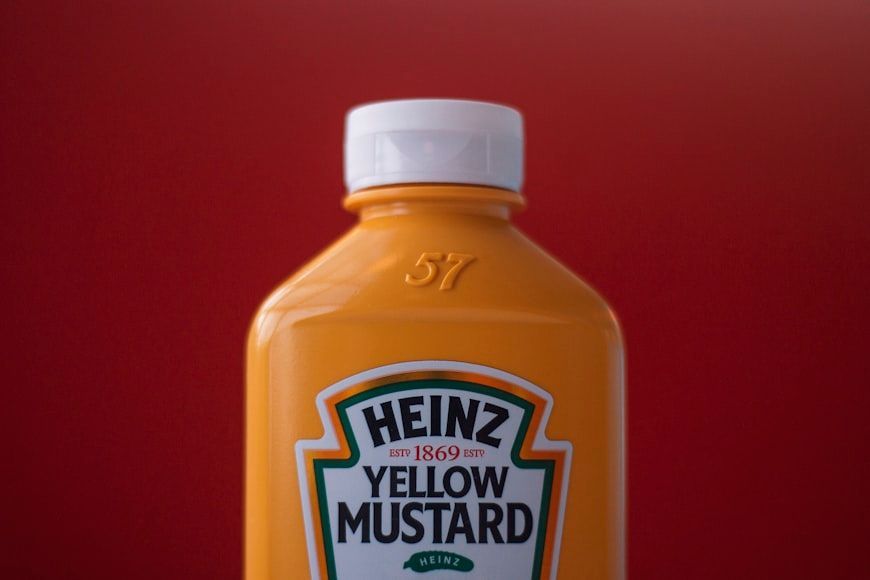
Image: Pedro Durigan

Buying a hot dog in New York City is as easy as breathing. Just get out on the street, and you will find a hot dog cart. The key components are simple, but tried and true. A beef frankfurter (usually boiled) on a hot dog bun, onions, and sauerkraut. For the condiments, mustard does the trick. Decades of New Yorkers repeating the recipe tell us that it works.

2
Chicago
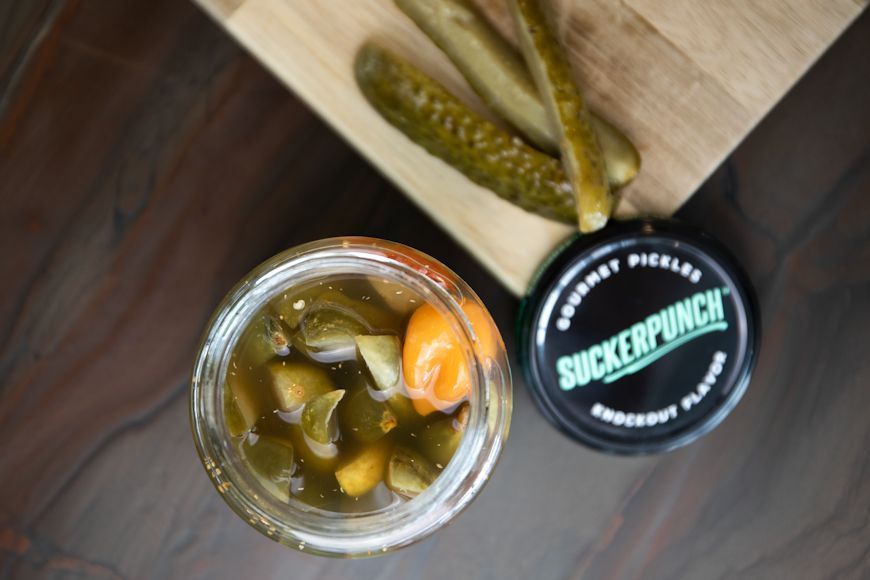
Image: SuckerPunch Gourmet

Chicagoans do not share the New Yorkers' simple approach to hot dogs. They are all about the accoutrements. On a poppy-seed bun, a beef frankfurter is loaded with seven specific toppings: yellow mustard, white onions, sweet pickle relish, dill pickle, tomatoes, pickled peppers, and celery salt. Not for the faint of heart.

3
Cincinnati Coney
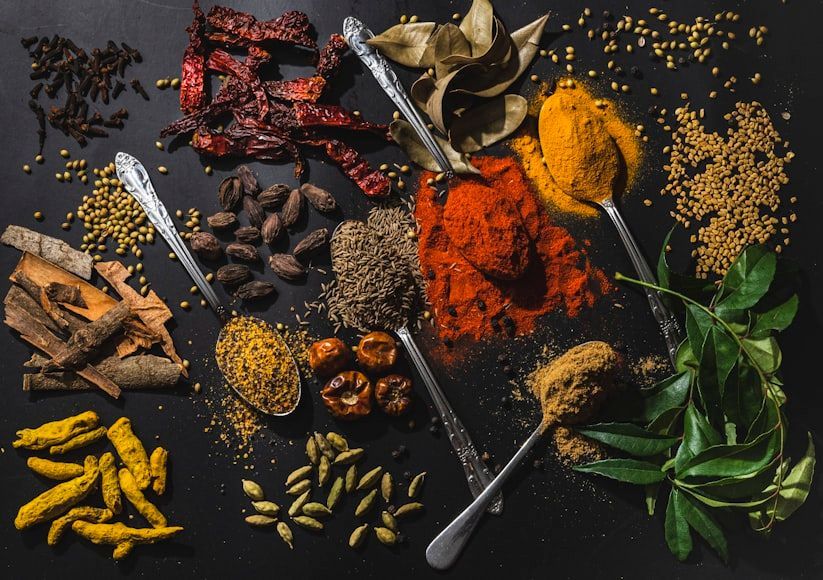
Image: Anju Ravindranath

One of the most famous coneys —or hot dogs topped with meat sauce—a Cincinnati-style hot dog takes toppings in a totally different direction. The usual frankfurter and bun (toasted, obviously) are now the vehicle for a spread of mustard, a generous scoop of Cincinnati chili —much more spiced than your regular chili con carne, with cinnamon, allspice, cumin, and cloves—, and a helping of finely-diced yellow onions. If you are in the mood for a cheese coney, you can add shredded cheddar cheese to your heart's desire.

4
Sonoran
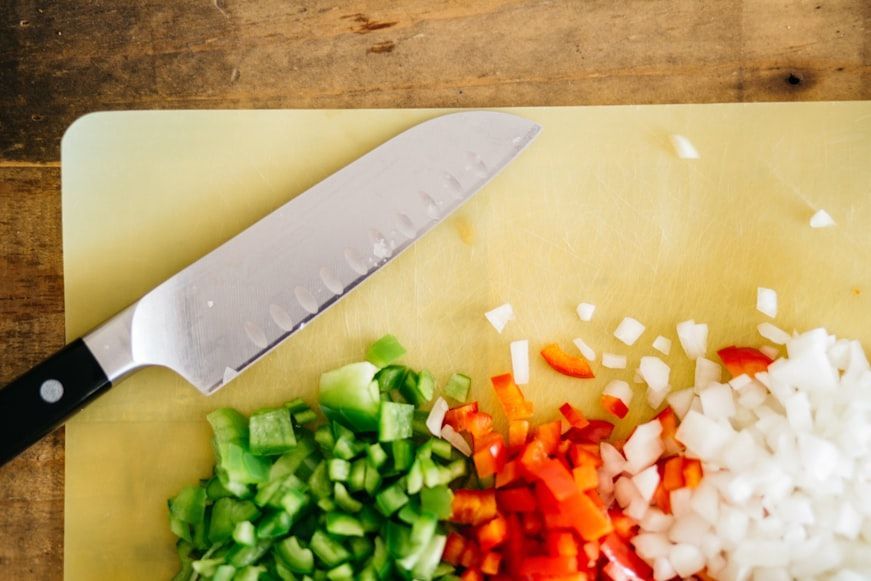
Image: Jenna E.

Popular in Arizona but with roots in the Mexican state of Sonora, this hot dog proudly displays its ancestry. The typical bun is replaced by a Mexican-style bolillo bun, with a crunchy crust but a soft interior. The sausage is wrapped in bacon, grilled, and topped with onions, tomatoes, and pinto beans. Popular condiments include mustard, mayonnaise, and jalapeño salsa.

5
Kansas City
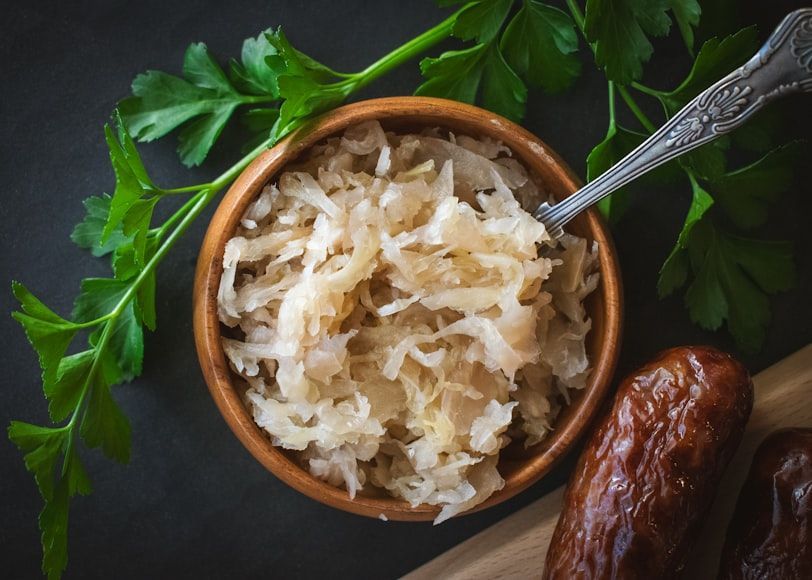
Image: Kelsey Todd

Kansas City deviates from the usual all-beef frankfurter. Instead, a pork sausage(grilled or steamed) is served on a sesame bun and topped with mustard, sauerkraut, and melted Swiss cheese. Another popular variant replaces these toppings with brisket burnt ends and barbecue sauce.

6
Michigan Coney
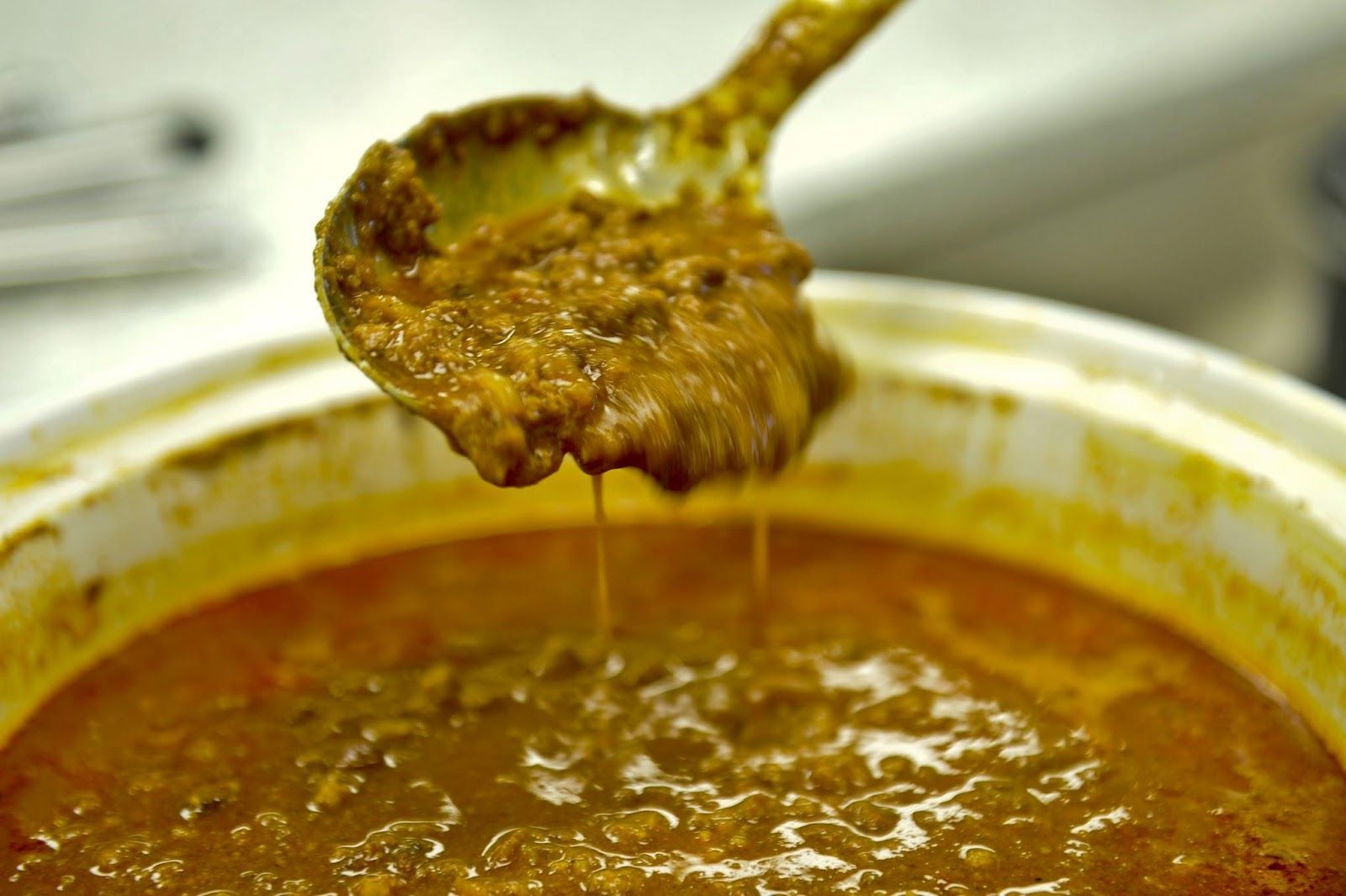
Image: U.S. Air Force photo by Airman 1st Class Riley Johnson, Public domain, via Wikimedia Commons

Allegedly born among Greek immigrants, the Michigan coney is much more straightforward than its Cincinnati counterpart. While the key elements are the same —an all-beef frankfurter on a steamed bun, topped with chili, mustard, and onions— they are set apart by the meat sauce. Where Cincinnati’s flavors rely on a multitude of spices, Michigan’s chili is beanless, meat-forward, and savory. Different, but not less comforting.

7
Italian Dog
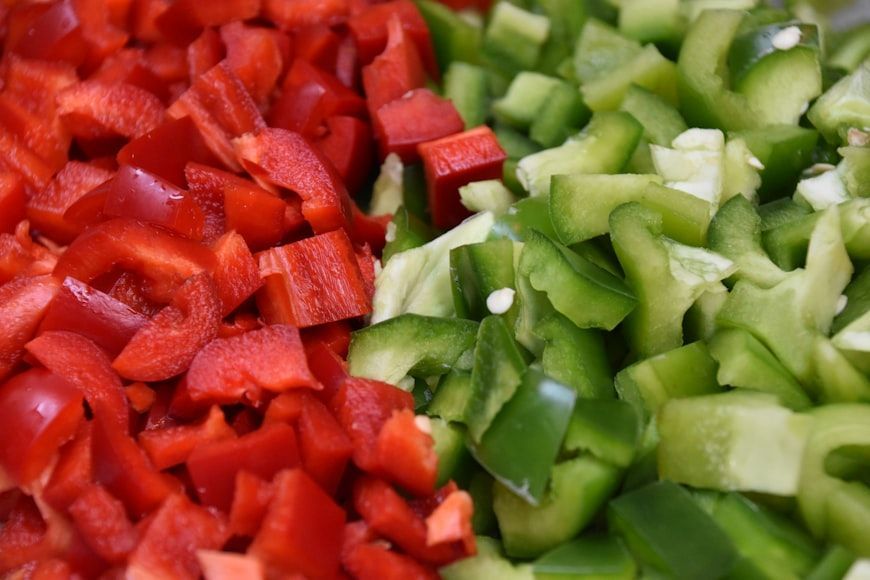
Image: Sergio Contreras

A New Jersey delicacy, the Italian dog has multiple versions. The og recipe features a deep-fried sausage on an Italian roll, mustard, and a combination of fried peppers, onions, and potatoes. Variations include swapping the traditional hot dog for a different protein or replacing the potatoes with French fries. The addition of ketchup is a point of contention for locals.

8
Seattle
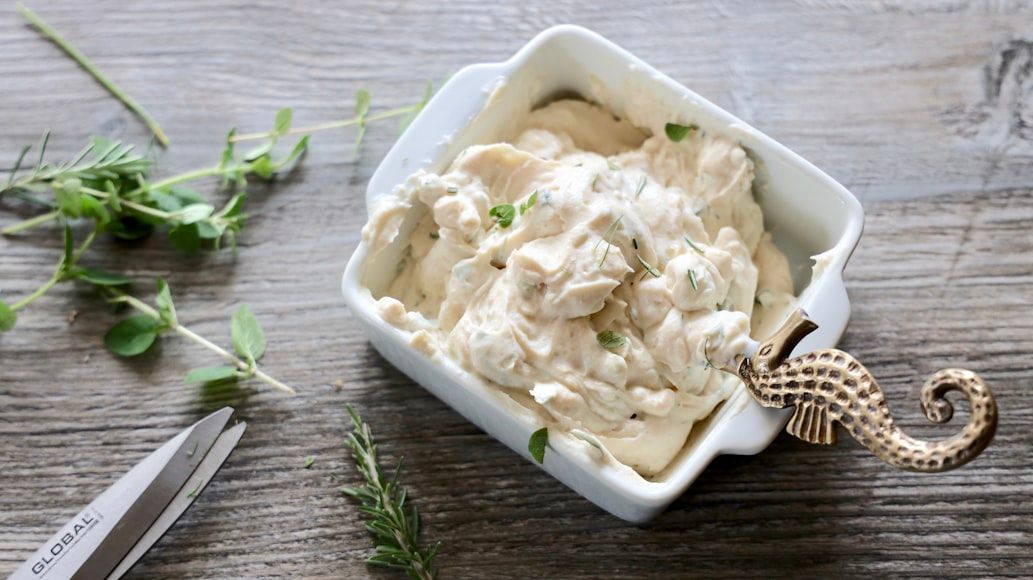
Image: Megumi Nachev

Seattle-style hot dogs feature an unlikely choice as their star ingredient: cream cheese. Created by a former bagel vendor, the original buns were also bagel-style; however, standard hot dog buns or hogies are now the norm. The buns are toasted and slathered with cream cheese, topped with a grilled sausage and caramelized onions. Jalapeños are also a common addition, and vendors might offer different types of cream cheese.

9
Cleveland Polish Boy

Image: Allen Rad

The star element of a Polish boy is, no doubt, the sausage. In this case, the choice is kielbasa, a smoked meat sausage, either grilled or fried. The typical toppings are barbecue sauce, French fries, and coleslaw. Fun fact: the Polish boy is the center of an ongoing discussion. While it has all the components of a hot dog, many consider it a sandwich.

10
Texas Tommy
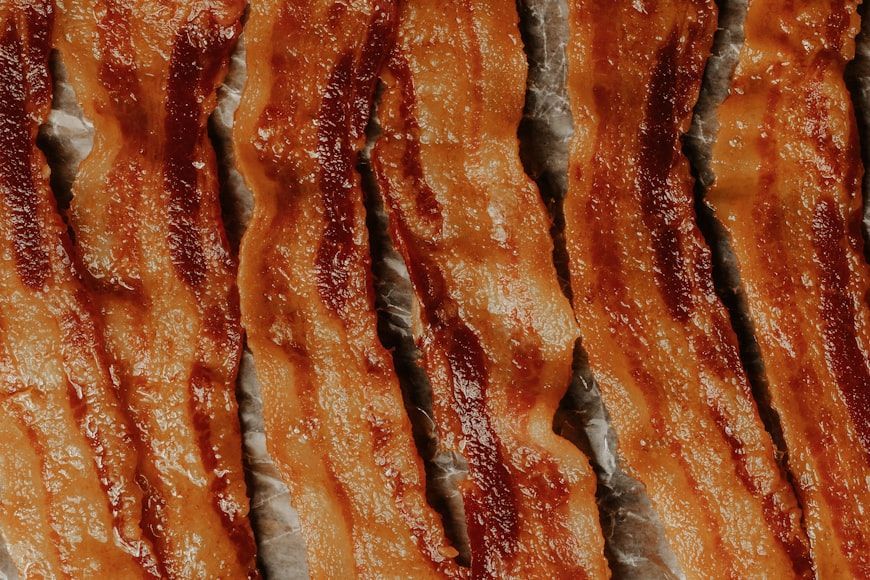
Image: Wright Brand Bacon

Don’t be fooled by the name; this hot dog comes from Philadelphia. Some say that ‘Texan’ was a common way to refer to all hot dogs, and it caught on. What makes a Texas Tommy different? The sausage is opened lengthwise, stuffed with cheese, wrapped with bacon, and then grilled or fried until the bacon is crispy. Considering all that’s going on with the sausage, toppings are left to the consumer’s discretion, although mustard, onions, chili, or extra cheese are popular choices.

History History 4 min read

Olympic legacy

United States at the Olympics: Gold, Glory and Greatness

Image: Anna Shvets

Team USA has dominated the Olympics for over a century. Our athletes have racked up medals, broken records, and hosted the most events. From teen champions (do you know how old the youngest athlete was?) to historic gold medal sweeps, American athletes have made their mark. From swimmers to gymnasts to track stars, they have brought speed, skill, and power to the Olympic Games. We're here to explore some of the coolest records and achievements that make the US an Olympic powerhouse!

1
The US: The ultimate Olympic host

Image: Obed Hernández

If hosting the Olympics were a sport, the US would take home the gold medal, as America has welcomed the Games eight times —more than any other country.

The Summer Olympics have taken place in St. Louis (1904), Los Angeles (1932, 1984), and Atlanta (1996), while the Winter Olympics have been held in Lake Placid (1932, 1980), Squaw Valley (1960), and Salt Lake City (2002).

And that’s not the end—Los Angeles is gearing up for 2028, so it’s safe to say the torch never stays away for too long!

2
Winning more medals than anyone else

Image: Ethan Wilkinson

If there’s one thing Team USA knows how to do, it’s win medals—a lot of them. As of 2024, the US has claimed a staggering 2,765 Summer Olympic medals (including 1,105 golds) and 330 Winter Olympic medals . No other country even comes close.

Whether on the track, in the pool, or on the ice, American athletes have consistently outperformed the competition.

3
Dominating track, field, and the pool

Image: Austris Augusts

Certain sports just seem to bring out the best in American athletes . From Jesse Owens on the track to Katie Ledecky in the pool to Carl Lewis soaring through the air, American athletes have rewritten the record books time and time again.

In track and field, for example, the US holds the record for the most gold medals, with over 400.

When it comes to swimming, Team USA has made an even bigger splash, earning more than 570 total Olympic medals—the most in any single sport.

4
Michael Phelps: The GOAT of the Olympics

Image: Braden Egli

Speaking of rewriting the record books, we need to talk about Michael Phelps—the most decorated Olympian of all time.

With 28 medals (23 gold, 3 silver, 2 bronze) , the legendary swimmer dominated the pool across five Olympic Games. His eight gold medals at Beijing 2008 were a record-breaking feat, proving that when it comes to Olympic greatness, no one comes close. Phelps didn’t just set records—he shattered them, leaving behind a legacy that may never be topped.

5
Winter Games greatness: Apolo Ohno’s record run

Image: Filip

While the Summer Olympics have clearly brought in the most medals, the US has had its fair share of Winter Olympic heroes.

The most decorated of them all? Apolo Ohno , the short-track speed skating sensation. Ohno raced to eight Olympic medals, cementing his place as America’s greatest Winter Olympian. You simply had to watch him dodge crashes, make last-second moves, and celebrate with his signature goatee.

6
When the US brought home 83 golds in one year

Image: Viktor Forgacs

The 1984 Los Angeles Olympics marked a golden era for Team USA—and we mean that quite literally.

With the Soviet Union and several other countries boycotting the Games, American athletes dominated, winning 83 gold medals —the most ever at a single Summer Olympics.

7
The only time the US won just one gold

Image: Matthew Fournier

But it wasn’t always like that—there were times when the story went differently for Team USA. While 1984 was all about collecting golds, 1980 was a different story.

That year, Team USA won only one gold medal… but what a gold it was! The US men’s hockey team, made up of young college players, pulled off the famous "Miracle on Ice , " defeating the heavily favored Soviet team before going on to win gold. One gold medal? Sure. But it was one of the greatest moments in Olympic history.

8
A medal sweep like no other

Image: Mia de Jesus

The 1904 St. Louis Olympics were unlike any other—and not just because it was the first time the Games were held in the US.

Due to travel difficulties and a lack of international participation, Team USA won over 80% of all medals awarded . While it wasn’t exactly a fair fight, it still stands as the biggest medal sweep in Olympic history. Sometimes, just showing up is half the battle, you know?

9
Youngest US champion: A 13-year-old diving prodigy

Image: Austrian National Library

Most Olympic champions train for years before making their mark—but that wasn’t the case for Marjorie Gestring , who won a gold medal in diving at just 13 years and 268 days old at the 1936 Berlin Olympics. While most kids her age were just starting middle school, she was standing atop the Olympic podium. To this day, she remains the youngest US Olympic champion ever.

10
Simone Biles: The queen of US gymnastics

Image: Brian Wangenheim

When it comes to American gymnastics, Simone Biles is in a league of her own. With 11 Olympic medals (7 gold, 2 silver, 2 bronze), she is the most decorated US female gymnast in history.

Her powerful routines, gravity-defying skills, and unmatched mental toughness have made her an icon, inspiring future generations of gymnasts. Whether she’s flipping, twisting, or making history, Biles continues to raise the bar—literally.

General General 6 min read

Frontier lingo

Learning is never “barkin' at a knot” 10 phrases from the Wild West!

Image: Anya Juárez Tenorio

We all know about the cowboys and the outlaws! But the Wild West, or the American Frontier, was much more than that! The culture, history, and geography of this time were fascinating, as was its dialect. Can you guess what "barkin’ at a knot" or "highfalutin" means? Many of these expressions may sound odd to our modern ears, but they once captured the rugged spirit of the time , and they helped early Americans describe their surroundings. So, keep reading if you’re eager to learn 10 expressions directly taken from the Wild West!

1
Higgledy-piggledy

Image: Peter Herrmann

Imagine a table full of random objects, all jumbled together, with no categories whatsoever. Chaotic, right? Well, that’s exactly what "higgledy-piggledy" means. Can you figure it out from context?

When things got all mixed up or disorganized , folks in the Wild West would call it "higgledy-piggledy." This playful phrase was used to describe chaos or confusion. But it’s not only about a mess of objects, a pile of papers sort of mess, it could also be a situation that got out of hand.

It’s believed to be of British origin, but it found a way to cross the pond and make its way into the American frontier lingo. The repeating sound of the words adds to the sense of disorder – kind of like a tongue-twister that reflects the state of things.

2
Bag of nails

Image: Blake Emge

Don’t take this too literally—it gets gross quickly. But when it comes to the meaning, it’s highly relatable. Ever had one of those days where nothing seems to go right ? The Wild West had a term for that: "bag of nails."

When things were in complete disarray, those personal situations that quickly escalated into chaos, they were described as a bag of nails.

Imagine spilling a bag of nails everywhere, gross at first, but then it’s also messy, frustrating, and hard to clean up.

The origin of the term is not very clear, but it paints a vivid picture of total disorder. If you are having a bag-of-nails kind of day, it’s time to take a deep breath and try again tomorrow!

3
Toad strangler

Image: Mike Kotsch

One curious thing about this phrase, originally from the South, is that in every variation it refers to the same animal in the same situation. For example, "frog choker."

In any case, when the rain came down so hard it could "drown a toad," you were in the middle of a "toad strangler."

This funny phrase (although it may not be so funny for the poor toad) was used to describe a heavy downpour , the kind that left everything soaked and muddy. In a land where the weather could change in an instant, such storms were both a blessing and a nuisance. Now, if you come to think about the mud, this wasn’t so funny for the people either!

4
Barkin' at a knot

Image: Robert Gramner

You could get the meaning of this phrase by simply picturing a dog barking at a not. What’s the first thought that crosses your mind? "What on Earth is that dog doing?" Well, that’s pretty much the gist of the expression.

In Wild West lingo, if you were "barkin' at a knot," it meant you were trying to do something impossible or wasting time on a rather pointless task .

This term comes from the image of a dog barking at a tree knot: the dog thinks the knot is a threat, but all the barking gets them nowhere.

It was used on the frontier to describe situations where people were expending effort for no reward. But it can be used today to talk, don’t you think? Time to move on, partner!

5
Leaky mouth

Image: Vitolda Klein

From the gross to the nonsensical and straight into the literal, in the Wild West, if someone had a "leaky mouth," it meant they couldn’t keep their lips sealed, that they talked too much, and, more often than not, spilled secrets. We all know someone like this!

Gossipers were everywhere back then, (and this is still the case!), and having a leaky mouth was definitely not a compliment, as you can imagine. People who shared too much information or spread rumors were seen as troublemakers, which made sense considering the number of outlaws around!

We may not have those kinds of outlaws anymore, but the leaky-mouthed ones are still around!

6
Raisin' sand

Image: Richard Lee

You may have heard the expression "to raise Cain," and if that’s the case, you can guess what this expression means!

When someone was causing trouble or creating a disturbance, they were basically "raisin' sand." You know the type—the kind of person who can’t sit still for a second, the kind that is always kicking up a storm of dust; mischief in every step they take. Well, this expression is about them.

Frontier towns had their fair share of rowdy folks, and raising sand could mean anything from a loud argument to a full-blown fight. And we’ve all seen enough Western movies to know how that usually ended!

7
High-falutin'

Image: Senya Mitin

Pretentious, fancy people have existed since the beginning of times. No society has escaped the "highfalutin’" sort of folks who are always bragging about. Can you guess what it means?

"Highfalutin" or "high-falutin’" referred to people in the Wild West who were acting overly fancy or pompous , and it was not precisely a compliment.

This term was used to poke fun at people who were full of themselves or trying too hard to appear important. The origin of the phrase is a bit hazy, but there seems to be consensus to believe the phrase is a combination of "high" and "fluting" which means having ornamental grooves. Either way, if you were labeled high-falutin’, it was time to dial it down a notch.

8
Guttersnipe

Image: Amsterdam City Archives

Kids on the street trying to survive are not just a thing of today; there have always been cases of children abandoned to their own fate. Back in the Wild West, "guttersnipe" was the term used to describe a homeless kid who was trying to make it on the streets.

These kids were scrappy survivors, navigating the rough streets much like birds picking through the gutters for food.

Dating back to the 1850s, the word became highly popular thanks to Mark Twain’s descriptions in his novels, and it stuck. Had you heard it before?

9
Four-flusher

Image: Klim Musalimov

Oh, who hasn’t had a fun game night with the family that didn’t end quite like one imagined? Suddenly, everyone is arguing over the rules of the game just because there was one four-flasher who couldn’t resist the temptation to cheat!

In the Wild West, a "four-flusher" was someone who tried to cheat their way to victory , and also someone who resorted to bluffing to win a game.

The phrase comes from poker, where a flush requires five cards of the same suit. A four-flusher, then, would be someone who tried to pass off four matching cards as a flush, hoping no one noticed. Outside of cards, the term grew to describe any liar, cheat, or fraud. If you were called a four-flusher, you were someone who couldn’t be trusted. And those were certainly not welcome in the typical Wild West saloons!

10
California widow

Image: gaspar zaldo

The term "widow" in this phrase is quite deceptive because the expression doesn’t refer to a woman whose husband has died. Instead, it referred to a woman whose husband had gone off to seek fortune, often in the California Gold Rush.

These women were left behind, sometimes for years, while their husbands pursued riches out West. Though they were still married, they were called "widows" because they were left to manage on their own.

It was a common term in the mid-1800s, as the Gold Rush drew many men away from their homes. For some women, this separation was temporary, but for others, their husbands never returned. Quite sad, huh?

Explore more American facts

Choose your favorite category!

General
General

As American as apple pie—the very best America has to offer!

Culture
Culture

Delve into the astounding richness of American lore.

Geography
Geography

Hop in and explore vast and diverse American landscapes.

History
History

Discover the key moments that shaped the United States.