Geography Geography 4 min read

Explore USA!

National Parks 101: Learn how to make the most out of your next visit
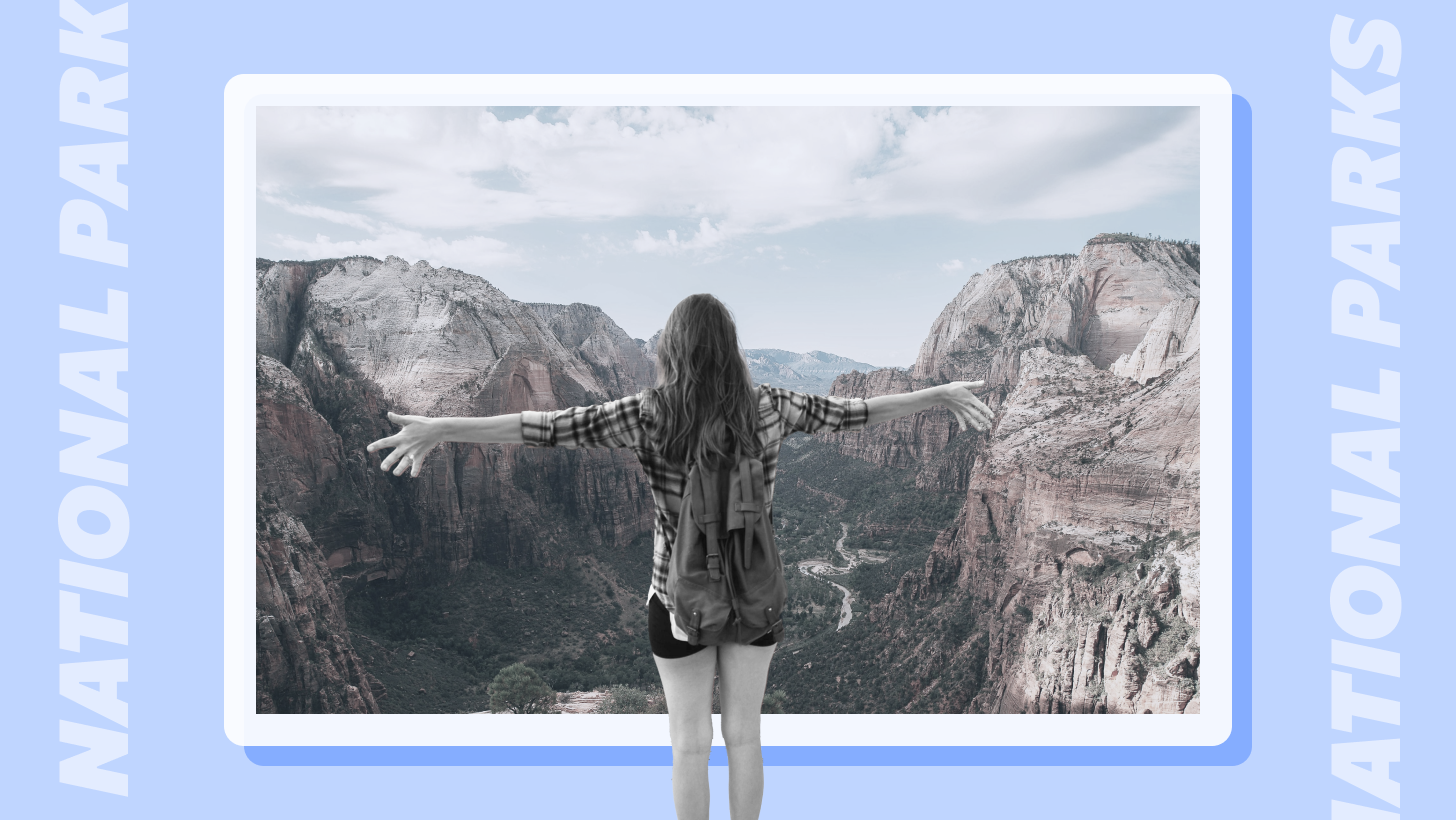
Image: Kristina Wagner

The infinite generosity of America’s great outdoors is almost impossible to fully embrace. Its landscapes offer some of the most varied experiences available anywhere in the world, and the national parks are arguably the best places to explore them. These natural wonders draw huge crowds year after year, so some basic tips can help you make the most of your visit. Take a look at the following 15!

1
Choose your destination

Image: Annie Spratt

Unless they have a specific destination in mind, narrowing down the large list of national parks should be the first item on the list of any aspiring visitor. Fortunately, the National Park Service has a helpful section on its website called 'Find A Park,' which allows users to select a park from the list or search for parks by state, activity, or topic.

Once you've decided where you're headed, check for maps, calendars, directions, hiking trails, and operating hours. Additionally, when choosing your perfect destination, consider exploring some under-the-radar parks, which might offer more solitude and less crowded experiences.

2
Check the weather

Image: Inge Maria

Almost nobody wants to be caught off guard by rain when spending time outdoors. Therefore, always check the weather conditions in advance so you can prepare accordingly or reschedule if necessary.

Even if the weather seems favorable in the morning, a thunderstorm could roll in during the afternoon, so it’s best to be prepared.

3
Pack smart

Image: Alice Donovan Rouse

Life in nature is not the same as life in the city. As basic as that statement might seem to most, watching people attempt to hike through rocky trails in impractical footwear reminds us that perhaps it isn’t so obvious.

Therefore, when exploring nature, make sure to bring durable, comfortable gear . Essentials include hiking boots, sunscreen, waterproof jackets, and layered clothing. Even if you don't plan to be out for long, always bring essential supplies like a first aid kit, water, and snacks whenever you visit a national park.

4
Link parks together

Image: John Matychuk

Many parks in the U.S. are within a short driving distance of each other , so it is always a good idea to visit several national parks in the same area. This way, you’ll experience a bunch of different landscapes in one single trip.

5
Historic accommodations

Image: Igor Chitz

Many national parks have historic lodges within their grounds . Featuring natural materials and stunning designs, these accommodations offer a unique experience worth staying in for a night or two. Keep in mind that booking a room can be challenging, and availability may be limited.

6
Free nature

Image: Kalen Emsley

In a world where almost everything comes with a price, it’s refreshing to know that most national parks are free . And the ones that do, charge a modest fee, ranging from $5 to $35, which typically covers up to seven days for an entire carload of people.

7
Pets

Image: Jamie Street

Our furry friends aren’t always welcome in national parks. If you're traveling with pets, be sure to check the park’s policies. Many parks allow pets on leashes in certain areas , such as campgrounds, and some even offer kennels. However, it’s important to research this in advance.

8
Try to avoid peak seasons

Image: Sebastian Enrique

The summer months are typically the busiest time of year at national parks . Visiting popular parks during the off-season means fewer crowds and lower rates. October is considered an ideal time to visit most national parks, as it’s quieter and the weather is pleasant.

Even if you visit a national park during the high season, you can still avoid crowds by arriving early in the morning before most tourists or visiting in the middle of the week to avoid the weekend rush.

9
Tours and campground reservations

Image: Yuriy Rzhemovskiy

In the same vein as the peak season commentary, making tour and campground reservations is always a good idea. Accommodations tend to fill up early, but online reservations are easy to make . Booking in advance will ensure you get the accommodations and experiences you want.

10
Check out the visitor center

Image: Blake Wisz

While many people tend to pass by the visitor center kiosk without giving it a second glance, doing so at a national park can be a very useful stop. You can pick up maps, guides, and up-to-the-minute information on everything from road conditions to hiking trails, as well as learn about special programs offered at the park.

11
Ask the locals

Image: Taylor Flowe

Nobody knows more about the parks than the park rangers who work there every day. They are highly knowledgeable about everything there is to know about their park and are always ready to assist visitors in any way they can.

12
Keep your distance from animals

Image: Elizabeth Meyers

This should be a no-brainer, but it's worth repeating: be respectful of wild animals and keep your distance. The animals you may encounter in some national parks are not captive in a zoo. These animals are in their natural habitat and behave accordingly .

13
Respect nature

Image: harun asrori

Another simple tip: national parks are protected areas where the preservation of nature and entire ecosystems is critical. Therefore, it's essential to follow all park rules during your visit , including staying on designated trails, respecting wildlife, not littering, and being considerate of fellow travelers. This way, national parks will continue to thrive for generations to come.

14
Be mindful of campfires

Image: roya ann miller

Continuing with the obvious tips, we can't leave this one out: unattended campfires pose a serious threat. Help prevent forest fires by never lighting campfires in prohibited areas and always ensuring that authorized fires are properly extinguished.

15
Embrace the digital disconnect

Image: Philip Smart

National parks are places where visitors go to connect with nature, not with their cell phones. Besides, cell service in these areas is often limited. The last tip on this list is always an obvious one, at least for us: put your phone aside and experience the world with your own eyes , which have a much better quality than the best phone ever built.

General General 3 min read

Not all laws make sense

No bear wrestling in Missouri: Learn 12 American laws concerning animals

Image: Nataliya Vaitkevich

Most well-intentioned laws are created to make things easier for us. But, for different reasons, some of them have become obsolete over time. Many of these laws concern animals and, to our modern eyes, can seem too obvious in some cases and downright odd in others. Did you know about these 12?

1
No opening umbrellas on the street

Image: Edu Lauton

In Montgomery, Alabama, it is considered an offense to open an umbrella on a street for fear of spooking horses .

This raises questions about whether one should open an umbrella since the main use of it happens in the street.

2
No driving over 2000 sheep down Hollywood Boulevard

Image: Andrea Lightfoot

In Hollywood, California, it is illegal to drive more than two thousand sheep down Hollywood Boulevard at one time .

Apparently, you can drive one thousand and nineteen hundred and ninety-nine sheep, no problem. But not two thousand at one time.

3
No loose cats without tail lights

Image: Pacto Visual

In Sterling, Colorado, cats may not run loose without having been fitted with a taillight . Maybe this originated in some road accident involving a feline but one has to wonder if this is the best method of action. Especially since attaching a taillight to a cat does not seem like an easy thing to do.

4
No educating dogs

Image: Caleb Fisher

For whatever reason, you may not educate dogs in Connecticut . Something must have happened at some point in history serious enough for the local legislators to forbid the Connecticuters from educating their dogs.

5
No leaving the ship, if you are a rat

Image: Joshua J. Cotten

In Tampa Bay, Florida, rats are forbidden by law to leave the ships docked at port. The spirit of the law probably requires ship owners to prevent rats from leaving the ship but, for some reason, the phrasing of the text makes it seem as if it is directed to the rats themselves.

6
No road crossing, if you are a chicken.

Image: Vidi Drone

In Quitman, Georgia, it is illegal for a chicken to cross the road . Quite probably, this law is directed to chicken owners so that they prevent their feathered friends from roaming on the roads and causing accidents. But, still, it should be more clearly stated.

7
No fishing from a giraffe’s back

Image: MARIOLA GROBELSKA

Who in their right mind would attempt to fish from a giraffe’s back , right? Apparently, this exact thing happened in Boise, Idaho, prompting the passing of a law to forbid this outrageous behavior from happening ever again.

8
No flying over the village, if you are a bee

Image: Dmitry Grigoriev

In Kirkland, Illinois, bees are not allowed to fly over the village or through any of its streets . How exactly did the legislators who passed that law expect to enforce it, we honestly do not know.

9
No lions at the movies

Image: Andrew Liu

In Baltimore, Maryland, it is illegal to take a lion to the movies . As it should be. No one should be taking live lions into a movie theater filled with people, ever, anywhere in the world. Not even if the showcased movie is The Lion King.

10
No pant-less horses

Image: Silje Midtgård

As with most of the other examples in this list, this is a law that -hopefully- no one is paying any attention to. Horses are required to wear pants at all times in Fountain Inn, South Carolina. Seriously, how do you put pants on a horse?

11
No laying eggs at night

Image: Anita Austvika

It is unlawful for chickens to lay eggs before 8 AM and after 4 PM in West Virginia. Thankfully for chickens, they sleep at night and are active during the day, which prevents them from breaking the law.

12
No pictures of rabbits in June

Image: Gary Bendig

The State of Wyoming doesn’t allow you to take a picture of a rabbit during the month of June . The reason for this curious law is, perhaps, more understandable than most of the previous ones, and it has to do with avoiding harassment of the local wildlife.

History History 5 min read

The foundation of the American nation

The Founding Fathers of America: 10 interesting facts

Image: The New York Public Library

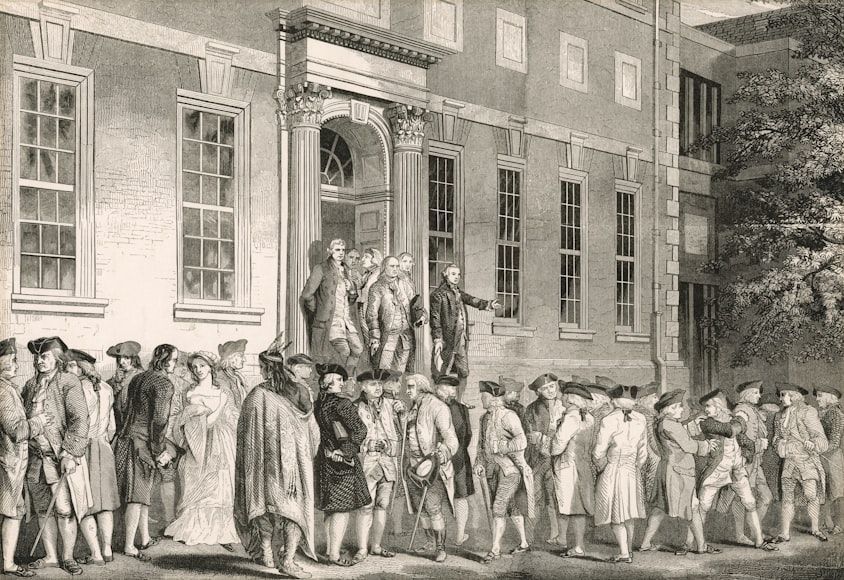
We all know who the Founding Fathers were, but we seldom think of them as human beings rather than heroes who gave shape to our country . Despite their amazing deeds, they still were a group of men of varied origins, ideologies, beliefs, and concerns, which led to more than one discussion and rivalry. Let’s learn some more about them!

1
There is no official ‘Founding Fathers’ list

Image: The New York Public Library

Who can be called a Founding Father? The term was coined by Senator Warren G. Harding in 1916 and is used to refer to the leaders of the Revolutionary movement, but there’s no set list . While it is mainly used for key figures such as George Washington, Thomas Jefferson, John Adams, Benjamin Franklin, Alexander Hamilton, John Jay, and James Madison, the term applies broadly to those who signed the Declaration of Independence and the Constitution .

2
4th of July deaths

Image: Stephanie McCabe

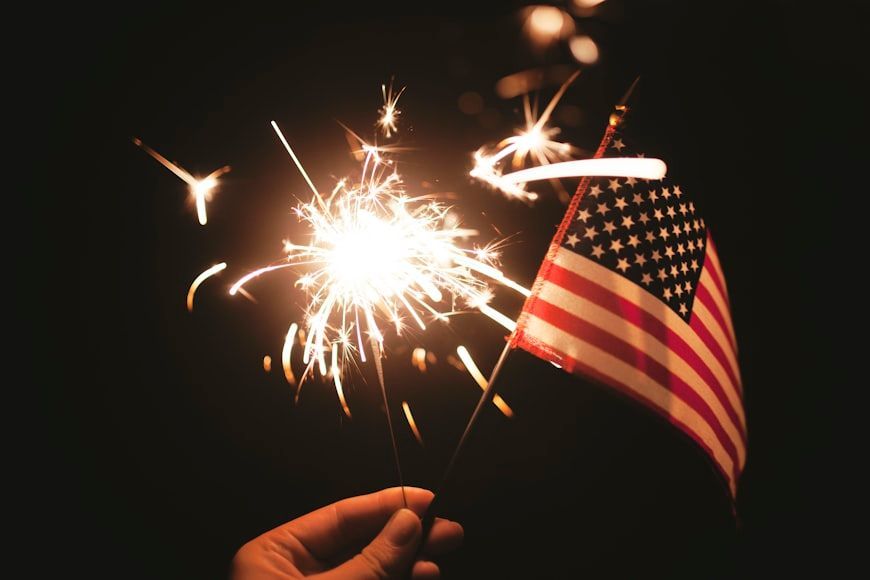
The legal separation of the Thirteen Colonies from the British Crown was voted by the Continental Congress on July 2nd, 1776, but was formally adopted on July 4th , immortalizing the date for the rest of American history. But did you know that it is also the death anniversary of three Founding Fathers?

Thomas Jefferson and John Adams both died July 4, 1826, on the 50th anniversary of the Declaration of Independence, while James Monroe died five years later, on July 4th, 1831. Interestingly, John Adams disliked the date chosen for celebrations, as he believed the day of the vote to be more significant.

3
Refusal to sign the Constitution

Image: Howard Chandler Christy, Public domain, via Wikimedia Commons

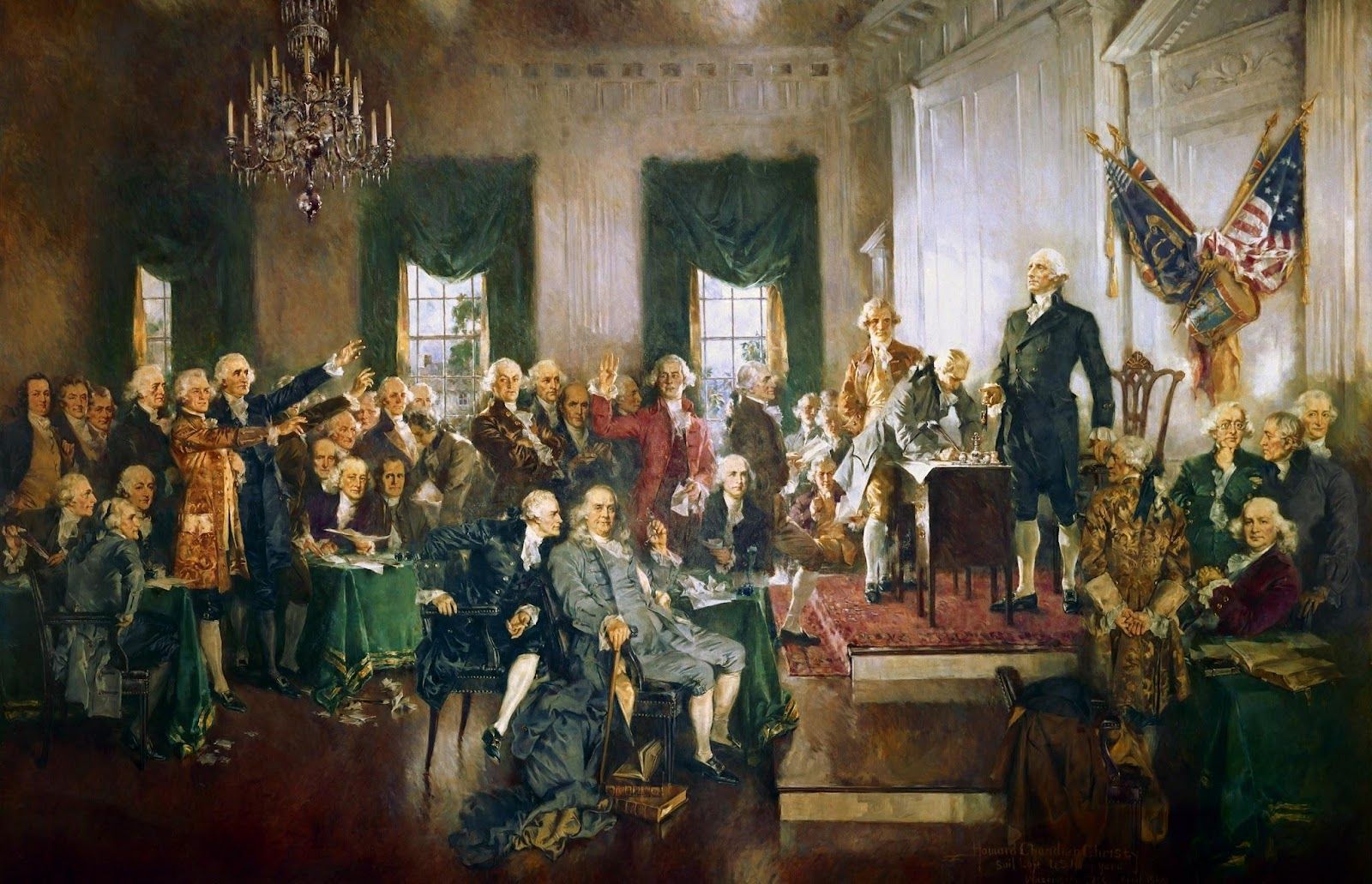
The Constitutional Convention took place in 1787, from May to September. The Constitution of the United States was presented on September 28, 1787 , but nearly two years had to pass for it to be ratified by all the states, superseding the nation’s first constitution, the Articles of Confederation.

Not all signing constituents agreed on the final seven articles, among them Benjamin Franklin, but three of them in particular —George Mason, Edmund Randolph, and Elbridge Gerry— flat out refused to sign the document . Mason suggested the addition of a bill of rights, but was denied, a suggestion that would ultimately inspire the drafting of the Bill of Rights by James Madison.

4
A lawyer for the enemy

Image: National Archives at College Park, Public domain, via Wikimedia Commons

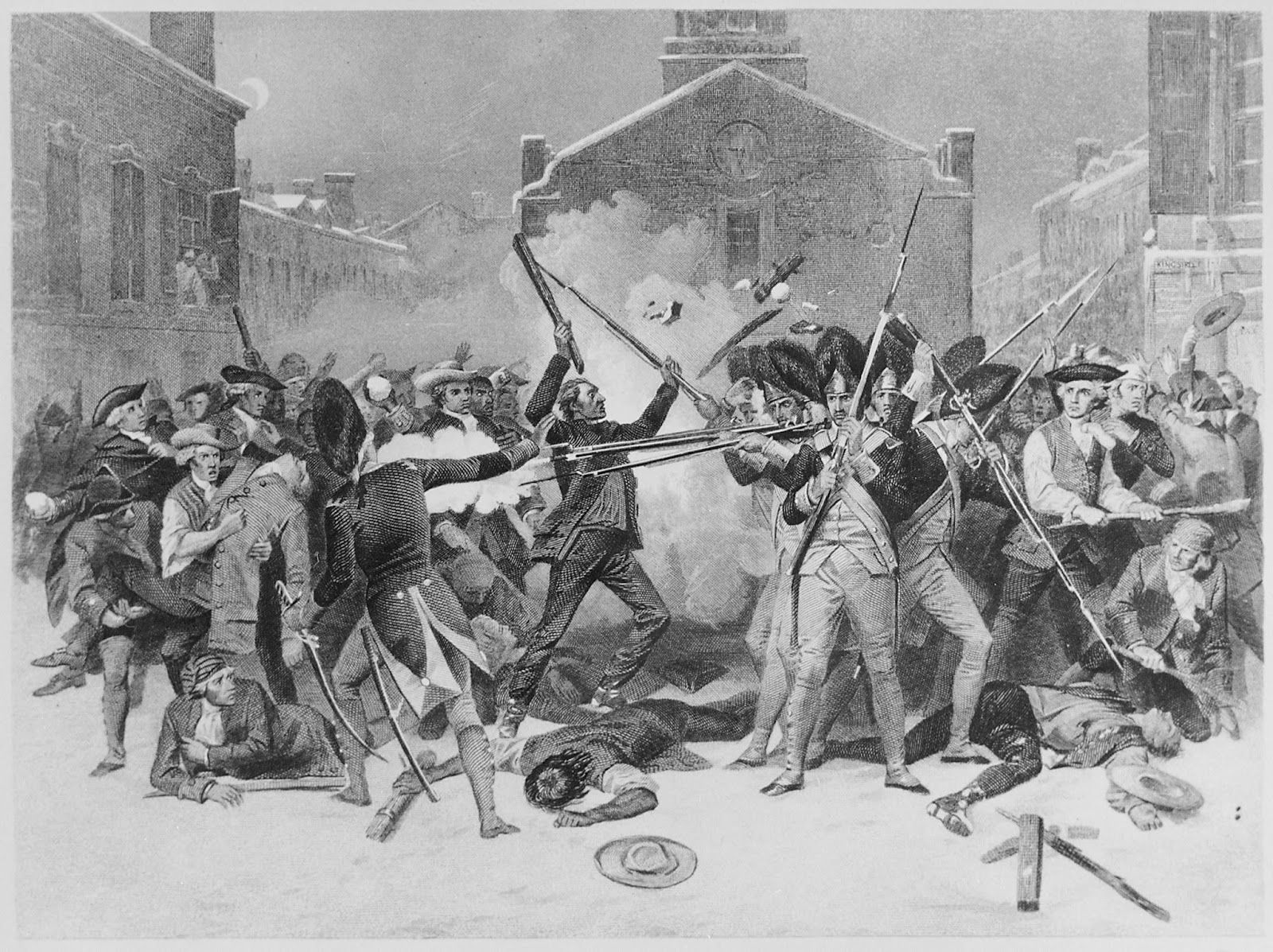
The Boston Massacre of 1770 was part of the incidents that prompted the start of the Revolutionary movement in the colonies. British soldiers stationed in Massachusetts to support the implementation of the Townshend Acts were confronted by an angry crowd. Overwhelmed, the soldiers opened fire without authorization, resulting in five deaths and six wounded.

During the subsequent trial, Founding Father John Adams worked as a defense lawyer for the British soldiers charged , a decision that prompted public criticism. However, he was a firm believer in the right to a fair trial for everyone, and argued that most soldiers had acted in self-defense. In the end, only two soldiers were convicted of manslaughter, a verdict Adams agreed with.

5
The origins

Image: Alex Boyd

None of the Founding Fathers was born an American (for obvious reasons), but most of them were born in the American colonies and had British origins . Out of the 56 signers of the Declaration of Independence, 47 were born in what is now U.S. territory.

The other nine? Eighth of them came from the British Isles : Two were English-born (Button Gwinnett, Robert Morris), three were Irish (George Taylor, Matthew Thornton, and James Smith), two were Scottish (James Wilson, John Witherspoon), and one was Welsh (Francis Lewis). The last one, Alexander Hamilton, was born in the British West Indies , now St. Kitts and Nevis.

6
The first signature

Image: David Nitschke

Have you ever wondered why people ask for a ‘John Hancock’ when they need a signature? It is all because of Founding Father John Hancock. One of the wealthiest men in the Thirteen Colonies, Hancock was a merchant (and smuggler) by trade, served as president of the Continental Congress, and as Governor of the Commonwealth of Massachusetts after the Revolution.

Why is he associated with a signature? John Hancock was the first person to sign the Declaration of Independence, and his signature stands out because it is visibly larger than the rest. According to legend, he claimed to have made it big so King George would be able to read it.

7
The anti-slavery clause that wasn’t

Image: Hussain Badshah

It is no secret that many Founding Fathers were slaveholders, but there was no unified opinion on the subject. Some, such as George Washington, freed their slaves in their wills, while others, such as Franklin, Paine, Hamilton, and Adams, were passionate abolitionists. Thomas Jefferson was a curious case: while he owned numerous slaves all his life, he was against the international slave trade and believed that America had to abolish slavery gradually to avoid civil unrest.

In his first draft of the Declaration of Independence, Jefferson included his conflicted views on slavery in a paragraph condemning King George III for his role in the Transatlantic Slave Trade and the affronts to liberty caused by this. Ultimately, this clause had to be removed due to the objections of many delegates who supported slavery.

8
The vice president

Image: Ian Hutchinson

When the Constitutional Convention considered the best way to choose a chief executive (a.k.a., the president), they weren’t even considering the figure of the vice president , and had decided that the Senate would elect its own president. After creating the Electoral College, they realized that, being a new country, state loyalty would most likely outweigh loyalty to the union. The solution? Each elector had to choose two candidates, one of which should be from a different state. The two most-voted candidates would be president and vice president, respectively.

The first elected vice president, John Adams, was not happy with the position . He had received a huge amount of votes, but George Washington had still won in a landslide. Although he regarded the position as the "most insignificant office that ever the invention of man contrived", he took on his role as President of the Senate with the utmost dedication.

9
Confidence in the Constitution

Image: Adam Nir

It is difficult to believe that any Founding Father thought the Constitution to be perfect. After all, not only did some refuse to sign it, but they also included the possibility of amending it to better protect the stability and liberties of the country.

Some Founding Fathers, however, lacked confidence in the Constitution as a document. Benjamin Franklin expressed his disapproval of certain clauses . Still, he was not sure they could write one better, so he decided to sign it, faults and all, preferring to doubt himself than halt the constitutional process. On the other hand, Washington believed the Constitution to be much better than the Articles of the Confederation, but he expressed his doubts about the document lasting for more than twenty years.

10
A varied group of men

Image: Nathaniel Currier, CC0, via Wikimedia Commons

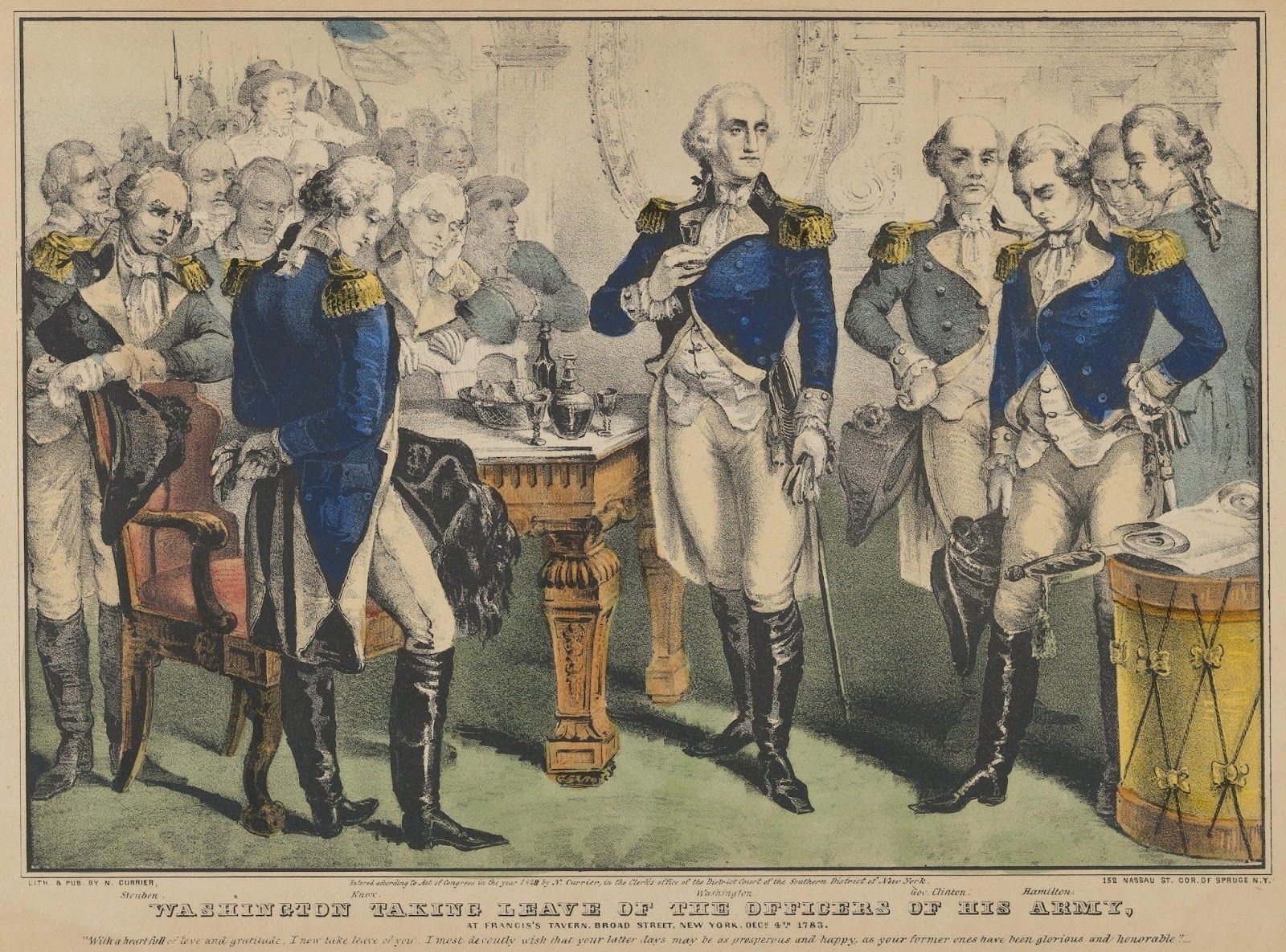
The centuries passed, and the wigs on the portraits have created the illusion of the Founding Fathers being a group of old men , but this is not exactly right. Although Benjamin Franklin was around 70 years old during the Revolutionary War, most Founding Fathers were young enough to fight and were between 30 and 45 years old.

The differences of age, background, and ideology between the Founding Fathers were the cause of many discussions, enmities, and rivalries, but these differences contributed to the foundation of the United States of America.

Explore more American facts

Choose your favorite category!

General
General

As American as apple pie—the very best America has to offer!

Culture
Culture

Delve into the astounding richness of American lore.

Geography
Geography

Hop in and explore vast and diverse American landscapes.

History
History

Discover the key moments that shaped the United States.