Culture Culture 6 min read

What’s in a name?

Nickname nation: How famous Americans earned their monikers

Image: JR Harris / Mitya Ivanov

Some people were great—we know that, we know their names and what they did. But some people were so extraordinarily great that they've earned a nickname that has stuck as firmly as their contributions . And we're not just talking about scientific contributions; we're talking about artists, athletes, and politicians, too. Have you ever wondered how "The Sultan of Swat" got his unique nickname? You don’t need us to tell you who "Lady Lindy" was. In this article, we’ve gathered 10 figures, their amazing nicknames, and the stories behind them.

1
The King of Rock and Roll

Image: Drew Beamer

Elvis Presley didn’t just sing rock and roll; he embodied it. With a signature blend of charisma, flashy outfits, and unmistakable dance moves, Elvis became a household name in the 1950s—but, of course, you knew that already.

His groundbreaking hits like "Jailhouse Rock" and "Hound Dog" resonated across generations, earning him the crown of "The King." The title wasn’t just about record sales, it also reflected his status as a cultural icon who changed the music scene forever. So much so that it is still the number one place in this article! He bridged gaps between musical styles, influencing countless artists to follow. His legacy lives on, proving that some kings don’t need a throne—just a stage and a guitar. Long live the King!

2
The Sultan of Swat

Image: Lesly Juarez

Baseball is one of the best American traditions, and some figures have even outgrown the sport to become national treasures. Babe Ruth is proof of that! The player had more than one nickname , but "The Sultan of Swat," was a tribute to his legendary baseball career.

He was known for his massive home runs and larger-than-life personality. With that, Ruth transformed baseball from a strategic game to a spectacle—a characteristic that is still true of the sport today. During his time with the New York Yankees, he set records that seemed untouchable, like his famous 60-home-run season in 1927. Crowds would pack stadiums just to watch him swing, and he rarely disappointed.

Ruth’s influence was undeniable, and he became a symbol of hope during the Roaring Twenties. After saying all this, "Sultan" doesn’t seem enough, don’t you think?

3
Moses

Image: Kirt Morris

No, we’re not talking about the real Moses, but what did Harriet Tubman have to do to earn a nickname like this? Let’s see.

The nickname is, of course, a comparison. Tubman was a heroic figure, and like the biblical Moses, she led people to freedom—only her path was the Underground Railroad.

Tubman escaped slavery herself , and as if that wasn’t remarkable enough, she then risked her life to guide others north to safety. Her bravery and strategic brilliance helped free over 70 individuals directly, and she advised countless others.

This was no easy task, as you can imagine. It involved evading slave catchers and facing all kinds of risks, especially during the night. After such heroic deeds, "Moses" was the fitting nickname!

4
The Father of His Country

Image: Library of Congress

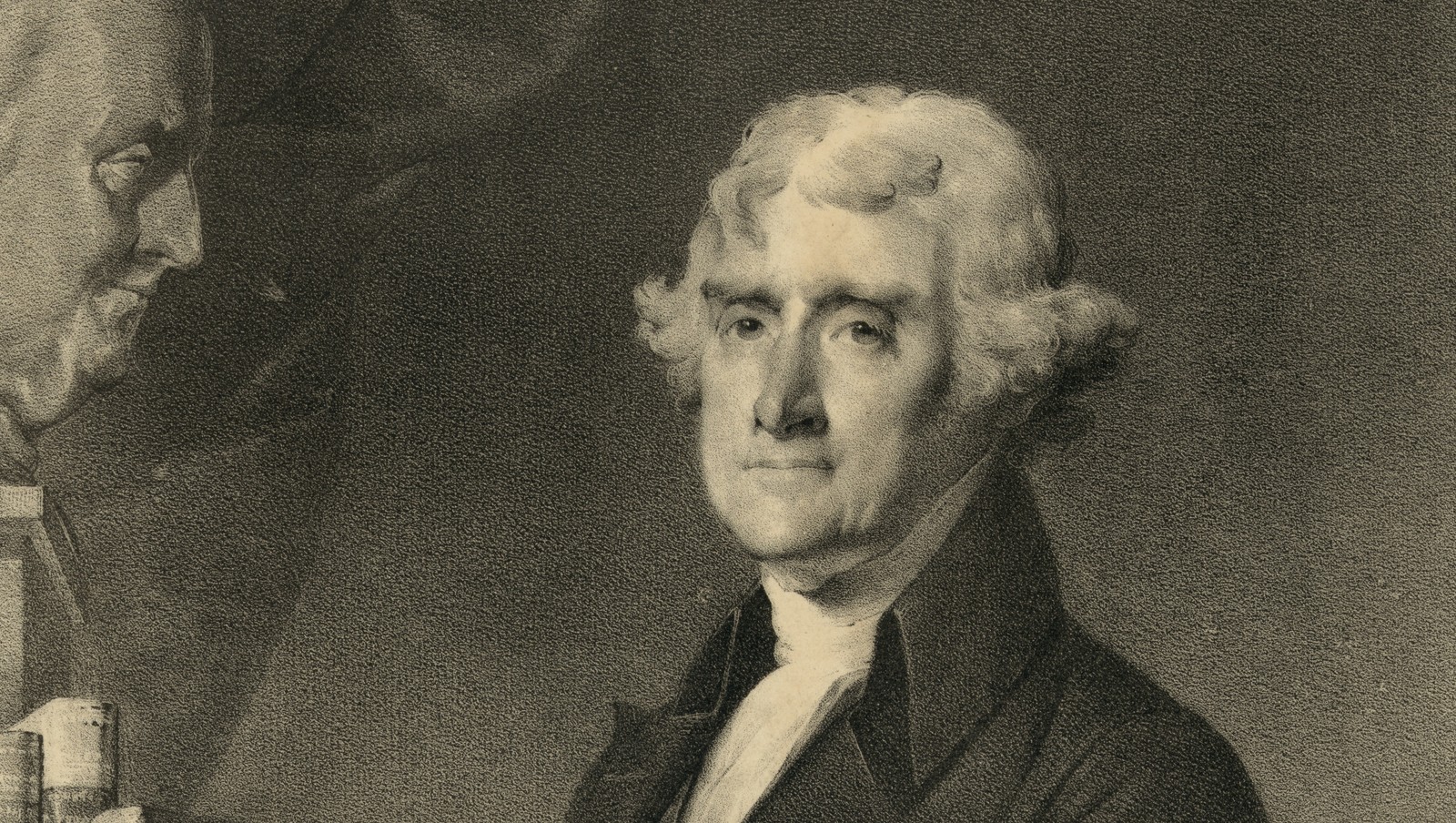
We can’t exclude Washington from this list and, even though he had more than one nickname, this one sums it all up perfectly: They don’t call George Washington "The Father of His Country" for nothing!

As the first President of the US , he essentially set the standard for everything, from leadership to integrity. But before becoming president, he led the Continental Army to victory in the Revolutionary War, helping America gain independence.

What’s truly remarkable? Well, we could just enumerate a long list of reasons, but the fact that he stepped away from power when he could’ve held onto it, was a move that showed his true character. He didn’t want to be a king; he just wanted a country where power was passed peacefully. He acted like a true father, and his legacy is as rock-solid as the monuments built in his honor!

5
Ol' Blue Eyes

Image: Andrea Riondino

Back to the music world and the stars our country has created, we need to mention Frank Sinatra’s nickname, "Ol' Blue Eyes," which perfectly captures his good looks (and served as great publicity, too!).

With a voice as smooth as velvet , Sinatra enchanted the world through classics like "My Way" and "New York, New York." But it was his piercing blue eyes that added to his mystique, charming audiences everywhere.

He wasn’t just a singer; he was a seasoned performer who brought a sense of drama and romance to every song. His career spanned decades, influencing both music and film. Now, did you know this wasn’t the only nickname? He was also known as "Chairman of the Board"—you can already imagine why!

6
The Greatest

Image: Nelson Ndongala

Not Muhammad, nor "The Greatest," he was actually born Cassius Marcellus Clay Jr. The story of how he came to be named Muhammad is tied to his religious choices, but "The Greatest" was simply a result of his dominance in boxing.

Muhammad Ali’s nickname wasn’t just bravado; he lived up to it with his unparalleled skill in the boxing ring . He moved his feet at a disorienting speed and had some witty pre-fight rhymes, Ali changed the way the world saw boxing. Ali won the heavyweight title three times and defeated legends like Sonny Liston and George Foreman.

Beyond the sport, Ali stood up for his beliefs. He refused military service on moral grounds and spoke out for civil rights. His legacy goes beyond boxing because Ali wasn’t just a fighter; he was a champion in every sense. He truly was the greatest!

7
Lady Lindy

Image: Tomas Martinez

This is the story every little kid should hear before going to bed, dreaming about adventures and dreams coming true. Now, aside from that, let’s see how Amelia Earhart got her nickname, "Lady Lindy."

This moniker is actually a nod to Charles Lindbergh , an American aviator who made the first non-stop flight from New York to Paris. In 1932, Earhart made history by becoming the first woman to fly solo across the Atlantic Ocean.

This may not sound impressive today, but her daring feats challenged gender norms and inspired women to pursue their own ambitions, something that wasn’t really encouraged back then! Even after her mysterious disappearance in 1937, she remains an icon of adventure and courage. She dared to dream—and to fly—big!

8
Old Hickory

Image: Elsa Olofsson

If America is great today, that’s because the first men who ruled dared to be brave! And Andrew Jackson wasn’t just brave—he was also tough as hickory wood . Andrew Jackson’s nickname "Old Hickory," was a testament to his grit and toughness.

As a general, he led troops to victory during the War of 1812, most famously at the Battle of New Orleans. His soldiers compared him to hickory wood, known for its resilience and strength. Jackson carried this reputation into his presidency, where he championed the common man and fought fiercely against political opponents. No president in US history escaped controversy, but his leadership style was as unyielding as his nickname suggests. Whether admired or criticized, Jackson’s stubbornness defined his legacy. Old Hickory, indeed, was as tough as they come.

9
The Queen of Soul

Image: Mick Haupt

If you get a nickname that starts with "King" or "Queen" you better be either Elvis Presley or Aretha Franklin. She wasn’t just a singer; she was the singer, which earned her the title "The Queen of Soul."

Her voice could move mountains, and she brought gospel roots to mainstream music with hits like "Respect" and "(You Make Me Feel Like) A Natural Woman." Aretha’s influence extended beyond her music—she became an emblem of civil rights and female empowerment. Her powerful performances transcended genres, and people all over the world adored her.

Even after her passing, her songs remain anthems of empowerment. Franklin’s reign over soul music is unchallenged and timeless. We couldn’t expect less—that’s the job of a true Queen!

10
The Man Behind the Mouse

Image: Travis Gergen

We say "Mouse" and you can only think of Mickey, and if we say "The Man Behind the Mouse," you can only picture Walt . And you’d be right, indeed!

Walt Disney’s nickname, "The Man Behind the Mouse," hints at the magic he brought to life with Mickey Mouse and hundreds of other iconic characters. He was a visionary entrepreneur who transformed the animation industry, creating classics like Snow White and Cinderella . But it was Mickey Mouse that started it all—a symbol of hope and imagination during the Great Depression.

That was the beginning, but certainly not the end as the little mouse quickly turned into theme parks, bigger studios, millions of merchandise products, and countless dreams for people all over the world!
General General 5 min read

Survival foraging in America

These 10 plants could save you from starvation

Image: Alisa Golovinska

Ever felt those hunger pangs while hiking through the countryside and wondered if you could forage to fuel up in an emergency? You absolutely can—if you know where to look. America is blessed with a variety of wild edible plants that could help you out in a pinch—and maybe even add a fresh twist to your next salad. From versatile cattails to delicious blackberries, nature’s pantry offers a surprising amount of nutrition to those who know what to seek. But remember, not every plant is safe, so don’t just sample everything you see. That’s why we’ve compiled this list of 10 common wild edible plants in the U.S. to help you forage smartly!

1
Cattails

Image: Vlad Tchompalov

If you’ve ever seen a cattail and thought it looked kind of yummy, you were on the right track! Cattails grow abundantly in marshy areas across the U.S., and nearly every part of this plant is edible. Often called the "supermarket of the swamp," cattails are incredibly rich in carbohydrates and are a highly versatile food source. These plants not only provide nutrition but also materials for shelter and fire-starting, making them a top resource for wilderness survival in America.

The roots, once cleaned and cooked, have a potato-like quality and can also be dried and ground into flour. Impressively, they even outperform potatoes in starch yield per acre. Young shoots are edible as well, offering a fresh bite when raw or a tender taste when boiled, much like asparagus.

2
Dandelions

Image: Keegan Houser

Often dismissed as a pesky weed, dandelions are actually among the most nutritious plants you can find in the wild. In fact, dandelions are considered even more nutritious than broccoli or cabbage! Every part of the dandelion is edible, from the leaves to the roots. With a taste and texture similar to chicory, the leaves are packed with vitamins A and C and be eaten raw in salads or cooked like spinach.

The bright yellow flowers can also be used to make tea, while the roots can be roasted as a coffee substitute. Dandelion tea is loaded with powerful antioxidants, including beta-carotene and polyphenols, and studies suggest it may benefit heart health.

3
Wild Asparagus

Image: Gil Ndjouwou

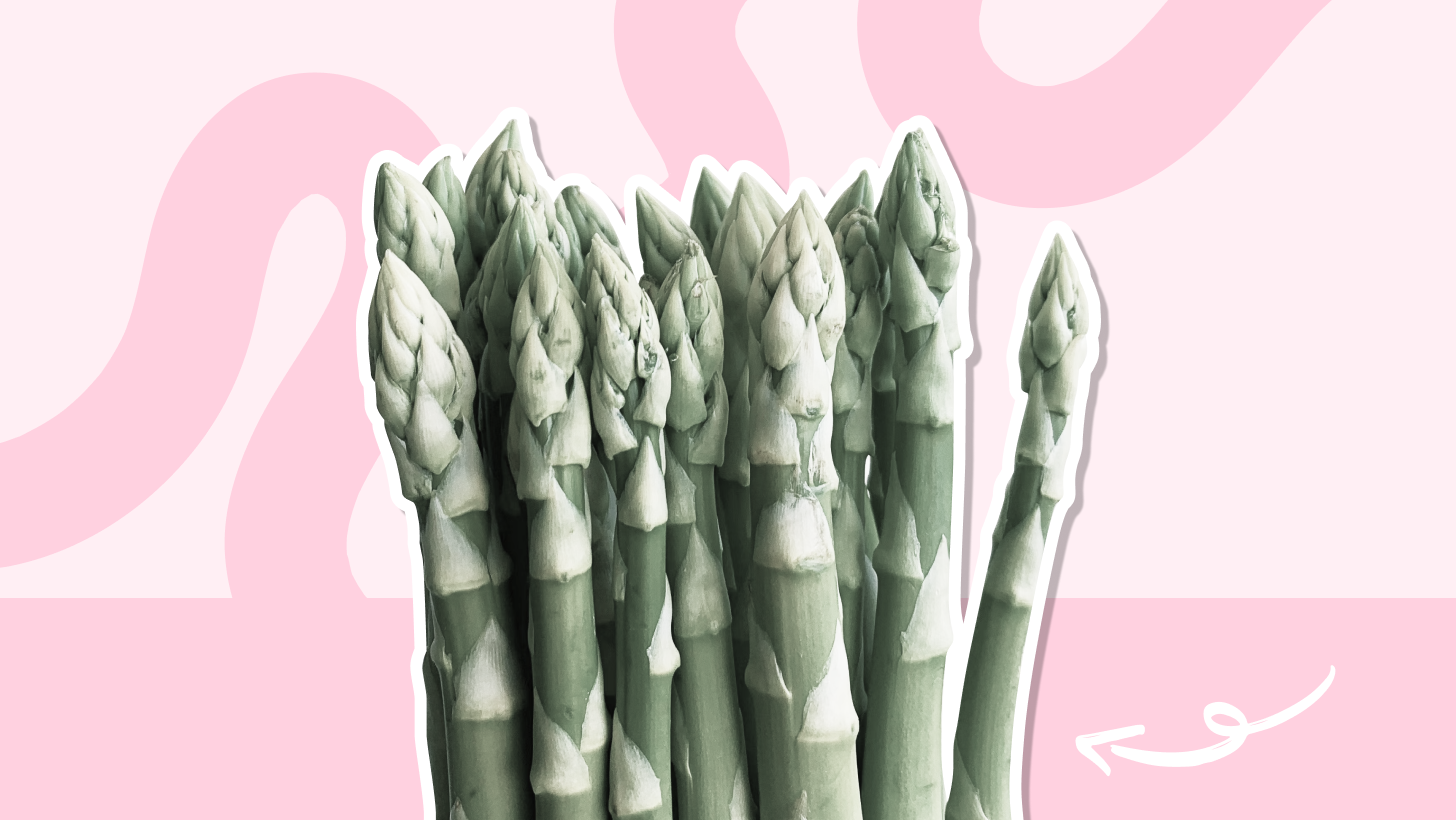
Who knew you could harvest your own asparagus in the wild? Wild asparagus grows across much of the U.S., particularly in moist, sunny areas. While it looks similar to its cultivated cousin, wild asparagus tends to be thinner and tougher. When foraging, look for young shoots, which are more tender and can be eaten raw or cooked.

Like its commercial counterpart, wild asparagus is high in fiber and vitamins, offering a nutritious snack or even a potential side dish in a survival situation.

4
Acorns

Image: Annie Spratt

You’re likely already familiar with acorns, the nuts of oak trees. Found abundantly across the U.S., particularly in forests and woodlands, these wild nuts are indeed edible after some processing. Acorns contain bitter tannins, which can be toxic and need to be removed by repeated boiling or soaking in water.

Once safe to eat, acorns can be either roasted or ground into flour. Though they don’t taste like much, they’re packed with carbohydrates, fats, and proteins. Historically, acorns were a staple food for Native Americans and ancient cultures worldwide, proving their value as a survival resource.

5
Cactus (Prickly Pear)

Image: George Pagan III

In the arid landscapes of the American Southwest, prickly pear cacti offer both nourishment and hydration. The pads (nopales) and the fruit (tunas) are not only edible but are also staples in Mexican cuisine.

The cactus fruit, known as a prickly pear, is super sweet and can be eaten raw right off the plant. Depending on ripeness, the flavor ranges from mildly sweet to syrupy. Packed with vitamin C and water, prickly pear cacti can be a true lifesaver if you find yourself stranded in the desert.

6
Wild Onions

Image: Zoe Schaeffer

Wild onions grow widely across the U.S., thriving in fields, forests, and even backyards. Their bulbs, stems, and leaves are all edible and can be used just like store-bought onions to add flavor and nutrition to any meal. But foragers, beware—there’s an important distinction to keep in mind!

A highly toxic lookalike called death camas can be easily mistaken for wild onions, and as its name kindly suggests, it can have potentially lethal effects if consumed. The easiest way to tell them apart? Wild onions have a strong onion scent, while death camas has no odor. When in doubt, always trust your nose. That being said, unless you are 100% confident in your ability to identify wild onions, it’s wise to consult an expert or avoid foraging them altogether.

7
Pine Nuts

Image: Leila Issa

Pine trees are scattered across America, and their seeds—pine nuts—are a nutritional powerhouse. These small seeds, found inside pine cones, are rich in fats and proteins, making them a concentrated source of energy. In fact, pine nuts have sustained Native American tribes for centuries.

While they are labor-intensive to harvest, the effort is worthwhile. Packed with calories and bursting with flavor, they are an abundant and reliable food source. But it doesn't end there—surprisingly, most parts of a pine tree can be consumed, including the bark, needles, cones, and resin, either as food or for medicinal purposes.

8
Chicory

Image: Christopher Luther

Chicory is often found along roadsides and in open fields throughout the U.S. The plant is recognizable by its bright blue flowers, and while its leaves can be eaten like lettuce, its roots are also useful—they can be roasted and used as a coffee substitute.

During the American Civil War, soldiers used chicory to stretch their coffee supplies, and even today some beer brewers occasionally use roasted chicory to add a bitter flavor to stout varieties.

9
Blackberries

Image: Eric Prouzet

Who hasn't enjoyed picking a few blackberries during a walk? Blackberry bushes thrive across the country, especially in sunny, open areas. These delicious berries are loaded with vitamins C and K, along with fiber, making them an excellent survival food when in season. Additionally, their leaves can be brewed into a soothing tea.

Wild raspberries and strawberries are similarly plentiful in the American backcountry. Their unmistakable appearance and sweet flavor make them a great choice for novice or inexperienced foragers to safely enjoy nature’s pantry.

10
Clover

Image: Kelly Sikkema

Who knew that stumbling upon a clover patch could bring more than just good luck? Clover grows abundantly across the U.S., from lawns to meadows, and both its leaves and flowers are edible. The flowers are often dried to make tea, while the leaves can be tossed directly into salads or soups an added nutritional boost.

Rich in protein and minerals, clover has historically served as fodder for livestock, but it can also provide essential nutrition for humans, especially in a survival situation! Its versatility certainly makes it a valuable addition to any forager's repertoire.

Geography Geography 3 min read

Go beyond Tahoe

Discover 12 lesser-known, but beautiful lakes to visit in the U.S.

Image: Timo Stern

America the Beautiful is filled with stunning natural landscapes for everyone to enjoy. However, for various reasons, some places are far more popular than others, and lakes are no exception to this phenomenon. While lakes like Tahoe and the Ozarks can get quite crowded, many lesser-known lakes offer equally breathtaking views—without the crowds. Take a look at the following 12 and see if any catch your interest!

1
Sunapee Lake, New Hampshire

Image: Jackson Hendry

This serene glacial lake in southwestern New Hampshire is nestled within Mount Sunapee State Park. Its visitors will find a spacious beach for swimming, a boat launch, and hiking trails within the park area.

Beyond the summer season, the lake is particularly beautiful during fall, when the surrounding trees display a vibrant array of colors.

2
Ross Lake, Washington State

Image: Paul Pastourmatzis

The remote Ross Lake, located in the North Cascades region of Whatcom County, Washington, is a hidden gem off the beaten path. This stunning lake winds its way through the landscape at 1,600 feet above sea level, framed on all sides by towering mountains.

Campsites accessible by boat or hiking are available, and backcountry camping is allowed with a permit. Visitors to Ross Lake come for trout fishing , canoeing , kayaking , and hiking .

3
Lure Lake, North Carolina

Image: Blake Wheeler

The gorgeous Lake Lure stretches along the base of Hickory Nut Gorge in the mountains of western North Carolina. If its shores look familiar, it’s because Patrick Swayze and Jennifer Grey filmed scenes here for the classic movie Dirty Dancing . The lake offers beaches and hiking trails for visitors to explore.

4
Ouachita Lake, Arkansas

Image: Aaron Burden

Nestled in the hills of the Ozarks, Lake Ouachita is home to a unique creature swimming beneath its surface—freshwater jellyfish. Unlike their saltwater relatives, these invertebrates are harmless and rarely found elsewhere. The lake also boasts over 200 uninhabited islands for visitors to explore.

5
Hamilton Pool Preserve, Texas

Image: Matthew Daniels

Located near Austin, the Hamilton Pool Preserve is a favorite summertime retreat for locals when the heat becomes overwhelming. This stunning natural pool was formed when the roof of an underground river collapsed after thousands of years of erosion.

Water from Hamilton Creek spills over the edge of the collapsed dome, creating a 15-meter waterfall that flows into the grotto below. The preserve also features hiking trails and picnic facilities for visitors to enjoy.

6
Almanor Lake, California

Image: Simon Berger

While most travelers visit the Northern Sierras for trekking, the region also boasts excellent swimming spots with magnificent backdrops —Lake Almanor being no exception.

This man-made lake sits within Plumas National Forest, adjacent to Lassen Volcanic National Park, offering visitors breathtaking views of the park’s namesake volcano.

7
Mono Lake, California

Image: Leo_Visions

Another California lake, Mono is not only the oldest in the entire US but also one of the oldest in the Western Hemisphere. Surrounded by the Sierra Nevada Mountains, it features towering limestone columns that rise dramatically from the lake bed. Mono Lake also serves as a vital habitat for migratory birds, which feed on the brine shrimp that thrive in its salty waters.

8
Bear Lake, Utah

Image: Daniel Bowman

When it comes to lakes in Utah, there’s more to explore than just the Great Salt Lake or Lake Powell. Bear Lake, a crystalline body of water straddling the Idaho–Utah border, is often called the " Caribbean of the Rockies " due to its striking bright blue hue, caused by suspended limestone in the water.

9
Blue Mesa Reservoir, Colorado

Image: Rocco Caruso

Next to the aforementioned Utah, Colorado is also home to a stunning yet relatively uncrowded lake—the Blue Mesa Reservoir. This picturesque body of water , surrounded by golden hills and rocky outcroppings, lies at the end of an hour-long hike down the Gunnison River Gorge.

10
Cave Run Lake, Kentucky

Image: Craig McLachlan

Cave Run Lake is located among the trees of Daniel Boone National Forest. The blue-toned water attracts fishermen, boaters, and swimmers alike to enjoy an escape from the heat, while its shores feature beaches and activity areas perfect for families.

11
Mooselookmeguntic Lake, Maine

Image: Les Anderson

This stunning Maine lake, part of the Rangeley Lakes region, is a renowned fishing hotspot . The distinctive shape of the lake can be appreciated from the Height of Land lookout, making it a must-visit for those seeking tranquility and outdoor adventure.

12
Hanging Lake, Colorado

Image: Irene Dávila

Reaching Hanging Lake requires a 1.2-mile hike, but the breathtaking views make the effort worthwhile. This stunning lake was formed by a geological fault , which caused it to separate from the valley above , leaving it suspended atop the cliffs of Glenwood Canyon.

Explore more American facts

Choose your favorite category!

General
General

As American as apple pie—the very best America has to offer!

Culture
Culture

Delve into the astounding richness of American lore.

Geography
Geography

Hop in and explore vast and diverse American landscapes.

History
History

Discover the key moments that shaped the United States.