General General 4 min read

No champignons on this list

Read this before picking mushrooms: 10 toxic species in America

Image: Hans Veth

Mushrooms can be found everywhere—not just deep in the woods but also in our neighborhoods, growing in the little grass patches on our sidewalks, under ornamental bushes and plants, and nearly anywhere else. Their ubiquitous presence is a testament to the evolutionary wonder of fungi in general. While many species can be safely consumed, others are toxic or even lethal. Names like "Death Cap" or "Destroying Angel" are warning enough, but, alas, nature does not provide little tags with the names we humans assign to things. Therefore, having a general knowledge of this subject is always advisable.

1
Death Cap (Amanita phalloides)

Image: Rémi Müller

The first mushroom in our list is also the most toxic in the world. It was originally found only in Europe until imported trees transported it to America and everywhere else. Over time, Death Caps adapted to native trees, enhancing their ability to proliferate.

These unassuming-looking mushrooms have tinted green caps, white stems, white gills, and a white partial veil . They grow around oak, beech, chestnut, birches, hornbeams, spruce, and pine. Death Caps fruit in summer through fall underneath these trees, and are responsible for more than 90% of all mushroom poisonings and fatalities worldwide.

2
Destroying Angel (Amanita bisporigera)

Image: Sai Kiran Belana

Another member of the Amanita species with an ominous name, the Destroying Angel is the number one toxic mushroom in North America and is extremely widespread. Its all-white cap and stem often lead to mistaken identity with button mushrooms and meadow mushrooms.

The Destroying Angel grows from a white volva egg-like sac, features gills, and has a tall, slender stem . Its stems typically range from 3 to 8 inches in length, making it stand out in the forest like an all-white apparition. None of the common lookalikes grow this tall.

3
Funeral Bell (Galerina marginata)

Image: Lucas van Oort

The Funeral Bell appears somewhat harmless, and most poisonings are from mistaken identification. This "little brown mushroom" closely resembles several edible species, including the widespread Sheathed Woodtuft.

Funeral Bells grow on rotting wood, preferring conifer species, though they are not limited to them. They are found across North America, Asia, Australia, and Europe. This mushroom features a cone-shaped brown cap, light brown gills, and a tan to rusty-brown stem . A key distinguishing feature is a membranous ring around the upper part of the stem.

4
Pholiotina rugosa (previously Conocybe filaris)

Image: Kadri Võsumäe

A common lawn mushroom prevalent in the Pacific Northwest, this deadly fungus contains amatoxins, which destroy the liver and can cause death. Pholiotina rugosa is slender, petite, and rather innocent-looking. The cap is smooth, brown, and conical, with rusty brown gills underneath . The stem is also brown and features a distinctive, prominent ring around the middle—a key identification feature.

This deadly mushroom isn’t picky about habitat. It will grow on the lawn, soil, compost, and woodchips. P. rugosa is easily transported to new locations through woodchip and compost deliveries and adapts to new environments with little trouble.

5
Fool’s Funnel (Clitocybe rivulosa)

Image: Hoejin Iwai

Fool’s Funnel grows across North America in meadows, lawns, and other grassy areas from summer through autumn. It often grows in fairy rings, and accidental consumption by children or pets is a significant concern. These toxic mushrooms are small, white, and benign-looking . The caps are white and funnel-shaped, with crowded white gills underneath. Fool’s Funnel stems are also white and lack distinctive markings.

While this fungus rarely causes death, its ingestion will cause severe pain. This mushroom contains high levels of muscarine which acts as a nerve agent when ingested.

6
Deadly Webcap (Cortinarius rubellus)

Image: Markus Spiske

Another mushroom with a foreboding name, the Deadly Webcap, is found in coniferous and mixed forests across North America. It contains a toxin called orellanine, which can cause severe kidney failure when ingested.

The Deadly Webcap bears a close resemblance to edible species like the Chanterelle , making it especially dangerous for foragers.

7
False Morel (Gyromitra esculenta)

Image: jaStra

As the name implies, the False Morel is a toxic mushroom closely resembling the highly prized Morel mushroom . It contains a toxin called gyromitrin, which can cause severe gastrointestinal symptoms, seizures, and even death if ingested in large quantities.

There are multiple species of False Morels, and current evidence suggests that many are safe to eat, while Gyromitra esculenta should still be foraged with caution. Many people consume this mushroom, but only with proper preparation. This is not a mushroom you can simply sauté and eat; proper preparation is necessary to remove most of the toxins, making it "safe.

8
Common Conecap (Pholiotina rugosa)

Image: Oliver Fetter

This small brown mushroom contains the same deadly amatoxins found in the Death Cap and Destroying Angel. It is commonly found on or around wood mulch , particularly in landscaped areas. Its tendency to appear in yards makes it especially dangerous. Ingesting even a small amount of this toxic fungus can result in severe illness or death.

9
Amanita Muscaria

Image: Егор Камелев

Probably the most recognizable mushroom shape in the world is Amanita muscaria . Its stereotypical toadstool stands out in the woods thanks to its bright red cap with white spots and a white stem . These mushrooms are considered toxic and can cause pain but are unlikely to cause death.

Few mushrooms share the same scarlet hue that makes them so visible in green and brown underbrush. The white bumps on the cap also create a distinct, eye-catching pattern.

10
Green-Spored Parasol

Image: Timothy Dykes

Known as "the vomiter" for the effects it can have on anyone who consumes it, the Green-Spored Parasol has the same general shape as the Death Cap and Destroying Angel. Its stem is tall and thin, with a skirt that sits just under the cap . This cap ranges from rounded downward to wide and flat, depending on the mushroom’s age.

The symptoms from its ingestion range from extreme stomach irritation to bloody diarrhea, as well as the aforementioned vomiting. Therefore, caution is advised.

General General 4 min read

Behind the scenes

Can you really buy an Oscar for a dollar? Little-known facts about awards

Image: RDNE Stock project

America must really love handing out awards if we have a full season devoted to it. You’ve watched it on your TV a thousand times, but did you know the winners can sell their Oscars? And what about the fact that the Golden Globes are not actually a hundred percent gold? Here’s all we know about award season . Put that dress and suit on, and walk down the red carpet of our site to get all the details!

1
The Golden Globe: Lighter than it looks

Image: MUILLU

Despite its prestigious reputation, the Golden Globe is one of the lightest major awards, it weighs just 7.8 pounds. That’s about the same as a small bag of sugar. Not exactly a workout for the winners, right?

While it may not be as heavy as an Oscar or a SAG Award, it’s still one of the most recognizable trophies in Hollywood.

2
A golden glow-up in 2009

Image: Kier in Sight Archives

The Golden Globe has been around since 1944, but in 2009, the award got a makeover . Its base was updated and they reinforced the top for a more durable design.

The refresh made sure this little trophy could withstand the excitement (and maybe the occasional after-party mishap). The new design kept its classic golden charm while making it sturdier for future winners.

3
Golden Globe: What’s it made of?

Image: Zlaťáky.cz

Now, let’s talk materials: Did you think the Golden Globe is all gold? Not quite! Up to 2019, the trophy was coated in 24-carat gold , sitting on an exotic marble base. However, the new design is made of zinc, brass, and bronze. Goodbye, marble!

That mix of materials makes it both elegant and solid, though it’s still one of the lighter awards out there.

4
The SAG Award: Hollywood’s heaviest trophy

Image: Venti Views

If you’ve ever bowled a strike, you’ve lifted something as heavy as a SAG Award. This trophy called "The Actor" is the bulkiest of the bunch, with a hefty 12 pounds .

Contrary to Golden Globe winners, SAG Award winners need a little arm strength to hoist it up for their acceptance speeches. But hey, considering how much actors work out for movie roles, a little extra weight shouldn’t be a problem!

5
A trophy with a military past

Image: Scott Webb

The SAG Award isn’t just heavy, it’s made of solid bronze originally developed for the US Navy.

The same material used in World War II for ship propellers and shell casings is now used to honor Hollywood’s finest, how about that?

6
The SAG Award: The baby of the group

Image: Tim Wildsmith

Compared to other long-standing awards, The Actor is still the new kid on the awards block. The SAG Awards are only 30 years old , they are the youngest of the major Hollywood trophies.

However, they’ve quickly become one of the most respected honors in the industry. They acknowledge and reward actors and crews from TV shows and they are highly valued among artists.

7
The Grammy’s original name: The Eddie?

Image: Clem Onojeghuo

The Grammy Award almost had a very different name. Originally, the National Academy of Recording Arts and Sciences considered calling it "The Eddie," after Thomas Edison, the inventor of the phonograph.

That’s clever, but eventually, they settled on "Grammy," inspired by the gramophone, an early record player.

8
Handcrafted with care in Colorado

Image: Randy Fath

Unlike mass-produced trophies, each Grammy is handmade by John Billings and his small team in Ridgeway, Colorado.

It takes 15 hours to craft just one , making each award a true work of art. With only a few people in charge of making them, and only a few people in the world who can win it, there’s a special touch to every trophy.

9
Why the Grammys use fake trophies on stage

Image: Markus Spiske

Ever noticed how winners don’t immediately have their names on their Grammy Awards? That’s because they’re handed blank fake trophies during the ceremony!

After the show, Billings’ wife, Robin Meiklejohn, carefully engraves the real nameplates . That way, winners get their correctly labeled awards without any last-minute surprises. We bet you’ll be double-checking next time you watch it!

10
Oscar nameplates: Everyone gets one, just in case

Image: Serge Le Strat

Unlike the Grammy Awards, where nameplates are engraved after the winners are announced, the Academy Awards prepare nameplates for every nominee ahead of time. That means each nominee’s name is already printed and waiting backstage, ready to be attached. The losers’ nameplates? Well, let’s just say they don’t make it onto the trophies

11
The Oscar: More gold than any other award

Image: Samuel Ramos

Hollywood’s most coveted trophy isn’t just tall, it’s loaded with gold . The Academy Award has more gold than any other major trophy. So, to keep it shiny, the polishing work will require a little time!

It takes an hour of careful work to make sure each Oscar gleams on awards night. Because let’s face it, under those bright Hollywood lights, who wants a dull statue?

12
What’s with the Oscar’s base?

Image: Carol Highsmith's America

Have you ever wondered why the Oscar statue has a unique look? The base is designed as a five-section film reel , representing the Academy’s five core branches: actors, writers, directors, producers, and technicians.

It’s a nod to the many different talents that make a great film possible. A meaningful detail on Hollywood’s biggest prize, don’t you think?

13
Why you can’t sell an Oscar for more than $1

Image: Ilya Chunin

Think an Oscar could get one a fortune? Think again! Since 1950, every Oscar winner must agree to offer the trophy back to the Academy for just $1 before selling it.

This rule prevents an underground market for Hollywood’s highest honor, naturally. So if you’re dreaming of buying one, you might need to win it the old-fashioned way: By making a great movie!

14
Why is it called "Oscar"?

Image: Mirko Fabian

The name "Oscar" has a fun origin story. Legend has it that Margaret Herrick, a former Academy librarian, thought the statue looked like her Uncle Oscar , and the name just stuck! Maybe that’s not the real story, but it’s certainly better than calling it "The Academy Award of Merit."

General General 3 min read

On the road

Driving us crazy: Traffic rules too strange to be true (But they are!)

Image: Wolfgang Eckert

We all recognize the red octagon of STOP signs or notice the speed limits, but that’s not all to traffic laws. America’s roads are full of surprises, and if you don’t believe us, just read this article! Today, we’re taking a scenic (and slightly absurd) drive through some of the oddest traffic laws in the country. Buckle up: You won’t believe what’s technically illegal out there!

1
Florida – Meter feeding for elephants

Image: AJ Robbie

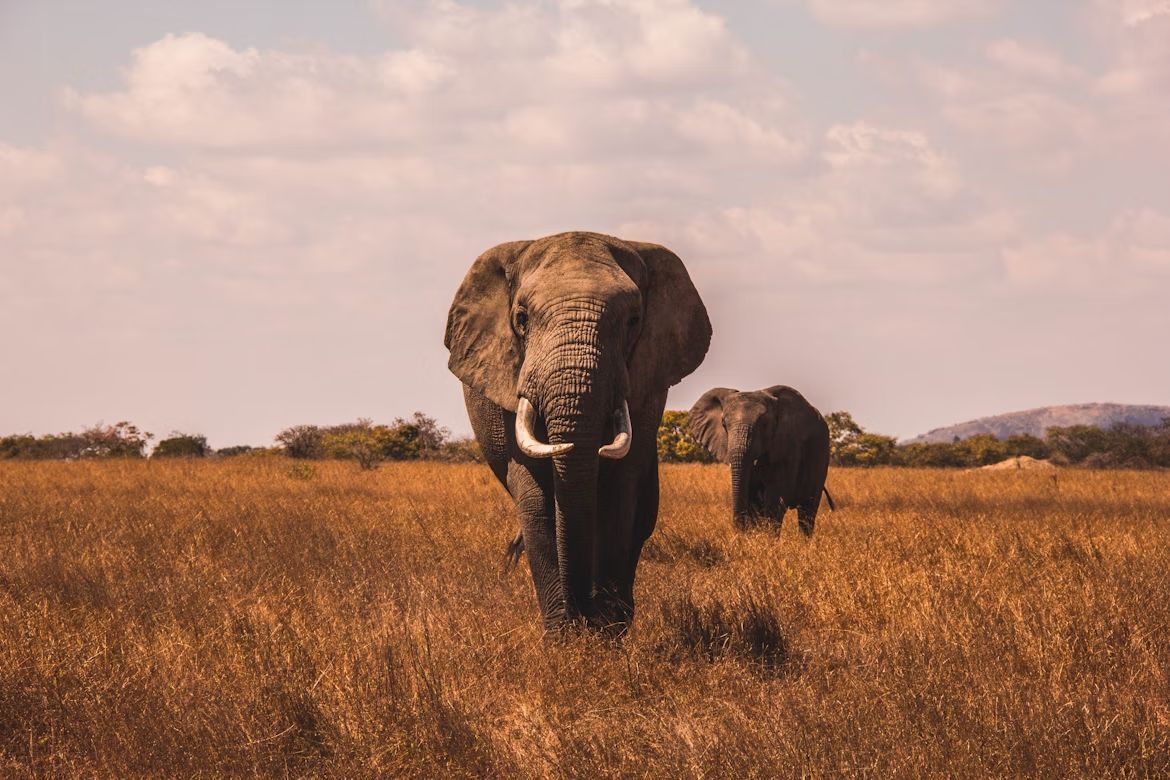
Florida’s traffic code once required that if you tied your elephant, goat, or alligator to a parking meter, you had to pay the fee, just as you would for a car. It sounds wild today, but it’s rooted in a time when people actually rode animals into town.

Though it’s not actively enforced (we checked), the law technically still lingers on the books. So, you'd better leave your pet elephant behind from now on!

2
Idaho – Seniors and motorcycles don’t mix

Image: Harley-Davidson

In Idaho Falls, it’s long been rumored that a local ordinance makes it illegal for anyone over 88 to ride a motorcycle. That sounds oddly specific—and a bit ageist. Whether it was meant to encourage safety, misinterpreted, or inspired by one daredevil granny, no one’s quite sure.

While there's no sign of active enforcement (or even proof it still exists), the message seems clear: once you’re nearing 90, it might be time to stick to the golf cart.

3
Arizona – Don’t even think about driving in reverse

Image: Jerry Kavan

Arizona doesn't mess around when it comes to driving in reverse. On public roads, moving backward is a big no-no. While it’s unlikely you’ll get arrested for backing out of a driveway, pulling a full-speed reverse cruise down Main Street might land you in hot water. Arizona wants you to move forward in life—literally.

4
Illinois – You need a steering wheel to drive

Image: Zach Wiley

Well, isn’t that obvious? Apparently not—because Illinois actually has a law stating that you can’t drive a car without a steering wheel.

Even if it seems like common sense, laws like this were created during the early days of car modifications, when people got creative (and sometimes reckless). So, if you were planning to steer your car using a rope-and-pulley system… maybe don’t.

5
Maine – No Sunday car shopping

Image: Hilbert Hill

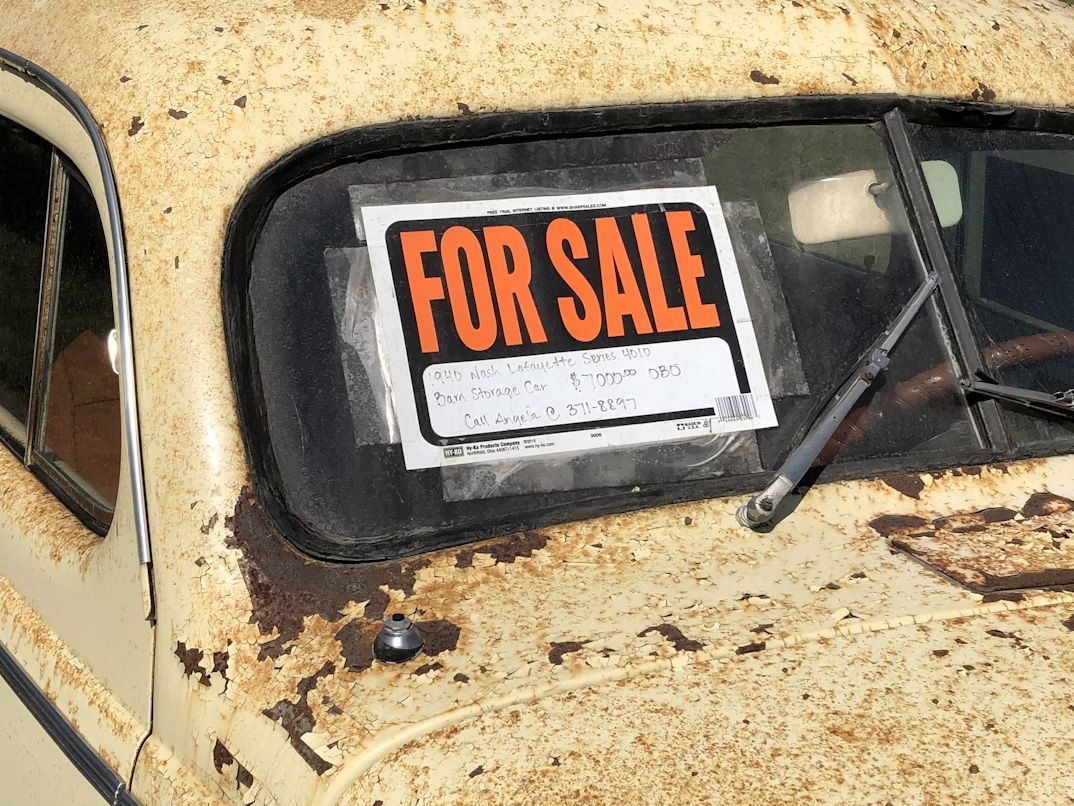
In Maine, it’s illegal to buy a car on Sunday. Dealerships are closed by law, making it impossible to seal the deal on the most relaxing day of the weekend. Why? The rule has roots in so-called "blue laws," which were designed to preserve Sunday as a day of rest. So in Maine, if you get a wild urge to car shop after church, you’ll have to wait until Monday.

6
Michigan – Streets are not for reading

Image: bruce mars

Michigan has a law that says you can’t sit in the middle of the road and read a newspaper. Yeah, no joke!

We know—it’s hard to imagine someone actually doing this (unless it was a very juicy headline), but the law’s goal is clearly about safety. Still, you have to admit the mental image is pretty great—just don’t try it unless you want to make the evening news.

7
New Hampshire – Bus fumes are not a high

Image: Lizgrin F

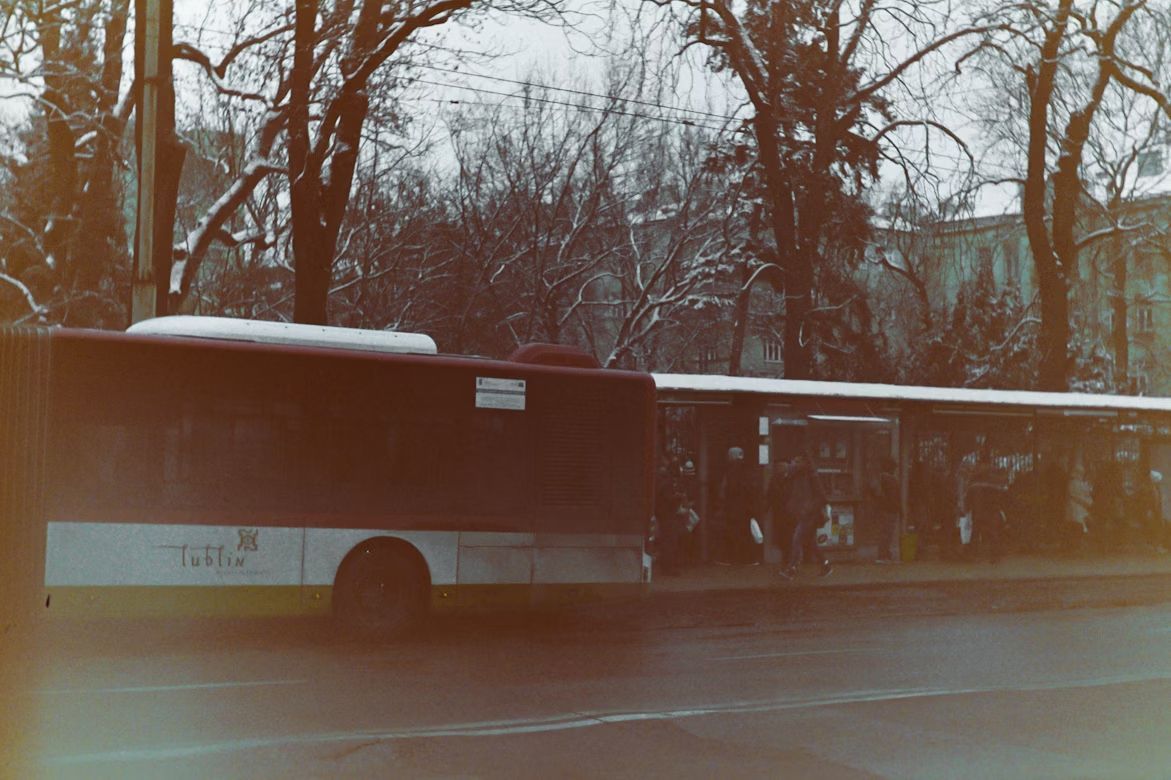
New Hampshire takes a hard stance on inhaling bus fumes "with intent to cause euphoria." That’s a legal phrase, not a band name. It’s part of the state’s broader anti-huffing laws, aimed at curbing substance abuse.

Well, that’s odd!

8
Vermont – Backfiring is a no-go in Rutland

Image: RoonZ nl

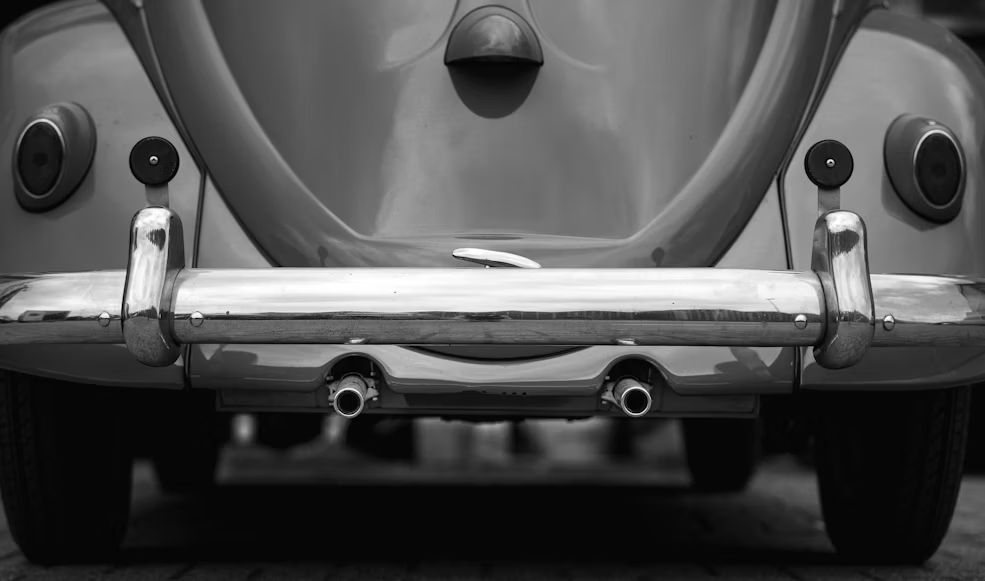
In Rutland, Vermont, letting your car backfire could technically get you in trouble. This law was probably put in place to cut down on noise or prevent panic during quieter times in history.

Today, it’s unlikely to get you arrested, but a surprise backfire might still earn you some serious side-eye from the locals. If you ask us, this should be a law everywhere!

9
Wisconsin – Hands off the handlebars? Not allowed

Image: Darko Pribeg

In Wisconsin, you’re not allowed to ride a bicycle with no hands. Even if you’re showing off your balance skills from the 1970s, the law says at least one hand must stay on the handlebars.

It’s all about safety—but if you’re feeling rebellious, maybe show off at the park. Just don’t do it on public roads. Keep it hands-on!

10
South Carolina – No trash hoarding in Hilton Head

Image: Alireza Mirzabegi

In Hilton Head, it’s illegal to store trash in your car. That’s right—your vehicle can’t double as a mobile garbage can. The law aims to keep the area clean and tourist-friendly, but it also sounds like a not-so-subtle jab at anyone using their backseat as a trash bin. Hilton Head wants pristine beaches and clean cars!

Explore more American facts

Choose your favorite category!

General
General

As American as apple pie—the very best America has to offer!

Culture
Culture

Delve into the astounding richness of American lore.

Geography
Geography

Hop in and explore vast and diverse American landscapes.

History
History

Discover the key moments that shaped the United States.