Culture Culture 5 min read

Music legends

Rock all night with these 10 American rockstars!

Image: Kenny Eliason

Rock music is considered by many to be the most groundbreaking genre of the 21st century. It has spawned countless iconic songs, and almost 80 years since its inception, it shows no sign of slowing down. In that sense, America has produced its fair share of iconic rockstars throughout the decades. These revolutionary musicians have helped shape the music of their time, so we decided to pay homage to 10 of the most innovative and influential American rockstars in history. With that in mind, there’s only one question left to ask: Are you ready to rock?!

1
Chuck Berry

Image: Provincial Archives of Alberta

Let’s begin with the man known as the "Father of Rock and Roll." To label Chuck Berry as a pioneer would definitively misrepresent the legacy of this amazing musician; Berry was almost solely responsible for introducing the key elements that would eventually define rock music.

Songs like "Maybellene," "Roll Over Beethoven," and "Johnny B. Goode" influenced countless musicians through the ages. Legendary artists like the Beatles and the Rolling Stones famously covered some of his songs, while Bob Dylan once defined Berry as "the Shakespeare of Rock n’ Roll."

2
Bruce Springsteen

Image: Jose Antonio Gallego Vázquez

Up next, we have a boss that anyone would love to have in their office. Bruce Springsteen is undoubtedly one of New Jersey’s favorite sons. Known as "The Boss," Springsteen has dazzled the American public since his first album in 1973, earning a myriad of awards and recognitions in the process, including the Presidential Medal of Freedom.

Known for his insane charisma and distinctive voice, Springsteen has performed with his iconic "E Street" band since 1972. Rolling Stone magazine has described him as "the embodiment of rock and roll" and included him in its list of "100 Greatest Artists of All Time."

3
Jimi Hendrix

Image: Aditya Wardhana

Can the ‘60s be summarized by one musician? Many believe they can even summarized by one performance: Jimi Hendrix’s jaw-dropping rendition of the "Star-Spangled Banner" at Woodstock. In a way, this legendary guitarist embodies the innovation and freedom that characterize this era, but make no mistake: Hendrix’s contributions to rock and roll can’t be limited to a single decade. Suffice it to say that the Rock and Roll Hall of Fame considers him to be "arguably the greatest instrumentalist in the history of rock music."

Born in Seattle, Hendrix showed interest in music from an early age. He bought his first guitar at age 15 and practiced daily, imitating the styles of blues musicians like B.B. King and Howlin’ Wolf. While he sadly passed away at age 27, his legacy continues to live on in every single one of his amazing songs.

4
Elvis Presley

Image: Clem Onojeghuo

Chuck Berry might have been the "Father of Rock and Roll," but Elvis Presley was this genre’s undisputed "King." This musician’s legacy is as timeless and eternal as his songs are, earning him a well-deserved spot among America’s most beloved pop culture icons. Just think of all the countless Elvis impersonators around the world to realize how iconic Elvis’s music and style were.

Elvis received his first guitar at the age of 7. Little did anyone know that this birthday gift would be the first step in a meteoric musical career. From his amazing dance moves to his unbelievable charisma, Elvis will forever be remembered as an American icon.

5
Tom Petty

Image: Samuel Ramos

In the 1980s, when Tom Petty joined the musical supergroup "The Traveling Wilburys," he stood shoulder to shoulder with juggernauts like Bob Dylan, George Harrison, and Roy Orbison. While Petty was relatively a newcomer when he joined what many believe to be the biggest supergroup in history, time would prove that he had what it takes to become one of the most memorable rock stars in history.

According to the man himself, Petty’s love for rock 'n' roll first started when he met Elvis Presley at age 10. This love for music would eventually lead him to form his most iconic band, "Tom Petty and the Heartbreakers," with which he performed for almost 40 years.

6
Jon Bon Jovi

Image: Simon Weisser

It takes talent to make your last name synonymous with rock 'n' roll, but John Francis Bongiovi Jr., better known as Jon Bon Jovi , was able to turn his last name into the name of one of the most groundbreaking bands of the ‘80s.

Born in Perth Amboy, New Jersey, Jon formed Bon Jovi when he was still in his teens, quickly rising to fame and becoming an undisputed rock star. While he is still very much active in music, he has also built a very successful acting career, appearing in TV shows like Sex and the City and The West Wing .

7
Jim Morrison

Image: Markus Spiske

Take it to the world of rock 'n' roll to produce a nickname like "the Lizard King" to describe one of the most emblematic vocalists of the '70s. Regardless of whether there was someone who could pull off such a strange nickname, it was Jim Morrison . In fact, this singer chose the nickname himself, as it perfectly described both his fascination with reptiles and Native American culture.

Morrison’s deep voice and magnetic persona were among the main reasons behind The Doors' rise to prominence, quickly making them the first American band to achieve eight consecutive Gold LPs. While his life was unfortunately cut short at the age of 27, his songs, poetry, and journals will forever celebrate the Lizard King’s legacy.

8
Prince

Image: DJ Johnson

Prince's first live band was called "The Revolution," and we believe that this is one of the most aptly named bands in history. After all, this Minneapolis-born musician brought forward a revolutionary and fresh take on music, fashion, and art in general. Known for his amazing falsetto voice and flamboyant persona, Prince is considered to this day one of the very best musicians in history.

You would think that such a flashy and daring musician would take a more ostentatious stage name, but Prince Rogers Nelson performed under his first name throughout his entire career. Actually, that’s not entirely true: while in the midst of a contractual dispute, he performed as " The Artist Formerly Known as Prince " for approximately a decade.

9
Steven Tyler

Image: Matt Botsford

Steven Tyler might have the nickname that every rock singer probably covets: known as "the Demon of Screamin’," Aerosmith’s frontman is recognized for his powerful voice and vast vocal range.

Tyler has been at the helm of Aerosmith since its beginning in Boston in the early ‘70s, producing such hits as "Dream On" and "Walk This Way." While the band is currently on hiatus due to Steven injuring his vocal cords, Aerosmith still hopes to return to performing soon.

10
Kurt Cobain

Image: Panos Sakalakis

The '90s introduced the world to a new take on rock music: for many, grunge was the quintessential sound of this decade, characterized by its raw and angry tone. In that sense, there’s no band that represents the '90s better than Nirvana, and this legacy is in no small part due to Kurt Cobain.

Known for his scruffy yet powerful voice, Cobain led this iconic trio since its inception in 1987. While his untimely death deprived the world of his incredible talent, his legacy still lives on in amazing songs like "Smells like Teen Spirit" and "Come as You Are."
General General 5 min read

Culinary influences

Discover 10 "foreign" foods that are actually American

Image: Dyana Wing So

In the United States—the great melting pot—we have embraced countless delicious dishes brought by immigrants when they arrived in America. At the same time, this cultural exchange gave rise to new recipes that, while borrowing elements from cuisines around the world, were created entirely on American soil. For example, did you know that no one in Italy would serve meatballs and pasta in the same course? Or that there isn’t a single restaurant in Cuba where you can order an authentic Cuban sandwich? Read on to discover 10 dishes you thought were foreign but are, in fact, American!

1
Chimichangas

Image: Pedro Gil

What do you mean it’s not a Mexican dish? The name sounds Mexican!" While two Mexican-American restaurants—one in Tucson and the other in Phoenix—dispute the authorship of this dish, one thing is certain: it originated in the United States, more specifically in Arizona .

Today, chimichangas— a stuffed burrito fried in oil or butter —are one of America’s favorite dishes. And although they could never have existed without the culinary influence of our southern neighbor, we also had a lot to do with their creation.

2
Chop suey

Image: Albert Stoynov

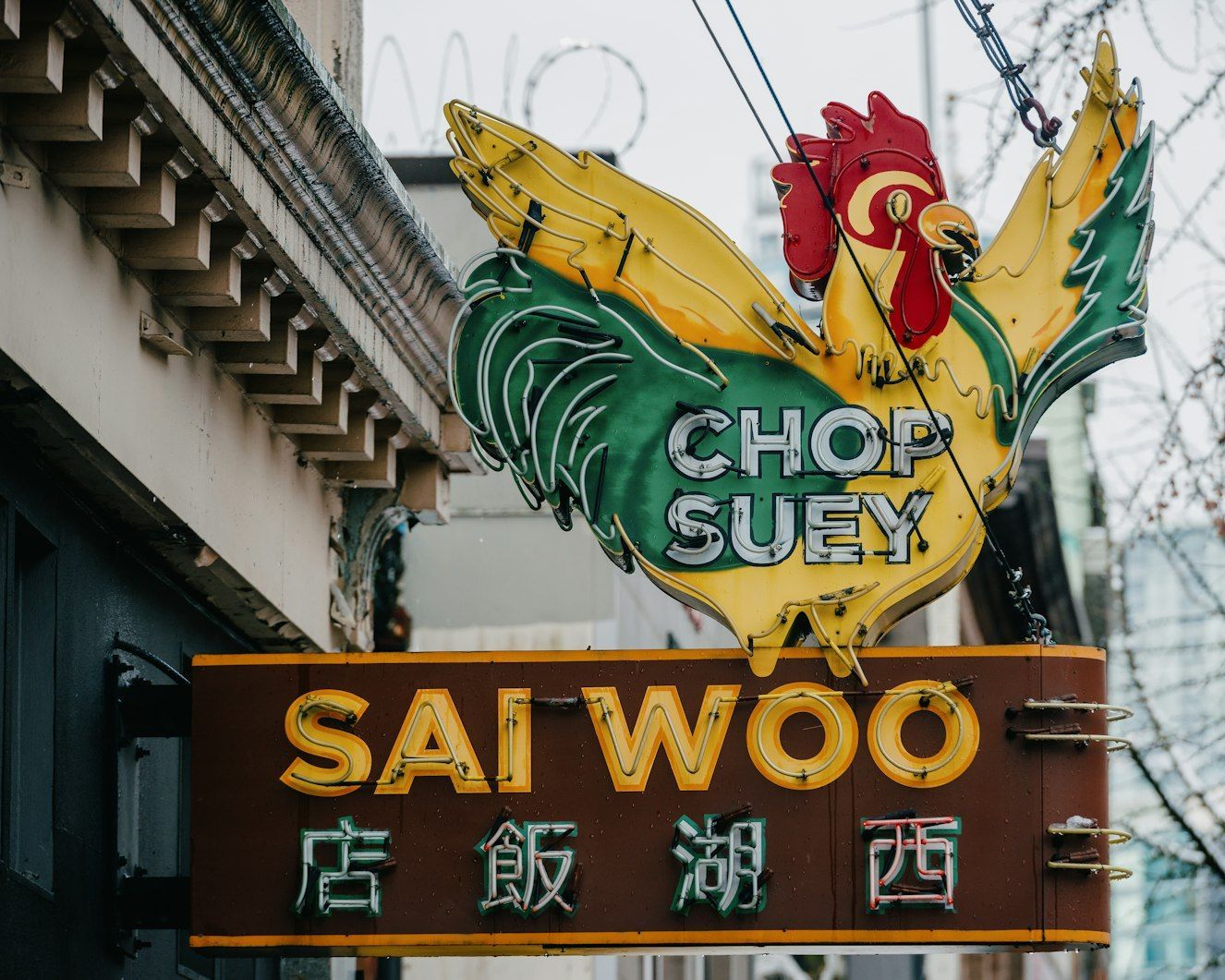
There are many theories about the origin of this popular dish, but one of the most widespread is particularly intriguing. According to lore, chop suey was invented in 1896 by the cook of the Chinese ambassador to the United States . Apparently, the diplomat, who was hosting a dinner for American guests, instructed the chef to prepare a dish that would appeal to both Eastern and Western palates.

While there is no dispute that similar dishes exist in Asian cuisine, this particular moment of cultural and culinary exchange is said to have sparked the American public's fascination with Asian flavors . Soon after, Chinese restaurants began to proliferate across the country, with chop suey as their signature dish.

3
Russian dressing

Image: Rachel Claire

Did you know that nobody in Russia has ever seasoned their salad with Russian dressing? It doesn't exist there! This popular condiment is a completely American invention. It’s believed to have been created by a New Hampshire butcher in the early 20th century , who originally called it "Russian mayonnaise." Interestingly, he had no known ties to Russia, so it is unclear why he chose that name.

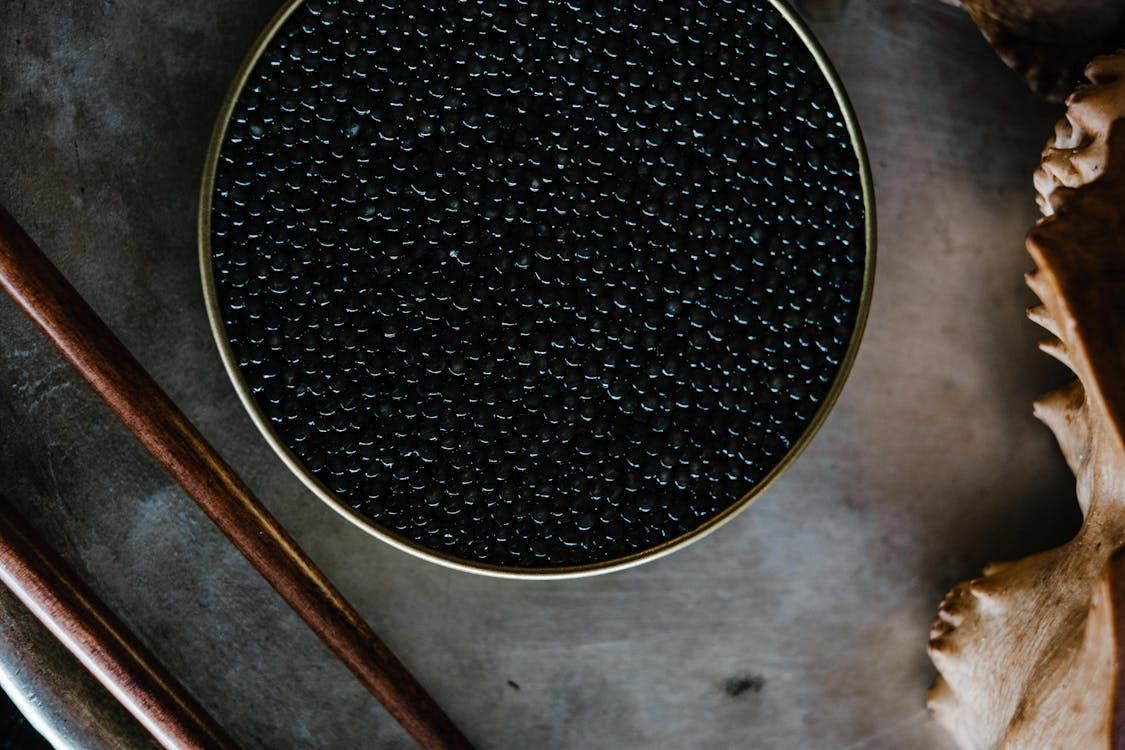
Perhaps the answer lies in one of the dressing’s original ingredients: black caviar, one of Russia’s most famous exports . Unfortunately, we’ll probably never know the full story. One thing is certain, though—Russian dressing was born in the United States!

4
Chili con carne

Image: https://images.unsplash.com/photo-1545433243-0a87e3fed9b4?q=80&w=1470&auto=format&fit=crop&ixlib=rb-4.0.3&ixid=M3wxMjA3fDB8MHxwaG90by1wYWdlfHx8fGVufDB8fHx8fA%3D%3D

Okay, chili may sound like a traditional Mexican dish, but this meaty version, chili con carne , was actually created in South Texas in the late 19th century . Not only did it feature added animal protein, but one of the key ingredients often associated with chili today—beans—was originally left out.

Chili con carne quickly became a national favorite. Families across the country began experimenting with their own versions, and soon, nearly every state had its own take on the dish . But nothing quite compares to the original Texan chili—the one that started it all!

5
Fortune cookies

Image: hannahlouise123

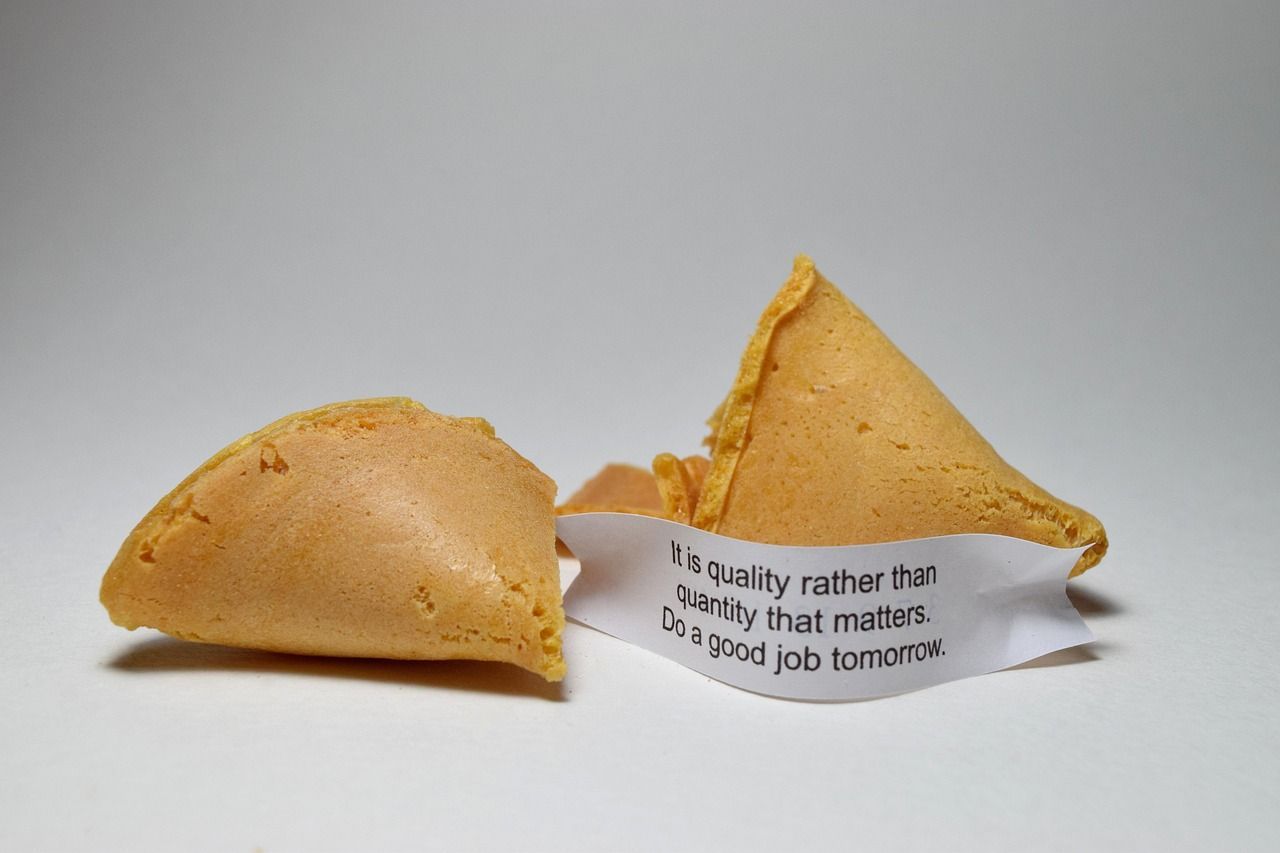
If you asked someone where fortune cookies come from, they’d probably say China. After all, they’re the quintessential treat served at Chinese restaurants around the world. But surprisingly, fortune cookies were invented in the United States —and they’re not even Chinese !

They were first created in the early 20th century in San Francisco , one of the American cities with the largest Asian immigrant populations. Even more surprisingly, they were invented by a Japanese man as a gesture of gratitude to the mayor who had hired him as a designer. He was inspired by a Kyoto tradition called omikuji , which involves offering a treat that contains a random fortune written on a slip of paper.

After World War II, many Chinese entrepreneurs took over Japanese bakeries in the Bay Area, helping to spread the cookie's popularity—and contributing to the common misconception about their origin.

6
Cuban sandwich

Image: Conor Brown

Despite its name, the Cuban sandwich originated in the Cuban-American communities of Ybor City, Key West , and Plant City , Florida , in the early 20th century. It later became popular in Miami and other American cities with large Cuban populations.

Interestingly, the ingredients vary from place to place. What all versions share, however, is Cuban bread —similar to a French baguette but made with slightly different ingredients and a unique baking method. So, is this bread authentically Cuban? Not exactly. It was actually created alongside the sandwich, right here in the United States!

7
German chocolate cake

Image: BraggsDiner

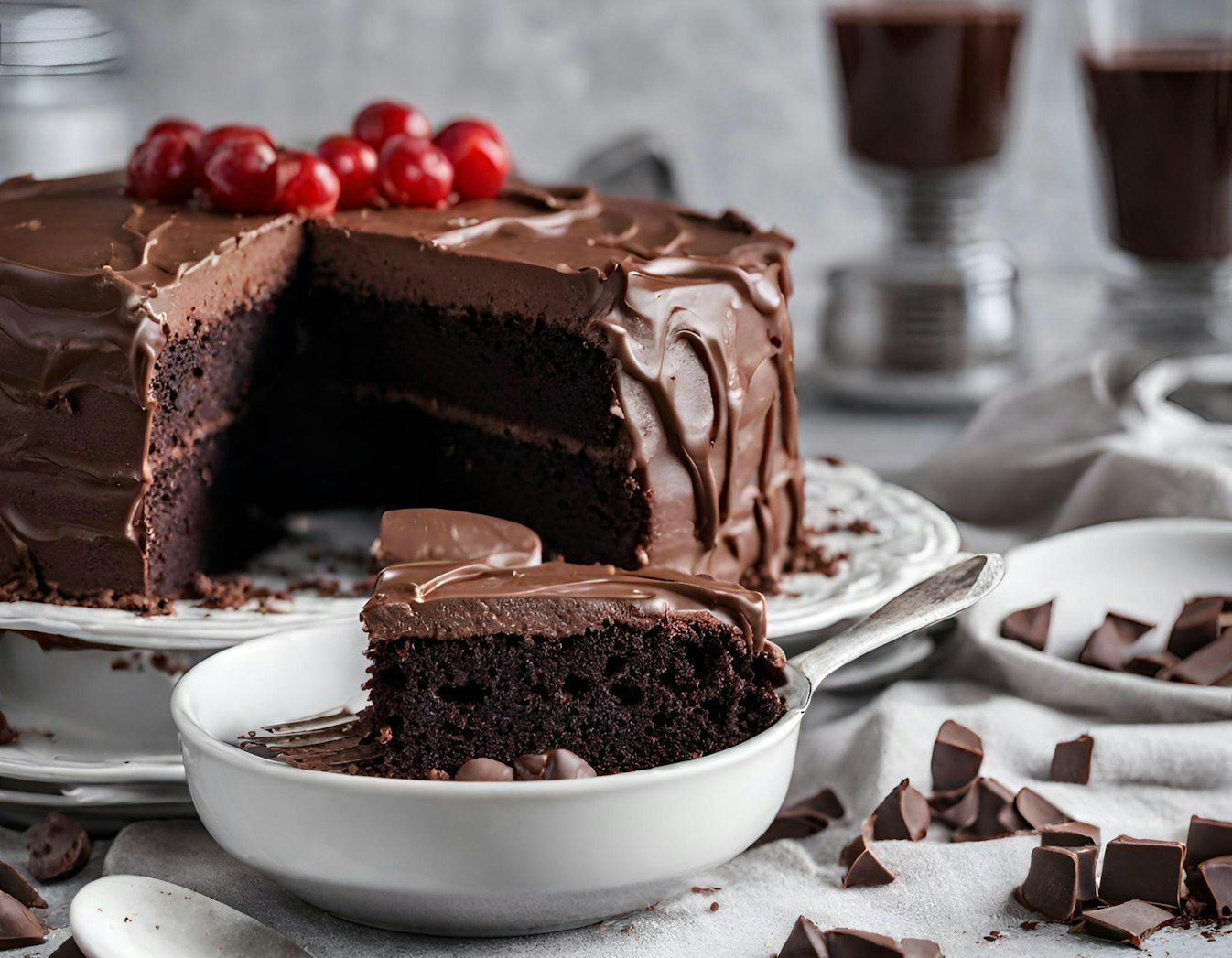
Despite its name, German chocolate cake has no culinary ties to Germany, nor is it named in honor of the country. In fact, it takes its name from Samuel German , a confectioner who, in the mid-1850s, developed a type of baking chocolate for the Baker's Chocolate Company of Boston, Massachusetts.

A century later, a recipe using German’s Sweet Chocolate appeared in the Dallas Morning News and became an instant hit among homemakers. Before long, Baker's Chocolate sales soared, marking a strong comeback for German's baking bar. Today, German chocolate cake is an American classic —and now you know its true origin!

8
Spaghetti and meatballs

Image: Ivy Farm

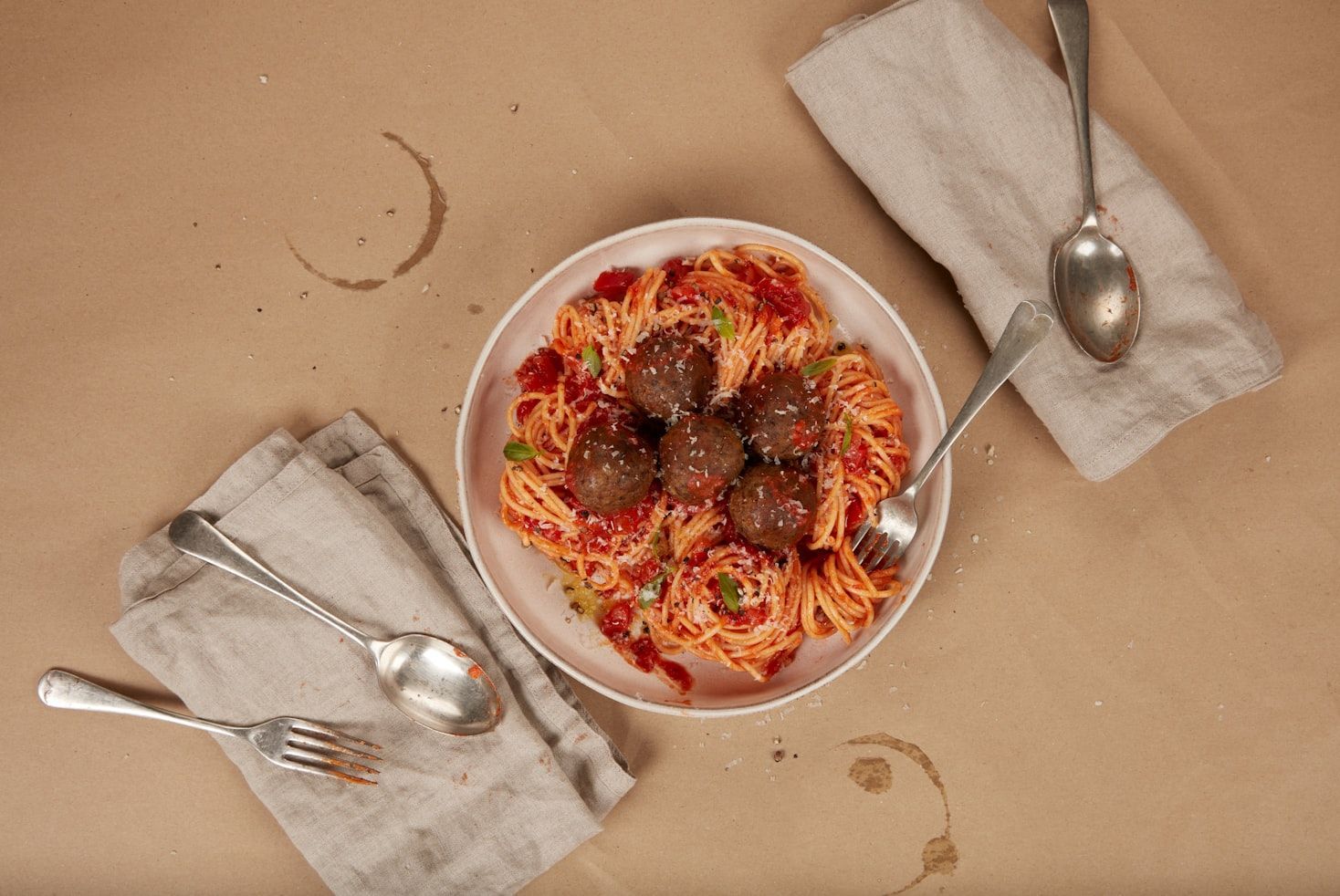
You probably thought this dish was authentically Italian your whole life. Well, we hate to break it to you, but spaghetti and meatballs are a hundred percent American invention, though it is, to be fair, a product of early 20th-century Italian immigration.

Meatballs were likely inspired by Italian polpette , a stew made of small balls of breadcrumbs mixed with meat or fish. However, in the Old World, polpette was never served with pasta and marinara sauce; it was a dish on its own. When Italian immigrants discovered how easy it was to buy beef in America, they began incorporating it into many dishes. And thank goodness they did!

9
Garlic bread

Image: Mariana Kurnyk

Another food with Italian influences but created in the United States is garlic bread. A staple of Italian restaurants, this side dish was introduced by immigrants who were likely trying to emulate the famous bruschetta .

However, they ran into an obstacle that led to the invention of something totally new—but just as delicious. Olive oil, so abundant in the mother country, was scarce and difficult to obtain in America. Therefore, they resorted to an ingredient found in abundance here: butter . And the rest is history!

10
Vichyssoise

Image: Julia Kicova

With such a name, you might think this dish is purely French! Well, not exactly. Although it was created by a French-born chef, it was first made in Manhattan, New York. In 1917, feeling a bit homesick for his homeland, Louis Diat, head chef of the Ritz-Carlton Hotel, wanted to recreate a potato and leek soup his mother used to make when he was growing up in Montmarault, France.

But there was a problem: it was summer. Finally, he came up with a brilliant idea—to thin down the hot soup with cold milk and cream . He named his invention after Vichy, the famous spa town near his hometown. The dish was an instant hit among the restaurant’s guests, who soon asked for it to be available year-round.

Geography Geography 4 min read

Try not to laugh!

Why? No name? You won’t believe these US towns are called that!

Image: Jeremy Adams

America is home to some truly unique town names… You know, some are charming, some are also confusing , but then again, some make you wonder what exactly the founders were thinking. For example, is Unalaska trying to fly solo? Whether inspired by accidents, geography, or a bit of a je-ne-sais-quoi , these towns prove that creativity knows no bounds. Try to pick a favorite!

1
Unalaska, Alaska

Image: Hari Nandakumar

Despite what the name suggests, Unalaska is not trying to break away from the rest of the state. The town’s name comes from Agunalaksh , the original name given by the Unangan people. Over time, spelling and pronunciation changes led to the simplified version: Unalaska.

In the late 1800s, the US Board on Geographic Names made it official, but don’t worry, it’s just the name; the beauty is certainly Alaskan!

2
Why, Arizona

Image: Kaileen Fitzpatrick

If you’ve ever asked yourself "Why?", you might be thinking too hard. This Arizona town got its name because of a simple road design: State Routes 85 and 86 originally met in a Y-shape.

When it was time to name the community, the locals wanted to call it Y (yes, you read that right), but Arizona law required town names to have at least three letters. So, they got creative and went with Why. Why, right?

3
No Name, Colorado

Image: Rich Martello

What do you call a town when you just can’t decide on a name? Apparently, (and logically, if we might say so), No Name. The story goes that when developers were working on Interstate 70, they left the town’s exit sign blank.

A transportation official later labeled it "No Name", and the locals decided to go with it . State officials tried to rename the area, but the people weren’t having it. They simply loved it!

4
Burnt Store, Florida

Image: Done By Alex

The name Burnt Store sounds like something out of a Wild West showdown, and the real story (or the legend, actually) isn’t too far off, you know?

Legend has it that in 1849, a trading post on the Peace River was burned to the ground after an attack. The store’s manager, George Payne, had dealings with the Seminole Indians before he was killed in an ambush. Shortly after, the store itself was destroyed. The tragic event left a permanent mark on the town’s history and its name.

5
Santa Claus, Indiana

Image: Ryan De Hamer

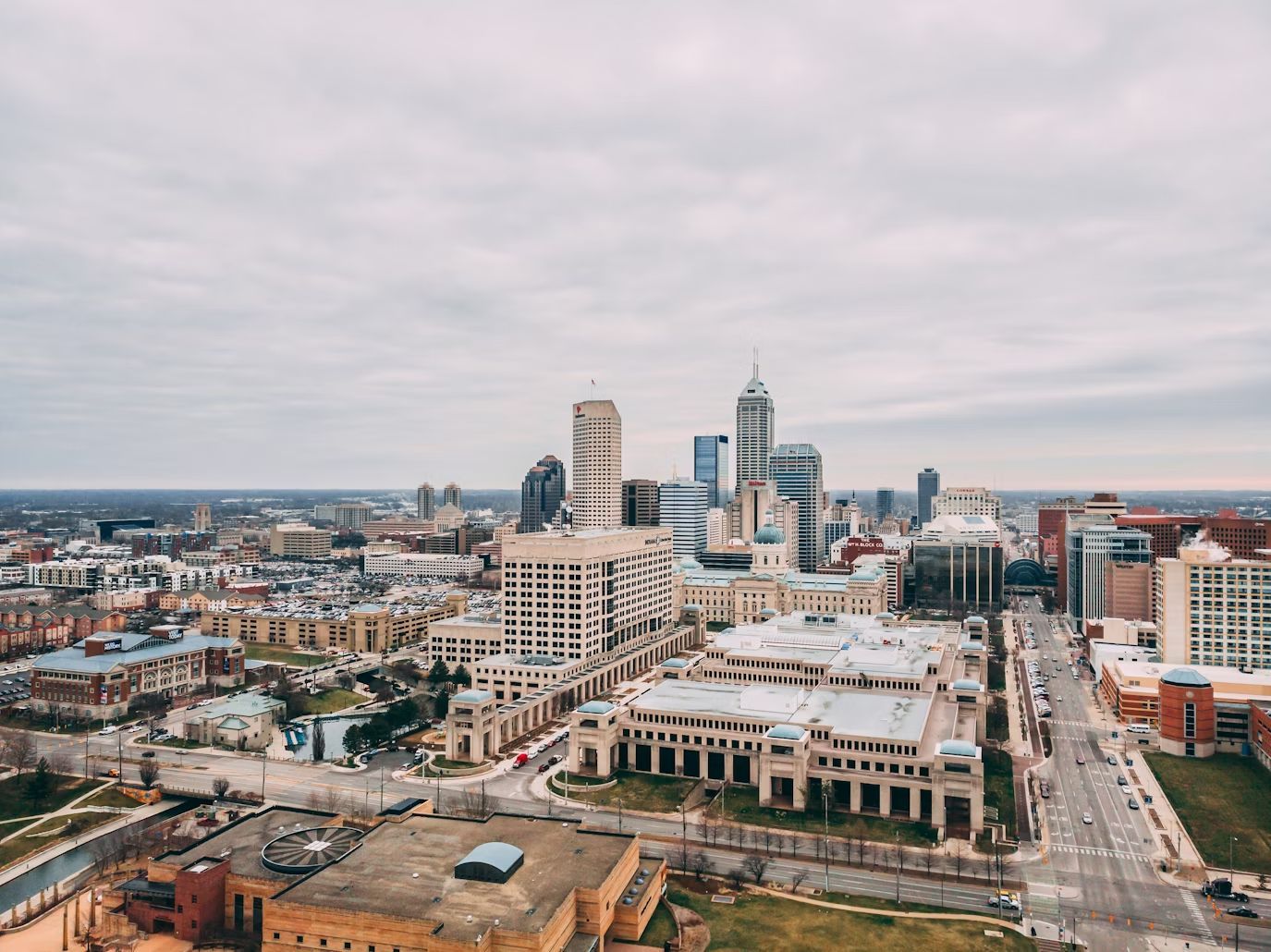
Originally called Santa Fe, this town located in Indiana had to change its name when officials discovered another Santa Fe already existed in the state.

People saw this as an opportunity, and instead of picking something new and extraordinary, they went all in on holiday spirit and became Santa Claus in 1856.

The town fully embraces its Christmas identity; it has attractions like Holiday World, Lake Rudolph Campground, and Frosty’s Fun Center. If you love the holidays, this is the place to be!

6
Bald Head, Maine

Image: Michael Denning

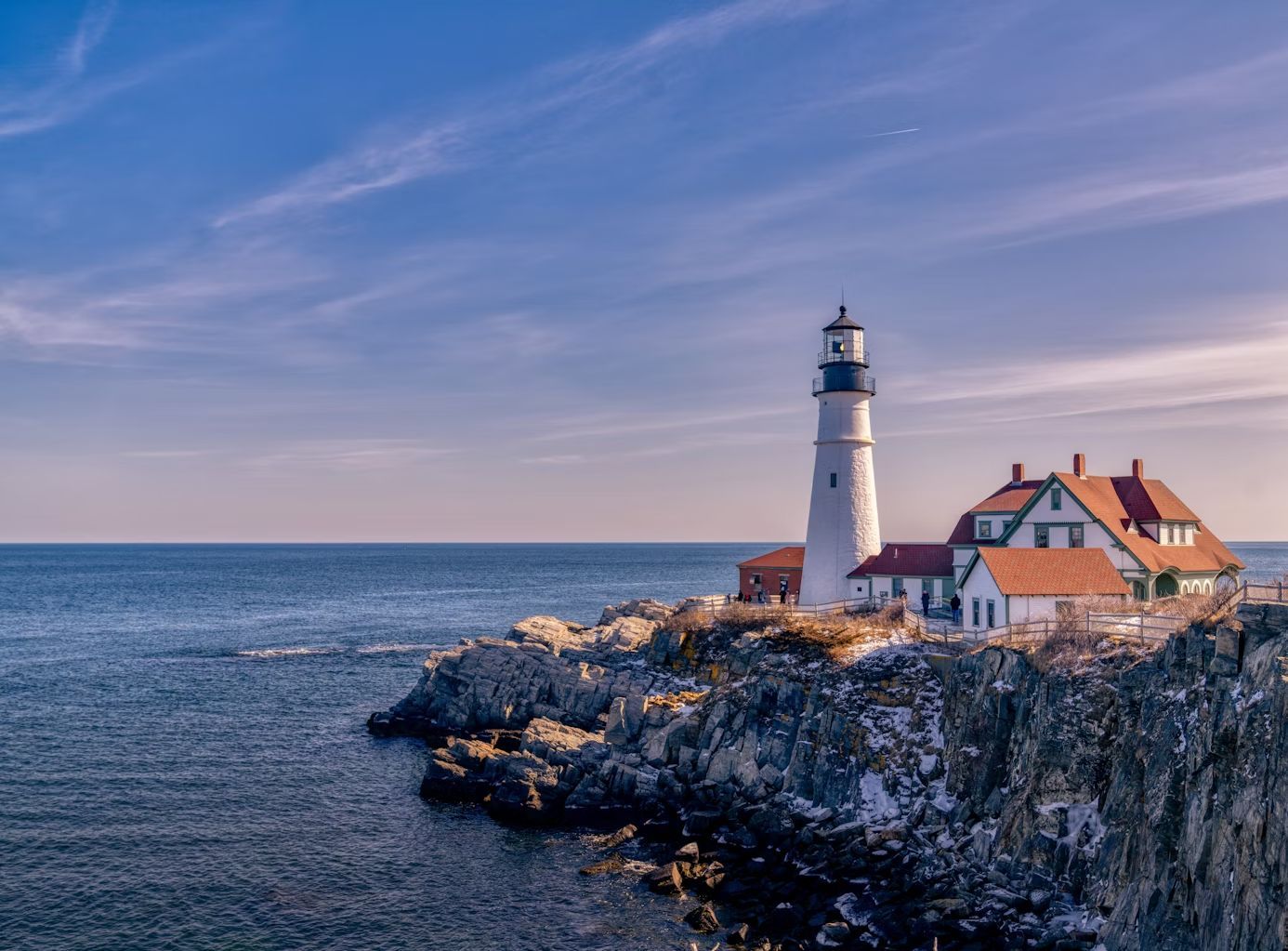
If you’re expecting a town full of shiny, bald-headed guys, well, you might be disappointed. Bald Head, Maine, actually gets its name from a nearby cliff called Bald Head Cliff .

Now, we all want to know the same: Does it look like a bald head? Sorry to disappoint, but not really. Still, the name has stuck, and the scenic beauty of the area more than makes up for any confusion. Just don’t show up expecting a bald head convention!

7
Accident, Maryland

Image: Colin Lloyd

Accident, Maryland, owes its name to an actual accident… Well, kind of. In the 1700s, two land surveyors both accidentally claimed the same piece of land without realizing it . One of them, William Deakins, Jr., later allowed the other, Brooke Beall, to keep it. Rather than rename the town, the name Accident stuck. Talk about a happy accident… And generosity!

8
Whynot, North Carolina

Image: Brendan Steeves

Similar to Why, Arizona, this North Carolina town also came about after a naming debate that got a little too long.

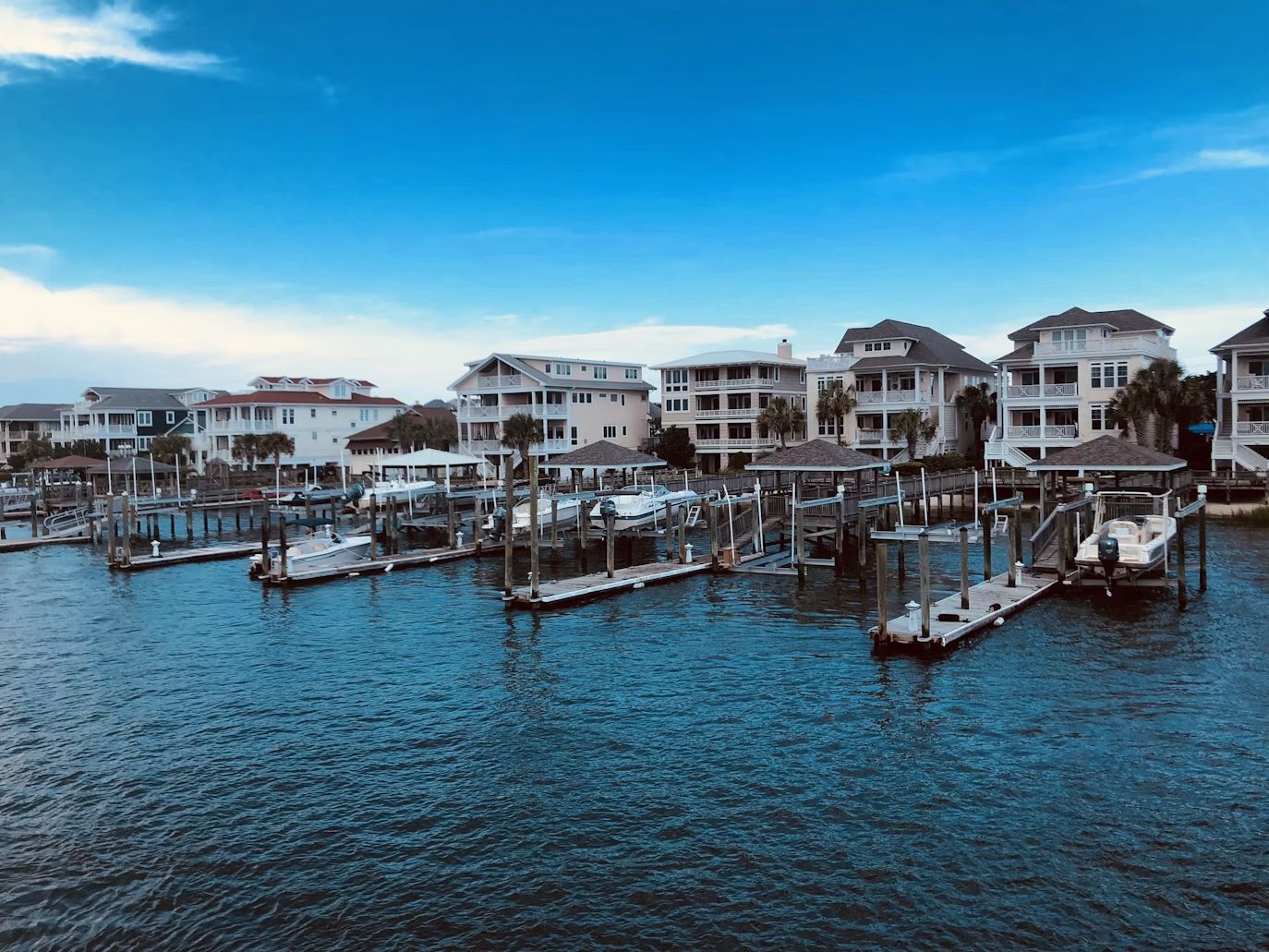
Legend has it that settlers were arguing over what to call their new town when one exasperated resident finally said, "Why not just name it Whynot and go home?" And just like that, Whynot was born.

9
Boring, Oregon

Image: everett mcintire

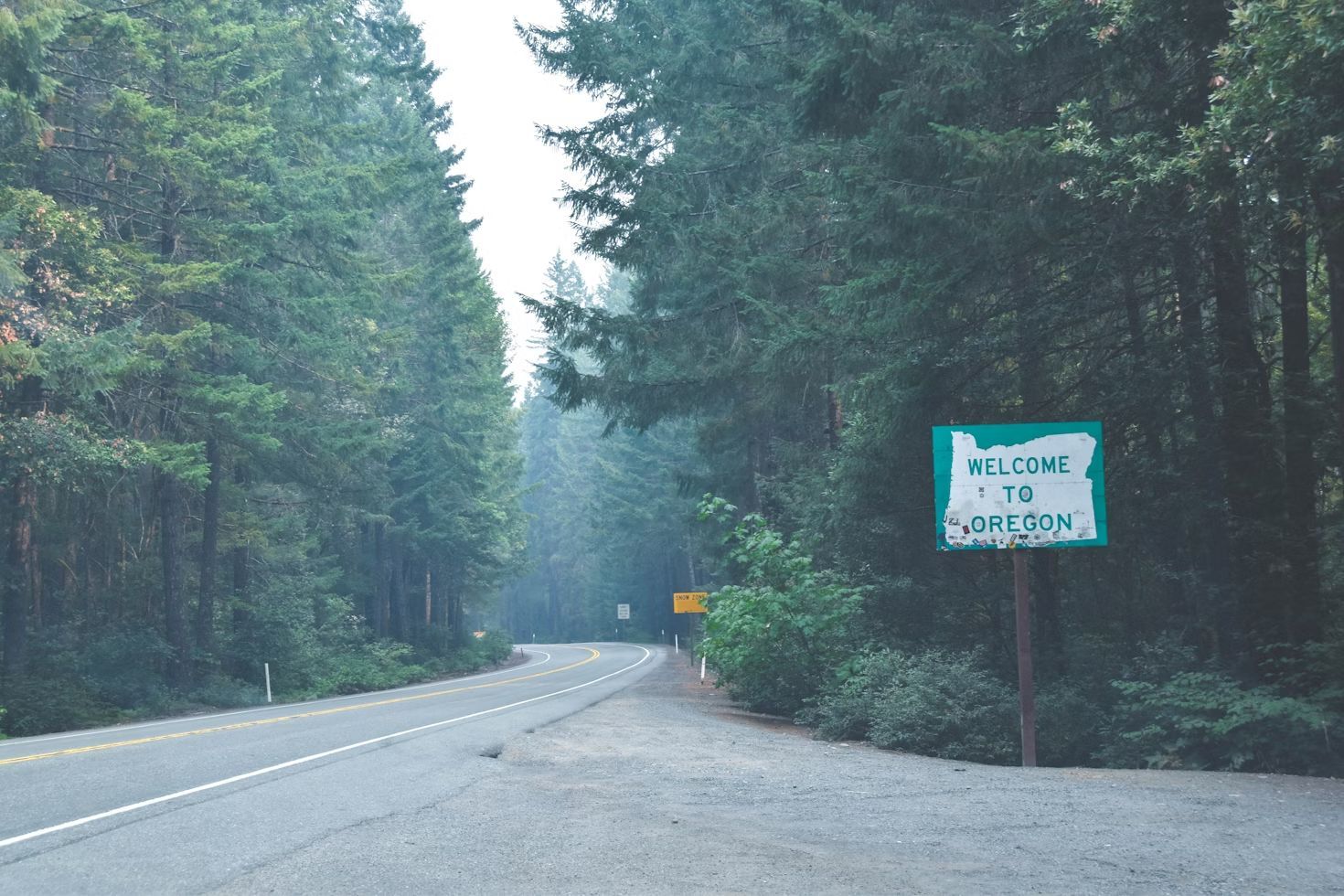
Yes, we get it. The first thing that comes to mind is "Why would you name your town this?" But despite what the name suggests, Boring, Oregon, isn’t actually boring . If you need some proof, just ask the locals!

Named after William Harrison Boring, one of its early settlers, the town became a hub for the timber industry. To make things even funnier, Boring has international "sister city" partnerships with Dull, Scotland, and Bland, Australia. If you ever visit, you’ll find that Boring is anything but!

10
Mosquitoville, Vermont

Image: Peter James Eisenhaure

If you were reluctant to visit Boring, imagine visiting Mosquitoville! The name alone makes us want to grab a can of bug spray!

Mosquitoville is actually a small community in Barnet, Vermont, and while we can’t confirm just how many mosquitoes live there, the name doesn’t sound very promising. You’ll just have to go one summer and find out! Only if you dare!

Explore more American facts

Choose your favorite category!

General
General

As American as apple pie—the very best America has to offer!

Culture
Culture

Delve into the astounding richness of American lore.

Geography
Geography

Hop in and explore vast and diverse American landscapes.

History
History

Discover the key moments that shaped the United States.