General General 2 min read

American lingo

Tell me your idiom, and I’ll tell you your state: From mad tight to jawn
Image: Hans Isaacson

From the bustling streets of New York to the serene landscapes of the Pacific Northwest, American English is rich with regional idioms that reflect the unique cultures and histories of each state. From "mad tight" to the intricacies of "jawn," these expressions not only add color to our language but also offer a glimpse into the local way of life.

1
"Mad tight"

Image: Andre Benz

Where it is used: New Jersey / New York

In the Northeastern U.S., particularly in New Jersey and New York, "mad tight" is used to describe something that's very cool or impressive. For example, "That concert was mad tight!" This usage reflects the region's tendency to intensify expressions for emphasis.

2
"Lagniappe"

Image: Joe Lavigne

Where it is used: Louisiana

In Louisiana, "lagniappe" refers to a little something extra, often given as a bonus. A French Creole term derived from a Quechua word, this quirky expression reflects the state’s rich cultural blend and tradition of generous hospitality.

3
"Bless your heart"

Image: Dani Guitarra

Where it is used: Southern United States

In the South, "bless your heart" can be a genuine expression of sympathy or, depending on the tone, a polite way to say someone is naive. This phrase highlights the region's emphasis on politeness and layered communication.

4
"Pop"

Image: Troy Coroles

Where it is used: Midwest and parts of the Northeast

In many Midwestern and Northeastern states, "pop" is the preferred term for a carbonated soft drink. Conversely, in the South, "coke" is commonly used to refer to any type of soda, regardless of brand.

5
"Spodie"

Image: wes lewis

Where it is used: Pacific Northwest

In the Pacific Northwest, particularly in Seattle, a "spodie" is an outdoor high school party where attendees share a large container of mixed alcohol and sugary drinks.

6
"Wicked"

Image: Venti Views

Where it is used: New England

In New England, especially in Massachusetts, "wicked" is used as an intensifier, meaning very . For example, "It's wicked cold outside." This usage is a distinctive feature of the New England dialect.

7
"Fixin' to"

Image: Adiel Gavish

Where it is used: Southern United States

In the South, "fixin' to" means preparing to do something soon. For instance, "I'm fixin' to go to the store."

8
"Hella"

Image: Scott Webb

Where it is used: Northern California

In Northern California, particularly in the Bay Area, "hella" is used to mean a lot or very. For example, "That party was hella fun." While scholars aren’t certain whether it originated as a contraction of "hell of a" or from the similarly used word "hellacious," it remains a hallmark of local vernacular.

9
"Y'all"

Image: Helena Lopes

Where it is used: Southern United States

"Y'all" is a contraction of "you all" and is commonly used in the South to address a group. It's a defining feature of Southern speech and culture.

10
"Jawn"

Image: Heidi Kaden

Where it is used: Philadelphia, Pennsylvania

"Jawn" is a versatile term from Philadelphia that can refer to anything —a person, place, or thing. For instance, "Pass me that jawn over there." According to some sources, it originated as a slang pronunciation of the word "joint" in African American Vernacular English.

History History 3 min read

Leeches are not a cure

From mercury to leeches: 12 historical cures deadlier than the disease

Image: garten-gg

Friedrich Nietzsche’s famous saying, "What doesn’t kill you makes you stronger," may be true in many aspects of life, but it certainly does not apply to everything, as our ancestors perilously discovered. Modern medicine required a lot of experimentation to get to where it is, and a lot of things that were once considered beneficial were, in fact, not. Believe it or not, these 12 procedures were once common practice. Thankfully, that is no longer the case.

1
Rabies

Image: Samuell Morgenstern

Rabies-infected people and animals cannot swallow water. This is why rabid dogs drool at the mouth, because they are unable to swallow.

In the ancient world, a "cure" for rabies involved forcibly submerging people in bodies of water to force the liquid intake . Quite often, the consequence, as you might have guessed, was death by drowning.

2
Bloodletting

Image: David Trinks

In the days when barbers were also designated surgeons, bloodletting was a common cure for multiple conditions. This gruesome technique was performed not just using surgical tools but also by using leeches , which were directly applied on the human body , to suck blood out of the wretched individuals who required treatment.

3
Madstones

Image: Atul Vinayak

Folk remedies were common in a time when seeking professional medical help was a luxury for most people. Popular in mid-19th-century America, madstones were big hairballs extracted from the guts of goats and deer .

These objects were believed to possess medicinal properties, such as curing rabies and serving as an antidote to various poisons.

4
Chloroform

Image: Carlos Felipe Ramírez Mesa

Many substances that we now recognize as poisonous were once believed to be beneficial to health. During the 19th century, chloroform was commonly used as an anesthetic in surgeries .

However, later studies revealed that long-term exposure to chloroform could cause liver and kidney damage, respiratory depression, and may even increase the risk of cancer.

5
Arsenic

Image: Denise Chan

Another poisonous substance once thought to be beneficial was arsenic, which was used to treat malaria, syphilis, and other ailments during the 19th and early 20th centuries.

However, it was later discovered that arsenic exposure could lead to poisoning, causing severe health complications and even death.

6
Mercury

Image: Benjamin Hibbert-Hingston

Similar to chloroform and arsenic, mercury was once thought to be beneficial to the human body. However, as scientific understanding advanced, its harmful effects became widely known .

Today, we know that mercury is highly toxic and can cause severe damage to the kidneys and nervous system.

7
Urine

Image: Fotografía de Alimentos

Drinking urine for medicinal purposes was common in ancient Egypt, Greece, and Rome, where it was believed to have therapeutic benefits and was used as a remedy for various health conditions, including kidney and liver problems .

8
Trepanning

Image: Mathew Schwartz

Trepanning, a common medical practice in ancient civilizations, involved drilling a hole in the skull to relieve pressure or treat a variety of medical ailments such as headaches, seizures, and mental disorders .

However, due to the lack of modern anesthesia and surgical tools, the procedure was extremely dangerous and carried significant risks.

9
Cupping

Image: Katherine Hanlon

Creating a vacuum on the skin using heated glass cups was a popular therapy for various conditions, including pain, inflammation, respiratory problems, and digestive disorders . While not a particularly harmful technique, aside from the markings left on the skin, its benefits have not been scientifically proven.

10
Mummy powder

Image: Narciso Arellano

In medieval times, it was commonly believed that "mummy powder" possessed healing properties. This substance was made from ground mummies obtained from Egypt and was thought to be particularly effective in treating wounds, headaches, and digestive issues .

11
Nightshade

Image: Georg Eiermann

Nightshade is a poisonous plant with soothing properties, which was used as a pain reliever as it can induce a state of calm in the user.

However, this plant is also highly toxic and can cause hallucinations, delirium, and even death if consumed in large quantities.

12
Tobacco

Image: Juano colombo

It might be hard to believe today, but back in the 1600s, schoolchildren were encouraged to smoke cigarettes , which were then thought to be disinfectants.

Cigarettes were also believed to be beneficial for both the lungs and the mind. Thankfully, we now know better.

Culture Culture 6 min read

STORIES BEHIND THE STARS

Hollywood Walk of Fame: take a stroll down 10 stars and their backstories

Image: Ahmet Yalçınkaya

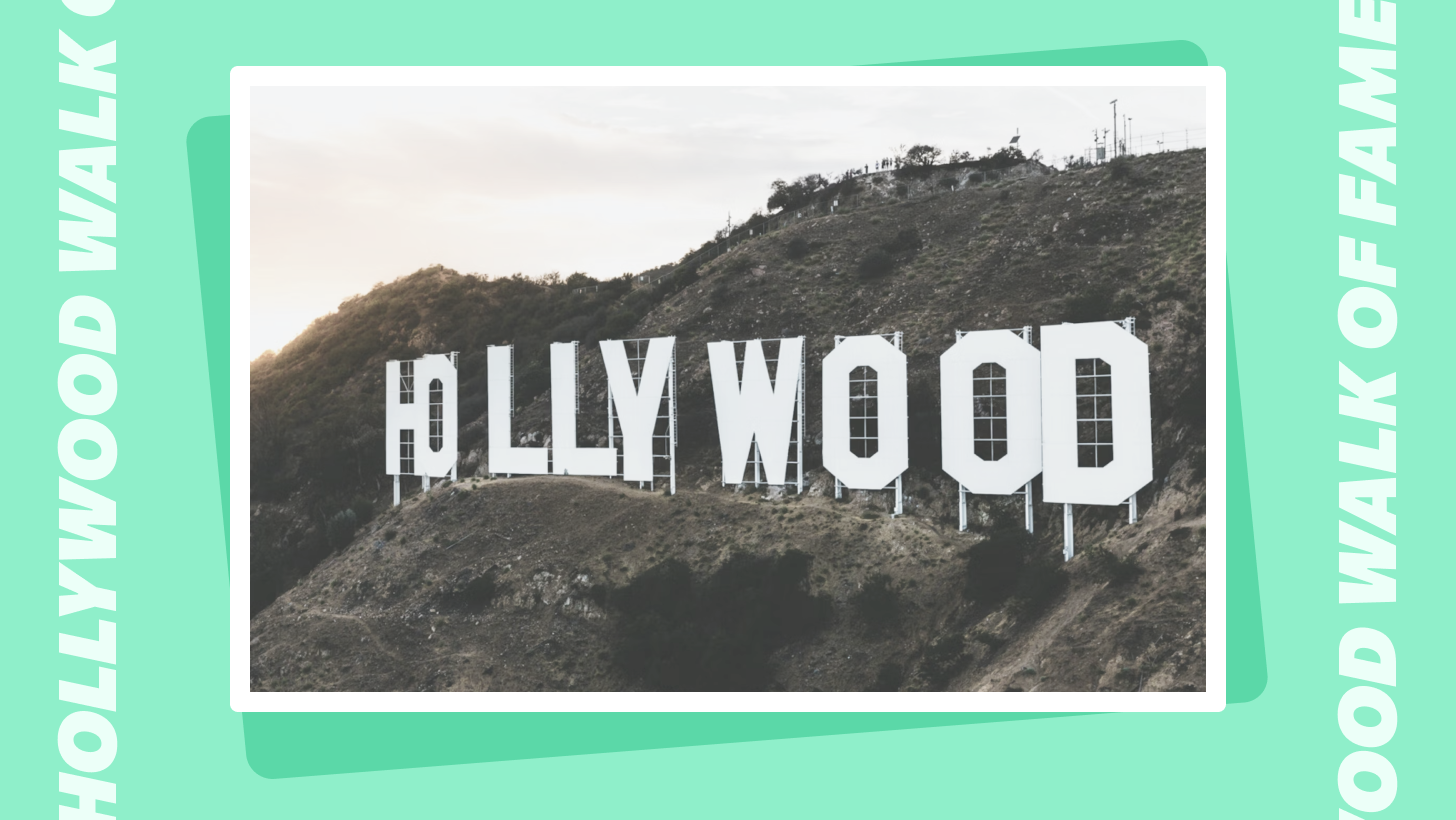
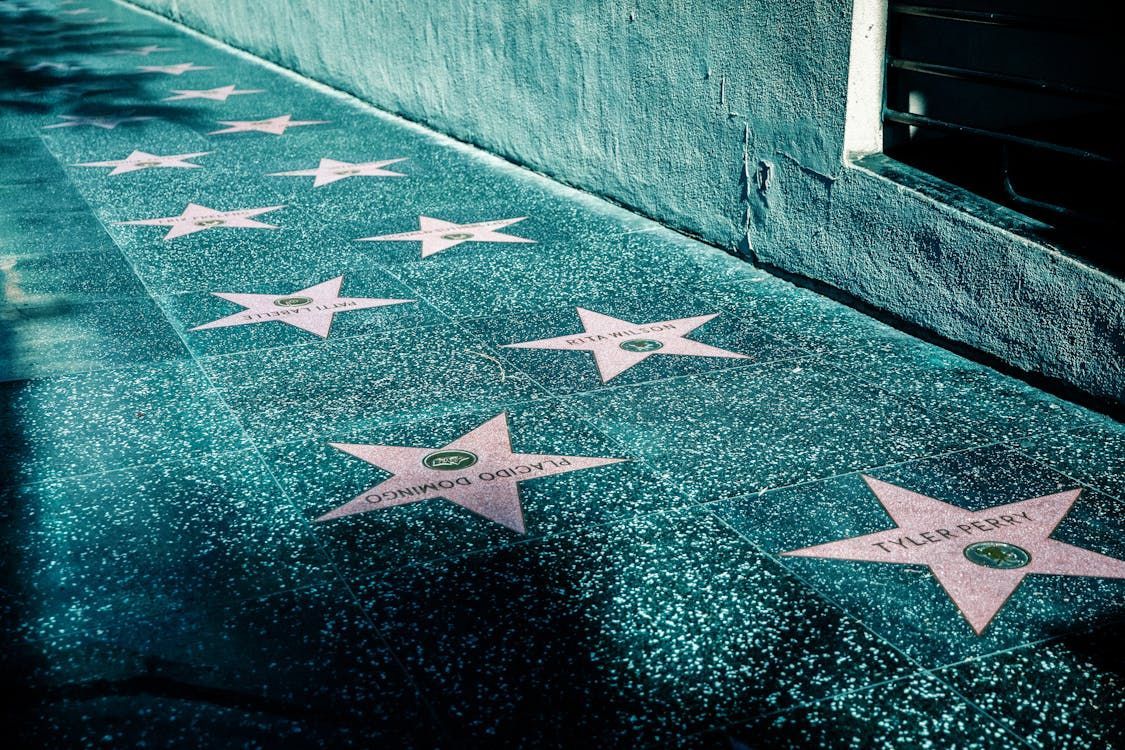
The Hollywood Walk of Fame began in 1958 as a way to celebrate the best of the best in showbiz. Stretching along Hollywood Boulevard and Vine Street, this sidewalk superstar tribute honors actors, musicians, directors, and even a few surprises. To receive a star, celebs are nominated, a fee is paid, and they must attend the big reveal. With over 2,600 stars, it’s the ultimate stroll down memory lane for entertainment lovers. In this article, we’ve gathered ten names that received a star. From the fictional to the very real, here are 10 names that have a star on the Boulevard and an anecdote to go with it!

1
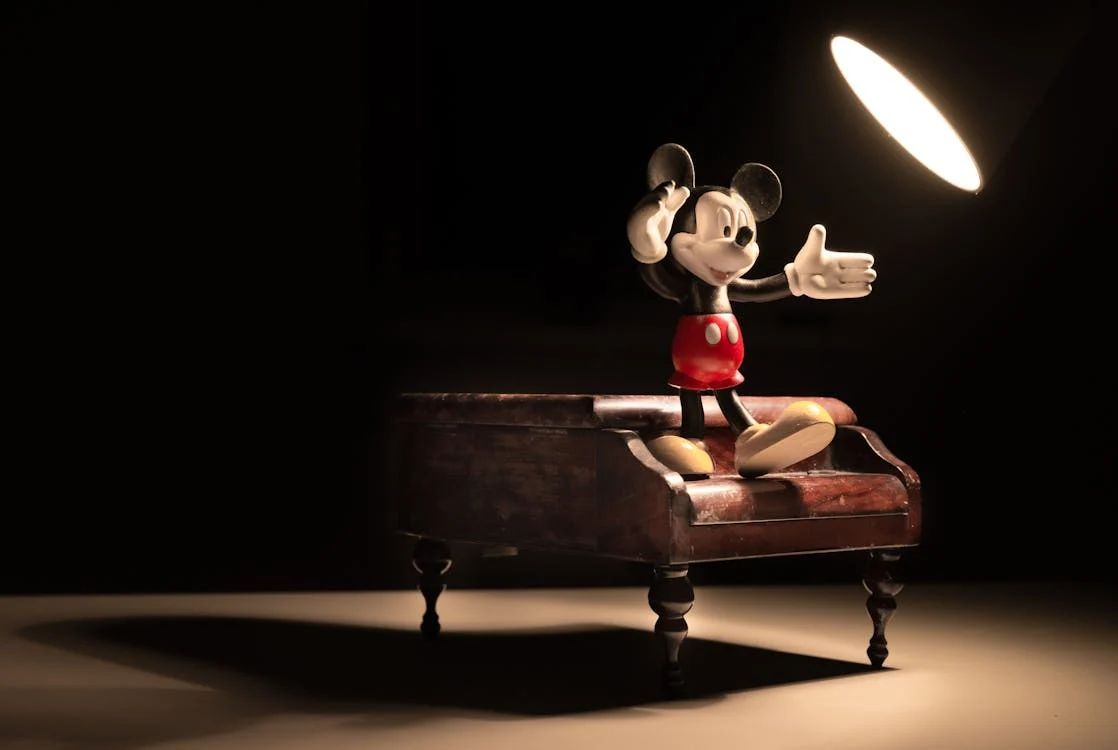
Mickey Mouse: first fictional character

Image: Skitterphoto

Mickey Mouse, the iconic character created by Walt Disney, became the first fictional character to receive a star on the Hollywood Walk of Fame. Honored in 1978, Mickey’s star celebrates his influence on entertainment and his status as a cultural icon.

The ceremony marked the 50th anniversary of Mickey’s debut in Steamboat Willie , a milestone in animation history. The star is located at 6925 Hollywood Boulevard, a fitting tribute to the mouse who built an empire. Mickey's star paved the way for other beloved fictional characters to be recognized. Animation also holds a special place in Hollywood’s heart!

2
Joanne Woodward: first to be photographed

Image: Noom Peerapong

The beginning of the Walk of Fame was a process rather than a moment, which is why we cannot appoint a single person as the first one to receive this honor. However, Joanne Woodward, an accomplished actress of the 1950s, was the first person ever photographed with a star on the Walk of Fame.

Awarded in 1960, she was part of the very first group of stars to be unveiled. Her star, located at 6801 Hollywood Boulevard, honors her remarkable career in film and television, including her Academy Award-winning performance in The Three Faces of Eve . The image of her kneeling beside her star became an iconic moment in Hollywood history and it was the moment that set the future ceremony tradition around the stars!

3
Gene Autry: how many?

Image: Colton Jones

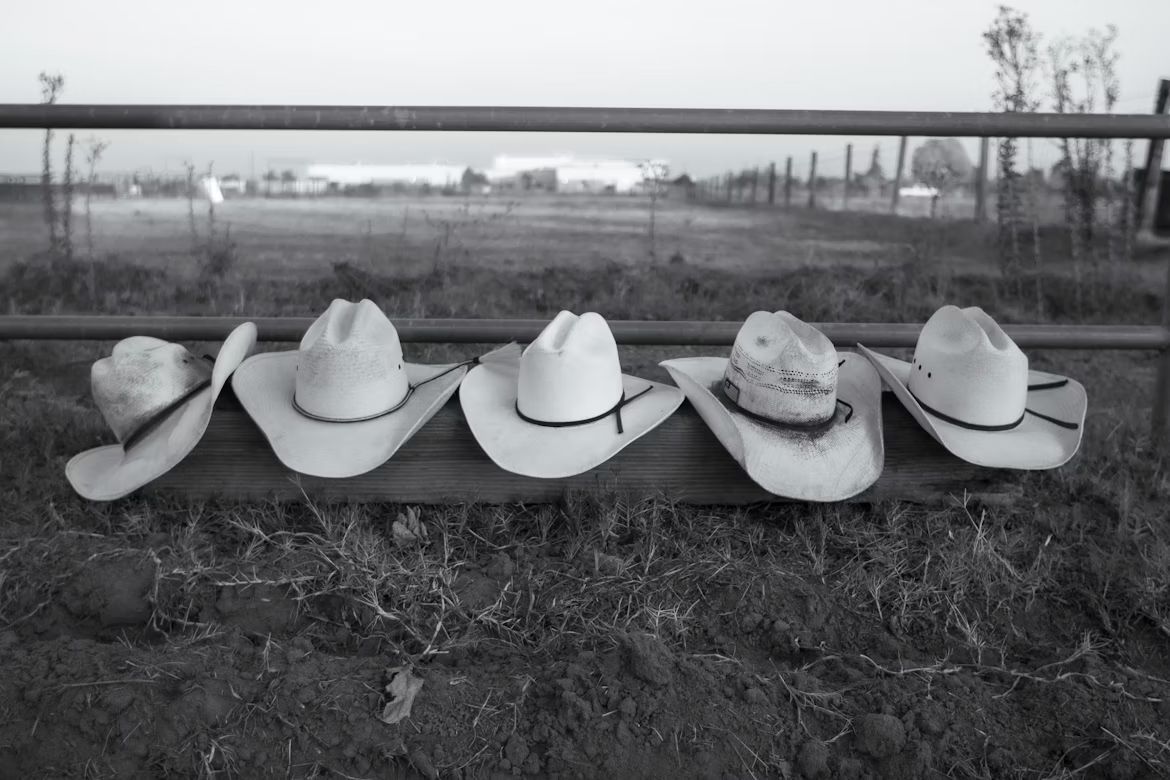
Known as the "Singing Cowboy," Gene Autry is the only entertainer with not one, not two, not even three… but five stars on the Hollywood Walk of Fame! What an accomplishment, don’t you think?

His stars are scattered along Hollywood Boulevard and each one of them represents his contributions to different areas of entertainment: film, television, music, radio, and live performance. Autry’s career spanned decades, and he was a pioneer in popularizing country music and Western films. With so much on his resume, five stars are suddenly not enough!

4
Harrison Ford: which one of them?

Image: Ekaterina Belinskaya

The name "Harrison Ford" appears twice on the Hollywood Walk of Fame, but this is not like Gene Auntry’s case. The two "Ford" stars honor two different individuals. Do you know who they are?

The first star, located at 6665 Hollywood Boulevard, belongs to the silent film actor Harrison Ford, who was active in the early 20th century. The second star, located at 6801 Hollywood Boulevard, honors the modern-day actor known for his roles in Star Wars and Indiana Jones .

Despite sharing the same name, these stars commemorate different careers. It’s a quirky detail that adds an intriguing layer of Hollywood history to the Walk of Fame, don’t you think?

5
Bugs Bunny: what’s up, walk of fame?

Image: Nate Biddle

What’s up, doc? Bugs Bunny hopped onto the Hollywood Walk of Fame in 1985, making him one of the most famous cartoon characters to get a star. Voiced by the incredible Mel Blanc, Bugs is known for his snappy comebacks and carrot-chomping swagger.

His star, located at 7007 Hollywood Boulevard, celebrates his role as the ultimate animated troublemaker. Bugs is so much more than just a cartoon character, he has brought laughter and joy to many generations. His star is a fitting tribute to the bunny with brains, who said the Hollywood Walk of Fame was just for real-life entertainers?

6
Ray Bradbury: writing his way to the stars

Image: freddie marriage

Just as fictional characters can have a great impact on Hollywood, so can writers. After all, writers and their work have inspired many movies and series. True as that can be, only two writers have stars on the Walk of Fame.

Ray Bradbury, the literary genius behind Fahrenheit 451 and The Martian Chronicles , got his own star on the Walk of Fame in 2002 . Bradbury’s imagination took us to distant planets and dystopian futures, and Hollywood couldn’t help but take notice. His star at 6644 Hollywood Boulevard honors his profound influence on movies and TV through his books. Only two novelists have stars on the Walk, and Bradbury’s spot is well-deserved. Curious about the other novelist with a star? It’s Sidney Sheldon!

7
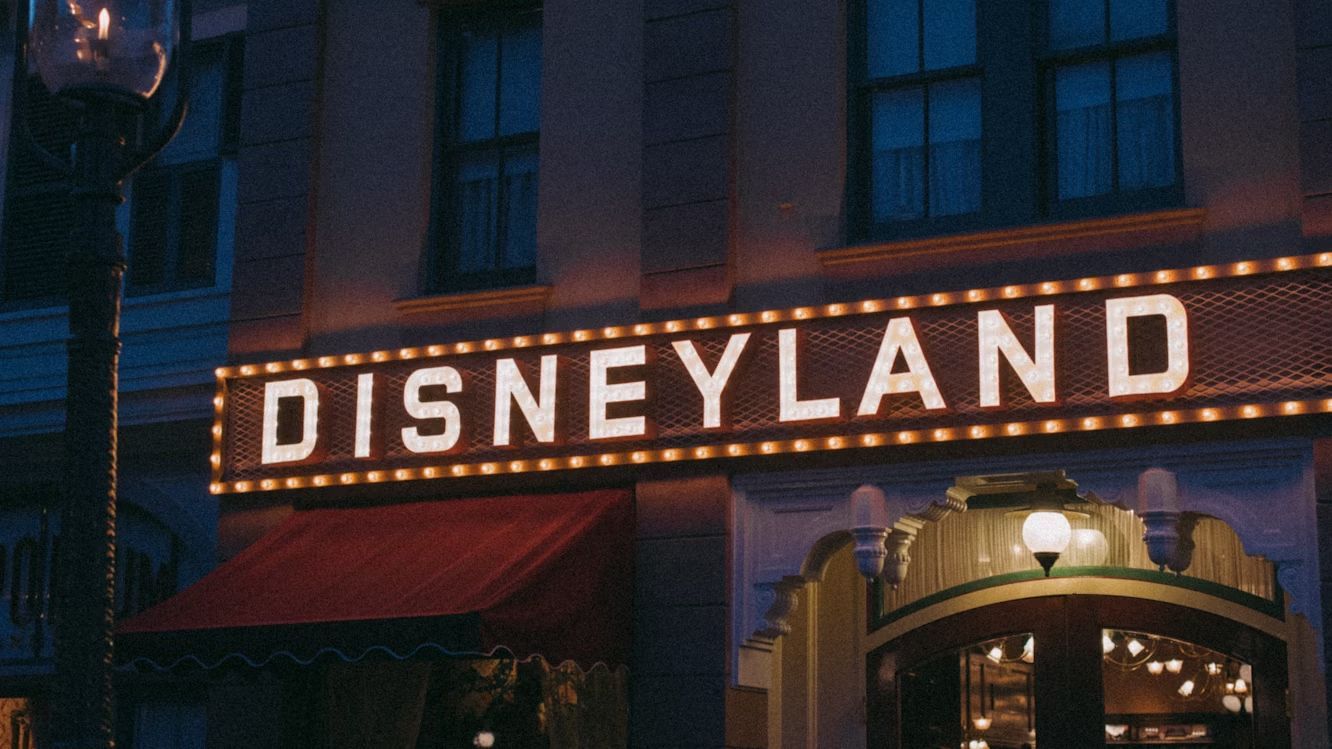
Disneyland: a magical addition

Image: Aubrey Odom

If you thought a fictional character receiving a star was a bit unusual, wait until you find out that even some corporations have their own star! But it’s for a good reason, trust us!

Disneyland, the happiest place on Earth, got its own star on the Walk of Fame in 2005. Though it’s not technically on the Walk (city rules, go figure), the star sits right next to it, near Disney’s Soda Fountain on Hollywood Boulevard.

Opened in 1955, the park is a cornerstone of entertainment history, which is why it has received a star. Even without a spot on the official Walk, Disneyland’s star shines just as bright. It’s the ultimate fairy-tale ending!

8
Julia Louis-Dreyfus: a star with a funny twist

Image: cottonbro studio

Now, you haven’t heard the quirkiest detail. The Hollywood Walk of Fame is a place of honor, but that doesn’t mean it’s free of mistakes.

In 2010, Julia Louis-Dreyfus, the comedy queen from Seinfeld and Veep , received her star on the Hollywood Walk of Fame. But here’s the kicker: They misspelled her name as "Julia Luis Dreyfus" at first!

The mistake was quickly fixed, and it became a hilarious story. But a star for a comedian like her couldn’t go without a funny anecdote. Now, her star at 6250 Hollywood Boulevard is spelled correctly and honors her amazing TV career.

9
Dick Van Dyke: spelling erratum

Image: Annie Spratt

Dick Van Dyke, the man who made us all want to sing and dance, received his Walk of Fame star in 1993. But, oops! They misspelled his name initially too! His star read "Vandyke" when it was first installed, but don’t worry the mistake was soon fixed.

The mix-up was corrected, and his star at 7021 Hollywood Boulevard now proudly displays his name the right way. Van Dyke’s star honors his legendary career in TV and film, from Mary Poppins to The Dick Van Dyke Show . The little hiccup just adds to the fun-loving spirit of his legacy. After all, if anyone can laugh off a typo, it’s Dick Van Dyke!

10
Lassie: everyone’s best friend

Image: Kanashi

Who didn’t wish to have a dog like Lassie at home? Lassi is the most famous collie in the world and she got her star on the Hollywood Walk of Fame in 1960. Well, at least the character did because, spoiler alert, Lassie was played by many dogs!

Lassie’s star, located at 6368 Hollywood Boulevard, honors her role as TV’s favorite four-legged hero. She’s one of only four dogs to receive a star, and honestly, she deserves it for all the lives she’s "saved" on screen.

The star isn’t just for one dog, it’s for every amazing canine that played Lassie over the years. It was only fair that a man’s best friend received a star on such an iconic street!

Explore more American facts

Choose your favorite category!

General
General

As American as apple pie—the very best America has to offer!

Culture
Culture

Delve into the astounding richness of American lore.

Geography
Geography

Hop in and explore vast and diverse American landscapes.

History
History

Discover the key moments that shaped the United States.