History History 5 min read

First Family, regular domestic problems

Ten ways the First Family changed the White House

Since 1800, the house at 1600 Pennsylvania Avenue has served as the president’s official residence. In the more than 200 years since, the presidential mansion has seen it all, from being set on fire by British forces to having planes crash on its lawn. Each administration has left its mark on the White House, with many presidents and first ladies expanding, renovating, and reimagining it while creating new traditions and customs. Let’s dive into 10 ways First Families changed the presidential residence.

New Year Reception (John and Abigail Adams)
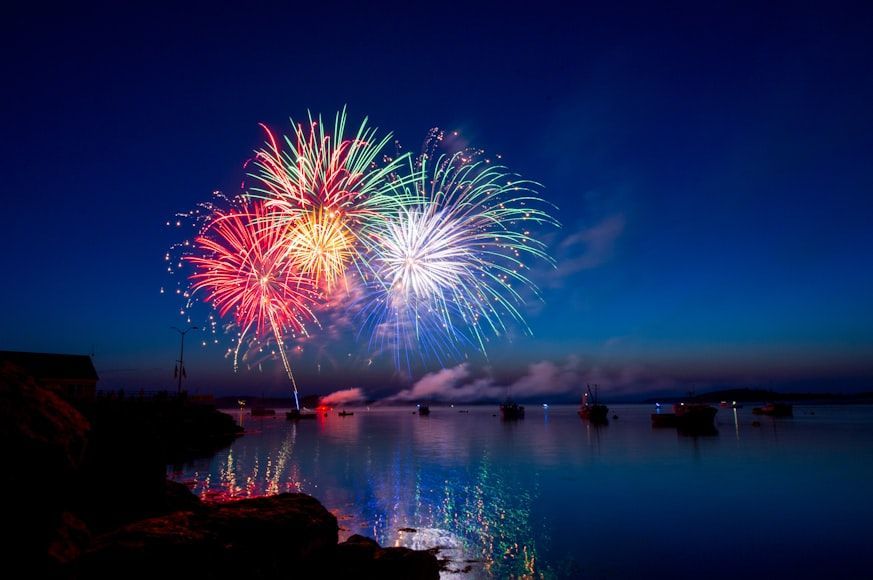
Image: Ray Hennessy

John Adams was the first U.S. president to live in the White House—then referred to as the President’s Palace or the Presidential Mansion—alongside his wife, Abigail, who played a significant role in furnishing the newly built residence.

On New Year’s Day in 1801, the Adamses held a public reception for anyone who wanted to shake hands with the president and his wife. This tradition continued (with some interruptions) until 1932, when it was ended by Franklin D. Roosevelt, who allegedly wanted to avoid being seen using a wheelchair.

Indoor Toilets (Thomas Jefferson)
When Thomas Jefferson assumed the presidency, he discovered that the White House lacked indoor plumbing, toilets, and had only an outdoor wooden privy. He ordered the construction of two "water closets," one on each side of the residence.

During Jefferson’s tenure, the White House underwent several modernizations, including improvements to the lighting system, the kitchen, and exterior features such as gutters. He also had an outdoor wine cellar built to store his extensive collection.

White House China (James Monroe)
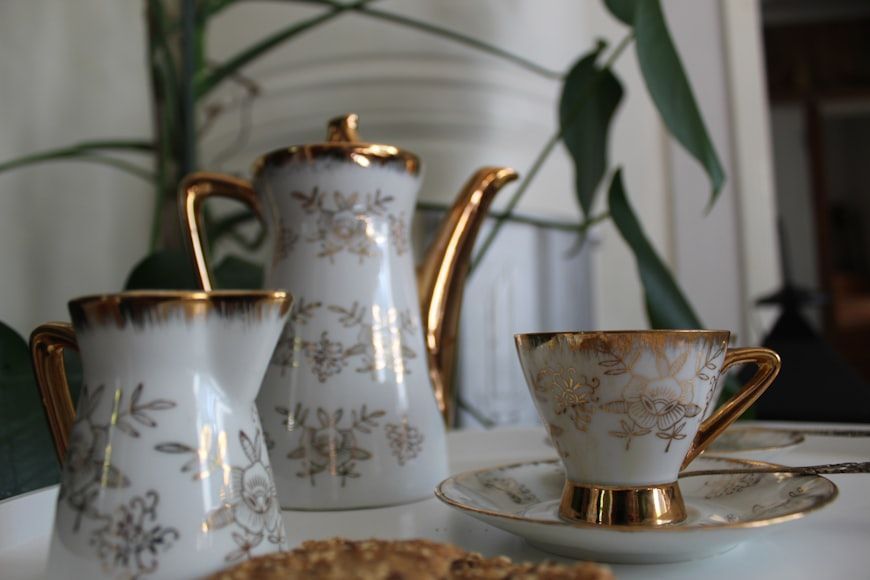
Did you know the White House has a special room dedicated to displaying the porcelain sets designed for each administration? The tradition of commissioning presidential china designs started in 1817, with President James Monroe.

Monroe’s china was designed and crafted in Paris, featuring an eagle carrying a red, white, and blue banner inscribed with "E Pluribus Unum." Following criticism over the presidential mansion’s purchase of foreign-made goods, Congress decided that future presidential china should be manufactured in the United States, though some presidential couples still chose to commission French china.

The Library (Abigail Fillmore)
When Millard and Abigail Fillmore moved into the White House, their approach to decoration and improvement differed from that of previous First Families. None of them came from a wealthy background, so they prioritized expanding the heating system and modernizing the kitchen.

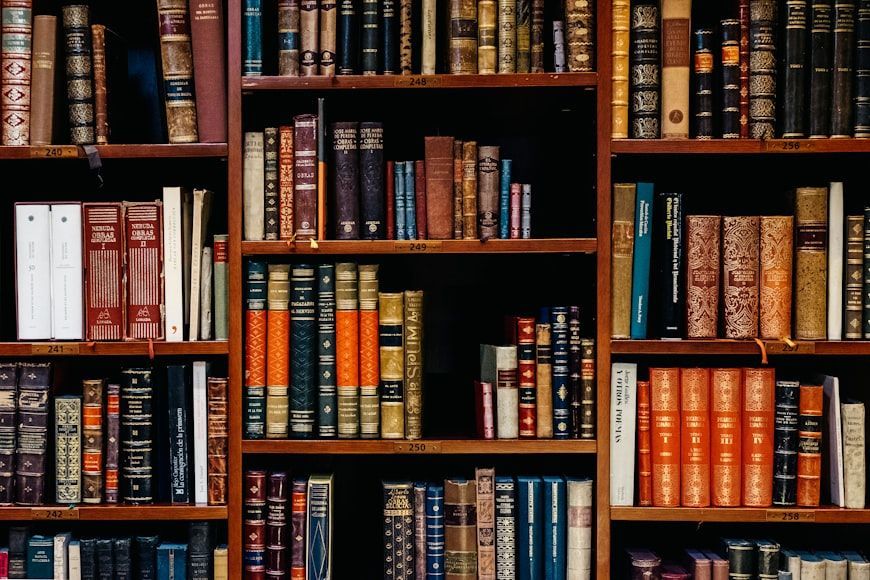
More interested in intellectual pursuits than in socializing, Abigail noticed that the Presidential Mansion lacked a library and set out to create one. She personally organized the room, selected the books, and arranged them to her liking. The library became her main parlor, where she received literary figures of the time and listened to music.

Floral Arrangements (Lucy Webb Hayes)

A passionate abolitionist and the first First Lady to earn a college degree, Lucy Webb Hayes moved into the White House at the end of the Reconstruction era, and after a highly controversial election. With limited funds to renovate the presidential mansion, Mrs. Hayes found ingenious ways to conceal holes in the carpets and worn-down furniture.

Lucy Hayes was the first president’s wife to be referred to as "First Lady." She made several improvements to the White House, but she is most remembered for turning the billiard room into a greenhouse filled with flowers, which she then used for floral arrangements for the residence.

The West Wing (Theodore Roosevelt)
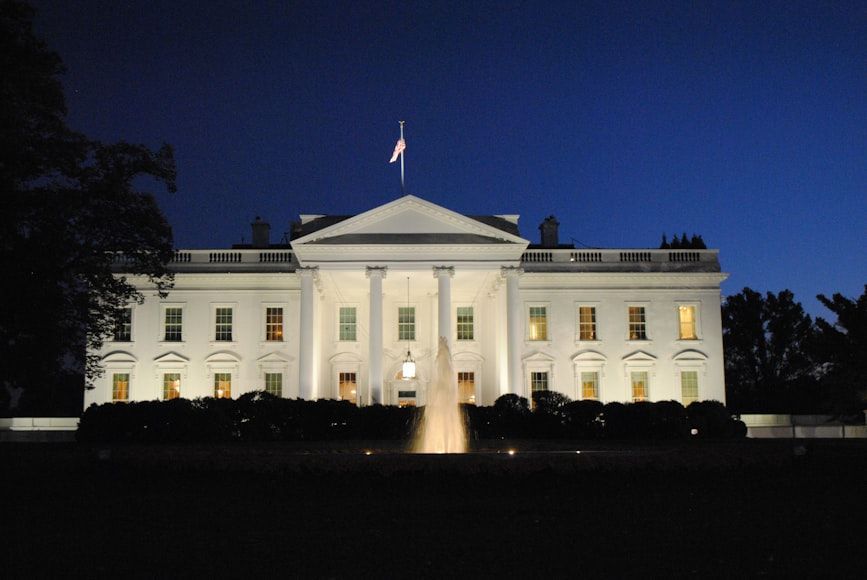
We all know that the West Wing is where the presidential office is located, but not everyone knows that it was not part of the original design of the White House. Before 1902, the president’s offices were located on the second floor.

When Theodore Roosevelt moved into the White House, he discovered there wasn’t enough space for his six children and the growing staff. His wife, Edith, suggested that the second floor be converted entirely into family living quarters and that the offices be moved elsewhere. The West Wing was then built as a temporary structure on the site of the old stables, but in the end, it became a permanent fixture of the residence.

The Oval Office (William Taft)

This office is known as the place where major decisions are made, but it wasn’t part of the White House’s original design. When President William Taft decided to make the temporary West Wing permanent, he also doubled its size and created the first Oval Office.

Its distinctive shape was inspired by the semicircular Blue Room in the main residence, where presidents traditionally received guests. That design, in turn, paid homage to the bow windows from which George Washington once greeted visitors at his presidential homes in New York and Philadelphia.

Interior Reconstruction (Harry S. Truman)
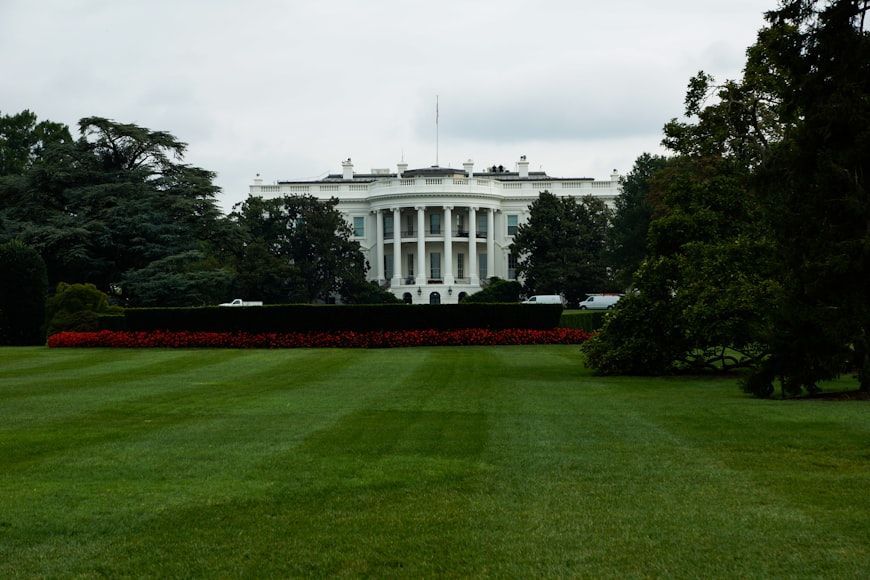
By 1949, the White House had endured a century and a half of wars, fires, political scandals, and modernization. With few renovations made during the Great Depression and World War II, President Truman and his family moved into a mansion that was literally falling apart—it was declared unsafe after a piano leg crashed through the floor of the family quarters.

The Trumans moved across the street during the three years the reconstruction took place. Due to the need for extensive renovations, a total demolition of the building was considered but not enacted. In the end, the decision was to preserve the exterior walls and completely rebuild and expand the interior.

Themed Christmases (Jackie Kennedy)

The White House’s themed Christmas celebrations are now a beloved tradition, complete with a spectacular tree and elaborate decorations. This lovely tradition was started in 1961 by Jackie Kennedy, who then chose The Nutcracker as a theme, and featured decorations crafted by disabled and elderly citizens.

Since then, First Families have carried on the themed Christmas tradition, honoring topics and interests relevant to the nation and highlighting causes dear to the presidential family.

Office of the First Lady (Rosalynn Carter)
First Ladies have always played an important role in supporting the president, managing the Presidential Mansion, and championing various causes. However, this role wasn’t always officially recognized or included in the White House budget.

Although some First Ladies before her had hired official staff, Rosalynn Carter was the first to organize hers into a formal Office of the First Lady , complete with departments dedicated to press, social causes, campaigns, and community outreach.
Culture Culture 5 min read

Spooky icons

Are you brave enough to read about these terrifying horror characters?

Image: Jamaal Hutchinson

October is definitely the spookiest month of the year. With the advent of the 10th month, a myriad of scary characters appear everywhere to celebrate Halloween! This ghostly yet fun holiday is at the center of many of our warmest memories. Who didn’t have a lovely time trick-or-treating with friends, looking sharp and dashing in an amazing costume? However, Halloween is also the time for scary movies—a time to huddle together in front of the sofa and tune into a bloodcurdling film that will keep us up all night. With that in mind, we have decided to pay tribute to 10 of the most terrifying horror characters of all time. While definitely scary, these monsters have truly earned a place in our hearts, so let’s show them a little love with this small homage. Without further ado, here’s our pick!

1
Michael Myers from Halloween

Image: norbert velescu

Who better to start this Halloween list than the main villain from Halloween ? John Carpenter’s iconic horror film not only marks the debut role of beloved actress Jamie Lee Curtis, but it also introduced the world to the terrifying Michael Myers , a murderous mental patient with a thirst for blood.

One of Michael’s most terrifying traits is his blank and unfeeling expression, provided by his chilling rubber mask. Interestingly enough, the mask itself probably wouldn’t be as scary on its own; it is a mask of Star Trek actor William Shatner , only painted white and with some traits changed in order to make it scarier.

2
Freddy Krueger from A Nightmare on Elm Street

Image: Enrique Guzmán Egas

The 1984 film A Nightmare on Elm Street is considered by many to be the quintessential slasher horror film of the ’80s, and with good reason: Wes Craven had the genius idea to turn our slumber into one of the scariest environments ever. If, for whatever reason, you feel inclined to thank the character responsible for turning our dreams into nightmares, then you can send your regards to Freddy Krueger.

Freddy’s look is definitely unforgettable: Who can overlook that stripped sweater, black fedora, and, perhaps more menacing, that sinister-looking bladed glove? This killer’s menacing image certainly sent shivers down our spines and made most of us dread going to bed.

3
Jason Vorhees from Friday the 13th

Image: Justin Campbell

Michael Myers is not the only masked menace to make it onto this list! Jason Vorhees made his first appearance in the 1980 slasher Friday the 13th , which depicted a group of campers meeting their end at Jason’s hands in the fictional Camp Crystal Lake. This towering, murderous revenant hunts teenagers at night, armed with his trusted machete and his now-iconic hockey mask.

Jason has appeared in many different films, including an entire franchise reboot in 2009. Not only that, a 2003 film pitted him against another king of the slasher genre, Freddy Krueger. Without spoiling the ending, we can honestly say that both of these horror giants prove their mettle.

4
The Thing from The Thing

Image: Robert Haverly

Don’t let this slightly vague name fool you: The Thing is one of the scariest horror characters in history. John Carpenter’s 1982 masterpiece introduced the world to this mysterious alien creature, able to shapeshift into any object imaginable.

What’s probably most terrifying about this shadowy being is that we never truly see its true form; therefore, this alien can be as terrifying as our imaginations allow it to be. However, don’t let this statement imply that we are discrediting Carpenter’s groundbreaking visual effects, as anyone who has seen any of his amazing creations can testify.

5
The Fly from The Fly

Image: Pedro Miguel Aires

Who knew that a little housefly could be so terrifying? While the original 1958 film is incredibly advanced for its time, David Cronenberg’s 1986 rendition of The Fly left an indelible mark on an entire generation with its uncanny special effects and chilling story.

In this film, Jeff Goldblum plays Seth Brundle, an eccentric scientist whose DNA gets fused with that of a fly after an experiment goes wrong. The resulting hybrid monster’s appearance is truly a remarkable tribute to the talent of this film’s makeup department, which earned them a well-deserved Academy Award.

6
Rachel McNeil from The Exorcist

Image: Kelly Sikkema

Many consider The Exorcist to be the best horror film ever made, and with good reason: not only is it bone-chilling, but it is also a wonderfully crafted film that has led it to be selected by the U.S. National Film Registry for preservation.

A big part of what made this film so incredibly terrifying was the contrast between the sweet and innocent 12-year-old Regan McNeil (wonderfully portrayed by Linda Blair) and the dark demon that possesses her. Legendary Swedish actor Max von Sydow also shines in this film, playing the titular exorcist, Father Lankester Merrin.

7
Chucky from Child’s Play

Image: Erik Mclean

This is a toy you don’t want to see lying around your house! Directed by Tom Holland, the 1988 slasher film Child’s Play features Chucky , a seemingly harmless doll possessed by the soul of a serial killer. While this might not seem particularly menacing, Academy-nominated actor Brad Dourif’s portrayal of this plastic killer truly terrified an entire generation.

The first movie was such a success that it spawned an entire franchise that’s still relevant today, with a TV series premiering in 2021. However, most fans agree that no film will ever surpass the original Child’s Play , an undisputed gem of the slasher genre.

8
The Ghostface Killer from Scream

Image: Nik

Speaking of the slasher genre, we would be remiss if we didn’t include Wes Craven’s iconic 1996 film Scream . This movie is not only terrifying, but it is also a true love letter to the entire genre: In fact, one of the first deaths in the film occurs after a character gets a question about horror trivia wrong.

A huge part of what made Scream so frightening is its antagonist. The Ghostface Killer’s main strength is that he is not a supernatural creature by any definition of the word. Not only that, this mysterious character’s presence adds a layer of intrigue to the film, as the reveal of his true identity becomes a definitive turning point in this masterpiece.

9
Pennywise from It

Image: Nong

Much like the monster from The Thing , the audience never witnesses the true form of this chilling Eldritch monster. However, the main antagonist of Stephen King’s classic novel It often dons the disguise of Pennywise, a scary clown hell-bent on terrifying the town of Derry, Maine.

To date, Pennywise has been portrayed on the big screen on two separate occasions: first by Tim Curry in the 1990 miniseries and later by Swedish actor Bill Skarsgård in the 2017 film adaptation and its 2019 sequel. In both cases, these actors were able to bring a fascinating layer of horror to a colorful figure usually associated with making people smile.

10
The Shark from Jaws

Image: Marcelo Cidrack

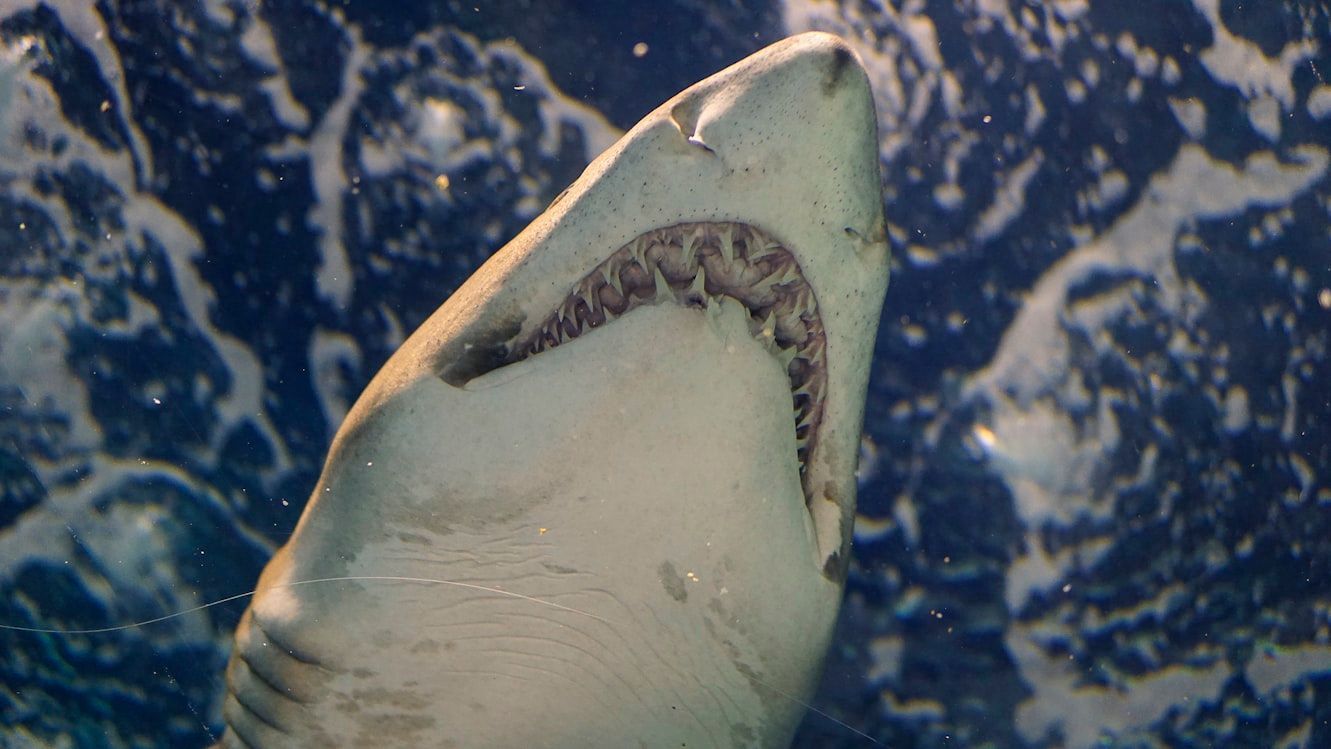
Granted, calling Steven Spielberg’s Jaws a horror film is probably not entirely accurate. However, we can comfortably state that the shark antagonist of this 1975 thriller truly terrified moviegoers around the world.

It is pretty hard to state the impact that this shark had, suffice to say, people at the time were incredibly scared to go back into the water due to this movie. Fun fact: Did you know that the shark has a name? Well, a nickname at least: it was called "Bruce" by the film crew, after the name of Spielberg’s lawyer.

History History 4 min read

Dystopian spoilers ahead

No Michael J. Fox as Marty McFly? 12 films nearly turned out differently

Image: Roger Ce

It’s hard to imagine classic movies with different stories or characters than the ones we know today, but there are many examples of Hollywood blockbusters that were originally supposed to be very different—and, thanks to wise (or accidental) decisions, were changed for good. Imagine Back to the Future without Michael J. Fox, or a version of Jaws where the shark swims away. It sounds wild, but it nearly happened. Here are some surprising what-ifs from iconic films that just missed the cutting room floor.

1
More Jaws

Image: Karen Zhang

One early idea for the Jaws ending involved not one shark, but several . After the first was killed, Brody would’ve seen more fins approaching , hinting the threat wasn’t over.

Another scrapped version, closer to the novel, had the shark drift away after being harpooned, leaving Brody alone at sea. Both endings were dropped in favor of the explosive finale we know today.

2
Titanic’s Jack & Rose

Image: Edwin Petrus

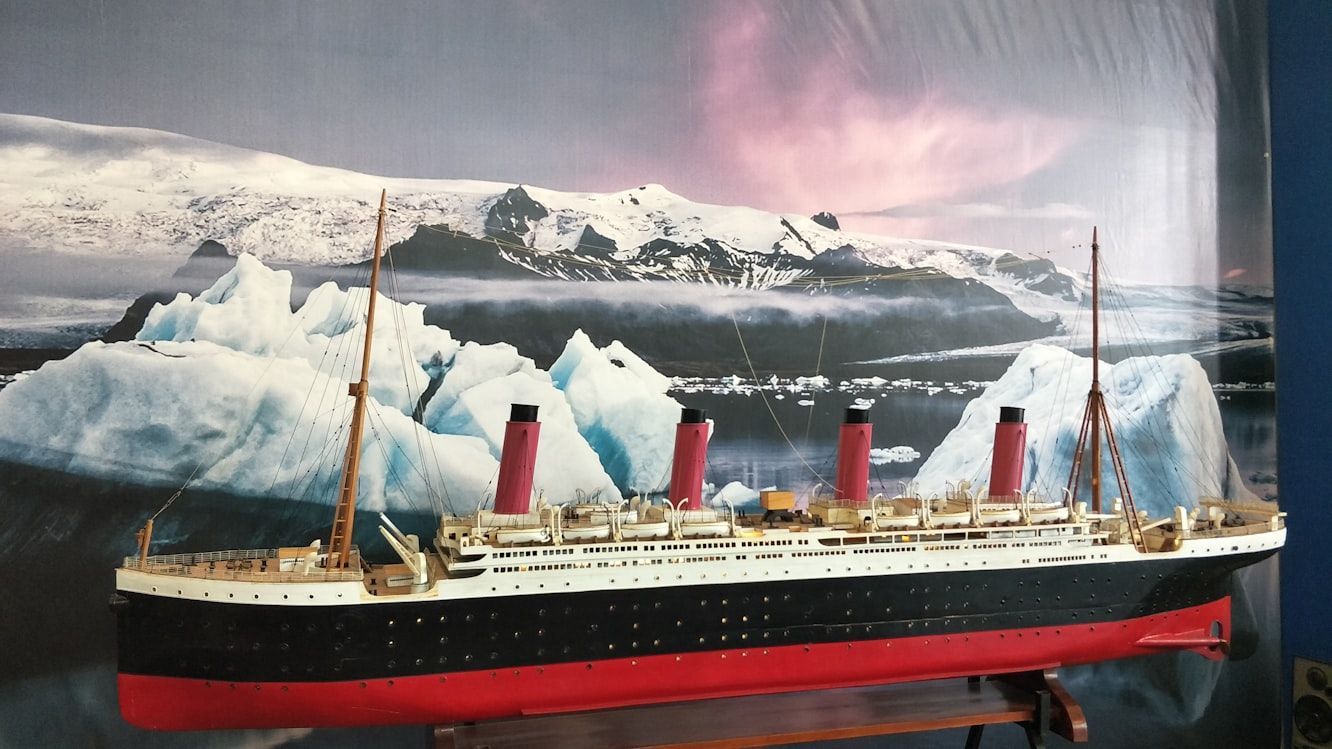
Claire Danes, best known at the time for Romeo + Juliet , turned down the role of Rose in _Titanic_—and says she has "no regrets" today. It’s tough to picture anyone but Kate Winslet in that part.

Matthew McConaughey also came close to playing Jack. He was confident he had the role, but Leonardo DiCaprio ultimately got it.

3
Psycho, in Technicolor

Image: Maxime Roedel

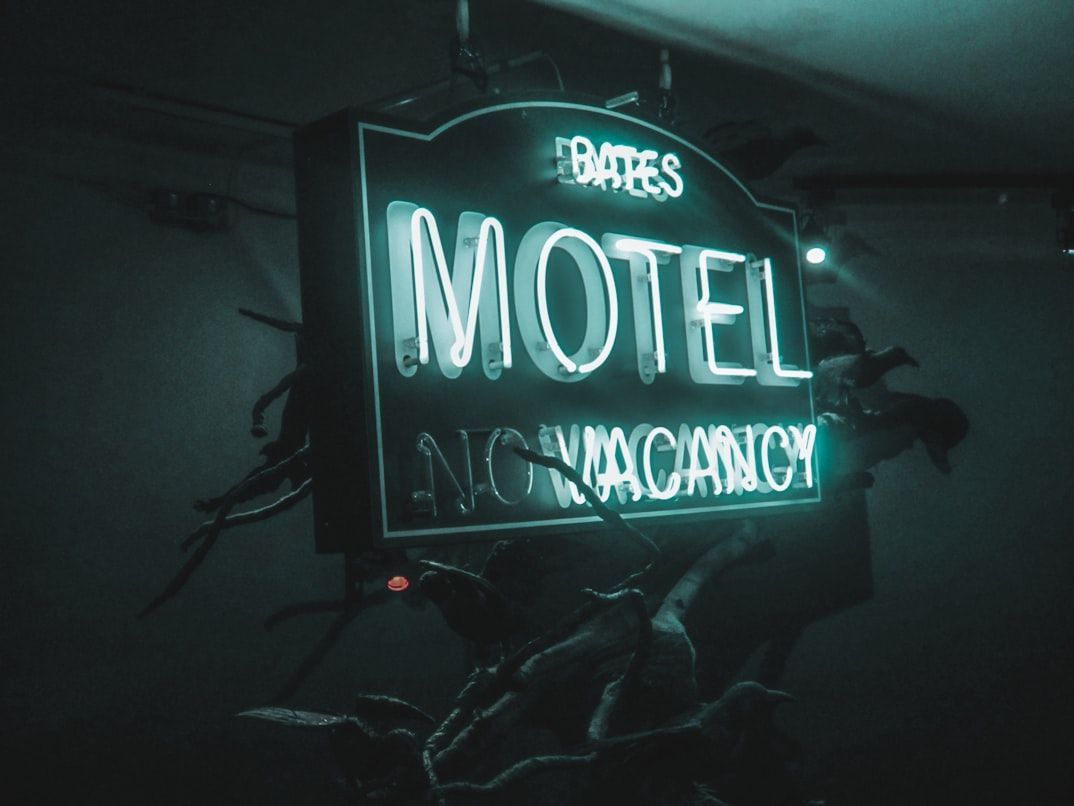
These days, many assume Alfred Hitchcock shot Psycho in black and white for artistic or symbolic reasons. It turns out that it was just a budget issue .

Paramount found the concept too "distasteful," so Hitchcock financed the film himself. Despite its now-legendary status, the studio initially gave it only a limited release.

4
When Harry Almost Didn’t Meet Sally

Image: Nur Fadhillah Fajarudeen

Director Rob Reiner began When Harry Met Sally after his divorce, feeling cynical about love. Originally, the film was written so that Harry and Sally would remain just friends.

But during production, Reiner fell in love again—and changed his mind. The ending was rewritten so the two characters end up together , giving the rom-com its iconic, heartwarming finish.

5
Saturday Night Gump

Image: Yosuke Ota

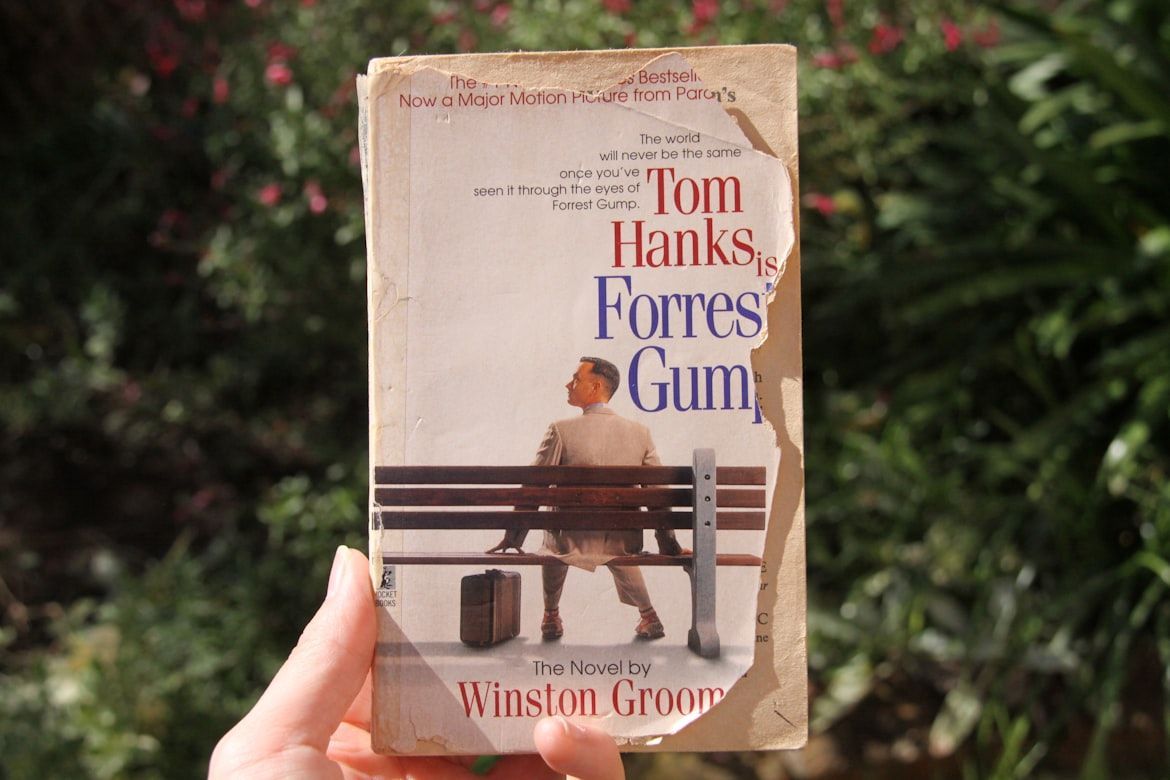
Believe it or not, John Travolta was originally offered the role of Forrest Gump —but he turned it down, and the part went to Tom Hanks instead.

Still, Travolta went on to star in Pulp Fiction , which became a huge hit, so in the end, it worked out for everyone.

6
Pretty Sad Woman

Image: Krists Luhaers

The original Pretty Woman script—titled _3000_—was a dark drama about sex work, ending with Edward leaving Vivian. It had little romance or humor and was meant to serve as a cautionary tale.

Al Pacino and Michelle Pfeiffer once auditioned, but things changed after Julia Roberts and Richard Gere were cast. Their charm shifted the tone, and rewrites led to the romantic ending we know today.

7
The Slaptrix

Image: Markus Spiske

Will Smith was originally offered the role of Neo but turned it down. He has since praised Keanu Reeves’s performance in The Matrix and admitted he would have ruined the film.

Smith's a great actor, but it's tough to picture anyone but Reeves as Neo, dodging bullets in slow motion.

8
Fatal Attraction

Image: Pawel Janiak

Screenwriter James Dearden disliked the altered ending to Fatal Attraction . Originally, Alex framed Dan for her murder, but test audiences didn’t like it .

As a result, the team reshot the film’s climax, giving Alex a more conclusive fate. The new version offered clearer consequences and closure, making it far more satisfying for viewers.

9
Ghost Smashers

Image: Viktor Forgacs

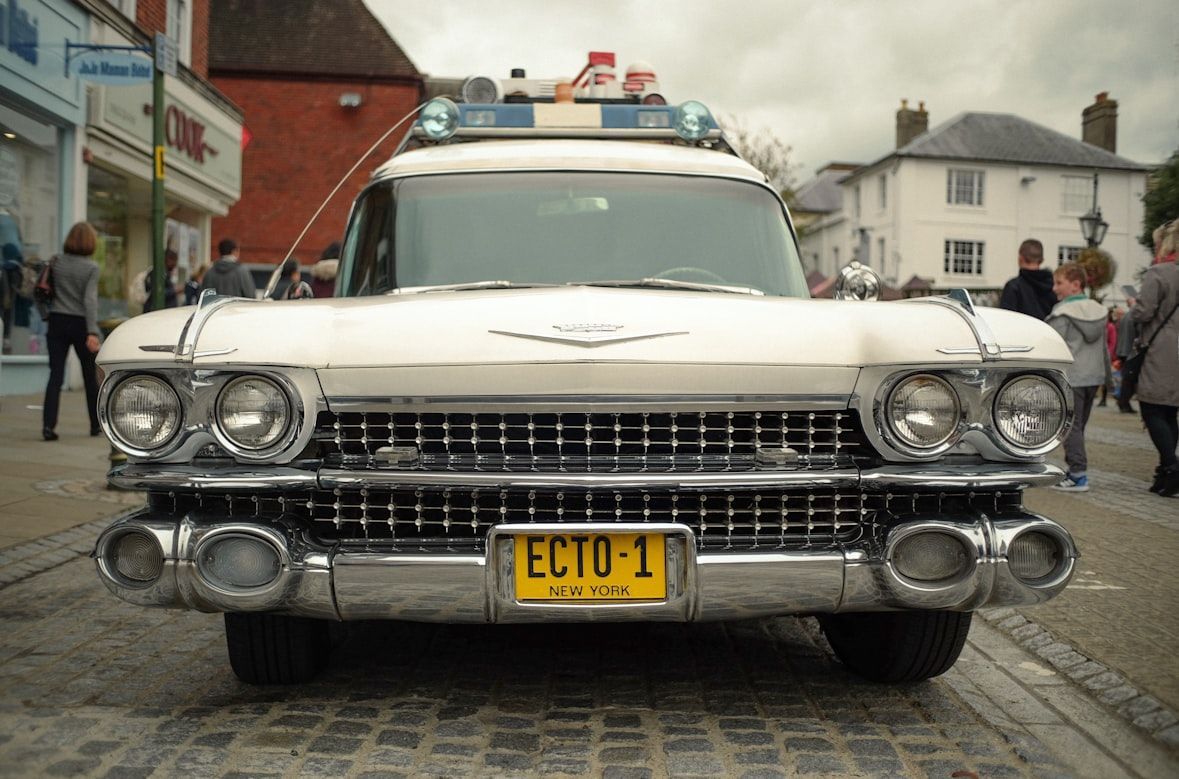
Dan Aykroyd’s original Ghostbusters concept—called _Ghost Smashers_—was a wild sci-fi adventure involving time travel and dimension-hopping .

Filmmakers simplified the story, shifting the focus to ghost-catching instead. That change transformed it into the hilarious, iconic classic we know today.

10
No Marty McFly

Image: Roger Ce

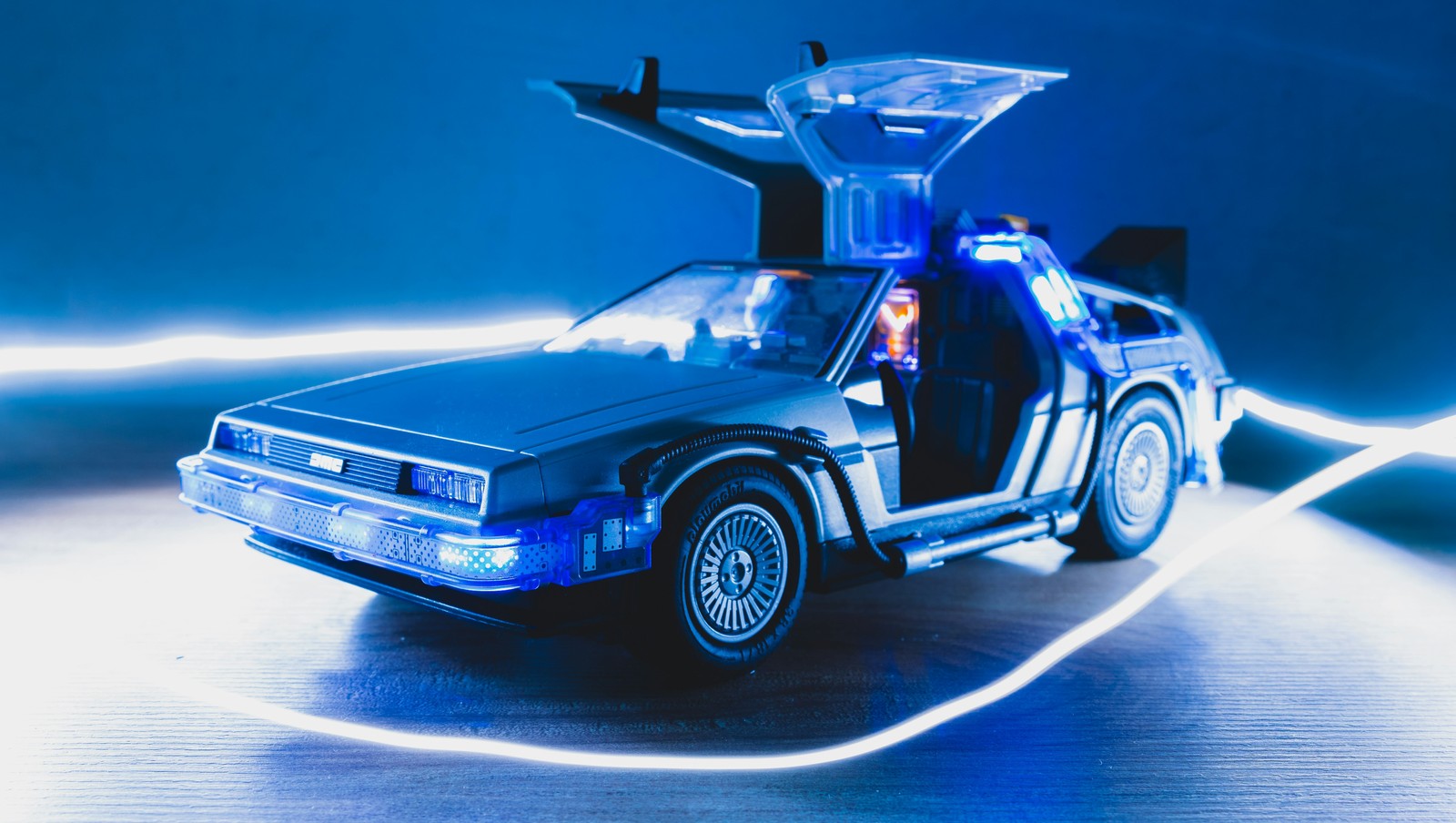
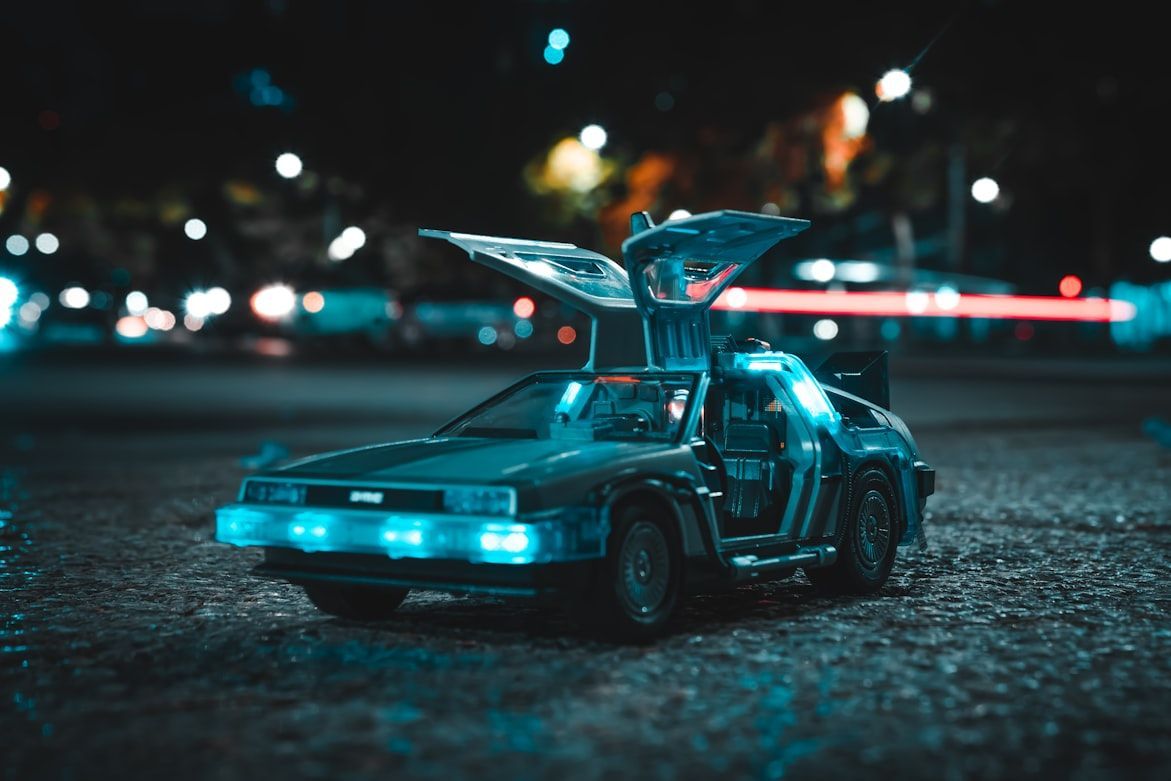
Eric Stoltz was originally cast as Marty McFly in Back to the Future, and even filmed several scenes. However, director Robert Zemeckis and producer Steven Spielberg felt that Stoltz didn’t embody the comedic, fun-loving spirit they were looking for.

As a result, Michael J. Fox was brought in to play the iconic Marty—and the rest is history. It’s hard to imagine the film without Fox’s perfect balance of humor and charm.

11
No Michael Corleone

Image: Enrique Bancalari

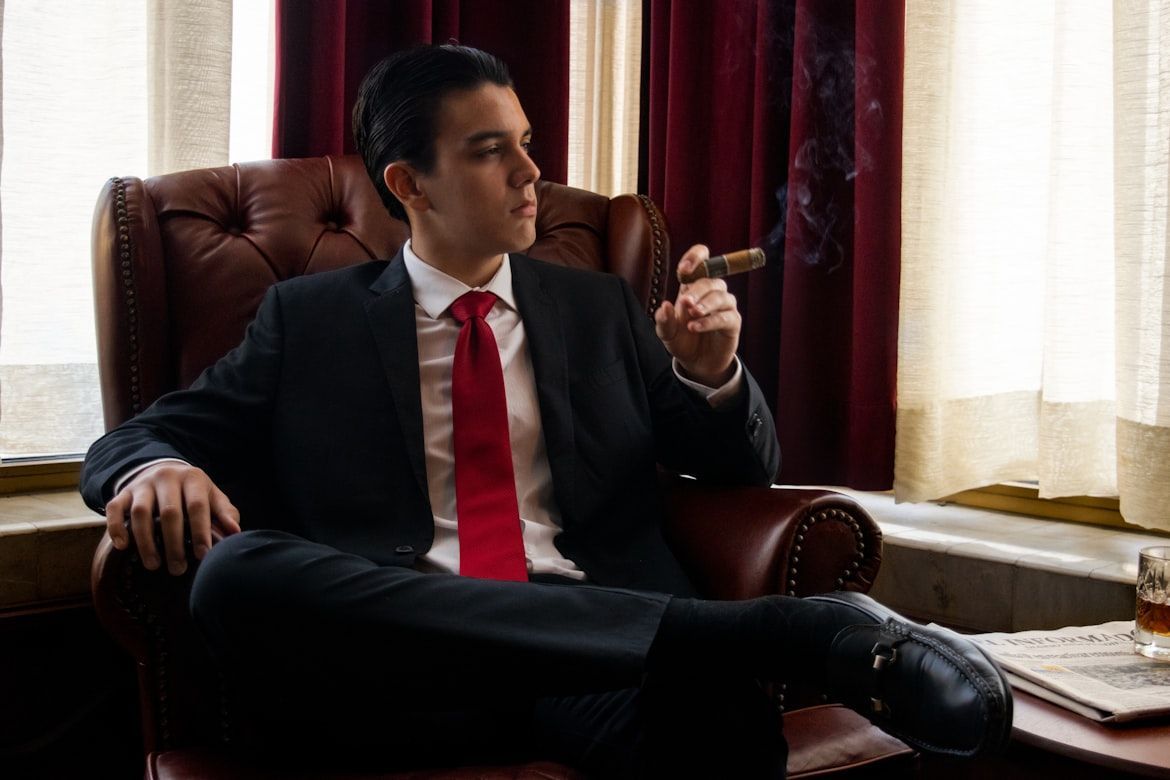
Al Pacino nearly missed out on playing Michael Corleone in The Godfather . Director Francis Ford Coppola had doubts about Pacino’s fit for the powerful role, and stars like Jack Nicholson and Robert Redford were also considered .

Luckily, Pacino was cast, and his intense, layered performance became iconic. His portrayal added depth that helped make the film a lasting classic.

12
Gone With No Lead Actress

Image: micheile henderson

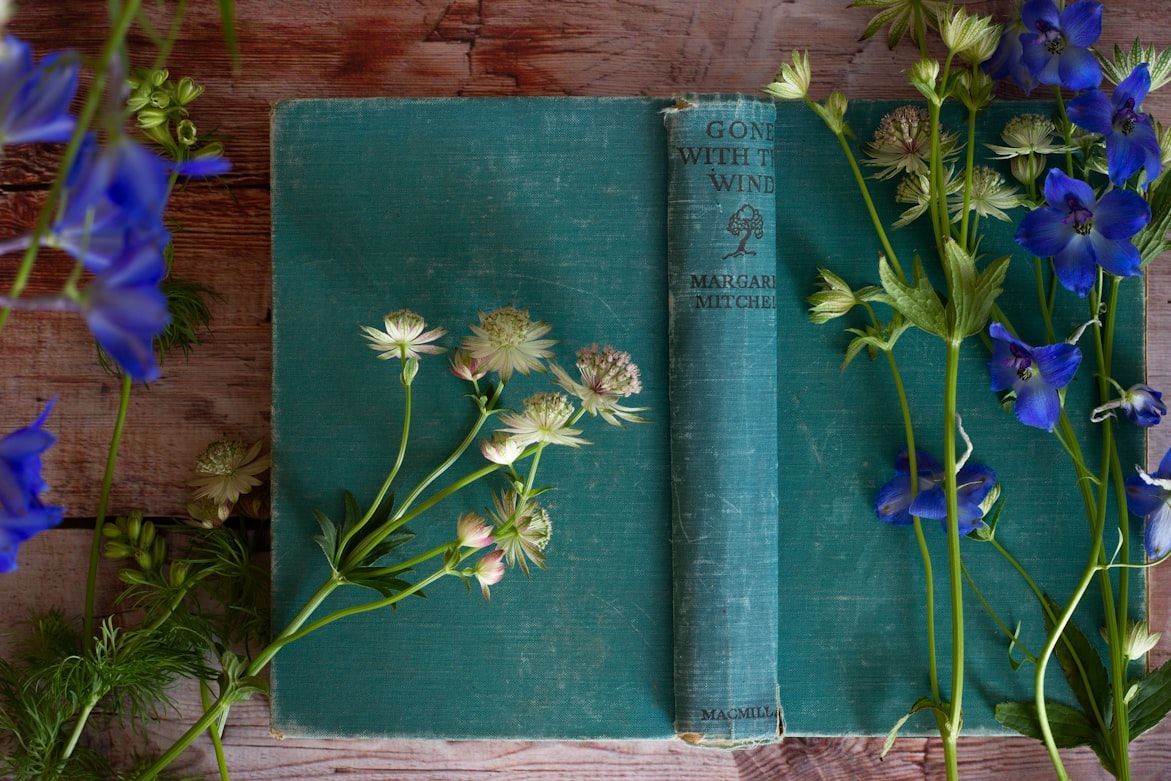
Gone With the Wind began filming without a lead actress, and Clark Gable was reportedly less than thrilled when Vivien Leigh was finally cast as Scarlett O’Hara.

The production faced creative clashes, including pushback on the film’s tone and even Rhett Butler’s famous line. Fortunately , "Frankly, my dear, I don’t give a damn" stayed in .

Explore more American facts

Choose your favorite category!

General
General

As American as apple pie—the very best America has to offer!

Culture
Culture

Delve into the astounding richness of American lore.

Geography
Geography

Hop in and explore vast and diverse American landscapes.

History
History

Discover the key moments that shaped the United States.