History History 5 min read

The foundation of the American nation

The Founding Fathers of America: 10 interesting facts

Image: The New York Public Library

We all know who the Founding Fathers were, but we seldom think of them as human beings rather than heroes who gave shape to our country . Despite their amazing deeds, they still were a group of men of varied origins, ideologies, beliefs, and concerns, which led to more than one discussion and rivalry. Let’s learn some more about them!

1
There is no official ‘Founding Fathers’ list
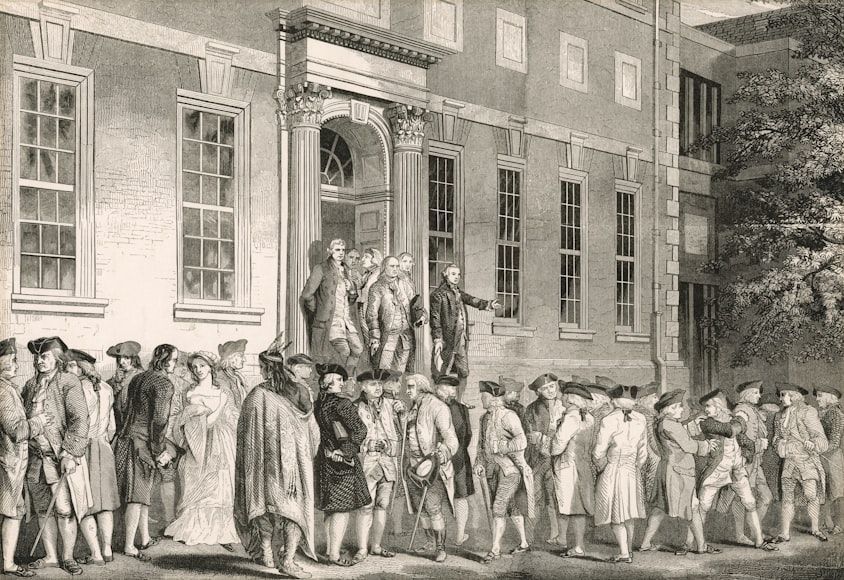
Image: The New York Public Library

Who can be called a Founding Father? The term was coined by Senator Warren G. Harding in 1916 and is used to refer to the leaders of the Revolutionary movement, but there’s no set list . While it is mainly used for key figures such as George Washington, Thomas Jefferson, John Adams, Benjamin Franklin, Alexander Hamilton, John Jay, and James Madison, the term applies broadly to those who signed the Declaration of Independence and the Constitution .

2
4th of July deaths
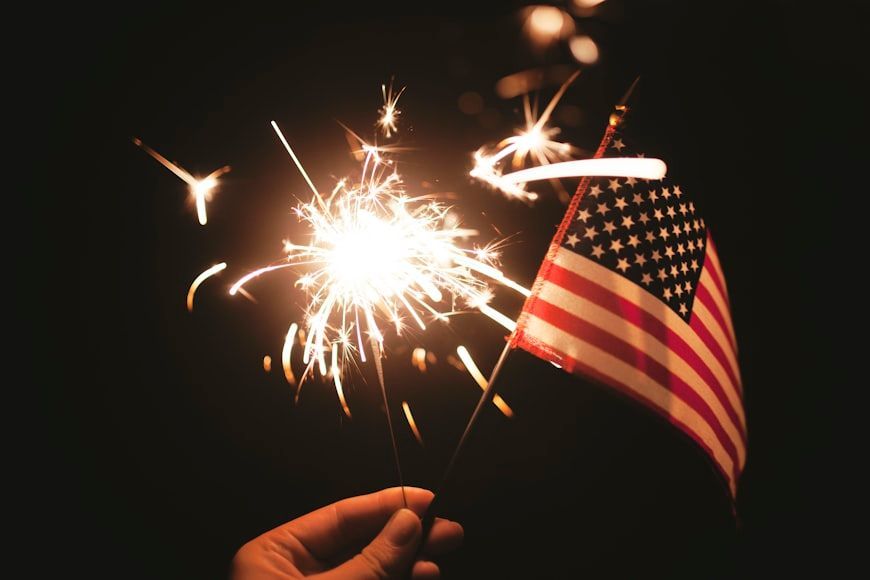
Image: Stephanie McCabe

The legal separation of the Thirteen Colonies from the British Crown was voted by the Continental Congress on July 2nd, 1776, but was formally adopted on July 4th , immortalizing the date for the rest of American history. But did you know that it is also the death anniversary of three Founding Fathers?

Thomas Jefferson and John Adams both died July 4, 1826, on the 50th anniversary of the Declaration of Independence, while James Monroe died five years later, on July 4th, 1831. Interestingly, John Adams disliked the date chosen for celebrations, as he believed the day of the vote to be more significant.

3
Refusal to sign the Constitution
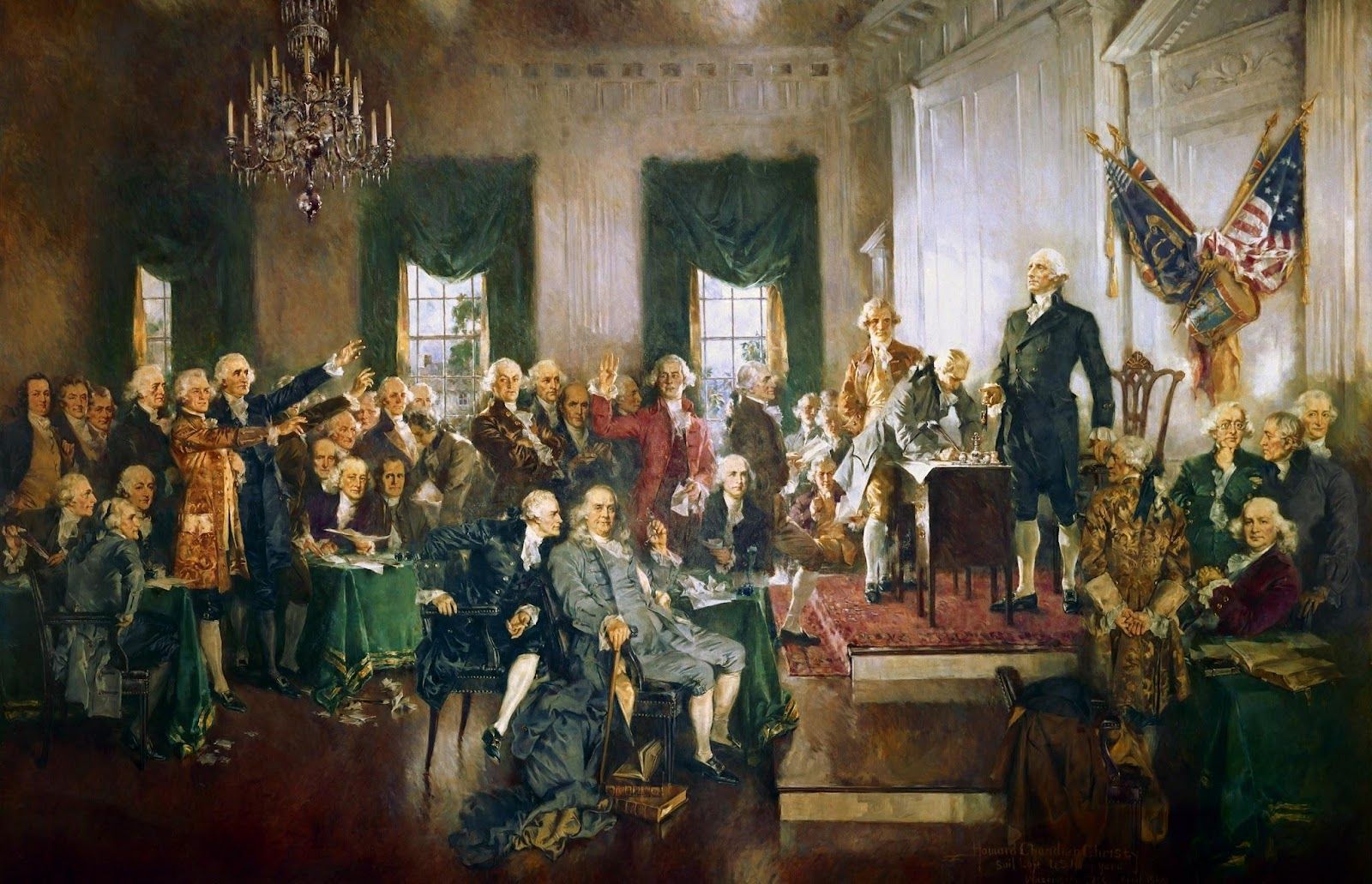
Image: Howard Chandler Christy, Public domain, via Wikimedia Commons

The Constitutional Convention took place in 1787, from May to September. The Constitution of the United States was presented on September 28, 1787 , but nearly two years had to pass for it to be ratified by all the states, superseding the nation’s first constitution, the Articles of Confederation.

Not all signing constituents agreed on the final seven articles, among them Benjamin Franklin, but three of them in particular —George Mason, Edmund Randolph, and Elbridge Gerry— flat out refused to sign the document . Mason suggested the addition of a bill of rights, but was denied, a suggestion that would ultimately inspire the drafting of the Bill of Rights by James Madison.

4
A lawyer for the enemy
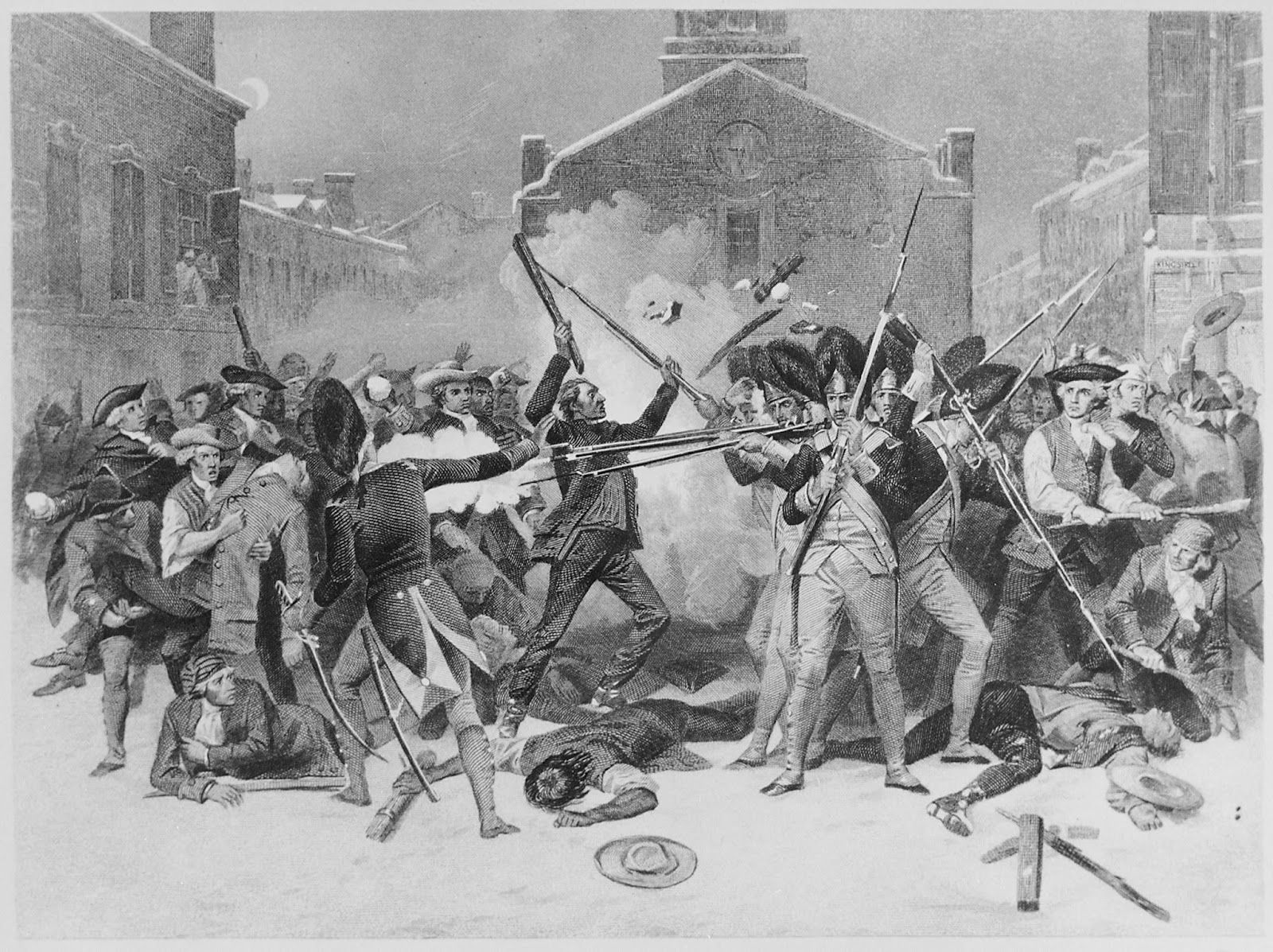
Image: National Archives at College Park, Public domain, via Wikimedia Commons

The Boston Massacre of 1770 was part of the incidents that prompted the start of the Revolutionary movement in the colonies. British soldiers stationed in Massachusetts to support the implementation of the Townshend Acts were confronted by an angry crowd. Overwhelmed, the soldiers opened fire without authorization, resulting in five deaths and six wounded.

During the subsequent trial, Founding Father John Adams worked as a defense lawyer for the British soldiers charged , a decision that prompted public criticism. However, he was a firm believer in the right to a fair trial for everyone, and argued that most soldiers had acted in self-defense. In the end, only two soldiers were convicted of manslaughter, a verdict Adams agreed with.

5
The origins
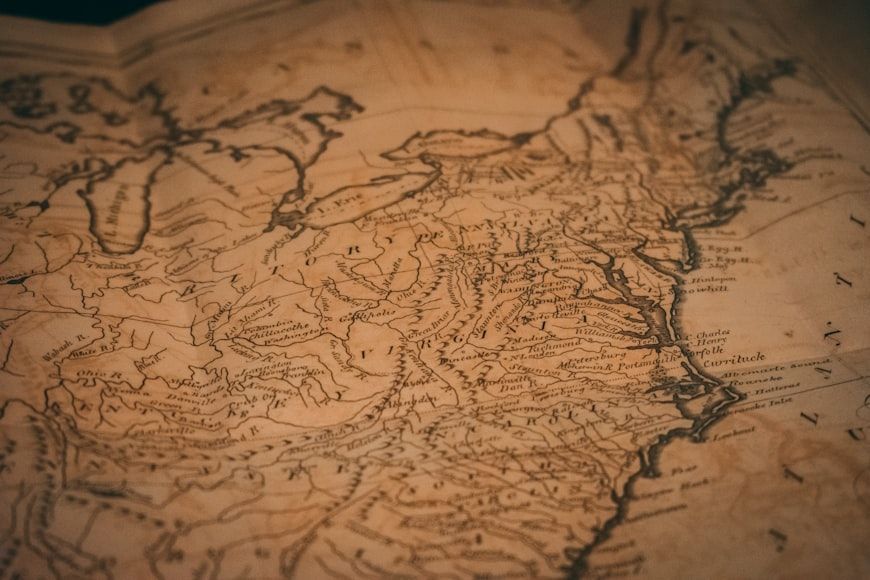
Image: Alex Boyd

None of the Founding Fathers was born an American (for obvious reasons), but most of them were born in the American colonies and had British origins . Out of the 56 signers of the Declaration of Independence, 47 were born in what is now U.S. territory.

The other nine? Eighth of them came from the British Isles : Two were English-born (Button Gwinnett, Robert Morris), three were Irish (George Taylor, Matthew Thornton, and James Smith), two were Scottish (James Wilson, John Witherspoon), and one was Welsh (Francis Lewis). The last one, Alexander Hamilton, was born in the British West Indies , now St. Kitts and Nevis.

6
The first signature
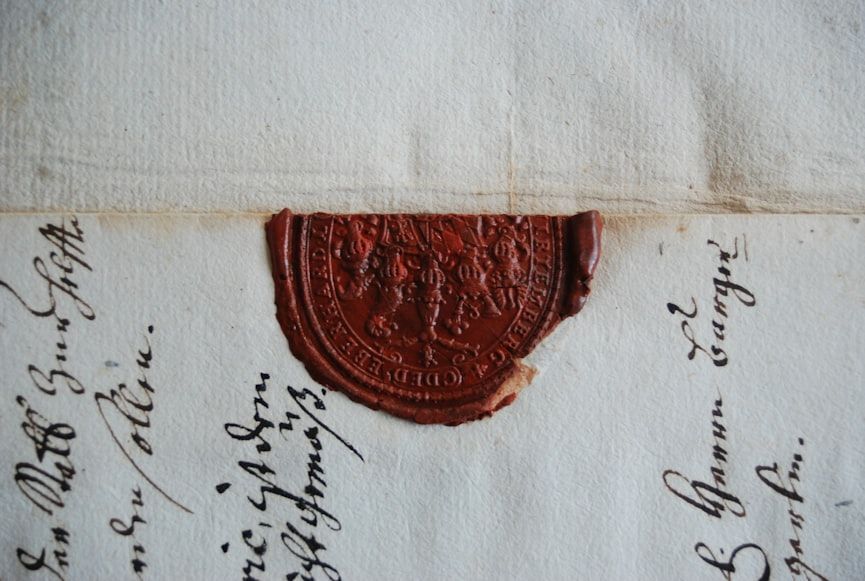
Image: David Nitschke

Have you ever wondered why people ask for a ‘John Hancock’ when they need a signature? It is all because of Founding Father John Hancock. One of the wealthiest men in the Thirteen Colonies, Hancock was a merchant (and smuggler) by trade, served as president of the Continental Congress, and as Governor of the Commonwealth of Massachusetts after the Revolution.

Why is he associated with a signature? John Hancock was the first person to sign the Declaration of Independence, and his signature stands out because it is visibly larger than the rest. According to legend, he claimed to have made it big so King George would be able to read it.

7
The anti-slavery clause that wasn’t
Image: Hussain Badshah

It is no secret that many Founding Fathers were slaveholders, but there was no unified opinion on the subject. Some, such as George Washington, freed their slaves in their wills, while others, such as Franklin, Paine, Hamilton, and Adams, were passionate abolitionists. Thomas Jefferson was a curious case: while he owned numerous slaves all his life, he was against the international slave trade and believed that America had to abolish slavery gradually to avoid civil unrest.

In his first draft of the Declaration of Independence, Jefferson included his conflicted views on slavery in a paragraph condemning King George III for his role in the Transatlantic Slave Trade and the affronts to liberty caused by this. Ultimately, this clause had to be removed due to the objections of many delegates who supported slavery.

8
The vice president
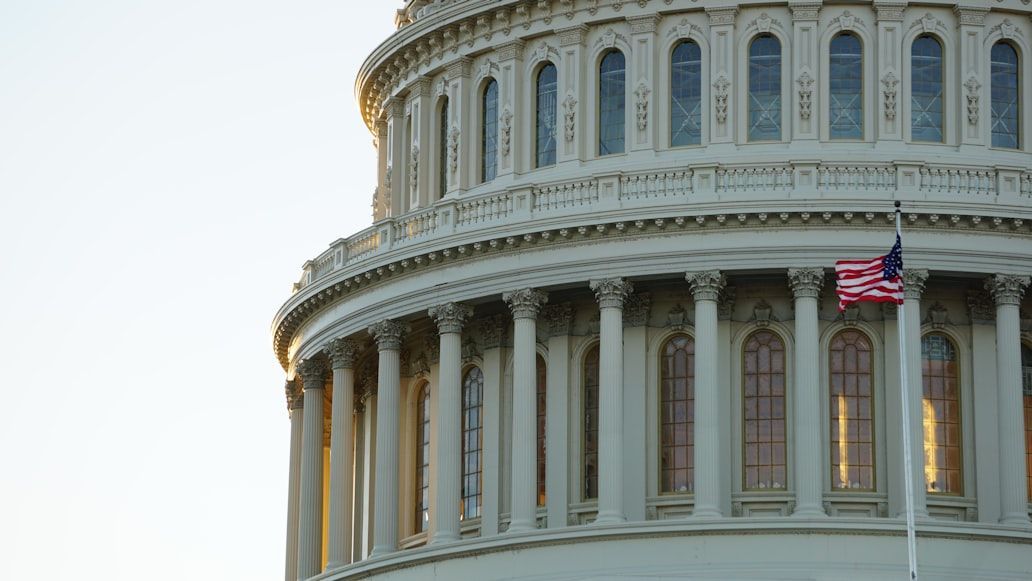
Image: Ian Hutchinson

When the Constitutional Convention considered the best way to choose a chief executive (a.k.a., the president), they weren’t even considering the figure of the vice president , and had decided that the Senate would elect its own president. After creating the Electoral College, they realized that, being a new country, state loyalty would most likely outweigh loyalty to the union. The solution? Each elector had to choose two candidates, one of which should be from a different state. The two most-voted candidates would be president and vice president, respectively.

The first elected vice president, John Adams, was not happy with the position . He had received a huge amount of votes, but George Washington had still won in a landslide. Although he regarded the position as the "most insignificant office that ever the invention of man contrived", he took on his role as President of the Senate with the utmost dedication.

9
Confidence in the Constitution
Image: Adam Nir

It is difficult to believe that any Founding Father thought the Constitution to be perfect. After all, not only did some refuse to sign it, but they also included the possibility of amending it to better protect the stability and liberties of the country.

Some Founding Fathers, however, lacked confidence in the Constitution as a document. Benjamin Franklin expressed his disapproval of certain clauses . Still, he was not sure they could write one better, so he decided to sign it, faults and all, preferring to doubt himself than halt the constitutional process. On the other hand, Washington believed the Constitution to be much better than the Articles of the Confederation, but he expressed his doubts about the document lasting for more than twenty years.

10
A varied group of men
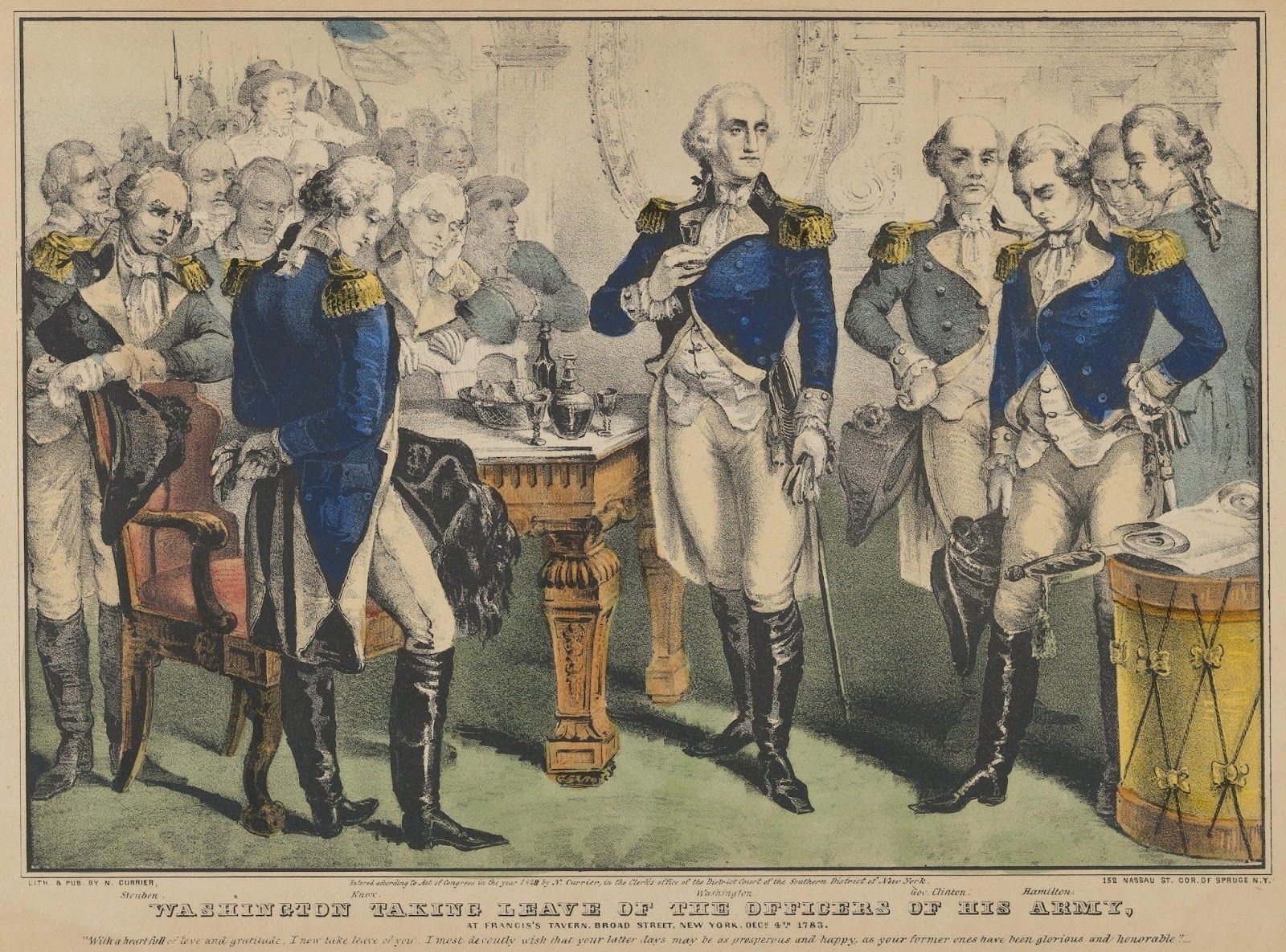
Image: Nathaniel Currier, CC0, via Wikimedia Commons

The centuries passed, and the wigs on the portraits have created the illusion of the Founding Fathers being a group of old men , but this is not exactly right. Although Benjamin Franklin was around 70 years old during the Revolutionary War, most Founding Fathers were young enough to fight and were between 30 and 45 years old.

The differences of age, background, and ideology between the Founding Fathers were the cause of many discussions, enmities, and rivalries, but these differences contributed to the foundation of the United States of America.
History History 5 min read

Historic events

10 iconic celebrity moments that happened at American hotels

Image: João Pires

The number of famous people who have spent time in historic hotels is directly proportional to the amount of fascinating stories concealed within the walls of these luxurious accommodations. From Elvis and Marilyn to Martin Luther King and Lucky Luciano, here are 10 of the most iconic celebrity moments that took place at the best American hotels.

1
Elvis Presley’s senior prom

Image: No-longer-here

Did you know Elvis Presley wore actual blue suede shoes to his senior prom? In 1953, at just 18 years old, the soon-to-be King of Rock and Roll attended Humes High School's formal dance at The Peabody Hotel in Memphis.

Wearing a tuxedo for the first time, Elvis picked up his date, a 14-year-old girl named Regis Wilson, in a dark blue rented Chevy. Once they were at the Continental Ballroom Elvis confessed he didn’t know how to dance, so they spent the night watching from the sidelines. Sadly, a few weeks later Regis’ family decided to move to Florida and they never saw each other again.

2
I have a dream

Image: Unseen Histories

2023 marked the 60th anniversary of the famous "I Have a Dream" speech. But did you know that Martin Luther King Jr wrote the finishing touches for it in the lobby of The Willard InterContinental hotel just hours before addressing the people gathered at the Lincoln Memorial?

It's no wonder such an important event in U.S. history occurred at this Washington D.C. hotel. Located just a few blocks from the White House, the Willard was witness to numerous key political moments: It was Lincoln's temporary residence before his inauguration, and Calvin Coolidge lived here during his vice presidency. Not only that, the lobby of this hotel is where Ulysses S. Grant coined the term "lobbyist".

3
Marilyn’s last photoshoot

Image: Marten Bjork

In late June 1962, six weeks before her passing, Marilyn Monroe was photographed in suite 261 of the Bel-Air Hotel in Los Angeles. The most desired and sought-after actress at the time arrived at the hotel with a suitcase loaded with dresses and necklaces and ordered three bottles of Don Perignon. Over the next three days, photographer Bert Stern took 2,571 snapshots of her.

These iconic images were published by Vogue magazine just one day after her death and have since become history as the last portraits of one of the most beloved American stars of all time.

4
Blonde on Blonde

Image: Janka Jonas

The Hotel Chelsea in New York City boasts perhaps the longest list of celebrity residents: Mark Twain, Patti Smith, Jimi Hendrix, Janis Joplin, Stanley Kubrick, Leonard Coen, Sid Vicious and Robert Mapplethorpe all resided here at some point since its opening in 1884.

Another famous guest who spent time at this iconic Manhattan hotel is American singer-songwriter Bob Dylan. More bohemian than glamorous, the place fitted perfectly with the musician's style and was the ideal environment for his upcoming work. And so, in 1965 while staying in room 211, Dylan wrote a couple of songs for his seventh studio album, Blonde on Blonde .

5
First Organized Crime Convention

Image: cottonbro studio

The Blackstone in Chicago is best known as "The Hotel of Presidents" since it has welcomed several heads of state since its opening in 1910. However, it is also associated with some notorious American gangsters. Al Capone himself reportedly held meetings at this hotel while getting his haircut in the barbershop during the Prohibition Era.

Another Blackstone infamous guest was Italian-born gangster Charles "Lucky" Luciano. In 1931, he hosted his first crime convention in the hotel's Crystal Ballroom. Apparently, the purpose of the meeting was to create a board of directors for his "National Crime Syndicate", a confederation of several criminal organizations.

6
The birth of the Academy Awards

Image: Felix Mooneeram

This story involves not one but two mythical American hotels. In 1927, film producer and co-founder of Metro-Goldwyn-Mayer, Louis B. Mayer, felt the need to create an organization that would bring together all the players in the film industry. He invited a small group to a formal banquet at the Ambassador Hotel in Los Angeles where he officially presented his idea of an Academy of Motion Picture Arts and Sciences.

A few months later, on May 11, the first organizational meeting was held in the Crystal Ballroom of the Biltmore Hotel. At that meeting, they appointed the first authorities and granted the first honorary membership to American inventor Thomas Edison. In addition, they agreed to establish an annual award. According to legend, art director Cedric Gibbons sketched the design of the Oscars statuette that very day on one of the hotel's napkins.

7
The British invasion

Image: Boer, Poppe de, CC0, via Wikimedia Commons

By 1964 the Beatles had become so popular that it was no surprise that 3,000 fans were waiting for them at New York's John F. Kennedy Airport the first time they traveled to the United States. The Fab Four stayed at The Plaza in Manhattan and the scenario was the same: the hotel was overrun by hordes of teenage girls who eventually found their way into the fire stairways.

Paul, John, Ringo, and George occupied the 10-room Presidential suites on the 12th floor. They sometimes waved to the fans downstairs, guarded by over 50 policemen. After four days of commotion, the hotel authorities did not want them to return, so, on subsequent visits, the Beatles stayed at the Warwick Hotel.

8
Golden Globe splash

Image: Carolyn Ne

In 1999, before the Golden Globes ceremony, Angelina Jolie promised that if she won the award for Best Actress for her role in the movie Gia she would take a dip in the Beverly Hilton pool. She not only held her promise but also was accompanied by some friends and even ended up throwing in a journalist.

In an interview, the actress said that the dare came about because one very hot summer afternoon when she was a girl, she ended up diving into the hotel pool with a girlfriend. As expected, they were kicked out and she never came back —that is, until the night of the famous splash, ball gown and all!

9
Good Will Hunting

Image: Life-Of-Pix

Since its opening in 1976, the Viceroy L'Ermitage in Beverly Hills, Los Angeles, has been a true Hollywood institution. Celebrities like Elizabeth Taylor, Brad Pitt, and Laurence Olivier, have stayed in one of the 116 suites of this luxurious and secluded hotel numerous times.

But perhaps the spot that holds the most mystique in this hotel is The Lobby Lounge and Bar, once known as the Writer's Bar. Rumor has it, that this is where the biggest names in the industry used to hold their meetings and writing appointments. Apparently, the most fantastic stories in the history of cinema were conceived here, one of these masterpieces being Good Will Hunting . In this bar, Ben Affleck and Matt Damon penned the script for one of the most beloved films of the 20th century. Did you know that?

10
Bungalow 4

Image: Andrew Campana

American business tycoon Howard Hughes was possibly the most peculiar long-time hotel resident who ever lived. Hughes stayed at several hotels during his lifetime but he had a soft spot for the renowned Beverly Hills Hotel in California. So much so that in 1942 he bought three or four of the famous pink stucco bungalows and moved in.

This hotel, built in 1912, accommodated all his eccentricities, including making room for his personal chef —apparently, the only one who knew exactly how to make his favourite pineapple upside-down cake— and delivering his roast beef sandwiches to a specific tree on the premises. Being a billionaire certainly has its perks!

Culture Culture 5 min read

It’s called popular wisdom for a reason

How to ward off evil spirits? 10 uniquely American superstitions

Image: Peter Burdon

The United States of America is a melting pot of cultures and traditions, which means many superstitious beliefs can be traced back to other places. Think, for example, of beliefs around black cats or cemeteries. But some superstitions were born here, out of the unique idiosyncrasies of each American region. Why is the color of a porch such a big deal? Why are the woods dangerous? Is it crucial where I place my hat? Popular wisdom has an answer for all these questions, and more.

1
The cowboy hat on the bed

Image: Olivier Piquer

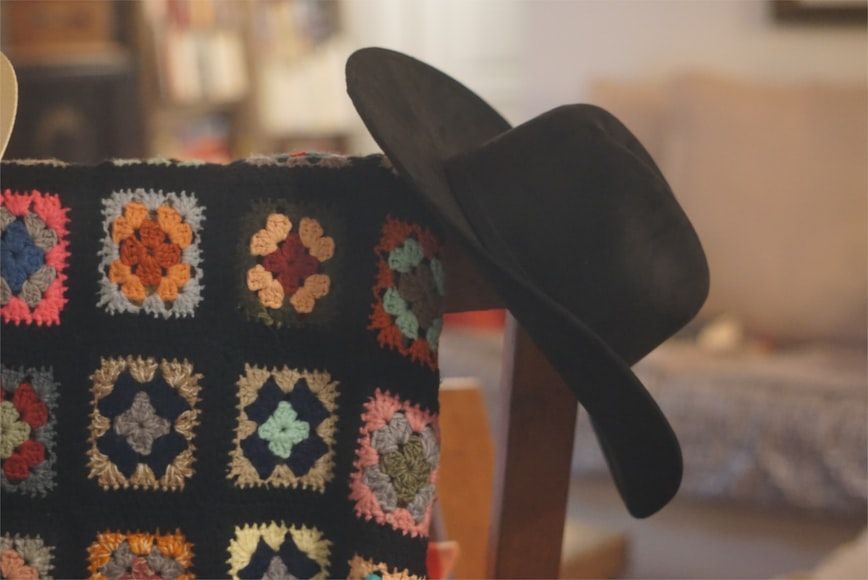
For a proper cowboy, a hat is as important as their horse or saddle. This means that there’s a protocol around this garment that needs to be followed, one important rule being that a hat should never be placed on top of a bed.

Why? There are several explanations, including the idea of bad spirits living in your hair, the old custom of placing a deceased person’s hat on top of their coffin, or the more practical reasoning of wanting to avoid lice. No matter the origin, no respectable cowboy would place his hat on the bed unless he wanted to attract misfortune his way.

2
The Appalachian woods

Image: Elijah Mears

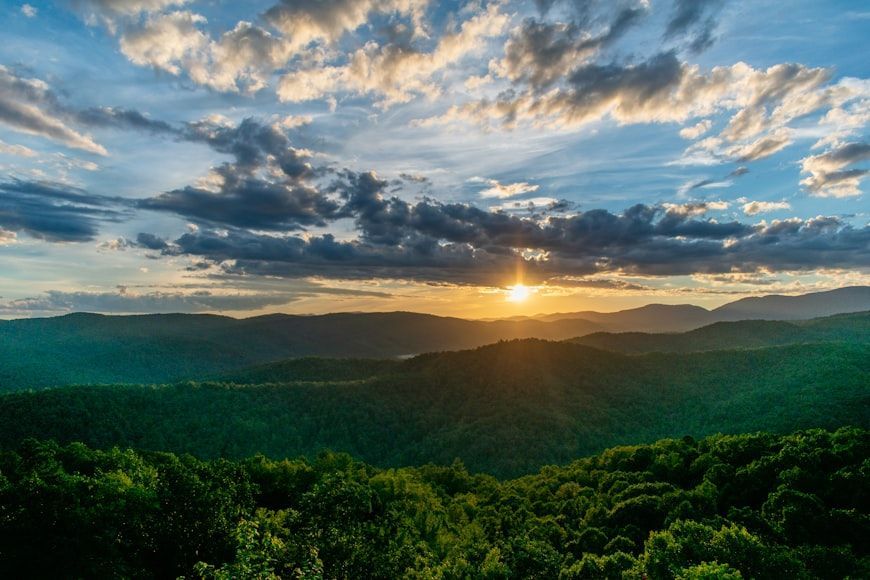
The Appalachian Mountains are filled with myths and legends, and certain rules are passed down and followed by nearly everyone, even those most skeptical about the supernatural. Many of these rules concern the woods and how one should behave in them : don’t go into the woods from dusk till dawn, don’t leave the marked trail, ignore any unknown voice calling you, and don’t look too closely into the trees.

While these rules could be explained by the simple reason of the woods being the hiding place of bandits in the past, and a difficult place to navigate in the dark, they have also been regarded as a place filled with spirits and supernatural beings, which no one wants to come across.

3
Seeing Mothman

Image: James Wainscoat

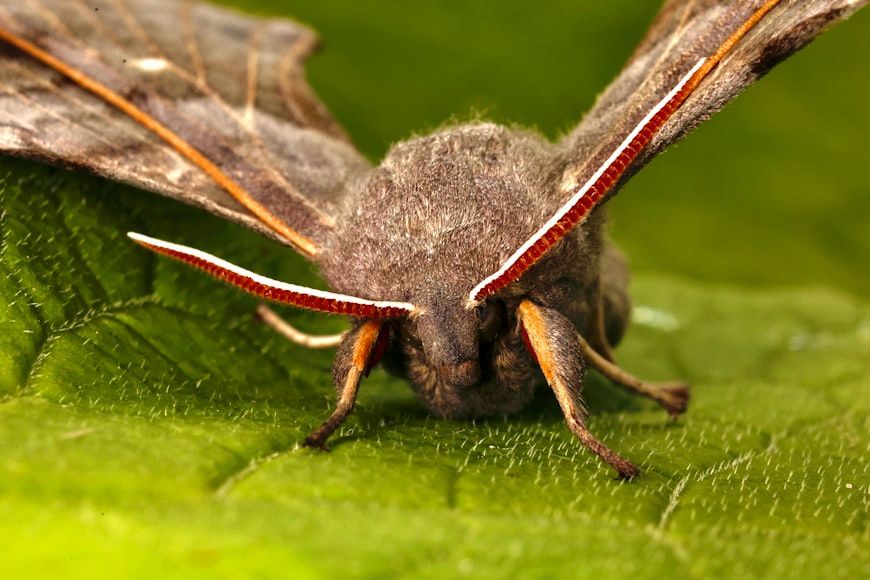
A local cryptid celebrity in Point Pleasant, West Virginia, the Mothman has allegedly been sighted several times since the 1960s. Many legends and beliefs have formed around his figure, one of them being that coming across the Mothman is a sign of an impending tragedy .

This belief gained strength after several reported sightings occurred just before the collapse of the Silver Bridge in 1967. Since then, the Mothman has been considered a harbinger of doom and a bad omen.

4
A mirror to ward off the devil

Image: Denny Müller

Louisianans have many myths and beliefs, especially those rooted in Cajun culture. Influences from French Acadia, Spain, and Western Africa have been incorporated into popular wisdom in a distinctly unique way.

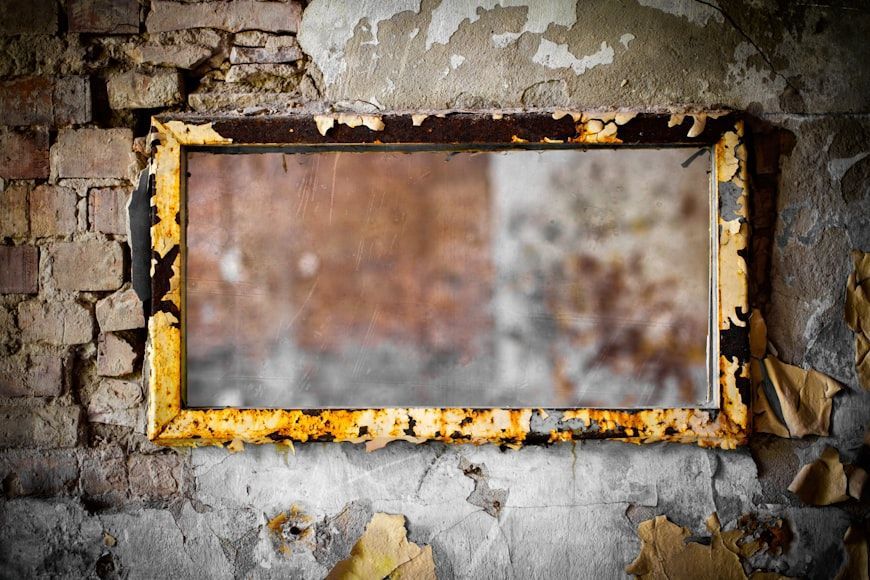
One Cajun custom advises the use of a mirror to repel M’su Diable or "Mr. Devil." M’su Diable is known for being very vain, so he will never waste the opportunity to admire himself. If you hang a mirror in the porch, next to the door, he will stay there all night instead of entering the house, and the sunrise will scare him off.

5
Eating black-eyed peas on New Year’s Eve

Image: Nguyen Dang Hoang Nhu

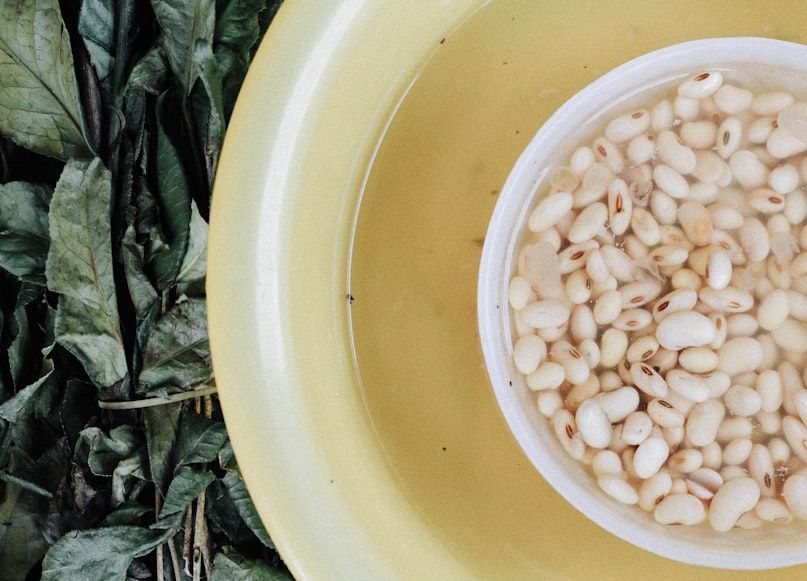
Each holiday has certain foods associated with it, many of which are considered non-negotiable. For many Southern households, New Year’s Eve is synonymous with black-eyed peas, which are said to attract good luck and prosperity for the coming year.

While it’s a popular belief, this custom has distinctly historical origins. After the Civil War, black-eyed peas became a staple food across the South and saved more than one family from starvation. Today, they are often paired with collard greens, which are said to represent dollar bills.

6
Rocking an empty chair

Image: Robin Jonathan Deutsch

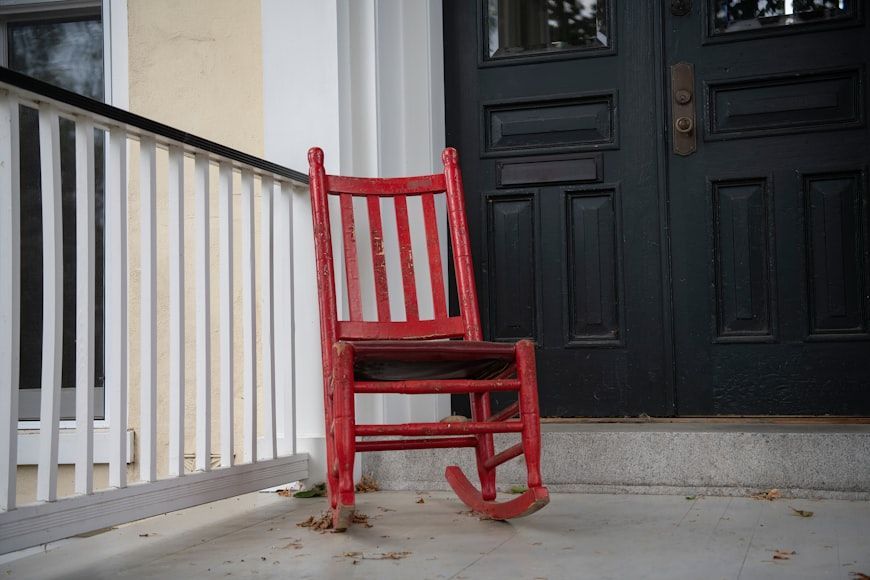
Irish and Scottish settlers brought with them a deeply rooted belief: you shouldn’t rock an empty cradle, cause you might wake the spirits. Across the South and the Appalachians, this belief transformed over time and became attached to another object: the rocking chair.

Often placed on porches or near the fire, a rocking chair moving on its own was believed to be occupied by a supernatural being . If someone rocked an empty chair, the spirits might consider this an invitation into the house.

7
The color of the porch

Image: Thomas Park

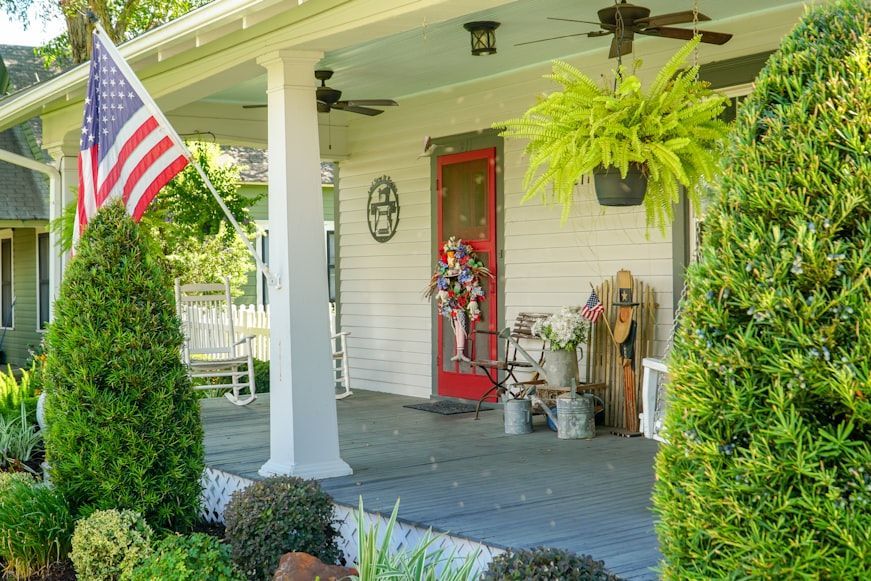
If you like the look of Southern front porches, you may have noticed that they often feature a pale blue ceiling. The use of haint blue—a collection of pale blue-green shades —is not an aesthetic choice, but a spirit-warding custom stemming from the enslaved Gullah Geechee people.

By painting the ceiling (and sometimes doors, windows, and shutters) blue, spirits might confuse it with the sky and pass through it, or with water, and avoid it. Over time, the tradition of haint blue— haint being an alternative spelling of _haunt_—spread throughout the South.

8
Bananas on a boat

Image: Ian Talmacs

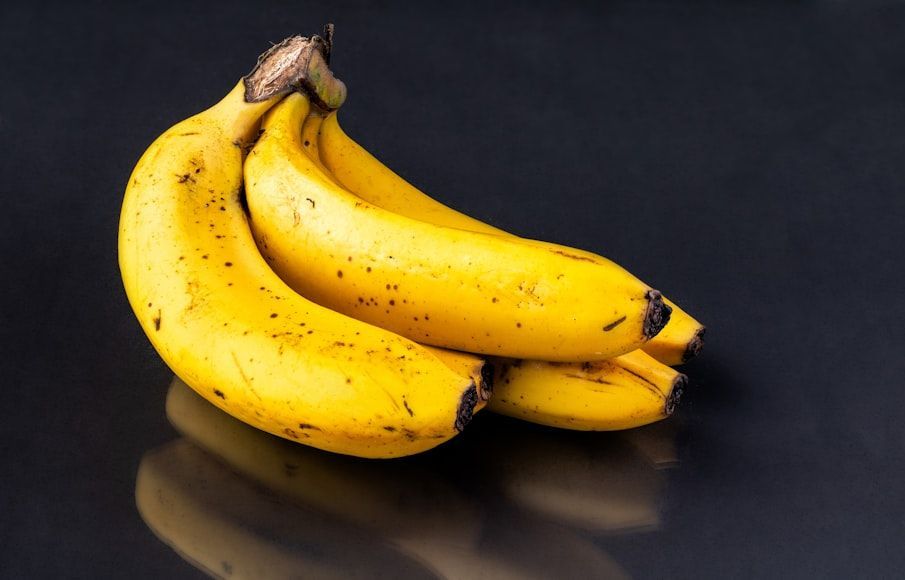
Bananas are a pretty convenient fruit: they’re tasty, nutritious, and come naturally prepackaged. But don’t try saying that to Alaskan fishermen. They’ll tell you that bananas should never be brought on a boat, or no fish will be caught.

There are two possible origins of this belief. Some say the aversion to bananas stems from the old ships that carried this fruit—they sailed as fast as possible to prevent the cargo from spoiling, which disturbed the water and scared away fish. Others say that overripe bananas attract fruit flies and were believed to cause other food to spoil.

9
The tail of the cow

Image: Screenroad

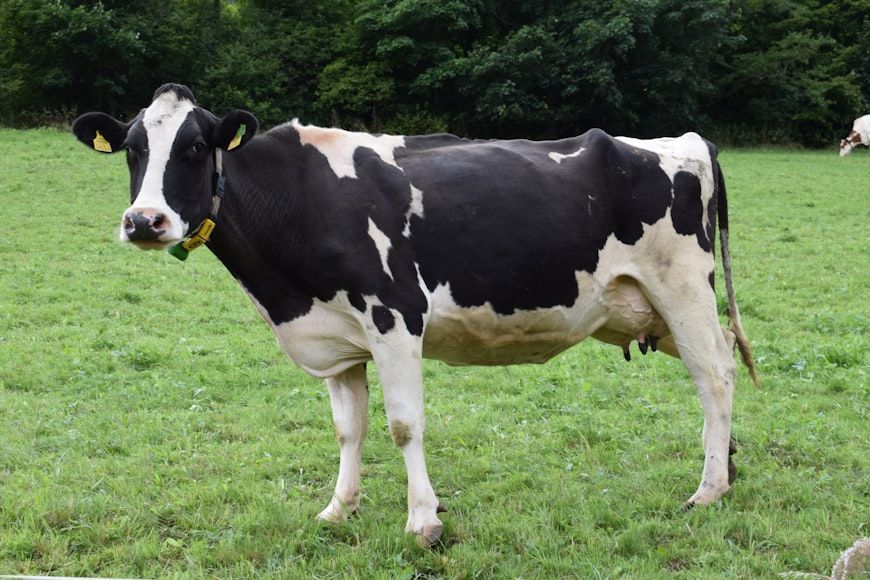
Florida has historically been the state most prone to hurricanes, which has led to the development of superstitions and beliefs around the subject. A common belief involves cows, or more specifically, their tails.

If a cow holds its tail straight up, many Floridians say it means a hurricane is on the way . There are many scientific reasons for cows to hold their tail upright, and none have to do with weather prediction, but as far as we know, Floridians have not been proven wrong yet.

10
Whistling at night

Image: Lukas Robertson

Many cultures across the world refrain from whistling at night to avoid attracting spirits and malevolent beings. For Hawaiians, it is not just any spirit**. A whistle after dark might attract the** Huakaʻi pō or Nightmarchers , the ghosts of ancient Hawaiian warriors.

If you happen to come across them, your only hope is to lie on your stomach and avoid looking at them as a sign of respect. If you are lucky enough to be a descendant of a warrior, they will recognize you and protect you. But just to be on the safe side, it’s best to leave the whistling for daytime.

Explore more American facts

Choose your favorite category!

General
General

As American as apple pie—the very best America has to offer!

Culture
Culture

Delve into the astounding richness of American lore.

Geography
Geography

Hop in and explore vast and diverse American landscapes.

History
History

Discover the key moments that shaped the United States.