Geography Geography 4 min read

Local treasures

These 10 American regional industries make our country amazing!
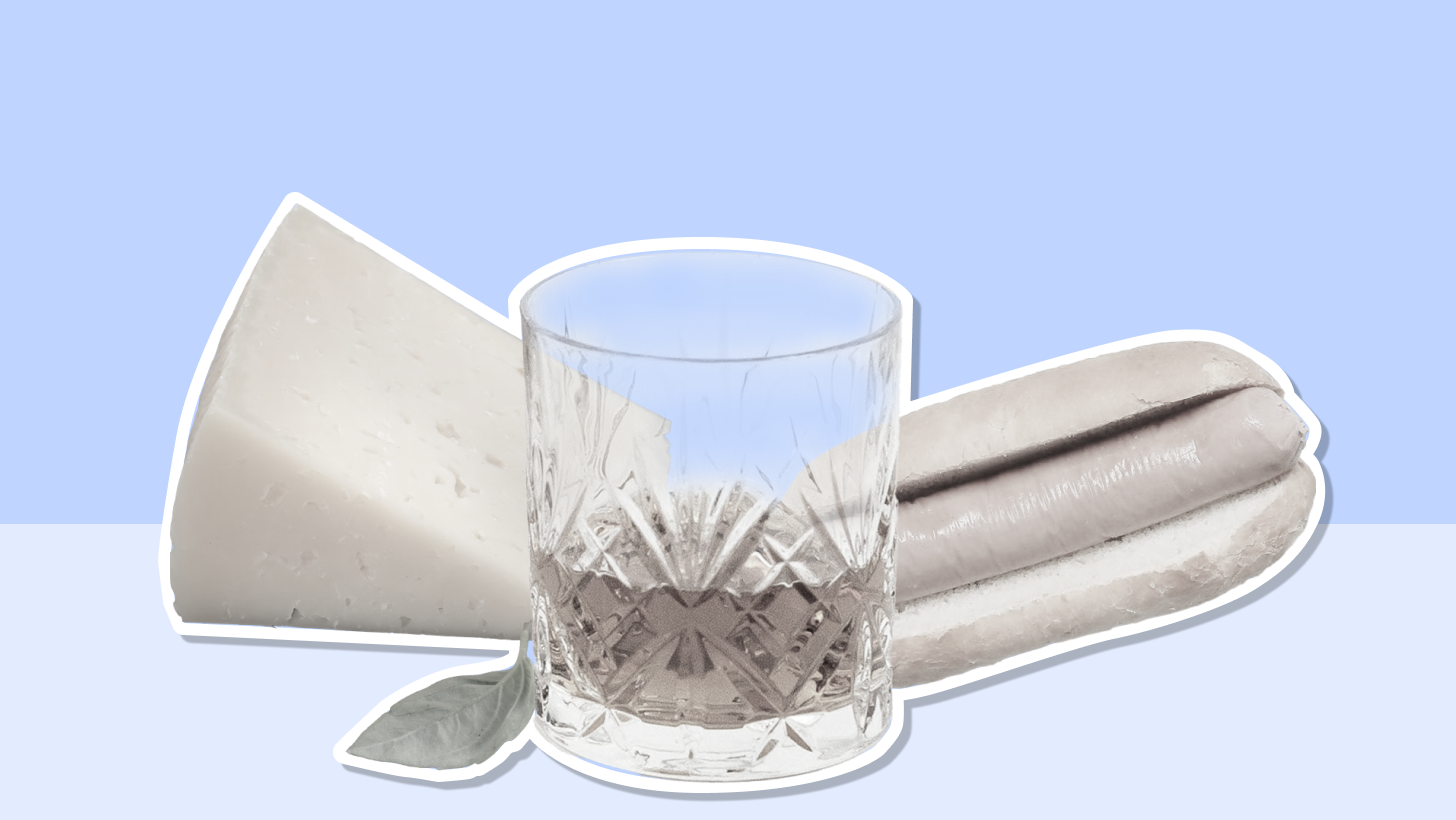
Image: Dziana Hasanbekava / Polina Tankilevitch / David Foodphototasty

One of the many advantages of living in such a vast country is the wide variety of landscapes, cultures, and people that can be found in each of our 50 states. The United States offers a rich tapestry of industries that vary greatly throughout the nation. If you are lucky enough to travel this great country of ours, you’ll encounter many unique and outstanding regional products. In that sense, we’ve selected 10 of the most remarkable regional industries from across America, hoping to pay homage to the hard work and dedication that make this country so wonderful. Enjoy!

1
Wisconsin - Cheese

Image: Lauren Forando

Wisconsin is crazy about cheese , and there’s a reason it’s known as "America’s Dairyland"! The state takes great pride in this regional product, and with good reason. Its cheesemaking tradition is almost as old as the state itself, with European colonists introducing the trade in the 19th century in the fertile lands that would eventually become Wisconsin. Approximately 100 years later, over 1,500 cheesemonger shops and factories had been established in the area.

2
Chicago - Deep-dish pizza

Image: Jon Tyson

Deep-dish pizza has its fair share of detractors, but we honestly can’t think of a single, concrete reason why. In our eyes, Chicago’s most famous regional delicacy is wonderful, with its copious amounts of cheese and chunky tomato sauce. In any case, residents of the "Windy City" take great pride in this pizza style, so be sure to try some whenever you're in town.

3
Detroit - Automotive industry

Image: Egor Vikhrev

Detroit has been synonymous with cars since the 1920s , when the city’s population surged following the expansion of the automotive industry across the country. Nowadays, Detroit is considered the epicenter of this industry in the United States, with the headquarters of the "Big Three" auto manufacturers—Ford, General Motors, and Chrysler—located in "The Motor City."

4
Kentucky - Bourbon

Image: Maxim Hopman

Bourbon is one of the few products that can only be found in America . This type of whiskey, typically made from maize, was created in the United States during the 18th century. While it is undeniably an American treasure, bourbon is most closely associated with the American South and, particularly , with Kentucky . The "Bluegrass State" produces 95% of the world’s supply of bourbon, so it shouldn’t come as a surprise that it is a source of great pride to all Kentuckians.

5
New Mexico - Chiles

Image: Javier Balseiro

The New Mexican chile , a moderately spicy variety , is unsurprisingly a staple of the state’s cuisine and one of its official vegetables. Not only that, New Mexico’s official question is a direct reference to this tasty vegetable. Whenever you hear a New Mexican ask, "Green or Red?", be sure they are asking which type of chile you want with your food.

6
New Orleans - Lucky Dogs

Image: Peter Secan

We could have included any number of delicious New Orleans products in this entry, from its mouth-watering gumbo to its delectable beignets. However, we’ve decided to focus instead on a New Orleans institution—a business that has been standing strong since 1948. Located throughout the streets of "The Big Easy," Lucky Dogs and its iconic hot dog stands bring smiles and tasty treats to both locals and tourists. These stands are featured in one of New Orleans’s most beloved novels, A Confederacy of Dunces , in which its extravagant protagonist briefly works at one of these stands.

7
Texas - Cowboy hats

Image: Donald Giannatti

In 2015, the Texas State Legislature declared the cowboy hat the official "State Hat of Texas." This probably doesn’t come as a surprise. If you’ve ever visited "The Lone Star State," you’ve likely seen cowboy hats everywhere. These accessories have been synonymous with Texas for as long as anyone can remember. In fact, Texas Rangers were the very first law enforcement agency to officially adopt cowboy hats as part of their uniform.

8
New York - I Heart NY T-Shirts

Image: Abhilash G

What might seem like an inexpensive memento to take home after a wonderful trip to New York City is actually one of the most instantly recognizable images in pop culture. "I Heart NY" t-shirts are everywhere in the "Big Apple," and while locals might seem disgruntled at the sight of a happy tourist sporting one of these shirts, rest assured that they feel a small amount of pride in the love and praise their city receives every day.

9
Las Vegas - Casinos

Image: David Lusvardi

Las Vegas calls itself "The Entertainment Capital of the World" for the same reason many refer to it as "Sin City." The largest city in Nevada is known worldwide for its amazing selection of Casino Hotels. Las Vegas’s most famous regional product offers many hours of fun and excitement, though we advise that caution be observed at all times.

10
Sweet Tea - South Carolina

Image: Crystal Tubens

Sweet tea has been a staple of American Southern cuisine for centuries, but many believe the birthplace of this delicious, cold drink is Summerville, a town in South Carolina . According to some historians, during the 19th century, a resident of Summerville named Dr. Charles Shepard started growing tea in the region and innovating with ice-cold drinks that he offered to visitors and neighbors. In due time, sweet tea made Summerville a tourist attraction, eventually cementing the town as the birthplace of this iconic drink.
General General 4 min read

No champignons on this list

Read this before picking mushrooms: 10 toxic species in America

Image: Hans Veth

Mushrooms can be found everywhere—not just deep in the woods but also in our neighborhoods, growing in the little grass patches on our sidewalks, under ornamental bushes and plants, and nearly anywhere else. Their ubiquitous presence is a testament to the evolutionary wonder of fungi in general. While many species can be safely consumed, others are toxic or even lethal. Names like "Death Cap" or "Destroying Angel" are warning enough, but, alas, nature does not provide little tags with the names we humans assign to things. Therefore, having a general knowledge of this subject is always advisable.

1
Death Cap (Amanita phalloides)

Image: Rémi Müller

The first mushroom in our list is also the most toxic in the world. It was originally found only in Europe until imported trees transported it to America and everywhere else. Over time, Death Caps adapted to native trees, enhancing their ability to proliferate.

These unassuming-looking mushrooms have tinted green caps, white stems, white gills, and a white partial veil . They grow around oak, beech, chestnut, birches, hornbeams, spruce, and pine. Death Caps fruit in summer through fall underneath these trees, and are responsible for more than 90% of all mushroom poisonings and fatalities worldwide.

2
Destroying Angel (Amanita bisporigera)

Image: Sai Kiran Belana

Another member of the Amanita species with an ominous name, the Destroying Angel is the number one toxic mushroom in North America and is extremely widespread. Its all-white cap and stem often lead to mistaken identity with button mushrooms and meadow mushrooms.

The Destroying Angel grows from a white volva egg-like sac, features gills, and has a tall, slender stem . Its stems typically range from 3 to 8 inches in length, making it stand out in the forest like an all-white apparition. None of the common lookalikes grow this tall.

3
Funeral Bell (Galerina marginata)

Image: Lucas van Oort

The Funeral Bell appears somewhat harmless, and most poisonings are from mistaken identification. This "little brown mushroom" closely resembles several edible species, including the widespread Sheathed Woodtuft.

Funeral Bells grow on rotting wood, preferring conifer species, though they are not limited to them. They are found across North America, Asia, Australia, and Europe. This mushroom features a cone-shaped brown cap, light brown gills, and a tan to rusty-brown stem . A key distinguishing feature is a membranous ring around the upper part of the stem.

4
Pholiotina rugosa (previously Conocybe filaris)

Image: Kadri Võsumäe

A common lawn mushroom prevalent in the Pacific Northwest, this deadly fungus contains amatoxins, which destroy the liver and can cause death. Pholiotina rugosa is slender, petite, and rather innocent-looking. The cap is smooth, brown, and conical, with rusty brown gills underneath . The stem is also brown and features a distinctive, prominent ring around the middle—a key identification feature.

This deadly mushroom isn’t picky about habitat. It will grow on the lawn, soil, compost, and woodchips. P. rugosa is easily transported to new locations through woodchip and compost deliveries and adapts to new environments with little trouble.

5
Fool’s Funnel (Clitocybe rivulosa)

Image: Hoejin Iwai

Fool’s Funnel grows across North America in meadows, lawns, and other grassy areas from summer through autumn. It often grows in fairy rings, and accidental consumption by children or pets is a significant concern. These toxic mushrooms are small, white, and benign-looking . The caps are white and funnel-shaped, with crowded white gills underneath. Fool’s Funnel stems are also white and lack distinctive markings.

While this fungus rarely causes death, its ingestion will cause severe pain. This mushroom contains high levels of muscarine which acts as a nerve agent when ingested.

6
Deadly Webcap (Cortinarius rubellus)

Image: Markus Spiske

Another mushroom with a foreboding name, the Deadly Webcap, is found in coniferous and mixed forests across North America. It contains a toxin called orellanine, which can cause severe kidney failure when ingested.

The Deadly Webcap bears a close resemblance to edible species like the Chanterelle , making it especially dangerous for foragers.

7
False Morel (Gyromitra esculenta)

Image: jaStra

As the name implies, the False Morel is a toxic mushroom closely resembling the highly prized Morel mushroom . It contains a toxin called gyromitrin, which can cause severe gastrointestinal symptoms, seizures, and even death if ingested in large quantities.

There are multiple species of False Morels, and current evidence suggests that many are safe to eat, while Gyromitra esculenta should still be foraged with caution. Many people consume this mushroom, but only with proper preparation. This is not a mushroom you can simply sauté and eat; proper preparation is necessary to remove most of the toxins, making it "safe.

8
Common Conecap (Pholiotina rugosa)

Image: Oliver Fetter

This small brown mushroom contains the same deadly amatoxins found in the Death Cap and Destroying Angel. It is commonly found on or around wood mulch , particularly in landscaped areas. Its tendency to appear in yards makes it especially dangerous. Ingesting even a small amount of this toxic fungus can result in severe illness or death.

9
Amanita Muscaria

Image: Егор Камелев

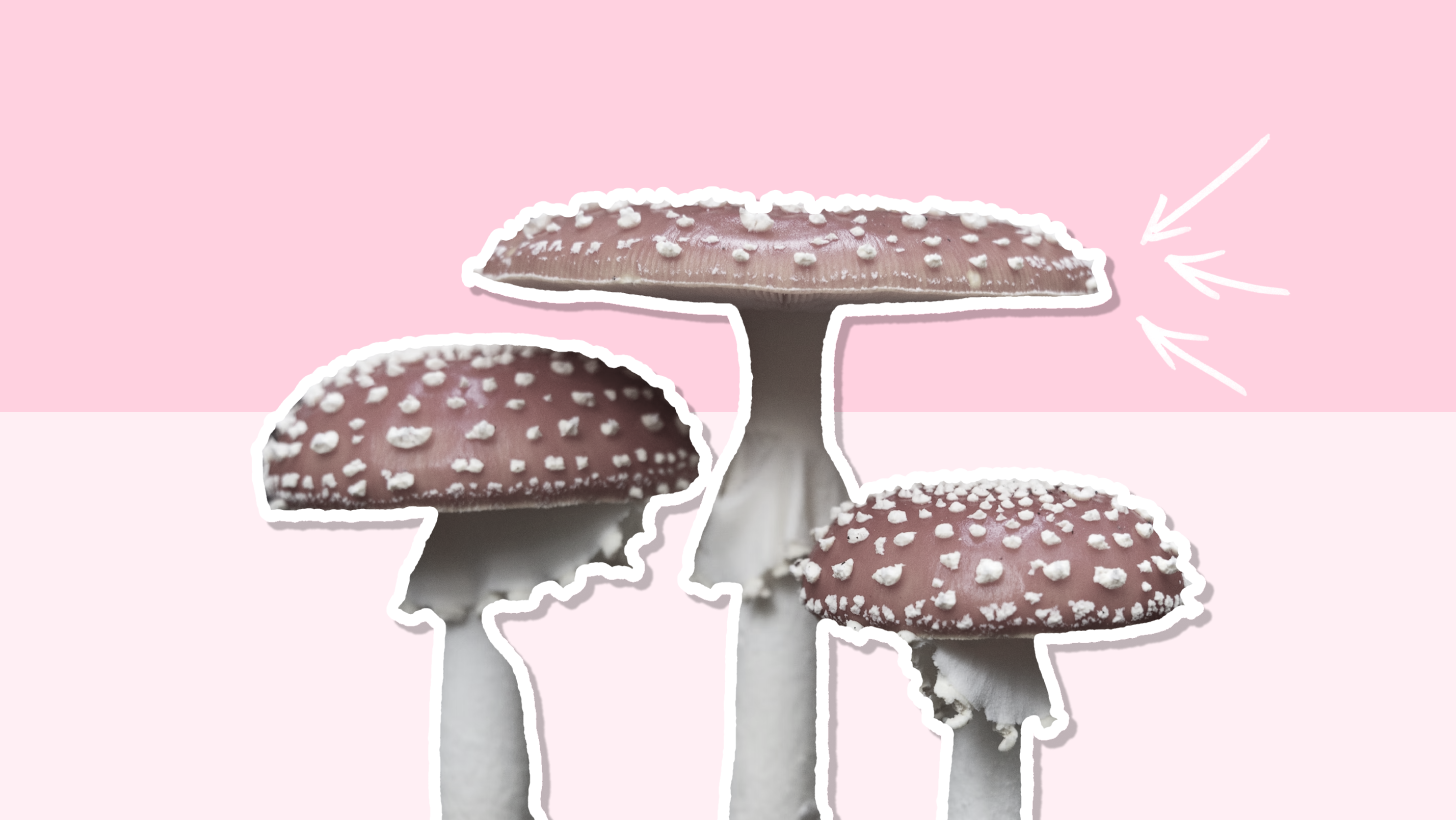
Probably the most recognizable mushroom shape in the world is Amanita muscaria . Its stereotypical toadstool stands out in the woods thanks to its bright red cap with white spots and a white stem . These mushrooms are considered toxic and can cause pain but are unlikely to cause death.

Few mushrooms share the same scarlet hue that makes them so visible in green and brown underbrush. The white bumps on the cap also create a distinct, eye-catching pattern.

10
Green-Spored Parasol

Image: Timothy Dykes

Known as "the vomiter" for the effects it can have on anyone who consumes it, the Green-Spored Parasol has the same general shape as the Death Cap and Destroying Angel. Its stem is tall and thin, with a skirt that sits just under the cap . This cap ranges from rounded downward to wide and flat, depending on the mushroom’s age.

The symptoms from its ingestion range from extreme stomach irritation to bloody diarrhea, as well as the aforementioned vomiting. Therefore, caution is advised.

Culture Culture 3 min read

Powerful styles

How can a beard change history? 10 US presidents with iconic facial hair!

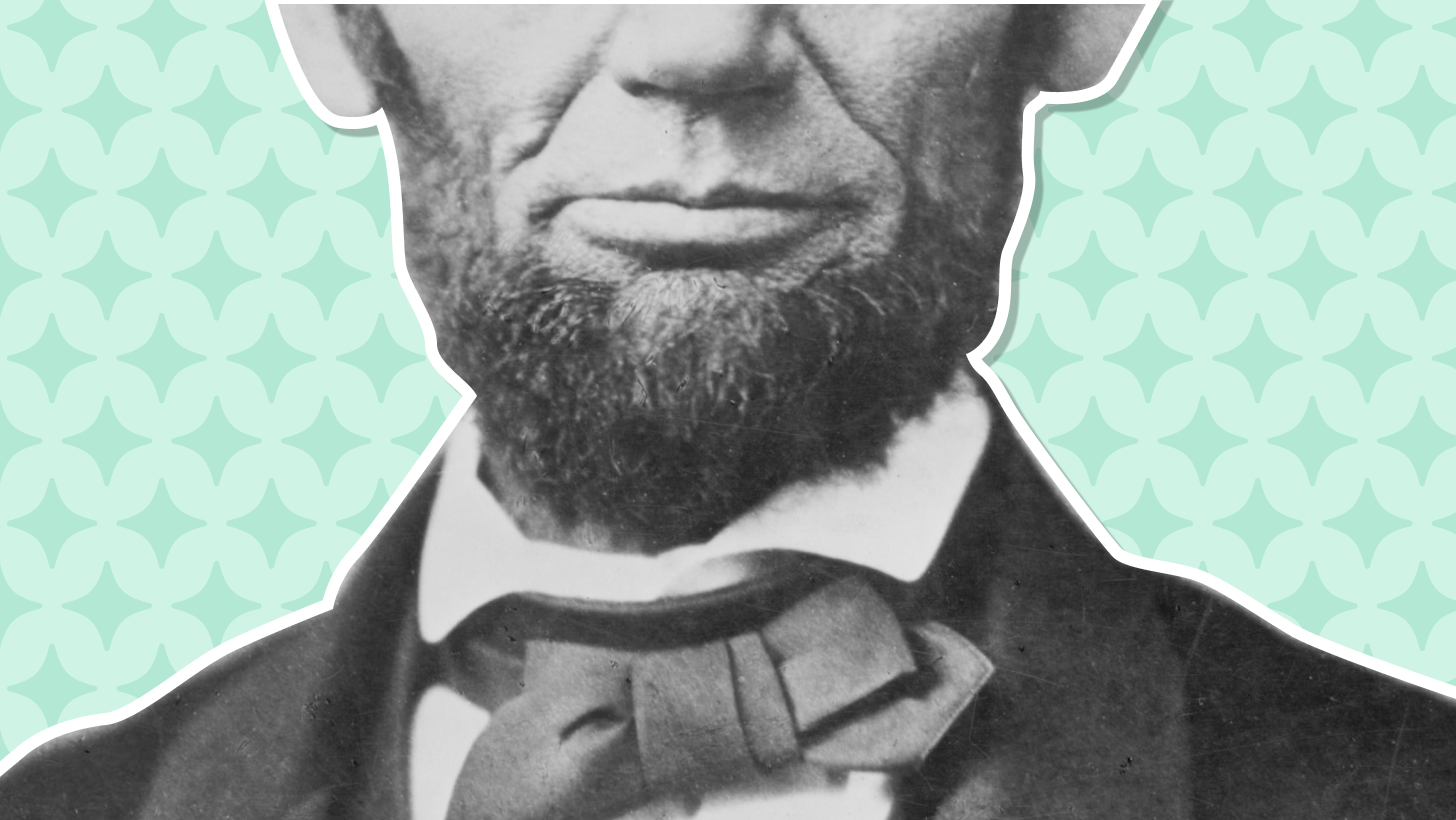
Image: Library of Congress

Can you guess how many US presidents have had beards? And how many grew a mustache? Which one comes to mind first? For some, it's Lincoln's unmistakable beard; for others, Roosevelt's distinguished mustache; and some will remember John Quincy Adams' sideburns. From the most classic mustaches to eccentric beards, today, we're taking a look at 10 unforgettable presidential styles!

1
Abraham Lincoln

Image: Library of Congress

Probably one of the most remembered presidential beards is that of the 16th US President and author of the unforgettable Gettysburg Address, Abraham Lincoln. But, while his image is forever linked to his top hat and distinctive, mustache-free beard, he actually didn't always have it.

Before he was elected president, an 11-year-old girl wrote him a letter suggesting he grow a beard. Fortunately, Lincoln took her advice! Thus, he became the first president to grow a beard while in office.

2
Theodore Roosevelt

Image: Library of Congress

Another iconic style was that of Teddy Roosevelt. His handlebar mustache is not only seen in photos and portraits from his time in office but is also forever etched on the imposing Mount Rushmore. Many men of his era imitated his dramatic, thick, and bushy mustache, which perfectly matched the vigor and toughness that defined the 26th US president.

3
Ulysses S. Grant

Image: Sergei Starostin

Beard? Yes! Sideburns? Of course. Mustache? That too! That is the case with Ulysses S. Grant, a president with a full look, fitting for a Civil War hero.

Grant's beard and mustache were thick -though not long- covering his jawline and also much of his cheeks. Thus, the 18th US president set a fashion trend that would be followed by several other presidents of the 19th century.

4
Grover Cleveland

Image: Dave Sherrill

Another president with a well-remembered mustache was Grover Cleveland, the first US president to serve two non-consecutive terms.

Cleveland's mustache was fluffy and extended just past the edges of his mouth. Although this might have been a problem when dining with guests, his mustache always looked neatly trimmed.

5
William Howard Taft

Image: Ronaldo Guiraldelli

Now, it's time to talk about the only person in the history of the US to have served as both President and Chief Justice of the Supreme Court: William Howard Taft.

Taft sported a bushy mustache, like Teddy Roosevelt, who served right before him. But, unlike his predecessor, the tips of Taft's mustache didn't point downward; instead, they bent upward, making it much more theatrical.

6
John Quincy Adams

Image: Library of Congress

John Quincy Adams didn't need a mustache to stand out with his style. His hallmark was something quite original: sideburns.

Remembered for being bushy and always well and neatly groomed, the 6th president's memorable sideburns extended down the sides of his face, even connecting beneath his chin!

7
Rutherford B. Hayes

Image: Nikolaos Dimou

Rutherford B. Hayes was another 19th-century president known for sporting a full beard. In addition to being thick, his beard and mustache were quite long and even joined together, fully covering his lips, as seen in portraits from the time. While the 19th President looked really distinguished, we can't help but wonder how he handled summer with that style!

8
James A. Garfield

Image: Sean Foster

James A. Garfield had a look strikingly similar to that of his predecessor, Rutherford B. Hayes.

Also sporting a thick, long, full beard, Garfield's mustache was slightly shorter than Hayes', and his beard extended further onto his cheeks. It seems that you had to put some serious effort into perfecting your facial hair to be trendy in the late 19th century!

9
Martin Van Buren

Image: Jack Bulmer

"Mutton chops" is the term for the thick, bushy sideburns worn by Martin Van Buren, the 8th president of the United States, a style known more for its volume than its tidiness.

As seen in portraits from different moments of his life, Van Buren had sideburns from a young age, but they definitely stood out during his presidency. In fact, political cartoons of his time often emphasized that very feature, making his sideburns exaggeratedly large.

10
Zachary Taylor

Image: Josh Sorenson

Before Lincoln, the dominant fashion was a clean-shaven look. But Zachary Taylor -just like John Quincy Adams and Martin Van Buren- came to revolutionize things with his sideburns.

We have to admit Taylor's sideburns were far more modest than those of his predecessors, but he remains one of the few presidents to have worn any facial hair before Honest Abe made it a trend!

Explore more American facts

Choose your favorite category!

General
General

As American as apple pie—the very best America has to offer!

Culture
Culture

Delve into the astounding richness of American lore.

Geography
Geography

Hop in and explore vast and diverse American landscapes.

History
History

Discover the key moments that shaped the United States.