History History 3 min read

No bad titles here

These 12 popular movies have very different names in other countries

Image: Yuvraj Singh

Granted, not every name sounds as great in its original language as it does when translated. Therefore, a certain degree of artistic liberty is granted when coming up with good movie title translations. However, some of these adaptations take a bit too much freedom in their detachment from the original title. Take a look at the following 12 examples and marvel at the creativity and sense of humor of their translators.

1
The Blues Brothers - Rogues at Full Speed (Spain)

Image: Tanner Boriack

The Blues Brothers sounds like a pretty straightforward name, right? Not for the Spanish , who are very protective of their native language and translate every movie title that comes across their border. When this 1980 movie was released in Spain, its title could have been easily translated as " Los Hermanos del Blues ," but, for some reason, it was named Rogues at Full Speed .

2
Die Hard - The Crystal Jungle (Spain)

Image: Yns Plt

The second entry on the list is also awarded to Spain for its creative title translation of Bruce Willis’ Die Hard as The Crystal Jungle . The reasons for this name remain a mystery . Perhaps it had something to do with the fact that the city can be considered a jungle, and a significant part of the movie takes place in a city. Other than that, we're stumped.

3
Leon The Professional - This Hit Man is Not as Cold as He Thought (China)

Image: Matt Seymour

The Chinese translators of the French movie Léon: The Professional decided that the title wasn’t descriptive enough and opted instead for a name that served as a commentary on the main character .

4
Airplane - The Unbelievable Trip in A Wacky Aeroplane (Germany)

Image: Niels And Marco

Apparently, the Chinese are not alone when it comes to inventing more descriptive names for the movies they translate. The German version of the slapstick comedy Airplane! is translated as The Unbelievable Trip in a Wacky Aeroplane .

5
Thelma and Louise - An Unexpected Ending (Mexico)

Image: Amanda Sandlin

An implied rule when it comes to movie titles is that they should not be spoilers . Mexican translators decided to partially, at least, ignore this rule and went with An Unexpected Ending for the local version of Thelma and Louise . Yes, there could be countless possible unexpected endings, but still...

6
Willy Wonka and the Chocolate Factory - The Boy Who Drowned in Chocolate Sauce (Denmark)

Image: Kaffee Meister

It's well known that Scandinavians have a dark sense of humor , but some things are still surprising. Willy Wonka & the Chocolate Factory , the 1971 movie featuring Gene Wilder in the title role, received an odd translation from the Danish.

7
Ghostbusters - Exorcists of Spirits (Serbia)

Image: Winston Chen

Serbians are no strangers to the supernatural . Many ghost stories and myths can be found in their beautiful and mysterious land. Perhaps that is why the people responsible for translating Ghostbusters thought it was acceptable to modify the original name to Exorcists of Spirits .

8
Grease - Pomade (Hungary)

Image: Lachlan Rennie

This one is not as far off as the previous examples, but there is something about it that just doesn’t sound quite as right as the original title. Who knows? Maybe that’s what Hungarians call their hair gel .

9
Home Alone - Mom, I Missed the Plane (France)

Image: Liubomyr Vovchak

The French translators could have done a lot worse with this one. After all, while the film’s storyline involves Kevin being stuck home alone, he ends up stuck at home because he missed his flight in the first place .

10
Annie Hall - The Urban Neurotic (Germany)

Image: Dylan Freedom

Yes, this is a Woody Allen movie, and yes, the main character, aside from Annie herself, is an urban neurotic. Maybe that’s why the German translators decided, once again, to change the simple original title of the movie to a description of the leading man’s character .

11
Cloudy with a Chance of Meatballs - It’s Raining Falafel (Israel)

Image: Clark Douglas

Similar, but not the same— not by a long shot. The Israeli title for this children’s movie evokes a somewhat similar image to the one in the original title, but it does so with a more local dish as the element replacing the rain .

12
Deep Impact - The End of the World, the Sky Collapsed, and the Land Collapsed (Thailand)

Image: Viktor Mindt

Some movie title translations seem as if they were written by small children. But then, maybe that’s the kind of content their audience demands, in which case, more power to them. Deep Impact sounds ominous enough, sure. But a title like The End of the World, the Sky Collapsed, and the Land Collapsed is much more exciting , isn’t it?
History History 3 min read

Lesser-known tales

California's Grizzly is extinct? 10 stories behind American symbols

Image: Fr. Daniel Ciucci

It’s one thing to be acquainted with American symbols, but it’s another to learn—years later—the unexpected, hidden stories behind them! Did you know that California’s subspecies of grizzly bear (yes, the one on the flag) has been extinct for over a hundred years ? Or that Texas’s state dish was allegedly invented by prisoners? Maybe you know some of the facts listed here—but we’re sure you don’t know them all!

1
California’s state animal is extinct

Image: Levi Meir Clancy

The California grizzly bear adorns the state flag, but you won’t find one in the wild anymore. Once abundant throughout the region, this was a subspecies of Grizzly also known as "California golden bear."

By the 1920s, this majestic animal had disappeared from the wild, but it has remained a powerful symbol of the state, featured on the flag since the Bear Flag Republic’s short-lived attempt to break from Mexico in 1846.

2
The American flag was (probably) designed by a teenager

Image: Sharefaith

In 1958, around the time Alaska and Hawaii were being added to the Union, an Ohio high schooler named Robert Heft stitched a 50-star flag for a class project . His teacher gave it a B–, scoffing that the brand-new design "lacked imagination."

However, not long after, Heft’s design was selected from thousands of submissions sent to President Eisenhower to determine the official flag. That teacher later changed the grade to an A.

3
Texas’s state dish may have been invented by prisoners

Image: Zak Chapman

Chili con carne is the Lone Star State’s official dish. While its exact origins are uncertain, some say that Texan prisoners in the 1800s were the minds who concocted the dish. According to this version, the stew—made with beans, thin strips of beef, and chili peppers—was the local equivalent of bread and water: a kind of Texan gruel .

4
Alabama's state nut was once a life-saver

Image: Antoni Shkraba

Pecans aren’t just Alabama’s official nut—they’re also symbols of resilience from the Depression era. When cotton crops failed in the 1930s, families turned to harvesting pecans to survive. The nuts became a form of currency , traded for goods, and even used to make mortgage payments. Today, Alabama produces over 30 million pounds annually.

5
The Star-Spangled Banner was once a drinking song

Image: JosephHershMedia

You may know that America’s anthem has a boozy British past. The melody originated as "To Anacreon in Heaven," a raucous 18th-century tavern tune sung by a London gentlemen’s club. A relative of Francis Scott Key noticed that his poem fit perfectly with the melody—and thus, the anthem as we know it was born.

6
The Great Seal almost had a turkey

Image: Roman Manshin

Can you imagine if the Great Seal of the United States featured not a mighty eagle, but a turkey? It was none other than Benjamin Franklin who proposed the turkey as America’s symbol, calling it " a bird of courage ."

Instead, he dismissed the bald eagle as "a lazy scavenger." Congress ultimately overruled him, but Franklin did have a point: turkeys are known to be fiercely protective.

7
The flag’s colors weren’t meant to mean anything—at first

Image: Jon Tyson

Red, white, and blue may seem deeply symbolic today, but in 1775, the Continental Navy chose them simply to match the British flag’s palette. A rebellious decision, if you think about it. The "valor, purity, justice" meanings were tacked on later by poets and politicians.

8
Is South Carolina’s flag really what it seems?

Image: Jaden Dessureault

South Carolina’s flag features a blue background with a palmetto tree and what appears to be a crescent moon. But there are stories that sustain that the silver symbol isn’t a moon at all —it’s a gorget, the curved neck armor worn by 18th-century soldiers. Historians have searched for records to back this theory, but no nods to gorgets have officially been found.

9
Colorado’s flag was once a confusing disaster

Image: Olga Kovalski

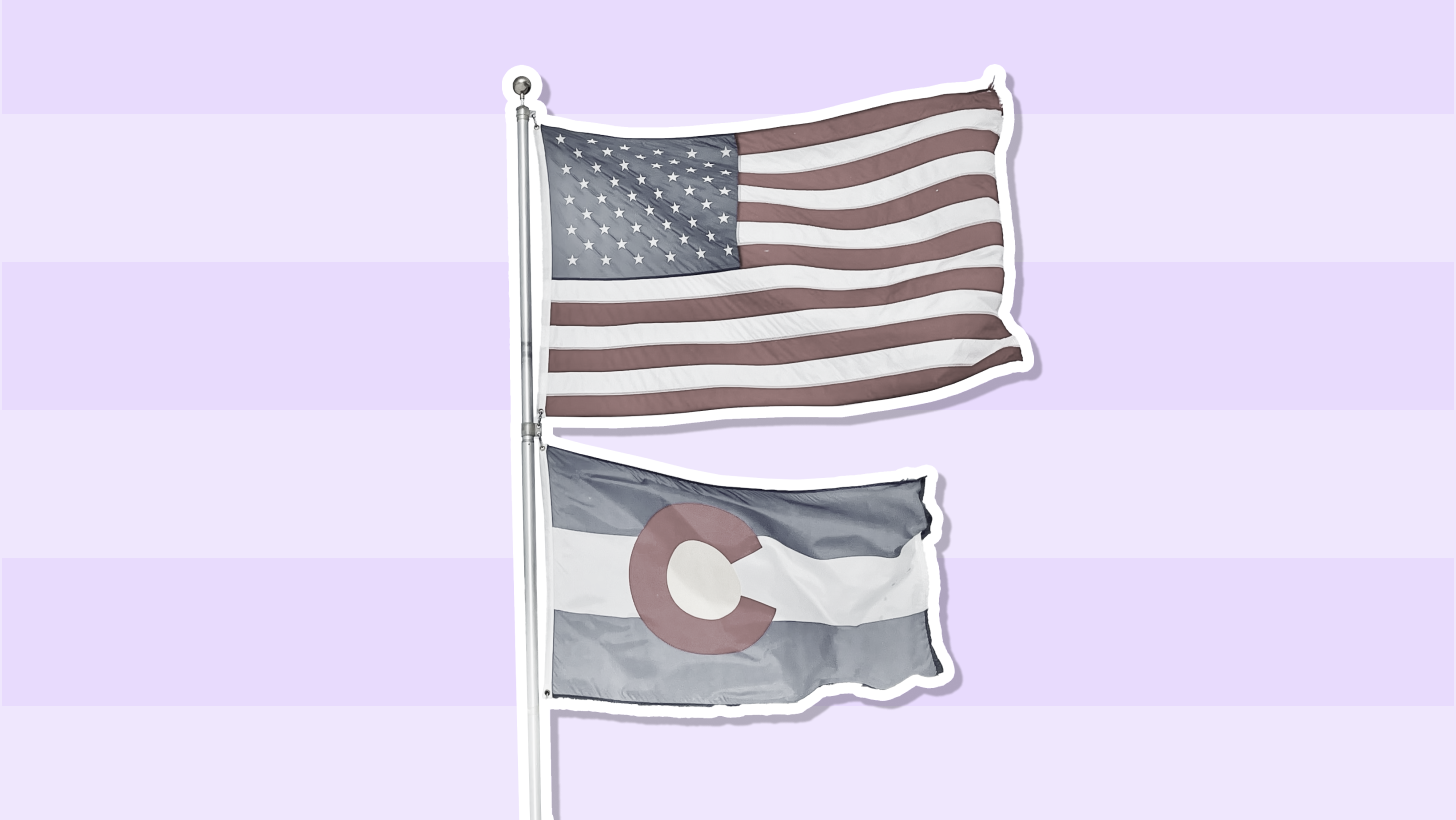
When Colorado unveiled its bold "C" design in 1911, it forgot one crucial detail: specifying which shade of blue to use for the background. For 26 chaotic years, flags fluttered in everything from pale sky blue to deep navy—until officials finally standardized the hue in 1937.

10
One of Illinois’ state symbols was chosen by… kids

Image: Peter Schad

Illinois’ state snack was chosen by the most powerful lobbyists of all: children. When a group of fourth graders learned their state produced a large portion of America’s popcorn , they launched a 2003 campaign so persuasive that lawmakers had no choice but to make it official.

Geography Geography 4 min read

Prehistoric life

10 top U.S. spots to find fossils and see prehistoric life

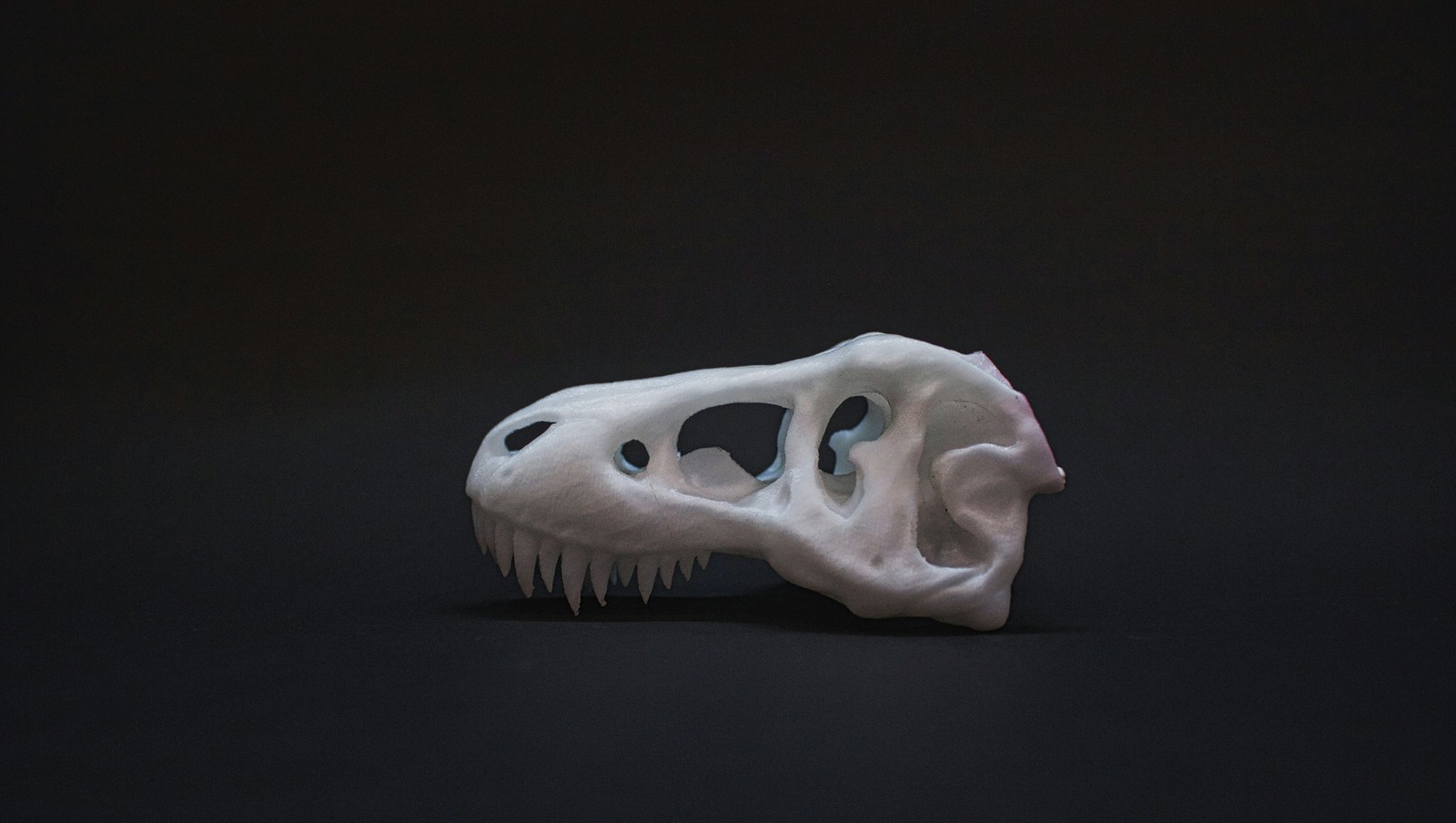
Image: Marcio Skull

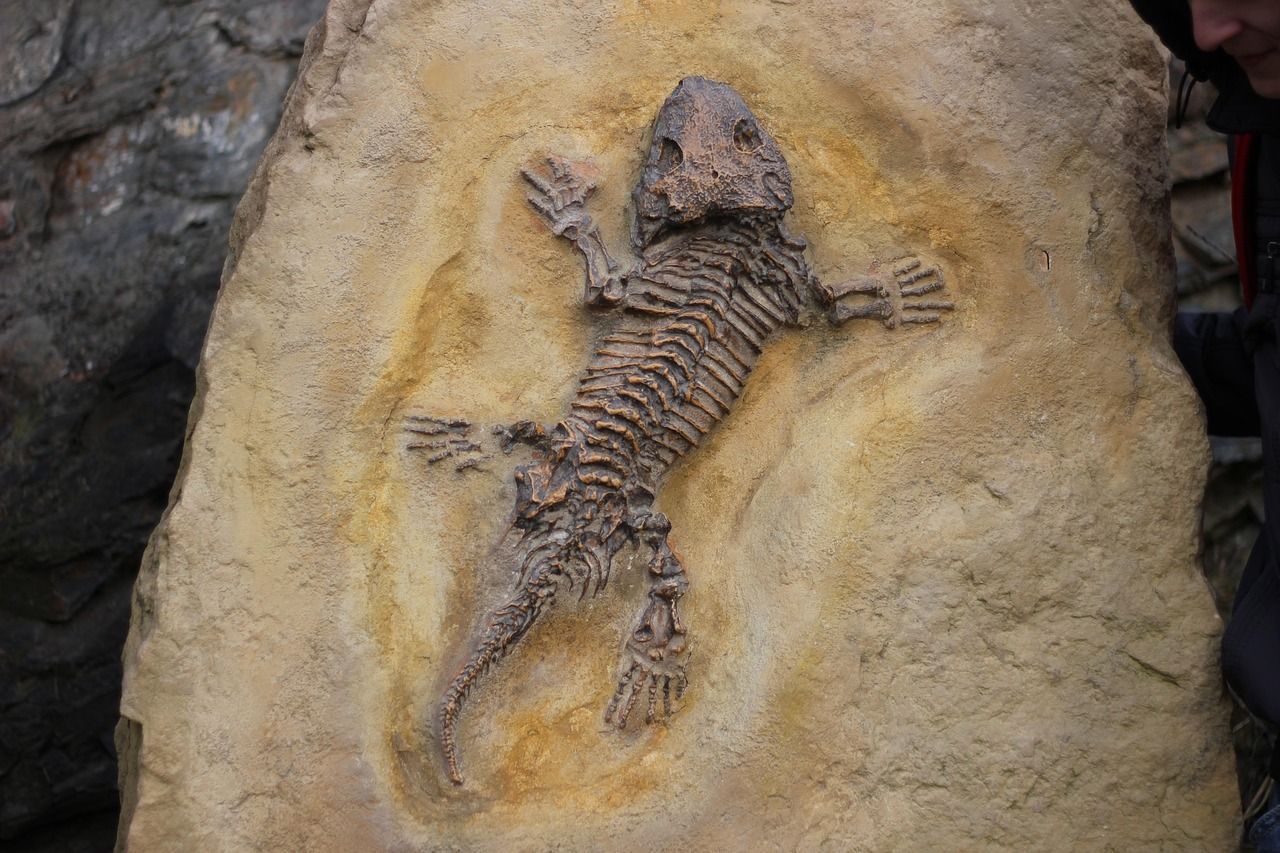
Did you ever dream of being a Paleontologist? Maybe it's not too late! In the United States, there are many places you can visit to go fossil hunting. In fact, according to the National Park Service, more than 320 species of dinosaurs have been named in our country, and most states have produced at least one fossil. But the prehistoric world was inhabited by many other species. In addition to dinosaurs, there were other animals —and plants!— that are also worth knowing about. Without further ado, here are 10 incredible destinations for fossil sightings in America.

1
Dinosaur State Park

Image: Steppinstars

The Northeast is not particularly known for its fossil sites, as most dinosaur bones are found in the West. However, Dinosaur State Park in Connecticut Valley is a singular exception.

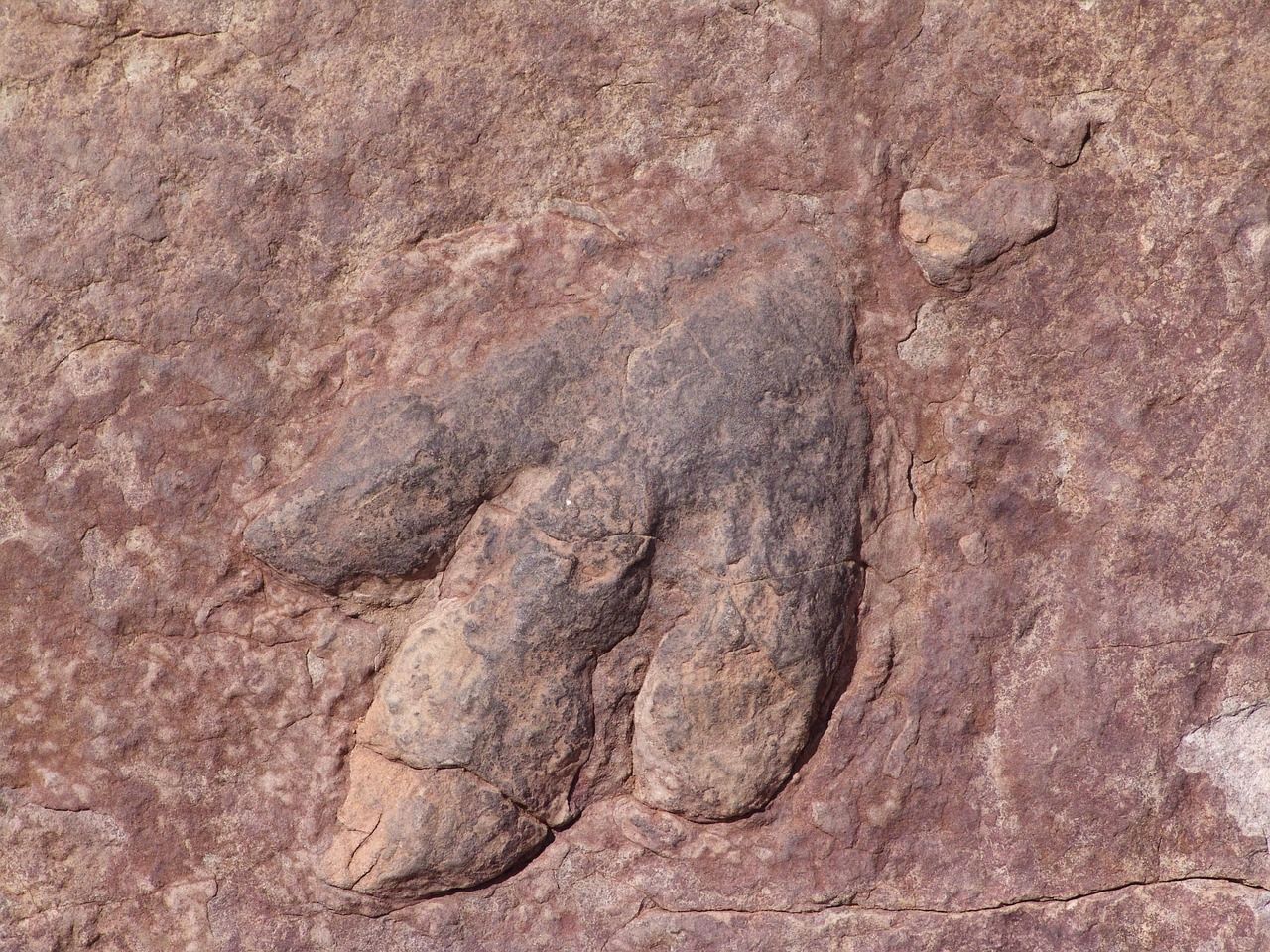
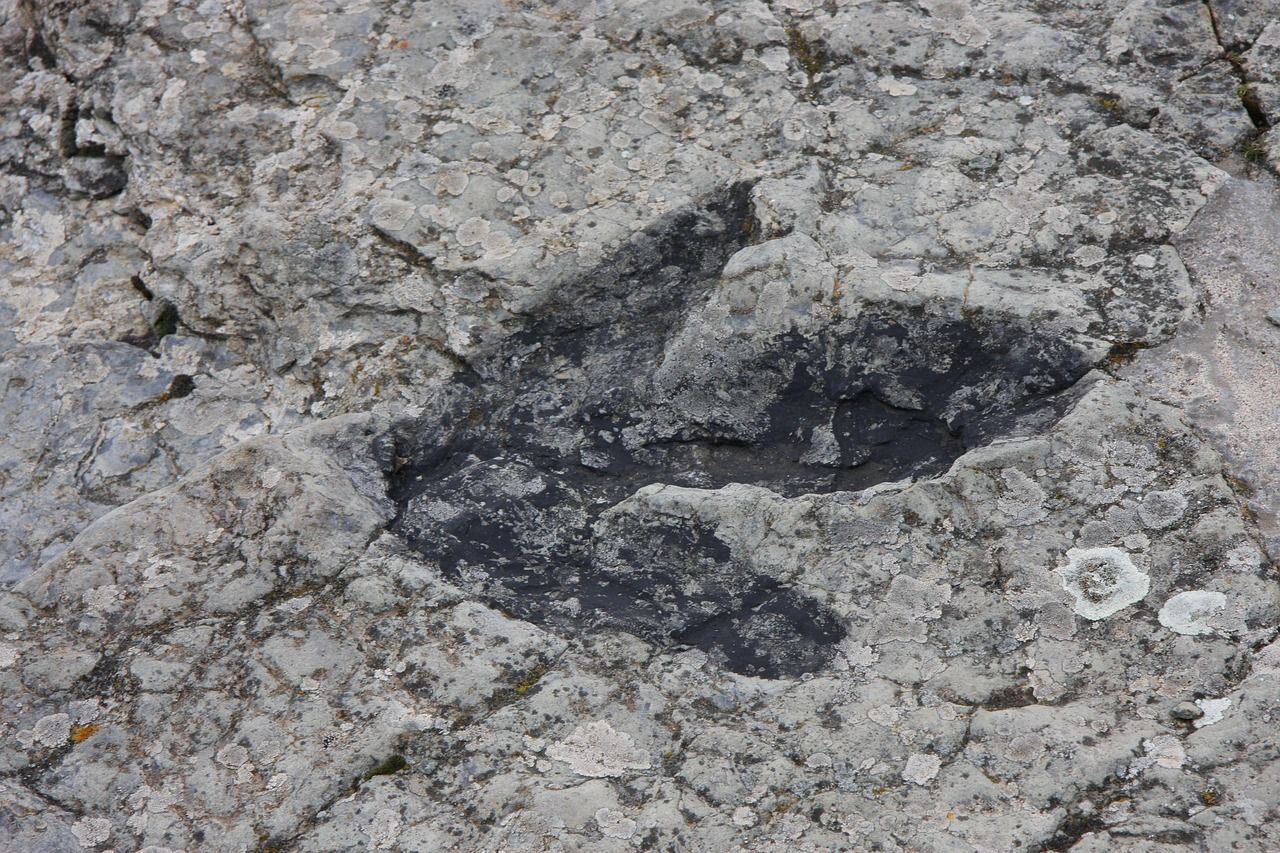
Dinosaur State Park is a 200-million-year-old fossil trackway containing more than 2,600 dinosaur footprints. Although most have been reburied for preservation, this park is worth a visit to see the tracks that have been left on display. In addition to experiencing the Mesozoic era, you can also enjoy nature trails, an interactive museum, an arboretum, and picnic areas.

2
Badlands National Park

Image: kkorvin

South Dakota is home to some of the most remarkable fossils ever discovered, and Badlands National Park, in particular, has been a fossil-rich reservoir for centuries. In fact, the Oglala Lakota people had been finding prehistoric remains long before paleontology was a formal discipline.

The park protects an exposed area of thousands of ancient fossil specimens. From large mammalian brontotheres to reptilian mosasaurs that swam in the ancient seas that gave way to the Badlands, there is a lot to explore here.

3
Cleveland Lloyd Dinosaur Quarry

Image: Danny Grizzle

A site with more than 12,000 bones from at least 70 different ancient animals, including lots of carnivorous dinosaurs? Sign me up!

But that's not all the Cleveland Lloyd Dinosaur Quarry in Utah has to offer. For freshwater animal enthusiasts, there are also fossilized clam beds to discover. If you want to visit, just keep in mind this park is open seasonally, April through October.

4
La Brea Tar Pits

Image: Brian Wangenheim

Los Angeles is much more than just Hollywood. La Brea Tar Pits is located right in the heart of the most populous city in California, yet it remains one of the most important fossil sites in the country.

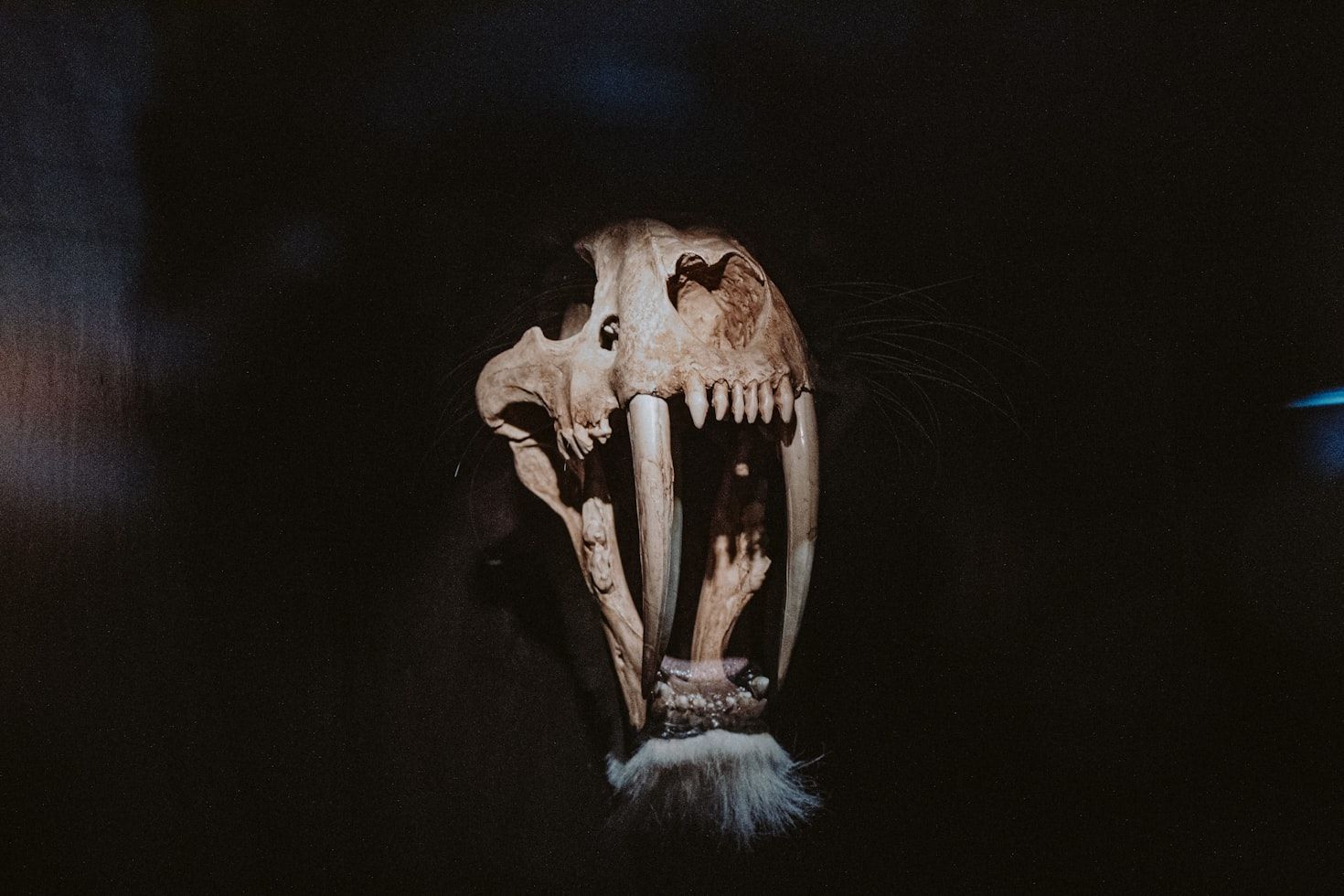
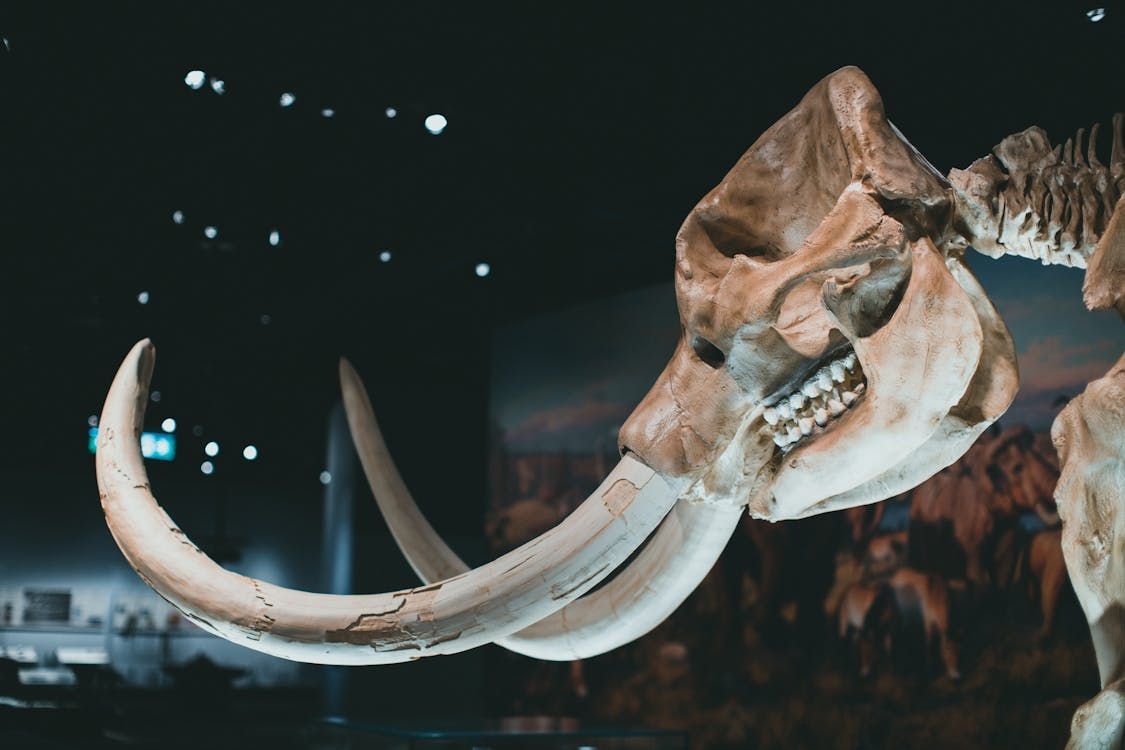
Hours of scientific work and hundreds of excavations have yielded millions of Pleistocene fossils that are now open to the public. From mammoths, saber-toothed cats, and giant mastodons to the tiny feet of Ice Age woodpeckers, you can learn a lot about prehistoric life at La Brea Tar Pits. Not bad, don't you think?

5
Petrified Forest National Park

Image: Joseph Corl

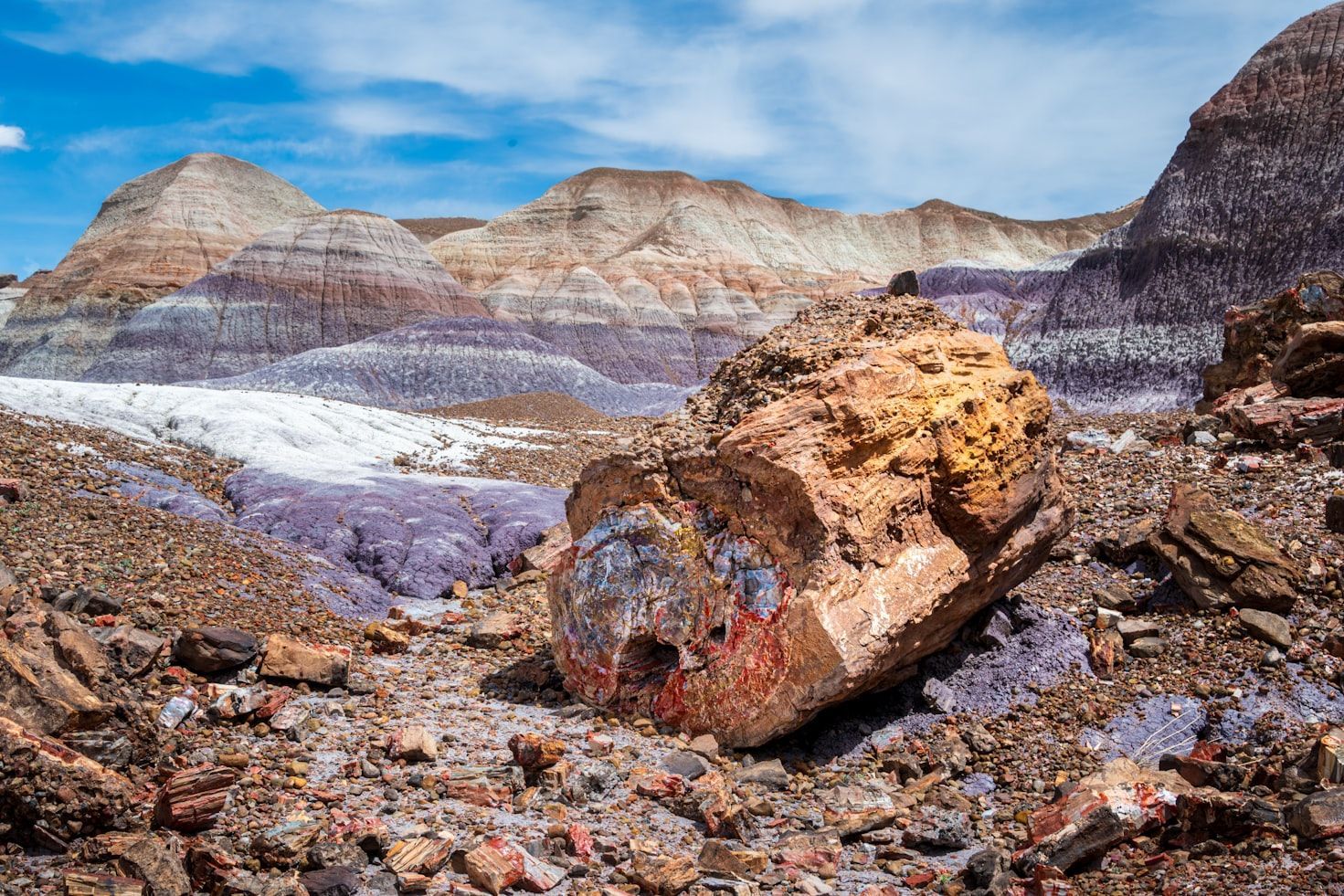
If you ever visit Arizona, Petrified Forest National Park is worth a detour. Known for its Triassic fossils, this park seems to be frozen in time, as the world was more than 200 million years ago.

In addition to petrified trees and ancient fossilized plants and animals spread in an area of about 346 square miles, Petrified Forest National Park is also home to some interesting living inhabitants that today must survive in the harsh desert climate.

6
Dinosaur National Monument

Image: Zachary

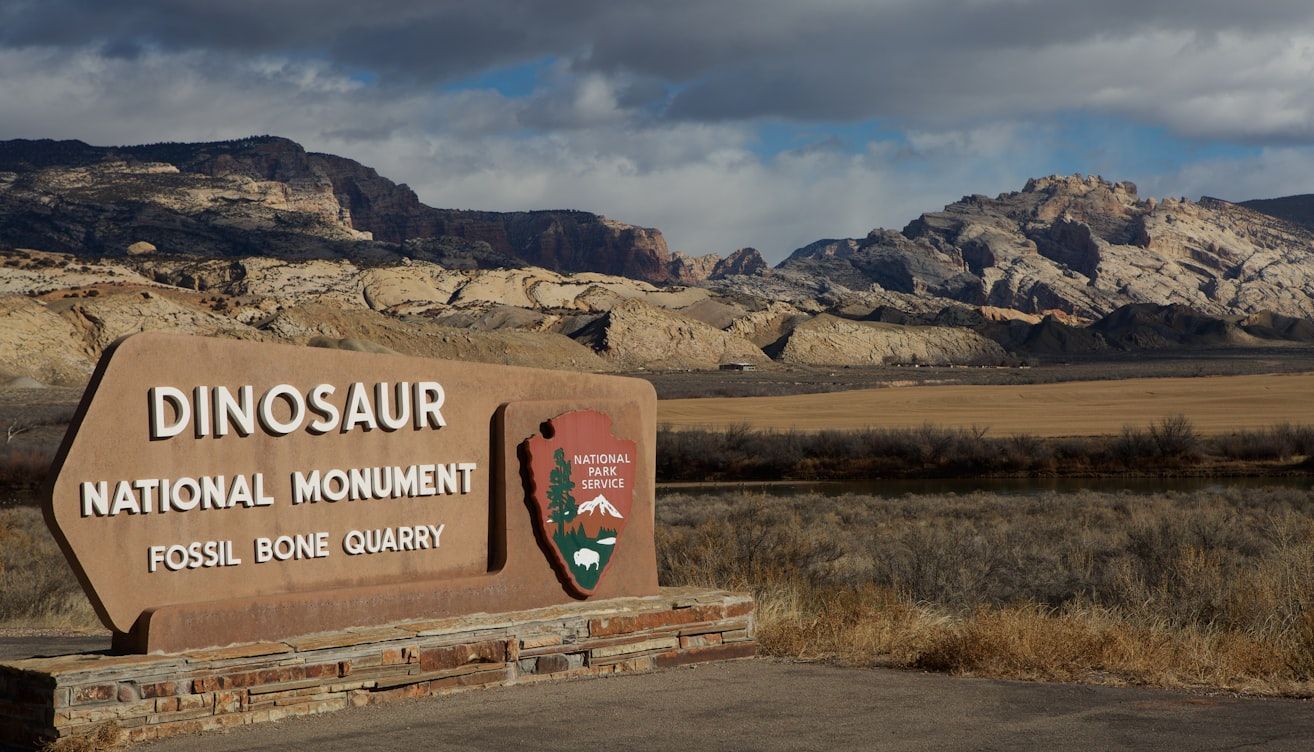
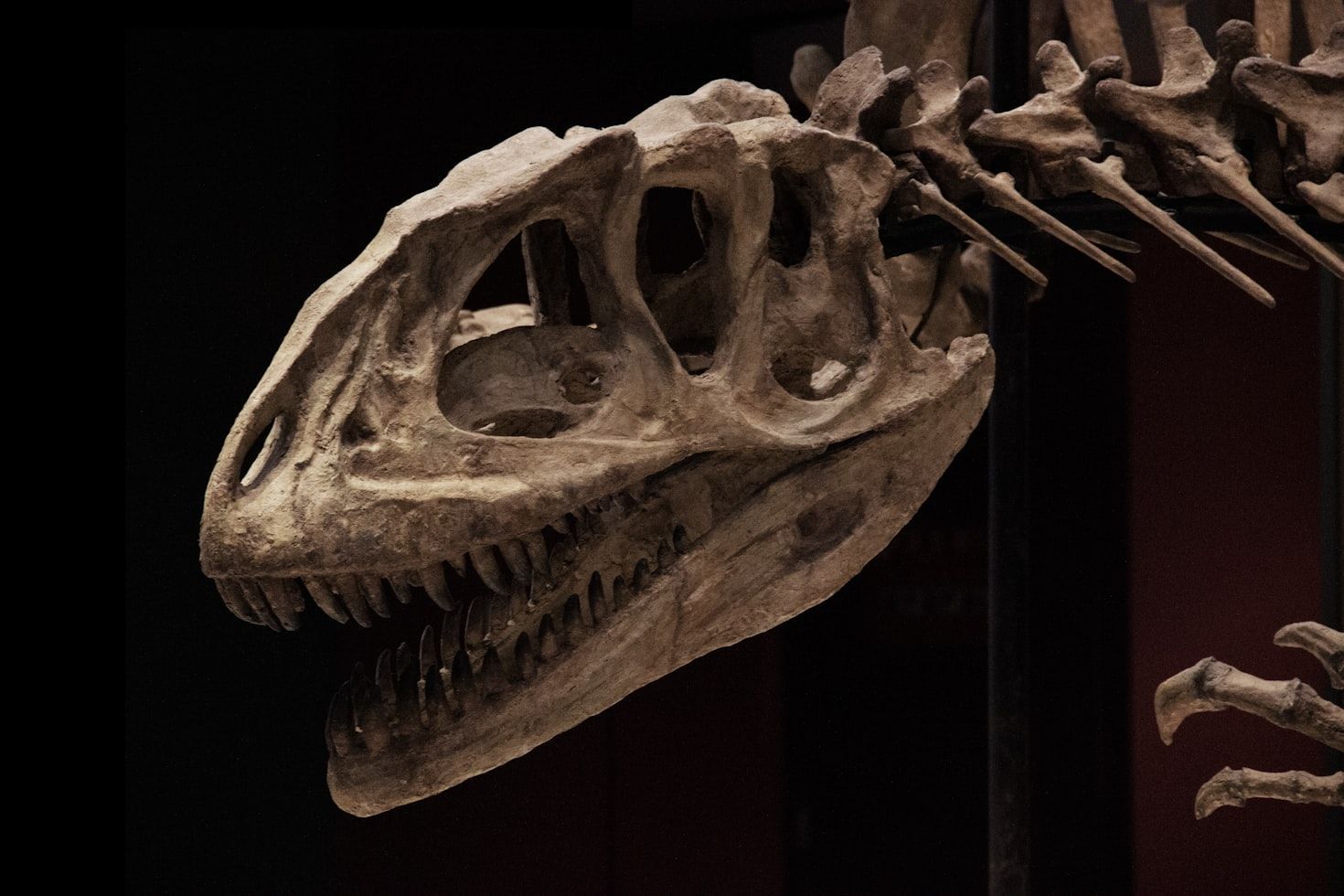
Dinosaur National Monument on the border between Colorado and Utah houses about 1,500 dinosaur bones from some of the most iconic species. Remains of Allosaurus, Apatosaurus, Diplodocus, and Stegosaurus are included among the residents of the 150-million-year-old site.

Originally preserved in 1915, in this famous dinosaur quarry, you can also see several petroglyphs and pictograph panels made by the Fremont people who lived in the area from approximately 300-1300 Common Era (CE).

7
Florissant Fossil Beds National Monument

Image: Michael Dziedzic

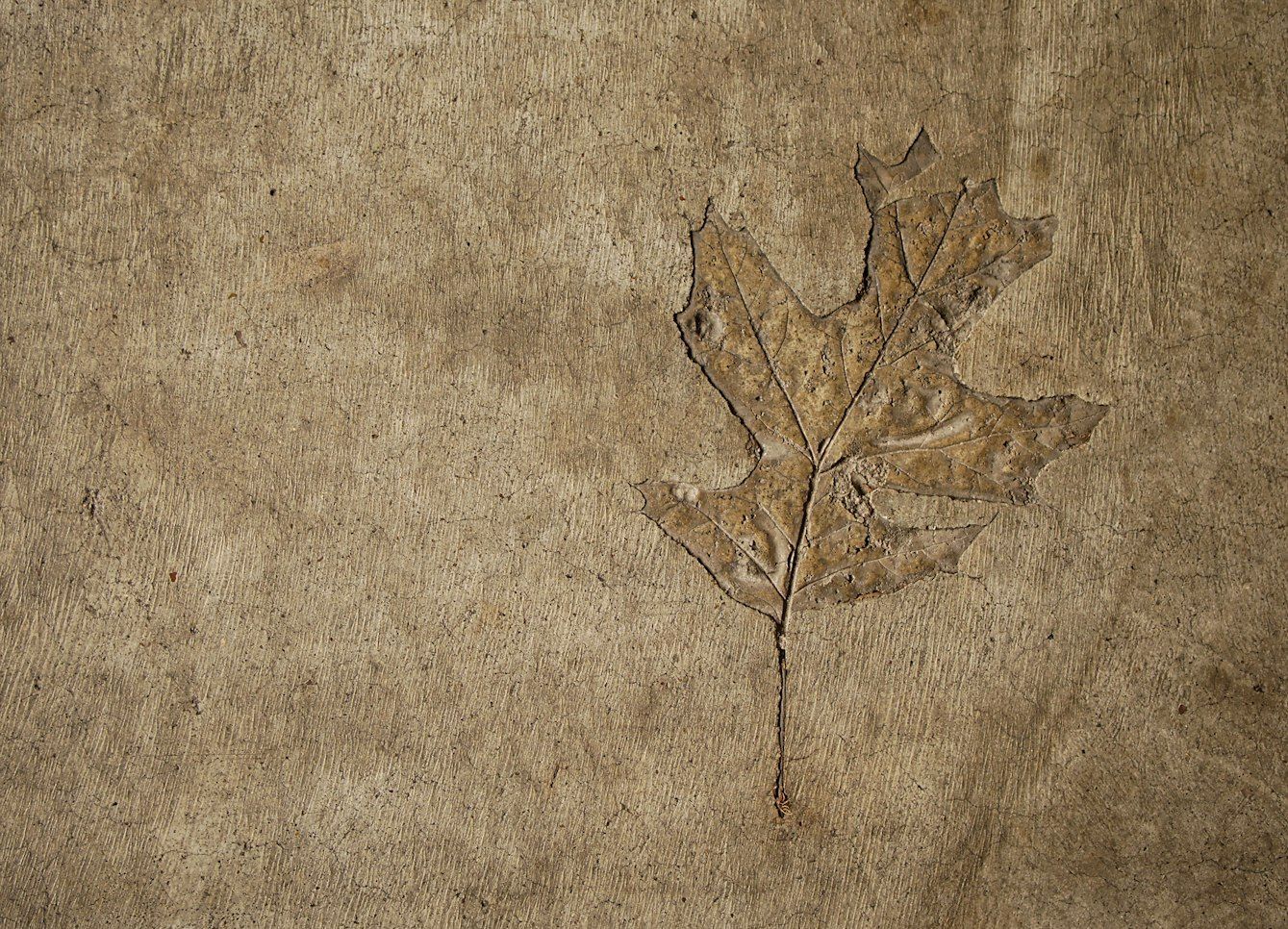
The prehistoric world is much more than just mammoths and dinosaurs. 14-foot-wide petrified sequoias and thousands of insect and plant fossils await you at Florissant Fossil Beds National Monument near Colorado Springs.

These tiny organisms, approximately 34 million years old, are just as important as the enormous Tyrannosaurus rex. Although this is a lesser-known park, it is totally worth visiting. Pro tip: In the summer, you can explore the site that serves as a fossil laboratory.

8
Dinosaur Valley State Park

Image: adolfo-atm

Did you know that the area near Dallas and Fort Worth in Texas was once an ancient ocean? Around 113 million years ago, dinosaurs, such as theropods and sauropods, walked their shores.

Set astride the Paluxy River, today this area is protected by the Dinosaur Valley State Park. The fossil traces here are sometimes submerged, but on dry days they can be clearly seen and are an impressive testimony of what the Earth was like in prehistoric times.

9
The Mammoth Site

Image: Jonathan Cooper

The Mammoth Site was established in the mid-1970s after a construction worker had unearthed rare bones in Hot Springs, South Dakota. The remains found turned out to be a mammoth tooth, which was soon followed by other fossils.

Today, the site serves as a museum and active paleontological excavation site. So far, a total of 61 North American Columbian and woolly mammoths have been found here.

10
Fossil Butte National Monument

Image: Jacqueline Martinez

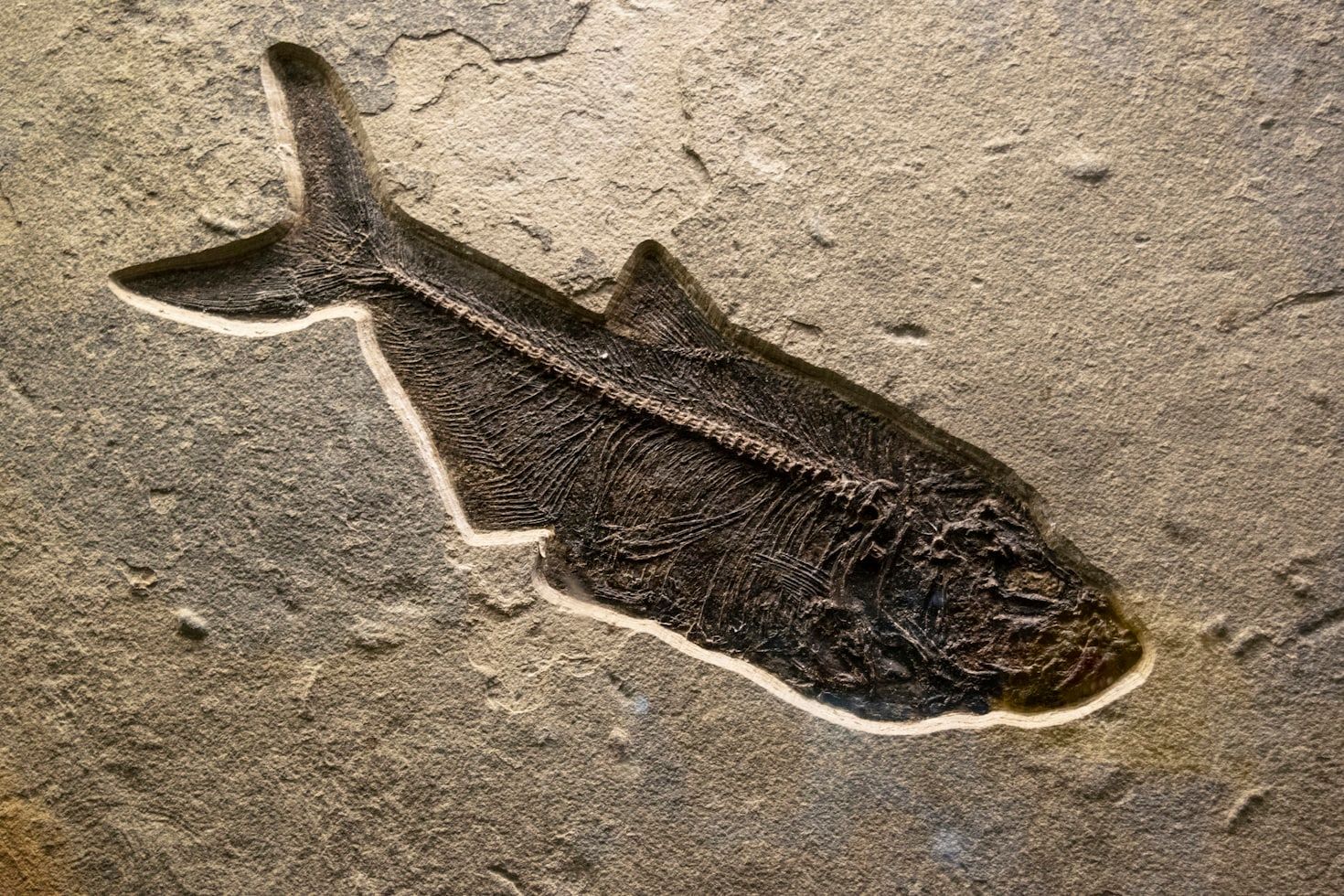
In the ridges of southwest Wyoming is Fossil Butte National Monument, a park that preserves the best paleontological record of Cenozoic aquatic communities. This sort of aquarium, carved in stone, has more than 2000 fossils of thousands of species of plants and animals, such as fish, insects, reptiles, birds, bats, and even tiny horses that lived around a freshwater lake millions of years ago.

With plenty of hiking trails, wildlife, and scenery, this unique park is definitely worth visiting.

Explore more American facts

Choose your favorite category!

General
General

As American as apple pie—the very best America has to offer!

Culture
Culture

Delve into the astounding richness of American lore.

Geography
Geography

Hop in and explore vast and diverse American landscapes.

History
History

Discover the key moments that shaped the United States.