Culture Culture 4 min read

Unforgettable lines

These 13 TV catchphrases are still stuck in your head—admit it!

Image: Shutter speed

TV in the golden years gave us more than just entertainment—it gave us catchphrases we’ve been quoting ever since. Whether you were glued to your set in the ‘60s or rewinding VHS tapes in the ‘80s, chances are these lines are burned into your brain. They were punchy, funny, and unforgettable. And let’s be honest—sometimes they still sneak out of our mouths even now. Let’s stroll down memory lane and revisit the most iconic catchphrases from classic American TV.

1
"How you doin’?" – Friends
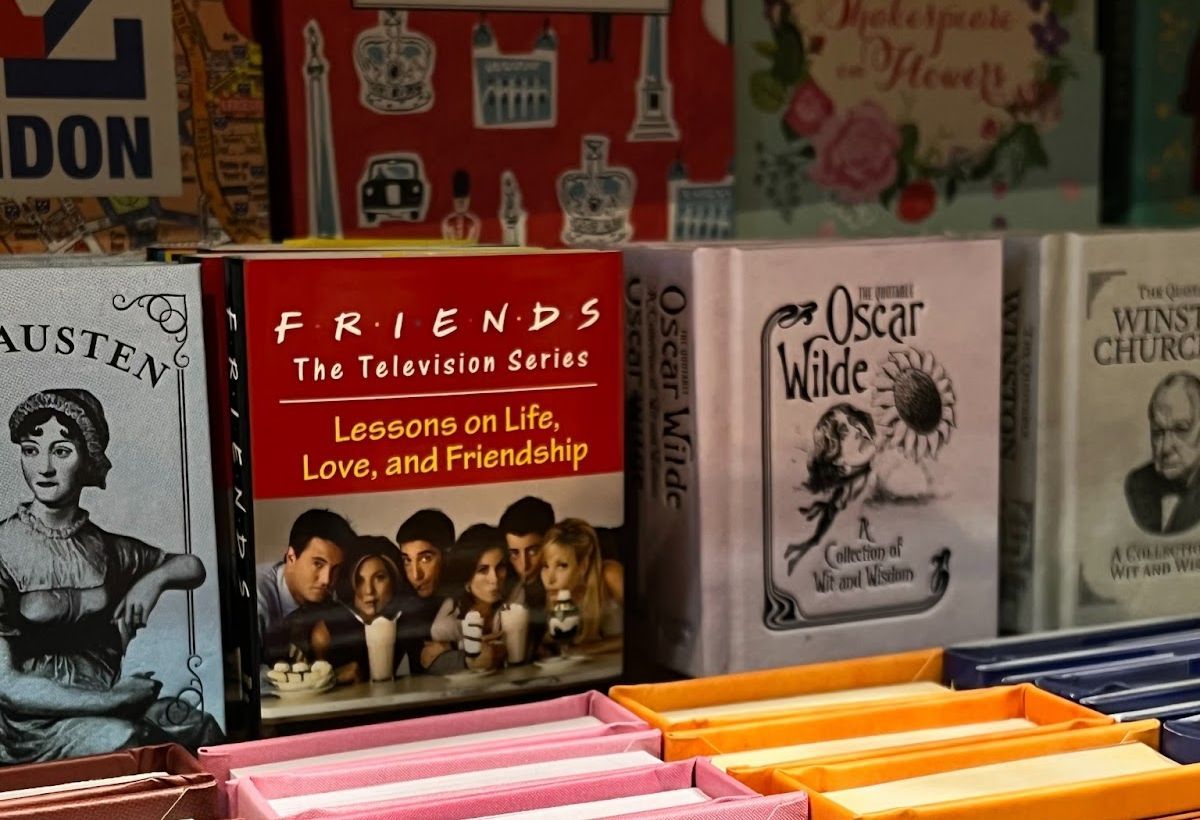
Image: Malavika Pradeep

Friends gave us a lovable group of New Yorkers navigating life and love. But it was Joey Tribbiani’s cheesy yet charming "How you doin’?" that stole the spotlight. This flirty greeting, delivered with a confident grin, became a pop culture gem and Joey’s signature move. It’s the kind of line that can’t help but make you smile—even if you’re not on a date at Central Perk.

2
"You got it, dude", "How rude!", and "Have mercy" – Full House

Image: H031175

Full House warmed hearts with its family-centered humor and wholesome charm. Michelle Tanner, the tiny powerhouse, gave us "You got it, dude," and "How rude!"—adorable comebacks with surprising sass. Meanwhile, Uncle Jesse’s "Have mercy" was his smooth, rock ’n’ roll way of reacting to… well, just about anything worth swooning over.

3
"Well, isn’t that special?" – Saturday Night Live
Image: Asit

With sketches that parodied everyone and everything, SNL gave us the ultra-judgy Church Lady. Dana Carvey’s purse-lipped creation mastered the art of sarcasm. You didn’t need to be holy to recognize that smug tone.

4
Fonzie’s "Aaaay" – Happy Days
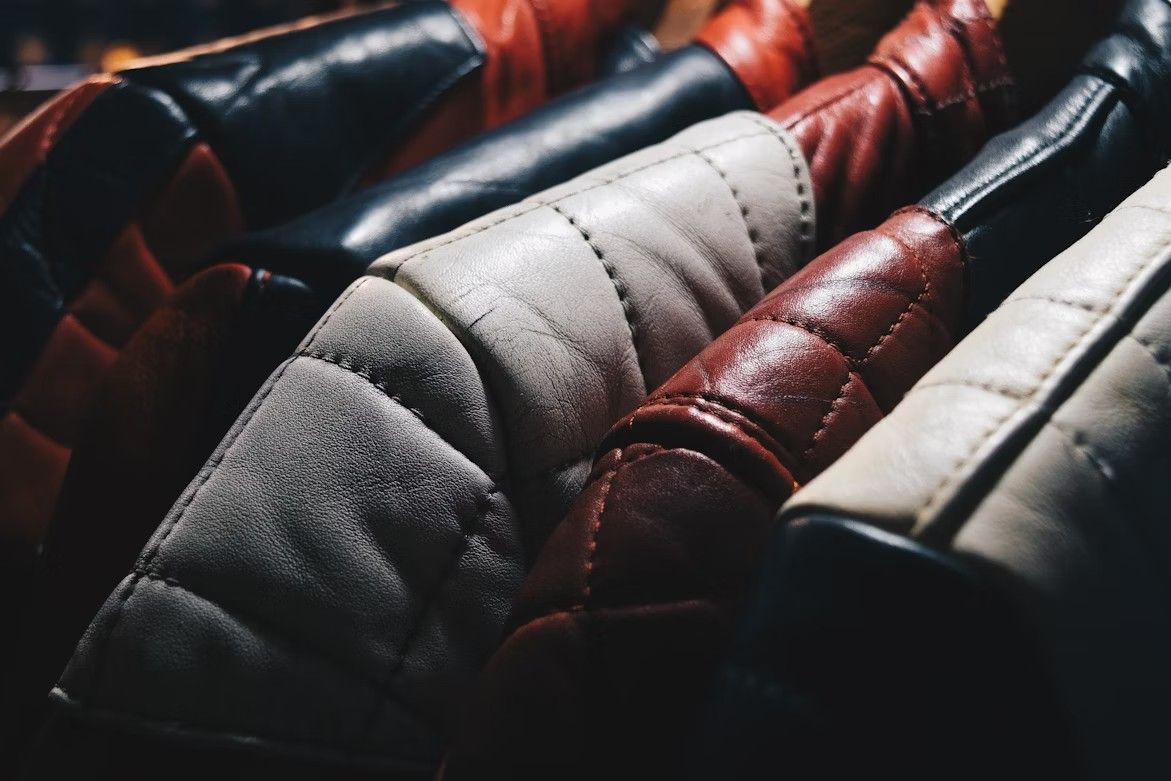
Image: Robbie Noble

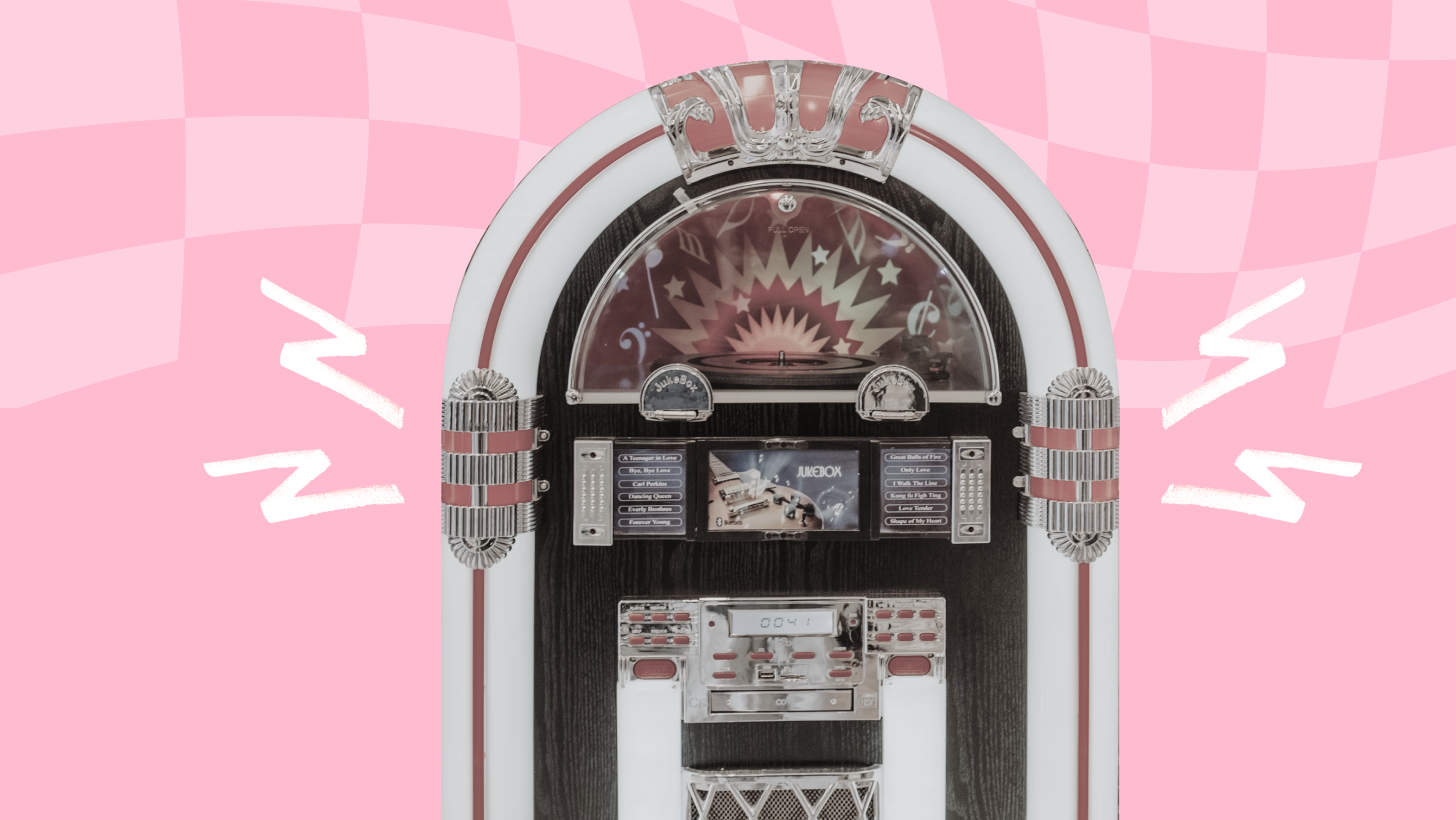
Arthur Fonzarelli, aka Fonzie from Happy Days , made leather jackets cool and jukeboxes come to life with a single punch. His signature "Aaaay," complete with thumbs-up, said it all—cool, confident, and just a little bit rebellious.

Whether he was fixing a motorbike or schooling Richie on life, Fonzie’s catchphrase became a national symbol of laid-back swagger.

5
"Did I do that?" – Family Matters
Image: White.Rainforest ™︎ ∙ 易雨白林.

Steve Urkel from Family Matters was the lovable nerd who left a trail of chaos behind him. Whenever a plan backfired—and we all know they usually did—he’d pop out with his nasal "Did I do that?" It was part apology, part mischief, and it made Urkel a household name. That clumsy charm was irresistible, even when he turned the Winslows’ house upside down.

6
"Yada, yada, yada" and "Newman" – Seinfeld
Image: Dilip Ale

Seinfeld , the "show about nothing," gave us plenty of quirky phrases. "Yada, yada, yada" became shorthand for skipping the boring parts—or hiding juicy gossip. And then there was Jerry’s exasperated, drawn-out "Newman" whenever his nemesis neighbor appeared. Both lines are still used today. Sometimes, saying very little says it all.

7
"Dy-no-mite!" – Good Times

Image: J Williams

J.J. Evans from Good Times had a big personality and an even bigger catchphrase: "Dy-no-mite!" He’d shout it with such enthusiasm that you couldn’t help but laugh. It captured his upbeat attitude in a show that balanced humor with tough realities. That one word became a rallying cry of fun and energy in every episode.

8
"And that’s the way it is" – CBS Evening News
Image: appshunter.io

Walter Cronkite signed off each evening with calm, steady authority: "And that’s the way it is." It wasn’t flashy, but it became iconic because it felt real and trustworthy. In a time when Americans gathered around the TV for the news, that line gave a sense of closure and comfort after a long day.

9
"Come on down!" – The Price Is Right
Image: Kenny Eliason

The Price Is Right turned everyday folks into instant game show stars with four exciting words: "Come on down!" Bob Barker’s booming voice (and later Drew Carey’s) invited contestants to race down the aisle and guess the price of, well, just about everything. That line still gets hearts racing for bargain hunters and lucky guessers alike.

10
"Yabba Dabba Doo!" – The Flintstones
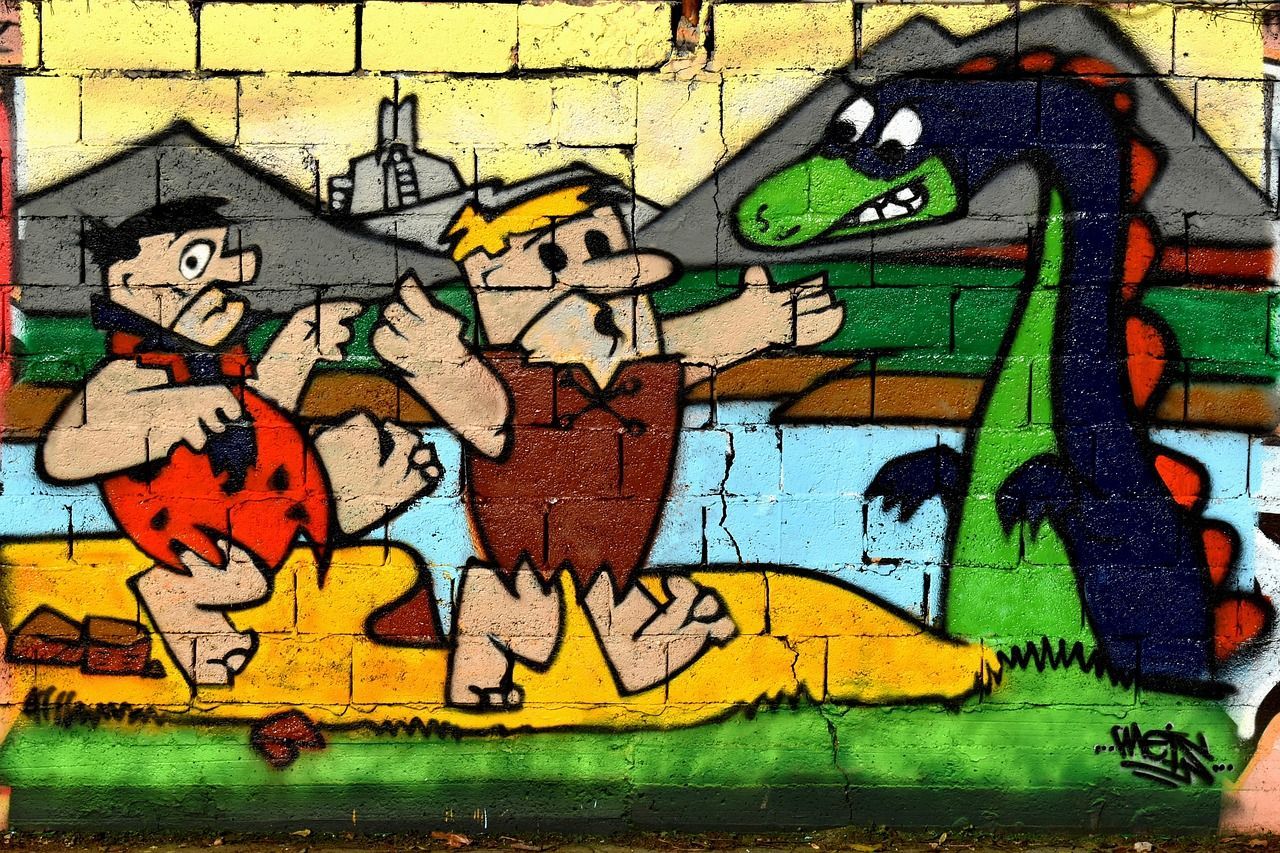
Image: papazachariasa

Fred Flintstone’s caveman cheer, "Yabba Dabba Doo!" from The Flintstones was pure cartoon joy. Whether he was sliding down a dinosaur’s tail after work or just in a good mood, that prehistoric phrase made everyone’s inner child want to shout it too. It was goofy, energetic, and unforgettable.

11
"Norm!" – Cheers
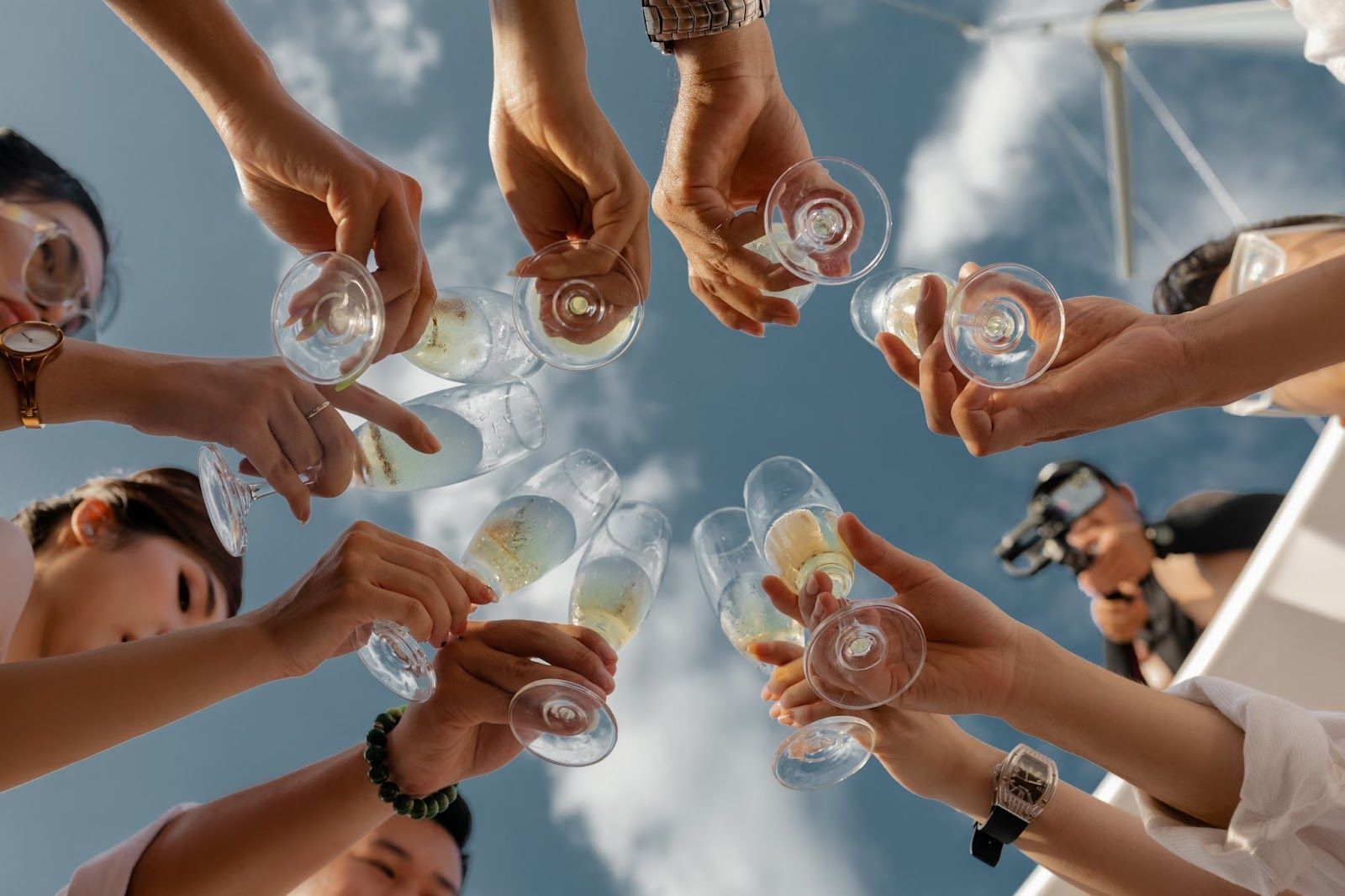
Image: Quan Nguyen

Whenever Norm walked into Cheers , the whole bar would greet him with a booming "Norm!" It wasn’t just a greeting; it was a welcome from friends who felt like family. That running gag captured the cozy, familiar vibe of the show, where everybody really did know your name.

12
"Nip it in the bud" – The Andy Griffith Show

Image: Glenn Carstens-Peters

Barney Fife, the overly enthusiastic deputy from The Andy Griffith Show , had his own way of handling trouble: "Nip it in the bud!" He meant to squash the problem early, though his methods were often hilariously over the top. The line became a comical mantra for over-preparing and overreacting—Barney style.

13
"Marcia, Marcia, Marcia" and "Oh, my nose!" – The Brady Bunch
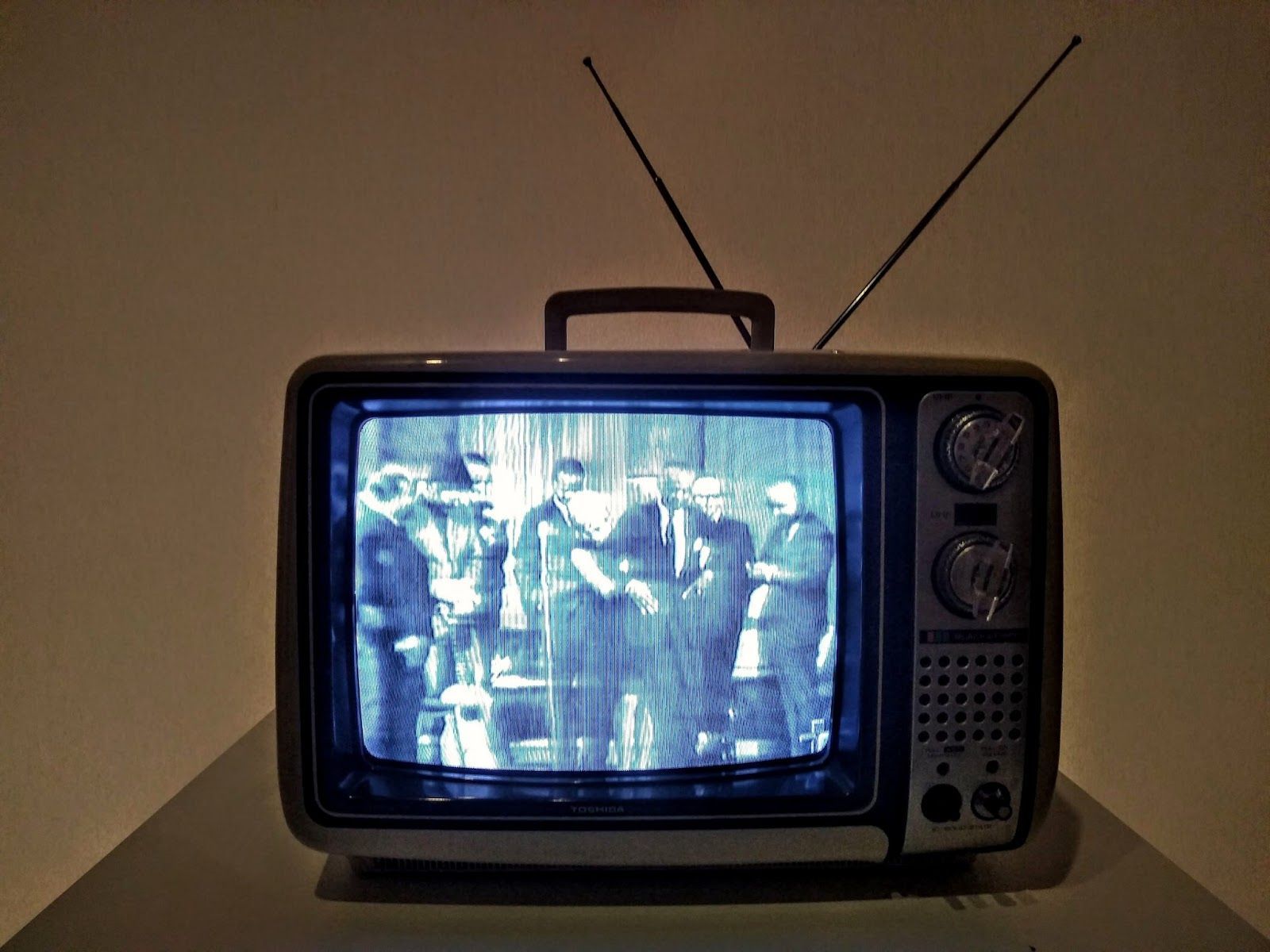
Image: Bruna Araujo

The Brady Bunch gave us sibling drama in its purest form. Jan’s jealous cry of "Marcia, Marcia, Marcia" captured classic middle-child woes, while Marcia’s anguished "Oh, my nose!"—after getting hit with a football—was a dramatic moment that still gets laughs. Both quotes are etched into the memories of anyone who grew up watching the blended Brady family.
History History 4 min read

Let’s take a tour

Alcatraz: The secrets, myths, and history of America’s prison

Image: Leon Bastain

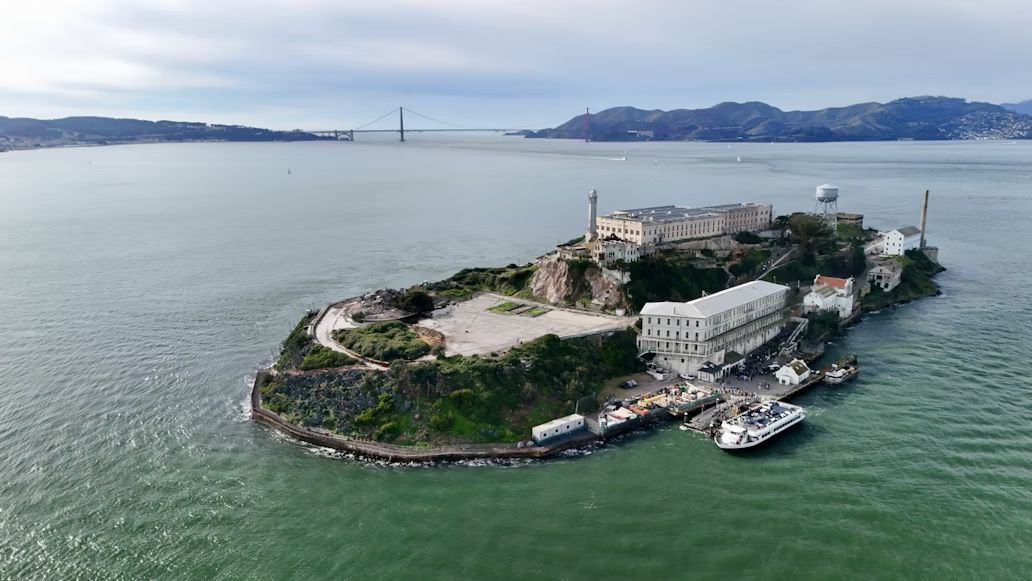
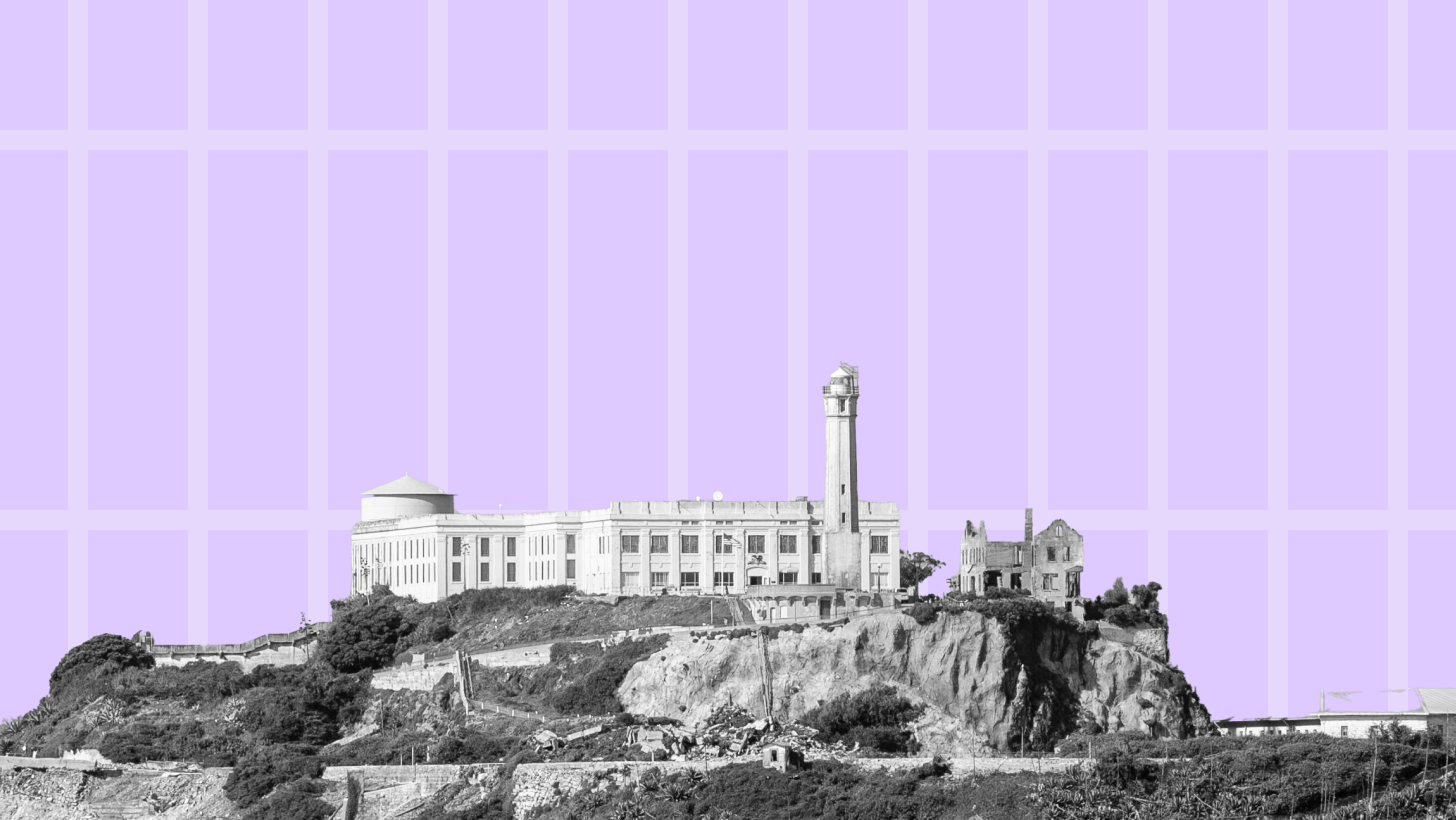
Alcatraz, also known as "The Rock," is one of the most famous prisons in American history. But there’s more to this island than just high-security cells and daring escape attempts. From its unexpected origins to some weird inmate requests, Alcatraz is packed with stories that go far beyond what Hollywood has shown us. Whether you've visited before or just love a good history lesson, these 12 fascinating facts will give you a fresh perspective on this legendary landmark.

1
Alcatraz wasn’t always a prison

Image: Maxim Babichev

Before housing America’s most dangerous criminals, Alcatraz served as a military fort. In 1850, President Millard Fillmore designated the island as a military reservation, and by the Civil War, it held prisoners of war. Its strategic location in San Francisco Bay made it ideal for defense. It wasn’t until 1933 that it officially became a federal penitentiary. Over the years, its role shifted dramatically, but its reputation as an isolated fortress remained constant.

2
Prisoners built their own cells

Image: Oxana Melis

Talk about a tough day on the job! When Alcatraz transitioned from a military prison to a federal one, military prisoners were put to work constructing their own confinement. Between 1909 and 1911, they reinforced the existing structures to prepare for the worst of the worst. By the time the Department of Justice took over, the prison was ready to house America’s most notorious inmates. Imagine building the very walls that would later trap you inside!

3
Guards and their families lived on the island

Image: Tyler Rutherford

Alcatraz wasn’t just a prison; it was also home to families. The guards and their families lived in houses and apartments on the island, creating a tight-knit community. Children took a ferry to school in San Francisco every day and played safely away from the prison yard. Some even recall watching movies in the recreation hall while criminals like Al Capone were locked up just a few feet away. Life on Alcatraz wasn’t all gloomy for those outside the cells.

4
No executions took place on Alcatraz

Image: Rita Morais

Despite its reputation, Alcatraz never had an execution chamber. While prisoner violence did lead to some deaths, executions were not carried out on the island. Inmates sentenced to death were transferred to facilities like San Quentin. That didn’t make life any easier in Alcatraz; many prisoners still feared the harsh conditions and inescapable isolation of The Rock.

5
The Pacific Coast’s first lighthouse was on Alcatraz

Image: Bruce Warrington

Before it became infamous for its prison, Alcatraz played a vital role in maritime safety . In 1854, it became home to the first lighthouse on the Pacific Coast, guiding ships through the often foggy San Francisco Bay. Though a larger lighthouse replaced it in 1909, the original helped countless sailors navigate the treacherous waters surrounding the island. Today, it stands as a historic landmark, reminding visitors of Alcatraz’s earlier days.

6
No inmate officially escaped

Image: Leo_Visions

While Hollywood loves a good prison break story, no prisoner ever successfully escaped Alcatraz, at least not officially. The closest attempt came in 1962 when three inmates, including Frank Morris, disappeared after digging their way out using spoons. Their bodies were never found, leading to decades of speculation. Did they drown in the freezing bay or make it to freedom? The mystery remains unsolved.

7
Alcatraz shut down due to high costs

Image: Jack Walker

Despite its reputation as America’s toughest prison, Alcatraz didn’t close due to security issues: It was just too expensive to maintain . The constant exposure to salt water eroded the buildings, and the cost of housing each inmate was three times higher than in other federal prisons. By 1963, the government decided to shut it down. The island was abandoned for years before turning into the tourist attraction it is today.

8
Some inmates requested transfers to Alcatraz

Image: Mylo Kaye

Despite its harsh image, some prisoners actually wanted to be transferred to Alcatraz. The prison provided single cells, which meant no cellmates to fight with . It also had some of the best food in the federal system because officers believed that well-fed inmates were less likely to cause trouble. For some, the strict routine and isolation were preferable to overcrowded, violent prisons elsewhere.

9
Alcatraz was named after pelicans

Image: Mollie Sivaram

Before it became synonymous with crime and punishment, Alcatraz was simply an island full of birds. Spanish explorer Juan Manuel de Ayala named it La Isla de los Alcatraces in 1775, which translates to "Island of the Pelicans." Over time, the name was anglicized to Alcatraz. Even today, the island remains a haven for seabirds, making it a birdwatcher’s paradise.

10
Alcatraz was never packed to capacity

Image: Kenny Eliason

Alcatraz was never overflowing with inmates . The prison had a maximum capacity of 336, but on average, only about 260 prisoners lived there at any given time. Sometimes, there were as few as 222. This was intentional—authorities wanted to ensure strict control over the inmates. It’s a far cry from the overcrowded prisons we hear about today.

11
Warm water showers had a hidden purpose

Image: David Castellón

Prisoners at Alcatraz were given warm water showers, not necessarily out of kindness, but as a security measure. Authorities believed that if inmates were used to warm water, they’d be less likely to brave the freezing bay in an escape attempt. Whether it worked or not is up for debate, but it certainly added another layer to Alcatraz’s infamous reputation.

12
Officers and inmates tended the gardens

Image: Maxim Babichev

Alcatraz wasn’t all cold concrete and iron bars; there were actually gardens on the island. Prison officers and even some inmates planted flowers and hardy greenery to make the island more livable. The tradition continued for decades, and today, the National Park Service maintains the Gardens of Alcatraz . It’s a surprising touch of beauty in a place best known for its harshness.

General General 4 min read

QUIRKY FRIENDS

America's most beloved characters: 10 mascots we all love

Image: Jacob Rice

Few things are more American than identifying your favorite sports team or favorite breakfast cereal with a beloved mascot. Marketing has found a great way to make consumers feel attached to specific brands and identify with their products and characters. Who doesn’t love Tony the Tiger or our fluffy friend, the Pillsbury Doughboy? They have found their way into our homes and hearts! In this article, we’ll talk about 10 of our favorite American mascots. Read on and enjoy!

1
Rich Uncle Pennybags

Image: Maria Lin Kim

Board games are popular, at least some of them. Clue, Pictionary, Monopoly—we’ve all played at least one of these. But Monopoly’s popularity is something else. And it’s not just the game’s popularity but the fine man who is the face of the brand.

Rich Uncle Pennybags was introduced in 1936 and is widely known as Mr. Monopoly. This rich guy, dressed in a smart tuxedo, turned out to be so popular that he’s been incorporated into the brand’s logo altogether.

2
Tony the Tiger

Image: Franki Chamaki

Introduced in 1951, Tony the Tiger has been a fixture in, possibly, every single household in the United States and many more countries around the world.

With his classic blue background, Tony the Tiger successfully helped Kellogg’s skyrocket as a brand and made not only the mascot but the cereal truly unforgettable. In spite of being a tiger, Tony is known for his courageous messages and friendly smile that invites consumers to take a scoop of cereal and be ready to face the day. Who doesn’t need this shot of inspiration every morning? We can definitely count on Tony the Tiger for that!

3
Pillsbury Doughboy

Image: Kelsey Todd

This fluffy, adorable mascot, affectionately known as Poppin’ Fresh has been making kitchens a little brighter since 1965.

His real name is the Pillsbury Doughboy, and he is famous for his infectious laugh that erupts whenever someone pokes his belly. Dressed in his signature white chef’s hat and scarf, this giggling, chubby fella is the best company one can have when baking. If you have any doubts, you can ask this baking master!

4
Gritty

Image: Lynda Sanchez

If chaos had a face, it would definitely be Gritty! This wild-eyed, orange furball took the world by storm as the official mascot of the Philadelphia Flyers NHL team.

He made his debut in 2018 and soon became a favorite thanks to his unpredictable antics and meme-worthy expressions, which you are surely familiar with!

Both his personality and his color are quite loud, making him quite unforgettable, as orange is also the color of the team. It represents their essence: unapologetically weird and proud of it!

5
Smokey Bear

Image: Brian Wangenheim

Nature is truly a wonder, but in order to keep it that way, we need to protect it. Now, when it comes to this, warning messages have effectively prevented people from accidentally starting wildfires, thanks to a strong brown bear with a powerful message "Only you can prevent wildfires."

The campaign started in 1944 when Smokey Bear was introduced to the nation to spread the message across radio, TV, and print media. In no time, he became a success and a mighty figure of environmental protection.

6
Mr. Met

Image: Lesly Juarez

The spring of 1963 must be a loving memory for Mets fans: that’s when their mascot, Mr. Met, was born. And he came to this world with only one purpose, to cheer the New York Mets for life, and oh-boy did he accomplish it!

For over four decades, and with a partner in crime who joined the family in the mid-1960s, Lady Met, this baseball-loving mascot with a giant baseball for a head, has not only been a mascot but has also become part of the family. Is he a part of yours?

7
Kool-Aid Man

Image: Reba Spike

This brand is one of the most consumed in America and, even though they didn’t need a mascot to be successful, the Kool-Aid man surely brought around a fair dose of cuteness and good marketing.

Originally known as Pitcher Man, which made sense since he is the drawing of a pitcher, he was later renamed Kool-Aid Man with a clear target audience: children. Once again, the brand mascot made it an undeniable success, and it soon became a cultural icon with an iconic "Oh, Yeah!" catchphrase that can make you thirsty just from reading it! Thank goodness we have the Kool-Aid man to assist us there!

8
The Laughing Cow

Image: Kenny Eliason

This brand has a namesake mascot which, ever since it was created in 1921, has undergone quite an evolution! The cheerful cow, known as the Laughing Cow, first appeared to promote high-quality dairy products when packaged cheese was a novelty.

The character, highly recognizable for its red color, has graced all kinds of the company’s product packages and has become a synonym for quality dairy products, so much so, that it continues to be the logo of the brand today!

9
Big Tex

Image: Ray Shrewsberry

If you are from Texas, or if you have attended its State Fair, you are probably familiar with this 55-foot-tall state mascot. Big Tex, the official mascot of the State Fair of Texas was introduced in 1952 as a repurposed Santa Claus figure!

At the time, he was completely transformed into the towering cowboy we all know today. With his classic cowboy hat and his iconic greeting "Howdy, folks!" However, it’s not entirely fair to call him just a mascot, as he actually serves as a cultural ambassador for everyone who visits the State Fair.

10
Cy the Cardinal

Image: Jacob Rice

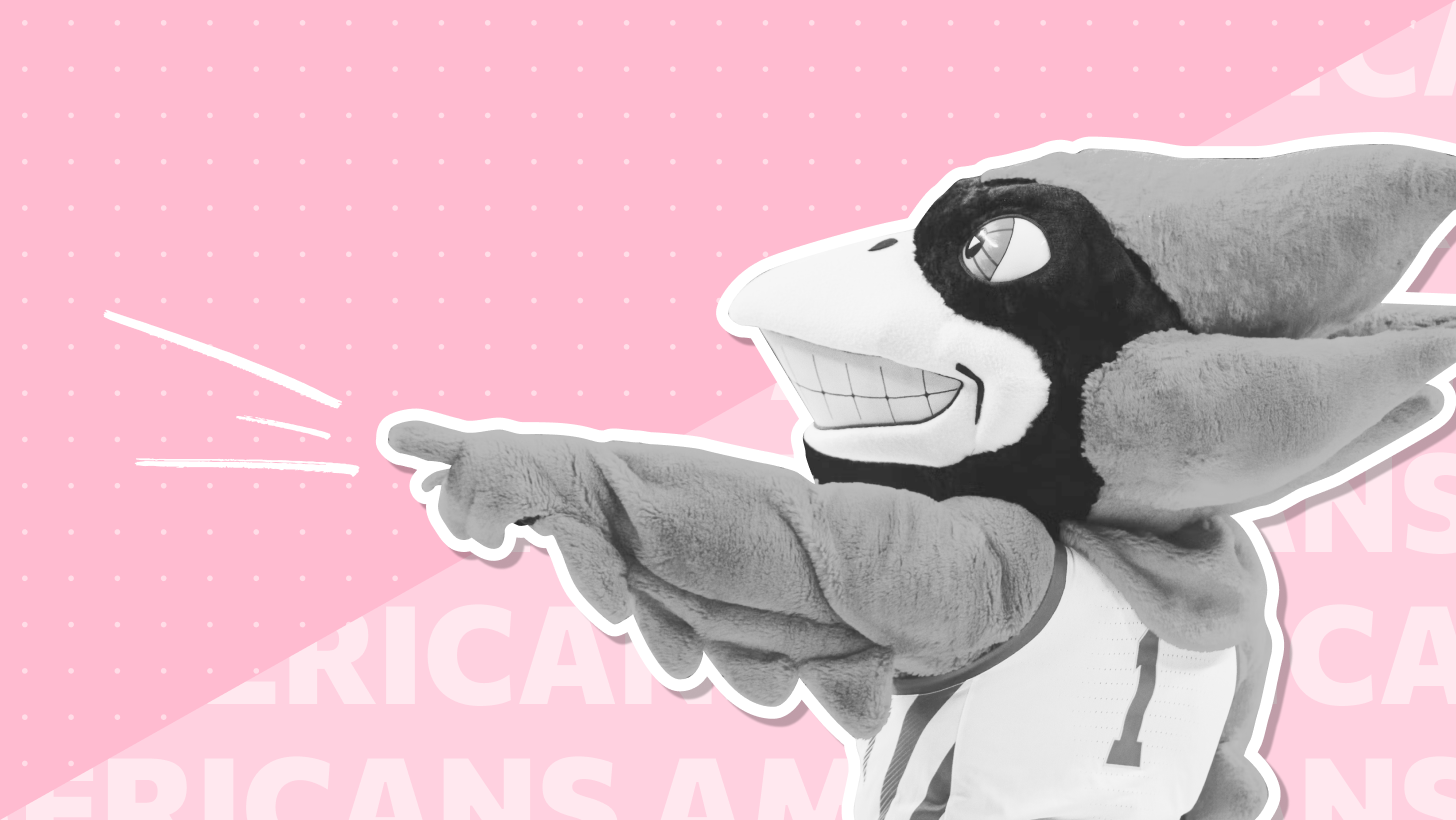
Cereal, cleaning products, sports teams—mascots are everywhere. And universities also have their furry friends. In the case of Iowa State University, Cy the Cardinal is the one and he has been ever since 1954.

Born from a student contest to create a mascot that embodied the school pride, Cy was inspired by the university’s nickname, the Cyclones. He is characterized by his vibrant red plumage and his big smile, which is key to rallying fans at any sporting event. Isn’t he fierce?

Explore more American facts

Choose your favorite category!

General
General

As American as apple pie—the very best America has to offer!

Culture
Culture

Delve into the astounding richness of American lore.

Geography
Geography

Hop in and explore vast and diverse American landscapes.

History
History

Discover the key moments that shaped the United States.