Culture Culture 4 min read

Brand stars

This is how these 10 brand mascots became bigger than their products

Image: P. L.

Every brand dreams of being instantly recognized by its logo or mascot, and some US brands have truly achieved this. In fact, a few have grown far beyond their products, becoming icons of American culture. From the beloved Pillsbury Doughboy to the unmistakable Colonel Sanders, join us as we take a walk through this brand-mascot hall of fame!

1
The Pillsbury Doughboy
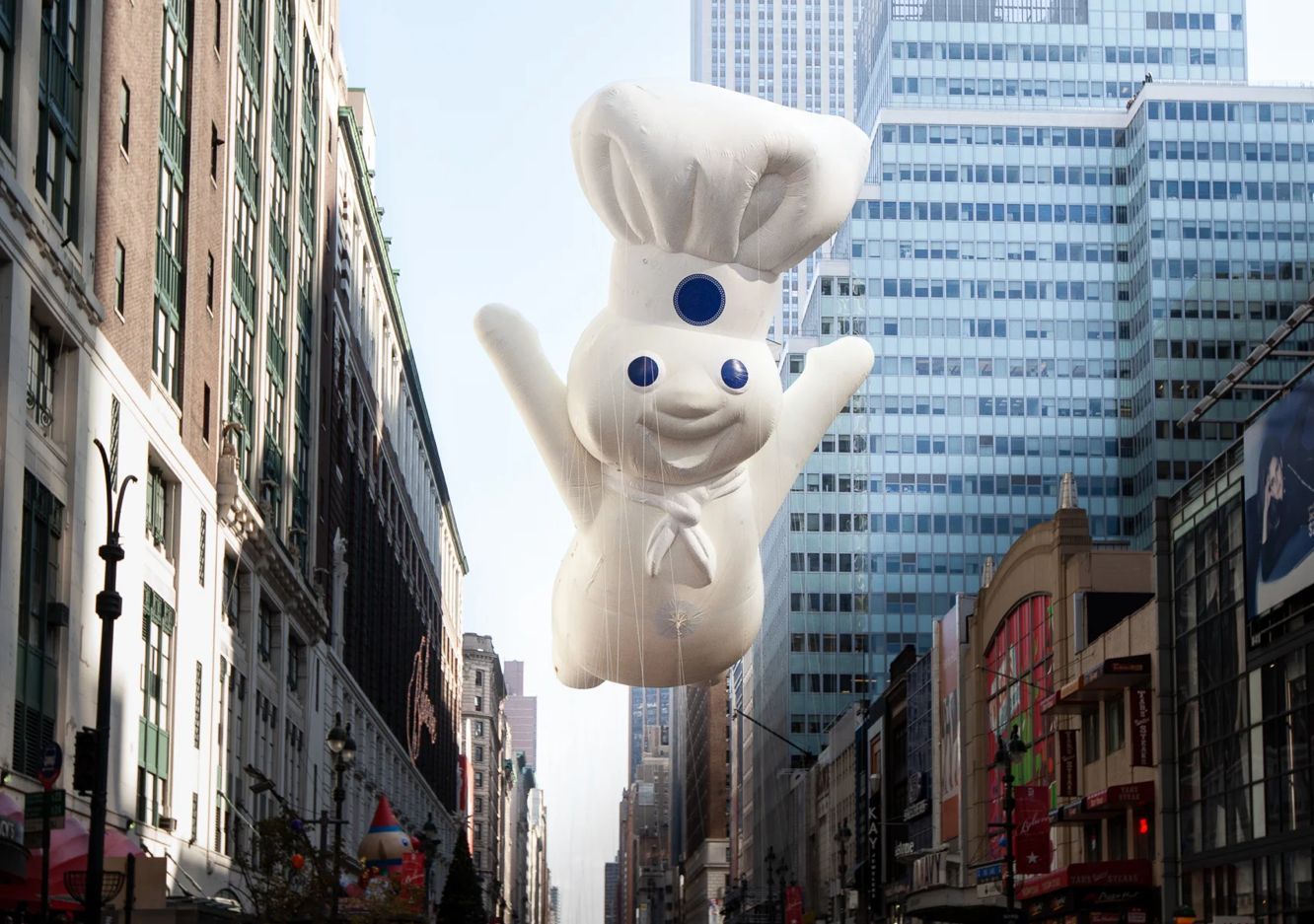
Image: Dan Depew, CC BY 4.0 <https://creativecommons.org/licenses/by/4.0>, via Wikimedia Commons

You only need to see a tiny bit of his fluffy body to recognize him: Poppin’ Fresh, better known as the Pillsbury Doughboy, is a global star. The Pillsbury Company created him in 1965, and over the decades, he has appeared in hundreds of commercials and on all kinds of merchandise. Now, 60 years later, his cute image is still familiar to Americans everywhere. He’s even part of the Macy's Thanksgiving Day Parade!

2
Tony the Tiger

Image: SqueakyMarmot from Vancouver, Canada, CC BY 2.0 <https://creativecommons.org/licenses/by/2.0>, via Wikimedia Commons

Our childhood memories include a character who was and still is right there at the breakfast table. We're talking about Tony the Tiger, the beloved mascot of Frosted Flakes. Introduced in 1952 by Kellogg’s, many of us grew up with him and watched him become a cereal icon. And of course, no one can forget his iconic catchphrase: "They’re grrrreat!"

3
The Energizer Bunny
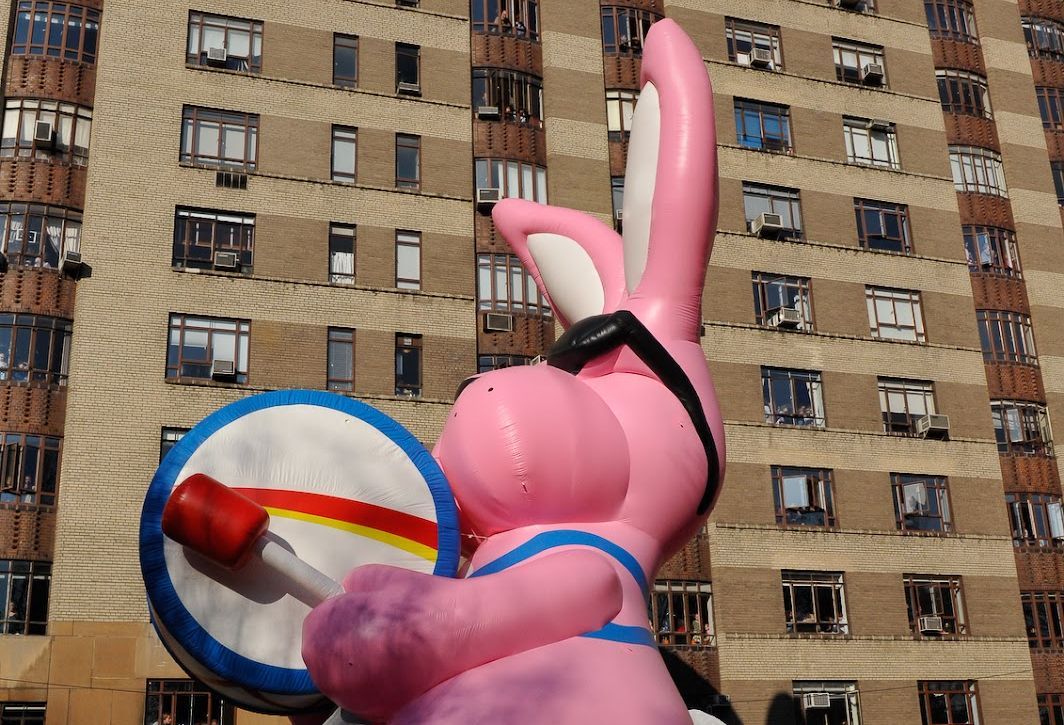
Image: Jazz Guy from New Jersey, United States, CC BY 2.0 <https://creativecommons.org/licenses/by/2.0>, via Wikimedia Commons

Style, attitude, energy: The Energizer Bunny has it all. With his signature sunglasses, drum, and flip-flops, this bunny first appeared in 1989 as a parody of the Duracell bunny, and he quickly grew far beyond Energizer batteries. In fact, he became a symbol of vitality and nonstop energy, so much so that when someone can’t sit still, they’re often compared to this bunny. You know, he just keeps going and going and going.

4
Mr. Clean

Image: JESHOOTS.COM

His style is unmistakable: that celebrity tan, bald head, bright white eyebrows, and even a cool earring. Of course! It’s Mr. Clean, the magical helper who shows up when stains get stubborn. Procter & Gamble introduced him in 1958, and he quickly became more than just the face of a product; he is a full character with his own personality and identity, deeply tied to the idea of household cleaning.

5
Mr. Monopoly
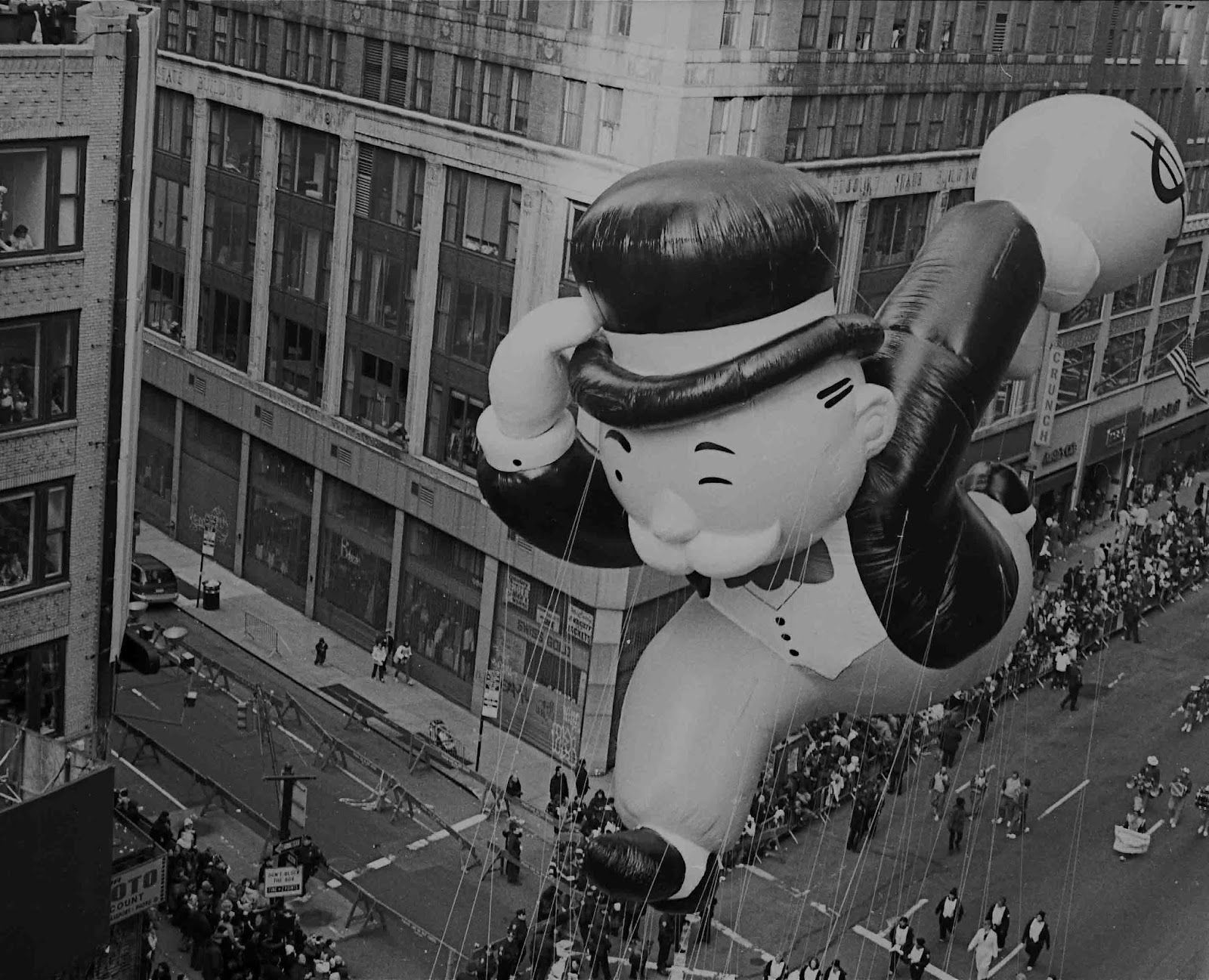
Image: Fluffybuns, CC BY-SA 4.0 <https://creativecommons.org/licenses/by-sa/4.0>, via Wikimedia Commons

We already talked about Mr. Clean, but there’s another Mister who is just as famous, if not more: Mr. Monopoly. While we all know him by that name today, he originally had a much funnier one: "Rich Uncle Pennybags." His mustache and top hat are unmistakable, and his fame has long transcended the Monopoly game, turning him into a visual symbol of wealth and capitalism in pop culture.

6
The Jolly Green Giant

Image: greefus groinks, CC BY-SA 2.0 <https://creativecommons.org/licenses/by-sa/2.0>, via Wikimedia Commons

The Green Giant Company introduced its giant mascot in 1928, and he quickly became synonymous with frozen vegetables across America. The Jolly Green Giant originally had a somewhat intimidating look, but a later redesign turned him into the friendly, smiling giant everyone knows and loves today. Decades of TV commercials, packaging, toys, and pop-culture references made him famous even among people who don’t buy the products.

7
Mr. Peanut
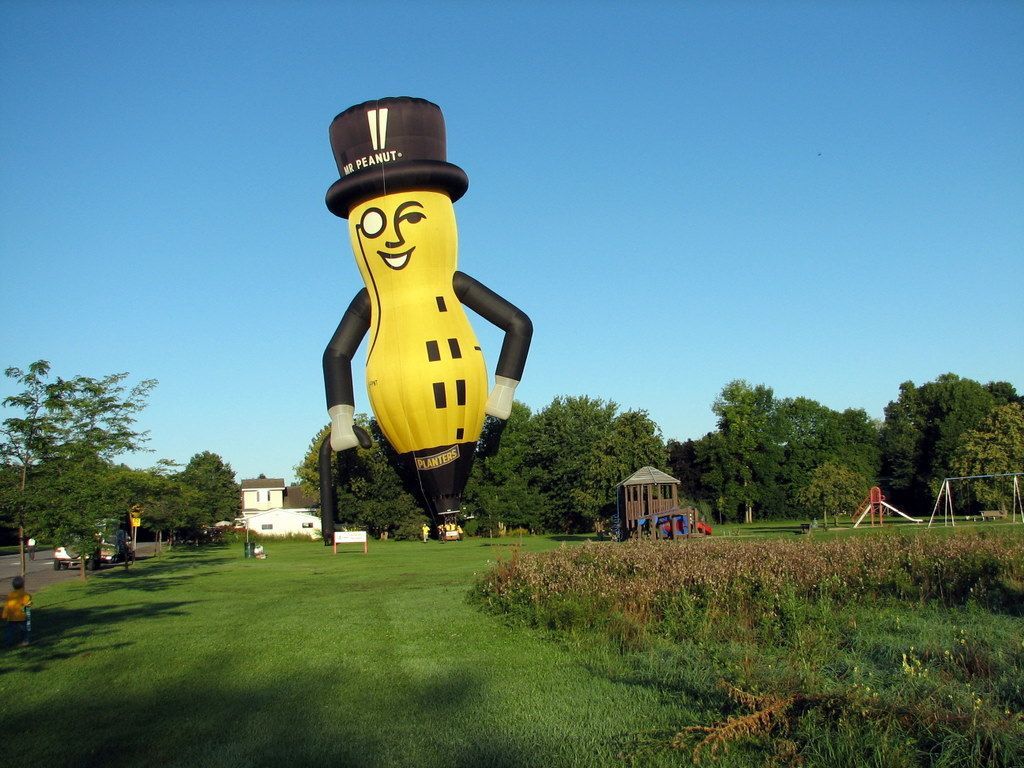
Image: InOttawa.ca, CC BY 2.0 <https://creativecommons.org/licenses/by/2.0>, via Wikimedia Commons

With his classic top hat and monocle, Mr. Peanut is undoubtedly a sophisticated mascot. And since he’s literally a peanut, it’s almost impossible not to think of Planters every time we grab a handful, right? Surprisingly, despite his excellent condition, Mr. Peanut is over 100 years old, having been introduced in 1916.

8
Mickey Mouse
Image: Brian McGowan

If there’s one truly world-famous mascot, it’s definitely Mickey Mouse. His round ears, white gloves, red shorts, and big yellow shoes are so familiar that most of us could sketch them from memory. Mickey started as a character but quickly became the unmistakable icon of Disney. Over time, he even transcended the brand itself, appearing in all kinds of products, commercials, shows, and parades, becoming a symbol of childhood around the world.

9
Colonel Sanders
Image: Marques Thomas

Every time you see this face, you instantly crave fried chicken. That’s the magic of the iconic Colonel Sanders, who is much more than a mascot. He was a real person, the founder of KFC. Because of that, his face has become so familiar to Americans that he feels almost like a father figure. His fame is so strong that KFC often doesn’t even need the brand name; the Colonel’s friendly face says it all.

10
Geico Gecko
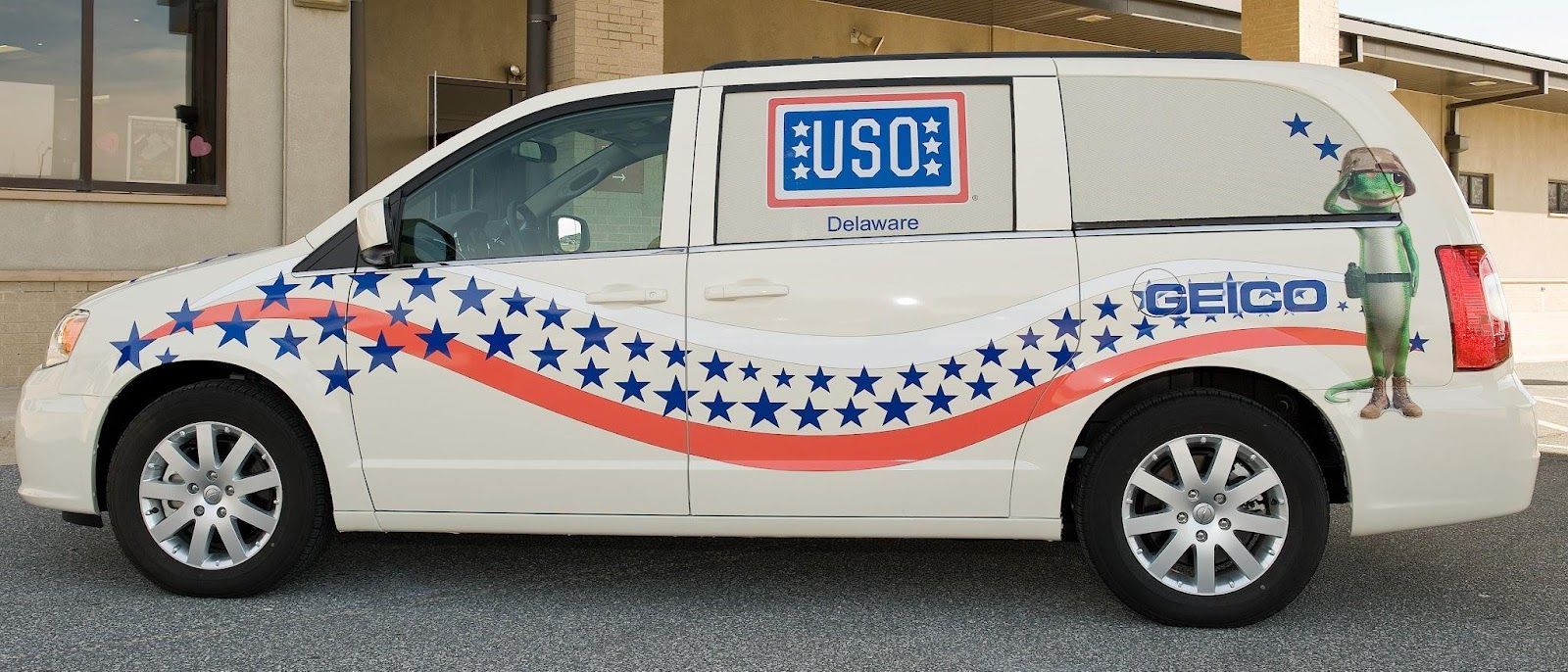
Image: Roland Balik, Public domain, via Wikimedia Commons

The GEICO Gecko is so famous that seeing any lizard instantly brings him to mind. This friendly character has been tied to the brand since 1999, and the idea for him came from people mispronouncing "GEICO" as "gecko." Over the years, he has become a celebrity, so recognizable that he doesn’t even need the brand name for people to know exactly who he is.
History History 5 min read

Historic events

10 iconic celebrity moments that happened at American hotels

Image: João Pires

The number of famous people who have spent time in historic hotels is directly proportional to the amount of fascinating stories concealed within the walls of these luxurious accommodations. From Elvis and Marilyn to Martin Luther King and Lucky Luciano, here are 10 of the most iconic celebrity moments that took place at the best American hotels.

1
Elvis Presley’s senior prom

Image: No-longer-here

Did you know Elvis Presley wore actual blue suede shoes to his senior prom? In 1953, at just 18 years old, the soon-to-be King of Rock and Roll attended Humes High School's formal dance at The Peabody Hotel in Memphis.

Wearing a tuxedo for the first time, Elvis picked up his date, a 14-year-old girl named Regis Wilson, in a dark blue rented Chevy. Once they were at the Continental Ballroom Elvis confessed he didn’t know how to dance, so they spent the night watching from the sidelines. Sadly, a few weeks later Regis’ family decided to move to Florida and they never saw each other again.

2
I have a dream

Image: Unseen Histories

2023 marked the 60th anniversary of the famous "I Have a Dream" speech. But did you know that Martin Luther King Jr wrote the finishing touches for it in the lobby of The Willard InterContinental hotel just hours before addressing the people gathered at the Lincoln Memorial?

It's no wonder such an important event in U.S. history occurred at this Washington D.C. hotel. Located just a few blocks from the White House, the Willard was witness to numerous key political moments: It was Lincoln's temporary residence before his inauguration, and Calvin Coolidge lived here during his vice presidency. Not only that, the lobby of this hotel is where Ulysses S. Grant coined the term "lobbyist".

3
Marilyn’s last photoshoot

Image: Marten Bjork

In late June 1962, six weeks before her passing, Marilyn Monroe was photographed in suite 261 of the Bel-Air Hotel in Los Angeles. The most desired and sought-after actress at the time arrived at the hotel with a suitcase loaded with dresses and necklaces and ordered three bottles of Don Perignon. Over the next three days, photographer Bert Stern took 2,571 snapshots of her.

These iconic images were published by Vogue magazine just one day after her death and have since become history as the last portraits of one of the most beloved American stars of all time.

4
Blonde on Blonde

Image: Janka Jonas

The Hotel Chelsea in New York City boasts perhaps the longest list of celebrity residents: Mark Twain, Patti Smith, Jimi Hendrix, Janis Joplin, Stanley Kubrick, Leonard Coen, Sid Vicious and Robert Mapplethorpe all resided here at some point since its opening in 1884.

Another famous guest who spent time at this iconic Manhattan hotel is American singer-songwriter Bob Dylan. More bohemian than glamorous, the place fitted perfectly with the musician's style and was the ideal environment for his upcoming work. And so, in 1965 while staying in room 211, Dylan wrote a couple of songs for his seventh studio album, Blonde on Blonde .

5
First Organized Crime Convention

Image: cottonbro studio

The Blackstone in Chicago is best known as "The Hotel of Presidents" since it has welcomed several heads of state since its opening in 1910. However, it is also associated with some notorious American gangsters. Al Capone himself reportedly held meetings at this hotel while getting his haircut in the barbershop during the Prohibition Era.

Another Blackstone infamous guest was Italian-born gangster Charles "Lucky" Luciano. In 1931, he hosted his first crime convention in the hotel's Crystal Ballroom. Apparently, the purpose of the meeting was to create a board of directors for his "National Crime Syndicate", a confederation of several criminal organizations.

6
The birth of the Academy Awards

Image: Felix Mooneeram

This story involves not one but two mythical American hotels. In 1927, film producer and co-founder of Metro-Goldwyn-Mayer, Louis B. Mayer, felt the need to create an organization that would bring together all the players in the film industry. He invited a small group to a formal banquet at the Ambassador Hotel in Los Angeles where he officially presented his idea of an Academy of Motion Picture Arts and Sciences.

A few months later, on May 11, the first organizational meeting was held in the Crystal Ballroom of the Biltmore Hotel. At that meeting, they appointed the first authorities and granted the first honorary membership to American inventor Thomas Edison. In addition, they agreed to establish an annual award. According to legend, art director Cedric Gibbons sketched the design of the Oscars statuette that very day on one of the hotel's napkins.

7
The British invasion

Image: Boer, Poppe de, CC0, via Wikimedia Commons

By 1964 the Beatles had become so popular that it was no surprise that 3,000 fans were waiting for them at New York's John F. Kennedy Airport the first time they traveled to the United States. The Fab Four stayed at The Plaza in Manhattan and the scenario was the same: the hotel was overrun by hordes of teenage girls who eventually found their way into the fire stairways.

Paul, John, Ringo, and George occupied the 10-room Presidential suites on the 12th floor. They sometimes waved to the fans downstairs, guarded by over 50 policemen. After four days of commotion, the hotel authorities did not want them to return, so, on subsequent visits, the Beatles stayed at the Warwick Hotel.

8
Golden Globe splash

Image: Carolyn Ne

In 1999, before the Golden Globes ceremony, Angelina Jolie promised that if she won the award for Best Actress for her role in the movie Gia she would take a dip in the Beverly Hilton pool. She not only held her promise but also was accompanied by some friends and even ended up throwing in a journalist.

In an interview, the actress said that the dare came about because one very hot summer afternoon when she was a girl, she ended up diving into the hotel pool with a girlfriend. As expected, they were kicked out and she never came back —that is, until the night of the famous splash, ball gown and all!

9
Good Will Hunting

Image: Life-Of-Pix

Since its opening in 1976, the Viceroy L'Ermitage in Beverly Hills, Los Angeles, has been a true Hollywood institution. Celebrities like Elizabeth Taylor, Brad Pitt, and Laurence Olivier, have stayed in one of the 116 suites of this luxurious and secluded hotel numerous times.

But perhaps the spot that holds the most mystique in this hotel is The Lobby Lounge and Bar, once known as the Writer's Bar. Rumor has it, that this is where the biggest names in the industry used to hold their meetings and writing appointments. Apparently, the most fantastic stories in the history of cinema were conceived here, one of these masterpieces being Good Will Hunting . In this bar, Ben Affleck and Matt Damon penned the script for one of the most beloved films of the 20th century. Did you know that?

10
Bungalow 4

Image: Andrew Campana

American business tycoon Howard Hughes was possibly the most peculiar long-time hotel resident who ever lived. Hughes stayed at several hotels during his lifetime but he had a soft spot for the renowned Beverly Hills Hotel in California. So much so that in 1942 he bought three or four of the famous pink stucco bungalows and moved in.

This hotel, built in 1912, accommodated all his eccentricities, including making room for his personal chef —apparently, the only one who knew exactly how to make his favourite pineapple upside-down cake— and delivering his roast beef sandwiches to a specific tree on the premises. Being a billionaire certainly has its perks!

Geography Geography 4 min read

From tropics to glaciers

Whichever your favorite climate is, America has it. 10 places to visit

Image: Nihat

From sea to shining sea, America is a vast land, and its diverse climates reflect that. Scorching deserts and icy mountains, the U.S. has it all. And traveling through the country, you can easily experience a heatwave and a snowstorm on the same day. Join us on an epic journey through America's wild extremes, where fierce winds, relentless rain, snowy peaks, and blistering heat reveal the astonishing weather diversity of our nation.

1
Desert Blaze

Image: Manda Hansen

The Mojave Desert spans California, Nevada, and Arizona and is home to Death Valley, where the highest temperature ever recorded on Earth was 134°F in 1913. Despite these hostile conditions, the region still hosts a great diversity of wildlife, including coyotes, bobcats, and desert tortoises, all adapted to survive with minimal water.

The desert’s extreme heat and arid landscape are also home to unique flora such as the Joshua tree, which thrives in spite of the poor soil and dry air.

2
Arctic Frontier

Image: Yuval Zukerman

Alaska's tundra is a cold desert with freezing temperatures and long winters. Permafrost, a layer of permanently frozen ground, covers much of this region, making habitation challenging. However, beneath the ice lies a wealth of natural resources, including vast oil reserves.

During the summer—due to its latitude—the tundra experiences 24-hour daylight, known as the "midnight sun," though the landscape remains largely frozen and treeless. Wildlife, including caribou, arctic foxes, and polar bears, have adapted to survive these extreme conditions.

3
Rocky Peaks

Image: Joshua Woroniecki

The Rockies feature a high-altitude alpine climate, where temperatures drop with elevation, often resulting in snowfall even in the middle of summer. Hikers and tourists from all over the world come to this region to appreciate the striking mountains and its beautiful forests.

These snow-covered peaks are also a crucial part of America’s water supply, as the snowpack feeds major rivers like the Colorado River that provide drinking water to millions in the Southwest.

4
Great Plains Winds

Image: Raychel Sanner

Stretching across the center of the country, the Great Plains is known for its fierce winds and severe weather, particularly tornadoes. Tornado Alley, which covers states like Kansas and Oklahoma, experiences more tornadoes than anywhere else in the world, thanks to the collision of warm Gulf air and cold Arctic fronts.

The region’s semi-arid climate also makes it prone to droughts, as seen during the infamous Dust Bowl of the 1930s. Despite these harsh conditions, the Plains are known as America’s breadbasket, producing massive amounts of wheat, corn, and soybeans that feed the whole nation.

5
Humid South

Image: Michael Sanchez

The Southeast’s humid subtropical climate means long, hot summers with high humidity levels, often reaching over 90%. Frequent thunderstorms and hurricanes are also common in this area, with states like Florida and Louisiana bearing the brunt of some of the most powerful storms in U.S. history, including Hurricane Katrina in 2005.

The warm and wet environment fosters lush and thick vegetation where cypress trees, Spanish moss, and dense wetlands create unique ecosystems. The region is also known for its rich diversity of wildlife, which includes alligators, turtles, and numerous bird species.

6
California Sunshine

Image: Spencer DeMera

Southern California's Mediterranean climate features mild winters and hot, dry summers, with Los Angeles receiving an average of just 15 inches of rain annually. This climate has made the area a global hub for agriculture, especially in the Central Valley, where crops like almonds, avocados, and citrus thrive.

The sunny weather also makes California a popular tourist destination, attracting millions to its beaches and outdoor activities. However, this climate also brings challenges, such as frequent droughts and devastating wildfires that can sweep across the dry landscape.

7
Pacific Northwest Rain

Image: Dave Hoefler

The Pacific Northwest is famous for its temperate rainforests, with areas like the Hoh Rainforest receiving over 140 inches of rain annually. This constant rainfall supports some of the largest and oldest trees in the country, including towering Douglas firs and redwoods.

While the cool air and consistent moisture nourish its rainforests, it also contributes to cloudy skies that block sunlight for much of the year. This prolonged overcast weather is linked to a high incidence of seasonal affective disorder (SAD), as the lack of sunlight affects mood and energy levels for many residents.

8
Tropical Keys

Image: Hector Falcon

The Florida Keys are one of the only regions of the U.S. with true tropical climate, with warm temperatures year-round and rainy and dry seasons rather than the traditional four seasons. Key West, the southernmost point in the country, never experiences freezing temperatures, making it a popular escape during the colder months.

While the tropical breezes make for a laid-back island vibe, the area is also vulnerable to hurricanes, which have historically caused significant damage. Yet, the Keys’ coral reefs, the only living coral barrier reef in the U.S., attract divers from all over the world to explore its colorful marine life.

9
Appalachian Fog

Image: Rachel Davis

The Appalachian Mountains have a temperate climate with heavy rainfall, often shrouded in fog, especially in the Great Smoky Mountains. But the iconic fog of this region isn’t just moisture; it’s actually caused by volatile organic compounds released by the dense forests. These compounds then mix with moisture and sunlight, creating the characteristic blue-tinged haze that gives the Smokies their name.

This consistent moisture also supports the rich biodiversity of the region. The thick forests, often cloaked in mist, provide an ideal environment for countless plant and animal species, making it one of North America's most ecologically diverse areas.

10
New England Winters

Image: Robert Thiemann

New England’s cold, snowy winters have been immortalized in literature and art, and it’s no wonder—states like Maine and Vermont regularly see seasonal snowfalls exceeding 100 inches!

Blizzards and nor’easters are common, with storms bringing fierce winds and heavy snow, sometimes leaving towns isolated for days. The region’s long winters are perfect for skiing, and it is home to some of the oldest ski resorts in America, such as Stowe in Vermont.

Explore more American facts

Choose your favorite category!

General
General

As American as apple pie—the very best America has to offer!

Culture
Culture

Delve into the astounding richness of American lore.

Geography
Geography

Hop in and explore vast and diverse American landscapes.

History
History

Discover the key moments that shaped the United States.