History History 4 min read

Forgotten Titanic facts

Tiny dogs, big icebergs & whiskey: The Titanic like you’ve never heard it
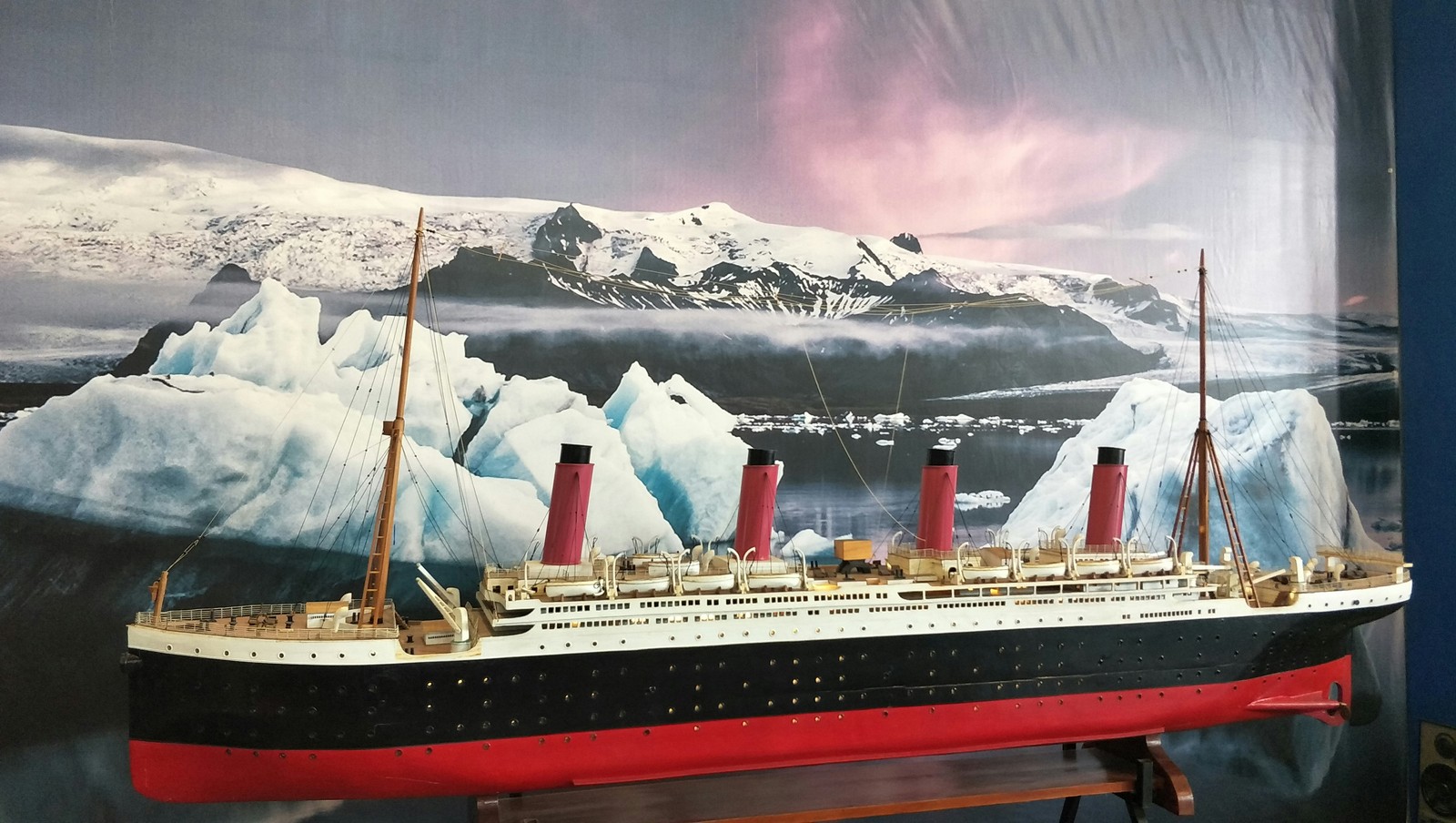
Image: Edwin Petrus

We all know the tragic story behind the Titanic, that "unsinkable" ship that didn’t make it past its first voyage. But besides the tragedy and the Hollywood movie, there are some surprising facts that never made the front page. From pups that survived and pocket watches, to hidden submarines and a tipsy worker who beat the odds, here are 12 curious facts that might just shock you.

1
Construction costs that’d make your wallet faint
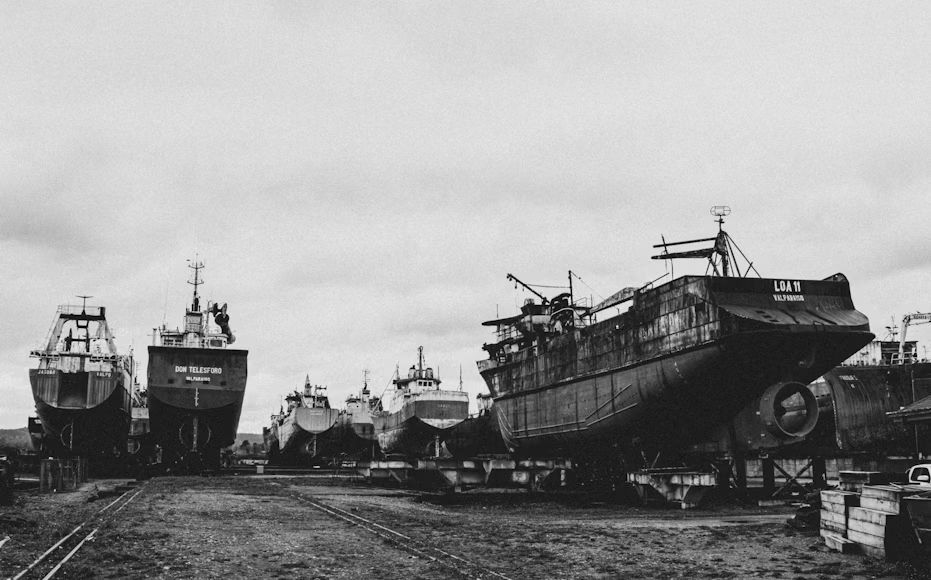
Image: Jaime Labra

Back in 1912, the Titanic cost $7.5 million to build, and if you're wondering what that’d be today, it’d be over $400 million. That’s more than some sports stadiums! It took nearly three years to complete and was one of the most extravagant ships ever made.

2
Yes, there were dogs

Image: Yuki Dog

As it turns out, the Titanic wasn’t just for people. At least 12 dogs came along for the ride , lounging in a special first-class kennel. There was even a dog show scheduled for the morning of April 15. Sadly, only three tiny dogs survived, all small enough to sneak onto lifeboats tucked in coats or handbags.

3
The band really did play on

Image: Parizan Studio

Wallace Hartley, the bandleader, went down in history, and with his violin! His group kept playing as chaos unfolded around them, trying to calm passengers with music, just like the movie portrays. He didn’t make it, but his violin was found intact and later sold at an auction for $1.7 million!

4
A pocket watch frozen in time

Image: Otto Hyytiälä

The violin was not the only treasure found. Sidney Sedunary was a young steward whose pocket watch stopped ticking at exactly 1:50 a.m. , just before the ship went under. He was last seen handing out lifejackets to third-class passengers. That same watch, rusted but intact, still tells his story.

5
A survivor with frostbitten legs and Olympic dreams

Image: Shep McAllister

Richard Norris Williams spent six hours in icy water, and doctors on the rescue ship wanted to amputate his legs. He refused . And you may think he was crazy to do so, but thank God he did! He went on to win a Wimbledon title and an Olympic gold medal. How crazy is that?

6
Finding the Titanic by accident
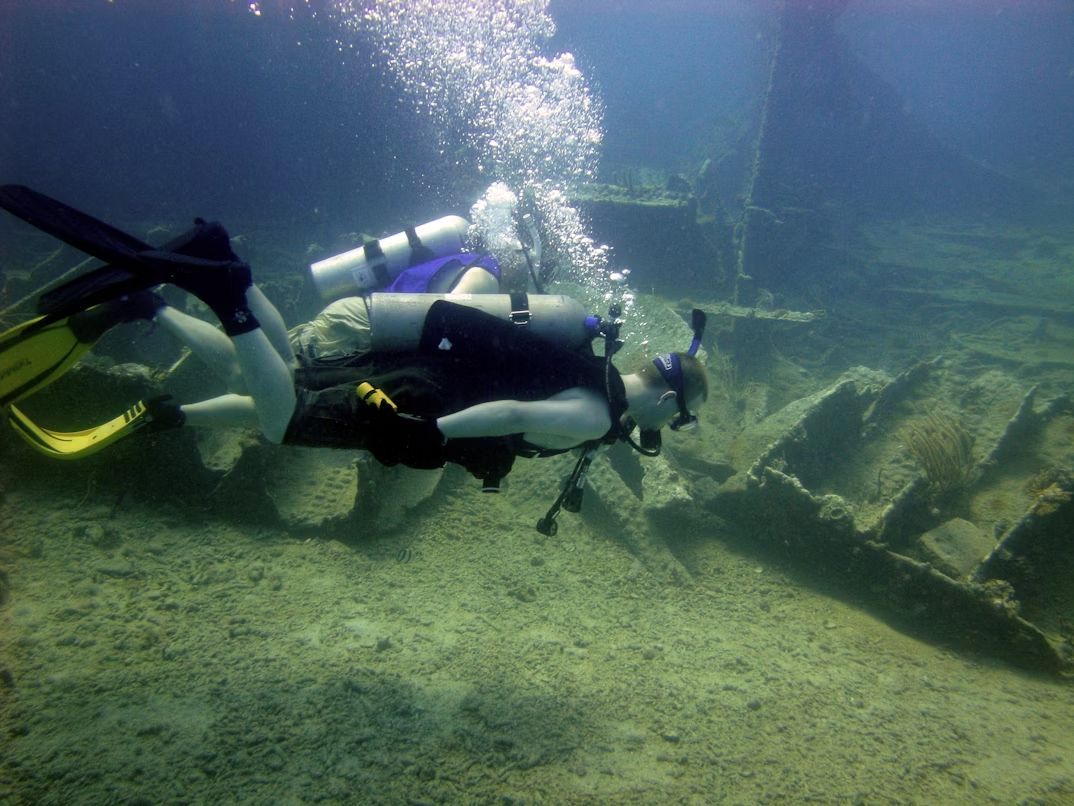
Image: Karl Callwood

In 1985, oceanographer Robert Ballard found the Titanic wreck. But that was just an accident ; he was actually sent by the Navy to look for two lost nuclear submarines and used the Titanic as a cover story.

7
Dishes still stacked neatly on the ocean floor

Image: Jannet Serhan

When explorers visited the Titanic wreck in 1986, they found plates still stacked like someone had just finished doing the dishes. Turns out, the wooden cabinet they were in rotted away , leaving the china perfectly arranged on the sea floor. It’s as eerie as fascinating, considering the many years that passed.

8
The ship is rusting away
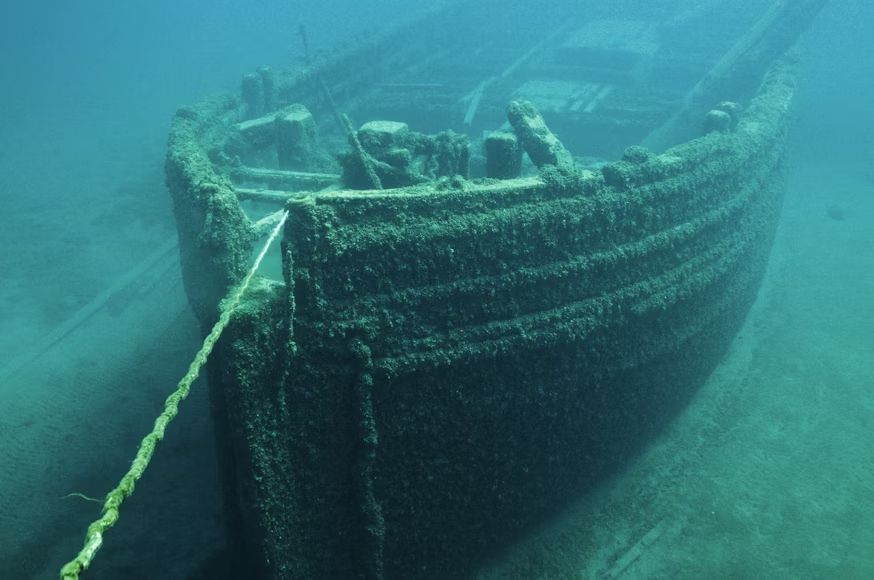
Image: NOAA

And speaking of the amount of time the Titanic has been underwater, we have to say that nature is reclaiming the Titanic bit by bit. A newly discovered bacterium is literally eating the ship. Scientists estimate it could disappear completely in 20 to 30 years. The latest expeditions have already shown evidence that pieces that were previously there are gone. So… the clock's ticking.

9
No photos of the grand staircase?
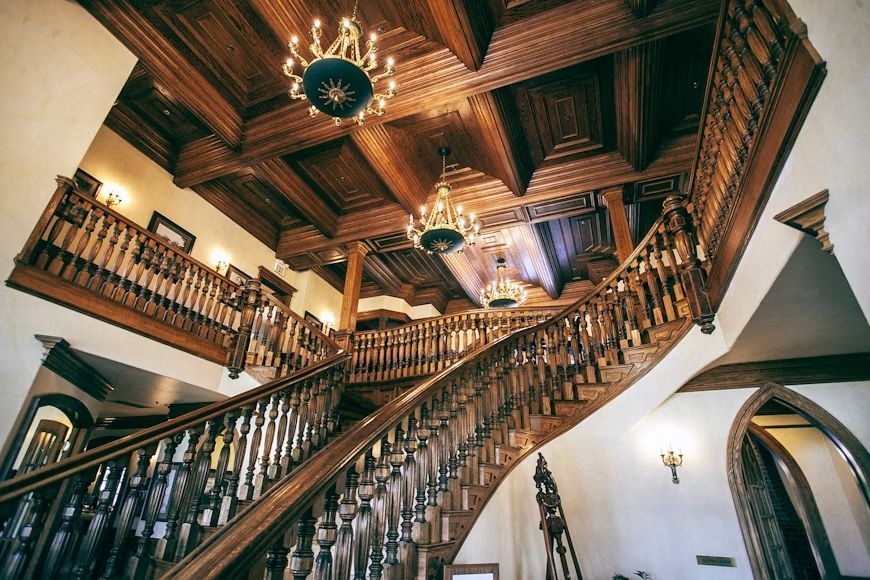
Image: Maria Orlova

You’ve probably seen images of the Titanic’s beautiful grand staircase. We’re sorry to disappoint, but they’re not of the Titanic . They’re from her sister ship, the Olympic. No one thought to take a picture of the real deal before the maiden voyage. And they definitely didn’t think of doing it while it happened!

10
Milton Hershey almost boarded

Image: Janne Simoes

If the name rings a bell, that’s because it’s the same Hershey from the chocolate you love. The man behind Hershey’s chocolate bars almost booked a room on the Titanic . He even wrote a $300 deposit check (big money back then!). But business delayed him, and he skipped the trip. Who do we thank for that?

11
The baker who survived two hours in icy water

Image: Maxim Hopman

Here’s a fascinating fact: Charles Joughin, the Titanic’s chief baker, survived one of the worst parts of the sinking: the freezing Atlantic water. He was reportedly treading water for two hours before rescue. Wanna know how he made it? He had been sipping whiskey to face his fate, and the alcohol in his blood kept him warm enough to survive.

12
The last lunch menu went for a tasty sum

Image: Zoshua Colah

In 2015, a copy of Titanic’s last first-class lunch menu sold for $88,000 . That’s one pricey memento. The menu included grilled mutton chops, chicken à la Maryland, and corned ox tongue. Safe to say lunch on the Titanic wasn’t your average sandwich and chips.
Geography Geography 6 min read

BREATHTAKING PLACES TO VISIT

The 10 Most Amazing Unesco World Heritage Sites In The US

Image: Gert Boers

The United States is home to 24 of the 1121 Unesco World Heritage Sites around the world. These special spots are designated for their universal value in terms of natural or cultural heritage and are as unique and diverse as the pyramids of Egypt, the Serengeti in East Africa, and the Grand Canyon in the U.S.

Have you ever been to a World Heritage site? In this article, we have compiled a list of 10 of the most extraordinary locations our country has to offer . Go grab your travel bucket list and start reading!

1
Yellowstone National Park

Image: Meina Yin

Yellowstone National Park, created in 1872, is a vast natural forest of 3,500 square miles that spans the states of Wyoming, Montana, and Idaho. More than half of the world's geothermal phenomena can be observed here , with some 10,000 different examples. It also has more than 300 geysers, which is about two-thirds of all the geysers on the planet.

This location, the first national park in the United States, has been a World Heritage Site since 1978. It is also known for protecting abundant and diverse wildlife —such as grizzly bears, wolves, bison, and wapiti— and for drawing millions of visitors from all over the world each year. And you, have you ever been?

2
Independence Hall

Image: Rdsmith4, CC BY-SA 2.5, via Wikimedia Commons

The Independence Hall, located in historic Philadelphia, was designated a World Heritage Site in 1979. This location, far more than just a building, is considered the birthplace of America’s political foundation . The Assembly Room of the Pennsylvania State House, now known as Independence Hall, is where the Declaration of Independence was signed in 1776. And just 11 years later, the United States Constitution was also debated and signed here.

This Georgian-style red brick structure was designed by Scottish lawyer Andrew Hamilton and completed in 1753 to house the colonial assembly of the Province of Pennsylvania. In the 19th and 20th centuries, it was then renovated several times. In 1966, the building was recognized as a National Historic Landmark by the U.S. government and is currently the centerpiece of the Independence National Historical Park.

3
Statue of Liberty

Image: Anthony DELANOIX

Installed in 1886 at the gate of New York’s harbor, the Statue of Liberty has since welcomed millions of immigrants who have come to populate the United States. This colossal neoclassical 305-foot-tall effigy enlightening the world with its torch was made in Paris by the sculptor Frédéric Auguste Bartholdi in collaboration with Gustave Eiffel. It was a gift from France to our country on the occasion of the centenary of our independence.

To visit this historic monument, declared a UNESCO World Heritage Site in 1984, tickets must be purchased in advance. Or you can always ride the fare-free Staten Island ferry and admire it from afar in all its splendor!

4
Mesa Verde National Park

Image: Alec Krum

Located in the southwest of Colorado, the Mesa Verde Plateau reaches an altitude of over 8,500 feet. The National Park was established in 1906 and was added to the list of American World Heritage Sites in 1978. This location hosts a large number of Pueblo Indian dwellings built between the 6th and 12th centuries. Some 4,400 settlements have been found , including villages built high up on the plateau and imposing stone-built homes on rocky outcrops, with more than a hundred rooms in some cases.

The Mesa Verde National Park, which nowadays protects these invaluable archaeological sites, is a testament to the ancient cultural traditions of Native American tribes and is among the best preserved in the United States. If you haven’t visited yet, you must! We guarantee you a spectacular window into the past!

5
Hawaii Volcanoes National Park

Image: Zongnan Bao

Hawaii Volcanoes National Park is located on the southernmost Hawaiian island and was founded in 1916. It is best known for its extraordinary biodiversity spread over more than 340,000 acres, and it is in fact thanks to this natural richness that UNESCO declared it a World Heritage Site in 1987.

The park, as you would have guessed, is home to several volcanoes . Although many of them are currently inactive, two are very much alive: Mauna Loa , which last erupted in 1984, is known to be still active and is considered the world's greatest volcanic mass; Kīlauea is more than 200,000 years old and has been erupting since 1983, the most recent occurring on June 3, 2024.

If you are considering visiting the park, exploring the volcanoes, and enjoying a unique experience, we also recommend a museum tour , where you can learn all about the history of these fascinating fiery peaks.

6
Monticello and the University of Virginia

Image: Richard Hedrick

The Monticello Residence in Virginia, designed by Thomas Jefferson, the third president of the United States, is one of the finest examples of American neoclassical architecture . Since 1987, it has been on the UNESCO World Heritage List, along with the University of Virginia in Charlottesville.

Jefferson created Monticello as his plantation mansion and envisioned the university as the ideal ‘academic village’ . His vision of architecture, based on classical antiquity, reflects not only his aspirations for a new American republic heir to the European tradition but also the degree of cultural experimentation that could be expected of a country in the process of democratic evolution.

7
Papahānaumokuākea

Image: U.S. Fish & Wildlife Service - Pacific Region's, CC BY 2.0, via Wikimedia Commons

Papahānaumokuākea, made up of a series of 583,000 square miles of small islands, atolls, and surrounding marine wilderness, is located in northwest Hawaii. This particular location has enormous natural value as one of the largest marine protected areas in the world . It is equally important for its Native culture. Two of its islands, Nihoa and Makumanamana , bear archaeological remains that attest to the presence of human settlement even before the arrival of Europeans . For Hawaiians, this site has cosmological significance , as it represents the bond between humans and nature.

Papahānaumokuākea was designated a World Heritage Site in 2010, and although it’s not currently open to the general public, it continues to be accessible for research, habitat restoration, and cultural and educational purposes.

8
Grand Canyon National Park

Image: Isadora Neto

Grand Canyon National Park is known as one of the seven natural wonders of the world and has been a UNESCO World Heritage Site since 1979.

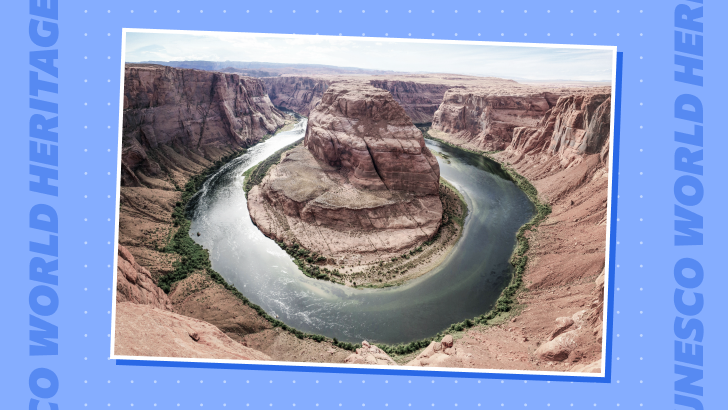
Located in the state of Arizona, this park is divided by a gigantic steep-sided canyon carved by the Colorado River, which, at more than 6,000 feet deep, is the most spectacular gorge in the world . This site is so relevant that all the geological history of the last two billion years can be found in its horizontal strata. And across its 277 miles, there are even traces of prehistoric man's efforts to adapt to a particularly inhospitable environment .

If you haven’t visited it yet, you should soon join the more than 5 million people traveling each year!

9
San Antonio Missions

Image: USA-Reiseblogger

This 2015 World Heritage Site, built on what was once the border of New Spain along the San Antonio River, constitutes five mission complexes that reflect the history of the region.

Founded by Franciscan missionaries in the 18th century, San Antonio includes architectural structures, archaeological remains, churches, dwellings, farmland, silos and water supply systems .

This site, located in Texas, is a living testament to the Hispanic monarchy's enterprise to colonize, evangelize, and defend the northern frontier territories of New Spain. These missions are also an example of the mixture of Hispanic and Coahuila culture , as can be seen in the ornamental elements of the churches that mix Catholic symbolism with native naturalist aesthetics.

10
The 20th-Century Architecture of Frank Lloyd Wright

Image: Yuhan Du

This series of eight Frank Lloyd Wright works recognizes the famous architect's influence on modern design . The most relevant buildings included in the 2019 Unesco designation are Fallingwater House in Mill Run, Pennsylvania; Unity Temple Church in Oak Park, Illinois; Herbert and Katherine Jacobs House in Madison, Wisconsin; and the Solomon R. Guggenheim Museum of Art in New York City, among others.

These sites are a great example of the ‘organic architecture’ conceived by Wright, characterized by open plan design, the blurring of the boundaries between inside and outside, and the highly original use of materials such as steel and concrete . Wright's innovative conception of architecture, whether in residential, work, cultural, or religious buildings, greatly influenced the evolution of modern architecture in Europe and the United States and is still a point of reference for designers today.

History History 5 min read

Would you survive these situations?

Many people don’t believe these 10 real survival stories. Do you?

Image: Yaroslava Borz

True survival tales make for the best motivational stories. Realizing the kind of challenges that a human being can withstand while continuing to persevere is both captivating and inspiring. The women, children, and men we are about to mention managed to pull off incredible feats and save their lives under terrible circumstances. Do you think you have what is necessary to survive in these situations?

1
Skydiving accident survivor

Image: Eun-Kwang Bae

Jordan Hatmaker was not an expert, but she had done enough skydiving jumps to recognize when something was wrong. On November 14, 2021, she jumped from a height of 4,100 meters and deployed her parachute. But a series of unfortunate malfunctions led to the chutes opening at the very last moment—and in a disastrous way—causing her to crash land.

Although Jordan survived, she suffered a spinal injury, broke her shin, completely shattered her ankle, and was paralyzed from the waist down. The doctors couldn’t tell if she would ever walk again. Yet, just three months after the accident, she defied expectations and began walking. Since then, she’s even climbed Mount Everest base camp.

2
Survived being frozen for 6 hours

Image: Jared Erondu

Imagine being frozen solid for a full six hours. Almost anybody who has been in a similar situation, even for a much shorter time, has experienced serious consequences or even death. But not Jean Hilliard, who slipped in the ice in the harsh Minnesota winter, knocked herself unconscious and remained frozen for six hours until a friend discovered her.

After her friend took her to the hospital, doctors had trouble inserting an IV cannula because her arm was frozen solid. But, after thawing her with heat pads, Jean came back to life and her body returned to its normal state. Her extremities took a bit longer to come around; her toes, especially, were numb for some time. Remarkably, Jean recovered quickly and has experienced no lasting physical effects from that fateful December night frozen in the ice.

3
Survived a self-amputation

Image: Justin Luebke

If you have seen the film 127 Hours then you’ll recognize this story: Aron Ralston was hiking in a remote Utah canyon when a boulder fell, trapping his arm . With no one around to hear his cries for help and his water supply dwindling, Aron made the excruciating decision to sever his arm below the elbow using a dull multitool.

After freeing himself, Ralston rappelled down a 65-foot cliff and hiked several miles through the rugged terrain before being discovered by a search and rescue helicopter.

4
Military jet crash survivor

Image: Albert Stoynov

David Steeves, a U.S. Air Force lieutenant, was ordered to fly a Lockheed T-33A trainer jet from an Air Force base near San Francisco to Craig Air Force Base near Selma, Alabama, on May 9, 1957. Shortly after takeoff, Steeves and the jet disappeared without a trace, and he was declared dead after an extensive search yielded no results. After the incident, during the height of the Cold War, Steeves faced unfounded accusations of defecting and giving the trainer jet to the USSR.

However, Steeves appeared out of the Sierra Nevada the following July. He claimed that after an explosion in the jet, he had ejected and parachuted to safety. For two weeks, he survived without food until he discovered a ranger’s cabin in Kings Canyon National Park, where he found fishhooks, beans, and a canned ham to sustain himself.

5
Rode off a cliff in her vehicle

Image: Fabian Quintero

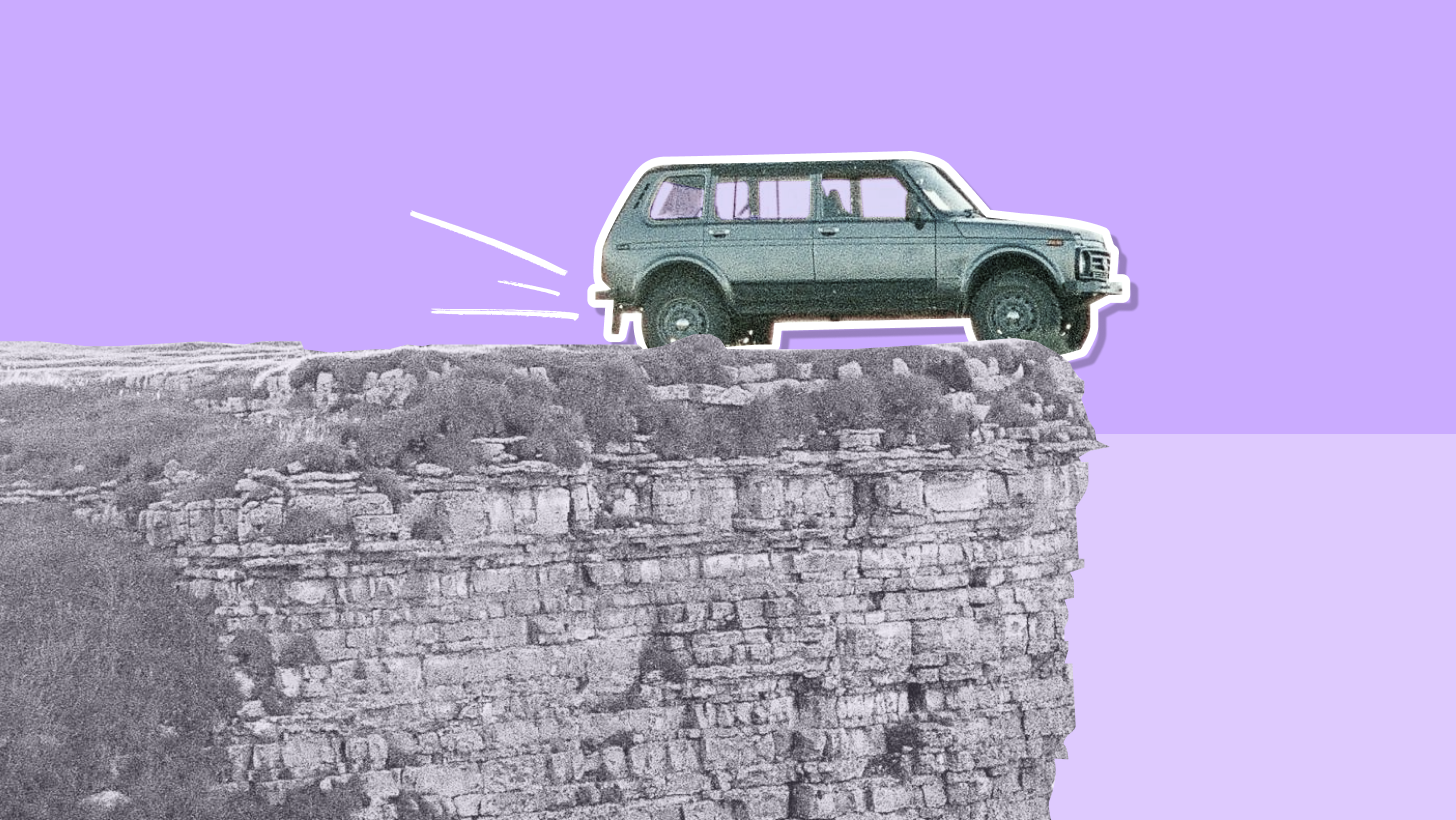
In a scene straight out of a movie, Angela Hernandez swerved to avoid hitting a small animal on the road and accidentally drove her SUV off a cliff. Her vehicle tumbled about 200 feet to a desolate, rocky beach.

Despite suffering a brain hemorrhage, fractured ribs, a broken collarbone, ruptured blood vessels in both eyes, and a collapsed lung, Hernandez managed to pull herself out of the sinking car. She walked for days until hikers stumbled across her wrecked Jeep and scoured the beach. Eventually, they found Hernandez crumpled up, sleeping on some rocks. After surviving seven harrowing days, she was finally rescued.

6
Three-year-old survives 2 days in the wilderness

Image: Jeremy McKnight

Three-year-old Ryker Webb was playing with his dog when he decided to take a walk on his own and wandered off. After his disappearance, a massive search was launched, and for two days the search team made no progress. Then, a family visiting their remote cabin in the middle of the wilderness heard the faint cries of a little boy coming from behind a shed.

Ryker was found tucked into a lawnmower bag. He was dressed in a light blue onesie that had been covered in dirt. After they called the police, the family was shocked to learn about the massive search that had been going on. The little boy survived two days in Montana wilderness, in near-freezing temperatures in an area, that according to locals, is heavily populated with bears and mountain lions.

7
Saved his family from a plane crash

Image: Gianluca Bei

Saving oneself from a plane crash is an extraordinary feat in itself. But saving an entire family as well is exponentially harder. On August 13, 2011, Donald Evans and his family were flying to their new home in Anvik, Alaska, aboard a Cessna plane when tragedy struck. The plane crashed into the mountains, killing the pilot and another passenger, and leaving Donald and his family— including his pregnant wife—badly injured .

Despite his own injuries, Donald managed to keep his family alive until the National Guard arrived by helicopter to rescue them. Amazingly, every member of the family survived, including their unborn daughter.

8
Quicksand survivor

Image: Sumner Mahaffey

Quicksand is a threat much more present in child stories than in real life but it does exist, as Ryan Osmun discovered in the worst possible way. While hiking in Utah’s Zion National Park he and his girlfriend tried to cross an innocent-looking pond that turned out to be quicksand.

After managing to save his girlfriend, Ryan sank into the sandy bottom to no avail. He had to wait for long hours until help arrived at the scene, just in time to save his life with a pulley system to yank him out of the ordeal.

9
Surviving the Desert

Image: Max Templeton

At 72 years old, Ann Rodgers spent nine days lost in the Arizona desert keeping herself alive thanks to skills acquired at a survival course and her own knowledge of nature. After getting lost on a distant dirt road and running out of gas, she left her car and started wandering the desert.

Had she stayed in her car, police would have found her 3 days later. Despite this misstep, Ann managed to survive. After 9 days, a helicopter found her thanks to a large "HELP" sign she had crafted out of rocks and took her to the hospital, where she made a full recovery.

10
Lost in the woods with poor eyesight

Image: Jeremy Bishop

Being lost in the woods is a bad thing as it is. But being lost in the woods with very bad eyesight and no glasses is much worse. This is exactly what happened to Marcus Mazzaferri at Yosemite National Park when he tried to traverse a river by foot, slipped on a rock, and was pulled by the rapids.

Marcus was able to reach a river bank and wandered through the woods, challenged by cold and darkness, without his much-needed glasses. He hiked using deer tracks, which he was barely able to see, as his only guide. Eventually, he was able to contact a plow crew near the river and was saved.

Explore more American facts

Choose your favorite category!

General
General

As American as apple pie—the very best America has to offer!

Culture
Culture

Delve into the astounding richness of American lore.

Geography
Geography

Hop in and explore vast and diverse American landscapes.

History
History

Discover the key moments that shaped the United States.