General General 4 min read

GET A REFILL FOR YOUR COFFEE MUG AND READ ON

Top 10 Diner Staples Everyone Should Try A Least Once

Image: Chad Montano

Diner restaurants are so ingrained into American culture that each year, thousands of foreign tourists pass through their doors for a bite and a taste of what is perceived, all over the world, as a classic moment of American life . Their plastic-laminated menus offer a distinct array of dishes, ranging from site-specific treats to the most traditional food items that no respectable diner can go without. From cheeseburgers to waffles , we have selected 10 of these culinary monuments for your perusal. Which of these are your favorites?

1
Bacon Cheeseburger

Image: Erik Odiin

Let us begin with the most obvious and ubiquitous diner staple of all time: the bacon cheeseburger . This decadent concoction of ground beef, buns, melted cheddar, bacon, and a few more ingredients has graced the menus of diners forever.

While most are meant to be eaten as a sandwich, more than a few places offer monstrous creations that have to be opened and eaten in pieces or with a knife and fork, as the sheer size of the hamburger cannot fit in an open mouth.

2
Club Sandwich

Image: Suea Sivilaisith

Another menu classic, the club sandwich consists of three superimposed slices of toast with two fillings, cut into triangular quarters that point upward like they're reaching for the heavens. Fresh turkey breast and bacon are the standard ingredients, but some diners have come to specialize in clubs and their variations.

Supposedly, the sandwich was invented in Saratoga Springs, New York, at the racetrack clubhouse in 1894, hence its name.

3
Hash browns

Image: Uwe Conrad

An iconic breakfast side, hash browns are an omnipresent add-on to scrambled eggs, bacon strips, and many more classic dishes. They consist of finely julienned potatoes that have been fried until golden browned.

No matter which diner you visit to get breakfast, you’ll more than likely find these crispy potato strings on the menu, as they are appreciated for their simplicity, versatility, and satisfying crunch.

4
Eggs Benedict

Image: bady abbas

A breakfast or brunch dish with a funny name, Eggs Benedict consists of two halves of an English muffin, each topped with Canadian bacon, a poached egg, and hollandaise sauce.

While it was popularized in New York City, it is generally believed to have been created in New York City in the late 19th century, this dish can be found all over the country and is a menu staple in diners everywhere.

5
Biscuits and gravy

Image: John Cameron

A hearty breakfast ideal for chilly Midwest mornings and a cowboy diet staple, biscuits and gravy are made with warm, soft dough biscuits, covered in white gravy made from the drippings of cooked pork sausage, flour, milk, and often bits of sausage, bacon, ground beef, or other meat.

Most classic diners worth their salt will offer some variation of this delicious dish.

6
Tuna Melt

Image: Youjeen Cho

Even though the title of this diner favorite suggests it, nobody has ever melted a fish yet. The "melt" part of a tuna melt is achieved by a substance that is much more capable of reaching that state: cheese.

Supposedly, this delicious sandwich was invented when a lunch counter cook accidentally tipped a bowl of tuna salad onto a piece of toasted cheese already frying on the flat top. The result proved quite tasty, and thus, the dish was born. Whether one decides to believe it or not, tuna melt makes for a great diner menu item.

7
Meatloaf

Image: Verena Böttcher

A close cousin to the traditional diner hamburger, the meatloaf also has German origins. However, instead of the pork and veal meat that must be used in its homeland, the American meatloaf is done with ground beef. Its distinctive flavor comes from masses of onions that meld with the beef fat, and the flavor mellows as the meatloaf bakes.

The resulting dish is smothered in gravy, and presented with lots of mashed potatoes, fresh vegetables, and extra gravy on the side.

8
Pancakes

Image: nikldn

Passing on now to the desserts, we encounter a champion of American breakfasts and a menu item that no respectable diner should be without: the almighty pancake .

Whether it comes with fruit, chocolate chips, or more, this comfort food is covered with a generous amount of syrup to help lubricate and ease the journey from mouth to stomach with every bite.

9
Pie a La Mode

Image: Element5 Digital

French speakers might ask: "To Which Mode?" to which the answer would be: ice cream! Pie à la Mode is, simply put, a slice of -usually- apple pie with ice cream on top.

This sweet treat can be found in refrigerated glass display cases showcased in diners since refrigeration was invented. And there is a great reason for that, as the resulting mix of the crunchy base, the sweet apple, and the ice cream make for an amazing dessert.

10
Waffles

Image: Mae Mu

Sure, waffles can be thrown into a toaster right out of the box, in the comfort of your own home. But that is no match for a diner-style freshly made waffle (that is, if the diner is any good).

Waffles are a breakfast staple, readily available at your local eateries. There are few things better than biting into a waffle and being met with a pocket of melted butter and warm syrup.
History History 6 min read

Saddle up, partner

Mamas, don’t let your babies grow up to be cowboys — 11 reasons why

Image: Jordan Crawford

"Oh, give me a home where the buffalo roam,

Where the deer and antelope play,

Where never is heard a discouraging word

And the sky is not clouded all day."

Home on the range - Traditional

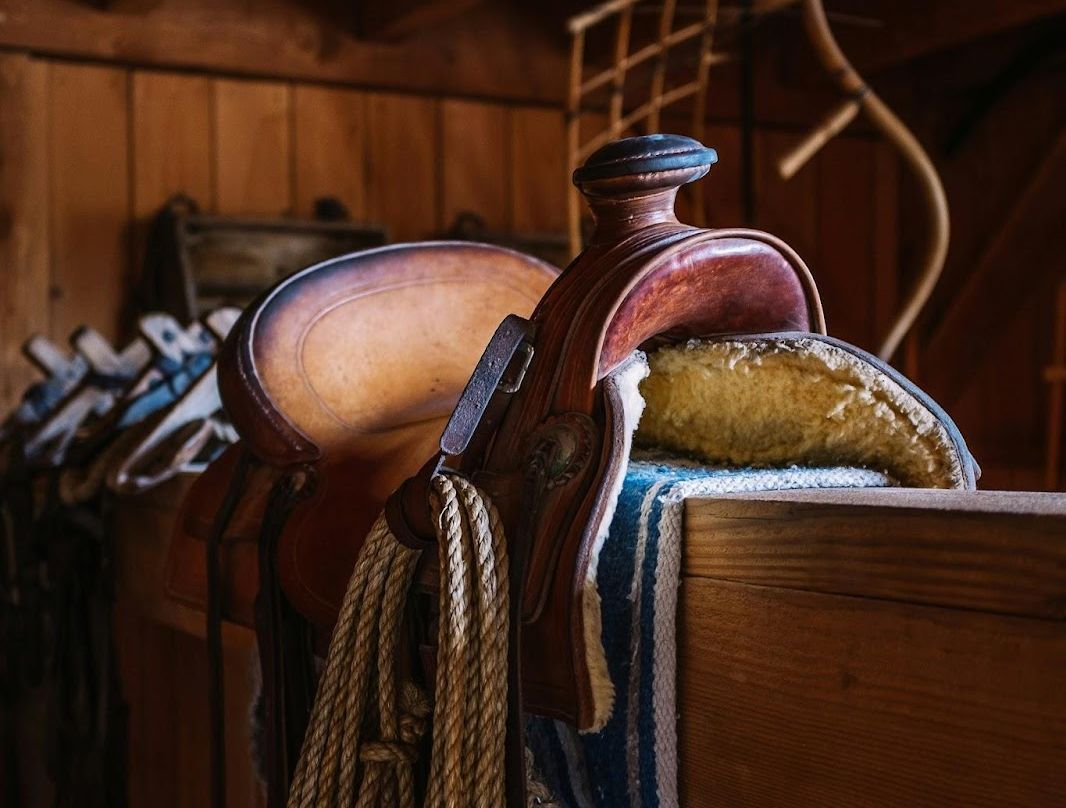
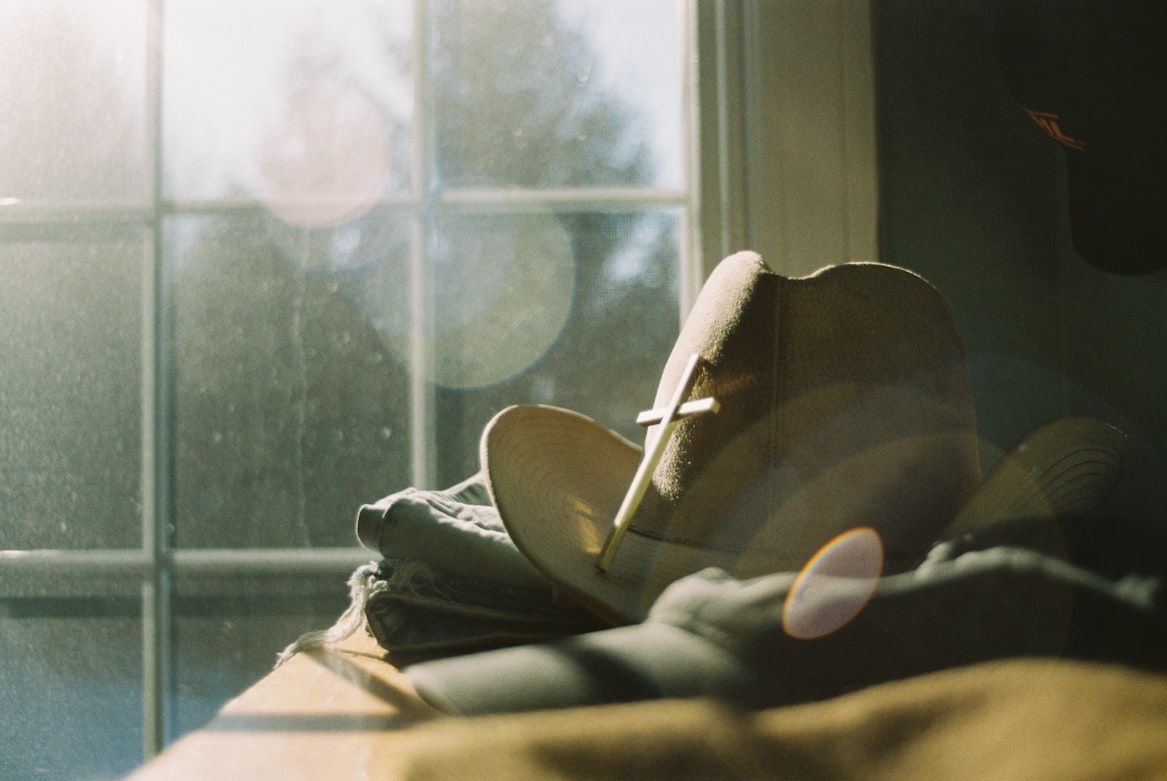
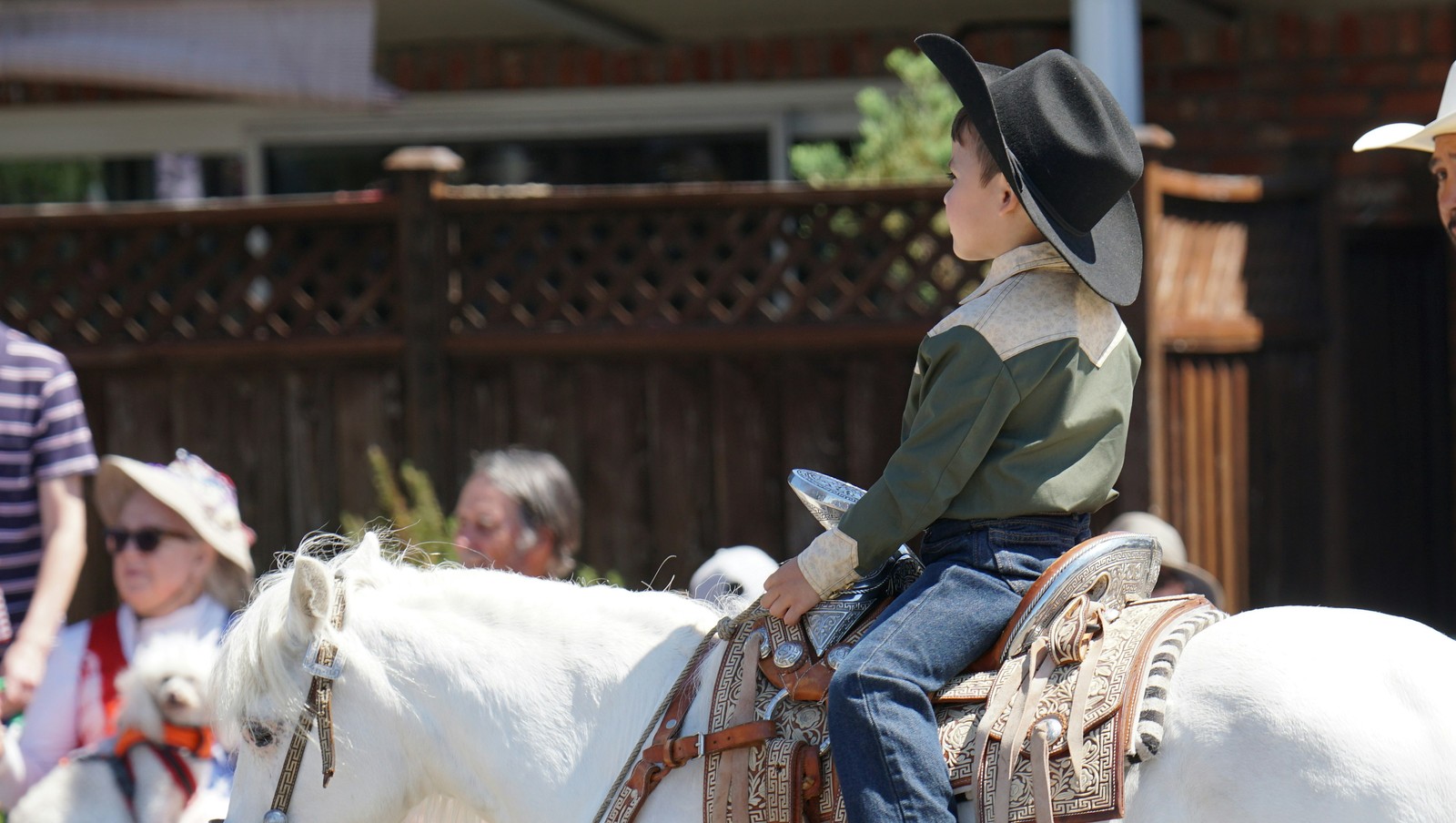
If you grew up **dreaming of "being a cowboy and loving the cowboy ways"**—just like the great Willie Nelson sang—maybe that’s the life for you! But not everything is rosy in a cowboy’s life. Behind the romanticized image of wide-open ranges and carefree cattle drives lies one of the toughest jobs ever known. From brutal weather to dangerous animals—and lawless characters of all kinds —those who took this path had their strength, endurance, and grit tested daily. Here are 11 facts that reveal just how grueling life was for these iconic figures of America’s West.

1
Relentless weather

Image: Donnie Rosie

"There's a blizzard coming on, how I'm wishing I was home

For my pony's lame, and he can't hardly stand.

Listen to that norther sigh, if we don't get home we'll die.

But it's only seven miles to Mary Ann's"

The Blizzard - Jim Reeves

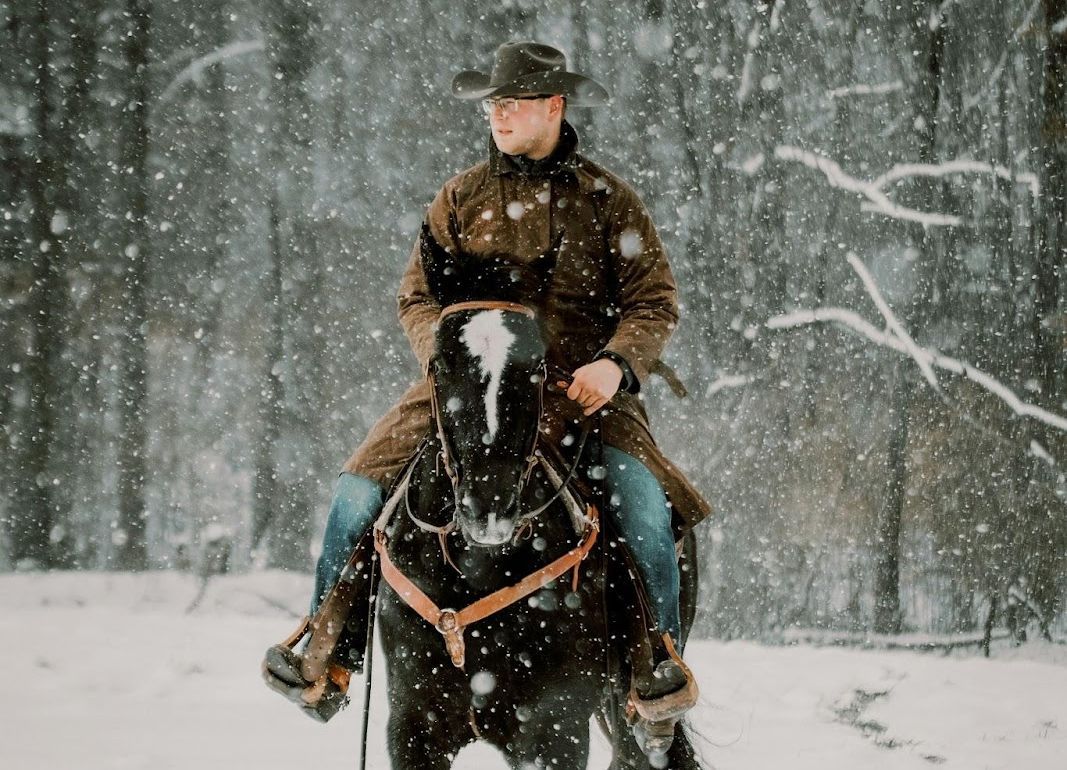
Across the plains from Texas to Montana, cowboys faced everything nature could throw at them —from scorching sun to freezing snowstorms and deadly tornadoes. The elements were a constant, unforgiving adversary in this rugged way of life.

Cowboys had to fear not only for their own lives but also for the lives of their cattle —and reining in a panicked herd during a lightning storm was certainly no walk in the park. Even today, with modern gear and technology, those who still drive cattle must rely on their instincts and skill to survive in the wilderness.

2
Dangerous animals

Image: Duncan Sanchez

"Lightning a flashin' everywhere

Thunder a rollin' through the air

Wind and rain, cattle look insane

This herd might stampede tonight"

Stampede - Sons of the Pioneers

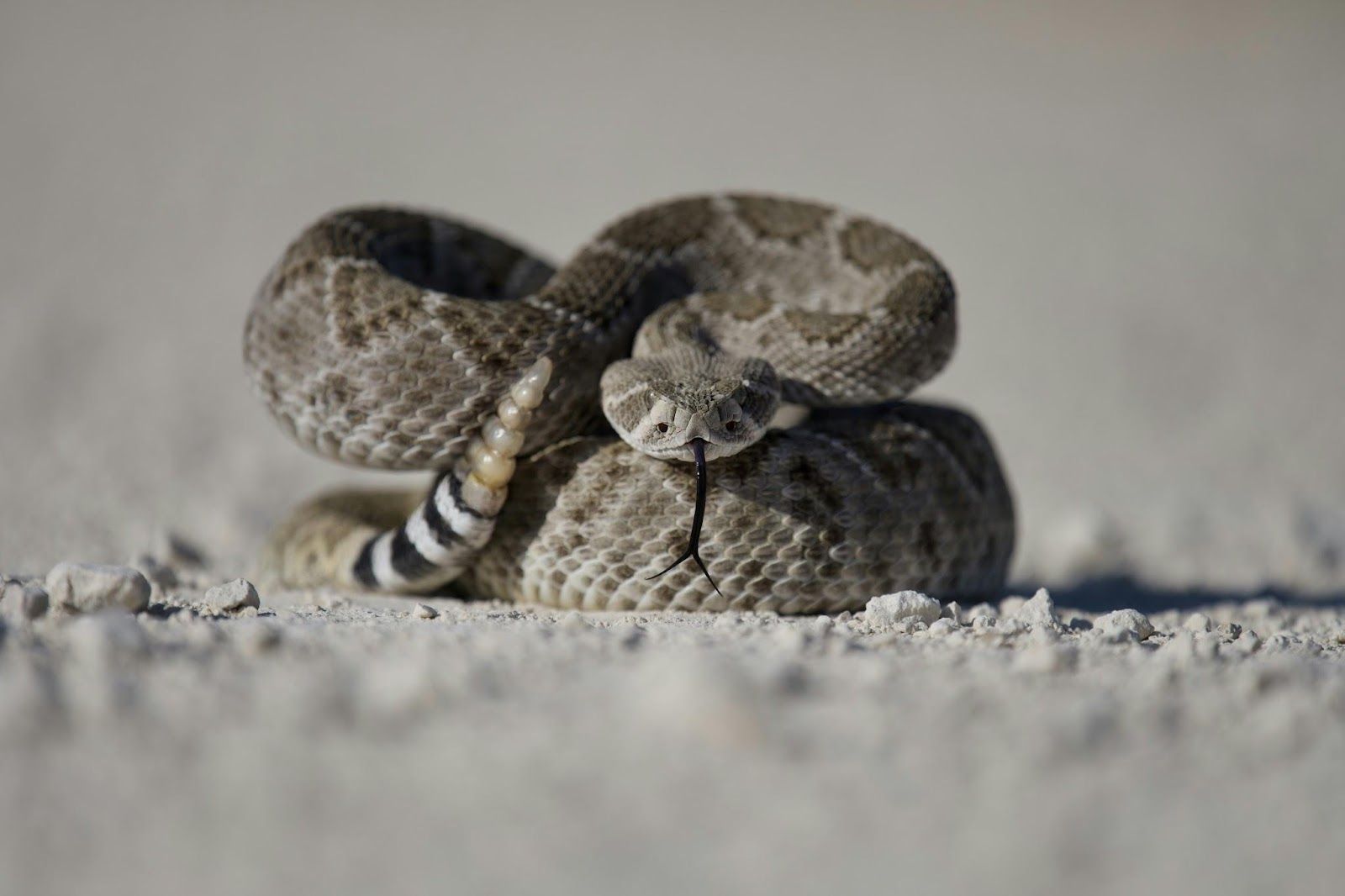
Just as the weather tested their endurance, managing both wild and domesticated animals was no easy task. From wild predators to angry bulls, nervous bucks, and rattlesnakes hiding in the tall grass, the cowboy’s world was full of lethal threats.

Stampedes could scatter thousands of cattle in seconds, leaving riders vulnerable to trampling or injury. Even on the relative safety of the ranch, one wrong move could quickly end in tragedy.

3
Limited medical care

Image: Mathieu Stern

"Far away from his New England,

'Neath the southern sultry skies,

On the banks of a little river

They lay him down to die"

The Dying Cowboy - Traditional

An inherently dangerous job, cowboy life inevitably meant that injury was part of the work. Falling from a horse or taking a kick could incapacitate a cowboy for days or weeks, and with no formal workers’ compensation, many had to keep working despite the pain.

Cuts, broken bones, and infections could quickly turn deadly without proper treatment. Many cowboys learned rudimentary medical skills themselves or relied on frontier doctors with minimal supplies. Even today, those working in remote areas are hours away from medical help.

4
Grueling work hours

Image: Bailey Alexander

"Oh say, little dogies, why don't you lay down? [...]

My horse is leg-weary and I'm awful tired

But if I let you get away, I'm sure to get fired

Bunch up, little dogies, bunch up"

Night Herding Song - Harry Stephens

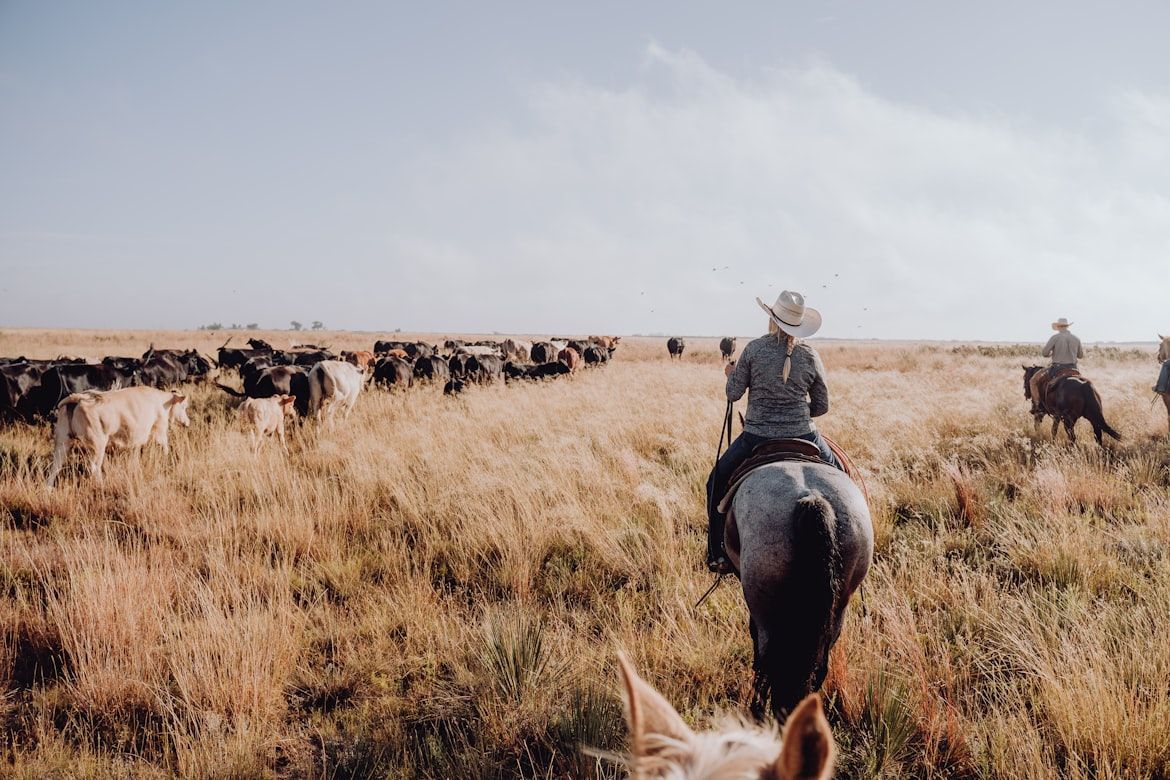
Cattle drives demanded 14 to 18-hour days with barely any rest. Cowboys often worked dawn till dusk, and sometimes even through the night.

The long days involved walking alongside thousands of cattle, breaking trail, and maintaining herd order. Sleep was often just a few hours, squeezed in wherever possible on the open range or near a campfire.

5
Horseback riding

Image: Jon Sailer

"He started his long ride in Prescott

The sun was a hundred or more

On down he rode at full gallop

Into the flat desert floor"

Ride, Cowboy, Ride - Marty Robbins

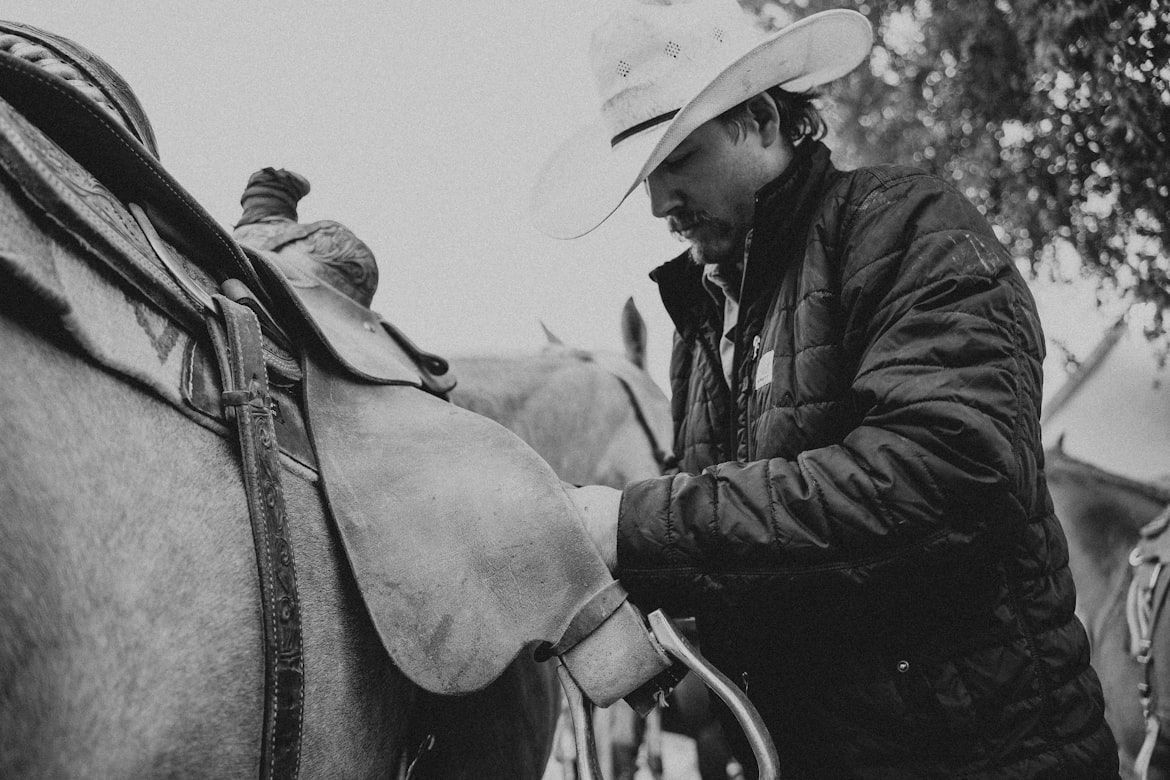
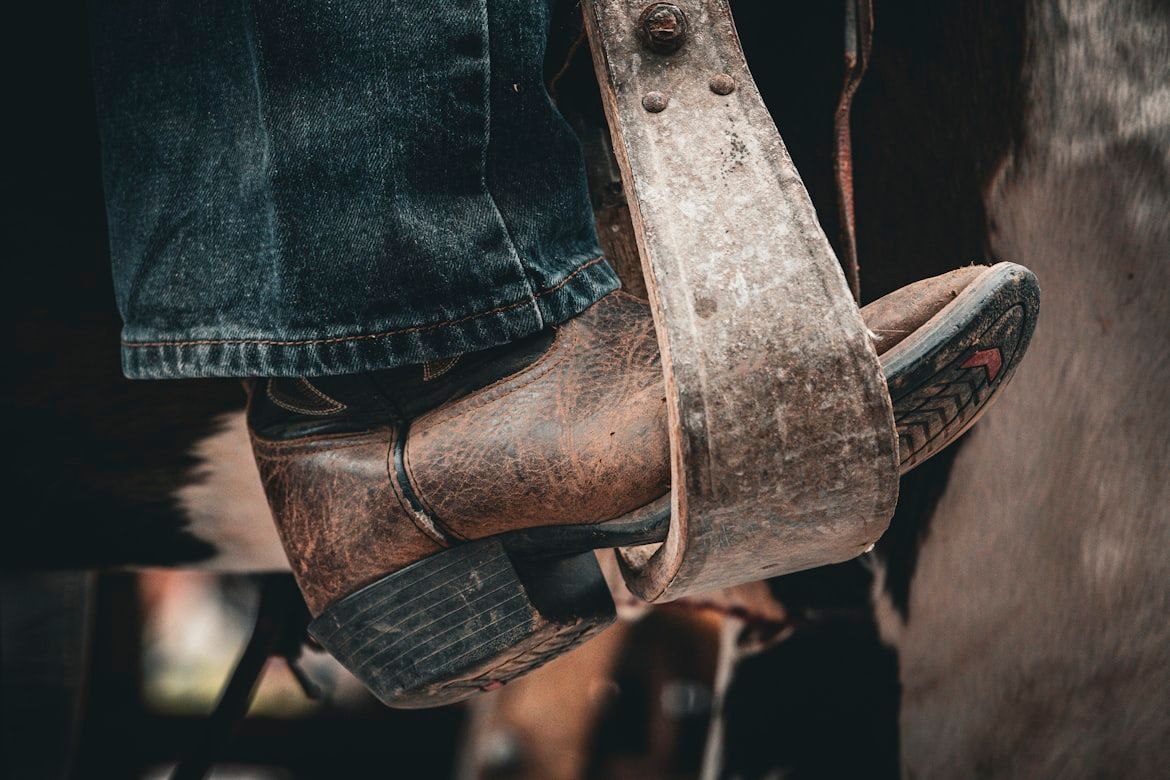
That brings us to the next point… all of that had to be done on horseback, and let me tell you, riding a horse for hours on end is much harder than it looks! Expert riders may make it seem effortless, but it’s far from easy.

Cowboys needed strong legs, resilient backs, and excellent balance. Horses could become tired or lame, but the cowboy had to press on regardless, often swapping mounts to keep the drive moving.

6
Limited food options

Image: Blake Carpenter

"Bacon and beans most every day

Soon to be eating that prairie hay"

Chisholm Trail - Traditional

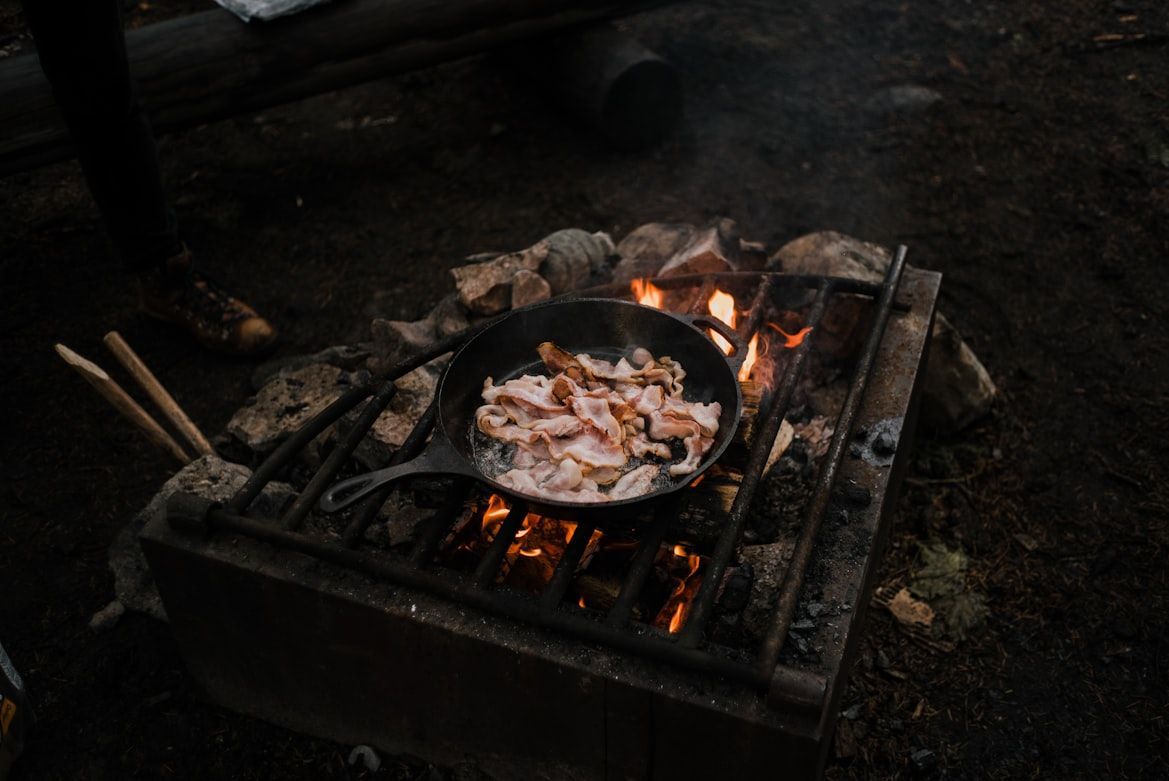
Meals were often sparse and repetitive, mostly beans, salted meat, and hardtack. Cooking was done over open fires, with limited tools, and fresh food was a luxury rarely available.

Preserving meat through salting or smoking was essential for long drives. Still, fresh produce was so scarce that vitamin deficiencies—and even scurvy—could develop in some cases.

7
Water scarcity

Image: Jonathan Greenaway

"All day I've faced a barren waste

Without the taste of water

Cool water

Old Dan and I with throats burned dry"

Cool Water - Bob Nolan

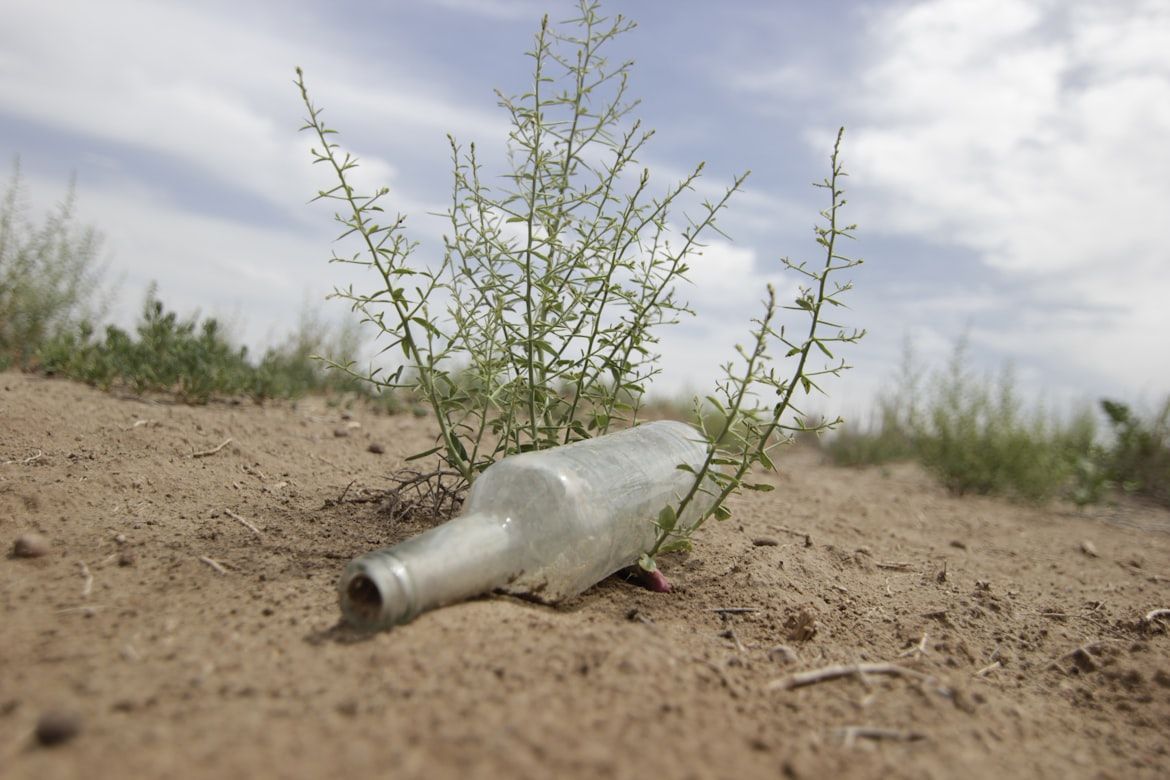
Particularly in the arid southern regions of the West, finding clean water was a daily struggle for both cowboys and cattle—a dry creek could mean the difference between reaching the next stop or falling behind entirely.

While most cowboys were savvy navigators of their regions and often knew where to find drinking water, water holes could still be miles apart, forcing long detours or risky stops. Drinking from stagnant sources carried serious risks, including dysentery, cholera, and other waterborne diseases that could quickly incapacitate both men and animals.

8
Long, dusty trails

Image: Bailey Alexander

"The blue skies have failed so we're on our last trail

Underneath these dusty skies

These ain't tears in my eyes

Just sand from these dusty skies"

Dusty Skies - Bob Wills

Cattle drives could stretch over 1,000 miles, with cowboys and their herds enduring endless dust and scorching heat along the trail.

Prolonged exposure to dust caused respiratory problems and irritated eyes, which is why many cowboys tried to limit their exposure using bandanas or makeshift rags to cover their faces. The same cloth also provided protection from the unforgiving sun and drying wind.

9
Lawlessness and violence

Image: Jon Sailer

"Texas Red had not cleared leather

When a bullet fairly ripped

And the ranger's aim was deadly,

with the big iron on his hip"

Big Iron - Marty Robbins

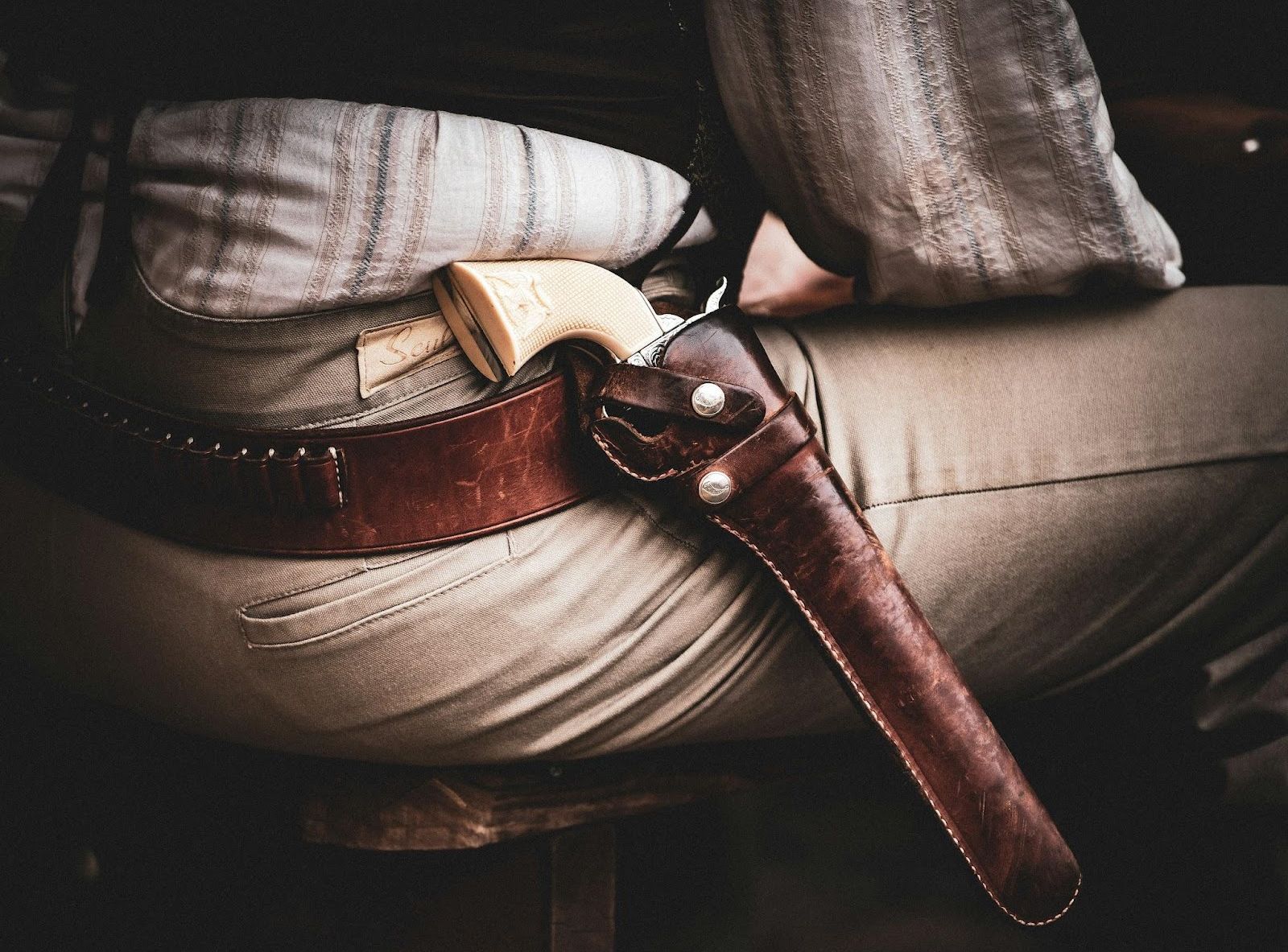
As beautiful and serene as the open range was, the West was also full of danger—outlaws, land disputes, and conflicts over cattle and water were common. Far from the comforts of civilization, the strong arm of the law was often hours or days away, making gunfights, rustling, and revenge killings part of everyday reality.

Cowboys frequently carried firearms for protection, relying on their own skills and the support of their fellow riders to maintain some measure of security on the frontier.

10
Working for dust and pennies

Image: Ashim D’Silva

"And I nearly starved to death, boys

He did mistreat me so

And I never saved a dollar

In the pay of Diamond Joe"

Diamond Joe - Traditional

Despite the danger and hard work, cowboys earned little—sometimes as low as $25 a month, and that was when the boss was being somewhat fair!

The job was seasonal and unstable, with no benefits or retirement plans, so many worked well into old age. Some took on multiple jobs or moved frequently just to get by. Far from lucrative, the cowboy lifestyle was often endured only by those who loved the work or had nowhere else to turn.

11
Isolation and loneliness

Image: Luke Schlanderer

"Cowboys are special with their own brand of misery

From bein' alone too long

You can die from the cold in the arms of a night, man

Knowin' well that your best days are gone"

My Heroes Have Always Been Cowboys - Willie Nelson

While the near-mythological image of the cowboy paints him as a lone, self-reliant hero, the reality is that cowboys depended heavily on one another. Even so, the work could be deeply isolating. Weeks could pass without seeing a town, friends, or family, as they roamed vast, empty landscapes.

This constant solitude often weighed on their mental health, but many fought the loneliness of the trail with campfire songs shared among fellow cowhands or by writing letters to their loved ones.

Geography Geography 6 min read

Lodgings that became landmarks

Ghosts, stars, and royalty: The most notorious hotels in the US

Image: Andreas Leindecker

If lobbies could speak, these 10 would tell countless stories. Of former presidents and political debates, legendary Hollywood icons, world-known scientists, terminally ill patients, and members of America’s wealthiest families. From the dazzling lights of Vegas to haunted halls in Eureka Springs, these notable hotels have evolved to be more than just places to stay: They are the setting of American legends that continue to receive guests even today. In this article, we explore some of the most notorious hotels in the U.S., which have housed luxury, scandal, and the supernatural.

1
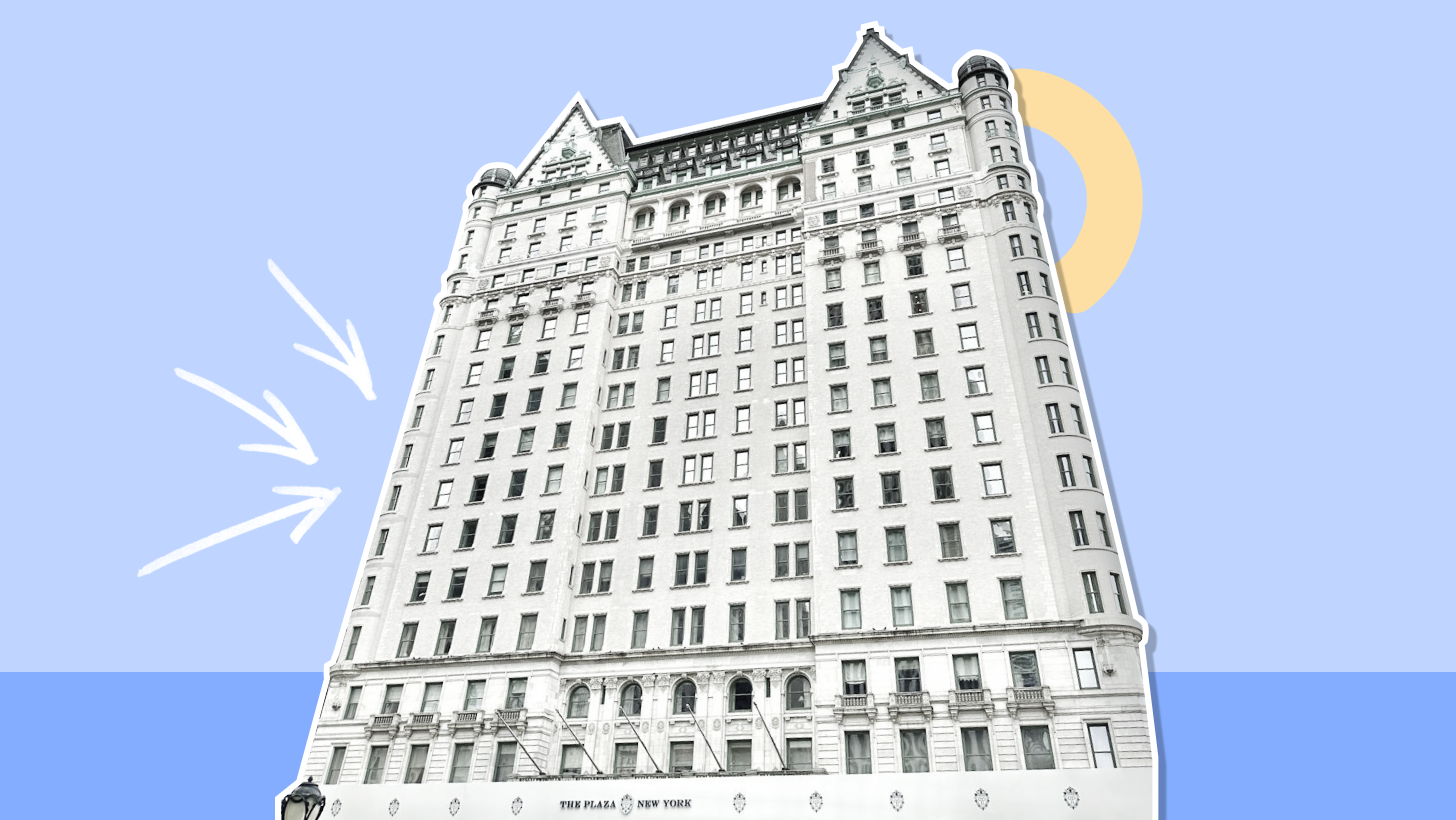
The Plaza Hotel, New York

Image: Harri Nieminen

The Plaza Hotel, located at Fifth Avenue and Central Park South in Manhattan, New York City, is one of the most famous hotels in the world . It was opened in 1907 and designated a National Historic Landmark in 1986. Known for its luxury, iconic architecture, and high-society clientele, it has a past of having hosted figures like F. Scott Fitzgerald (who immortalized it in The Great Gatsby ) and Marilyn Monroe.

The Plaza’s featuring in several films has gained international fame. Scenes from Home Alone 2 or North by Northwest , and Eloise at the Plaza have the iconic backdrop of the hotel as its setting. It was also the lodging The Beatles chose for their first stay in the U.S. in 1964, but the hullabaloo of the fan craze was such that they chose lower-profile hotels for their subsequent visits.

2
Willard InterContinental, Washington

Image: Pixabay

Just two blocks from the White House in Washington, D.C. stands the Willard InterContinental. The same site has hosted a hotel since 1818, but the current building opened in 1901. It’s nicknamed the "Residence of Presidents" because nearly every U.S. president since Franklin Pierce has either stayed there or visited.

Its notable location granted the Willard other historical honors. For example, it’s said that President Ulysses S. Grant enjoyed spending calm moments in the opulent hotel’s lobby, but there he would be crowded by people who would seek favors or influence policy decisions. He coined the term "lobbyists" to refer to them. It was also where Dr. Martin Luther King Jr. completed his famous "I Have a Dream" speech before delivering it.

3
The Stanley Hotel, Colorado

Image: Luke Scarpino

If the sight of The Stanley Hotel makes you a bit uncomfortable, you are not alone. It is the very building that inspired Stephen King to write The Shining (1977). After staying there in the 1970s, King had a dream about his son running through the hotel’s halls, which led to the idea of the haunted Overlook Hotel featured in the book. Though the Stanley itself is not the setting for either the novel or Stanley Kubrick’s film adaptation, the myth surrounding this 1909 hotel has made it a hotspot for paranormal tourism.

The hotel is said to be haunted, after all. Reports of mysterious piano music, flickering lights, and strange apparitions keep drawing fans to it. Room 217, where Stephen King stayed, is the most famous of these "haunted" rooms . Guests and staff have reported seeing Mrs. Wilson, a housekeeper who worked at the hotel in the early 1900s, tidying up the room.

4
The Bellagio, Las Vegas

Image: Antonio Janeski

Las Vegas Strip, an area bright enough to be visible from space, holds in its heart many impressive hotels. But The Bellagio probably takes the crown. It was the most expensive hotel ever constructed when it opened in 1998, having cost $1.6 billion. Its facade features the famous Fountains of Bellagio , which perform water shows synchronized to music and lights daily.

In its boastful style, the hotel also has an upscale casino, five-star restaurants, and the Bellagio Gallery of Fine Art , which features rotating expositions but once featured works from Picasso, Monet, and van Gogh, among others. The hotel has also, since its opening, been home to Cirque du Soleil’s show "O", aquatic-themed and occurring in and around an on-stage pool.

5
Palace Hotel, San Francisco

Image: Pixabay

San Francisco’s Palace Hotel opened in 1875, so it was already around for the 1906 earthquake, which damaged it and demanded renovations. But it always remained a stunning hotel, featuring a grand lobby with a stained-glass dome and chandeliers. Many prominent guests walked its halls, including Mark Twain, Frank Sinatra, and Queen Elizabeth II .

In its inauguration in the 19th century, it was the largest hotel in the world. 19 presidents of the U.S. have been esteemed visitors, and most notably President Woodrow Wilson hosted luncheons at the Palace Hotel when he was building support for the Treaty of Versailles to end World War I.

6
Crescent Hotel and Spa, Arkansas

Image: Evgenia Basyrova

Eureka Springs’ Crescent Hotel and Spa is a top tier in many lists of "most haunted hotels." Its old age and eerie story are enough to earn it this honor. Opened in 1886, the Victorian in the 1930s functioned as a hospital for treating cancer patients. It is said that a con doctor called Norman Baker took patients in to allegedly cure them, but caused some untreated guests to pass away as a result.

Legend has it, that one of his patients, as well as Baker, still haunts the rooms of Crescent Hotel. Some TV shows, like "Ghost Hunters" and "Ghost Adventures", have explored the venue. Of course, the hotel also offers ghost tours .

7
Jekyll Island Club Resort, Georgia

Image: Pixabay

The Jekyll Island Club Resort is located on Jekyll Island, one of the barrier islands off the coast of Georgia. It was founded in 1886 as a winter retreat for some of America’s wealthiest families , including the Morgans, Rockefellers, and Pulitzers. This earned the place the reputation for being one of the most exclusive and prestigious social clubs in American history.

The hotel houses the Historic Jekyll Island Museum, which showcases the island’s past in the Gilded Age. To this day it is still praised for its beautiful natural landscapes and trails. The island offers stunning natural surroundings , and the hotel prides itself on its commitment to preserving its environment.

8
Omni Parker House, Boston

Image: Patrick Foreman

The Omni Parker House from Boston, Massachusetts, opened in 1855 as the "Parker House", and is now the oldest continuously operating hotel in the United States. It has hosted many notable guests, like Charles Dickens, Mark Twain, and John F. Kennedy. Babe Ruth and other baseball greats frequented its restaurant. The place also holds the separate honor of being the birthplace of the Boston Cream Pie , a chocolate-and-cream dessert that now symbolizes Massachusetts.

Of course, a hotel that is 169 years old cannot be free from haunted allegations. Reports of ghostly apparitions and unexplained noises are common for the Omni Parker House, particularly around its historic rooms.

9
Chateau Marmont, Hollywood

Image: Edgar Colomba

Chateau Marmont, from West Hollywood, California, has been operating since its opening in 1929. It was designed in a French Gothic style, inspired by the Château d'Amboise in France. Its location has granted it a long history of receiving a large celebrity clientele and fame associated with glamour, legend, and scandal.

James Dean and Judy Garland would find refuge in the hotel, which soon became known as a haven for stars for its strict privacy policies . The Chateau has also appeared in Hollywood self-referential films like The Player or A Star is Born .

10
Hotel del Coronado, Coronado Island

Image: Donhu Rickerby

The Hotel del Coronado, a.k.a. "The Del," is a historic beachfront hotel that opened in 1888. Its grand exterior with red-and-white striped roofs is easily recognizable, and it has been declared a National Historic Landmark. Many dignitaries have visited it, like Richard Nixon, Princess Grace of Monaco, and Thomas Edison, although, opposing popular belief, he had nothing to do with the early installation of electricity that the hotel boasted.

If you’ve seen Some Like It Hot , featuring Marilyn Monroe , you have spied places in the hotel. Many scenes were filmed there, which made it appear as the "Seminole Ritz Hotel" in Miami in the film.

Explore more American facts

Choose your favorite category!

General
General

As American as apple pie—the very best America has to offer!

Culture
Culture

Delve into the astounding richness of American lore.

Geography
Geography

Hop in and explore vast and diverse American landscapes.

History
History

Discover the key moments that shaped the United States.