Geography Geography 5 min read

Weird American geography

Travel through the 10 strangest town names in the US!

Image: Leah Newhouse

The name of a town or a city often reflects its proud history. For instance, the city of Houston pays homage to Sam Houston, the first President of the Republic of Texas. In that sense, one can’t help but wonder what stories towns like Money, Mississippi, or Friendship, Maine, hide behind their unusual names. With that in mind, get ready to go on a wacky road trip with our selection of 10 of the most unusual names of American towns and cities. Enjoy!

1
Accident, Maryland
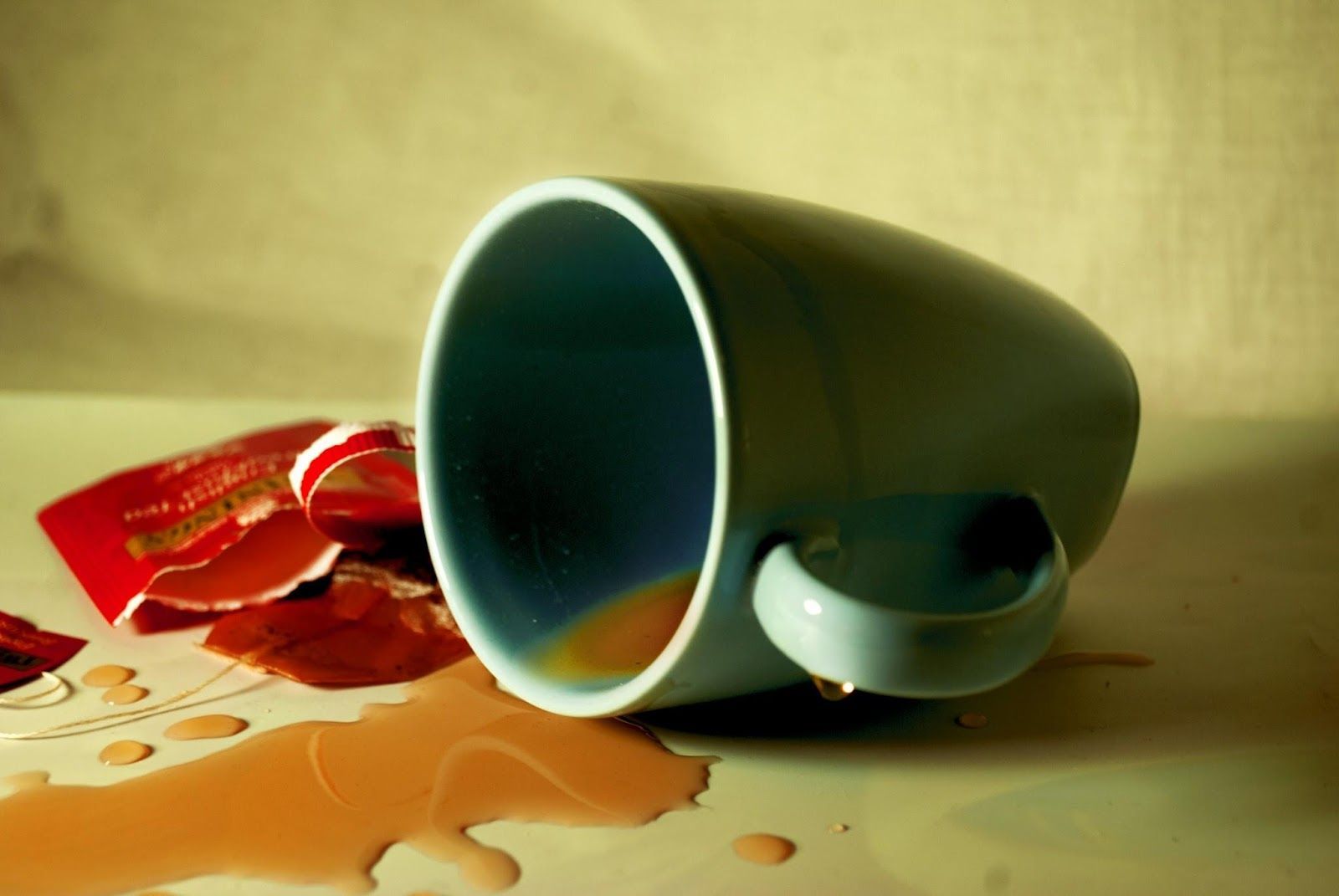
Image: Chiara Guercio

We’ll begin this article by quoting the great Bob Ross: "We don’t make mistakes; we make happy accidents". In that sense, a certain small town located in Garrett County, Maryland, is a living testament to the wonderful nature of accidents: Certainly, the town of Accident could use this Bob Ross quote as a town motto.

Nobody really knows where this unusual name comes from, but a popular theory states that when two men were conducting separate surveys in the area, one of them claimed land owned by the other "by accident". While we might never be sure if this story is true or not, people from Accident (or, as they like to be called, "Accidentals") definitively take pride in their weirdly named town.

2
Boring, Oregon
Image: charlesdeluvio

At first glance, the town of Boring, Oregon, seems to encapsulate the slow living of many American towns. While many disgruntled teenagers might call this peaceful lifestyle boring, we choose to consider it "peaceful". In any case, the name of this unincorporated community comes from a rather flashy geographical feature: a lava field.

If this unusual name makes you feel sorry about this town, don’t be: It has found a rather extraordinary group of sister cities. Boring, Oregon, is a proud member of a group known as "Trinity of Tedium", which includes the village of Dull, Scotland, as well as Bland, Australia.

3
Cucumber, West Virginia
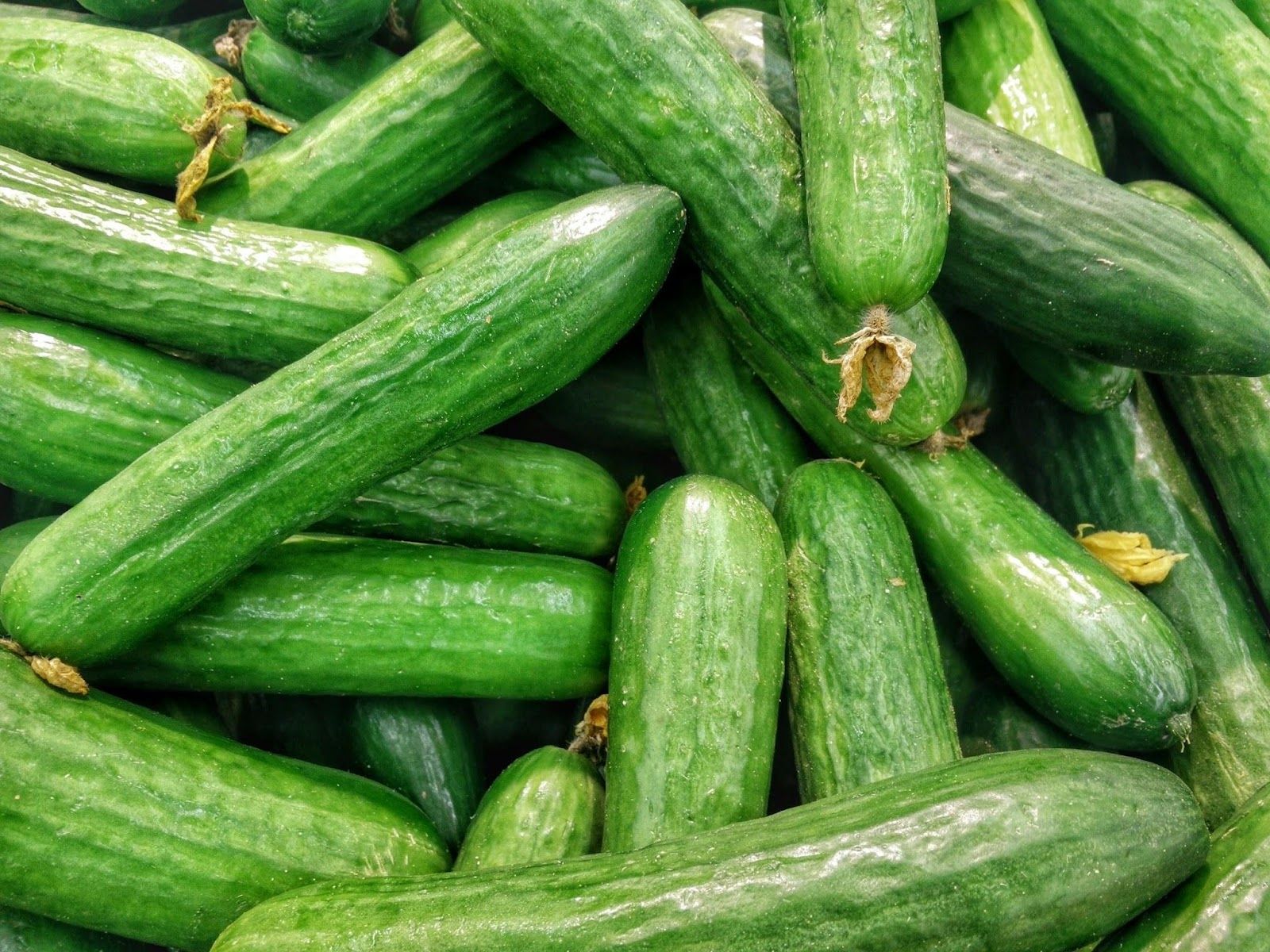
Image: Harshal S. Hirve

The cucumber is definitively the star of many delicious salads. This versatile vegetable provides a fresh and unique taste to any dish. You would think that all the 74 residents of Cucumber, West Virginia, are big fans of this green delicacy, but in fact, the naming of this town seems to be in reference to entirely different reasons.

This mining-centered community was named after either Cucumber Creek, which is in the town’s proximity, or after the abundant cucumber trees in the area (which sadly don’t produce the green vegetables we know and love).

4
Mexican Hat, Utah
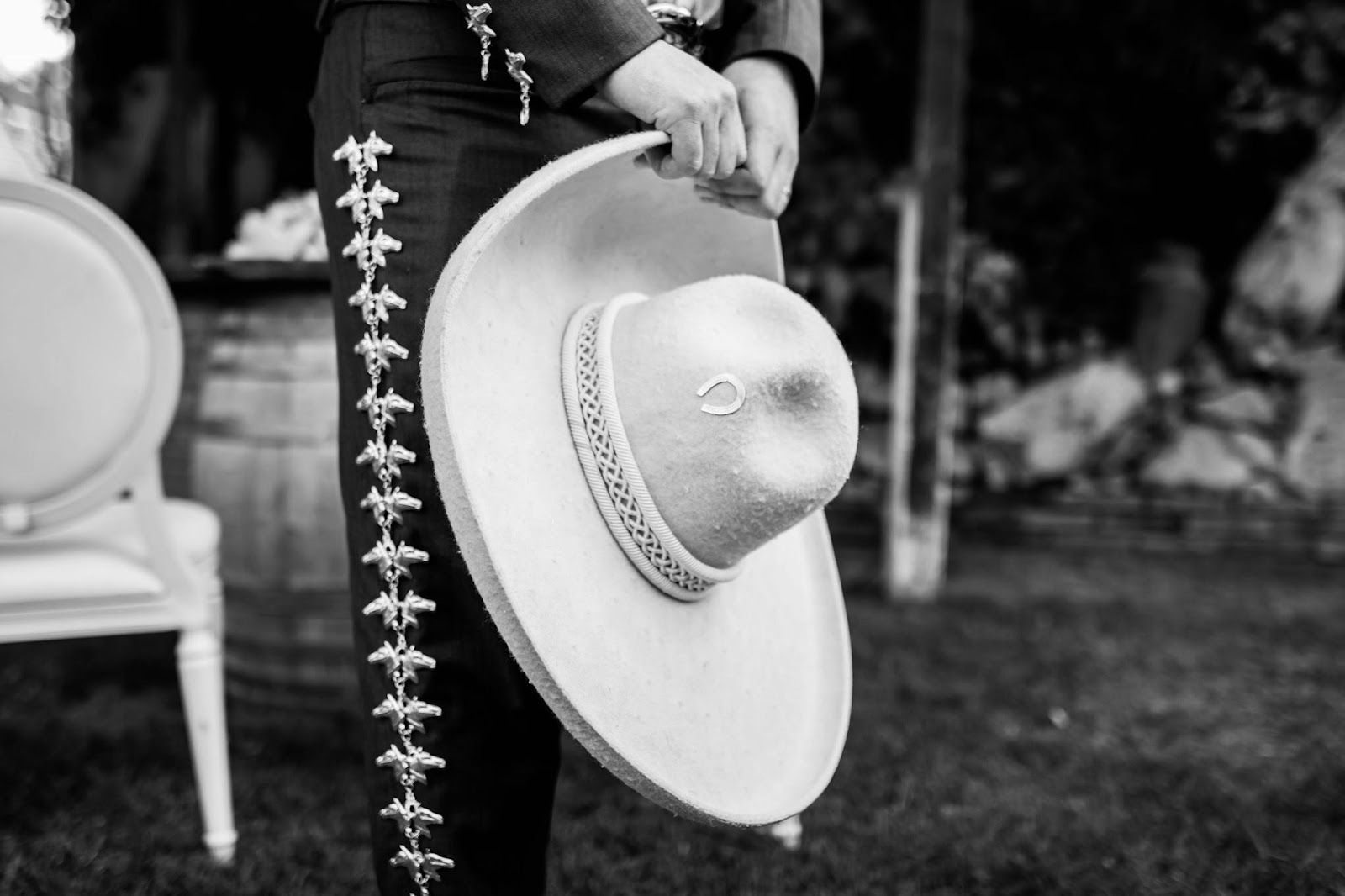
Image: Melanie Rosillo Galvan

With a population of only 31, the town of Mexican Hat in Utah is named after a peculiarly shaped landmark. A strange rock overlooks the northeast side of town, shaped just like an upside-down sombrero . This rock has 2 different climbing routes that ascend it, in case you want to take a trip and see this hat-shaped landmark in all its magnificence.

Mexican Hat was founded in 1908 by E.L. Goodridge, a man seeking oil in the area. While his efforts were unsuccessful, this settlement would eventually result in one of the most oddly named towns in America.

5
Chicken, Alaska

Image: Stephen Mierendorf

There’s no denying that America loves chicken: After all, we are the country that consumes the most chicken in the world. In that sense, it stands to reason that one of our many towns chose to celebrate our favorite domesticated bird. However, the history behind the naming of Chicken, Alaska, actually tells a different story.

This town was settled in the 19th century by gold miners rushing to Alaska during this state’s gold rush. When, in 1902, the site established a post office, it required a community name, and the settlers decided to name the newly-formed town after a type of game bird called ptarmigan. However, since no one was able to spell "ptarmigan" correctly, they ultimately settled on the much more spellable "Chicken".

6
Hot Coffee, Mississippi

Image: Alex Padurariu

Don’t you agree that thanking coffee for everything it does for us should be enough reason for this homage? The small community of Hot Coffee, Mississippi, pays a warm tribute to that miraculous drink that helps millions start their day right.

The community was established in the 19th century, located at the crossroads between two major travel routes. Logically, an inn was built to house weary travelers. A local man called L.J. Davis built a store and hung a sign designed to attract out-of-town customers that simply read: "the best hot coffee around". Davis’ store became a local landmark, and his excellent coffee soon became such a staple that it would eventually become the town’s name.

7
Truth or Consequences, New Mexico
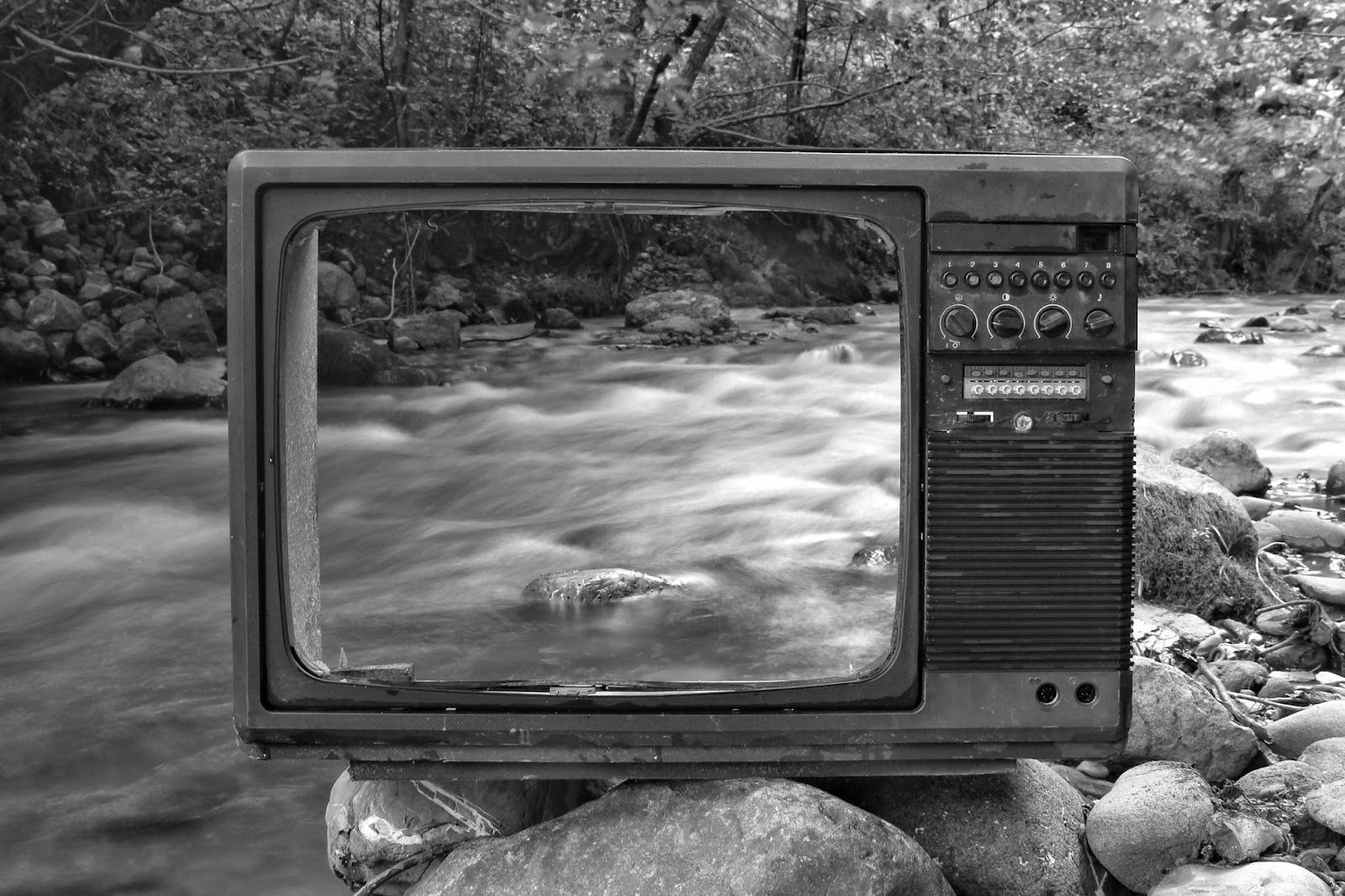
Image: Photography Maghradze PH

On a certain day in March 1950, the city of Hot Springs, New Mexico, heard a weird yet exciting pitch on the radio: Ralph Edwards, the host of the popular NBC show "Truth or Consequences" , announced that he would broadcast a 10-year anniversary show from the first American town that chose to rename itself after the show.

By the end of that month, Hot Springs had collectively chosen to change its name, renaming itself "Truth or Consequence". Edwards not only held his end of the bargain, broadcasting the special show from the town, but also remained a lifelong friend of this city. He visited the town during the first weekend of May for the next 50 years, in an event that turned into a local Fiesta still celebrated today.

8
Nothing, Arizona
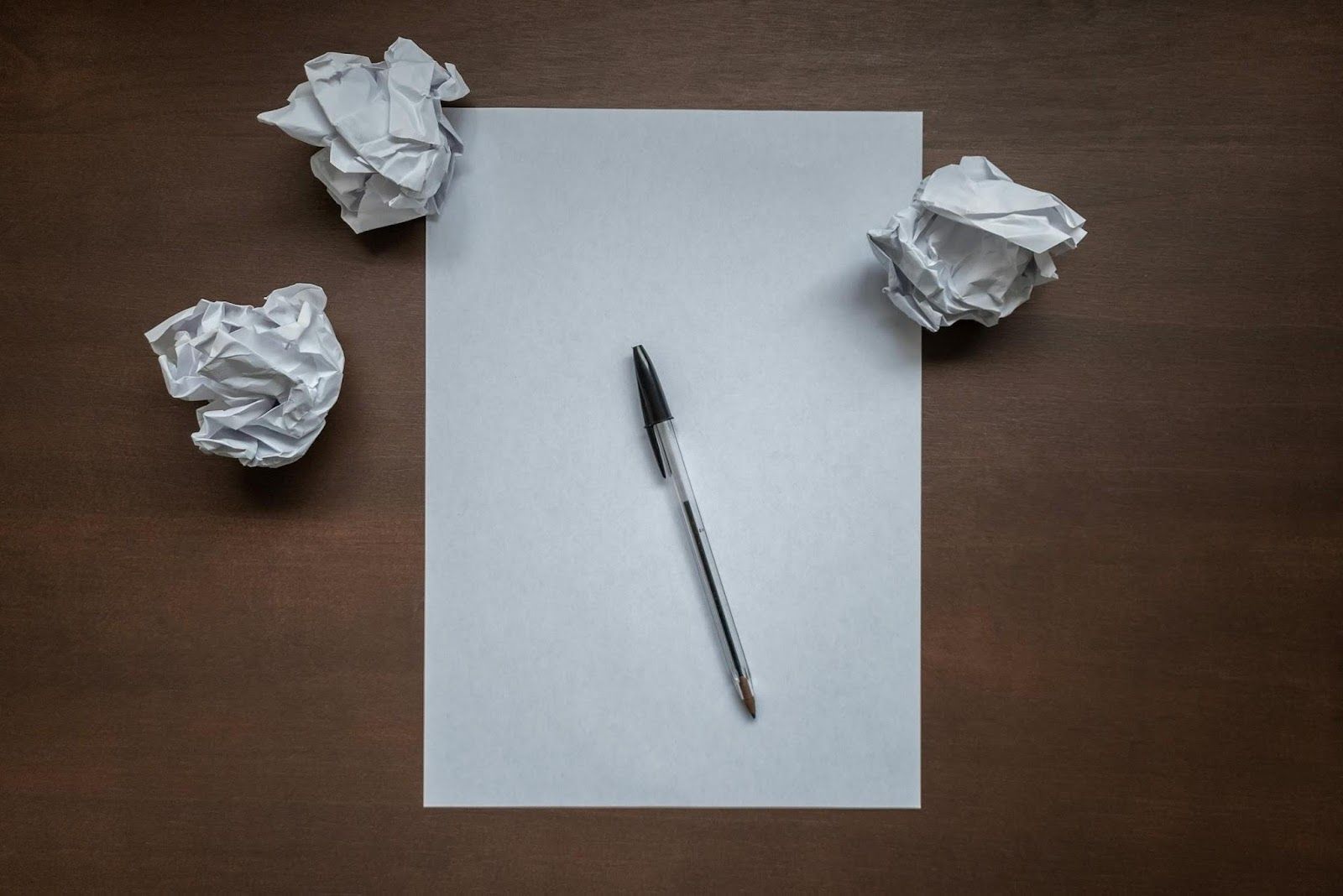
Image: Marta Nogueira

We get it: Naming a town must be difficult. Having said that, we think the founders of this now-abandoned town probably just winged it. Nothing, Arizona, was founded in the late 70s as an extremely small settlement: At its height, it had a population of 4.

While small and only comprising a small convenience store and a gas station, Nothing quickly became a popular tourist attraction. The town sign famously included the following phrase: "Thru-the-years-these dedicated people had faith in Nothing, hoped for Nothing, worked at Nothing, for Nothing."

9
No Name, Colorado
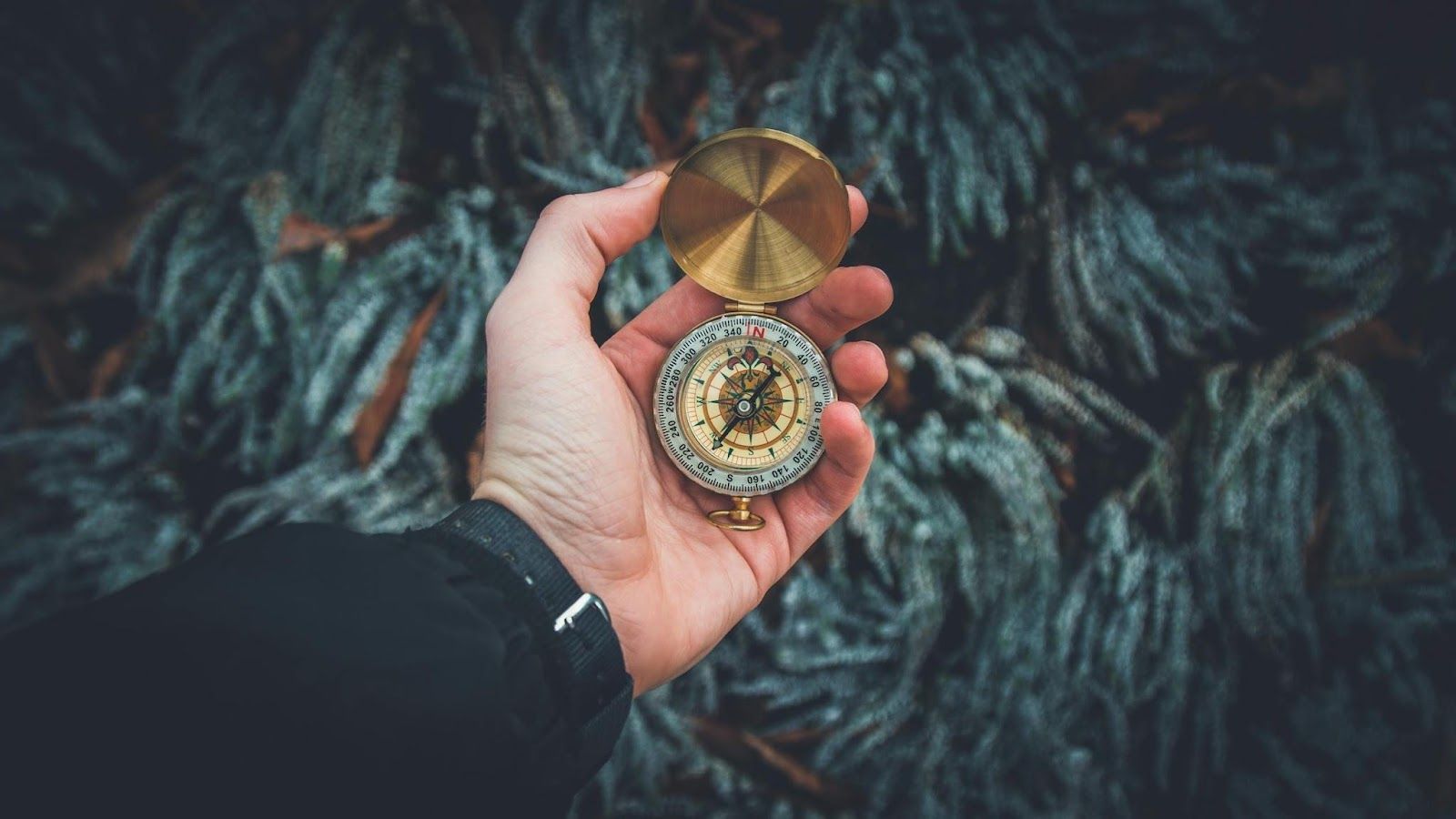
Image: Valentin Antonucci

Apparently, the name "placeholder" was already taken when it came time to name this small Colorado town. Located in Garfield County, No Name has a population of 117. Contrary to popular belief, this town’s name is not a result of a lack of creativity but rather a reference to the No Name Creek and the No Name Canyon, which are nearby. And in fact, both the town and these landmarks pay homage to an event in Colorado’s history.

In 1869, John Wesley Powell set out on an expedition to map out the Colorado River. Powell’s expedition included several boats, which featured names like "Emma Dean" and "Maid of the Canyon". Among them was the "No-Name", a boat that proved that even the most inconspicuous names can leave a huge mark.

10
Friendship, Maine
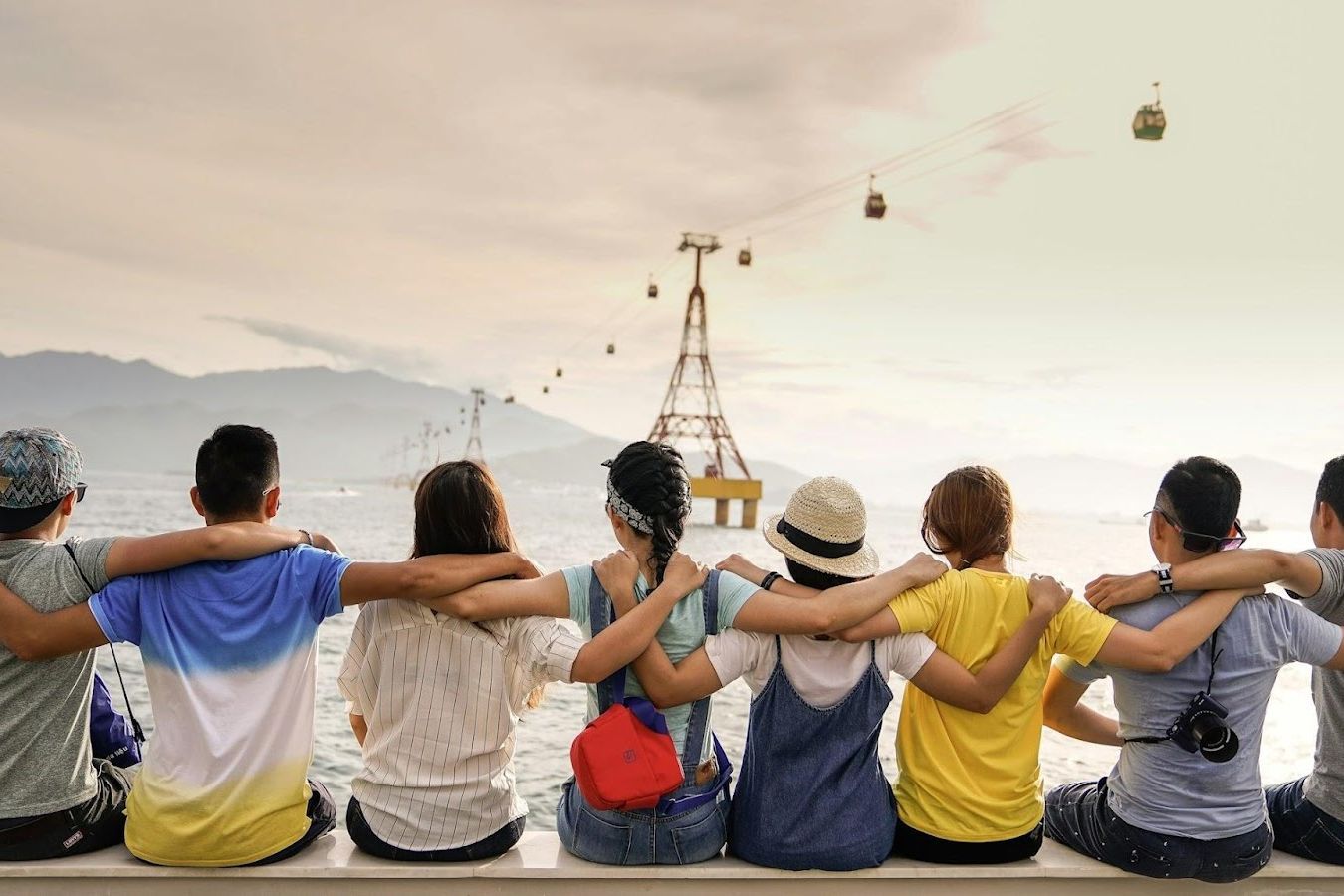
Image: Duy Pham

What’s life without friends? If there’s someone that can attest to that it’s the residents of Friendship, Maine . After all, they decided to name their town after one of the most important things in life.

You might be familiar with Friendship from the many examples of popular culture that feature this town. For instance, the 1995 film "Casper" takes place entirely in Friendship (which seems only fitting, since Casper is known as "the friendly ghost"). Also, many American authors have written about the town in their stories. Most notably, the short story "The Run of Yourself" by Richard Ford is set in Friendship.
History History 6 min read

Paranormal activity

Have you heard of the eerie ghost town of Dudleytown?

Image: Mathew MacQuarrie

We all grew up hearing scary stories, legends, and myths. America is home to many spooky tales that could give even our bravest readers goosebumps. From evil spirits wandering the woods at night to mysterious sea monsters that lurk along the coasts, many of these stories remain unexplained to this day. If you consider yourself one of the bold, we invite you to read 10 of the most terrifying stories and legends from our land. Are you in?

1
Captain Tony's Saloon

Image: Nicolas Hoizey

Key West, Florida, is home to one of America's best-known bars: Captain Tony's Saloon. This mythical bar is not only famous for its drinks; it has a quirk that sets it apart from others. It's said to be haunted.

The building housing the bar today was built in the 19th century as a morgue. In 1865, a hurricane hit the area, taking everything in its path, including what was inside the morgue, if you know what we mean. Legend has it that the spirits, fueled by anger, remained to haunt the place for eternity. Decades later, a chilling discovery was made. During renovations, workers unearthed something macabre beneath the structure: bones.

For centuries and continuing to this day, different types of paranormal activity have been reported on the site, including cold spots, whispers, and even sightings of apparitions.

2
The Mothman

Image: David Clode

No one can deny that the 1960s was a tumultuous decade. But, in addition to the social and political issues that dominated the country and the world, West Virginia also witnessed a paranormal story.

In the mid-60s, a group of people claimed to have spotted a humanoid creature with large wings and red eyes silently watching them from a distance in remote areas of Point Pleasant. This story gave rise to the Mothman myth.

After the initial reports, more sightings followed, each more disturbing than the last. But what really makes your skin crawl is the detail most of these accounts share: the Mothman's creepy stare.

3
The Bell Witch

Image: Freestocks

If we discuss celebrity ghosts, we can't forget the Bell Witch, one of America's most famous specters.

The myth, which dates back to the early 19th century, tells the story of the Bell family, who lived on a farm in Tennessee. Legend has it that they began hearing strange noises in their home, and the spooky phenomena quickly increased. Objects moved on their own, and voices seemed to speak directly to the family. The spirit, later known as the Bell Witch, is said to have haunted the Bells for years, and even after the family members' passing, similar episodes continued to be reported at the site.

4
Dudleytown

Image: Adisa F

There is a valley in northwestern Connecticut that hides several spooky stories. Known as the Dark Entrance Forest, this area of "The Constitution State" is much more than just a scary name.

Located there lies an abandoned settlement: the mythical Dudleytown. The area was already inhabited by some people back in the early 1700s. Sadly, as the land wasn't fertile, the population declined. But it seems that was not the only reason.

It's said that the settlement was cursed: crop failures, diseases, and different types of paranormal events took place here. According to legend, the first inhabitants were descendants of an English nobleman accused of treason who fled to America and brought the curse with them.

5
Huggin' Molly

Image: Steinar Engeland

According to the people of Abbeville, Alabama, a famous specter haunts the streets, terrifying both children and adults —though she seems to have a particular preference.

We're talking about Huggin' Molly, a ghostly figure of a woman around 7 feet tall, dressed in a long black gown. She is known for letting out bloodcurdling screams in the night while she haunts children. The myth goes that if the ghost catches a child, she hugs them so tightly that it feels like suffocation.

The legend has persisted for centuries, and many claim to have seen or heard the figure of Huggin' Molly up close.

6
The Headless Horseman

Image: Dawid Tkocz

Washington Irving's 1820 short story, "The Legend of Sleepy Hollow," gave popularity to this ghostly figure. The Headless Horseman is depicted as a specter who rides through the night in search of his lost head. According to Irving's story, he was a soldier who died tragically, and his spirit wanders at night unable to find peace.

Over the years, many people have claimed to have seen the Headless Horseman or heard the sound of his horse's hooves in the Sleepy Hollow area.

7
Qalupalik

Image: Nsey Benajah

Huggin' Molly is not the only scary figure that terrifies children. In Arctic shorelines, more precisely off the coasts of Alaska and northern Canada, a creature that doesn't seem to be from this world is said to be roaming shallow waters.

We're talking about the Qalupalik, marine cryptids that resemble mermaids, those half-fish, half-human creatures from ancient mythologies.

According to lore, Qalupalik have long hair, fishtails, fins on their head, back, and arms, and webbed hands and feet. Legend has it that they emit a humming sound to warn those who stray too close to the water, as they search for human prey with a favorite target: children.

8
Sasquatch

Image: Francois Brill

The Pacific Northwest is the main stage for the legendary Sasquatch, also known as Bigfoot. This iconic ape-like figure, said to inhabit forests and mountainous areas, is characterized by its enormous size, giving rise to its name.

The myth has its roots in Native American folklore. Different native cultures tell similar stories about a large, monstrous, hairy, big-footed creature that appears in the wild at night and emits terrifying sounds. As if all this weren't enough, a detail makes it even scarier: it stands and walks on two legs.

In the 20th century, the myth gained strength after reports of huge, unexplained footprints in the Pacific Northwest.

9
The Jersey Devil

Image: Igam Ogam

If you've been to New Jersey (and even if you haven't), you've probably heard of the creepy Jersey Devil.

This infamous tale originated during the 18th century in the mysterious Pine Barrens. According to myth, a woman cursed her 13th child, who then transformed into a devilish creature with bat wings, hooves, and a goat's head.

Over the centuries, there have been multiple reports of strange winged creatures and chilling shrieks through the Pine Barrens. But it all escalated dramatically in the early 20th century when a wave of consecutive sightings triggered what was dubbed "The Jersey Devil Panic."

10
The Flatwoods Monster

Image: James Kovin

According to the story, in the 1950s, a strange rumbling sound was followed by a bright light in the sky, which reportedly came from an object that eventually landed near Flatwoods, West Virginia. When a group of people approached the scene, they were shocked by what they found. It was a tall, monstrous figure with an elongated head, glowing eyes, and a body that seemed to be encased in metal.

Investigators suggest that the light in the sky could have been a meteor, and the glowing eyes described by witnesses were likely those of a common owl. However, many people claimed to have seen this strange creature of totally unknown origin.

General General 6 min read

Flashback to the ‘60s

Can you believe these 10 things happened in the '60s?

Image: Sandra-Gabriel

Lots of interesting things took place in the 1960s. It was a time of cultural insight and groundbreaking innovations. That is why it quickly became, and continues to be, one of the most talked-about decades in recent history. While this era often garners attention for major events like the space race and the civil rights movement, there were also plenty of smaller, random events that shaped daily life as we know it today. For example, Sprite first hit the market, and Days of Our Lives premiered during this decade as well. The ’60s brought some surprising, everyday changes , and whether you missed them or don’t remember all of them, we’ve put together 10 small events that happened during this time!

1
Sprite bubbles onto the scene

Image: Mick Haupt

In 1960, Coca-Cola decided it was time for a new kind of soda. There was nothing wrong with their iconic red-labeled brown drink, but they took a completely different approach with their next creation—and so Sprite was born .

Marketed as a refreshing lemon-lime drink to rival competitors, Sprite quickly became a favorite, especially among young people. Its tangy taste and catchy slogan, "Obey Your Thirst," struck a chord and set it apart from traditional cola flavors.

Sprite became popular not only for its flavor but also for its cool, crisp image, which was an early hit with sports fans and summer enthusiasts. This new addition to Coca-Cola’s lineup was an instant sensation in soda machines, diners, and drive-ins. Sprite has since become a classic, yet it always brings a touch of ‘60s nostalgia with each sip.

2
Elvis comes home, fans rejoice

Image: Drew Beamer

When Elvis Presley returned from his two-year military service in Germany in 1960, fans were ecstatic to welcome back "The King."

Of course, his time abroad had worried many fans, but his return came with a sense of renewal and excitement. For anyone concerned he might have lost his X factor, Elvis quickly proved this was not the case! He didn’t waste time getting back into the spotlight.

He soon starred in the hit movie G.I. Blues and recorded new music, reigniting his career. This period also marked a shift for Elvis: he embraced a more polished, Hollywood-friendly image. Although his rock-and-roll days remained beloved, his new style showcased his versatility. Fans couldn’t get enough, and his popularity skyrocketed even higher.

3
Barbie’s boyfriend makes the scene

Image: Elena Mishlanova

The ‘60s was not a time to be alone—love was in the air, and even Barbie felt it. In 1961, Barbie (yes, Barbie the doll!) got herself a boyfriend , and his name was Ken.

Ken, with his chiseled jaw and smooth style, was marketed as the perfect companion for America’s favorite doll. Their relationship wasn’t just about romance; Ken represented a new way for kids to imagine life, dating, and companionship.

Mattel carefully crafted Ken’s image. He was all about trendy outfits and accessories, perfectly complementing Barbie’s adventurous lifestyle. While Ken was never as popular as Barbie—as the 2023 movie humorously reminded us—together, Barbie and Ken became a symbol of the quintessential American couple.

4
General Hospital premieres - And never leaves!

Image: Natanael Melchor

This one is for the Guinness Book of World Records! Sure, it falls into the "happened in the ’60s" category, but how about the fact that it’s still going strong with no intention of stopping? Amazing!

Soap operas have long held a place in daytime TV, and in 1963, General Hospital began its reign (is there any more appropriate word for it?) on ABC. This medical drama quickly gained a loyal audience, it showed the ups and downs of fictional lives inside Port Charles Hospital.

Known for its dramatic plots, surprising twists, and cliffhanger endings, the show set the standard for soap operas. General Hospital brought viewers into a world filled with romance, heartbreak, and mystery, all in a hospital setting. All things considered, the show’s legacy is proof of the everlasting appeal of a little love, a little scandal, and a lot of drama.

5
Pull tabs on cans debut

Image: Majkl Velner

Remember how the title of this article said "random"? Well, this is peak randomness—but hear us out: In 1962, a small invention changed the way people enjoyed canned drinks forever. The pull tab was created.

Wait, this wasn’t a thing before that? Nope! Before its arrival, people had to use a can opener, which made canned refreshments a bit tricky to open. The pull tab made enjoying a soda or beer as easy as a flick of the finger. And it didn’t stop there—it revolutionized outdoor picnics, beach days, and sports events.

The con? These early pull tabs were detachable, leading to litter and safety concerns. Eventually, the design was improved to stay attached, but by then, the pull tab trend had already taken off.

6
ZIP codes make mailing easier

Image: Jonathan Cosens Photography

Introduced in 1963, the ZIP Code system brought structure to the U.S. postal service. Before ZIP Codes, mail sorting was a time-consuming process that led to frequent delays—can you imagine the mess?

The simple five-digit code made mail sorting efficient , speeding up delivery and reducing errors to a minimum. Each code represented a specific area, making it easier to organize and deliver letters and packages across the country. The system was a huge success, and soon, ZIP Codes were an everyday part of American life.

Over the years, the system has evolved with additional digits and zones, but the basic concept remains the same. Thanks to ZIP Codes, sending mail has been more organized and reliable for over half a century.

7
The Mustang gallops into American hearts

Image: Frankie Lopez

Nowadays, new cars are pretty common, and nobody gets too excited about a new stick shift or an upgraded screen. But back in 1964, when Ford introduced the Mustang , it wasn’t just a car—it was a cultural phenomenon.

Known for its sporty design, power, and affordability, the Mustang became a symbol of freedom, especially for young people. Its sleek lines and powerful engine offered an escape from the ordinary, making it an instant hit on highways and city streets alike.

Ford set out to give the average American a car that felt both luxurious and exciting, and the Mustang certainly delivered. It was the ideal car for road trips, summer nights, and a little showing-off. The Mustang’s launch even sparked the era of "pony cars," a new category of performance vehicles inspired by its success.

8
Days of Our Lives begins its epic run

Image: Towfiqu barbhuiya

General Hospital set a record for sure, but Days of Our Lives wasn’t about to be left behind. NBC introduced Days of Our Lives in 1965, bringing a new wave of daytime drama to American homes. Set in the fictional town of Salem, the show quickly became known for its mix of romance, family feuds, and shocking plot twists. For many fans, it was more than just entertainment—it became a daily ritual and a part of family life.

With memorable characters and intricate storylines, the show has managed to stay relevant and fresh across generations. Its famous opening line, "Like sands through the hourglass, so are the days of our lives," is etched in TV history. Do you watch this series?

9
Disney’s final touch on The Jungle Book

Image: Hitoshi Suzuki

In 1967, The Jungle Book was released. Now, why is this special? Because it was the last animated movie Walt Disney personally supervised . Based on Rudyard Kipling’s stories, the film told an adventurous tale that captivated audiences of all ages, despite being an animated feature.

It introduced beloved characters like Baloo and Mowgli, and it had an unforgettable soundtrack, including "The Bare Necessities," which became an instant hit.

Although it was supervised by Walt, The Jungle Book was released shortly after his passing, making its success bittersweet for the studio. Nevertheless, it was a huge box-office triumph, securing its place in Disney’s classic lineup.

10
Hair Makes a Bold Splash on Broadway

Image: Don Agnello

In 1968, Hair burst onto the Broadway stage, celebrating the counterculture movement with a mix of rock music and bold themes. Known for its celebration of freedom, peace, and love, the musical captured the rebellious spirit of the time.

Its songs, like "Aquarius" and "Let the Sunshine In," became anthems of the era, loved by audiences far and wide.

Hair was unapologetically daring, exploring controversial topics like anti-war protests and free love. The production broke Broadway conventions, as actors interacted with the audience and addressed social issues directly. Quite a revolution (and a success too) for the decade!

Explore more American facts

Choose your favorite category!

General
General

As American as apple pie—the very best America has to offer!

Culture
Culture

Delve into the astounding richness of American lore.

Geography
Geography

Hop in and explore vast and diverse American landscapes.

History
History

Discover the key moments that shaped the United States.