General General 6 min read

Ho Ho Ho vibes!

Unwrapping 10 fun Christmas facts that you probably didn’t know!
Image: JESHOOTS.COM

We all love this time of the year, don’t we? Christmas is all about twinkling lights, holiday music, wrapping and unwrapping presents, and getting together. But the traditions of our country all have a backstory and, popular as this date is, there are a lot of quirky fun facts to unveil. So, we’ve gathered 10 of them for you to start getting into the holiday spirit. Are you ready? Let’s go!

1
Shopping chaos

Image: Nathan Lemon

Move over, Black Friday! It seems counterintuitive to think there’s a day that is busier than the one day devoted to buying and taking advantage of super sales, but as it turns out, the two days right before Christmas actually take the ranking as the busiest shopping days of the year.

As the holiday countdown hits single digits, shoppers everywhere rush for those last-minute gifts and stocking stuffers.

Do you know what we mean? Those few days, you can almost feel the energy buzzing at every checkout line. If you have ever been in a store on December 23rd, you know the frenzy firsthand. Now, want some pro-tip? Make a list and check it twice to avoid panic shopping! Who knew that Christmas Eve could rival Black Friday for chaotic crowds?

2
The dangers behind decorating

Image: freestocks

While holiday decorating is one of the joys of the season, it’s also a little risky business. November and December see an uptick in home accidents, with 34% of decorating injuries caused by falls. Climbing ladders to string up lights or reaching for that high branch on the tree can get tricky!

It’s a good reminder to decorate with care and maybe enlist some help for those high-up decorations. After all, the holidays are about spending time with family, not in the ER. So, keep it safe and merry as you turn your home into a winter wonderland.

3
Rudolph’s Advertising Origins

Image: Tim Gouw

Who doesn’t love Rudolph the Red-Nosed Reindeer? He is a true Christmas icon, but he wasn’t always the holiday figure we know today. In fact, he got his shiny start as an advertising gimmick for Montgomery Ward back in 1939.

The department store created the character to attract holiday shoppers and boost sales, and boy did it work! Rudolph quickly became a beloved part of Christmas lore, it captured hearts with his glowing red nose and underdog story.

It’s funny to think that one of the most famous Christmas figures was born from a marketing strategy, but if you come to think about all these traditional figures, they were all born the same way. Regardless, Rudolph lights the way for Santa every year and we simply adore it!

4
Dickens’ Speedy Classic

Image: Elin Melaas

Talk about Christmas traditions! Charles Dickens’ timeless tale, A Christmas Carol , feels like it’s been around forever, and we’ve all probably read it more than once.

Did you know it only took him six weeks to write ? That’s right, in just a month and a half, he crafted one of the most long-lasting holiday stories of all time. Published in 1843, Dickens’ story of redemption and the Christmas spirit has been adapted into countless films, plays, and musicals.

He wrote it in a hurry because he needed money. Little did he know his rush would produce a masterpiece read in every classroom and household during the holiday time and any other time of the year!

5
Seattle’s sky-high tree

Image: Annie Spratt

Talk about decking the halls! The tallest Christmas tree ever displayed in our country stood tall and proud in Seattle, Washington, and it reached a jaw-dropping 221 feet ! If you can’t figure out how tall that is, that’s about the height of a 20-story building!

It was displayed in 1950 and, tall as it was, imagine all the lights and ornaments it took to decorate that beautiful tree. It quickly became a symbol of holiday glory. While it’s not every day you see a Christmas tree as tall as a skyscraper, it’s fun to imagine what that lighting ceremony must have been like. Don’t worry, most of us are happy with our 6-footers! But this defies the belief that less is more, right? When it comes to Christmas spirit, more is more!

6
Visa goes crazy!

Image: CardMapr.nl

We’ve already established that the Christmas season is the busiest in sales. But if you think holiday shopping is busy, imagine how busy Visa credit cards are! Here’s the fact: During the Christmas season, Visa cards are used around 6,000 times per minute . That’s a whole lot of swiping (or tapping,) don’t you think?

And it’s not only to buy gifts, consider this is also a touristic time of the year so, from buying presents to booking travel, credit cards get quite the workout in December. It’s not surprising, considering how much we all spend on making the holidays special! Even if our credit cards don’t really like it.

7
Franklin Pierce’s presidential tree

Image: Annie Spratt

The White House Christmas tree is a wonderful tradition, (one of our personal favorites, at least) but do you know who was in charge of setting this precedent?

In this case, we’ve got Franklin Pierce to thank, because in 1856 he became the first US president to put up an official Christmas tree in the White House .

Of course, back then, it wasn’t the massive display we see today, but it was the beginning of a tradition that continues to this day. Every year, a whole spectacle is set around putting up the Christmas tree and is televised for everyone to enjoy. There was a first, but we haven’t seen the last of this tradition yet!

8
X marks the Christmas spot

Image: Cris DiNoto

Not a year goes by without millions of people getting a text from a loved one saying "Mery X-mas! Lots of love" This is also a common thing in sales. Now, if you’ve ever seen "X-mas" and thought it was just a shortcut for "Christmas," think again!

The "X" in X-mas actually comes from the Greek letter Chi , which is the first letter of the Greek word for Christ . So, it’s not a lazy abbreviation of a long word, it is a historical nod to the religious roots of the holiday. It’s been used for centuries, though some people still debate its use today and it is more popular among the younger generations. Do you use it?

9
Oklahoma’s late start

Image: Hayden Scott

It is hard to imagine a time when Christmas was not a thing, but there was actually a moment in history, not long ago, when this fun holiday was not legal in Oklahoma!

This state might be known for its wide-open plains, but it was the last state in the country to declare Christmas a legal holiday . That didn’t happen until 1907, long after most other states had already embraced the holiday spirit.

When we say it was not legal, we don’t mean it was forbidden to celebrate it. It means that, before then, Christmas was just another workday for many Oklahomans! But once it was official, the state caught up with the rest of the country and began celebrating the season in style. Better late than never, right?

10
Leftovers season

Image: Jed Owen

Chicken, primer ribs, cranberry sauce. It’s not Christmas without a delicious feast. Yes, Christmas dinner is delicious, but you have to be careful with those leftovers!

Did you know that over 400,000 illnesses are caused by spoiled Christmas leftovers each year? It makes sense, we cook a lot, we eat only so much, and then, between the turkey, stuffing, and pies, it’s easy to forget how long food has been sitting out. Make sure to store leftovers properly and eat them within a safe timeframe. Nobody wants their holiday cheer spoiled by an upset stomach! So, while leftovers are a gift that keeps on giving, a little caution goes a long way in keeping the festive fun intact.

General General 3 min read

They have rules too

The president can’t open the White House windows? Here’s why!

Image: Fine Photographics

Being the president of a nation might seem glamorous, and while it comes with a couple of nice benefits, the role is also full of obligations, strict protocols, and surprising restrictions . From accepting luxurious gifts to buying a smartphone or taking a simple walk, here are all the "don’ts" of being a US president!

1
Open the windows

Image: Braden Burson

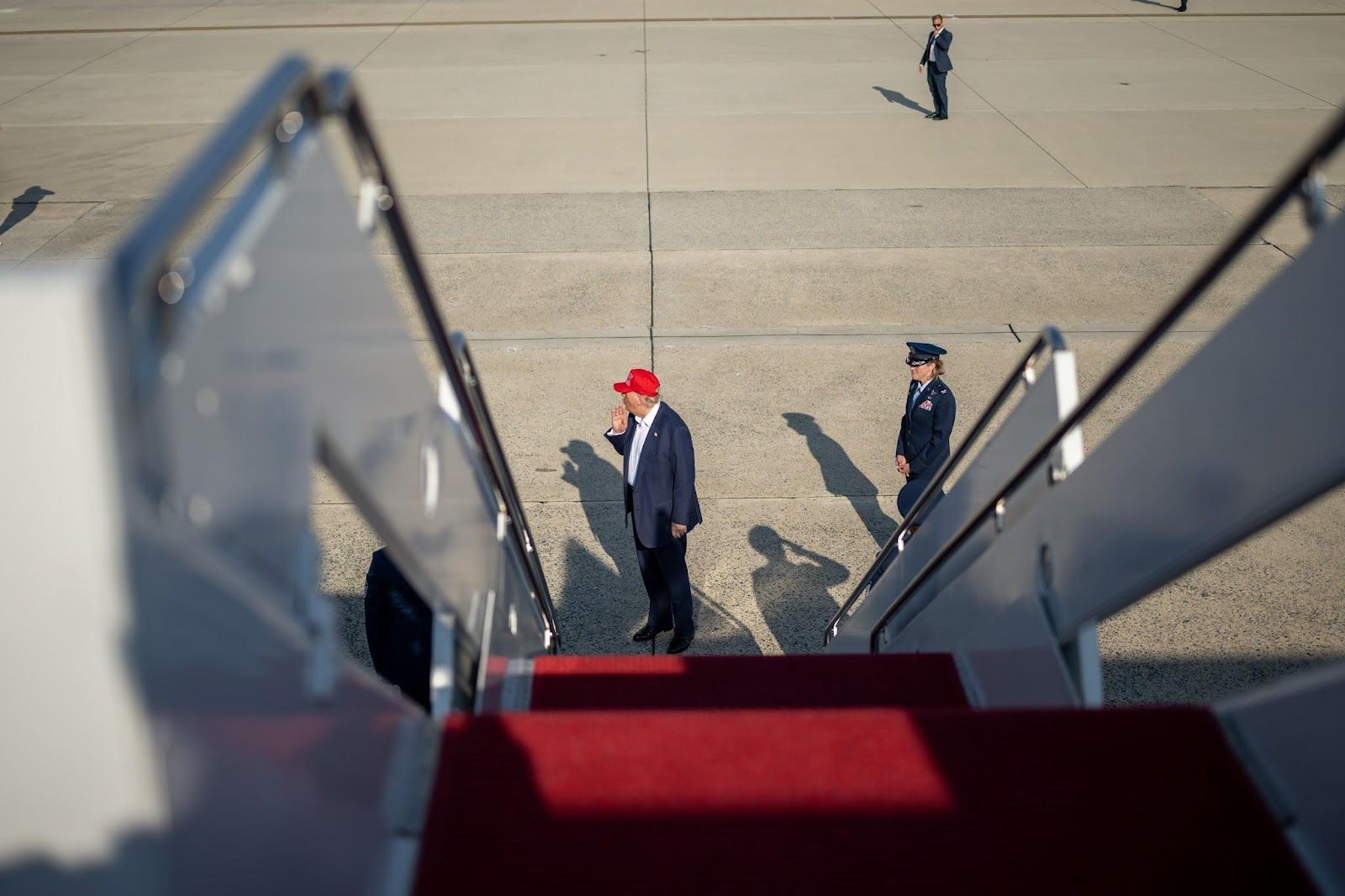
Yes, you read that right. A sitting US president can’t just get up and open the windows of the White House to enjoy a beautiful day. While there’s no law against it, the protocols state that any action that could pose a security risk to the commander-in-chief must be carefully reviewed and approved by the staff.

2
Go to the cinema

Image: Krists Luhaers

Going to the movies is one of life’s simple pleasures. Unfortunately, if you’re the president, it’s not one of your options. While it’s not officially forbidden, crowded and dark spaces like movie theaters represent serious security risks. Luckily, the White House has its own private screening room, so the president and his family can still enjoy movie night at home.

3
Attend their children’s events

Image: Sincerely Media

You’ll rarely see a president at their kids’ school plays or sporting events. And it’s not because they’re bad parents; it’s because regulations discourage them from attending. With so many people, children, and things happening at the same time, keeping the commander-in-chief safe in those settings is nearly impossible.

4
Buy their own tech devices

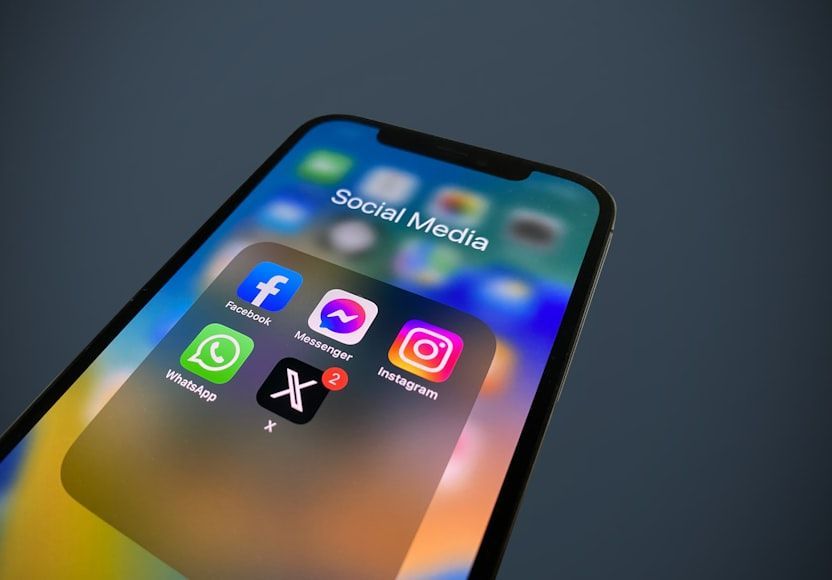
Image: appshunter.io

When a new iPhone hits the market, many rush to buy it, but presidents can’t make this decision on their own. Any electronic device, like a smartphone or tablet, could be vulnerable to hacking or espionage. So while presidents can use cell phones, theirs must be secure, vetted, and government-approved.

5
Block people on social media

Image: Julian

And that isn’t the only restriction on cell phones. Presidents who use their social media accounts for official communications are advised not to block people in their official POTUS account, since doing so could be seen as suppressing free speech. On the other hand, they can block users on personal accounts.

6
Go out alone

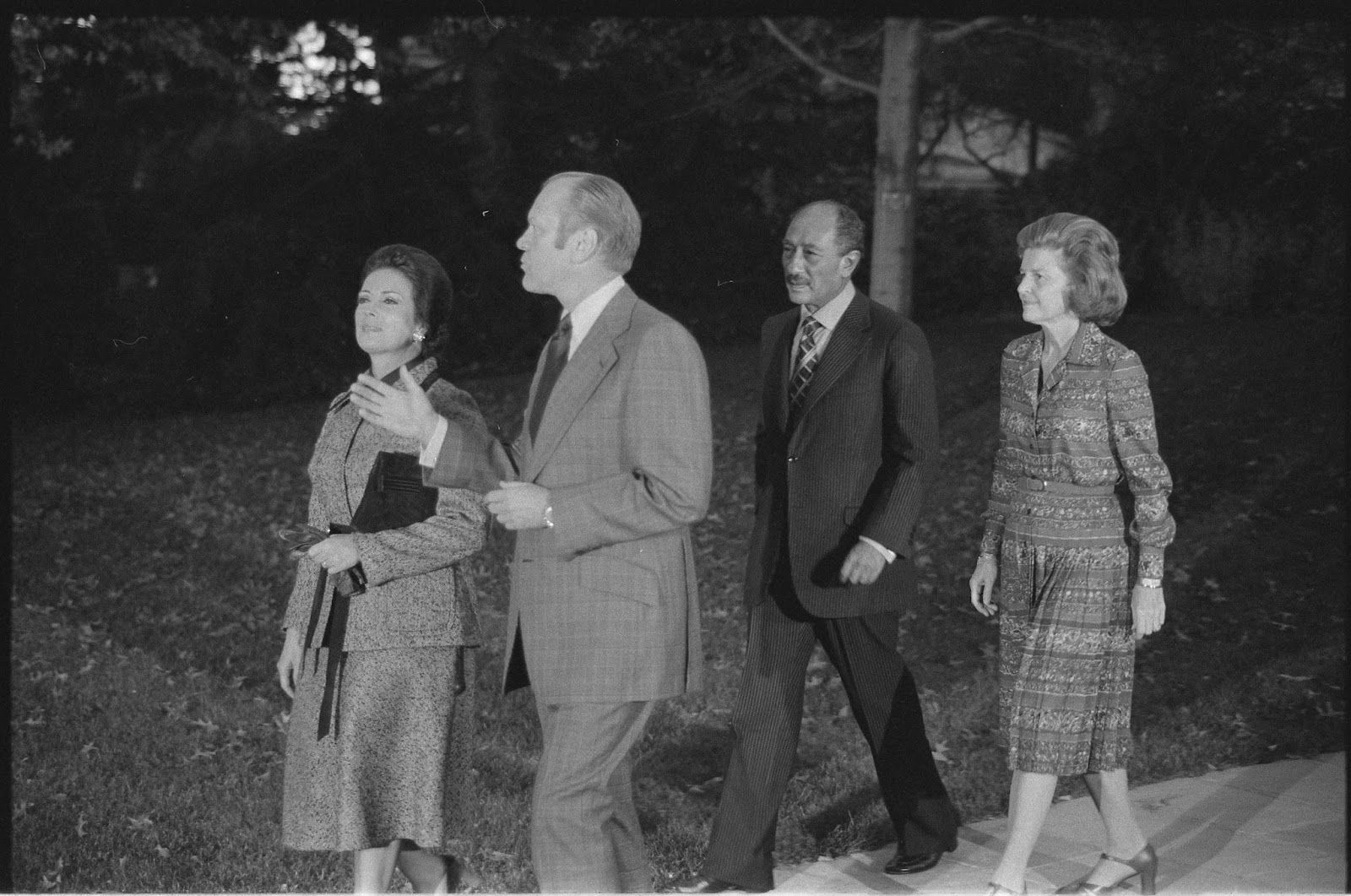
Image: Warren K. Leffler, Public domain, via Wikimedia Commons

The US president can’t just grab the keys and head out for a walk. Sure, strolls around the White House gardens are fine, but stepping beyond the gates is a different story. Anytime the president leaves the White House, even for a quick walk around the block, the Secret Service must secure the area, plan the route, and provide constant protection. Sounds a little overwhelming, right? But when you’re the commander in chief, safety always comes first!

7
Drive

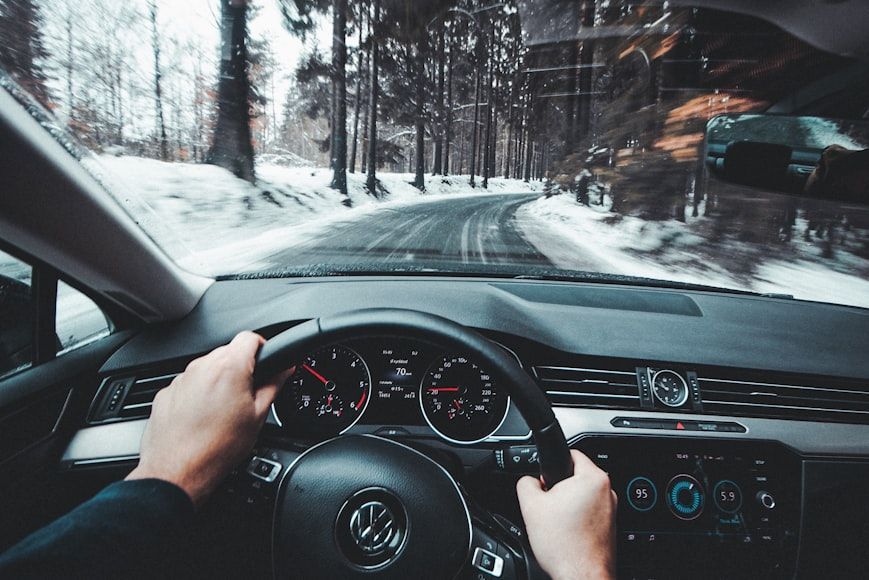
Image: Jerry Kavan

Ever felt the urge to hop in your car and drive somewhere spontaneously? Well, if you’re the President of the United States, that’s off-limits. Security measures strongly recommend that presidents must always travel in a secure vehicle with a driver and a full security detail. In fact, the last president known to drive alone on the open road was Lyndon B. Johnson (1963-1969).

8
Fly on commercial airlines

Image: The White House, Public domain, via Wikimedia Commons

Just as security protocols strongly discourage the president from driving alone on open roads, flying on commercial airlines is also off-limits. Imagine being hundreds of feet in the air, locked in with strangers; it could be extremely unsafe when you’re the president of the United States. Implementing proper security measures would be too complicated, and with a large presidential staff, there might not even be enough seats for everyone.

9
Accept expensive gifts

Image: Ayana Ames

Presidents receive many, many letters and gifts from the public, but not all of them can be accepted. The US Constitution and federal law require presidents to decline overly expensive gifts, whether they come from foreign leaders or everyday citizens, to prevent any appearance of conflict of interest or corruption.

10
Discard official mail

Image: Wolfgang Vrede

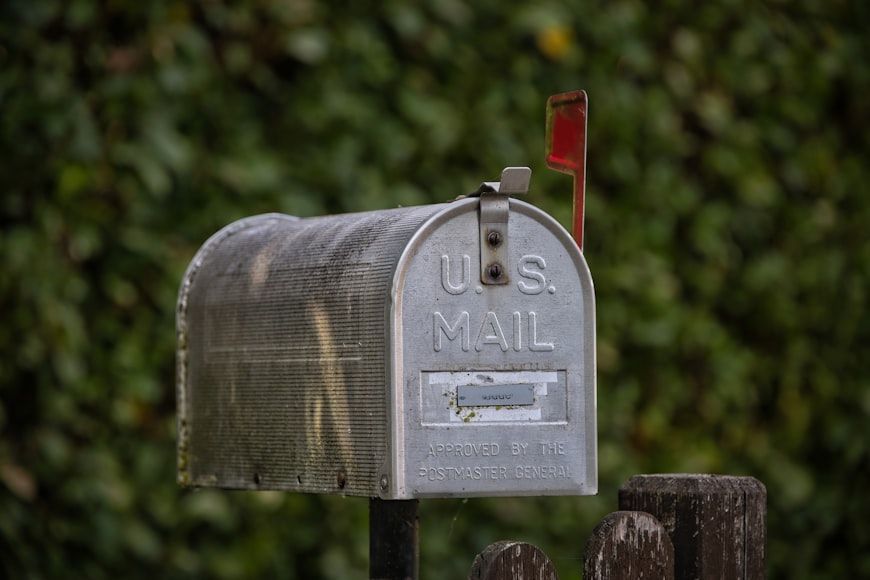
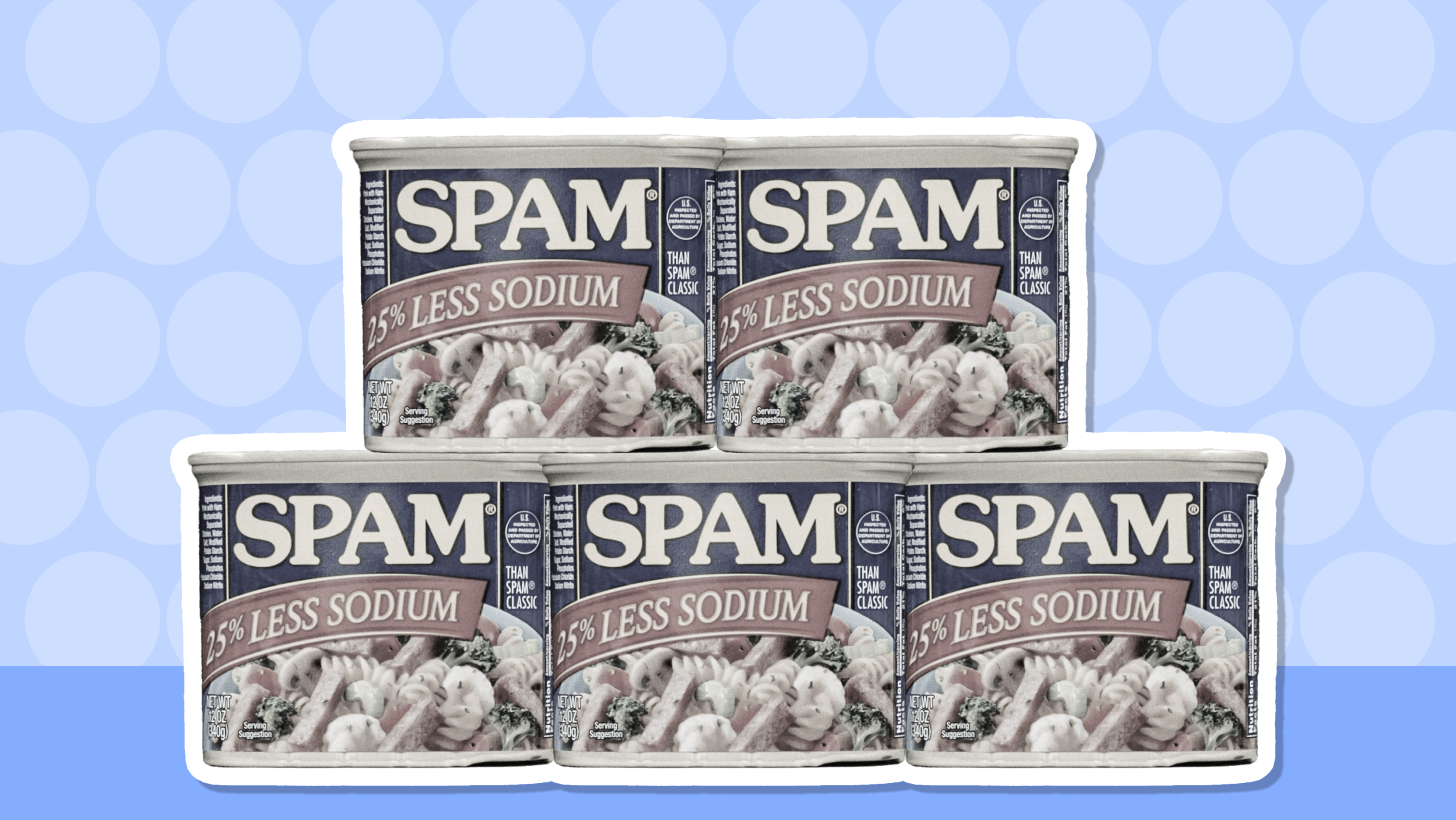
Although it may seem like a harmless, ordinary task, the president can’t just start cleaning out their office or email inbox. All presidential correspondence, physical or digital (even spam!), is considered official government property. It must be processed or archived according to federal records regulations, and discarding anything requires a strict review process.

Geography Geography 4 min read

New identities

Rebranded: 10 US cities that changed their names and the reasons why!

Image: Jon Tyson

Can you picture cheering for the New Amsterdam Giants or the Jernigan Magic ? We can’t either! Cities like New York, Orlando, and Los Angeles are staples of American identity—we can’t imagine the country without them. But believe it or not, some of these cities had different names in the past! Join us as we explore 10 US cities that once went by different names and discover the reasons behind their transformations.

1
Los Angeles, California

Image: Venti Views

The Spanish settlers who arrived in the area in the 18th century originally named it El Pueblo de Nuestra Señora la Reina de los Ángeles , which translates to "The Town of Our Lady the Queen of the Angels." Elegant, but kind of a mouthful for a town name! Over time, the Spanish name stuck, but it was shortened to the more practical "Los Angeles." The city officially adopted this name when it was incorporated in 1850, the same year California became a state.

2
New York City, New York

Image: Colton Duke

Before becoming the one and only New York we know today, the city went by a different name. In the 17th century, the Dutch settlers who arrived in the area called it New Amsterdam . However, when the English seized control in 1664, they renamed it New York in honor of the Duke of York.

3
Seattle, Washington

Image: Michael Discenza

Seattle is more than its iconic Space Needle; it has a long history that shaped the city we know today. When European settlers arrived in the area in 1851, they named their settlement New York and added the Chinook word Alki , meaning "by and by," "someday," or "later," suggesting it would one day become as big as New York City. However, in 1852, they changed the settlement’s name to Seattle in honor of Chief Sealth, a Duwamish and Suquamish leader.

4
Portland, Oregon

Image: Zack Spear

Early settlers referred to the area as The Clearing because it stood out from the dense forests typical of the Pacific Northwest. But in 1845, an event occurred that would change everything. Portland’s two founders, Asa Lovejoy from Boston, Massachusetts, and Francis W. Pettygrove from Portland , Maine, each wanted to name the new settlement after their hometown. So how did they decide? Simple: they flipped a coin . Of course, you know who won!

5
Kansas City, Missouri

Image: Farhodjon Chinberdiev

Kansas City was originally founded as the Town of Kansas in 1850, named for its location near the Kansas River. As it quickly grew, it was reincorporated just three years later as the City of Kansas . Finally, in 1889, it officially became Kansas City.

Fun fact: Kansas City, Missouri, was actually founded before the state of Kansas!

6
Charleston, South Carolina

Image: Tyrone Sanders

Before it became the city we know today, Charleston had another name, though not so different. When it was first settled in 1670, the English named it Charles Town in honor of King Charles II. However, over time, the name gradually evolved in pronunciation to Charleston. In 1783, after the Revolutionary War, the city was officially renamed Charleston.

7
San Diego, California

Image: Sean Mullowney

San Diego was the first site on the US West Coast settled by Europeans, which is why it's often called "the Birthplace of California." When Spanish explorers arrived in the area in 1542, they named the bay after a different saint: San Miguel . But years later, in 1602, explorer Sebastián Vizcaíno renamed it San Diego, in honor of San Diego de Alcalá (Saint Didacus of Alcalá).

8
Orlando, Florida

Image: Aditya Vyas

In 1840, the first settlers arrived in what we know today as Orlando. They were the Jernigan family, who named the place after themselves. A post office with that name was even established in 1850. However, about 6 years later, Jernigan officially changed to Orlando. Although the exact reason isn't entirely clear, there are several theories. A popular one claims it was named after Orlando Reeves, a soldier who may have died in the area during the Seminole Wars. Another well-known theory suggests the name came from Orlando , a character in Shakespeare’s As You Like It .

9
Cincinnati, Ohio

Image: Matt Koffel

In the 1780s, the first settlement in this area was called Losantiville , a name created from a mix of words meaning "The town opposite the mouth of the Licking River." But in 1790, the first governor of the Northwest Territory, who was also a member of the Society of the Cincinnati (named in honor of the Roman general Lucius Quinctius Cincinnatus), disliked Losantiville and decided to change it to its present name.

10
Atlanta, Georgia

Image: Christopher Alvarenga

Atlanta didn't just have one or two names; it had three! By the mid-19th century, the area where the city stands today had become a transportation hub where several railroad lines converged. Because of this, in 1837, the area was called Terminus , meaning "the end of the line." Then, in 1843, the name was changed to Marthasville , in honor of Martha, the daughter of Georgia Governor Wilson Lumpkin. Finally, just two years later, the city was renamed Atlanta. This name is believed to be a shortened form of "Atlantic," referring to the Western and Atlantic Railroad.

Explore more American facts

Choose your favorite category!

General
General

As American as apple pie—the very best America has to offer!

Culture
Culture

Delve into the astounding richness of American lore.

Geography
Geography

Hop in and explore vast and diverse American landscapes.

History
History

Discover the key moments that shaped the United States.