Geography Geography 5 min read

WOULD YOU VENTURE INTO THESE FORSAKEN PLACES?

Urb-Ex: 10 Spots To Experience The Thrill Of Exploring Abandoned Places

Image: Christian Paul Stobbe

Short for Urban Exploration, Urb-Ex is the act of exploring abandoned buildings. Whoever walked through a once-inhabited and now-deserted place knows the strange allure that this activity generates.

America is crawling with that kind of place. Somewhere, somehow, an asylum, a space shuttle tank, a ghost ship, a school, a bunker, and just about every type of structure that can be built, has been abandoned. Read on and discover 10 of these haunting locations.

1
Edinburgh Manor, Iowa

Image: Yener Ozturk

Thanks, in no small part, to horror movies and documentaries, asylums make great abandoned places. So, we might as well start our list with Edinburgh Manor , a once-bustling institution located in Iowa. Built in the early 1900s, this huge building served as a home for the mentally ill, the elderly, and the indigent, until 2010.

Today, Edinburgh Manor continues to harbor visitors but in the form of thrill chasers who seek to experience the paranormal within the mysterious walls of the immense asylum, even daring to stay the night on its premises. Would you dare to be one of them?

2
Dinosaur Mini Golf Ruins, California

Image: Dan Meyers

Dinosaurs and golf are two entirely different things. But in the cultural melting pot that is California, it seemed like a good idea to build a dinosaur-themed mini golf course in the town of Apple Valley, complete with 15-foot-tall creatures rendered in concrete.

Alas, the economics of the whole endeavor proved too much for its creator, who was forced to abandon his dream to the desert. Today, the deteriorating remains of these dinosaurs can still be visited, as an attraction that lures travelers off the highway.

3
Space Shuttle Fuel Tank, Green Cove Springs, Florida

Image: SpaceX

Picture a humongous 154-foot-long space fuel tank sitting alone in the middle of nowhere. For many years, this tank stood on display at the Kennedy Space Center. But after the Space Shuttle program ended in 2011, NASA announced that they would remove the test fuel tank to make room for the retired space shuttle Atlantis, along with a new exhibition facility. The tank was auctioned off and sold to the Wings of Dreams Aviation Museum in Keystone Heights, Florida.

It took a 200-foot barge, two tugboats, and cranes to transport the massive tank to Green Cove Springs, where it would be temporarily held before moving to its final destination. But the logistics of moving such a massive structure proved difficult, and that temporary staging site seems to have become the fuel tank’s final home.

4
Meigs Field Tower and Terminal, Illinois

Image: Mads Eneqvist

An abandoned airport ranks high amongst the personal goals of any urban explorer worth its salt. And, to anyone close to Chicago, Meigs Field certainly delivers. Built on an artificial peninsula, the airport functioned as such from 1948 to 2003.

Today it no longer works as an airport but the stubby control tower is still very much recognizable as such, standing watch over the breezy park and its native grasses and birds.

While the tower is closed to the public, the old terminal building is not; it houses a Parks Department Visitor’s Center.

5
Old Zoo Nature Trails, Texas

Image: Matthew Cabret

A long-abandoned zoo repurposed as a hiking trail? Sign me up! The Cisco Zoo in rural Texas functioned as such for only a few years starting in the 1920s until it closed its doors due to a poisoned bear, a mysterious deer death, and other factors.

Visitors can walk through the rusted enclosures and concrete shelters where the animals were once kept, and even find the remains of what were once offices used by zoo staff. The ruins form an eerie backdrop to an otherwise tranquil 1.5-mile track still in the shadow of the dam.

6
Redstone Coke Ovens, Colorado

Image: Nadia Jamnik

Picture a mysterious "town" made up of several lines of man-made caves of equal dimensions, with open entrances like dark mouths. Now place it in a mountainous terrain, in the middle of nowhere. Welcome to Colorado Fuel and Iron coke ovens , in Coal Basin.

Built in 1899, the 249 ovens worked only for a few years, until 1908. In recent decades, the site was recognized as a historic one, and nowadays, many ovens remain intact and open to the public.

7
Black River Ghost Ship, Ohio

Image: zhao chen

Another high-ranking site in the books of any urban explorer is a ghost ship . Located on the banks of the Black River outside of Cleveland, lies a bit of a nautical mystery for the residents of Lorain, Ohio. Sinking into the muddy water along the shore and listing to one side, rusting away a little more each season, is a 90-foot-long Canadian automobile ferry that mysteriously appeared docked under the bridge sometime around 2003.

For the last 20 years, the ship has remained where it dropped anchor all those years ago. No one knows what will happen to the ship. But, for now, it serves as a decaying piece of maritime history that is well worth the walk to the top of the bridge in Lorain to view.

8
Lando School, South Carolina

Image: Evgeny Matveev

Going back to your former school as an adult is a recurring dream for many. Going back to your former school and walking through its ruins is a slightly less common dream, but it is also known to happen. And, if you went to school before the year 1955 in the Lando Schoolhouse in South Carolina, you can live the dream.

The school ruins feature classrooms, an auditorium, and balcony seatings above, all on three floors full of eerie corners, dusty blackboards, and forgotten tables. Quite creepy, right?

9
Abandoned Castle Video Games, South Carolina

Image: Chris Anderson

A defunct casino building fashioned as a castle, complete with a stone exterior, an arched wooden door, a looming knight statue, turrets, and other cliché castle features. It doesn’t get much better than that.

Castle Video Games was a video gambling center in the late 80s and early 90s until the Carolina Supreme Court ruled video gambling illegal, thus shutting the casino castle doors forever.

10
Camp Hayden, Washington

Image: Greg Panagiotoglou

Bunkers are gloomy places by design, with very little room for windows, if any, and an oppressive atmosphere. Now, imagine being in a World War II abandoned bunker at the end of a thickly forested road inside the Salt Creek Recreation Area west of Port Angeles, Washington.

One of seven locations in Washington’s system, this bunker featured a fire control radar and harbor entrance radar. Constructed of steel-shielded concrete, the structure was designed to withstand a direct hit. All of the bunkers still stand, and portions of the interiors are accessible to explorers.
History History 5 min read

Do you know what SoHo, NoLIta, and TriBeCa actually mean? Find out now!

Image: Florian Wehde

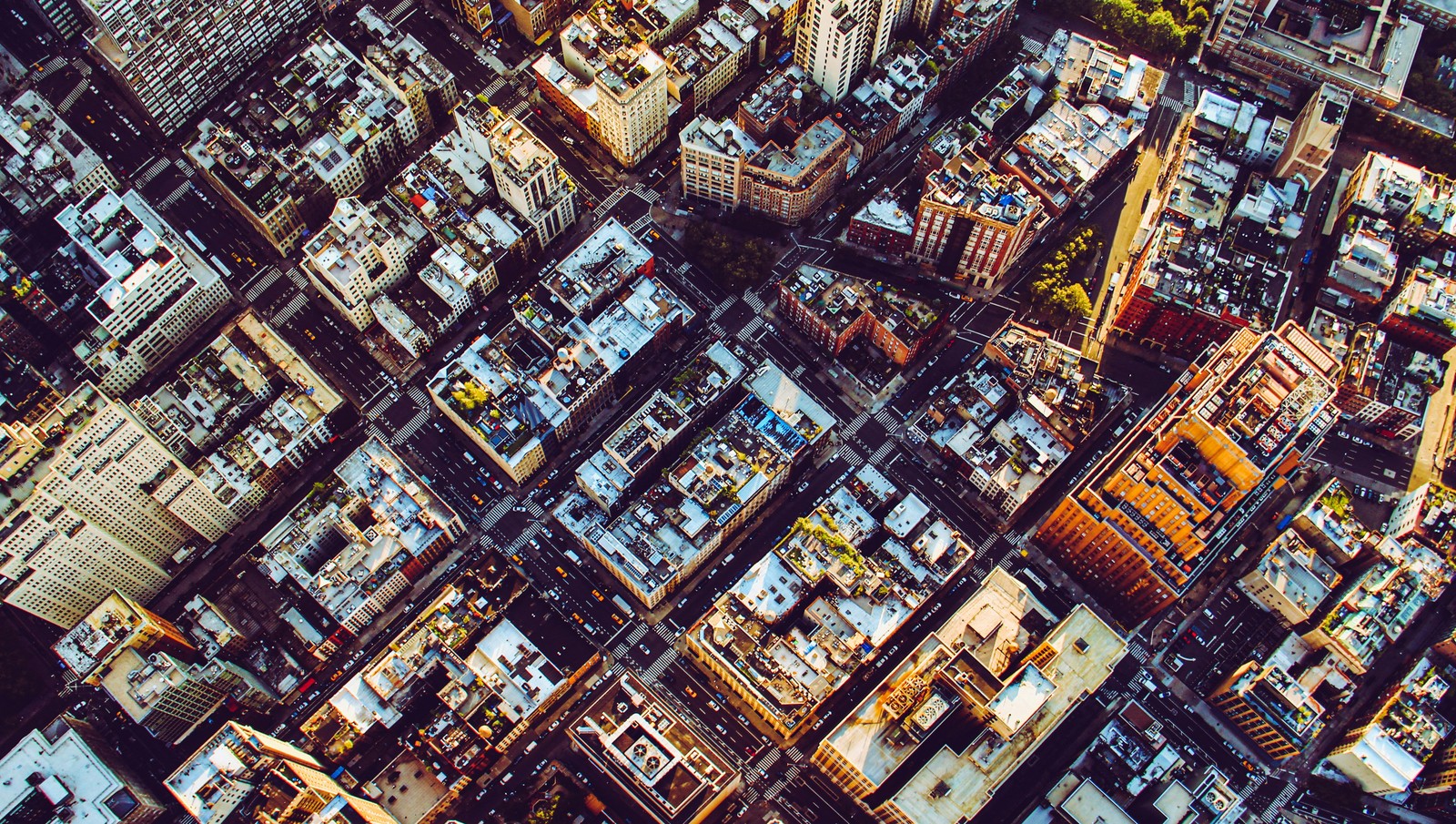
For a small island just 13 miles long, the Big Apple holds centuries of history in its neighborhood names. Some were borrowed from Dutch or British settlers, others from police officers, urban planners, or real estate promoters, and a few were coined by architects armed with a map and imagination. Each name tells a story of how the city grew, block by block. Here’s a lively stroll through 12 of Manhattan’s most famous neighborhoods and the stories of how their names first came to life.

1
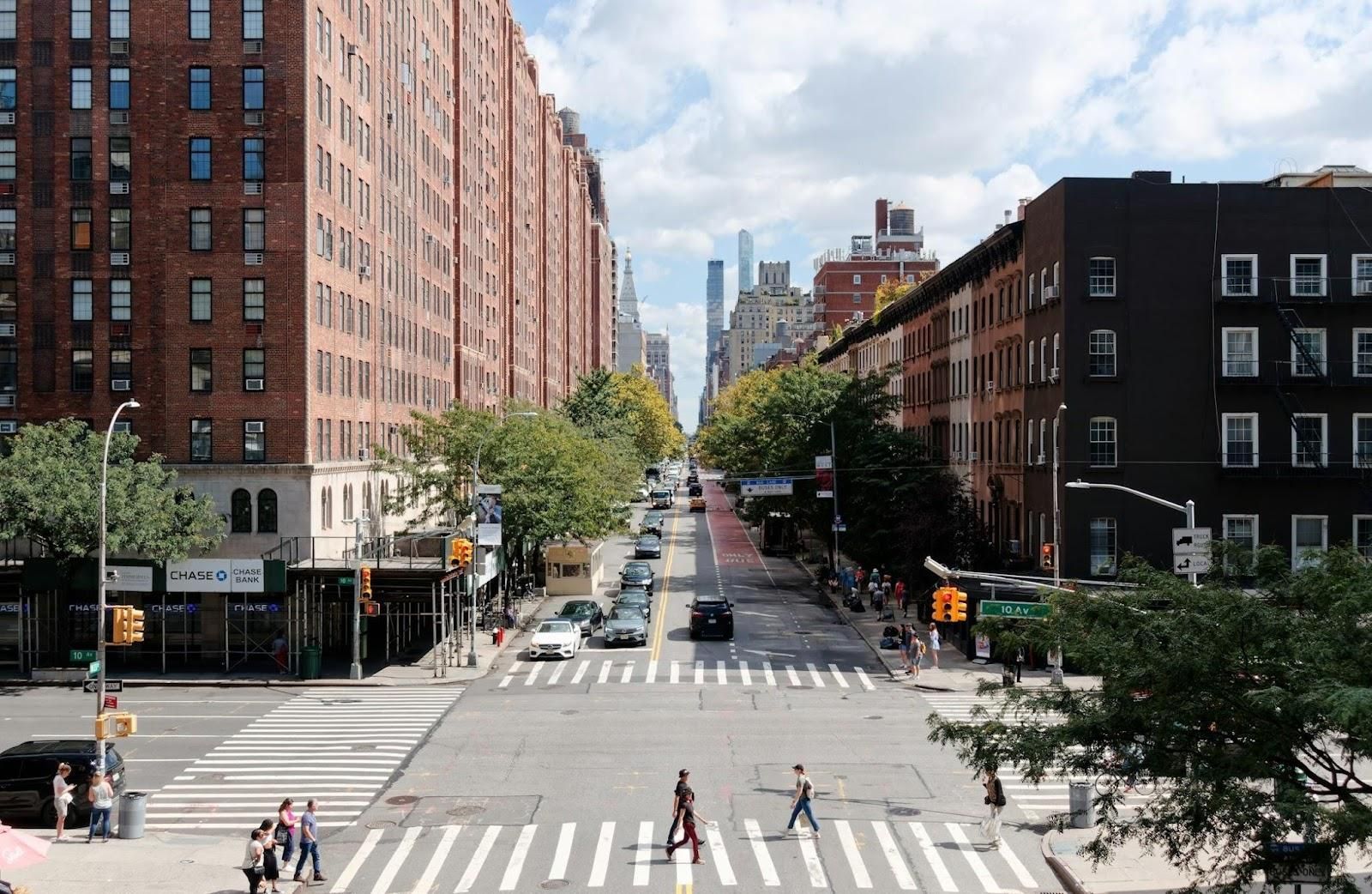
Hell’s Kitchen

Image: Michael Matloka

What’s in a name? In this case, fire, grit, and a wink of humor. Legend has it that during a riot, a young police officer muttered, "This place is hell itself," only for his older partner to quip, "Hell’s a mild climate—this is hell’s kitchen." The pun was too good to forget, and the nickname stuck. Years later, developers tried a new label—"Clinton"—hoping it would sound more welcoming on real estate brochures. But New Yorkers can be a bit stubborn, and locals chose to keep the old name. After all, only "Hell’s Kitchen" could do justice to a neighborhood with that much flavor, grit, and, well, heat.

2
Harlem

Image: Phil Evenden

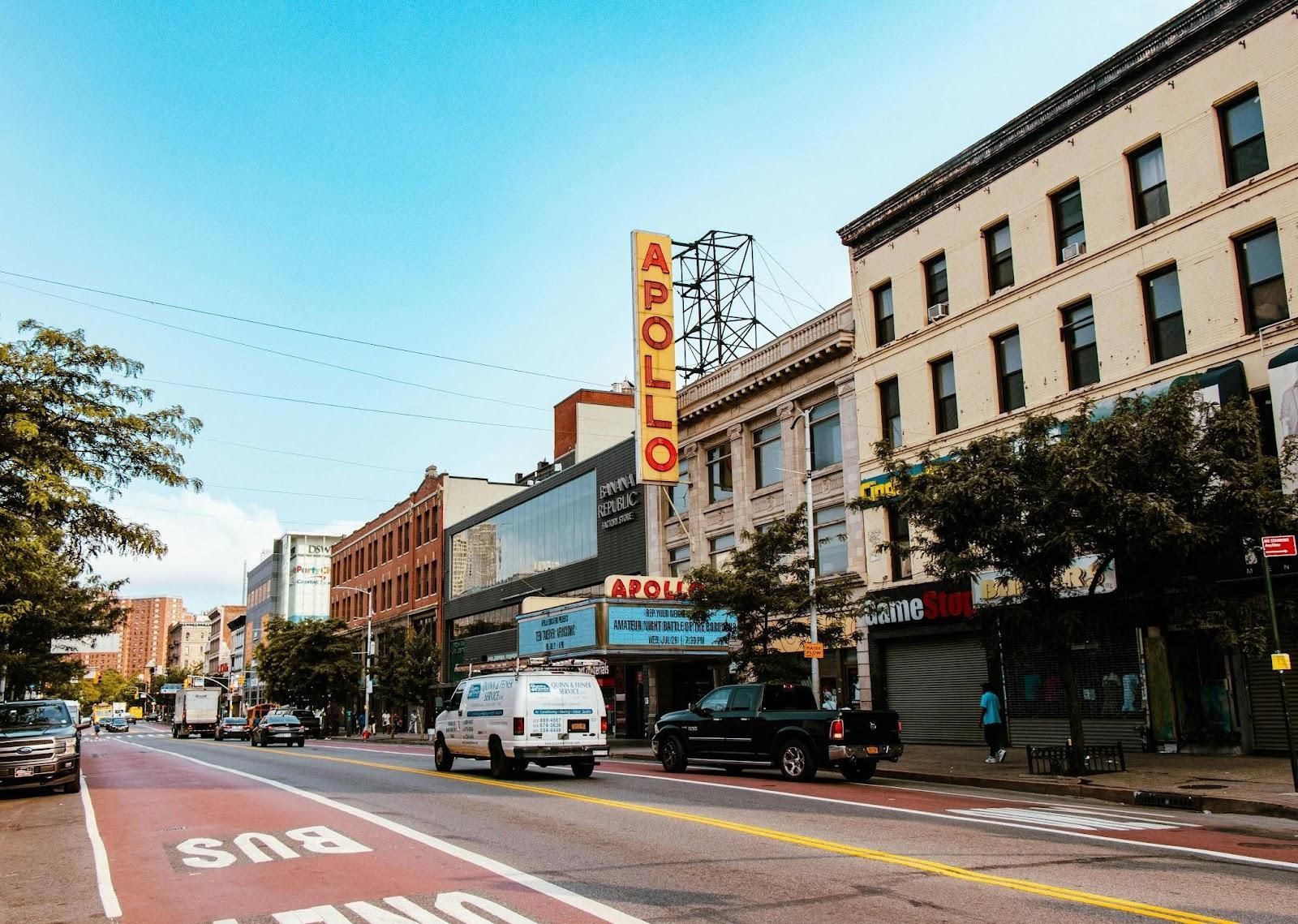
Back in the 1600s, when northern Manhattan was little more than farmland, Dutch settlers, homesick for their town across the sea, named the area Nieuw Haarlem after Haarlem in the Netherlands. Time smoothed away the "Nieuw," but the name remained. Centuries later, Harlem became something entirely of its own: a world capital of music, art, and pride. The rhythms may have changed from Dutch hymns to jazz and soul, but the name still carries the same echo of nostalgia and creativity.

3
Greenwich Village

Image: Budgeron Bach

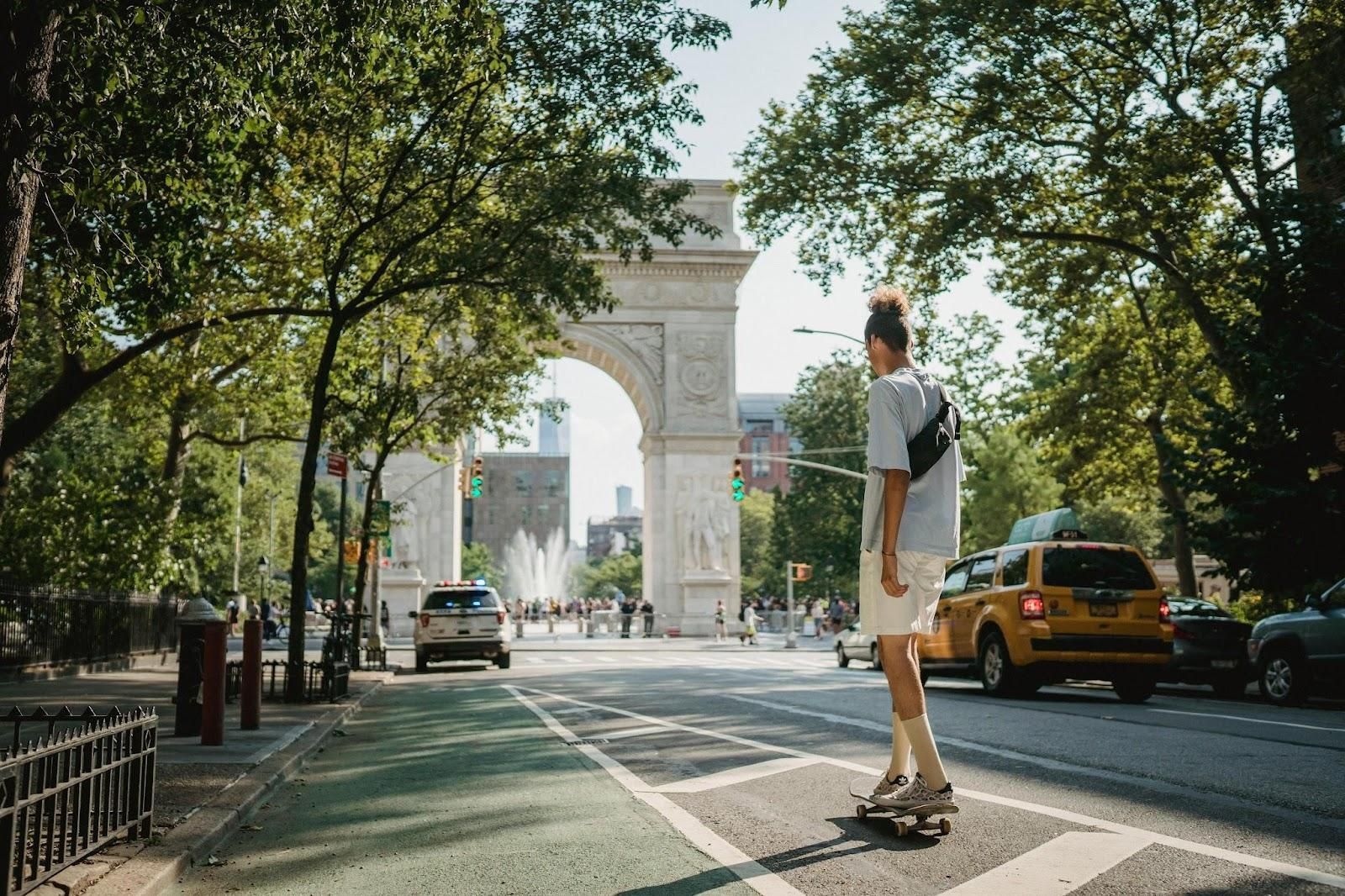
Long before jazz bars and coffeehouses filled the air with chatter, this corner of Manhattan was a quiet patch of countryside known as Groenwijck—Dutch for "pine district." The British, with their habit for renaming, turned it into Greenwich, and generations of locals affectionately shortened it to "the Village." Its winding lanes still ignore the city’s rigid grid, twisting and bending like memories of the farmland that came before. Even today, as musicians play on stoops and artists linger in cafés, the Village keeps that timeless feeling.

4
Chelsea

Image: Elric Pxl

Here’s a name steeped in nostalgia and old-world charm. In the mid-1700s, retired British Major Thomas Clarke bought a large plot of land overlooking the Hudson River and built his dream home, naming it "Chelsea" after the genteel London district he once knew. The estate is long gone, swallowed by the city’s constant growth, but its name never left the map. Over the centuries, the neighborhood evolved with a flair worthy of its heritage. First a quiet residential area, then a bustling creative hub filled with galleries, theaters, and fashion studios. Much like its London namesake, New York’s Chelsea has always worn its artistic spirit proudly, with just the right touch of elegance.

5
The Meatpacking District

Image: TanjaSchwarz

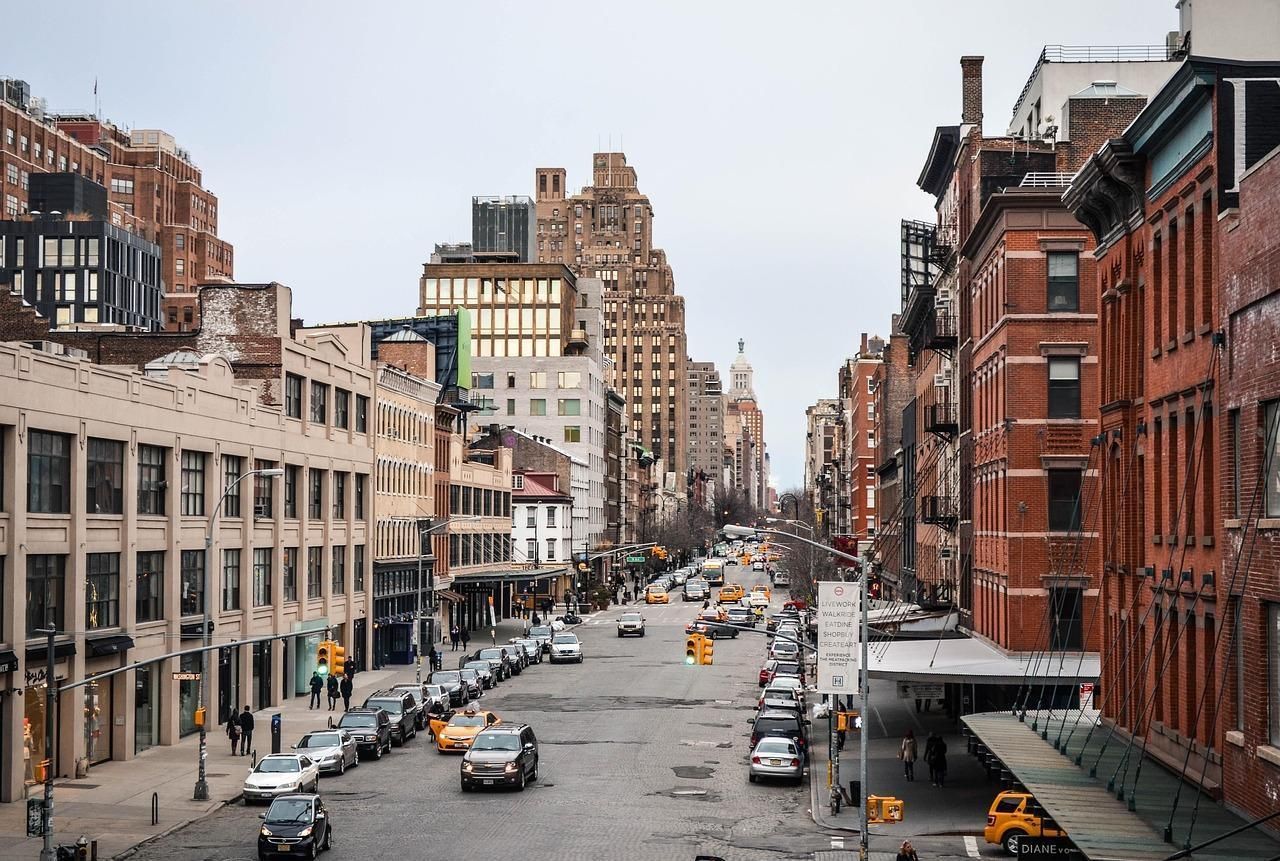
It sounds tough because it was. In the early 1900s, this corner of Manhattan had more than 250 meatpacking plants and slaughterhouses filling the air with noise—and, yes, a certain aroma that no candle could ever mask. Workers hauled sides of beef down cobblestone streets dusted with ice and sawdust, a daily ballet of grit and muscle. Today, the scent of raw steak has been replaced by perfume and espresso, and the warehouses now house boutiques and rooftop bars. Still, the name "Meatpacking District" hangs on proudly, a reminder that even glamour was built on hard work and heavy lifting.

6
Times Square

Image: James Ting

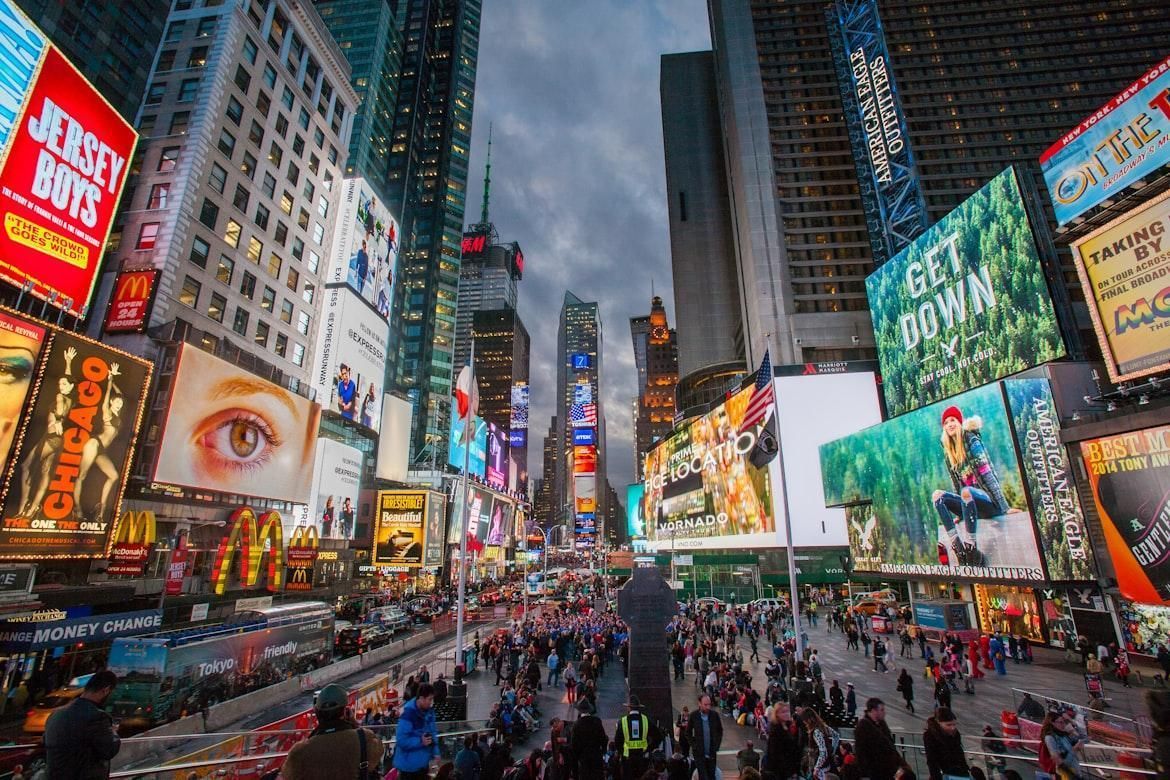
Believe it or not, the origin of this glowing crossroads has more to do with ink and paper than neon lights. In 1904, when The New York Times moved its headquarters to what was then called Longacre Square, the city decided to rename the area in the paper’s honor. To mark the occasion, the Times threw a grand celebration complete with fireworks and electric lights. Decades later, the newspaper has long since moved out, but the glow never dimmed. What began as a nod to journalism became the city’s biggest stage, where the lights still flash like headlines that never stop breaking.

7
SoHo

Image: Zeke Goodyear

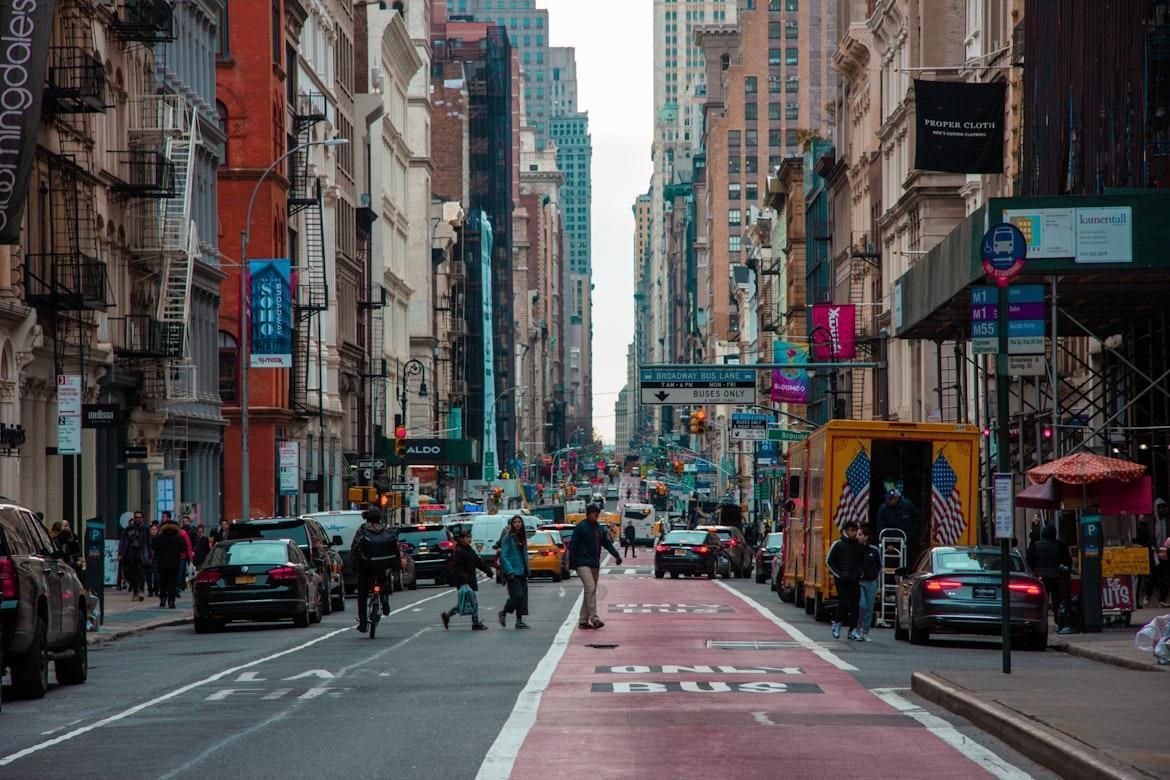
It may sound like a borrowed bit of London, but this SoHo is a New York creation. Back in the 1960s, urban planner Chester Rapkin was writing a report about a fading industrial zone just SOuth of HOuston Street, and casually shortened that phrase into "SoHo." He couldn’t have known he was naming one of the city’s trendiest neighborhoods. As artists began filling the old cast-iron factories with studios and galleries, the nickname spread faster than wet paint. Soon, SoHo meant loft living, street art, and downtown cool. And here’s a fun fact for visitors: in Manhattan, Houston is pronounced HOW -ston, not like the Texas city. Mispronounce it, and you’ll hear all about it before you hit the next crosswalk!

8
NoHo

Image: Dylan Dehnert

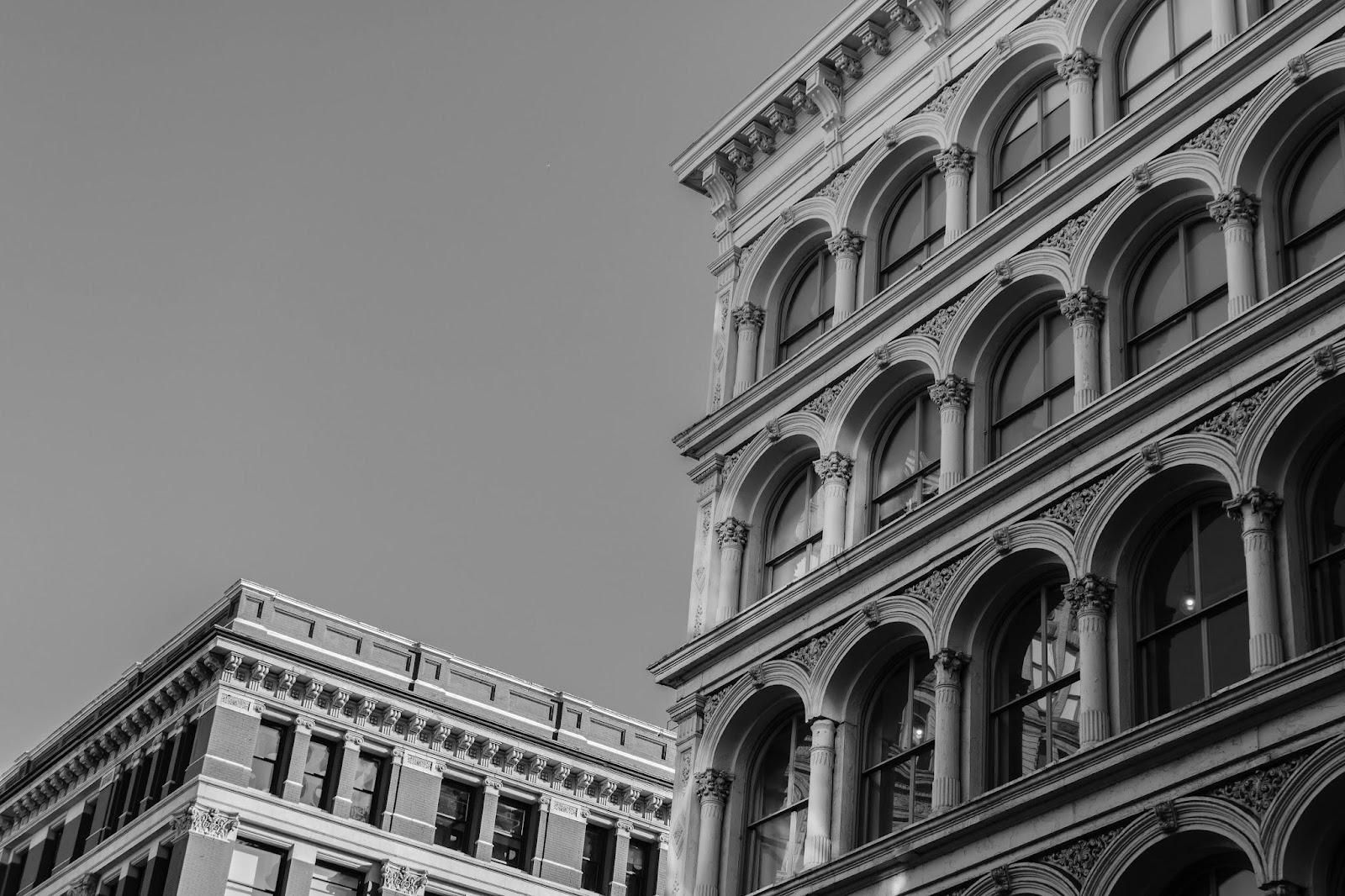
By now, you probably know the drill. After the renaming of SoHo proved such a success, the north couldn’t be left behind. When the area NOrth of HOuston Street, another cluster of lofts and studios began to bloom, it soon earned the mirrored name "NoHo." Smaller and quieter, it kept its creative streak without the chaos. Cast-iron buildings, cobbled streets, and a calm charm that feels like SoHo’s thoughtful twin, equally artistic but happy to hum instead of shout.

9
TriBeCa

Image: Essow K

What if geometry had a ZIP code? That’s pretty much how TRIangle BElow CAnal Street —better known as TriBeCa—came to be. The name began as a bit of city-planning jargon for a small, oddly shaped area, but once The New York Times printed it, the label spread faster than a rumor on the subway. Before long, the whole neighborhood embraced its new identity. Today, those wide streets and grand old warehouses host film festivals, art galleries, and lofts so sleek they make geometry look downright glamorous.

10
NoLIta

Image: Alex Haney

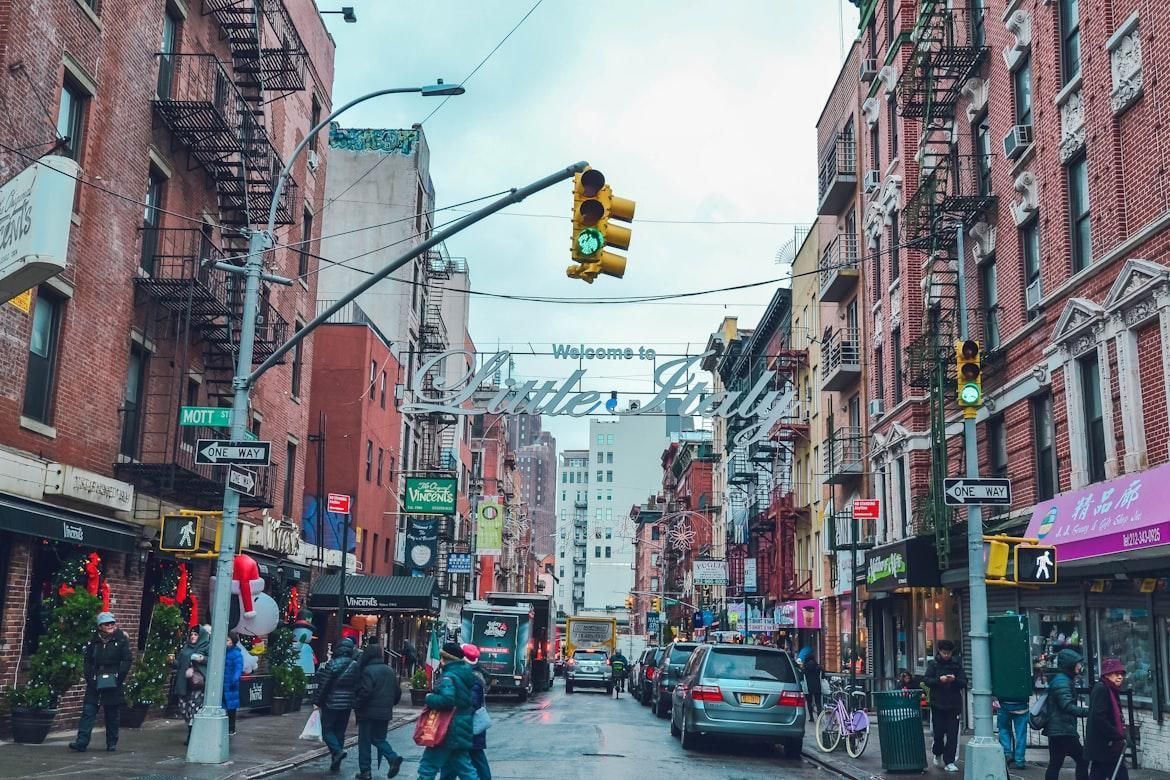
Tucked just NOrth of LITtle ITAly, this petite pocket of Manhattan once blended seamlessly with its pasta-and-pastry-filled neighbor. Then came the wave of stylish boutiques, corner cafés, and street-front charm that begged for its own identity. The solution? NoLIta, a name so snappy it sounds like it’s been around forever. Sleek, sunny, and effortlessly cool, it’s proof that in New York, a clever name can turn a few city blocks into a full-blown destination.

11
Turtle Bay

Image: Masahiro Naruse

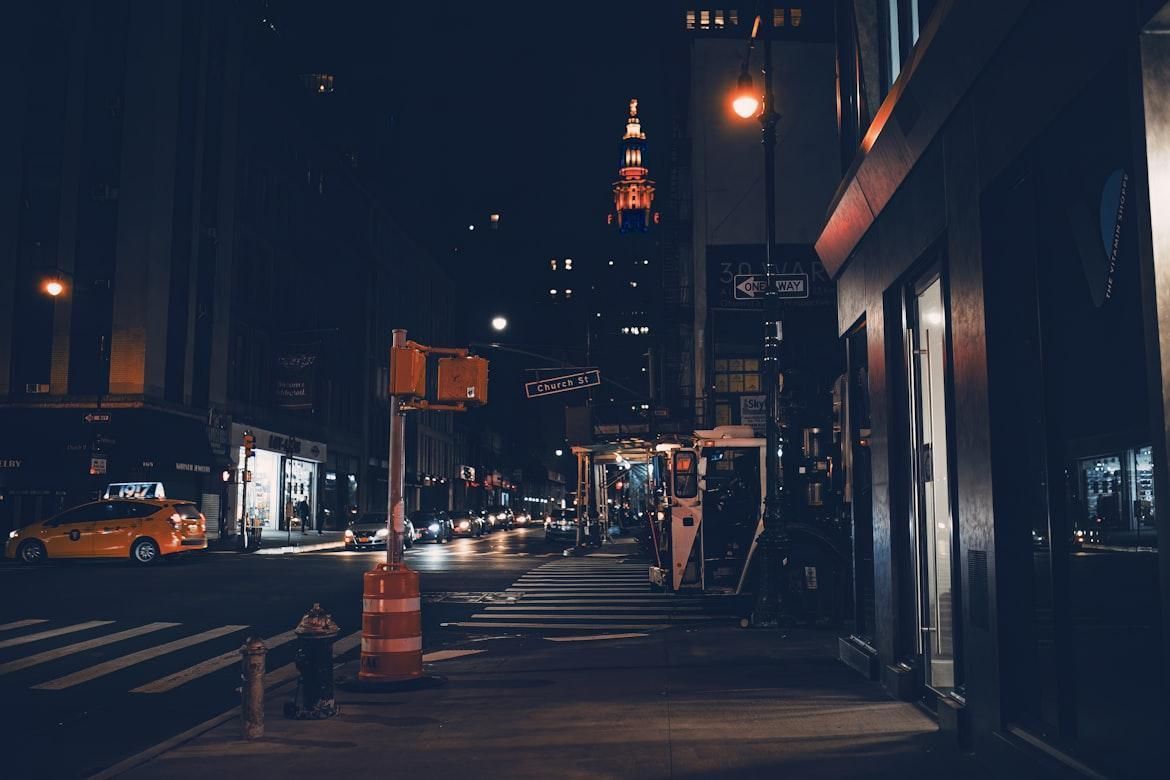
At first glance, the name sounds cute enough for a storybook, and in a way, it is. Back in the 1600s, Dutch settlers named a small farm near a creek that flowed into the East River. Some say it referred to the turtles that lived there; others claim it came from the Dutch word deutal , "bent blade," describing the curve of the bay. Either way, it’s one of Manhattan’s softest names, a calm corner in the city that never sleeps.

12
Gramercy

Image: Megan Bucknall

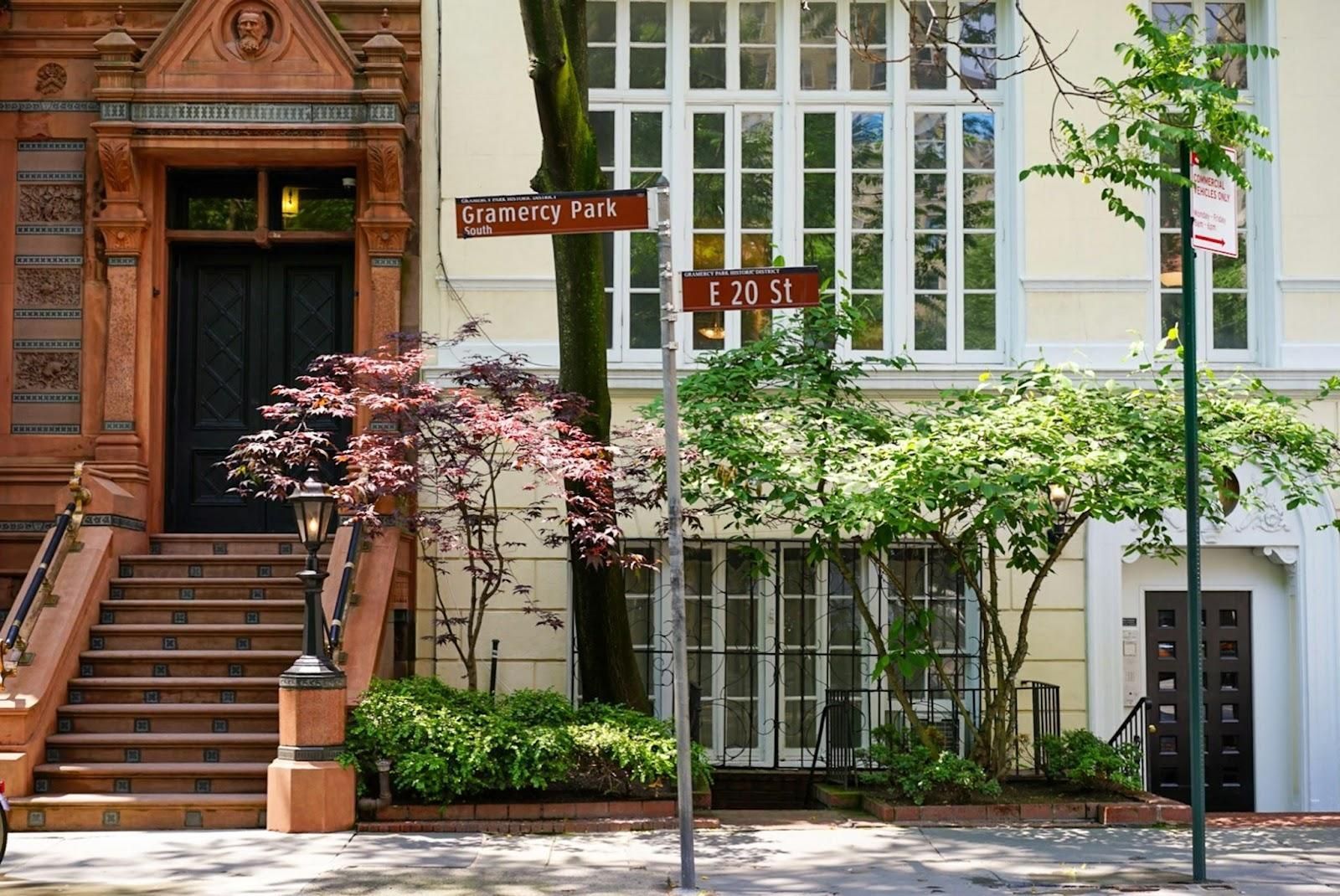
Long ago, this Manhattan neighborhood was a swampy patch of land the Dutch called Krom Moerasje , meaning "little crooked marsh," hardly the kind of description you’d want on a real estate brochure. In the early 19th century, developer Samuel B. Ruggles acquired the land and renamed it Gramercy , adapting an archaic expression derived from the French grand merci , meaning "many thanks." Suddenly, it sounded far more elegant. The neighborhood grew around its most famous feature: Gramercy Park, a private, gated square that remains key-only to this day. In New York, that’s about as close as it gets to a secret garden.

General General 5 min read

Are you home shopping?

Watch out! Here are 12 things to pay attention to when buying a home

Image: Dillon Kydd / Thirdman

Buying a house can be a nerve-wracking experience, especially for first-time buyers who might lack the necessary experience to do so with ease and confidence. Is the electrical system okay? What about the plumbing? Is there mold in the house? Is it too noisy? Is the neighborhood safe? These are all important questions homebuyers need to ask themselves when visiting a property. The following 12 are just a few of those questions, but they are definitely important ones. Can you think of anything else?

1
House Size

Image: Esther Zheng

One of the very first things any prospective homeowner should ask themselves is what kind of house they want . Having a general idea of the size, as well as the amount and type of spaces needed, is considered basic information before starting to look for a property.

2
Roof Condition

Image: Andreas Weiland

For practical reasons, most people looking to buy a house don’t inspect the roof of a prospective home. However, that section of the house can present serious and costly problems if it has any kind of damage.

Asking about the condition of the roof is paramount. How old is it? What is it made of? Buyers can find this information on the seller’s disclosure or ask the real estate agent to find out. Asphalt shingle roofs last around 20 years, but other materials, like clay or metal, can last much longer.

3
Neighborhood Safety

Image: Alev Takil

It goes without saying: safety is a big thing. When searching for a home, make sure the neighborhood where a potential house is located is safe. It’s also highly advisable to check out the neighborhood from an insider’s perspective via social media, such as Facebook groups, where you can learn more about the area and ask locals questions.

If you’re truly interested in a particular home, spend some time in the neighborhood. Go for a walk and check out local businesses to get a feel for what it’s like to live in the area.

4
HVAC system

Image: Taylor Vick

The HVAC system heats and cools a house year-round. Anyone looking at houses should ask about the type of heating and cooling system each one has and, most importantly, how old it is. Asking for maintenance records is also a good idea.

Furnaces and AC units typically last anywhere from 10 to 25 years. If a unit is broken, repair costs vary based on the type of system and how big it is. Homeowners can spend an average of $7,000 to replace an existing HVAC unit—but don’t count on a home warranty to automatically cover that.

5
Property Taxes

Image: Recha Oktaviani

A commonly overlooked item for first-time homeowners when searching for a house is property taxes. When considering a potential home, always compare property tax amounts over several years to help you calculate the overall affordability of the property .

To find out a home's estimated property taxes, check with the county's appraisal board. Homeowners Association dues should be listed in the home's listing, or you can request them from the listing agent.

6
Plumbing

Image: PAN XIAOZHEN

The plumbing system in a house can be a mystery for a prospective buyer if they don't know how to inspect it properly. Pipe disintegration, obstructive tree root growth, and complicated clogs can all cause havoc on the system. Keep in mind that sewer line replacement can cost anywhere from $1,300 to $4,900.

Always check toilets for leaks, unstable bases, and discoloration . Look under the bathroom and kitchen sinks for signs of leaks. Turn on the hot water in the sink or tub to see if it gets hot. If it doesn’t, that could indicate a problem with the water heater.

7
Water damage and mold

Image: Hydra 4x

Water damage can cause numerous problems in a house, including structural issues, mold, and rot, especially in basements. Anyone inspecting a house should pay close attention to musty smells as well as water stains on floors, walls, or ceilings .

The cost of mold removal can be anywhere from a few hundred to a few thousand dollars, depending on the size of the affected area. And, because mold is a health hazard, it should be treated before moving in.

8
Proper ventilation

Image: Jelleke Vanooteghem

This one might be subtle, but it’s very important, especially when considering the mold issues mentioned earlier. Without adequate interior ventilation, moisture can't evaporate , which can turn a room into a breeding ground for mold.

Look for condensation on windows or slightly bubbled or peeling paint around windows, doors, or vents. These signs may indicate moisture within the walls or ceiling drywall.

9
Noise Level

Image: Rei Kim

Nobody wants to live in a noisy home. But, at the same time, this issue is often overlooked when searching for houses. Many showings are cunningly scheduled during quiet hours to disguise the noise issues.

If you are truly interested in a property, visit during high-traffic hours to assess this concern . Even if the house is perfect in every other way, the constant hum of passing cars, public transport, or other sources of noise can become a serious problem.

10
Foundation and home exteriors

Image: Aiden Craver

Foundations matter. Bulging or bowing foundation walls are signs of structural weakness that can be expensive to repair. Always check for cracks in the foundation, drywall, or ceiling ; gaps above doors and windows ; sunken stairs or porches; and sloping or uneven floors or tiling.

Of course, not every crack means the home is about to collapse. Every home experiences some degree of settling, so some cracks are to be expected.

11
Electricity issues

Image: Mila Albrecht

The electrical system in a house can be compared to the nervous system of a human being: every part must work properly, and issues can sometimes be difficult to spot. From the power outlet next to the bed to other electrical systems in the house, like the garage door opener, everything is important and contributes to your safety and comfort. Bring a phone charger and plug it into random sockets to check if they work properly .

12
Room for improvement

Image: Daniel McCullough

Buying a house is a big investment and you can be living in it for a very long time. Therefore, it is always important to take into consideration any future plans and whether these plans make sense in that particular house.

Is there a wall you could knock out to create more space if needed? A garage or attic you could potentially finish if you need an extra room? Having an easy-to-modify layout can provide more possibilities for the future.

Explore more American facts

Choose your favorite category!

General
General

As American as apple pie—the very best America has to offer!

Culture
Culture

Delve into the astounding richness of American lore.

Geography
Geography

Hop in and explore vast and diverse American landscapes.

History
History

Discover the key moments that shaped the United States.