General General 4 min read

Gracias , capisch’ ?

America the polyglot: 10 (other) languages spoken in the U.S.

Many Americans might not know this, but until recently, American English was not the official language of the United States of America . It was, however, the de facto language of the country , meaning that its historical use and importance made it the official language, even if Congress had never issued legislation on this issue. In the U.S., English is the language of the foundational documents, such as the Declaration of Independence or the Constitution, the language of communication, education, administration, and paperwork. But is it the only language that is spoken in daily life? Let’s have a look at 10 other languages that are widely spoken in the U.S.

Spanish

Image: Amit Ovadia

The fact that Spanish is the second most spoken language in the U.S. comes as no surprise if we consider that at least 18 of the current 50 states were once part of the Spanish Empire. This, combined with migration from other Hispanic territories, means that around 40 million people speak Spanish at home in the U.S., nearly 13% of the population.

Native Spanish speakers in the U.S. have developed their distinct dialectal variants, such as New Mexican Spanish in the states of New Mexico and Colorado, Puerto Rican Spanish , or Spanglish .

French
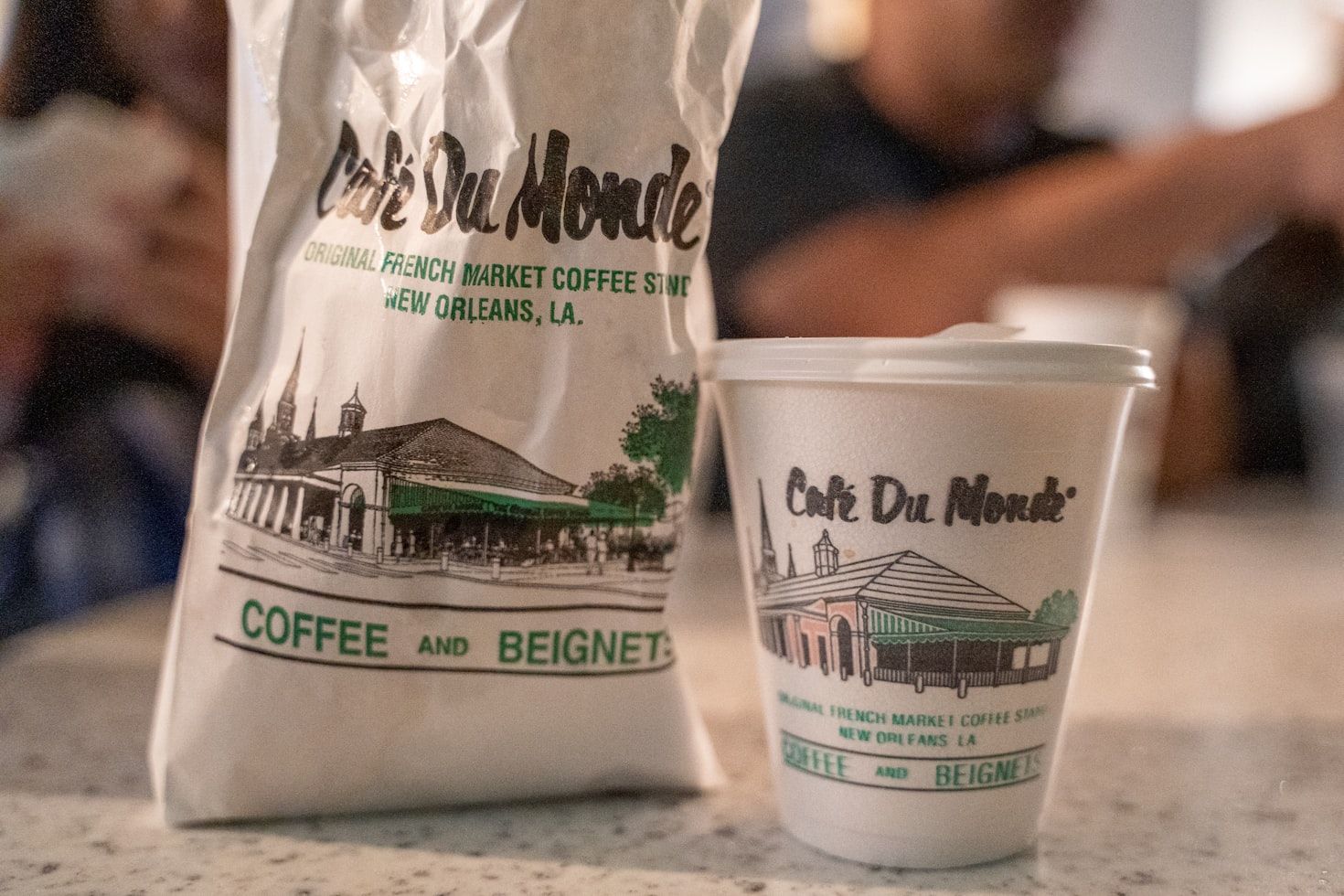
French is, after Spanish, the most taught foreign language in schools. But did you know that more than a million Americans speak French at home ? Historical events such as the Louisiana Purchase or the French and Indian War in Canada meant that native French speakers migrated to the U.S. or became American when French-speaking territories were incorporated.

Nowadays, the French language presents three main dialectal groups in the U.S. , mainly located in Louisiana and the New England region. So, if you were planning a holiday in NOLA or Lewiston, you might want to brush up on your ouis , bonjours , and mercis .

Navajo

Compared with other languages on this list, the Navajo speaker population might seem small, with around 170,000 native speakers . However, it is the most widely spoken Native American language , with most of its speakers located in the Southwestern U.S.

Navajo is famous for its use as a code during World War II . Its complex grammar and the fact that, at the time, it wasn’t a written language, significantly reduced the chances of enemy forces deciphering transmissions, and even native Navajo speakers wouldn’t have been able to understand the code used.

Chinese
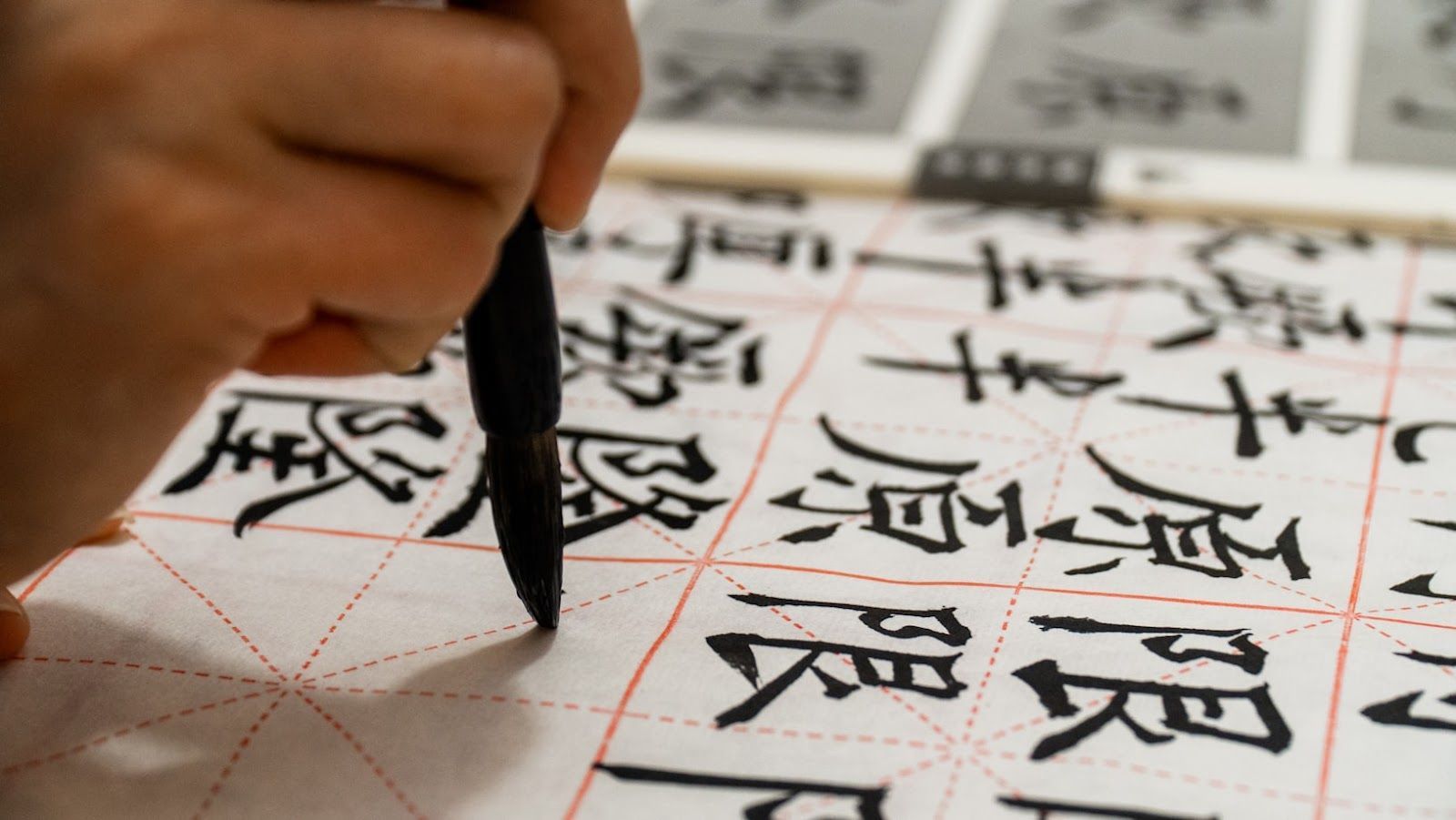
When we think about Chinese immigration into the U.S., we sometimes forget that China is a multicultural, multiethnic country, and that not all Chinese immigrants spoke the same language or came from the same region.

It is reported that more than 3 million people in the U.S. speak a Chinese language at home, with Mandarin, Cantonese, and Hokkien accounting for the majority of those speakers.

German
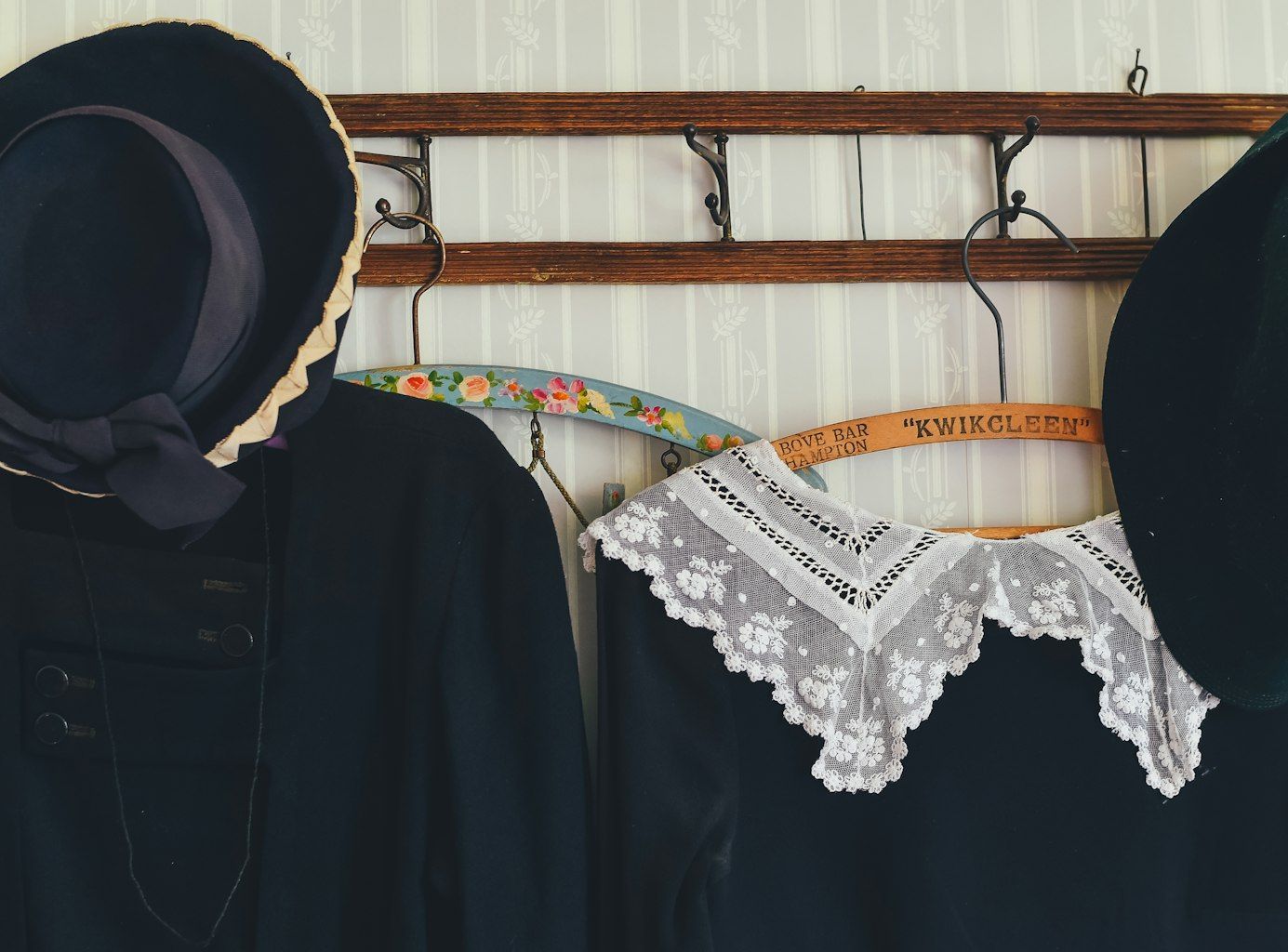
Although more than a million Americans speak German at home , nearly half of them would have issues communicating with a German person. This is because there are several variants of German spoken in the U.S., such as the Pennsylvania Dutch, the Plautdietsch, or the Alsatian , mainly spoken by Amish or Mennonite communities, or the Yiddish , widely spoken in Jewish communities.

Standard German is the second most spoken language in North Dakota , while Texas German , a U.S. variant, is still spoken in the state of Texas by the descendants of 19th-century German settlers.

Hawaiian

Hawaiian is recognized as one of the official languages of the state of Hawaii , but is classified as an endangered language . It is estimated that only 2000 of its 30,000 speakers learned it as a first language. In the late 19th Century, Hawaiian was banned from schools , which significantly reduced the number of speakers, but conservation efforts over the past decades have proven successful in revitalizing the language .

Hawaiian Pidgin , an English-based creole language , is also spoken by more than half a million Hawaiians and has been influenced by languages such as Portuguese, Cantonese, Japanese, Okinawan, and Korean .

Italian
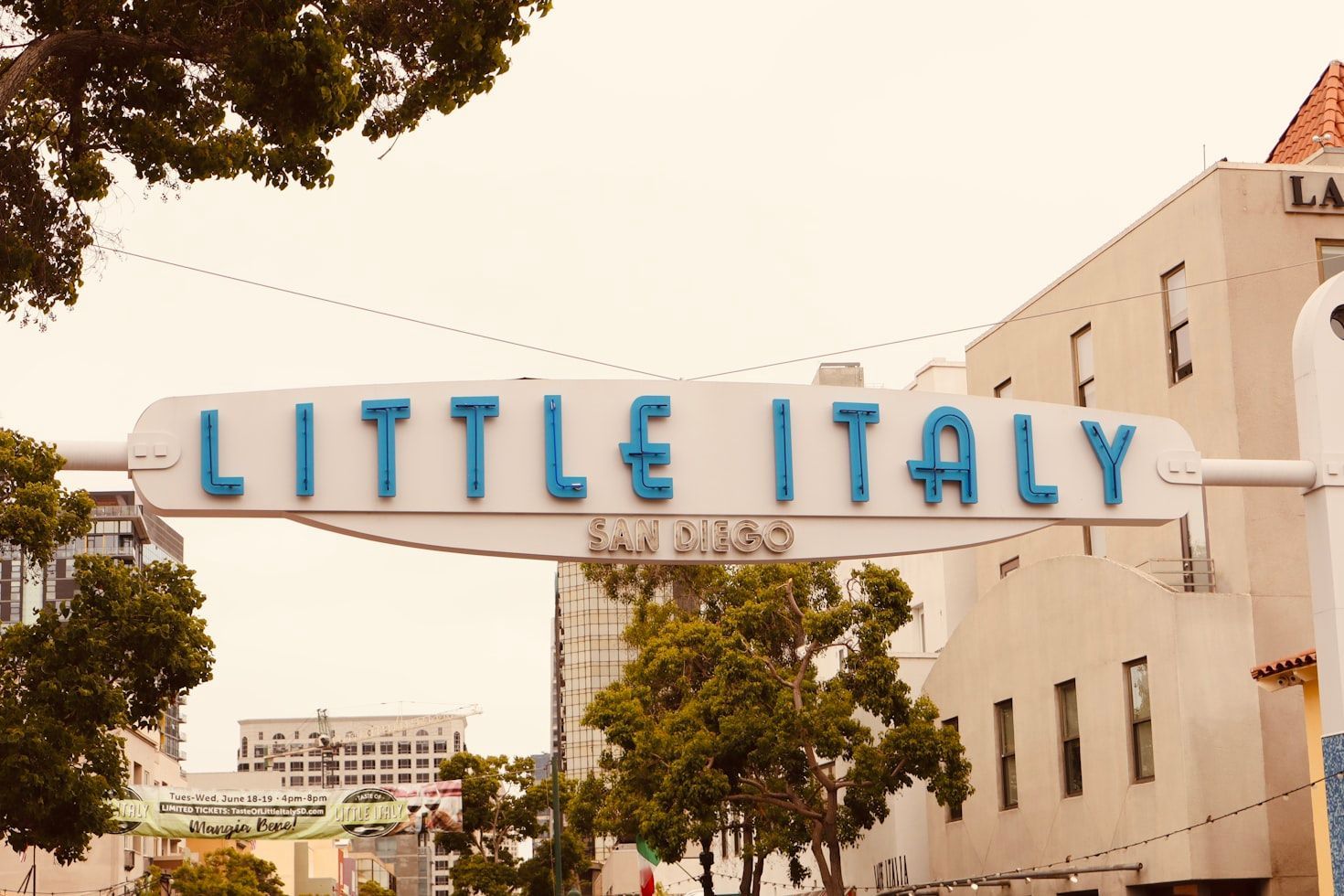
Italians are one of the most notorious U.S. communities of immigrant descent, with their way of speaking being one of the main traits associated with Italian-Americans . But nowadays, of the more than 15 million Italian-Americans, only 700,000 are fluent in standard Italian .

Many Americans of Italian descent speak a pidgin (a simplified language that results from the contact of two groups) that mixes English, standard Italian, and regional Italian dialects , with words like mootsarell’ (from mozzarella ), gabagool’ (from capocollo ), or latte (from caffelatte ). Something to think about next time someone orders a pumpkin spice latte at Starbucks.

Vietnamese
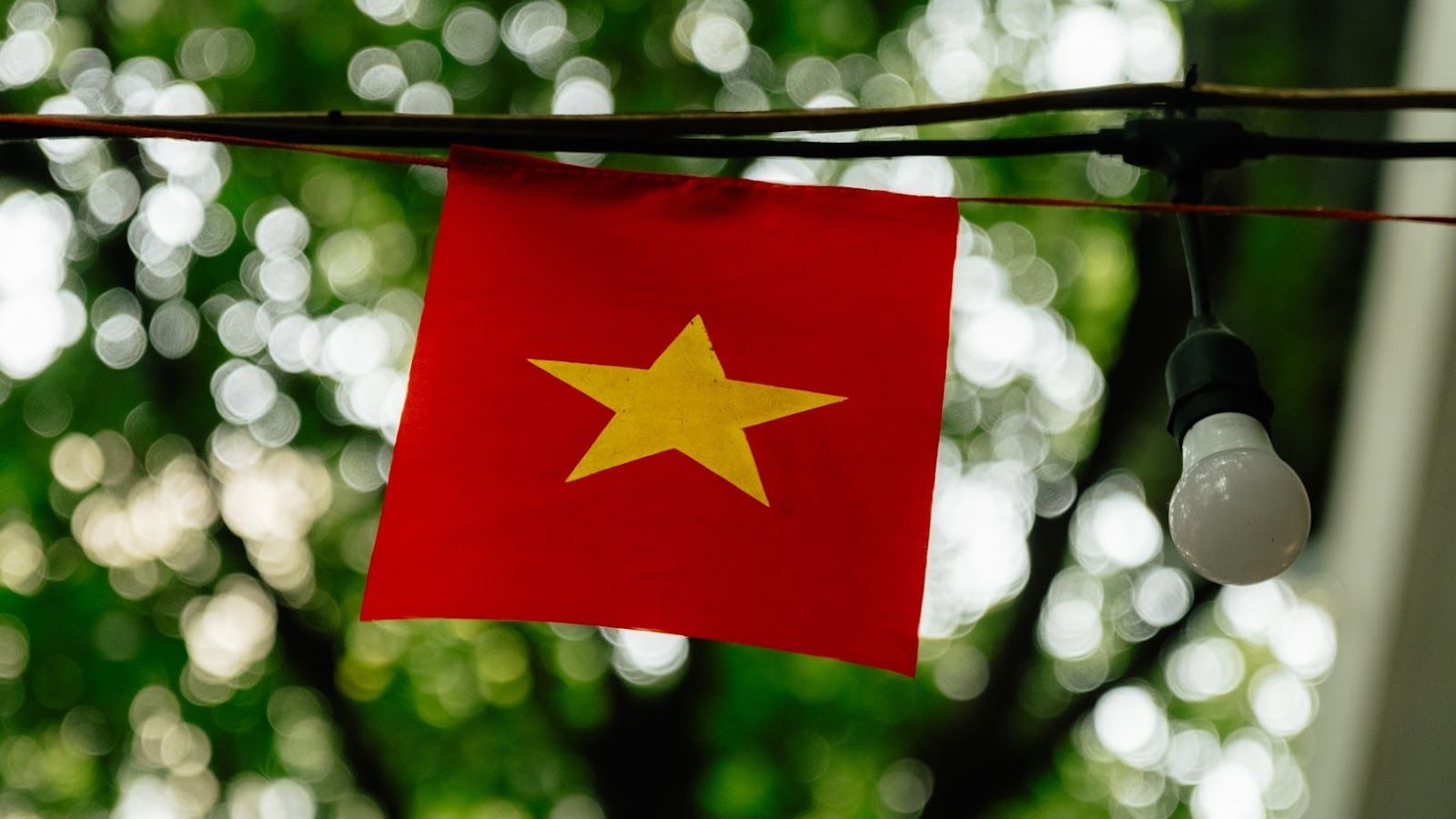
You might not know this, but despite Vietnamese immigration being relatively recent compared to other Southeast Asian communities, Vietnamese is the sixth most spoken language in the U.S . This is a result of a conscious effort by the Vietnamese community to maintain the language and pass it down to new generations.

Before the start of the Vietnam War, it was estimated that only 3,000 people of Vietnamese descent lived in the U.S. Currently, around 2.3 million individuals identify as Vietnamese-American, 1.5 million of them being fluent speakers of the language .

American Sign Language (ASL)
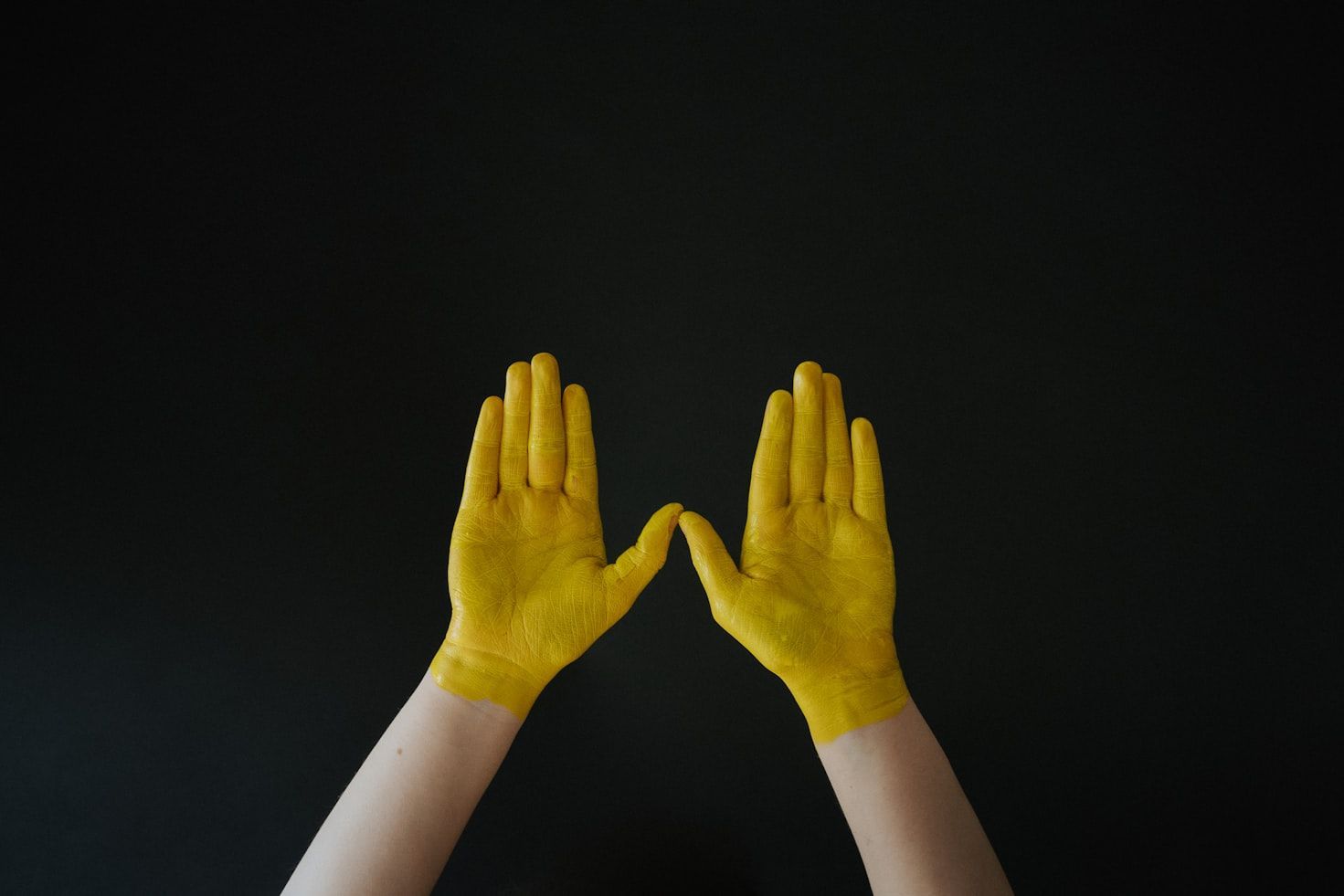
When we say ‘languages other than English’, most of the time we are not thinking of sign languages . For many people, sign language is a variant of a spoken language, but sign languages have their own grammar, syntax, and rules that make them full-fledged languages.

It is estimated that American Sign Language (distinct and separate from the sign languages of some other anglophone countries) has between 250,000 to half a million native speakers , with thousands more as second-language users.

Arabic
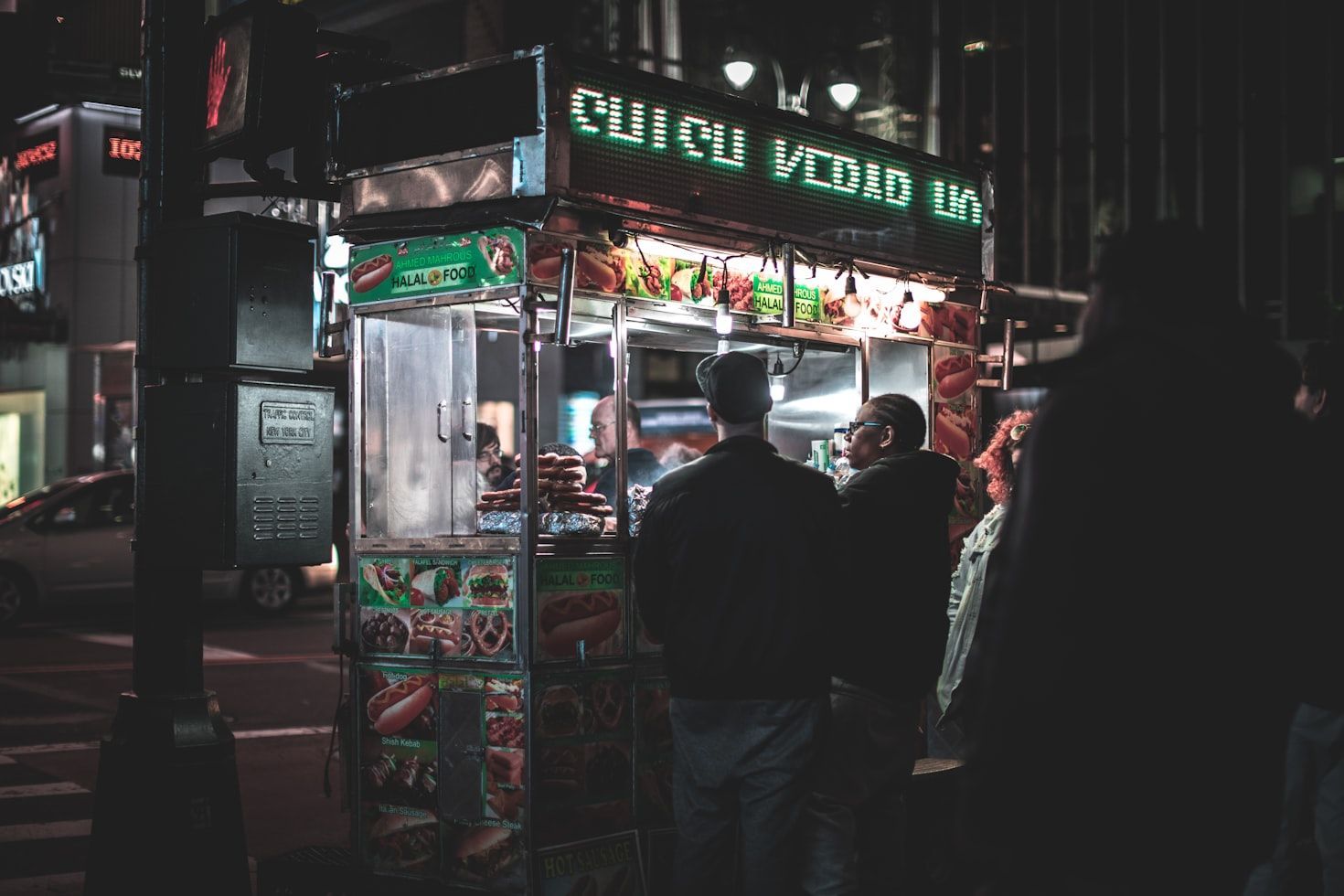
The presence of the Arabic language in the U.S. dates back hundreds of years, with records of Arabic speakers from the 17th Century . Arab-Americans are estimated to be more than 3 million, of diverse backgrounds, with ties to at least 22 Arabic-speaking countries .

Following historic events in the past decades, many Arab-Americans have stopped using the language or teaching it to their children to avoid prejudice or stigma . Nonetheless, Arabic is still one of the most spoken languages at home for U.S. citizens , with more than a million users.
General General 4 min read

Which one are you?

Beatniks, hippies, yuppies, and beyond: 10 subcultures decoded

Image: Cottonbro Studio

Unlike generations, which can be easily grouped by years, social labels attached to groups of people with similar interests are not as rigid. Their boundaries blur into each other, and intersections appear. Aesthetic reasons, like music and clothing, bind some of these groups, philosophical reasons bring together others, and some, like hipsters, don’t even recognize themselves as such. Do you recognize yourself as a member of one of the following subcultures?

1
Bohemians

Image: Kinga Howard

Bohemianism, an original subculture that ended up lending its name as an adjective often used to describe other subcultures, is a social and cultural movement that embraces a way of life away from society's conventional norms and expectations . The term comes from the French bohème , and it was used to describe mid-19th-century non-traditional lifestyles, especially those of artists, writers, journalists, musicians, and actors.

Today, the term is used to describe anyone who shows disdain for money, dresses in hippie fashion (more on this later), and appreciates everything art-related.

2
Greasers

Image: Alberto Bigoni

Think John Travolta in _Grease_—yes, Grease . Think Biff Tannen in the 1950s segment of Back to the Future . Greasers emerged in the 1950s and early 1960s from predominantly working-class and lower-class teenagers and young adults in the United States and Canada.

An interest in cars, motorcycles, leather jackets, jeans, and rock music was the common theme among greasers. According to some sources, the subculture’s name was applied to its members partly because of their characteristic greased-back hair.

3
Beatniks

Image: Clem Onojeghuo

The first subculture on this list to adopt the adjective "bohemian," beatniks were a mid-20th-century social movement that embraced an anti-materialistic lifestyle, rejecting consumerism and expressing themselves through art, spirituality, drugs, and sexuality.

The term "beat" was first used by Jack Kerouac in 1948 to describe his group of friends and fellow writers, including Allen Ginsberg, William S. Burroughs, and Neal Cassady. Kerouac said that "beat" had multiple meanings, such as "beaten down," "beatific," "beat up," and "beat out." Beatniks are often stereotyped as wearing black clothing, and speaking in hip slang that incorporates words like "cool," "dig," "groovy," and "square."

4
Hippies

Image: Trevar Skillicorn-Chilver

One of the most famous countercultures of all time, hippies are deeply associated with the 1960s. The term "hippie" originally came from "hipster" (more on this later) and was used to describe the aforementioned Beatniks, who were "hip" to all things sophisticated and fashionable. In fact, early hippies adopted much of the language and values of the Beat Generation.

The festivals of Human Be-In (1967), Monterey (1967), and Woodstock (1969) popularized hippie culture, with its fashion and values influencing culture, popular music, television, film, literature, and the arts. Since the 1960s, mainstream society has assimilated many aspects of Hippie culture.

5
Mods

Image: Michael Schofield

The Mods were a group of stylish, London-based young men and women in the late 1950s, named for their preference for modern jazz. This subculture was known for its distinctive fashion, including tailor-made suits, as well as its love for music and scooters.

By the mid-1960s, their musical tastes had shifted toward rock and blues, with bands like The Who and Small Faces gaining popularity among Mods. Mod fashion was a defining element of the "Swinging London" era, and during this time, the subculture spread to other countries, becoming emblematic of the larger youth culture of the period.

6
Punks

Image: Viktor Forgacs

Another popular subculture, thanks in no small part to its striking visual component, is the punk movement, which encompasses music, fashion, ideologies, dance, film, and visual arts, among other forms of expression. Its strong anti-establishment views, stances on individual freedom, and DIY ethic make punks easy to identify.

Punk fashion includes T-shirts, leather jackets, boots, distinctive hairstyles such as brightly colored hair and spiked mohawks, as well as cosmetics, tattoos, jewelry, and even body modification.

7
Yuppies

Image: Nick Fewings

Anyone who has seen the movies Wall Street (the one with Charlie Sheen and Michael Douglas) or American Psycho knows what a yuppie is. The term stands for "young urban professional" and was coined in the early 1980s as a way to describe young professionals living in a city.

Those labeled as yuppies generally dislike the association, because this characterization often suggests a very materialistic approach to life in general and a cutthroat attitude towards the workplace environment.

8
Skaters

Image: Parker Gibbons

An offshoot of the punk subculture, skater culture rose to prominence in the 1980s when a massive drought in California left numerous empty pools, which skaters used to practice their sport. The rise of magazines like Thrasher and stars like Tony Hawk helped the movement transition from an underground scene to a mainstream sport.

Its aesthetics centered around the preferred type of clothes for skateboarding: baggy and sturdy pants, sneakers, and oversized shirts. Its music was shared by the punk and hardcore movements.

9
Straight Edge

Image: Evgeniy Smersh

Going deeper down the rabbit hole, we encounter the Straight Edge subculture, an offshoot of both skater and hardcore punk cultures. Its followers reject the excesses of the punk scene by abstaining from alcohol, tobacco, and recreational drugs . Many also refrain from casual sex, follow a vegetarian or vegan diet, and avoid caffeine or prescription drugs. The name "Straight Edge" was inspired by the 1981 song "Straight Edge" by the hardcore punk band Minor Threat.

Overall, Straight Edge culture promotes a lifestyle of self-discipline, health, and community, and it continues to evolve while maintaining its roots in the hardcore punk scene.

10
Hipsters

Image: John Fornander

The final entry on the list is dedicated to the most modern subculture in it: the hipsters. Mostly associated with perceived upper-middle-class white young adults who gentrify urban areas , hipster culture has been critiqued for lacking authenticity and focusing on consumption.

As mentioned earlier, members of this subculture typically do not self-identify as hipsters, as the term’s connotations are often unflattering. It is no coincidence that the term evokes the previously mentioned Beatniks, as that subculture can be seen as an early precursor to hipster culture.

History History 5 min read

First things first

Pioneering presidents: The 10 firsts that shaped American history

Image: Caleb Perez / Wes Hicks

One fascinating aspect of history is that we can discover who was the first to accomplish certain things. Photography is an everyday activity today, but who was the first president to be photographed? Have you ever wondered who was the first U.S. president to be born in a hospital? The presidency has seen many "firsts" that have left a lasting impact on the nation. Let’s dive into some of the most significant presidential milestones that have shaped the course of American history. From the momentous to the most mundane, here are 10 presidential firsts!

1
Reagan: Breaking the glass ceiling

Image: Library of Congress

Although the numbers are still unequal, women occupy decision-making positions every day. They play an active role in political life, but that wasn’t always the case.

Ronald Reagan made a bold move for gender equality by nominating Sandra Day O'Connor to the Supreme Court in 1981. This historic decision marked the first time a woman would serve on the highest court in the country.

O'Connor’s nomination was a landmark moment for women’s rights, opening doors for future generations. Reagan’s choice was both strategic and symbolic, of course. It was a significant step toward inclusivity in the judiciary. Sandra Day O’Connor went on to serve with distinction, becoming a pivotal figure in many key rulings.

2
Johnson: A historic appointment

Image: Library of Congress

America has already seen a black president, but even that marked a significant turning point in history. However, Black men in such high government positions weren’t a reality until 1967 when Lyndon B. Johnson appointed Thurgood Marshall as the first Black Supreme Court Justice . In the ongoing struggle for civil rights and equality in the U.S., this was a monumental step.

At the time, Marshall was already a legendary figure for his role in Brown v. Board of Education, and his appointment brought a powerful voice to the court. It was a clear signal of the administration’s commitment to racial justice. Marshall served on the court for 24 years! Talk about leaving a mark, huh?

3
Roosevelt: The star of the show

Image: Library of Congress

We can’t get enough of our TVs today, right? But this device was once an innovation, and one can easily imagine how surprising it must have been to see a president on screen for the first time!

In 1939, Franklin D. Roosevelt became the first U.S. president to appear on television during the World’s Fair in New York.

It’s not that he had gone unnoticed, FDR was already a radio sensation with his "fireside chats," but the television debut marked a new era of presidential communication. This historic moment allowed Americans to not only hear but also see their president, making FDR an even more influential figure.

4
Adams: Picture perfect

Image: Library of Congress

People take pictures of everything, everywhere, all the time today. Photos are like our business cards on social media and even in our job profiles, but it wasn’t always like that. And John Quincy Adams was part of a photography milestone.

Adams wasn’t just a former president, he holds the prize for first presidential photography . In 1843, he became the first president to have his photograph taken, although it was after his term had ended. Before Adams, presidents were immortalized through paintings, but his photo brought a new sense of realism to how leaders were remembered. Was he, by any chance, the first influencer?

5
Hayes: A direct line to history

Image: Library of Congress

What would we do without our telephones? It’s like we can’t imagine our lives without them anymore, right? But have you ever wondered who was the first president to have a phone in the White House ?

In 1877, Rutherford B. Hayes ushered the presidential residence into the age of technology by installing the first telephone. Of course, this was far from the smartphones we use today, but it was quite revolutionary at the time.

Fun fact: Hayes’s telephone had the number "1," a fitting symbol for such a groundbreaking moment. Only a few could actually get in direct contact with that line, but the step was taken anyway and history was made.

6
John Adams: Home sweet white house

Image: Library of Congress

While George Washington oversaw the construction of the White House, he never actually lived in it. It was John Adams who had the honor of being its first resident in 1800 .

Adams and his wife Abigail moved into the unfinished mansion, making history as the first Presidential Family to live in the iconic building. Despite the unfinished state of the residence, the Adams family’s presence made it the center of American politics. And of course, he was the first, but he was certainly not the last, as the tradition continues today.

7
Truman: Code name "general"

Image: Library of Congress

If you’re a fan of detective novels, you probably always thought that having a code name is super cool! Well, imagine being the first president with a code name!

Harry Truman made history as the first U.S. president to receive a Secret Service code name . Known as "General," his code name served as a security measure. Although now that you know it, it doesn’t seem so secretive or mysterious, right?

The use of code names has since become standard practice, used to protect presidents and their families. While the tradition of assigning code names has evolved, Truman’s "General" remains a nod to the early days of presidential security. It was just the beginning of a tradition that still exists today.

8
Coolidge: A father’s pride

Image: Library of Congress

Few moments in life are so beautiful as when a father’s eyes are filled with tears of pride for his child, don’t you think? Well, now think about that, between a president and his father!

In a unique and touching moment in U.S. history, Calvin Coolidge was sworn in as president by his own father. After President Harding’s unexpected death in 1923, Coolidge’s father, a notary public, administered the oath of office in their Vermont home.

This made Coolidge the first and only president to be inaugurated by a family member, creating a truly personal and memorable moment. This father-son moment added a deeply personal touch to the transfer of power, making it a memorable event in both their personal lives and American history.

9
Carter: Born in a hospital

Image: Library of Congress

When you think of a birth, you think of a hospital, right? However, that hasn’t always been the case.

Jimmy Carter holds the distinction of being the first U.S. president born in a hospital, on October 1, 1924. Before Carter, presidents were typically born at home, which was the norm for the times.

His birth at the Wise Clinic in Plains, Georgia, marked a shift toward modern medical practices. This milestone highlighted the changing nature of healthcare in America. Carter’s hospital birth was a small, yet significant, indicator of progress in our country.

10
McKinley: Cruising into history

Image: Library of Congress

Our last "first" is a bit crazy and you’ll see why in a minute: William McKinley became the first sitting president to experience the thrill of a car ride .

In 1899, he took a ride in a Locomobile steam carriage, a cutting-edge mode of transportation at the time. The car was driven by the inventor himself!

This ride was quite an oddity, and McKinley’s willingness to try it out showed his interest in new technology. Why is it crazy? Because no president drives their own car today! Regardless of how innovative and technologically advanced it may be!

Explore more American facts

Choose your favorite category!

General
General

As American as apple pie—the very best America has to offer!

Culture
Culture

Delve into the astounding richness of American lore.

Geography
Geography

Hop in and explore vast and diverse American landscapes.

History
History

Discover the key moments that shaped the United States.