History History 3 min read

Political zoo

When an alligator lived in the White House—and 9 more presidential pets

Image: Clovis Wood

From alligators in bathtubs to bears roaming the lawn, U.S. presidents have kept some truly bizarre animals as pets. These creatures weren’t just conversation pieces—they reflected the quirks, ambitions, and historical moments of the presidents who owned them. Here are 10 of the strangest, wildest, and most unexpected pets ever to call 1600 Pennsylvania Avenue home.

1
John Quincy Adams’ alligator
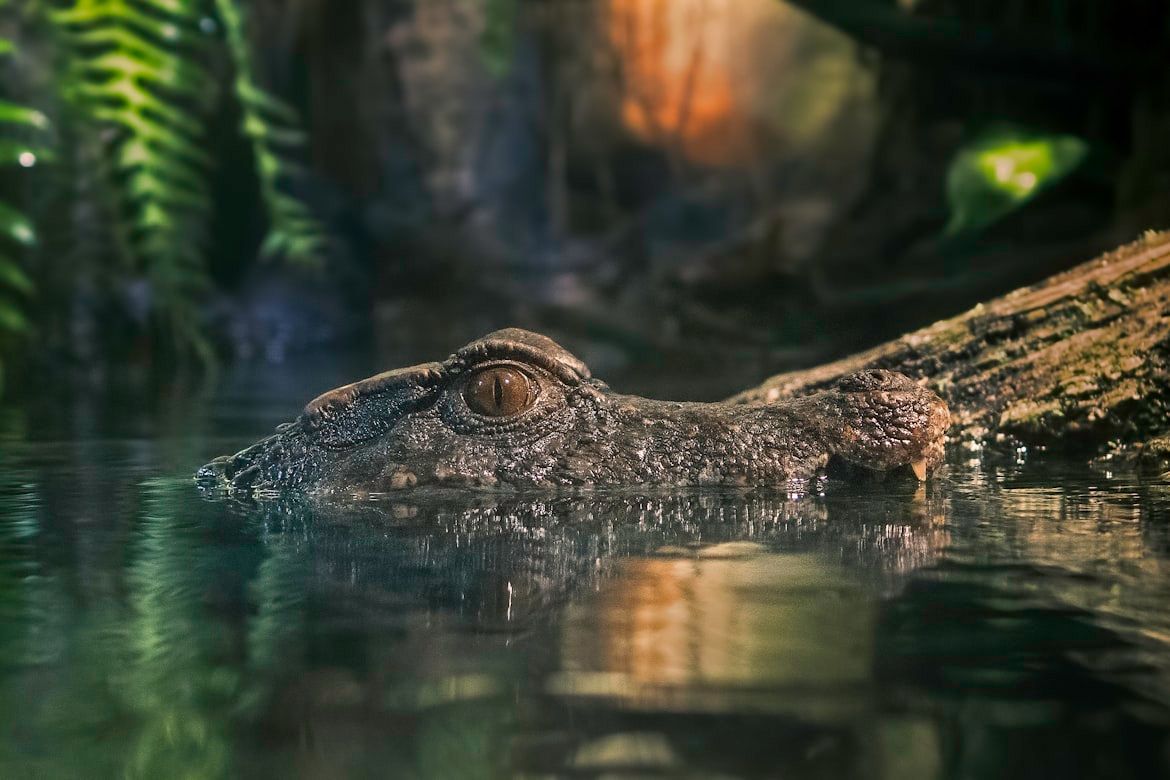
Image: Robert Zunikoff

Adams kept an alligator in the White House bathtub, a gift from Marquis de Lafayette. Guests were reportedly startled by the reptile for months before it was relocated.

However, recent historians believe the story may be more myth than fact, reflecting the perceived eccentricity of both Adams and Lafayette rather than actual events.

2
Theodore Roosevelt’s badger
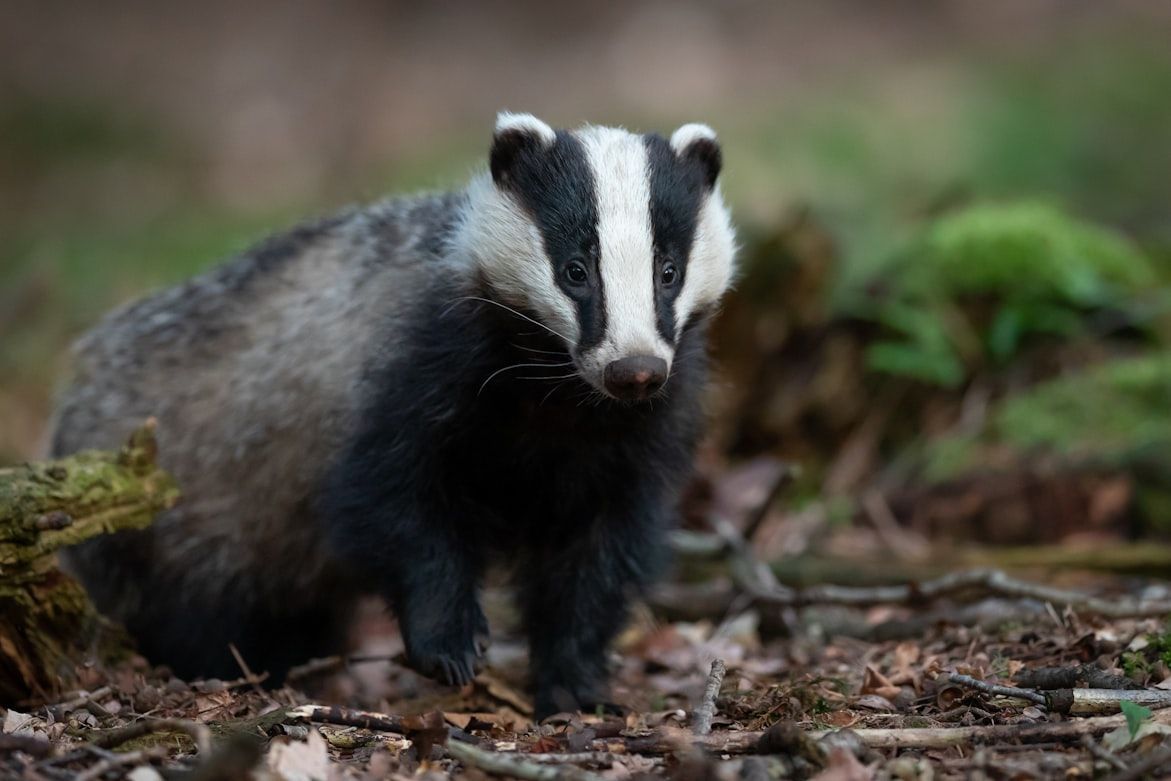
Image: Vincent van Zalinge

It’s clear that Teddy Roosevelt was an animal lover, keeping some of the most bizarre and unusual pets in White House history.

When Roosevelt’s children received a badger named "Josiah" from a girl in Kansas, the president didn’t hesitate to welcome it into the family home. The mischievous animal, however, often nipped at people’s ankles—including White House staff.

3
Martin Van Buren’s tiger cubs
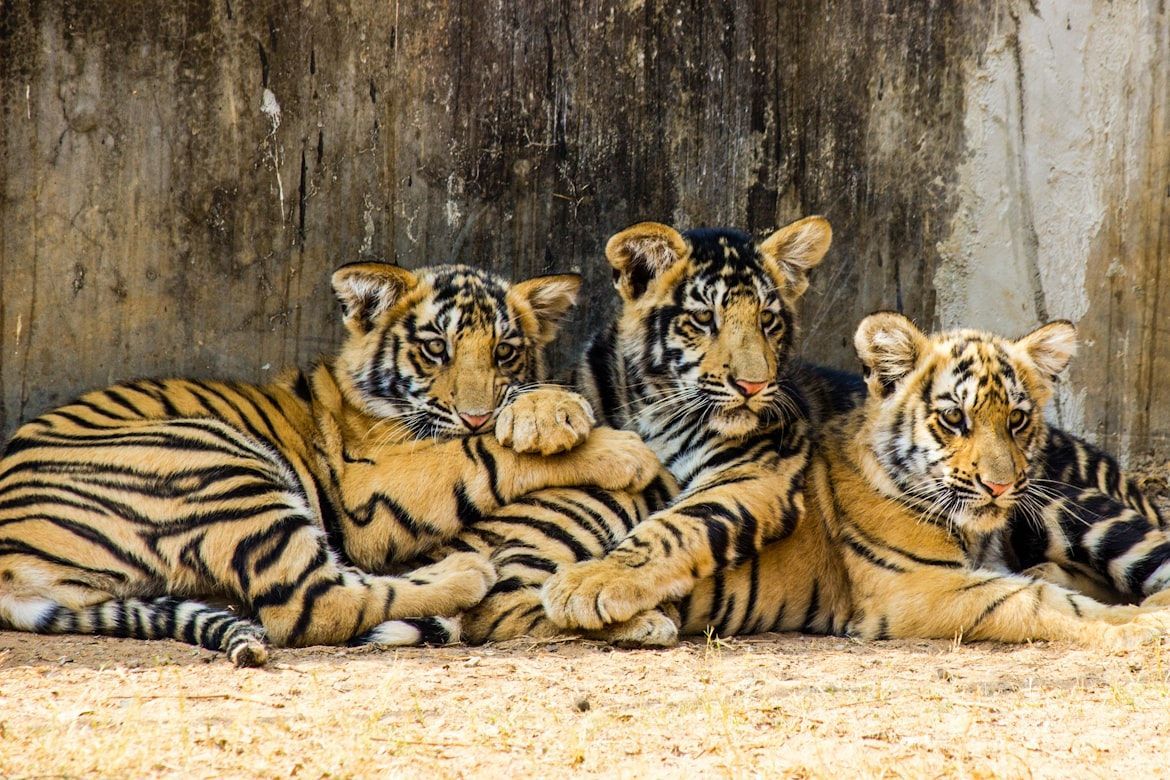
Image: Mystery Cat

Yes—tiger cubs, plural. The Sultan of Oman gifted Van Buren two tiger cubs, but Congress demanded he surrender them to a zoo, citing laws against presidential gifts.

Van Buren fought to keep them but ultimately lost, and the cubs ended up in a public collection, marking one of the earliest disputes over presidential ethics and gifts.

4
Andrew Jackson’s parrot
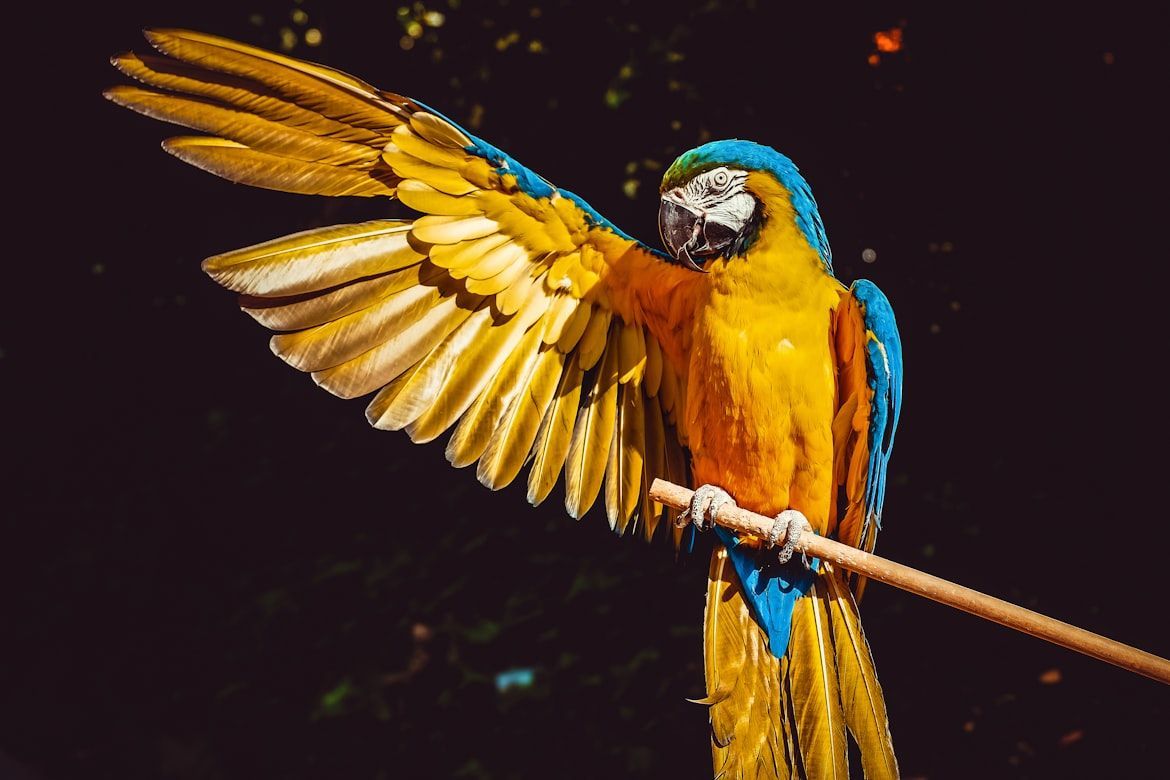
Image: Ilona Frey

Jackson’s parrot, "Polly" learned to swear so well that it had to be removed from his funeral for cursing during the ceremony.

Known for his fiery temper, Jackson likely found the bird’s language amusing. Polly’s notorious vocabulary made it one of the earliest infamous pets in U.S. political lore.

5
James Buchanan’s elephant
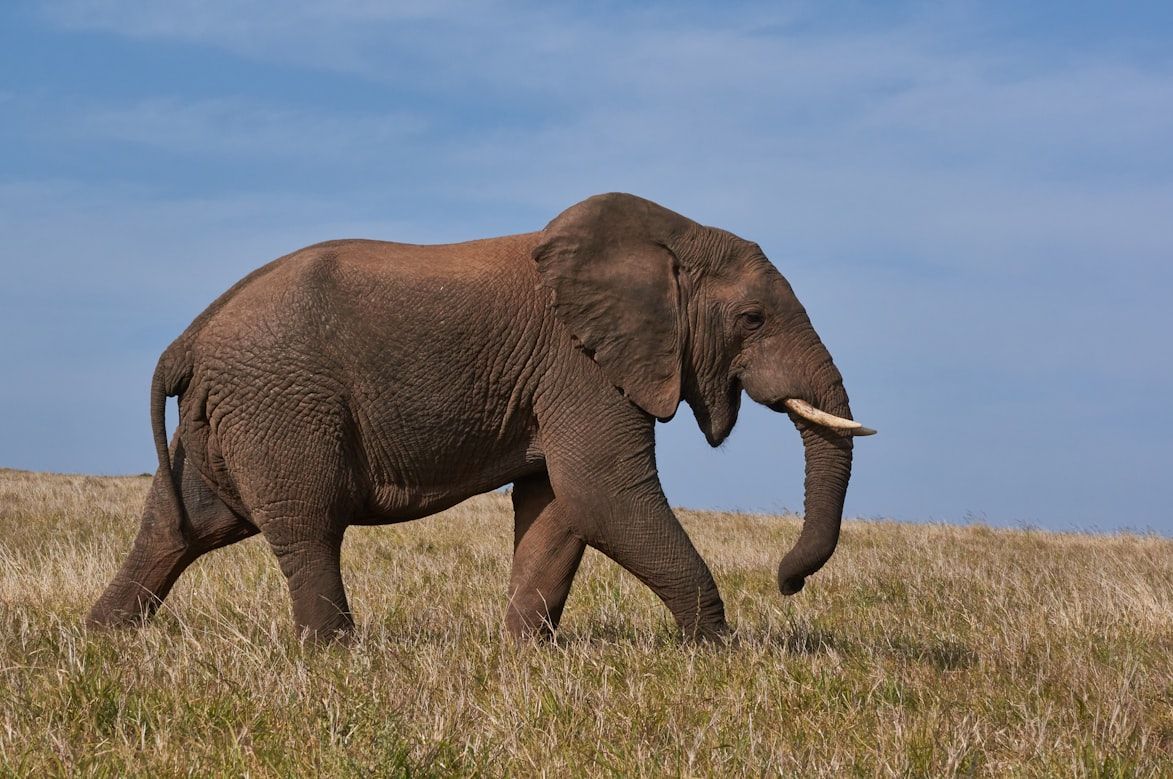
Image: Wolfgang Hasselmann

This was a case of "almost." The King of Siam offered Buchanan a herd of elephants, suggesting they could breed in America. However, Buchanan politely declined—perhaps recalling Van Buren’s short-lived tiger ordeal? Still, he did maintain other exotic animals in Washington.

6
Abraham Lincoln’s turkey
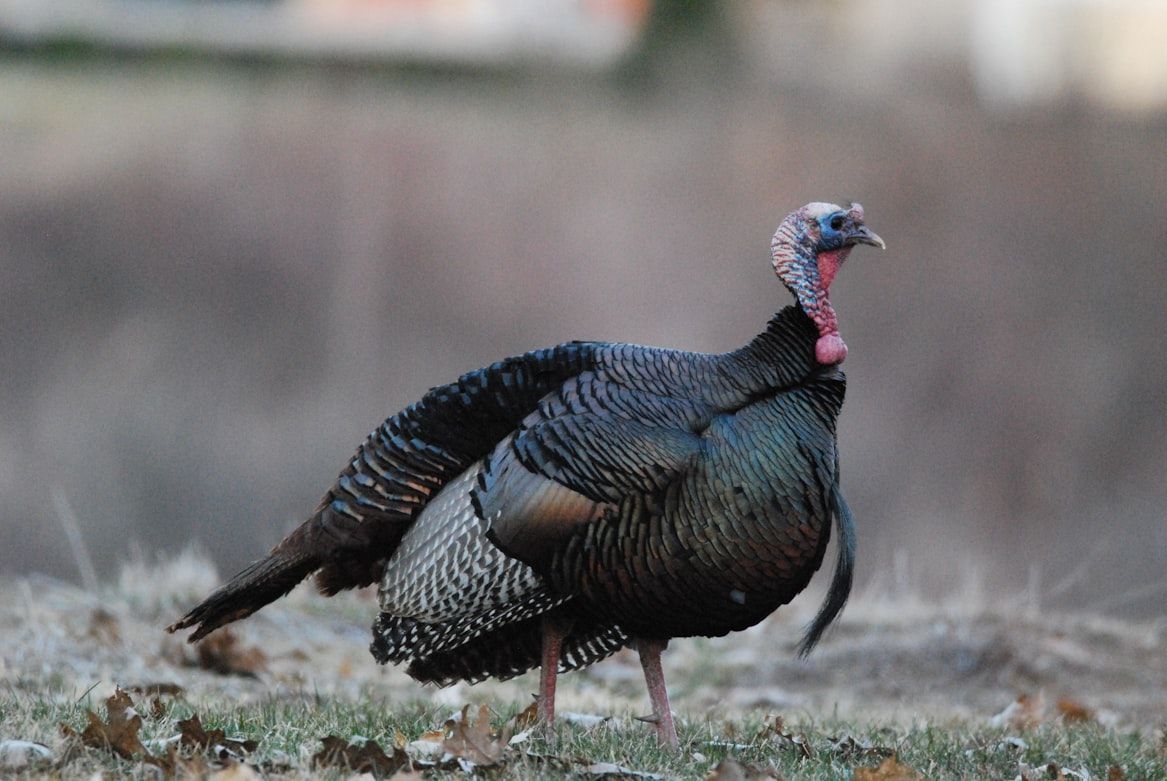
Image: Tyler Jamieson Moulton

Lincoln’s son Tad named their Thanksgiving turkey "Jack" and begged his father to spare it—a story said to inspire the later turkey pardon tradition.

Jack roamed the White House freely and even followed Tad around, charming guests with his odd pet status.

7
Calvin Coolidge’s raccoon
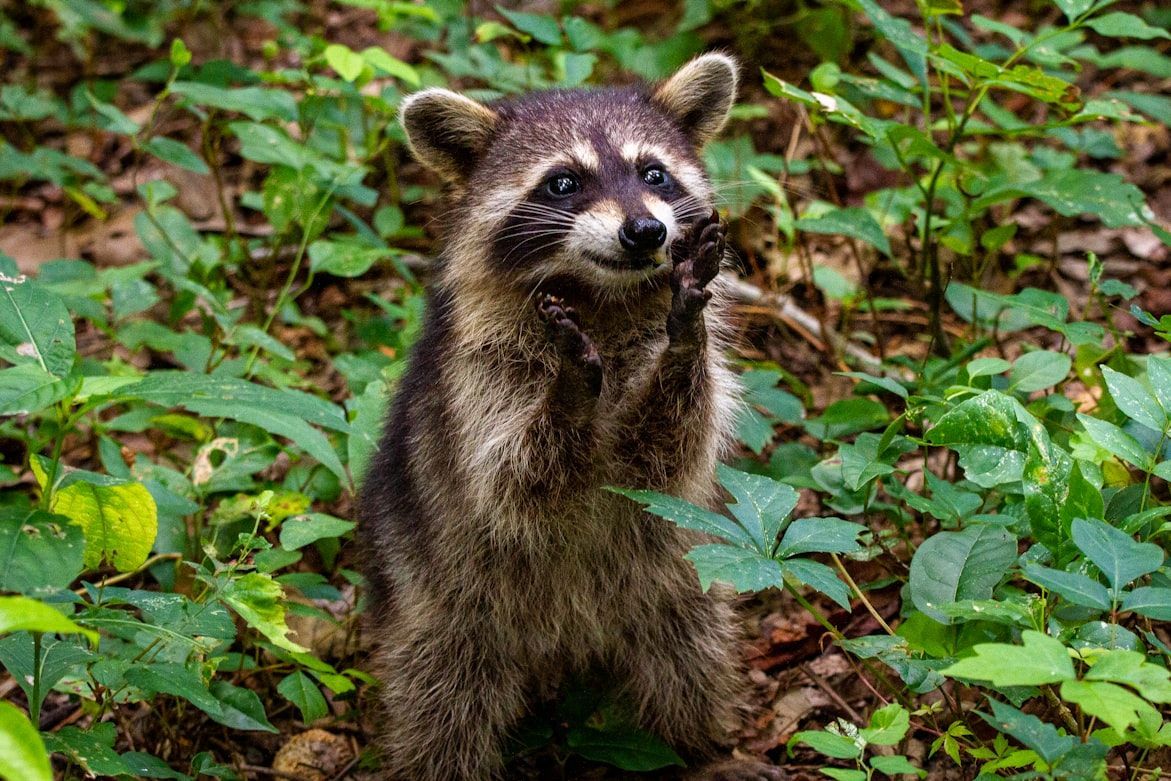
Image: Joshua J. Cotten

Originally sent to be eaten at Thanksgiving—yes, eating raccoon wasn’t that unusual back then—"Rebecca" the raccoon was spared and became a pet. Coolidge even walked her on a leash around the White House gardens.

Rebecca had a custom house and enjoyed baths. Coolidge adored animals and also kept a wallaby, a bobcat, and even pygmy hippos!

8
Theodore Roosevelt’s hyena

Image: Matt Burke

By modern standards, it sounds insane, but Roosevelt was once gifted a hyena named "Bill" by an Ethiopian emperor—and he found the animal surprisingly affectionate.

Bill often roamed the White House lawn freely before eventually being sent to the Smithsonian, adding another chapter to Roosevelt’s legendary fascination with wildlife.

9
Woodrow Wilson’s sheep
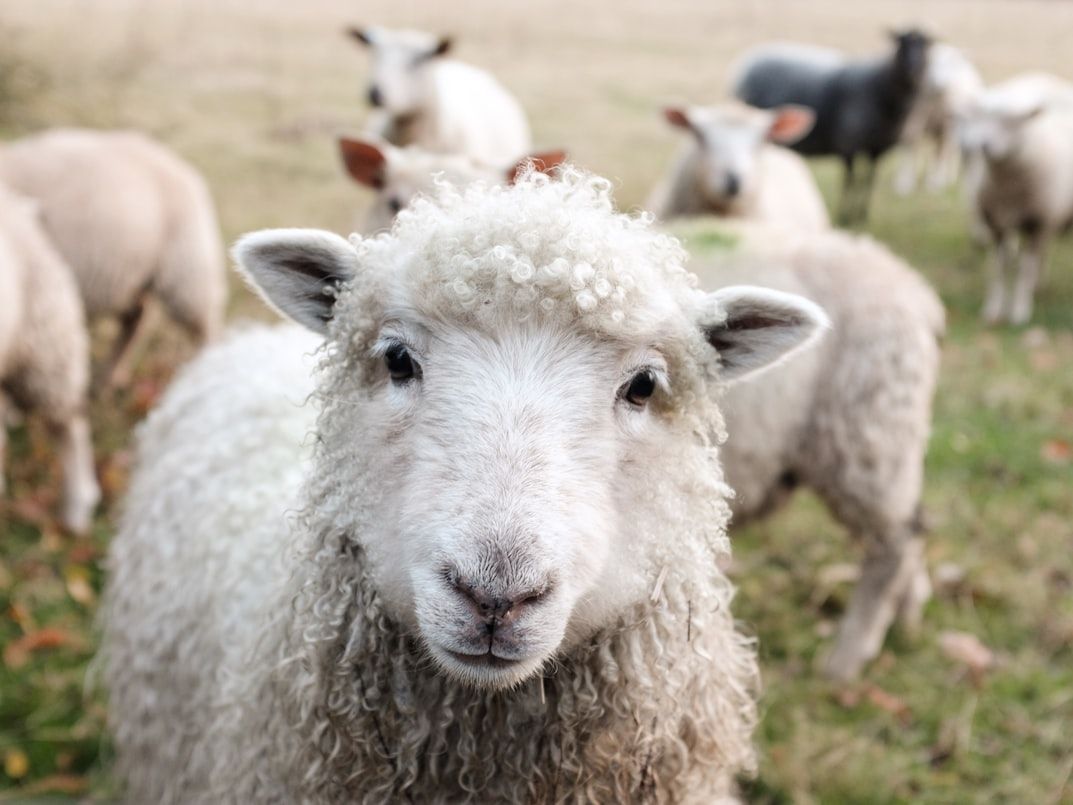
Image: Sam Carter

During World War I, Wilson let sheep graze the White House lawn to save labor and raise war funds by auctioning their wool.

The move doubled as an environmental gesture and patriotic fundraiser. "Old Ike," a ram, became infamous for butting staff members and reporters alike.

10
Theodore Roosevelt’s bear cub
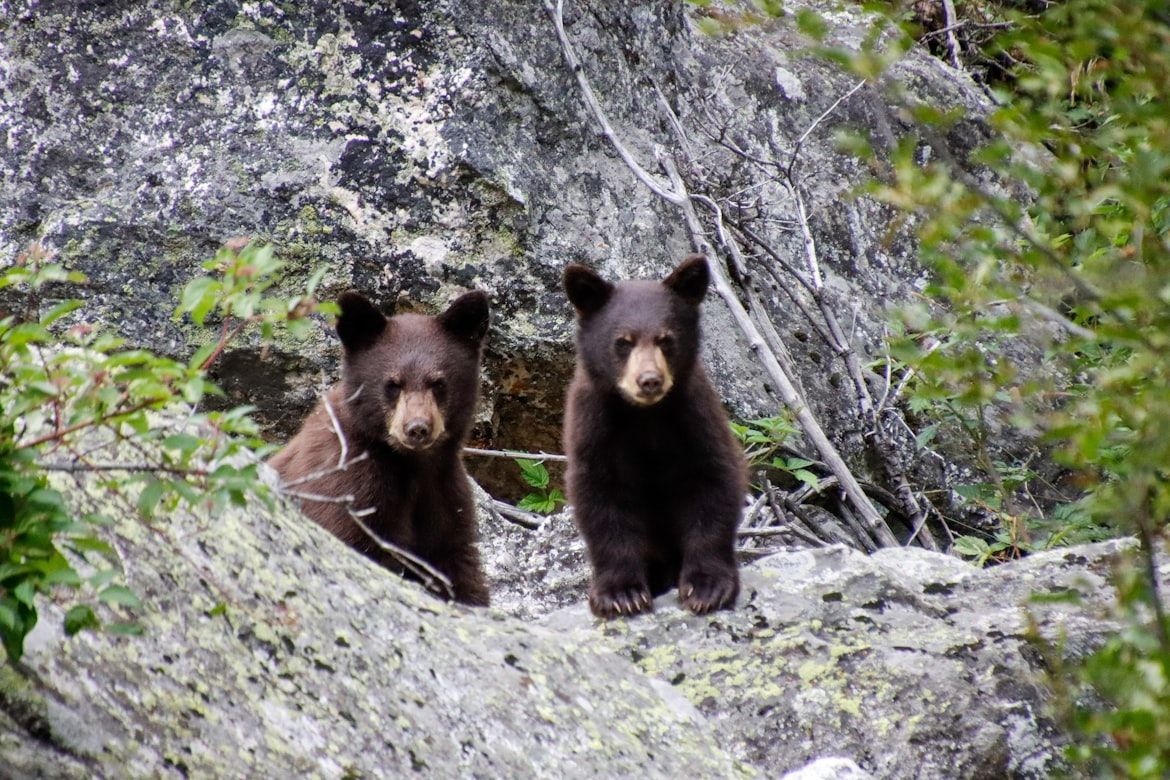
Image: Alla Kemelmakher

A black bear named "Jonathan Edwards" was among Roosevelt’s pets, inspired by his love of hunting and the outdoors.

Though kept briefly, the bear contributed to Roosevelt’s reputation as an adventurer—one that even inspired the creation of the "Teddy bear."

General General 3 min read

Which is your favorite food?

Did you know these 12 very American foods are not really American?

Image: Fernando Andrade

When your country is a melting pot of nationalities and cultural backgrounds, as America is, many things you might consider local are actually not, including food. You might be surprised to learn about the true origins of some of these American culinary icons, from the hamburger to apple pie and beyond. Which one do you like the best?

1
Hamburger

Image: Carles Rabada

Due to their popularity and widespread appeal, hamburgers are considered an unofficial national dish of the United States, and there’s good reason for this. It's hard to think of a more American dish than a hamburger, right?

Well, hamburgers may be a national treasure today, but their very name gives us a clue about their true origin: Germany’s Hamburg .

2
Hot dogs

Image: Peter Secan

Few things are as American as buying a hot dog from a street vendor and enjoying it in the sun, right? Well, not exactly. The more formal names of the humble hot dog—frankfurters and Vienna sausages—give us, once again, a hint about their German and Austrian true origin.

3
French fries

Image: Elizabeth Jamieson

While French fries have been a national staple for quite some time, their very name also gives away their foreign origin. There is an ongoing debate about whether these fries are actually French or Belgian , but in any case, these delicious bits of joy are not American.

4
Mustard

Image: Peter Werkman

Mustard, the first of many popular condiments cherished by Americans, was first consumed by the Egyptians in its original seed form and later by the Romans as the paste we most commonly use today.

5
Ketchup

Image: Dennis Klein

Another condiment that is at least as popular as mustard in America, if not more, ketchup originated as a Chinese fermented fish sauce called "kê-tsiap." Over time, the sauce evolved, leaving the fish behind and replacing it with tomatoes to become the ketchup we know today.

6
Pickles

Image: Mehmet Uzut

Another food highly appreciated on American soil is pickles. Whether on burgers, served as a side with sandwiches, chopped into relish for hot dogs, or enjoyed in many other ways, these vinegar-soaked cucumbers are a staple of our cuisine. But multiple records trace the origin of these treats as far as ancient Egypt , where even Cleopatra was rumored to love them.

7
Apple pie

Image: Priscilla Du Preez 🇨🇦

This may be shocking to some, but alas, it is true: the quintessentially American apple pie is not really American. The earliest known recipes for apple pie belong to the ancient Greeks . And Dutch bakers created the modern version of the pie in the 15th century.

8
Mac and cheese

Image: Hermes Rivera

Thomas Jefferson is often credited with inventing macaroni and cheese after bringing back a macaroni machine from a trip to Europe, but he was not the first to come up with the idea.

The original recipe for macaroni baked with cheese sauce first appeared in the 14th-century cookbook Liber de Coquina, which is believed to have been written by an Italian author.

9
Bacon

Image: Casey DeViese

Nobody "invented" bacon, right? It’s just a piece of meat. The origins can be traced back to the ancient world, where curing and preserving pork became a common practice. But, as it happens, most sources agree that the Celts were the first to prepare and cook it in the way we do today.

10
Meatloaf

Image: RitaE

A humble recipe, for sure, meatloaf was made in Medieval Europe from scraps of meat held together by fruits, nuts, and seasonings. It was created to stretch leftover beef or create a more substantial meal from less expensive cuts of meat.

11
Mayonnaise

Image: May_hokkaido

The third and final condiment on our list is another American staple, even though its French name might give us a pretty straightforward idea of its origin. But it's not that simple.

The French mayonnaise is likely derived from Spanish versions of aioli, which is a garlic mayonnaise.

12
Barbecue

Image: Andrik Langfield

Surely, something as American as a barbecue must be a local invention, right? Wrong, again. Known as "barbacoa" in the West Indies long before it became popular in America, barbecues have been around for a long time. Even the modern barbecue, with spice-rubbed meat slowly cooked over a fire and topped with sauce, originated in the Caribbean .

History History 3 min read

Who would you write it for?

Mark Twain said what? Remarkable book dedications and their stories

Image: Hưng Lê

These might be memorable titles written by renowned authors, but sometimes the dedications are just as remarkable as the rest of the volume. Have you ever read the lines tucked into the opening pages of famous books? Some are chilling, some funny, some thought-provoking—and we’ve gathered a list of particularly interesting ones!

1
Don’t question the author

Image: Amaan Ali

In his usual sarcastic style, Mark Twain wrote in the opening "Notice" of The Adventures of Huckleberry Finn : "Persons attempting to find a motive in this narrative will be prosecuted; persons attempting to find a moral in it will be banished; persons attempting to find a plot in it will be shot." It’s an unforgettable way to open a classic.

2
What you don’t know…

Image: Markus Spiske

In the book This Boy’s Life, Tobias Wolff wrote: "My first stepfather used to say that what I didn’t know would fill a book. Well, here it is."

It’s a dark but funny recounting of his turbulent youth in this memoir, so the line is a perfect setup for what’s to come.

3
About loyalty

Image: Niranjan V S

In her book Dark Places , thriller writer Gillian Flynn wrote: "What can I say about a man who knows how I think and still sleeps next to me with the lights off?"

The author of Gone Girl tipped her hat to her husband, Brett Nolan, here. Who doesn’t want a partner who accepts us fully—even if we spend our days writing about murky crimes?

4
Cosmic love

Image: Jayshree Sharma

If you’re a romantic, try not to swoon over Carl Sagan’s dedication in Cosmos : "In the vastness of space and the immensity of time, it is my joy to share a planet and an epoch with Annie."

This beautiful line of cosmic love was dedicated to his wife and collaborator, Ann Druyan. And the book that follows is a science classic.

5
A touch of fantasy

Image: Ali Müftüoğulları

Ken Kesey’s famous book One Flew Over the Cuckoo’s Nest , set in a psychiatric ward, wouldn’t be cataloged as fantasy at all. And yet, its memorable dedication reads: "To Vik Lovell, who told me dragons did not exist, then led me to their lairs."

6
The inclusive take

Image: Andrew Neel

John Cheever had a good idea in his dedication of The Wapshot Chronicle : "To M with love, and with best wishes to practically everybody else I know." A playful and inclusive way to make sure you leave out no one who matters! It was his debut novel, and it won the National Book Award.

7
The vengeful one

Image: Gaspar Uhas

This one is dark but packs a memorable punch. The dedication of No Thanks , by E. E. Cummings, is simply a list of names—the 14 publishers who turned his work down. But here’s the unforgettable bit: the words are arranged on the page in the shape of an urn.

8
Thanking the parents

Image: Lucas George Wendt

Comedian Judd Apatow dedicated his book Sick in the Head to his loving parents: "For Mom and Dad. Your support—and the mental health issues you gave me—made all of this possible." Tongue in cheek, just as fans would expect from him.

9
Chilling and sobering

Image: Isaac N.

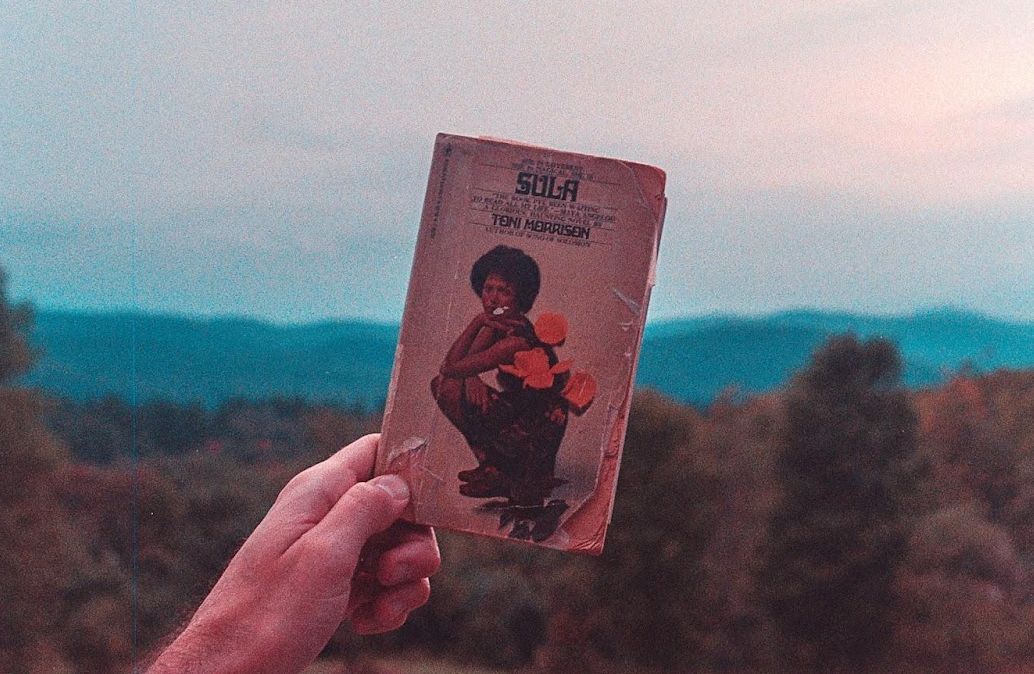
Powerful: Toni Morrison’s dedication in Beloved is simply the phrase "Sixty million and more," referring to the victims of the transatlantic slave trade. No verbs, no explanations—just five heavy, sobering words to leave readers thinking.

10
About undying love

Image: Girl with red hat

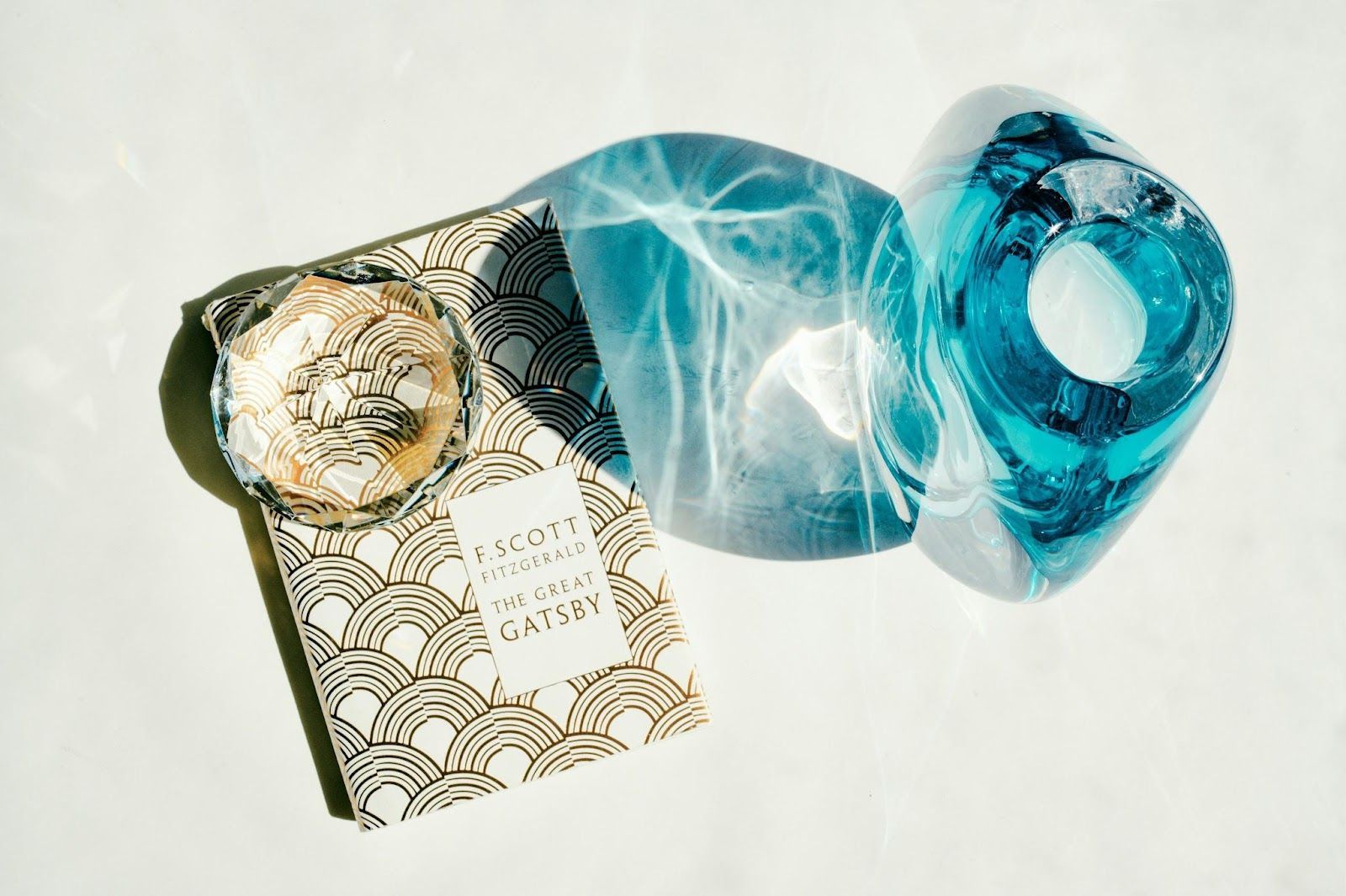
F. Scott Fitzgerald’s The Great Gatsby is, after all, a story steeped in undying love. His dedication was fitting: "Once again, to Zelda." It’s a brief but heartfelt nod to his wife and muse.

11
An offering

Image: Jouwen Wang

John Steinbeck’s East of Eden opens with a sort of letter. It’s longer than this, but it begins with an anecdote in which "Pat" asked him to give him a box to fill with things. The dedication reads:

"Dear Pat… Well, here’s your box… Nearly everything I have is in it… all the gratitude and love I have for you. And still the box is not full. JOHN."

Explore more American facts

Choose your favorite category!

General
General

As American as apple pie—the very best America has to offer!

Culture
Culture

Delve into the astounding richness of American lore.

Geography
Geography

Hop in and explore vast and diverse American landscapes.

History
History

Discover the key moments that shaped the United States.