Culture Culture 4 min read

WHERE IS KAMCHATKA, ANYWAY?

Which Are The 10 Most Popular Board Games In America?

Image: Mesh

Even in this day and age, most board games are stacked and forgotten in some dusty closet. However, everyone holds memories of sharing many hours playing with friends and family over a board of Monopoly, Scrabble, or one of thousands of other options. We have narrowed that number to a mere ten, focusing on the most popular ones in America. Which ones have you played?

1
Pictionary

Image: Kelly Sikkema

Who hasn’t played Pictionary at least once in their life? The whole gameplay boils down to drawing a picture so that others can guess what it is. It’s like "charades" with drawings instead of actions.

While this is a board game, the board itself is the least important part of the game. The only things that matter are the drawings and how people guess what they are. Anybody of any age can get into the game and have a good time.

2
Game of Life

Image: Jaciel Melnik

One of the most popular board games of all time, the Game of Life, was created in 1960. The idea is that you want to end the game with more assets than anyone else. The basic gameplay involves spinning the spinner and making a handful of key decisions at intersections. It is in those moments that you influence which way your "life" will turn out.

The whole game is, like life itself, very luck-driven and not very strategic. This game laid the groundwork for many modern, narrative-driven games.

3
Clue

Image: Towfiqu barbhuiya

Clue was the first mass-market game to make bluffing and deduction an explicit part of the game. During gameplay, you’re always trying to analyze your opponents’ moves and react accordingly.

A game that spawned a million more games, Clue takes its participants on a journey to solve a murder using a series of clues given throughout the session. Even if you never played it (and chances are that you have), you know it.

4
Chutes And Ladders

Image: Biao Xie

Chutes and Ladders was inspired by an ancient Indian board game that originated around the year 200 BC. The game is luck-driven; there is no strategic element to either the ancient or the modern version.

Just like in The Game of Life, the gameplay involves spinning a spinner and advancing the specified amount of spaces it indicates. Ladders move you up higher on the board, and chutes drop you down to lower spaces.

5
Risk

Image: Dave Photoz

Risk has one of the most recognizable boards of any board game, with its colorful map divided into strange countries. The focus is set on one of the oldest of human ambitions: to conquer the world.

It is not the kind of game you want to play if you only have a few minutes to spare, since the entire gameplay can take up to a few hours. But, if you have the time and at least one other player, it is well worth it.

6
Trivial Pursuit

Image: Claudia Wolff

If answering questions about different topics of general human knowledge is your thing, then Trivial Pursuit is definitely your game. The board itself is not the center of the game. It serves the purpose of marking which theme must be answered in each turn and where each player is in the gameplay.

Some prefer the questions about sports, while others hope to get the questions about culture. But there is always something for everyone.

7
Scrabble

Image: John Benitez

Another well-known board game, Scrabble is the foundation of just about every word-based tabletop game that has come since its first appearance in 1948. In this game, the pieces you work with are thrown into a bag and doled out by random chance.

You can make maneuvers to benefit yourself and to block others, but the real advantage is in the hands of those with a strong vocabulary and a good memory to recall the words at the right time.

8
Checkers

Image: Gabriel Meinert

A game so simple that it can be played and enjoyed by children, Checkers is a very straightforward strategy game, similar to Chess in some aspects (especially the board) but simpler in many others.

The gameplay, intended for two players, involves forward movements of uniform game pieces and mandatory captures by jumping over opponent pieces.

9
Monopoly

Image: Joshua Hoehne

Another all-time modern classic, Monopoly shares a similar objective as the previously mentioned The Game of Life: finishing the game with the most properties and money possible.

Monopoly has many themed versions and variants, including popular culture themes, and digital versions. But the gist in all of them is: roll the dice, buy properties, pay rent to other players, and pray not to land on Boardwalk or Parkway Avenue, especially if there are hotels (unless you own those two).

10
Chess

Image: Randy Fath

Let us finish this list with the Game of Kings itself, Chess : the best-selling game of all time, played by countless generations across the globe. Learning the basic moves is simple; mastering them is something different altogether.

Whether you are an advanced player, an aficionado, or someone who is considering learning it, Chess is good for you. It provides excellent exercise for your brain, infinite hours of fun, and can be played at any age.

Geography Geography 3 min read

What's behind American cities' nicknames? Prepare to be surprised!

Image: Trev W. Adams

We love giving our cities all sorts of nicknames—and American cities wear them like badges of honor! But do you know where they come from? Some seem obvious, while others have mysterious origins, but all have a unique connection to the places they describe . Join us for a fun guessing game as we explore the nicknames of six iconic U.S. cities, with their surprising origins revealed in the second half of this list .

1
The Big Apple: New York City

Image: Nik Shuliahin

Everybody knows "The Big Apple" refers to New York— the city that never sleeps . But why, exactly? Is it because there’s a worm (the subway) underneath it? Or is it a metaphor for something we strive for?

2
The Big Easy: New Orleans

Image: mana5280

It sure feels easy to stroll through New Orleans, a city known for its laid-back atmosphere and rich cultural energy, where jazz bands can spontaneously form on any corner and lively public celebrations are always just around the bend. But what’s the story behind its nickname?

3
Motor City: Detroit

Image: Doug Zuba

The most populous city in Michigan, the nickname "Motor City" certainly feels right for its bustling streets and large industrial background —but what exactly led to the adoption of this powerful nickname?

4
Sin City: Las Vegas

Image: Grant Cai

We all know the famous adage: "What happens in Vegas, stays in Vegas." Given the city’s notorious nightlife and gambling scene , it’s understandable—you might prefer to forget how you lost all your savings on a slot machine. But is that the only reason it earned its infamous nickname?

5
The Windy City: Chicago

Image: Ozzie Stern

Situated on the shores of Lake Michigan, Chicago's nickname might seem to stem from its exposure to harsh weather —but sometimes, the obvious answer isn’t the correct one. Is it really the weather, or is something stranger at play?

6
The Mile High City: Denver

Image: Emmanuel Appiah

Is Denver really a "Mile High" city because of its geographical proximity to the towering Rockies, or is it just a nod to its ever-expanding skyline? Keep reading to find out!

And now, the answers:

7
The Big Apple: Horse-racing origins

Image: Taylor Sondgeroth

The nickname originated in the 1920s as horse-racing slang , where "The Big Apple" informally referred to New York’s prize racetracks. Jazz musicians later popularized it, and a 1970s tourism campaign ultimately cemented it as a symbol of the city’s cultural and financial prominence.

8
The Big Easy: Chill and jazz

Image: Robson Hatsukami Morgan

If you followed our line of thought—you were right! This nickname emerged from the city's reputation for its relaxed lifestyle and vibrant jazz scene . While there are many theories about who first used the term—and whether it was originally meant to be derogatory—one thing is certain: all New Orleanians agree it 100% reflects the city’s unique blend of music, culture, and laissez-faire attitude.

9
Motor City: Infinite assembly lines

Image: Austrian National Library

Detroit earned its nickname as the birthplace of the American auto industry. Henry Ford’s revolutionary assembly line and the rise of car manufacturing giants cemented the city’s status as the global automotive capital of the 20th century. In fact, it remains home to the headquarters of America’s largest auto manufacturers—General Motors, Ford, and Chrysler.

10
Sin City: Prohibition defiance

Image: Jakub Dziubak

For a city founded by religious missionaries, "Sin City" is certainly an ironic nickname. In truth, its origins trace back to the construction of the nearby Hoover Dam in the 1930s. Thousands of workers flocked to the city in search of lodging and—presumably—entertainment. This led to the rapid rise of casinos and a thriving underground alcohol industry that—during Prohibition—was as profitable as it was illegal.

11
The Windy City: Long-winded speeches

Image: Kristina Paparo

While many assume it refers to Chicago’s weather, the nickname was actually coined by journalists mocking the boastful speeches of local politicians as they aggressively promoted the city as the ideal location for the World’s Fair. The term was meant to highlight the "hot air" of their rhetoric rather than the city's literal windiness.

12
The Mile High City: A matter of altitude

Image: Bill Griepenstroh

Denver sits exactly 5,280 feet — one mile — above sea level , earning its nickname, the "Mile High City," quite literally. Its natural elevation, combined with stunning Rocky Mountain views, makes it truly unique. Even more interesting, Denver’s altitude leads to some unusual effects: golf balls can travel up to 10% farther than at sea level, and alcohol tends to hit harder since high altitudes reduce the body's ability to process it efficiently.

General General 3 min read

What’s your dog of choice?

NYC, Sonoran, Italian, and more: 10 regional hot dogs

Image: Ball Park Brand

Hot dogs are not merely food, but an American institution in and of themselves. But what constitutes a proper hot dog? Residents of various states can only agree on two elements, a sausage and a bun, but even those elements can create controversy. And if we go into toppings, condiments, and cooking methods, well, we could be here all day. Let’s have a look at some of the most popular hot dog variants!

1
NYC

Image: Pedro Durigan

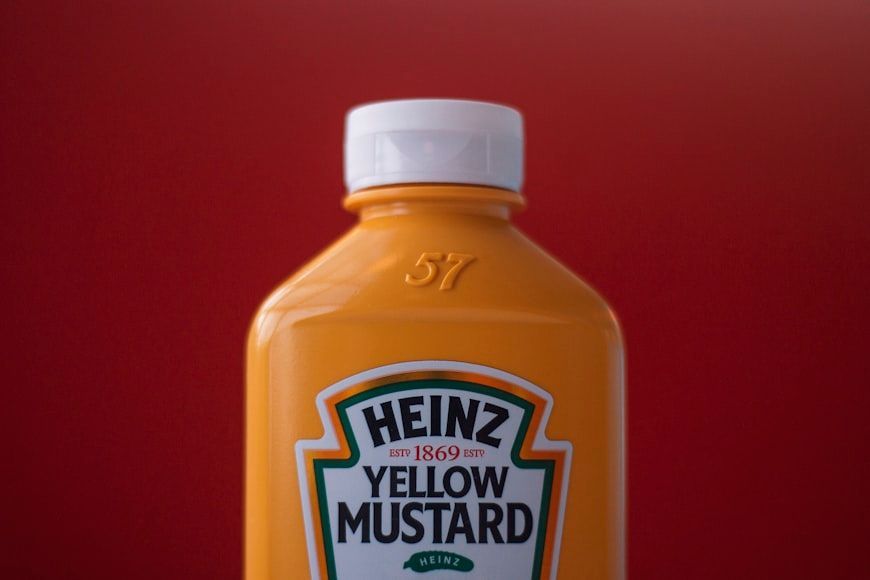
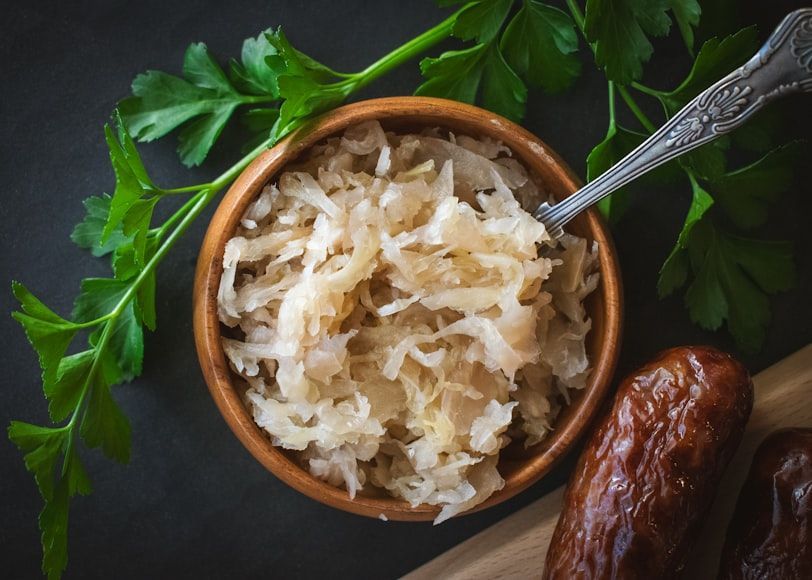
Buying a hot dog in New York City is as easy as breathing. Just get out on the street, and you will find a hot dog cart. The key components are simple, but tried and true. A beef frankfurter (usually boiled) on a hot dog bun, onions, and sauerkraut. For the condiments, mustard does the trick. Decades of New Yorkers repeating the recipe tell us that it works.

2
Chicago

Image: SuckerPunch Gourmet

Chicagoans do not share the New Yorkers' simple approach to hot dogs. They are all about the accoutrements. On a poppy-seed bun, a beef frankfurter is loaded with seven specific toppings: yellow mustard, white onions, sweet pickle relish, dill pickle, tomatoes, pickled peppers, and celery salt. Not for the faint of heart.

3
Cincinnati Coney

Image: Anju Ravindranath

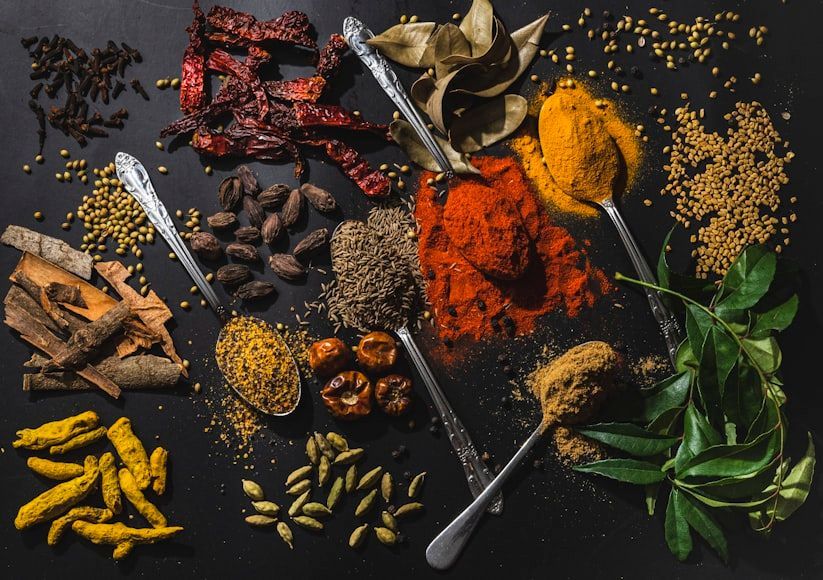
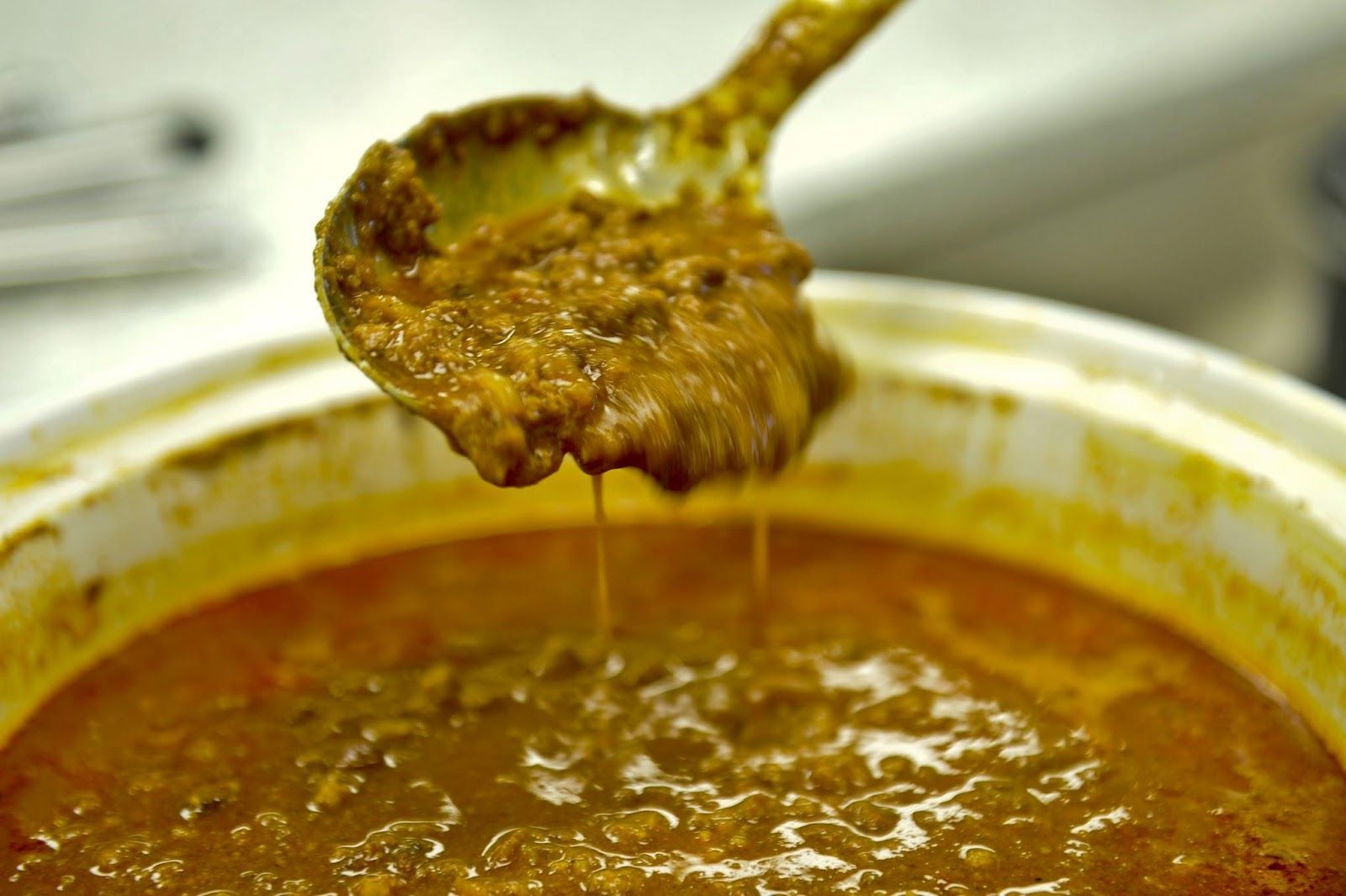
One of the most famous coneys —or hot dogs topped with meat sauce—a Cincinnati-style hot dog takes toppings in a totally different direction. The usual frankfurter and bun (toasted, obviously) are now the vehicle for a spread of mustard, a generous scoop of Cincinnati chili —much more spiced than your regular chili con carne, with cinnamon, allspice, cumin, and cloves—, and a helping of finely-diced yellow onions. If you are in the mood for a cheese coney, you can add shredded cheddar cheese to your heart's desire.

4
Sonoran

Image: Jenna E.

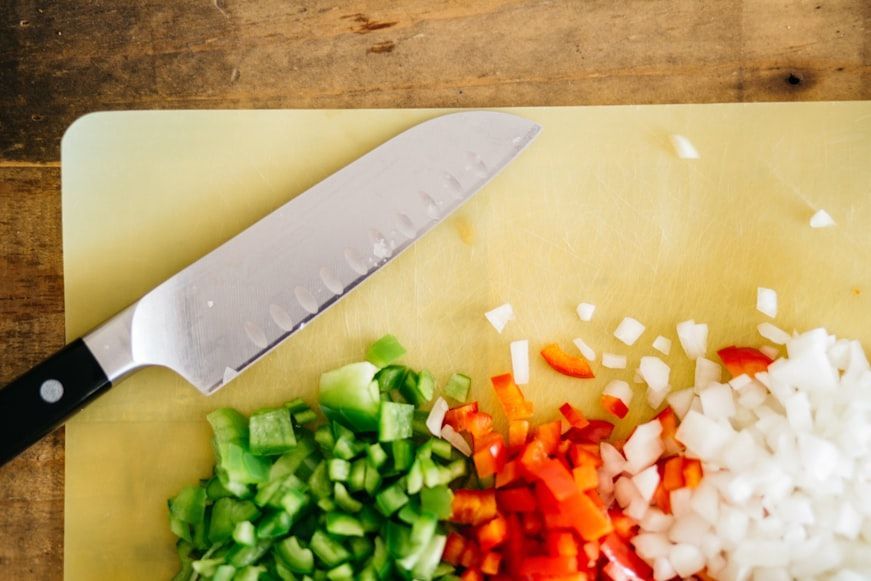
Popular in Arizona but with roots in the Mexican state of Sonora, this hot dog proudly displays its ancestry. The typical bun is replaced by a Mexican-style bolillo bun, with a crunchy crust but a soft interior. The sausage is wrapped in bacon, grilled, and topped with onions, tomatoes, and pinto beans. Popular condiments include mustard, mayonnaise, and jalapeño salsa.

5
Kansas City

Image: Kelsey Todd

Kansas City deviates from the usual all-beef frankfurter. Instead, a pork sausage(grilled or steamed) is served on a sesame bun and topped with mustard, sauerkraut, and melted Swiss cheese. Another popular variant replaces these toppings with brisket burnt ends and barbecue sauce.

6
Michigan Coney

Image: U.S. Air Force photo by Airman 1st Class Riley Johnson, Public domain, via Wikimedia Commons

Allegedly born among Greek immigrants, the Michigan coney is much more straightforward than its Cincinnati counterpart. While the key elements are the same —an all-beef frankfurter on a steamed bun, topped with chili, mustard, and onions— they are set apart by the meat sauce. Where Cincinnati’s flavors rely on a multitude of spices, Michigan’s chili is beanless, meat-forward, and savory. Different, but not less comforting.

7
Italian Dog

Image: Sergio Contreras

A New Jersey delicacy, the Italian dog has multiple versions. The og recipe features a deep-fried sausage on an Italian roll, mustard, and a combination of fried peppers, onions, and potatoes. Variations include swapping the traditional hot dog for a different protein or replacing the potatoes with French fries. The addition of ketchup is a point of contention for locals.

8
Seattle

Image: Megumi Nachev

Seattle-style hot dogs feature an unlikely choice as their star ingredient: cream cheese. Created by a former bagel vendor, the original buns were also bagel-style; however, standard hot dog buns or hogies are now the norm. The buns are toasted and slathered with cream cheese, topped with a grilled sausage and caramelized onions. Jalapeños are also a common addition, and vendors might offer different types of cream cheese.

9
Cleveland Polish Boy

Image: Allen Rad

The star element of a Polish boy is, no doubt, the sausage. In this case, the choice is kielbasa, a smoked meat sausage, either grilled or fried. The typical toppings are barbecue sauce, French fries, and coleslaw. Fun fact: the Polish boy is the center of an ongoing discussion. While it has all the components of a hot dog, many consider it a sandwich.

10
Texas Tommy

Image: Wright Brand Bacon

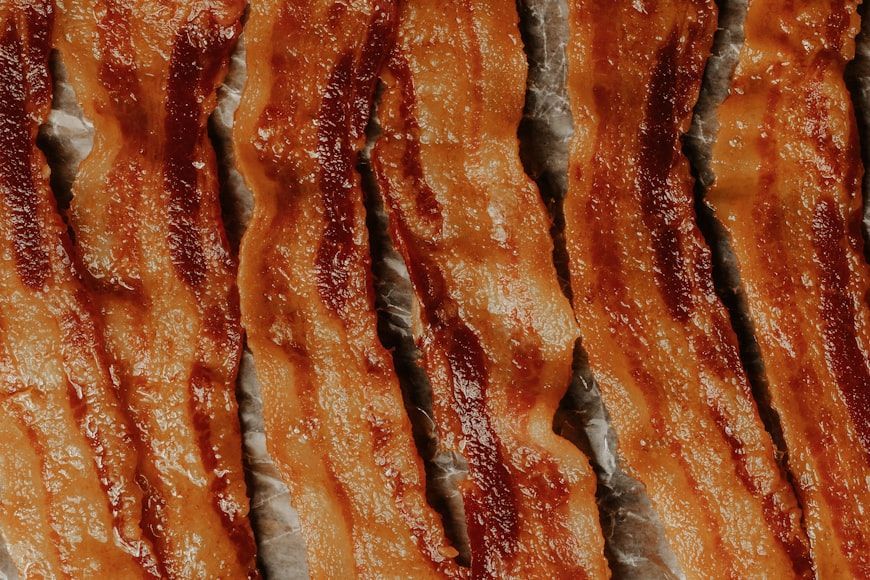
Don’t be fooled by the name; this hot dog comes from Philadelphia. Some say that ‘Texan’ was a common way to refer to all hot dogs, and it caught on. What makes a Texas Tommy different? The sausage is opened lengthwise, stuffed with cheese, wrapped with bacon, and then grilled or fried until the bacon is crispy. Considering all that’s going on with the sausage, toppings are left to the consumer’s discretion, although mustard, onions, chili, or extra cheese are popular choices.

Explore more American facts

Choose your favorite category!

General
General

As American as apple pie—the very best America has to offer!

Culture
Culture

Delve into the astounding richness of American lore.

Geography
Geography

Hop in and explore vast and diverse American landscapes.

History
History

Discover the key moments that shaped the United States.