General General 4 min read

Little-known stories

Which movie star annoyed customers at drive-thrus? Stories of food brands

Image: Alessandro D’Antonio

American food brands have some gifted storytellers behind them. So, naturally, many of us are familiar with the fabled facts about Coca-Cola’s secret recipe or the success story of Colonel Sanders. But do you remember stories about pizza delivered to outer space , a fictional spokesperson, or a rebranded National Monument? We’re here to explore some of the lesser-known facts behind our favorite food brands!

1

2
Jack In The Box
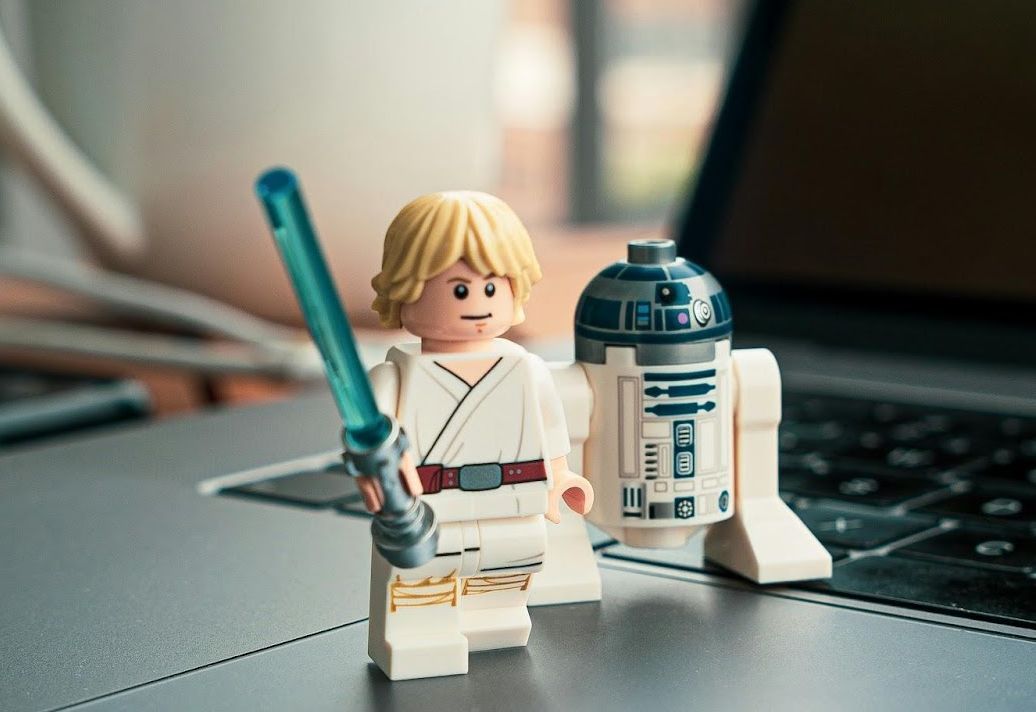
Image: Studbee

And speaking of outer space… Before Mark Hamill became Luke Skywalker in Star Wars, he once worked the drive-thru at Jack in the Box. He was quickly fired, though. Customers complained after he spoke to them using a clown-like voice.

Decades later, in 2022, Hamill reunited with the brand in a comeback ad promoting two revived fan favorites: Spicy Chicken Strips and French Toast Sticks.

3
Taco Bell
Image: PJ Gal-Szabo

The company has pulled off some interesting marketing pranks over the years, but none as unforgettable as its 1996 April Fool’s joke announcing that it had purchased the Liberty Bell.

A full-page ad ran in major newspapers announcing the purchase of the historic bell to help reduce the national debt. The "Taco Liberty Bell" joke did not land well. It caused thousands of complaints; people contacted Taco Bell and the National Park Service demanding answers. Later that day, the company confirmed the story was a hoax, and the stunt went down as one of the most memorable marketing pranks of all time.

4
Domino’s Pizza
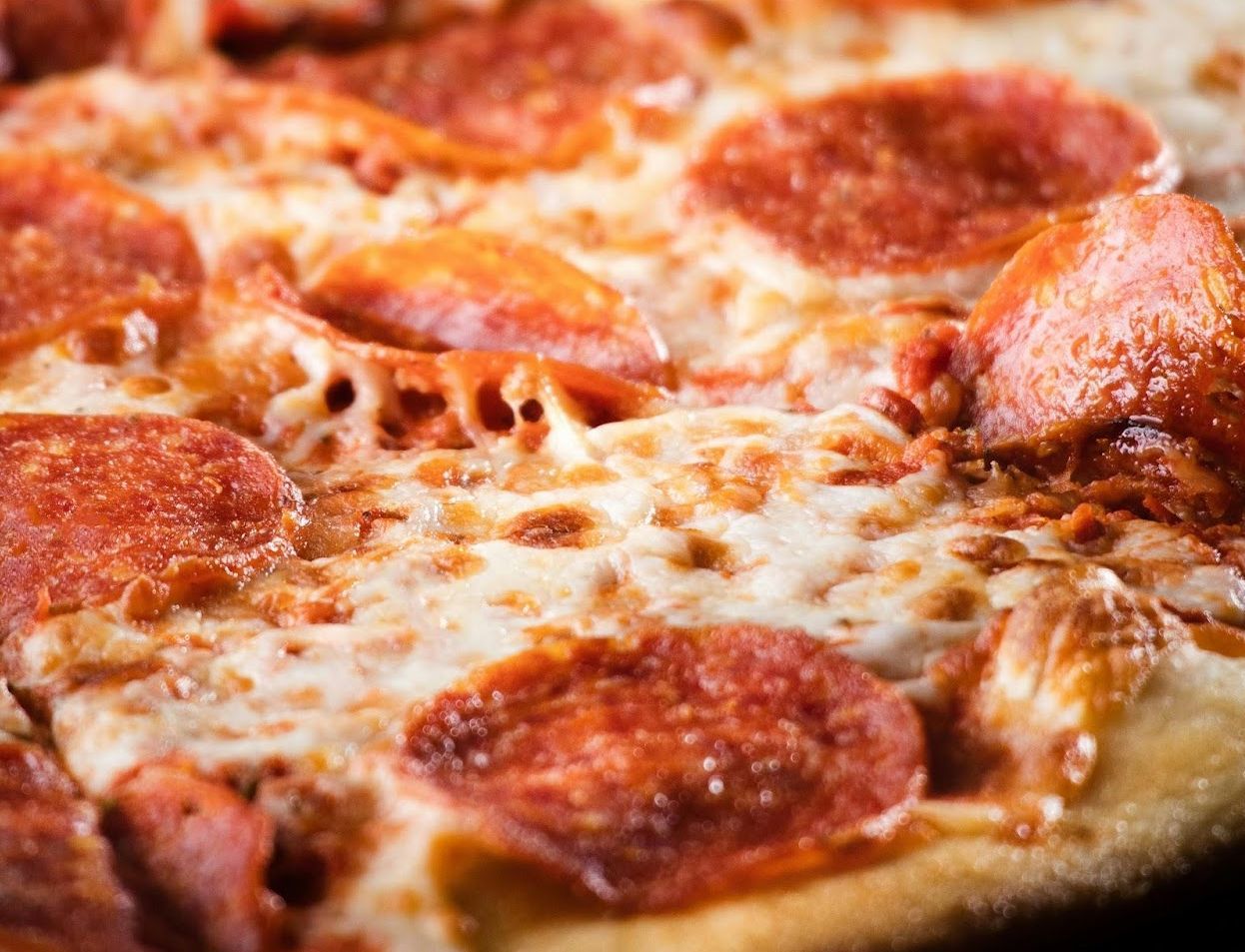
Image: Erick Galván

Back in the ’80s, when Domino’s expanded into Japan, the company ran into a problem: there was no Japanese word for "pepperoni." And, since it was the best-selling topping in the US, they could not risk leaving that pizza out of the menu! So, the brand had to coin a Japanese word for pepperoni. They went for ペパロニ (pronounced "peparoni").

5
Pizza Hut
Image: Joshua Hoehne

Pizza Hut has always been known for some memorable marketing stunts. When Back to the Future Part II hit theaters in 1989, the chain handed out "futuristic" sunglasses with every pie. In 1995, they recruited Donald Trump and Ivana Trump to introduce their first stuffed-crust pizza.

And who could forget the time, in 2001, when they delivered the first pizza ever sent into space, straight to the International Space Station (ISS)?

6
Starbucks
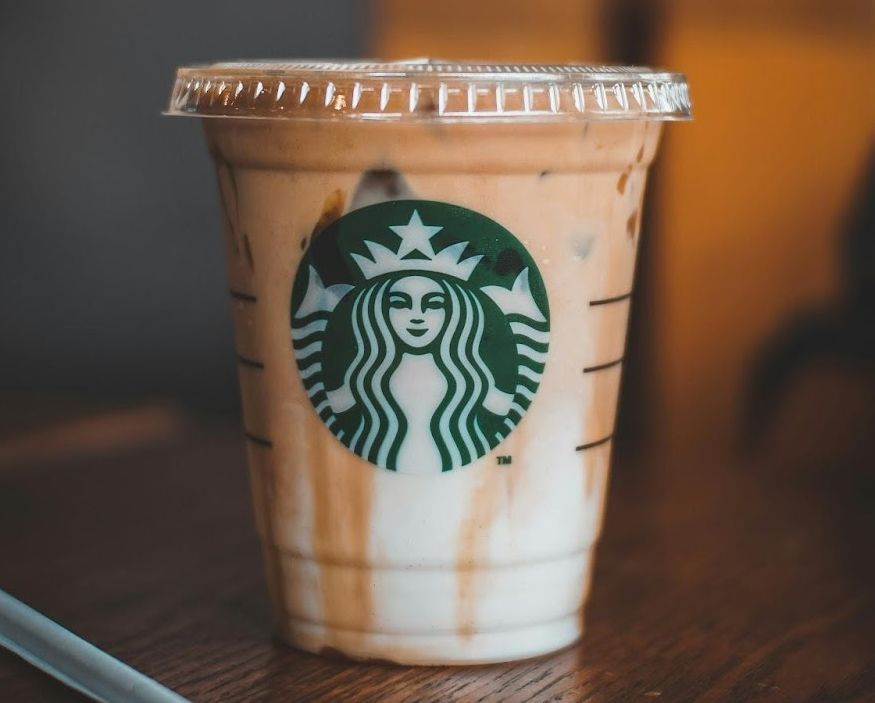
Image: Gema Saputera

Starbucks is such an iconic franchise that its presence can signal rising real-estate values. Studies show that neighborhoods with a new Starbucks often experience property-price increases above the usual rate.

Another interesting tidbit about the brand: inside its stores, employees are required to avoid wearing perfume, cologne, or other strong fragrances to prevent interfering with the aroma and taste of the coffee.

7
Coca-Cola
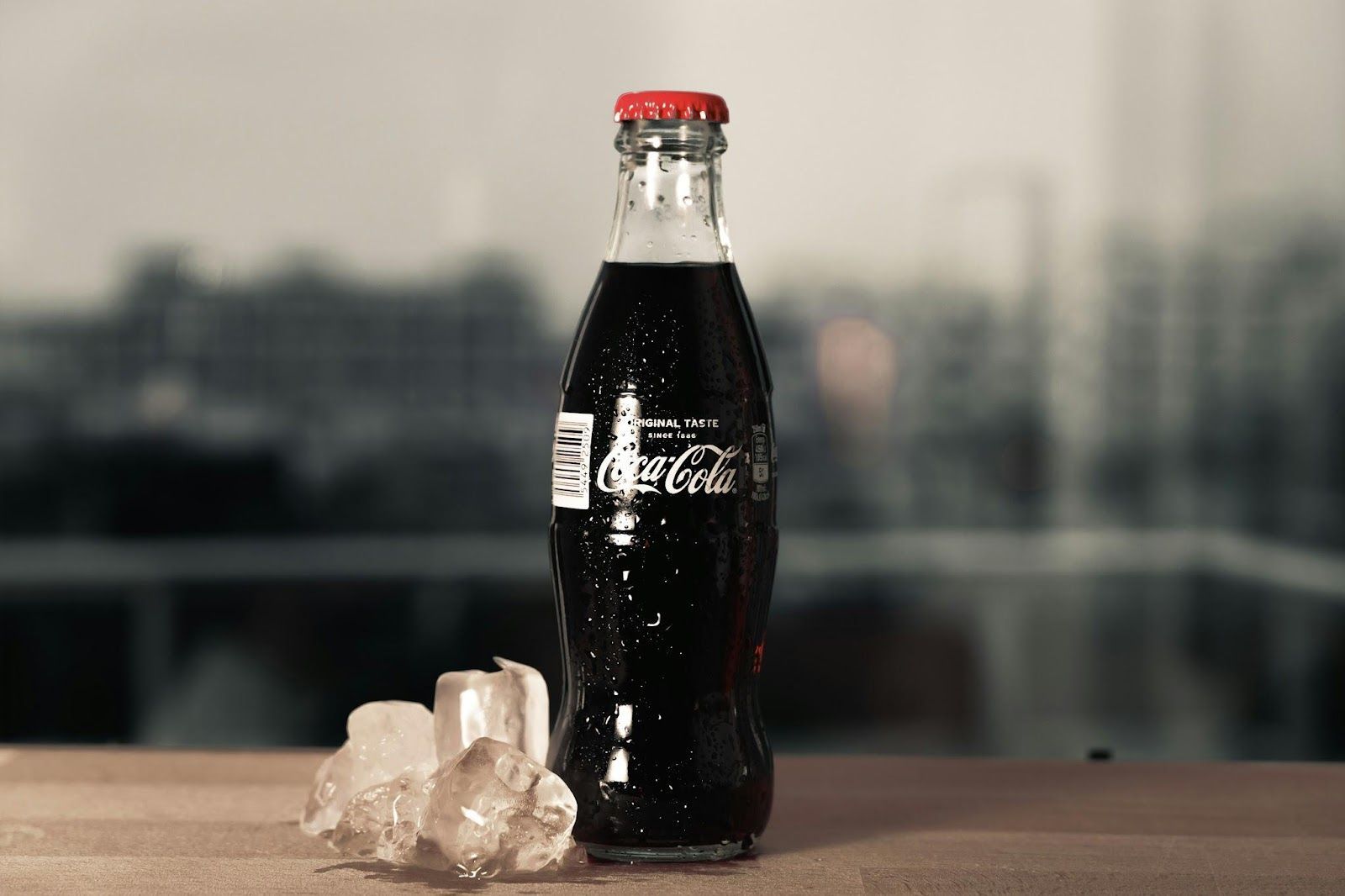
Image: Samuel Bryngelsson

From 1886 until 1959 (over seventy years!), a 6.5-oz glass or bottle of Coca-Cola cost exactly 5 cents. The company had strategic reasons for keeping the price so low and stable.

At the time, it was easier to get customers to insert a single nickel into vending machines rather than require multiple coins. The 5-cent price helped make Coca-Cola a simple, affordable choice.

8
McDonald’s
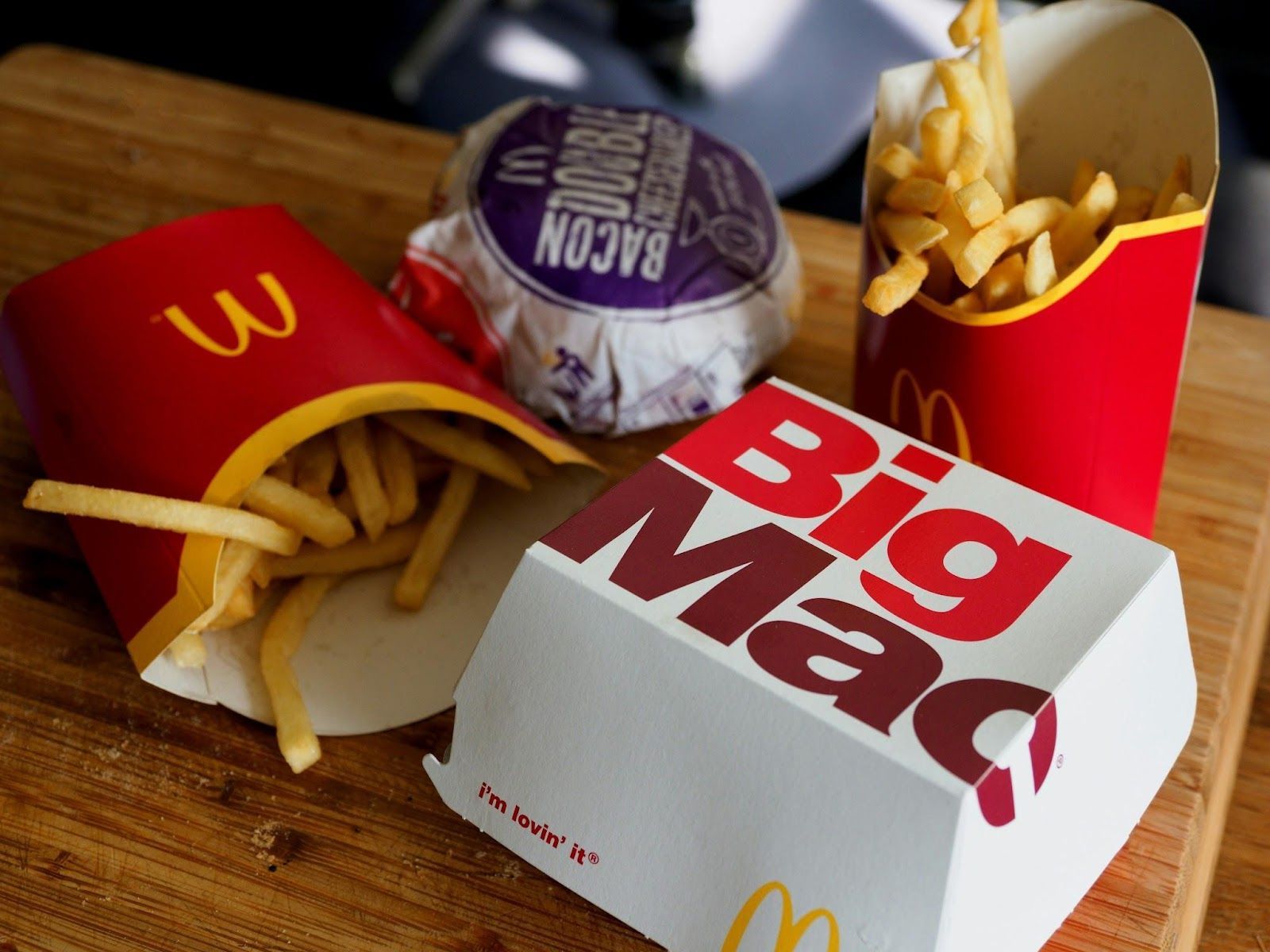
Image: Brett Jordan

The Golden Arches giant has had a long, sometimes on-, sometimes off-, relationship with Disney. McDonald’s began doing Happy Meal tie-ins with Disney characters in 1987 to promote Disney films.

For about ten years, the partnership was exclusive, but it fell off because Disney wanted to work with other food brands, and McDonald’s with other movie studios! Today, they still share a non-exclusive alliance.

9
Wendy’s
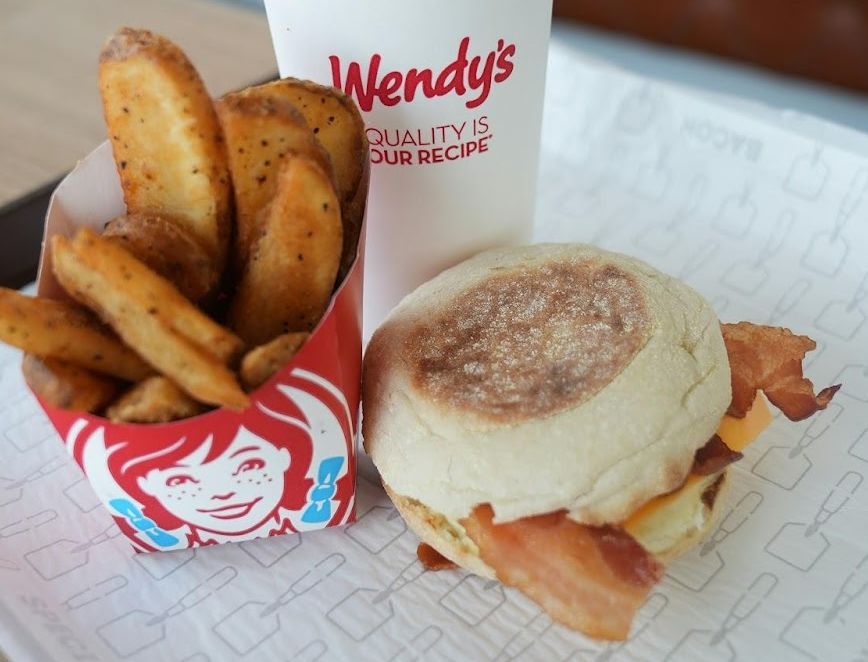
Image: Brian J. Tromp

Wendy’s square hamburger patties weren’t an accident; the idea reportedly came from a chain called Kewpee Hamburgers, a Kalamazoo favorite known for its square-shaped burgers. Founder Dave Thomas has said that as a child, he often ate at a Kewpee, and that those square patties inspired the look and feel of Wendy’s burgers.

Thomas had always loved those because corners poking out of the bun created the impression of a larger burger and made the meat easier to see.

10
KFC
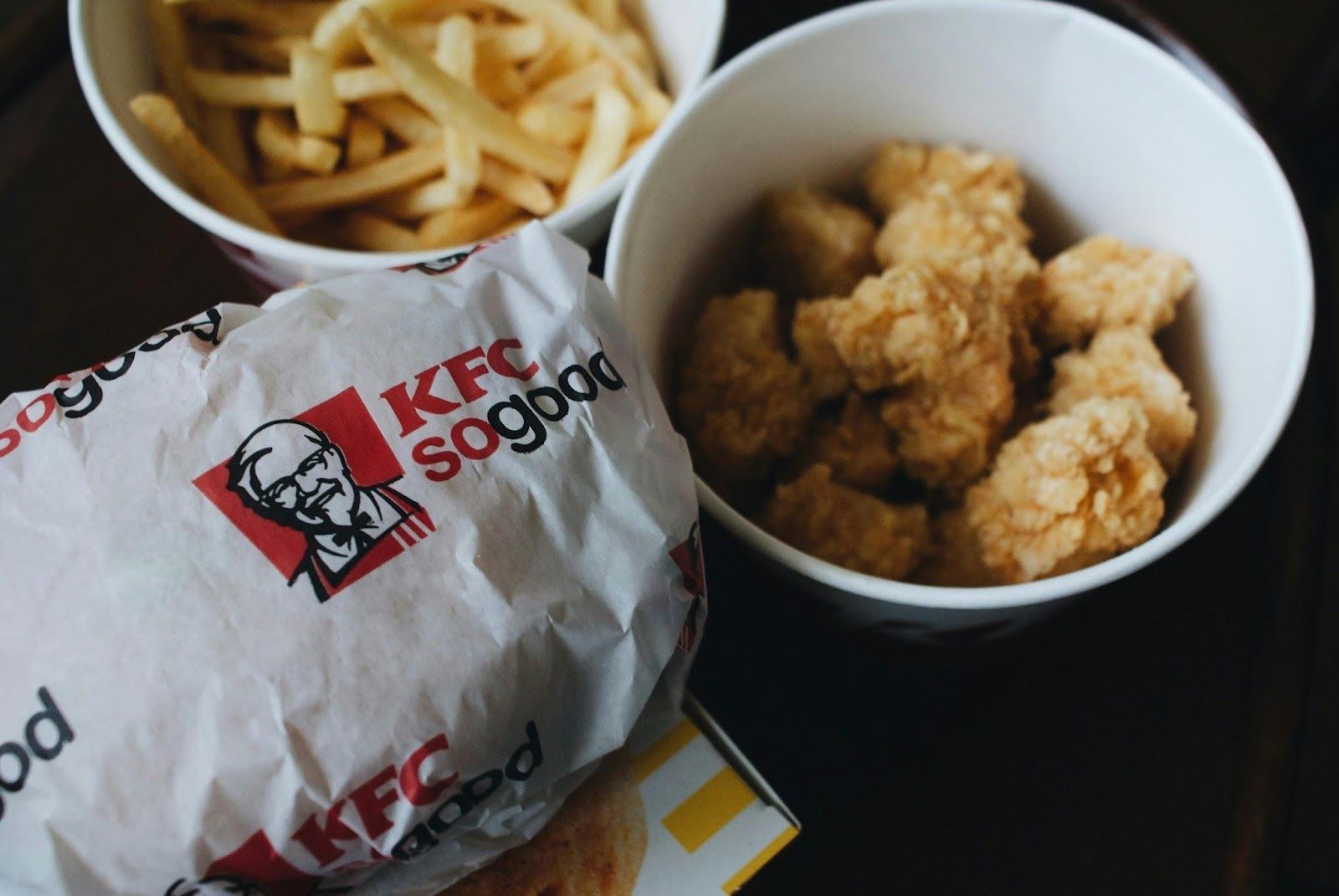
Image: Aleks Dorohovich

KFC’s legendary "11 herbs & spices" recipe is kept under tight lock and key; the company splits the production of the spice mix between different suppliers so that no single person outside knows the full formula.

However, there was a time when Colonel Sanders offered that recipe at a very affordable price: he would license the recipe to restaurant owners for just 4 to 5 cents per chicken piece sold, giving them the right to cook and sell his secret-recipe chicken themselves.

11
Betty Crocker
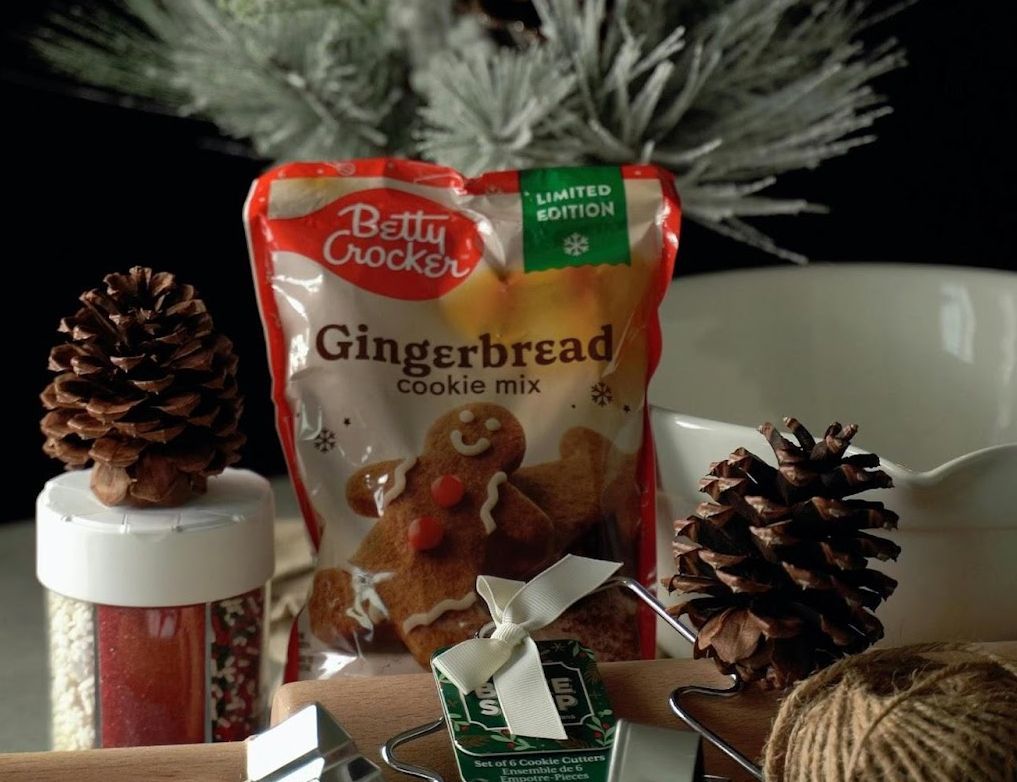
Image: Lalada .

Betty Crocker was never a real person. Did you know? She was invented in 1921 by the Washburn-Crosby Company as a friendly, approachable name to respond to consumer letters.

Even though she was fictional, by 1945, Fortune magazine named "Betty Crocker" the second most famous woman in America, second only to Eleanor Roosevelt.

12
M&M
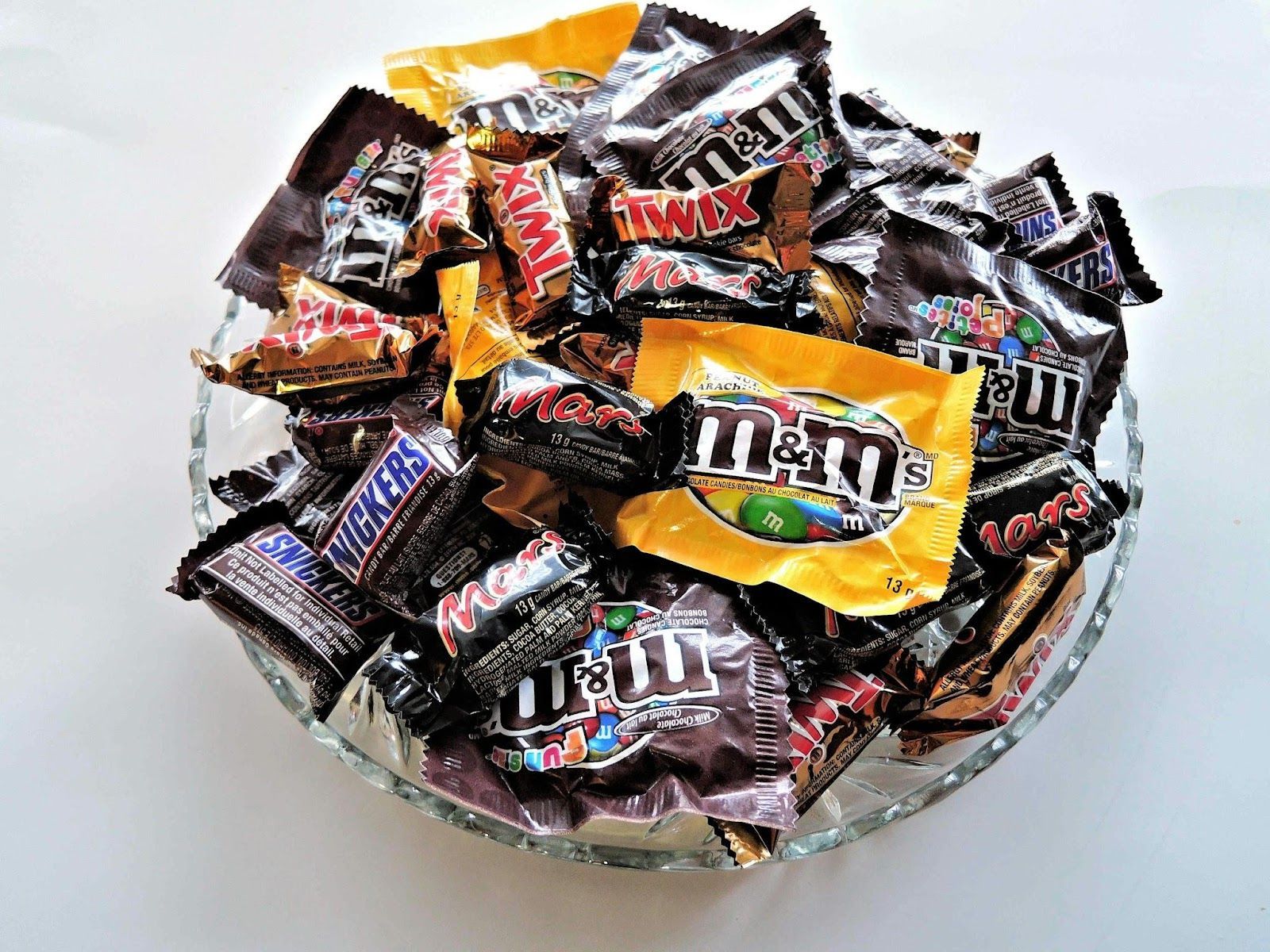
Image: Pixabay

There’s a long-standing debate about America’s favorite chocolate nuggets: Do different colors of M&M’s actually taste different? While many fans swear their favorite color has a distinct flavor, the brand consistently states that the only difference between colors is their dye; all other ingredients remain the same.

That said, some people claim that mini M&M’s taste sweeter than the regular ones. Some analyses suggest that mini M&M’s have a higher candy-shell-to-chocolate ratio, which could make them taste sweeter.

13
Heinz
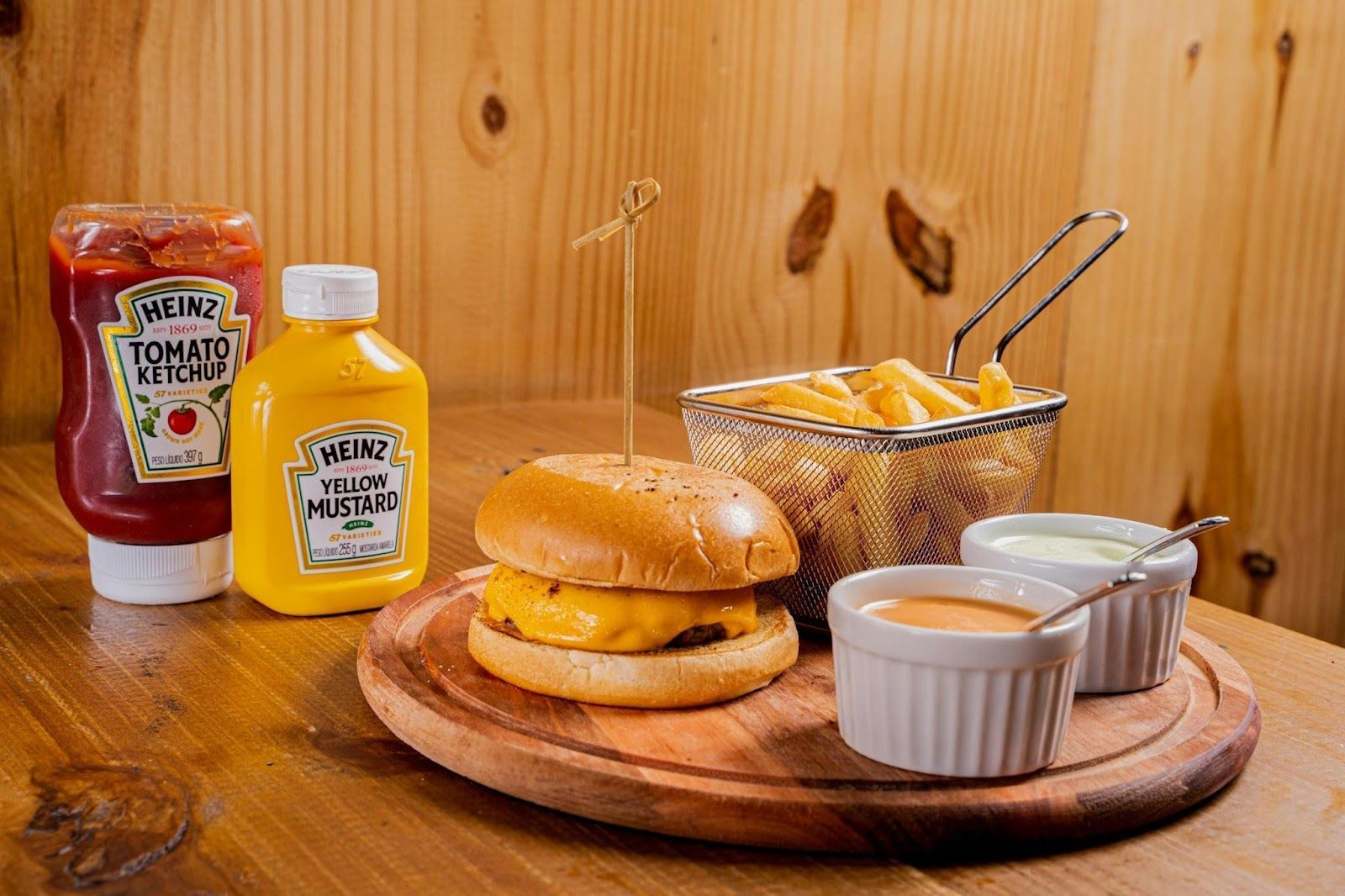
Image: JEFERSON GOMES

Though ketchup is by far Heinz's flagship product, that was not the first one Henry J. Heinz sold. You probably could never guess what it was that he personally started selling back in 1869!

Horseradish! The first thing he ever sold, out of his house, under his name, was horseradish and other pickled goods like vinegar, sauerkraut, and pickles. This early business laid the groundwork for the now-famous condiments empire.
History History 5 min read

Stages that made history

Were you there? 10 legendary music concerts held in the U.S.

Image: Johannes Havn

Some performances stay with us forever. Moments like Jimi Hendrix setting his guitar on fire, Prince playing Purple Rain in the pouring rain, or The Beatles being drowned out by the roaring crowd at Shea Stadium are etched in the minds of millions. Some people witnessed them live, while others saw them in documentaries or YouTube videos that continue to amass views decade after decade. Regardless of the medium, generations agree that these 10 performances are among the most unforgettable shows ever staged in the US.

1
The Beatle’s Shea Stadium Concert

Image: Fedor

The Beatles couldn’t hear themselves over the overwhelming roar of the crowd during their first U.S. performance. The concert that the band from Liverpool gave at Shea Stadium in the summer of 1965 made history. It drew 55,000 fans—the largest rock concert audience at the time—and marked the first time a rock band played in a large stadium.

This event set a new standard for live music performances, highlighting the need for stadium sound systems capable of supporting massive concerts—since the one used that day was rudimentary. Though the band arrived by helicopter, sparked a frenzy of Beatlemania hysteria, and delivered a performance that would be rewatched for decades, they played only 12 songs in just 30 minutes .

2
1985’s Live Aid

Image: Andreas Talseth

Did you know that Phil Collins insisted on performing at both the U.K. and U.S. venues on the same day for 1985’s Live Aid? He boarded a Concorde jet to fly from Wembley Stadium to JFK Stadium in Philadelphia, where the U.S. leg of the famine relief fundraiser for Ethiopia was taking place.

The event was broadcast in 150 countries and reached nearly 1.9 billion people. The U.S. stage of Live Aid raised over $125 million and set the standard for large-scale charity concerts, inspiring similar events in the years that followed. Madonna, Bob Dylan, Mick Jagger with Tina Turner, Duran Duran, and Eric Clapton were just a few of the stars who performed that day.

3
Bob Dylan at Newport Folk Festival

Image: Nikoloz Gachechiladze

The 1965 Newport Folk Festival will always be remembered as the day Bob Dylan "went electric." His decision was controversial—he had long been associated with folk and blues, and his unexpected leap into rock divided the audience, with some cheering and others booing. Some believe the booing was directed at the poor sound quality rather than his choice to go electric. Regardless, Dylan left the stage after just three songs .

This moment is seen as a pivotal merger of folk and rock music. Afterward, Dylan fully embraced rock, releasing albums that included his hit "Like a Rolling Stone."

4
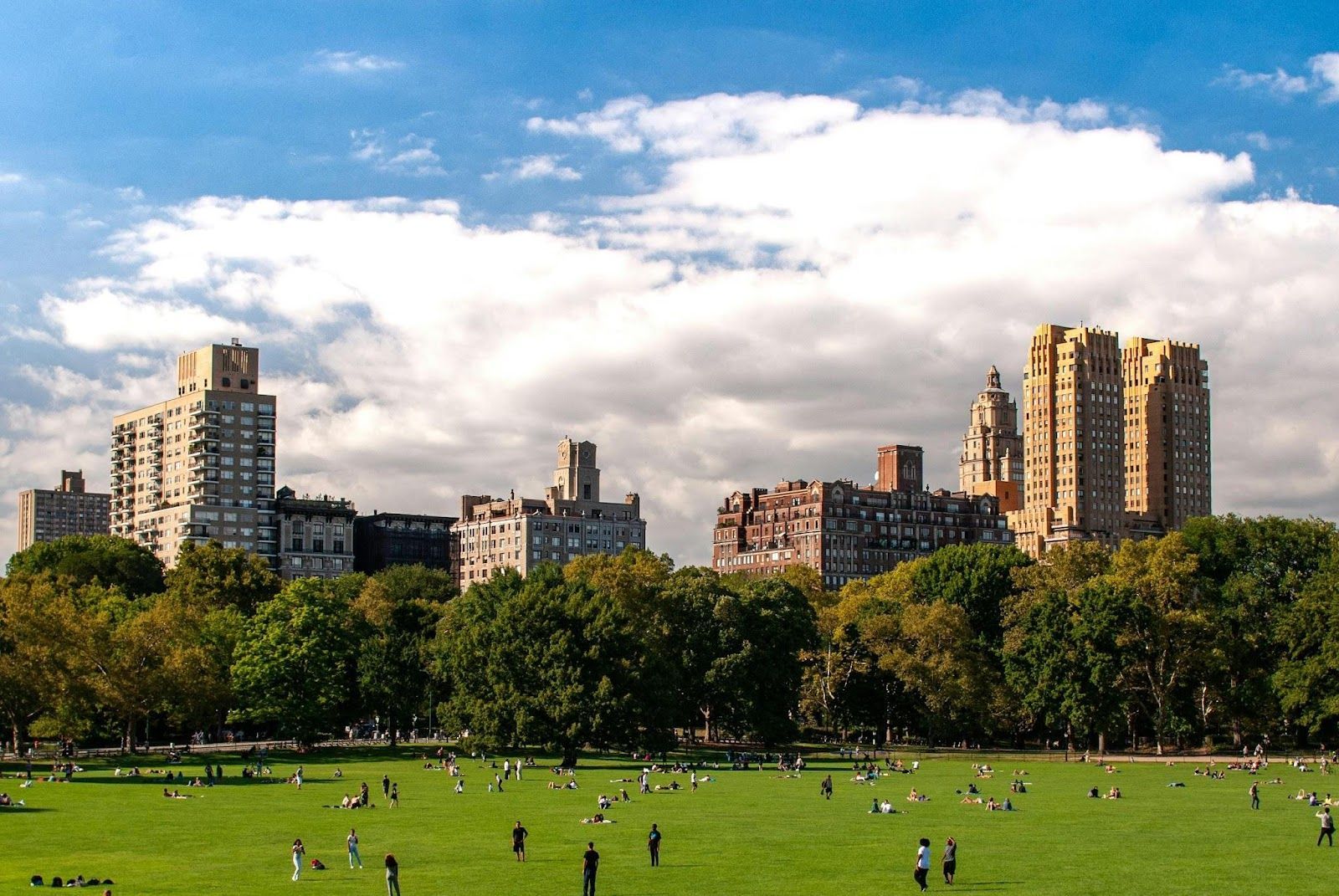
Simon & Garfunkel’s Concert in Central Park

Image: David Vives

In September 1981, Simon & Garfunkel reunited at Central Park in New York for their first performance together in over a decade. The duo had publicly announced their breakup in 1970, after friction and disagreements that had forced them apart. Their immense popularity drew a crowd of half a million people to Central Park to witness the event.

The duo performed some of their biggest hits along with a few of Paul Simon’s solo songs. The concert was a benefit to raise funds for the park’s restoration. It was broadcast live, and the recording was later released as a live album . The event reignited their popularity and led to a successful reunion tour.

5
The Allman Brothers Band’s Fillmore East Concerts

Image: Pixabay

During the spring of 1971, The Allman Brothers Band performed for three nights at the Fillmore East in New York City. These performances were recorded and released as the live album At Fillmore East , which became one of the greatest live albums in rock history.

What made these recordings particularly compelling for fans was the inclusion of extended jam versions of songs like "Whipping Post," "You Don't Love Me," and "In Memory of Elizabeth Reed." The band’s improvisational skills and seamless fusion of blues, jazz, and rock made this weekend in New York a legendary and widely acclaimed performance.

6
Johnny Cash at Folsom Prison

Image: M Shiva

In 1968, Johnny Cash made a decision that would revive his career and solidify his image as both empathetic and rebellious. Following a decline in popularity and struggles with addiction, he arranged a performance for the inmates at California’s Folsom Prison, about which he had written the hit Folsom Prison Blues years earlier.

Cash had played in prisons before, but this time, he chose to record it. The resulting album captured the raw energy of his direct engagement with the audience. At Folsom Prison became a massive success, marking the first in a series of prison concerts that would go on to become some of his best-selling records .

7
The Last Waltz of The Band

Image: William Krause

The Last Waltz was billed as The Band’s farewell concert , designed as a celebration of their remarkable career. Filmed by Martin Scorsese, the event featured an all-star lineup of guest musicians, including Bob Dylan, Joni Mitchell, Van Morrison, Muddy Waters, and Ringo Starr—just to name a few.

Held in 1976 at San Francisco’s Winterland Ballroom, the concert was later released as a documentary film , becoming one of the greatest concert films of all time. With its chandeliers and grand ballroom atmosphere , The Last Waltz set a new standard for farewell concerts.

8
Prince’s Super Bowl Halftime Show

Image: Daniel Robert Dinu

Many will always remember when Prince performed "Purple Rain" in the pouring rain during the 2007 Super Bowl Halftime Show . Despite the adverse weather, he commanded the "P"-shaped stage at Miami’s Dolphin Stadium during the break in the game between the Colts and the Bears.

He opened with his anthem "Let's Go Crazy" and included covers of songs by Bob Dylan and Foo Fighters. Legend has it that before the show, Prince was asked if he was worried about performing in the rain. His alleged response? A playful, " Can you make it rain harder ?" He then stepped out and delivered one of the greatest halftime shows in history.

9
Jimi Hendrix at the Monterey Pop Festival

Image: mirkosajkov

Until the Monterey Pop Festival in 1967, Jimi Hendrix had yet to break through in the US. It was none other than Paul McCartney who convinced organizers that the festival would be incomplete without the rising star.

American audiences were introduced to Hendrix’s guitar wizardry at this concert, where he showcased his newly released album Are You Experienced. The moment that cemented him as a force to be reckoned with came during a dramatic rendition of "Wild Thing," when he set his guitar on fire before smashing it.

10
Woodstock Music and Art Fair

Image: PeterKraayvanger

Finally, we can’t overlook the legendary Woodstock Music and Art Fair, forever known simply as "Woodstock." Held on a dairy farm in Bethel, New York, the festival became a symbol of the 1960s counterculture . Nearly half a million people gathered for this three-day event, which was originally planned as a profit-making venture but turned into an open festival when the crowds became overwhelming.

The lineup featured many stars who became emblems of the era, including Jimi Hendrix, Janis Joplin, The Who, Santana, and Joe Cocker, among others. Despite its iconic status today, Woodstock faced challenges such as food and water shortages, heavy rain, and overwhelmed medical services. Although the festival initially resulted in a financial loss , the costs were eventually recovered through profits from the film and soundtrack releases.

History History 6 min read

Out with the new, in with the old

Would you sit on a flagpole? 10 American fads from the early 20th Century

Image: Ali Bakhtiari

The early 20th century was a wild time in America, and the fads that swept across the nation were just as colorful and curious as the era itself. The world was changing for sure and teens had to find new ways to have fun and adapt to the evolving times. From that came some of the weirdest trends, and today we’re taking a look back at ten of the most popular fads that shaped the first half of the 20th century. You might even remember a few of these yourself, or perhaps you’ve heard stories from the "good old days." Let’s dive into these blasts from the past!

1
Dance marathons

Image: Ardian Lumi

Dancing has always been a praised activity for having some fun and passing the time. It’s simple and requires nothing but a music-playing device. So, back in the ‘20s, people felt the need to find a new twist for this basic entertainment and so they thought making dance marathons was a great idea.

How did they work? The concept was as simple as dancing: Couples would compete to see who could dance the longest all for a shot at cash prizes. But we’re not talking hours here—the contest could last for days! Audiences watched in fascination (and a bit of morbid curiosity, we might add) as exhausted dancers pushed their bodies to the limit. Remember, this was a time when missing out on a chance for quick money and a bit of fun was not a possibility!

2
Flagpole sitting

Image: Jonathan Simcoe

We don’t know if he was trying to break a record or if he just needed some alone time, but after Alvin "Shipwreck" Kelly climbed atop a flagpole in 1924 and stayed there for over 13 hours, a new fad was born: flagpole sitting.

And speaking of basic trends, this is exactly as you read it: People all over America were climbing up and sitting on flagpoles to see how long they could stay up there. We can all agree that these people were after entertainment and a bit of competition. And it got so serious the record eventually stretched to an astonishing 49 days!

By the 1930s, though, the thrill wore off and the fad faded, but the absurdity of it all remains—and earned it a spot on this list!

3
Stickball and stoopball

Image: Jeremy Stewardson

Sports today are no longer just about playing the game. For most of them, you need a lot of equipment, which is rather expensive, especially if you’re going to use it in the streets with your friends from the block.

Back in the ‘20s, baseball equipment was hard to come by. As a result, American kids in crowded urban areas came up with their own inventive versions of the game: stickball and stoopball. The fun behind this trend? Using whatever they had on hand to play: Broomsticks for bats, rubber balls, and parked cars or stoops as bases. The games required nothing more than creativity and a few friends. And no one can deny—the 1920s were indeed a creative time!

4
Johnny on a pony

Image: freestocks

This is a trend that started in the 1940s, and the names used for this game are simply hilarious: "Strong horses, weak donkeys," "Hunch, Cuddy, Hunch," just to name a few.

Johnny on a Pony, or Buck Buck, was a rough-and-tumble game in which one team bent over to form a "horse" while the other team took turns jumping on their backs, trying to knock them over .

You may think this was innocent, but not quite—it was chaotic, sometimes painful, and, more often than not, left participants in a pile of tangled limbs.

Kids do not care for those things, but the game’s physical nature made it exhilarating and dangerous at the same time. That’s why, eventually, concerned parents and schools stepped in and banned it—one too many injuries to keep it going!

5
Drive-In movie theaters

Image: Tim Mossholder

Movie theaters are great, but drive-in movie theaters are even better—they were the ultimate fusion of America’s love for cars and entertainment.

The first official drive-in theater opened in 1933, and it was an alternative for families to a fun and affordable night out under the night sky, watching a movie from the comfort of their car . No wonder this quickly became a beloved American pastime. And you can already imagine whose favorite this was: Teens and young couples, who enjoyed the privacy of their cars while watching the latest films of the time.

The trend slowly faded as film rentals became more popular, and later with the rise of streaming platforms. However, keep an eye out for this one, because it’s definitely making a comeback!

6
Miniature golf

Image: Will Porada

Some may argue that the fad behind miniature golf never actually died, and that’s partially true. But let’s go back to the time it first appeared and all the craze that erupted around it.

It wasn’t until Garnet Carter opened his "Tom Thumb" golf course in 1927 that miniature golf became a true sensation . Located in Lookout Mountain, Tennessee, Carter’s course wasn’t just about putting greens; it also featured miniature goblins, gnomes, and other fun obstacles for players.

We don’t know if he knew this would be so successful, but Carter went all in: He patented the design, and it hit the jackpot—miniature golf became a nationwide success.

7
Hood ornaments

Image: Clem Onojeghuo

Funny thing about the past: You didn’t always need to be extravagant to be trendy—sometimes, just a tiny ornament on your car was enough.

In the 1920s and ‘30s, no car was complete without a stylish hood ornament adorning its radiator . At first, these ornaments were designed to check on the engine temperature. But they soon evolved into artistic expressions of each brand to showcase wealth and personality.

We all recognize the winged goddess or the jaguar jumping out of the car, right?

However, this trend didn’t last long. As car designs modernized and safety became a concern, hood ornaments became less common, and eventually, all but disappeared. If you see a car with one of these today, you can bet it’s worth more than one can get in a lifetime!

8
Kilroy was here

Image: Richard Cohrs

There are two generations: One is looking for Waldo, and the other is looking for Kilroy. Which one do you belong to? Now, if you’re wondering who Kilroy is, let us tell you.

Kilroy was a doodle, and the complete drawing consisted of Kilroy and a message that read "Kilroy Was Here." This graffiti popped up just about everywhere during World War II.

The doodle, featuring a bald, long-nosed figure peeking over a wall, was a symbol of American presence and humor. It’s said that Kilroy was originally the work of James J. Kilroy, a shipyard inspector who scrawled it on equipment he inspected.

But that was just the beginning—the drawing spread to every corner of the globe. Have you ever come across one?

9
Swing dancing

Image: Clarisse Meyer

Few things are as time-sensitive and culturally reflective of an era, don’t you think? In the early 20th century, specifically during the 1920s and 1930s, the dance that dominated every dance floor was swing . And it makes perfect sense—this was the Jazz Age, so swing dancing perfectly matched the exuberance of that music!

Dances like the Lindy Hop, Charleston, and Jitterbug took over dance halls, with young people spinning, jumping, and flipping to the infectious rhythm of big bands.

Older generations sometimes frowned upon the flashy, intimate dance styles, but that only made them more appealing to rebellious youth. Some things never change!

10
Stamp collecting

Image: Tolga deniz Aran

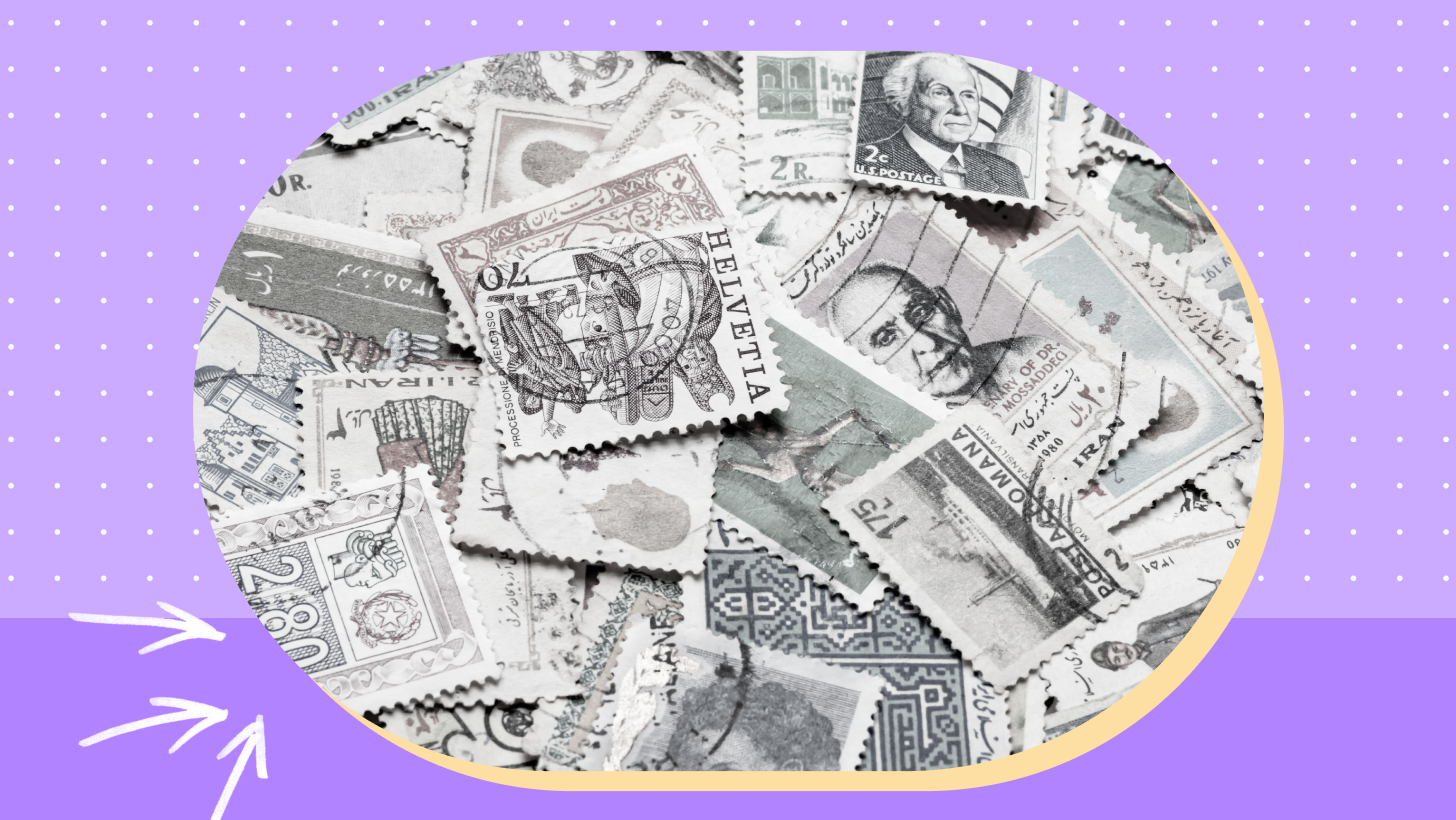
Philately is the collection of stamps or the study of them, and it became a fad across the United States during the 1920s and the ‘30s. Why? Here is the reason.

Stamps offered people a way to explore history, geography, and art. They were everyday items, easy to access, and nobody could escape them. For example, President Franklin D. Roosevelt was an avid stamp collector. Not that he needed them to learn about history or art—it was just a way to have fun.

Contrary to other trends we have discussed, schools encouraged this hobby, because it was both educational and enjoyable. Collecting stuff is a never-ending trend; there are all kinds of collections today and stamp collections today are almost invaluable!

Explore more American facts

Choose your favorite category!

General
General

As American as apple pie—the very best America has to offer!

Culture
Culture

Delve into the astounding richness of American lore.

Geography
Geography

Hop in and explore vast and diverse American landscapes.

History
History

Discover the key moments that shaped the United States.