History History 4 min read

Side hustles

Whiskey, Hollywood, and Grammys? Unexpected jobs of former presidents!
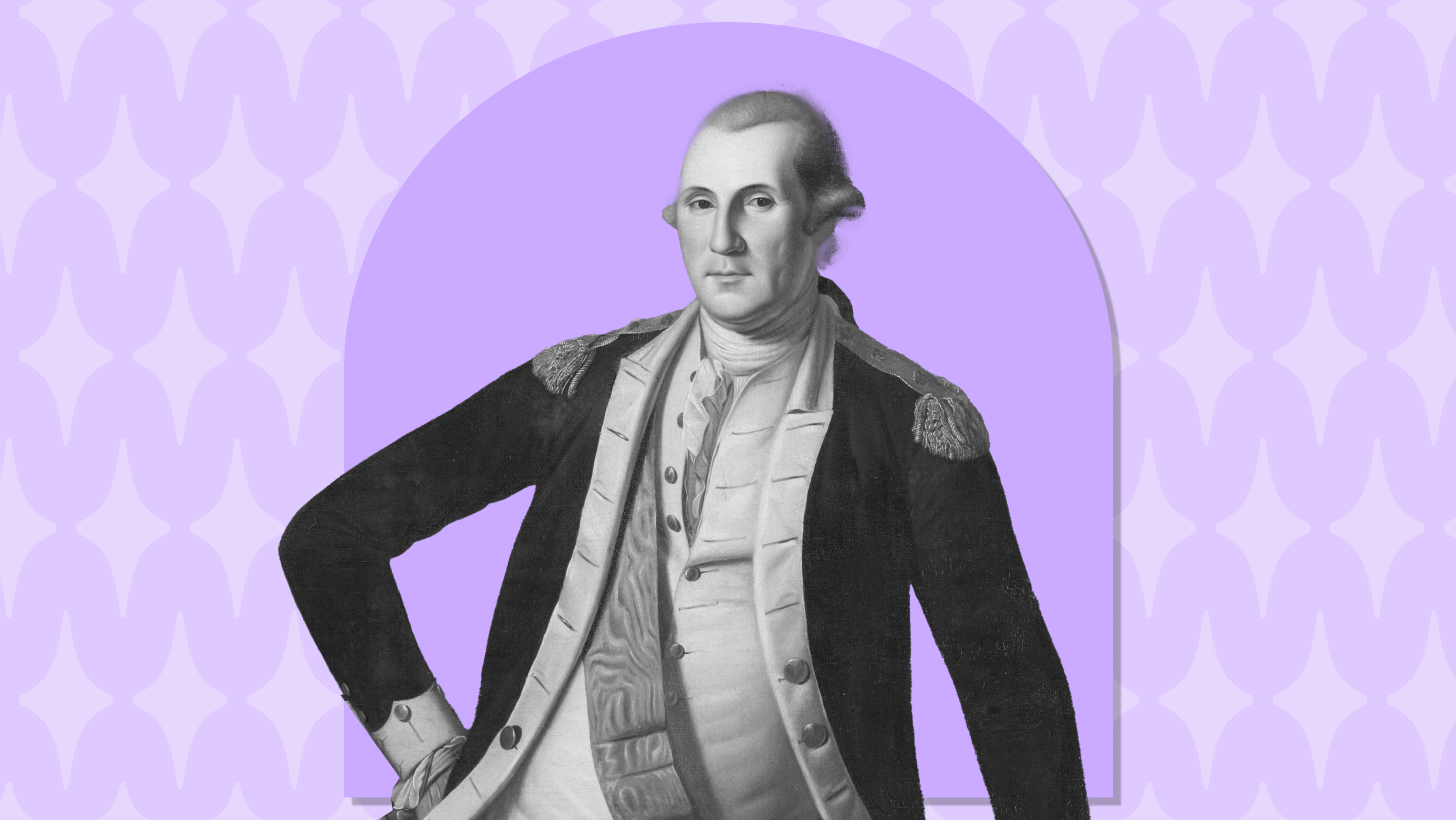
Image: The Cleveland Museum of Art

Picture this: You have just finished your term as President of the United States. It was a tough job to tackle, but you made it. It’s your first day out of office, and you wonder, "What’s next?" A world of possibilities opens up. What is the first thing you would do in that position? These former presidents, from Washington to Bush, went different ways and took up activities most Americans don’t even know about. Let’s take a look at some fascinating second acts of former U.S. presidents.

1
George Washington - The whiskey-making Founding Father

Image: Daniel Vogel

After leading the nation, George Washington stepped into the world of spirits, whiskey spirits, that is! In 1797, his farm manager convinced him to open a distillery at Mount Vernon . Within two years, it became one of the largest in the country, producing nearly 11,000 gallons of whiskey annually.

Here’s a fun fact: Washington didn’t need a marketing team. His whiskey was sold in unmarked barrels to local merchants, and his operation was so successful that it became one of the top money-makers in the area. The best part? You can try it today at the reconstructed distillery!

2
Theodore Roosevelt - Adventurer-in-Chief
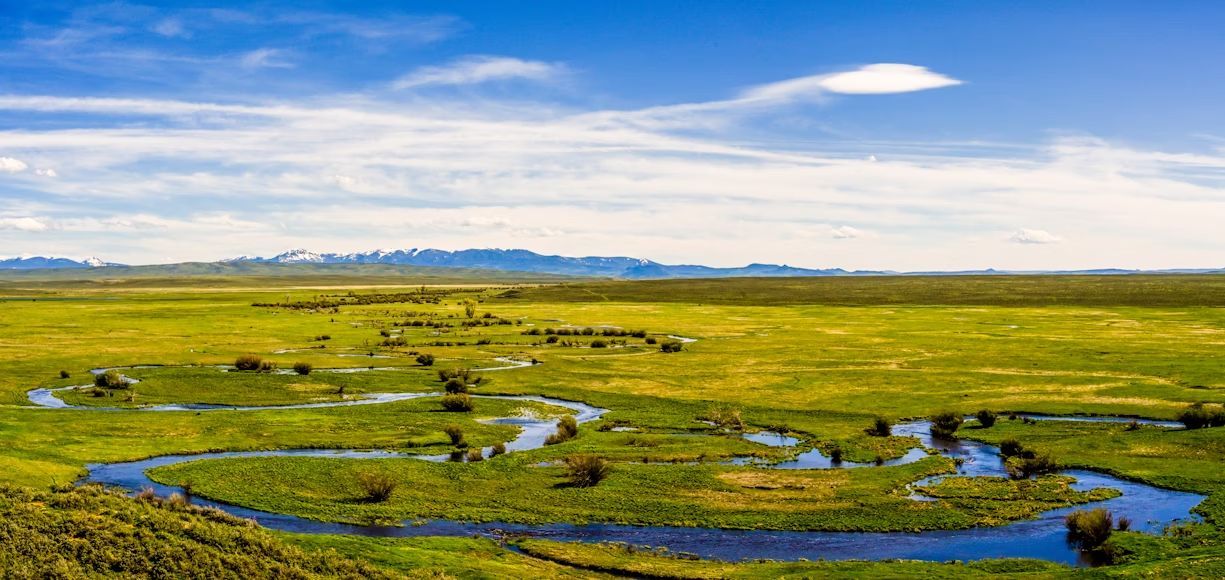
Image: Zetong Li

Not one to sit still, Theodore Roosevelt went on an exploration of the Amazon rainforest after leaving office. In 1913, he embarked on a seven-month journey to map an uncharted river . Guess what it’s called today? The Roosevelt River, of course!

The expedition was grueling: he caught malaria, suffered a leg injury, and nearly died. Though he made it back home, his health never fully recovered. Roosevelt’s post-presidency was all about adventure and risks!

3
Thomas Jefferson - The University Founder
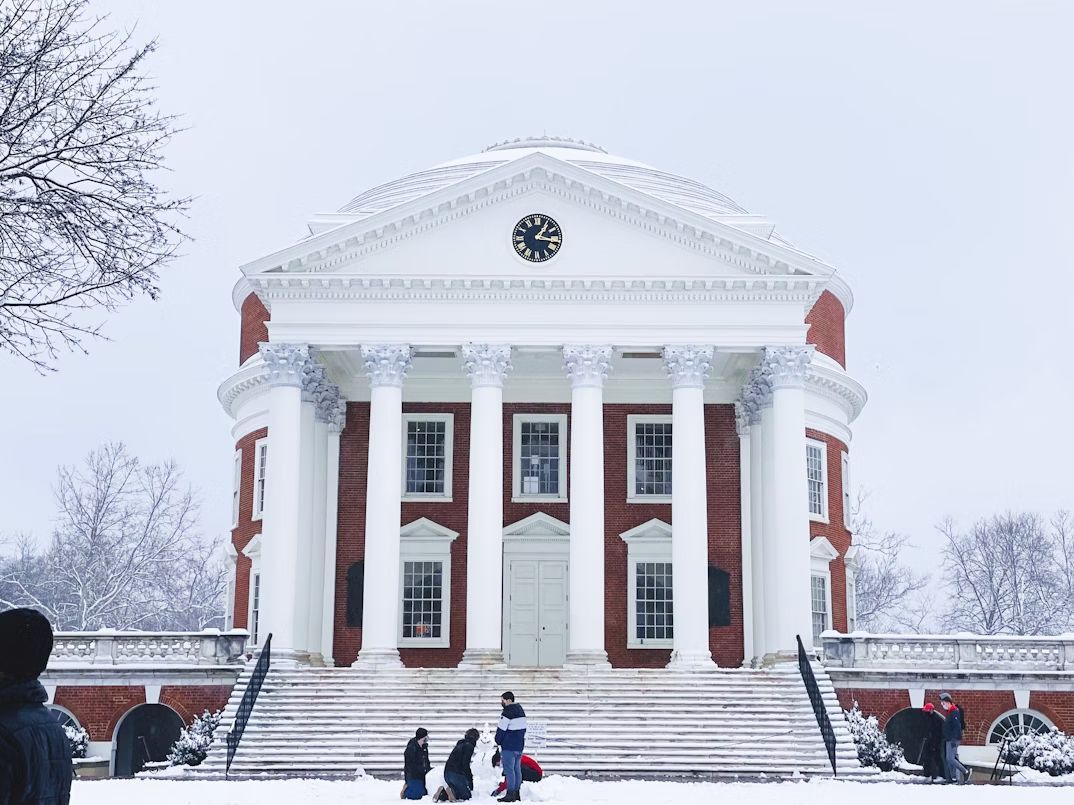
Image: Ryan Ledbetter

Thomas Jefferson didn’t just help write the Declaration of Independence; he also founded the University of Virginia . A firm believer in education, he wanted to create a university that emphasized academic freedom and rigorous learning. So, in 1819, ten years after leaving office, he established the University of Virginia, which opened in 1825.

Jefferson personally designed the campus, including its iconic Rotunda, and hand-picked the first professors. He once called the university one of his greatest accomplishments, right up there with drafting the Declaration of Independence.

4
John Quincy Adams - From President to Congressman
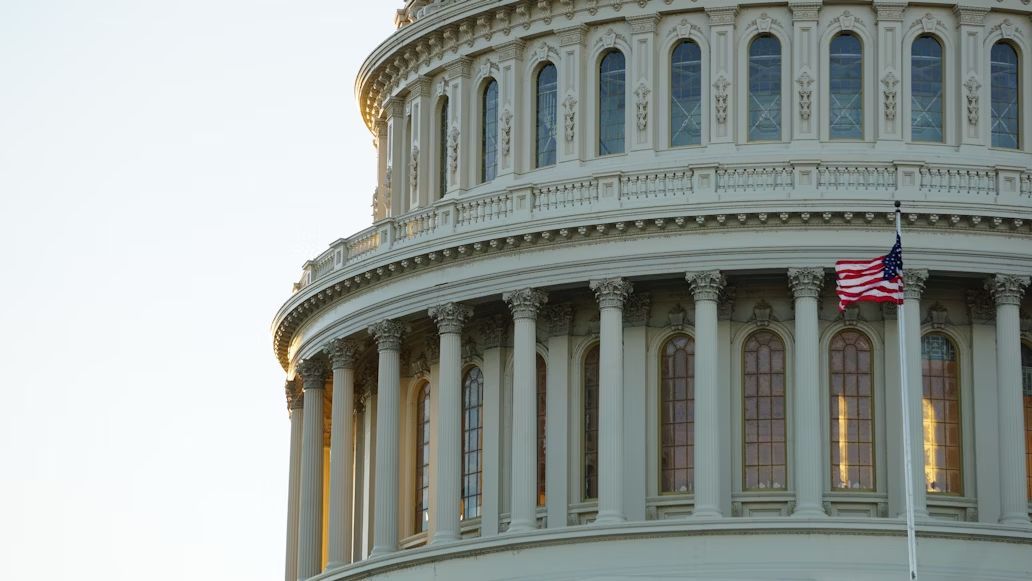
Image: Ian Hutchinson

John Quincy Adams didn’t believe in retirement, you know? He didn’t go back for a second term, but instead of stepping away from public service, he returned to Congress, serving in the House of Representatives for nine terms until his death in 1848.

His dedication earned him the nickname "Father of the House." Even in his final moments, he was working: he collapsed on the House floor after casting a vote and died two days later. Well, once a public servant, always a public servant.

5
William Howard Taft - From President to Supreme Court Justice
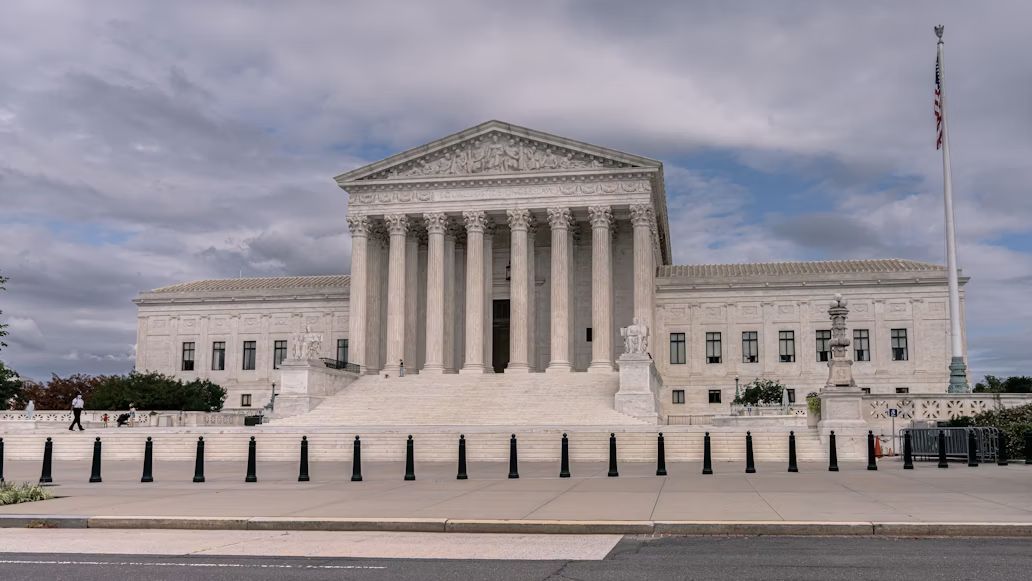
Image: Adam Michael Szuscik

Most former presidents take a step back from government, but William Howard Taft went in the opposite direction. After serving as the 27th president, he was appointed Chief Justice of the Supreme Court in 1921.

He later admitted that being on the Supreme Court was his true calling, famously stating, "I don’t remember that I ever was president." Taft remains the only person in history to have served in both roles! Talk about an upgrade!

6
Calvin Coolidge - Presidential columnist

Image: AbsolutVision

Some former presidents write memoirs, but Calvin Coolidge took it a step further. From 1930 to 1931, he wrote a nationally syndicated newspaper column titled Thinking Things Over with Calvin Coolidge .

His articles covered a range of topics, from politics to everyday life. As it turns out, running a country gives you plenty to write about!

7
Jimmy Carter - The humanitarian president
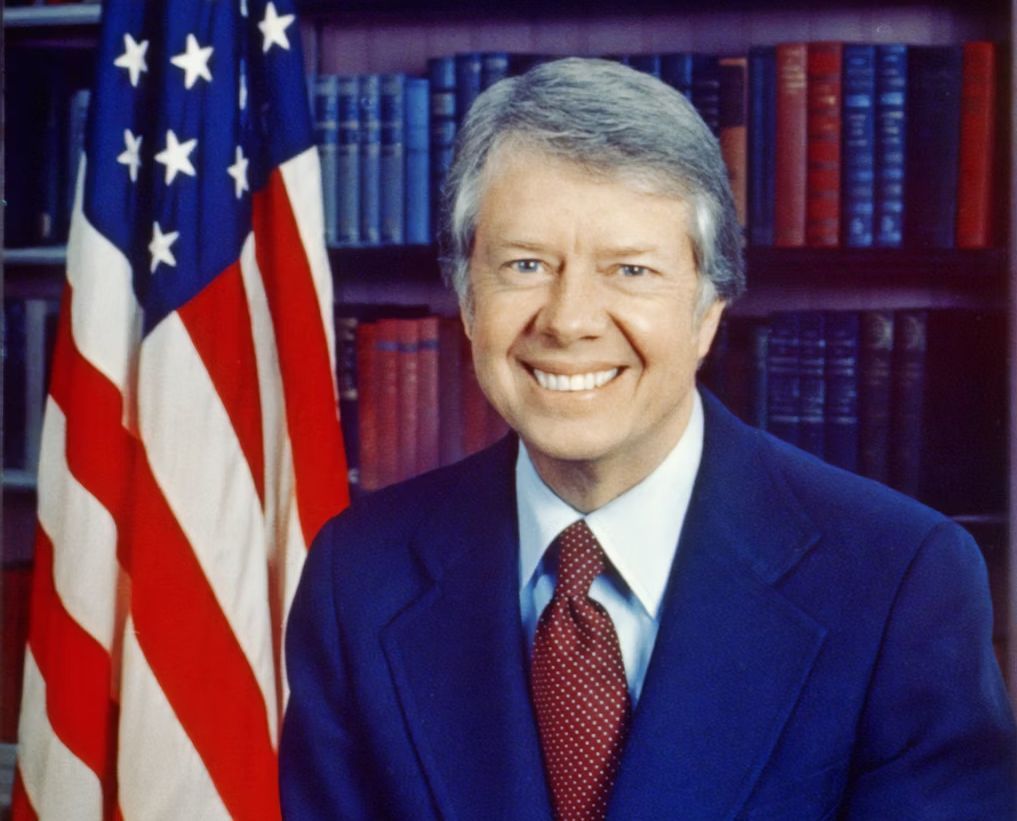
Image: Library of Congress

If there’s one president who redefined life after the White House, that is Jimmy Carter. In 1982, he founded the Carter Center , a nonprofit organization focused on democracy, health, and human rights.

He has also spent decades working with Habitat for Humanity, personally helping to build homes for those in need. In 2002, Carter’s humanitarian work earned him the Nobel Peace Prize, making him the only former president to receive the honor for efforts made after leaving office. He once said his post-presidency was "more gratifying" than his time in politics. Only logical, right?

8
Ronald Reagan - A Knight of the Realm
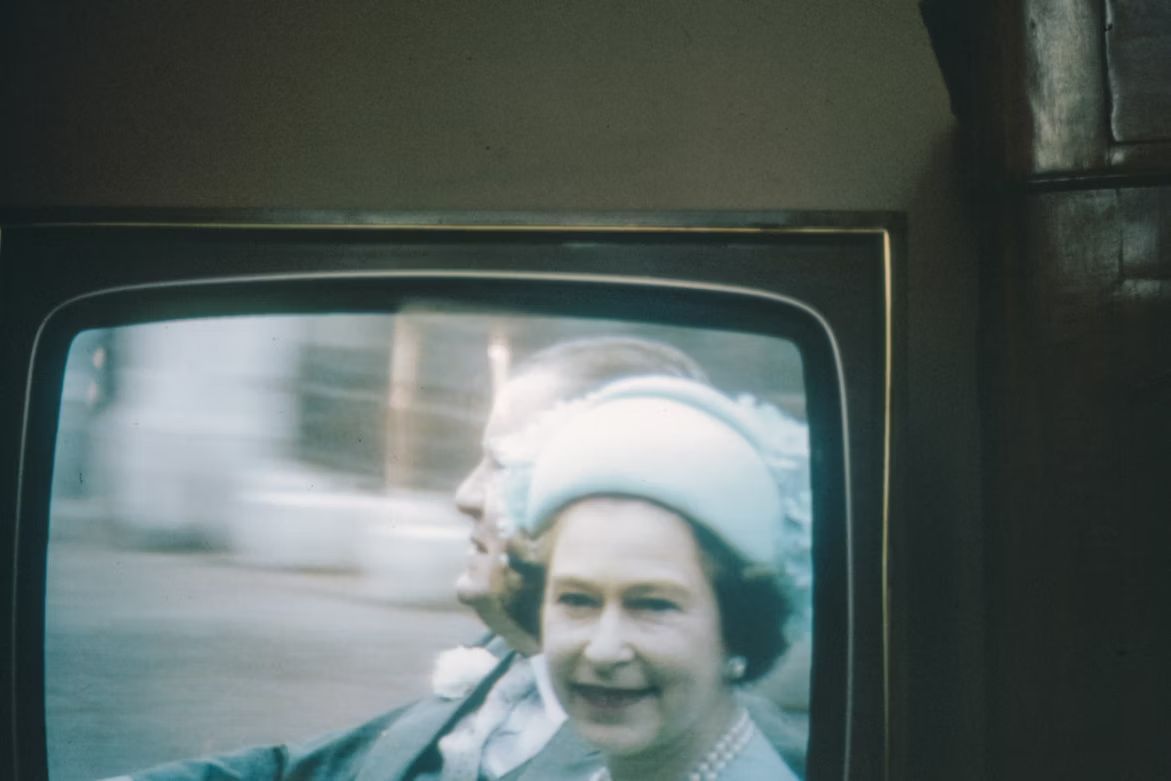
Image: Annie Spratt

Yes, that’s a literal title. Ronald Reagan didn’t take up a new career after leaving office, but he did receive an unexpected knighthood from Queen Elizabeth II. In 1989, just months after stepping down as president, he was made a Knight Grand Cross of the Most Honorable Order of the Bath.

While it’s a prestigious honor, American citizens aren’t allowed to use the title "Sir," so there was no "Sir Ronald" in the works. Reagan wasn’t the only president to receive this honor; Dwight Eisenhower and George H.W. Bush were also knighted.

9
Bill Clinton - Grammy-winning storyteller

Image: Annie Spratt

Bill Clinton has always been a gifted speaker, so it’s no surprise that he won not one, but two Grammy Awards, though they weren’t for playing his famous saxophone. He won Best Spoken Word Album in 2004 and 2005, narrating both a children’s book and his autobiography.

Clinton joins a small but prestigious club of American presidents who have won Grammys, including Barack Obama and Jimmy Carter. His ability to captivate audiences didn’t end with politics; he simply found a new stage.

10
George W. Bush - From the White House to the Art Studio
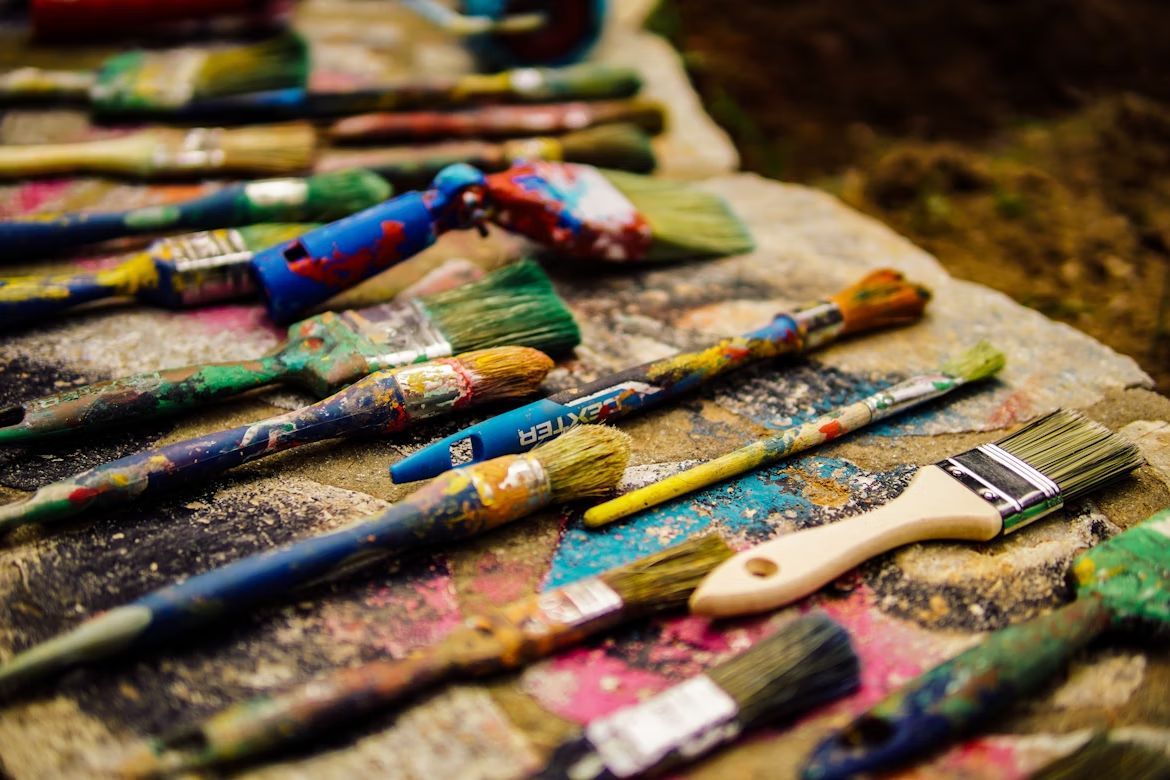
Image: Yannis Papanastasopoulos

After serving two terms as president, George W. Bush discovered a surprising new passion: painting. How about that? In 2012, he began taking art lessons , and by 2013, his paintings were revealed to the public following an email hack.

Bush embraced his new hobby and has since published several collections, including Portraits of Courage , which features paintings of US military veterans. His artwork has been exhibited in galleries, proving that a president can become an artist, too. While politics was his career, painting has become his personal form of expression.

General General 6 min read

Ho Ho Ho vibes!

Unwrapping 10 fun Christmas facts that you probably didn’t know!

Image: JESHOOTS.COM

We all love this time of the year, don’t we? Christmas is all about twinkling lights, holiday music, wrapping and unwrapping presents, and getting together. But the traditions of our country all have a backstory and, popular as this date is, there are a lot of quirky fun facts to unveil. So, we’ve gathered 10 of them for you to start getting into the holiday spirit. Are you ready? Let’s go!

1
Shopping chaos

Image: Nathan Lemon

Move over, Black Friday! It seems counterintuitive to think there’s a day that is busier than the one day devoted to buying and taking advantage of super sales, but as it turns out, the two days right before Christmas actually take the ranking as the busiest shopping days of the year.

As the holiday countdown hits single digits, shoppers everywhere rush for those last-minute gifts and stocking stuffers.

Do you know what we mean? Those few days, you can almost feel the energy buzzing at every checkout line. If you have ever been in a store on December 23rd, you know the frenzy firsthand. Now, want some pro-tip? Make a list and check it twice to avoid panic shopping! Who knew that Christmas Eve could rival Black Friday for chaotic crowds?

2
The dangers behind decorating

Image: freestocks

While holiday decorating is one of the joys of the season, it’s also a little risky business. November and December see an uptick in home accidents, with 34% of decorating injuries caused by falls. Climbing ladders to string up lights or reaching for that high branch on the tree can get tricky!

It’s a good reminder to decorate with care and maybe enlist some help for those high-up decorations. After all, the holidays are about spending time with family, not in the ER. So, keep it safe and merry as you turn your home into a winter wonderland.

3
Rudolph’s Advertising Origins

Image: Tim Gouw

Who doesn’t love Rudolph the Red-Nosed Reindeer? He is a true Christmas icon, but he wasn’t always the holiday figure we know today. In fact, he got his shiny start as an advertising gimmick for Montgomery Ward back in 1939.

The department store created the character to attract holiday shoppers and boost sales, and boy did it work! Rudolph quickly became a beloved part of Christmas lore, it captured hearts with his glowing red nose and underdog story.

It’s funny to think that one of the most famous Christmas figures was born from a marketing strategy, but if you come to think about all these traditional figures, they were all born the same way. Regardless, Rudolph lights the way for Santa every year and we simply adore it!

4
Dickens’ Speedy Classic

Image: Elin Melaas

Talk about Christmas traditions! Charles Dickens’ timeless tale, A Christmas Carol , feels like it’s been around forever, and we’ve all probably read it more than once.

Did you know it only took him six weeks to write ? That’s right, in just a month and a half, he crafted one of the most long-lasting holiday stories of all time. Published in 1843, Dickens’ story of redemption and the Christmas spirit has been adapted into countless films, plays, and musicals.

He wrote it in a hurry because he needed money. Little did he know his rush would produce a masterpiece read in every classroom and household during the holiday time and any other time of the year!

5
Seattle’s sky-high tree

Image: Annie Spratt

Talk about decking the halls! The tallest Christmas tree ever displayed in our country stood tall and proud in Seattle, Washington, and it reached a jaw-dropping 221 feet ! If you can’t figure out how tall that is, that’s about the height of a 20-story building!

It was displayed in 1950 and, tall as it was, imagine all the lights and ornaments it took to decorate that beautiful tree. It quickly became a symbol of holiday glory. While it’s not every day you see a Christmas tree as tall as a skyscraper, it’s fun to imagine what that lighting ceremony must have been like. Don’t worry, most of us are happy with our 6-footers! But this defies the belief that less is more, right? When it comes to Christmas spirit, more is more!

6
Visa goes crazy!

Image: CardMapr.nl

We’ve already established that the Christmas season is the busiest in sales. But if you think holiday shopping is busy, imagine how busy Visa credit cards are! Here’s the fact: During the Christmas season, Visa cards are used around 6,000 times per minute . That’s a whole lot of swiping (or tapping,) don’t you think?

And it’s not only to buy gifts, consider this is also a touristic time of the year so, from buying presents to booking travel, credit cards get quite the workout in December. It’s not surprising, considering how much we all spend on making the holidays special! Even if our credit cards don’t really like it.

7
Franklin Pierce’s presidential tree

Image: Annie Spratt

The White House Christmas tree is a wonderful tradition, (one of our personal favorites, at least) but do you know who was in charge of setting this precedent?

In this case, we’ve got Franklin Pierce to thank, because in 1856 he became the first US president to put up an official Christmas tree in the White House .

Of course, back then, it wasn’t the massive display we see today, but it was the beginning of a tradition that continues to this day. Every year, a whole spectacle is set around putting up the Christmas tree and is televised for everyone to enjoy. There was a first, but we haven’t seen the last of this tradition yet!

8
X marks the Christmas spot

Image: Cris DiNoto

Not a year goes by without millions of people getting a text from a loved one saying "Mery X-mas! Lots of love" This is also a common thing in sales. Now, if you’ve ever seen "X-mas" and thought it was just a shortcut for "Christmas," think again!

The "X" in X-mas actually comes from the Greek letter Chi , which is the first letter of the Greek word for Christ . So, it’s not a lazy abbreviation of a long word, it is a historical nod to the religious roots of the holiday. It’s been used for centuries, though some people still debate its use today and it is more popular among the younger generations. Do you use it?

9
Oklahoma’s late start

Image: Hayden Scott

It is hard to imagine a time when Christmas was not a thing, but there was actually a moment in history, not long ago, when this fun holiday was not legal in Oklahoma!

This state might be known for its wide-open plains, but it was the last state in the country to declare Christmas a legal holiday . That didn’t happen until 1907, long after most other states had already embraced the holiday spirit.

When we say it was not legal, we don’t mean it was forbidden to celebrate it. It means that, before then, Christmas was just another workday for many Oklahomans! But once it was official, the state caught up with the rest of the country and began celebrating the season in style. Better late than never, right?

10
Leftovers season

Image: Jed Owen

Chicken, primer ribs, cranberry sauce. It’s not Christmas without a delicious feast. Yes, Christmas dinner is delicious, but you have to be careful with those leftovers!

Did you know that over 400,000 illnesses are caused by spoiled Christmas leftovers each year? It makes sense, we cook a lot, we eat only so much, and then, between the turkey, stuffing, and pies, it’s easy to forget how long food has been sitting out. Make sure to store leftovers properly and eat them within a safe timeframe. Nobody wants their holiday cheer spoiled by an upset stomach! So, while leftovers are a gift that keeps on giving, a little caution goes a long way in keeping the festive fun intact.

Culture Culture 3 min read

From fame to oblivion

History's hidden legends: How these Americans defied the odds

Image: The New York Public Library

America has produced more than its fair share of legends, but not all are remembered equally. From pioneers of technology to forgotten war heroes, each of these names once meant something big in the U.S. Here's a look at 10 American icons whose legacies deserve a second glance.

1
Hedy Lamarr

Image: Geoffroy Berlioz

Best known for her 1930s–40s film career, Hollywood icon Hedy Lamarr also co-invented frequency-hopping spread spectrum technology to prevent enemy jamming in WWII. And if you think it’s no big deal, know it’s the basis for modern Bluetooth and Wi-Fi!

While largely overlooked as an inventor at her time, she was posthumously inducted into the National Inventors Hall of Fame in 2014.

2
Sybil Ludington

Image: Taylor Brandon

According to many historians, at just 16 years old, Sybil Ludington rode about 40 miles through the night in 1777 to alert American militia of a British attack on Danbury, Connecticut.

This would make her ride roughly twice as long as Paul Revere’s . While some scholars question the veracity of her story, a statue stands in her honor in Putnam County, New York.

3
Bass Reeves

Image: Pramod Tiwari

Born into slavery in 1838, Reeves became one of the first Black U.S. Deputy Marshals west of the Mississippi. He made over 3,000 arrests during his law enforcement career.

Many historians believe his exploits may have inspired the Lone Ranger character, although his name rarely appears in history textbooks.

4
Mary Edwards Walker

Image: David Trinks

A Civil War surgeon and suffragist, Walker treated soldiers on the front lines and was even captured as a prisoner of war.

In 1865, she became the first woman to ever receive the Medal of Honor. Her unorthodox dress style and fearless activism made her a striking figure in 19th-century America.

5
Clara Barton

Image: Kevin Paes

Known as the "Angel of the Battlefield," Barton provided medical care during the Civil War and later founded the American Red Cross in 1881.

Though once a household name, her legacy has faded compared to other, more widely remembered wartime figures.

6
Joshua Lawrence Chamberlain

Image: Chris Chow

A college professor turned Union colonel, Chamberlain famously held Little Round Top during the Battle of Gettysburg, a pivotal moment in the Civil War.

He was awarded the Medal of Honor and later became governor of Maine, but his unexpected battlefield brilliance is often overlooked in Civil War discussions.

7
Robert Smalls

Image: Ian Hutchinson

In 1862, Smalls, a formerly enslaved sailor, seized a Confederate ship and delivered it to Union forces, securing freedom for himself and his crew.

He later served five terms in Congress, advocating for Black education and civil rights.

8
Harvey Wiley

Image: Diana Polekhina

Known as the "Father of the FDA," Harvey Wiley was a chief chemist in the late 1800s whose "Poison Squad" tested various food additives, leading to the 1906 Pure Food and Drug Act.

This law laid the foundation for the FDA and led to the removal of many dangerous substances from consumer products. Notably, it prompted Coca-Cola to eliminate cocaine from its formula in the early 20th century.

9
George Washington Carver

Image: Dan Meyers

More than just being associated with peanuts, George Washington Carver developed numerous innovative crop rotation methods and created over 300 uses for peanuts, sweet potatoes, and other plants to help Southern agriculture recover after the Civil War.

10
Joe Medicine Crow

Image: Boston Public Library

The last war chief of the Crow Nation, Joe Medicine Crow, completed several traditional war deeds during WWII—including counting coup and stealing enemy horses —and earned both the Bronze Star and the French Légion d’honneur.

Part of his legacy was bridging Native American warrior traditions with modern military service, honoring both cultural heritage and patriotic duty.

Explore more American facts

Choose your favorite category!

General
General

As American as apple pie—the very best America has to offer!

Culture
Culture

Delve into the astounding richness of American lore.

Geography
Geography

Hop in and explore vast and diverse American landscapes.

History
History

Discover the key moments that shaped the United States.