General General 3 min read

All about the Great White Way

Why is Broadway called the Great White Way?

Image: Jordhan Madec

You say Broadway, and all the marquees and red curtains come to mind. But behind them, you’ll also find history, facts, and interesting records you probably didn’t know about. Drama happens both onstage and offstage in this particular place of our beloved country. So, here are some gems for you!

1
From trail to theater capital
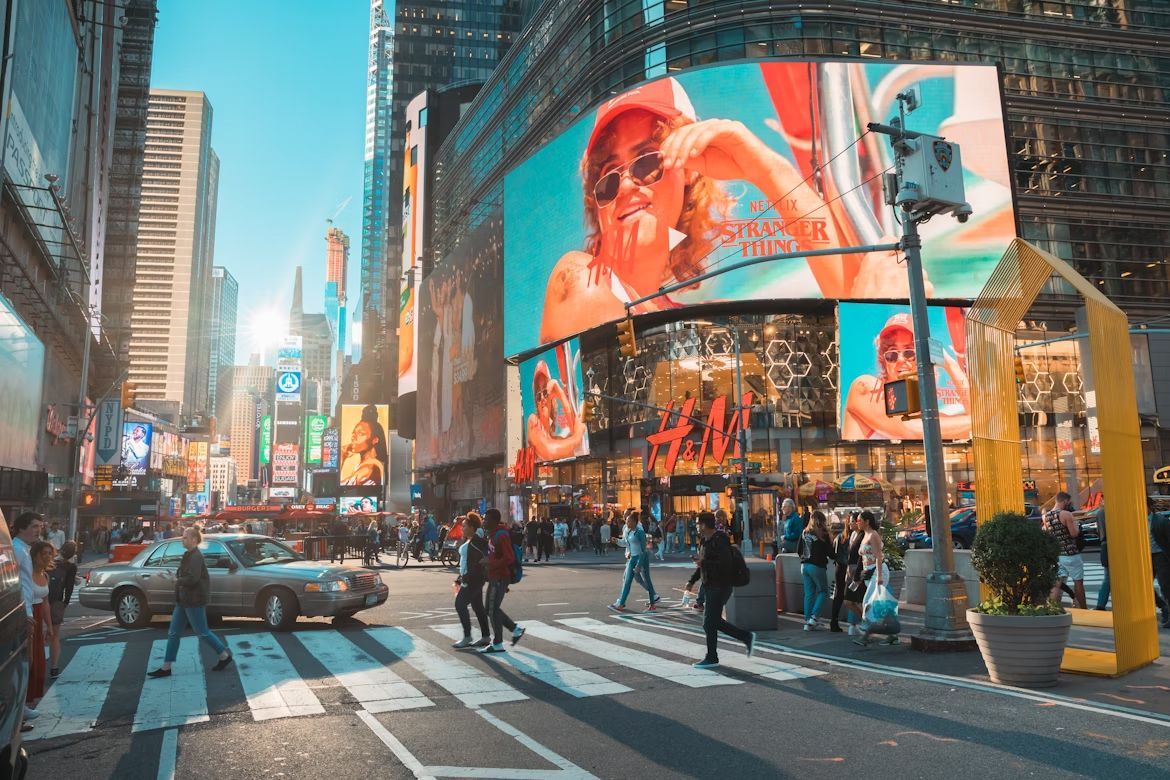
Image: Christian Lendl

Before Broadway was packed with theaters, it was a Native American trail cutting across Manhattan. The Dutch later called it "the Gentlemen’s Street," and eventually the name "Broadway" stuck because of its unusual width. Did you know that?

2
Theater superstitions

Image: Gwen King

Broadway has its own share of taboos. For example, whistling backstage was once a no-no, since stagehands used whistles as signals. Saying the word "Macbeth" inside a theater is also believed to bring bad luck , so actors usually call it "the Scottish Play." Even in modern times, performers still keep these superstitions alive—just in case.

3
Why it’s called the Great White Way

Image: Martin Sanchez

All those glowing signs around Times Square gave Broadway its sparkling nickname. Starting in the early 1900s, electric lights lit up the blocks between 41st and 53rd Streets, dazzling visitors and creating the famous "Great White Way." Today, it’s still one of the brightest spots in New York City.

4
The first Broadway musical
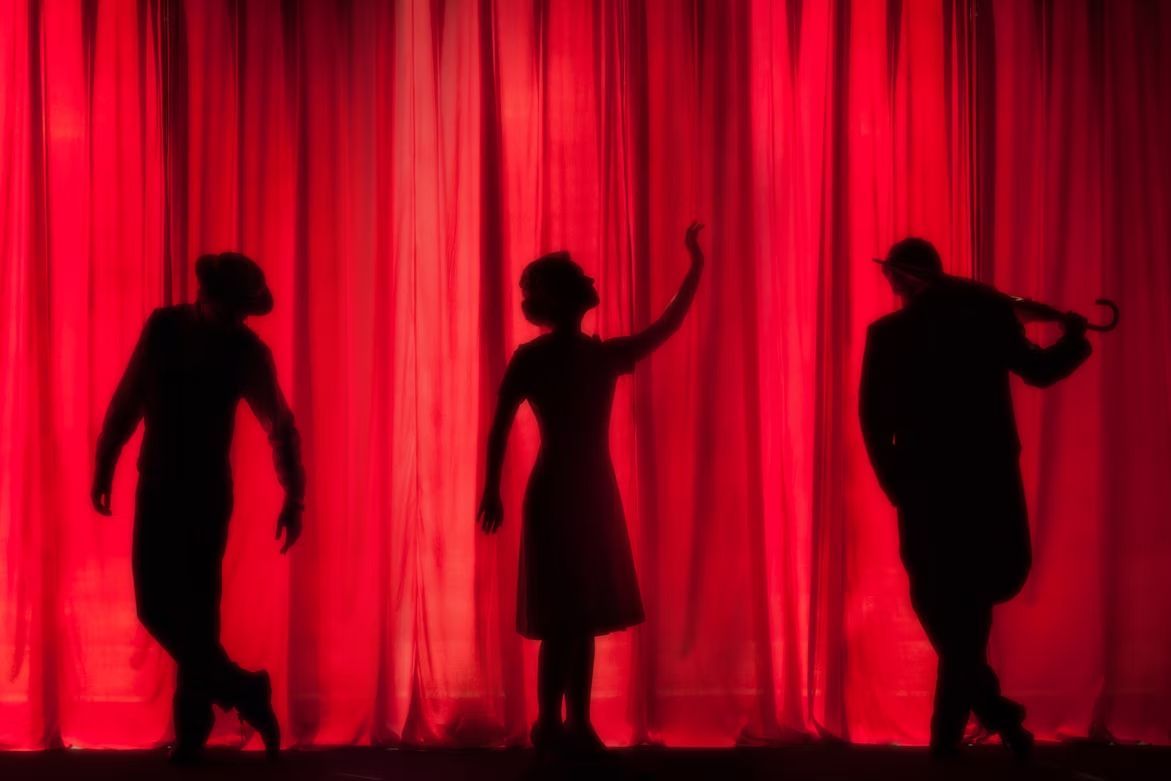
Image: Kyle Head

In 1866, a play called The Black Crook made history. After a fire destroyed another theater, producers combined a ballet and a melodrama , creating a six-hour spectacle of music, dancing, and over-the-top staging. It became a runaway success and is often called the very first Broadway musical.

5
What counts as "on Broadway"
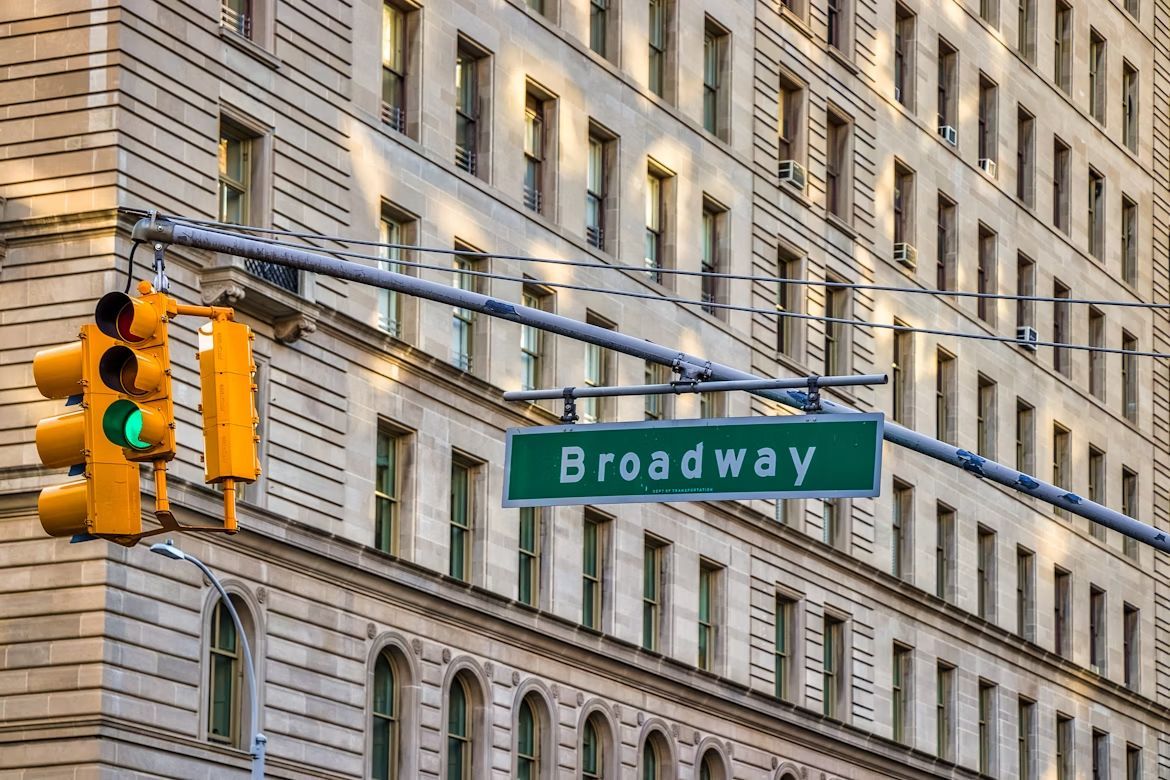
Image: Andreas M

People often think "on Broadway" just means any theater on that street, but it’s actually trickier than that . A show is considered Broadway if the theater has 500 or more seats and meets certain contract rules. Only a handful of actual Broadway theaters are physically on Broadway itself, which can be confusing for first-time visitors.

6
Phantom holds the record
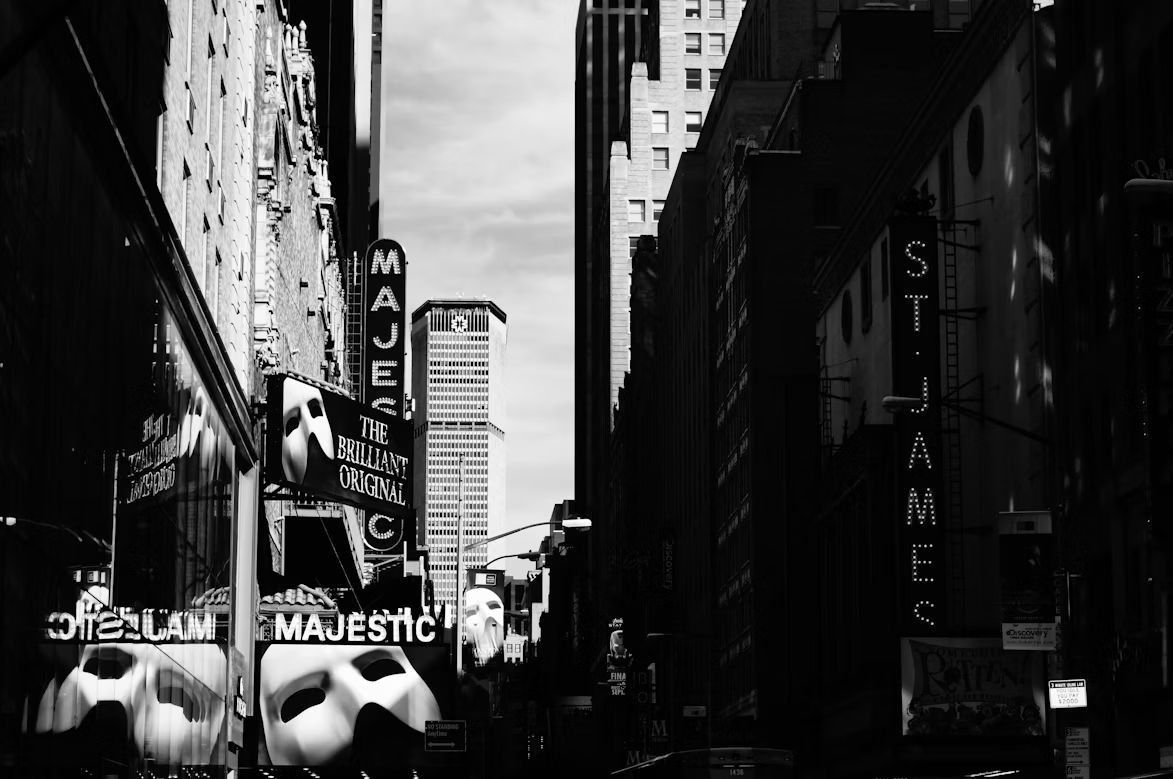
Image: Rodrigo dos Santos

Andrew Lloyd Webber’s The Phantom of the Opera holds the crown as Broadway’s longest-running show. With more than 13,000 performances , it kept audiences hooked for decades. Some orchestra members even played the same music eight times a week for years, perfecting their own unique coping routines. Can you imagine doing that?

7
Cats and its mountain of yak hair

Image: Roman Suslov

During its long run, Cats became famous for something other than the catchy songs. The costume crew went through over 3,200 pounds of yak hair for wigs alone . It certainly paid off, as the play also became one of the biggest shows in Broadway’s history. Talk about commitment to authenticity.

8
The Lion King roars the loudest at the box office

Image: Iván Díaz

Since its 1997 debut, The Lion King has been Broadway’s biggest earner , pulling in over a billion dollars in ticket sales. With its breathtaking puppetry and Elton John’s music, it managed to win over both theatergoers and families who grew up with the movie.

9
Carrie, the musical failure
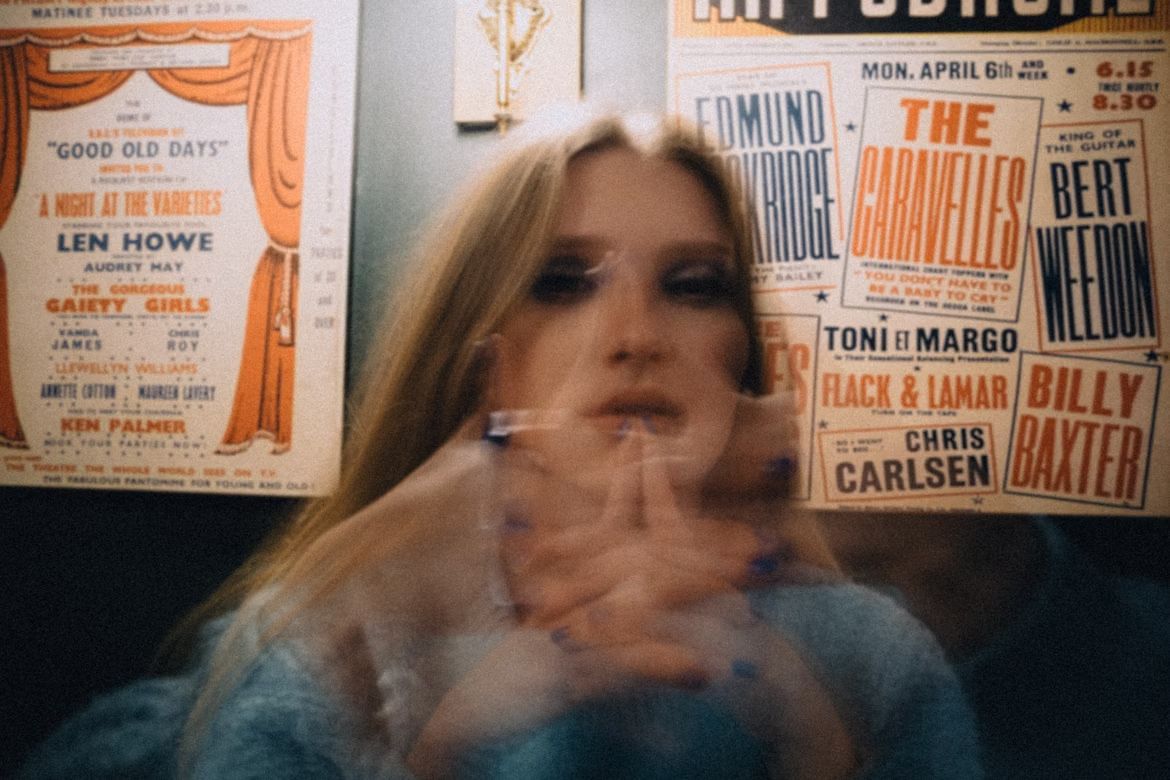
Image: Samuel Regan-Asante

Even if we’ve mentioned the greatest on Broadway, we must say not every show becomes a hit . In 1988, Broadway tried to turn Stephen King’s horror novel Carrie into a musical. Let’s just say it didn’t land, and if you’ve read the book, you can imagine why. Critics compared it to disasters of epic scale, and it closed after only five performances. One thing is for sure: Even the flops are big on Broadway.

10
Chicago’s real inspirations
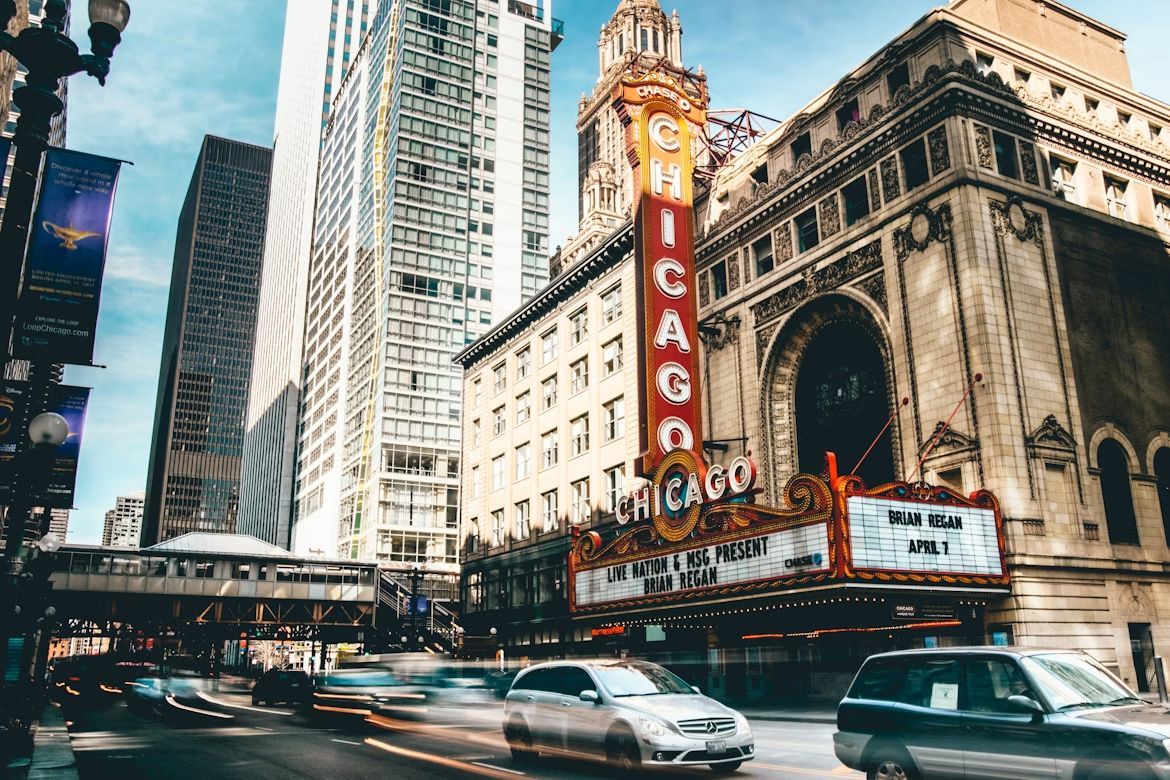
Image: Sawyer Bengtson

The hit musical Chicago may feel like pure entertainment, but its leading ladies were inspired by real 1920s women accused of murder. Beulah Annan and Belva Gaertner were both acquitted after trials that captured the public’s imagination. Their stories of crime, fame, and scandal became the backbone of the show.

11
Why theaters skip row I
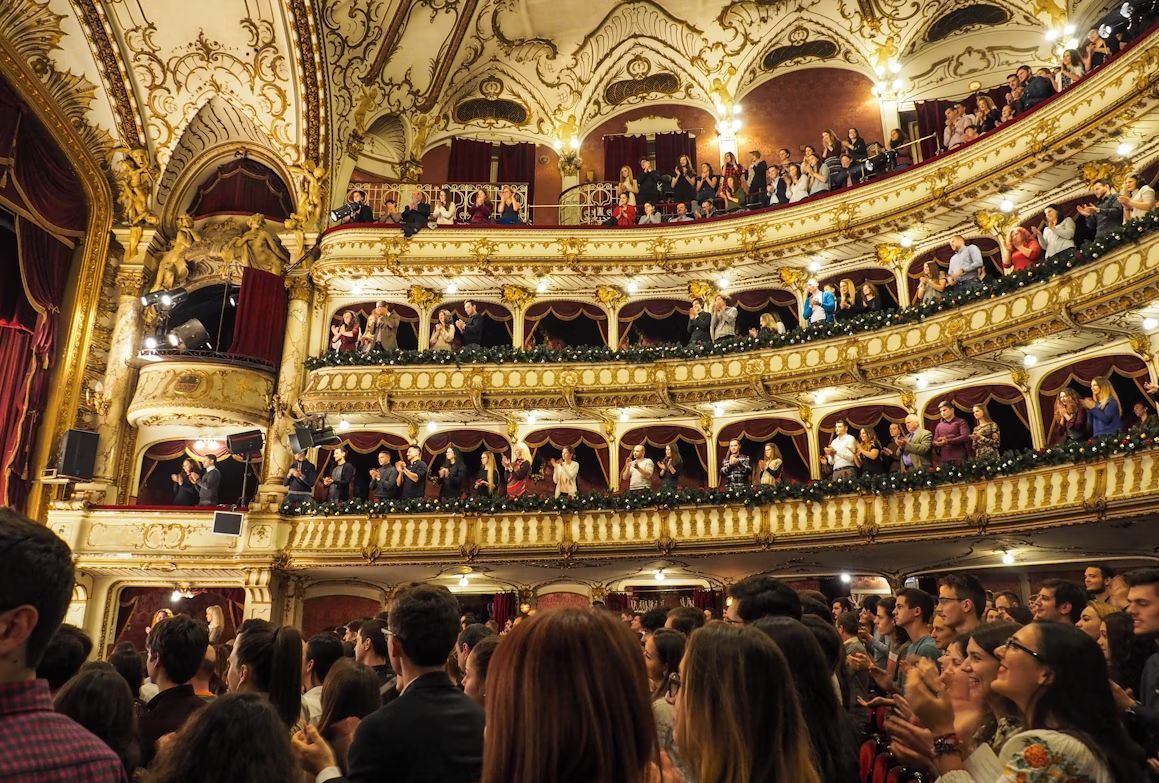
Image: Vlah Dumitru

Maybe you’ve never noticed, but many theaters go from row H to J, and that’s not because of superstition. The reason is that the letter I looks too much like the number 1 , which can make ticketing confusing in dimly lit theaters. Some places also skip O or Q for similar reasons. It’s all about keeping the seating simple for audiences. Do you agree with this policy?
General General 4 min read

Coke or Pepsi?

America loves soda: 10 classic soft drinks worth trying

Image: DS Stories

Taste is a subjective thing. Some people love beverages that others wouldn’t dare to drink, and that’s perfectly fine—everyone is entitled to their opinion. However, even subjective preferences can come with recommendations. You won’t find Coca-Cola, Dr Pepper, or Pepsi on this list. Instead, the following 10 entries highlight big regional names and unique local flavors. Have you tried any of them?

1
Jones Cream Soda

Image: Kevin Butz

Cream soda is a sweet soft drink, typically flavored with vanilla and inspired by the taste of an ice cream float . Many brands and variations can be found across America, and its roots can be traced to at least 150 years ago. Interestingly, Jones Cream Soda, which started in 1886, is not even the oldest one around.

This drink is available in both regular and diet options, and it's also one of the most popular mixers for alcoholic beverages. Cream soda is one of those drinks people associate with their childhood, and it's the perfect perfect pairing for ice cream.

2
Dr. Brown’s Root Beer

Image: David Trinks

Root beer is a sweet and classic American soft drink traditionally made using the root bark of the sassafras tree as the primary flavor . Root beer is usually alcohol and caffeine-free, sweet, and carbonated, with a thick, foamy head.

Dr. Brown's version of this classic soda is unbeatable, offering a harmonious blend of sugar and spice. It’s not just sweet—it boasts a distinct celery seed earthiness that keeps every sip interesting.

3
Olipop Lemon Lime

Image: Mariah Hewines

Lemon lime drinks have been around for a long time now (just ask Sprite or 7-Up), but Olipop manages to add a new twist to this old classic. This fizzy tonic boasts prebiotics, plant fiber, and botanicals, which not only taste great but also help your digestive health.

Olipop is also low in sugar, but that doesn’t mean it’s lacking in sweetness. It uses cassava root and other alternative sweeteners to maintain its delicious flavor.

4
Fever-Tree Mediterranean Tonic Water

Image: Nick Fewings

Tonic water is often considered a soda for adults due to its bitter taste. However, the brave ones who love this delicious beverage will find Fever-Tree’s Mediterranean Tonic Water has the perfect mix of bitterness for tonic water fans, but a balanced flavor that makes it appropriate for people who are just dipping their toe into the tonic water.

In addition to that traditional quinine flavor, this tonic is infused with rosemary and lemon thyme , adding a layer of complexity to its taste.

5
Cheerwine

Image: sq lim

Named for its color and taste, Cheerwine is a cherry-flavored soft drink with a mildly sweet flavor with strong cherry notes, most notably black cherry . It is burgundy-colored and has an unusually high degree of carbonation compared to other soft drinks.

Cheerwine is widely available throughout the southeastern United States, from Maryland to Florida, but it is best known and beloved in the Carolinas.

6
Sangrita Blast Mountain Dew

Image: Ashley Kirk

As the "Limited Edition" tag implies, this product was only available for a limited time, but it was enough to leave a lasting impression. Sangrita Blast, a Citrus Punch-flavored Mountain Dew with a maroon hue, was available at Taco Bell restaurants from 2013 to 2017. It was also released in cans and bottles in 2015 for a short period.

7
Cactus Cooler

Image: Thomas Verbruggen

Cactus Cooler is an orange-pineapple-flavored soft drink sold primarily in Southern California and the surrounding Southwestern region. The orange flavor is very present, with the pineapple appearing a bit behind but adding a layer of complexity to the overall flavor.

This soda has no caffeine, making it a safe product for anyone who gets the jitters from caffeine-infused beverages.

8
United Sodas Toasted Coconut

Image: Jonas Dücker

The words "healthy" and "soda" are not usually heard together but this is one of those occasions. United Sodas is a healthy soda brand that offers products with a lightly carbonated fizz and low sugar content.

Their Toasted Coconut flavor stands out with its distinctive coconut taste. Each can contains fewer than 30 calories, has no artificial ingredients, and is organically sweetened —making it the perfect alternative for health-conscious soda lovers.

9
Boylan Creme Soda

Image: Gourmet Lenz

Even if we started this list with a cream soda, we couldn’t leave out Boylan’s version. This glass-bottled beverage has a rich vanilla flavor and a robust amount of carbonation that make it very easy to drink.

While many cream sodas can be overly sweet, Boylan’s is refreshing, complex, and downright delicious. The use of cane sugar gives it a crisp, clean flavor all the way to the last drop.

10
Moxie

Image: Tom Paolini

The last entry on our list is a bitter and herbal soda named Moxie. It originated in Maine in the late 1800s as a patent medicine called "Moxie Nerve Food." It is flavored with gentian root, sassafras, wintergreen, and other herbs.

Though still somewhat unique to the Northeast, Moxie has become more widely available in specialty and larger grocery stores since Coca-Cola acquired the brand in 2018. Have you ever seen it?

General General 4 min read

QUIRKY FRIENDS

America's most beloved characters: 10 mascots we all love

Image: Jacob Rice

Few things are more American than identifying your favorite sports team or favorite breakfast cereal with a beloved mascot. Marketing has found a great way to make consumers feel attached to specific brands and identify with their products and characters. Who doesn’t love Tony the Tiger or our fluffy friend, the Pillsbury Doughboy? They have found their way into our homes and hearts! In this article, we’ll talk about 10 of our favorite American mascots. Read on and enjoy!

1
Rich Uncle Pennybags

Image: Maria Lin Kim

Board games are popular, at least some of them. Clue, Pictionary, Monopoly—we’ve all played at least one of these. But Monopoly’s popularity is something else. And it’s not just the game’s popularity but the fine man who is the face of the brand.

Rich Uncle Pennybags was introduced in 1936 and is widely known as Mr. Monopoly. This rich guy, dressed in a smart tuxedo, turned out to be so popular that he’s been incorporated into the brand’s logo altogether.

2
Tony the Tiger

Image: Franki Chamaki

Introduced in 1951, Tony the Tiger has been a fixture in, possibly, every single household in the United States and many more countries around the world.

With his classic blue background, Tony the Tiger successfully helped Kellogg’s skyrocket as a brand and made not only the mascot but the cereal truly unforgettable. In spite of being a tiger, Tony is known for his courageous messages and friendly smile that invites consumers to take a scoop of cereal and be ready to face the day. Who doesn’t need this shot of inspiration every morning? We can definitely count on Tony the Tiger for that!

3
Pillsbury Doughboy

Image: Kelsey Todd

This fluffy, adorable mascot, affectionately known as Poppin’ Fresh has been making kitchens a little brighter since 1965.

His real name is the Pillsbury Doughboy, and he is famous for his infectious laugh that erupts whenever someone pokes his belly. Dressed in his signature white chef’s hat and scarf, this giggling, chubby fella is the best company one can have when baking. If you have any doubts, you can ask this baking master!

4
Gritty

Image: Lynda Sanchez

If chaos had a face, it would definitely be Gritty! This wild-eyed, orange furball took the world by storm as the official mascot of the Philadelphia Flyers NHL team.

He made his debut in 2018 and soon became a favorite thanks to his unpredictable antics and meme-worthy expressions, which you are surely familiar with!

Both his personality and his color are quite loud, making him quite unforgettable, as orange is also the color of the team. It represents their essence: unapologetically weird and proud of it!

5
Smokey Bear

Image: Brian Wangenheim

Nature is truly a wonder, but in order to keep it that way, we need to protect it. Now, when it comes to this, warning messages have effectively prevented people from accidentally starting wildfires, thanks to a strong brown bear with a powerful message "Only you can prevent wildfires."

The campaign started in 1944 when Smokey Bear was introduced to the nation to spread the message across radio, TV, and print media. In no time, he became a success and a mighty figure of environmental protection.

6
Mr. Met

Image: Lesly Juarez

The spring of 1963 must be a loving memory for Mets fans: that’s when their mascot, Mr. Met, was born. And he came to this world with only one purpose, to cheer the New York Mets for life, and oh-boy did he accomplish it!

For over four decades, and with a partner in crime who joined the family in the mid-1960s, Lady Met, this baseball-loving mascot with a giant baseball for a head, has not only been a mascot but has also become part of the family. Is he a part of yours?

7
Kool-Aid Man

Image: Reba Spike

This brand is one of the most consumed in America and, even though they didn’t need a mascot to be successful, the Kool-Aid man surely brought around a fair dose of cuteness and good marketing.

Originally known as Pitcher Man, which made sense since he is the drawing of a pitcher, he was later renamed Kool-Aid Man with a clear target audience: children. Once again, the brand mascot made it an undeniable success, and it soon became a cultural icon with an iconic "Oh, Yeah!" catchphrase that can make you thirsty just from reading it! Thank goodness we have the Kool-Aid man to assist us there!

8
The Laughing Cow

Image: Kenny Eliason

This brand has a namesake mascot which, ever since it was created in 1921, has undergone quite an evolution! The cheerful cow, known as the Laughing Cow, first appeared to promote high-quality dairy products when packaged cheese was a novelty.

The character, highly recognizable for its red color, has graced all kinds of the company’s product packages and has become a synonym for quality dairy products, so much so, that it continues to be the logo of the brand today!

9
Big Tex

Image: Ray Shrewsberry

If you are from Texas, or if you have attended its State Fair, you are probably familiar with this 55-foot-tall state mascot. Big Tex, the official mascot of the State Fair of Texas was introduced in 1952 as a repurposed Santa Claus figure!

At the time, he was completely transformed into the towering cowboy we all know today. With his classic cowboy hat and his iconic greeting "Howdy, folks!" However, it’s not entirely fair to call him just a mascot, as he actually serves as a cultural ambassador for everyone who visits the State Fair.

10
Cy the Cardinal

Image: Jacob Rice

Cereal, cleaning products, sports teams—mascots are everywhere. And universities also have their furry friends. In the case of Iowa State University, Cy the Cardinal is the one and he has been ever since 1954.

Born from a student contest to create a mascot that embodied the school pride, Cy was inspired by the university’s nickname, the Cyclones. He is characterized by his vibrant red plumage and his big smile, which is key to rallying fans at any sporting event. Isn’t he fierce?

Explore more American facts

Choose your favorite category!

General
General

As American as apple pie—the very best America has to offer!

Culture
Culture

Delve into the astounding richness of American lore.

Geography
Geography

Hop in and explore vast and diverse American landscapes.

History
History

Discover the key moments that shaped the United States.