History History 5 min read

10 US presidents who changed the course of history

Image: David Trinks

Some presidents don’t leave much of a mark, while others manage to reshape the whole path a nation walks on. Across different generations, certain leaders made choices or introduced ideas that nudged the country in a new direction. In this list, we take a simple, easy look at 10 presidents whose steady hands, practical decisions, and clear vision helped guide the United States into the future.

1
George Washington
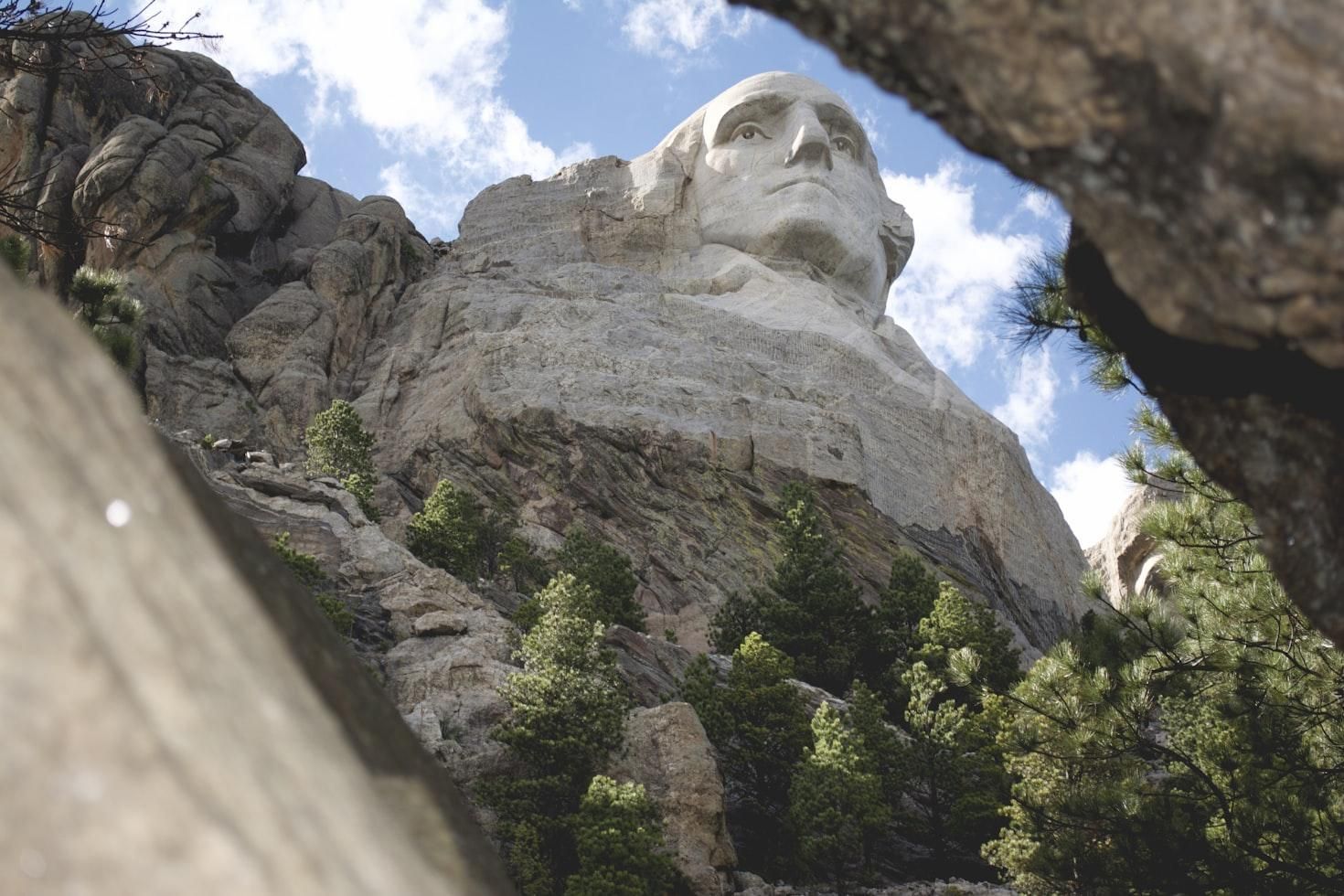
Image: Priscilla Gyamfi

America’s first president had no guidebook to follow, so George Washington ended up writing the first chapters of the office himself. With calm judgment and a focus on fairness, he set the tradition of serving only two terms, showing that leadership should be about duty rather than personal power.

Washington organized the very first Cabinet, established the tone for presidential addresses, and worked hard to promote unity among different regions and viewpoints. His steady approach helped turn a young, uncertain nation into a stable and functioning republic. The patterns he created became the model for every subsequent president.

2
James Madison
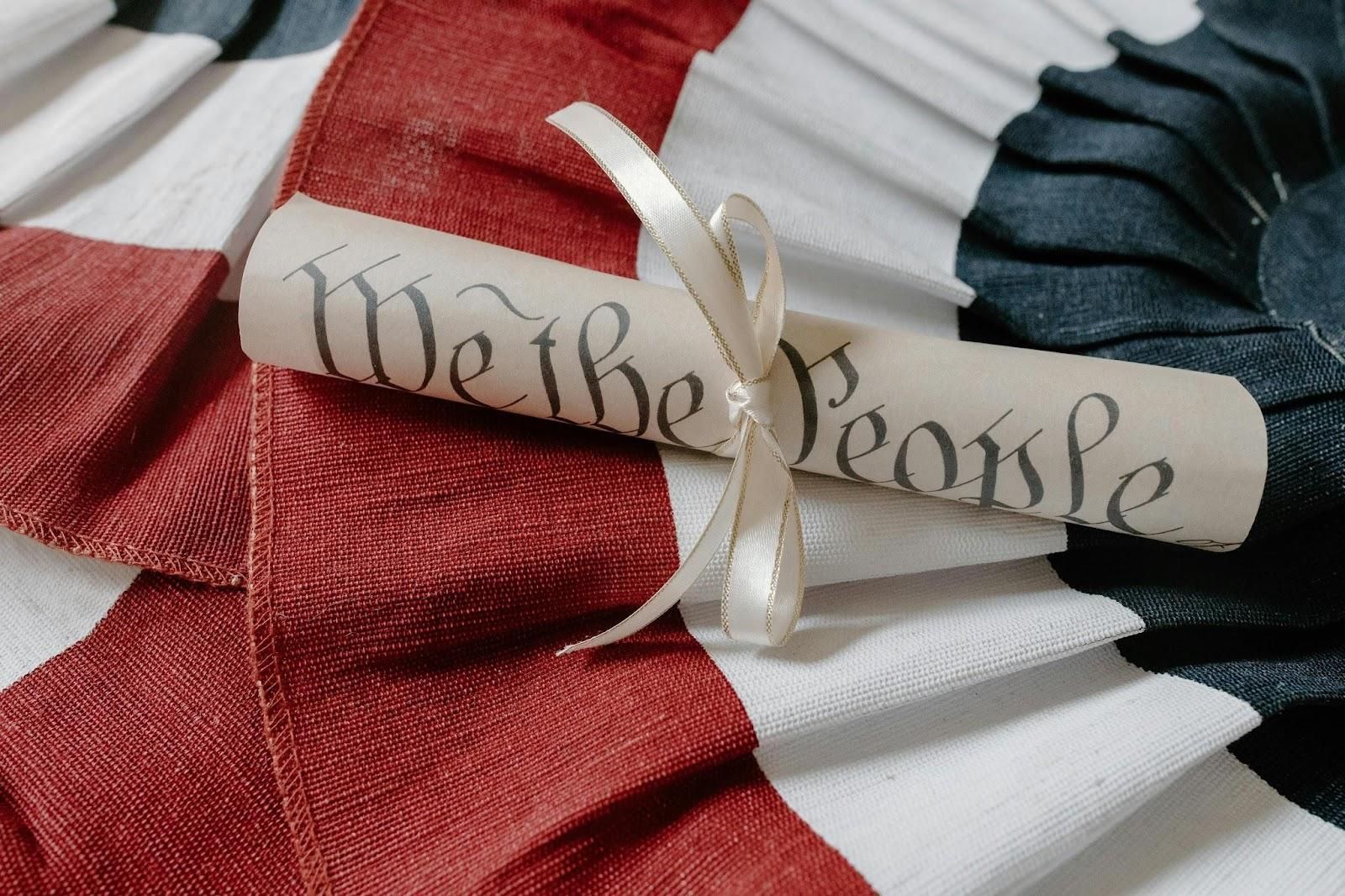
Image: Tara Winstead

Often called the "Father of the Constitution," James Madison helped shape the foundations of the United States long before he stepped into the presidency. He played a central role in writing the Constitution and co-authored the Federalist Papers, a series of essays that explained how the new government was meant to work.

Once in office, Madison continued to support the development of stronger federal systems that could serve a growing country, and he oversaw the admission of new states into the expanding Union. His steady leadership helped reinforce the structure laid down by the founders and proved that the nation’s early ideas—balance, stability, and cooperation—could stand the test of time.

3
Abraham Lincoln
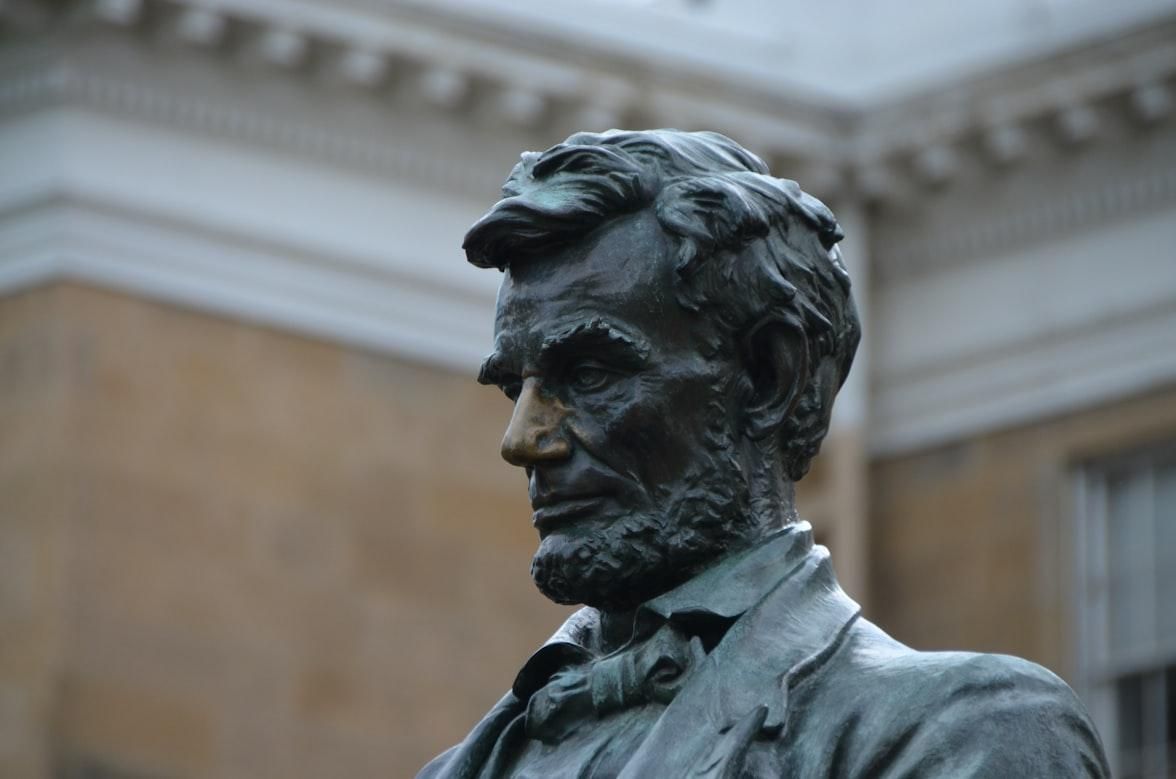
Image: Jacob Thorson

The 16th U.S. president guided the nation through a time of deep division with a calm, steady determination and a clear sense of purpose. He held firmly to the belief that all people are created equal, and he worked to bring those principles to life in practical, lasting ways.

During his presidency, Lincoln supported major constitutional changes that broadened personal freedoms and strengthened the role of the federal government in protecting those rights. He emphasized unity, fairness, and the idea that the country could emerge stronger if it stayed true to its core values. His dedication to these ideals has made him one of the most admired figures in American history, remembered for his integrity and his hope for a more united nation.

4
Theodore Roosevelt
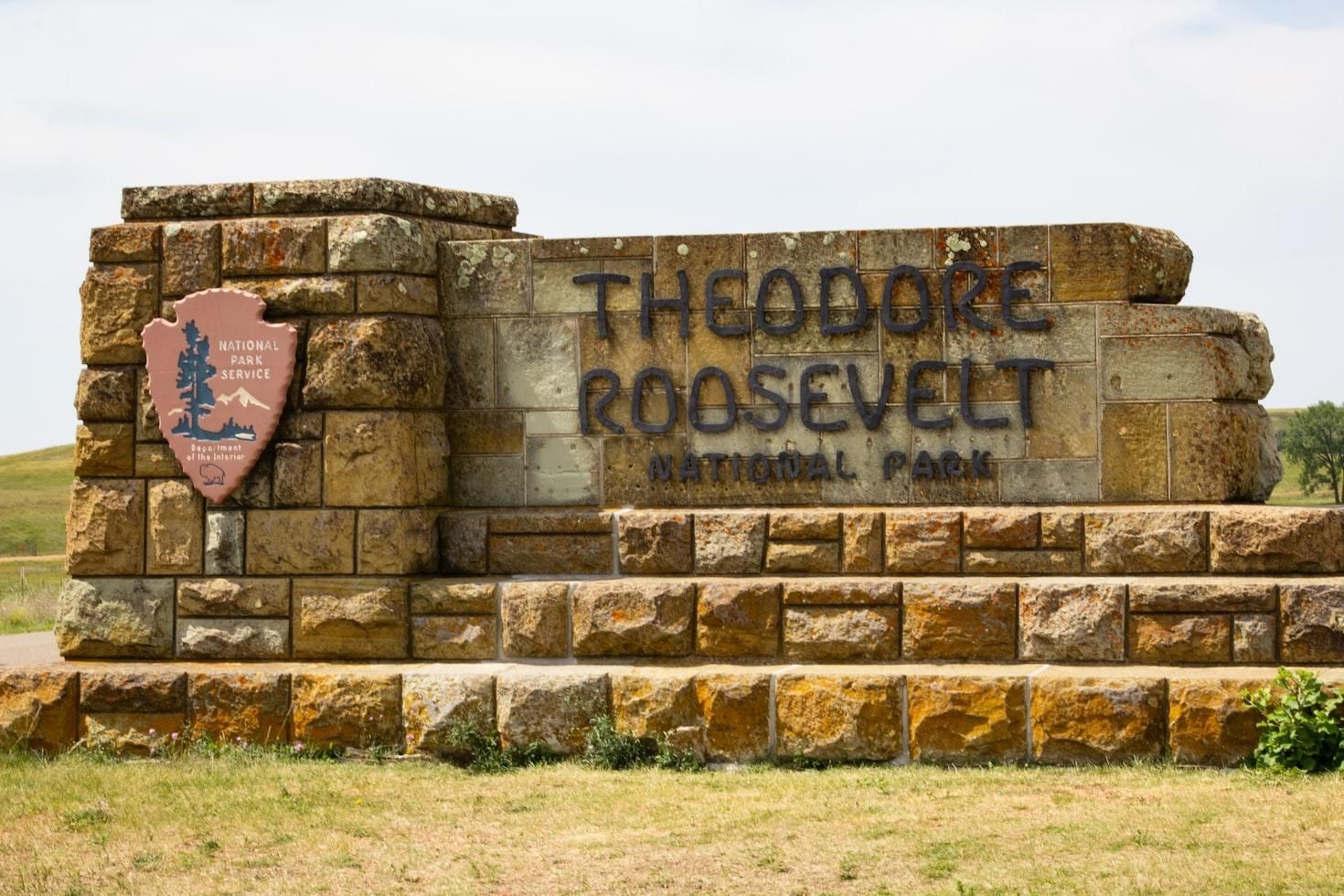
Image: Ryan Stone

Theodore Roosevelt was known for his enthusiasm, his adventurous spirit, and his deep love of the outdoors. He became one of the nation’s strongest voices for conservation, helping to create and expand national parks, forests, and wildlife areas.

His domestic program, the "Square Deal," aimed to make sure consumers, workers, and businesses were treated fairly, and he pushed for stronger rules that protected everyday Americans from unfair practices. Roosevelt also encouraged the nation to step forward with confidence, backing improvements in transportation and modern infrastructure that helped connect the United States more smoothly with the world.

5
Woodrow Wilson
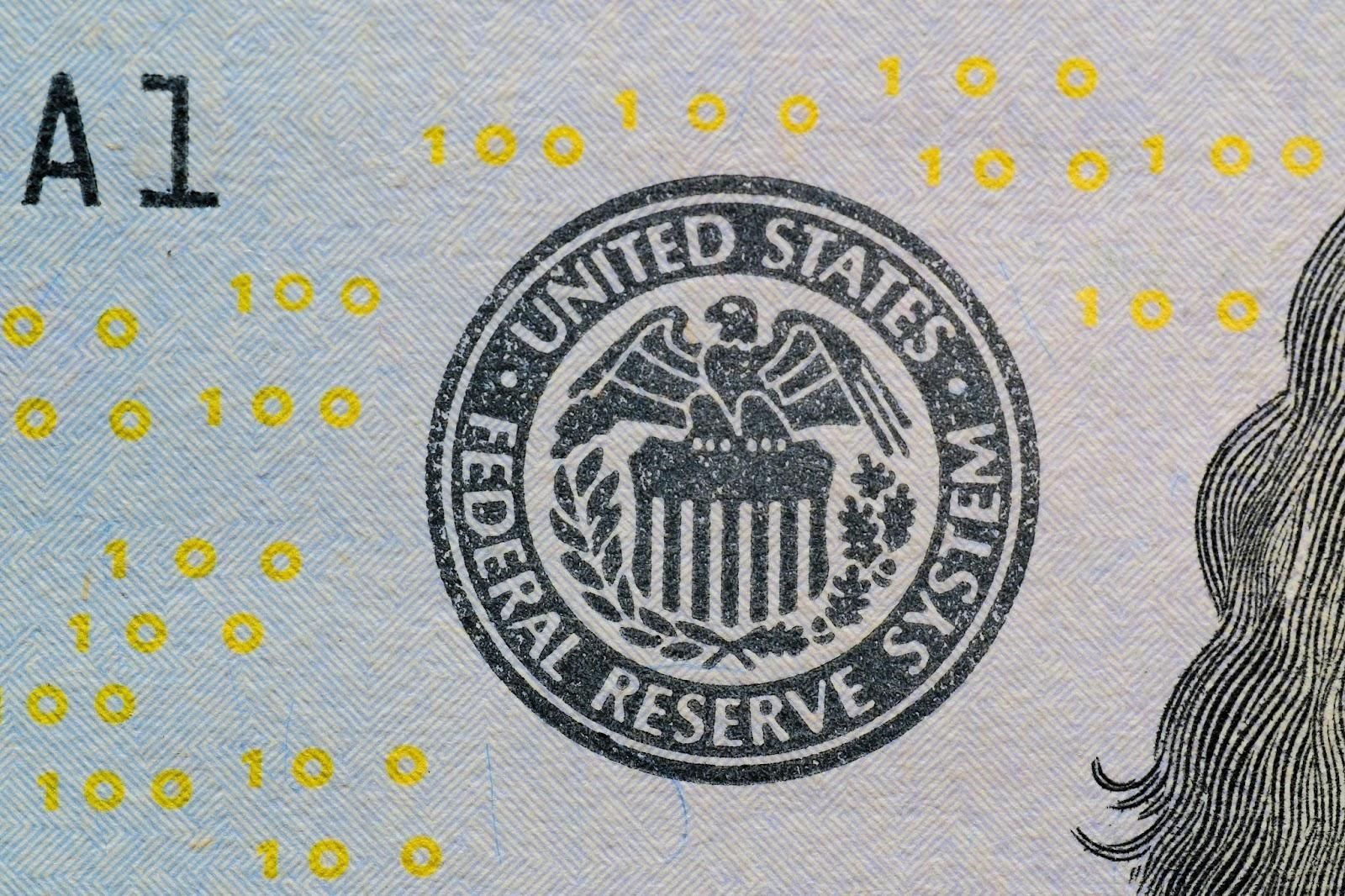
Image: Đào Thân

Woodrow Wilson arrived in Washington with a plan to give everyday Americans a fairer, more balanced system, and his wave of domestic reforms—known as the "New Freedom"—reflected that goal. During his presidency, the nation saw the creation of the Federal Reserve System and the Federal Trade Commission, two major institutions designed to keep the economy steady and well-regulated.

Wilson also encouraged the idea that countries should work together through organized cooperation rather than standing apart, a view that later influenced the formation of important international organizations. His belief in self-determination and his preference for diplomacy over isolation helped guide the United States toward a long-term vision of global partnership and shared responsibility.

6
Franklin D. Roosevelt
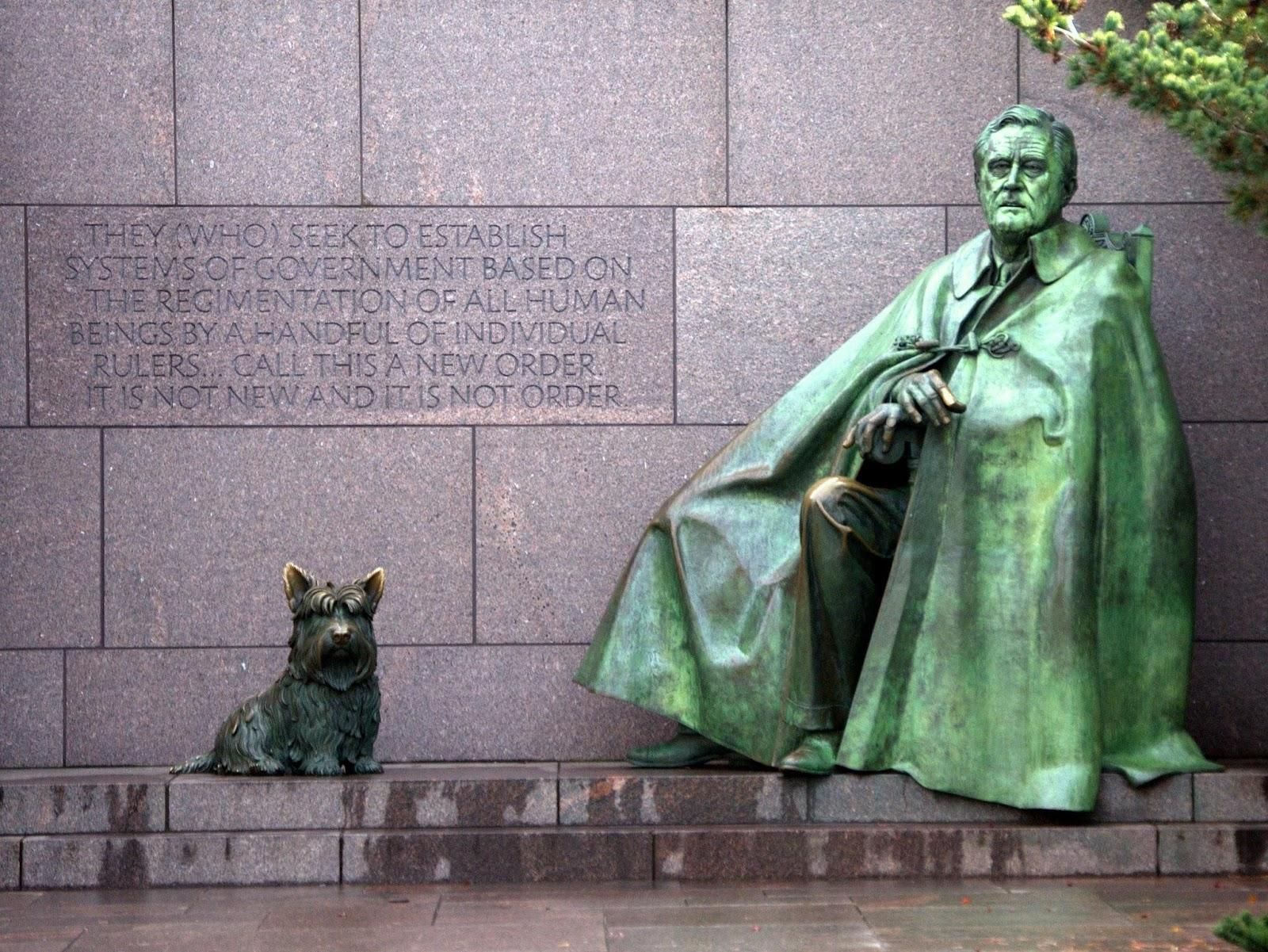
Image: Pedro Gutierrez

Franklin Roosevelt guided the nation through one of its toughest economic periods with a wide-ranging effort known as the "New Deal." This collection of policies helped support workers, steady the banking system, and strengthen protections for consumers. It also introduced Social Security, a program that quickly became a key element of retirement planning for millions of Americans.

Roosevelt understood the importance of keeping the public informed, so he spoke directly to families through his regular radio broadcasts, the famous "Fireside Chats." In these simple, calm conversations, he explained what the government was doing and why, helping people feel more confident in uncertain times. His clear, steady communication made him one of the most trusted and familiar voices of his era.

7
Harry S. Truman
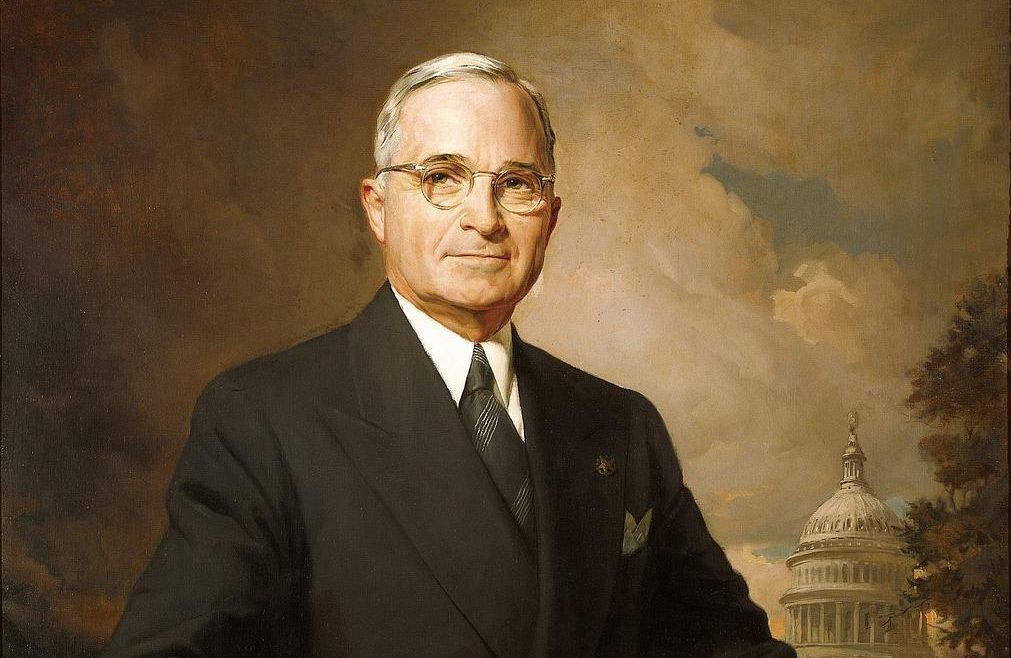
Image: WikiImages

When Harry Truman took office in 1945, both the world and the United States were undergoing a period of rapid change. With a practical mindset, the 33rd president helped launch broad programs aimed at rebuilding European economies and encouraging stronger international cooperation.

He also set a new long-range direction for American policy, one that emphasized stability, democratic principles, and economic support beyond U.S. borders. Truman’s meaningful efforts helped shape how nations worked together and signaled the beginning of important social changes that would continue to unfold in the decades ahead.

8
John F. Kennedy
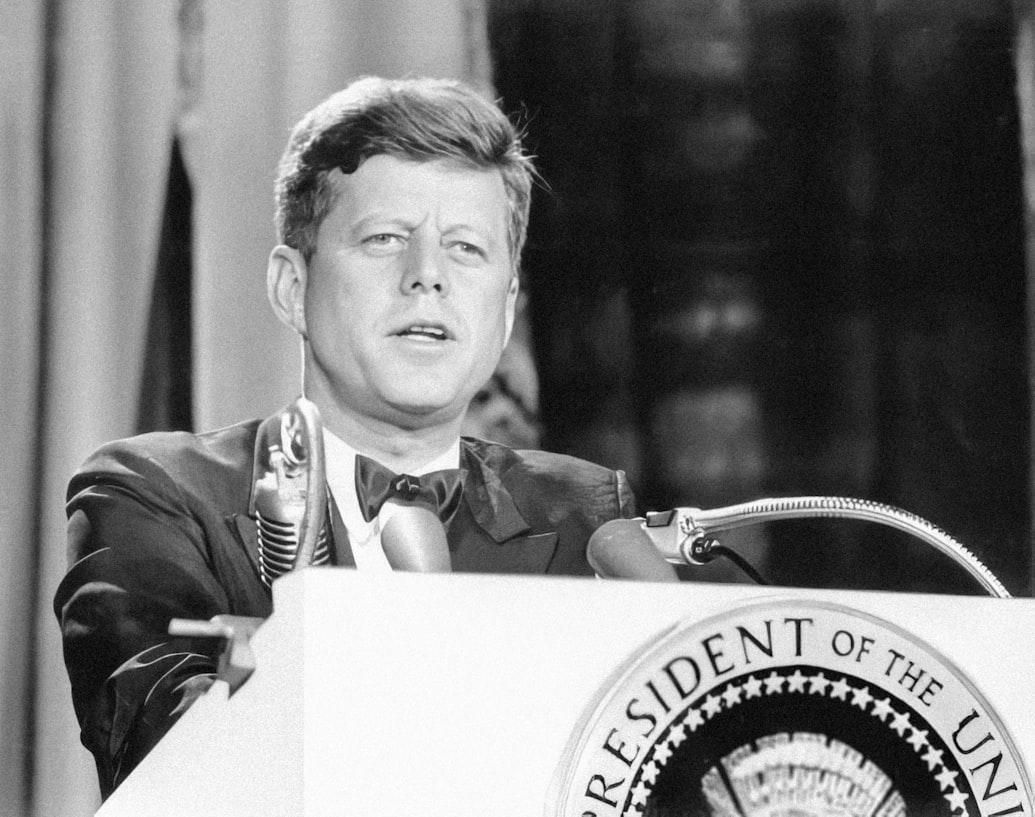
Image: Florida Memory

John F. Kennedy brought a fresh sense of youth and optimism to the early 1960s. His speeches often called on Americans to lend a hand, serve their communities, and think beyond themselves—captured in his well-known line, "Ask not what your country can do for you, ask what you can do for your country."

Kennedy supported important civil rights efforts and encouraged steady progress in science and technology. He also pushed the nation to look toward the future through expanded space exploration and created the Peace Corps, giving young Americans opportunities to volunteer and make a difference overseas. His steady promotion of learning, service, and innovation helped spark a spirit of national progress that defined much of the decade.

9
Lyndon B. Johnson
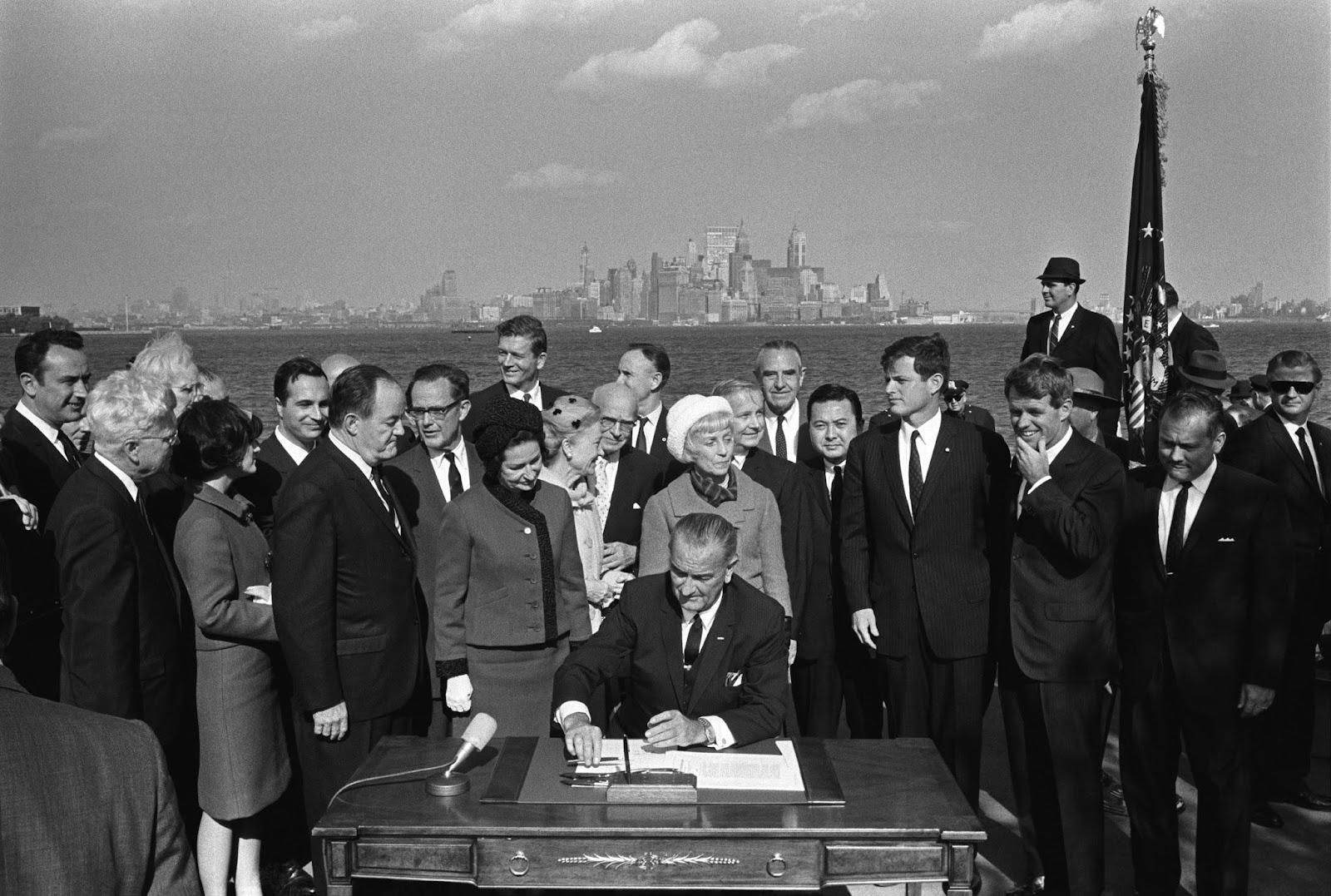
Image: LBJ Library photo by Yoichi Okamoto Restored by: Bammesk, Public domain, via Wikimedia Commons

Lyndon Johnson arrived in the White House with a far-reaching plan he called the "Great Society," a vision aimed at improving everyday life for people across the country. Under his leadership, Congress passed major civil rights legislation that strengthened equality and safeguarded voting rights, setting new standards for fairness.

The 36th president also approved the creation of Medicare and Medicaid, programs that gave millions of older adults and low-income families reliable access to health care for the very first time. Additionally, he supported initiatives to improve education, preserve natural resources, and strengthen local communities.

10
Ronald Reagan
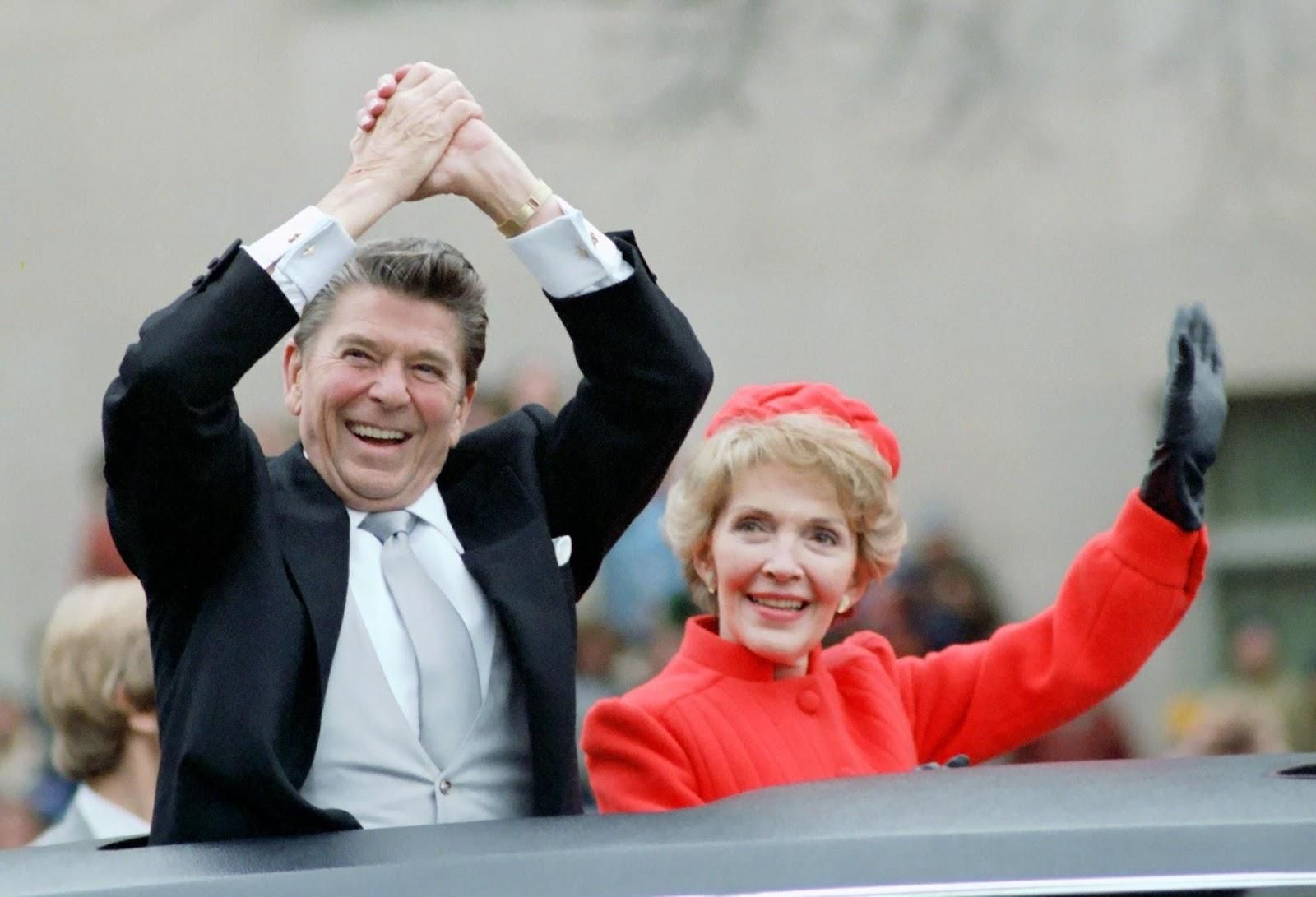
Image: White House Photographic Collection, Public domain, via Wikimedia Commons

Ronald Reagan stepped into the 1980s carrying a message of confidence and renewal, offering Americans a sense of fresh direction after a challenging period. His economic approach—later known as "Reaganomics"—was centered on lowering taxes, easing federal regulations, and giving businesses more room to grow. For many people, this era became associated with rising optimism.

Reagan also spoke often about national pride and traditional values, presenting a steady, recognizable voice on the world stage. His leadership style—straightforward, good-humored, and easy to understand—left a lasting mark on how political ideas were discussed and helped shape the country’s tone for years to follow.
Culture Culture 4 min read

Wings of innovation

Do you know what links the Wright Brothers to Neil Armstrong?

Image: Ashutosh Sonwani

The mere mention of the iconic Wright brothers always rings a bell. They were the pioneering duo who made it possible for human beings to achieve a long-sought dream: to fly. But beyond being grateful for the plane that takes you on vacation, there are many other facts about them you may not yet know. If you want to learn more about the siblings' bond and their journey to build the first plane in history, read on as we share 10 little-known facts about the incredible Wright brothers!

1
Brothers

Image: Juan Pablo Rodriguez

If you have siblings, you know that the relationship is often a mix of joy, complicity, and occasional rivalry.

The Wright brothers' bond was like that of any other pair of siblings. Wilbur, the eldest, was born on April 16, 1867, in Millville, Indiana. Four years later, he welcomed Orville, his younger brother and fellow adventurer, who was born on August 19, 1871, in Dayton, Ohio.

Their relationship, built on mutual respect and shared interests, led them to be the authors of nothing less than the first sustained, controlled flight in history.

2
The toy

Image: Yurii Khomitskyi

While most of us are familiar with the Wright brothers' historic achievement on December 17, 1903, you might not know how it all began.

Believe it or not, that great adventure started with a toy. That's right! In 1878, their father, Milton Wright, brought home a small flying toy made of cork and paper, which flew thanks to an elastic band. This simple object sparked the brothers' curiosity, which would later become the driving force behind their groundbreaking work.

3
Skilled mom

Image: Matt Artz

We all pick up a few tricks from our moms, don't we? Well, the Wright brothers were no exception. Their father wasn't the only one who fueled the little Wrights' curiosity; their mother, Susan Catherine Koerner Wright, also played a key role.

Susan had impressive mechanical skills and great practical problem-solving aptitudes. As the daughter of a wagon maker, she knew how to use tools to perfection, and often built household items and repaired appliances at home. Her mother's skills definitely influenced Orville and Wilbur's development!

4
Entrepreneurs

Image: Curdin

The brothers were not afraid of business and entrepreneurship—quite the opposite!

From a very young age, Wilbur and Orville dedicated their time and effort to different jobs tied to their passions. One of their earliest endeavors was a bicycle sales and repair business in Dayton, Ohio. Of course, they didn't just focus on repairs; they gave free rein to their irrepressible imagination. The pair of siblings began designing and building their own bicycles, gaining a reputation as skilled engineers and raising money to finance their experiments with flight.

5
All kinds of innovations

Image: Iqbal Pohan

On their path to becoming pioneering aviators, the Wright brothers made important contributions to transportation in many different ways.

Before them, bicycle wheels functioned adequately but often broke down and required regular maintenance. Luckily, Orville and Wilbur's ingenuity came to the rescue. The brothers created a system of greaseable wheel hubs, which provided better lubrication and, therefore, reduced the risk of failure. This innovation made bicycle maintenance less frequent and much more convenient.

6
Coin toss

Image: Derrick Treadwell

Sometimes, fate must be left to chance —and that’s exactly what Wilbur and Orville Wright did at a crucial historical moment.

When they had already succeeded in creating a machine capable of flying and transporting them, it was time for the test. But they couldn't decide which of them would be the first to test their invention, so they let a coin decide.

The coin toss declared Wilbur, the elder brother, as the first to fly their aircraft. However, that first attempt failed. So, On December 17, 1903, at Kitty Hawk, North Carolina, Orville piloted the Wright Flyer for 12 seconds, covering a distance of 120 feet and becoming the first man to do so in history.

7
$1,000 plane

Image: History in HD

Did you know that the Wright Flyer—that impressive creation that allowed humans to fly sustainably for the first time in history—cost about $1,000?

That's right! For such an achievement, that price could be considered modest, right? However, the brothers worked very hard to reach their goal.

As you know, the money from their bicycle business, along with income from other ventures, provided the funds they needed to acquire the parts for numerous prototypes, conduct countless tests, and finally build and launch their spectacular airplane.

8
Together

Image: Chalo Garcia

Wilbur and Orville were inseparable since childhood, yet as surprising as it may seem, the brothers only flew together in an aircraft once! This historic event took place on October 5, 1905, when they flew the Wright Flyer III.

It seems it was crucial for one brother to pilot the aircraft while the other stayed on the ground, watching over the flight to ensure the other's safety. Although one stayed on the ground while the other soared through the air, all their work was the outcome of a careful and dedicated team effort.

9
Single

Image: Jack Douglass

As you might expect, the Wright brothers' intense focus on their work left little time for other pursuits, including love.

A fun fact about their personal lives is that neither Wilbur nor Orville ever married. While they formed friendships and social connections throughout their lives, there are no known partners, romantic relationships, or commitments of that nature. One thing is clear: the Wright brothers' one and only true passion was their work!

10
Neil Armstrong souvenir

Image: NASA

Wilbur and Orville’s dream was to reach as high as they could—and so they did. However, their memory not only reached the skies but went beyond that and also reached the moon!

That's right, it was Neil Armstrong, the first man to set foot on the moon, who carried a memento of the Wright brothers on his mission aboard Apollo 11. When the astronaut achieved the iconic feat of reaching the moon on July 20, 1969, he had with him a small piece of fabric from the Wright brothers' 1903 Flyer.

Through that small gesture, Armstrong honored the memory of his fellow Americans who, just like him, took a giant leap for humankind.

Culture Culture 5 min read

Let’s hit the road: The 12 most iconic cars in film history

Image: dhans360

In the world of movies, a car can be much more than just a ride: it can be a star in its own right. Some roll onto the screen with such style and personality that they become as memorable as the actors behind the wheel. From gleaming convertibles to rumbling muscle cars, these unforgettable machines have carved out their well-deserved place in film history. Buckle up—here are 12 cars that earned both a standing ovation and a friendly honk.

1
Goldfinger: Aston Martin DB5

Image: Ulf Meyer

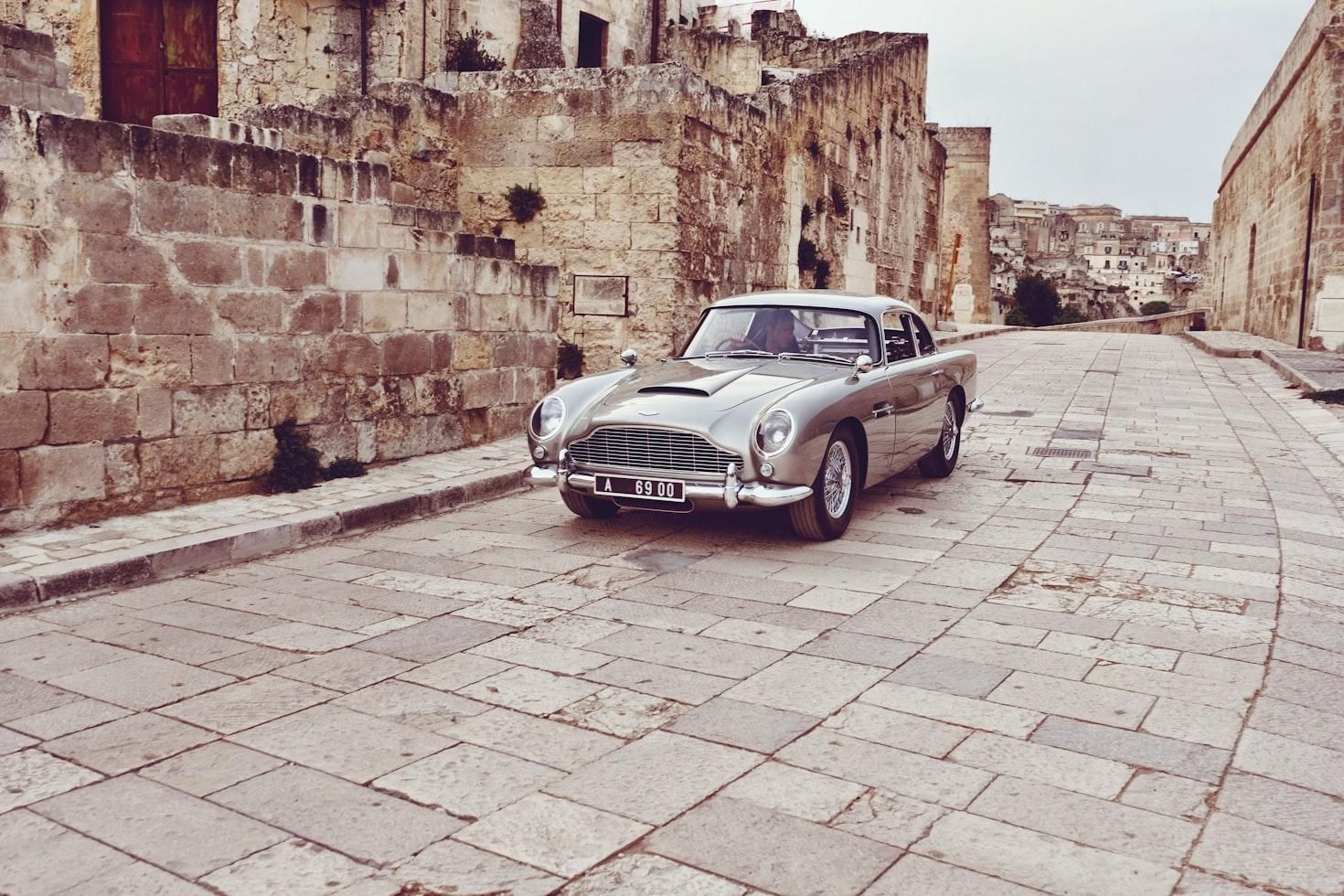
The ultimate Bond ride came dressed in silver-gray elegance, blending timeless style with secret-agent swagger. Beneath its polished curves, it packed a clever arsenal—hidden machine guns, retractable defenses, and even an ejector seat! Tipping the scales at roughly 3,300 pounds, it could push up to 145 miles per hour, a thrill worthy of 007 himself. And while that famous red eject button looked ready for action, it was all Hollywood magic—no villains actually took flight.

2
Ferris Bueller’s Day Off: Ferrari 250 GT California

Image: Joshua Koblin

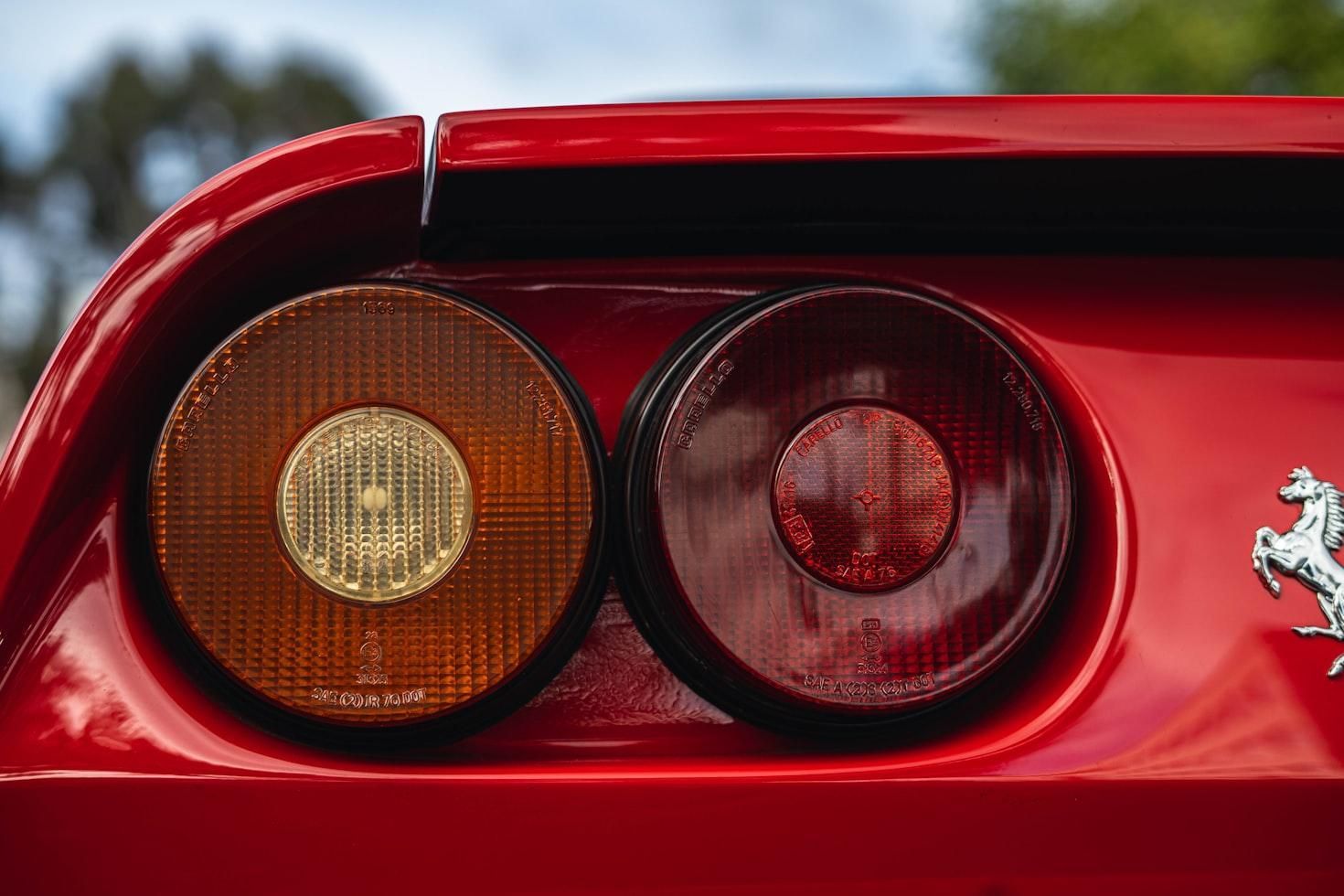
Even though the Ferrari in John Hughes’ popular teen comedy, Ferris Bueller’s Day Off, was actually a replica —made to protect the real $250,000 classic from any on-set mishaps—it looked every bit as stunning as the genuine Italian beauty. With its smooth, elegant curves and that unmistakable engine roar, it captured the hearts of viewers and brought pure charm to the big screen. The Ferrari 250 GT California is as much a star as Ferris himself.

3
The Love Bug: Volkswagen Beetle

Image: kampfmonchichi

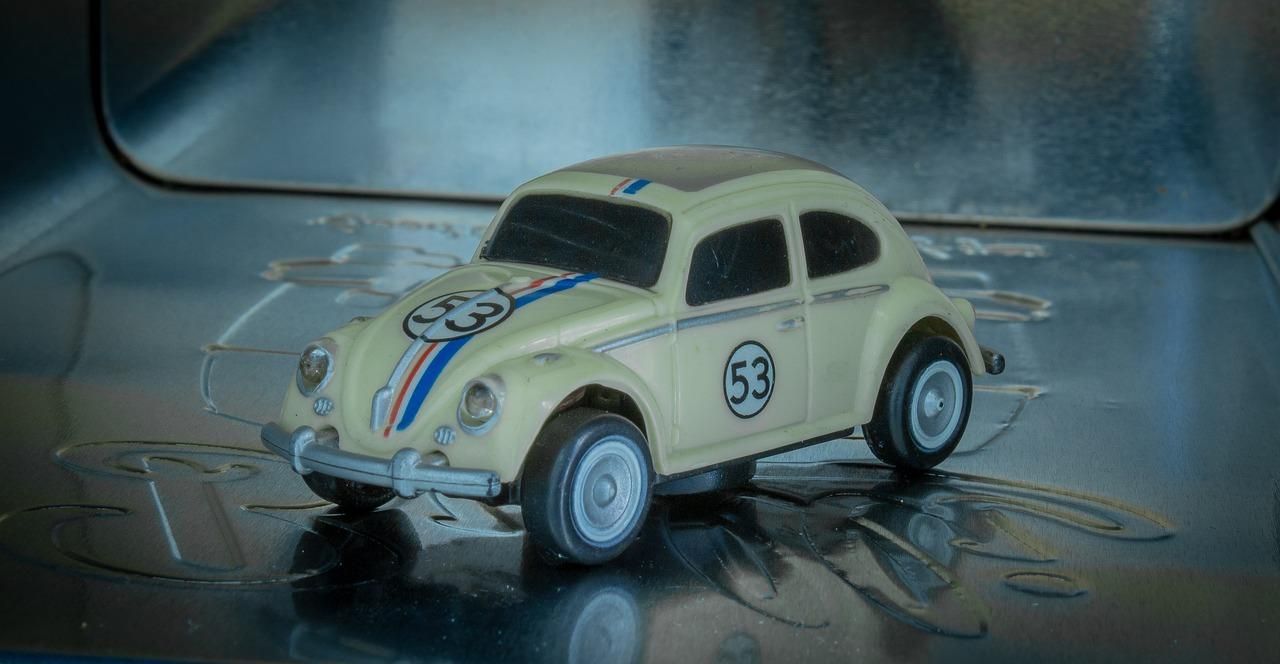
"Herbie" wasn’t just a car—he was a character with personality, spunk, and a soft spot for underdogs. Painted bright white with bold racing stripes and the unmistakable number 53, this little Volkswagen Beetle won hearts on and off the track. And here’s the charming part: no fancy computer wizardry brought him to life. Every wink, bounce, and "expression" you saw was pulled off with clever mechanics and old-school camera magic.

4
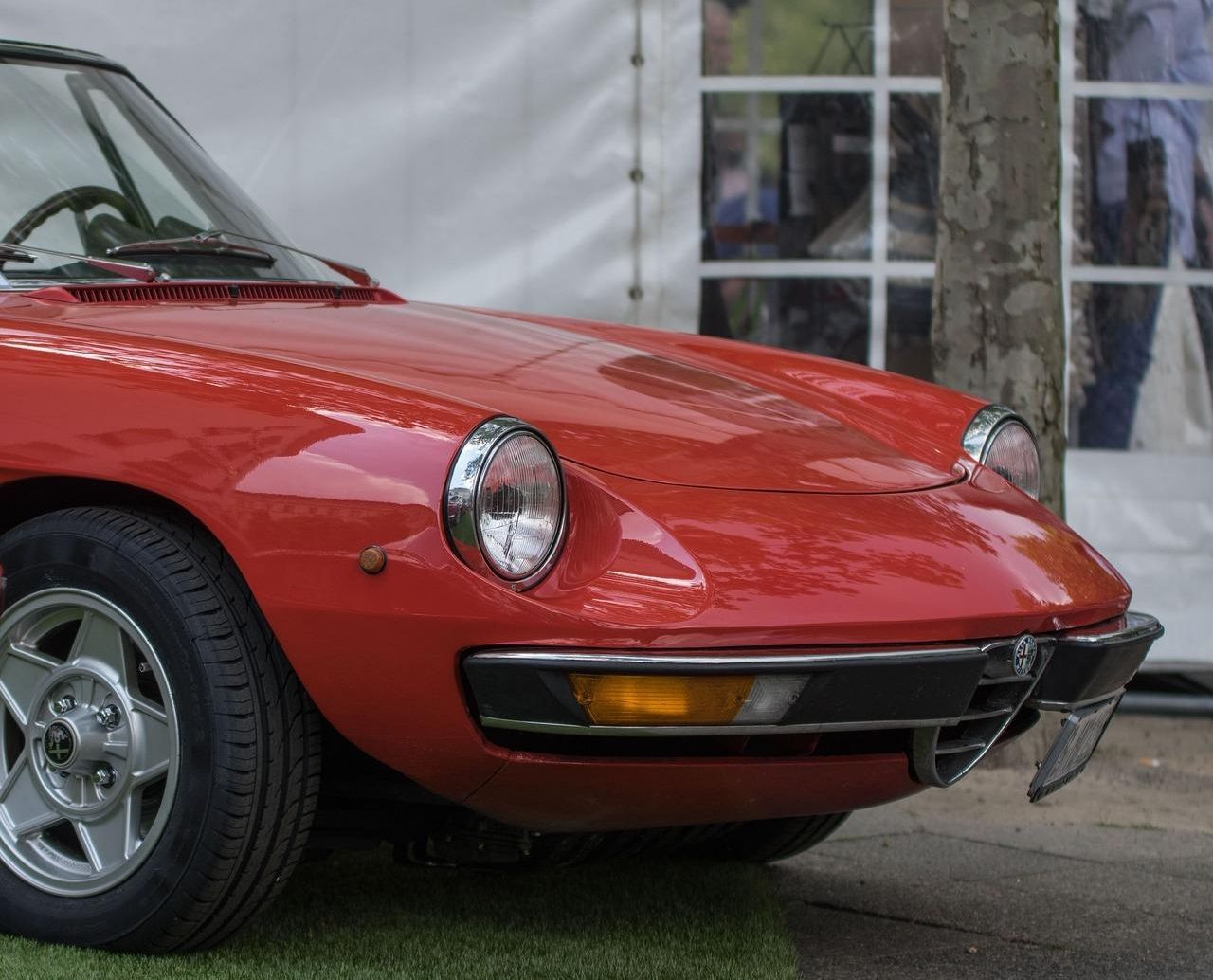
The Graduate: Alfa Romeo 1600 Duetto Spider

Image: emkanicepic

This bright red convertible became nearly as iconic as the tune "Mrs. Robinson" itself. Sleek, nimble, and full of charm, it could glide along the road at around 118 mph, turning heads wherever it went. More than just a prop, it became part of the film’s personality. And here’s a little nugget of trivia: before filming began, Dustin Hoffman had never driven a stick shift. Once he got the role, he had to master the art of shifting gears in record time, adding a dash of real-life nerves to those on-screen drives.

5
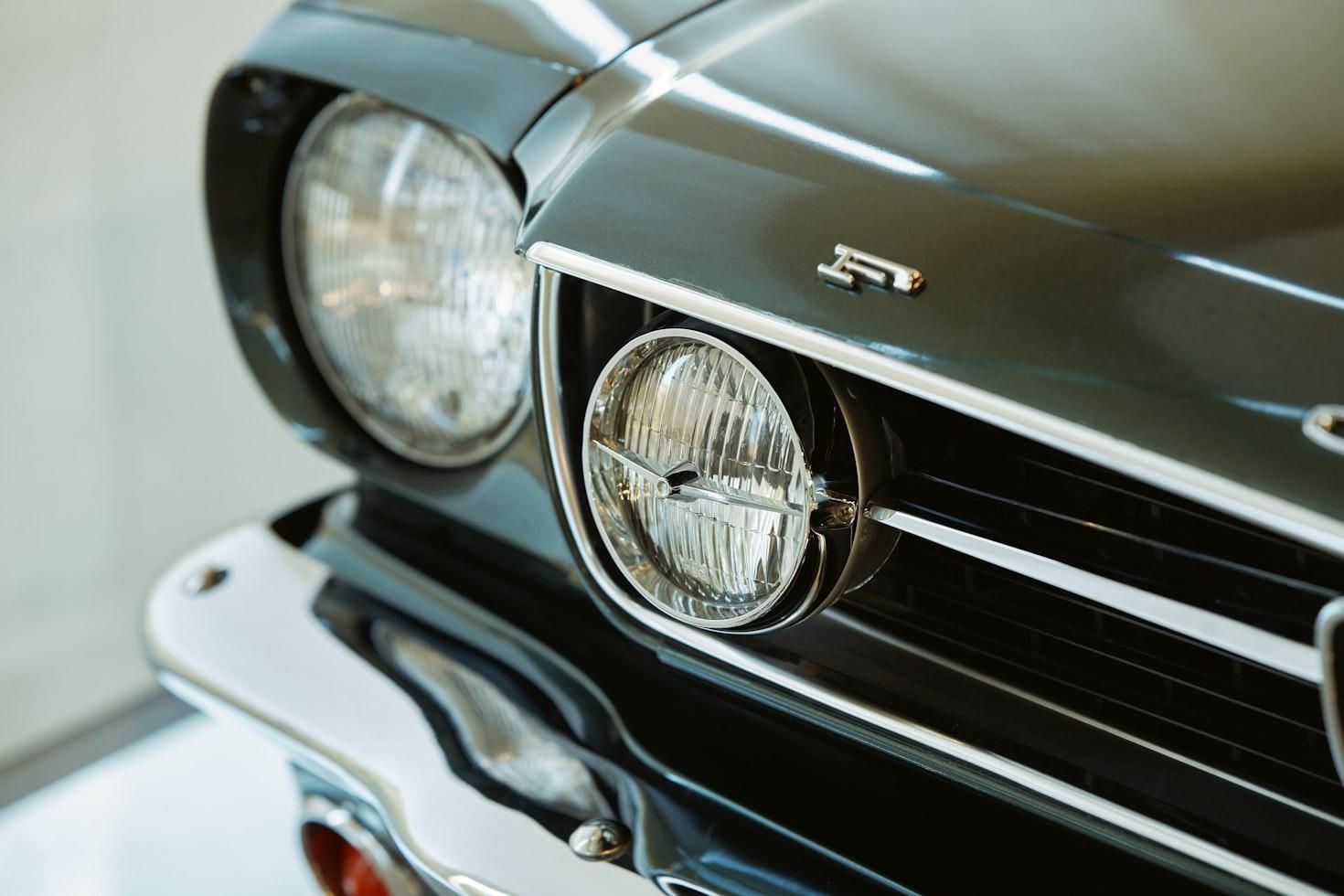
Bullitt: 1968 Ford Mustang GT 390

Image: Zhiqiang Wang

Steve McQueen and this dark green Mustang delivered pure cinematic thrills on the steep streets of San Francisco. The chase ran close to 10 full minutes—a rumbling, tire-squealing ballet that filmmakers have tried to imitate ever since. Under the hood, a growling V8 provided the muscle, while McQueen himself slid behind the wheel for many of the hair-raising maneuvers. Every jump, skid, and sharp corner helped cement it as one of cinema’s all-time great rides.

6
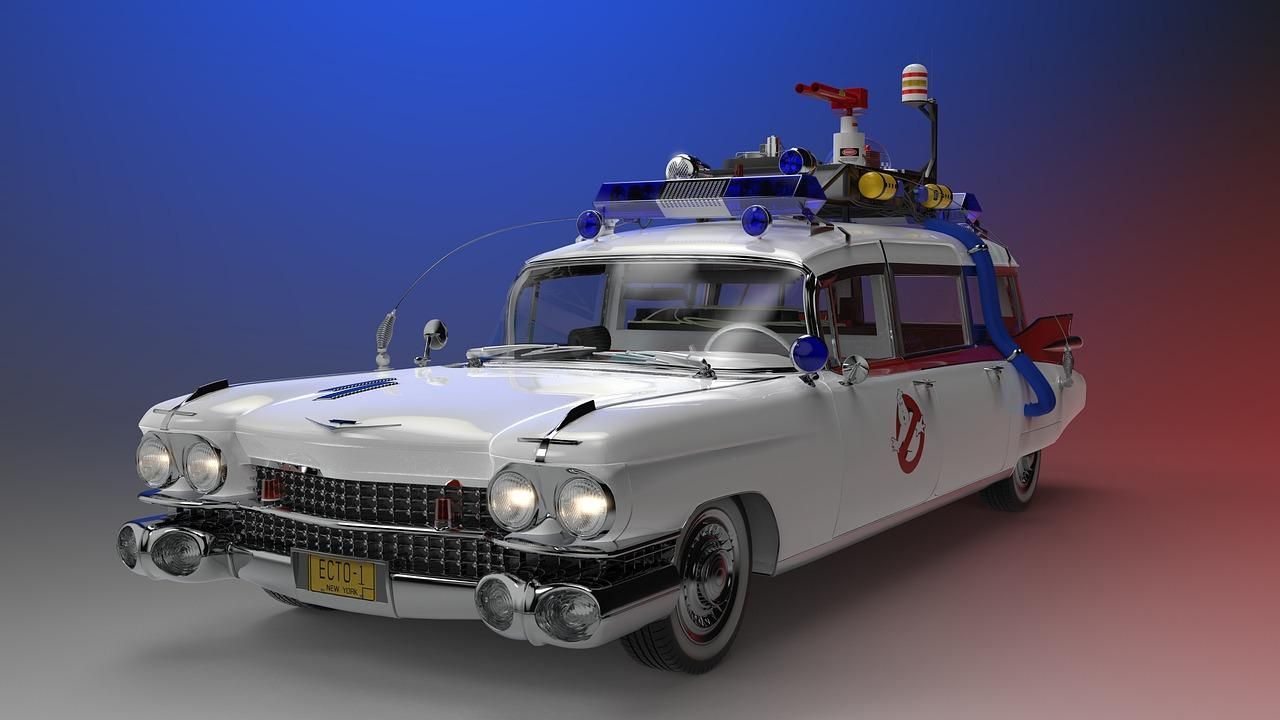
Ghostbusters: 1959 Cadillac Miller-Meteor

Image: voltamax

The Ghostbusters’ unforgettable Ecto-1 was based on a 1959 Cadillac Miller-Meteor ambulance/hearse. For the movie, it was transformed into a quirky, gadget-covered ghost-chasing machine, complete with flashing lights, sirens, and a roof stacked with mysterious equipment. This Cadillac became as much a character as the crew itself. Its over-the-top look made it instantly recognizable and turned it into a pop culture legend.

7
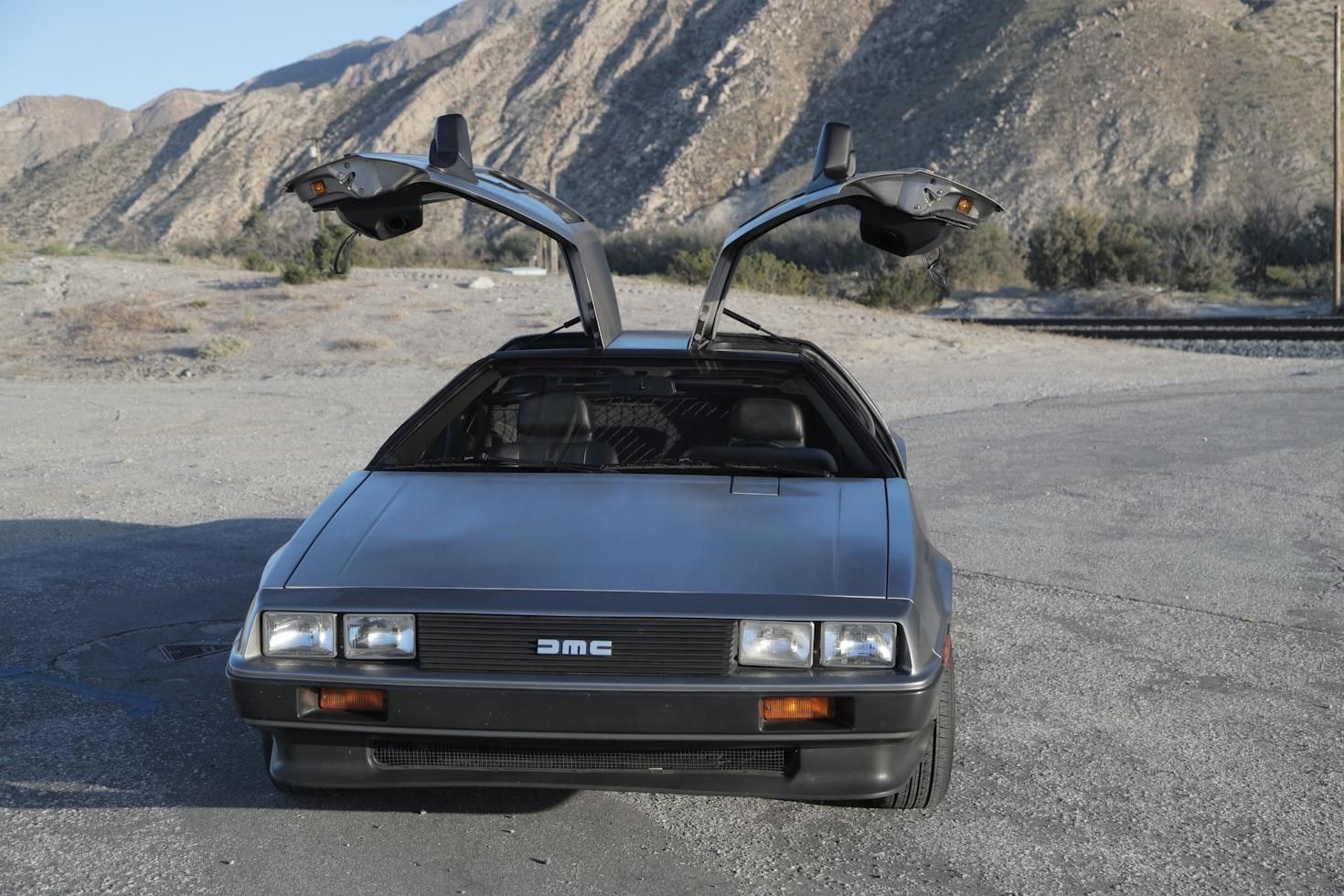
Back to the Future: DeLorean DMC-12

Image: Joel Muniz

With its brushed stainless steel body and those dramatic gull-wing doors that unfolded like a bird in flight, the DeLorean already looked futuristic before the time-travel magic began. On screen, it came equipped with the now-legendary "flux capacitor," a gizmo that, sadly, was pure movie magic. Even so, the rules of the story were clear; if you wanted to bend the laws of time, you had to floor it to exactly 88 mph. And yes, fans still quote that number like gospel.

8
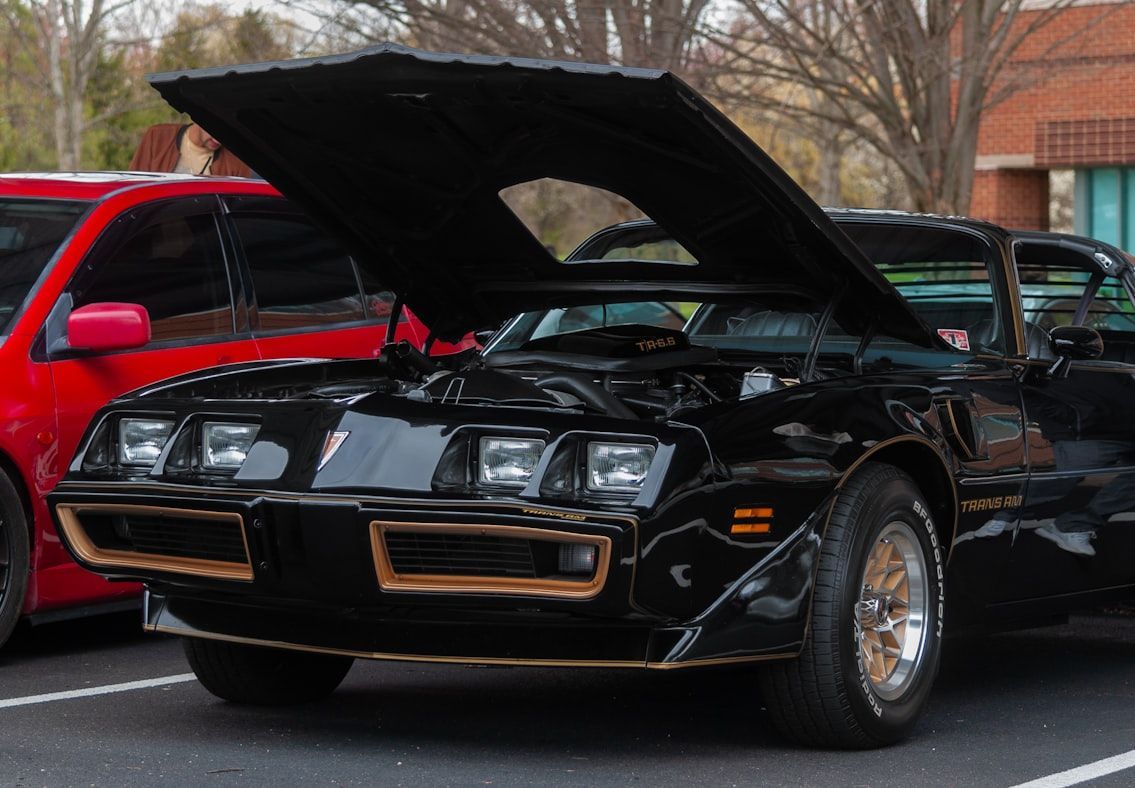
Smokey and the Bandit: 1977 Pontiac Trans Am

Image: Photogon (Warren Valentine)

Burt Reynolds and that sleek black Trans Am—complete with the glittering golden firebird splashed across its hood—were a match made in movie heaven. With a top speed around 110 mph, it wasn’t just for show; this car had the muscle to back up its attitude. The stunt work was just as daring as it looked, with jaw-dropping jumps that thrilled audiences. Of course, the landings weren’t always smooth—more than a few Trans Ams met their end for the sake of those unforgettable scenes!

9
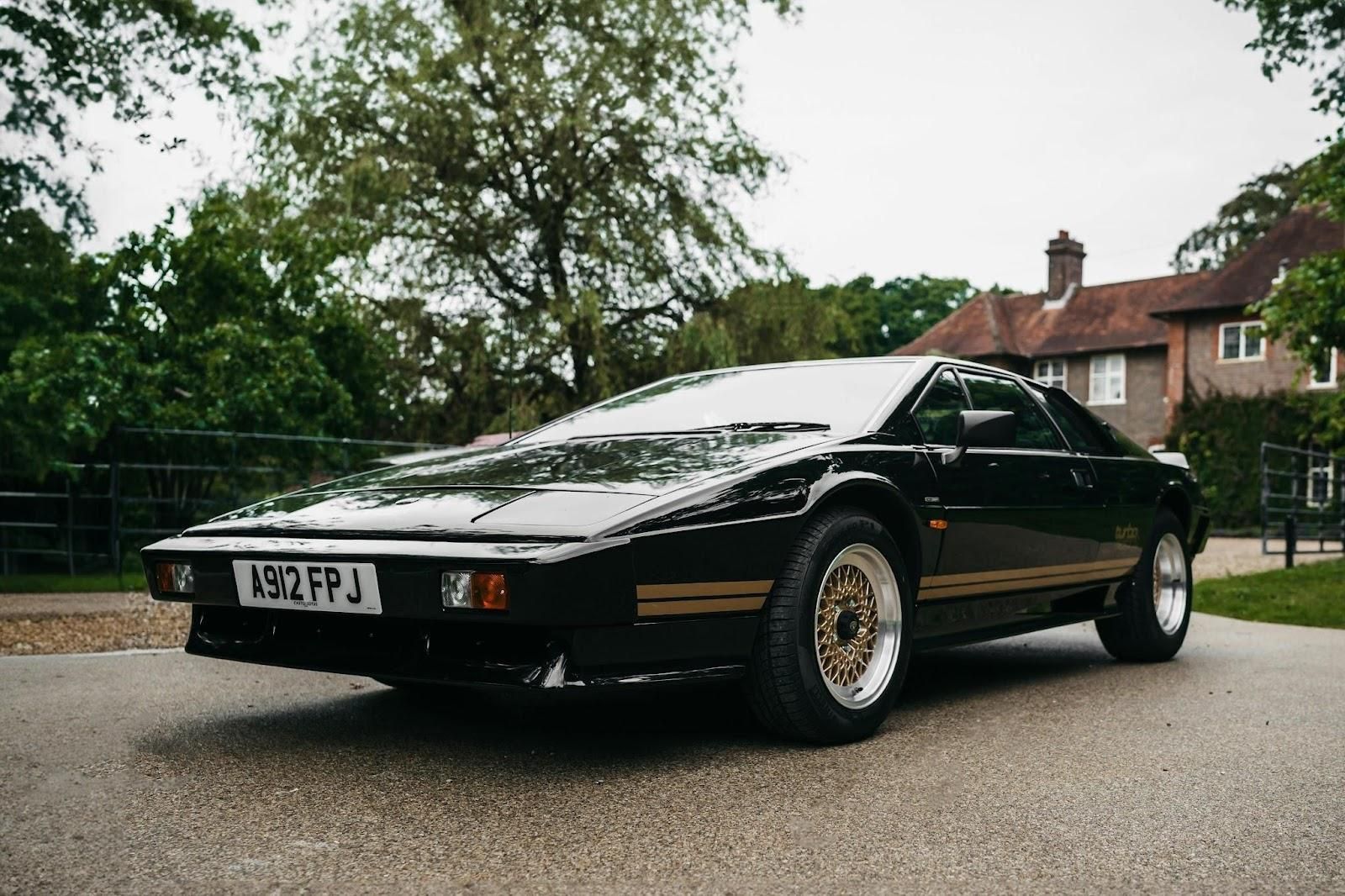
The Spy Who Loved Me : Lotus Esprit Series I

Image: Andras Stefuca

In the 1970s, more sleek, wedge-shaped sports cars replaced the curvy styles of earlier years. Cars like the Lancia Stratos and Lamborghini Countach changed the game with their sharp, futuristic look. Following that trend, Roger Moore slid behind the wheel of a white Lotus Esprit Series I in The Spy Who Loved Me . But what people remember the most about it is when Bond drives it straight into the sea, where it morphs into a fully equipped submarine! Fins and stabilizers pop out as it glides underwater, then it drives back onto the beach, leaving onlookers truly amazed.

10
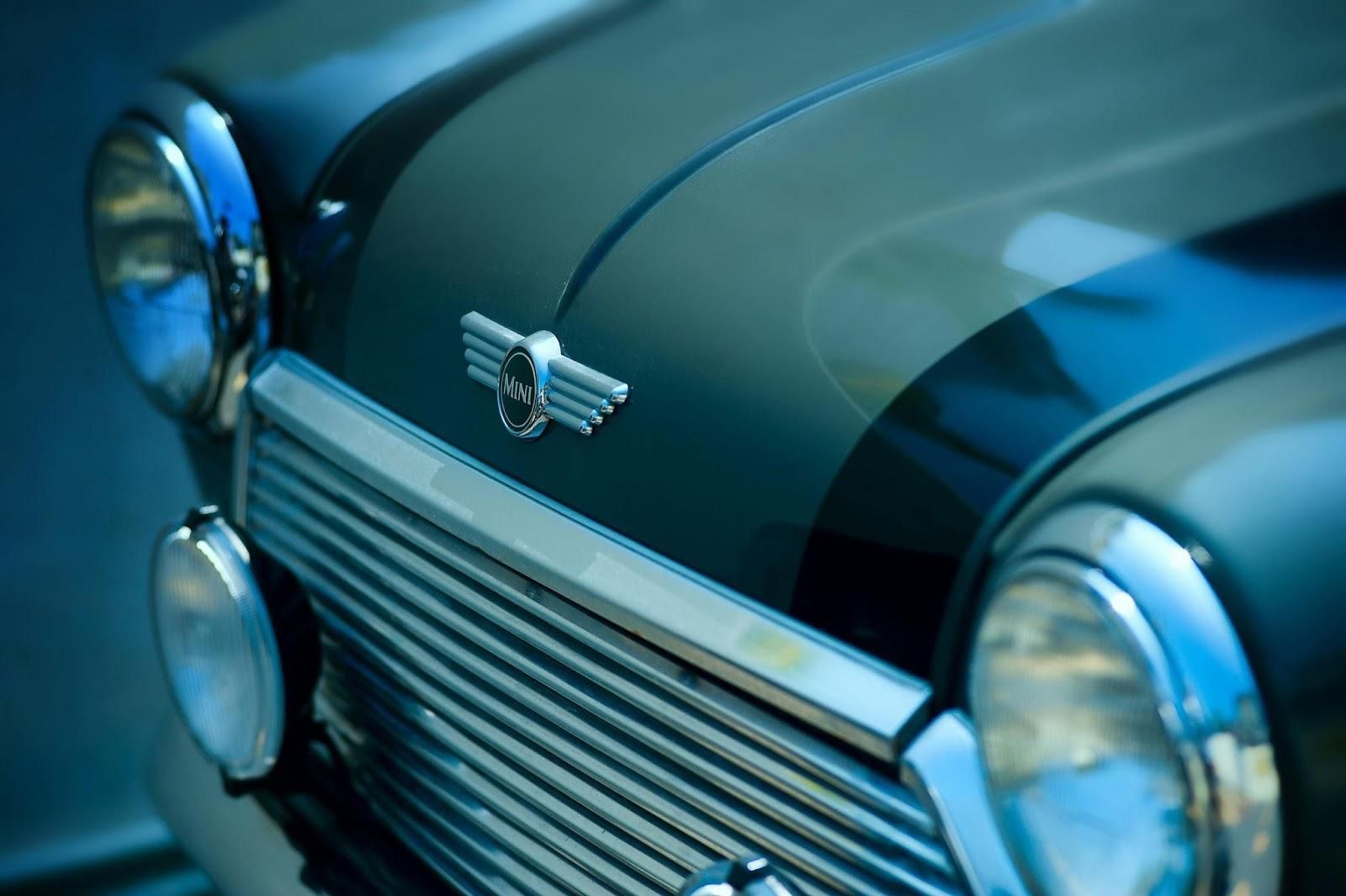
The Italian Job: Mini Cooper S 1275

Image: Alex P

Compact, nimble, and unmistakably British, the Mini Coopers in The Italian Job didn’t just drive—they darted. On screen, they bounced down staircases, squeezed through narrow alleys, and even sped through tunnels like they were built for it. The funny part? British Motor Corporation wanted nothing to do with the film, so the production had to buy 36 cars outright. And here’s a bit of trivia to impress your friends: despite being the star, Michael Caine never once drives any of the Minis in the movie .

11
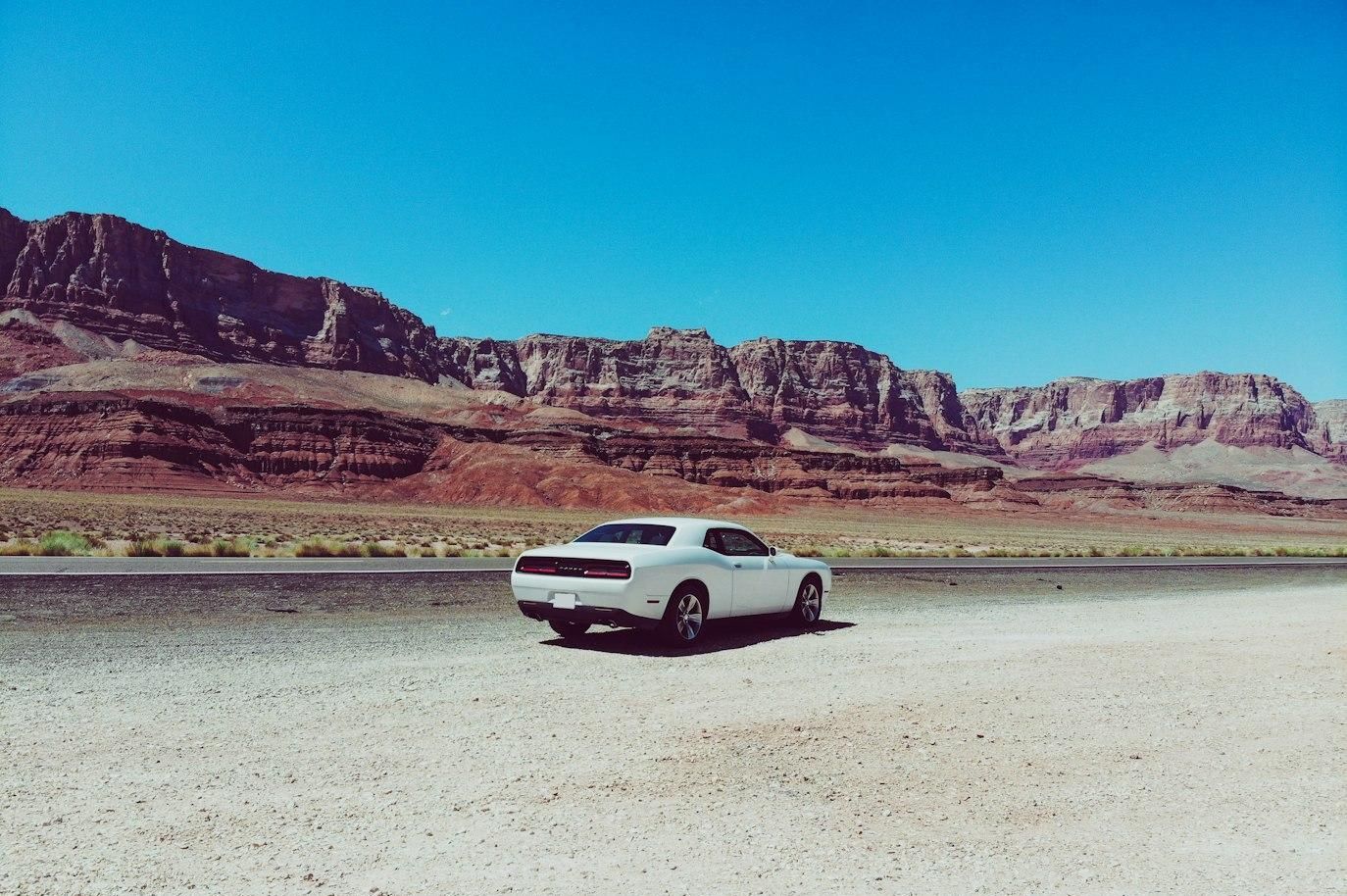
Vanishing Point: 1970 Dodge Challenger R/T

Image: Jonathan Nabais

This powerful white muscle car tore through the roads from Denver to San Francisco, racing against the clock. Weighing roughly 3,800 pounds, it packed a mighty HEMI engine under the hood—enough raw power to leave most challengers in the dust. With speed, grit, and sheer determination, it pushed the limits, turning the journey into one thrilling, high-octane ride to remember.

12
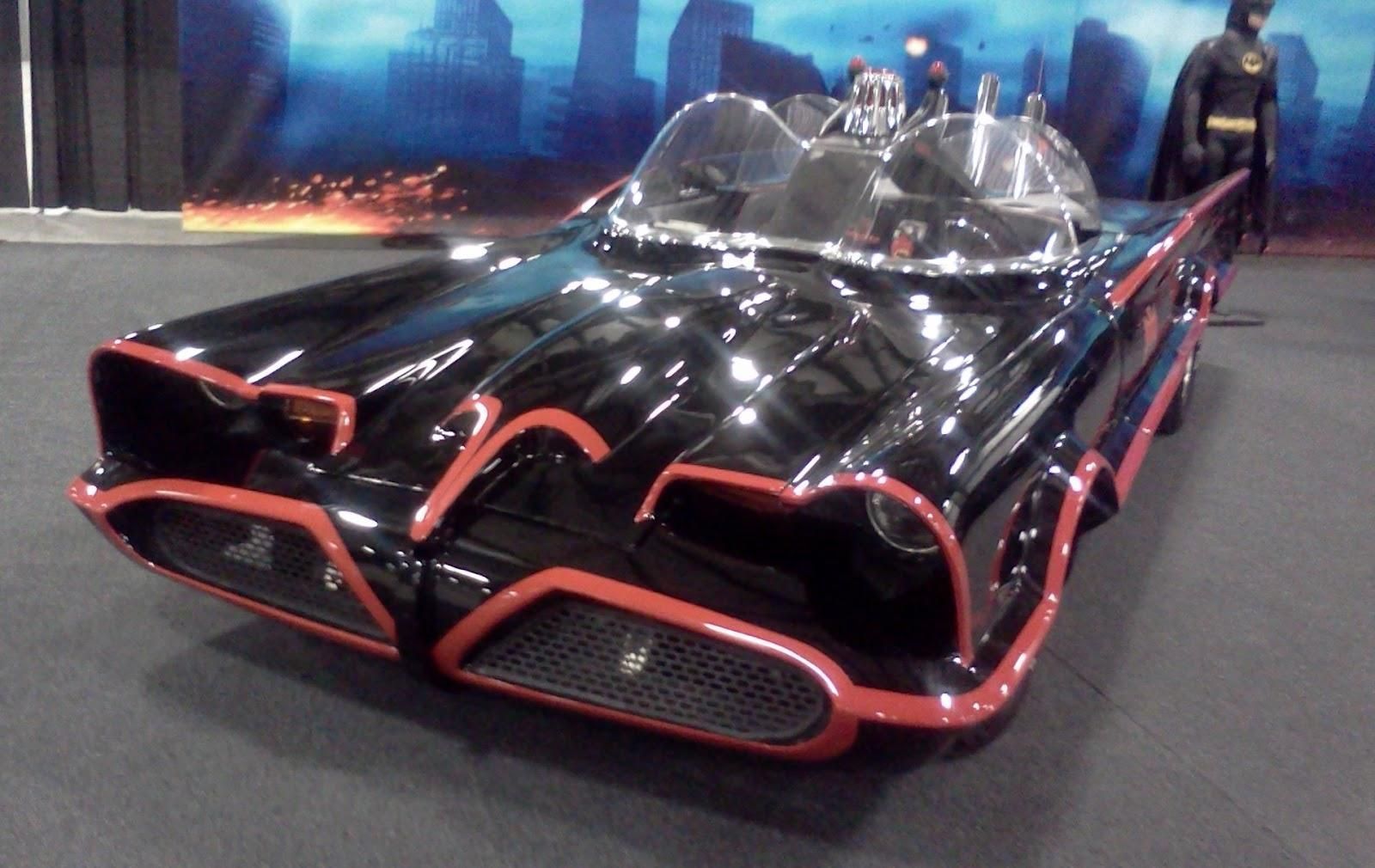
Batman: Lincoln Futura

Image: Bull-Doser, Public domain, via Wikimedia Commons

Before it became the legendary Batmobile we all know, this 19-foot futuristic prototype was showing off its sleek lines at auto shows. Then, in just 15 days, American designer and builder of Hollywood custom cars, George Barris, worked his magic. He added those unforgettable fins, jet engines, and clever gadgets that turned the Lincoln Futura into a TV icon. What began as a simple concept became one of the most recognizable cars in television history.

Explore more American facts

Choose your favorite category!

General
General

As American as apple pie—the very best America has to offer!

Culture
Culture

Delve into the astounding richness of American lore.

Geography
Geography

Hop in and explore vast and diverse American landscapes.

History
History

Discover the key moments that shaped the United States.